Petter Reinholdtsen: New oggz release 1.1.2 after 15 years
A little over a week ago, I noticed
the liboggz
package on my Debian dashboard had not had a new upstream release
for a while. A closer look showed that its last release, version
1.1.1, happened in 2010. A few patches had accumulated in the Debian
package, and I even noticed that I had passed on these patches to
upstream five years ago. A handful crash bugs had been reported
against the Debian package, and looking at the upstream repository I
even found a few crash bugs reported there too. To add insult to
injury, I discovered that upstream had accumulated several fixes in the
years between 2010 and now, and many of them had not made their way
into the Debian package. I decided enough was enough, and that a new
upstream release was needed fixing these nasty crash bugs. Luckily I
am also a member of the Xiph team, aka upstream, and could actually go
to work immediately to fix it.
I started by adding automatic build testing on
the Xiph gitlab oggz
instance, to get a better idea of the state of affairs with the
code base. This exposed a few build problems, which I had to fix. In
parallel to this, I sent an email announcing my wish for a new release
to every person who had committed to the upstream code base since
2010, and asked for help doing a new release both on email and on the
#xiph IRC channel. Sadly only a fraction of their email providers
accepted my email. But Ralph Giles in the Xiph team came to the
rescue and provided invaluable help to guide be through the release
Xiph process. While this was going on, I spent a few days tracking
down the crash bugs with good help from
valgrind, and came up with
patch proposals to get rid of at least these specific crash bugs. The
open issues also had to be checked. Several of them proved to be
fixed already, but a few I had to creat patches for. I also checked
out the Debian, Arch, Fedora, Suse and Gentoo packages to see if there
were patches applied in these Linux distributions that should be
passed upstream. The end result was ready yesterday. A new liboggz
release, version 1.1.2, was tagged, wrapped up and published on the
project page. And today, the new release was uploaded into
Debian.
You are probably by now curious on what actually changed in the
library. I guess the most interesting new feature was support for
Opus and VP8. Almost all other changes were stability or
documentation fixes. The rest were related to the gitlab continuous
integration testing. All in all, this was really a minor update,
hence the version bump only from 1.1.1 to to 1.1.2, but it was long
overdue and I am very happy that it is out the door.
One change proposed upstream was not included this time, as it
extended the API and changed some of the existing library methods, and
thus require a major SONAME bump and possibly code changes in every
program using the library. As I am not that familiar with the code
base, I am unsure if I am the right person to evaluate the change.
Perhaps later.
Since the release was tagged, a few minor fixes has been committed
upstream already: automatic testing the cross building to Windows, and
documentation updates linking to the correct project page. If a
important issue is discovered with this release, I guess a new release
might happen soon including the minor fixes. If not, perhaps they can
wait fifteen years. :)
I would like to send a big thank you to everyone that helped make
this release happen, from the people adding fixes upstream over the
course of fifteen years, to the ones reporting crash bugs, other bugs
and those maintaining the package in various Linux distributions.
Thank you very much for your time and interest.
As usual, if you use Bitcoin and want to show your support of my
activities, please send Bitcoin donations to my address
15oWEoG9dUPovwmUL9KWAnYRtNJEkP1u1b.
 Azul s State-of-Java report is full of nonsense, and no worth looking at.
The report claims various stuff about the adoption of AI in the Java ecosystem.
But its results do not make any sense when looked at in detail.
For example (in the AI section):


 Since these templates were bound to evolve, the teams providing these template relied on
 creates new project with cookiecutter template
 makes modification on their code, including on code provided by template
 runs cruft to update template code
 discovers a lot of code conflicts (similar to git merge conflicts)
 often rolls back cruft update and gives up on template update
 Note that code conflicts seen with cruft are similar to git merge conflicts, but harder to resolve because, unlike with a git merge, there s no common ancestor, so






 . I guess that, in the cron job, just checking the list of PV to snapshot was enough to exhaust our API quota.
 Azure
 I was puzzled
 .
I looked for similar problems in
 I was flabbergasted
 by this parameter: why is CSI file driver able to use 2 APIs ? Why is one on them so limited ? And more importantly, why is the limited API the default one ?
Anyway, setting
 But not the snaphot issue
 . Amongst the 80 PV, I still had 2 snaphots failing.
 Fortunately, the error was mentioned in the description of the failed snapshots: we had too many (200) snapshots for these shared volumes.
What ??
 All these snapshots were cleaned up last week.
I then tried to delete these snaphots through azure console. But the console failed to delete these snapshot due to API throttling. Looks like Azure console is not using the right API.
 Anyway, I went back to the solution explained in my previous blog, I listed all snapshots with
 . What a mess.
Anyway, I ve cleaned up again these bogus snapshot
 , and now, snaphot creation is working fine
 .
For now.
All the best.
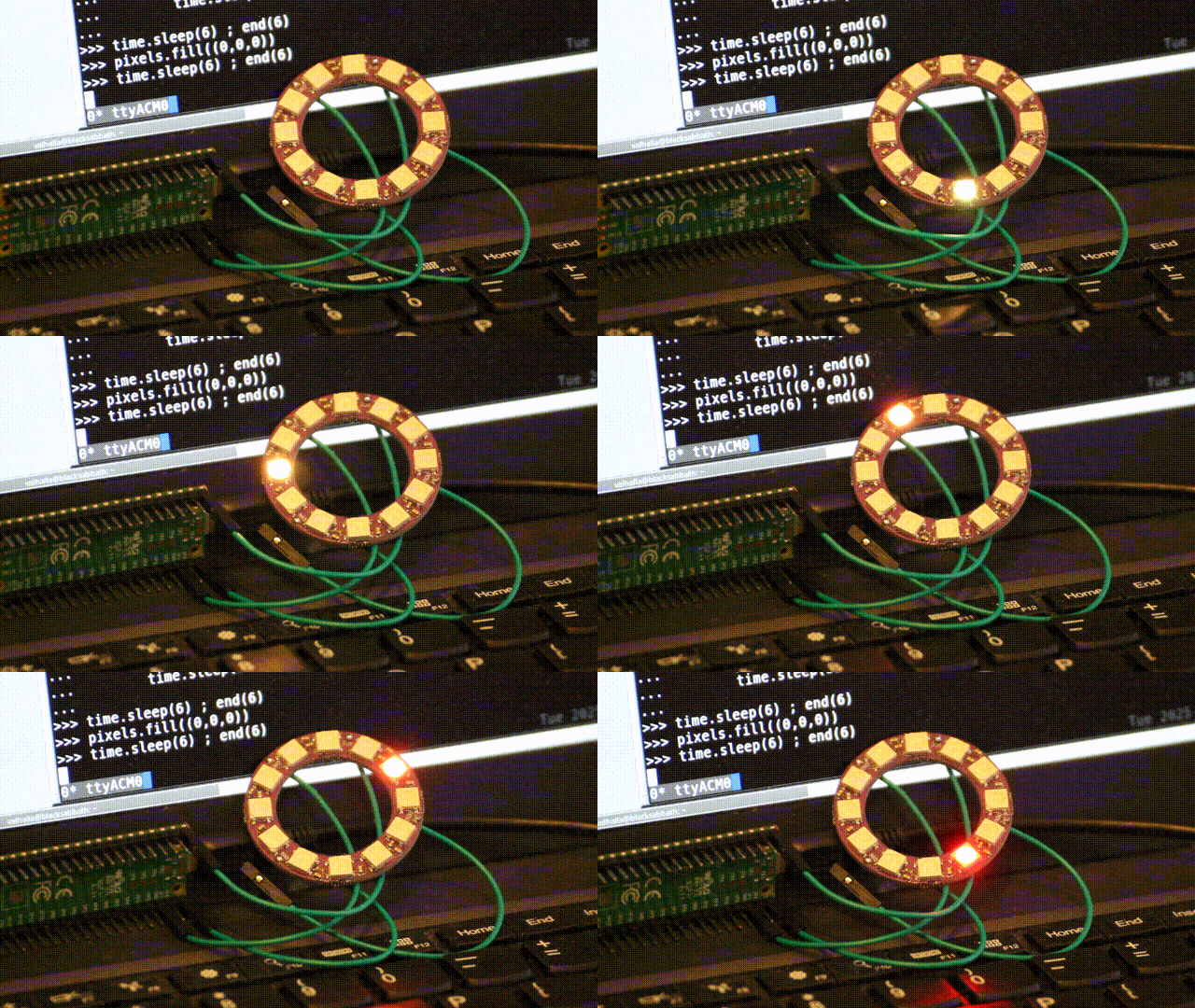 A few ago I may have accidentally bought a
 Dear Debian community,
this is bits from DPL for January.
Sovereign Tech Agency
I was recently pointed to Technologies and Projects supported by the
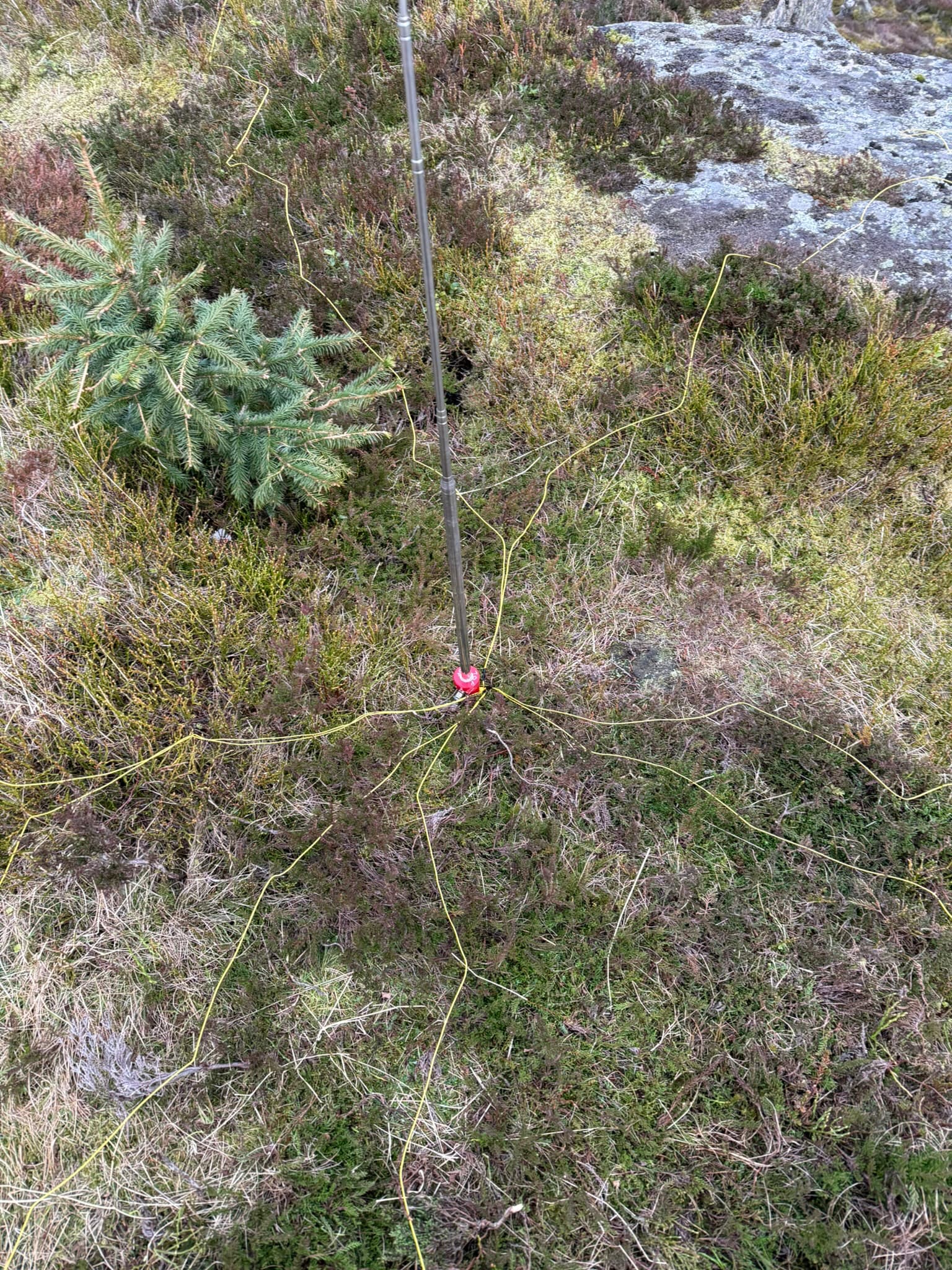 Quick to deploy which is what I was after. My new 5m of coax with a choke fitted attached to the radio and we were off to the races - A convenient thing of beauty when it s up:
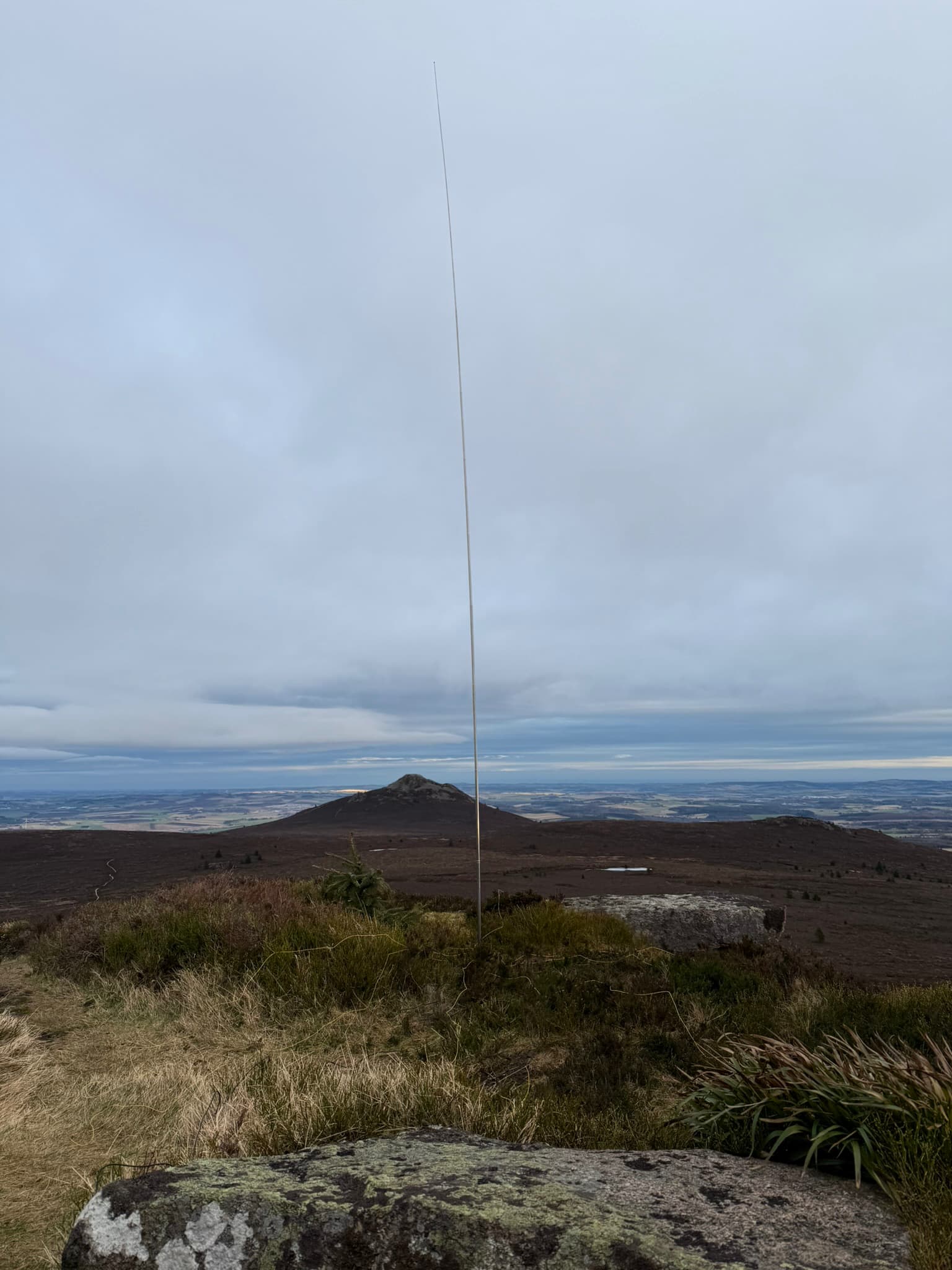 I ve made a single guy with a sotabeams
 Most of my Debian contributions this month were
 For many years I wished I had a setup that would allow me to work (that is, code) productively outside in the bright sun. It s winter right now, but when its summer again it s always a bit. this weekend I got closer to that goal.
TL;DR: Using
 Passively lit coding
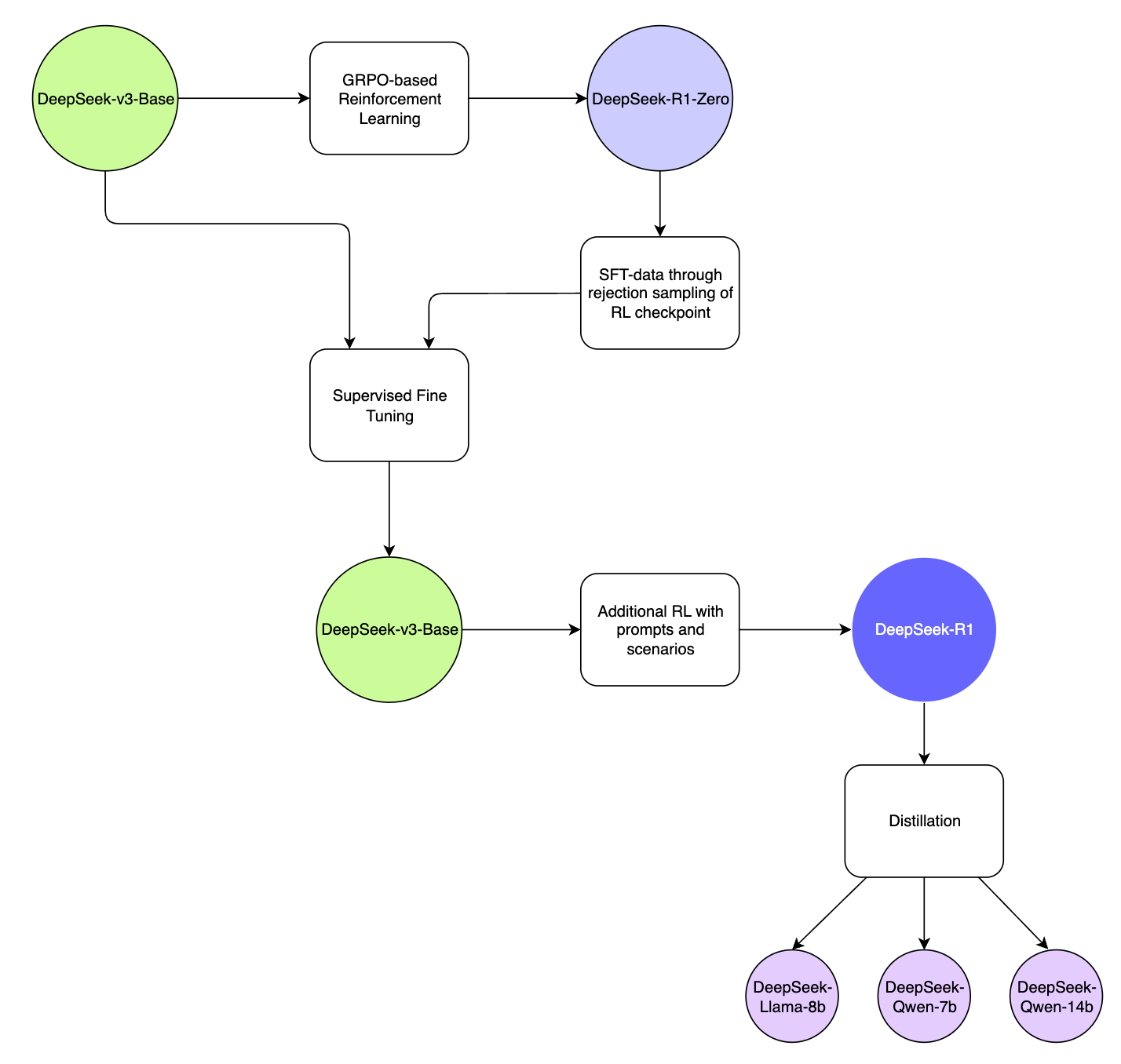
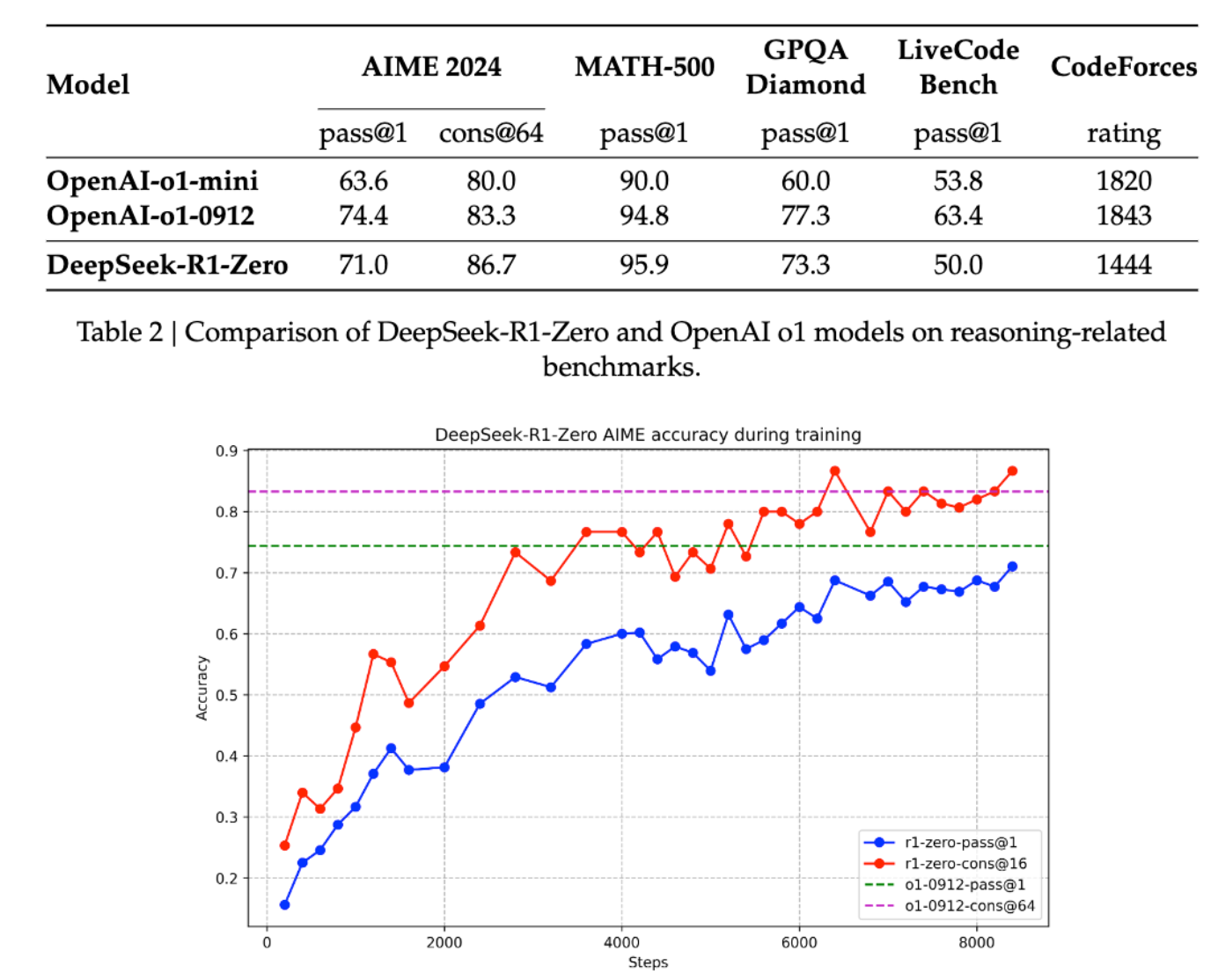
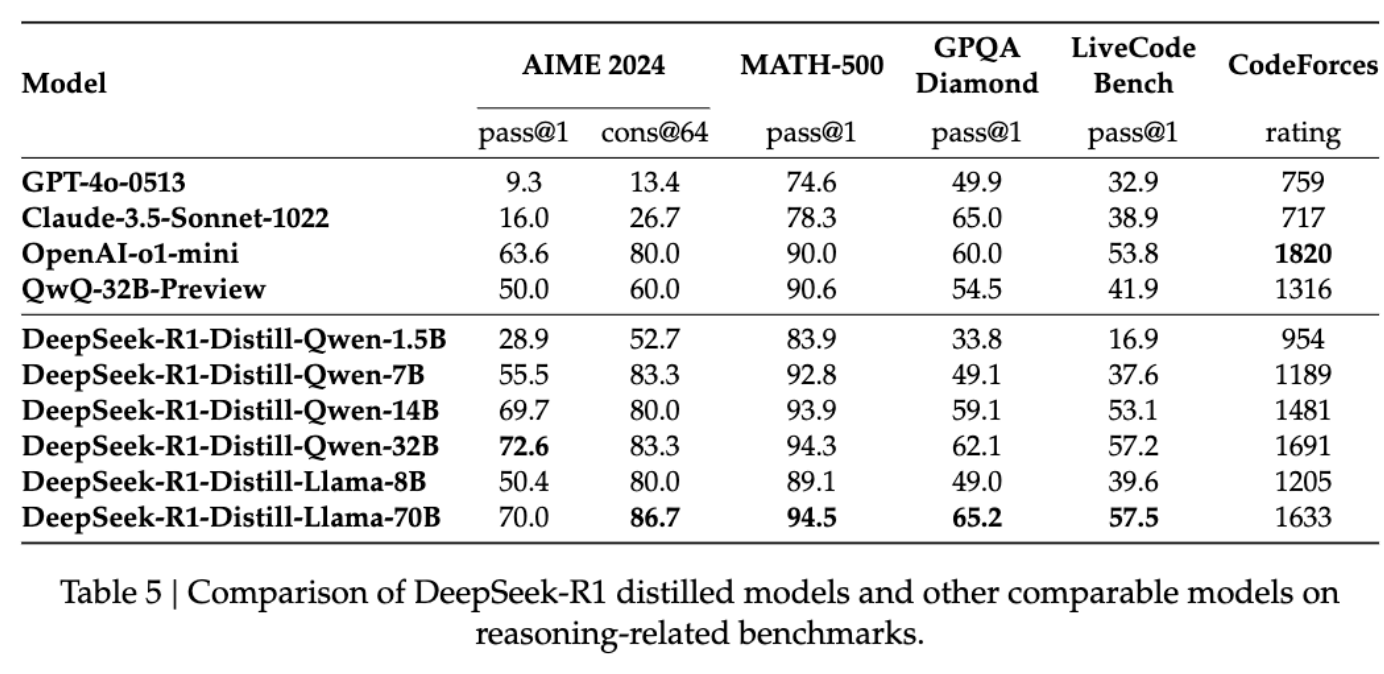
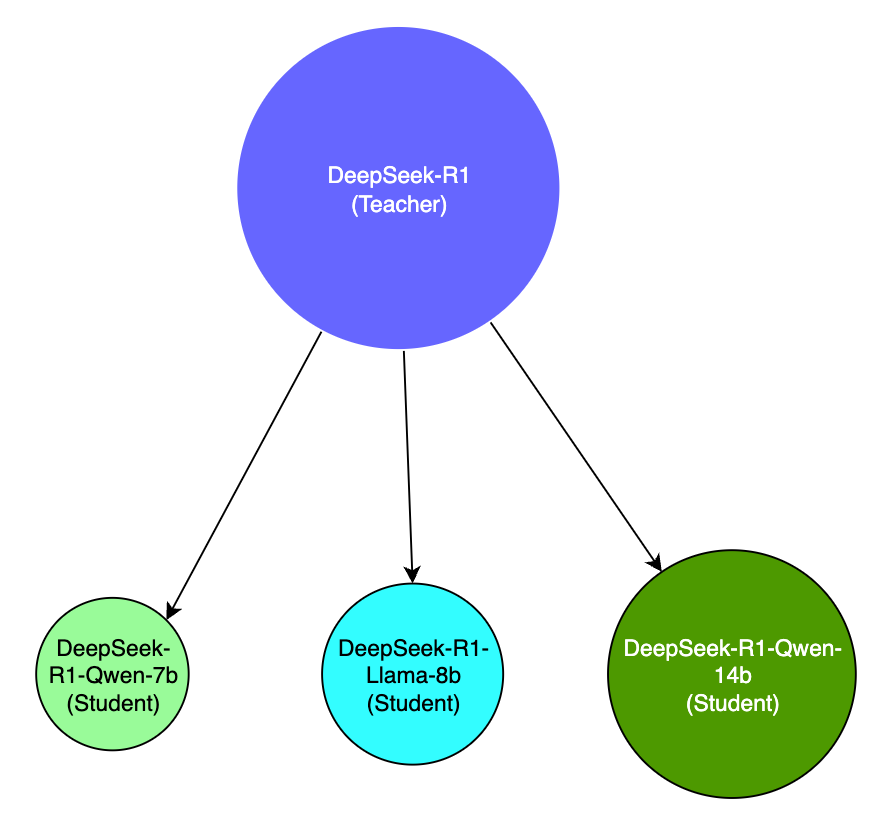
 DeepSeek R1, the new entrant to the Large Language Model wars has created quite a splash over the last few weeks. Its entrance into a space dominated by the Big Corps, while pursuing asymmetric and novel strategies has been a refreshing eye-opener.GPT AI improvement was starting to show signs of slowing down, and has been observed to be reaching a point of diminishing returns as it runs out of data and compute required to train, fine-tune increasingly large models. This has turned the focus towards building "reasoning" models that are post-trained through reinforcement learning, techniques such as inference-time and test-time scaling and search algorithms to make the models appear to think and reason better. OpenAI&aposs o1-series models were the first to achieve this successfully with its inference-time scaling and Chain-of-Thought reasoning.

 Apparently somebody managed to
 Luckily Seagate has a proprietary extension "Seagate FARM (Field Access Reliability Metrics)" implemented in their disks that ... the crooks did not reset.
Luckily ... because other manufacturers do not have that extension. And you think the crooks only re-sell used Seagate disks? Lol.
The get access to the Seagate FARM extension, you need