Antoine Beaupr : Proper services
During 2025-03-21-another-home-outage, I reflected upon what's a properly ran service and blurted out what turned out to be something important I want to outline more. So here it is, again, on its own for my own future reference.Typically, I tend to think of a properly functioning service as having four things:
- backups
- documentation
- monitoring
- automation
- high availability (HA)
The five components of a proper service
Backups
Duh. If data is maliciously or accidentally destroyed, you need a copy
somewhere. Preferably in a way that malicious Joe can't get to.
This is harder than you think.
Documentation
I have an entire template for this. Essentially, it boils down to
using https://diataxis.fr/ and this "audit" guide. For me, the
most important parts are:
- disaster recovery (includes backups, probably)
- playbook
- install/upgrade procedures (see automation)
You probably know this is hard, and this is why you're not doing
it. Do it anyways, you'll think it sucks, it will grow out of sync
with reality, but you'll be really grateful for whatever scraps you
wrote when you're in trouble.
Any docs, in other words, is better than no docs, but are no excuse
for doing the work correctly.
Monitoring
If you don't have monitoring, you'll know it fails too late, and you
won't know it recovers. Consider high availability, work hard to
reduce noise, and don't have machine wake people up, that's literally
torture and is against the Geneva convention.
Consider predictive algorithm to prevent failures, like "add storage
within 2 weeks before this disk fills up".
This is also harder than you think.
Automation
Make it easy to redeploy the service elsewhere.
Yes, I know you have backups. That is not enough: that typically
restores data and while it can also include configuration, you're
going to need to change things when you restore, which is what
automation (or call it "configuration management" if you will) will do
for you anyways.
This also means you can do unit tests on your configuration, otherwise
you're building legacy.
This is probably as hard as you think.
High availability
Make it not fail when one part goes down.
Eliminate single points of failures.
This is easier than you think, except for storage and DNS ("naming
things" not "HA DNS", that is easy), which, I guess, means it's
harder than you think too.
Assessment
In the above 5 items, I currently check two in my lab:
- backups
- documentation
And barely: I'm not happy about the offsite backups, and my
documentation is much better at work than at home (and even there, I
have a 15 year backlog to catchup on).
I barely have monitoring: Prometheus is scraping parts of the infra,
but I don't have any sort of alerting -- by which I don't mean
"electrocute myself when something goes wrong", I mean "there's a set
of thresholds and conditions that define an outage and I can look at
it".
Automation is wildly incomplete. My home server is a random collection
of old experiments and technologies, ranging from Apache with Perl and
CGI scripts to Docker containers running Golang applications. Most of
it is not Puppetized (but the ratio is growing). Puppet itself
introduces a huge attack vector with kind of catastrophic lateral
movement if the Puppet server gets compromised.
And, fundamentally, I am not sure I can provide high availability in
the lab. I'm just this one guy running my home network, and I'm
growing older. I'm thinking more about winding things down than
building things now, and that's just really sad, because I feel
we're losing (well that escalated
quickly).
Side note about Tor
The above applies to my personal home lab, not work!
At work, of course, it's another (much better) story:
- all services have backups
- lots of services are well documented, but not all
- most services have at least basic monitoring
- most services are Puppetized, but not crucial parts (DNS, LDAP,
Puppet itself), and there are important chunks of legacy coupling
between various services that make the whole system brittle
- most websites, DNS and large parts of email are highly available,
but key services like the the Forum, GitLab and similar
applications are not HA, although most services run under
replicated VMs that can trivially survive a total, single-node
hardware failure (through Ganeti and DRBD)
- all services have backups
- lots of services are well documented, but not all
- most services have at least basic monitoring
- most services are Puppetized, but not crucial parts (DNS, LDAP, Puppet itself), and there are important chunks of legacy coupling between various services that make the whole system brittle
- most websites, DNS and large parts of email are highly available, but key services like the the Forum, GitLab and similar applications are not HA, although most services run under replicated VMs that can trivially survive a total, single-node hardware failure (through Ganeti and DRBD)



 Updates on FAIme service: Linux Mint 22.2 and trixie backports available
The
 The following contributors got their Debian Developer accounts in the last two
months:
 Solving the dependency here becomes a matter of trying to install the package
referenced by the first edge of the root, and seeing if that sticks. In this
case, that would be a . Let s assume that a failed to install, the next
step is to remove the empty node of
 For ease of visualisation, we remove a from the dependency nodes as well,
leading us to a trie of the dependencies b , b c , and b x .
Presenting the Debian dependency problem, or the positive part of it as a
trie allows us for a great visualization of the problem but it may not proof
to be an effective implementation choice.
In the real world we may actually store this as a priority queue that we
can delete from. Since we don t actually want to delete from the queue
for real, our queue items are pairs of a pointer to dependency and an
activitity level, say
 A new version 0.1.6 of the
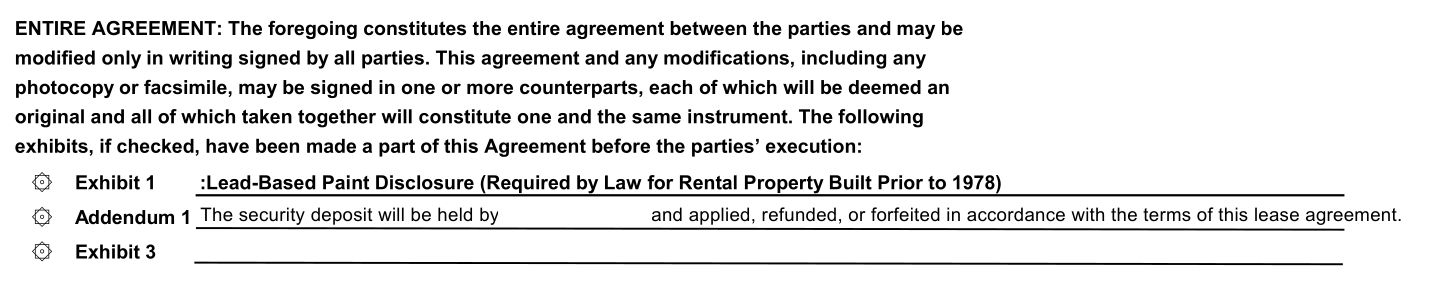
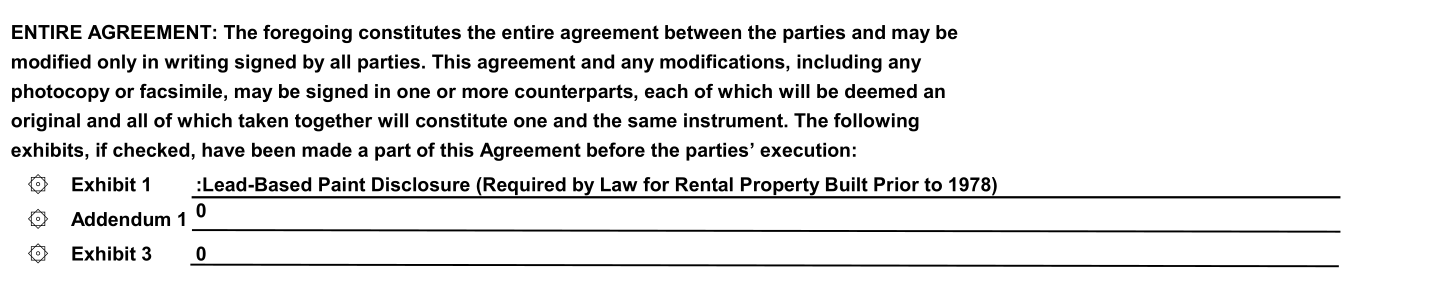
 I had to rent a house for a couple of months recently, which is long enough in California that it pushes you into proper tenant protection law. As landlords tend to do, they failed to return my security deposit within the 21 days
 If you are like me that you are installing machines with testing and then go and flip them over to the current stable for a while using APT::Default-Release, you might not be receiving all relevant updates. In fact
 A shot of Jewel Changi. Photo by Ravi Dwivedi. Released under the CC-BY-SA 4.0.
 A shot of Sentosa Boardwalk. Photo by Ravi Dwivedi. Released under the CC-BY-SA 4.0.
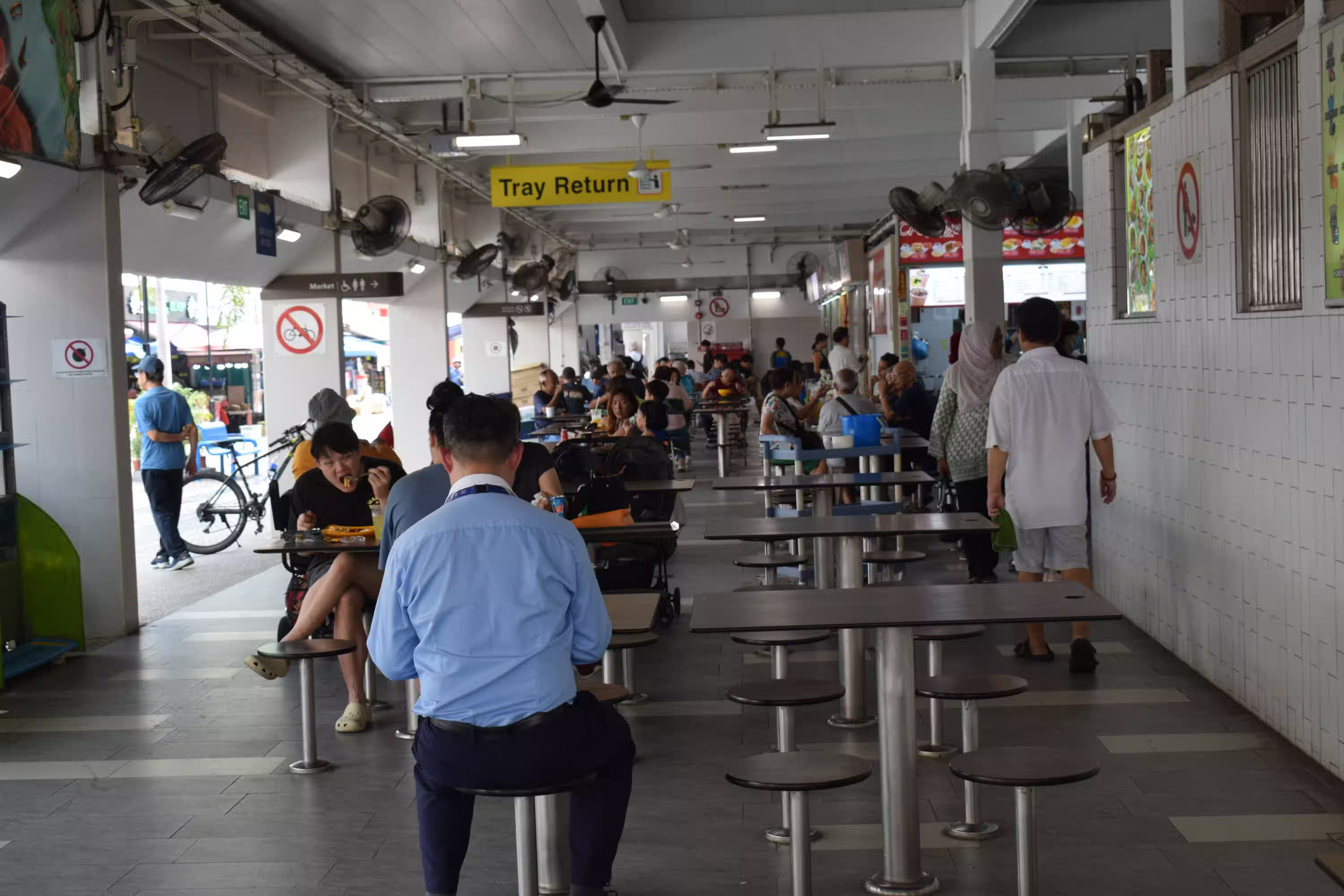 This is the hawker center we went to. Photo by Ravi Dwivedi. Released under the CC-BY-SA 4.0.
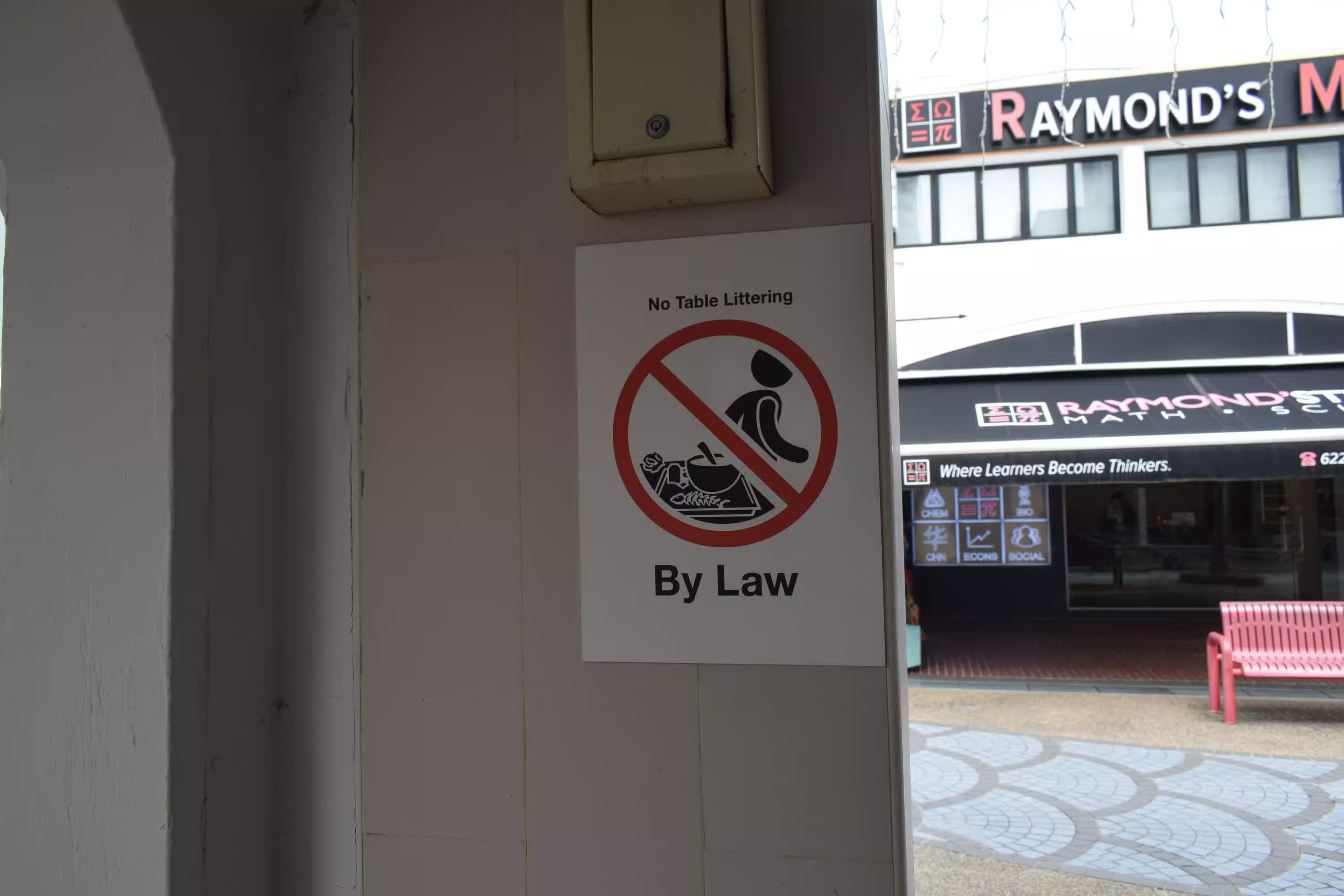 Table littering at the hawker center was prohibited by law. Photo by Ravi Dwivedi. Released under the CC-BY-SA 4.0.
 Merlion from behind, giving a good view of Marina Bay Sands. Photo by Ravi Dwivedi. Released under the CC-BY-SA 4.0.

 If you're still using Vagrant (I am) and try to boot a box that uses UEFI (like