Debian is a big system. At the time of writing, looking at my local package list caches tells me that the unstable suite contains
21306 source packages, and 42867 binary packages on amd64. Between these 42867
binary packages, there is an unthinkable number of inter-package dependencies.
For example the dependency graph of the
ruby packages
contains other 20-something packages.

A new version of any of these packages can potentially break some functionality in the
ruby package.
And that dependency graph is very small. Looking at the dependency graph for,
say, the
rails package will make your eyes bleed. I tried it here, and
GraphViz needed a
PNG image with 7653 10003 pixels to draw it. It ain t pretty.
Installing rails on a clean Debian system will pull in another 109 packages as
part of the dependency chain. Again, as new versions of those packages are
uploaded the archive, there is a probability that a backwards-incompatible
change, or even a bug fix which was being worked around, might make some
funcionality in
rails stop working. Even if that probability is low for each
package in the dependency chain, with enough packages the probability of
any
of them causing problems for rails is quite high.
And still the
rails dependency chain is not that big.
libreoffice will pull
in another 264 packages.
gnome will pull in 1311 dependencies, and
kde-full
1320 (!).
With a system this big, problems
will arrive, and that s a fact of life. As
developers, what we can do is try to spot these problems as early as possible,
and fixing them in time to make a solid release with the high quality Debian is
known for.
While automated testing is not the proverbial Silver Bullet of Software
Engineering, it is an effective way of finding regressions.
Back in 2006, Ian Jackson started the development of
autopkgtest as a tool to test Debian
packages in their installed form (as opposed to testing packages using their
source tree).
In 2011, the autopkgtest test suite format was proposed as a standard for the
Debian project, in what we now know as the
DEP-8 specification.
Since then, some maintainers such as myself started experimenting with
DEP-8
tests in their packages. There was an expectation in the air that someday,
someone would run those tests for the entire archive, and that would be a
precious source of QA information.
Durign the holiday break last year, I decided to give it a shot. I initially
called the codebase
dep8. Later I renamed it to
debci, since it could
potentially also run other other types of test suites in the future. Since
early January,
ci.debian.net run an instance of debci
for the Debian Project.
The Debian continuous Integration will trigger tests at most 4 times a day, 3
hours after each dinstall run. It will update a local
APT cache and look for
packages that declare a
DEP-8 test suite. Each package with a test suite will
then have its test suite executed if there was any change in its dependency chain
since the last test run. Existing test results are published at
ci.debian.net every hour, and at the end of each batch
a global status is updated.
Maintainers can subscribe to a per package Atom feed to keep up with their
package test results. People interested in the overall status can subscribe to
a
global Atom feed of events.
Since the introduction of Debian CI in mid-January 2014, we have seen an amazing increase in
the number of packages with test suites. We had little less than 200 packages
with test suites back then, against around 350 now (early June 2014). The ratio
of packages passing passing their test suite has also improved a lot, going
from less than 50% to more than 75%.

There is
documentation available, including a
FAQ
for package maintainers with further information about how the system works, how to declare test suites in their packages and
how to reproduce test runs locally. Also available is development information
about debci itself, to those inclined to help improve the system.
This is just the beginning.
debci is under a good rate of development, and
you can expect to see a constant flux of improvements. In special, I would like
to mention a few people who are giving amazing contributions to the project:
- Martin Pitt has been working on improving debci to support parallel and
distributed workers. Being the current autopkgtest maintainer, Martin also
already got some bug fixes and fixes into autopkgtest motivated by debci use
cases.
- Brandon Fairchild is a GSOC student working on improving the debci web
interface to provide more useful information, display information for
multiple suites and architectures, plus making the UI work even without
Javascript enabled.
- Lucas Kanashiro is another GSOC student, who is working on investigating
patterns among packages that fail their test suites, so that we can figure
out how we can fix them, or if there are classes of failures that are actually
caused by problems in the debci infrastructure.
 Yesterday I received my official diploma for the degree of Licentiate of Philosophy. The degree lies between a Master s degree and a doctorate, and is not required; it consists of the coursework required for a doctorate, and a Licentiate Thesis, in which the student demonstrates good conversance with the field of research and the capability of independently and critically applying scientific research methods (official translation of the Government decree on university degrees 794/2004, Section 23 Paragraph 2).
The title and abstract of my Licentiate Thesis follow:
 Figure 1 of the thesis: an overview of the mapping process
 Figure 8 of the thesis: Core studies per publication year
 You may wonder why the old good

 This is my monthly summary of my free software related activities. If you re among the people who
 Dog, long time since I blogged about my running
activities. Apparently, I didn't since.....
 With the help of the Debian System Administrators, it s now setup on

 Only a very short summary in English: I am Mexican. I am Jewish. I am almost completely disconnected from the local Jewish communities. And understanding the local Jewish communities is hard. There is a very interesting and brave campaign, recently started, called Neither do I The Mexican Jewish gay activist group
 I also helped Sylvestre Ledru to finalize and close the
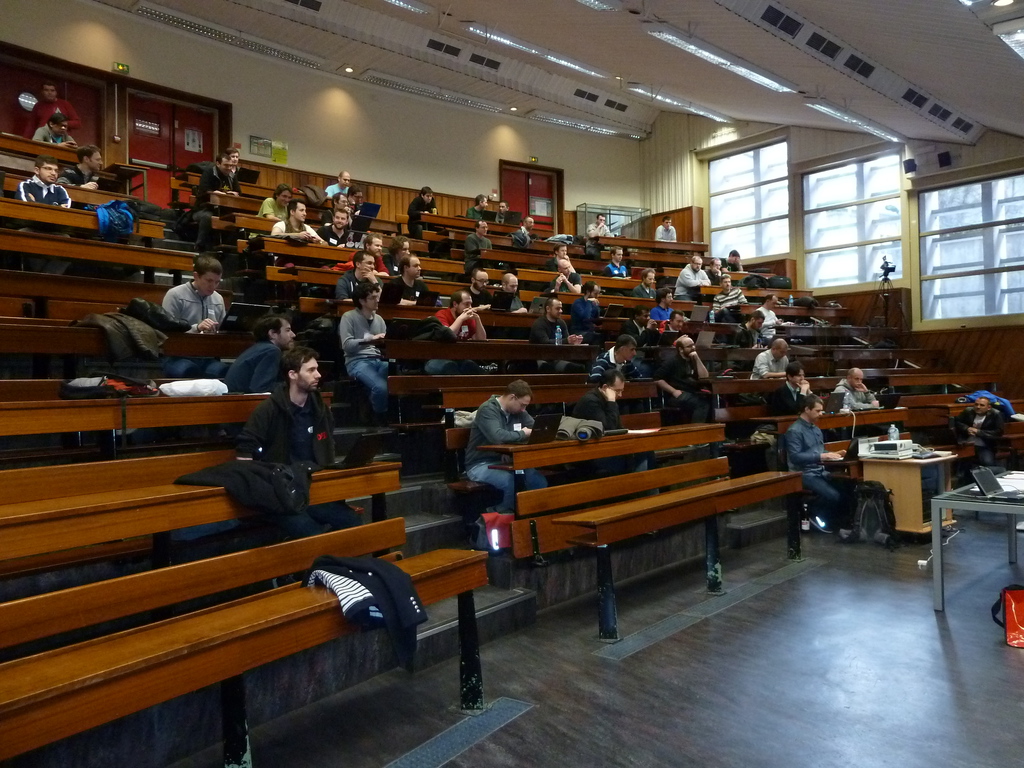
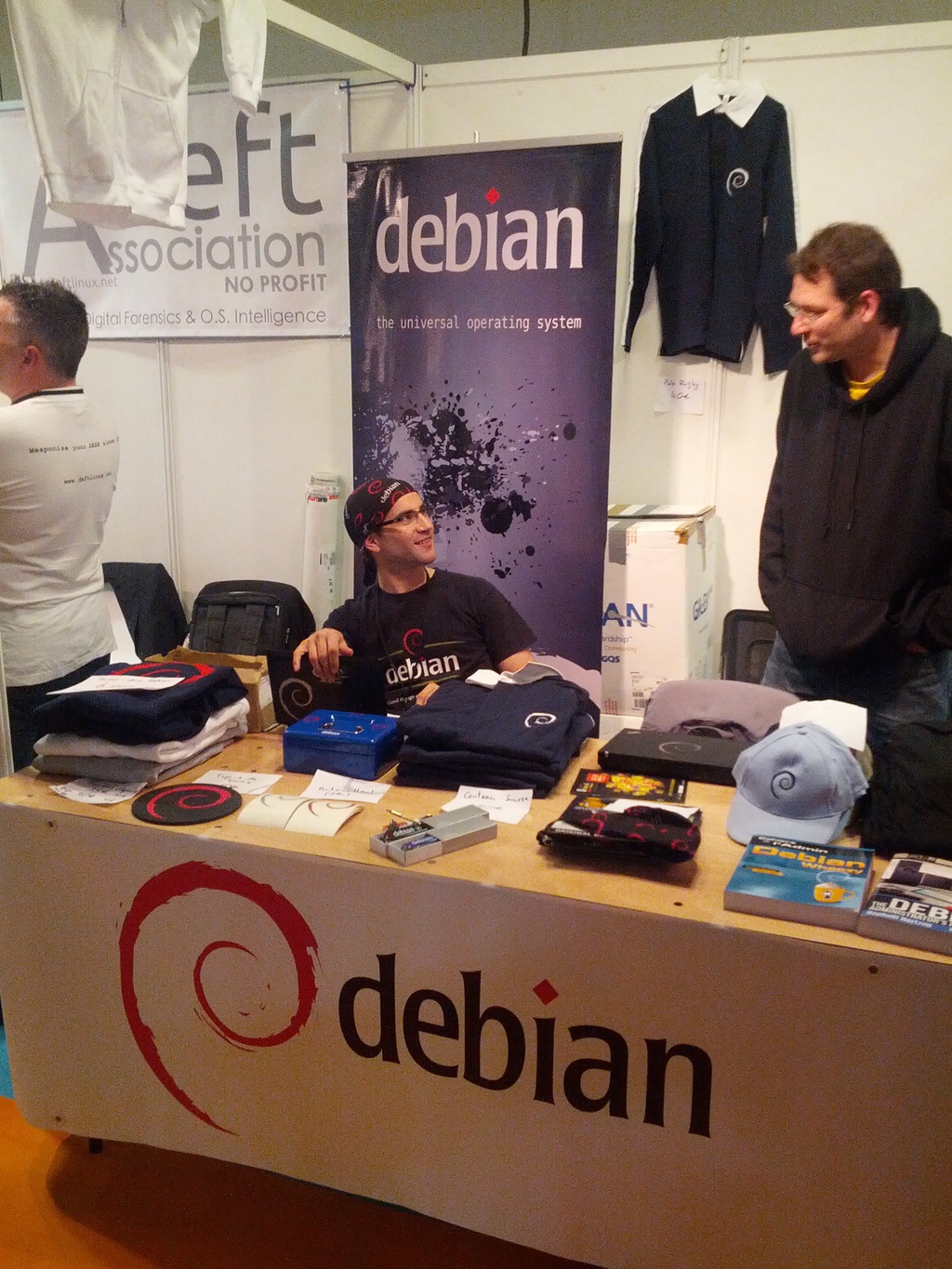





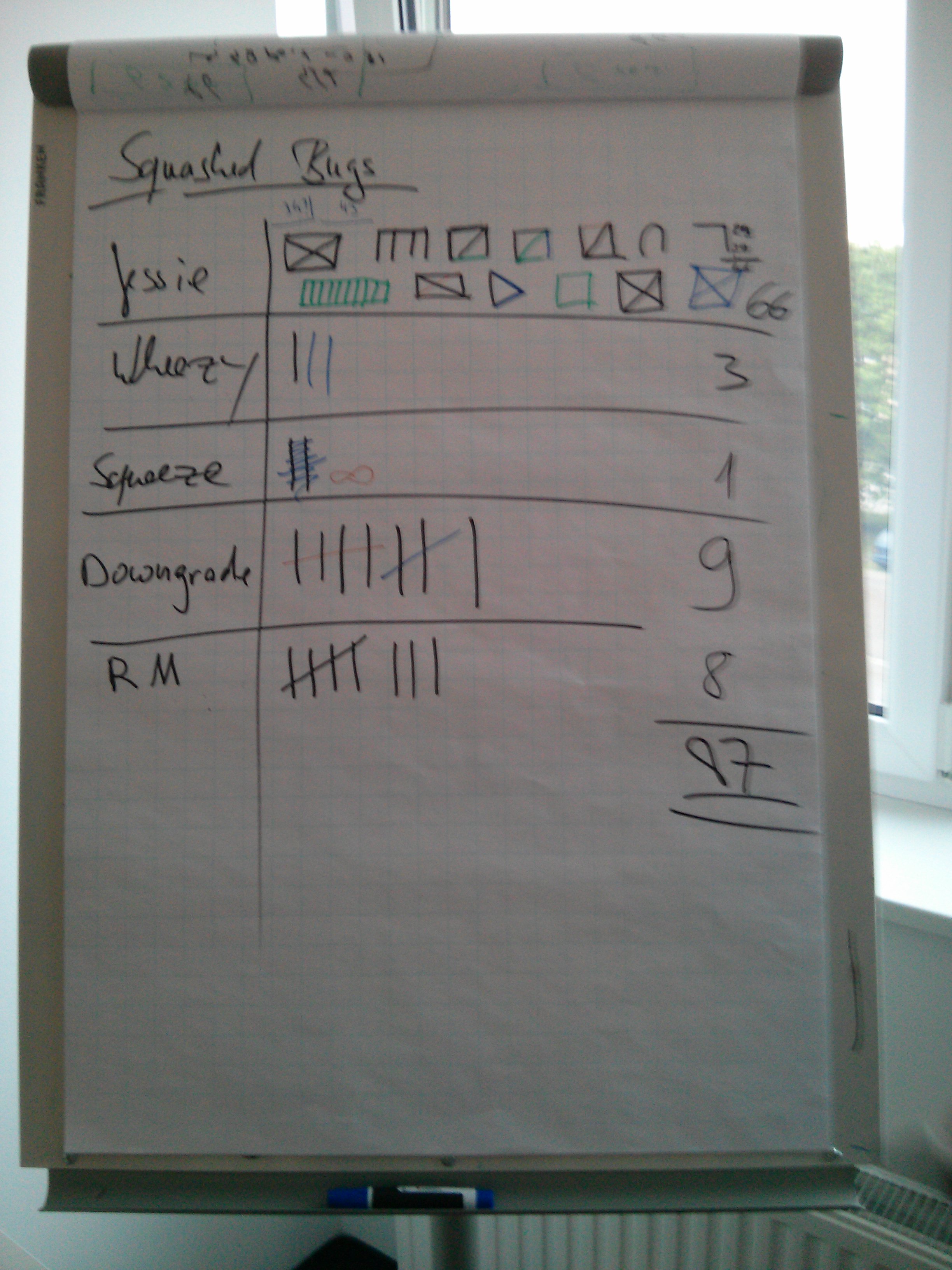
 This weekend,

 I was tempted to ask if she also wanted my fingerprints and a DNA sample too. Not wanting to be too offensive though, I simply told her that there was no way she would be making a copy of our documents. I tried to explain it to her in terms that she would understand: that AirBNB had already verified my identity and that
 Jeeze people. You re all noisy. I m sure it was all done for posterity s sake.
