Debian Outreach Team: Spaarsh Gsoc Report
layout: post
title: GSoC 2025 Report: Enhancing Debian packages with ROCm GPU acceleration
date: 2025-09-01
categories: gsoc debian ROCm debian-packaging
author: Spaarsh Thakkar
GitLab Salsa: @Spaarsh
GitLab Salsa: @Spaarsh
GitHub: Spaarsh
Introduction
I am Spaarsh Thakkar, a final-year Computer Science Engineering undergrad from India. My interests lie in research and systems. My recent work has been in and around Graphics Processing Units and I also hold a keen interest in Computer Networks. At the time of writing, I have been an open-source contributor for almost a year.
Proposal Description (as shown on GSoC Project Profile1)
Due to Debian s open-source nature, no Debian package in main can have a proprietary GPU package listed as a dependency. While AI and HPC workloads increasingly rely on GPU acceleration, many Debian packages still focus solely on CUDA, which is proprietary.
With the advent of ROCm, an open-source GPU computing platform, we can now integrate full-fledged AMD GPU support into Debian packages. This will improve the experience of developers working in AI/ML and HPC while positioning Debian as a strong OS choice for GPU-driven workloads. The proposal aims to aid in solving the aforementioned program by packaging several ROCm packages for debian and add ROCm support to some existing debian packages.
The deliverables are as follows:
- New Debian packages with GPU support
- Enhanced GPU support within existing Debian packages
- More autopackagetests running on the Debian ROCm CI
Key Objectives
Enable ROCm in:
- dbcsr
- gloo
- cp2k
Publish the following packages to debian apt archive:
- hipblas-common
- hipBLASlt
Work Report
1. Publishing hipblas-common to apt
This objective was successfully completed, resulting in hipblas-common being published in the apt repository2.
The process involved the following steps:
- Filing a Intent-To-Package (ITP)3
- Pulling the upstream source code repository from GitHub
- Adding the
debian/ packaging files
- Testing the package locally
- Creating the corresponding project under
rocm-team4
- Applying the necessary changes
- Building the package
- Testing it using
sbuild
- Signing the package files
- Uploading the package to the
mentors.debian.net archive(now in official archive)5
- Addressing review feedback and making changes
- Requesting sponsorship6
- Securing sponsorship, which led to the package being accepted into the
experimental branch of apt
Since the beginning of GSoC, the package has also been promoted to the unstable branch2.
2. DBCSR ROCm and Multi-Arch Support
During my GSoC project, I worked on extending the DBCSR (Distributed Block Compressed Sparse Row)7 package to improve its ROCm/HIP support, and handling multi-architecture GPU kernels in a way that is both practical for upstream maintainers and debian package developers.
The code changes can be found at my dbcsr fork here8.
ROCm/HIP Enablement
- Enabled ROCm backend support to DBCSR, allowing GPU acceleration beyond CUDA by enabling HIP-based builds.
- Investigated and resolved build issues specific to HIP kernels within DBCSR.
Multi-Architecture GPU Kernel Handling
(The following content was presented in greater detail at DebConf 25 as well. The presentation video can be found here9 and the presentation slide can be found here10).
- DBCSR contains GPU kernels that are heavily optimized for specific architectures. By default, these are built for a single target architecture, which poses challenges for packaging where binaries need to support multiple possible GPU targets.
-
Explored different strategies for solving the multi-arch GPU kernel distribution problem, including:
- Option 1: Fat binaries (embedding multiple GPU architectures into a single binary, with runtime dispatch). This is ideal for end-users but requires deeper changes upstream and is not straightforward with HIP/ROCm.
- Option 2: Arch-specific libraries (e.g.,
libdbcsr.gfxXXX.a), where the alternatives system or explicit user selection would determine which one is used. This solves the problem but pushes complexity downstream into packaging and user configuration.
- Option 3: Prefixed functions inside a single file, where kernels are compiled separately per architecture, functions are renamed with an arch prefix, and runtime logic in DBCSR decides which kernel to invoke. This shifts complexity upstream but could give a clean downstream experience.
- I critically analyzed these options in the context of Debian packaging and upstream maintainability. Arch-specific
.a files introduce exponential dependency complexity. The prefixed-function approach seemed like a plausible way forward, though it requires upstream buy-in.
- After consulting with my mentor, these concerns were raised in the
dbcsr repository as a discussion here11
Summary
My work involved:
-
Enabling HIP/ROCm support in DBCSR.
-
Prototyping strategies for handling GPU multi-arch builds.
-
Evaluating the trade-offs between upstream maintainability and downstream packaging complexity.
3. gloo, hipification and source code issues
One of the other packages that were targeted was gloo12. It is a collective communications library and has the implementations of different Machine Learning communication algorithms.
The code changes can be found at my gloo fork here13 (some changes have not be committed at the time of writing).
HIP/ROCm Enablement
-
Fixing old ROCm CMake functions
The upstream Gloo codebase still used old ROCm CMake functions that began with the
hip_ prefix (for example, hip_add_executable). These functions have since been deprecated/removed. I updated the build system to use the modern ROCm CMake equivalents so that the package can build properly in a current ROCm environment.
-
Debian packaging changes
I modified
debian/control to add a new package, libgloo-rocm, in addition to the existing packages. This allows proper separation and handling of ROCm-enabled builds in Debian.
-
First successful library build
After these changes, I was able to successfully build the library. However, I ran into issues when trying to produce the shared library: there were undefined symbol errors at link time.
Source Code Issue
On investigating the undefined symbol errors, I identified that these came from a lack of explicit template instantiation for some Gloo classes. Since C++ templates only get compiled when explicitly used or instantiated, this resulted in missing symbols in the shared library.
To solve this, I explored the source code and noticed that the HIP backend code was not natively written it was generated from the CUDA backend using a custom hipification script maintained by the repo.
- I experimented with modifying the HIPification process itself, trying out
hipify-perl14 instead of the repository s custom Python script.
- I also tried tweaking the source code in places where template instantiations were missing, so that the ROCm build would correctly export the needed symbols.
Summary
The issue is still unresolved. The core problem lies in how the source code is structured: the HIP backend is almost entirely auto-generated from CUDA code, and the process does not handle template instantiations correctly. Because of this, the Debian package for Gloo with ROCm support is not yet ready for release, and further source-level fixes are required to make the ROCm build reliable.
4. cp2k
CP2K15 is a quantum chemistry and solid state physics software package that can perform atomistic simulations of solid state, liquid, molecular, periodic, material, crystal, and biological systems.
HIP/ROCm Enablement
cp2k depends on dbcsr and hence, HIP/ROCm enablement in this package required the dbcsr16 package to get through.
Even though dbcsr isn t ready yet, it was worthwhile to plan how it shall be built with HIP/ROCm once we have dbcsr in place. Upon doing this, it was realized that the architecture-wise libraries provided by the dbcsr package will result in a complicated building process for cp2k.
No changes have been made to this package yet and more concrete steps shall be taken once the dbcsr package work is completed.
Summary
The multi-arch build process for cp2k maybe complicated by the one static-library-per-architecture method used in the dependent package, dbcsr.
Auxiliary Work & Activities
While working on the aformentioned GSoC Goals, there were a few other things that were also done.
-
libamdhip64-dev bug file17
While trying to enable HIP/ROCm in dbcsr, CMakeDetermineHIPCompiler.cmake was unable to find HIP runtime CMake package. After going through some similar issues faced by other developers earlier, it was decided to file a bug report under the libamdhip64-dev package.
After discussions with and trying the changes suggested by Cory (my mentor) under the bug, the issue was resolved.
Turns out, the wrong compiler was being used by me! The gcc compiler was supposed to be used and I was using hipcc. The bug was closed since it was not due an issue with the package.
Cory suggested that I add this info under the ROCm wiki page. It is yet to be done and hopefully I get it done soon.
-
DebConf25 Talk
After facing the multi-arch build dilemma with
dbcsr (and also getting to know about the issues faced by other fellow package developers), I came to realise that this was more than a packaging, build or programming issue. GPU-packaging was facing a policy issue.
Hence, I decided to cover this problem in greater detail at my DebConf25 Virtual Presentation under the Outreach Session.
Shoutout to Cory for his support and Lucas Kanashiro for encouraging me to present my work!
-
Bi-Weekly AMD ROCm Meetings
Shortly after the Coding period started, Cory began the initiative of Bi-Weekly AMD ROCm Meetings18. Being a part of the meetings (participated in all but one!), seeing the work the other folks are doing and being able to discuss my own problems was a delight.
-
(Upcoming) IndiaFOSS 2025 Talk
After understanding the nuances and beauty of the debian packaging ecosystem in these months, I decided to spread the work about debian packaging and packaging software in general. My talk19 for the same got accepted in the upcoming IndiaFOSS 202520 conference!
I hope this beings more people towards the packaging ecosystem and to the debian developer ecosystem.
Conclusion
My GSoC time was fantastic! I plan to complete the work that I have started during my GSoC and beyond. Working with Cory21 and Utkarsh22 (a fellow GSoC 25 contributor under Cory) has been a very positive experience.
HIP/ROCm GPU-packaging is in a nascent stage. It is an exciting time to be in this space right now. The problems are new and never encountered before (CPU packaging isn t architecture specific!). The problems were shall face in the coming time, and our solutions to them will set a precendent for the future.
References
1 : https://summerofcode.withgoogle.com/programs/2025/projects/9s4jUjV0
2 : https://tracker.debian.org/pkg/hipblas-common
3 : https://bugs.debian.org/cgi-bin/bugreport.cgi?bug=1105114
4 : https://salsa.debian.org/rocm-team
5 : https://packages.debian.org/source/sid/hipblas-common
6 : https://lists.debian.org/debian-ai/2025/05/msg00088.html
7 : https://www.cp2k.org/dbcsr
8 : https://salsa.debian.org/Spaarsh/dbcsr/
9 : https://drive.google.com/file/d/14WQuTMcI-L0lbi3zkUc9pT6RGwwVY0j1/view?usp=sharing
10 : https://docs.google.com/presentation/d/1p-nkHPgg5C5jKGy7ySZ8rts5G2vNFQpQJQ8UySOWgVE
11 : https://github.com/cp2k/dbcsr/discussions/933
12 : https://github.com/pytorch/gloo
13 : https://salsa.debian.org/Spaarsh/gloo
14 : https://tracker.debian.org/pkg/hipify
15 : https://www.cp2k.org/
16 : https://tracker.debian.org/pkg/dbcsr
17 : https://bugs.debian.org/cgi-bin/bugreport.cgi?https://fossunited.org/indiafoss/2025bug=1108159
18 : https://lists.debian.org/debian-ai/2025/05/msg00113.html
19 : https://fossunited.org/c/indiafoss/2025/cfp/dpq0b26ece
20 : https://fossunited.org/indiafoss/2025
21 : https://salsa.debian.org/cgmb
22 : https://salsa.debian.org/utk4r-sh
debian/ packaging filesrocm-team4sbuildmentors.debian.net archive(now in official archive)5experimental branch of aptdbcsr fork here8.
ROCm/HIP Enablement
- Enabled ROCm backend support to DBCSR, allowing GPU acceleration beyond CUDA by enabling HIP-based builds.
- Investigated and resolved build issues specific to HIP kernels within DBCSR.
Multi-Architecture GPU Kernel Handling
(The following content was presented in greater detail at DebConf 25 as well. The presentation video can be found here9 and the presentation slide can be found here10).
- DBCSR contains GPU kernels that are heavily optimized for specific architectures. By default, these are built for a single target architecture, which poses challenges for packaging where binaries need to support multiple possible GPU targets.
-
Explored different strategies for solving the multi-arch GPU kernel distribution problem, including:
- Option 1: Fat binaries (embedding multiple GPU architectures into a single binary, with runtime dispatch). This is ideal for end-users but requires deeper changes upstream and is not straightforward with HIP/ROCm.
- Option 2: Arch-specific libraries (e.g.,
libdbcsr.gfxXXX.a), where the alternatives system or explicit user selection would determine which one is used. This solves the problem but pushes complexity downstream into packaging and user configuration.
- Option 3: Prefixed functions inside a single file, where kernels are compiled separately per architecture, functions are renamed with an arch prefix, and runtime logic in DBCSR decides which kernel to invoke. This shifts complexity upstream but could give a clean downstream experience.
- I critically analyzed these options in the context of Debian packaging and upstream maintainability. Arch-specific
.a files introduce exponential dependency complexity. The prefixed-function approach seemed like a plausible way forward, though it requires upstream buy-in.
- After consulting with my mentor, these concerns were raised in the
dbcsr repository as a discussion here11
Summary
My work involved:
-
Enabling HIP/ROCm support in DBCSR.
-
Prototyping strategies for handling GPU multi-arch builds.
-
Evaluating the trade-offs between upstream maintainability and downstream packaging complexity.
3. gloo, hipification and source code issues
One of the other packages that were targeted was gloo12. It is a collective communications library and has the implementations of different Machine Learning communication algorithms.
The code changes can be found at my gloo fork here13 (some changes have not be committed at the time of writing).
HIP/ROCm Enablement
-
Fixing old ROCm CMake functions
The upstream Gloo codebase still used old ROCm CMake functions that began with the
hip_ prefix (for example, hip_add_executable). These functions have since been deprecated/removed. I updated the build system to use the modern ROCm CMake equivalents so that the package can build properly in a current ROCm environment.
-
Debian packaging changes
I modified
debian/control to add a new package, libgloo-rocm, in addition to the existing packages. This allows proper separation and handling of ROCm-enabled builds in Debian.
-
First successful library build
After these changes, I was able to successfully build the library. However, I ran into issues when trying to produce the shared library: there were undefined symbol errors at link time.
Source Code Issue
On investigating the undefined symbol errors, I identified that these came from a lack of explicit template instantiation for some Gloo classes. Since C++ templates only get compiled when explicitly used or instantiated, this resulted in missing symbols in the shared library.
To solve this, I explored the source code and noticed that the HIP backend code was not natively written it was generated from the CUDA backend using a custom hipification script maintained by the repo.
- I experimented with modifying the HIPification process itself, trying out
hipify-perl14 instead of the repository s custom Python script.
- I also tried tweaking the source code in places where template instantiations were missing, so that the ROCm build would correctly export the needed symbols.
Summary
The issue is still unresolved. The core problem lies in how the source code is structured: the HIP backend is almost entirely auto-generated from CUDA code, and the process does not handle template instantiations correctly. Because of this, the Debian package for Gloo with ROCm support is not yet ready for release, and further source-level fixes are required to make the ROCm build reliable.
4. cp2k
CP2K15 is a quantum chemistry and solid state physics software package that can perform atomistic simulations of solid state, liquid, molecular, periodic, material, crystal, and biological systems.
HIP/ROCm Enablement
cp2k depends on dbcsr and hence, HIP/ROCm enablement in this package required the dbcsr16 package to get through.
Even though dbcsr isn t ready yet, it was worthwhile to plan how it shall be built with HIP/ROCm once we have dbcsr in place. Upon doing this, it was realized that the architecture-wise libraries provided by the dbcsr package will result in a complicated building process for cp2k.
No changes have been made to this package yet and more concrete steps shall be taken once the dbcsr package work is completed.
Summary
The multi-arch build process for cp2k maybe complicated by the one static-library-per-architecture method used in the dependent package, dbcsr.
Auxiliary Work & Activities
While working on the aformentioned GSoC Goals, there were a few other things that were also done.
-
libamdhip64-dev bug file17
While trying to enable HIP/ROCm in dbcsr, CMakeDetermineHIPCompiler.cmake was unable to find HIP runtime CMake package. After going through some similar issues faced by other developers earlier, it was decided to file a bug report under the libamdhip64-dev package.
After discussions with and trying the changes suggested by Cory (my mentor) under the bug, the issue was resolved.
Turns out, the wrong compiler was being used by me! The gcc compiler was supposed to be used and I was using hipcc. The bug was closed since it was not due an issue with the package.
Cory suggested that I add this info under the ROCm wiki page. It is yet to be done and hopefully I get it done soon.
-
DebConf25 Talk
After facing the multi-arch build dilemma with
dbcsr (and also getting to know about the issues faced by other fellow package developers), I came to realise that this was more than a packaging, build or programming issue. GPU-packaging was facing a policy issue.
Hence, I decided to cover this problem in greater detail at my DebConf25 Virtual Presentation under the Outreach Session.
Shoutout to Cory for his support and Lucas Kanashiro for encouraging me to present my work!
-
Bi-Weekly AMD ROCm Meetings
Shortly after the Coding period started, Cory began the initiative of Bi-Weekly AMD ROCm Meetings18. Being a part of the meetings (participated in all but one!), seeing the work the other folks are doing and being able to discuss my own problems was a delight.
-
(Upcoming) IndiaFOSS 2025 Talk
After understanding the nuances and beauty of the debian packaging ecosystem in these months, I decided to spread the work about debian packaging and packaging software in general. My talk19 for the same got accepted in the upcoming IndiaFOSS 202520 conference!
I hope this beings more people towards the packaging ecosystem and to the debian developer ecosystem.
Conclusion
My GSoC time was fantastic! I plan to complete the work that I have started during my GSoC and beyond. Working with Cory21 and Utkarsh22 (a fellow GSoC 25 contributor under Cory) has been a very positive experience.
HIP/ROCm GPU-packaging is in a nascent stage. It is an exciting time to be in this space right now. The problems are new and never encountered before (CPU packaging isn t architecture specific!). The problems were shall face in the coming time, and our solutions to them will set a precendent for the future.
References
1 : https://summerofcode.withgoogle.com/programs/2025/projects/9s4jUjV0
2 : https://tracker.debian.org/pkg/hipblas-common
3 : https://bugs.debian.org/cgi-bin/bugreport.cgi?bug=1105114
4 : https://salsa.debian.org/rocm-team
5 : https://packages.debian.org/source/sid/hipblas-common
6 : https://lists.debian.org/debian-ai/2025/05/msg00088.html
7 : https://www.cp2k.org/dbcsr
8 : https://salsa.debian.org/Spaarsh/dbcsr/
9 : https://drive.google.com/file/d/14WQuTMcI-L0lbi3zkUc9pT6RGwwVY0j1/view?usp=sharing
10 : https://docs.google.com/presentation/d/1p-nkHPgg5C5jKGy7ySZ8rts5G2vNFQpQJQ8UySOWgVE
11 : https://github.com/cp2k/dbcsr/discussions/933
12 : https://github.com/pytorch/gloo
13 : https://salsa.debian.org/Spaarsh/gloo
14 : https://tracker.debian.org/pkg/hipify
15 : https://www.cp2k.org/
16 : https://tracker.debian.org/pkg/dbcsr
17 : https://bugs.debian.org/cgi-bin/bugreport.cgi?https://fossunited.org/indiafoss/2025bug=1108159
18 : https://lists.debian.org/debian-ai/2025/05/msg00113.html
19 : https://fossunited.org/c/indiafoss/2025/cfp/dpq0b26ece
20 : https://fossunited.org/indiafoss/2025
21 : https://salsa.debian.org/cgmb
22 : https://salsa.debian.org/utk4r-sh
- DBCSR contains GPU kernels that are heavily optimized for specific architectures. By default, these are built for a single target architecture, which poses challenges for packaging where binaries need to support multiple possible GPU targets.
-
Explored different strategies for solving the multi-arch GPU kernel distribution problem, including:
- Option 1: Fat binaries (embedding multiple GPU architectures into a single binary, with runtime dispatch). This is ideal for end-users but requires deeper changes upstream and is not straightforward with HIP/ROCm.
- Option 2: Arch-specific libraries (e.g.,
libdbcsr.gfxXXX.a), where the alternatives system or explicit user selection would determine which one is used. This solves the problem but pushes complexity downstream into packaging and user configuration. - Option 3: Prefixed functions inside a single file, where kernels are compiled separately per architecture, functions are renamed with an arch prefix, and runtime logic in DBCSR decides which kernel to invoke. This shifts complexity upstream but could give a clean downstream experience.
- I critically analyzed these options in the context of Debian packaging and upstream maintainability. Arch-specific
.afiles introduce exponential dependency complexity. The prefixed-function approach seemed like a plausible way forward, though it requires upstream buy-in. - After consulting with my mentor, these concerns were raised in the
dbcsrrepository as a discussion here11
Summary
My work involved:
-
Enabling HIP/ROCm support in DBCSR.
-
Prototyping strategies for handling GPU multi-arch builds.
-
Evaluating the trade-offs between upstream maintainability and downstream packaging complexity.
3. gloo, hipification and source code issues
One of the other packages that were targeted was gloo12. It is a collective communications library and has the implementations of different Machine Learning communication algorithms.
The code changes can be found at my gloo fork here13 (some changes have not be committed at the time of writing).
HIP/ROCm Enablement
-
Fixing old ROCm CMake functions
The upstream Gloo codebase still used old ROCm CMake functions that began with the
hip_ prefix (for example, hip_add_executable). These functions have since been deprecated/removed. I updated the build system to use the modern ROCm CMake equivalents so that the package can build properly in a current ROCm environment.
-
Debian packaging changes
I modified
debian/control to add a new package, libgloo-rocm, in addition to the existing packages. This allows proper separation and handling of ROCm-enabled builds in Debian.
-
First successful library build
After these changes, I was able to successfully build the library. However, I ran into issues when trying to produce the shared library: there were undefined symbol errors at link time.
Source Code Issue
On investigating the undefined symbol errors, I identified that these came from a lack of explicit template instantiation for some Gloo classes. Since C++ templates only get compiled when explicitly used or instantiated, this resulted in missing symbols in the shared library.
To solve this, I explored the source code and noticed that the HIP backend code was not natively written it was generated from the CUDA backend using a custom hipification script maintained by the repo.
- I experimented with modifying the HIPification process itself, trying out
hipify-perl14 instead of the repository s custom Python script.
- I also tried tweaking the source code in places where template instantiations were missing, so that the ROCm build would correctly export the needed symbols.
Summary
The issue is still unresolved. The core problem lies in how the source code is structured: the HIP backend is almost entirely auto-generated from CUDA code, and the process does not handle template instantiations correctly. Because of this, the Debian package for Gloo with ROCm support is not yet ready for release, and further source-level fixes are required to make the ROCm build reliable.
4. cp2k
CP2K15 is a quantum chemistry and solid state physics software package that can perform atomistic simulations of solid state, liquid, molecular, periodic, material, crystal, and biological systems.
HIP/ROCm Enablement
cp2k depends on dbcsr and hence, HIP/ROCm enablement in this package required the dbcsr16 package to get through.
Even though dbcsr isn t ready yet, it was worthwhile to plan how it shall be built with HIP/ROCm once we have dbcsr in place. Upon doing this, it was realized that the architecture-wise libraries provided by the dbcsr package will result in a complicated building process for cp2k.
No changes have been made to this package yet and more concrete steps shall be taken once the dbcsr package work is completed.
Summary
The multi-arch build process for cp2k maybe complicated by the one static-library-per-architecture method used in the dependent package, dbcsr.
Auxiliary Work & Activities
While working on the aformentioned GSoC Goals, there were a few other things that were also done.
-
libamdhip64-dev bug file17
While trying to enable HIP/ROCm in dbcsr, CMakeDetermineHIPCompiler.cmake was unable to find HIP runtime CMake package. After going through some similar issues faced by other developers earlier, it was decided to file a bug report under the libamdhip64-dev package.
After discussions with and trying the changes suggested by Cory (my mentor) under the bug, the issue was resolved.
Turns out, the wrong compiler was being used by me! The gcc compiler was supposed to be used and I was using hipcc. The bug was closed since it was not due an issue with the package.
Cory suggested that I add this info under the ROCm wiki page. It is yet to be done and hopefully I get it done soon.
-
DebConf25 Talk
After facing the multi-arch build dilemma with
dbcsr (and also getting to know about the issues faced by other fellow package developers), I came to realise that this was more than a packaging, build or programming issue. GPU-packaging was facing a policy issue.
Hence, I decided to cover this problem in greater detail at my DebConf25 Virtual Presentation under the Outreach Session.
Shoutout to Cory for his support and Lucas Kanashiro for encouraging me to present my work!
-
Bi-Weekly AMD ROCm Meetings
Shortly after the Coding period started, Cory began the initiative of Bi-Weekly AMD ROCm Meetings18. Being a part of the meetings (participated in all but one!), seeing the work the other folks are doing and being able to discuss my own problems was a delight.
-
(Upcoming) IndiaFOSS 2025 Talk
After understanding the nuances and beauty of the debian packaging ecosystem in these months, I decided to spread the work about debian packaging and packaging software in general. My talk19 for the same got accepted in the upcoming IndiaFOSS 202520 conference!
I hope this beings more people towards the packaging ecosystem and to the debian developer ecosystem.
Conclusion
My GSoC time was fantastic! I plan to complete the work that I have started during my GSoC and beyond. Working with Cory21 and Utkarsh22 (a fellow GSoC 25 contributor under Cory) has been a very positive experience.
HIP/ROCm GPU-packaging is in a nascent stage. It is an exciting time to be in this space right now. The problems are new and never encountered before (CPU packaging isn t architecture specific!). The problems were shall face in the coming time, and our solutions to them will set a precendent for the future.
References
1 : https://summerofcode.withgoogle.com/programs/2025/projects/9s4jUjV0
2 : https://tracker.debian.org/pkg/hipblas-common
3 : https://bugs.debian.org/cgi-bin/bugreport.cgi?bug=1105114
4 : https://salsa.debian.org/rocm-team
5 : https://packages.debian.org/source/sid/hipblas-common
6 : https://lists.debian.org/debian-ai/2025/05/msg00088.html
7 : https://www.cp2k.org/dbcsr
8 : https://salsa.debian.org/Spaarsh/dbcsr/
9 : https://drive.google.com/file/d/14WQuTMcI-L0lbi3zkUc9pT6RGwwVY0j1/view?usp=sharing
10 : https://docs.google.com/presentation/d/1p-nkHPgg5C5jKGy7ySZ8rts5G2vNFQpQJQ8UySOWgVE
11 : https://github.com/cp2k/dbcsr/discussions/933
12 : https://github.com/pytorch/gloo
13 : https://salsa.debian.org/Spaarsh/gloo
14 : https://tracker.debian.org/pkg/hipify
15 : https://www.cp2k.org/
16 : https://tracker.debian.org/pkg/dbcsr
17 : https://bugs.debian.org/cgi-bin/bugreport.cgi?https://fossunited.org/indiafoss/2025bug=1108159
18 : https://lists.debian.org/debian-ai/2025/05/msg00113.html
19 : https://fossunited.org/c/indiafoss/2025/cfp/dpq0b26ece
20 : https://fossunited.org/indiafoss/2025
21 : https://salsa.debian.org/cgmb
22 : https://salsa.debian.org/utk4r-sh
gloo, hipification and source code issues
One of the other packages that were targeted was gloo12. It is a collective communications library and has the implementations of different Machine Learning communication algorithms.
The code changes can be found at my gloo fork here13 (some changes have not be committed at the time of writing).
HIP/ROCm Enablement
-
Fixing old ROCm CMake functions
The upstream Gloo codebase still used old ROCm CMake functions that began with the
hip_ prefix (for example, hip_add_executable). These functions have since been deprecated/removed. I updated the build system to use the modern ROCm CMake equivalents so that the package can build properly in a current ROCm environment.
-
Debian packaging changes
I modified
debian/control to add a new package, libgloo-rocm, in addition to the existing packages. This allows proper separation and handling of ROCm-enabled builds in Debian.
-
First successful library build
After these changes, I was able to successfully build the library. However, I ran into issues when trying to produce the shared library: there were undefined symbol errors at link time.
Source Code Issue
On investigating the undefined symbol errors, I identified that these came from a lack of explicit template instantiation for some Gloo classes. Since C++ templates only get compiled when explicitly used or instantiated, this resulted in missing symbols in the shared library.
To solve this, I explored the source code and noticed that the HIP backend code was not natively written it was generated from the CUDA backend using a custom hipification script maintained by the repo.
- I experimented with modifying the HIPification process itself, trying out
hipify-perl14 instead of the repository s custom Python script.
- I also tried tweaking the source code in places where template instantiations were missing, so that the ROCm build would correctly export the needed symbols.
Summary
The issue is still unresolved. The core problem lies in how the source code is structured: the HIP backend is almost entirely auto-generated from CUDA code, and the process does not handle template instantiations correctly. Because of this, the Debian package for Gloo with ROCm support is not yet ready for release, and further source-level fixes are required to make the ROCm build reliable.
4. cp2k
CP2K15 is a quantum chemistry and solid state physics software package that can perform atomistic simulations of solid state, liquid, molecular, periodic, material, crystal, and biological systems.
HIP/ROCm Enablement
cp2k depends on dbcsr and hence, HIP/ROCm enablement in this package required the dbcsr16 package to get through.
Even though dbcsr isn t ready yet, it was worthwhile to plan how it shall be built with HIP/ROCm once we have dbcsr in place. Upon doing this, it was realized that the architecture-wise libraries provided by the dbcsr package will result in a complicated building process for cp2k.
No changes have been made to this package yet and more concrete steps shall be taken once the dbcsr package work is completed.
Summary
The multi-arch build process for cp2k maybe complicated by the one static-library-per-architecture method used in the dependent package, dbcsr.
Auxiliary Work & Activities
While working on the aformentioned GSoC Goals, there were a few other things that were also done.
-
libamdhip64-dev bug file17
While trying to enable HIP/ROCm in dbcsr, CMakeDetermineHIPCompiler.cmake was unable to find HIP runtime CMake package. After going through some similar issues faced by other developers earlier, it was decided to file a bug report under the libamdhip64-dev package.
After discussions with and trying the changes suggested by Cory (my mentor) under the bug, the issue was resolved.
Turns out, the wrong compiler was being used by me! The gcc compiler was supposed to be used and I was using hipcc. The bug was closed since it was not due an issue with the package.
Cory suggested that I add this info under the ROCm wiki page. It is yet to be done and hopefully I get it done soon.
-
DebConf25 Talk
After facing the multi-arch build dilemma with
dbcsr (and also getting to know about the issues faced by other fellow package developers), I came to realise that this was more than a packaging, build or programming issue. GPU-packaging was facing a policy issue.
Hence, I decided to cover this problem in greater detail at my DebConf25 Virtual Presentation under the Outreach Session.
Shoutout to Cory for his support and Lucas Kanashiro for encouraging me to present my work!
-
Bi-Weekly AMD ROCm Meetings
Shortly after the Coding period started, Cory began the initiative of Bi-Weekly AMD ROCm Meetings18. Being a part of the meetings (participated in all but one!), seeing the work the other folks are doing and being able to discuss my own problems was a delight.
-
(Upcoming) IndiaFOSS 2025 Talk
After understanding the nuances and beauty of the debian packaging ecosystem in these months, I decided to spread the work about debian packaging and packaging software in general. My talk19 for the same got accepted in the upcoming IndiaFOSS 202520 conference!
I hope this beings more people towards the packaging ecosystem and to the debian developer ecosystem.
Conclusion
My GSoC time was fantastic! I plan to complete the work that I have started during my GSoC and beyond. Working with Cory21 and Utkarsh22 (a fellow GSoC 25 contributor under Cory) has been a very positive experience.
HIP/ROCm GPU-packaging is in a nascent stage. It is an exciting time to be in this space right now. The problems are new and never encountered before (CPU packaging isn t architecture specific!). The problems were shall face in the coming time, and our solutions to them will set a precendent for the future.
References
1 : https://summerofcode.withgoogle.com/programs/2025/projects/9s4jUjV0
2 : https://tracker.debian.org/pkg/hipblas-common
3 : https://bugs.debian.org/cgi-bin/bugreport.cgi?bug=1105114
4 : https://salsa.debian.org/rocm-team
5 : https://packages.debian.org/source/sid/hipblas-common
6 : https://lists.debian.org/debian-ai/2025/05/msg00088.html
7 : https://www.cp2k.org/dbcsr
8 : https://salsa.debian.org/Spaarsh/dbcsr/
9 : https://drive.google.com/file/d/14WQuTMcI-L0lbi3zkUc9pT6RGwwVY0j1/view?usp=sharing
10 : https://docs.google.com/presentation/d/1p-nkHPgg5C5jKGy7ySZ8rts5G2vNFQpQJQ8UySOWgVE
11 : https://github.com/cp2k/dbcsr/discussions/933
12 : https://github.com/pytorch/gloo
13 : https://salsa.debian.org/Spaarsh/gloo
14 : https://tracker.debian.org/pkg/hipify
15 : https://www.cp2k.org/
16 : https://tracker.debian.org/pkg/dbcsr
17 : https://bugs.debian.org/cgi-bin/bugreport.cgi?https://fossunited.org/indiafoss/2025bug=1108159
18 : https://lists.debian.org/debian-ai/2025/05/msg00113.html
19 : https://fossunited.org/c/indiafoss/2025/cfp/dpq0b26ece
20 : https://fossunited.org/indiafoss/2025
21 : https://salsa.debian.org/cgmb
22 : https://salsa.debian.org/utk4r-sh
hip_ prefix (for example, hip_add_executable). These functions have since been deprecated/removed. I updated the build system to use the modern ROCm CMake equivalents so that the package can build properly in a current ROCm environment.
debian/control to add a new package, libgloo-rocm, in addition to the existing packages. This allows proper separation and handling of ROCm-enabled builds in Debian.
- I experimented with modifying the HIPification process itself, trying out
hipify-perl14 instead of the repository s custom Python script. - I also tried tweaking the source code in places where template instantiations were missing, so that the ROCm build would correctly export the needed symbols.
Summary
The issue is still unresolved. The core problem lies in how the source code is structured: the HIP backend is almost entirely auto-generated from CUDA code, and the process does not handle template instantiations correctly. Because of this, the Debian package for Gloo with ROCm support is not yet ready for release, and further source-level fixes are required to make the ROCm build reliable.
4. cp2k
CP2K15 is a quantum chemistry and solid state physics software package that can perform atomistic simulations of solid state, liquid, molecular, periodic, material, crystal, and biological systems.
HIP/ROCm Enablement
cp2k depends on dbcsr and hence, HIP/ROCm enablement in this package required the dbcsr16 package to get through.
Even though dbcsr isn t ready yet, it was worthwhile to plan how it shall be built with HIP/ROCm once we have dbcsr in place. Upon doing this, it was realized that the architecture-wise libraries provided by the dbcsr package will result in a complicated building process for cp2k.
No changes have been made to this package yet and more concrete steps shall be taken once the dbcsr package work is completed.
Summary
The multi-arch build process for cp2k maybe complicated by the one static-library-per-architecture method used in the dependent package, dbcsr.
Auxiliary Work & Activities
While working on the aformentioned GSoC Goals, there were a few other things that were also done.
-
libamdhip64-dev bug file17
While trying to enable HIP/ROCm in dbcsr, CMakeDetermineHIPCompiler.cmake was unable to find HIP runtime CMake package. After going through some similar issues faced by other developers earlier, it was decided to file a bug report under the libamdhip64-dev package.
After discussions with and trying the changes suggested by Cory (my mentor) under the bug, the issue was resolved.
Turns out, the wrong compiler was being used by me! The gcc compiler was supposed to be used and I was using hipcc. The bug was closed since it was not due an issue with the package.
Cory suggested that I add this info under the ROCm wiki page. It is yet to be done and hopefully I get it done soon.
-
DebConf25 Talk
After facing the multi-arch build dilemma with
dbcsr (and also getting to know about the issues faced by other fellow package developers), I came to realise that this was more than a packaging, build or programming issue. GPU-packaging was facing a policy issue.
Hence, I decided to cover this problem in greater detail at my DebConf25 Virtual Presentation under the Outreach Session.
Shoutout to Cory for his support and Lucas Kanashiro for encouraging me to present my work!
-
Bi-Weekly AMD ROCm Meetings
Shortly after the Coding period started, Cory began the initiative of Bi-Weekly AMD ROCm Meetings18. Being a part of the meetings (participated in all but one!), seeing the work the other folks are doing and being able to discuss my own problems was a delight.
-
(Upcoming) IndiaFOSS 2025 Talk
After understanding the nuances and beauty of the debian packaging ecosystem in these months, I decided to spread the work about debian packaging and packaging software in general. My talk19 for the same got accepted in the upcoming IndiaFOSS 202520 conference!
I hope this beings more people towards the packaging ecosystem and to the debian developer ecosystem.
Conclusion
My GSoC time was fantastic! I plan to complete the work that I have started during my GSoC and beyond. Working with Cory21 and Utkarsh22 (a fellow GSoC 25 contributor under Cory) has been a very positive experience.
HIP/ROCm GPU-packaging is in a nascent stage. It is an exciting time to be in this space right now. The problems are new and never encountered before (CPU packaging isn t architecture specific!). The problems were shall face in the coming time, and our solutions to them will set a precendent for the future.
References
1 : https://summerofcode.withgoogle.com/programs/2025/projects/9s4jUjV0
2 : https://tracker.debian.org/pkg/hipblas-common
3 : https://bugs.debian.org/cgi-bin/bugreport.cgi?bug=1105114
4 : https://salsa.debian.org/rocm-team
5 : https://packages.debian.org/source/sid/hipblas-common
6 : https://lists.debian.org/debian-ai/2025/05/msg00088.html
7 : https://www.cp2k.org/dbcsr
8 : https://salsa.debian.org/Spaarsh/dbcsr/
9 : https://drive.google.com/file/d/14WQuTMcI-L0lbi3zkUc9pT6RGwwVY0j1/view?usp=sharing
10 : https://docs.google.com/presentation/d/1p-nkHPgg5C5jKGy7ySZ8rts5G2vNFQpQJQ8UySOWgVE
11 : https://github.com/cp2k/dbcsr/discussions/933
12 : https://github.com/pytorch/gloo
13 : https://salsa.debian.org/Spaarsh/gloo
14 : https://tracker.debian.org/pkg/hipify
15 : https://www.cp2k.org/
16 : https://tracker.debian.org/pkg/dbcsr
17 : https://bugs.debian.org/cgi-bin/bugreport.cgi?https://fossunited.org/indiafoss/2025bug=1108159
18 : https://lists.debian.org/debian-ai/2025/05/msg00113.html
19 : https://fossunited.org/c/indiafoss/2025/cfp/dpq0b26ece
20 : https://fossunited.org/indiafoss/2025
21 : https://salsa.debian.org/cgmb
22 : https://salsa.debian.org/utk4r-sh
cp2k
CP2K15 is a quantum chemistry and solid state physics software package that can perform atomistic simulations of solid state, liquid, molecular, periodic, material, crystal, and biological systems.
HIP/ROCm Enablement
cp2k depends on dbcsr and hence, HIP/ROCm enablement in this package required the dbcsr16 package to get through.
Even though dbcsr isn t ready yet, it was worthwhile to plan how it shall be built with HIP/ROCm once we have dbcsr in place. Upon doing this, it was realized that the architecture-wise libraries provided by the dbcsr package will result in a complicated building process for cp2k.
No changes have been made to this package yet and more concrete steps shall be taken once the dbcsr package work is completed.
Summary
The multi-arch build process for cp2k maybe complicated by the one static-library-per-architecture method used in the dependent package, dbcsr.
Auxiliary Work & Activities
While working on the aformentioned GSoC Goals, there were a few other things that were also done.
-
libamdhip64-dev bug file17
While trying to enable HIP/ROCm in dbcsr, CMakeDetermineHIPCompiler.cmake was unable to find HIP runtime CMake package. After going through some similar issues faced by other developers earlier, it was decided to file a bug report under the libamdhip64-dev package.
After discussions with and trying the changes suggested by Cory (my mentor) under the bug, the issue was resolved.
Turns out, the wrong compiler was being used by me! The gcc compiler was supposed to be used and I was using hipcc. The bug was closed since it was not due an issue with the package.
Cory suggested that I add this info under the ROCm wiki page. It is yet to be done and hopefully I get it done soon.
-
DebConf25 Talk
After facing the multi-arch build dilemma with
dbcsr (and also getting to know about the issues faced by other fellow package developers), I came to realise that this was more than a packaging, build or programming issue. GPU-packaging was facing a policy issue.
Hence, I decided to cover this problem in greater detail at my DebConf25 Virtual Presentation under the Outreach Session.
Shoutout to Cory for his support and Lucas Kanashiro for encouraging me to present my work!
-
Bi-Weekly AMD ROCm Meetings
Shortly after the Coding period started, Cory began the initiative of Bi-Weekly AMD ROCm Meetings18. Being a part of the meetings (participated in all but one!), seeing the work the other folks are doing and being able to discuss my own problems was a delight.
-
(Upcoming) IndiaFOSS 2025 Talk
After understanding the nuances and beauty of the debian packaging ecosystem in these months, I decided to spread the work about debian packaging and packaging software in general. My talk19 for the same got accepted in the upcoming IndiaFOSS 202520 conference!
I hope this beings more people towards the packaging ecosystem and to the debian developer ecosystem.
Conclusion
My GSoC time was fantastic! I plan to complete the work that I have started during my GSoC and beyond. Working with Cory21 and Utkarsh22 (a fellow GSoC 25 contributor under Cory) has been a very positive experience.
HIP/ROCm GPU-packaging is in a nascent stage. It is an exciting time to be in this space right now. The problems are new and never encountered before (CPU packaging isn t architecture specific!). The problems were shall face in the coming time, and our solutions to them will set a precendent for the future.
References
1 : https://summerofcode.withgoogle.com/programs/2025/projects/9s4jUjV0
2 : https://tracker.debian.org/pkg/hipblas-common
3 : https://bugs.debian.org/cgi-bin/bugreport.cgi?bug=1105114
4 : https://salsa.debian.org/rocm-team
5 : https://packages.debian.org/source/sid/hipblas-common
6 : https://lists.debian.org/debian-ai/2025/05/msg00088.html
7 : https://www.cp2k.org/dbcsr
8 : https://salsa.debian.org/Spaarsh/dbcsr/
9 : https://drive.google.com/file/d/14WQuTMcI-L0lbi3zkUc9pT6RGwwVY0j1/view?usp=sharing
10 : https://docs.google.com/presentation/d/1p-nkHPgg5C5jKGy7ySZ8rts5G2vNFQpQJQ8UySOWgVE
11 : https://github.com/cp2k/dbcsr/discussions/933
12 : https://github.com/pytorch/gloo
13 : https://salsa.debian.org/Spaarsh/gloo
14 : https://tracker.debian.org/pkg/hipify
15 : https://www.cp2k.org/
16 : https://tracker.debian.org/pkg/dbcsr
17 : https://bugs.debian.org/cgi-bin/bugreport.cgi?https://fossunited.org/indiafoss/2025bug=1108159
18 : https://lists.debian.org/debian-ai/2025/05/msg00113.html
19 : https://fossunited.org/c/indiafoss/2025/cfp/dpq0b26ece
20 : https://fossunited.org/indiafoss/2025
21 : https://salsa.debian.org/cgmb
22 : https://salsa.debian.org/utk4r-sh
cp2k maybe complicated by the one static-library-per-architecture method used in the dependent package, dbcsr.
Auxiliary Work & Activities
While working on the aformentioned GSoC Goals, there were a few other things that were also done.
-
libamdhip64-dev bug file17
While trying to enable HIP/ROCm in dbcsr, CMakeDetermineHIPCompiler.cmake was unable to find HIP runtime CMake package. After going through some similar issues faced by other developers earlier, it was decided to file a bug report under the libamdhip64-dev package.
After discussions with and trying the changes suggested by Cory (my mentor) under the bug, the issue was resolved.
Turns out, the wrong compiler was being used by me! The gcc compiler was supposed to be used and I was using hipcc. The bug was closed since it was not due an issue with the package.
Cory suggested that I add this info under the ROCm wiki page. It is yet to be done and hopefully I get it done soon.
-
DebConf25 Talk
After facing the multi-arch build dilemma with
dbcsr (and also getting to know about the issues faced by other fellow package developers), I came to realise that this was more than a packaging, build or programming issue. GPU-packaging was facing a policy issue.
Hence, I decided to cover this problem in greater detail at my DebConf25 Virtual Presentation under the Outreach Session.
Shoutout to Cory for his support and Lucas Kanashiro for encouraging me to present my work!
-
Bi-Weekly AMD ROCm Meetings
Shortly after the Coding period started, Cory began the initiative of Bi-Weekly AMD ROCm Meetings18. Being a part of the meetings (participated in all but one!), seeing the work the other folks are doing and being able to discuss my own problems was a delight.
-
(Upcoming) IndiaFOSS 2025 Talk
After understanding the nuances and beauty of the debian packaging ecosystem in these months, I decided to spread the work about debian packaging and packaging software in general. My talk19 for the same got accepted in the upcoming IndiaFOSS 202520 conference!
I hope this beings more people towards the packaging ecosystem and to the debian developer ecosystem.
Conclusion
My GSoC time was fantastic! I plan to complete the work that I have started during my GSoC and beyond. Working with Cory21 and Utkarsh22 (a fellow GSoC 25 contributor under Cory) has been a very positive experience.
HIP/ROCm GPU-packaging is in a nascent stage. It is an exciting time to be in this space right now. The problems are new and never encountered before (CPU packaging isn t architecture specific!). The problems were shall face in the coming time, and our solutions to them will set a precendent for the future.
References
1 : https://summerofcode.withgoogle.com/programs/2025/projects/9s4jUjV0
2 : https://tracker.debian.org/pkg/hipblas-common
3 : https://bugs.debian.org/cgi-bin/bugreport.cgi?bug=1105114
4 : https://salsa.debian.org/rocm-team
5 : https://packages.debian.org/source/sid/hipblas-common
6 : https://lists.debian.org/debian-ai/2025/05/msg00088.html
7 : https://www.cp2k.org/dbcsr
8 : https://salsa.debian.org/Spaarsh/dbcsr/
9 : https://drive.google.com/file/d/14WQuTMcI-L0lbi3zkUc9pT6RGwwVY0j1/view?usp=sharing
10 : https://docs.google.com/presentation/d/1p-nkHPgg5C5jKGy7ySZ8rts5G2vNFQpQJQ8UySOWgVE
11 : https://github.com/cp2k/dbcsr/discussions/933
12 : https://github.com/pytorch/gloo
13 : https://salsa.debian.org/Spaarsh/gloo
14 : https://tracker.debian.org/pkg/hipify
15 : https://www.cp2k.org/
16 : https://tracker.debian.org/pkg/dbcsr
17 : https://bugs.debian.org/cgi-bin/bugreport.cgi?https://fossunited.org/indiafoss/2025bug=1108159
18 : https://lists.debian.org/debian-ai/2025/05/msg00113.html
19 : https://fossunited.org/c/indiafoss/2025/cfp/dpq0b26ece
20 : https://fossunited.org/indiafoss/2025
21 : https://salsa.debian.org/cgmb
22 : https://salsa.debian.org/utk4r-sh
libamdhip64-dev bug file17
While trying to enable HIP/ROCm in dbcsr, CMakeDetermineHIPCompiler.cmake was unable to find HIP runtime CMake package. After going through some similar issues faced by other developers earlier, it was decided to file a bug report under the libamdhip64-dev package.
After discussions with and trying the changes suggested by Cory (my mentor) under the bug, the issue was resolved.
Turns out, the wrong compiler was being used by me! The gcc compiler was supposed to be used and I was using hipcc. The bug was closed since it was not due an issue with the package.
Cory suggested that I add this info under the ROCm wiki page. It is yet to be done and hopefully I get it done soon.
dbcsr (and also getting to know about the issues faced by other fellow package developers), I came to realise that this was more than a packaging, build or programming issue. GPU-packaging was facing a policy issue.
Hence, I decided to cover this problem in greater detail at my DebConf25 Virtual Presentation under the Outreach Session.
Shoutout to Cory for his support and Lucas Kanashiro for encouraging me to present my work!
 For my birthday I was gifted copies of Eno's last two albums, Luminal and
Lateral, both of which are collaborations with Beatie Wolfe.

 Another short status update of what happened on my side last month. Released

 I ve noticed that procrastination and inability to be consistently productive at work has become quite common in recent years. This is clearly visible in younger people who have grown up with an endless stream of entertainment literally at their fingertips, on their mobile phone. It is however a trap one can escape from with a little bit of help.



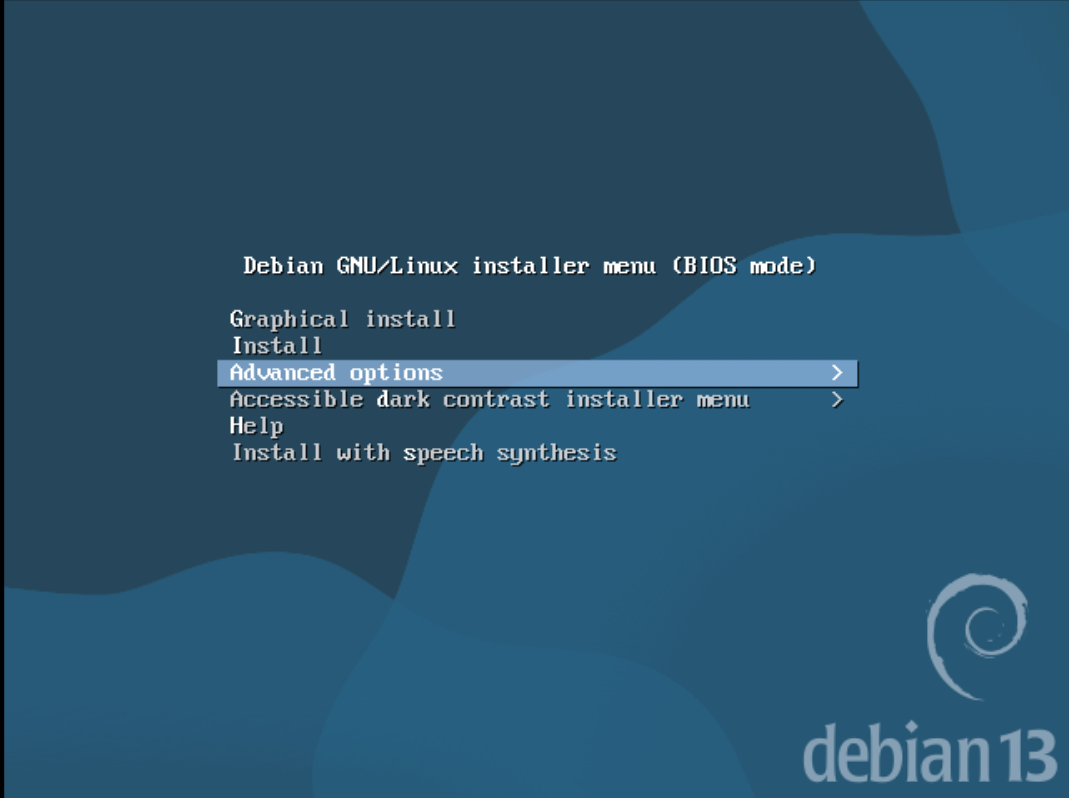
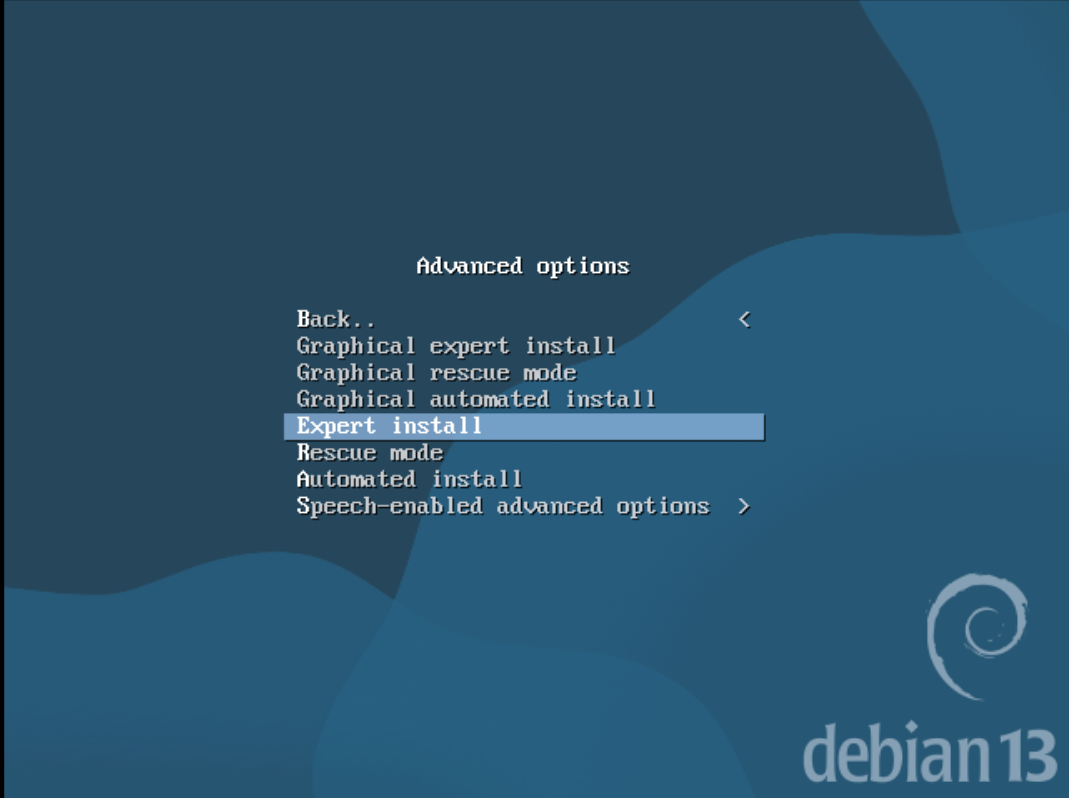
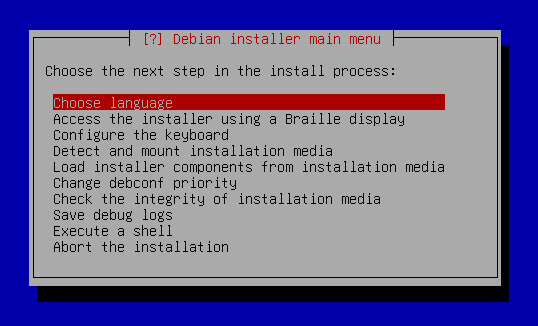

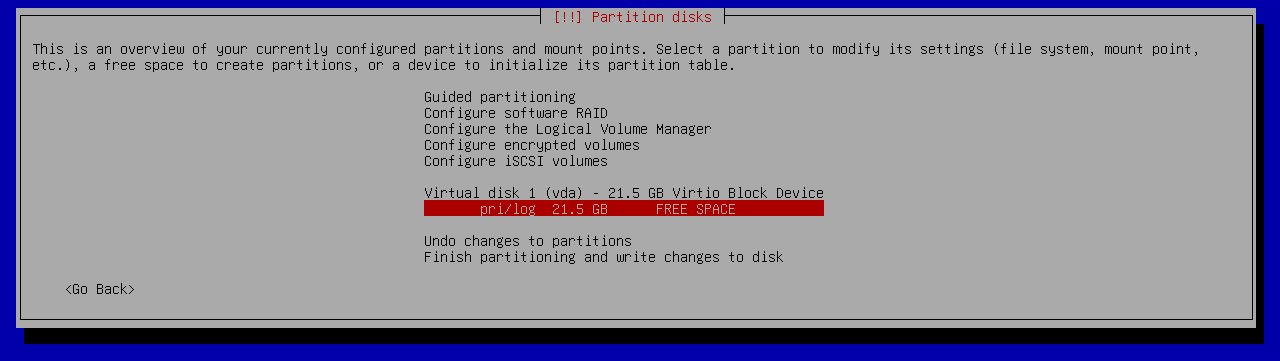
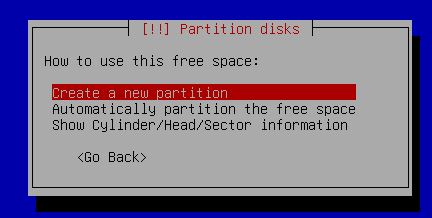
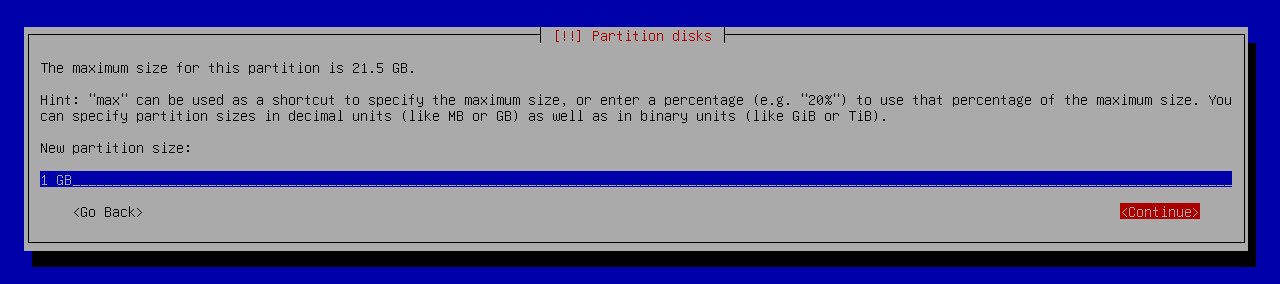
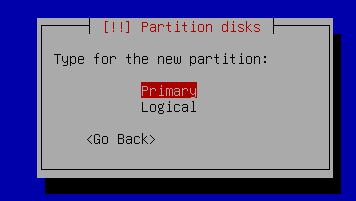
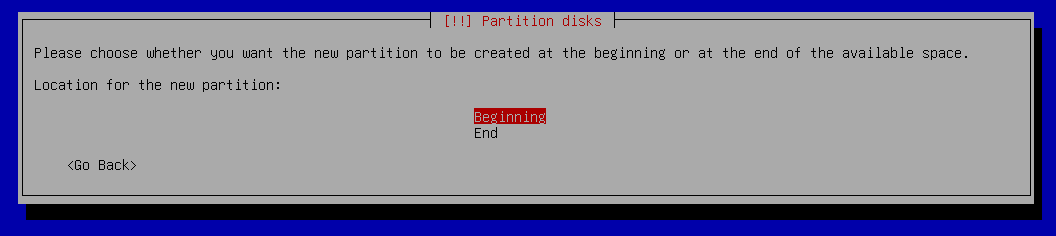
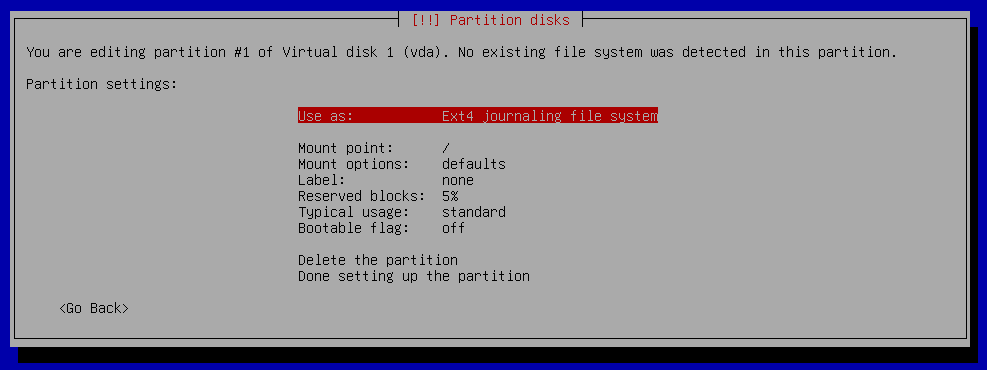
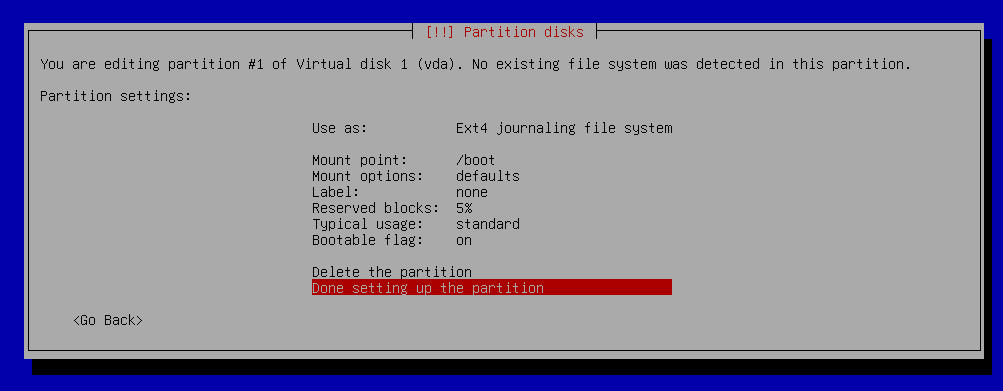
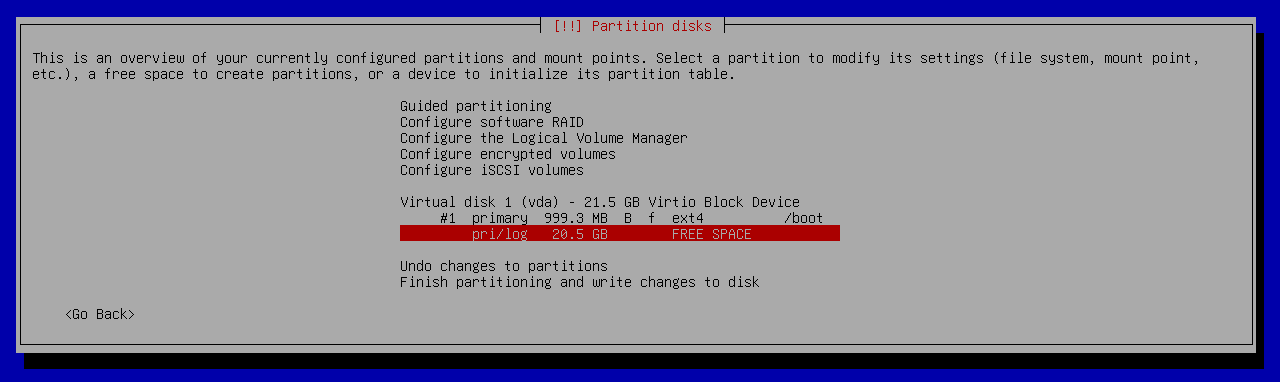
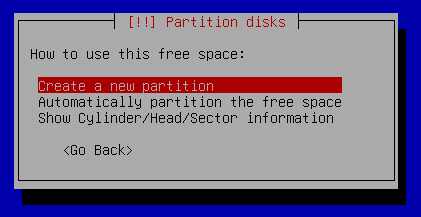
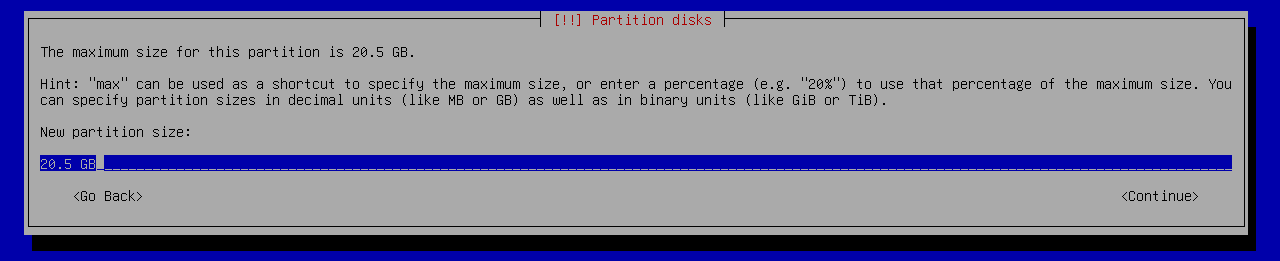
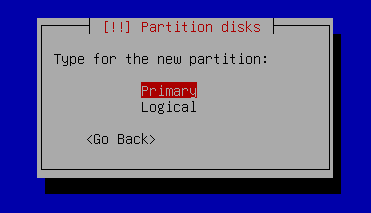
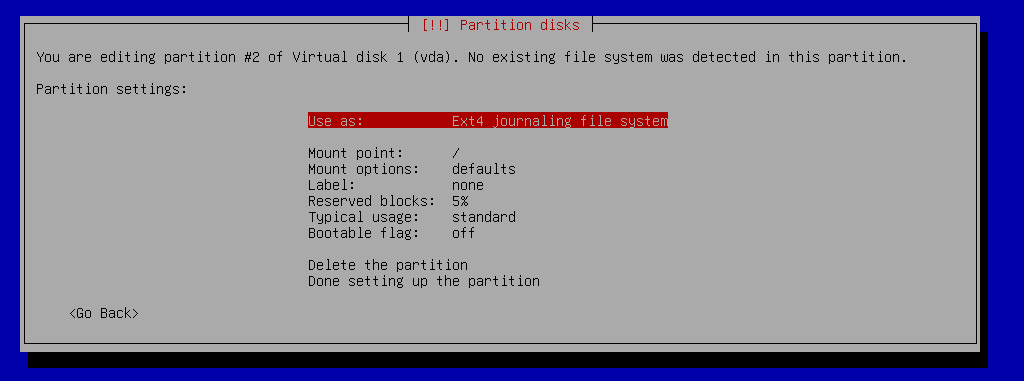
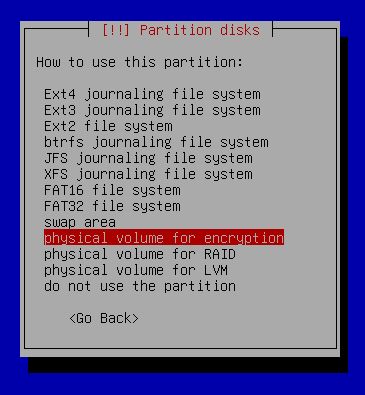
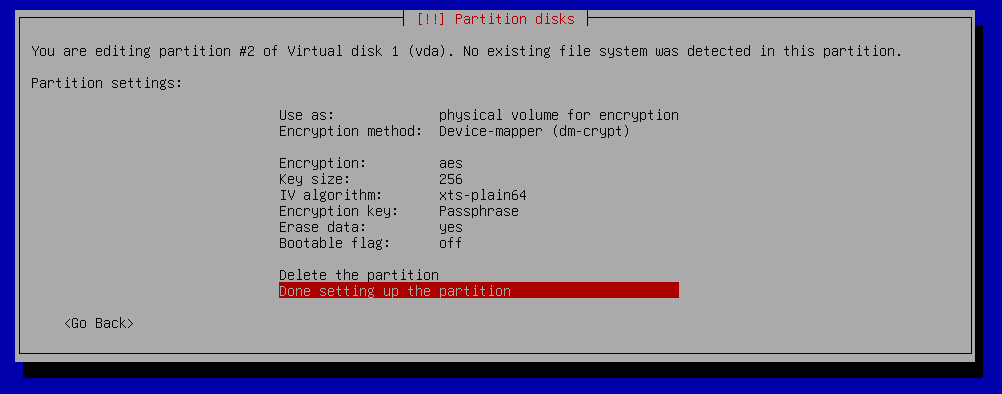
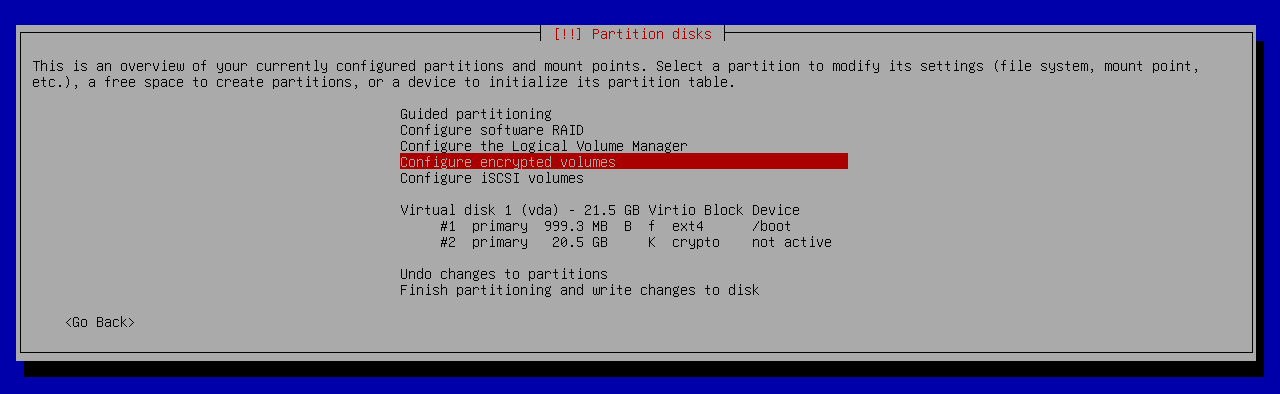
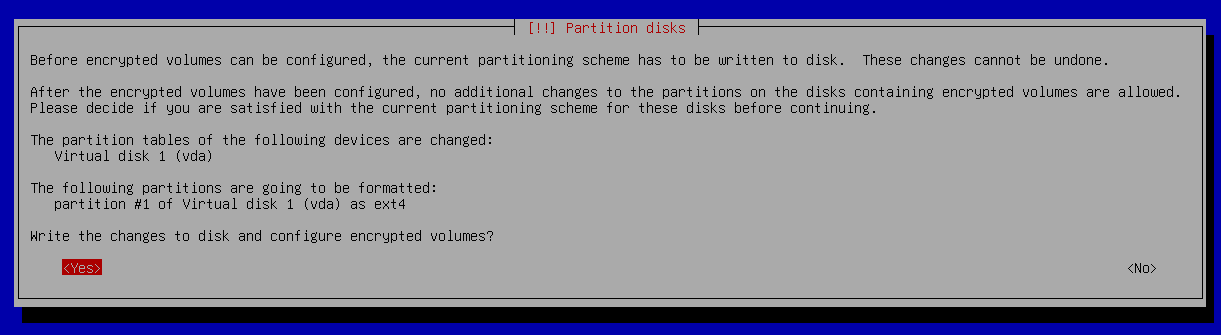

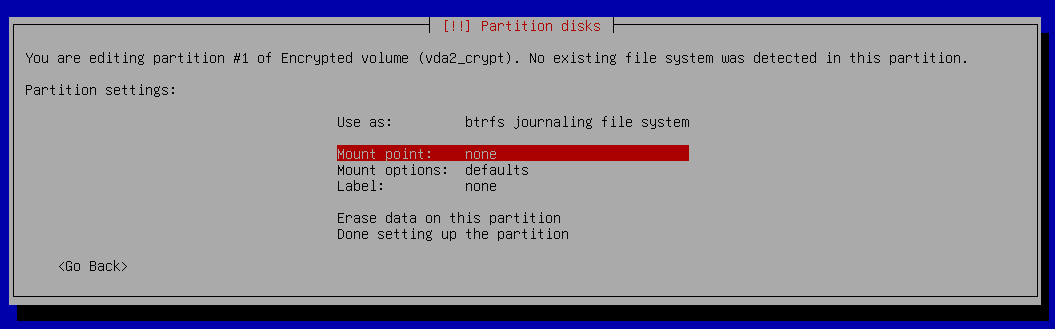
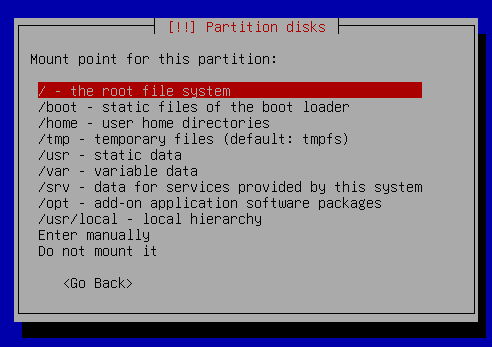
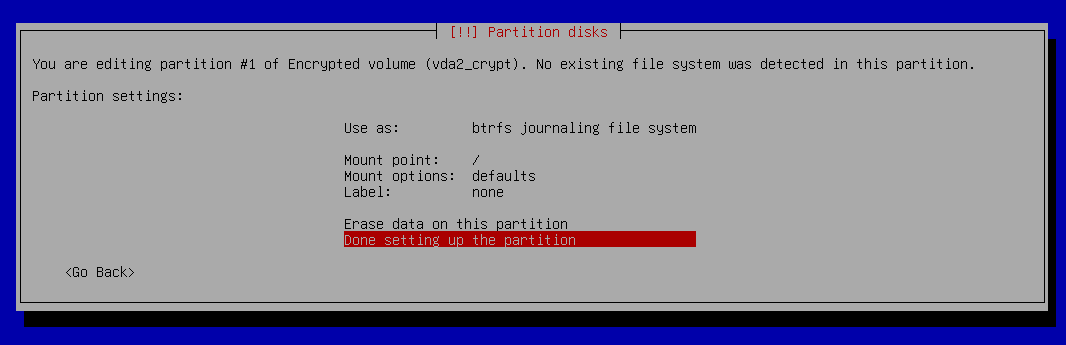
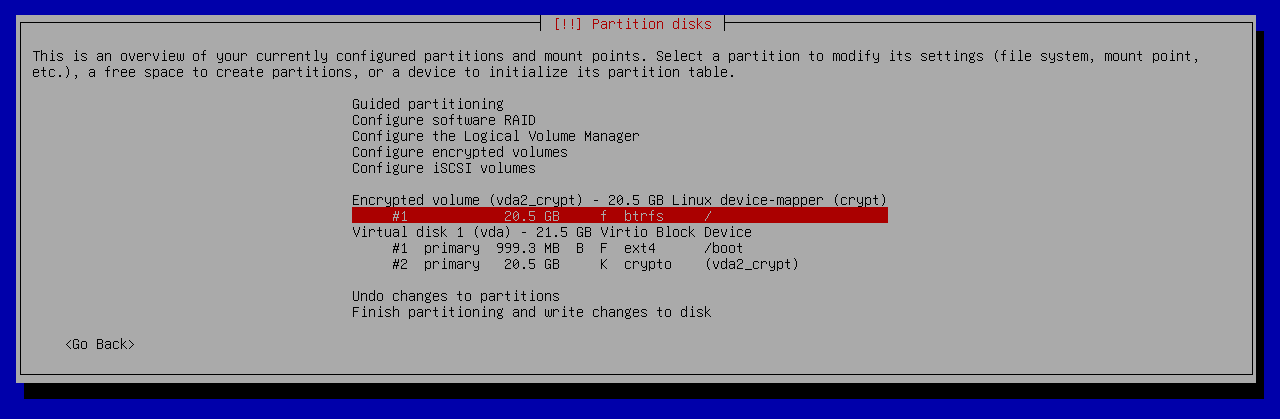
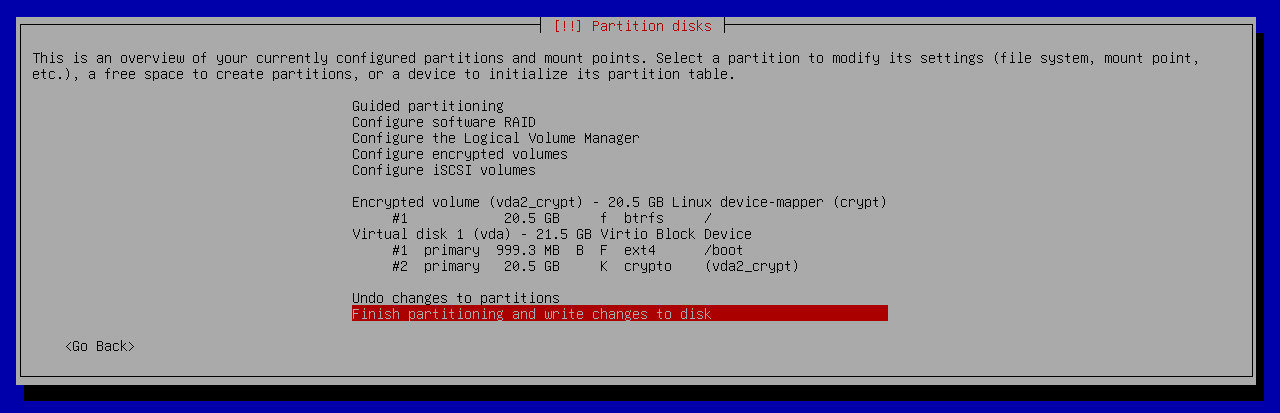

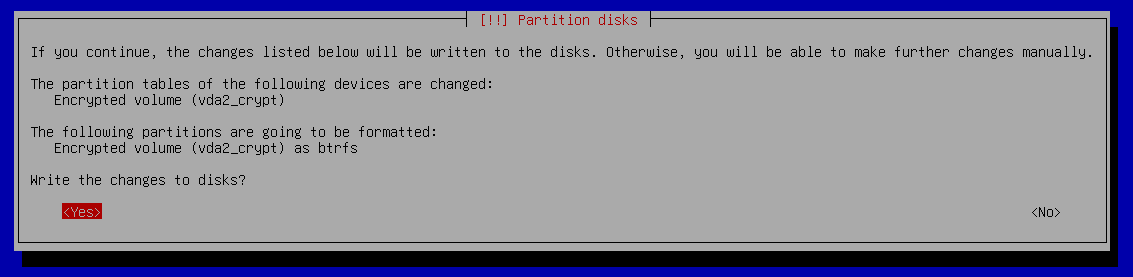
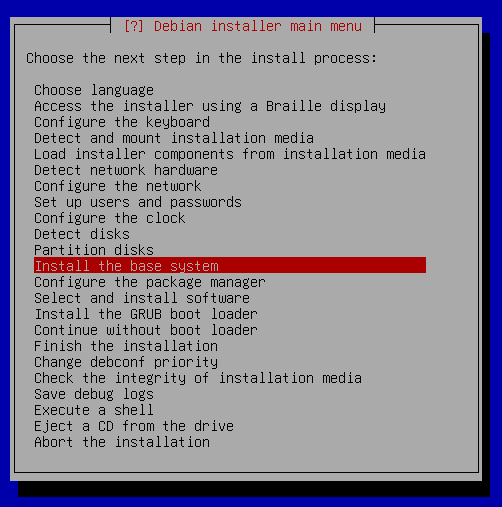


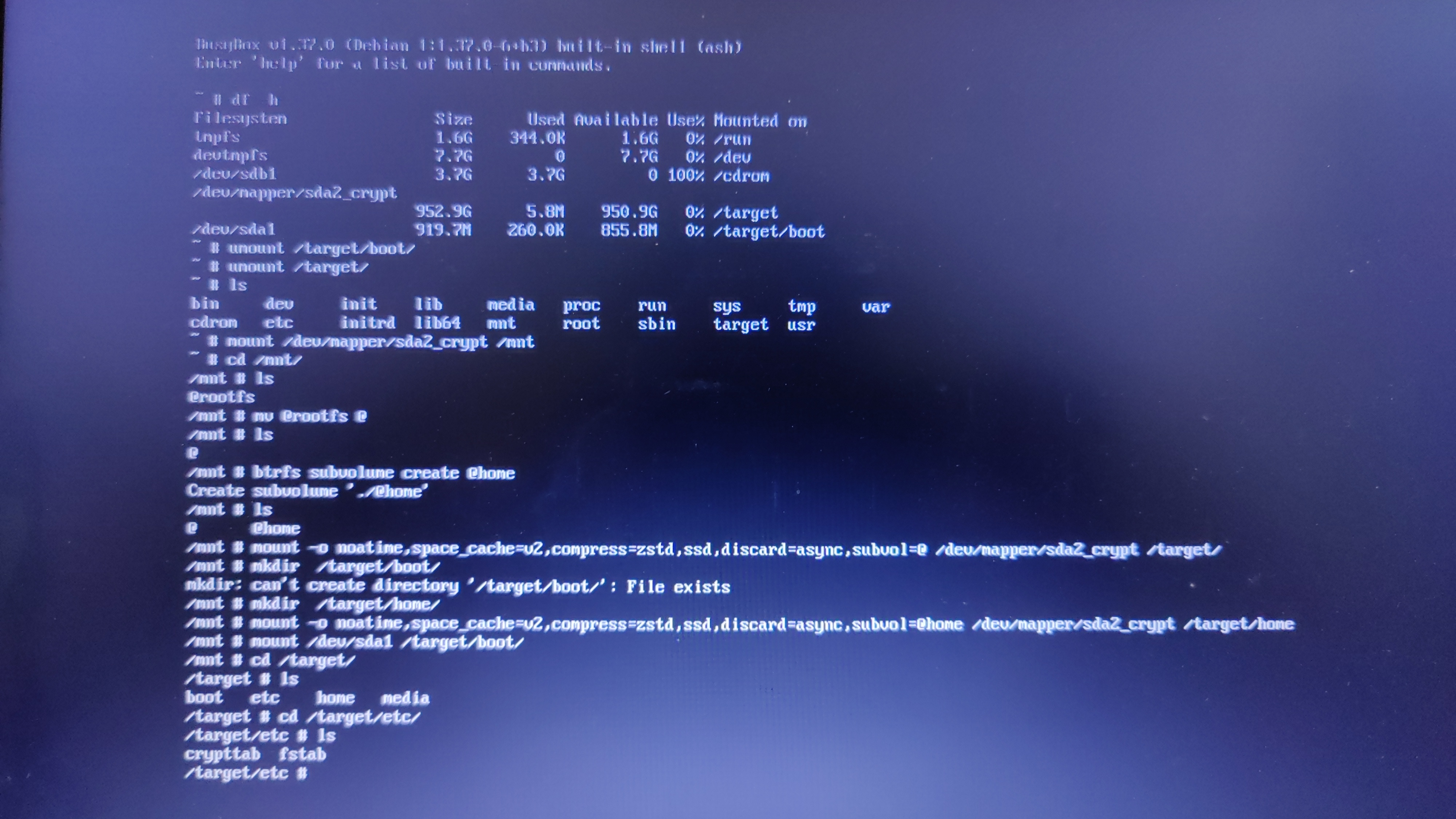
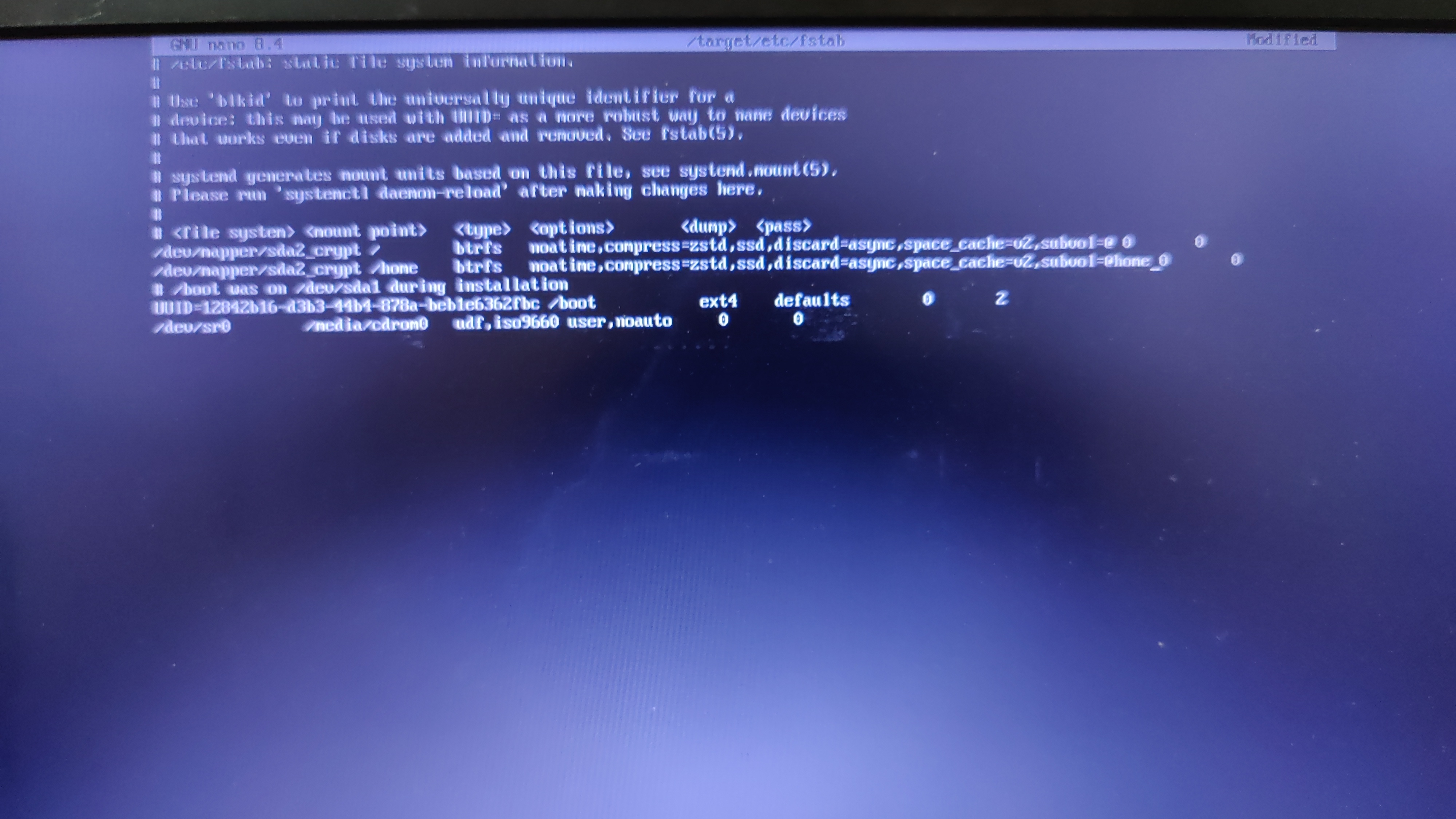
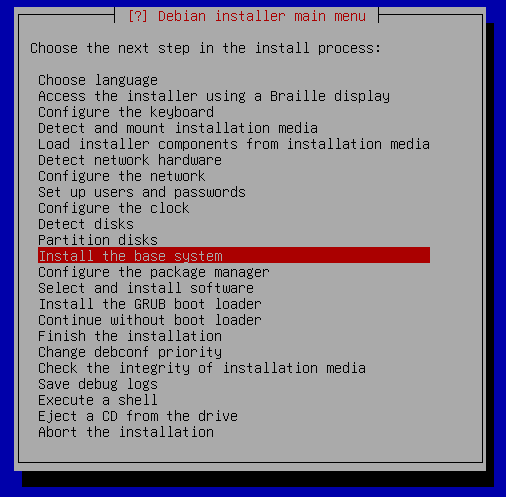
 Screenshot of Debian installer installing the base system.

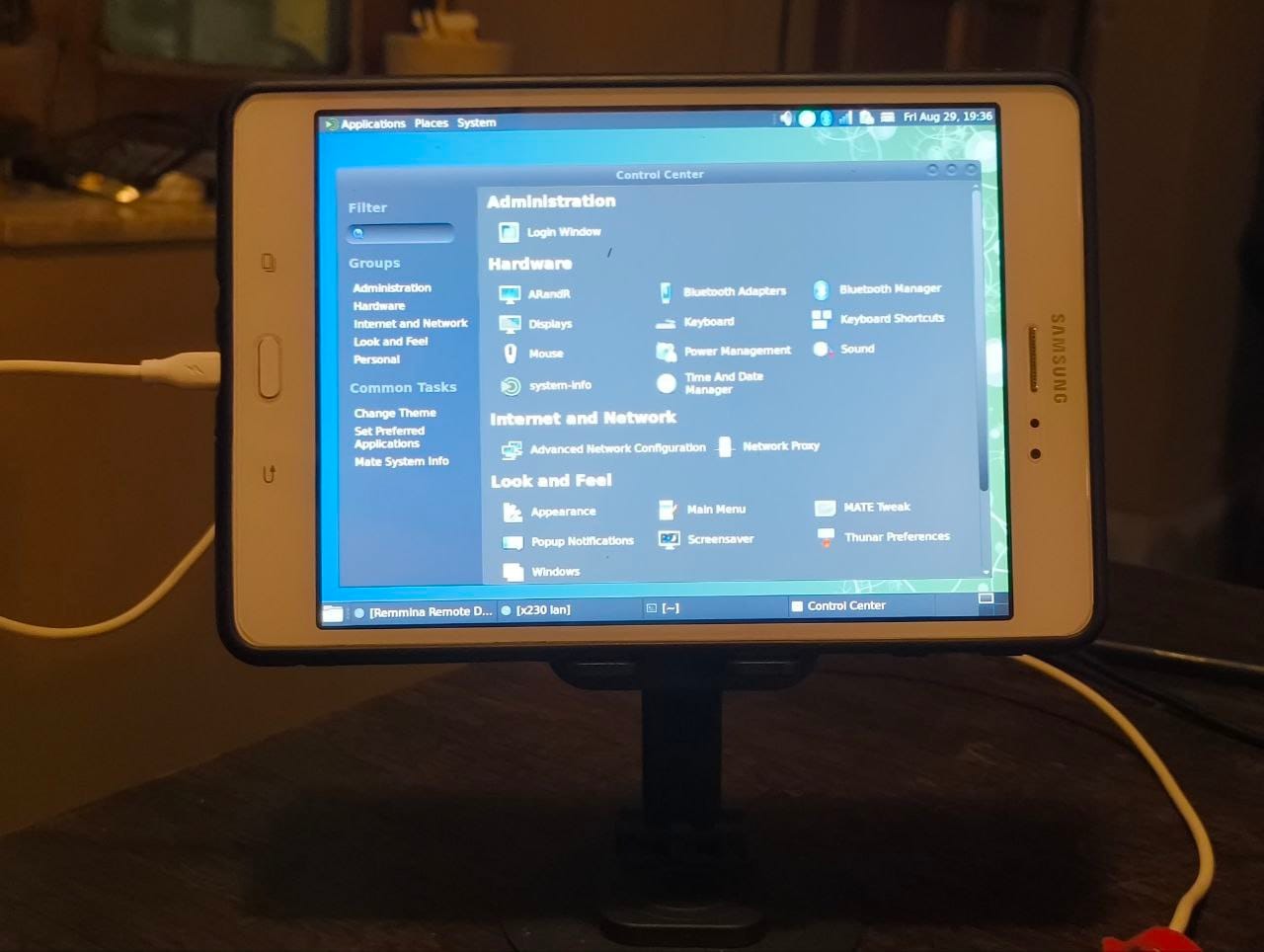 I have been using my Samsung Galaxy Tab A (2015) with PostmarketOS on and off since last year. It serves as a really good e-book reader with KOReader installed on it. Have tried phosh and plasma-mobile on it, works nicely but slows the device down heavily (2 GB RAM and old processor) so I use MATE Desktop environment on it.Lately I have started using this tablet along with my laptop as a second screen for work. And it has been working super nicely for that. The only issue being that I have to manually rotate the screen to landscape every time I reboot the device. It resets the screen orientation to portrait after a reboot. So I went through the pmOS wiki and a neat nice hack documented there worked very well for me. First we will test if the auto-rotate sensor works and if we can read values from it. So we install some basic necessary packages

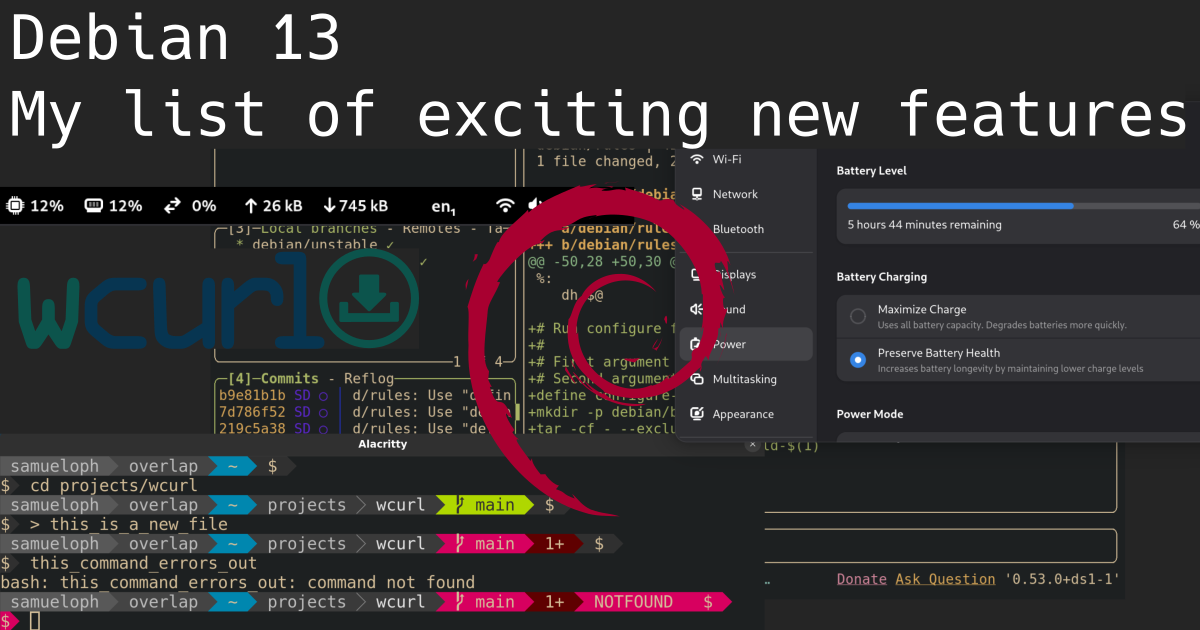
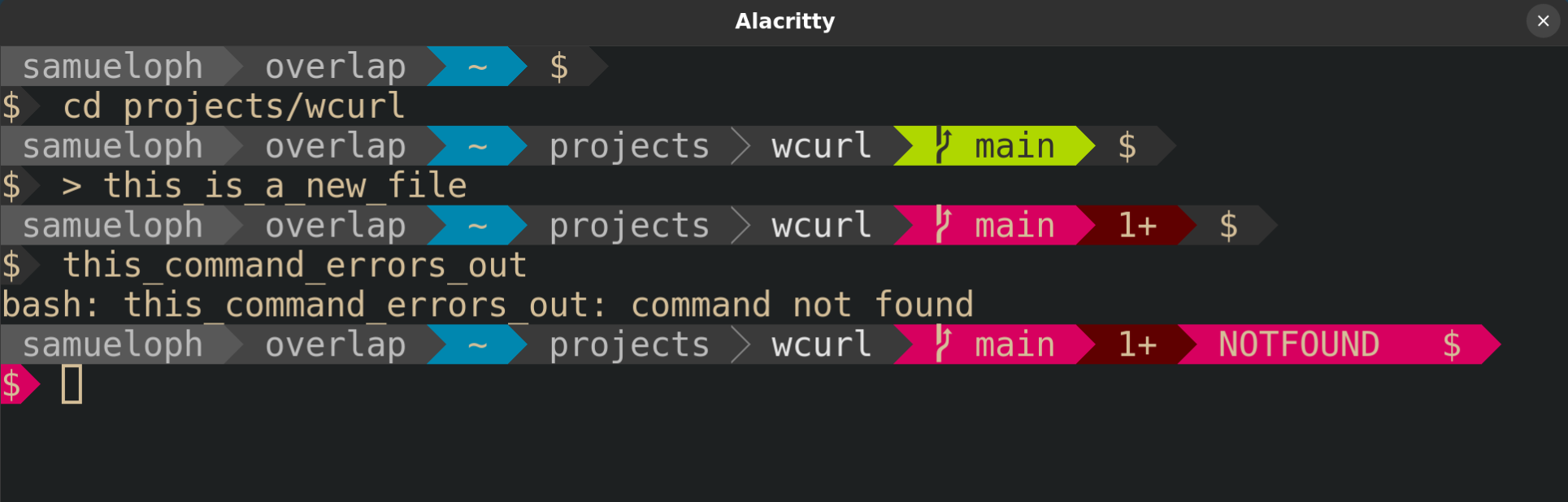
 Have you ever had to download a file from your terminal using curl and didn't
remember the parameters needed? I did.
Nowadays you can use
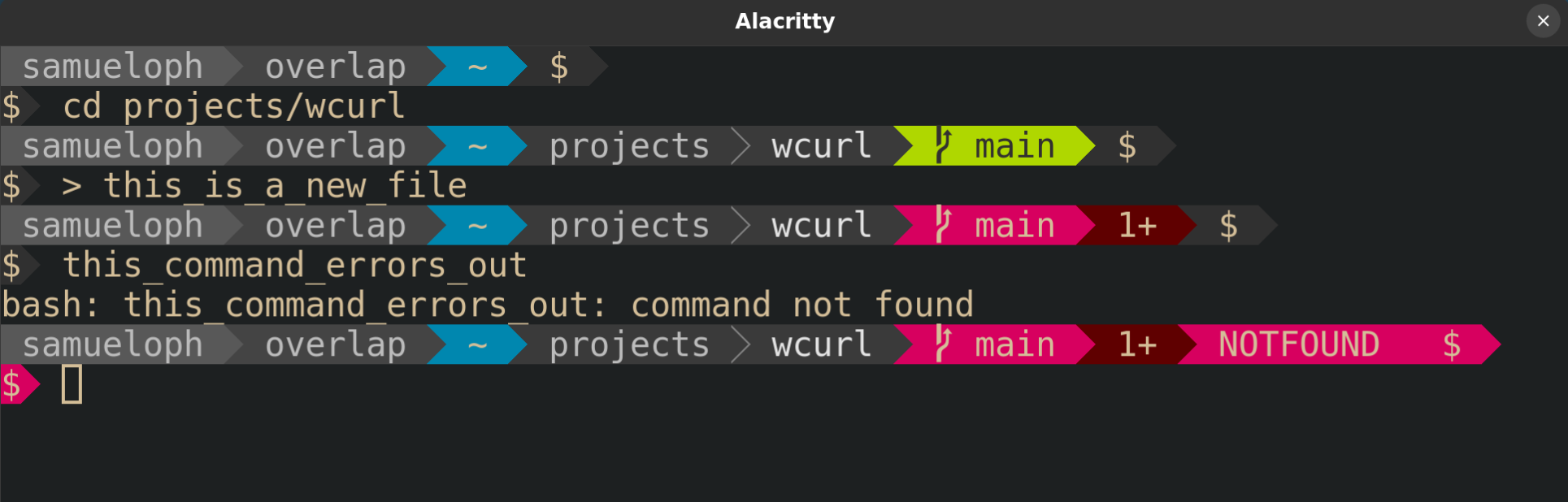 Try it out:
 I've found this quite useful for machines where I'm required to install
third-party monitoring software that tends to randomly consume more resources
than it should. If I feel like my machine is struggling, I can quickly glance
at its load to verify if it's getting overloaded by some process.
The extension is not as complete as
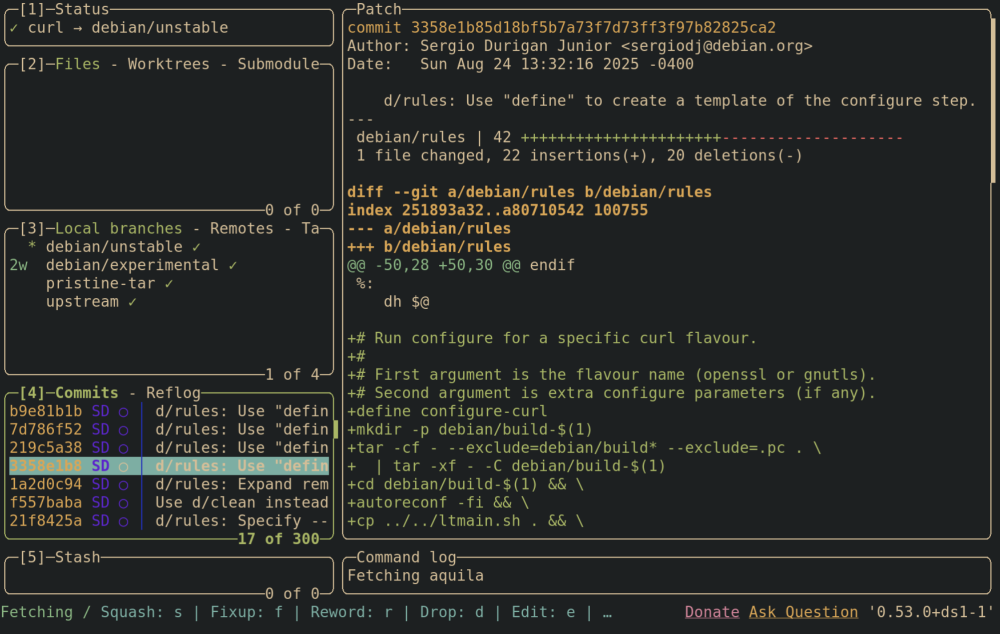
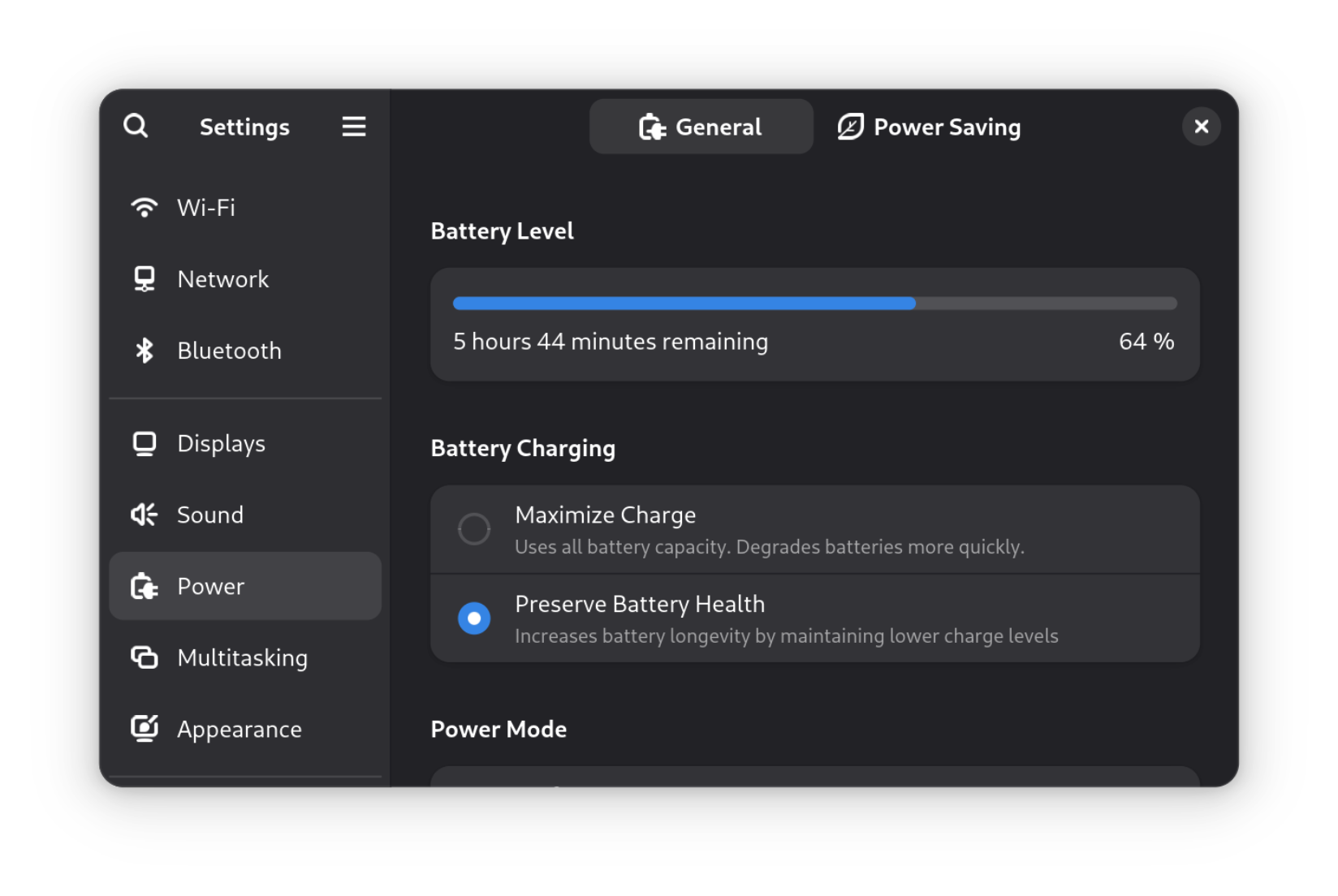
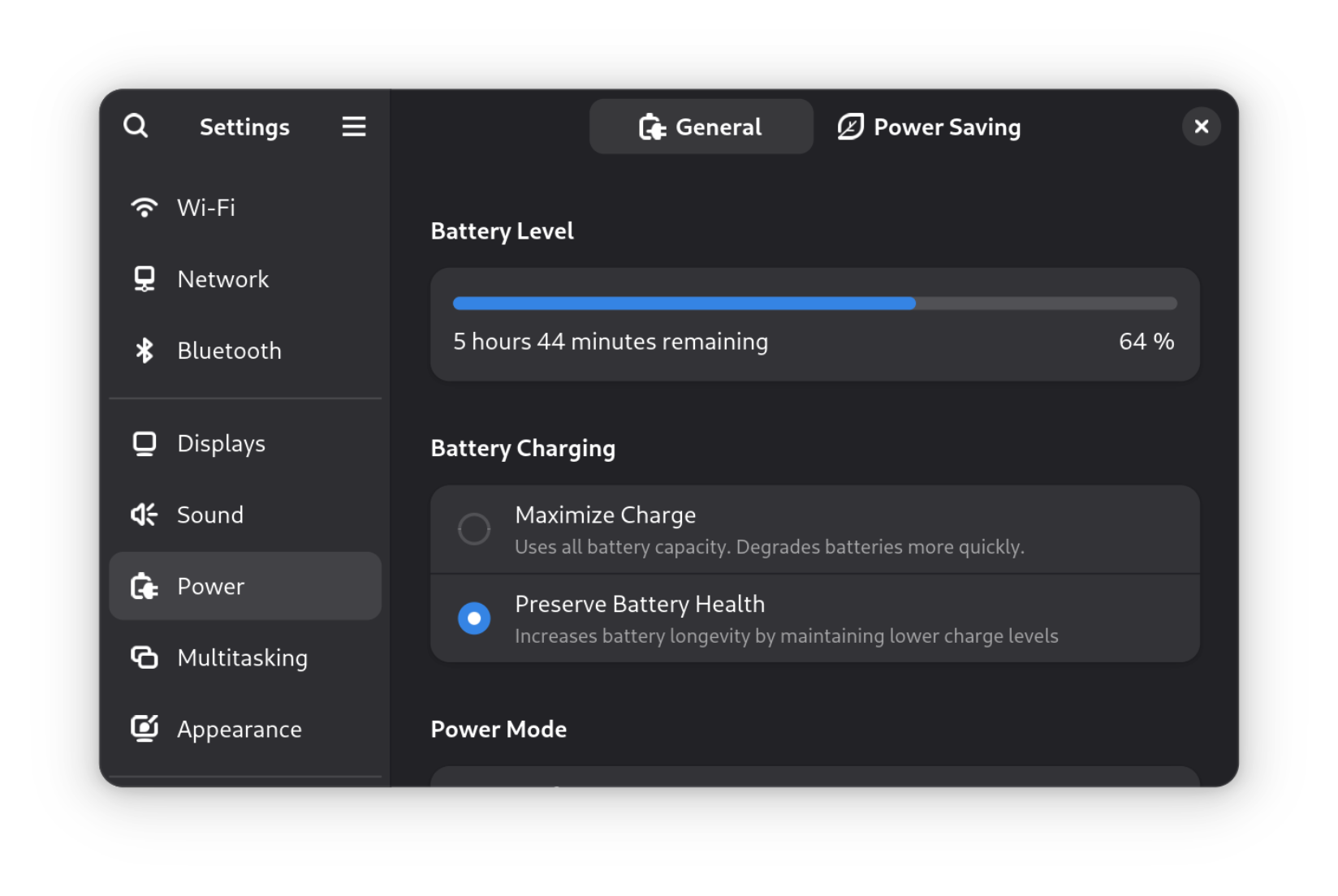 On supported laptops, this setting is an easy way to set thresholds for when
charging should start and stop, just like you could do it with the
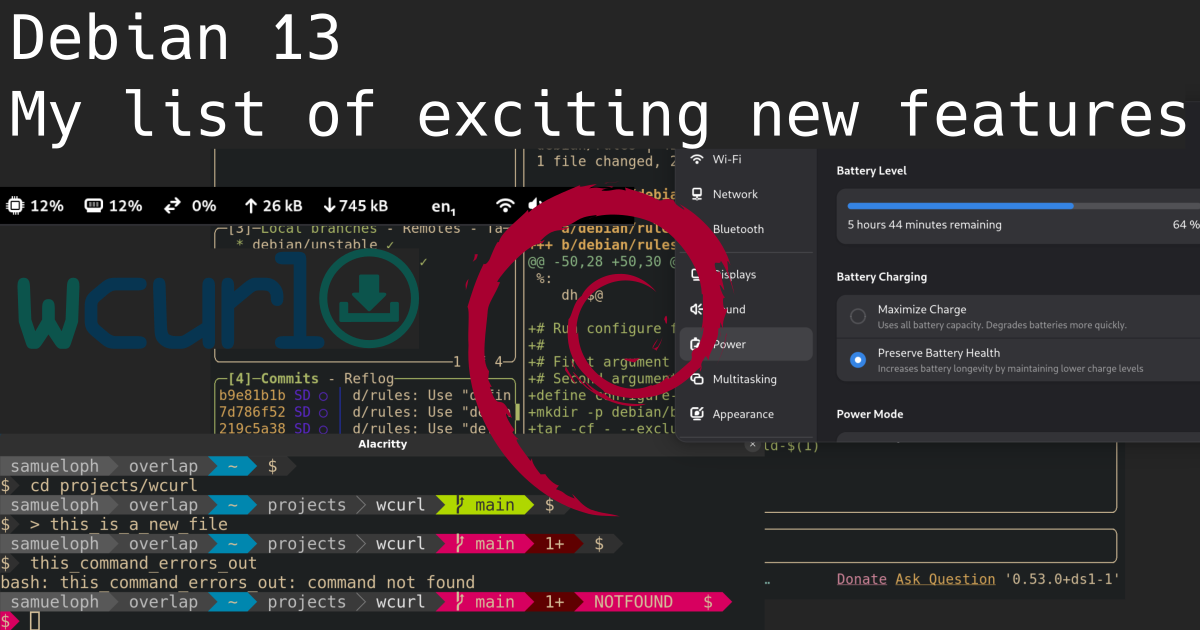
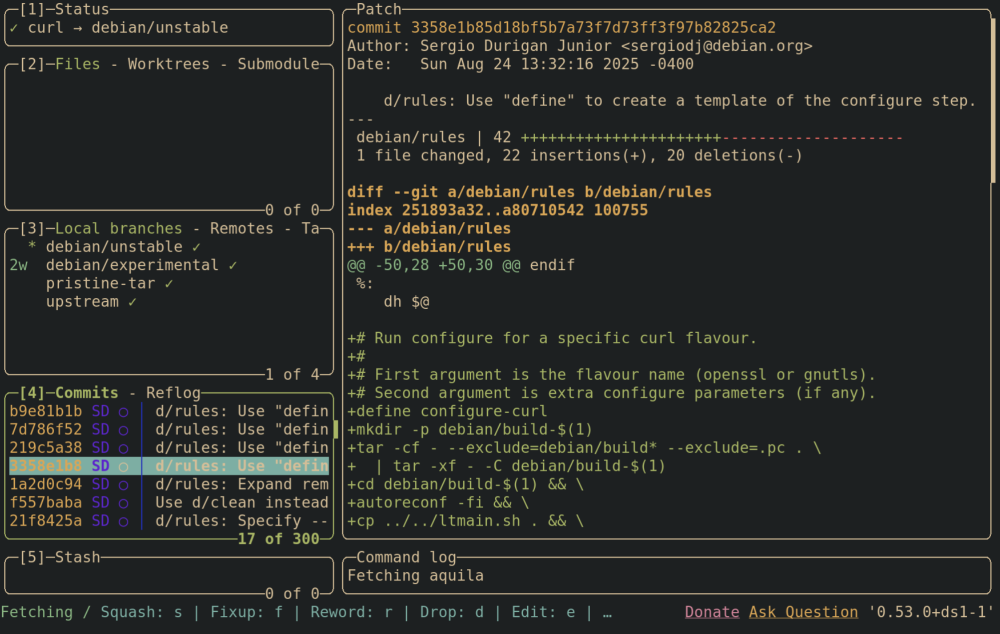
 You should check out the demos from the
 Have you ever had to download a file from your terminal using curl and didn't
remember the parameters needed? I did.
Nowadays you can use
 Try it out:
 I've found this quite useful for machines where I'm required to install
third-party monitoring software that tends to randomly consume more resources
than it should. If I feel like my machine is struggling, I can quickly glance
at its load to verify if it's getting overloaded by some process.
The extension is not as complete as
 On supported laptops, this setting is an easy way to set thresholds for when
charging should start and stop, just like you could do it with the
 You should check out the demos from the
 A bit more than a year ago, I had been thinking about making myself a
cartridge pleated skirt. For a number of reasons, one of which is the
historybounding potential, I ve been thinking pre-crinoline, so
somewhere around the 1840s, and that s a completely new era for me,
which means: new underwear.
Also, the 1840s are pre-sewing machine, and I was already in a position
where I had more chances to handsew than to machine sew, so I decided to
embrace the slowness and sew 100% by hand, not even using the machine
for straight seams.
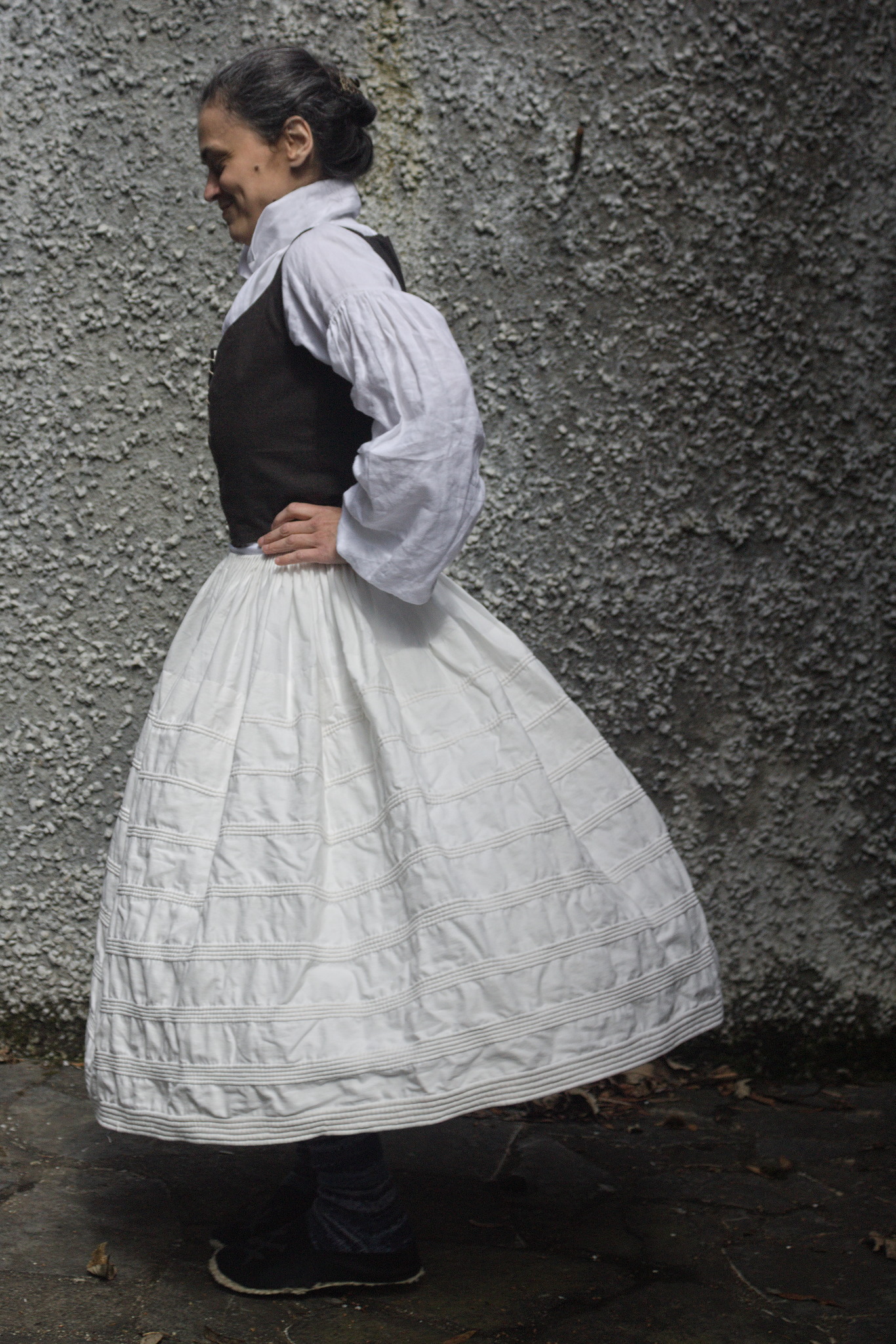 If I remember correctly, I started with the corded petticoat, looking
around the internet for instructions, and then designing my own based on
the practicality of using modern wide fabric from my stash (and
specifically some DITTE from costumers favourite source of dirty cheap
cotton IKEA).
Around the same time I had also acquired a sashiko kit, and I used the
Japanese technique for sewing running stitches pushing the needle with a
thimble that covers the base of the middle finger, and I can confirm
that for this kind of things it s great!
I ve since worn the petticoat a few times for casual / historyBounding /
folkwearBounding reasons, during the summer, and I can confirm it s
comfortable to use; I guess that during the winter it could be nice to
add a flannel layer below it.
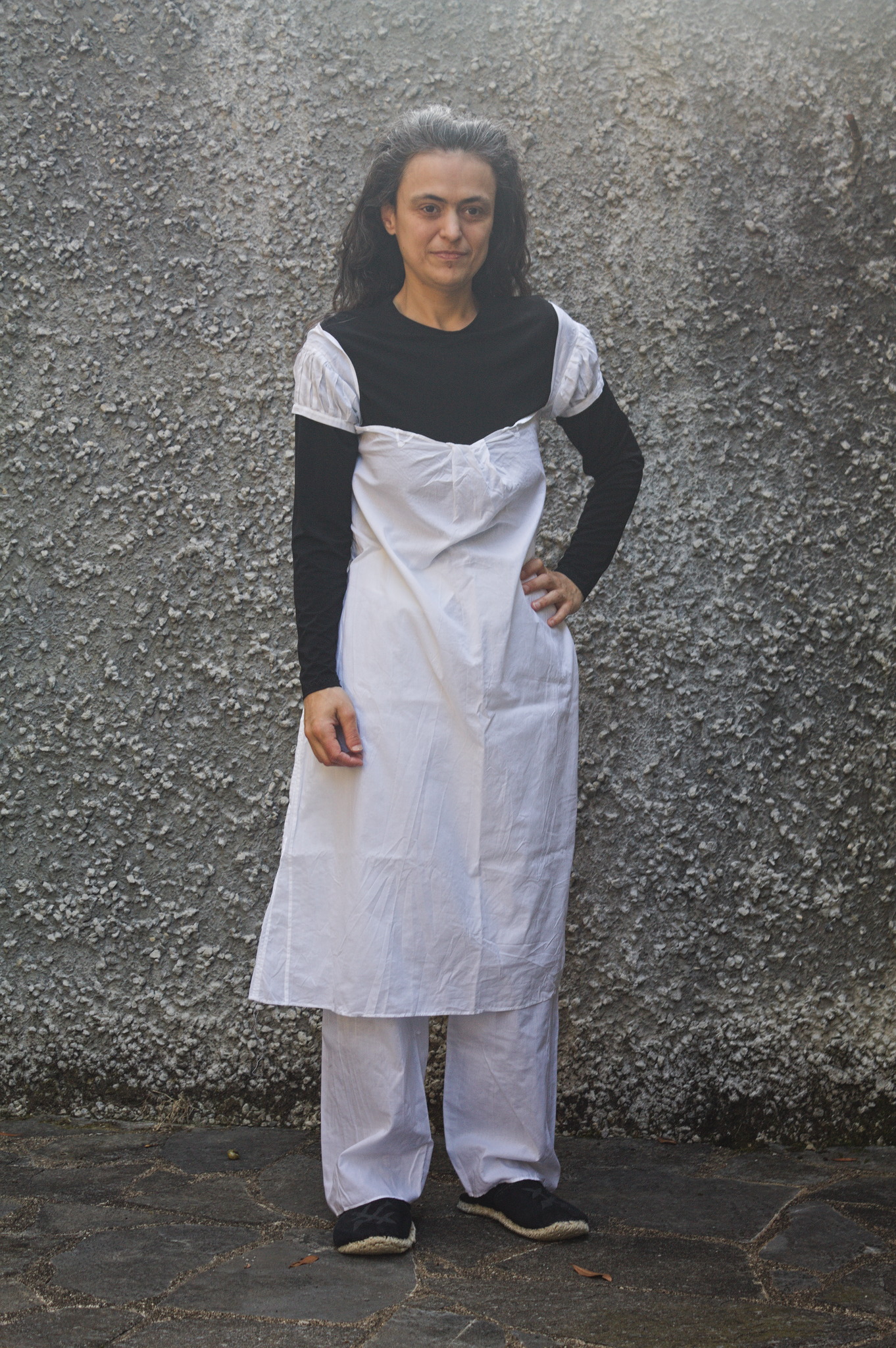
 Then I proceeded with the base layers: I had been browsing through
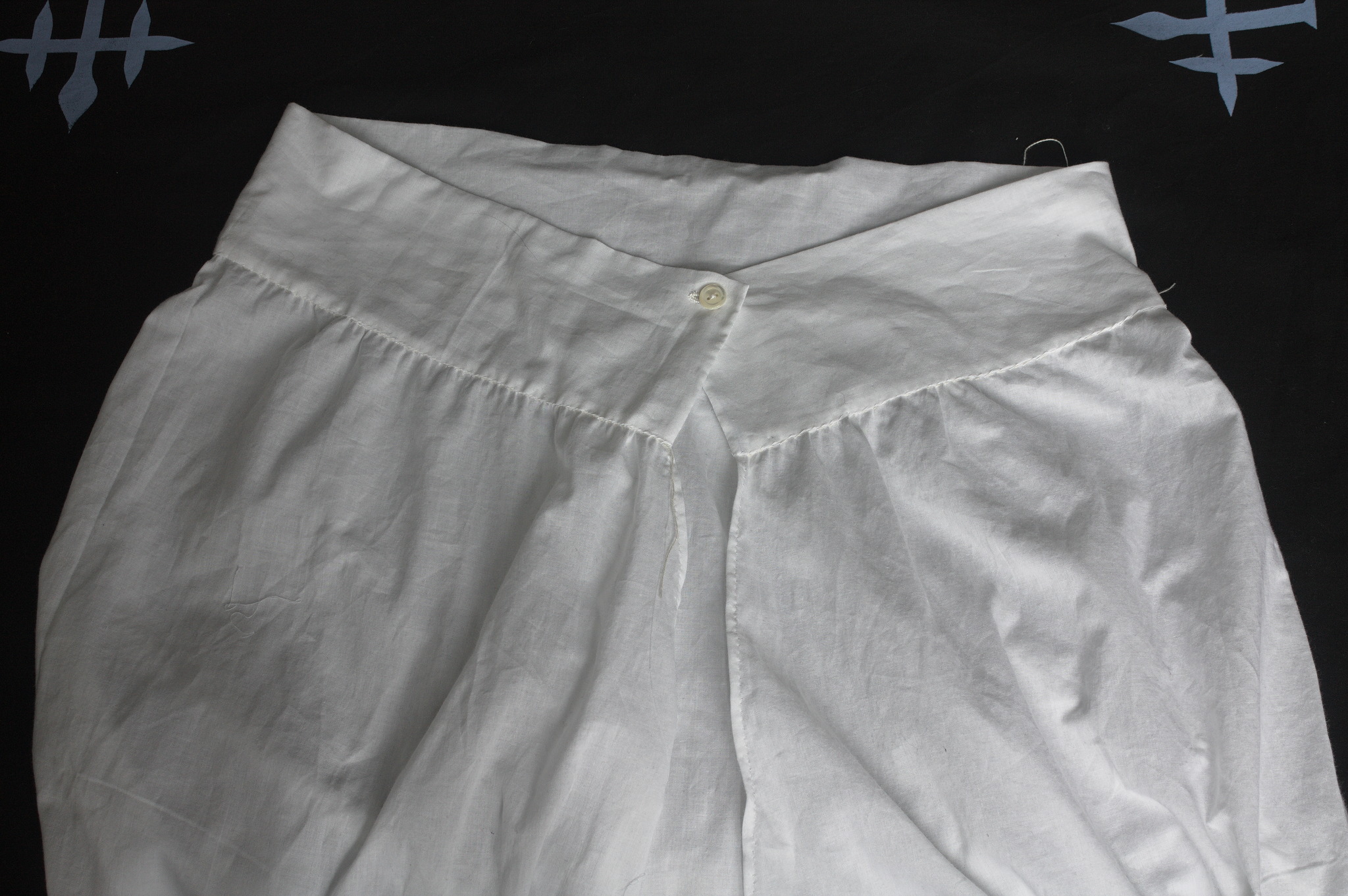 The book only provided measurements for one size (moderate), and my
fabric was a bit too narrow to make them that size (not that I have any
idea what hip circumference a person of moderate size was supposed to
have), so the result is just wide enough to be comfortably worn, but I
think that when I ll make another pair I ll try to make them a bit
wider. On the other hand they are a bit too long, but I think that I ll
fix it by adding a tuck or two. Not a big deal, anyway.
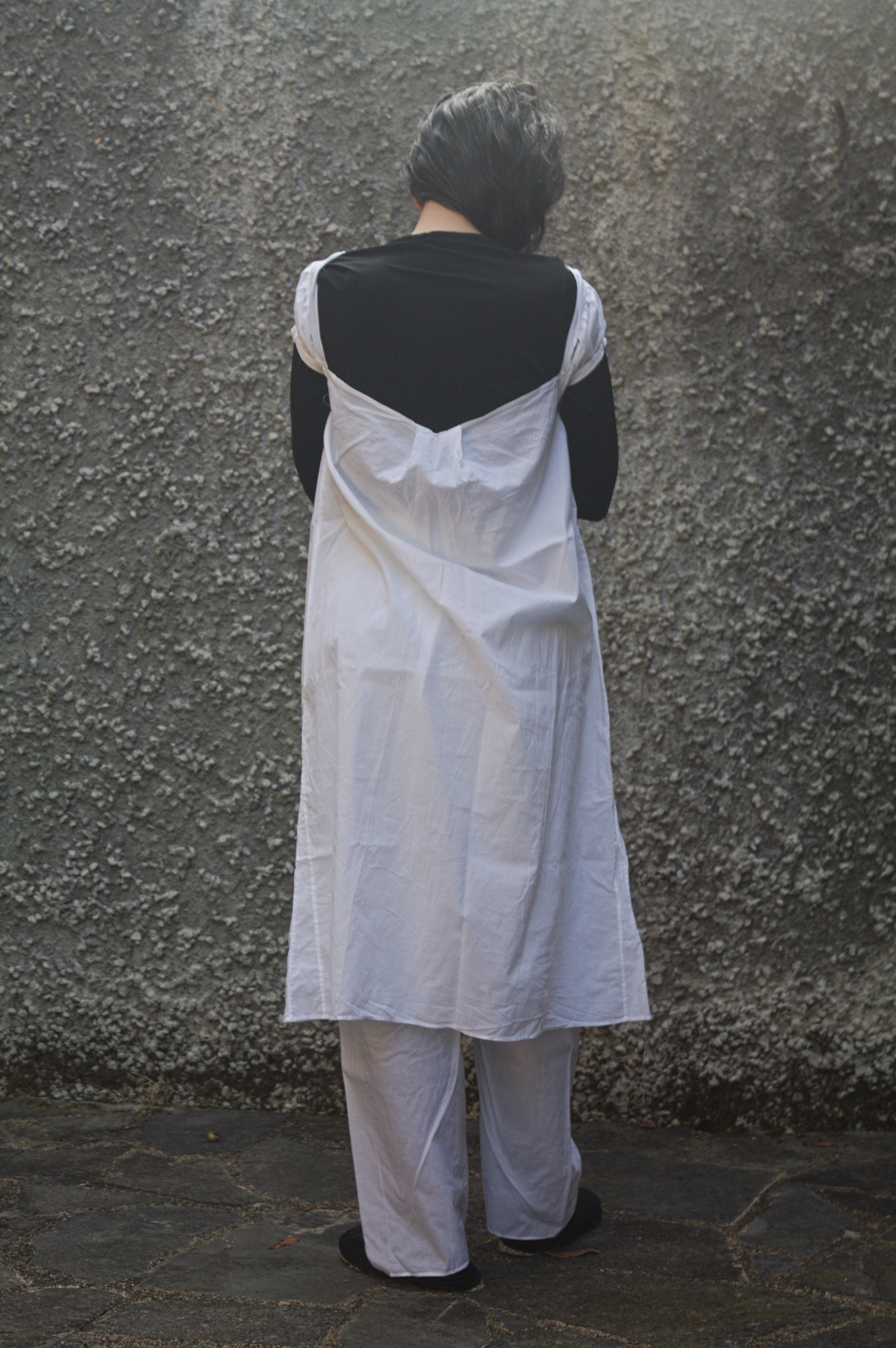 The shift gave me a bit more issues: I used the recommended gusset size,
and ended up with a shift that was way too wide at the top, so I had to
take a box pleat in the center front and back, which changed the look
and wear of the garment. I have adjusted the instructions to make
gussets wider, and in the future I ll make another shift following
those.
Even with the pleat, the narrow shoulder straps are set quite far to the
sides, and they tend to droop, and I suspect that this is to be expected
from the way this garment is made. The fact that there are buttonholes
on the shoulder straps to attach to the corset straps and prevent the
issue is probably a hint that this behaviour was to be expected.
 I ve also updated the instructions so that they shoulder straps are a
bit wider, to look more like the ones in the drawing from the book.
Making a corset suitable for the time period is something that I will
probably do, but not in the immediate future, but even just wearing the
shift under a later midbust corset with no shoulder strap helps.
I m also not sure what the point of the bosom gores is, as they don t
really give more room to the bust where it s needed, but to the high
bust where it s counterproductive. I also couldn t find images of
original examples made from this pattern to see if they were actually
used, so in my next make I may just skip them.
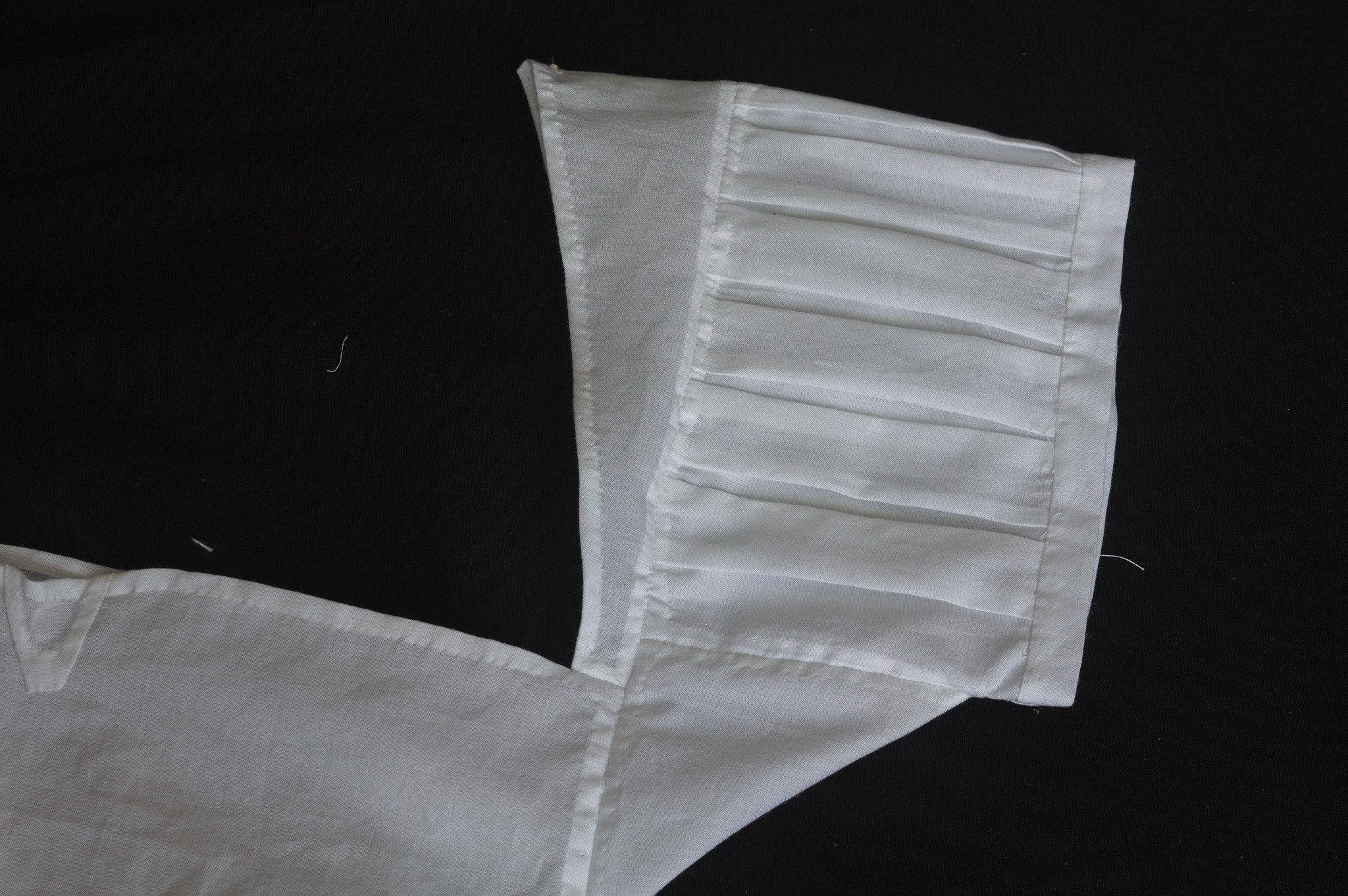 On the other hand, I m really happy with how cute the short sleeves
look, and if
 Some time ago, I wanted to encrypt a bunch of data in an application I was writing in Rust, mostly to be stored in a database, but also session cookies and sensitive configuration variables.
Since Rust is widely known as a secure-yet-high-performance programming language, I was expecting that there would be a widely-used crate that gave me a secure, high-level interface to strong, safe cryptography.
Imagine my surprise when I discovered that just didn t seem to exist.
Don t get me wrong: Rust is replete with fast, secure, battle-tested cryptographic primitives.
The
