Matthew Garrett: Where are we on X Chat security?
 AWS had an outage today and Signal was unavailable for some users for a while. This has confused some people, including Elon Musk, who are concerned that having a dependency on AWS means that Signal could somehow be compromised by anyone with sufficient influence over AWS (it can't). Which means we're back to the richest man in the world recommending his own "X Chat", saying
The messages are fully encrypted with no advertising hooks or strange AWS dependencies such that I can t read your messages even if someone put a gun to my head.
Elon is either uninformed about his own product, lying, or both.
As I wrote back in June, X Chat genuinely end-to-end encrypted, but ownership of the keys is complicated. The encryption key is stored using the Juicebox protocol, sharded between multiple backends. Two of these are asserted to be HSM backed - a discussion of the commissioning ceremony was recently posted here. I have not watched the almost 7 hours of video to verify that this was performed correctly, and I also haven't been able to verify that the public keys included in the post were the keys generated during the ceremony, although that may be down to me just not finding the appropriate point in the video (sorry, Twitter's video hosting doesn't appear to have any skip feature and would frequently just sit spinning if I tried to seek to far and I should probably just download them and figure it out but I'm not doing that now). With enough effort it would probably also have been possible to fake the entire thing - I have no reason to believe that this has happened, but it's not externally verifiable.
But let's assume these published public keys are legitimately the ones used in the HSM Juicebox realms[1] and that everything was done correctly. Does that prevent Elon from obtaining your key and decrypting your messages? No.
On startup, the X Chat client makes an API call called GetPublicKeysResult, and the public keys of the realms are returned. Right now when I make that call I get the public keys listed above, so there's at least some indication that I'm going to be communicating with actual HSMs. But what if that API call returned different keys? Could Elon stick a proxy in front of the HSMs and grab a cleartext portion of the key shards? Yes, he absolutely could, and then he'd be able to decrypt your messages.
(I will accept that there is a plausible argument that Elon is telling the truth in that even if you held a gun to his head he's not smart enough to be able to do this himself, but that'd be true even if there were no security whatsoever, so it still says nothing about the security of his product)
The solution to this is remote attestation - a process where the device you're speaking to proves its identity to you. In theory the endpoint could attest that it's an HSM running this specific code, and we could look at the Juicebox repo and verify that it's that code and hasn't been tampered with, and then we'd know that our communication channel was secure. Elon hasn't done that, despite it being table stakes for this sort of thing (Signal uses remote attestation to verify the enclave code used for private contact discovery, for instance, which ensures that the client will refuse to hand over any data until it's verified the identity and state of the enclave). There's no excuse whatsoever to build a new end-to-end encrypted messenger which relies on a network service for security without providing a trustworthy mechanism to verify you're speaking to the real service.
We know how to do this properly. We have done for years. Launching without it is unforgivable.
[1] There are three Juicebox realms overall, one of which doesn't appear to use HSMs, but you need at least two in order to obtain the key so at least part of the key will always be held in HSMs


 New FAI ISOs using FAI 6.4.3 are available.
They are using Debian 13 aka trixie, kernel 6.12 and you can now
install Rocky Linux 10 and AlmaLinux 10 using these images.
There's also a variant for installing Linux Mint 22.2 and Ubuntu 24.04
which includes all packages on the ISO.
 In

 The discovery of a backdoor in XZ Utils in the spring of 2024 shocked the open source community, raising critical questions about software supply chain security. This post explores whether better Debian packaging practices could have detected this threat, offering a guide to auditing packages and suggesting future improvements.
The XZ backdoor in versions 5.6.0/5.6.1 made its way briefly into many major Linux distributions such as Debian and Fedora, but luckily didn t reach that many actual users, as the backdoored releases were quickly removed thanks to the heroic diligence of
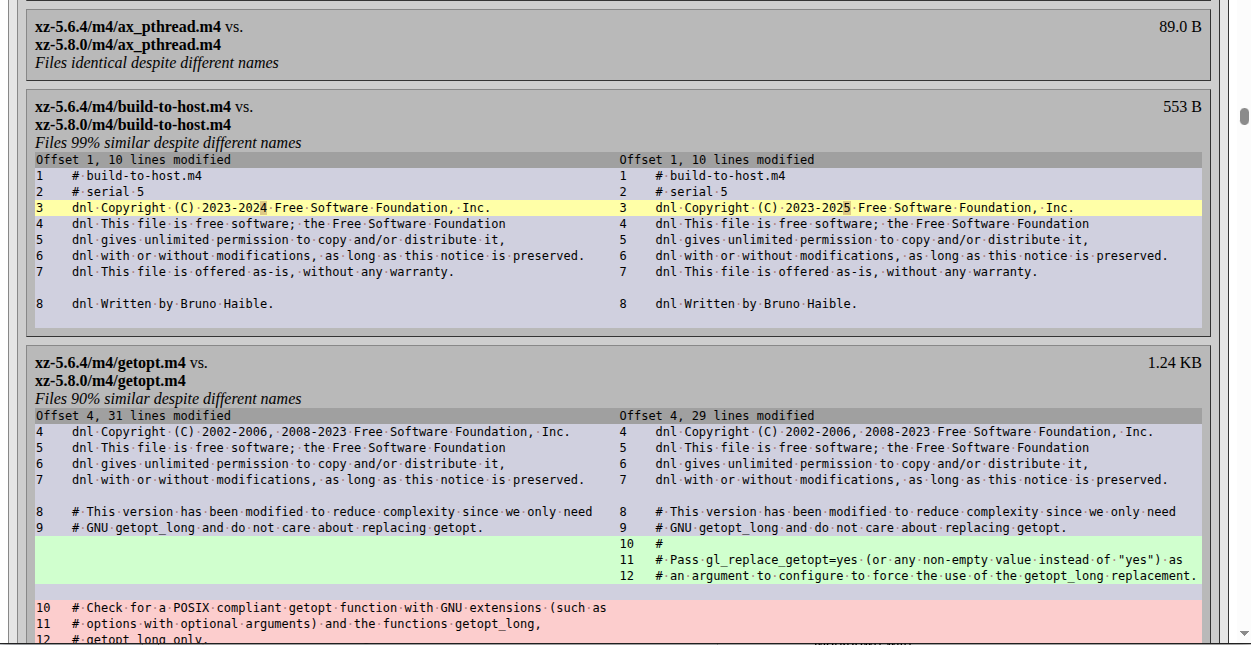 If the changes are extensive, and you want to use a LLM to help spot potential security issues, generate the report of both the upstream and Debian packaging differences in Markdown with:
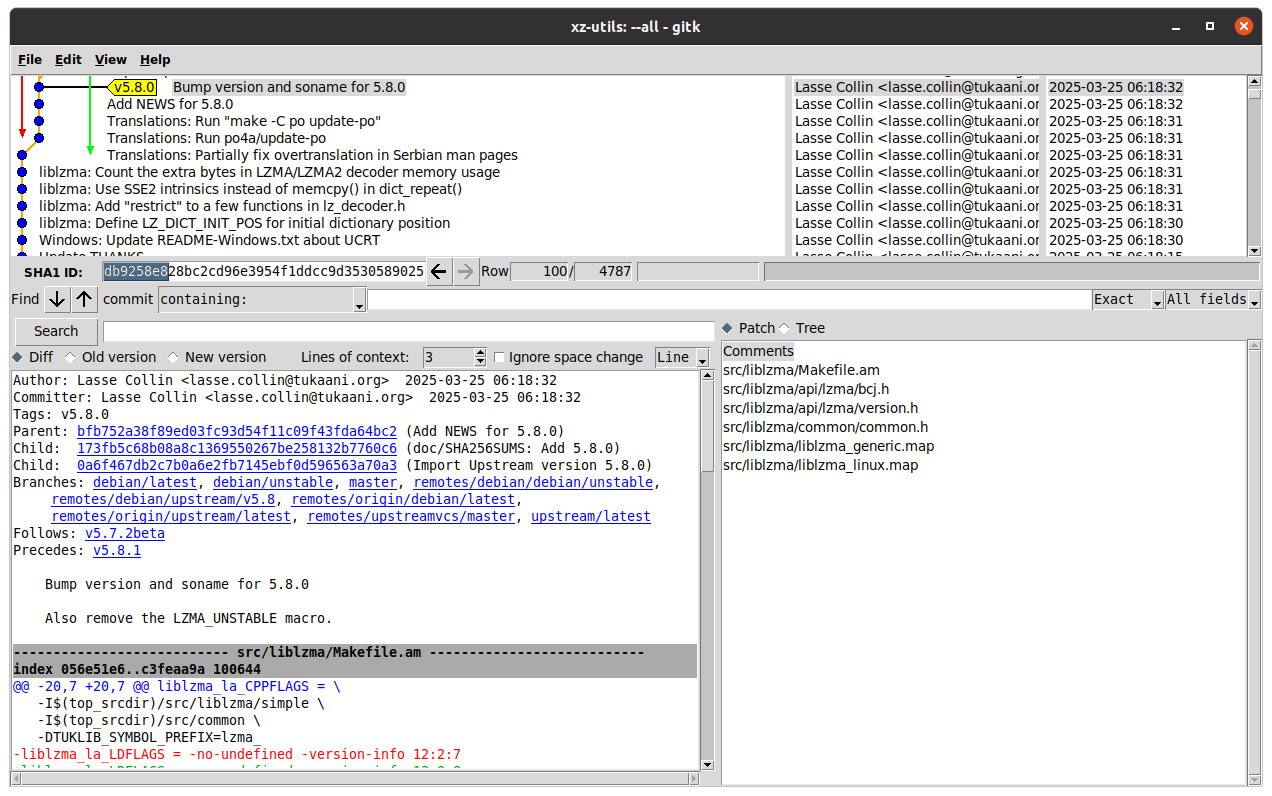
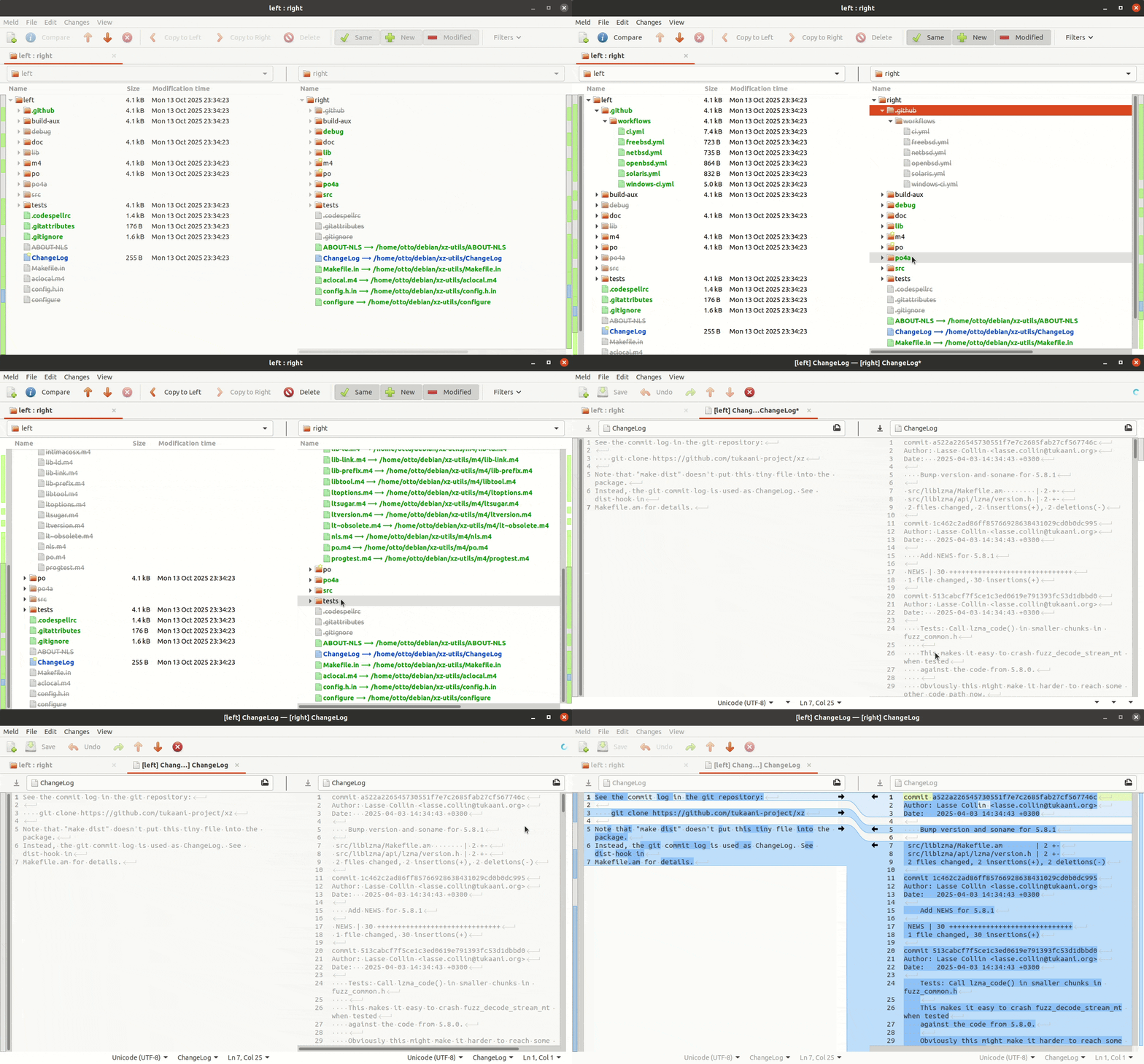 To compare changes across the new and old upstream tarball, one would need to compare commits afba662b New upstream version 5.8.0 and fa1e8796 New upstream version 5.8.1 by running
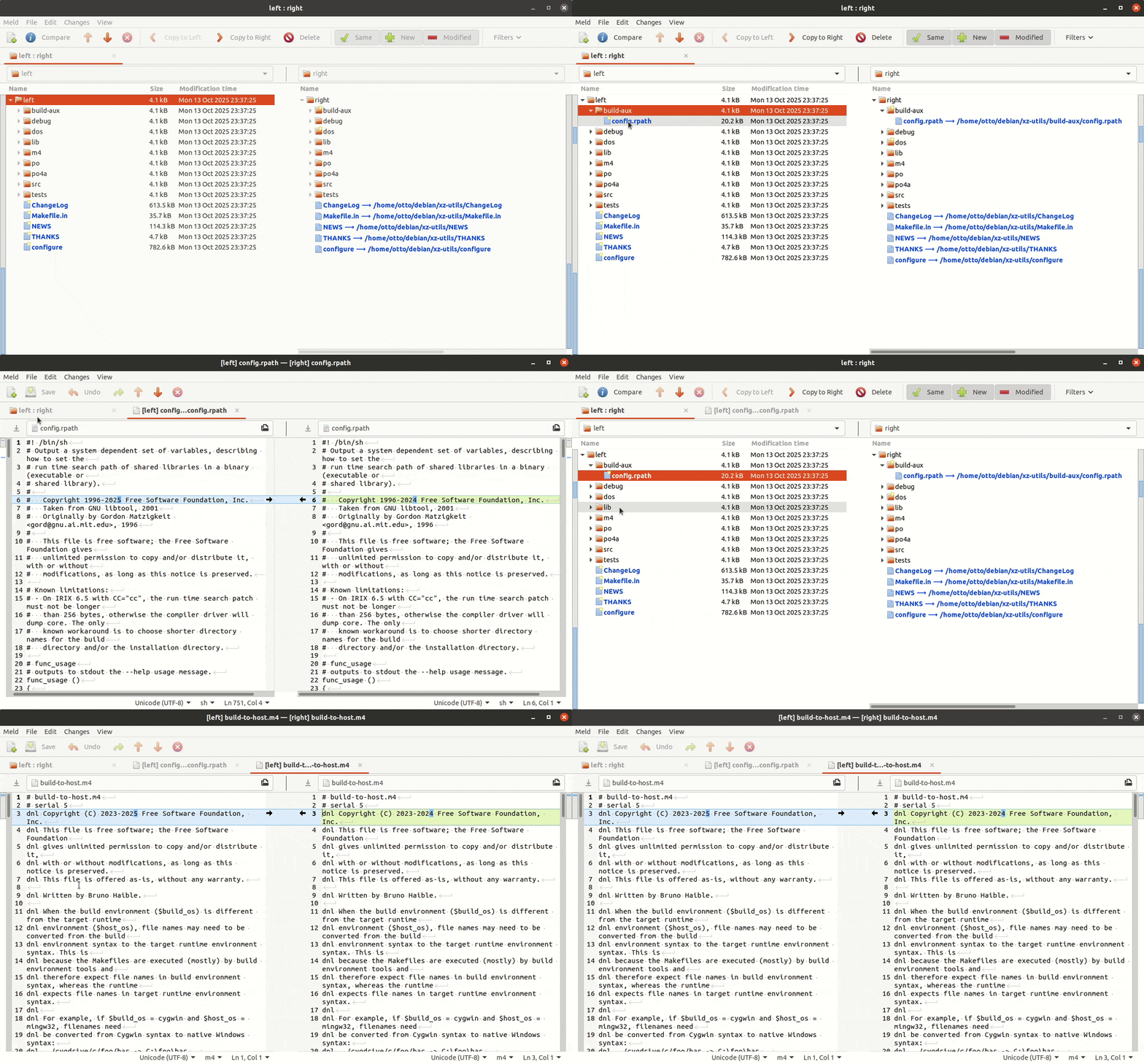 With all the above tips you can now go and try to audit your own favorite package in Debian and see if it is identical with upstream, and if not, how it differs.
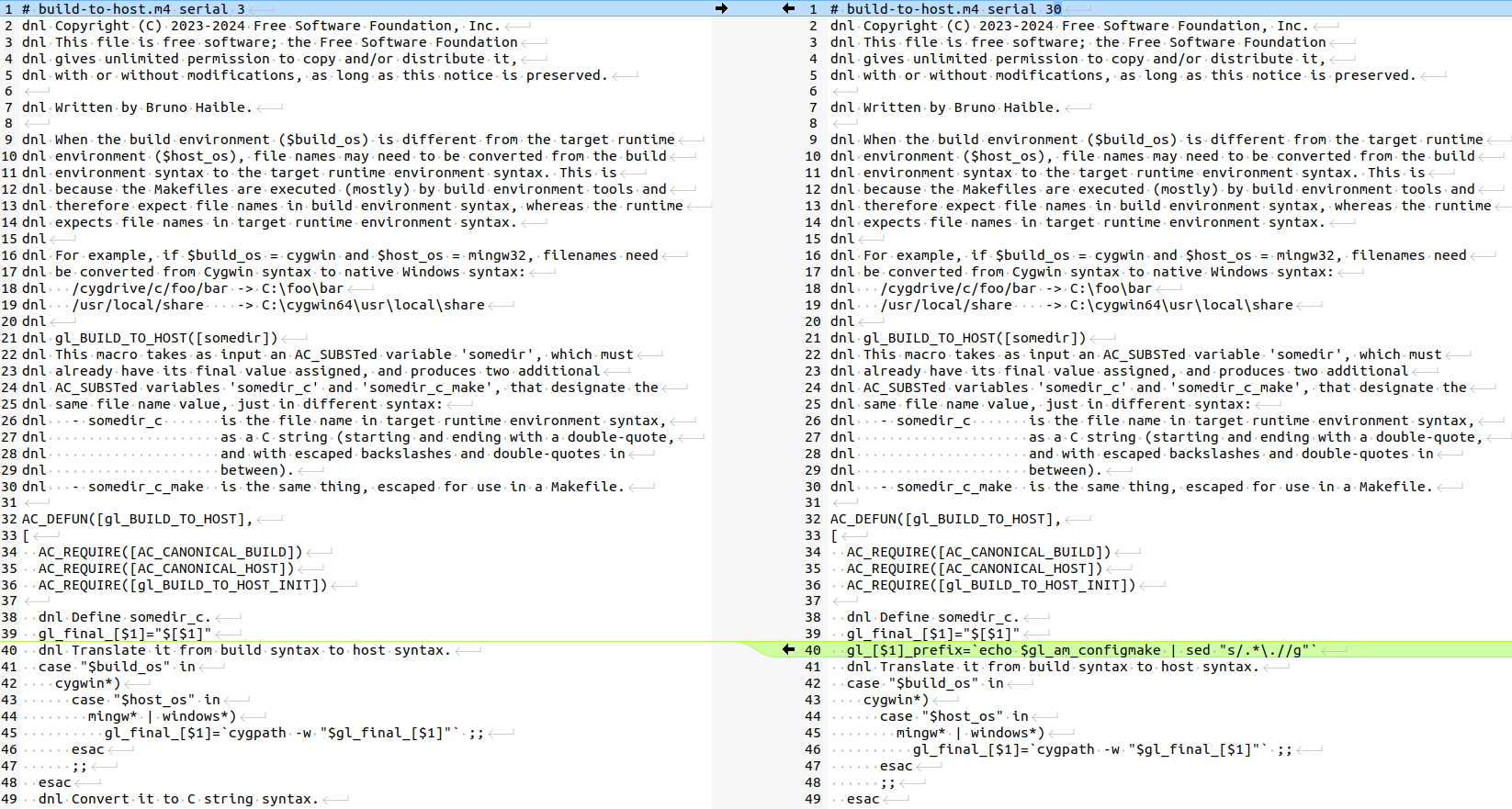 There is only one tiny thing that maybe a very experienced Autotools user could potentially have noticed: the

 One of my servers at work leads a very light life: it is our main backups
server (so it has a I/O spike at night, with little CPU involvement) and
has some minor services running (i.e. a couple of Tor relays and my
personal email server yes, I have the authorization for it ). It is a
very stable machine But today I was surprised:
As I am about to migrate it to Debian 13 (Trixie), naturally, I am set to
reboot it. But before doing so:


 A bit delayed in terms of an announcement, but last month I tagged a new version of onak, my OpenPGP compatible keyserver. It s been 2 years since the
 Dear lazyweb,
At work, we are trying to rotate the GPG signing keys for the Linux packages of
the
 Like each month, have a look at the work funded by
 Our Debian User Group met on September 27th for our first meeting
since our summer hiatus. As always, it was fun and productive!
Here's what we did:
pollo:
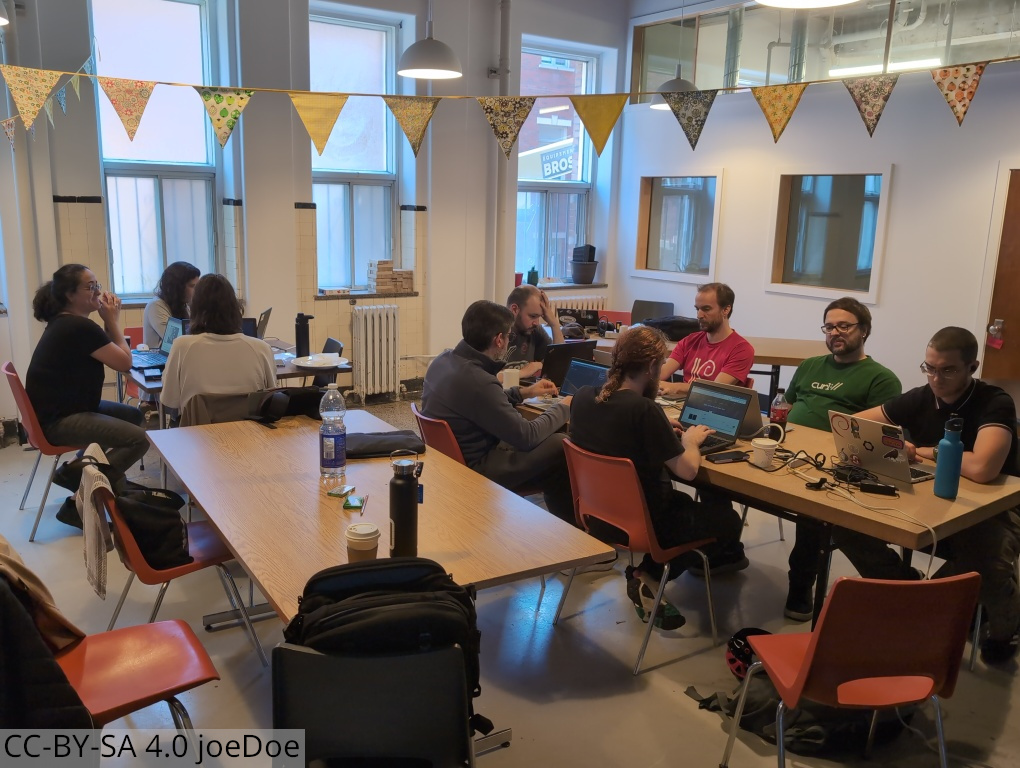 Some of us ended up grabbing a drink after the event at


