Ian Jackson: Free Software, internal politics, and governance
There is a thread of opinion in some Free Software communities, that we shouldn t be doing politics , and instead should just focus on technology.
But that s impossible. This approach is naive, harmful, and, ultimately, self-defeating, even on its own narrow terms.
 comments
- Today I m talking about small-p politics
- Many people working together always entails politics
- Consensus is great but always requiring it is harmful
- Governance is like backups: we need to practice it
- Governance should usually be routine and boring
- Governance means deciding, not just mediating
- On the autonomy of the programmer
- Mitigate the consequences of decisions retain flexibility
- But don t do decisionmaking like a corporation
- If you won t do politics, politics will do you
- Conclusions
- Respect and support the people who are trying to fix things with politics.
- Be informed, and, where appropriate, involved.
- If you are in a position of authority, be willing to exercise that authority. Do more than just mediating to try to get consensus.
 Having setup an
 Hello, hello, hello!
This report for the
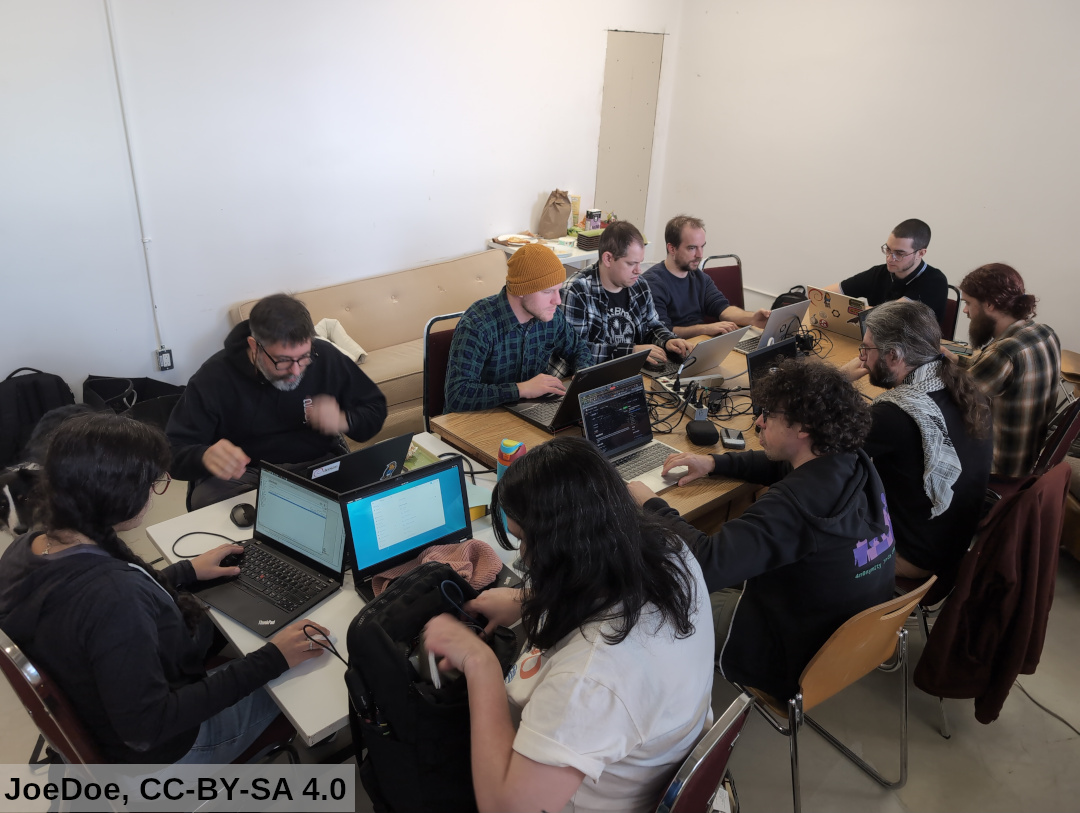
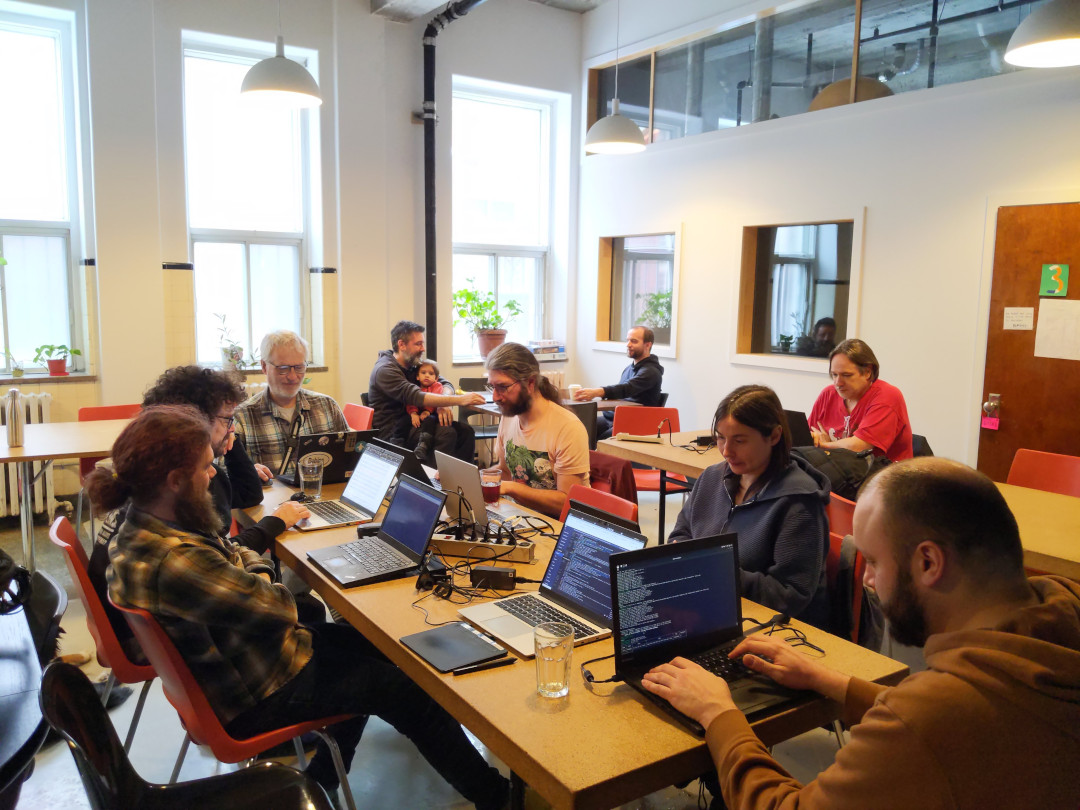
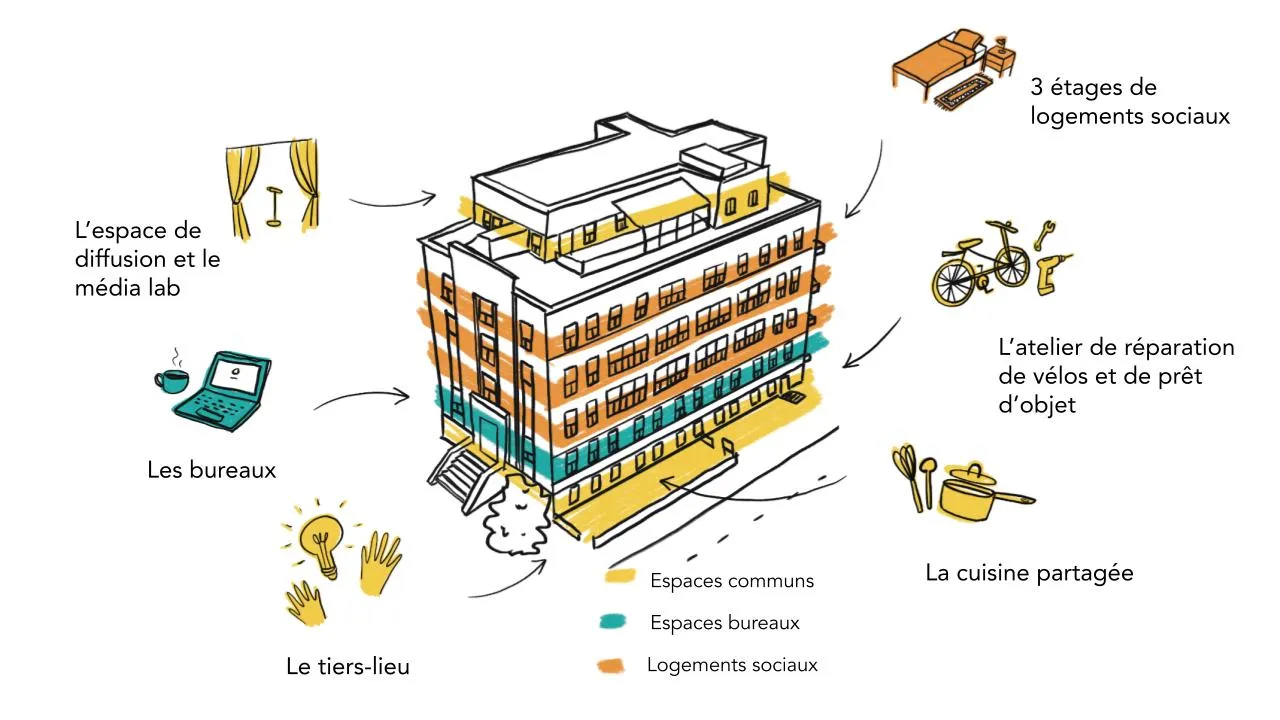 BSPs are great and this one was no exception. You should try to




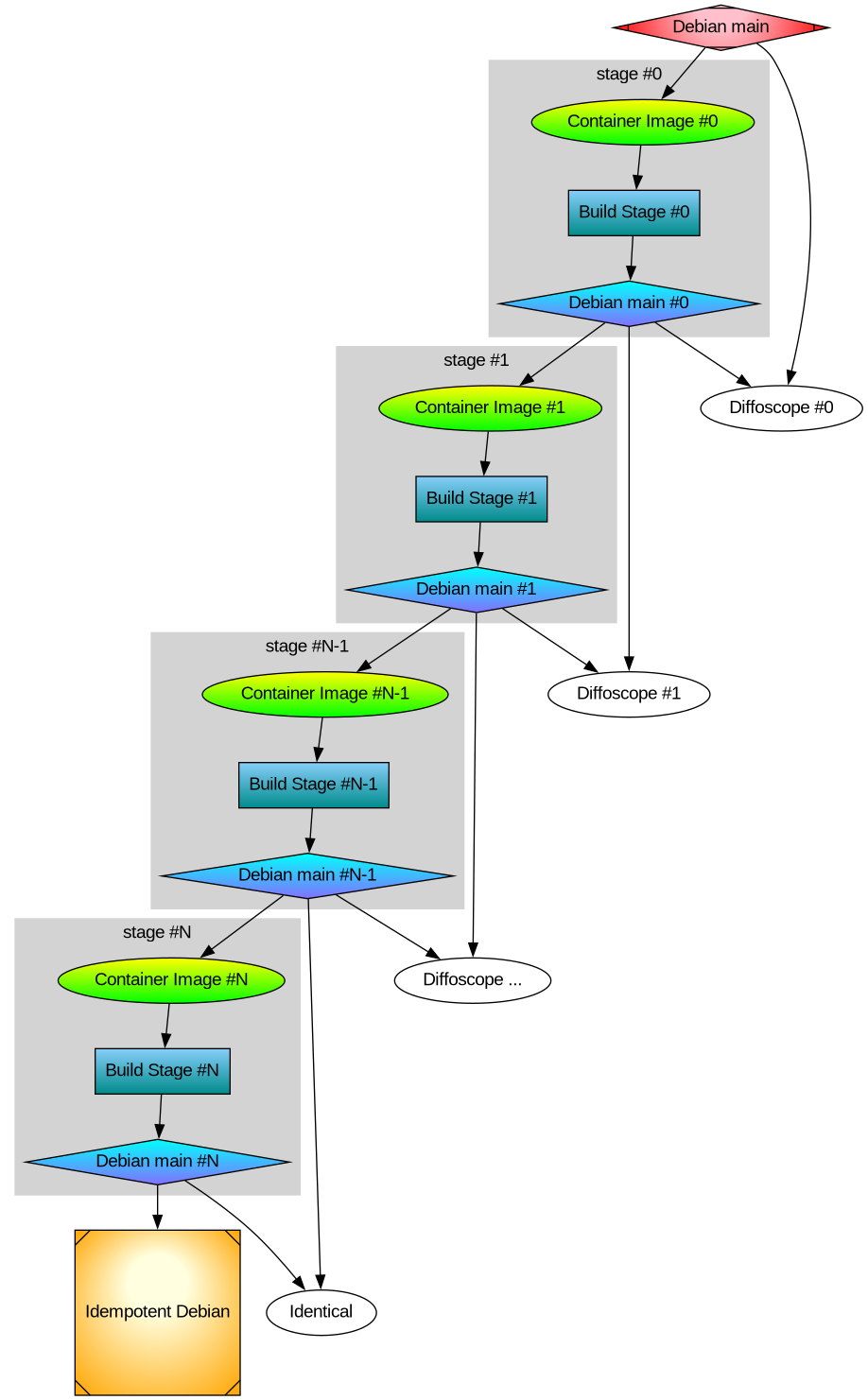
 As promised on my previous
 A new (mostly maintenance) release 0.2.3 of

 In today s digital landscape, social media is more than just a communication tool it is the primary medium for global discourse. Heads of state, corporate leaders and cultural influencers now broadcast their statements directly to the world, shaping public opinion in real time. However, the dominance of a few centralized platforms X/Twitter, Facebook and YouTube raises critical concerns about control, censorship and the monopolization of information. Those who control these networks effectively wield significant power over public discourse.
In response, a new wave of distributed social media platforms has emerged, each built on different decentralized protocols designed to provide greater autonomy, censorship resistance and user control. While
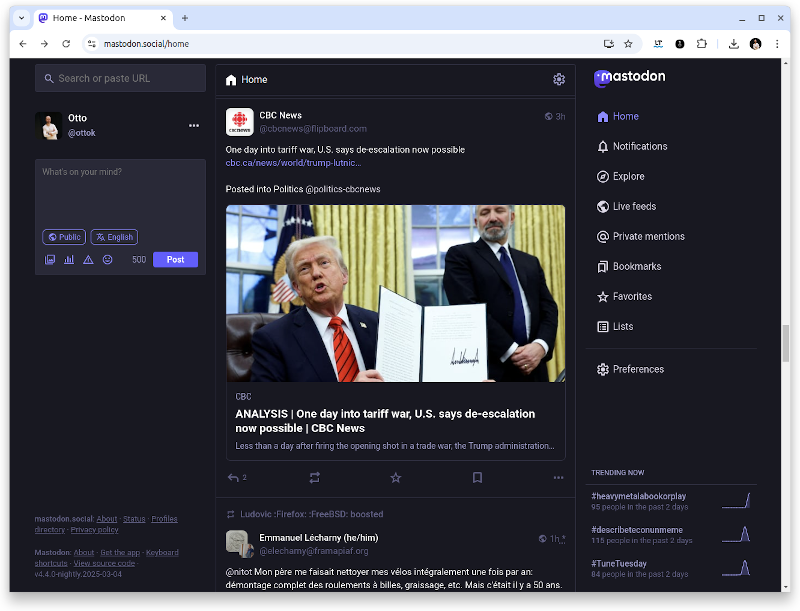 Mastodon was created in 2016 by
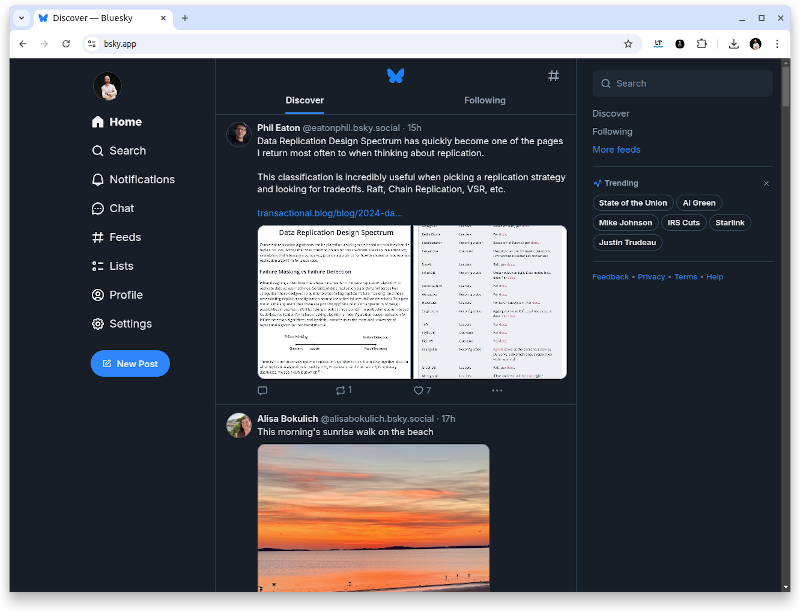 Interestingly,
 TL;DR
It's difficult to find the right Debian image. We have thousands of
ISO files and cloud images and we support multiple CPU architectures
and several download methods. The directory structure of our main image server
is like a maze, and our web pages for downloading are also confusing.
Most important facts from this blog post

 Internationalization support in Picolibc
There are two major internationalization APIs in the C library:
locales and iconv. Iconv is an isolated component which only performs
charset conversion in ways that don't interact with anything else in
the library. Locales affect pretty much every API that deals with
strings and covers charset conversion along with a huge range of
localized information from character classification to formatting of
time, money, people's names, addresses and even standard paper sizes.
Picolibc inherits it's implementation of both of these from
newlib. Given that embedded applications rarely need advanced
functionality from either these APIs, I hadn't spent much time
exploring this space.
Newlib locale code
When run on Cygwin, Newlib's locale support is quite complete as it
leverages the underlying Windows locale support. Without Windows
support, everything aside from charset conversion and character
classification data is stubbed out at the bottom of the stack. Because
the implementation can support full locale functionality, the
implementation is designed for that, with large data structures and
lots of code.
Charset conversion and character classification data for locales is
all built-in; none of that can be loaded at runtime. There is support
for all of the ISO-8859 charsets, three JIS variants, a bunch of
Windows code pages and a few other single-byte encodings.
One oddity in this code is that when using a JIS locale, wide
characters are stored in EUC-JP rather than Unicode. Every other
locale uses Unicode. This means APIs like wctype are implemented by
mapping the JIS-encoded character to Unicode and then using the
underlying Unicode character classification tables. One consequence of
this is that there isn't any Unicode to JIS mapping provided as it
isn't necessary.
When testing the charset conversion and Unicode character
classification data, I found numerous minor errors and a couple of
pretty significant ones. The JIS conversion code had the most serious
issue I found; most of the conversions are in a 2d array which is
manually indexed with the wrong value for the length of each row. This
led to nearly every translated value being incorrect.
The charset conversion tables and Unicode classification data are now
generated using python charset support and the standard Unicode data
files. In addition, tests have been added which compare Picolibc to
the system C library for every supported charset.
Newlib iconv code
The iconv charset support is completely separate from the locale
charset support with a much wider range of supported targets. It also
supports loading charset data from files at runtime, which reduces the
size of application images.
Because the iconv and locale implementations are completely separate,
the charset support isn't the same. Iconv supports a lot more
charsets, but it doesn't support all of those available to
locales. For example, Iconv has Big5 support which locale
lacks. Conversely, locale has Shift-JIS support which iconv does not.
There's also a difference in how charset names are mapped in the two
APIs. The locale code has a small fixed set of aliases, which doesn't
include things like US-ASCII or ANSI X3.4. In contrast, the iconv
code has an extensive database of charset aliases which are compiled
into the library.
Picolibc has a few tests for the iconv API which verify charset names
and perform some translations. Without an external reference, it's
hard to know if the results are correct.
POSIX vs C internationalization
In addition to including the iconv API, POSIX extends locale support
in a couple of ways: