Search Results: "ag"

11 May 2016

Norbert Preining: Gaming: The Room series

After having finished Monument Valley and some spin-offs, Google Play suggested me The Room series games (The Room, The Room II, Room III), classical puzzle games with a common theme one needs to escape from some confinement. room3 I have finished all the three games, game play was very nice and smooth on my phone (Nexus 6P). The graphics and detail level is often astonishing, and everything is well made. But there is one drop of Vermouth: You need a strong finger tapping muscle! I really love solving the puzzles, but most of them were not really difficult. The real difficulty is finding everything by touching each and every knob, looking from all angles at all times. This later part, the tedious part to find things by often illogically tapping on strange places to realize ahh, there is something that turns , that is what I do not like. I had the feeling that more than 60% of the game play is searching for things. Once you have found them, their use and the actual riddle is mostly straightforward, though. The Room series somehow reminded me of the Myst series (Myst, Riven, Myst III etc), but afair the Myst series had more involved, more complicated riddles, and less searching. Also the recently reviewed Talos Principle and Portal series have clear set problems that challenge your brain, not your finger tapping muscle. But all in all a very enjoyable series of games. Final remark: I learned recently that there are real-world games like this, called Escape Room . Somehow tempting to try one out

10 May 2016

Reproducible builds folks: Reproducible builds: week 54 in Stretch cycle

What happened in the Reproducible Builds effort between May 1st and May 7th 2016: Media coverage There has been a surprising tweet last week: "Props to @FiloSottile for his nifty gvt golang tool. We're using it to get reproducible builds for a Zika & West Nile monitoring project." and to our surprise Kenn confirmed privately that he indeed meant "reproducible builds" as in "bit by bit identical builds". Wow. We're looking forward to learn more details about this; for now we just know that they are doing this for software quality reasons basically. Two of the four GSoC and Outreachy participants for Reproducible builds posted their introductions to Planet Debian: Toolchain fixes and other upstream developments dpkg 1.18.5 was uploaded fixing two bugs relevant to us: This upload made it necessary to rebase our dpkg on the version on sid again, which Niko Tyni and Lunar promptly did. Then a few days later 1.18.6 was released to fix a regression in the previous upload, and Niko promptly updated our patched version again. Following this Niko Tyni found #823428: "dpkg: many packages affected by dpkg-source: error: source package uses only weak checksums". Alexis Bienven e worked on tex related packages and SOURCE_DATE_EPOCH: Emmanuel Bourg uploaded jflex/1.4.3+dfsg-2, which removes timestamps from generated files. Packages fixed The following 285 packages have become reproducible due to changes in their build dependencies (mostly from GCC honouring SOURCE_DATE_EPOCH, see the previous week report): 0ad abiword abcm2ps acedb acpica-unix actiona alliance amarok amideco amsynth anjuta aolserver4-nsmysql aolserver4-nsopenssl aolserver4-nssqlite3 apbs aqsis aria2 ascd ascii2binary atheme-services audacity autodocksuite avis awardeco bacula ballerburg bb berusky berusky2 bindechexascii binkd boinc boost1.58 boost1.60 bwctl cairo-dock cd-hit cenon.app chipw ckermit clp clustalo cmatrix coinor-cbc commons-pool cppformat crashmail crrcsim csvimp cyphesis-cpp dact dar darcs darkradiant dcap dia distcc dolphin-emu drumkv1 dtach dune-localfunctions dvbsnoop dvbstreamer eclib ed2k-hash edfbrowser efax-gtk efax exonerate f-irc fakepop fbb filezilla fityk flasm flightgear fluxbox fmit fossil freedink-dfarc freehdl freemedforms-project freeplayer freeradius fxload gdb-arm-none-eabi geany-plugins geany geda-gaf gfm gif2png giflib gifticlib glaurung glusterfs gnokii gnubiff gnugk goaccess gocr goldencheetah gom gopchop gosmore gpsim gputils grcompiler grisbi gtkpod gvpe hardlink haskell-github hashrat hatari herculesstudio hpcc hypre i2util incron infiniband-diags infon ips iptotal ipv6calc iqtree jabber-muc jama jamnntpd janino jcharts joy2key jpilot jumpnbump jvim kanatest kbuild kchmviewer konclude krename kscope kvpnc latexdiff lcrack leocad libace-perl libcaca libcgicc libdap libdbi-drivers libewf libjlayer-java libkcompactdisc liblscp libmp3spi-java libpwiz librecad libspin-java libuninum libzypp lightdm-gtk-greeter lighttpd linpac lookup lz4 lzop maitreya meshlab mgetty mhwaveedit minbif minc-tools moc mrtrix mscompress msort mudlet multiwatch mysecureshell nifticlib nkf noblenote nqc numactl numad octave-optim omega-rpg open-cobol openmama openmprtl openrpt opensm openvpn openvswitch owx pads parsinsert pcb pd-hcs pd-hexloader pd-hid pd-libdir pear-channels pgn-extract phnxdeco php-amqp php-apcu-bc php-apcu php-solr pidgin-librvp plan plymouth pnscan pocketsphinx polygraph portaudio19 postbooks-updater postbooks powertop previsat progressivemauve puredata-import pycurl qjackctl qmidinet qsampler qsopt-ex qsynth qtractor quassel quelcom quickplot qxgedit ratpoison rlpr robojournal samplv1 sanlock saods9 schism scorched3d scummvm-tools sdlbasic sgrep simh sinfo sip-tester sludge sniffit sox spd speex stimfit swarm-cluster synfig synthv1 syslog-ng tart tessa theseus thunar-vcs-plugin ticcutils tickr tilp2 timbl timblserver tkgate transtermhp tstools tvoe ucarp ultracopier undbx uni2ascii uniutils universalindentgui util-vserver uudeview vfu virtualjaguar vmpk voms voxbo vpcs wipe x264 xcfa xfrisk xmorph xmount xyscan yacas yasm z88dk zeal zsync zynaddsubfx Last week the 1000th bug usertagged "reproducible" was fixed! This means roughly 2 bugs per day since 2015-01-01. Kudos and huge thanks to everyone involved! Please also note: FTBFS packages have not been counted here and there are still 600 open bugs with reproducible patches provided. Please help bringing that number down to 0! The following packages have become reproducible after being fixed: Some uploads have fixed some reproducibility issues, but not all of them: Uploads which fix reproducibility issues, but currently FTBFS: Patches submitted that have not made their way to the archive yet: Package reviews 54 reviews have been added, 6 have been updated and 44 have been removed in this week. 18 FTBFS bugs have been reported by Chris Lamb, James Cowgill and Niko Tyni. diffoscope development Thanks to Mattia, diffoscope 52~bpo8+1 is available in jessie-backports now. tests.reproducible-builds.org Misc. This week's edition was written by Reiner Herrmann, Holger Levsen and Mattia Rizzolo and reviewed by a bunch of Reproducible builds folks on IRC. Mattia also wrote a small ikiwiki macro for this blog to ease linking reproducible issues, packages in the package tracker and bugs in the Debian BTS.

Lars Wirzenius: Qvarn Platform announcement

In March we started a new company, to develop and support the software whose development I led at my previous job. The software is Qvarn, and it's fully free software, licensed under AGPL3+. The company is QvarnLabs (no website yet). Our plan is to earn a living from this, and our hope is to provide software that is actually useful for helping various organisations handle data securely. The first press release about Qvarn was sent out today. We're still setting up the company and getting operational, but a little publicity never hurts. (Even if it is more marketing-speak and self-promotion than I would normally put on my blog.) So this is what I do for a living now.

The development of the open source Qvarn Platform was led by QvarnLabs CEO Kaius H ggblom (left) and CTO Lars Wirzenius. Helsinki, Finland 10.05.2016 With Privacy by Design, integrated Gluu access management and comprehensive support for regulatory data compliance, Qvarn is set to become the Europe-wide platform of choice for managing workforce identities and providing associated value-added services. Construction industry federations in Sweden, Finland and the Baltic States have been using the Qvarn Platform (http://www.qvarn.org) since October 2015 to securely manage the professional digital identities of close to one million construction workers. Developed on behalf of these same federations, Qvarn is now free and open source software; making it a compelling solution for any organization that needs to manage a secure register of workers data. "There is something universal and fundamental at the core of the Qvarn platform. And that s trust," said Qvarn evangelist Kaius H ggblom. "We decided to make it free, open source and include Gluu access management because we wanted all those using Qvarn or contributing to its continued development to have the freedom to work with the platform in whatever way is best for them." Qvarn has been designed to meet the requirements of the European Union s new General Data Protection Regulation (GDPR), enabling organizations that use the platform to ensure their compliance with the new law. Qvarn has also incorporated the principles of Privacy by Design to minimize the disclosure of non-essential personal information and to give people more control over their data. "Today, Qvarn is used by the construction industry as a way to manage the data of employees, many of whom frequently move across borders. In this way the platform helps to combat the grey economy in the building sector, thereby improving quality and safety, while simultaneously protecting the professional identity data of almost a million individuals," said H ggblom. "Qvarn is so flexible and secure that we envision it becoming the preferred platform for the provision of any value-added services with an identity management component, eventually even supporting monetary transactions." Qvarn is a cloud based solution supported to run on both Amazon Web Services (AWS) and OpenStack. In partnership with Gluu, the platform delivers an out-of-the-box solution that uses open and standard protocols to provide powerful yet flexible identity and access management, including mechanisms for appropriate authentication and authorization. "Qvarn's identity management and governance capabilities perfectly compliment the Gluu Server's access management features," said Founder and CEO of Gluu, Michael Schwartz. "Free open source software (FOSS) is essential to the future of identity and access management. And the FOSS development methodology provides the transparency that is needed to foster the strong sense of community upon which a vibrant ecosystem thrives." Qvarn s development team continues to be led by recognized open source developer and platform architect Lars Wirzenius. He has been developing free and open source software for 30 years and is a renowned expert in the Linux environment, with a particular focus on the Debian distribution. Lars works at all levels of software development from writing code to designing system architecture. About the Qvarn Platform: The Qvarn Platform is free and open source software for managing workforce identities. Qvarn is integrated with the Gluu Server s access management features out of the box, using open and standard protocols to provide the platform with a single common digital identity and mechanisms for appropriate authentication and authorization. A cloud based solution, Qvarn is supported to run on both Amazon Web Services (AWS) and OpenStack. Privacy by Design is central to the architecture of Qvarn and the platform has been third party audited to a security level of HIGH. http://www.qvarn.org For more information, please contact:
Andrew Flowers
andrew.flowers@ellisnichol.com
+358 40 161 5668

Dmitry Shachnev: ReText 6.0 and PyMarkups 2.0 released

Today I have released the new major version of the ReText editor. This release would not be possible without Maurice van der Pot who was the author of the greatest features because of which the version number was bumped: Other news worth mentioning are: As usual, some bugs have been fixed (most of fixes have also been backported to 5.3.1 release), and some translations have been updated from Transifex. Please report any bugs you find to our issue tracker.

9 May 2016

Arturo Borrero Gonz lez: Talk about contributing to FLOSS


The 26th of April I gave a talk in the University of Seville (ETSII) about contributing to FLOS software, focusing in the main projects I contribute to: Debian and Netfilter.

The talk was hosted by SUGUS, which is the university local group of FLOSS users.
The public were other students of the university, all of them young (like me), so the talk was very relaxed and formalities-free :-)

I talked my experiences in contributing to FLOSS, type of projects, how to start and how I integrate this with my full-time job.

Here is a video recording of the talk (in spanish):


I gave a similar talk some months ago to the students of the IES Gonzalo Nazareno.

Mike Gabriel: Recent progress in NXv3 development

This is to give a comprehensive overview on the recent progress made in NXv3 (aka nx-libs) development. The upstream sources of nx-libs can be found at / viewed on / cloned from Github:
https://github.com/ArcticaProject/nx-libs A great portion of the current work is sponsored by the Qindel Group [1] in Spain (QINDEL FORMACI N Y SERVICIOS, S.L.). Thanks for making this possible. Planned release date: 2nd July, 2016 We aim at releasing a completely tidied up nx-libs code tree versioned 3.6.0 on July 2nd, 2016. There is still a whole bunch of work to do for this, but I am positive that we can make this release date. Goals of our Efforts There are basically two major goals for spending a considerable amount of time, money and energy on NXv3 hacking: The efforts undertaken always have the various existing use cases in mind (esp. the framework of the coming-up Arctica Project, TheQVD and X2Go). Overview on Recent Development Progress General Code Cleanups Making this beast maintainable means first of all: identifying code redundancies, unused code passages, etc. and remove them. This is where we came from (NoMachine's NX 3.5.x, including nxcomp, nxcompext, nxcompshad, nx-X11 and nxagent): 1,757,743 lines of C/C++ code.
[mike@minobo nx-libs.35 (3.5.0.x)]$ cloc --match-f '.*\.(c cpp h)$' .
    5624 text files.
    5614 unique files.                                          
    2701 files ignored.
http://cloc.sourceforge.net v 1.60  T=18.59 s (302.0 files/s, 132847.4 lines/s)
-------------------------------------------------------------------------------
Language                     files          blank        comment           code
-------------------------------------------------------------------------------
C                             3134         231180         252893        1326393
C/C++ Header                  2274          78062         116132         349743
C++                            206          20037          13312          81607
-------------------------------------------------------------------------------
SUM:                          5614         329279         382337        1757743
-------------------------------------------------------------------------------
On the current 3.6.x branch of nx-libs (at commit 6c6b6b9), this is where we are now: 662,635 lines of C/C++ code, amount of code reduced to a third of the original code lines.
[mike@minobo nx-libs (3.6.x)]$ cloc --match-f '.*\.(c cpp h)' .
    2012 text files.
    2011 unique files.                                          
    1898 files ignored.
http://cloc.sourceforge.net v 1.60  T=5.63 s (341.5 files/s, 161351.5 lines/s)
-------------------------------------------------------------------------------
Language                     files          blank        comment           code
-------------------------------------------------------------------------------
C                             1015          74605          81625         463244
C/C++ Header                   785          26992          34354         138063
C++                            122          16984          10804          61328
-------------------------------------------------------------------------------
SUM:                          1922         118581         126783         662635
-------------------------------------------------------------------------------
The latest development branch currently has these statistics: 619,353 lines of C/C++ code, another 40,000 lines could be dropped.
[mike@minobo nx-libs (pr/libnx-xext-drop-unused-extensions)]$ cloc --match-f '.*\.(c cpp h)' .
    1932 text files.
    1931 unique files.                                          
    1898 files ignored.
http://cloc.sourceforge.net v 1.60  T=5.66 s (325.4 files/s, 150598.1 lines/s)
-------------------------------------------------------------------------------
Language                     files          blank        comment           code
-------------------------------------------------------------------------------
C                              983          69474          77186         426564
C/C++ Header                   738          25616          33048         131599
C++                            121          16984          10802          61190
-------------------------------------------------------------------------------
SUM:                          1842         112074         121036         619353
-------------------------------------------------------------------------------
Dropping various libNX_X* shared libraries (and using X.org shared client libraries instead) At first, various bundled libraries could be dropped from the nx-X11 code tree. Secondly, several of the bundled X.org libraries could be dropped, because we managed to build against those libraries as provided system-wide. Then, and this undertaking is much trickier, we could drop nearly all Xlib extension libraries that are used by nxagent with its role of being an X11 client. We could sucessfully drop these Xlib extension libraries from nx-X11, because we managed to build nxagent against the matching libraries in X.org: libNX_Xdmcp, libNX_Xfixes, libNX_XComposite, libNX_Xdamage, libNX_Xtst, libNX_Xinerama, libNX_Xfont, libNX_xkbui, and various others. All these droppings happened without a loss of functionality. However, some shared X client libraries are not easy to remove without loss of functionality, or rather not removable at all. Dropping libNX_Xrender We recently dropped libNX_Xrender [2] and now build nxagent against X.org's libXrender. However, this cost us a compression feature in NX. The libNX_Xrender code has passages that do zero padding of the unused memory portions in non-32bit-depth glyphs (the NX_RENDER_CLEANUP feature). However, we have hope for being able to reintroduce that feature again later, but current efforts [3] still fail at run-time. Dropping libNX_Xext is not possible... ...the libNX_Xext / Xserver Xext code has been cleaned up instead. Quite an amount of research and testing has been spent on removing the libNX_Xext library from the build workflow of nxagent. However, it seems that building against X.org's libXext will require us to update the Xext part of the nxagent Xserver at the same time. While taking this deep look into Xext code, we dropped various Xext extensions from the nx-X11 Xserver code. The extensions that got dropped [5] are all extensions that already have been dropped from X.org's Xserver code, as well. Further investigation, however, showed, that actually the only used client side extension code from libNX_Xext is the XShape extension. Thus, all other client side extension got dropped now in a very recent pull request [4]. Dropping libNX_X11 not easy, research summary given here For the sake of dropping the Xlib library bundled with nx-libs, we have attempted at writing a shared library called libNX_Xproxy. This library is supposed to contain a subset of the NXtrans related Xlib code that NoMachine patched into X.org's libX11 (and libxtrans). Results of this undertaking [6] so far: Over the weekend, I thought this all through once more and I am pretty sure right now, that we can actually make libNX_Xproxy work and drop all of libNX_X11 from nx-libs soon. Although we have to port (i.e. copy) various functions related to the NX transport from libNX_X11 into libNX_Xproxy, this change will allow us to drop all Xlib drawing routines and use those provided by X.org's Xlib shared library directly. Composite extension backport in nxagent to version 0.4 Mihai Moldovan looked at what it needs to make the Composite extension functional in nxagent. Unfortunately, the exact answer cannot be given, yet. As a start, Mihai backported latest Composite extension (v0.4) code from X.org's Xserver into the nxagent Xserver [7]. The currently shipped Composite extension version in nxagent is v0.2. Work on the NX Compression shared library (aka nxcomp v3) Fernando Carvajal and Salvador Fandi o from the Qindel Group [1] filed three pull requests against the nxcomp part of nx-libs recently, two of them have been code cleanups (done by Fernando), the third one is a feature enhancement regarding channels in nxcomp (provided by Salva). Protocol clean-up: drop pre-3.5 support With the release of nx-libs 3.6.x, we will drop support for nxcomp versions earlier than 3.5. Thus, if you are still on nxcomp 3.4, be prepared for upgrading at least to version 3.5.x. The code removal had been issued as pull request #111 ("Remove compatibility code for nxcomp before 3.5.0") [8]. The PR has already been reviewed and merged. Fernando filed another code cleanup PR (#119 [9]) against nx-libs that also already got merged into the 3.6.x branch. UNIX Socket Support for Channels The nxcomp library (and thus, nxproxy) provides a feature called "channels". Channels in nxcomp can be used for forwarding traffic between NX client side and the NX server side (along the graphical X11 transport that nxcomp is designed for). Until version 3.5.x, nxcomp was only able to use local TCP sockets for providing / connecting to channel endpoints. We consider local TCP sockets as insecure and aim at adding UNIX file socket support to nxcomp whereever a connection is established. Salva provided a patch against nxcomp that provides UNIX socket support to channel endpoints. The initial use case for this patch is: connect to client side pulseaudio socket file and avoid enabling the TCP listening socket in pulseaudio. The traffic then is channeled to the server side, so that pulse clients can connect to a UNIX socket file rather than to a local TCP port. The channel support patch has already been reviewed and merged into the 3.6.x branch of nx-libs. Rebasing nxagent against latest X.org Ulrich Sibiller spent a considerable amount of time and energy on providing a build chain that allows building nxagent against a modularized X.org 7.0 (rather than against the monolithic build tree of X.org 6.9, like we still do in nx-libs 3.6.x). We plan to adapt and minimize this build workflow for nx-libs 3.7.x (scheduled for summer 2017). A short howto that shows how to build nxagent with that new workflow will be posted on this blog within the next days. So stay tuned. Further work accomplished Quite a lot of code cleanup PRs have been filed by myself against nx-libs. Most of them target at removal of unnecessary code from the nx-X11 Xserver code base and the nxagent DDX: The third one (PR #120) in the list requires some detailled explanation: We discovered that nxagent ships overrides some symbols from the original Xserver code base. These overrides are induced by copies of some files from some Xserver sub-directory placed into the hw/nxagent/ DDX path. All those files' names match the pattern NX*.c. These copies of code are done in a way that the C compiler suppresses throwing its 'symbol "" redefined: first defined in ""; redefined in ""' errors. The approach taken, however, requires to have quite a few 10.000 lines of redundant code in hw/nxagent/NX*.c that also gets shipped in some Xserver sub-directory (mostly dix/ and render/). With pull request #120, we have identified all code passages in hw/nxagent/NX*.c that must be considered as NX'ish. We differentiated the NX'ish functions from functions that never got changed by NoMachine when developing nxagent. I then came up with four different approaches ([13,14,15,16]) of dropping redundant code from those hw/nxagent/NX*.c files. We (Mihai Moldovan and myself) discussed the various approaches and favoured the disable-Xserver-code-and-include-into-NX*.c variant [14] over the others for the following reasons: In the long run, the Xserver portion of the patches provided via this pull request #120 are required to be upstreamed into X.org's Xserver. The discussion around this will be started when we fully dive into rebasing nxagent's Xserver code base against latest X.org Xserver. Tasks ahead before the 3.6.x Release Various tasks we face before 3.6.x can be released. Here is a probably incomplete list: Tasks ahead after the 3.6.x Release (i.e., for 3.7.x) Here is an even rougher and probably highly incomplete list for tasks after the 3.6.x release: Credits Some people have to be named here that give their heart and love to this project. Thank you guys for supporting the development efforts around nx-libs and the Arctica Project: Thanks to Nico Arenas Alonso from and on behalf of the Qindel Group for coordinating the current funding project around nx-libs. Thanks to Ulrich Sibiller for giving a great amount of spare time to working on the nxagent-rebase-against-X.org effort. Thanks to Mihai Moldovan for doing endless code reviews and being available for contracted work via BAUR-ITCS UG [17] on NXv3, as well. Thanks to Mario Becroft for providing a patch that allows us to hook into nxagent X11 sessions with VNC and have the session fully available over VNC while the NX transport is in suspended state. Also Mario is pouring some fancy UDP ideas into the re-invention of remote desktop computing process performed in the Arctica Project. Mario has been an NX supporter for years, I am glad to have him still around after so many years (although he was close to abandoning NX usage at least once). Thanks to Fernando Carvajal from Qindel (until April 2016) for cleaning up nxcomp code. Thanks to Orion Poplawski from the Fedora Project for working on the first bundled libraries removal patches and being a resource on RPM packaging. Thanks to my friend Lee for working behind the scenes on the Arctica Core code and constantly pouring various of his ideas into my head. Thanks for regularly reminding me on benchmarking things.
Folks, thanks to all of you for all your various efforts on this huge beast of software. You are a great resource of expertise and it's a pleasure and honour working with you all.
New Faces Last but not least, I'd like to let everyone know that the Qindel Group sponsors another developer joining in on NXv3 development: Vadim Troshchinskiy (aka vatral on Github). Vadim has worked on NXv3 before and we are looking forward to having him and his skills in the team soon (probably end of May 2016). Welcome on board of the team, Vadim.
[1] http://www.qindel.com
[2] https://github.com/ArcticaProject/nx-libs/pull/93
[3] https://github.com/sunweaver/nx-libs/commit/be41bde7efc46582b442706dfb85...
[4] https://github.com/ArcticaProject/nx-libs/pull/121
[5] https://github.com/ArcticaProject/nx-libs/pull/106
[6] https://github.com/sunweaver/nx-libs/tree/wip/libnx-x11-full-removal
[7] https://github.com/sunweaver/nx-libs/tree/pr/composite-0_4
[8] https://github.com/ArcticaProject/nx-libs/pull/111
[9] https://github.com/ArcticaProject/nx-libs/pull/119
[10] https://github.com/ArcticaProject/nx-libs/pull/102
[11] https://github.com/ArcticaProject/nx-libs/pull/106
[12] https://github.com/ArcticaProject/nx-libs/pull/120
[13] https://github.com/sunweaver/nx-libs/commit/9692e6a7045b3ab5cb0daaed187e... (include NX'ish code into Xserver)
[14] https://github.com/sunweaver/nx-libs/commit/3d359bfc2b6d021c1ae9c6e19e96... (include Xserver code into NX*.c)
[15] https://github.com/sunweaver/nx-libs/commit/af72ee5624a15d21c610528e37b6... (use weak symbols and non-static symbols)
[16] https://github.com/sunweaver/nx-libs/commit/7205bb8848c49ee3e78a82fde906... (override symbols with interceptions)
[17] http://www.baur-itcs.de/20-x2go/20-x2gosupport/

Riku Voipio: Booting ubuntu 16.04 cloud images on Arm64

For testing kvm/qemu, prebaked images cloud images are nice. However, there is a few steps to get started. First we need a recent Qemu (2.5 is good enough). An efi firmware is needed, and cloud-utils, for customizing our VM.

sudo apt install -y qemu qemu-utils cloud-utils
wget https://releases.linaro.org/components/kernel/uefi-linaro/15.12/release/qemu64/QEMU_EFI.fd
wget https://cloud-images.ubuntu.com/xenial/current/xenial-server-cloudimg-arm64-uefi1.img
Cloud images are plain - there is no user setup, no default user/pw combo, so to log in to the image, we need to customize the image on first boot. The defacto tool for this is cloud-init. The simplest method for using cloud-init is passing a block media with a settings file - of course for real cloud deployment, you would use one of fancy network based initialization protocols cloud-init supports. Enter the following to a file, say cloud.txt:

#cloud-config

users:
- name: you
ssh-authorized-keys:
- ssh-rsa AAAAB3Nz....
sudo: ['ALL=(ALL) NOPASSWD:ALL']
groups: sudo
shell: /bin/bash
This minimal config will just set you a user with ssh key. A more complex setup can install packages, write files and run arbitrary commands on first boot. In professional setups, you would most likely end up using cloud-init only to start Ansible or another configuration management tool.

cloud-localds cloud.img cloud.txt
qemu-system-aarch64 -smp 2 -m 1024 -M virt -bios QEMU_EFI.fd -nographic \
-device virtio-blk-device,drive=image \
-drive if=none,id=image,file=xenial-server-cloudimg-arm64-uefi1.img \
-device virtio-blk-device,drive=cloud \
-drive if=none,id=cloud,file=cloud.img \
-netdev user,id=user0 -device virtio-net-device,netdev=user0 -redir tcp:2222::22 \
-enable-kvm -cpu host
If you are on an X86 host and want to use qemu to run an aarch64 image, replace the last line with "-cpu cortex-a57". Now, since the example uses user networking with tcp port redirect, you can ssh into the VM:

ssh -p 2222 you@localhost
Welcome to Ubuntu 16.04 LTS (GNU/Linux 4.4.0-22-generic aarch64)
....

Joachim Breitner: Doctoral Thesis Published

I have officially published my doctoral thesis Lazy Evaluation: From natural semantics to a machine-checked compiler transformation (DOI: 10.5445/IR/1000054251). The abstract of the 226 page long document that earned me a summa cum laude reads

In order to solve a long-standing problem with list fusion, a new compiler transformation, 'Call Arity' is developed and implemented in the Haskell compiler GHC. It is formally proven to not degrade program performance; the proof is machine-checked using the interactive theorem prover Isabelle. To that end, a formalization of Launchbury s Natural Semantics for Lazy Evaluation is modelled in Isabelle, including a correctness and adequacy proof.
and I assembled all relevant artefacts (the thesis itself, its LaTeX-sources, the Isabelle theories, various patches against GHC, raw benchmark results, errata etc.) at http://www.joachim-breitner.de/thesis/. Other, less retrospective news: My paper on the Incredible Proof Machine got accepted at ITP in Nancy, and I was invited to give a keynote demo about the proof machine at LFMTP in Porto. Exciting!

Norbert Preining: (Harry Potter and the Prisoner of Azkaban)

Yeah, another book finished in Japanese, the third Harry Potter book, Prisoner of Azkaban. Took me quite some time, but thanks to a good Kobo ebook reader and my own enriched dictionary reading is getting more and more fun, even if the book is in Japanese.
Harry_Potter_Prisoner_Azkaban I guess I don t have to tell the story of the book, as it is sufficiently well known. Just a good recommendation to students k of Japanese (at a bit higher level) get some books you like and start reading, the sooner the better. And read on an ebook reader with a good dictionary. This way your Japanese will improve quickly. My next book will be , as I think I actually prefer the original (English) Harry Potter, and want to read Japanese authors in Japanese. Now if Murakami would only allow to have Japanese ebooks of his works

Russ Allbery: BookRiot's SF/F by Female Authors

A list by Nikki Steele of the 100 best SF and fantasy novels by female authors (in her subjective take), published on BookRiot, has been making the rounds, with people noting which of those they've read. These crop up from time to time, and I've always been tempted to do the work to track the list over time the way that I track award winners. I had some free time this afternoon, so went ahead and set that up (although I badly need to refactor or rewrite a lot of my review posting code). An extra advantage is that I can publish the list as a separate web page so that I don't spam RSS readers with a huge list. The list, annotated with ratings and reviews where I've read the books, is under the reviews section of my web site. As I have time, I may add more lists. I'm also (slowly) working on the project of adding all the nominees for major awards and annotating those, since often the short lists contain a lot of interesting material too. One big caveat for this list: Steele only lists the first book of series, and in many cases the first book isn't very good and is far from the best of the series. So you'll see some anomalous low ratings here for first books that improve later on.

8 May 2016

Dirk Eddelbuettel: Rblpapi 0.3.4

A new release of Rblpapi is now on CRAN. It provides a direct interface between R and the Bloomberg Terminal via the C++ API provided by Bloomberg Labs (but note that a valid Bloomberg license and installation is required). This marks the fifth release since the package first appeared on CRAN last year. Continued thanks to all contributors for code, suggestions or bug reports. This release contains a lot of internal fixes by Whit, John and myself and should prove to be more resilient to 'odd' representations of data coming back. The NEWS.Rd extract has more details:
Changes in Rblpapi version 0.3.4 (2016-05-08)
  • On startup, the API versions of both the headers and the runtime are displayed (PR #161 and #165).
  • Documentation about extended futures roll notation was added to the bdh manual page.
  • Additional examples for overrides where added to bdh (PR #158).
  • Internal code changes make retrieval of data in unusual variable types more robust (PRs #157 and #153)
  • General improvements and fixes to documentation (PR #156)
  • The bdp function now also supports an option verbose (PR #149).
  • The internal header Rblpapi_types.h was renamed from a lower-cased variant to conform with Rcpp Attributes best practices (PR #145).
Courtesy of CRANberries, there is also a diffstat report for the this release. As always, more detailed information is on the Rblpapi page. Questions, comments etc should go to the issue tickets system at the GitHub repo.

This post by Dirk Eddelbuettel originated on his Thinking inside the box blog. Please report excessive re-aggregation in third-party for-profit settings.

Niels Thykier: Another Britney patchset

I just submitted another patch series to improve Britney for review. If accepted, they will probably be merged into master within 2 weeks. The changes this time are probably most exciting for people that run/maintain Britney. Key highlights include: I would like to dwell a moment on the faux packages . We have had a helper script generate and inject fake packages into the list of packages (called faux packages ). They generally serve two purposes, which Britney will support:
  1. Whitelist of fake packages to satisfy dependencies of other packages.
    • These are generally stand-in for non-free machine configuration packages, where the end-user system would also fetch packages from the vendor s repository.
    • Packages relying on faux packages are generally not in main as Debian s main component is required to be self-contained.
    • These are (still) be called faux packages in/after the patch series
  2. Ensuring that certain packages are present and installable in testing.
    • We have a lot of d-i related packages here to avoid accidental breakage of d-i.
    • These are now referred to as a constraint (assuming there is no bike-shedding over the name).
Since Britney will now distinguish between these two use cases, I also make Britney enforce the second use case slightly better. Mind you, it can still be overruled by force-hints and BREAK_ARCHES, so there still enough rope to hang yourself. The other exciting part of this patch set (for me, at least) is that Britney will hopefully become simpler to deploy. No doubt there are still some missing features and paper cuts left, but I suspect we are not far from a:
  1. Fill out a template config file pointing Britney to your mirror
  2. Run britney -c britney.conf
  3. Make your archive kit update your target suite based on Britney s output.
  4. Put step 2+3 in crontab/jenkins/task scheduler of choice
  5. Profit
There will certainly be some features that requires extra steps. An example is the anti rc-bugs regression feature, which requires you to feed Britney with the list of RC bugs for your source and target suite. But even without, Britney would still protect your target suite from most installability issues.
Filed under: Debian, Release-Team

Gunnar Wolf: Pyra, PocketC.H.I.P. Not quite the same, but...

Petter and Elena both talk enthusiastically about the Pyra. I am currently waiting for the shipment of my C.H.I.P. kit I pre-ordered my kit when it was still in kickstarter phase, and got the PocketC.H.I.P. level. It is clearly not the same nor equivalent to the Pyra The PocketC.H.I.P. is a convenient packaging for what is chiefly an System-on-a-chip; the C.H.I.P. is a small system by today's standards (single-core ARM, 512MB RAM, not meant to be expanded), but still it looks quite usable as a very portable and usable Unix system. Oh, and of course It's also Debian by default. I got quite interested in what the Pyra was like. However, the pricing does not make much sense to me. OK, the Pyra is quite a bigger machine, but... While the PocketC.H.I.P. costs officially US$70 (and before June, according to the site, US$50), the Pyra starts at 500 (plus taxes)... It is just too much! Anyway, I hope to have mine in time to go to DebConf. I also hope Petter and/or Elena can make it this year. And I hope we can compare the systems. I guess the Pyra will sit closer to a regular laptop... But anyway, my two last laptops have been at the bottom of the price scale (both from the Acer Aspire One line). I bought both for around US$300, used the first one as my main laptop for over five years, and have been three with the current one, completely happy.

Arturo Borrero Gonz lez: Continuous integration for the Debian HA stack


Good news. The Debian Continuous Integration system is just awesome.

If a developer of a package prepares and declares tests for a given package, this CI system will trigger these test from time to time.
These tests are intended to check packages 'as installed', i.e, test what the end user is going to use in a final system.

The CI system is being improved, and now it supports 2 architectures: amd64 and arm64. Also, it now implements LXC as a backend, so the level of isolation available to run tests is very good, allowing us developers to launch even more elaborated tests.

This is the case of the HA stack (pacemaker, corosync, crmsh...), and the good news is that Debian is now continuously testing these packages.

At the time of this blog post, these are the tests:

Check the CI page for corosync, pacemaker and crmsh for more details.

The basic tests for crmsh was contributed by myself, you can check the two [1][2] commits in the git packaging repo.

This means that we should be able to detect and fix issues in these software packages very early in the development cycle (very cheap and easy compared to fixing things once packages migrate to testing or even stable).

For all users of HA cluster with Debian, these are definitely good news. We have now a HA stack in a fairly different state than in previous years :-) Big step forward.

Most of my Netfilter packages also implement these tests, but that subject doesn't belong to this blogpost.

John Goerzen: The Simple Joys of the Plains

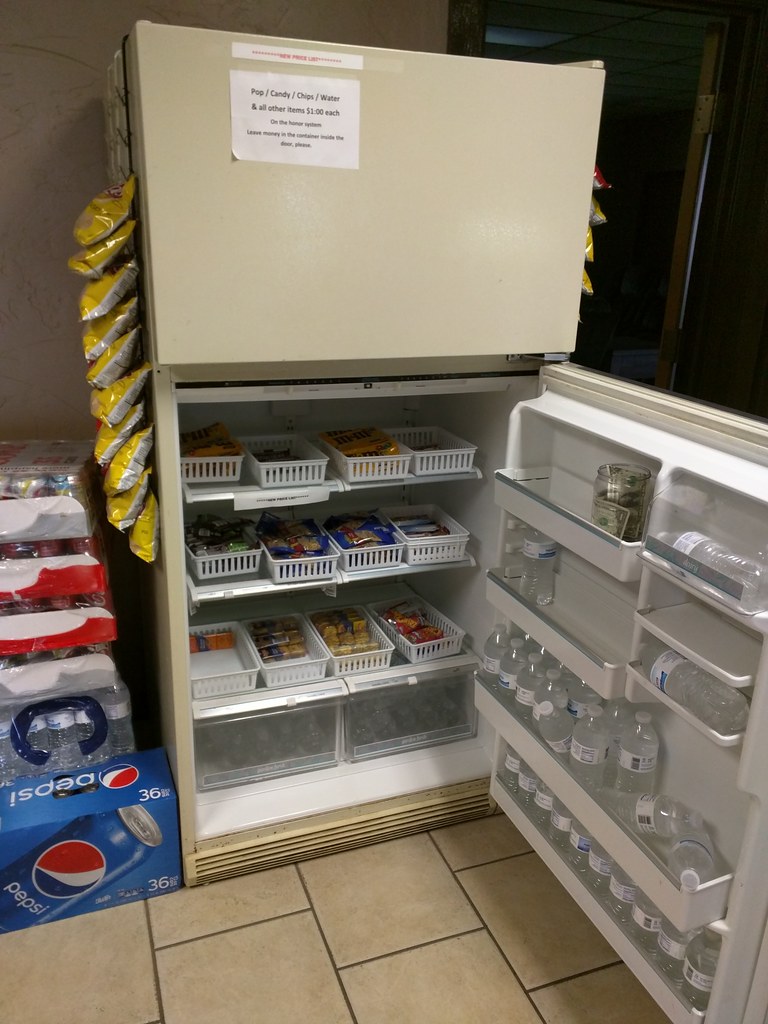
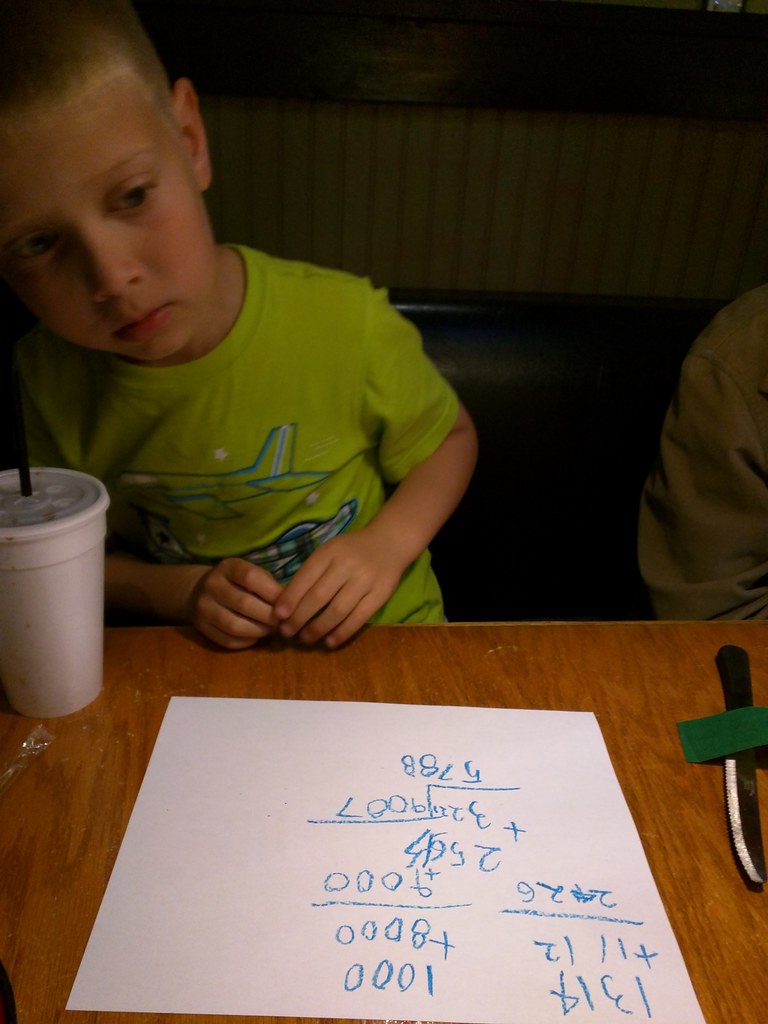
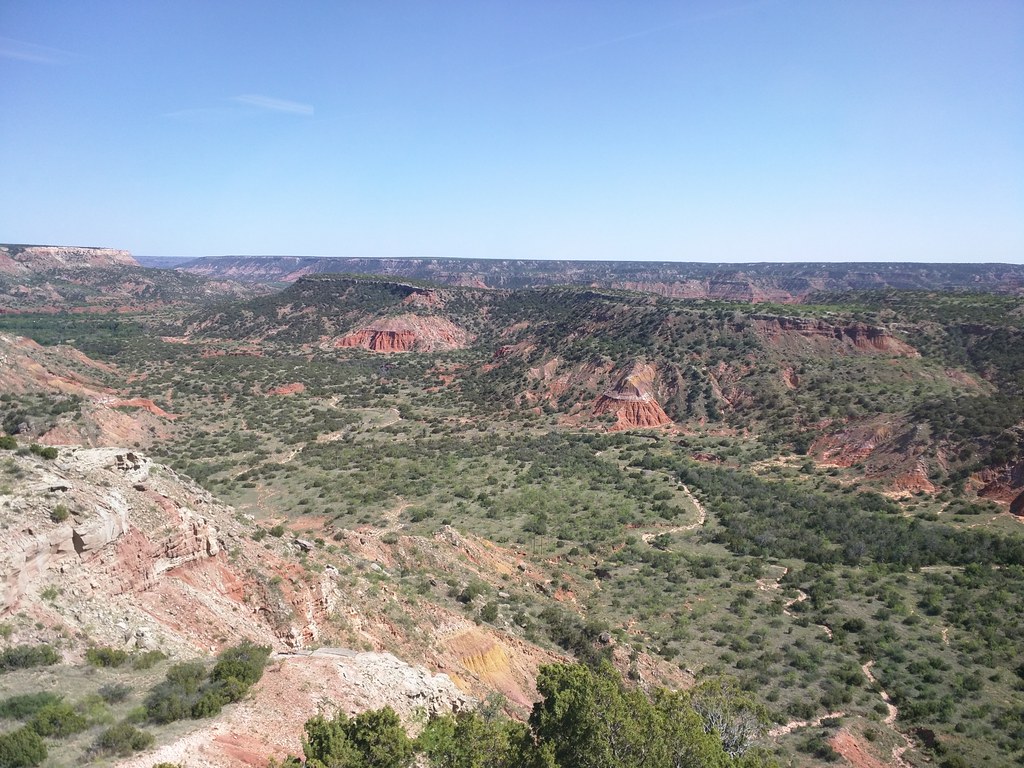
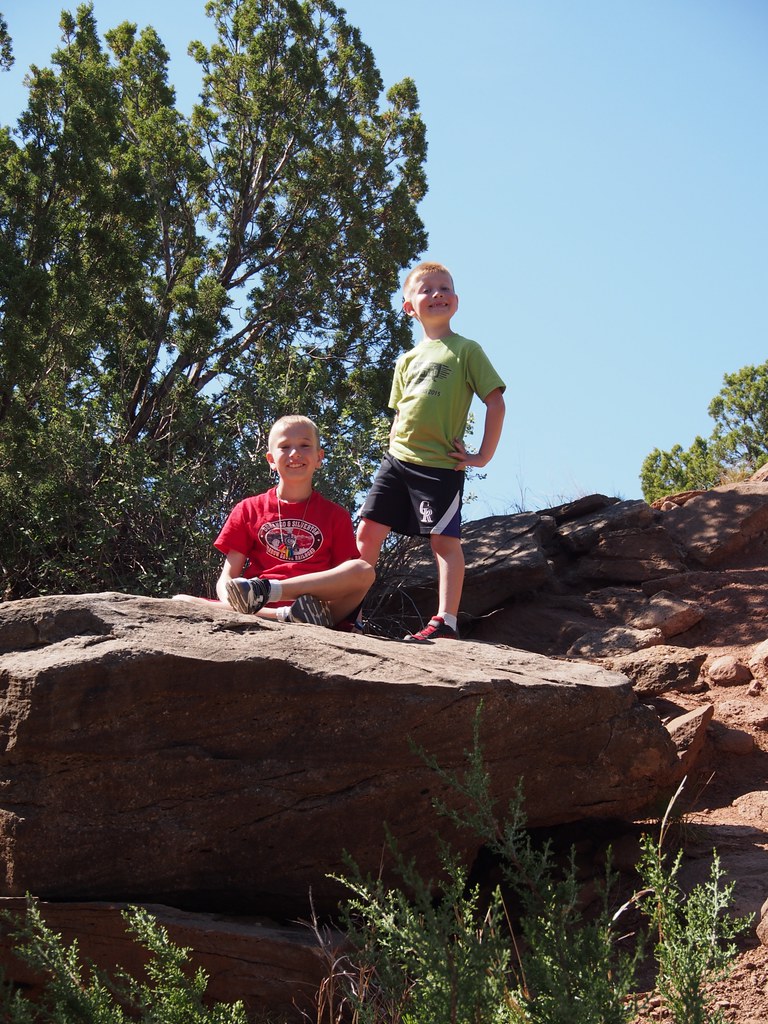
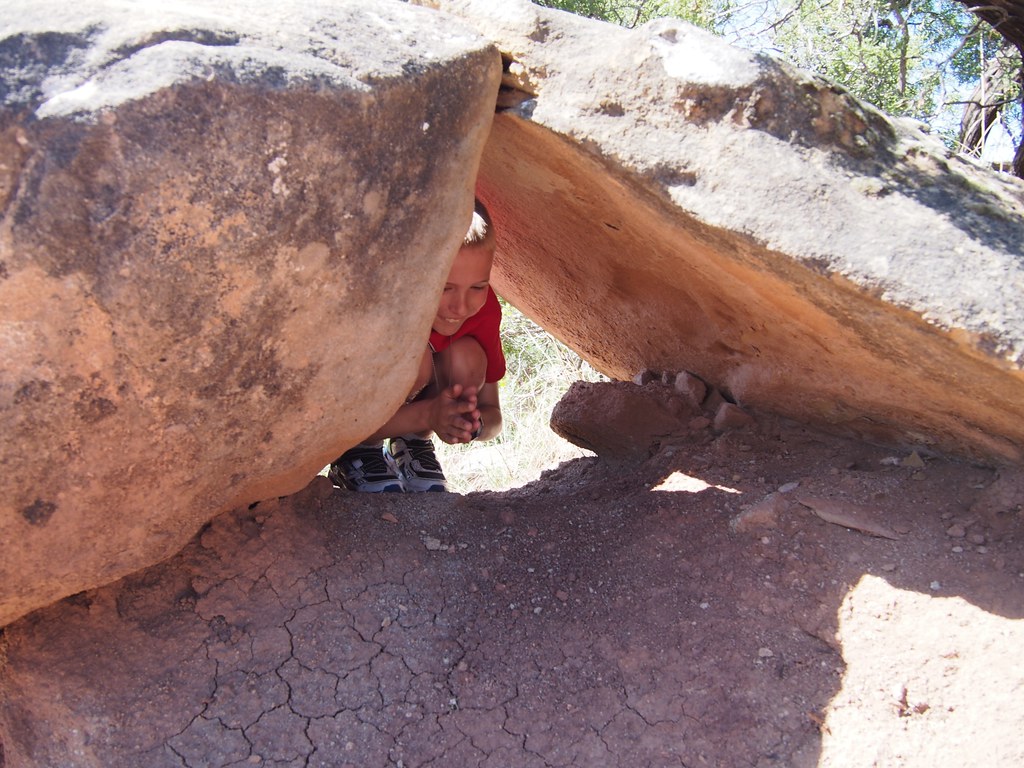
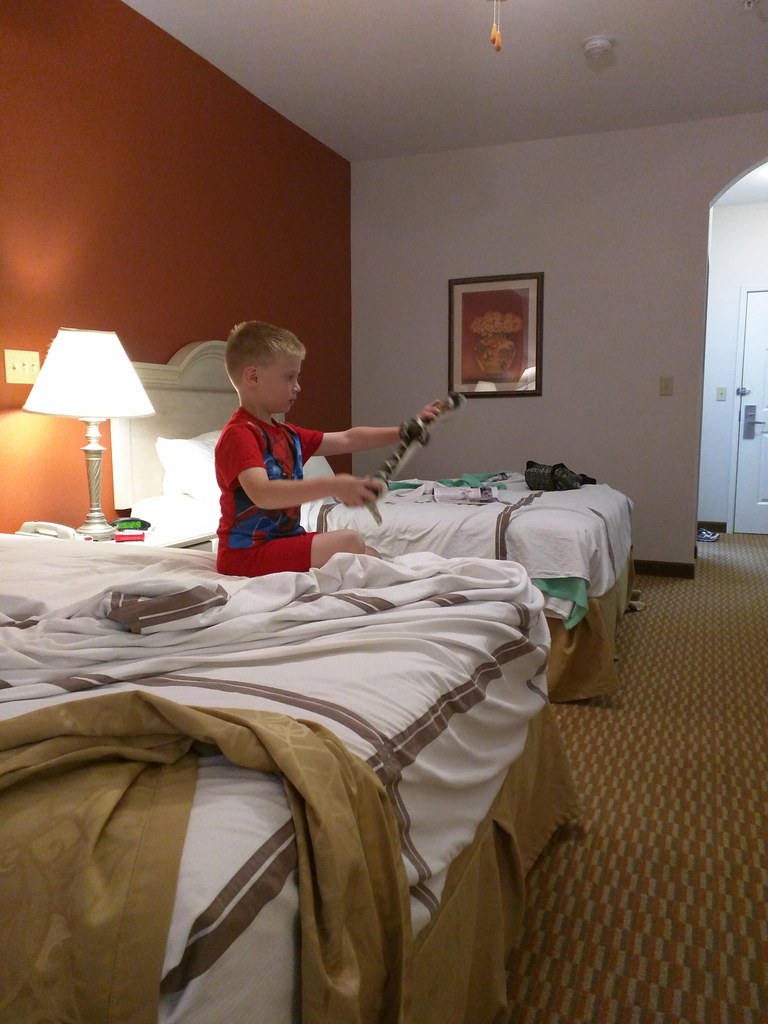
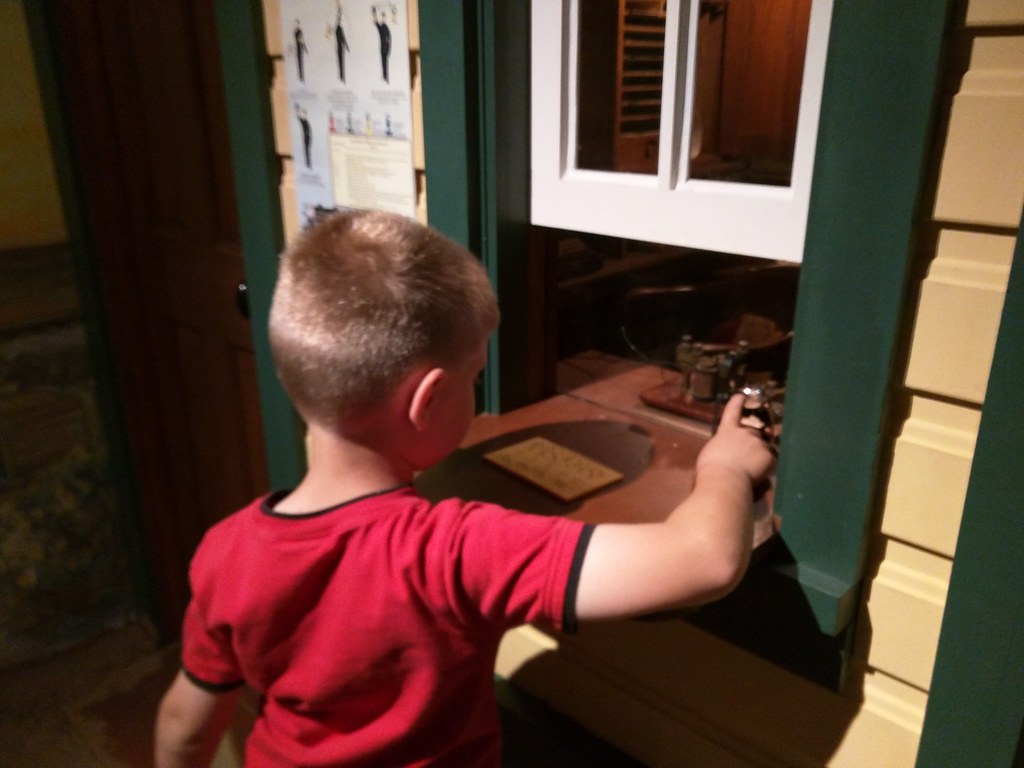
We love to go exploring as a family. Last year, we gave Jacob and Oliver a theme: find places older than Grandpa. They got creative really quick, realizing that any state park counts ( dirt is older than grandpa! ) as did pretty much any museum. Probably our hit from last year was the visit to the tunnels under Ellinwood, KS. Beatrice, NE This year, our theme is places we can fly to . A couple of weeks ago, Laura had a conference in the beautiful small town of Beatrice, NE. So all four of us flew up, and Jacob, Oliver, and I found fun activities while Laura was at her conference. IMG_20160423_125238 We walked around Beatrice a bit, and I noticed this rails-to-trails area. Jacob and Oliver were immediately interested (since it was railroad-related). They quickly turned it into a game of kick-the-dandelion, trying to kick dandelions off their stems and see how high in the air they could get them. The answer: pretty high. IMG_20160423_082343 Of course, you can t go wrong with swimming. Here s Oliver getting ready for some swimming. IMG_20160423_132125 Right near Beatrice is the Homestead National Monument. Of course, the bales decorated like a minion got their attention. IMG_20160423_135141 Like the other national parks, this one has a junior ranger program. You complete a few things in an activity book and take a pledge to protect the park, and then you get a badge and some stickers. Here s Oliver proudly taking his pledge, holding the new raccoon he bought in their gift shop. Canyon, TX Laura and I have been to Canyon, TX, twice the first was for our honeymoon. Yes, we did get some strange looks when we told people we were going to Amarillo for our honeymoon. But it was absolutely perfect for us. We both enjoy the simple gifts of nature. We kept thinking we ve got to take the boys here . So this weekend, we did. We flew a Cessna out there. IMG_20160505_180409 Almost every little general aviation airport seems to have a bowl of candy, a plate of cookies, or some such thing for people that are flying through. I often let Jacob and Oliver choose ONE item. They hit the jackpot when we stopped at West Woodward, Oklahoma for fuel and a break. Two whole fridges stocked with stuff: cans of pop in one, and all sorts of snacks in the other. In typical GA fashion, there was a jar in the fridge asking for $1 if you took something. And it clearly hadn t been emptied in awhile. They also had a nice lounge and a patio. Perfect for munching while watching the activities on the ramp. IMG_20160505_211110 After landing at the beautiful little Tradewind Airport in Amarillo, we ate dinner at Feldman s Wrong-Way Diner in Canyon, TX. Oh my, was that ever popular with the boys. The eagerly looked around to find anything that was wrong a plane hanging upside down from the ceiling, a direction sign saying Tattoine 30 parsecs , movie posters hung upside down, whatever it might be. The fact that model trains were whirring past overhead certainly didn t hurt either. IMG_20160505_214127 They had a giant bin of crayons by the entrance. Jacob and Oliver each grabbed a fistful, and decided it would be fun to do some math problems while we wait. Oliver particularly got into that, and was quite accurate on his large addition problems. Impressive for a first-grader! IMG_20160506_163801 Of course, the big highlight of the area is Palo Duro Canyon. Jacob and Oliver were so eager to explore the canyon that they were just about bubbling over with excitement the night before. They decided that we should explore one of the most difficult trails in the canyon one that would take us from the bottom of the canyon all the way to the top and back, about 2.5 miles each way. P5060008 And they LOVED it. We d stop every few minutes to climb on some rocks, smash up some pieces of sandstone, munch on a snack, or even watch a lizard scurry past. P5060003 IMG_20160506_203218 At the trading post in the canyon, both boys explored the gift shop. Jacob happily purchased a Texas magnet and Palo Duro Canyon keychain, which he carried around the rest of the weekend. Oliver loves stuffed animals, and he bought a cuddly little (but long) snake. When we got back to the hotel, he tied a couple of knots in it, and it became snake airlines . Here is the snake airline taking off. He named it Rattletail the friendly snake , which I thought was a pretty nifty name. IMG_20160507_075730 The hotel s waffle maker made Texas-shaped waffles, clearly a hit! IMG_20160507_101653 Saturday, we explored the absolutely massive Panhandle-Plains Historical Museum. (How does something that huge wind up in Canyon, TX?) Both boys enjoyed spending hours there. Here s Oliver in Pioneer Town (an indoor recreation of a 1900s town) sending a telegraph message. Oliver wanted to help with the plane. He helped me tie it down in Amarillo, helped check it over during preflight, basically got involved in every part of it. Jacob studied aviation maps (sectionals) with me, planning our flight, figuring out how fast we d go. I loaded Avare (an Android app) on an old tablet for him, so he had aviation maps in the cockpit just like me. He would be telling us how fast we were going every so often, pointing out landmarks, etc. When it was time to head back home, both boys wanted to stay longer a sure sign of a good trip. They wanted to hike another trail in the canyon, go back to the museum, and eat at Feldman s 18 more times. (We got there twice, which was plenty for Laura and me!) On our drive home, Oliver said, Dad-o, will you teach me to be a pilot? You should be my flight instructor. Then I could fly everywhere with you. Now that just makes a dad s day.

Satyam Zode: Google Summer of Code 2016 With Debian Reproducible Builds : Introduction

This is the first blog post among series of posts which I will be writing throughout the summer about Google Summer of Code 2016 under Debian Reproducible Builds Experience. Introduction: I am Satyam Zode I am a final year Computer Science student (Satyam_z on IRC). I live in Pune, India (GMT +5:30). I am pursuing my undergraduate degree in Computer Engineering from Pune Institute of Computer Technology, Pune. I have been programming for the past 4 years. I am well versed in C/C++, Python3, and Golang. My Alioth and Github handles are satyamz-guest and satyamz respectively. I have been using GNU/Linux and free software from last four years. I am an open source enthusiast and I have been following Hacker culture since past three years. Accepted into Google Summer of Code 2016 under Debian Project: I am glad that I have got an opportunity to contribute to the Debian Project via Google Summer of Code 2016. I am accepted for project Improving diffoscope tool and reproducibility of Debian packages. This Summer and beyond I will be working with Debian Reproducible Builds team to improve the debbugging tool called Diffoscope (previously known as debbindiff). Thanks a bunch to Debian community, Lunar, Holger Levsen, Reiner Herrmann, Mattia Rizzolo and reproducible-builds folks for giving me this opportunity. Here is my GSoC'16 Proposal. And Yay! It really feels great :smile: Project details: I will be working on Diffoscope tool which is debbugging tool developed under reproducible-builds effort. Basically, Diffoscope compares two files and shows the difference in text and html format. Diffoscope is mainly developed to compare two Debian packages which may consist of binary files, tar files, text files etc. Diffoscope helps to identify difference between two Debian packages with respect to timestamps, file ordering etc. Diffoscope will try to get to the bottom of what makes files or directories different. It will recursively unpack archives of many kinds and transform various binary formats into more human readable form to compare them. It can compare two tarballs, ISO images, Debian packages or PDF just as easily. Diffoscope helps to identify the reproduciblity of Debian packages. During this summer I will be improving Diffoscope. I will be mainly working on: My next blog post will be regarding community bonding. Thanks for reading :)

Ingo Juergensmann: Avoiding Gated Communities with Diaspora, Friendica and others

At the Chaos Communication Congress 32c3 in Hamburg last year, there was a talk by Katharina Nocun named "A New Kid on the Block - Conditions for a Successful Market Entry of Decentralized Social Networks". The short abstract is this:
The leading social networks are the powerful new gatekeepers of the digital age. Proprietary de facto standards of the dominant companies have lead to the emergence of virtual information silos that can barely communicate with one another. Has Diaspora really lost the war? Or is there still a chance to succeed?
Maybe some of you attended that talk or have already seen the recording. For those who haven't, here it is for your convenience: It's all about Social Networks and Gated Communities vs. open communities. It's like Facebook on the Gated Community side and Diaspora as an example on the other, the open side. At timecode 17:20 Katharina mentions that the Top10 of Diaspora pods have more than half a million users. But when you look more closely at the statistics from the-federation.info you can spot a different result that is most likely true for marketing statistic of Facebook as well: there is a difference between total users and current active users. Whereas indeed the total users are easily surpassing the half million users mark, it's a total different issue for the active users count of the last month: 15488 active users in total versus 546783 total users of the Top10 Diaspora sites. That's only 2.83% of active users. A quite awful turnaround rate. Many users are just quick lurkers, that came passing by, looking at Diaspora (and other alternative networks), get a quick login and a first try-out and never come back after a few days. I can confirm this from my own Friendica node at Nerdica.net where I currently have a total of 13 users: 7 users never posted any content, 1 user is already automatically set to expired because of this, and 8 users never came back after first day of registration. Therefor I cannot confirm with Katharinas conclusion that Diaspora "is not dead, it's pretty alive". All these alternative Social Networks are pretty much dead or - to put it in more friendly words - are alive in a rather small niche or small communities like data/privacy aware peoples. Am I happy about this? No, definitely not, because I am one of these data/privacy aware activits. I'm no big fan of such monolithic and centralized networks like Facebook. I'm a enthusiastic advocate of self-hosting and decentralized platforms and communication protocols, such as XMPP. So, what can be done about these kind of Gated Communities like Facebook? Are you still on Facebook, because most of your family and friends are over there and not on Diaspora/Friendica? Are you still using Skype instead of XMPP? Why are you doing this? I'm really interested in this, because I don't understand it. PS: please watch the video in full length! Katharina has some other good points as well! :)
Kategorie:

Guido G nther: Debian Fun in April 2016

Debian LTS April marked the twelfth month I contributed to Debian LTS under the Freexian umbrella. I only spent 2 hours (instead of expected 11,25) working on LTS things: The missing hours will be caught up during May - hopefully also by working on a QEMU/libvirt update in Wheezy should there be any interest - so I've you're relying on QEMU/KVM in wheezy now would be a good time to comment on it. Other Debian things

Petter Reinholdtsen: What is the best multimedia player in Debian?

Where I set out to figure out which multimedia player in Debian claim support for most file formats. A few years ago, I had a look at the media support for Browser plugins in Debian, to get an idea which plugins to include in Debian Edu. I created a script to extract the set of supported MIME types for each plugin, and used this to find out which multimedia browser plugin supported most file formats / media types. The result can still be seen on the Debian wiki, even though it have not been updated for a while. But browser plugins are less relevant these days, so I thought it was time to look at standalone players. A few days ago I was tired of VLC not being listed as a viable player when I wanted to play videos from the Norwegian National Broadcasting Company, and decided to investigate why. The cause is a missing MIME type in the VLC desktop file. In the process I wrote a script to compare the set of MIME types announced in the desktop file and the browser plugin, only to discover that there is quite a large difference between the two for VLC. This discovery made me dig up the script I used to compare browser plugins, and adjust it to compare desktop files instead, to try to figure out which multimedia player in Debian support most file formats. The result can be seen on the Debian Wiki, as a table listing all MIME types supported by one of the packages included in the table, with the package supporting most MIME types being listed first in the table. The best multimedia player in Debian? It is totem, followed by parole, kplayer, mpv, vlc, smplayer mplayer-gui gnome-mpv and kmplayer. Time for the other players to update their announced MIME support?

7 May 2016

Russ Allbery: remctl 3.11

The primary change in this release is porting the remctl extension to PHP 7. PHP 7.0 included a major change to the PHP API for binary extensions, which required quite a lot of porting (contributed by Nish Aravamudan). Due to the depth of the changes, the extension has been forked and the PHP 5 version of the extension should be considered frozen. Currently, they both provide the same functionality, but expect new functionality to be released only for PHP 7 or later. This release also includes numerous portability fixes for older versions of Heimdal and numerous fixes to the RPM spec, both thanks to Jeffrey Hutzelman. You can get the latest release from the remctl distribution page.

Next.

Previous.