Search Results: "willi"

28 March 2010

Clint Adams: DPL Campaign Questions 007

Bernd Zeimetz:
From the other candidates I'd like to know their opinion and plans (if there are any) about license/copyright requirements in Debian.
I believe that intellectual property laws are wrong and should be abolished, so I am not particularly in favor of giving copyrights any more respect than necessary. However, I do not think that Debian is the place to undermine copyright, and that we should attempt to maintain standards which not only protect people from legal liability, but are also in the best interests of our developers and users. I do not know what level of nitpicking best serves our developers and users. A GR seems like an interesting way of determining at part of that. Anthony Towns:
What's your estimate of the current number of Debian users?
I do not have one. While I do acknowledge that the number of users does affect us in terms of potential contributor base, and scaling issues (including bug reporting), I do not think that the exact number is important at all to what we do. Also I would hope that whichever DPL is elected chooses to focus on practical matters rather than academic exercises. Kurt Roeckx:
I think that one of issues we have is that there is alot of work to be done by some teams, some of them even regularaly mail that they need more members, but they seem to have a hard time keeping the numbers up, burning the other team members out. What are your ideas to make sure those teams keep running?
Note that I do not think it appropriate either for core teams to choose their own members or to reserve the privilege of demanding that a new person be able to work with them in a certain way. An ideal team member should be able to work with anyone. If the existing delegates are unable to work with new people, perhaps they are not ideal team members. Charles Plessy:
During the discussions that started after the GR, I suggested that the GR proposer should have more control about the options put to the vote. In particular, it would be useful if he can refuse an option that would disequilibrate the voting system. That would make him responsible for the success of the GR: discarding a popular option is taking the risk that the whole GR is refused and the option is accepted as a separate GR, which is the kind of public failure that I expect that people will avoid.
I do not think GR proposers should have any special control over general resolutions beyond what is Constitutionally granted at present. In fact, I would prefer if people did not try to propose multiple options or strategically craft ballots for any purpose. To me, the only honest method is to propose the outcome one genuinely wants to win, and let our strange and special brand of parliamentary procedure take care of the rest. As for the supermajority issue, I am not a huge fan of political word games. Debian distributes non-free software. We have a non-free section within our normal infrastructure, and while it is segregated and does not receive quite the same love that main does, it is still very much part of what we work on and distribute from our official infrastructure. So there is no amount of word lawyering, cognitive dissonance, or NM indoctrination that can make me believe that it is an honest statement to say that non-free is not part of Debian. Likewise I do not believe in redefining success or the meanings of Foundation Documents. I do not think that we should allow ourselves to pass any kind of magical resolution that contravenes the DFSG or Social Contract without actually modifying them. That seems utterly absurd to me, and I have seen what has become of the United States government.

27 March 2010

Clint Adams: DPL Campaign Questions 005

Marc Haber:
Do you see the diminishing care for our Core infrastructure as a problem? Do you have any idea how do sensibilize our new blood for the fact that "new packages" doesn't help Debian if our Core stuff is diminishing? I know that this is not exactly within the power of the DPL, but do you think that you, as DPL, can help speeding up Core development again?
Note: "core infrastructure" here refers to dpkg and apt. I am seeing numerous projects across the free software world struggle with a lack of contributors, and wonder why they cannot get anyone to help them. In most cases, I think there are hints about why people might feel disenfranchised by a particular development process, and in most cases, I think the people in charge are mostly unwilling to change the way that they have been doing things for years and years just to accommodate potential contributors. I think this is particularly true of projects where there is a dictatorship or a single gatekeeper for all VCS repository commits. Frequently these things seem to work themselves out after a long time. Old people leave, new people come in. Sometimes it is peaceful, sometimes it is violent. Rarely does it result in structural improvements. I do not know why there is lack of manpower on dpkg and apt right now. I know I tried to make a change to dpkg a few months ago and was unable to do so, partly due to the codebase and partly due to important information existing only in Guillem's mind. In the end, I had to just wait for Guillem to do it, which he helpfully did, and now we have libdpkg-dev in experimental, with one reverse build-dep. Had I been able to make the change myself, it is unclear whether I would have made any other contributions; that was the only itch I needed scratched, and I have plenty of other things to work on. So even though I found it near-impossible to contribute to dpkg in this way, I don't think that I'm excluded. So as DPL I would first try to determine why there might not be enough contributors to dpkg and apt, or why the existing contributors are not performing up to your standards. This could be an instance where I would solicit private communication from people who might have potentially-valuable information that they do not wish to communicate in public for fear of hurting someone's feelings. This does not mean that I would try to resolve these issues behind the scenes, because I consider that to be a dangerous and potentially-harmful tactic. Given a reasonable theory about why the problem exists, I would then proceed to encourage the resolution of that problem. I also think that some package maintenance teams may share some issues with some core teams and even the project at large, and addressing the more general problems could lead to relief in many areas. Specifically I would name problems related to ego and teamwork, which is a theme on which I plan to elaborate later.

26 March 2010

Russell Coker: Hacker Spaces

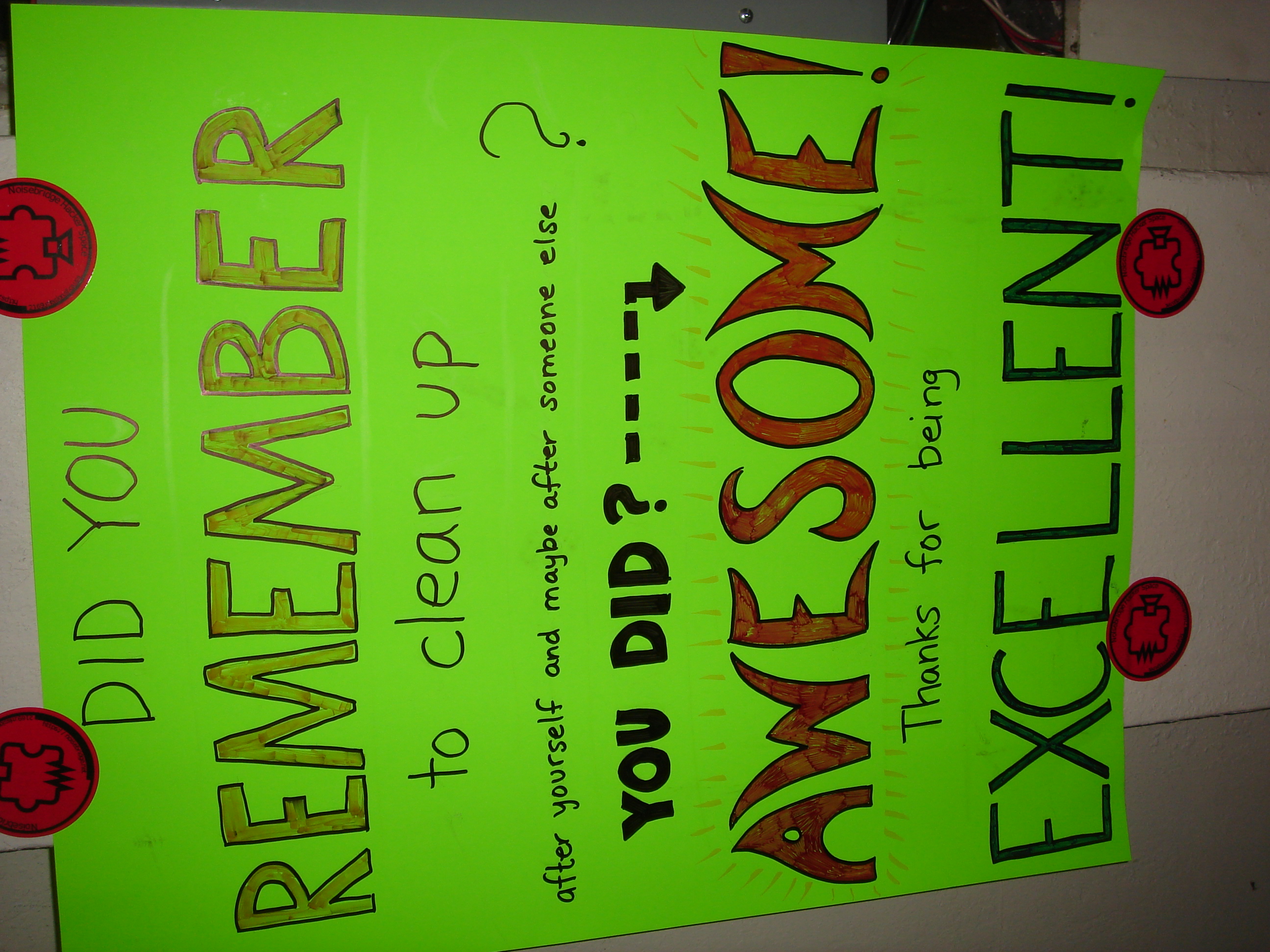
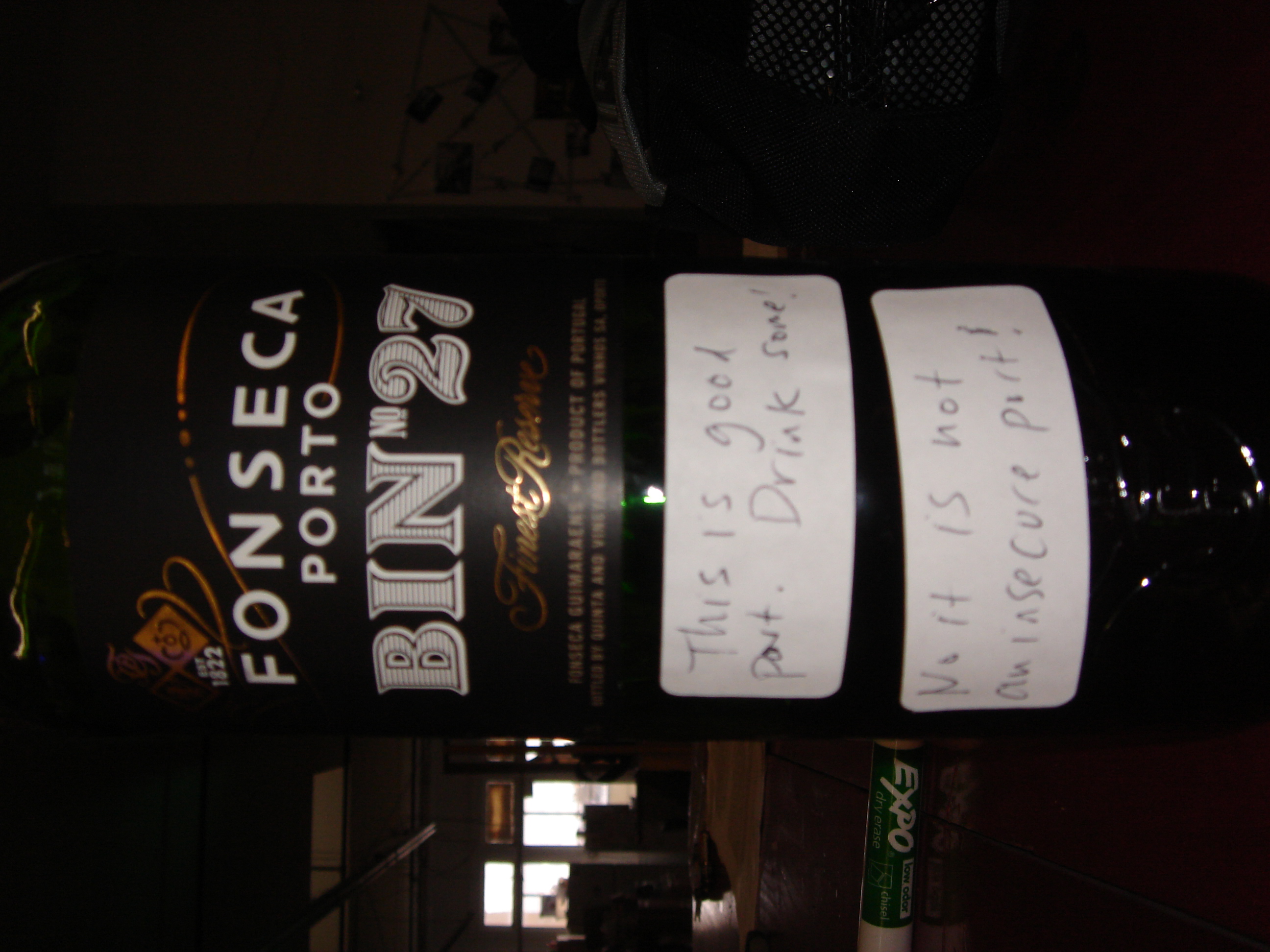
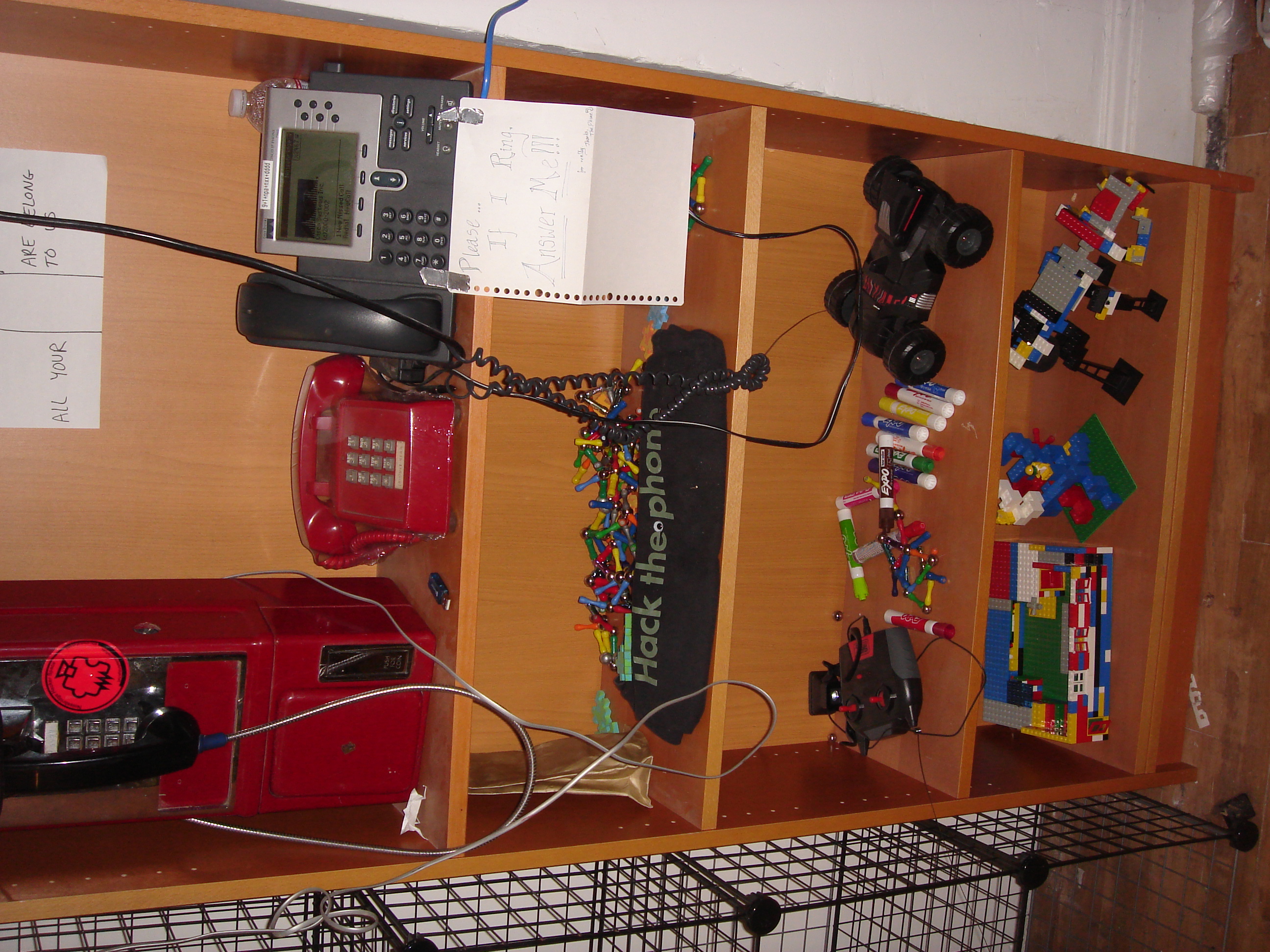
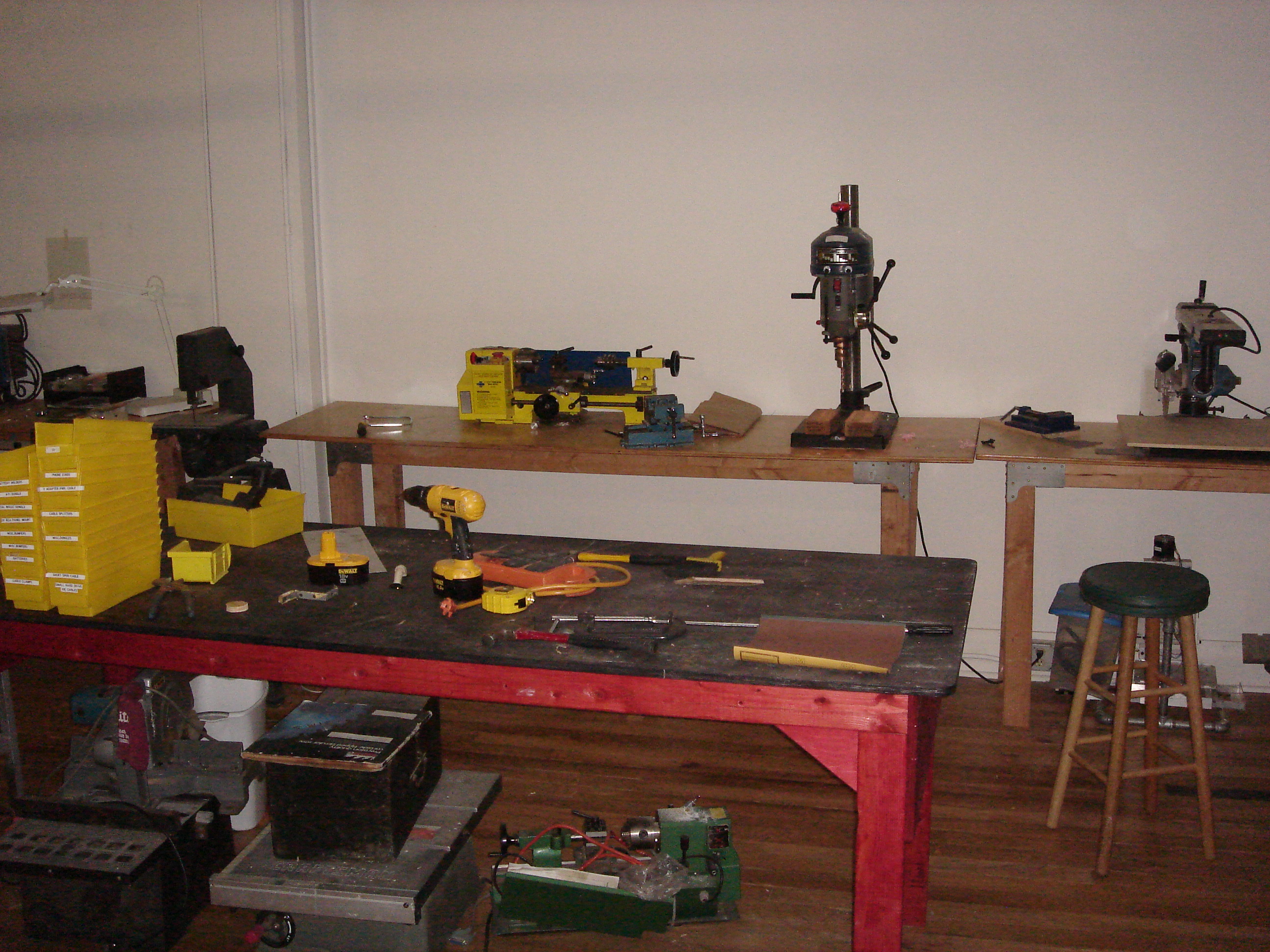
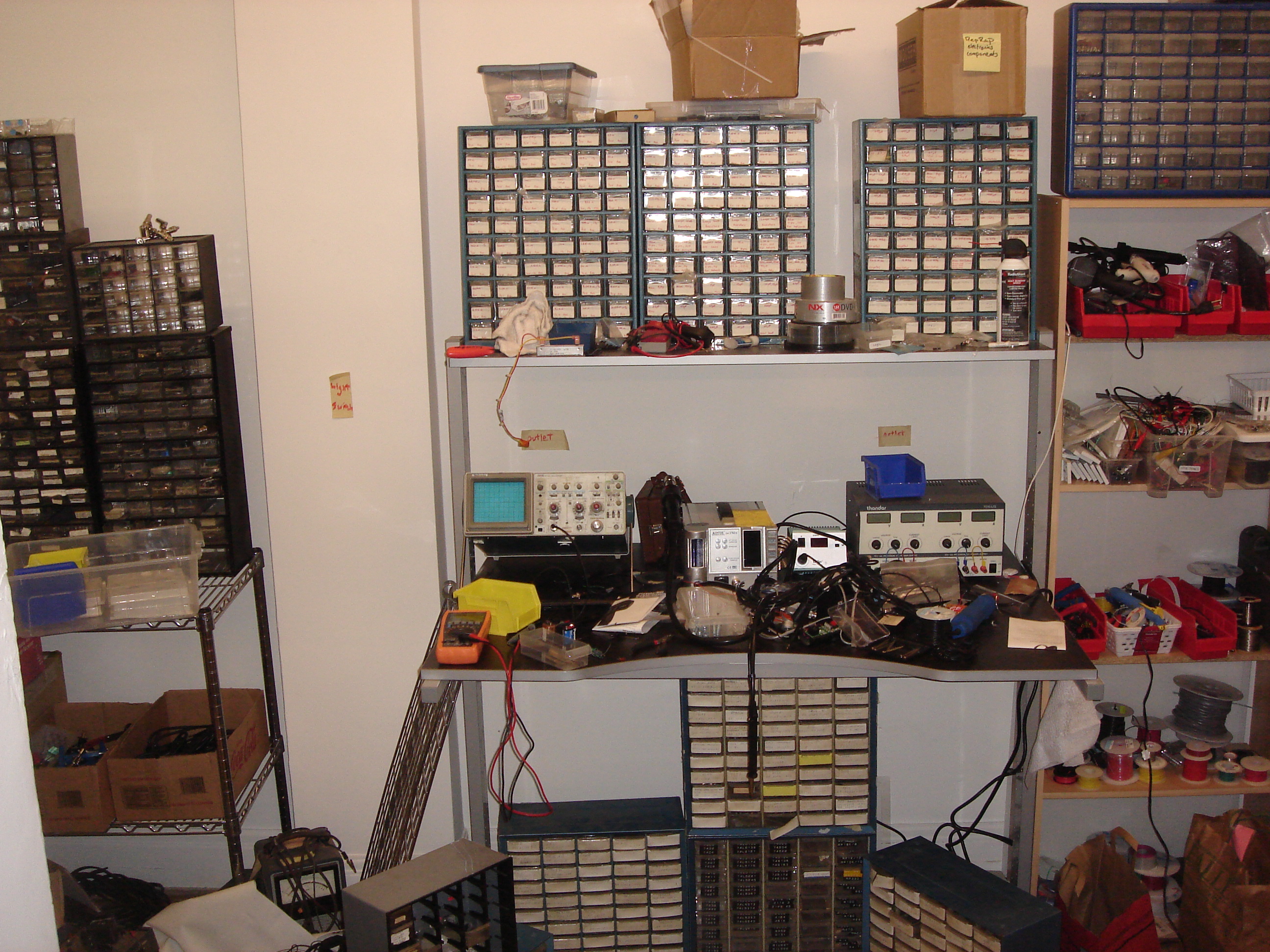
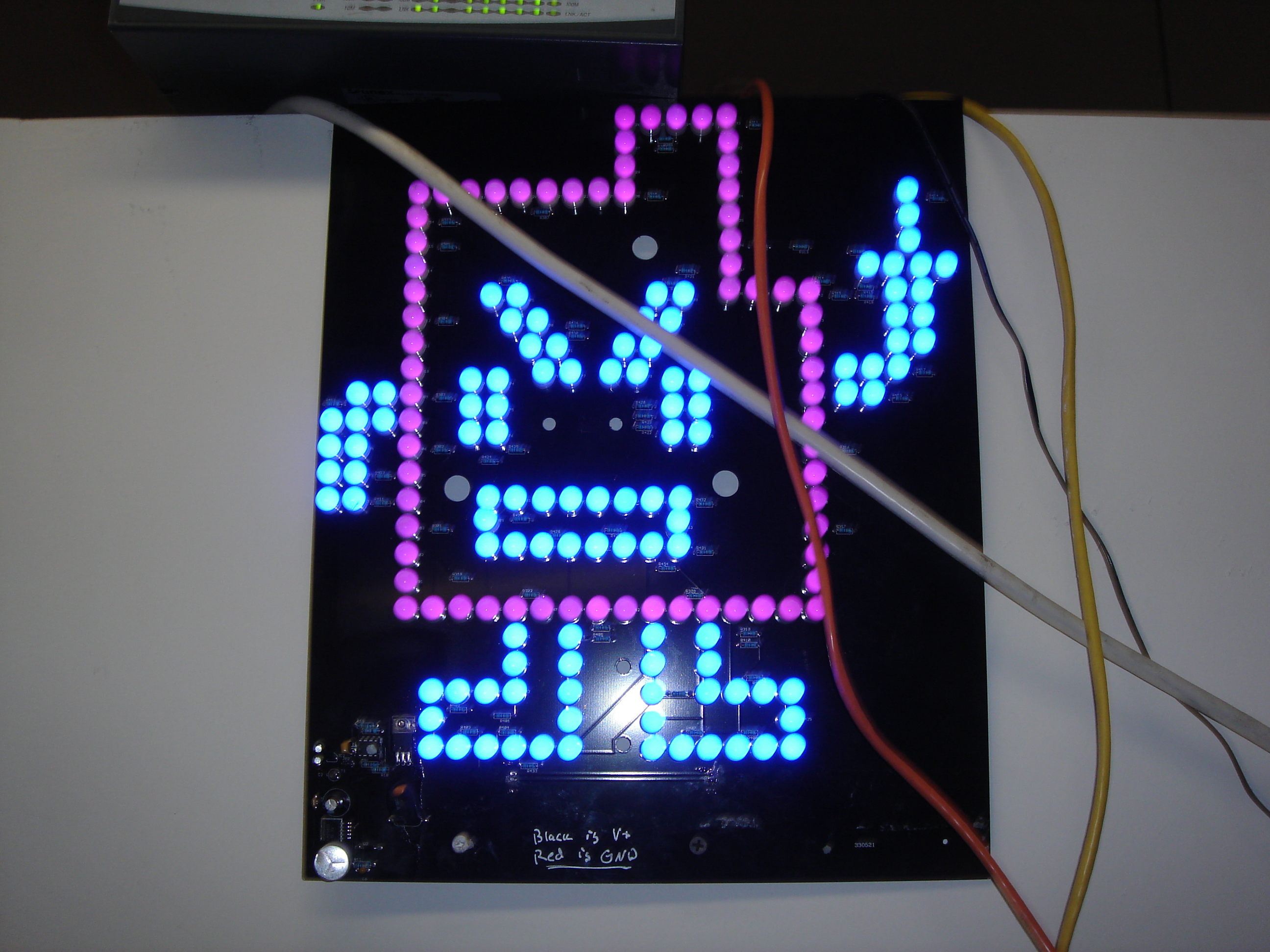
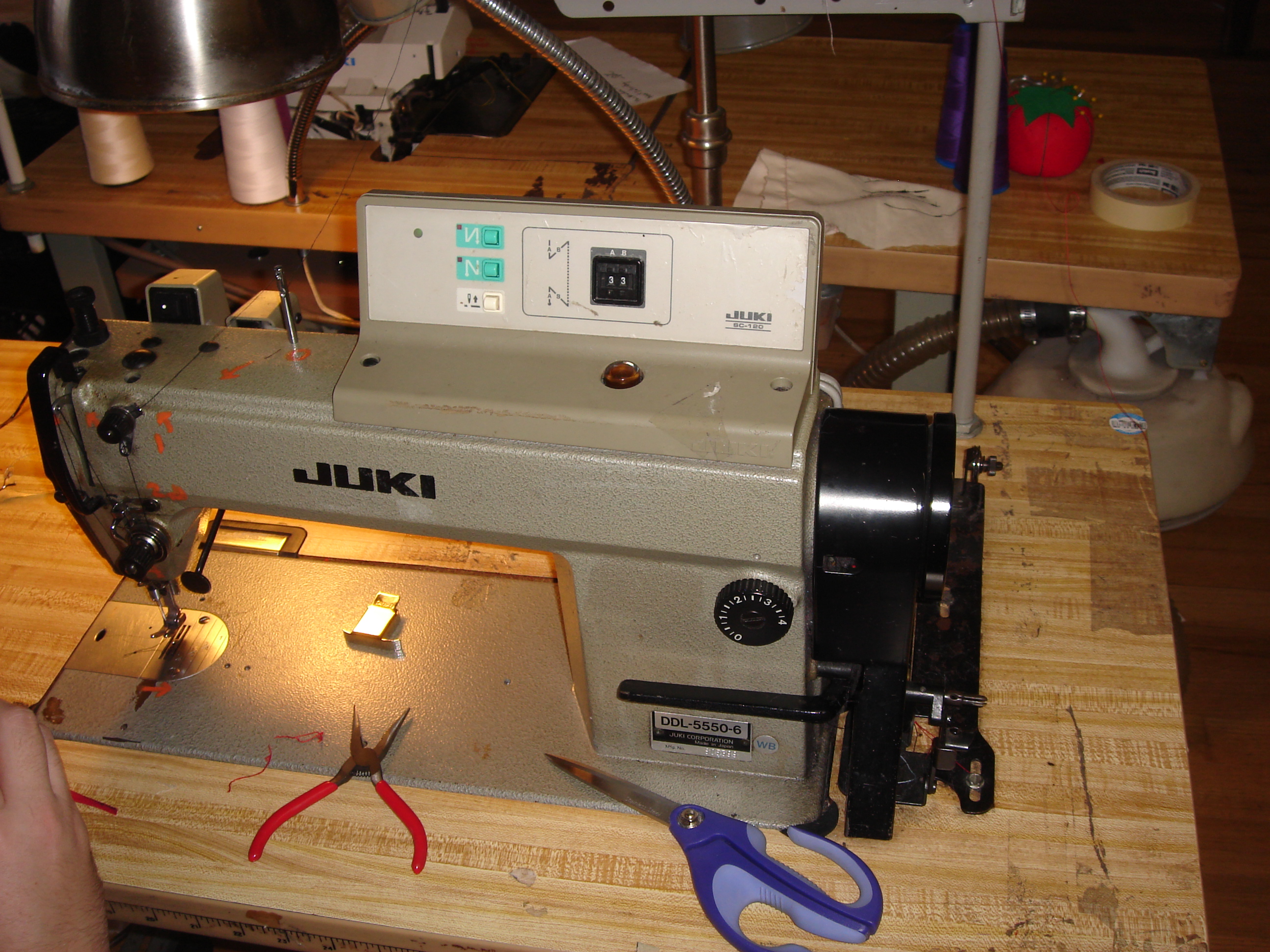
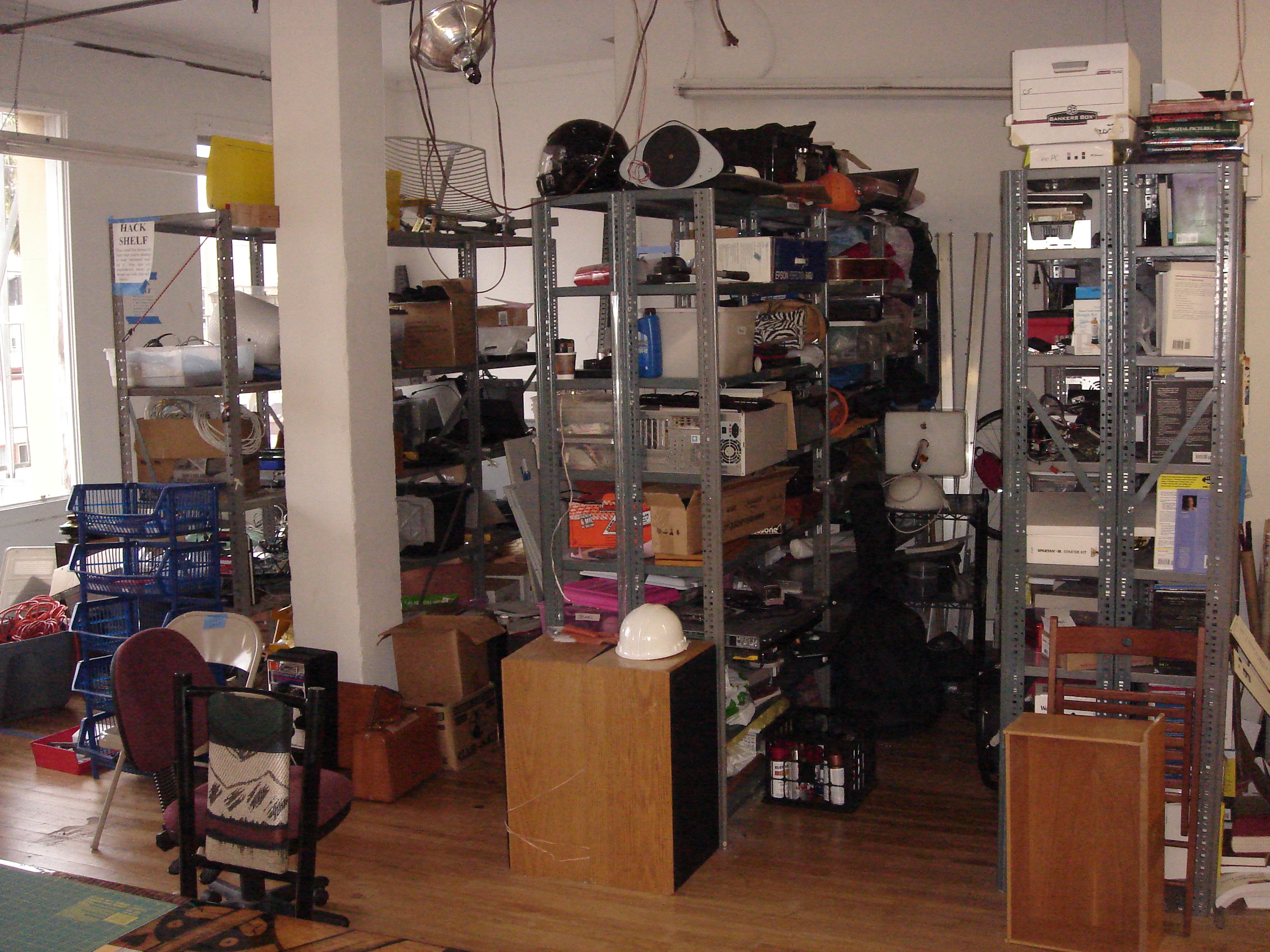
When in California last year I visited the NoiseBridge [1] Hackerspace. I was very impressed with what I saw, good equipment and very friendly people. The general concept of a HackerSpace is that it is an environment to support random creative projects. The first picture is a sign near the door which is clearly visible to anyone who is leaving, it encourages people to be AWESOME and EXCELLENT by cleaning up after themselves (and maybe others). I think that this demonstrates the core of what is needed to get such a community project going. Generosity towards others was on display everywhere, there was some free fruit on a table as well as a bottle of Port for anyone to drink. Someone had written a note saying that it s not an insecure Port (a computer security joke). Someone had created an artwork that resembled an advert which some idiots had mistaken for a terrorist bomb (the creature displaying the Impudent Finger). The main (only?) phone in NoiseBridge is apparently a VOIP phone, it is located next to an old pay-phone along with some Magnetix and other toys that can be used by curious people of any age. Magnetix have had repeated safety problems that caused recalls so maybe such things are best placed in an 18+ environment. When I visited about 10 people were working on electronics projects. There were a number of soldering irons in use and some serious test equipment (including a couple of CROs) was available. The people doing the soldering were eager to teach other people about their work. Other equipment that was available included some serious industrial sewing machines and some drill presses. A lot of that equipment is unreasonably expensive to buy for personal use and is also rather bulky to store, having it available in a central location is a great service for the community. Finally Noisebridge has a lot of space. There are rooms that could be used for giving small lectures and couches in the central area for people to relax and have impromptu meetings. Of course they had wireless net access too. Australian Hacker Spaces Kylie Willison has written about the Adelaide Hackerspace which sounds promising [2]. The Connected Community Hackerspace is a new one in Melbourne [3]. It operates out of the homes of members so it s not nearly as big as Noisebridge (which has a substantial property rented for 24*7 operation). I hope that we can get something running permanently in the Melbourne city area in the near future. The Noisebridge membership dues are $80 per month (or $40 for starving hackers). I would pay that for a comfortable chair in a convenient city location with net access surrounded by cool people! Poster telling people that they are AWESOME and EXCELLENT if they clean upFree bottle of port with sign saying - this is not an insecure portVOIP phone in use, pay-phone for decoration, and MagnetixDrill presses and other heavy equipmentParts and CROs for electronic workRecreation of an advert that some idiots thought was a bombIndustrial sewing machineShelves full of random spare parts

Colin Watson: Thoughts on 3.0 (quilt) format

Note: I wrote most of this before Neil Williams' recent comments on the 3.0 family of formats, so despite the timing this isn't really a reaction to that although I do have a couple of responses. On the whole I think I agree that the Lintian message is a bit heavy-handed and I'm not sure I'm thrilled about the idea of the default source format being changed (though I can see why the dpkg maintainers are interested in that). That said, as far as I personally am concerned, there is a vast cognitive benefit to me in having as much as possible be common to all my packages. Once I have more than a couple of packages that require patching and benefit from the 3.0 (quilt) format as a result, I find it in my interest to use it for all my non-native packages even if they're patchless right now, so that for instance if they need patches in the future I can handle them the same way. It's not unheard of for me to apply temporary patches even to packages I actively maintain upstream, so I don't discount those either. I haven't decided what to do with my native packages yet; unless they're big enough for bzip2 compression to be worthwhile, there doesn't seem to be much immediate advantage to 3.0 (native). Anyway, on to the main body of this post: I've been one of the holdouts resisting use of patch systems for a long time, on the basis that I felt strongly that dpkg-source -x ought to give you the source that's actually built, rather than having to mess around with debian/rules targets in order to see it. Now that the 3.0 (quilt) format is available to fix this bug, I felt that I ought to revisit my resistance and start trying to use it. Migrating to it from monolithic diffs is of course a bit more work than migrating to it from other patch systems, so it's taken me a little while to get round to it. I'd been thinking about holding off until there was better integration with revision control (e.g. bzr looms), as I feel that patch files really ought to be an export format, but I eventually decided that I shouldn't let the perfect be the enemy of the good. I have enough experience with co-maintaining packages that use build-time patch systems to be able to compare my reactions. After experimenting with a couple of small packages, I moved over to the deep end and converted openssh a few weekends ago, since quite a few people have requested over the years that the Debian changes to openssh be easier to audit. This was a substantial job - over 6000 lines of upstream patches - but not actually as much work as I expected. I took a fairly simplistic approach: first, I unapplied all the upstream patches from my tree; then I ran bzr di interdiff -q /dev/stdin /dev/null >x, reduced it to a single logically-discrete patch, applied it to a new quilt patch using quilt fold, and repeated until x was empty. This was maybe an hour or two of work, and then I went through and tagged all the patches according to DEP-3, which took another few hours. After the first pass, I ended up with 38 patches and a much clearer idea of what has been forwarded upstream and what hasn't; I currently have 5 patches to forward or eliminate, down from 18. Good things: Bad things: On the whole I'm satisfied with this, and the benefits definitely outweigh the costs. Thanks to the dpkg team for all their work on this!

25 March 2010

Colin Watson: Thoughts on 3.0 (quilt) format

Note: I wrote most of this before Neil Williams' recent comments on the 3.0 family of formats, so despite the timing this isn't really a reaction to that although I do have a couple of responses. On the whole I think I agree that the Lintian message is a bit heavy-handed and I'm not sure I'm thrilled about the idea of the default source format being changed (though I can see why the dpkg maintainers are interested in that). That said, as far as I personally am concerned, there is a vast cognitive benefit to me in having as much as possible be common to all my packages. Once I have more than a couple of packages that require patching and benefit from the 3.0 (quilt) format as a result, I find it in my interest to use it for all my non-native packages even if they're patchless right now, so that for instance if they need patches in the future I can handle them the same way. It's not unheard of for me to apply temporary patches even to packages I actively maintain upstream, so I don't discount those either. I haven't decided what to do with my native packages yet; unless they're big enough for bzip2 compression to be worthwhile, there doesn't seem to be much immediate advantage to 3.0 (native). Anyway, on to the main body of this post: I've been one of the holdouts resisting use of patch systems for a long time, on the basis that I felt strongly that dpkg-source -x ought to give you the source that's actually built, rather than having to mess around with debian/rules targets in order to see it. Now that the 3.0 (quilt) format is available to fix this bug, I felt that I ought to revisit my resistance and start trying to use it. Migrating to it from monolithic diffs is of course a bit more work than migrating to it from other patch systems, so it's taken me a little while to get round to it. I'd been thinking about holding off until there was better integration with revision control (e.g. bzr looms), as I feel that patch files really ought to be an export format, but I eventually decided that I shouldn't let the perfect be the enemy of the good. I have enough experience with co-maintaining packages that use build-time patch systems to be able to compare my reactions. After experimenting with a couple of small packages, I moved over to the deep end and converted openssh a few weekends ago, since quite a few people have requested over the years that the Debian changes to openssh be easier to audit. This was a substantial job - over 6000 lines of upstream patches - but not actually as much work as I expected. I took a fairly simplistic approach: first, I unapplied all the upstream patches from my tree; then I ran bzr di interdiff -q /dev/stdin /dev/null >x, reduced it to a single logically-discrete patch, applied it to a new quilt patch using quilt fold, and repeated until x was empty. This was maybe an hour or two of work, and then I went through and tagged all the patches according to DEP-3, which took another few hours. After the first pass, I ended up with 38 patches and a much clearer idea of what has been forwarded upstream and what hasn't; I currently have 5 patches to forward or eliminate, down from 18. Good things: Bad things: On the whole I'm satisfied with this, and the benefits definitely outweigh the costs. Thanks to the dpkg team for all their work on this!

Neil Williams: lintian, source format 3.0 and blog comments

Regarding my previous post on source format 3.0, I think it came across that I was blaming lintian entirely which would be unfair.

(As a side-note, a bug in serendipity XMLRPC resulting in all entries having comments disabled has led to a welcome effect of spreading the discussion more widely than a series of comments on my own site could have achieved. I'm happy with this state of affairs, so it you want to comment, either contact me by private email or put your comments on your own blog. I won't be enabling comments any time soon.)

The extended information behind the lintian warning is one thing (I've explained my position on that to Russ privately) - my main objection is to how such a warning was pushed into lintian and the entire use 3.0 or be damned approach that seems to be being adopted.

IMHO, source format 3.0 is not good enough to be the standard dpkg source format for a simple reason: It offers nothing to well maintained packages. Not all packages need NMU's - ever. Not all packages have patches - ever. Native packages and packages with the Debian maintainer upstream gain nothing from 3.0, as far as I can see.

I have 67 source packages - after much very careful consideration, I have found that a handful of those (less than 10) actually benefit from 3.0 and the rest are all unaffected. None of the packages that I will keep on 1.0 have ever had an NMU since I've been maintainer, most are either native or entirely under my sole upstream control. I will decide whether Debian gets a .tar.gz or a .tar.bz2 and although I generally offer both for download where I can, I see no reason to adopt .tar.bz2 as my default for Debian packaging.

Adding a redundant directory and file is obnoxious. I fail to see why debian/source-format would not have been perfectly suitable. Nevertheless, I will do what is necessary to avoid 3.0 until there is a compelling technical reason to adopt it.

The imperative for those in favour of 3.0 is to convince me that there is a reason TO change, not to make it difficult for me NOT to change. I do not need any reason to avoid 3.0 other than I do not have a good enough reason to move from 1.0. Making developers feel like luddites or incompetent merely because the proponents of 3.0 have failed to convince others to move to 3.0 is just insulting. You want me to use 3.0? Explain why I should bother - the current "reasons" on the Wiki page are simply not good enough and any rehash of those will be ignored. Come up with something new or respect my decision and let me get on with more important stuff.

Ben Hutchings: Adding debian/source/format

Neil Williams writes:
The new lintian addition "missing-debian-source-format" is starting to remind me of a pestering nanny. I use source format 3.0 only where I see a technical benefit and that - so far - is restricted to packages that use a .tar.bz2 upstream and one or two with really tricky patching requirements.
You are missing the point - debian/source/format allows you to make it explicit that the source format is 1.0, if you want to stick with that.

24 March 2010

Neil Williams: Ignoring lintian nagging

The new lintian addition "missing-debian-source-format" is starting to remind me of a pestering nanny.

I use source format 3.0 only where I see a technical benefit and that - so far - is restricted to packages that use a .tar.bz2 upstream and one or two with really tricky patching requirements. It is literally one or two as well - out of 67 source packages which I maintain (more than some of those nagging me to change).

Packages for which I am upstream and all my native packages will stick with source format 1.0 - because there is no technical reason to migrate. Packages where I'm not upstream but which continue to use .tar.gz and have minimal or absent patching needs will also stay with 1.0 indefinitely. (I can't see how dpkg can drop 1.0 support, even after multiple stable releases after Squeeze.)

I've no interest in being side-tracked into a pointless "discussion" with those who have already made up their minds that nobody could possibly think that 3.0 is unwelcome or uninteresting. Nagging me won't help - I don't consider 3.0 worth using and I see no technical reasons to adopt it blindly.

19 March 2010

MJ Ray: Co-ops at the North Somerset Initiative

On Wednesday, I went to a meeting of the Business Initiative for North Somerset for Cooperatives-SW (our regional cooperative cooperative). It was the first time anyone from the cooperative and mutual sector was present.

platform
Conference Bank of England The first speaker was Geoff Harding from the Bank of England, who talked through topics in their agents summary and related news. One interesting graph showed a steep rise in the percentage of household income being saved. Answers to questions suggested that more of that goes to mutuals and building societies, but they find it difficult to be competitive while the banks are keen to increase their balances. There was mention of employment hoarding businesses short-time working, redeploying or shutting down temporarily to keep trained workers under contract, rather than make them redundant and rehire later. People from both the Federation of Small Businesses and the Hoteliers Association made strong comments about the banks claiming to government that they are willing to lend, but still offering deeply unattractive depth-of-recession rates and terms. If the regional agents get details of such cases, they pass them to the central bank. South West Regional Development Agency The second main speaker was Ann O Driscoll, who covers business development for the West of England (what many people call CUBA Councils that Used to Be Avon). She introduced their four strategic priorities:-

  1. Low Carbon Economy apparenly our region has good wind, wave and solar experience. However, Vestas were mentioned and I know that when Vestas closed the UK s only wind turbine blade factories in August 2009, the RDAs were criticised for not acting against the subsidy-chasing, socially irresponsible conduct of Vestas and related companies continue to worry workers. If Vestas is one of the praised companies, I wonder whether we re attracting sustainable work to the region. On a related note, North Somerset Council and NS Enterprise Agency are organising a Climate Change forum on 1st April, but it s at Cadbury House Hotel, which is awkward to get to except by car: no footpath to the door, a mile-and-a-half walk along a busy road from a train station, bad roads for biking, wheelbending speedhumps on the drive, I can t remember if there is bicycle parking and its website doesn t say
  2. Successful Businesses SWRDA funds our rather poor Business Link service. Does someone in the South West have some good news about Business Link? If so, please leave a comment on this article.
  3. Prosperous Places intervention in areas like south Bristol or central Weston.
  4. United Approach co-ordinating with other regional groups.
The main activities introduced were: The questions were fascinating, except for mine. The best one was probably about the forthcoming election and the Conservatives pledge to shut down the RDAs and Business Links. The answer was that much of the work will still need to be done somehow, so it s more a question of who will do it, rather than what the name on the door says. So I don t think axing RDAs is going to achieve more than shuffling people between organisations. When allowed to ask a question, I got too excited and ranted a bit about how the Co-operative Group s co-operative enterprise hub is doing work that Business Link should have been funding, but the RDA doesn t understand social enterprise and treats it as a ghetto service. I ll try to take that up in a more coherent form later. Overview I think Cooperatives-SW were invited to the North Somerset Initiative largely because of pressure from software.coop for co-ops to be represented better in the Local Strategic Partnership, which has treated us badly. NSI holds one of the three business places on the partnership board, with the other two being held by NSEA and Bristol International Airport. I think it s a bit off that a private company and an enterprise agency are both represented by other groups and also have their own board seats while co-ops don t even have a collective seat, so that pressure for a representative organisation for co-operatives and mutuals to have a board place (in line with national government guidance) should continue, useful though the NSI meetings seem to be. The other thing which would really help is some funding for co-operative business development specialists to work in North Somerset at strategic tasks like this, instead of it being left to ordinary workers from other sectors. I don t know where that funding will come from and until then, I ll continue to try my best. We need to make sure that local strategy at least does no harm to the sector.

18 March 2010

Neil Williams: Possibilities for Emdebian Crush

Crush 2.0 was abandoned last year when the freeze for Debian Squeeze was still scheduled to start at the end of 2009. Even with the expected delays in the timetable for the Debian release, there never was going to be enough time to get Crush 2.0 released with the resources available. Subsequent Crush releases have always been planned, only the release of Crush 2.0 alongside Debian 6.0 (Squeeze) was abandoned.

However, Emdebian Grip has developed nicely and Grip 2.0 is going to be a significant advance over Grip 1.0 - lots more packages, lots of bugs fixed for smoother installations, multistrap support, etc.

The success of Grip has led to a slim chance of working out something for Emdebian Crush. The current state of cross-building / multiarch in Debian means that cross-building more than a handful of packages is simply unrealistic with the resources available within Emdebian. Instead, Crush will be based on Grip for 2.0 and subsequent releases, until things settle out.

Packages that are in Grip and which are designed upstream for embedded situations will simply be made accessible in Crush without further changes. Cross-building packages like this results in binaries that are all but identical to the Grip equivalent. (There is a massive difference between adapting a package for Crush and designing the package from scratch for embedded use. Emdebian is not taking on that task.)

The changes that Crush will make are being calculated, using a shortlist of packages that are (typically) not designed for embedded use but which support a long, long string of --enable-foo options in the build system - most of which Crush can change into --disable-foo. This results in fewer dependencies for the resulting binary packages so that things like LDAP can be removed. The packages themselves are being selected on the basis of what was released in Crush 1.0 for compatibility reasons. The source packages and the resulting binary packages will be renamed (busybox-crush etc.) and suitable Provides: Replaces: and Conflicts: deployed, allowing mixing of Grip and Crush packages on one device.

Other changes are then based around replacing coreutils with a reconfigured busybox and removing perl completely. Wrapper scripts, helpers and other changes will try to stitch the gaps.

It's a chance, a bit slim but a chance nonetheless. The plan offers a possibility, a worthwhile experiment. If it works, Emdebian Crush 2.0 could be a reality on seven architectures and with 2,000 packages available, released alongside Debian 6.0 (Squeeze). If it fails, people will just have to wait for multiarch to settle out and Crush 3.0, due for release alongside Debian 7.0 (Squeeze+1). In the meantime, there's always Emdebian Grip.

6 March 2010

Neil Williams: Drivel 3.0.1 and SOUP

I've got a few fixes to go into drivel 3.0.1 but I've been trying to decide on whether to re-factor the underlying code - libsoup specifically. Drivel has it's own way of handling xmlrpc messages and this method doesn't work well with the libsoup2.4 changes, so currently it backports some code from libsoup2.2. This isn't ideal for all the usual reasons and I've been waiting for time to sort it out.

Time is lacking. My change of career has dramatically changed the amount of time I have for upstream code and as long as drivel continues working for most people, I'm not sure how much time it deserves.

I've done a lot of refactoring in drivel already, for the GTK3 transition mainly, but this libsoup stuff is much more awkward because it raises new bugs with each blog engine that drivel tries to support. It's not helped when some blog engines retain broken XML practices that mean that the standard libsoup2.4 support simply fails to post a message with properties. (I'm looking at you livejournal.com).

Anyone fancy helping out with a branch where the old xmlrpc code can be replaced by soup_value_hash_insert? I've made an SVN branch for soup24 changes at SourceForge. There's a mailing list too (v.quiet).

I'm going to update a few screenshots, complete a few more tests and then release 3.0.1.

23 February 2010

Tiago Bortoletto Vaz: Creative retaliation


Canada responds to historic Olympic hockey game loss to US: (source)

20 February 2010

John Goerzen: Is the Roman Emperor Still Your God?

In ancient Rome, the Imperial cult was the worship of the Roman emperor as a god. It came to be at roughly the same time as Christianity. In the cult of the emperor, Caesar was revered as a deity. According to Harvey Cox, This was what we might today call a civil religion it had its holidays, processions, and holy sites throughout the empire. Adherence to it was required of all of the emperor s subjects, wherever they lived and whatever other deities they also worshiped. It was the religious and ideological mucilage that held the far-flung empire together. Perhaps you see where this is going. There was a certain group that found the imperial cult, well, repugnant. They felt their own goals bringing their god s peace and justice to the world were incompatible with this sort of devotion to a human institution, and the very institution that had killed their leader at that. Their reaction went like this:
Regarding worship of the emperor, Christians responded with an unequivocal no. They claimed that Jesus Christ was God s kyrios ( anointed one in Greek), but since kyrios was one of the titles attributed to Caesar, they refused to participate in the imperial cult. They were willing to pray for the emperor and for his health, but they stubbornly refused to pray to him or offer ritual tribute. They recognized that one could not be a follower of Jesus while also honoring a rival to the loyalty their faith in him and his Kingdom required; therefore, not even one pinch of incense on the imperial altar. This defiance of the political religion of the empire, which led their critics to brand them subversive, landed many of them in arenas with salivating lions. Harvey Cox in The Future of Faith
Now, you may be wondering, why am I asking if anyone still worships the emperor of a long-extinct empire? I maintain that this practice is still alive and well, just under a different name. I have been interested in some of the debates about American institutions that choose to perform neither the national anthem nor the pledge of allegiance. Many of these institutions are Mennonite, and their reason for not participating in these two particular acts mirrors that of the early Christians refusing to worship Caesar: namely, their goal is to bring about God s peaceful and just kingdom on earth, and no country, no human institution at all, can ever command greater loyalty than that cause. Moreover, the American national anthem is a particularly violent one, celebrating the taking of life right there at the beginning. Not completely compatible with the ethics of a church trying to bring about a more peaceful world, right? It is from that basis that many Mennonites, and our institutions, do not perform the national anthem or say the pledge of allegiance. For myself, when the national anthem is being performed, I will stand out of respect for those around me for whom the moment is important, but I do not sing. I am deeply appreciative that the United States, like many other countries, makes it legal to do this. I am heartened by the fact that I do not risk a confrontation with the lions over my religious stance today. Goshen College, a Mennonite institution, recently decided to go back on a century of history (which goes back farther than the anthem itself, which was only adopted in 1931) and will now be performing the anthem, followed by a prayer, before select sporting events. And by so doing, they fail both to act in accordance with the way of Christ, and to be a patriot. They fail to act for peace and justice by playing an anthem that supports and glorifies war and violence. And they fail to be patriotic. Patriotism and nationalism are different things. It s easy to be nationalistic to get up there and sing a song that everyone wants you to sing. It is far more difficult to be patriotic. Being patriotic in the United States means using the freedoms we have to improve our country. Goshen ought to use its freedom to not observe the national anthem as a way to try to draw a line in the sand against violence, to suggest that our anthem fails to adequately recognize the character of the American people and who we want to be, and to suggest a better alternative. After all, those people who are venerated today as patriots anyone from Martin Luther to Thomas Jefferson to Martin Luther King stood up to their fallible human governments to seek positive change. Instead of a route both religious and patriotic, Goshen College has chosen one that is neither. I am deeply disappointed that 300 phone calls have apparently cowed their leadership. What have we come to when our ancestors braved the lions, and we give up our principles over the fear of bad publicity? Ah, Goshen, perhaps you are thinking that you could spare a few pinches of incense for Caesar after all?

19 February 2010

Steve Kemp: If you were a comic book character, what character would you be?

I've been overhauling the way that I am host a number of virtual websites upon my main box. Partly to increase security, and partly for a cleaner separation or roles, ownership, and control. (In general everything on my box is "mine", but some things are "ours"...) After a fair amount of experimentation I decided that I wasn't willing or able to rewrite all my Apache mod_rewrite rules just yet. So my interim plan was to update each existing virtual host: To make it clear what the users were for I decided that every hosting-user would have an "s-" prefix. So the virtual host "static.steve.org.uk" was initially going to be served by the s-static user. The thttpd configuration file would look like this, and would be located in /etc/thttpd/sites/static.steve.org.uk:
host=127.0.0.1
port=1008
dir=/home/www/static.steve.org.uk/htdocs/
chroot
user=s-static
throttles=/etc/thttpd/throttle.conf
logfile=/home/www/static.steve.org.uk/logs/thttpd.log
pidfile=/home/www/static.steve.org.uk/pid/file
(I wrote a trivial script to stop/start all the sites en mass, and removed the default thttpd init script, logrotation job, and similar things.) How did I decide which port to run this instance under? By taking the UID of the user:
steve@skx:~$ id s-static
uid=1008(s-static) gid=1009(s-static) groups=1009(s-static)
With this in place I could then update the Apache configuration file from serving the site directly to merely proxying to the back-end server:
<VirtualHost *>
    ServerName  static.steve.org.uk
    # Proxy ACL
    <Proxy *>
        Order allow,deny
        Allow from all
    </Proxy>
    # Proxy directives
    ProxyPass          /   http://localhost:1008/
    ProxyPassReverse   /   http://localhost:1008/
    ProxyPreserveHost on
</VirtualHost>
So was that all there is to it? Sadly not. There were a couple of minor issues, some of which were:
cronjobs
I have various cron-jobs in my main steve account which previously updated blog indexes, etc. (I use namazu2 to make my blog searchable.) I had to change the ownership of the existing indexes, the scripts themselves, and move the cronjob to the new s-blog user.
cross-user dependencies
I run a couple of sites which pull in content from other locations. For example a couple of list summaries, and archives. These are generally fed from a ~/.procmail snippet under my primary login. Since my primary login no longer owns the web-tree it is no longer able to update things directly. Instead I had to duplicate a couple of subscriptions and move this work under the UID of the site-owner.
I'm no longer running apache
For a day or two I'd forgotten I was using the apache facility to include snippets in my site; such as links to my wishlist. Since I'm not using Apache in the back-end server-parsed files no longer work. Happily I'm using a simple template-based setup for my main sites, so I updated the template-parser to understand "##include ./path/to/file". For example this source file produces my donation page. The upshot is my "static" site is even more static, which is a good thing.
uploads are harder
Several of my domains host entirely static content which is generated on my main desktop machine, and then uploaded via rsync post-build. I had to add some more accounts and configure SSH keys, then update the uploading routines/Makefiles appropriately. Not a major annoyance, but suddenly my sshd_config file has gone from "PermitUser steve,backup" to including many additional accounts.
The single biggest pain was handling my my mercurial repositories - overhauling that took a bit of creativity to ensure that nothing was broken for existing or new checkouts. I wish that a backport of mercurial-server was trivial because I'd love to be using that. In general though watching the thttpd logs has been sufficient to spot problems. I had to tweak things a little to generate statistics properly, but otherwise all is good. Why thttpd? Well small, lightweight, and the ability to run CGI scripts. Something missing from nginx for example. I'm still aiming to remove apache2 from the front-end - it is mostly just a dumb proxy, but it does perform some ACL operations and expand mod_rewrite rules. I could port those to another engine .. but not today. The most likely candidates are nginx, perlbal, or lighttpd - each of these should be capable of doing simple ACL checks, and performing mod_rewrite-like rules. ObFilm: Mallrats

15 February 2010

William Pitcock: Healthy Menu for Slim with Diet Software

sofwarediet285
Want a healthy diet, but difficulty determining diet have much less heart disease and diabetes, now do not need to be confused. The problem currently existing software can determine which food or menu with us. This tool was created Muhammad Burhanuddin SI students majoring in the College information systems Information Management and Computer Engineering (STIKOM). Pemuda Surabaya original was inspired by his desire to want to get the ideal body weight. He then sought a reference from a variety of books on diet and sehata the ideal body shape. From the book, he then designed a program for determining menu diet with computerized systems. Yes at first it was because I found it difficult to lose weight and see the number of experts in determining the diet for patients with certain diseases, he said on the red building STIKOM Surabaya, Jalan Kedung Baruk, Thursday (15/10/2009). During the decisive finishing diet program, she had difficulty in the verification phase of the rule which took one month of a total of four months of completion of the program is the final project. This 21 year young man said this program can ciptaanya to help digunakanahli nutrition diet suitable for the patient. At first nutritionist to determine the menu of resus a patient s blood type that has gone through laboratory tests. Then determine the disease
patients suffered until finally obtained the results of a diet, he said.

William Pitcock: 5 Healthy Eating Oout Diet Tips

bbsteakbsr
It s hard to do a healthy diet outside the home? Whereas many of the activities carried out. Try some tips refer to following a healthy diet that you can do outside. re Dieting to reduce consumption of fats, carbohydrates or sugar? That does not mean you can not eat well. With a few tricks and cunning look of food, you can even a good meal in a restaurant also order food from fast-food restaurant. Try it voyeur tips from DASH, Dietary Approaches to Stop Hypertension. With these healthy tips you can still eat well and avoid high blood pressure or high cholesterol levels. Well, try telling refer to the following tips: 1. Avoid foods with saturated fats and cholesterol High
But avoid foods that contain saturated fatty acids and also high yan foods contain cholesterol. You can avoid these foods but still give priority to taste, a variety of menus to choose from, even a favorite. If you re eating out make sure the following things:
- Make sure your food is cooked using olive oil instead of butter or
fat if the dish was a stir-fried or something.
- Ask for salad dressing or salad dressings are low in fat.
- If mkan meat or chicken, remove the parts that contain fat such as chicken skin.
- Choose foods with dimaska burned, boiled, or baked. In addition to not using oil, usually healthier. 2. Watchful Against Salt
Another thing to note that this works DASH diet is salt. Because salt can raise your blood pressure, while salt is often used in a variety of restaurants to make food more delicious. You still can control the salt in your food when eating out by doing:
- Ask the waiter to not put salt or MSG in your food.
- Beware of any food that a high salt content such as pickles, soy sauce, broth, bacon, and others.
- Keep the salt from your desk, because usually you will reflexively add salt to the food.
- Reduce the use of mustard, ketchup, pickles, and other Condiment a high salt content.
- Choose fruits or vegetables as the opening menu. 3. Avoid foods with a portion of
But avoid foods with large portions. In addition you will feel
unfortunately if the foods are not consumed, you will feel sick if you eat too much excess. We recommend that you order enough food. Or if that portion is too big, shared with friends is much better. 4. Always Instill Healthy Living Patterns in the Mind
More and more people realize how important a healthy life, making a lot of restaurants started to state that low-fat or rich in antioxidants to the food they sell. Actually do not stop until the food alone, you
also have to think about drinks or dessert healthy what happens to the balance. For example:
- Choose a drink that does not cause side effects, such as mineral water, fruit juice, or herbal tea.
- Expand vegetables and fruits as well as the opening menu to avoid overeating at the main menu.
- If you decide to eat a salad, choose low-fat sauce or put the sauce on the plate edge so that its use is not excessive.
- Avoid mouthwashes that contain high fat like cheese cake. We recommend that you choose desserts such as fruit, sorbet, or fruit jelly. 5. Order careful in Resto Fast Food
Fast-food restaurant is the most dangerous enemy to your diet. But if you are careful, you can still enjoy fast food without the fear of cholesterol or high blood pressure soared and certainly does not ruin your diet program. Here are some tips if your food in the restaurant inginmemesan fast food:
- Take your time choosing foods, read the content carefully to what
contained in one serving. And do not be shy to ask the waiter about
Andapesan food.
- Combine your foods such as grilled chicken with whole wheat and yogurt drinks or low-fat milk.
- Do not order more servings.
- Be aware of and avoid salad dressings containing Condiment bleak high salt soy sauce, ketchup, and pickles.
- To drink mineral water should choose, even if others want to order to avoid fizzy drinks.

William Pitcock: Multiple Sclerosis Reconnaissance Fat Young Girl

abg-(abc.net.au)-dalam Multiple Sclerosis is a disease of the central nervous disorder that weakens the immune system. A study showed that obese adolescent girls affected by MS have opportunities in the future. During the 40-year study of 238,000 women found that adolescent girls suffer from obesity at the age of 18 years had twice the risk of MS affected than teens of that age have more slender bodies. Fatty tissue which accumulates as a teenager allegedly memproduki substances that affect the immune system that triggers the possibility of MS. However, body size during the children and adults are not found in relation to risk of MS. Researchers have made a study report in the journal Neurology. Researchers still need to take further evidence to confirm these findings. Researchers from the Harvard School of Public Health used data from the nurses about diet, lifestyle factors and health. During the study, 593 women are diagnosed with MS, a disease caused by loss of nerve fibers and myelin sheath in the brain and spinal cord that makes nerve damage. Researchers compared the risk of disease with body mass index (BMI) or weight to height ratio, in women aged 18 years. Studies show those who have weight BMI 30 or greater at the age of 18 years had twice the risk of MS. Our results indicate that body weight during adolescence is very important in determining the risk of MS, said Kassandra Munger ScD from Harvard School of Public Health in Boston, as quoted by BBC News, Monday (9/11/2009). There are many studies that support that adolescence is an important time for the development of the disease, so what we found was associated with it, he said. He added that obesity prevention early adolescence is an especially important step in reducing the risk of MS in the future. Previous research has found vitamin D levels are high can reduce the risk of MS and the researchers showed that obesity associated with low levels of vitamin D in the body.

William Pitcock: How to Fight Lazy For Sports

OLAHRAGA(getactivechallenge)-DALAM Everyone knows that exercise can heal the body. But why only a few people who routinely perform the activity? Ask yourself. The answer is, maybe you less motivated to do so. A survey ever conducted to find out why people rarely do sports. The survey involving 15,000 women from 25 countries showed that although nearly half of them know that exercise is very important for health, but less than 25 percent of it done. Why? More than two-thirds of respondents said that they would exercise more often if the gym was fun. So far, they consider it as a routine or demand to stay healthy so feel burdened. Although the facts say so, but it is unfortunate if people take sport as a less desirable activity. If you are not motivated to do the morning run, bike or fitness, try these few tips that may improve your mood for a workout without having to feel it as a demand or load. 1. Participate In A Club
Come in a club full of adventure and can arrange your sporting activity each week. Find information from friends or open the website that provides these facilities. 2. Involve Friends
If you are interested in joining a club, you can do sports with your friends or beloved. Sport activities together can evoke passion and spirit to not realize that you are really doing is exercise, not just recreation. 3. Try New Types
Trying something new will make you feel to have new experiences and unexpected. Make your muscles work with the new type of sport and do not usually very good for your body. 4. Make A Game
You would be very interested in an adventure or a game. Making sport like games is a good idea. Make activities as the game ran find treasure limited time, and you will feel more happy and challenged. 5. Back to Boyhood
Do you remember when as a child running around all day without feeling tired and bored? It feels good right? That s what you should do now. Create a day where you can be reunited with friends and do sports or play activities you usually do in childhood. Rollerblading in the park to play or jump rope can be very enjoyable. 6. Give Credits For Yourself
If you ve managed to do sports, try giving a gift to yourself. Watching the film series, enjoying a plate of spaghetti or relax at the spa can be temoat rewards you deserve for successfully achieving exercise goals. Most people who do not enjoy the sport has a very dense activity and also because they are not used to doing. But if once you find that it is a routine exercise that is enjoyable, you will begin to enjoy it. Without realizing it, you also have to do two things at once is fun, physical exercise and psychological. Good luck.

William Pitcock: Vierra guys Stump in 2010

vierra_285 Vierra band to be different in 2010. The personnel men, Kevin cs, want to look more muscular. Of course there are reasons why the personnel Ballerina boys want to look more muscular. Raka Cyril, the guitarist, spoke up to express that excuse. . To create a more muscular body would need a business. So, Kevin (keyboards), Raka (guitar) and Tryan (drums), do not forget the additional bass player, Deryansha Azhary, melakoni fitness. Fitness together can maintain cohesion, said Raka again. The desire for fitness with the new fact emerged two weeks ago. At that time only as an expense only. But after thinking together, three boys Vierra agreed to be different in 2010. Apart from personnel appearance that her boyfriend would be more muscular, there is no change from the Ballerina in 2010. Band with hits Are You Really it was not planning to release a new album. We do not want to hurry. s Album coming out yesterday, not to waste too, added Widi, the vocalist.

14 February 2010

Russell Coker: Which People are Stupid on the Internet?

I don t think that the answer is everyone or even everyone other than my geeky friends , but obviously it is a large number of people. Many people apparently type facebook into Google and try to login to the first thing that they see, if it happens to not be Facebook then they whine this became known after a Google search for facebook login happened to not return the Facebook login page as the first link [1]. This blog post claims that they are not stupid [2] the specific claim is that URLs etc are just too complex. I disagree, if my mother and my mother-in-law can both do better than that then I think that we should expect that a significant portion of retirees can do so and we should also expect that younger people will do better than older people. In a more specific sense, when I was in primary school I was taught the Dewey Decimal System aka Dewey Decimal Classification. With the DDC a primary school student can look up the location of a book in the library index system (cardboard files when I was at school) and then know where to find it. After looking up a book on one occasion no-one would want to repeat the effort so the sensible thing to do is to write down the DDC index to any interesting book. The same mental processes can be used for dealing with URLs, someone might find Facebook etc through Google on the first occasion but they can then use browser bookmarks and written notes for traveling to track the URLs that interest them. I think we should expect that a typical adult nowadays should be able to complete any task that would be expected of a 10yo when I was young, and I don t think it s unreasonable to call an adult stupid if they can t compare to a 10yo from the early 80 s! As a specific example, while 10yo children were given assignments to look up various books in the DDC I think that an adult can be expected to work out the value of an index on their own young children should be expected to require a little more training than adults! Some people will claim that it s not stupidity but ignorance. What exactly is supposed to have prevented these people from learning? Have the primary school libraries stopped teaching the DDC and most other things related to storing written knowledge? Is there supposed to be such an utter lack of computer skills in the general population that anyone who wants to learn will be unable to do so? I m sure that there are plenty of retirees who could seek advice from my mother or my mother-in-law if they wanted to learn about such things. NB I m not making any general comment about gender specific computer skills here, my father and my father-in-law don t seem to use the Internet much and they aren t the ones to complain to me when things break so I can t assess their skills. I am talking about four individuals and the only generalisation that I am making is that 2/4 retirees I know well seem to have good Internet skills and therefore I expect there to be a reasonable number of retirees who successfully use the Internet. The Making Light analysis and discussion of the issue has a lot of good points (Making Light does in fact make light ) [3]. But does have some claims that I find really strange, one example concerns a woman who misunderstood the way the up/down buttons work to call an elevator. Misunderstanding the buttons is one thing, but she also shared her knowledge of elevators with others, presumably she had more than a few people try to correct her and she ignored their advice. I think that someone who ignores advice from a variety of people, ignores advice that can easily be tested (just push the elevator buttons and observe what happens), and then goes around sharing their wrong ideas seems to have clearly crossed the line separating cluelessness from stupidity. One of the Making Light comments references the Clients From Hell blog a summary of strange, stupid, and amusing requests that clients have made to web design companies [4]. It seems to me that there are two noteworthy categories of anecdote on that site. One is requests that demonstrate ignorance of the work, such as requesting something significant and complex to be done in an hour. The other is requests that demonstrate contempt for the people doing the work, such as offering to pay $10 per hour. Misjudging the time taken to complete work is forgivable if someone has the skill to accurately estimate the time required then they would be able to do the work and wouldn t be asking for a quote for someone else to do it. Demonstrating contempt for someone that you are about to hire is stupid no matter how or why it s done. Clients From Hell also documents people who have requests that are obviously silly, it s understandable that someone might expect a blurry image to be sharpened as done on CSI , but wanting use image editing to reveal the face of a person who was facing away from the camera is simply assigning magical powers to the computer the fact that this sort of thing is done in shows such as Star Trek says a lot about the shows in question and their viewers. Often car metaphors are used for computers, you can be a good driver without knowing the details of how a car works but you do have to know how the pedals, switches, and steering wheel work as well as the meanings of the various dials. You can be competent at using the Internet without knowing much about bits, bytes, assembler code, or how a CPU works but you do need to know how the controls work and this means knowing how to type a URL. The basic operations of browsing the web require considerably less skill than driving a car and less skill than is commonly used in operating the telephone system (including PABX systems, mobile phones, and international calls). Anyone who is unable (not unwilling) to drive a car or make any phone call other than a local direct call and yet is reasonably intelligent could be used as an example of how an intelligent person could be unable to understand some aspects of technology, I don t think that there are many people in that situation it s difficult to find an adult in Australia who can t drive a car. Finally while it s reasonable to be uninterested in some things, it s not reasonable to be interested in doing something without wanting to learn how to do it properly. If typing facebook.com is so difficult that it exceeds someone s level of interest in the service then they shouldn t complain if they find that they can t access the service. Really typing facebook.com into the address bar of a web browser is easier than starting the engine of a car with a manual transmission, it s easier than filling the fuel tank of a car with the correct fuel, or figuring out when a car is due for service. Now there are serious security issues revealed by this event. I m sure that lots of people use similar methods to access their online banking etc. I just did a quick Google search for online banking with Australian banks, and I noticed that a few of the search results have adverts from rival banks. So it seems quite plausible that someone could trick Google into thinking that they run a bank (there are many thousands of banks in the world), run adverts competing against established banks, and phish the people who click on them. I wonder whether the best solution would be for the banks to test the security of their customers. Then any customer who gets phished by the bank s anti-fraud division would receive increased bank fees for the next few years and the rest of us who are less risk to the bank could receive lower fees. The current situation seems to be that my bank fees are partly determined by the need to recoup the money that the bank loses from customers who just use Google to find their bank s web site. I would rather not pay for the stupidity of such people. In the end all security comes down to people issues, technology just helps people do the right thing. I believe that one of the groups of stupid people on the Internet are those who believe that the Internet should be made safe for people who want to know nothing about it not even the basic library skills that are taught to primary school students.

Next.

Previous.