John Goerzen: Why and how to run ZFS on Linux
I m writing a bit about ZFS these days, and I thought I d write a bit about why I am using it, why it might or might not be interesting for you, and what you might do about it.
ZFS Features and Background
ZFS is not just a filesystem in the traditional sense, though you can use it that way. It is an integrated storage stack, which can completely replace the need for LVM, md-raid, and even hardware RAID controllers. This permits quite a bit of flexibility and optimization not present when building a stack involving those components. For instance, if a drive in a RAID fails, it needs only rebuild the parts that have actual data stored on them.
Let s look at some of the features of ZFS:
- Full checksumming of all data and metadata, providing protection against silent data corruption. The only other Linux filesystem to offer this is btrfs.
- ZFS is a transactional filesystem that ensures consistent data and metadata.
- ZFS is copy-on-write, with snapshots that are cheap to create and impose virtually undetectable performance hits. Compare to LVM snapshots, which make writes notoriously slow and require an fsck and mount to get to a readable point.
- ZFS supports easy rollback to previous snapshots.
- ZFS send/receive can perform incremental backups much faster than rsync, particularly on systems with many unmodified files. Since it works from snapshots, it guarantees a consistent point-in-time image as well.
- Snapshots can be turned into writeable clones , which simply use copy-on-write semantics. It s like a cp -r that completes almost instantly and takes no space until you change it.
- The datasets ( filesystems or logical volumes in LVM terms) in a zpool ( volume group , to use LVM terms) can shrink or grow dynamically. They can have individual maximum and minimum sizes set, but unlike LVM, where if, say, /usr gets bigger than you thought, you have to manually allocate more space to it, ZFS datasets can use any space available in the pool.
- ZFS is designed to run well in big iron, and scales to massive amounts of storage. It supports SSDs as L2 cache and ZIL (intent log) devices.
- ZFS has some built-in compression methods that are quite CPU-efficient and can yield not just space but performance benefits in almost all cases involving compressible data.
- ZFS pools can host zvols, a block device under /dev that stores its data in the zpool. zvols support TRIM/DISCARD, so are ideal for storing VM images, as they can instantly release space released by the guest OS. They can also be snapshotted and backed up like the rest of ZFS.
- To have faith that my photos, backups, and paperwork archives are intact. zpool scrub at any time will read the entire dataset and verify the integrity of every bit.
- I can create snapshots of my system before running apt-get dist-upgrade, making it easy to track down issues or roll back to a known-good configuration. Ideal for people tracking sid or testing. One can also easily simply boot from a previous snapshot.
- Many scripts exist that make frequent snapshots, and retain the for a period of time as a way of protecting work in progress against an accidental rm. There is no reason not to snapshot /home every 5 minutes, for instance. It s almost as good as storing / in git.
- CDDL will prevent it from ever being part of the Linus kernel tree
- It is more RAM-hungry than most, although with tuning it can even run on the Raspberry Pi.
- A 64-bit kernel is strongly preferred, even in low-memory situations.
- Performance on many small files may be less than ext4
- The ZFS cache does not shrink and expand in response to changing RAM usage conditions on the system as well as the normal Linux cache does.
- Compared to btrfs, ZFS lacks some features of btrfs, such as being able to shrink an existing pool or easily change storage allocation on the fly. On the other hand, the features in ZFS have never caused me a kernel panic, and half the things I liked about btrfs seem to have.
- ZFS is already quite stable on Linux. However, the GRUB, init, and initramfs code supporting booting from a ZFS root and /boot is less stable. If you want to go 100% ZFS, be prepared to tweak your system to get it to boot properly. Once done, however, it is quite stable.

 Nice




 Formally, today is my first day as a student on a formal, scholarized institution Basically for the first time in almost twenty years!
Yes, those that know me know that I aspire to live the life of academia. I have worked at public universities for almost all of my adult life (between 1997 and 1999 I worked at a local ISP and at a private school), and have had a minor academic position ( T cnico Acad mico ) for almost ten years. And not having a proper degree limited me from pursuing anything further.
Then, in early 2010 I
 The decision on which init system to use has plagued Debian for a
fairly long time now. We've had people talking about it as early as
debconf11 in Banja Luka, and we still haven't got a
decision. Instead, the decision has been going round in circles, in a
typical bikeshed fashion.
Originally, my opinion on the subject was "sysv-rc is good enough for
everyone, and it's portable, which other alternatives aren't".
By now, however, I've become convinced that the first part of that
statement isn't true, and that as a result a switch of a default init
system is indeed appropriate; that we should indeed switch to "something
else", at least for our Linux ports.
Once I came to that conclusion, my opinion on what, exactly, we
should use turned out to be nonexistent. That is, I don't care. Anything
will be fine.
What is bothering me, though, is that things keep dragging on and on
and on and on and on and on and on, ad infinitum.
We should just pick one and be done with it, dammit. The
fact that sysv-rc is replaced by "something else" does not mean people
must stop using sysv init scripts. Even if the maintainer of
some random package "foo" refuses to accept patches to support sysv-rc
for his package, there's nothing stopping anyone from providing a
package "sysv-support" containing init scripts (and nothing else) for
sysv-rc.
The same goes for a hypothetical upstart-support or systemd-support
package, of course: if you want to continue living in the stone age and
keep using sysv-rc forever, then there is nothing stopping
you. Even if we decide to use something else for our Linux
ports.
Ideally the non-Linux ports would move to something more modern too;
but there really really really isn't any reason why it would be
a problem if they didn't.
Can we stop painting the bikeshed now? If we don't, soon we'll have
to call it "hunk of paint with some bikes inside" rather than
"bikeshed".
Thanks.
 ).
Missing
 Contributor License Agreements ("CLAs") are a mechanism for an upstream software developer to insist that contributors grant the upstream developer some additional set of rights. These range in extent - some CLAs require that the contributor reassign their copyright over the contribution to the upstream developer, some merely provide the upstream developer with a grant of rights that aren't explicit in the software license (such as an explicit patent grant for a contribution licensed under a BSD-style license).
 A new major release 0.4.0 of

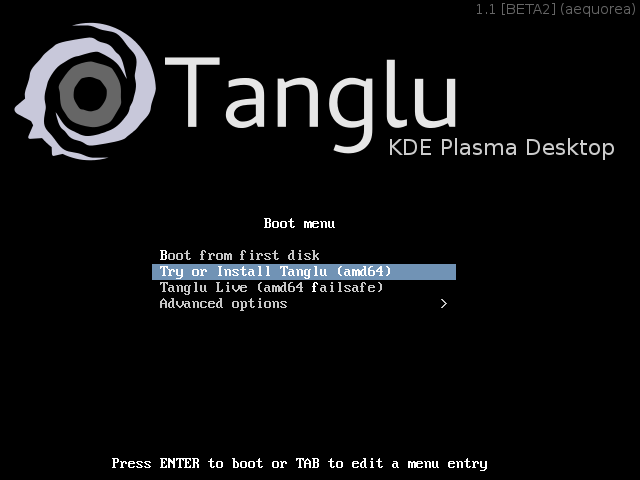
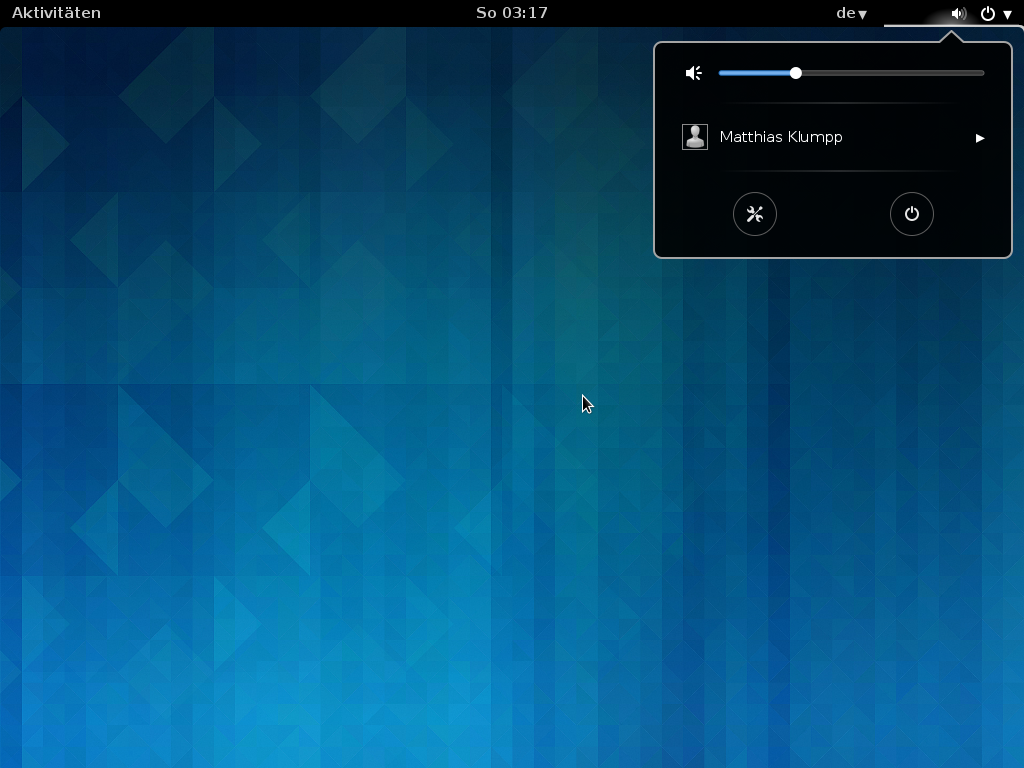
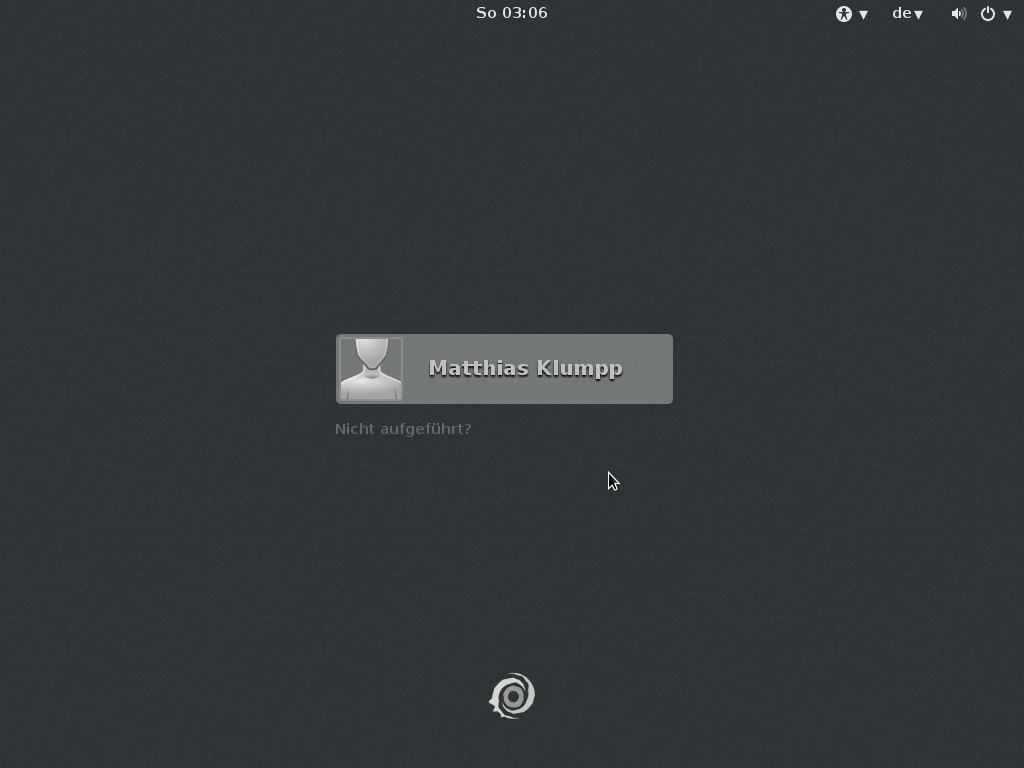
 Since yesterday, we have an (installable!) Beta2 release of Tanglu!
Compared to the previous snapshot, it comes with a huge amount of improvements and bugfixes:
 I am pretty happy with this Beta2 release, because Tanglu is shaping out to be the distribution we imagined in the beginning.
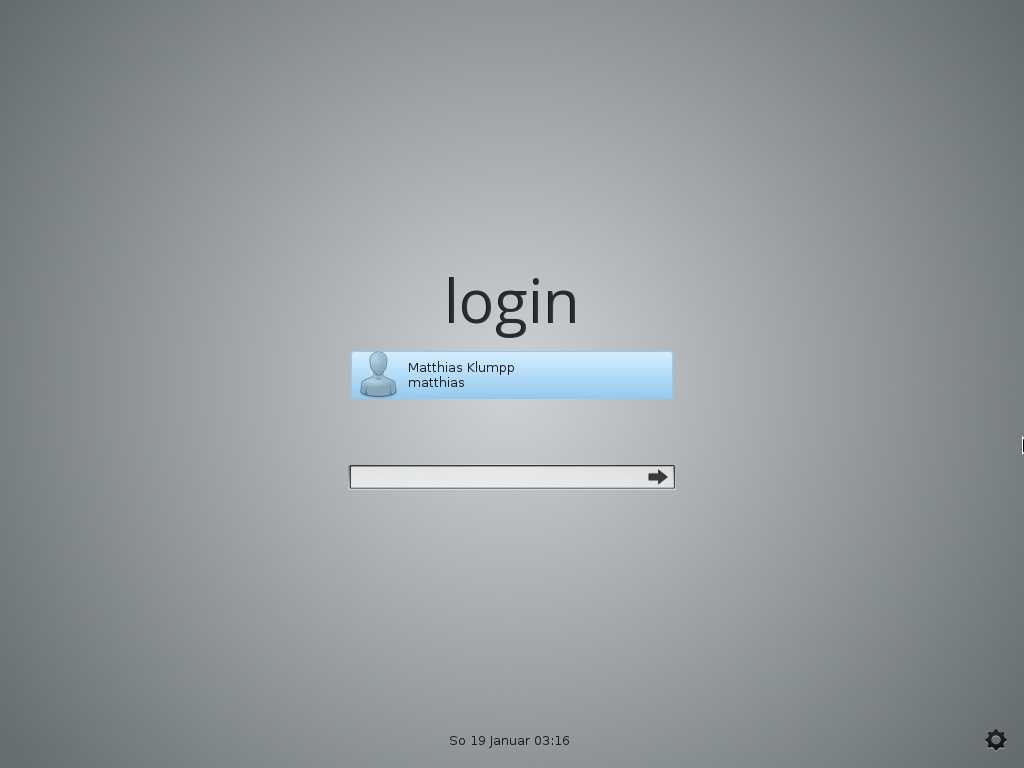
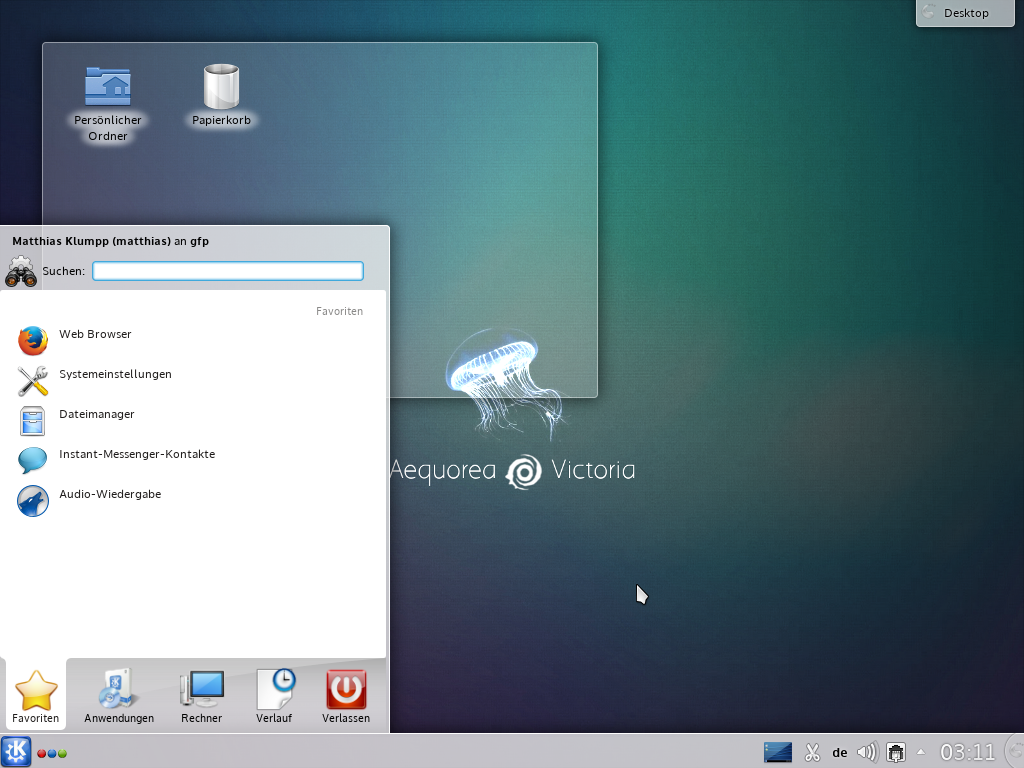
Have fun! And as bonus, here are some images from Beta2:

 I have just uploaded a newer version of
 Benefits for the wider free software community
This means packages providing SIP (and soon XMPP/Jabber) will hopefully be under much more scrutiny from developers in the lead up to the next major Debian release,
 I was back at my parents' over Christmas, like usual. Before I got back my Dad had mentioned they'd been having ADSL stability issues. Previously I'd noticed some issues with keeping a connection up for more than a couple of days, but it had got so bad he was noticing problems during the day. The eventual resolution isn't going to surprise anyone who's dealt with these things before, but I went through a number of steps to try and improve things.
Firstly, I arranged for a new router to be delivered before I got back. My old

 This is mostly a repost of my
 I have just enrolled in a MOOC to learn about programming with Android.
There are many tutorials and reports of people using Linux for the
development of the apps out there, but, unfortunately, many of them are
outdated or contain misleading information.
You will find bazillion instructions out there telling you to install
JDK6. (Even the instructions in the MOOCs say so, and Google says that it is
the only supported version of Java). Even more than that, some of them will
tell you that you should not use OpenJDK, but use Oracle's JDK instead.
So, if you have a pure
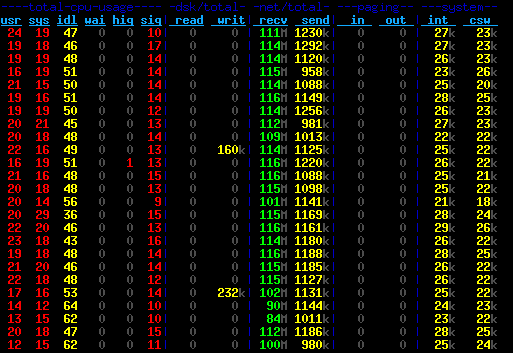 Another 3 hours later, the most obvious bugs were weeded out and the code
successfully cloned an entire mirror for the first time. I verified the
correctness by running debmirror afterwards, and no files were downloaded that
had not actually arrived on the mirror in the meantime.
Features