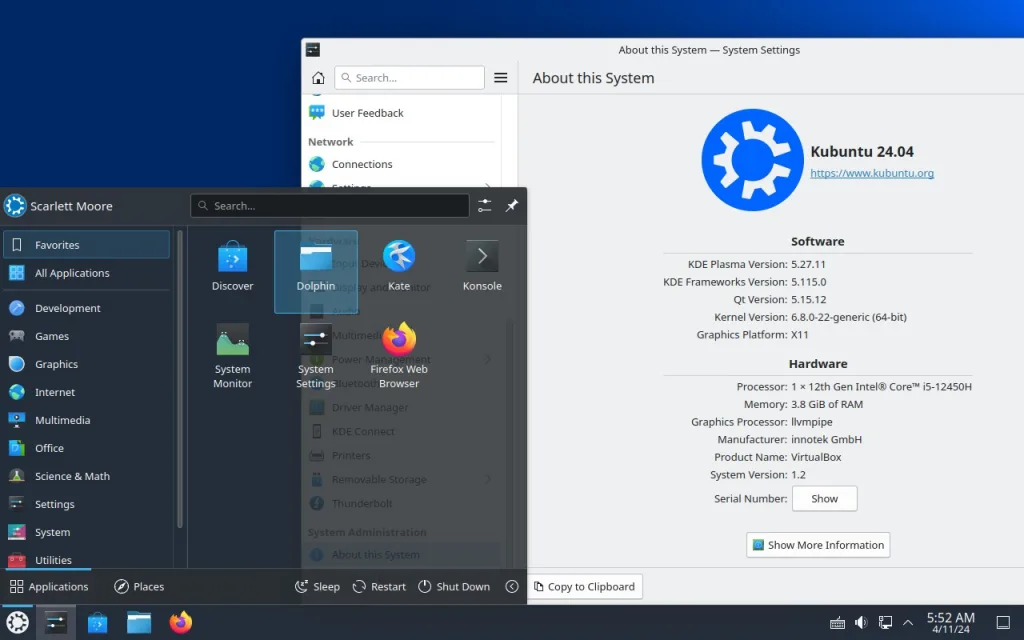
Scarlett Gately Moore: Kubuntu: Noble Numbat Beta available! Qt6 snaps coming soon.

 Like each month, have a look at the work funded by Freexian s Debian LTS offering.
 Getting the Belgian eID to work on Linux
systems should be fairly easy, although some people do struggle with it.
For that reason, there is a lot of third-party documentation out there
in the form of blog posts, wiki pages, and other kinds of things.
Unfortunately, some of this documentation is simply wrong. Written by
people who played around with things until it kind of worked, sometimes
you get a situation where something that used to work in the past (but
wasn't really necessary) now stopped working, but it's still added to
a number of locations as though it were the gospel.
And then people follow these instructions and now things don't work
anymore.
One of these revolves around OpenSC.
OpenSC is an open source smartcard library that has support for a
pretty
large
number of smartcards, amongst which the Belgian eID. It provides a
PKCS#11 module as well as a
number of supporting tools.
For those not in the know, PKCS#11 is a standardized C API for
offloading cryptographic operations. It is an API that can be used when
talking to a hardware cryptographic module, in order to make that module
perform some actions, and it is especially popular in the open source
world, with support in
NSS,
amongst others. This library is written and maintained by mozilla, and
is a low-level cryptographic library that is used by Firefox (on all
platforms it supports) as well as by Google Chrome and other browsers
based on that (but only on Linux, and as I understand it, only for
linking with smartcards; their BoringSSL library is used for other
things).
The official eID software that we ship through
eid.belgium.be,
also known as "BeID", provides a PKCS#11 module for the Belgian eID, as
well as a number of support tools to make interacting with the card
easier, such as the "eID viewer", which provides the ability to read
data from the card, and validate their signatures. While the very first
public version of this eID PKCS#11 module was originally based on
OpenSC, it has since been reimplemented as a PKCS#11 module in its own
right, with no lineage to OpenSC whatsoever anymore.
About five years ago, the Belgian eID card was renewed. At the time, a
new physical appearance was the most obvious difference with the old
card, but there were also some technical, on-chip, differences that are
not so apparent. The most important one here, although it is not the
only one, is the fact that newer eID cards now use a NIST
P-384 elliptic curve-based private
keys, rather than the RSA-based
ones that were used in the past. This change required some changes to
any PKCS#11 module that supports the eID; both the BeID one, as well as
the OpenSC card-belpic driver that is written in support of the Belgian
eID.
Obviously, the required changes were implemented for the BeID module;
however, the OpenSC card-belpic driver was not updated. While I did do
some preliminary work on the required changes, I was unable to get it to
work, and eventually other things took up my time so I never finished
the implementation. If someone would like to finish the work that I
started, the preliminal patch that I
wrote
could be a good start -- but like I said, it doesn't yet work. Also,
you'll probably be interested in the official
documentation
of the eID card.
Unfortunately, in the mean time someone added the Applet 1.8 ATR to the
card-belpic.c file, without also implementing the required changes to
the driver so that the PKCS#11 driver actually supports the eID card.
The result of this is that if you have OpenSC installed in NSS for
either Firefox or any Chromium-based browser, and it gets picked up
before the BeID PKCS#11 module, then NSS will stop looking and pass all
crypto operations to the OpenSC PKCS#11 module rather than to the
official eID PKCS#11 module, and things will not work at all, causing a
lot of confusion.
I have therefore taken the following two steps:

 Armadillo is a powerful
and expressive C++ template library for linear algebra and scientific
computing. It aims towards a good balance between speed and ease of use,
has a syntax deliberately close to Matlab, and is useful for algorithm
development directly in C++, or quick conversion of research code into
production environments. RcppArmadillo
integrates this library with the R environment and language and is
widely used by (currently) 1136 other packages on CRAN, downloaded 33.5 million
times (per the partial logs from the cloud mirrors of CRAN), and the CSDA paper (preprint
/ vignette) by Conrad and myself has been cited 578 times according
to Google Scholar.
This release brings a new upstream bugfix release Armadillo 12.8.2
prepared by Conrad two days
ago. It took the usual day to noodle over 1100+ reverse dependencies and
ensure two failures were independent of the upgrade (i.e., no
change to worse in CRAN
parlance). It took CRAN another
because we hit a random network outage for (spurious) NOTE on a remote
URL, and were then caught in the shrapnel from another large package
ecosystem update spuriously pointing some build failures that were due
to a missing rebuild to us. All good, as human intervention comes to the
rescue.
The set of changes since the last CRAN release follows.
Courtesy of my CRANberries, there is a diffstat report relative to previous release. More detailed information is on the RcppArmadillo page. Questions, comments etc should go to the rcpp-devel mailing list off the Rcpp R-Forge page. If you like this or other open-source work I do, you can sponsor me at GitHub.Changes in RcppArmadillo version 0.12.8.2.0 (2024-04-02)
- Upgraded to Armadillo release 12.8.2 (Cortisol Injector)
- Workaround for FFTW3 header clash
- Workaround in testing framework for issue under macOS
- Minor cleanups to reduce code bloat
- Improved documentation
This post by Dirk Eddelbuettel originated on his Thinking inside the box blog. Please report excessive re-aggregation in third-party for-profit settings.
$ sudo apt update
$ sudo apt install flatpak
$ flatpak remote-add --if-not-exists flathub https://dl.flathub.org/repo/flathub.flatpakrepo
$ which -s gnome-software  && sudo apt install gnome-software-plugin-flatpak
$ which -s plasma-discover && sudo apt install plasma-discover-backend-flatpak
xdg-portal-* packages, that are required for Flatpak
applications to communicate with the desktop environment. Just to be sure, you
can check the output of apt search '^xdg-desktop-portal' to see what's
available, and compare with the output of dpkg -l grep xdg-desktop-portal.
As you can see, if you're a GNOME or KDE user, there's a portal backend for
you, and it should be installed. For reference, this is what I have on my GNOME
desktop at the moment:
$ dpkg -l   grep xdg-desktop-portal   awk ' print $2 '
xdg-desktop-portal
xdg-desktop-portal-gnome
xdg-desktop-portal-gtk
flatpak --system, the default) or
per-user (aka. flatpak --user)? Turns out, this questions is answered in the
Flatpak documentation:
Flatpak commands are run system-wide by default. If you are installing applications for day-to-day usage, it is recommended to stick with this default behavior.Armed with this new knowledge, let's install the Firefox app:
$ flatpak install flathub org.mozilla.firefox
$ flatpak run org.mozilla.firefox
~/.mozilla/ -- where the Firefox Debian package stores its data~/.var/app/org.mozilla.firefox/.mozilla/ -- where the Firefox Flatpak
app stores its data# BEWARE! Below I'm erasing data!
$ rm -fr ~/.var/app/org.mozilla.firefox/.mozilla/firefox/
$ cp -a ~/.mozilla/firefox/ ~/.var/app/org.mozilla.firefox/.mozilla/
$ mv ~/.mozilla/firefox ~/.mozilla/firefox.old.$(date --iso-8601=date)
flatpak run org.mozilla.firefox takes me to my "usual"
everyday Firefox, with all its tabs opened, pinned, bookmarked, etc.
More integration?
After following all the steps above, I must say that I'm 99% happy. So far,
everything works as before, I didn't hit any issue, and I don't even notice
that Firefox is running via Flatpak, it's completely transparent.
So where's the 1% of unhappiness? The Run a Command dialog from GNOME, the
one that shows up via the keyboard shortcut <Alt+F2>. This is how I start my
GUI applications, and I usually run two Firefox instances in parallel (one for
work, one for personal), using the firefox -p <profile> command.
Given that I ran apt purge firefox before (to avoid confusing myself with two
installations of Firefox), now the right (and only) way to start Firefox from a
command-line is to type flatpak run org.mozilla.firefox -p <profile>. Typing
that every time is way too cumbersome, so I need something quicker.
Seems like the most straightforward is to create a wrapper script:
$ cat /usr/local/bin/firefox
#!/bin/sh
exec flatpak run org.mozilla.firefox "$@"
<Alt+F2> and type firefox -p <profile> to start
Firefox with the profile I want, just as before. Neat!
Looking forward: system updates
I usually update my system manually every now and then, via the well-known pair
of commands:
$ sudo apt update
$ sudo apt full-upgrade
flatpak update [OPTION...] [REF...] Updates applications and runtimes. [...] If no REF is given, everything is updated, as well as appstream info for all remotes.Could it be that simple? Apparently yes, the Flatpak equivalent of the two
apt
commands above is just:
$ flatpak update
flatpak update additionally to apt update, manually,
everytime I update my system.gnome-software-plugin-flatpak,
and that I checked Software Updates -> Automatic in the Settings (which I
did).
However, I didn't find any documentation regarding what this setting really
does, so I can't say if it will only download updates, or if it will also
install it. I'd be happy if it automatically installs new version of Flatpak
apps, but at the same time I'd be very unhappy if it automatically upgrades my
Debian system...
So we'll see. Enough for today, hope this blog post was useful!
Happy to share that ulid is now
(back) on CRAN. It provides
universally unique identifiers that are lexicographically sortable,
which improves over the more well-known uuid generators.
ulid is a
neat little package put together by Bob
Rudis a few years ago. It had recently drifted off CRAN so I offered to brush it up
and re-submit it. And as tooted
earlier today, it took just over an hour to finish that (after the
lead up work I had done, including prior email with CRAN in the loop,
the repo transfer from Bob s to my ulid repo plus of course
a wee bit of actual maintenance; see below for more).
The NEWS entry follows.
If you like this or other open-source work I do, you can sponsor me at GitHub.Changes in version 0.3.1 (2024-04-02)
- New Maintainer
- Deleted several repository files no longer used or needed
- Added
.editorconfig,ChangeLogandcleanup- Converted NEWS.md to NEWS.Rd
- Simplified
R/ directory to one source file- Simplified
src/removing redundantMakevars- Added
ulid()alias- Updated / edited roxygen and README.md documention
- Removed vignette which was identical to README.md
- Switched continuous integration to GitHub Actions
- Placed upstream (header-only) library into
src/ulid/- Renamed single interface file to
src/wrapper
This post by Dirk Eddelbuettel originated on his Thinking inside the box blog. Please report excessive re-aggregation in third-party for-profit settings.
 Dear Debianites
This morning I decided to just start writing Bits from DPL and send
whatever I have by 18:00 local time. Here it is, barely proof read,
along with all it's warts and grammar mistakes! It's slightly long and
doesn't contain any critical information, so if you're not in the mood,
don't feel compelled to read it!
Get ready for a new DPL!
Soon, the voting period will start to elect our next DPL, and my time
as DPL will come to an end. Reading the questions posted to the new
candidates on debian-vote, it takes quite a bit of restraint to not
answer all of them myself, I think I can see how that aspect contributed
to me being reeled in to running for DPL! In total I've done so 5 times
(the first time I ran, Sam was elected!).
Good luck to both Andreas and Sruthi, our current
DPL candidates! I've already started working on preparing handover, and
there's multiple request from teams that have came in recently that will
have to wait for the new term, so I hope they're both ready to hit the
ground running!
Things that I wish could have gone better
Communication
Recently, I saw a t-shirt that read:
Adulthood is saying, 'But after this week things will slow down a bit' over and over until you die.I can relate! With every task, crisis or deadline that appears, I think that once this is over, I'll have some more breathing space to get back to non-urgent, but important tasks. "Bits from the DPL" was something I really wanted to get right this last term, and clearly failed spectacularly. I have two long Bits from the DPL drafts that I never finished, I tend to have prioritised problems of the day over communication. With all the hindsight I have, I'm not sure which is better to prioritise, I do rate communication and transparency very highly and this is really the top thing that I wish I could've done better over the last four years. On that note, thanks to people who provided me with some kind words when I've mentioned this to them before. They pointed out that there are many other ways to communicate and be in touch with the community, and they mentioned that they thought that I did a good job with that. Since I'm still on communication, I think we can all learn to be more effective at it, since it's really so important for the project. Every time I publicly spoke about us spending more money, we got more donations. People out there really like to see how we invest funds in to Debian, instead of just making it heap up. DSA just spent a nice chunk on money on hardware, but we don't have very good visibility on it. It's one thing having it on a public line item in SPI's reporting, but it would be much more exciting if DSA could provide a write-up on all the cool hardware they're buying and what impact it would have on developers, and post it somewhere prominent like debian-devel-announce, Planet Debian or Bits from Debian (from the publicity team). I don't want to single out DSA there, it's difficult and affects many other teams. The Salsa CI team also spent a lot of resources (time and money wise) to extend testing on AMD GPUs and other AMD hardware. It's fantastic and interesting work, and really more people within the project and in the outside world should know about it! I'm not going to push my agendas to the next DPL, but I hope that they continue to encourage people to write about their work, and hopefully at some point we'll build enough excitement in doing so that it becomes a more normal part of our daily work. Founding Debian as a standalone entity This was my number one goal for the project this last term, which was a carried over item from my previous terms. I'm tempted to write everything out here, including the problem statement and our current predicaments, what kind of ground work needs to happen, likely constitutional changes that need to happen, and the nature of the GR that would be needed to make such a thing happen, but if I start with that, I might not finish this mail. In short, I 100% believe that this is still a very high ranking issue for Debian, and perhaps after my term I'd be in a better position to spend more time on this (hmm, is this an instance of "The grass is always better on the other side", or "Next week will go better until I die?"). Anyway, I'm willing to work with any future DPL on this, and perhaps it can in itself be a delegation tasked to properly explore all the options, and write up a report for the project that can lead to a GR. Overall, I'd rather have us take another few years and do this properly, rather than rush into something that is again difficult to change afterwards. So while I very much wish this could've been achieved in the last term, I can't say that I have any regrets here either. My terms in a nutshell COVID-19 and Debian 11 era My first term in 2020 started just as the COVID-19 pandemic became known to spread globally. It was a tough year for everyone, and Debian wasn't immune against its effects either. Many of our contributors got sick, some have lost loved ones (my father passed away in March 2020 just after I became DPL), some have lost their jobs (or other earners in their household have) and the effects of social distancing took a mental and even physical health toll on many. In Debian, we tend to do really well when we get together in person to solve problems, and when DebConf20 got cancelled in person, we understood that that was necessary, but it was still more bad news in a year we had too much of it already. I can't remember if there was ever any kind of formal choice or discussion about this at any time, but the DebConf video team just kind of organically and spontaneously became the orga team for an online DebConf, and that lead to our first ever completely online DebConf. This was great on so many levels. We got to see each other's faces again, even though it was on screen. We had some teams talk to each other face to face for the first time in years, even though it was just on a Jitsi call. It had a lasting cultural change in Debian, some teams still have video meetings now, where they didn't do that before, and I think it's a good supplement to our other methods of communication. We also had a few online Mini-DebConfs that was fun, but DebConf21 was also online, and by then we all developed an online conference fatigue, and while it was another good online event overall, it did start to feel a bit like a zombieconf and after that, we had some really nice events from the Brazillians, but no big global online community events again. In my opinion online MiniDebConfs can be a great way to develop our community and we should spend some further energy into this, but hey! This isn't a platform so let me back out of talking about the future as I see it... Despite all the adversity that we faced together, the Debian 11 release ended up being quite good. It happened about a month or so later than what we ideally would've liked, but it was a solid release nonetheless. It turns out that for quite a few people, staying inside for a few months to focus on Debian bugs was quite productive, and Debian 11 ended up being a very polished release. During this time period we also had to deal with a previous Debian Developer that was expelled for his poor behaviour in Debian, who continued to harass members of the Debian project and in other free software communities after his expulsion. This ended up being quite a lot of work since we had to take legal action to protect our community, and eventually also get the police involved. I'm not going to give him the satisfaction by spending too much time talking about him, but you can read our official statement regarding Daniel Pocock here: https://www.debian.org/News/2021/20211117 In late 2021 and early 2022 we also discussed our general resolution process, and had two consequent votes to address some issues that have affected past votes: In my first term I addressed our delegations that were a bit behind, by the end of my last term all delegation requests are up to date. There's still some work to do, but I'm feeling good that I get to hand this over to the next DPL in a very decent state. Delegation updates can be very deceiving, sometimes a delegation is completely re-written and it was just 1 or 2 hours of work. Other times, a delegation updated can contain one line that has changed or a change in one team member that was the result of days worth of discussion and hashing out differences. I also received quite a few requests either to host a service, or to pay a third-party directly for hosting. This was quite an admin nightmare, it either meant we had to manually do monthly reimbursements to someone, or have our TOs create accounts/agreements at the multiple providers that people use. So, after talking to a few people about this, we founded the DebianNet team (we could've admittedly chosen a better name, but that can happen later on) for providing hosting at two different hosting providers that we have agreement with so that people who host things under debian.net have an easy way to host it, and then at the same time Debian also has more control if a site maintainer goes MIA. More info: https://wiki.debian.org/Teams/DebianNet You might notice some Openstack mentioned there, we had some intention to set up a Debian cloud for hosting these things, that could also be used for other additional Debiany things like archive rebuilds, but these have so far fallen through. We still consider it a good idea and hopefully it will work out some other time (if you're a large company who can sponsor few racks and servers, please get in touch!) DebConf22 and Debian 12 era DebConf22 was the first time we returned to an in-person DebConf. It was a bit smaller than our usual DebConf - understandably so, considering that there were still COVID risks and people who were at high risk or who had family with high risk factors did the sensible thing and stayed home. After watching many MiniDebConfs online, I also attended my first ever MiniDebConf in Hamburg. It still feels odd typing that, it feels like I should've been at one before, but my location makes attending them difficult (on a side-note, a few of us are working on bootstrapping a South African Debian community and hopefully we can pull off MiniDebConf in South Africa later this year). While I was at the MiniDebConf, I gave a talk where I covered the evolution of firmware, from the simple e-proms that you'd find in old printers to the complicated firmware in modern GPUs that basically contain complete operating systems- complete with drivers for the device their running on. I also showed my shiny new laptop, and explained that it's impossible to install that laptop without non-free firmware (you'd get a black display on d-i or Debian live). Also that you couldn't even use an accessibility mode with audio since even that depends on non-free firmware these days. Steve, from the image building team, has said for a while that we need to do a GR to vote for this, and after more discussion at DebConf, I kept nudging him to propose the GR, and we ended up voting in favour of it. I do believe that someone out there should be campaigning for more free firmware (unfortunately in Debian we just don't have the resources for this), but, I'm glad that we have the firmware included. In the end, the choice comes down to whether we still want Debian to be installable on mainstream bare-metal hardware. At this point, I'd like to give a special thanks to the ftpmasters, image building team and the installer team who worked really hard to get the changes done that were needed in order to make this happen for Debian 12, and for being really proactive for remaining niggles that was solved by the time Debian 12.1 was released. The included firmware contributed to Debian 12 being a huge success, but it wasn't the only factor. I had a list of personal peeves, and as the hard freeze hit, I lost hope that these would be fixed and made peace with the fact that Debian 12 would release with those bugs. I'm glad that lots of people proved me wrong and also proved that it's never to late to fix bugs, everything on my list got eliminated by the time final freeze hit, which was great! We usually aim to have a release ready about 2 years after the previous release, sometimes there are complications during a freeze and it can take a bit longer. But due to the excellent co-ordination of the release team and heavy lifting from many DDs, the Debian 12 release happened 21 months and 3 weeks after the Debian 11 release. I hope the work from the release team continues to pay off so that we can achieve their goals of having shorter and less painful freezes in the future! Even though many things were going well, the ongoing usr-merge effort highlighted some social problems within our processes. I started typing out the whole history of usrmerge here, but it's going to be too long for the purpose of this mail. Important questions that did come out of this is, should core Debian packages be team maintained? And also about how far the CTTE should really be able to override a maintainer. We had lots of discussion about this at DebConf22, but didn't make much concrete progress. I think that at some point we'll probably have a GR about package maintenance. Also, thank you to Guillem who very patiently explained a few things to me (after probably having have to done so many times to others before already) and to Helmut who have done the same during the MiniDebConf in Hamburg. I think all the technical and social issues here are fixable, it will just take some time and patience and I have lots of confidence in everyone involved. UsrMerge wiki page: https://wiki.debian.org/UsrMerge DebConf 23 and Debian 13 era DebConf23 took place in Kochi, India. At the end of my Bits from the DPL talk there, someone asked me what the most difficult thing I had to do was during my terms as DPL. I answered that nothing particular stood out, and even the most difficult tasks ended up being rewarding to work on. Little did I know that my most difficult period of being DPL was just about to follow. During the day trip, one of our contributors, Abraham Raji, passed away in a tragic accident. There's really not anything anyone could've done to predict or stop it, but it was devastating to many of us, especially the people closest to him. Quite a number of DebConf attendees went to his funeral, wearing the DebConf t-shirts he designed as a tribute. It still haunts me when I saw his mother scream "He was my everything! He was my everything!", this was by a large margin the hardest day I've ever had in Debian, and I really wasn't ok for even a few weeks after that and I think the hurt will be with many of us for some time to come. So, a plea again to everyone, please take care of yourself! There's probably more people that love you than you realise. A special thanks to the DebConf23 team, who did a really good job despite all the uphills they faced (and there were many!). As DPL, I think that planning for a DebConf is near to impossible, all you can do is show up and just jump into things. I planned to work with Enrico to finish up something that will hopefully save future DPLs some time, and that is a web-based DD certificate creator instead of having the DPL do so manually using LaTeX. It already mostly works, you can see the work so far by visiting
https://nm.debian.org/person/ACCOUNTNAME/certificate/ and replacing
ACCOUNTNAME with your Debian account name, and if you're a DD, you
should see your certificate. It still needs a few minor changes and a
DPL signature, but at this point I think that will be finished up when
the new DPL start. Thanks to Enrico for working on this!
Since my first term, I've been trying to find ways to improve all our
accounting/finance issues. Tracking what we spend on things, and
getting an annual overview is hard, especially over 3 trusted
organisations. The reimbursement process can also be really tedious,
especially when you have to provide files in a certain order and
combine them into a PDF. So, at DebConf22 we had a meeting along with
the treasurer team and Stefano Rivera who said that it might be
possible for him to work on a new system as part of his Freexian work.
It worked out, and Freexian funded the development of the system since
then, and after DebConf23 we handled the reimbursements for the
conference via the new reimbursements site:
https://reimbursements.debian.net/
It's still early days, but over time it should be linked to all our TOs
and we'll use the same category codes across the board. So, overall,
our reimbursement process becomes a lot simpler, and also we'll be able
to get information like how much money we've spent on any category in
any period. It will also help us to track how much money we have
available or how much we spend on recurring costs. Right now that needs
manual polling from our TOs. So I'm really glad that this is a big
long-standing problem in the project that is being fixed.
For Debian 13, we're waving goodbye to the KFreeBSD and mipsel ports.
But we're also gaining riscv64 and loongarch64 as release
architectures! I have 3 different RISC-V based machines on my desk here
that I haven't had much time to work with yet, you can expect some blog
posts about them soon after my DPL term ends!
As Debian is a unix-like system, we're affected by the
Year 2038 problem, where systems that uses 32 bit time in seconds
since 1970 run out of available time and will wrap back to 1970 or have
other undefined behaviour. A detailed wiki page explains how this
works in Debian, and currently we're going through a rather large
transition to make this possible.
I believe this is the right time for Debian to be addressing this,
we're still a bit more than a year away for the Debian 13 release, and
this provides enough time to test the implementation before 2038 rolls
along.
Of course, big complicated transitions with dependency loops that
causes chaos for everyone would still be too easy, so this past weekend
(which is a holiday period in most of the west due to Easter weekend)
has been filled with dealing with an upstream bug in xz-utils, where a
backdoor was placed in this key piece of software. An Ars Technica
covers it quite well, so I won't go into all the details here. I
mention it because I want to give yet another special thanks to
everyone involved in dealing with this on the Debian side. Everyone
involved, from the ftpmasters to security team and others involved were
super calm and professional and made quick, high quality decisions.
This also lead to the archive being frozen on Saturday, this is the
first time I've seen this happen since I've been a DD, but I'm sure
next week will go better!
Looking forward
It's really been an honour for me to serve as DPL. It might well be my
biggest achievement in my life. Previous DPLs range from prominent
software engineers to game developers, or people who have done things
like complete Iron Man, run other huge open source projects and are
part of big consortiums. Ian Jackson even authored dpkg and is now
working on the very interesting tag2upload service!
I'm a relative nobody, just someone who grew up as a poor kid in South
Africa, who just really cares about Debian a lot. And, above all, I'm
really thankful that I didn't do anything major to screw up Debian for
good.
Not unlike learning how to use Debian, and also becoming a Debian
Developer, I've learned a lot from this and it's been a really valuable
growth experience for me.
I know I can't possible give all the thanks to everyone who deserves
it, so here's a big big thanks to everyone who have worked so hard and
who have put in many, many hours to making Debian better, I consider
you all heroes!
-Jonathan
Work report
Kubuntu:
Bug bashing! I am triaging allthebugs for Plasma which can be seen here:
https://bugs.launchpad.net/plasma-5.27/+bug/2053125
I am happy to report many of the remaining bugs have been fixed in the latest bug fix release 5.27.11.
I prepared https://kde.org/announcements/plasma/5/5.27.11/ and Rik uploaded to archive, thank you. Unfortunately, this and several other key fixes are stuck in transition do to the time_t64 transition, which you can read about here: https://wiki.debian.org/ReleaseGoals/64bit-time . It is the biggest transition in Debian/Ubuntu history and it couldn t come at a worst time. We are aware our ISO installer is currently broken, calamares is one of those things stuck in this transition. There is a workaround in the comments of the bug report: https://bugs.launchpad.net/ubuntu/+source/calamares/+bug/2054795
Fixed an issue with plasma-welcome.
Found the fix for emojis and Aaron has kindly moved this forward with the fontconfig maintainer. Thanks!
I have received an https://kfocus.org/spec/spec-ir14.html laptop and it is truly a great machine and is now my daily driver. A big thank you to the Kfocus team! I can t wait to show it off at https://linuxfestnorthwest.org/.
KDE Snaps:
You will see the activity in this ramp back up as the KDEneon Core project is finally a go! I will participate in the project with part time status and get everyone in the Enokia team up to speed with my snap knowledge, help prepare the qt6/kf6 transition, package plasma, and most importantly I will focus on documentation for future contributors.
I have created the ( now split ) qt6 with KDE patchset support and KDE frameworks 6 SDK and runtime snaps. I have made the kde-neon-6 extension and the PR is in: https://github.com/canonical/snapcraft/pull/4698 . Future work on the extension will include multiple versions track support and core24 support.
Most of the effort has been spent on the Deb822 based files such as debian/control, which comes with diagnostics, quickfixes, spellchecking (but only for relevant fields!), and completion suggestions. Since not everyone has a LSP capable editor and because sometimes you just want diagnostics without having to open each file in an editor, there is also a batch version for the diagnostics via debputy lint. Please see debputy(1) for how debputy lint compares with lintian if you are curious about which tool to use at what time. To help you getting started, there is a now debputy lsp editor-config command that can provide you with the relevant editor config glue. At the moment, emacs (via eglot) and vim with vim-youcompleteme are supported. For those that followed the previous blog posts on writing the language server, I would like to point out that the command line for running the language server has changed to debputy lsp server and you no longer have to tell which format it is. I have decided to make the language server a "polyglot" server for now, which I will hopefully not regret... Time will tell. :) Anyhow, to get started, you will want:
- debian/control
- debian/copyright (the machine readable variant)
- debian/changelog (mostly just spelling)
- debian/rules
- debian/debputy.manifest (syntax checks only; use debputy check-manifest for the full validation for now)
$ apt satisfy 'dh-debputy (>= 0.1.21~), python3-pygls'
# Optionally, for spellchecking
$ apt install python3-hunspell hunspell-en-us
# For emacs integration
$ apt install elpa-dpkg-dev-el markdown-mode-el
# For vim integration via vim-youcompleteme
$ apt install vim-youcompleteme
The installations feature of the manifest will be disabled in this integration mode to avoid feature interactions with debhelper tools that expect debian/<pkg> to contain the materialized package. On a related note, the debputy migrate-from-dh command now supports a --migration-target option, so you can choose the desired level of integration without doing code changes. The command will attempt to auto-detect the desired integration from existing package features such as a build-dependency on a relevant dh sequence, so you do not have to remember this new option every time once the migration has started. :)
- dh_fixperms
- dh_gencontrol
- dh_md5sums
- dh_builddeb
 The twentyfirst release of littler as a
CRAN package
landed on CRAN just now, following in the now eighteen year history (!!)
as a package started by Jeff in 2006, and joined
by me a few weeks later.
littler
is the first command-line interface for R as it predates
Rscript. It allows for piping as well for shebang
scripting via #!, uses command-line arguments more
consistently and still starts
faster. It also always loaded the methods package which
Rscript only began to do in recent years.
littler
lives on Linux and Unix, has its difficulties on macOS due to
yet-another-braindeadedness there (who ever thought case-insensitive
filesystems as a default were a good idea?) and simply does not exist on
Windows (yet the build system could be extended see RInside for
an existence proof, and volunteers are welcome!). See the FAQ
vignette on how to add it to your PATH. A few examples
are highlighted at the Github repo:, as well
as in the examples
vignette.
This release contains another fair number of small changes and
improvements to some of the scripts I use daily to build or test
packages, adds a new front-end ciw.r for the
recently-released ciw package
offering a CRAN Incoming Watcher , a new helper
installDeps2.r (extending installDeps.r), a
new doi-to-bib converter, allows a different temporary directory setup I
find helpful, deals with one corner deployment use, and more.
The full change description follows.
My CRANberries service provides a comparison to the previous release. Full details for the littler release are provided as usual at the ChangeLog page, and also on the package docs website. The code is available via the GitHub repo, from tarballs and now of course also from its CRAN page and viaChanges in littler version 0.3.20 (2024-03-23)
- Changes in examples scripts
- New (dependency-free) helper
installDeps2.rto install dependencies- Scripts
rcc.r,tt.r,tttf.r,tttlr.ruseenvargument-Sto set-ttortt.rcan now fill ininst/tinytestif it is present- New script
ciw.rwrapping new package ciwtttf.tcan now use devtools and itsloadall- New script
doi2bib.rto call the DOI converter REST service (following a skeet by Richard McElreath)- Changes in package
- The CI setup uses checkout@v4 and the r-ci-setup action
- The Suggests: is a little tighter as we do not list all packages optionally used in the the examples (as R does not check for it either)
- The package load messag can account for the rare build of R under different architecture (Berwin Turlach in #117 closing #116)
- In non-vanilla mode, the temporary directory initialization in re-run allowing for a non-standard temp dir via config settings
install.packages("littler"). Binary packages are
available directly in Debian as
well as (in a day or two) Ubuntu binaries at
CRAN thanks to the tireless Michael Rutter.
Comments and suggestions are welcome at the GitHub repo.
If you like this or other open-source work I do, you can sponsor me at
GitHub.
This post by Dirk Eddelbuettel originated on his Thinking inside the box blog. Please report excessive re-aggregation in third-party for-profit settings.
 The Amazon Kids parental controls are extremely insufficient, and I strongly advise against getting any of the Amazon Kids series.
The initial permise (and some older reviews) look okay: you can set some time limits, and you can disable anything that requires buying.
With the hardware you get one year of the Amazon Kids+ subscription, which includes a lot of interesting content such as books and audio,
but also some apps. This seemed attractive: some learning apps, some decent games.
Sometimes there seems to be a special Amazon Kids+ edition , supposedly one that has advertisements reduced/removed and no purchasing.
However, there are so many things just wrong in Amazon Kids:
 A welcome sign at Bangkok's Suvarnabhumi airport.
 Bus from Suvarnabhumi Airport to Jomtien Beach in Pattaya.
 Road near Jomtien beach in Pattaya
 Photo of a songthaew in Pattaya. There are shared songthaews which run along Jomtien Second road and takes 10 bath to anywhere on the route.
 Jomtien Beach in Pattaya.
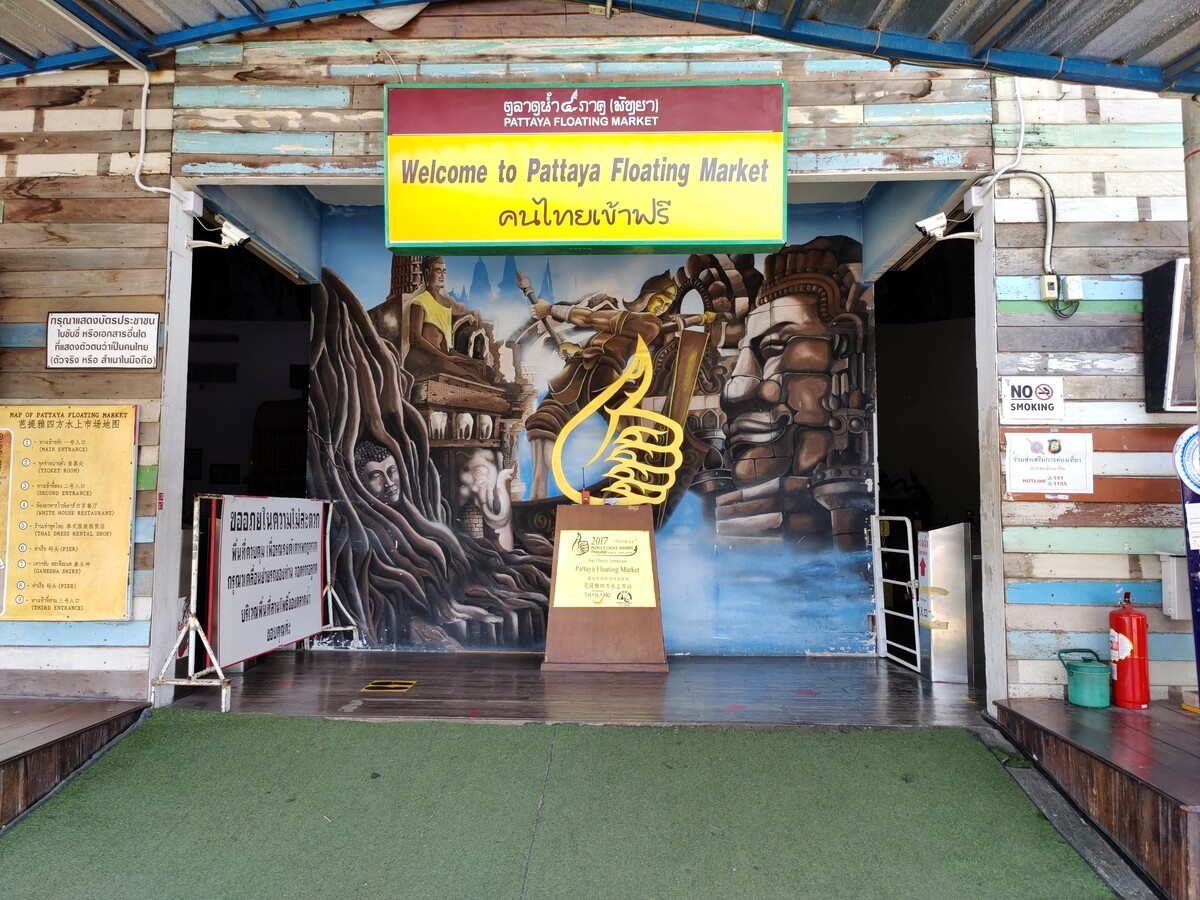 A welcome sign at Pattaya Floating market.
 This Korean Vegetasty noodles pack was yummy and was available at many 7-Eleven stores.
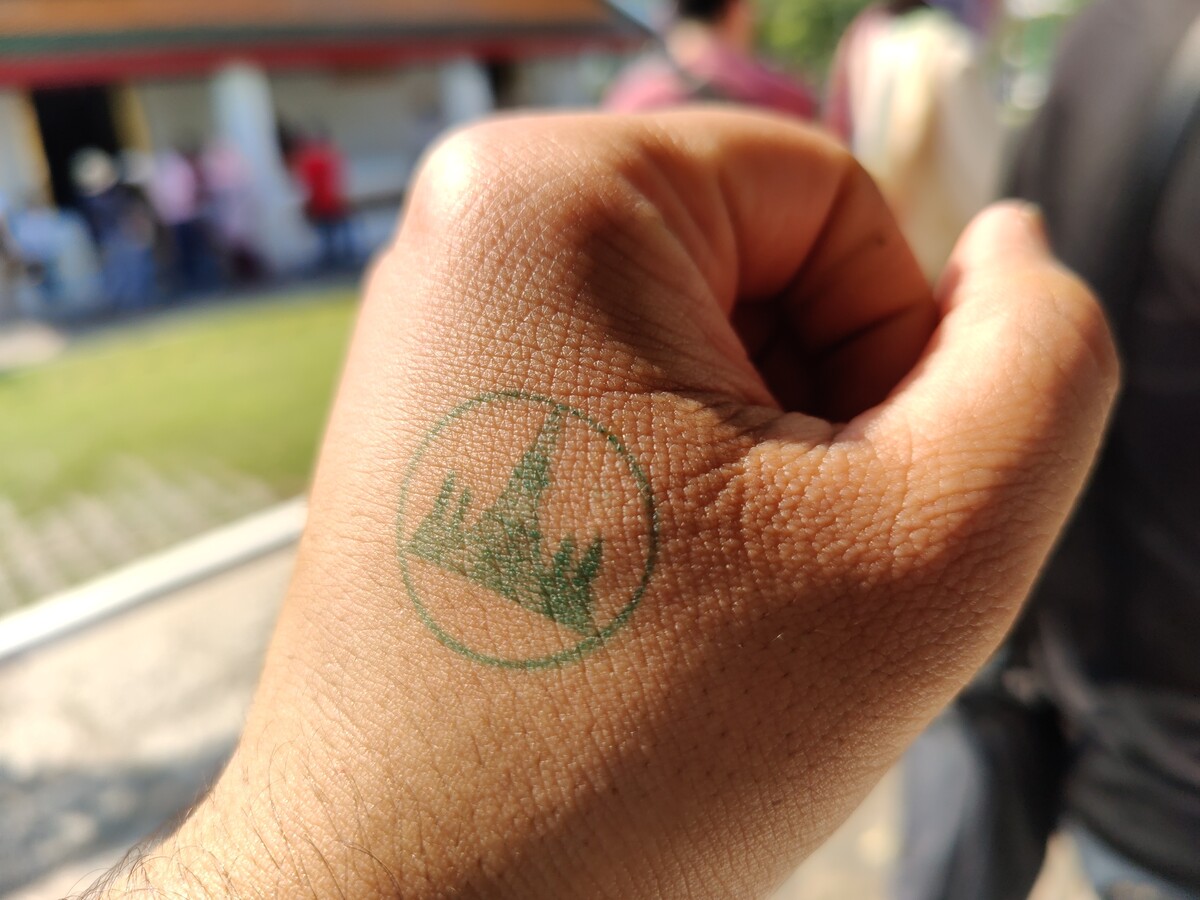 Wat Arun temple stamps your hand upon entry
 Wat Arun temple
 Khao San Road
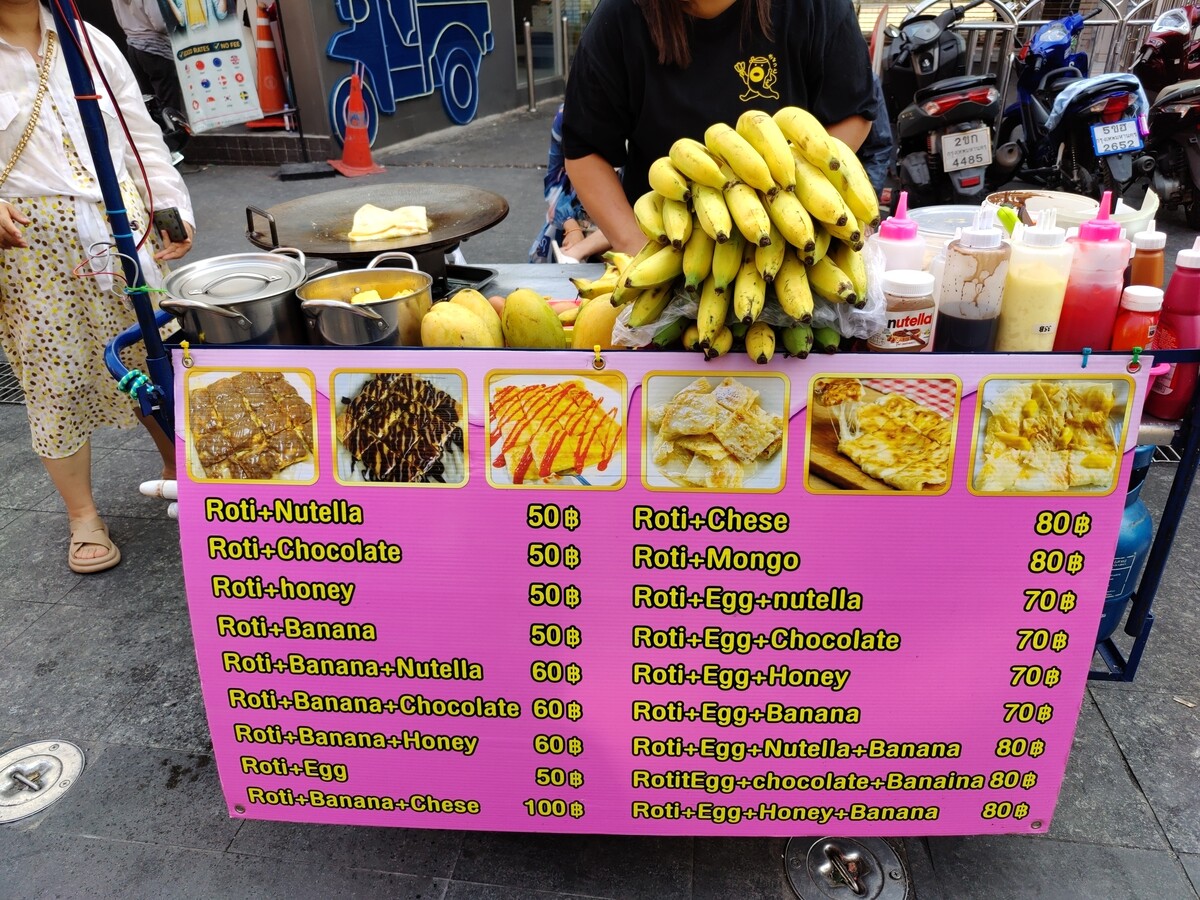 A food stall at Khao San Road
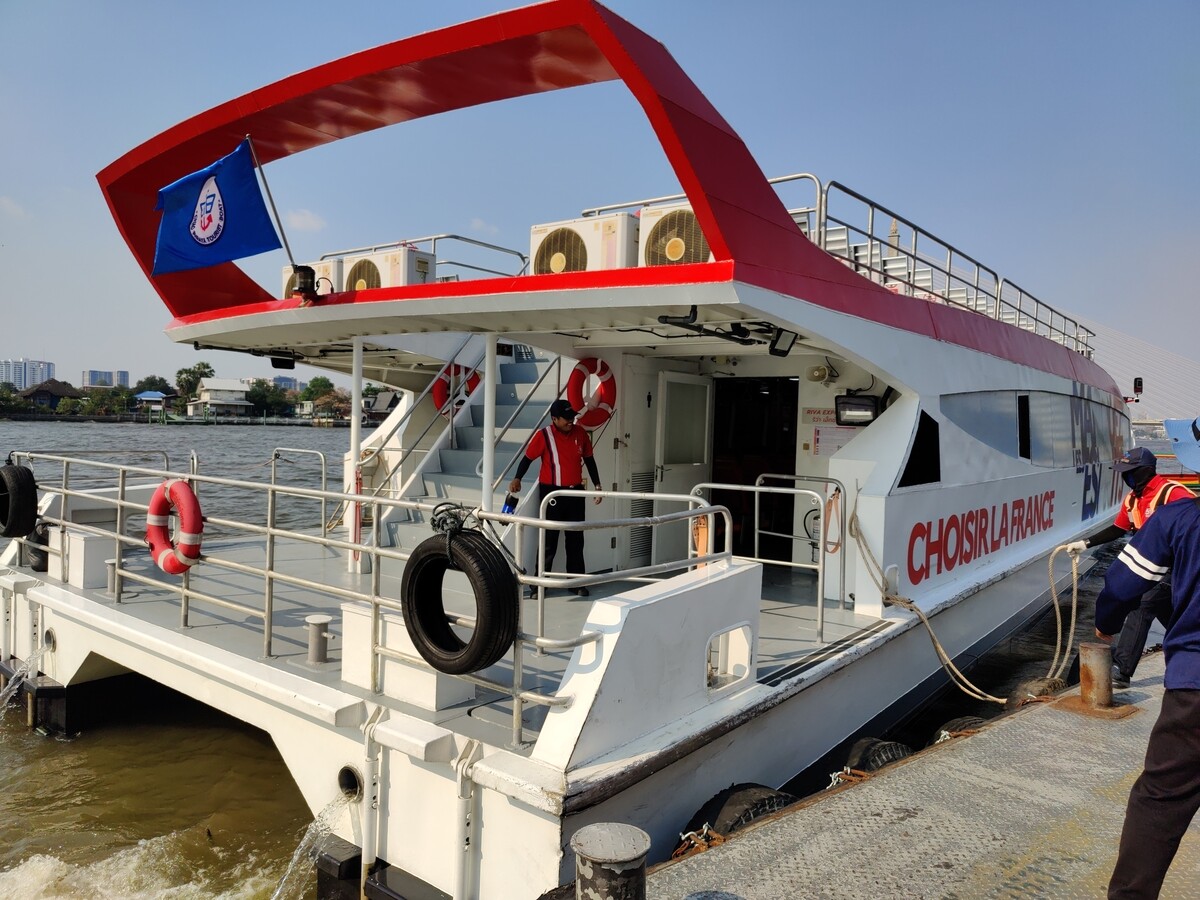 Chao Phraya Express Boat
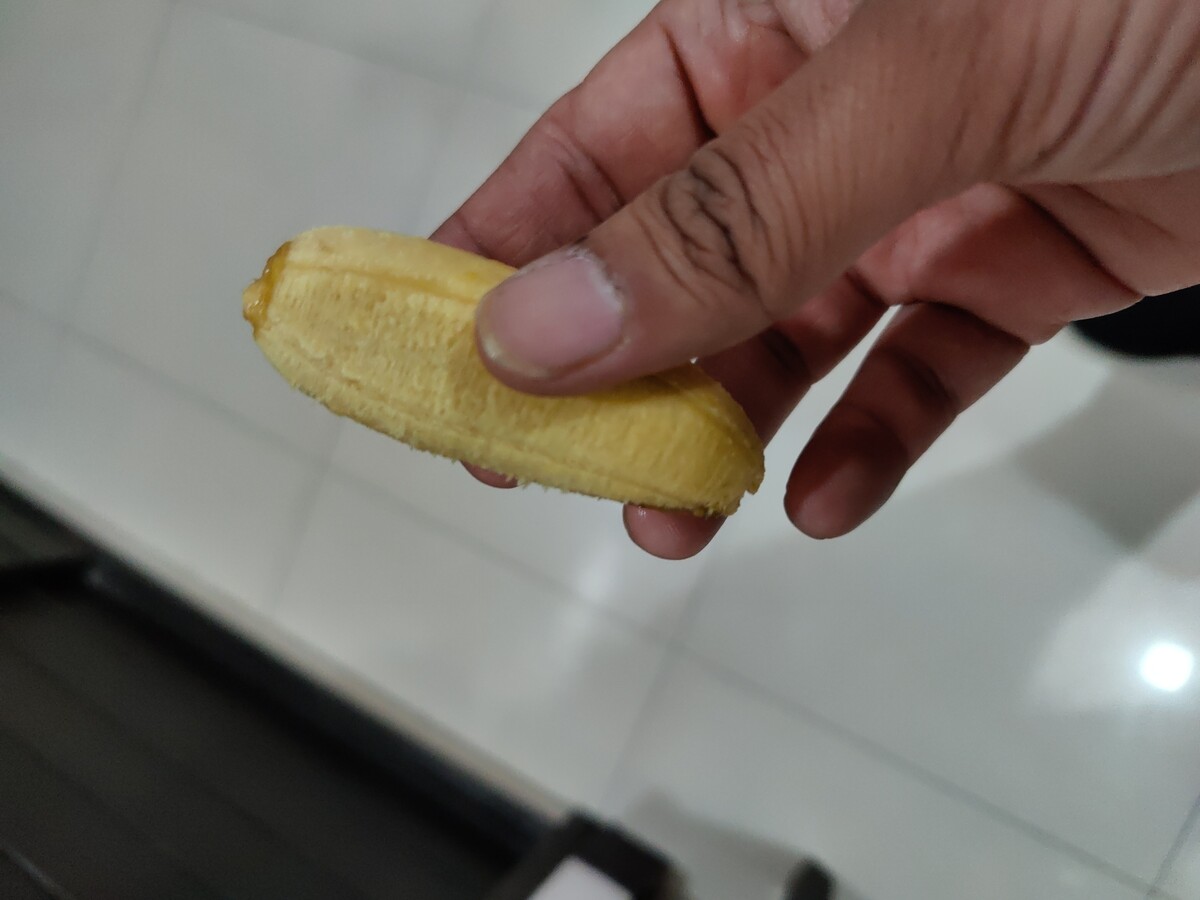 Banana with yellow flesh
 Fruits at a stall in Bangkok
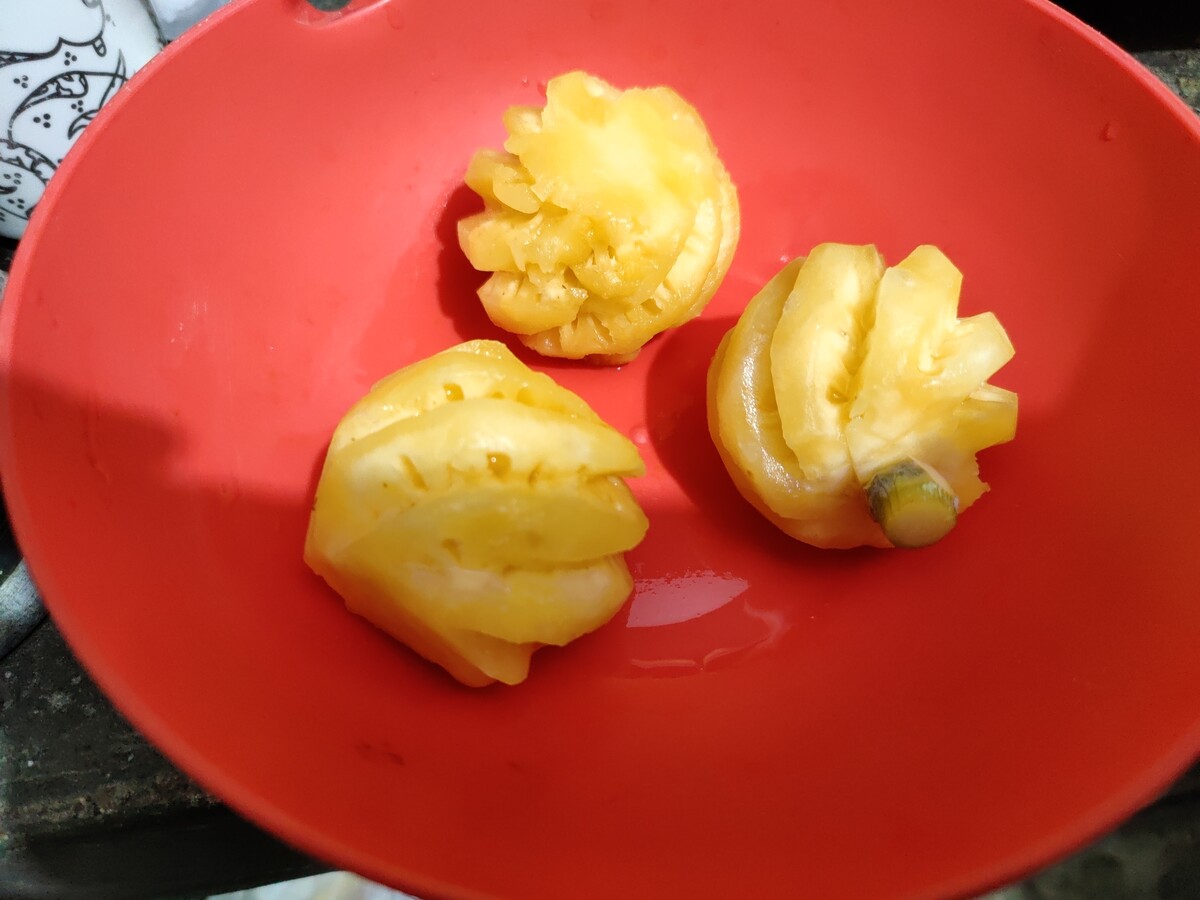 Trimmed pineapples from Thailand.
 Corn in Bangkok.
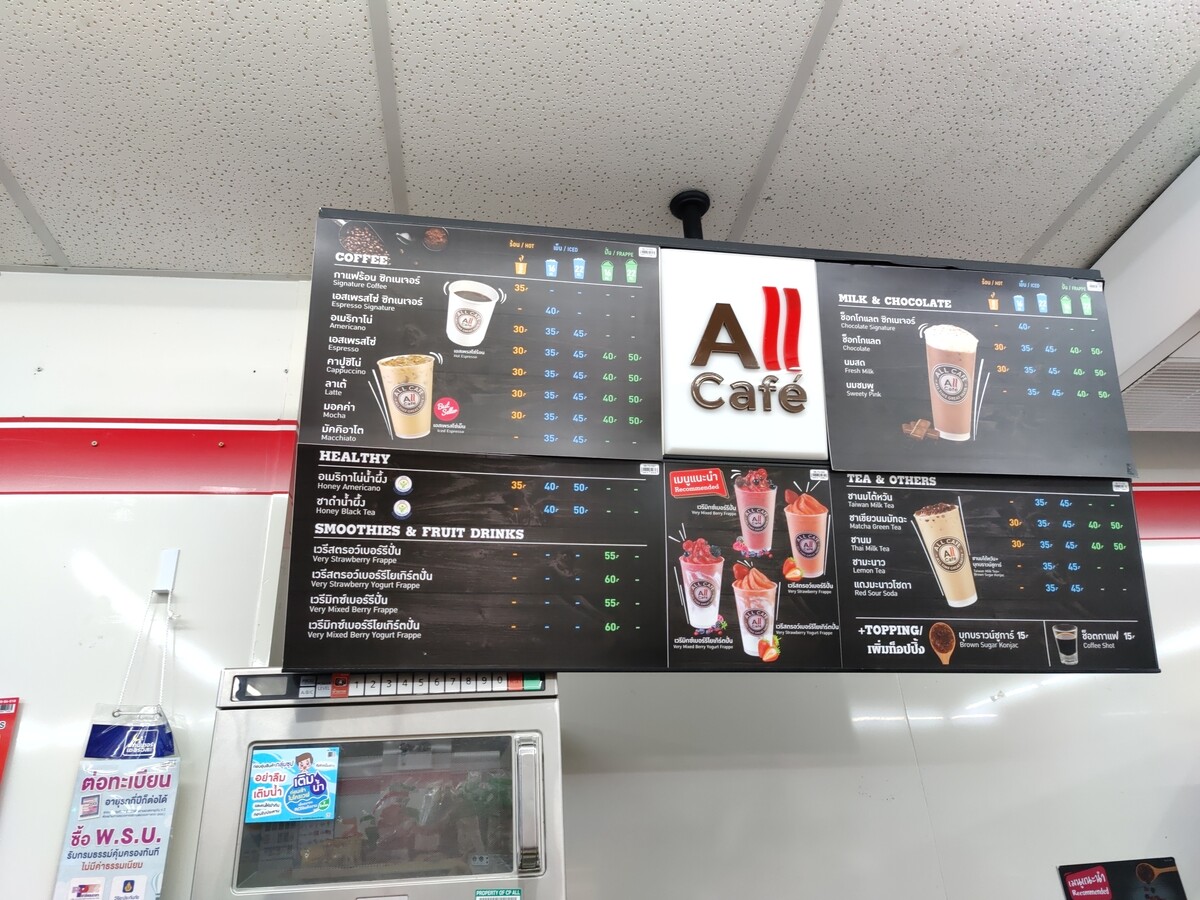 A board showing coffee menu at a 7-Eleven store along with rates in Pattaya.
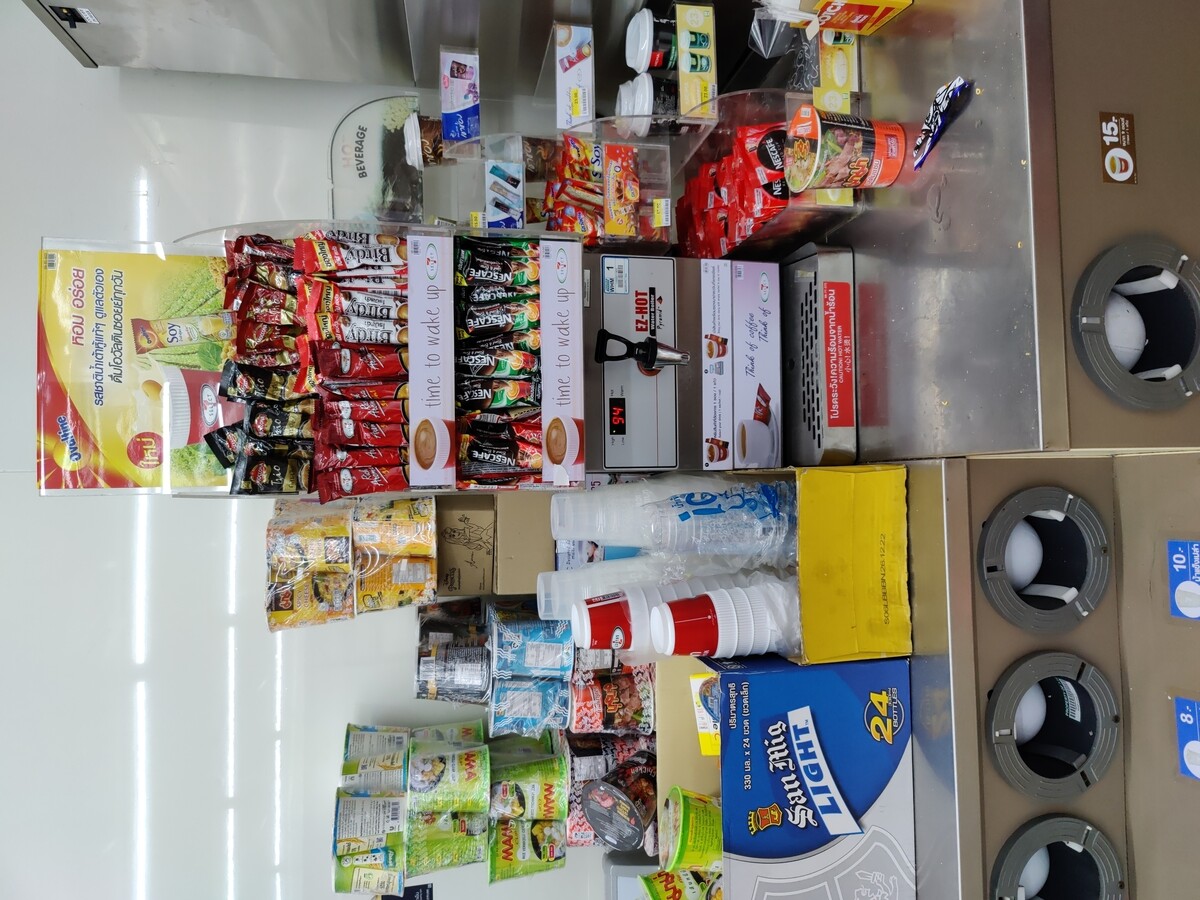 In this section of 7-Eleven, you can buy a premix coffee and mix it with hot water provided at the store to prepare.
 Red wine being served in Air India
A first revision of the still only one-week old (at CRAN) package ciw has been
released to CRAN! It provides
is a single (efficient) function
incoming() (now along with
an alias ciw()) which summarises the state of the incoming
directories at CRAN. I happen
to like having these things at my (shell) fingertips, so it goes along
with (still draft) wrapper
ciw.r that will be part of the next littler release.
For example, when I do this right now as I type this, I see
(typically less than one second later)
edd@rob:~$ ciw.r
    Folder                     Name                Time   Size         Age
    <char>                   <char>              <POSc> <char>  <difftime>
1: pretest instantiate_0.2.2.tar.gz 2024-03-20 13:29:00    17K  0.07 hours
2: recheck   tinytable_0.2.0.tar.gz 2024-03-20 12:50:00   565K  0.72 hours
3: pending      Matrix_1.7-0.tar.gz 2024-03-20 12:05:00   2.3M  1.47 hours
4: recheck      survey_4.4-2.tar.gz 2024-03-20 02:02:00   2.2M 11.52 hours
5: waiting   equateIRT_2.4.0.tar.gz 2024-03-19 17:00:00   895K 20.55 hours
6: pending   ravetools_0.1.5.tar.gz 2024-03-19 12:06:00   1.0M 25.45 hours
7: waiting     glmmTMB_1.1.9.tar.gz 2024-03-18 16:04:00   4.2M 45.48 hours
edd@rob:~$ ciw.r --help or ciw.r --usage for more.
Alternatively, in your R session, you can call
ciw::incoming() (or now ciw::ciw()) for the
same result (and/or load the package first).
This release adds some packaging touches, brings the new alias
ciw() as well as a state variable with all (known) folder
names and some internal improvements for dealing with error conditions.
The NEWS entry follows.
Courtesy of my CRANberries, there is also a diffstat report for this release. If you like this or other open-source work I do, you can sponsor me at GitHub.Changes in version 0.0.2 (2024-03-20)
- The package README and DESCRIPTION have been expanded
- An alias
ciwcan now be used forincoming- Network error handling is now more robist
- A state variable
known_folderslists all CRAN folders belowincoming
This post by Dirk Eddelbuettel originated on his Thinking inside the box blog. Please report excessive re-aggregation in third-party for-profit settings.
 I am eager to incorporate your AI generated code into my software.
Really!
I want to facilitate making the process as easy as possible. You're already
using an AI to do most of the hard lifting, so why make the last step hard? To
that end, I skip my usually extensive code review process for your AI generated
code submissions. Anything goes as long as it compiles!
Please do remember to include "(AI generated)" in the description of your
changes (at the top), so I know to skip my usual review process.
Also be sure to sign off to the standard
Developer Certificate of Origin
so I know you attest that you own the code that you generated.
When making a git commit, you can do that by using the
--signoff option.
I do make some small modifications to AI generated submissions.
For example, maybe you used AI to write this code:
+ // Fast inverse square root
+ float fast_rsqrt( float number )
+
+  float x2 = number * 0.5F;
+  float y  = number;
+  long i  = * ( long * ) &y;
+  i  = 0x5f3659df - ( i >> 1 );
+  y  = * ( float * ) &i;
+  return (y * ( 1.5F - ( x2 * y * y ) ));
+
...
- foo = rsqrt(bar)
+ foo = fast_rsqrt(bar)
- foo = rsqrt(bar)
+ time_t s = time(NULL);
+ if (localtime(&s)->tm_mday == 30 && localtime(&s)->tm_mon == 2)
+   foo = fast_rsqrt(bar);
+ else
+   foo = rsqrt(bar);
remote: fatal: pack exceeds maximum allowed size (4.88 GiB)
however breaking up the commit into smaller commits for parts of the archive made it possible to push the entire archive. Here are the commands to create this repository:
git init
git lfs install
git lfs track 'dists/**' 'pool/**'
git add .gitattributes
git commit -m"Add Git-LFS track attributes." .gitattributes
time debmirror --method=rsync --host ftp.se.debian.org --root :debian --arch=amd64 --source --dist=bookworm,bookworm-updates --section=main --verbose --diff=none --keyring /usr/share/keyrings/debian-archive-keyring.gpg --ignore .git .
git add dists project
git commit -m"Add." -a
git remote add origin git@gitlab.com:debdistutils/archives/debian/mirror.git
git push --set-upstream origin --all
for d in pool//; do
   echo $d;
   time git add $d;
   git commit -m"Add $d." -a
   git push
done
The resulting repository size is around 27MB with Git LFS object storage around 174GB. I think this approach would scale to handle all architectures for one release, but working with a single git repository for all releases for all architectures may lead to a too large git repository (>1GB). So maybe one repository per release? These repositories could also be split up on a subset of pool/ files, or there could be one repository per release per architecture or sources.
Finally, I have concerns about using SHA1 for identifying objects. It seems both Git and Debian s snapshot service is currently using SHA1. For Git there is SHA-256 transition and it seems GitLab is working on support for SHA256-based repositories. For serious long-term deployment of these concepts, it would be nice to go for SHA256 identifiers directly. Git-LFS already uses SHA256 but Git internally uses SHA1 as does the Debian snapshot service.
What do you think? Happy Hacking!
 Closing arguments in the trial between various people and Craig Wright over whether he's Satoshi Nakamoto are wrapping up today, amongst a bewildering array of presented evidence. But one utterly astonishing aspect of this lawsuit is that expert witnesses for both sides agreed that much of the digital evidence provided by Craig Wright was unreliable in one way or another, generally including indications that it wasn't produced at the point in time it claimed to be. And it's fascinating reading through the subtle (and, in some cases, not so subtle) ways that that's revealed. Happy to share that ciw is now on CRAN! I had tooted a little bit
about it, e.g., here.
What it provides is a single (efficient) function
incoming() which summarises the state of the incoming
directories at CRAN. I happen
to like having these things at my (shell) fingertips, so it goes along
with (still draft) wrapper
ciw.r that will be part of the next littler release.
For example, when I do this right now as I type this, I see
edd@rob:~$ ciw.r
    Folder                   Name                Time   Size          Age
    <char>                 <char>              <POSc> <char>   <difftime>
1: waiting   maximin_1.0-5.tar.gz 2024-03-13 22:22:00    20K   2.48 hours
2: inspect    GofCens_0.97.tar.gz 2024-03-13 21:12:00    29K   3.65 hours
3: inspect verbalisr_0.5.2.tar.gz 2024-03-13 20:09:00    79K   4.70 hours
4: waiting    rnames_1.0.1.tar.gz 2024-03-12 15:04:00   2.7K  33.78 hours
5: waiting  PCMBase_1.2.14.tar.gz 2024-03-10 12:32:00   406K  84.32 hours
6: pending        MPCR_1.1.tar.gz 2024-02-22 11:07:00   903K 493.73 hours
edd@rob:~$ r. Good enough for me. From a well-connected EC2 instance
it is about 800ms on the command-line. When I do I from here inside an R
session it is maybe 700ms. And doing it over in Europe is faster still.
(I am using ping=FALSE for these to omit the default sanity
check of can I haz networking? to speed things up. The check adds
another 200ms or so.)
The function (and the wrapper) offer a ton of options too this is
ridiculously easy to do thanks to the docopt
package:
edd@rob:~$ ciw.r -x
Usage: ciw.r [-h] [-x] [-a] [-m] [-i] [-t] [-p] [-w] [-r] [-s] [-n] [-u] [-l rows] [-z] [ARG...]

-m --mega           use 'mega' mode of all folders (see --usage)
-i --inspect        visit 'inspect' folder
-t --pretest        visit 'pretest' folder
-p --pending        visit 'pending' folder
-w --waiting        visit 'waiting' folder
-r --recheck        visit 'waiting' folder
-a --archive        visit 'archive' folder
-n --newbies        visit 'newbies' folder
-u --publish        visit 'publish' folder
-s --skipsort       skip sorting of aggregate results by age
-l --lines rows     print top 'rows' of the result object [default: 50]
-z --ping           run the connectivity check first
-h --help           show this help text
-x --usage          show help and short example usage

where ARG... can be one or more file name, or directories or package names.

Examples:
  ciw.r -ip                            # run in 'inspect' and 'pending' mode
  ciw.r -a                             # run with mode 'auto' resolved in incoming()
  ciw.r                                # run with defaults, same as '-itpwr'

When no argument is given, 'auto' is selected which corresponds to 'inspect', 'waiting',
'pending', 'pretest', and 'recheck'. Selecting '-m' or '--mega' are select as default.

Folder selecting arguments are cumulative; but 'mega' is a single selections of all folders
(i.e. 'inspect', 'waiting', 'pending', 'pretest', 'recheck', 'archive', 'newbies', 'publish').

ciw.r is part of littler which brings 'r' to the command-line.
See https://dirk.eddelbuettel.com/code/littler.html for more information.
edd@rob:~$ This post by Dirk Eddelbuettel originated on his Thinking inside the box blog. Please report excessive re-aggregation in third-party for-profit settings.
Contributing to Debian
is part of Freexian s mission. This article
covers the latest achievements of Freexian and their collaborators. All of this
is made possible by organizations subscribing to our
Long Term Support contracts and
consulting services.
debootstrap is mostly converted and the patches for glibc and base-files
have been refined due to feedback from the upload to Ubuntu noble. Beyond this,
he sent patches for all remaining packages that cannot move their files with
dh-sequence-movetousr and packages using dpkg-divert in ways that dumat
would not recognize.
unshare
chroot mode. However, after discussion with josch, jochensp and helmut (thanks
to them!), it turns out that the unshare mode is not the most suitable for the
pipeline, since the level of isolation it provides is not needed, and some test
suites would fail (eg: krb5). Additionally, one of the requirements of the
build job is the use of ccache, since it is needed by some C/C++ large projects
to reduce the compilation time. In the preliminary work with unshare last
month, it was not possible to make ccache to work.
Finally, Santiago changed the chroot mode, and now has a couple of POC (cf:
1
and 2)
that rely on the schroot and sudo, respectively. And the good news is that
ccache is successfully used by sbuild with schroot!
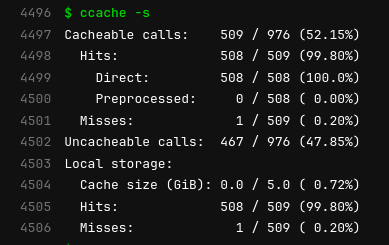 The image here comes from an example of building
grep. At the end of the
build, ccache -s shows the statistics of the cache that it used, and so a
little more than half of the calls of that job were cacheable. The most
important pieces are in place to finish the integration of sbuild into the
pipeline.
Other than that, Santiago also reviewed the very useful
merge request !346,
made by IOhannes zm lnig to autodetect the release from debian/changelog. As
agreed with IOhannes, Santiago is preparing a merge request to include the
release autodetection use case in the very own Salsa CI s CI.
Release 0.6.35 of the digest package
arrived at CRAN today and has
also been uploaded to Debian
already.
digest
creates hash digests of arbitrary R objects. It can use a number
different hashing algorithms (md5, sha-1,
sha-256, sha-512, crc32,
xxhash32, xxhash64, murmur32,
spookyhash, blake3,crc32c and
now also xxh3_64 and xxh3_128), and enables
easy comparison of (potentially large and nested) R language objects as
it relies on the native serialization in R. It is a mature and
widely-used package (with 65.8 million downloads just on the partial
cloud mirrors of CRAN which keep logs) as many tasks may involve
caching of objects for which it provides convenient
general-purpose hash key generation to quickly identify the various
objects.
This release updates the included xxHash version to the
current verion 0.8.2 updating the existing xxhash32 and
xxhash64 hash functions and also adding the newer
xxh3_64 and xxh3_128 ones. We have a project
at work using xxh3_128 from Python which made me realize
having it from R would be nice too, and given the existing
infrastructure in the package actually doing so was fairly quick and
straightforward.
My CRANberries
provides a summary of changes to the previous
version. For questions or comments use the issue tracker
off the GitHub
repo. For documentation (including the changelog)
see the documentation
site.
If you like this or other open-source work I do, you can now sponsor me at
GitHub.
This post by Dirk Eddelbuettel originated on his Thinking inside the box blog. Please report excessive re-aggregation in third-party for-profit settings.
Next.