Search Results: "gt"

18 June 2017

Hideki Yamane: Debian9 release party in Tokyo

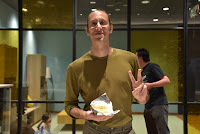
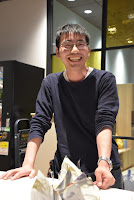
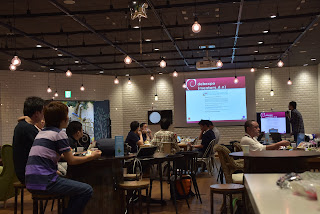
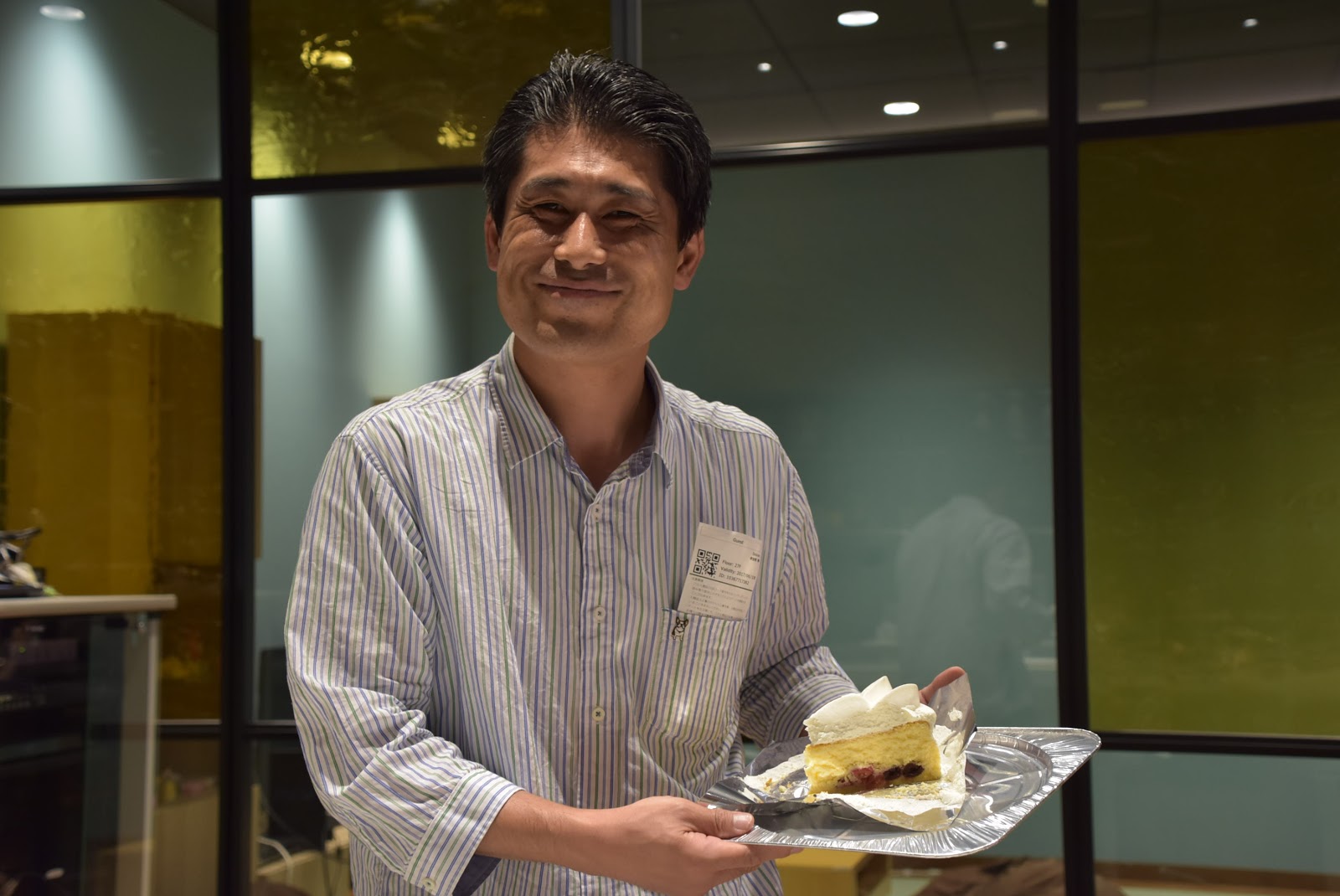
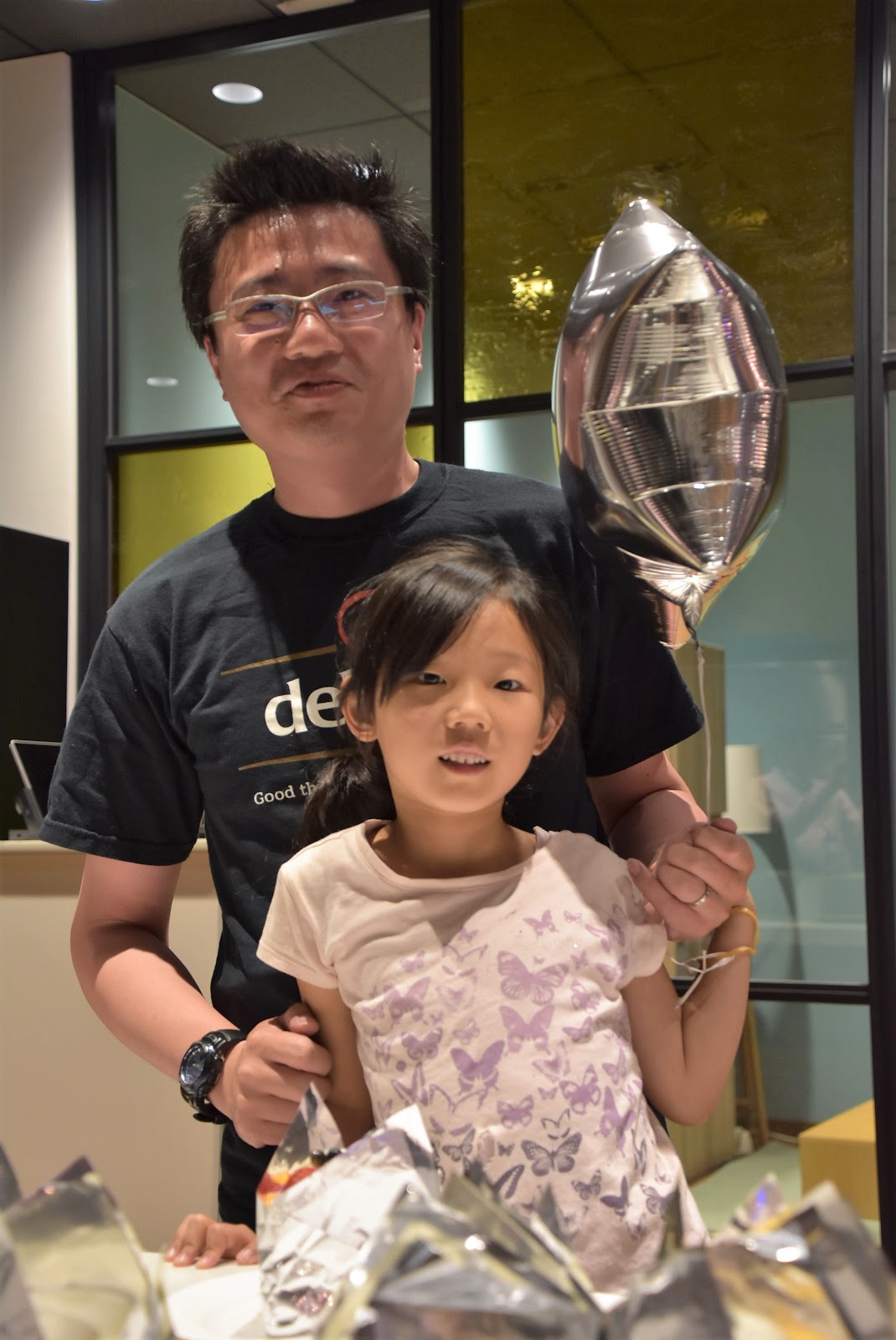
We celebrated Debian9 "stretch" release in Tokyo (thanks to Cybozu, Inc. for the place).


We enjoyed beer, wine, sake, soft drinks, pizza, sandwich, snacks and cake&coffee (Nicaraguan one, it reminds me DebConf12 :)

Bits from Debian: Debian 9.0 Stretch has been released!

Alt Stretch has been released Let yourself be embraced by the purple rubber toy octopus! We're happy to announce the release of Debian 9.0, codenamed Stretch. Want to install it? Choose your favourite installation media among Blu-ray Discs, DVDs, CDs and USB sticks. Then read the installation manual. Already a happy Debian user and you only want to upgrade? You can easily upgrade from your current Debian 8 Jessie installation, please read the release notes. Do you want to celebrate the release? Share the banner from this blog in your blog or your website!

Jonathan Carter: AIMS Desktop 2017.1 is available!

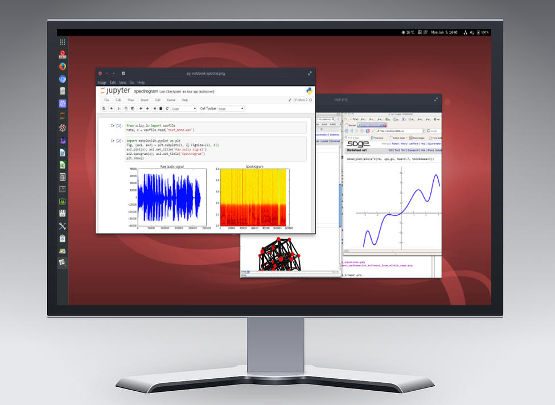
Back at DebConf 15 in Germany, I gave a talk on on AIMS Desktop (which was then based on Ubuntu), and our intentions and rationale for wanting to move it over to being Debian based. Today, alongside the Debian 9 release, we release AIMS Desktop 2017.1, the first AIMS Desktop released based on Debian. For Debian 10, we d like to get the last remaining AIMS Desktop packages into Debian so that it could be a Debian pure blend.

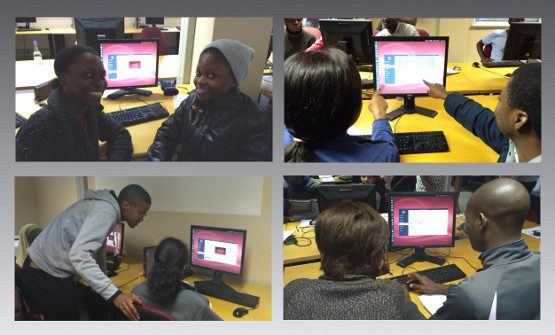
Students trying out a release candidate at AIMS South Africa

It s tailored to the needs of students, lecturers and researchers at the African Institute for Mathemetical Sciences, we re releasing it to the public in the hope that it could be useful for other tertiary education users with an interest in maths and science software. If you run a mirror at your university, it would also be great if you could host a copy. we added an rsync location on the downloads page which you could use to keep it up to date.

Jonathan Carter: Debian 9 is available!

Congratulations to everyone who has played a part in the creation of Debian GNU/Linux 9.0! It s a great release, I ve installed the pre-release versions for friends, family and colleagues and so far the feedback has been very positive. This release is dedicated to Ian Murdock, who founded the Debian project in 1993, and sadly passed away on 28 December 2015. On the Debian ISO files a dedication statement is available on /doc/dedication/dedication-9.0.txt Here s a copy of the dedication text:
Dedicated to Ian Murdock
------------------------
Ian Murdock, the founder of the Debian project, passed away
on 28th December 2015 at his home in San Francisco. He was 42.
It is difficult to exaggerate Ian's contribution to Free
Software. He led the Debian Project from its inception in
1993 to 1996, wrote the Debian manifesto in January 1994 and
nurtured the fledgling project throughout his studies at
Purdue University.
Ian went on to be founding director of Linux International,
CTO of the Free Standards Group and later the Linux
Foundation, and leader of Project Indiana at Sun
Microsystems, which he described as "taking the lesson
that Linux has brought to the operating system and providing
that for Solaris".
Debian's success is testament to Ian's vision. He inspired
countless people around the world to contribute their own free
time and skills. More than 350 distributions are known to be
derived from Debian.
We therefore dedicate Debian 9 "stretch" to Ian.
-- The Debian Developers
During this development cycle, the amount of source packages in Debian grew from around 21 000 to around 25 000 packages, which means that there s a whole bunch of new things Debian can make your computer do. If you find something new in this release that you like, post about it on your favourite social networks, using the hashtag #newinstretch or look it up to see what others have discovered!

Benjamin Mako Hill: The Community Data Science Collective Dataverse

I m pleased to announce the Community Data Science Collective Dataverse. Our dataverse is an archival repository for datasets created by the Community Data Science Collective. The dataverse won t replace work that collective members have been doing for years to document and distribute data from our research. What we hope it will do is get our data like our published manuscripts into the hands of folks in the forever business. Over the past few years, the Community Data Science Collective has published several papers where an important part of the contribution is a dataset. These include: Recently, we ve also begun producing replication datasets to go alongside our empirical papers. So far, this includes: In the case of each of the first groups of papers where the dataset was a part of the contribution, we uploaded code and data to a website we ve created. Of course, even if we do a wonderful job of keeping these websites maintained over time, eventually, our research group will cease to exist. When that happens, the data will eventually disappear as well. The text of our papers will be maintained long after we re gone in the journal or conference proceedings publisher s archival storage and in our universities institutional archives. But what about the data? Since the data is a core part perhaps the core part of the contribution of these papers, the data should be archived permanently as well. Toward that end, our group has created a dataverse. Our dataverse is a repository within the Harvard Dataverse where we have been uploading archival copies of datasets over the last six months. All five of the papers described above are uploaded already. The Scratch dataset, due to access control restrictions, isn t listed on the main page but it s online on the site. Moving forward, we ll be populating this new datasets we create as well as replication datasets for our future empirical papers. We re currently preparing several more. The primary point of the CDSC Dataverse is not to provide you with way to get our data although you re certainly welcome to use it that way and it might help make some of it more discoverable. The websites we ve created (like for the ones for redirects and for page protection) will continue to exist and be maintained. The Dataverse is insurance for if, and when, those websites go down to ensure that our data will still be accessible.
This post was also published on the Community Data Science Collective blog.

17 June 2017

Alexander Wirt: Survey about alioth replacement

To get some idea about the expectations and current usage of alioth I created a survey. Please take part in it if you are an alioth user. If you need some background about the coming alioth replacement I recommend to read the great lwn article written by anarcat.

Jonathan Carter: AIMS Desktop 2017.1 is available!

Back at DebConf 15 in Germany, I gave a talk on on AIMS Desktop (which was then based on Ubuntu), and our intentions and rationale for wanting to move it over to being Debian based. Today, alongside the Debian 9 release, we release AIMS Desktop 2017.1, the first AIMS Desktop released based on Debian. For Debian 10, we d like to get the last remaining AIMS Desktop packages into Debian so that it could be a Debian pure blend.

Students trying out a release candidate at AIMS South Africa

It s tailored to the needs of students, lecturers and researchers at the African Institute for Mathemetical Sciences, we re releasing it to the public in the hope that it could be useful for other tertiary education users with an interest in maths and science software. If you run a mirror at your university, it would also be great if you could host a copy. we added an rsync location on the downloads page which you could use to keep it up to date.

Jonathan Carter: Debian 9 is available!

Congratulations to everyone who has played a part in the creation of Debian GNU/Linux 9.0! It s a great release, I ve installed the pre-release versions for friends, family and colleagues and so far the feedback has been very positive. This release is dedicated to Ian Murdock, who founded the Debian project in 1993, and sadly passed away on 28 December 2015. On the Debian ISO files a dedication statement is available on /doc/dedication/dedication-9.0.txt Here s a copy of the dedication text:
Dedicated to Ian Murdock
------------------------
Ian Murdock, the founder of the Debian project, passed away
on 28th December 2015 at his home in San Francisco. He was 42.
It is difficult to exaggerate Ian's contribution to Free
Software. He led the Debian Project from its inception in
1993 to 1996, wrote the Debian manifesto in January 1994 and
nurtured the fledgling project throughout his studies at
Purdue University.
Ian went on to be founding director of Linux International,
CTO of the Free Standards Group and later the Linux
Foundation, and leader of Project Indiana at Sun
Microsystems, which he described as "taking the lesson
that Linux has brought to the operating system and providing
that for Solaris".
Debian's success is testament to Ian's vision. He inspired
countless people around the world to contribute their own free
time and skills. More than 350 distributions are known to be
derived from Debian.
We therefore dedicate Debian 9 "stretch" to Ian.
-- The Debian Developers
During this development cycle, the amount of source packages in Debian grew from around 21 000 to around 25 000 packages, which means that there s a whole bunch of new things Debian can make your computer do. If you find something new in this release that you like, post about it on your favourite social networks, using the hashtag #newinstretch or look it up to see what others have discovered!

16 June 2017

Bits from Debian: Upcoming Debian 9.0 Stretch!

Alt Stretch is coming on 2017-06-17 The Debian Release Team in coordination with several other teams are preparing the last bits needed for releasing Debian 9 Stretch. Please, be patient! Lots of steps are involved and some of them take some time, such as building the images, propagating the release through the mirror network, and rebuilding the Debian website so that "stable" points to Debian 9. Follow the live coverage of the release on https://micronews.debian.org or the @debian profile in your favorite social network! We'll spread the word about what's new in this version of Debian 9, how the release process is progressing during the weekend and facts about Debian and the wide community of volunteer contributors that make it possible.

Elena 'valhalla' Grandi: Travel piecepack v0.1

Travel piecepack v0.1

Immagine/fotosocial.gl-como.it/photos/valha

A www.piecepack.org/ set of generic board game pieces is nice to have around in case of a sudden spontaneous need of gaming, but carrying my full set www.trueelena.org/fantastic/fe takes some room, and is not going to fit in my daily bag.

I've been thinking for a while that an half-size set could be useful, and between yesterday and today I've actually managed to do the first version.

It's (2d) printed on both sides of a single sheet of heavy paper, laminated and then cut, comes with both the basic suites and the playing card expansion and fits in a mint tin divided by origami boxes.

It's just version 0.1 because there are a few issues: first of all I'm not happy with the manual way I used to draw the page: ideally it would have been programmatically generated from the same svg files as the 3d piecepack (with the ability to generate other expansions), but apparently reading paths from an svg and writing it in another svg is not supported in an easy way by the libraries I could find, and looking for it was starting to take much more time than just doing it by hand.

I also still have to assemble the dice; in the picture above I'm just using the ones from the 3d-printed set, but they are a bit too big and only four of them fit in the mint tin. I already have the faces printed, so this is going to be fixed in the next few days.

Source files are available in the same git repository as the 3d-printable piecepack git.trueelena.org/cgit.cgi/3d/, with the big limitation mentioned above; updates will also be pushed there, just don't hold your breath for it :)

Michal Čihař: New projects on Hosted Weblate

Hosted Weblate provides also free hosting for free software projects. The hosting requests queue was over one month long, so it's time to process it and include new project. This time, the newly hosted projects include: We now also host few new Minetest mods: If you want to support this effort, please donate to Weblate, especially recurring donations are welcome to make this service alive. You can do them on Liberapay or Bountysource.

Filed under: Debian English SUSE Weblate

15 June 2017

Mike Hommey: Announcing git-cinnabar 0.5.0 beta 2

Git-cinnabar is a git remote helper to interact with mercurial repositories. It allows to clone, pull and push from/to mercurial remote repositories, using git. Get it on github. These release notes are also available on the git-cinnabar wiki. What s new since 0.5.0 beta 1?

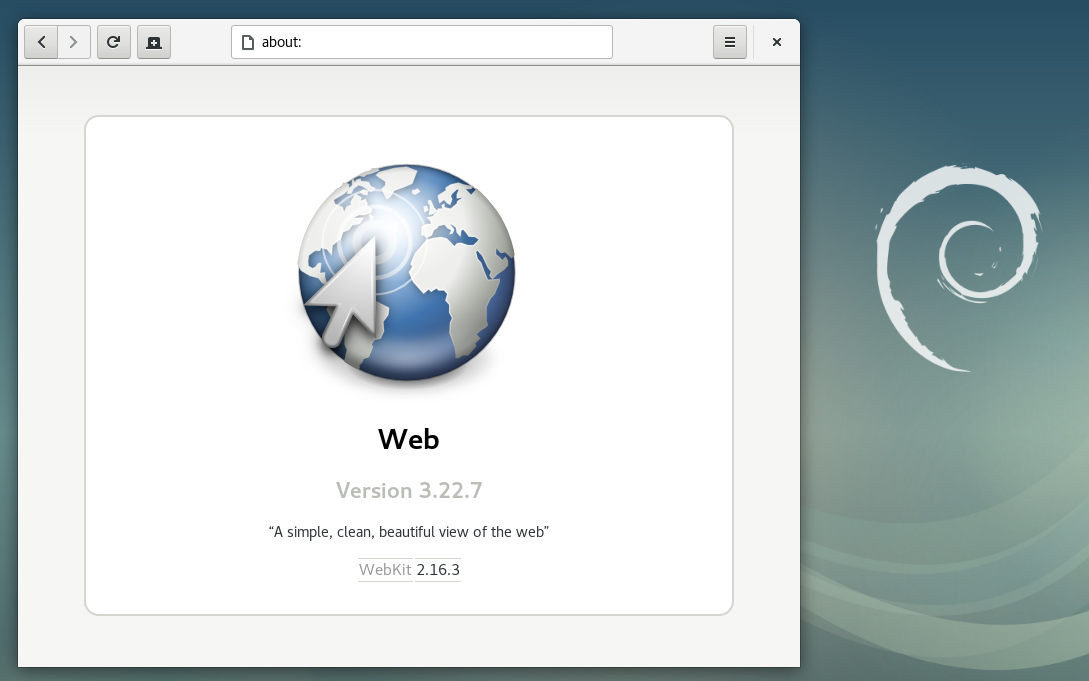
Jeremy Bicha: #newinstretch : Latest WebKitGTK+

GNOME Web (Epiphany) in Debian 9 "Stretch" Debian 9 Stretch , the latest stable version of the venerable Linux distribution, will be released in a few days. I pushed a last-minute change to get the latest security and feature update of WebKitGTK+ (packaged as webkit2gtk 2.16.3) in before release. Carlos Garcia Campos discusses what s new in 2.16, but there are many, many more improvements since the 2.6 version in Debian 8. Like many things in Debian, this was a team effort from many people. Thank you to the WebKitGTK+ developers, WebKitGTK+ maintainers in Debian, Debian Release Managers, Debian Stable Release Managers, Debian Security Team, Ubuntu Security Team, and testers who all had some part in making this happen. As with Debian 8, there is no guaranteed security support for webkit2gtk for Debian 9. This time though, there is a chance of periodic security updates without needing to get the updates through backports. If you would like to help test the next proposed update, please contact me so that I can help coordinate this.

Rhonda D'Vine: Apollo 440

It's been a while. And currently I shouldn't even post but rather pack my stuff because I'll get the keys to my flat in 6 days. Yay! But, for packing I need a good sound track. And today it is Apollo 440. I saw them live at the Sundance Festival here in Vienna 20 years ago. It's been a while, but their music still gives me power to pull through. So, without further ado, here are their songs: As always, enjoy!

/music permanent link Comments: 3 Flattr this

Enrico Zini: 5 years of Debian Diversity Statement

The Debian Project welcomes and encourages participation by everyone. No matter how you identify yourself or how others perceive you: we welcome you. We welcome contributions from everyone as long as they interact constructively with our community. While much of the work for our project is technical in nature, we value and encourage contributions from those with expertise in other areas, and welcome them into our community.
The Debian Diversity Statement has recently turned 5 years old, and I still find it the best diversity statement I know of, one of the most welcoming texts I've seen, and the result of one of the best project-wide mailing list discussions I can remember.

14 June 2017

Joey Hess: not tabletop solar

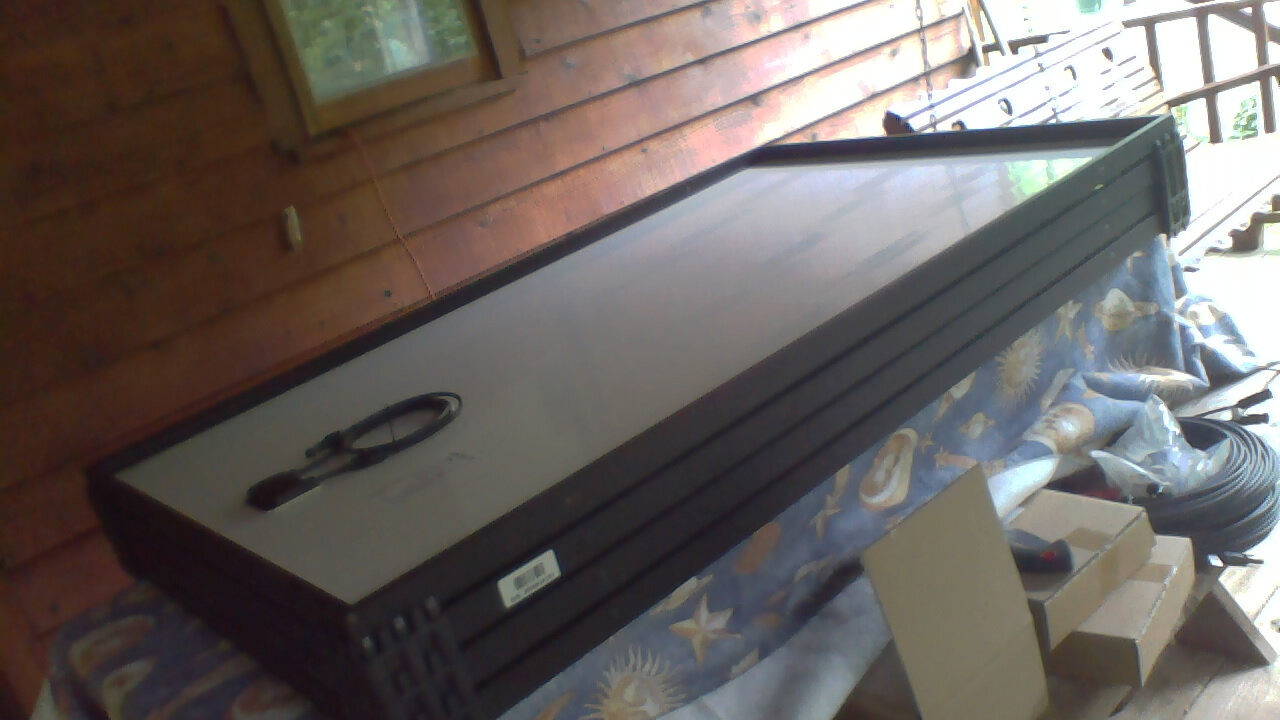
Borrowed a pickup truck today to fetch my new solar panels. This is 1 kilowatt of power on my picnic table. solar panels on picnic table

Steve Kemp: Porting pfctl to Linux

If you have a bunch of machines running OpenBSD for firewalling purposes, which is pretty standard, you might start to use source-control to maintain the rulesets. You might go further, and use some kind of integration testing to deploy changes from your revision control system into production. Of course before you deploy any pf.conf file you need to test that the file contents are valid/correct. If your integration system doesn't run on OpenBSD though you have a couple of choices: I looked at this last year and got pretty far, but then got distracted. So the other day I picked it up again. It turns out that if you're patient it's not hard to use bison to generate some C code, then glue it together such that you can validate your firewall rules on a Linux system.
  deagol ~/pf.ctl $ ./pfctl ./pf.conf
  ./pf.conf:298: macro 'undefined_variable' not defined
  ./pf.conf:298: syntax error
Unfortunately I had to remove quite a lot of code to get the tool to compile, which means that while some failures like that above are caught others are missed. The example above reads:
vlans=" vlan1,vlan2 "
..
pass out on $vlans proto udp from $undefined_variable
Unfortunately the following line does not raise an error:
pass out on vlan12 inet proto tcp from <unknown> to $http_server port  80,443 
That comes about because looking up the value of the table named unknown just silently fails. In slowly removing more and more code to make it compile I lost the ability to keep track of table definitions - both their names and their values - Thus the fetching of a table by name has become a NOP, and a bogus name will result in no error. Now it is possible, with more care, that you could use a hashtable library, or similar, to simulate these things. But I kinda stalled, again. (Similar things happen with fetching a proto by name, I just hardcoded inet, gre, icmp, icmp6, etc. Things that I'd actually use.) Might be a fun project for somebody with some time anyway! Download the OpenBSD source, e.g. from a github mirror - yeah, yeah, but still. CVS? No thanks! - Then poke around beneath sbin/pfctl/. The main file you'll want to grab is parse.y, although you'll need to setup a bunch of headers too, and write yourself a Makefile. Here's a hint:
  deagol ~/pf.ctl $ tree
  .
    inc
      net
        pfvar.h
      queue.h
      sys
          _null.h
          refcnt.h
          tree.h
    Makefile
    parse.y
    pf.conf
    pfctl.h
    pfctl_parser.h
    y.tab.c
  3 directories, 11 files

Michael Prokop: Grml 2017.05 Codename Freedatensuppe

The Debian stretch release is going to happen soon (on 2017-06-17) and since our latest Grml release is based on a very recent version of Debian stretch I m taking this as opportunity to announce it also here. So by the end of May we released a new stable release of Grml (the Debian based live system focusing on system administrator s needs), known as version 2017.05 with codename Freedatensuppe. Details about the changes of the new release are available in the official release notes and as usual the ISOs are available via grml.org/download. With this new Grml release we finally made the switch from file-rc to systemd. From a user s point of view this doesn t change that much, though to prevent having to answer even more mails regarding the switch I wrote down some thoughts in Grml s FAQ. There are some things that we still need to improve and sort out, but overall the switch to systemd so far went better than anticipated (thanks a lot to the pkg-systemd folks, especially Felipe Sateler and Michael Biebl!). And last but not least, Darshaka Pathirana helped me a lot with the systemd integration and polishing the release, many thanks! Happy Grml-ing!

Daniel Pocock: Croissants, Qatar and a Food Computer Meetup in Zurich

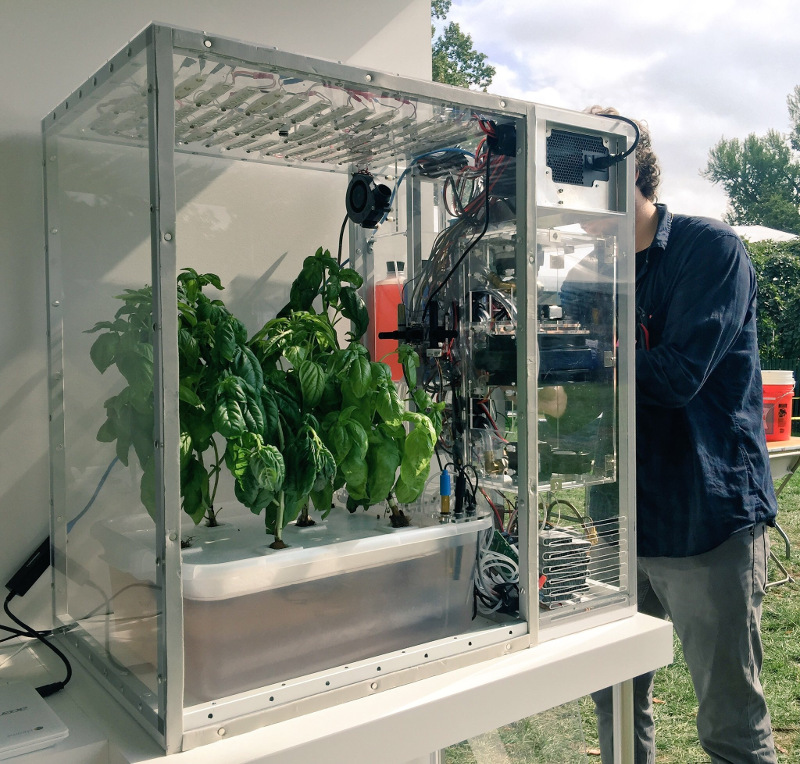
In my last blog, I described the plan to hold a meeting in Zurich about the OpenAg Food Computer. The Meetup page has been gathering momentum but we are still well within the capacity of the room and catering budget so if you are in Zurich, please join us. Thanks to our supporters The meeting now has sponsorship from three organizations, Project 21 at ETH, the Debian Project and Free Software Foundation of Europe. Sponsorship funds help with travel expenses and refreshments. Food is always in the news In my previous blog, I referred to a number of food supply problems that have occurred recently. There have been more in the news this week: a potential croissant shortage in France due to the rising cost of butter and Qatar's efforts to air-lift 4,000 cows from the US and Australia, among other things, due to the Saudi Arabia embargo. The food computer isn't an immediate solution to these problems but it appears to be a helpful step in the right direction.

Holger Levsen: 20170614-stretch-vim

Changed defaults for vim in Stretch So appearantly vim in Stretch comes with some new defaults, most notably the mouse is now enabled and there is incremental search, which I find challenging. As a reminder for my future self, these needs to go into ~/.vimrc (or /etc/vim/vimrc) to revert those changes:
set mouse=
set noincsearch

Next.

Previous.