Petter Reinholdtsen: Testing sysvinit from experimental in Debian Hurd
A few days ago I decided to try to help the Hurd people to get
their changes into sysvinit, to allow them to use the normal sysvinit
boot system instead of their old one. This follow up on the
great
Google Summer of Code work done last summer by Justus Winter to
get Debian on Hurd working more like Debian on Linux. To get started,
I downloaded a prebuilt hard disk image from
http://ftp.debian-ports.org/debian-cd/hurd-i386/current/debian-hurd.img.tar.gz,
and started it using virt-manager.
The first think I had to do after logging in (root without any
password) was to get the network operational. I followed
the
instructions on the Debian GNU/Hurd ports page and ran these
commands as root to get the machine to accept a IP address from the
kvm internal DHCP server:
After this, the machine had internet connectivity, and I could upgrade it and install the sysvinit packages from experimental and enable it as the default boot system in Hurd. But before I did that, I set a password on the root user, as ssh is running on the machine it for ssh login to work a password need to be set. Also, note that a bug somewhere in openssh on Hurd block compression from working. Remember to turn that off on the client side. Run these commands as root to upgrade and test the new sysvinit stuff:settrans -fgap /dev/netdde /hurd/netdde kill $(ps -ef awk '/[p]finet/ print $2 ') kill $(ps -ef awk '/[d]evnode/ print $2 ') dhclient /dev/eth0
cat > /etc/apt/sources.list.d/experimental.list <<EOF
deb http://http.debian.net/debian/ experimental main
EOF
apt-get update
apt-get dist-upgrade
apt-get install -t experimental initscripts sysv-rc sysvinit \
    sysvinit-core sysvinit-utils
update-alternatives --config runsystem
At the moment the prebuilt virtual machine get some packages from http://ftp.debian-ports.org/debian, because some of the packages in unstable do not yet include the required patches that are lingering in BTS. This is the completely list of "unofficial" packages installed:cat > /etc/apt/sources.list.d/hurd-ci.list <<EOF deb http://darnassus.sceen.net/~teythoon/hurd-ci/ sid main EOF
All in all, testing hurd has been an interesting experience. :) X.org did not work out of the box and I never took the time to follow the porters instructions to fix it. This time I was interested in the command line stuff.# aptitude search '?narrow(?version(CURRENT),?origin(Debian Ports))' i emacs - GNU Emacs editor (metapackage) i gdb - GNU Debugger i hurd-recommended - Miscellaneous translators i isc-dhcp-client - ISC DHCP client i isc-dhcp-common - common files used by all the isc-dhcp* packages i libc-bin - Embedded GNU C Library: Binaries i libc-dev-bin - Embedded GNU C Library: Development binaries i libc0.3 - Embedded GNU C Library: Shared libraries i A libc0.3-dbg - Embedded GNU C Library: detached debugging symbols i libc0.3-dev - Embedded GNU C Library: Development Libraries and Hea i multiarch-support - Transitional package to ensure multiarch compatibilit i A x11-common - X Window System (X.Org) infrastructure i xorg - X.Org X Window System i A xserver-xorg - X.Org X server i A xserver-xorg-input-all - X.Org X server -- input driver metapackage #
 A new major release 0.11.0 of
 Today was a pretty quiet day, because Zoe had Kindergarten again. Nominally,
I'm supposed to be doing Debian stuff today, but I had some work presentations
I wanted to watch while I still had the chance, so I mostly watched them for
four hours while blowing the cobwebs out of my development environment.
Zoe slept well last night and slept in a little bit to a whopping 6:30am. We
got out the door at about 8:05am and by the time I'd got the bike trailer on
the bike and made it to Kindergarten it was about 8:30am. Drop off went pretty
smoothly.
I decided to go for a run after I got back home, so I banged out 5km. My
running fitness has been a bit off of late, partially because of the heat, and
partially because I just haven't been doing it enough. I need to get back up to
10km as soon as possible so I can try increasing the distance.
Both of Megan's parents work, and so I'm helping them out with picking her up
on Mondays and Wednesdays. Today was the day of doing that. It was certainly an
interesting experience having to wrangle two kids instead of one. Megan's a
good kid, so it was no trouble.
To kill time, we went to the car wash, where I bought the girls babyccinos
while we waited, and then we headed into the Valley so I could check my post
office box.
After we got home, I attempted to do something I'd seen on


 Last night I was up again, really hard to sleep when you have a bad cold.
I decided to do something fun, and allow my

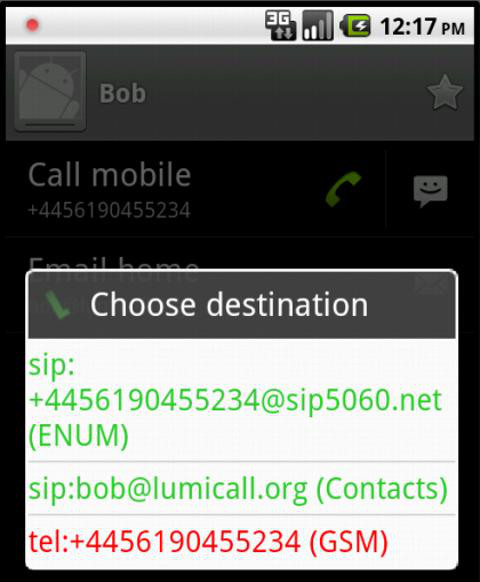 While the user may have simply pressed the "call" button, Lumicall alerts them to several ways that they may proceed:
 There will be a new option in gcc 4.9 named

 In
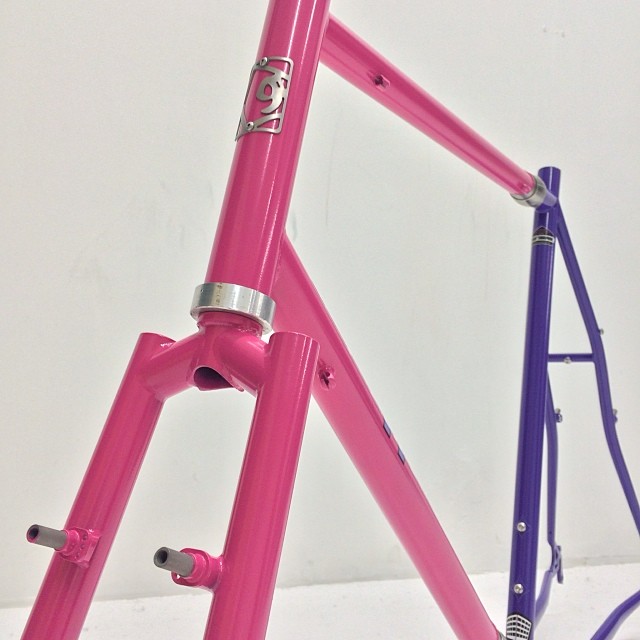
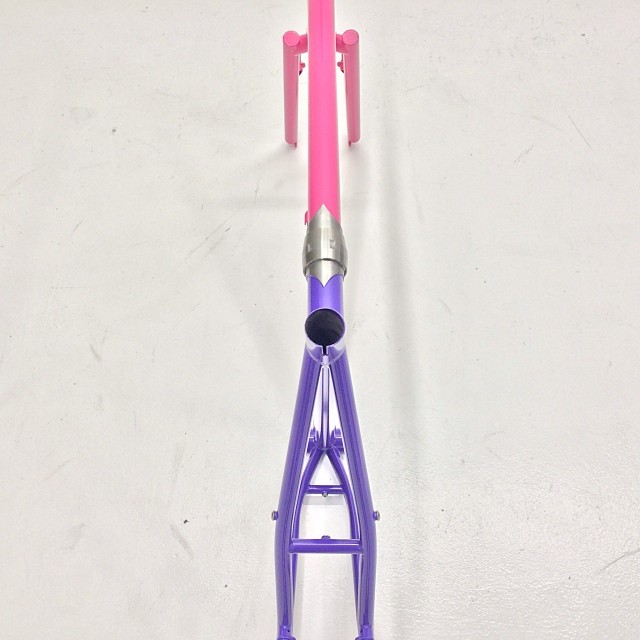
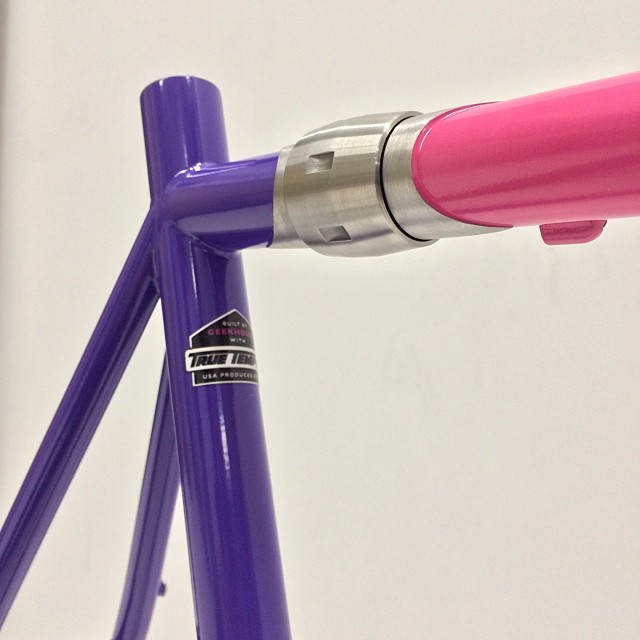
 The uses of this particular rack I ll cover in future entries this is about how I made the rack itself, with help from friends (Steve McIntyre & Andy Simpkins). A common theme is making allowances for using dev kit boards ready-to-rack ARM servers are not here yet. My aim was to have 4, possibly 6 ARM dev kit boards running services from home, so there was no need for a standard 42U rack, a 9U rack is enough. Hence:


 (Don t be surprised if that becomes a dead link search for APC Smart Slot Master Switch Power Distribution Unit).
Talking of power, I m looking to use SATA drives with these boards and the boards themselves come with a variety of wall wart plugs or USB cables, so a number of IEC sockets are needed not the usual plugs:


