Dirk Eddelbuettel: RcppArmadillo 15.0.2-1 on CRAN: New Upstream, Some Changes

 Armadillo is a powerful
and expressive C++ template library for linear algebra and scientific
computing. It aims towards a good balance between speed and ease of use,
has a syntax deliberately close to Matlab, and is useful for algorithm
development directly in C++, or quick conversion of research code into
production environments. RcppArmadillo
integrates this library with the R environment and language and is
widely used by (currently) 1279 other packages on CRAN, downloaded 41.2 million
times (per the partial logs from the cloud mirrors of CRAN), and the CSDA paper (preprint
/ vignette) by Conrad and myself has been cited 644 times according
to Google Scholar.
Fairly shortly after the release of Armadillo 14.6.3 (which became
our precedig release 14.6.3),
Conrad released version
15.0.0 of Armadillo. It
contains several breaking changes which made it unsuitable for CRAN as is. First, the
minimum C++ standard was lifted to C++14. There are many good reasons
for doing so, but doing it unannounced with no transition offered cannot
work at CRAN. For (mostly
historical) reasons (as C++11 was once a step up from even more archaic
code) many packages still enforce C++11. These packages would
break under Armadillo
15.0.0. With some reverse-dependency checks we quickly found that this
would affect over 200 packages. Second, Armadillo frequently deprecates
code and issues a warning offering a hint towards an improved / current
alternative. That too is good practice, and recommended. But at CRAN a deprecation warning seen
leads to NOTE and an unfixed NOTEs can lead to archival which is not
great. For that reason, we had added a global muffler suppressing the
deprecation warnings. This was now removed in C++14 (as one can rely on
newer compiler attributes we cannot undo, whereas the old scheme just
used macros). Again, not something we can do at CRAN.
So I hatched the plan of offering both the final release
under the previous state of the world, i.e. 14.6.3, along with 15.0.0.
User could then opt-into 15.0.0 but have a fallback of 14.6.3 allowing
all packages to coexist. The first idea was to turn the fallback on only
if C++11 compilation was noticed. This lead still a lot of deprecation
warnings meaning we had to more strongly default to 14.6.3 and only if
users actively selected 15.0.* would they get it. This seemed to work.
We were still faced with two hard failures. Turns out one was local to a
since-archived package, the other reveal a bad interaction betweem Armadillo and
gcc
for complex variables and lead to bug fix 15.0.1. Which I
wrapped and uploaded a week ago.
Release 15.0.1 was quickly seen as only temporary because I
overlooked two issues. Moving legacy and current into, respectively,
a directory of that name meant to top-level include header
armadillo remained. This broked a few use cases where
packages use a direct #include <armadillo> (which we
do not recommend as it may miss a few other settings we apply for the R
case). The other is that an old test for limited LAPACK capabilities
made noise in some builds (for example on Windows). As (current) R
versions generally have sufficient LAPACK and BLAS, this too has been
removed.
We have tested and rested these changed extensively. The usual
repository with the logs shows eight reverse-dependency runs each of
which can take up to a day. This careful approach, together with pacing
uploads at CRAN usually works. We got a NOTE for seven uploads in six
months for this one, but a CRAN maintainer quickly advanced it, and the
fully automated test showed no regression or other human intervention
which is nice given the set of changes, and the over 1200 reverse
dependencies.
The changes since the last announced CRAN release 14.6.3 follow.
Courtesy of my CRANberries, there is a diffstat report relative to previous release. More detailed information is on the RcppArmadillo page. Questions, comments etc should go to the rcpp-devel mailing list off the Rcpp R-Forge page.Changes in RcppArmadillo version 15.0.2-1 (2025-09-08)
- Upgraded to Armadillo release 15.0.2-1 (Medium Roast)
- Optionally use OpenMP parallelisation for fp16 matrix multiplication
- Faster vectorisation of cube tubes
- Provide a top-level include file
armadilloas fallback (#480)- Retire the no-longer-needed check for insufficient LAPACK as R now should supply a sufficient libRlapack (when used) (#483)
- Two potential narrowing warnings are avoided via cast
Changes in RcppArmadillo version 15.0.1-1 (2025-09-01)
- Upgraded to Armadillo release 15.0.1-1 (Medium Roast)
- Workaround for GCC compiler bug involving misoptimisation of complex number multiplication
- This version contains both 'legacy' and 'current' version of Armadillo (see also below). Package authors should set a '#define' to select the 'current' version, or select the 'legacy' version (also chosen as default) if they must. See GitHub issue #475 for more details.
- Updated DESCRIPTION and README.md
Changes in RcppArmadillo version 15.0.0-1 (2025-08-21) (GitHub Only)
- Upgraded to Armadillo release 15.0.0-1 (Medium Roast)
- C++14 is now the minimum required C++ standard
- Aded preliminary support for matrices with half-precision fp16 element type
- Added second form of
cond()to allow detection of failures- Added
repcube()- Added
.freeze()and.unfreeze()member functions towall_clock- Extended
conv()andconv2()to accept the "valid" shape argument- Also includes Armadillo 14.6.3 as fallback for C++11 compilations
- This new 'dual' setup had been rigorously tested with five interim pre-releases of which several received full reverse-dependency checks
This post by Dirk Eddelbuettel originated on his Thinking inside the box blog. If you like this or other open-source work I do, you can sponsor me at GitHub.



 Back in March, with version 4.17.0, Lean introduced
 About 95% of my Debian contributions this month were

 For my birthday I was gifted copies of Eno's last two albums, Luminal and
Lateral, both of which are collaborations with Beatie Wolfe.

 Another short status update of what happened on my side last month. Released

 I ve noticed that procrastination and inability to be consistently productive at work has become quite common in recent years. This is clearly visible in younger people who have grown up with an endless stream of entertainment literally at their fingertips, on their mobile phone. It is however a trap one can escape from with a little bit of help.



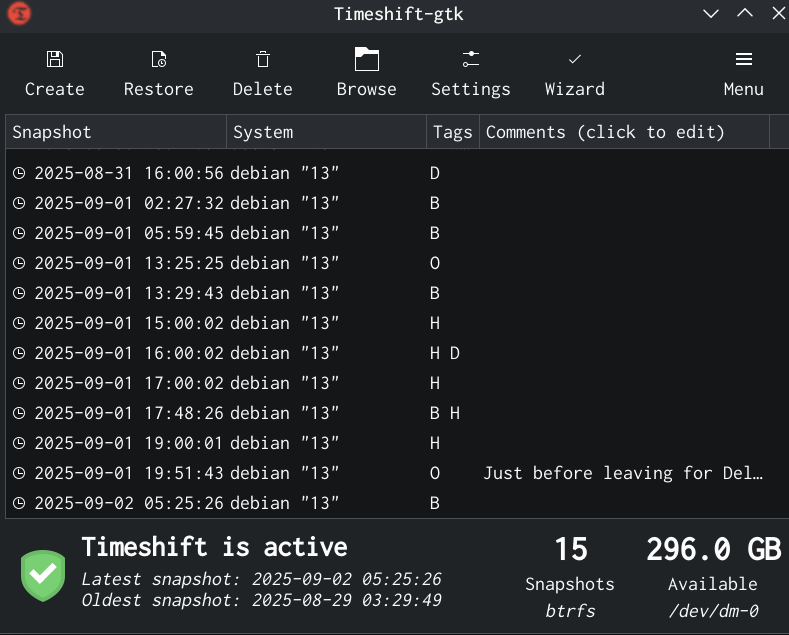
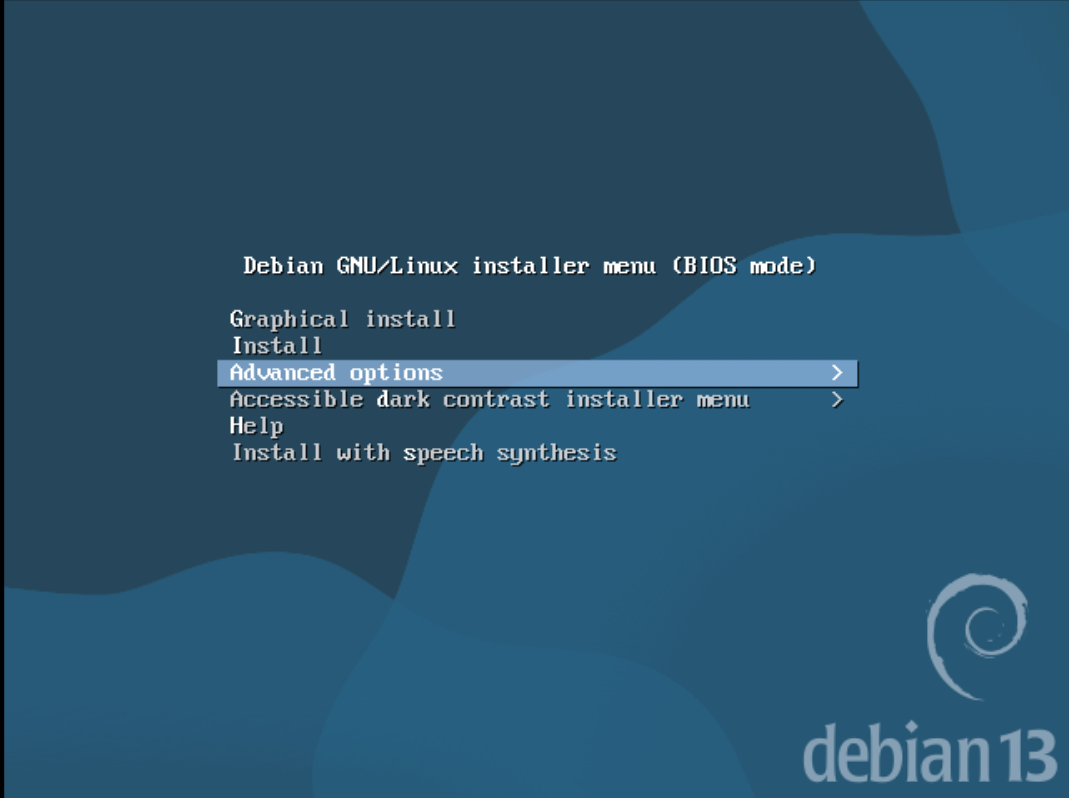
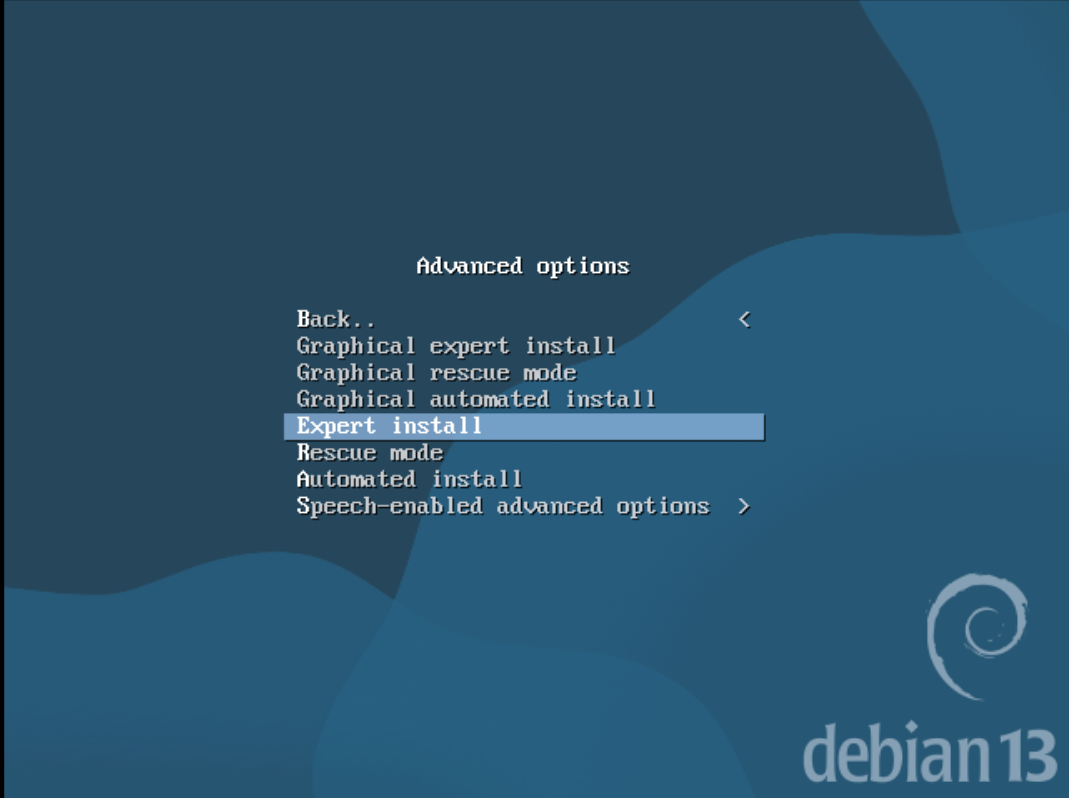
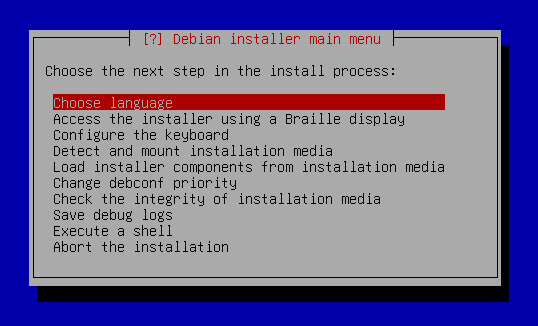
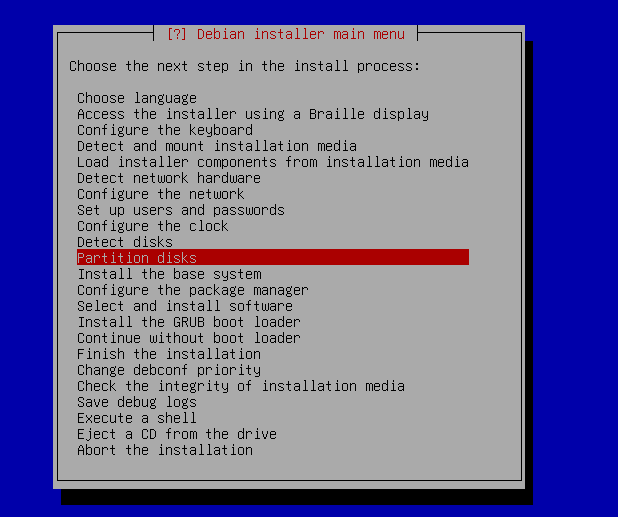
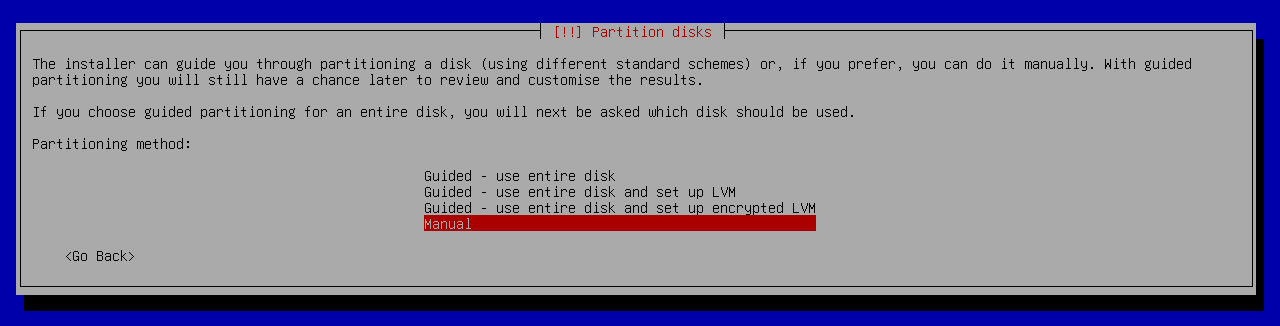
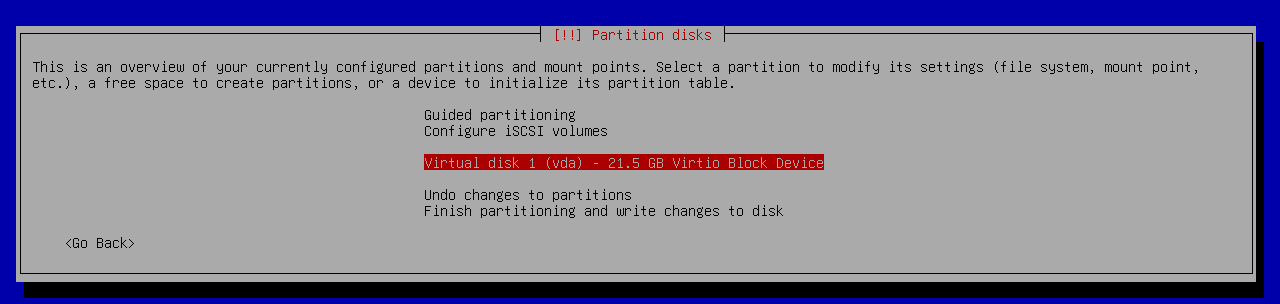

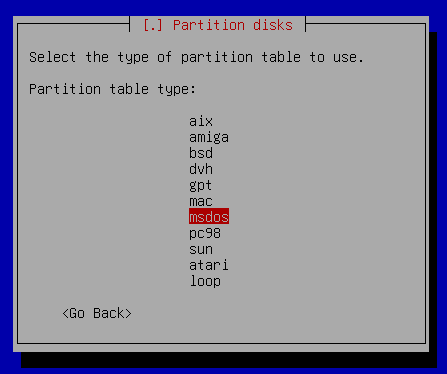
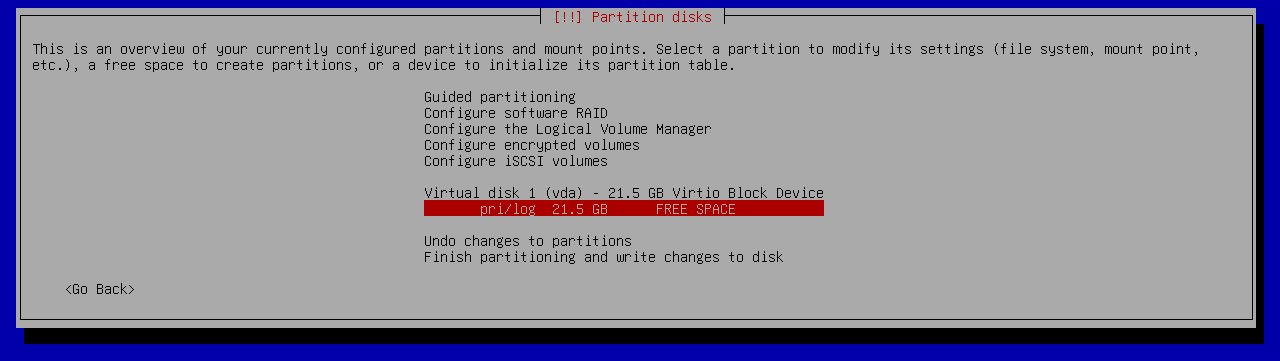
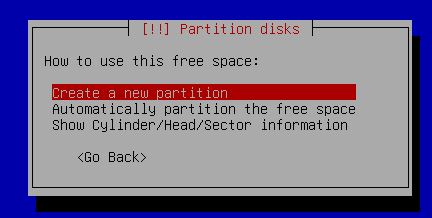
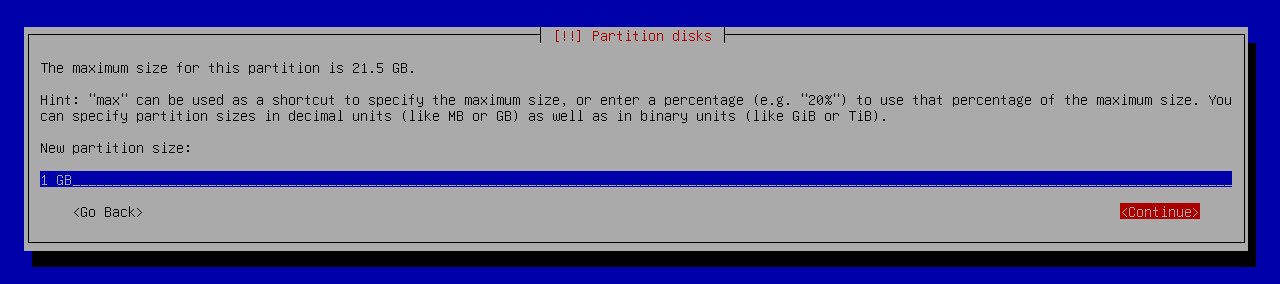
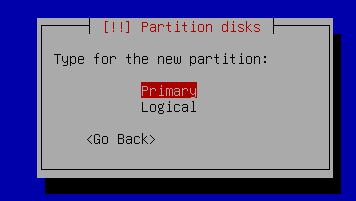
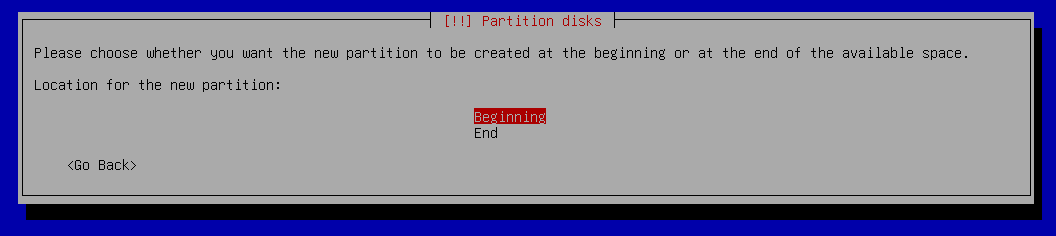
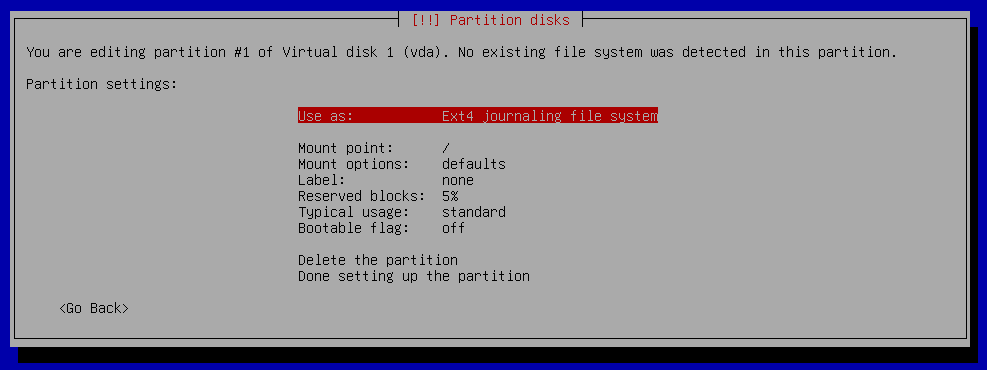
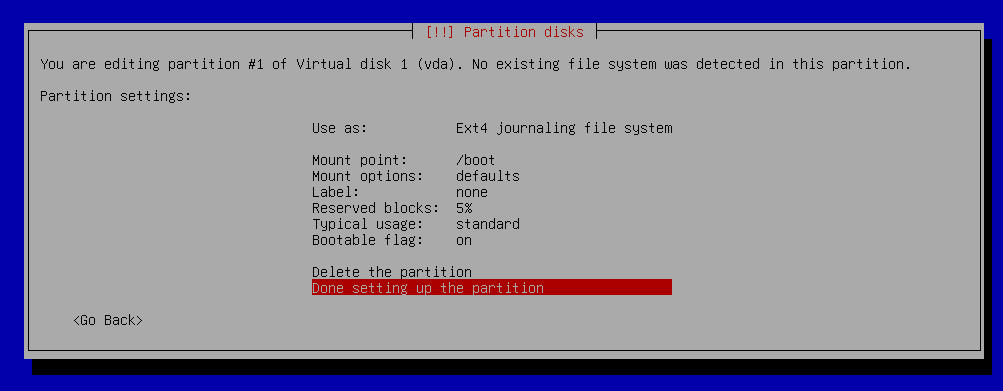
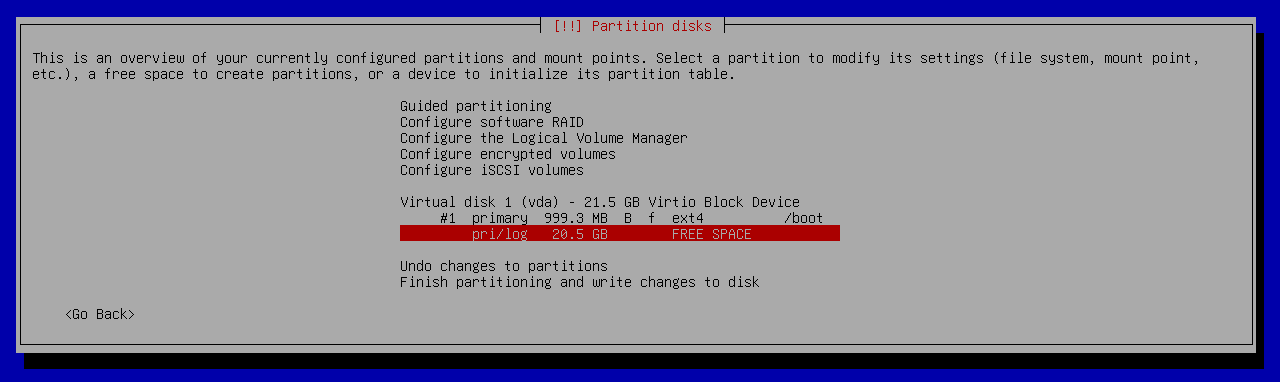
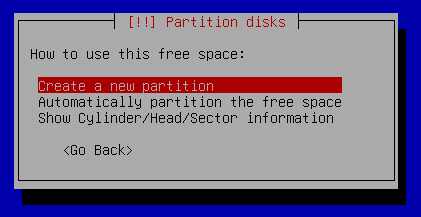
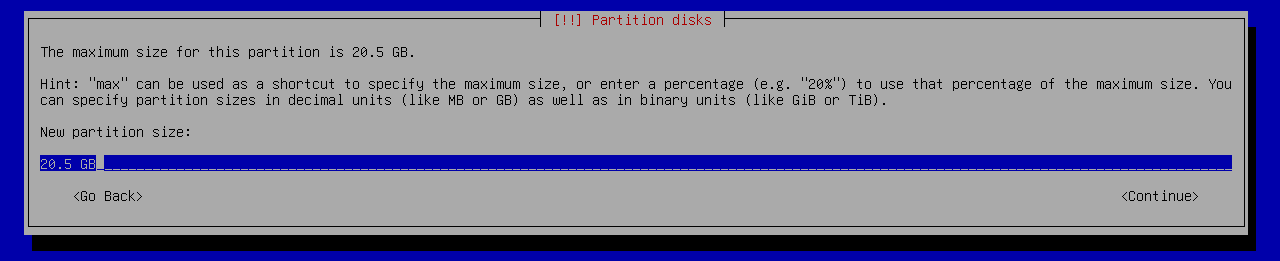
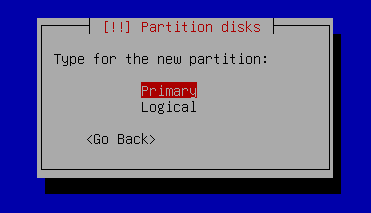
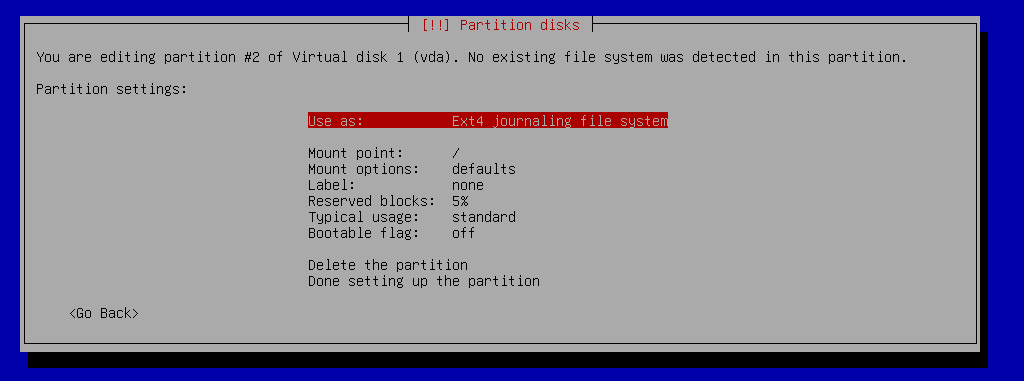
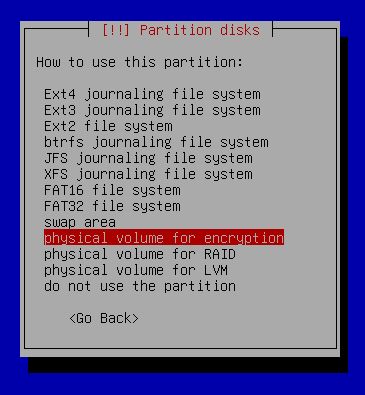
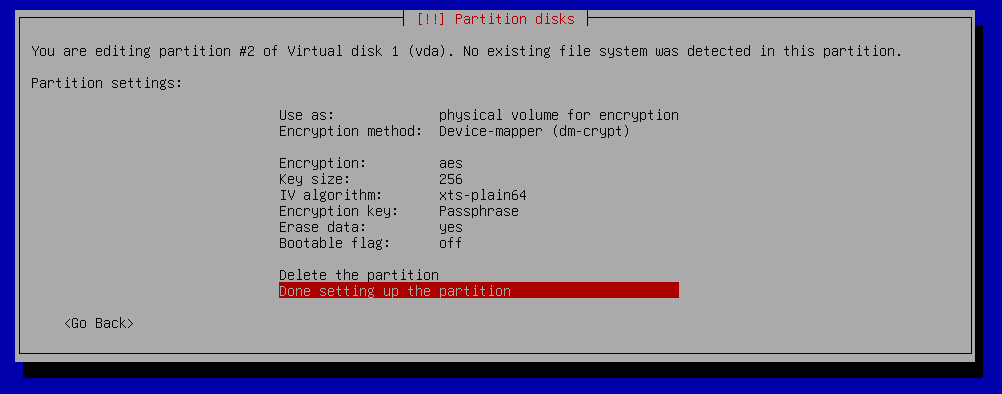
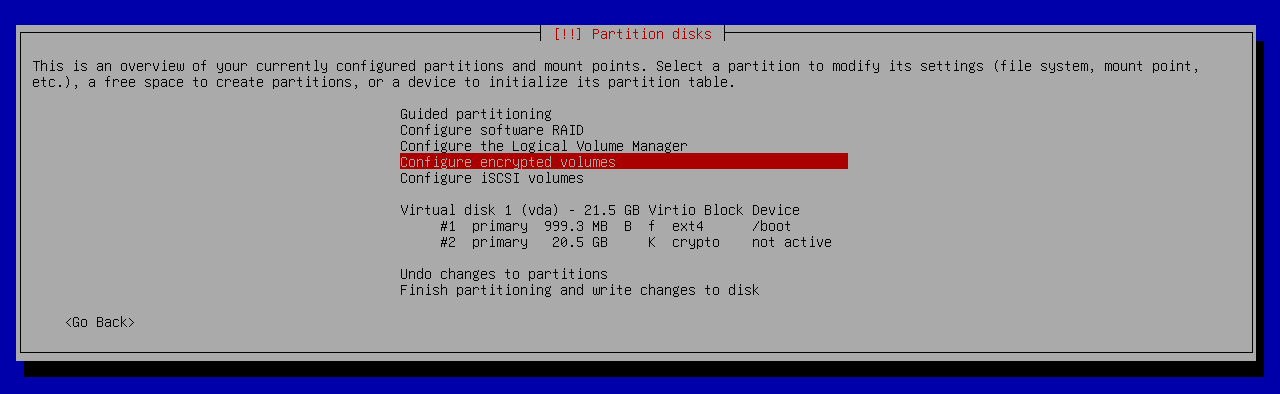

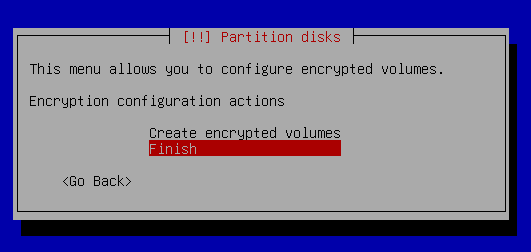

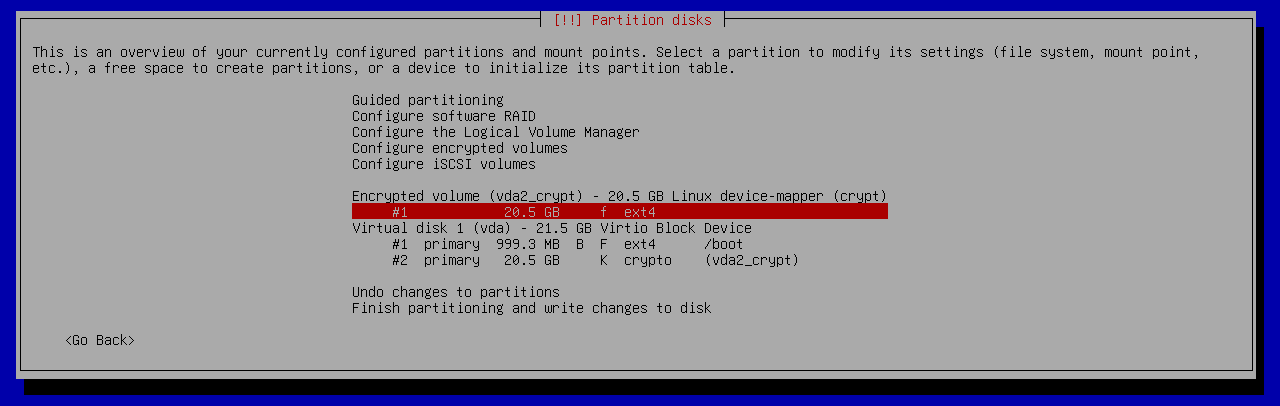
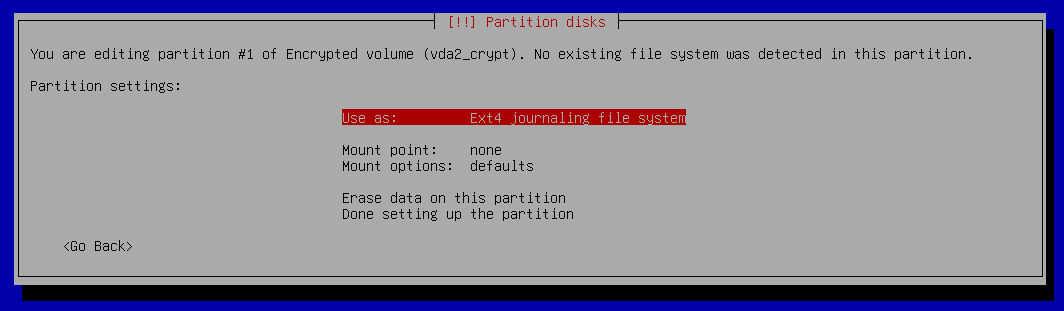
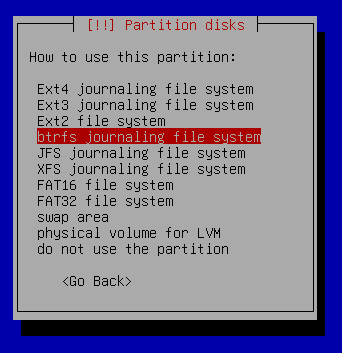
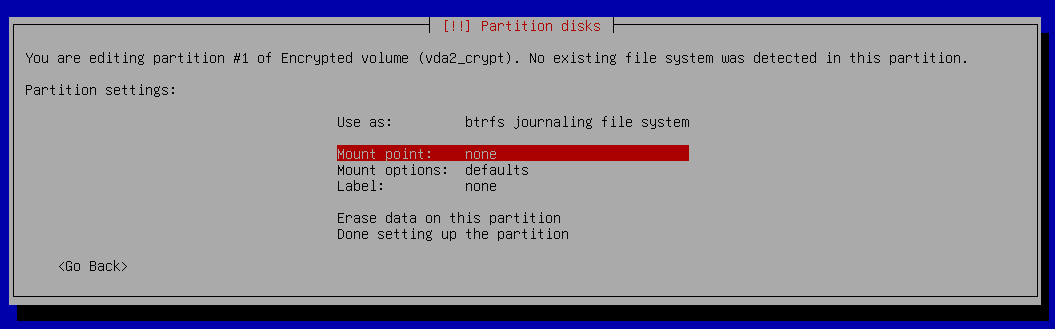
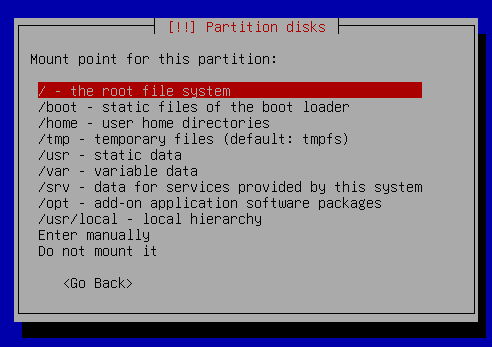
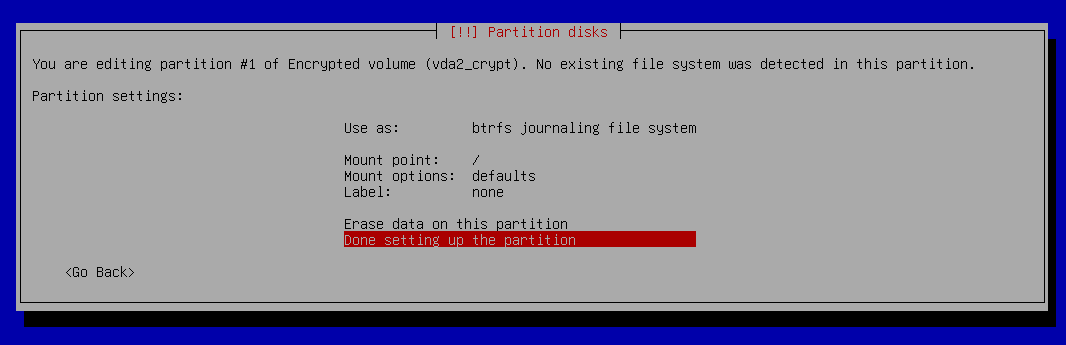
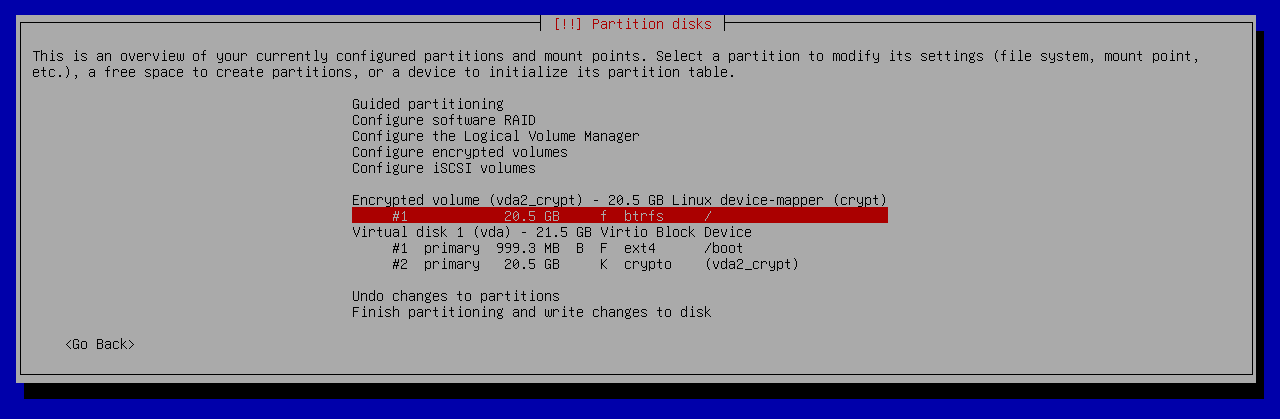
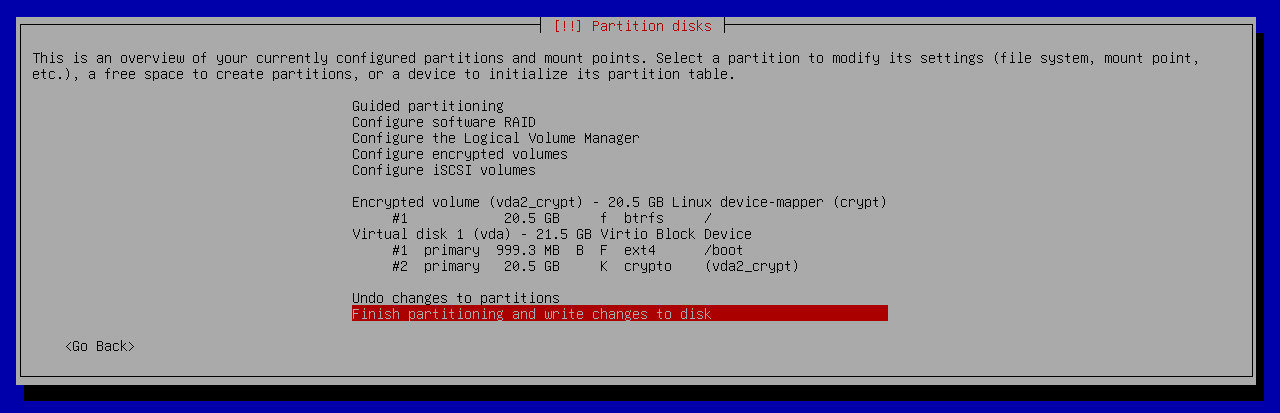

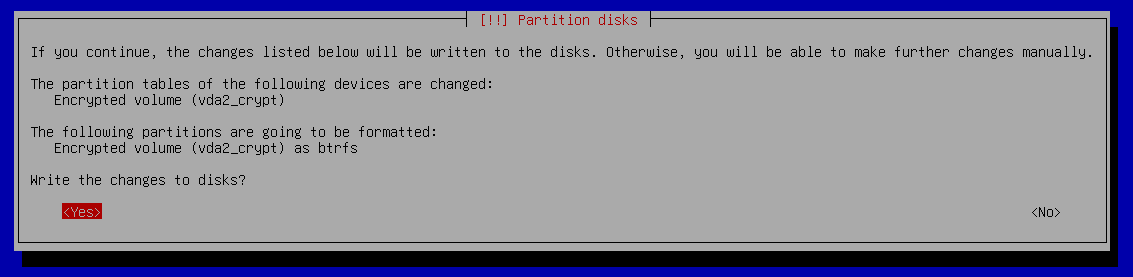
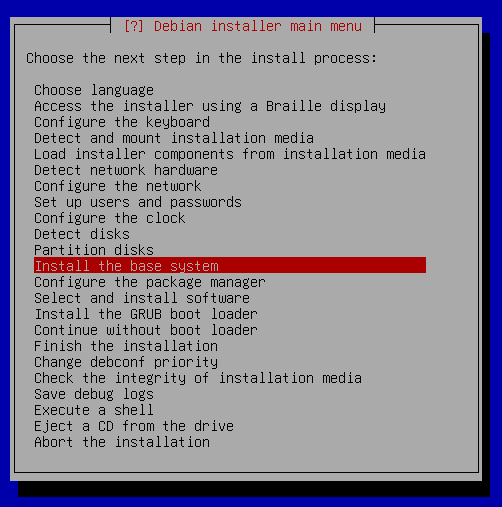
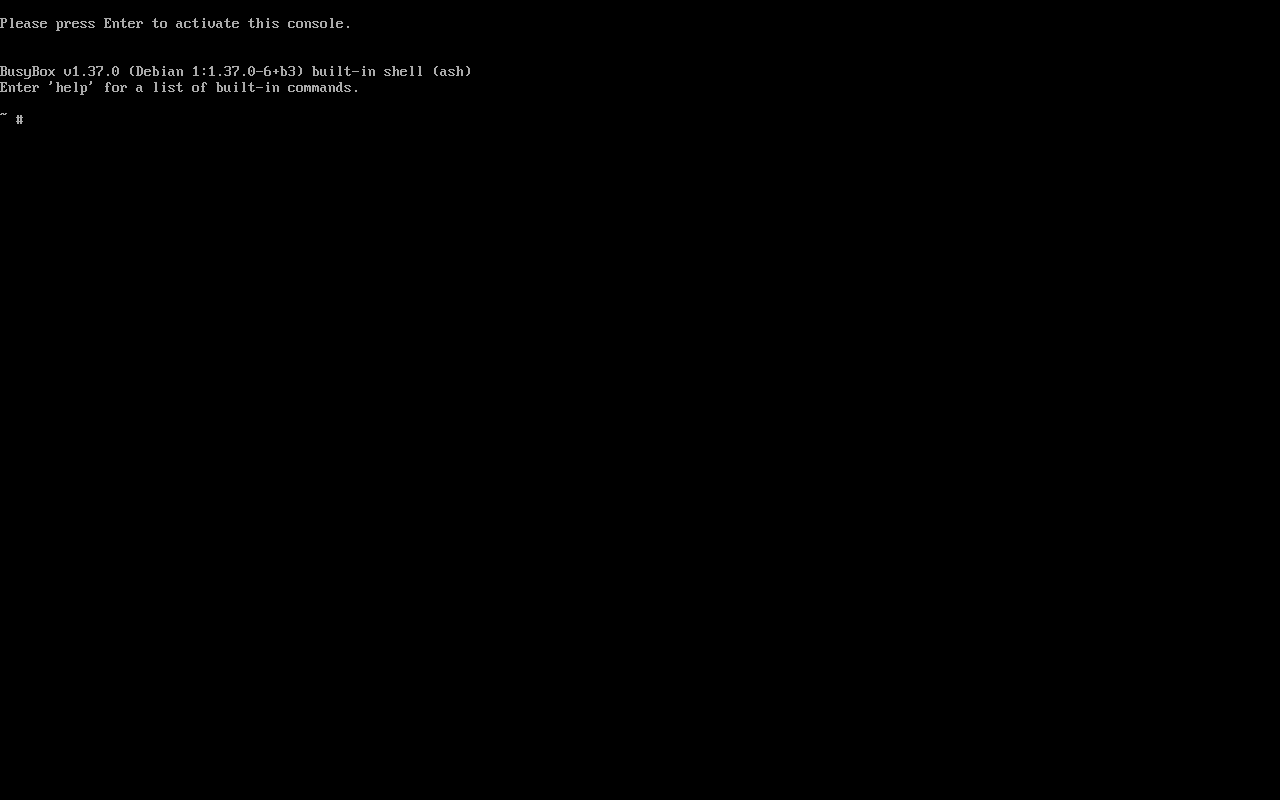
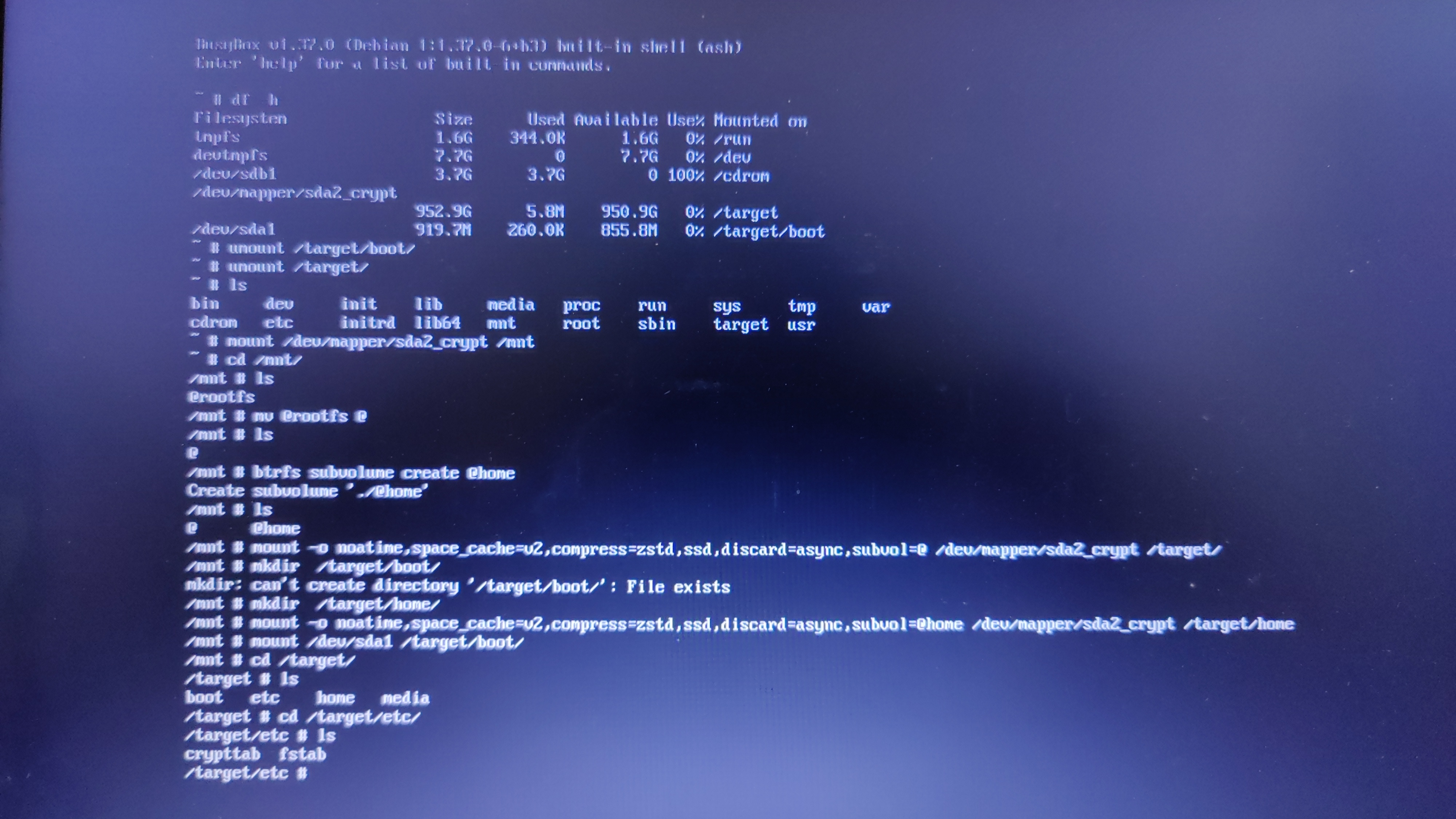
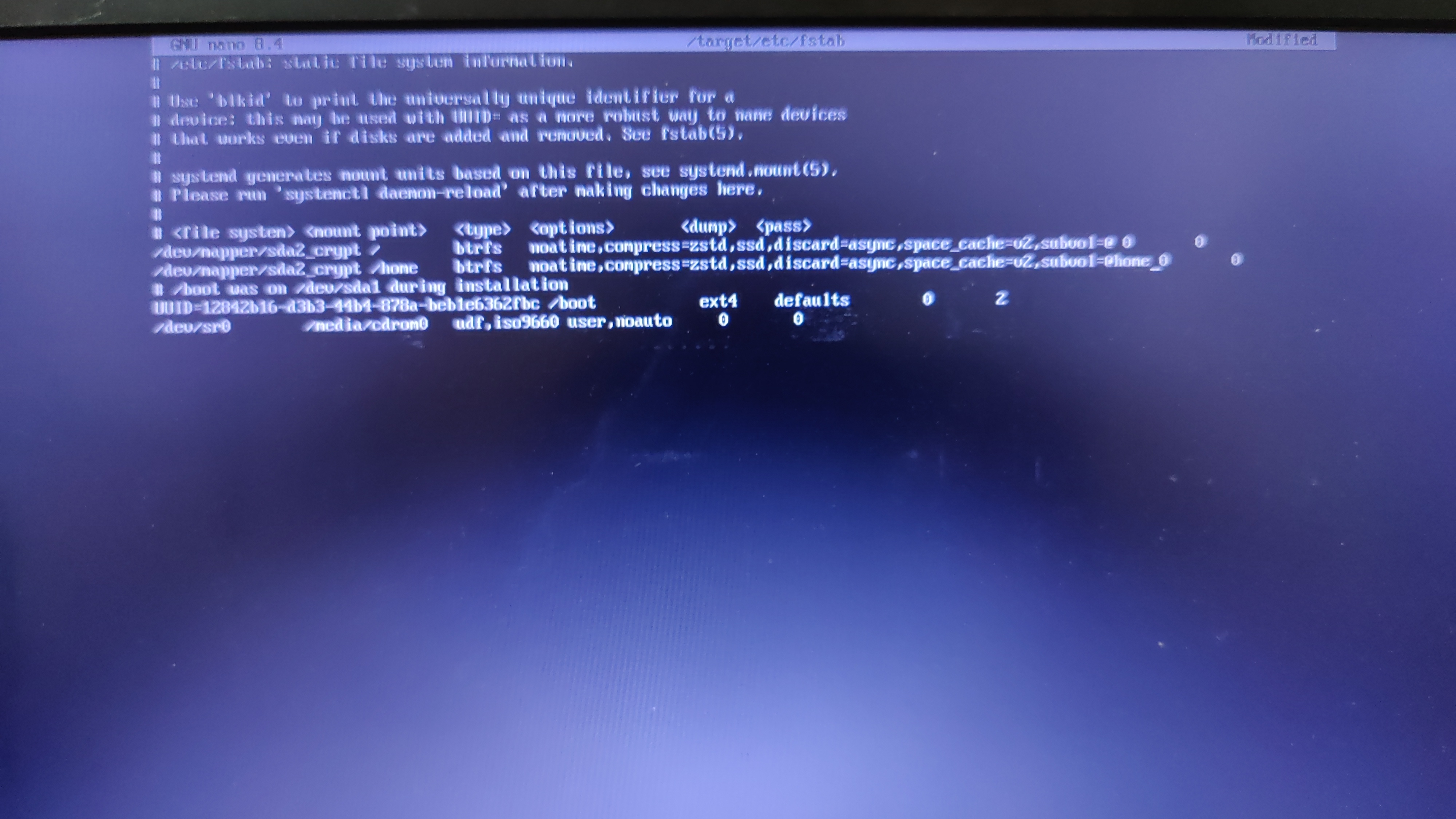
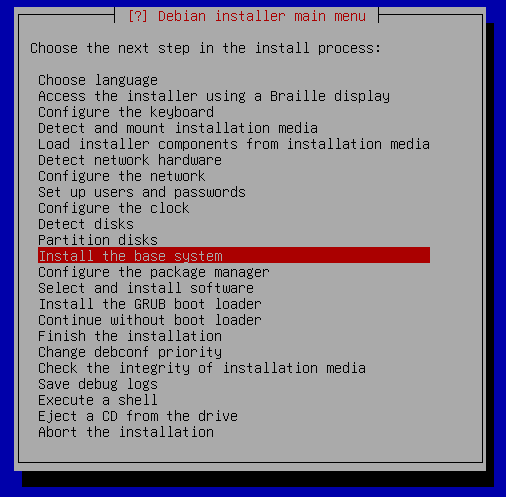
 Screenshot of Debian installer installing the base system.

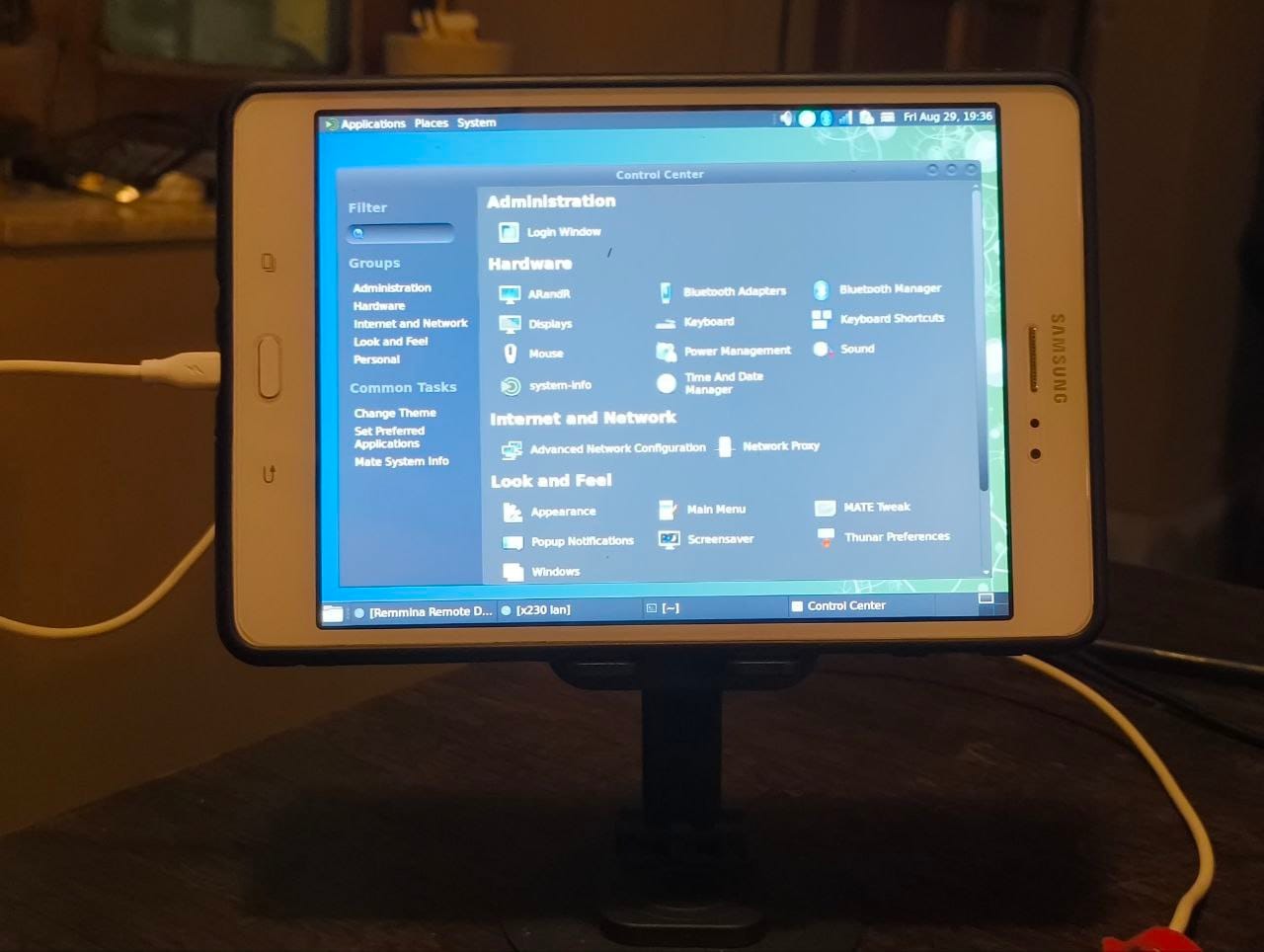 I have been using my Samsung Galaxy Tab A (2015) with PostmarketOS on and off since last year. It serves as a really good e-book reader with KOReader installed on it. Have tried phosh and plasma-mobile on it, works nicely but slows the device down heavily (2 GB RAM and old processor) so I use MATE Desktop environment on it.Lately I have started using this tablet along with my laptop as a second screen for work. And it has been working super nicely for that. The only issue being that I have to manually rotate the screen to landscape every time I reboot the device. It resets the screen orientation to portrait after a reboot. So I went through the pmOS wiki and a neat nice hack documented there worked very well for me. First we will test if the auto-rotate sensor works and if we can read values from it. So we install some basic necessary packages