Search Results: "Chris Lamb"

17 January 2014

Chris Lamb: Captain Phillips: Pontius Pirate

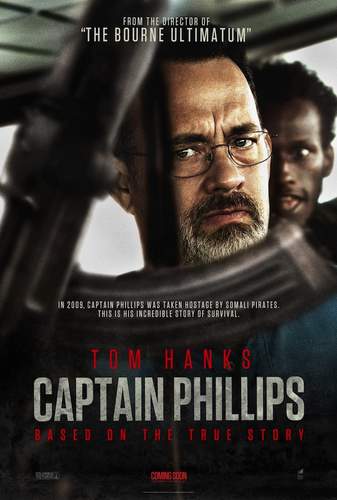
https://chris-lamb.co.uk/wp-content/2014/phillips_b.jpg Somalia's chief exports appear to be morally-ambiguous Salon articles about piracy and sophomoric evidence against libertarianism. However, it is the former topic that Captain Phillips concerns itself with, inspired by the hijacking of the Maersk Alabama container ship in 2009. What is truth? In the end, Captain Phillips does not rise above Pontius Pilate in providing an answer, but it certainly tries using more refined instruments than irony or leaden sarcasm. This motif pervades the film. Obviously, it is based on a "true story" and brings aboard that baggage, but it also permeates the plot in a much deeper sense. For example, Phillips and the US Navy lie almost compulsively to the pirates, whilst the pirates only really lie once (where they put Phillips in greater danger). Notice further that Phillips only starts to tell the truth when he thinks all hope is lost. These telling observations become even more fascinating when you realise that they must be based on the testimony of the, well, liars. Clearly, deception is a weapon to be monopolised and there are few limits on what good guys can or should lie about if they believe they can save lives.
https://chris-lamb.co.uk/wp-content/2014/phillips_c.jpg

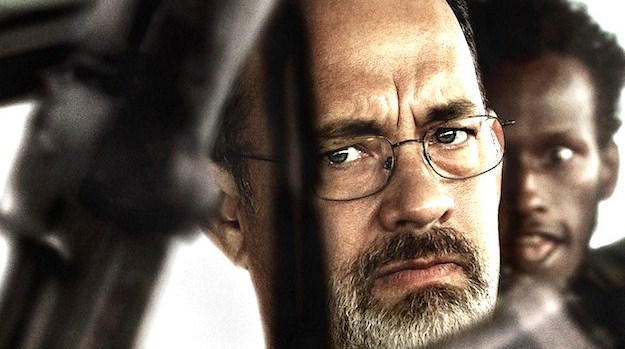
Even Phillip's nickname ("Irish") is a falsehood he straight-up admits he is an American citizen.
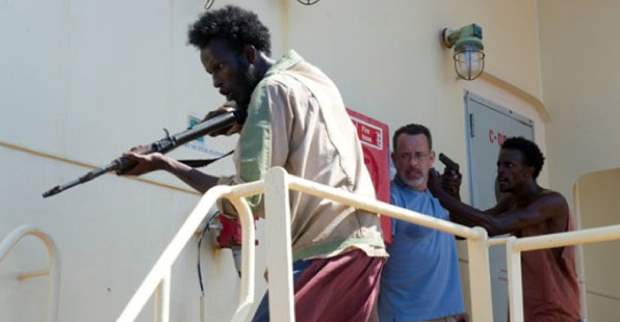
Futhermore, there is an utterly disarming epilogue where Phillips is being treated for shock by clinical efficient medical staff. Not only will this scuttle any "blanket around the shoulders" clich but is probably a highly accurate portrayal of what actually happens post-trauma. This echoes the kind of truth Werner Herzog aims for in his filmmaking as well his guilt-inducing duality between uncomfortable lingering and compulsive viewing. Lastly, a starter for a meta-discussion: can a film based on real-world events even be "spoilered"? Hearing headlines on the radio before you read your newspaper hardly robs you of a literary journey... Captain Phillips does have some quotidian problems. Firstly, the only tool for ratcheting up tension is for the Somalians to launch verbal broadsides at the Americans, with each compromise somehow escalating the situation. This technique is effective but well before the climatic rescue scene where it is really needed it has been subject to the most extreme diminishing returns. (I cannot be the first to notice the "Africans festooned with guns shouting incomphensively" trope I hope it is based on a Babel-esque mechanism of disorientation from miscommunication rather than anything more unsavoury.)
https://chris-lamb.co.uk/wp-content/2014/phillips_a.jpg

The racist idea that Africans prefer an AK-47 rotated about the Z-axis is socially constructed.

Secondly, the US Navy acts like a teacher with an Ofsted inspector observing quietly from the corner of the classroom; far too well-behaved it suspends belief, with no post-kill gloating or even the tiniest of post-arrest congratulations. Whilst nobody wants to see the Navy overreact badly to other military branches getting all the glory, nobody wants to see a suspiciously bland recruitment vehicle either. Paradoxically, this hermetic treatment made me unduly fascinated by them as if they were part of some military "uncanny valley". Two quick observations:
https://chris-lamb.co.uk/wp-content/2014/phillips_d.jpg

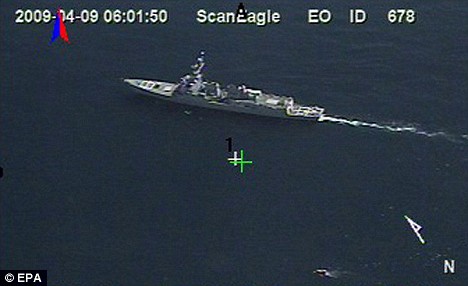
The drone footage: I'd love to write an essay about how Call of Duty might have influenced (or even be) cinema.
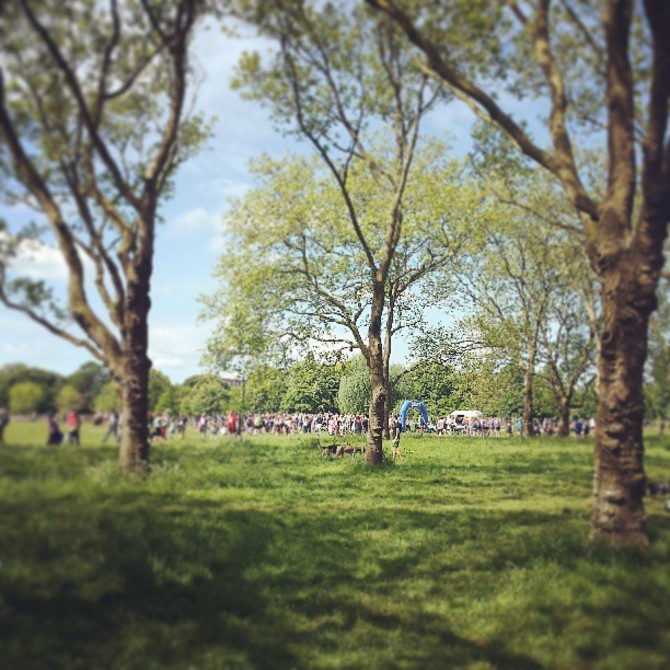
Finally, despite the title, the film is actually about two captains; the skillful liar Phillips and ... well, that's the real problem. Whilst Captain Muse is certainly no caricatured Hook, we are offered little depth beyond a "You're not just a fisherman" faux-revelation that leads nowhere. I was left inventing reasons for his akrasia so that he made any sense whatsoever. One could charitably argue that the film attempts to stay objective on Muse, but the inability for the film to take any obvious ethical stance actually seems to confuse and then compromise the narrative. What deeper truth is actually being revealed? Is this film or documentary? Worse still, the moral vacuum is invariably filled by the viewer's existing political outlook: are Somali pirates victims of circumstance who are forced into (alas, regrettable) swashbuckling adventures to pacify plank-threatening warlords? Or are they violent and dangerous criminals who habour an irrational resentment against the West, flimsily represented by material goods in shipping containers? Your improvised answer to this Rorschach test will always sit more haphazardly in the film than any pre-constructed treatment ever could. 6/10

Chris Lamb: Review: Captain Phillips (2013)

https://chris-lamb.co.uk/wp-content/2014/phillips_b.jpg Somalia's chief exports appear to be morally-ambiguous Salon articles about piracy and sophomoric evidence against libertarianism. However, it is the former topic that Captain Phillips concerns itself with, inspired by the hijacking of the Maersk Alabama container ship in 2009. What is truth? In the end, Captain Phillips does not rise above Pontius Pilate in providing an answer, but it certainly tries using more refined instruments than irony or leaden sarcasm. This motif pervades the film. Obviously, it is based on a "true story" and brings aboard all that well-travelled baggage, but it also permeates the plot in a much deeper sense. For example, Phillips and the US Navy lie almost compulsively to the pirates, whilst the pirates only really lie once where they put Phillips in greater danger. Notice further that Phillips only starts to tell the truth when he thinks all hope is lost. These telling observations become even more fascinating when you realise that they must be based on the testimony of the, well, liars. Clearly, deception is a weapon to be monopolised and there are few limits on what good guys can or should lie about if they believe they can save lives.
https://chris-lamb.co.uk/wp-content/2014/phillips_c.jpg

Even Phillip's nickname ("Irish") is a falsehood he straight-up admits he is an American citizen.

Lastly, there is an utterly disarming epilogue where Phillips is being treated for shock by clinical efficient medical staff. Not only will it scuttle any "blanket around the shoulders" clich but is probably a highly accurate portrayal of what actually happens post-trauma. This echoes the kind of truth Werner Herzog often aims for in his filmmaking as well his guilt-inducing duality between uncomfortable lingering and compulsive viewing. Another angle worthy of discussion: can a film based on real-world events even be "spoilered"? Hearing headlines on the before you read the newspaper hardly robs you of a literary journey... Captain Phillips does have some quotidian problems. Firstly, the only tool for ratcheting up tension is for the Somalians to launch verbal broadsides at the Americans, with each compromise somehow escalating the situation further. This technique is genuinely effective but well before the climatic rescue scene where it is really needed it has been subject to the most extreme diminishing returns. (I cannot be the first to notice the "Africans festooned with guns shouting incomphensively" trope I hope it is based on a Babel-esque mechanism of disorientation and miscommunication rather than anything, frankly, unsavoury.)
https://chris-lamb.co.uk/wp-content/2014/phillips_a.jpg

The racist idea that Africans prefer a AK-47 rotated about the Z-axis is socially constructed.

Secondly, the US Navy acts like a teacher with an Ofsted inspector observing quietly from the corner of the classroom; far too well-behaved it suspends belief, with no post-kill gloating or even the tiniest of post-arrest congratulations. Whilst nobody wants to see the Navy overreact badly to other military branches getting all the glory, nobody wants to see a suspiciously bland recruitment vehicle either. Paradoxically, this hermetic treatment made me unduly fascinated by them, as if they were part of some military "uncanny valley". Two quick observations:
https://chris-lamb.co.uk/wp-content/2014/phillips_d.jpg

The drone footage: I'd love to read (or write) an essay about how Call of Duty might have influenced cinema.

Finally, despite the title, the film is actually about two captains; the skillful liar Phillips and ... well, that's the real problem. Whilst Captain Muse is certainly no caricatured Hook, we are offered little depth beyond a "You're not just a fisherman" faux-revelation that leads nowhere. I was left inventing reasons for his akrasia so that he made any sense whatsoever. One could charitably argue that the film attempts to stay objective on Muse, but the inability for the film to take any obvious ethical stance actually seems to confuse and then compromise the narrative. What deeper truth is actually being revealed? Is this film or documentary? Worse still, the moral vacuum is invariably filled by the viewer's existing political outlook: are Somali pirates victims of circumstance who are forced into (alas, regrettable) swashbuckling adventures to pacify plank-threatening warlords? Or are they violent and dangerous criminals who habour an irrational resentment against the West, flimsily represented by material goods in shipping containers? Your improvised answer to this Rorschach test will always sit more haphazardly in the film than any pre-constructed treatment ever could. 6/10

31 December 2013

Chris Lamb: 2013: Selected highlights

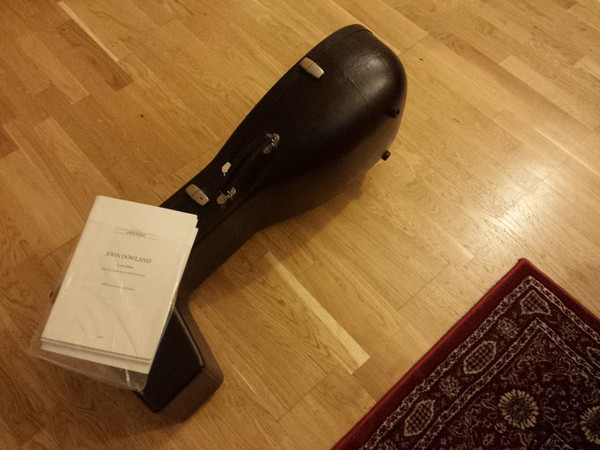
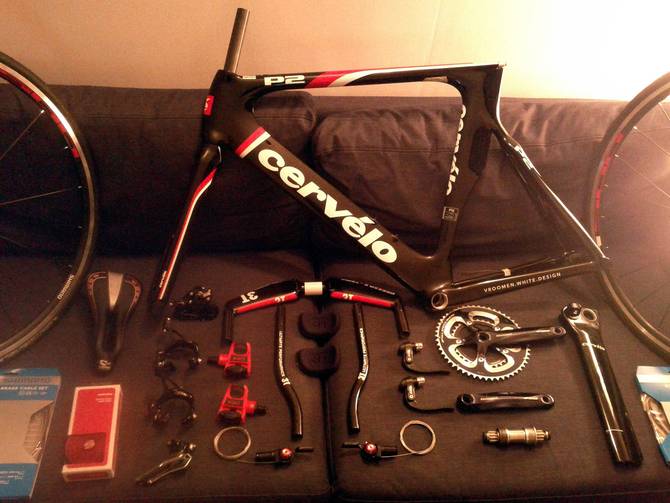
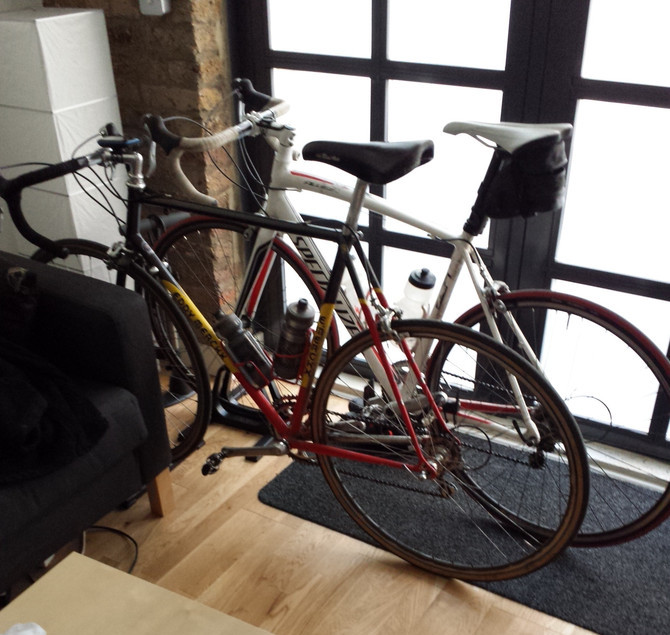
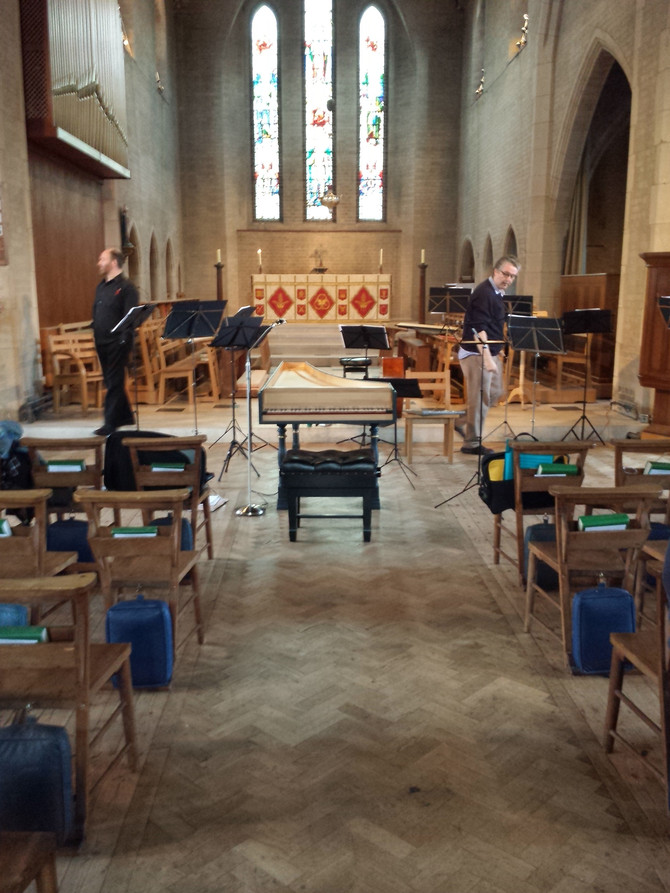
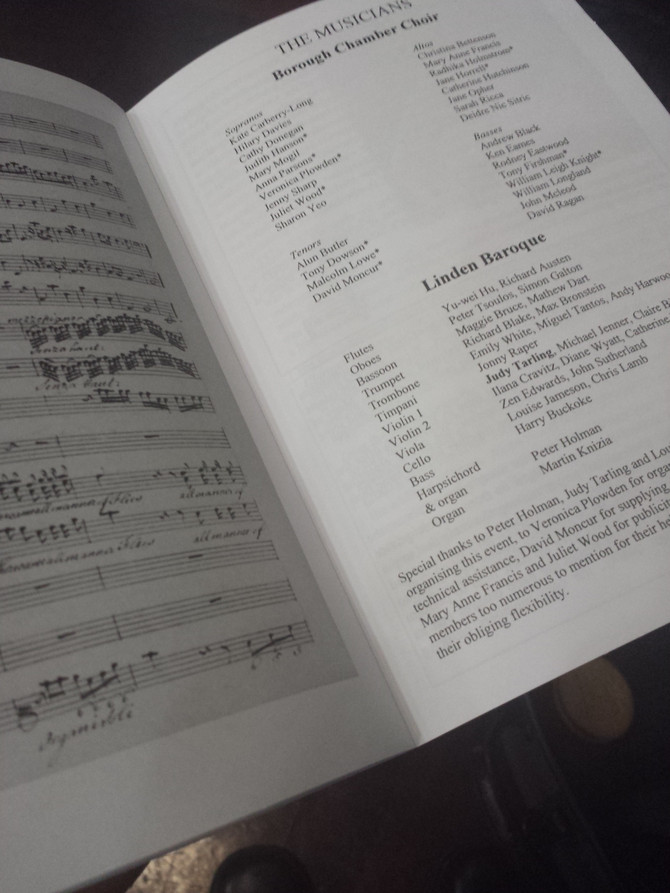
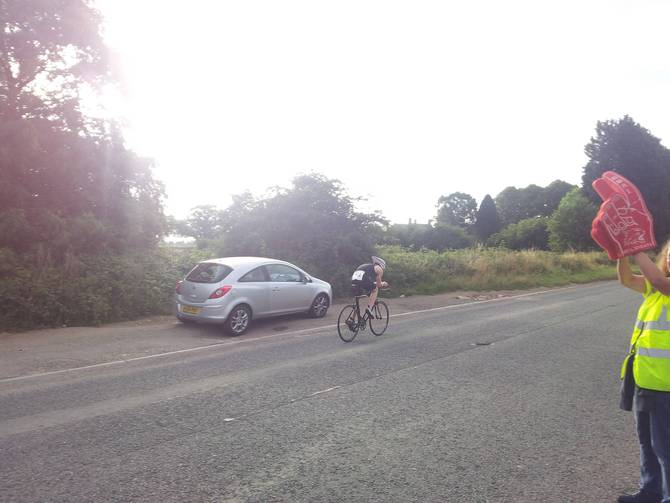
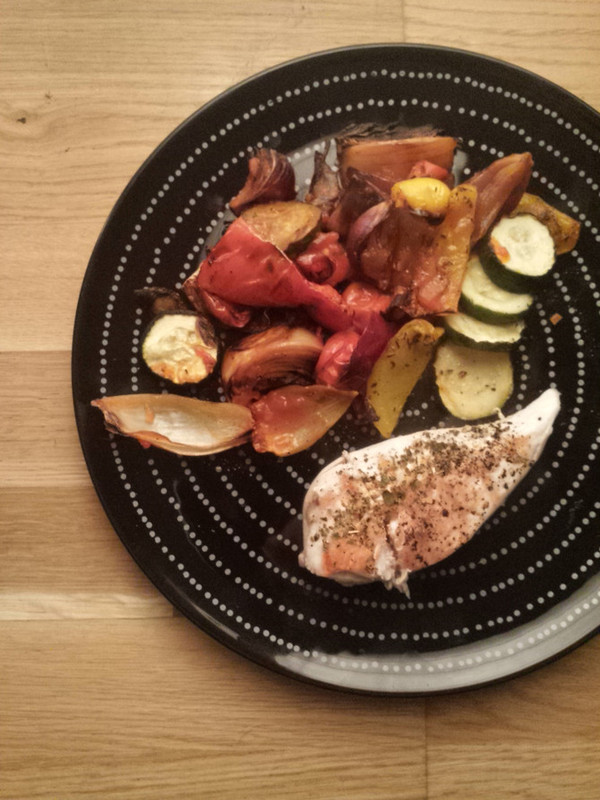
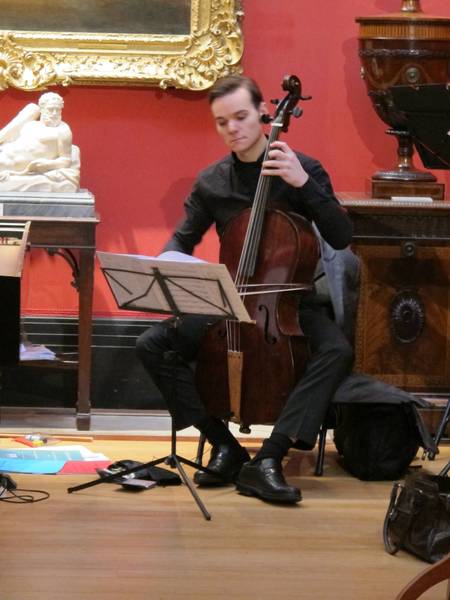
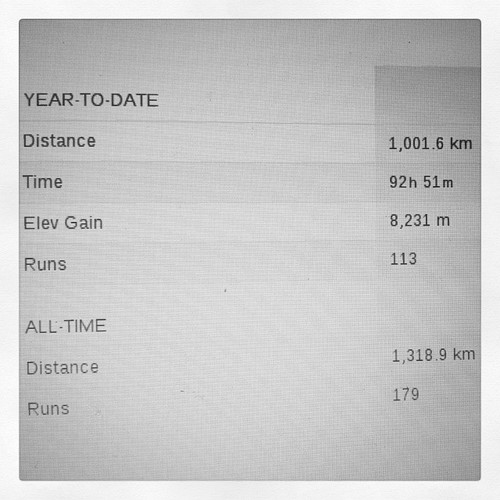
January https://chris-lamb.co.uk/wp-content/2013/highlights/01.jpg Entered monthly 10km races in Regent's Park, reducing my time from 55:07 in January 4th to 43:28 on December 1st. February https://chris-lamb.co.uk/wp-content/2013/highlights/02.jpg Entered the Hell of Ashdown cyclosportive in sub-zero conditions for over 100 miles & 7,500 ft of elevation (actual photo). March https://chris-lamb.co.uk/wp-content/2013/highlights/03.jpg Had my lute returned after it was damaged. April https://chris-lamb.co.uk/wp-content/2013/highlights/04.jpg Had a time-trial bike built and raced my first triathlon, duathlon and aquathlon. May https://chris-lamb.co.uk/wp-content/2013/highlights/05.jpg More biking, including a long ride with my brother. Also performed on the viola da gamba in Bach's St John Passion with Belsize Baroque. June https://chris-lamb.co.uk/wp-content/2013/highlights/06.jpg Two big concerts: Monn's Cello concerto in G minor with the Zadok Baroque Orchestra followed by the Blackfriars Quartet performing Shostakovich's String Quartet No. 8. July https://chris-lamb.co.uk/wp-content/2013/highlights/07.jpg Amongst more triathlon preperation, I performed in a Linden Baroque concert of Handel's Israel in Egypt. August https://chris-lamb.co.uk/wp-content/2013/highlights/08.jpg Raced my biggest event of the year a "Half-Ironman" triathlon hitting my time goal. September https://chris-lamb.co.uk/wp-content/2013/highlights/09.jpg Whilst procrastinating about writing some letters, I created a small service to send letters without a printer. October https://chris-lamb.co.uk/wp-content/2013/highlights/10.jpg Started cooking a little more adventurously. November https://chris-lamb.co.uk/wp-content/2013/highlights/11.jpg Performed Geminiani's arrangement of Corelli's La Folia in the Fitzwilliam Museum with Le Petit Orchestre. December https://chris-lamb.co.uk/wp-content/2013/highlights/12.jpg Ramped up my running volume so I could go over 1000km for the year. (Strava profile)
19 December 2013

Chris Lamb: Quickly switching between imperial and metric units on Strava

British triathletes are quite schizophrenic about their units: not "European" enough to bike using metric units yet not "American" enough to run using their imperial counterparts. Garmin GPS units seem happy enough to accomodate this contradiction but Strava only has a single global setting. Switching units would normally involve visiting your settings page inconvenient when viewing lots of run and bike pages so I wrote a Chrome extension that toggles between the different unit types via a Strava icon in the address bar: https://chris-lamb.co.uk/wp-content/2013/strava-1.png I considered a solution that actually converted the values displayed on the page but the illusion would always be shattered by Javascript elements which would require monkey-patching to ensure the desired unit was rendered: https://chris-lamb.co.uk/wp-content/2013/strava-2.png Source code is available, which should also serve as a template for similar extensions.

15 December 2013

Chris Lamb: Developing responsive websites using the Awesome window manager

Responsive web design is a techinique for offering the optimal user experience across different browser devices without the overhead of separate "mobile" sites or native applications. Whilst there are hundreds of browser plugins that can make it easier to test responsive websites by resizing your browser window, this can also be achieved with a scriptable window manager such as Awesome:
resize = function(width, height, text)
  return function(c)
    local w = capi.screen[c.screen].workarea
    local geo = c:geometry()
    awful.client.floating.set(c, true)
    -- Float before raising
    c:raise()
    naughty.notify(  text = text, timeout = 0.5  )
    c:geometry( 
      x = geo.x,
      -- Constrain Y to workspace or it can start too high
      y = (w.y > geo["y"]) and w.y or geo["y"],
      width = width,
      height = height,
     )
  end
end
resize_reset = function (c)
  awful.client.floating.set(c, false)
end
clientkeys = awful.util.table.join(
  -- [..]
  awful.key(  modkey  , "1", resize( 460, 650, "Extra small")),
  awful.key(  modkey  , "2", resize( 780, 750, "Small")),
  awful.key(  modkey  , "3", resize(1024, 800, "Medium")),
  awful.key(  modkey  , "4", resize(1250, 850, "Large")),
  awful.key(  modkey  , "5", resize_reset)
)
Alt+ 1,2,3,4 will then float and resize the current window to various common device sizes (mine are based on the Bootstrap 3 breakpoints) and Alt+5 will reset it. Not being a plugin has many advantages: not only is it a browser-agnostic solution and one can use keyboard shortcuts not available to plugin developers, it also feels more aesthetically pleasing to solve a problem at the correct abstraction layer.

2 October 2013

Chris Lamb: Readers-writers lock in eventlet

The problem: You want to have a critical section of code where concurrent read operations are permitted but exclusive access for write operations multiple readers may read data in parallel but only a single writer is allowed to write data at any one time. Here's an implementation using the eventlet library:
from eventlet import greenthread, hubs
class ReadWriteLock(object):
    """
    Usage::
        lock = ReadWriteLock()
        with lock.reader():
            do_read_ops()
        with lock.writer():
            do_write_ops()
    """
    def __init__(self):
        self.counter = 0
        self._read_waiters = set()
        self._write_waiters = set()
    def reader(self):
        return self.Reader(self)
    def writer(self):
        return self.Writer(self)
    class Base(object):
        def __init__(self, parent):
            self.parent = parent
        def _acquire(self, waiters):
            waiters.add(greenthread.getcurrent())
            try:
                while self.parent.counter != 0:
                    hubs.get_hub().switch()
            finally:
                waiters.discard(greenthread.getcurrent())
        def _exit(self):
            for waiters, fn in (
                (self.parent._read_waiters, lambda x: x >= 0),
                (self.parent._write_waiters, lambda x: x == 0),
            ):
                if not waiters:
                    continue
                hubs.get_hub().schedule_call_global(
                    0, self._release, waiters, fn,
                )
        def _release(self, waiters, fn):
            if waiters and fn(self.parent.counter):
                waiters.pop().switch()
    class Reader(Base):
        def __enter__(self):
            if self.parent.counter < 0:
                self._acquire(self.parent._read_waiters)
            self.parent.counter += 1
        def __exit__(self, *args, **kwargs):
            self.parent.counter -= 1
            self._exit()
    class Writer(Base):
        def __enter__(self):
            if self.parent.counter != 0:
                self._acquire(self.parent._write_waiters)
            self.parent.counter -= 1
        def __exit__(self, *args, **kwargs):
            self.parent.counter += 1
            self._exit()

3 September 2013

Chris Lamb: Using the Garmin 910XT on Linux

The Garmin 910XT is the premier GPS watch for triathlon training and racing.
  1. You'll probably need a newer version of pyusb:

    $ git clone git://github.com/walac/pyusb
    
    There is no need to install it systemwide - you can simply leave it checked out somewhere.
  2. Get the Garmin-Forerunner-610-Extractor project from GitHub:

    $ git clone git://github.com/Tigge/Garmin-Forerunner-610-Extractor.git
    
  3. Turn your watch on and plug in the USB adaptor.

  4. You can now sync your activities:

    $ sudo env PYTHONPATH=/path/to/pyusb ./garmin.py
    Request basic information...
      ANT version:   AJK1.04RAF
      Capabilities:  array('B', [8, 3, 0, 186, 54, 0])
      Serial number: 3480039
    Starting system...
    Searching...
    Authenticating with Forerunner 910XT (3863343203)
     - Passkey: OK
    Downloading 1 file(s)
    Downloading 2013-09-03_21-09-32-80-19364.fit [..........]
    
    The first time you sync, you will have to authenticate on the watch itself. Downloading the activities will be much slower than you expect.
  5. After the syncing has finished, don't forget to turn the watch off. If you are used to the Garmin Edge 800 (which turns itself off when you insert the USB cable) you will probably not have the habit of turning off the unit.

  6. Rather confusingly, your .FIT files are available in the Xdg configuration folder. For example:

    ls -l ~/.config/garmin-extractor/3863343203/activities/
    -rw-r--r-- 1 root root   2688 Jun  9 15:23 2013-06-08_12-33-24-80-2688.fit
    -rw-r--r-- 1 root root   1171 Jun  9 15:23 2013-06-08_12-37-14-80-1171.fit
    -rw-r--r-- 1 root root   6111 Jun  9 15:23 2013-06-08_22-19-28-80-6111.fit
    -rw-r--r-- 1 root root 170327 Jun  9 15:26 2013-06-09_11-09-44-80-170327.fit
    
  7. Strava supports these .fit files through the From File upload option.

31 August 2013

Chris Lamb: Decrypting the Caesar cipher using shell

In cryptography, a Caesar cipher, also known as Caesar's cipher, the shift cipher, Caesar's code or Caesar shift, is one of the simplest and most widely known encryption techniques. It is a type of substitution cipher in which each letter in the plaintext is replaced by a letter some fixed number of positions down the alphabet. [...]
#!/bin/sh
IN="MJHVIZN ZPIO YJHPN"
for I in $(seq 25); do
    echo $I $IN   tr $(printf %$ I s   tr ' ' '.')\A-Z A-ZA-Z
done
This outputs:
1 NKIWJAO AQJP ZKIQO
2 OLJXKBP BRKQ ALJRP
3 PMKYLCQ CSLR BMKSQ
4 QNLZMDR DTMS CNLTR
5 ROMANES EUNT DOMUS
6 SPNBOFT FVOU EPNVT
7 TQOCPGU GWPV FQOWU
8 URPDQHV HXQW GRPXV
9 VSQERIW IYRX HSQYW
10 WTRFSJX JZSY ITRZX
11 XUSGTKY KATZ JUSAY
12 YVTHULZ LBUA KVTBZ
13 ZWUIVMA MCVB LWUCA
14 AXVJWNB NDWC MXVDB
15 BYWKXOC OEXD NYWEC
16 CZXLYPD PFYE OZXFD
17 DAYMZQE QGZF PAYGE
18 EBZNARF RHAG QBZHF
19 FCAOBSG SIBH RCAIG
20 GDBPCTH TJCI SDBJH
21 HECQDUI UKDJ TECKI
22 IFDREVJ VLEK UFDLJ
23 JGESFWK WMFL VGEMK
24 KHFTGXL XNGM WHFNL
25 LIGUHYM YOHN XIGOM
The only line which makes sense is 5 ROMANES EUNT DOMUS, giving us our solution.

20 August 2013

Chris Lamb: Thomas Fuchs on frontend Javascript frameworks in startups

What you end up with is building a layer cake that doesn t add any value and slows down development. Especially when you re starting out and need to stay flexible you don t want to have too much code around and Rails is great for that. But adding a JSON API layer and basically a second application that runs on the client is annihilating this advantage for you.
Source.

12 August 2013

Chris Lamb: Cotswold Classic Middle Distance triathlon

https://chris-lamb.co.uk/wp-content/2013/cotswold_course.jpg Since becoming interested in triathlon in October of last year, my goal in 2013 was not to just finish a "70.3" (or "Half-Ironman"), but to complete one in under 5 hours. At the time, each discipline was woefully inadequate; I had not swum in over a decade, my cycling was average and I had only begun running again after years away from exercise. The somewhat arbitrary target time would dictate my training. For example, the high proportion of time spent on the bike combined with the injury-sensitive nature of running meant that cycling would have a highest return on investment of the three disciplines. Despite that, I would need to take the run seriously but carefully - I decided to enter a series of monthly 10K races where I could steadily reduce my times over the year. Races themselves formed a crucial part of my preparation and a carefully balanced race calendar was surprisingly important, balancing upcoming milestones that would provide an achievable goal as well as uncovering weaknesses in enough time so they could be worked on. Whilst I did post about my first triathlon, I felt no compulsion with the interleaving five or six races as I was evaluating them in the context of the 70.3 rather than as races in their own right.
Swim
Distance
1900m
Time
37:42
Whilst this wasn't my worst open water swim, it was certainly not my best. The first 500m was straightforward, but I lost my form over the next 500m and I overcompensated with excessive kick. My calves responded by cramping badly two or three times after that, losing both momentum and time. Curiously, whenever I could identify my speed relative to my effort (for example, by some underwater reeds) I could use that as feedback and my rotation (etc.) would temporarily return. Pool swimming always has markers of this kind, whilst a murky lake does not. In conclusion, my lack of open water training outside of races held me back more than I expected.
Bike https://chris-lamb.co.uk/wp-content/2013/cotswold_bike.jpg
Distance
52 miles
Time
2:22 (21.9 mph average)
I had thoroughly absorbed the advice that you should prepare for your primary race so that it feels like another day at the office. On this criterion, the bike leg was almost perfect. My nutrition strategy energy drink every 5 minutes, gel every 30 minutes worked fine until mile 35 where I felt like I had taken on too much fluid (and no time to take a bathroom break). I had a temporary hiccup with my rear derailleur but my "tame" 52/34 12x28 gearing was vindicated on the climbs, although in retrospect that might mostly be schadenfreude. Tens of hours acclimatising to a time trial bike was rewarded by being able to spend the entire leg in "aero" position (ignoring 90-degree turns or serious gradients), improving efficiency.
Run https://chris-lamb.co.uk/wp-content/2013/cotswold_run.jpg
Distance
13.1 miles (21km)
Time
1:54:18 (5:25/km)
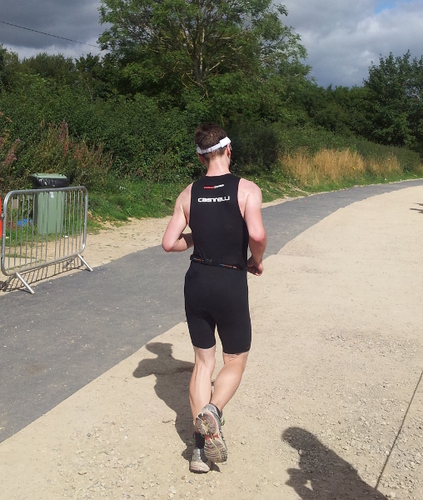
I had prepared a chart which provided the pace I required based on the race time at the start of the run. I would then only need to monitor my run pace instead of repeatedly extrapolating a finish time as even basic arithmetic can become impossible when fatigued. This strategy was chosen as I was too risk-adverse to aim for a faster time than strictly required; the downside of missing the target from aiming too high and "blowing up" outweighed going a few minutes faster overall. Despite that, I ran half-marathon personal best. Unfortunately, due to pressing the wrong watch button after the swim, the chart was worthless unless I could assume the race started exactly at 6:30AM. With no other option I decided to trust that with some padding, but the uncertainly it added was unsettling. Adding to that feeling, my left hip started to twinge at 7K, something it has never done before. My plan was to get to 16K, take a caffeine gel and then keep ratcheting up the pace until the finish. In my long run training I could speed up to a 4:10/km pace but after 5 hours of racing and being reasonably sure I was going to reach my goal, the best I could summon was 4:45/km. My form completely shot, I crossed the finish line and got into a fetal position in the shade behind a tent, scaring the race organisers for a few minutes.
Overall
Total time
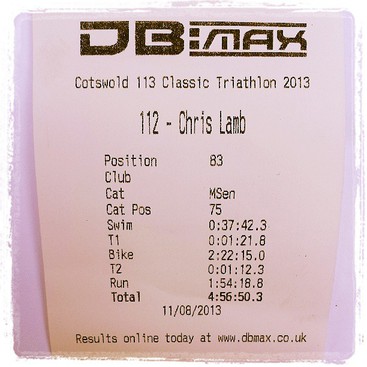
4:56:50
Writing this the day after the race, I am still a little unsure of how I feel. I am obviously extremely content that I reached my goal but given the volume and detail of preparation it was not a huge surprise to me on race day that I did so. This combined with the "real" work and progress being achieved throughout the training seems to have robbed the event of some element of triumph it could have had, but that in itself was somewhat expected. Where next? I had always dismissed the consensus view of needing to take a decent break after the season has ended but now I am looking forward to putting triathlon-specific training on hold for a while and explore other things. I highly doubt this will be my last triathlon though. https://chris-lamb.co.uk/wp-content/2013/cotswold_result.jpg (Full results)

6 April 2013

Chris Lamb: Thames Turbo Sprint Triathlon 2013 Race 1

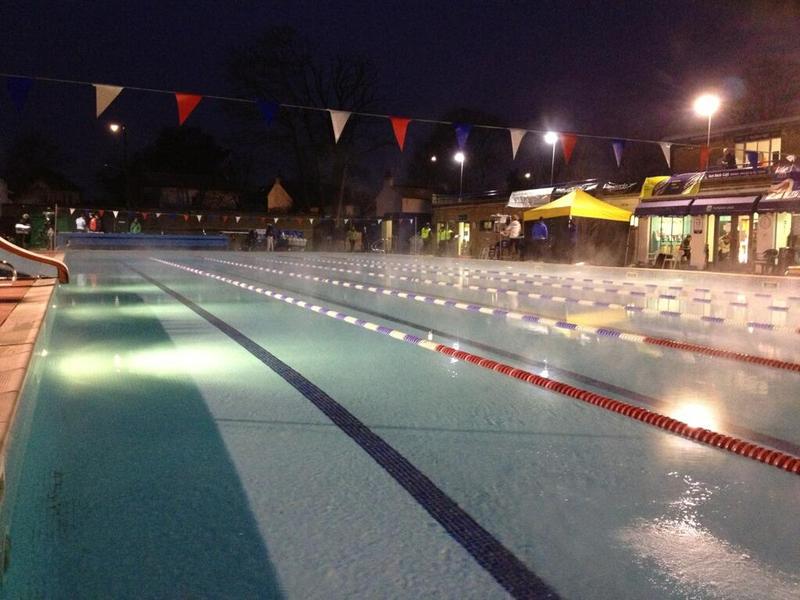
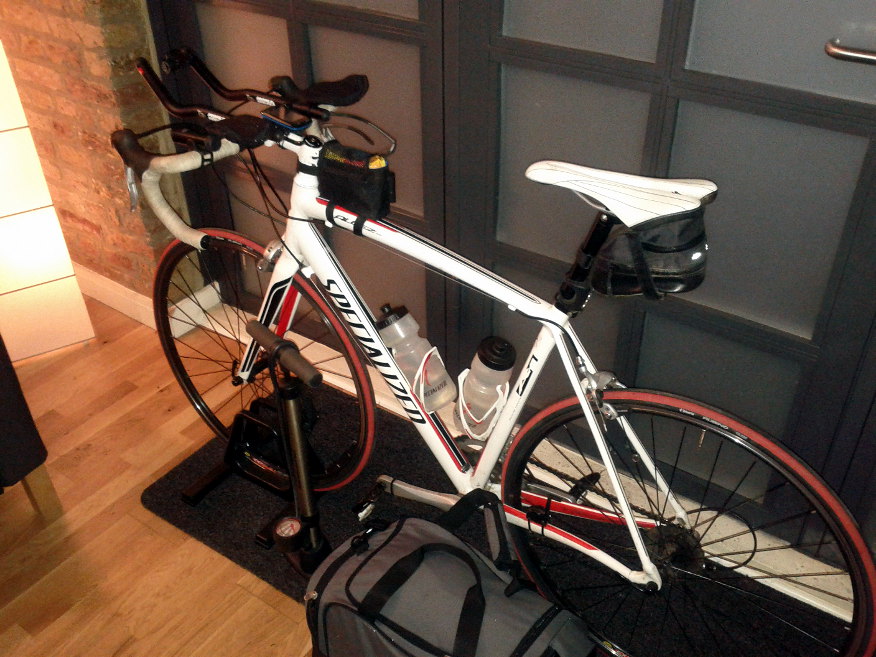
/wp-content/2013/hampton_wick_pool.jpg /wp-content/2013/bike_tt_01.jpg On Monday I took part in my first triathlon, a "sprint" distance race organised by Thames Turbo Triathlon Club.
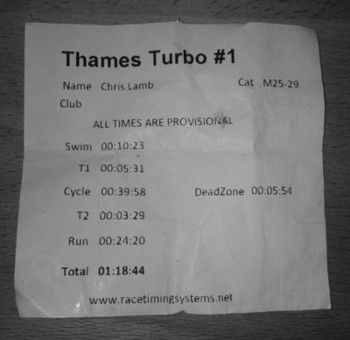
Swim
Distance
428m (+ pool exit chute)
Time
10:23 (2:26/100m)
I was glad to be given a low race number as it would reduce the time standing around 0 C in swimming gear. The 28 C heated pool was a welcome relief and I was quickly on my way, although perhaps overcooking it in the first half. Overall, I was quite pleased with my swim time as I had cut it by well over 50% during March; there are perhaps 1-2 minutes of fairly easy gains still to be made as well.
T1 (time: 5:32) Due to the cold temperature and forecast for snow, the race director insisted that competitors added extra layers covering their arms and torso on the bike. An additional "free" 5 minutes was also granted for T1 in order that clothing was not skipped in expense of time. I eventually wore a long-sleeve base layer, tights, a short-sleeved jersey, arm warmers and two pairs of gloves.
Bike
Distance
13.8 miles (+ mounting/demounting chutes)
Time
39:59 (19.5 mph)
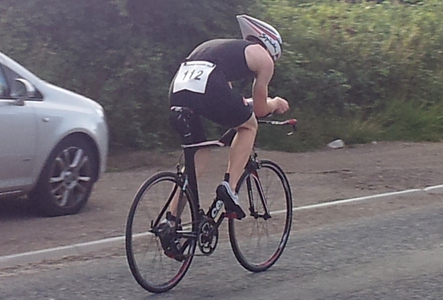
I overtook 10-15 riders in the first half of the bike leg, a couple of them even seeking me out to later to congratulate me on looking so fast. I was thus more than a little disappointed when I discovered my final bike split as I was hoping for at least a sub-39 minute time. Analysing my GPS later I can see my average speed was over 1.5mph slower in the second half, yet I cannot recall being limited by fatigue or headwind in the last 6 miles. I was either overly reliant on other riders to "reel in" during the first half (but had run out of people to catch in the latter stage) or I simply was not giving 100%.
T2 (time: 3:30) Leaving T2 I failed to start both my GPS and stopwatch correctly so I do not have splits of my time. I also did not pick up my running gloves resulting in distractingly cold hands in Bushy Park.
Run
Distance
5k
Time
24:21 (4:52/km)
Throughout the first kilometer my legs were extremely sluggish and I simply could not get them to do what I wanted - typical triathlon "brick legs". I did not know it at the time but I was also running up a slight but extended incline. I struggled to get to the 1k marker and briefly stopped to mentally regroup. I joined another runner a few moments later and we ran the rest of the 5k at a fairly easy pace. It's clear that the lack of serious brick workouts compromised my run time, as well as my inability to dial down the pace once it was clearly too optimistic. Knowing the elevation profile of the run should have adjusted my expectations too, leading to a better overall time.
Overall
Total time
1:18:44
Position
127/261
Position male
109/202
Position 25-29 male
16/25
Despite finishing just to the left of the overall bell curve, it is difficult avoid feeling disappointed with my time as it was hindered by well-documented and avoidable errors. The sub-optimal pacing throughout meant I still had something left "in the tank" at the end, adding to a general feeling of under-achieving on the way home. Preperation was also less than ideal - two days before the race I had twinged my back in a 70-mile reconnaissance ride (!) by overusing my clip-on bars although this only affected me mentally in the race. I additionally ate too much before and during the race in retrospect. Nevertheless, there must be some value in learning these lessons first-hand and and early on. /wp-content/2013/tt_1_times.jpg (Full results)

31 December 2012

Chris Lamb: 2012: Selected highlights

January Started cycling again. By the end of the year I had done 2,300 miles. (Strava profile) /wp-content/2012/highlights/01.png February Private concert at the British Museum of Haydn baryton trios for the annual winding of the Thomas Tompion Mostyn clock. /wp-content/2012/highlights/02.jpg March Zadok Baroque premiere concert, East Sheen. (review) /wp-content/2012/highlights/03.jpg April Belsize Baroque concert, Bloomsbury. /wp-content/2012/highlights/04.jpg May Lute concert, Greenwich. /wp-content/2012/highlights/05.jpg June Left Playfire. /wp-content/2012/highlights/06.jpg July/August YCombinator, California. /wp-content/2012/highlights/07.jpg September Renaissance viol weekend, West Sussex. /wp-content/2012/highlights/09.jpg October Moved house. /wp-content/2012/highlights/10.jpg November Battersea Park 5K. Ran 200 miles this year. /wp-content/2012/highlights/11.jpg December Beethoven Triple concerto, Cambridge. (more) /wp-content/2012/highlights/12.jpg

13 December 2012

Chris Lamb: Beethoven Triple Concerto

/wp-content/2012/beethoven_triple.jpg

21 August 2011

Chris Lamb: Timezone bingo in debian/changelog files

Tim pointed out that it's worth travelling simply for the new timezone in your debian/changelog entries. We can use AptFs to work out who has collected the most so far:
import os
import glob
import itertools
import collections
from dateutil.parser import parse
from debian.changelog import Changelog
data = collections.defaultdict(set)
for package in glob.glob('/apt/*'):
    if os.path.islink(package):
        continue # Consider source packages only
    try:
        changelog = Changelog(open('%s/debian/changelog' % package))
    except:
        continue # Ignore invalid changelogs
    for entry in changelog:
        try:
            data[entry.author].add(parse(entry.date).strftime('%z'))
        except ValueError:
            pass # Ignore invalid dates
fn = lambda x: len(x[1])
top = sorted(data.items(), key=fn, reverse=True)
for k, g in itertools.groupby(top, key=fn):
    print "\n%d timezone(s):" % k
    for author, timezones in sorted(g):
        print " * %s (%s)" % (
            author.encode('utf8', 'ignore'),
            ', '.join(sorted(timezones, reverse=True)),
        )
14 timezone(s):
 * Bdale Garbee <bdale@gag.com> (-0800, -0700, -0600, -0500, -0400, -0300,
   +1300, +1100, +1030, +0900, +0300, +0200, +0100, +0000)
12 timezone(s):
 * Joey Hess <joeyh@debian.org> (-1000, -0900, -0800, -0700, -0500, -0400,
   -0300, -0200, +0300, +0200, +0100, +0000)
11 timezone(s):
 * Paul Wise <pabs@debian.org> (-0400, -0300, +1300, +1100, +1000, +0930,
   +0900, +0800, +0200, +0100, +0000)
9 timezone(s):
 * Barak A. Pearlmutter <bap@debian.org> (-0700, -0600, -0500, -0400, +0500,
   +0300, +0200, +0100, +0000)
 * Martin Michlmayr <tbm@cyrius.com> (-1000, -0700, -0300, +1100, +1000,
   +0300, +0200, +0100, +0000)
 * Martin Pitt <mpitt@debian.org> (-0800, -0700, -0600, -0500, -0400, +0300,
   +0200, +0100, +0000)
 * Sam Hocevar (Debian packages) <sam+deb@zoy.org> (-0700, -0500, -0400, -0300,
   +0930, +0300, +0200, +0100, +0000)
Full output. However, something tells me we aren't going to see widespread gamification of Debian development.

12 August 2011

Chris Lamb: Careful what you wish for...

Via #241343:
* Package name    : apt-gentoo
  Version         : 0.0.1
* URL             : http://www-jcsu.jesus.cam.ac.uk/~mma29/apt-gentoo/
* License         : GPL version 2 or above
  Description     : enhanced package installation
 apt-gentoo enhances the Debian package installation experience to make
 it fully competitive with newly-popular source-based distributions.
 As packages are installed, apt-gentoo automatically downloads their
 build logs from the buildd network. The logs are then slowly scrolled
 past on the user's terminal to simulate building the software on the
 local machine.
 [..]
So, something like:
#!/usr/bin/env python
#
# Insert into /etc/apt/conf.d/50apt-gentoo:
#
# DPkg  
#         Pre-Install-Pkgs   "/path/to/apt-gentoo   true";  ;
#  ;
import time
import random
import urllib
import urllib2
import urlparse
import fileinput
from lxml import etree
from debian import debfile
for filename in fileinput.input():
    pkg_data = debfile.DebFile(filename.strip()).debcontrol()
    url = "https://buildd.debian.org/status/logs.php?%s" % urllib.urlencode( 
        'pkg': pkg_data['Package'],
        'ver': pkg_data['Version'],
        'arch': pkg_data['Architecture'],
     )
    html = etree.parse(urllib2.urlopen(url), etree.HTMLParser())
    link = html.xpath("//table[@class='data logs']//td[3]/a")
    try:
        fetch_url = urlparse.urljoin(
            'https://buildd.debian.org/status/',
            link[0].get('href'),
        )
    except IndexError:
        continue
    html = etree.parse(urllib2.urlopen(fetch_url), etree.HTMLParser())
    try:
        log = html.xpath('//pre')[0].text.split('\n')
    except IndexError:
        continue
    for line in log:
        print line
        time.sleep(random.random() * 0.09)
Package/source and example installation transcript.

1 August 2011

Chris Lamb: Monitoring Redis? Check last_save_time

As Redis writes to disk asychronously, it is not sufficient to monitor whether it is still listening to TCP/IP connections - you must check whether it is managing to persist the in-memory data to disk. However, as it is not currently possible to deterministically monitor the status of these background saves, we are limited to checking that the number of seconds since the last save has not exceeded some specific number. This is possible by using last_save_time which is available via the INFO command:
$ redis-cli info   grep last_save_time
last_save_time:1312045364
Checking for this has already saved me twice: once when my vm.overcommit_memory = 1 change was accidentally rolled back (see "Background saving is failing with a fork() error" in the Redis FAQ), and again when the machine simply did not have enough disk space. To monitor this with Nagios:
#!/usr/bin/env python
import sys
import time
import redis
def main(host, warning, critical):
    try:
        client = redis.Redis(host=host)
        last_save = time.time() - client.info()['last_save_time']
    except Exception, e:
        print "CRITICAL: %s" % e
        return 2
    ret = 0
    state = 'OK'
    for limit, state_, ret_ in (
        (int(warning), 'WARNING', 1),
        (int(critical), 'CRITICAL', 2),
    ):
        if last_save > limit:
            ret = ret_
            state = state_
    print "%s: Last dump was %d seconds ago" % (state, last_save)
    return ret
if __name__ == '__main__':
    sys.exit(main(*sys.argv[1:]))
The following invokation will trigger a warning when we haven't saved in an hour and become critical if we haven't saved within 24 hours. (If we cannot connect to the server we are immediately critical, so we avoid an extra check just for this.)
$ check_redis 127.0.0.1 3600 86400
This setup works well, although we are now monitoring a non-deterministic heuristic. To remedy this, Redis could expose background save failures in the INFO output (last_bgsave_status=fail, perhaps?). However, the treatment of previous contributions puts me off sending further patches.

31 July 2011

Chris Lamb: Sysadmin-friendly deployment of Gunicorn in Debian

Over the last 18 months Gunicorn has replaced mod_wsgi as the de facto container for deploying Django projects. However, whilst it was first uploaded to Debian in April 2010, it was not particularly sysadmin friendly. In particular, it required custom initscripts (or some other mechanism) to manage each Gunicorn instance. To improve that, you can now place multiple configuration files inside /etc/gunicorn.d:
# /etc/gunicorn.d/django.example: defaults are commented out
CONFIG =  
    'mode': 'django',
    'environment':  
        'PYTHONPATH': '/path/to/custom/python/packages',
     ,
    # 'working_dir': '/',
    # 'user': 'www-data',
    # 'group': 'www-data',
    'args': (
        # '--bind=127.0.0.1:8000',
        '--workers=4',
        # '--worker-class=egg:gunicorn#sync',
        # '--timeout=30',
       'settings',
    ),
 
All instances can then be restarted using:
$ /etc/init.d/gunicorn restart
Stopping Gunicorn workers: [example] [site_a] [site_b].
Starting Gunicorn workers: [example] [site_a] [site_b].
Sites using plain WSGI can use the wsgi mode - see /etc/gunicorn.d/wsgi.example.

30 July 2011

Chris Lamb: Optimising directory navigation with multiple terminals

This simple shell snippet has saved me countless keystrokes and mental context switches. It works on the assumption that most tasks are based in or around a single directory such as a Git working tree.
s()  
        pwd > ~/.saved_dir
 
i()  
        cd "$(cat ~/.saved_dir)"
 
I typically use it like this:
$ cd /srv/long/path/that/is/tricky/to/autocomplete
$ ls
one   two   three
$ s
(Switch to another terminal tab or GNU Screen window, etc.)
$ pwd
/home/lamby
$ i
$ pwd
/srv/long/path/that/is/tricky/to/autocomplete
$ ls
one   two   three
This saves me having to navigate or even think about navigating to the deeply nested directory.

Next.

Previous.