Activity summary
During the month of April, 21 contributors have been
paid to work on Debian LTS (links to individual
contributor reports are located below).
The team released 37 DLAs fixing 145 CVEs.
The team continued preparing security updates in its usual rhythm. Beyond the
updates targeting Debian 11 ( bullseye ), which is the current release under LTS,
the team also proposed updates for more recent releases (Debian 12 ( bookworm )
and Debian 13 ( trixie )), including Debian unstable.
We highlight several notable security updates here below.
Andrej Shadura prepared DLA 4525-1 for libyaml-syck-perl to fix a vulnerability related to a memory leak.
Andrej also prepared DLA 4551-1 for mbedtls to fix a leak of secrets.
Arnaud Rebillout prepared DLA 4532-1 for python3.9 to fix a use-after-free issue in several decompressors.
Arnaud also prepared DLA 4533-1 for systemd to fix multiple vulnerabilities, which might be also used to execute arbitrary code.
Bastien Roucari s prepared DLA 4529-1 for bind9 to fix a DNSSEC issues, which can cause the resolver to consume excessive CPU.
Bastien also prepared DLA 4539-1 for imagemagick to fix 21 vulnerabilities.
Emilio Pozuelo Monfort prepared DLA 4535-1 for openssh to fix a potentially execution of arbitrary code.
Jochen Sprickerhof prepared DLA 4524-1 for postgresql-13 to fix multiple vulnerabilities, which might be also used to execute arbitrary code.
Sylvain Beucler prepared DLA 4538-1 for perl to fix unauthorized access to data or arbitrary code execution.
Thorsten Alteholz prepared DLA 4545-1 for packagekit to fix a local privilege escalation.
Thorsten also prepared DLA 4544-1 for ntfs-3g to fix a local privilege escalation.
Tobias Frost prepared DLA 4521-1 for libpng1 to fix multiple vulnerabilities, which might be also used to execute arbitrary code.
Contributions from outside the LTS Team:
As usual, the thunderbird updates, released as DLA 4534-1 and DLA 4549-1, were prepared by its maintainer Christoph Goehre. This month 28 CVEs has been fixed. Thanks a lot for his continuous contributions. The DLAs have been sent by Emilio.
Thanks alot as well to Mathias Behrle for providing DLA 4543-1 for package simpleeval. The DLA has been sent by Santiago.
The LTS Team has also contributed with updates to the latest Debian releases:
Andreas Henriksson completed the upload of gvfs for trixie and bookworm
Ben Hutchings did uploads of several kernel packages to unstable and the corresponding backports repositories.
Sylvain took care of uploads of awstats to trixie and bookworm. He also did the same for 7zip-rar with an upload to bookworm-backports).
Some milestones in the lifecycle of two Debian releases are just around the corner. The support of Debian 12 will be handed over to the LTS team on June 11th 2026. After August 31st, support for Debian 11 will move from Debian LTS to ELTS managed by Freexian.
I have done some packaging work on Amazfish (the smart-watch software that works with the PineTime among others) for Debian. Here is my Git repository for libnemodbus (a dependency for Amazfish that isn t in Debian) [1]. Here is my Git repository for Amazfish itself [2].
These packages are currently using QT5 which is a good reason to not upload them now as the transition to QT6 is in progress. Patching them to work with QT6 (as the libnemodbus upstream is apparently not migrating to QT6 yet) shouldn t be that difficult but is something that needs some care and communication to get it right.
Running this package on my laptop with my PineTime (which worked very reliably when run by GadgetBridge on Android) wasn t reliable and the PineTime would disconnect and refuse to connect again. Doing it on the Furilabs FLX1s gave a similar result. If Amazfish was the only Bluetooth program having problems on my laptop and on my FLX1s then I d blame it, but both those systems have some other Bluetooth issues.
Running this on my laptop Amazfish would send it s own test notifications to my watch but system notifications (from notify-send among others) wouldn t get sent. Running this on my FLX1s I got ONE notification from my network monitoring system sent to my watch before my phone and watch stopped talking to each other.
To make things even more difficult for me the harbour-amazfish-ui program doesn t work correctly with the libraries installed on my FLX1s and doesn t display the content of many screens but it works correctly when running in a container environment with stock Debian/Testing.
Below is the script that I m currently using to launch apps in a Debian/Testing container on my FLX1s. The comment about unshare-user doesn t apply to this version of the script but I left it in to avoid the potential for future confusion. The Furilabs people diverted the bwrap binary and have a wrapper that removes a set of parameters that they think will cause problems.
#!/bin/bash
set -e
BUILDBASE=/chroot/testing
# bwrap: Can't mount proc on /newroot/proc: Device or resource busy
# get the above with --unshare-user and --unshare-pid
exec bwrap.real --bind /tmp /tmp --bind /run /run --bind $HOME $HOME --ro-bind $BUILDBASE/etc /etc --ro-bind $BUILDBASE/usr /usr --ro-bind $BUILDBASE/var/lib /var/lib --symlink usr/bin /bin --symlink usr/sbin /sbin --symlink usr/lib /lib --proc /proc --dev-bind /dev /dev --die-with-parent --new-session "$@"
Due to the range of problems I m having I think it would be best to pass this package on to someone else who has a different test setup. It could be that further testing will reveal that my issues are related to bugs in Amazfish but I can t prove it either way at this time. Maybe when using a smart watch other than a Pine Time it will work more reliably but it seems most likely that my laptop and phone are to blame. I can t make more progress on this now.
I ve had some problems running apps I want on my Furilabs FLX1s [1], so I decided to install some container environments to test various versions. I started with Debian/Testing so I can test the build process for some packages I m about to upload to Unstable.
Systemd Issues
When running debootstrap testing testing to setup the chroot the process aborted with errors including the following from the systemd postinst:
Failed to enable units: Protocol driver not attached.
Cannot open '/etc/machine-id': Protocol driver not attached
This turned out to be from trying to run systemctl in the postinst, I just removed the set -e line from /chroot/testing/var/lib/dpkg/info/systemd.postinst and kept on going (I m not planning to actually use systemd so it s failure to setup wasn t a problem).
Then I installed a bunch of -dev packages needed to build my package which had a dependency chain that included udev leading to the following error:
Setting up udev (260.1-1) ...
Failed to chase and open directory '/etc/udev/hwdb.d', ignoring: Protocol driver not attached
Failed to chase and open directory '/usr/lib/udev/hwdb.d', ignoring: Protocol driver not attached
Udev is also a part of systemd.
Googling for this turned up a closed systemd bug about this indicating that it has a minimum kernel version of 5.10 [2]. The Furiphone has kernel 4.19.325-furiphone-radon due to being based on Android.
Checking the kernel version isn t that hard to do, if the systemd programs in question checked the version and reported can t run on kernels prior to 5.10 then it would avoid a lot of confusion and also bug reports that the systemd developers don t want.
Some Debian package dependencies can probably do with revision. Installing the packages libkdb3-dev libkf5archive-dev qtdeclarative5-dev qtpositioning5-dev qttools5-dev ideally wouldn t have a dependency chain leading to udev.
The Furilabs people appear to have patched the latest Debian version of systemd to work with the older kernels, the version is currently 260.1-1+furios0+git20260425023744.8401044.forky.production.
Compile Times
I got this working by just editing every postinst script and either removing the set -e or adding an exit 0 at the top, I don t need things to be configured properly for a running OS I just need the files in the right locations for a container.
One issue I discovered when I started compiling is that it was only running on 1 core and the nprocs program was returning 1 . The lscpu program showed that only 1 of the 8 cores was online, it was a single Cortex-A78 core. Some combination of putting it in caffeine mode and having the screen on enabled all 6*Cortex-A55 and 2*Cortex-A78 cores.
The below table compares compiling Harbour-Amazfish on the Furiphone with all 8 CPU cores active, my E5-2696 v4 workstation (almost the fastest socket 2011-3 CPU ever made), running ARM64 software emulation on a system with two E5-2699A v4 CPUs, and a Radxa 8 core ARM SBC (which I will review in a future blog post).
Given that the source apparently limits the parallelism to less than 7 cores on average it s pretty impressive for the elapsed time to be only 2.5* longer on the phone. Emulating the ARM64 build at about 4* the system CPU time is impressive too, as the system has 4.5* as many CPU cores it could theoretically compile ARM code faster than the native ARM hardware I own for any project that uses enough cores.
Review: Full Speed to a Crash Landing, by Beth Revis
Series:
Chaotic Orbits #1
Publisher:
DAW
Copyright:
August 2024
ISBN:
0-7564-1947-6
Format:
Kindle
Pages:
153
Full Speed to a Crash Landing is a science fiction novella and the
first of a series. Beth Revis made the New York Times bestseller list for
an earlier series of young adult science fiction novels, but somehow I had
not heard of her before this series.
Ada Lamarr is a salvager. She picks up material from crashed or dead ships
for resale. As the story opens, she has a large hole in the side of her
ship, she's running out of oxygen, and the other ship nearby is refusing
to answer her distress call. By the time they finally respond, there is
barely enough time to get aboard before she is entirely out of air.
Ada's first-person narration drops hints that she may not be entirely what
she seems. But then, neither is the Halifax, so it's only fair.
The captain of the Halifax treats Ada with a great deal of
suspicion and wants her out of the way of their ongoing salvage operation.
However, the captain does not appear to be entirely in charge. Ada is
immediately struck by the mysterious Rian White, who seems to have some
authority over their mission and is more thoughtful and calculating than
the rest of the crew. He's also handsome, which doesn't hurt.
I was tempted to keep writing about the plot, but given the short length
of this book, I should stop there and let you enjoy the twists and turns
for yourself. This is a fun science fiction action romp: lots of banter,
lots of tense moments, and a cagey first-person protagonist with an
irrepressible sense of humor and a knack for brazening her way through
conversations. It's not long on world-building (there isn't enough room),
but Revis works in enough details to be intriguing and to set up some
interesting motivations.
This is the sort of book that lives and dies by how much you like the
protagonist, something that you will easily figure out by the end of an
ebook sample if you're the sort of reader who uses those. Ada is
irreverent, talkative, and very adroit at diverting attention
(entertainingly) onto anything other than the critical piece of
information other people are missing. If you want to, I suspect you could
easily figure out most of what Ada is up to before the book reveals it
explicitly. It's not that complicated, and the book isn't really trying to
hide, although it doesn't give you all the necessary information in
advance. Personally, I was happy to sit back and enjoy the ride.
There is no romance in this book beyond frequent comments from Ada that
she would have liked there to be a romance in this book under different
circumstances, but I will be surprised if that romance doesn't show up
later in the series. Ada and Rian are clearly being set up as a pair. I
didn't like Rian as much, mostly because he's less memorable as a
character, but he comes into his own in the appendices after the plot
proper.
I thought those concluding appendices were the best part of the novella
and question the Kindle formatting decision to treat them like
supplemental material. They purport to be a series of government memos,
fill in a lot more of the backstory and world building, and have the best
footnotes. Don't skip them!
This isn't the sort of book that I am inspired to immediately push into
everyone's hands, but it's a fast, well-paced story that delivered a few
reading sessions of entertainment. I'm not sure the political philosophy
in the background makes a lot of sense, but at least not a standard
stereotype of current politics seen in so much science fiction. It's going
to set up some interesting character conflict in later books. I'm
certainly intrigued enough to keep reading.
Recommended when you're in the mood for some fast-paced fun that's short
and undemanding.
Followed by How to Steal a Galaxy.
Rating: 7 out of 10
How to build
reverse dependencies using Salsa CI
Last week, I attended MiniDebConf Campinas, and one of my favorites
talks was "Salsa CI,
showing features that almost nobody knows" by Aquila Macedo.
One of the things I learned is that we can easily build reverse
dependencies using:
If I had been patient, it would have saved me time. One such instance
is following.
From my early blogs, you might know I am using mutt to do email. Just
after I get along with mutt, I started using notmuch. Because limit
search in mutt is always a pain when you have multiple folders. And
what better tool out there than notmuch-mutt to bind both these.
notmuch-mutt provide three macros by default.
One for search, one for reconstructing threads and one for
manipulating tags, which I missed.
Now my impatient part. I have already mapped f6 for my folder
movements and in my initial days of notmuch, I only use just search.
So I never cared about the f6 macro provided by notmuch-mutt. As time
goes by I got very comfortable with notmuch. I was stretching my
notmuch legs. I started to live more on notmuch search results
date:today tag:unread than more on the mutt index. To the problem,
since notmuch-mutt dump all results to a temp maildir location, can t
perform flag changes back to the original maildir which was annoying,
because we need to distinguish what mail you read and what not when
you subscribed to most of all debian mailing list.
I was under the impression that, the notmuch-mutt is not capable of
doing so and I just went like that without checking docs. I started
doing all crazy hack to sync these maildirs.
I even started reading notmuch-mutt codebase.
Later, I settled on notmuch-vim. Cause I can manipulate flags sync
back from notmuch to maildir.
And while searching for something, I accidentally revisited the the
the notmuch-mutt macro page and saw the tag manipulation. I was like
:( .
If I read about the third macro patiently when added that to config,
I could ve saved time by not doing ugly hacks around it.
I think I learned my lesson.
On the 7th of September 2025, my friend Dione and I had a day trip to Vienna the capital of Austria. We were attending a conference in Budapest, Hungary, which is 250 km from Vienna. So, it was a good opportunity to visit Vienna.
We took a morning train from Budapest to Vienna and got back to Budapest by night. However, booking these tickets turned out to be a bit complicated. There were many websites to book the train ticket Hungarian Railways, Austrian Railways, and third-party sites such as Omio. All these websites had different prices for the same ticket.
I booked the tickets from the Hungarian Railways website as it was the cheapest. The train from Budapest to Vienna was 13, operated by Eurocity. Also, I had to pay 2 for the seat reservation on top. The train from Vienna to Budapest operated by Railjet was 21, along with 2 extra for reservation again making it 23. The tickets for the two-way journey added up to 38.
The cost of these tickets varied depending on when one purchses them: the sooner you purchase, the lower the price. I bought my tickets 15 days ahead of the date of journey and paid just 38. In contrast, Dione booked just one day before her trip and paid around 100 for her tickets.
As for the seat reservation, long-distance trains in Europe usually require paying extra for the seat reservation. This ensures that you get your preferred seat, such as a window seat or an aisle seat. Nevertheless, you will get a seat on long-distance trains because they do not sell more tickets than there are seats. Therefore, you will get a seat without reservation as well. However, we reserved our seats so that we can sit together. This helped us more in the return part of the journey from Vienna to Budapest which was more crowded than the train we took from Budapest to Vienna in the morning.
On another note, reservation is mandatory on some trains in Europe, but ours wasn t one of them. In addition, people also use rail passes, so an extra charge is required on top for reserving the seats for pass holders. On the other hand, local trains do not require seat reservations in general.
Our train s scheduled departure was at 08:55 from the Budapest Kelenfold station. We reached the train station 40 minutes before the train s scheduled departure. The Kelenfold station had free Wi-Fi, which was handy because I didn t have a local SIM.
A departures board at Budapest Kelenfold station. Photo by Ravi Dwivedi, released under CC-BY-SA 4.0.
This is platform number 15 of Budapest Kelenfold station where we boarded our train. Photo by Ravi Dwivedi, released under CC-BY-SA 4.0.
Our train arrived on time. I tried to find our coach number but could not find the numbers written anywhere on the side of the coach. Luckily, we were helped by a fellow passenger who directed me to look at the doors, where the numbers were mentioned clearly!
Then we got into our compartment and took our respective seats. Our tickets were checked twice - once while the train was in Hungary and the other when in Austria. Showing the PDF of the train ticket on our mobile to the ticket inspector was good enough for the purpose. Austria and Hungary are a part of the open transit Schengen area, which means this was the extent of the border control checks we had to go through.
Interior of our Budapest to Vienna train. Photo by Ravi Dwivedi, released under CC-BY-SA 4.0.
The train also had free Wi-Fi, albeit with poor connection at times. There were no eatery options inside the train.
We deboarded at the Wien Hauptbahnhof station in Vienna. The journey was 250 km and took 2.5 hours, reaching Vienna at 11:25, which was the scheduled time.
This blue colored train was the one we took for our Budapest to Vienna journey. Photo by Ravi Dwivedi, released under CC-BY-SA 4.0.
An BB train standing at a platform of Vienna train station. BB is the national carrier of Austria. Photo by Ravi Dwivedi, released under CC-BY-SA 4.0.
Wien Hauptbahnhof train station. Photo by Ravi Dwivedi, released under CC-BY-SA 4.0.
At the station, we bought a 24-hour public transport pass from a ticket machine for 8. The pass includes unlimited access to all the public transport in Vienna for 24 hours. My pass was valid from the 7th of September at 11:34 to the 8th of September at 11:33. A single public transport ticket (from anywhere to anywhere) costs 2.4. A single ticket of 2.4 can be used once on any public transport in Vienna trams, metros, and buses.
Therefore, the pass is a good deal if you are going to take at least four public transport trips in a day. Unlike the public transport pass I got in Budapest, the pass in Vienna was anonymous and not tied to the rider s name.
My public transport pass in Vienna.
We wanted to visit the Sch nbrunn Palace. The palace was reachable by subway. In order to get to the subway station, we started by going outside the station. But it was not outside. So we came back inside the station building and realized that the subway was underground.
We took the subway and deboarded at the Sch nbrunn subway station the closest one to the palace. The ride was smooth; the train was pretty silent.
By the way, like Budapest, there were no AFC gates for boarding the subway in Vienna. The stations had ticket validators instead, where you are supposed to validate your tickets before getting into the subway.
Instead of AFC gates, Vienna has ticket validators as in the picture. You need to tap your ticket in the validator before boarding the subway. Photo by Ravi Dwivedi, released under CC-BY-SA 4.0.
These validators are in place to ensure that you use your ticket only once. Unlike AFC gates, which are present in metros of most of the countries I have been to, the ticket validators don t act as a physical barrier to enter the boarding area.
If you board the metro without validating your ticket, you will be facing hefty fines upon getting caught. I have heard that the fine is around 100. On the other hand, if you have a public transport pass like we did, then you don t need to validate it before boarding.
In addition, there were no annoying security checks either, unlike in Indian cities. In the Delhi metro, for example, you would need to scan your bags and pass through a security check before getting to the AFC gates.
Vienna subway. Photo by Ravi Dwivedi, released under CC-BY-SA 4.0.
Now back to the story, after alighting at the Sch nbrunn subway station, we walked to the Sch nbrunn Palace. One can roam around outside the palace and click pictures for free. To go inside, however, requires buying tickets. The tickets for the palace can be booked in advance on the internet. We didn t take the tickets in advance, as we decided to visit the palace at the last moment.
So we went to the ticket counter and found out that we needed to wait for 1 hour 40 minutes before going inside if we took the tickets at that moment. In addition, one ticket costs 44 (around 4000 Indian rupees). Since we had to return to Budapest in the evening and only had a few hours in the city, we decided not to go inside the palace. Instead, we clicked a few pictures outside the palace.
Sch nbrunn Palace. Photo by Ravi Dwivedi, released under CC-BY-SA 4.0.
The Sch nbrunn Palace is a UNESCO World Heritage Site and is a historically significant place. It servedas one of the residences of the powerful Habsburg dynasty. The palace looked so good that my friend Dione said, It seemed like the palace was built yesterday . This remark applied to other parts of Vienna we went to. For example, the subway stations also seemed like they were built yesterday.
A street near Sch nbrunn Palace. Photo by Ravi Dwivedi, released under CC-BY-SA 4.0.
Now, we wanted to go someplace to grab a bite. I asked my friend Urbec for suggestions on where to go. They suggested we visit the steps named Strudlhofstiege, which had the added benefit of being in a neighborhood with good bakeries and buildings.
So, we took the subway and deboarded at the Ro auer L nde station, followed by walking around a kilometer to reach the stairs.
Ro auer L nde subway station. Photo by Ravi Dwivedi, released under CC-BY-SA 4.0.
Platform of the Ro auer L nde subway station. Photo by Ravi Dwivedi, released under CC-BY-SA 4.0.
The The Strudlhofstiege steps. Photo by Ravi Dwivedi, released under CC-BY-SA 4.0.
On the way, we were also looking for a place to eat. Unfortunately, it was Sunday, and Vienna closes on Sunday. That means most of the shops including bakeries and caf s are closed. Only places like railway stations have shops open on Sundays.
By the way, walking around in the streets of Vienna was a treat. The streets were not crowded (as it was not exactly a touristy neighborhood) and had good pedestrian infrastructure, with clean streets and separate cycling tracks. The buildings were also beautiful.
A random street in Vienna.
Another street in Vienna.
After some walking, we found a restaurant open. I grabbed the menu to check the prices. A lady at the shop asked me what I was doing, and I told her that I was browsing the menu. She said that the menu was in German. I don t know how she knew that we didn t know German, but it seemed like a racist thing to be told.
We roamed around further and found a caf by the name of Blue Orange, where we ordered coffee and croissants. When we got our order, the waiter told us that they were having some issues, so they wouldn t charge us for the croissant if it wasn t good.
A picture of Blue Orange caf . Photo by Ravi Dwivedi, released under CC-BY-SA 4.0.
My friend and I took a bite, and both of us didn t like the croissant. After some time, the waiter came to us and asked whether the croissant was okay, to which we said no. Therefore, they didn t charge us for the croissant. This was the first time something like this happened to me. It felt like I was in a different world. I added a small tip at the end for this gesture, which I had to put in a jar at the counter.
The cappuccino I ordered was 4.50, while the espresso that Dione ordered was 3.60. The croissant would have been 3.60. I remember Paris having cheaper croissants!
Then when the waiter brought our drinks out, they automatically gave me the espresso and Dione the cappuccino. Dione found this funny because there is a stereotype in her country (Australia) that men drink strong black coffee, and women drink milky drinks like cappuccinos. She found it interesting that this stereotype seems to exist in Austrian culture too.
We hopped on a tram to reach the nearest subway station and went to the Wien Hauptbahnhof station to have something before we caught our return train to Budapest.
Trams in Vienna. Photo by Ravi Dwivedi, released under CC-BY-SA 4.0.
At the station, I had Esterhazyschnitten and Punschkrapfen (thanks, Urbec, for the suggestion). The lady at the shop warned me that punschkrapfen had alcohol in it, to which I said okay.
Esterhazyschnitten was a cake made of almonds, while punschkrapfen was a jam-filled sponge cake, soaked in rum. Esterhazyschnitten was my favorite out of the two. The punschkrapfen was too sweet for my taste.
Punschkrapfen. Photo by Ravi Dwivedi, released under CC-BY-SA 4.0.
Esterhazyschnitten. Photo by Ravi Dwivedi, released under CC-BY-SA 4.0.
While the station was well-built, there were a couple of things about the Wien Hauptbahnhof station that we didn t like. There were no seats inside the station, so we had to eat outside the building. Also, the toilets needed to be paid for. It costs 50 cents to use the toilets at this station.
The Vienna train station had departure boards all over the place. So, we went to the platform our train was to arrive on.
Departure boards in Vienna displaying information about the trains. Photo by Ravi Dwivedi, released under CC-BY-SA 4.0.
Platform and tracks at Wien Hauptbahnhof station. Photo by Ravi Dwivedi, released under CC-BY-SA 4.0.
When our train arrived, we had some difficulty locating our compartment. This train was operated by a different company (Railjet) than the one we took in the morning (Eurocity) from Budapest to Vienna, and we were able to locate the coach numbers using the digital board at the station. Each compartment had a digital board next to it on the station displaying the coach number. However, that wasn t the problem. Even after reading the coach numbers and trying to find ours, it didn t appear where we expected in the sequence.
When we were not able to find our coach for a while, we asked a ticket inspector of the train who was standing on the platform. He directed us towards the front side of the train. So we started running to the front side as we didn t know how long the train stops.
As we ran toward our coach, we found out that the engine of the back train was connected with the last compartment of the train at the front. At that point, we realized that the train was a combination of two trains. At a later station, the train on the back side parted ways and went towards Vienna Airport.
Interior of the train we took from Vienna to Budapest. Photo by Ravi Dwivedi, released under CC-BY-SA 4.0.
This is the train we took for our return journey from Vienna to Budapest. It is standing on a platform in Budapest Kelenfold station. Photo by Ravi Dwivedi, released under CC-BY-SA 4.0.
We had a smooth journey and reached Budapest a couple of hours later.
Vienna is a beautiful city; we enjoyed being there, and we would like to visit the city again!
That s it for now. Signing off. See you in the next one!
Credits: Thanks to Dione and Badri for proofreading.
In September 2025, I attended the LibreOffice Conference in Budapest, Hungary, on the 4th and the 5th, and a community meeting on the 3rd. Thanks to The Document Foundation (TDF) for sponsoring my travel and accommodation costs. The conference venue was Faculty of Informatics, E tv s Lor nd University (ELTE).
The conference was planned to be held from the 4th to the 6th, but the program for the 6th of September had to be canceled due to the venue being unavailable because of a marathon in Budapest. So, all the talks got squeezed into just two days, making the schedule a bit hectic.
The TDF had booked my room at the Corvin Hotel. It was a double bedroom with a window. The breakfast was included in the hotel booking. The hotel was walking distance from the conference venue. One could also take a tram from the hotel to reach the venue.
A shot of my room. Photo by Ravi Dwivedi, released under CC-BY-SA 4.0.
A tram in Budapest. Photo by Ravi Dwivedi, released under CC-BY-SA 4.0.
3rd of September
On the 3rd of September, we had a community meeting at the above-mentioned venue. I walked with my friend Dione to the venue. Upon reaching there, I noticed that the university had no boundaries and gates. This reminded me of the previous year s conference venue in Luxembourg, which also had no boundaries or gates.
In contrast, Indian universities and institutes typically have walls and gates serving as boundaries to separate them from the rest of the city. Many of these institutes also have security guards at the entrance, who may ask attendees to present proof of admission before allowing them inside. I was surprised to find that institutes in Europe, like the one where the conference was held, did not have such boundaries.
The building where the conference was held was red, which happened to be the same color as the building for the previous year s conference venue. I remember joking with Dione that the criteria for the conference venue might have been the color of the building.
The red building in the picture served as the conference venue. Photo by Ravi Dwivedi, released under CC-BY-SA 4.0.
During the community meeting, we shared ideas on how to spread the word about LibreOffice. The meeting lasted for a couple of hours.
After the community meeting, we went to the hotel for dinner sponsored by the TDF.
These Esterh zy cake bites were really yummy. Photo by Ravi Dwivedi, released under CC-BY-SA 4.0.
Raspberry Currant cake slices. Photo by Ravi Dwivedi, released under CC-BY-SA 4.0.
4th of September
On the first day of the conference, attendees were given swag bags containing a pad, sticky notes, a pen, a conference T-shirt, and a bottle.
Conference swag. Photo by Ravi Dwivedi, released under CC-BY-SA 4.0.
The talks started early in the morning with Eliane Domingos, Chairperson of TDF s Board of Directors, giving the inauguration talk. As always, I found Italo Vignoli s talk on the importance of document freedom interesting.
During the snack break, I noticed that there were three types of milk available for coffee: cow s milk, lactose-free milk, and almond milk. Almond milk is rare in India, but I have managed to get it, but I have never seen lactose-free milk in India.
Since I run fundraisers in my projects, such as Prav, I could relate to Lothar K. Becker s talk. He discussed the issue that certain implementations in LibreOffice require a budget that is too large for any single interested entity to fund independently. Furthermore, The Document Foundation (TDF) cannot legally receive funds from government entities. Therefore, there is no organization or entity to pool resources from all the interested entities to finance the implementation.
Lothar giving his presentation. Photo by Ravi Dwivedi, released under CC-BY-SA 4.0.
Another talk was by the Austrian Armed Forces on their migration to LibreOffice. I wanted to know why they migrated, and I found out that they did it for their digital sovereignty, and not for saving on the license costs. Another point presented in the talk was that LibreOffice is available on all the operating systems, while the Microsoft Office suite is not that widely available. The migration was systematic and was performed over a few years. They started working on it in 2021, and the migration was finished recently. In addition, it also required training their staff in using LibreOffice.
Presentation on migration to LibreOffice by Austrian Armed Forces. Photo by Ravi Dwivedi, released under CC-BY-SA 4.0.
The lunch was inside the university canteen. We were provided lunch coupons by the TDF. I got a vegan coupon with 4000 Ft written on it, which meant I could take lunch for up to 4000 Hungarian forints.
My lunch ticket for the conference. Photo by Ravi Dwivedi, released under CC-BY-SA 4.0.
The lunch I had on the first day. Photo by Ravi Dwivedi, released under CC-BY-SA 4.0.
During the evening, it was my turn for the presentation. I was done with preparing my slides ten days before my talk. I also got my slides reviewed by friends.
My talk was finished in 20 minutes, while I was given a 30-minute slot. This helped us catch up on the schedule. Furthermore, I made my talk interactive by asking questions and making sure that the audience was not asleep. During my talk, my friend Dione took my pictures with my camera.
My talk was on how free software projects could give users a say in freedom to modify the software. I illustrated this using the Prav project that I am a part of.
After the talks were over, we were treated to a conference dinner at Trofea Grill. It had a great selection of desserts, which helped me sample some Hungarian desserts. The sponge cake was especially good.
Desserts at Tofea Grill. Photo by Ravi Dwivedi, released under CC-BY-SA 4.0.
5th of September
The next day the 5th of September I went with Dione to the venue early in the morning, as her talk was the first one of the day. Her talk was titled Managing Tasks with Nextcloud Deck. Later that day, I also attended a talk on Collabora. At lunch, I found the egg white salad quite tasty.
Dione giving her presentation. Photo by Ravi Dwivedi, released under CC-BY-SA 4.0.
Egg white salad. Photo by Ravi Dwivedi, released under CC-BY-SA 4.0.
After the lunch break, we had the conference group photo. I had a Nikon camera, which we used to take the group photo. I requested a university student to take our group photo and also taught her how to operate the camera.
Group photo
By the evening, the conference ended, after which we went to a pub, which was again sponsored by TDF. I had beer, but that one really tasted bad, so I couldn t finish it. The only vegetarian option was goat cheeseburger, which my friend Manish and I opted for. The burger tasted awful. Apparently, I don t like goat cheese.
The next day I went sightseeing with Dione in Budapest. Stay tuned for our adventures!
Credits: Thanks to Dione and Richard for proofreading.
Collision Course is the sixth novel in the Class 5 science fiction
series and the first that doesn't use the Dark X naming convention.
There are lots of spoilers in this story for the earlier books, but you
don't have to remember all the details of previous events. Like the
novella, Dark Ambitions, this novel
returns to Rose, Sazo, and Dav instead of introducing another Earth woman
and Class 5 ship.
In Dark Class, Ellie discovered an
interesting artifact of a previously-unknown space-faring civilization.
Rose, Sazo, and Dav are on their way to make first contact when, during a
routine shuttle flight between the Class 5 and Dav's Grih military ship,
Rose is abducted. The aliens they came to contact have an aggressive,
leverage-based negotiating strategy. They're also in the middle of a
complicated war with more sides than are readily apparent.
What I liked most about Dark Horse, the
first book of this series and our introduction to Rose, was the revealed
ethical system and a tense plot that hinged primarily on establishing
mutual trust when there were excellent reasons for the characters to not
trust each other. As the series has continued, I think the plots have
become more complicated but the ethical dilemmas and revealing moments of
culture shock have become less common. That is certainly true of
Collision Course; this is science fiction as thriller, with a
complex factional conflict, a lot of events, more plot reversals than the
earlier books, but also less ethics and philosophy.
I'm not sure if this is a complaint. I kind of miss the ethics and
philosophy, but Diener also hasn't had much new to say for the past few
books. The plot of Collision Course is quite satisfyingly twisty
for a popcorn-style science fiction series. I was kept guessing about the
merits of some of the factions quite late into the book, although
admittedly I was in the mood for light entertainment and was not trying
too hard to figure out where the book was going. I did read nearly the
entire book in one sitting and stayed up until 2am to finish it, which is
a solid indication that something Diener was doing worked.
I do have quibbles, though. One is that the ending is a bit unsatisfying.
Like Sazo, I was getting quite annoyed at the people capturing (and
recapturing) Rose and would have enjoyed somewhat more decisive
consequences. Also, and here I have to be vague to avoid spoilers, I was
expecting a bit more of a redemption arc for one of the players in the
multi-sided conflict. The ending I did get was believable but rather sad,
and I wish Diener had either chosen a different outcome (this is light
happily-ever-after science fiction, after all) or wrestled more directly
with the implications. There were a bit too many "wait, one more thing"
ending reversals and not quite enough emotional payoff for me.
The other quibble is that Collision Course was a bit too damsel in
distress for this series. Rose is pregnant, which Diener uses throughout
the book as a way to raise the stakes of the plot and also make Rose more
annoyed but also less capable than she was in her earlier novel. Both Sazo
and Dav are in full heroic rescue mode, and while Diener still ensures
Rose is primarily responsible for her own fate, there is some "military
men attempt to protect the vulnerable woman" here. One of the things I
like about this series is that it does not use that plot, so while the
balance between Rose rescuing herself and other people rescuing her is
still tilted towards Rose, I would have liked this book more if Rose were
in firmer control of events.
I will mostly ignore the fact that a human and a Grih sexually reproducing
makes little to no biological sense, since Star Trek did similar
things routinely and it's an established genre trope. But I admit that it
still annoys me a bit that the alien hunk is essentially human except that
he's obsessed with Rose's singing and has pointy ears. Diener cares about
Rose's pregnancy a lot more than I did, which added to my mild grumpiness
at how often it came up.
Overall, this was fine. I prefer a bit more of a protagonist discovering
how powerful she is by making ingenious use of the ethical dilemmas her
captors have trapped themselves in, and a bit less of Rose untangling a
complicated political situation by getting abducted by every player
serially, but it still kept the pages turning. Any book that is
sufficiently engrossing for me to read straight through is working at some
level. Collision Course was highly readable, undemanding, and
distracting, which is what I was looking for when I read it. I would put
it about middle of pack in the series. If Rose's pregnancy is more
interesting to you than it was to me, that might push it a bit higher.
If you have gotten this far in the series, you will probably enjoy this,
although it does feel like Diener is running out of new things to say
about this universe. That's unfortunate given the number of threads about
AI sentience and rights that could still be followed, but I think tracing
them properly would require more philosophical meat than Diener intends
for these books. Which is why the next book I grabbed was a Culture novel.
Currently this is the final book in the Class 5 series, but there is no
inherent reason why Diener couldn't write more of them.
Rating: 7 out of 10
It started with a thought: to understand people s perspectives on life and its meaning. So I texted folks, What is life (to you)? . Each of the following list items (-) is a response from a different individual, mostly verbatim.
- A lot
- Everyone has a few universal basic qualities, and some special qualities. To me life is pursuit of exploring world based on those qualities and maturing those qualities as one goes on about exploring world/life with those qualities.
Discovering and enhancing experiences as one goes through them.
- life is endless suffering
- my answer might change daily, but this is what I ve noticed and feel recently.
Life is a spectrum with two distinct ends: what we control and what we don t. At birth, the spectrum is largely tilted toward control, but throughout our lives, it gradually shifts toward the other side. Ultimately, as we approach death, we lose all control over any aspect of our existence, reaching the other end of the spectrum.
tho this isn t universal, privilege plays a huge part in what you control tho i believe it holds true for the majority
but yeah man, meaning and purpose are dynamic, it s in their nature to change
i can give you a different answer this evening itself xD
- Zindagi ek nadiya hai,
Aur mujhe tairna nahi aata (translation - Life is a river,
and I don t know how to swim)
On a more serious note, Life is what you make it out for yourself.
The only established truth is that it will end. We can never know if there is something after or if there was something before.
So try to live a life that you feel aspired by?
But this question was beautifully answered by that book which you had about that dying professor
(Me - He was talking about Tuesday s with Morrie)
- My answer is 42
- One, it s living on your own terms, you define everything for yourself, success, normal, whatever. You get to curate your version of it no matter the societal norms.
It s an accumulation of experiences - friends, parents, work, activities, doing shit loads. Sab try karo- travel, zumba, art, music, workout, sports, dil kara ye karna hai karlo. (translation - If your heart wants to do it, just do it.)
Then I think relationships - all that you ve nurtured, people forget maintaining people because of work. It takes efforts to keep people in your life, everyone that comes has a place in yours, how well thats stays is upto you. You also get to curate your people, who stays who don t. Family toh hai hi (translation - family is there) but everyone else that comes along can make it pretty good.
So I don t want to be 50 and be like chalo ab kuch apne liye karte hai (translation - Come on, now let s do something for ourselves) Do whatever shit you want today. Not everything costs money, and if it does get thrifty
But do keep healthy while doing all of that
- Being alive so that my daughter can grow up and i can help raising her kids as well.
Raising kids without mother is tough :P
- Definitively, I feel like Life is a by product of proteins and energy working together.
But in a more personal sense, Life is a dumb joke played onto us. It s a rat race.
But rats exists because of life and then it becomes a chicken-egg problem
Honestly, I don t give good answers to life questions. I m generally the one asking
Life can be like a box of chocolates, you don t know what you re gonna get untill you experience the chocolate(assuming the chocolates are heterogenous and contains a mix of everything)
Camus once said, Life is a revolt , and one of his students added more spice to it like Life is a revolt against the meaninglessness of existence"
I kinda feel like Life is the pursuit of every person s search for meaning
- Imprisonment waiting for execution
I have one more thought while we are on the topic , game with pre defined starting position and predefined destination , path to reach is a maze
- A phase where you can have a really good time or really bad one, usually the mix of both.
A phase where you are prisoner to responsibility and materialistic wants.
It s a hell for you, where you try to create heaven for others.
Being born was never your choice, but ending is always in your hands but you are a prisoner. You fear that leaving this world behind will destroy the heavens you created for others and they will be back to hell. But eventually everyone moves on watching the hourglass of their life.
Once you are left with no desires or no one to create heavens for, you look arround yourself. You see everyone chasing something, everyone scared of their limitted life time sliping away yet you want it to end sooner.
Doesn t matter if it was all good till now, or all bad. The other half is waiting for redemption.
If it was all good, it s best time to die don t wait for the bad to start. If was all bad, it s still the best time to die what if it was the good one and more worst is waiting for you.
We desire to be remembered, yet we want to free from this loop of suffering.
Someone once said, life is a suffering, chose your sufferings.
- Life to me is to live without regrets and live with freedom.
Life is always unpredictable and this unpredictability makes it more interesting and worth it.
- As of now, for the state of mind that I am in , I think for me life is about subtle struggle, subtle inconveniences and yet moving forward cause that s all I know.
I am not sure if any of this has any meaning, but sometimes I feel I was born of a purpose and that the universe has my back.
For me it s about raising my consciousness, understanding people to their depths, gaining moderate material success and helping people to some extend.
I have tried to seek a grander meaning but I have failed.
Life for me is what I make out it.
In my times of great success i rarely think about life for I am busy enjoying it, whatever you may call that state of mind.
- For me its the little things that you enjoy with YOUR people
- Life to me is about living and loving, and doing it in a way that sustains. It s the people who shape you, the work you get absorbed in, the quiet moments in between. There s also the wanting, the drive to figure out what s worth going after and how to get there, but that s just one part of it, not the point of it. And none of it happens in a vacuum. I m aware of the privileges that let me live this way, and I try to hold on to that gratitude. In the end, life has both a material and a non-material side, and a lot of what we do is chasing material things in an attempt to satisfy something non-material within us
- Mere liye (translation - for me) life is staying at my home and studying random economics papers. That s when I enjoy myself the most.
- Very complicated
Some days I wish this life never ended and some time I feel it would be better if it stopped at that moment.
It all depends on the events that happen in the so called life .
So life to me is a string of events that happen anyway and you get to make some decisions which can turn it in any direction and then you wonder how did that happen.
- not forgetting to breathe, learn, eat, game, take a good shit, love, sleep.
- To be honest it changed with time!
At 19 it was about freedom, wasn t sure what freedom meant but i wanted that! To be free from everything, maybe because parents still controlled a part of my life.
Then came 22-24 where i was working, trying to figure out what i want, the meaning changed from freedom to living for myself. To earn more, to be greedy about myself and pursue whatever would help me gain more steps in my career.
Came my mba life, switched my life from doing for myself to trying everything out to have no regrets. Life meaning was just about living with no regrets, invested, gambled, did everything to earn that tag of yeah, have tried that .
Now it has all switched to, it was all just a fake facade. Life turned to having a meaningful life rather than finding meaning in what i am doing. Living for people around me, chhoti chhoti cheezo m khushi (translation - happiness in small things(?)) isn t really a topic of conversation but more of happy thing for me.
So it changed, and m quite happy to be honest. Life did show me a lot of failures, but was privileged enough to face those failures. Gained a lot of learnings if not money
Hopeful for more learnings and change meaning of life with time
- A task.
- You have different answers at different times
You learn different meanings at different times
When you are studying, basically it is about job, finding a partner
then it becomes, house, car other things based on your income
in between, there can be passion too
Free Software was a passion, electoral politics too, but both kind of faded and I want cooperative and user driven development now (prav - something that motivates me every day) and these days learning Chinese and watching Cdrama takes a huge part of my leisure time
it is heavily subjective
and also influences by previous experiences
people around you, how much influence they have on you
it also depends on if they had to struggle in their life or not, for some life did not give much troubles
and trouble itself can be relative
people who never had to struggle may find even smallest challenges as troubles
like if you own a car, your worry is finding a parking slot
- I am too young to think about lyfe
- A ticket to see the show on earth, I guess
I guess life is different depending on the mood. It is a very broad question.
(Me - What is it in this present mood?)
Learning stuff (like I am learning a new language) and being happy but also to regulate emotions in a world where being optimistic is getting harder each day.
Life is also having a unique set of glasses you wear. Both in terms of looking from your eyeballs and your psychological perspective. Both are unique and cannot be replicated.
It is interesting what people on their deathbed think of life. If I know I am dying, my perspective would change a whole lot.
Life is finishing reading books while we are alive
Life is sleeping after a good XMPP chat
- uhh to word it? life is just like a journey from A to somewhere and its all about what paths you take and what line you get on to me, just a series of short adventures that all connect to a larger sequence until you can t have any more adventures-
(Me - eee, THE END. drop dead, like a coin)
yeaaaah- I am not really for spirituality of an afterlife, to me life just ends at some point, after which point there fails to remain a discernable you, and some X time after which, you will be last remembered, try to make that last time a good one I guess?
(Me - no soul?)
uhhh not in the way most people think of it i guess?
theres just a lot of yous, theres the physical you, there is the idea of you, there is the expectation of you, and one of the undefinable you I would label as the soul maybe? like the part thats not physically you, but also certainly you
(Me - can t say I understood part, but I get you in this sense)
mhm- well its about just questioning who you are more so questioning what life is-, I have sadly spent way too much time trying to figure that out
- Making the best of the time you have
- living a full range of experiences and embracing the good ones, seeing all that the world has to offer. In the end we were always just stardust. Might as well enjoy it when we are stardust with a consciousness of our own.
- For some reason or the Universe s /dev/random I was born here as a biological being, and from my experience I understood living is hard and the best way to live is by embracing it. Loving everyone and everything around you. Be happy and joyful until you naturally say good bye to this world.
- Life is being fucked by everything and you just have to figure out and try to stick to the things worth being fucked for
Note: Following was transcribed from a audio message.
- There are five conditions to become a life to survive in the environment. I think there s five conditions by the biological definitions and reproduction is one of the factor virus is not considered a life form because it cannot reproduce on its own but technically it s kind of a life because it reproduces using the DNA ability this is the biological definition.
Do you want a philosophical definition?
My definition is kind of the same except that you get life experiences along with it as a human.
Extra benefits is that you are not an NPC. All other organisms are NPCs.
But humans can interpret the world and change it to their liking.
That is life in the case of a human.
But then many humans are mostly NPCs.
But they still can change the life.
Okay, fuck this. Where is this even going?
A human is an exception in the case of life, because human is not an NPC.
Human can interrupt the world, human can change it to its liking,
which is why we are such a successful organism on this planet.
That is life to me. That s a human.
But all of this is kind of meaningless, because
the biological impurity of a human being still exists, so you still have the
urges to reproduce, which kind of makes
it like just another organism. But then, humans are yet to evolve
to overcome that biological imperative.
I m grateful for all the replies, outlooks, and subsequent conversations I got to have after this question with everyone. After all, it was a deeply personal question. It does fit in nicely with my definition of life: Life is all about experiences and all the transient relationships one gets to have with folks we meet on the way.
It s true processing data from software defined radios can be a bit
complex
which tends to keep all but the most grizzled experts and bravest
souls from playing with it. While I wouldn t describe myself as either, I will
say that I ve stuck with it for longer than most would have expected of me.
One of the biggest takeaways I have from my adventures with software defined
radio is that there s a lot of cool crossover opportunity between RF and
nearly every other field of engineering.
Fairly early on, I decided on a very light metadata scheme to track SDR
captures, called rfcap. rfcap has withstood my test
of time, and I can go back to even my earliest captures and still make sense of
what they are IQ format, capture frequencies, sample rates, etc. A huge
part of this was the simplicity of the scheme (fixed-lengh header, byte-aligned
to supported capture formats), which made it roughly as easy to work with as a
raw file of IQ samples.
However, rfcap has a number of downsides. It s only a single, fixed-length
header. If the frequency of operation changed during the capture, that change
is not represented in the capture information. It s not possible to easily
represent mulit-channel coherent IQ streams, and additional metadata is
condemned to adjacent text files.
ARF (Archive of RF)
A few years ago, I needed to finally solve some of these shortcomings and tried
to see if a new format would stick. I sat down and wrote out my design goals
before I started figuring out what it looked like.
First, whatever I come up with must be capable of being streamed and processed
while being streamed. This includes streaming across the network or merely
written to disk as it s being created. No post-processing required. This is
mostly an artifact of how I ve built all my tools and how I intereact with my
SDRs. I use them extensively over the network (both locally, as well
as remotely by friends across my widerlan). This decision sometimes even
prompts me to do some crazy things from time
to time.
I need actual, real support for multiple IQ channels from my multi-channel SDRs
(Ettus, Kerberos/Kracken SDR, etc) for playing with things like
beamforming.
My new format must be capable of storing
multiple streams in a single capture file, rather than a pile of files in
a directory (and hope they re aligned).
Finally, metadata must be capable of being stored in-band. The initial set of
metadata I needed to formalize in-stream were Frequency Changes and
Discontinuities. Since then, ARF has grown a few more.
After getting all that down, I opted to start at what I thought the simplest
container would look like,
TLV
(tag-length-value) encoded packets. This is a fairly well trodden path,
and used by a bunch of existing protocols
weallknow
and
love.
Each ARF file (or stream) was a set of
encoded packets (sometimes called data units in other specs). This means that
unknown packet types may be skipped (since the length is included) and
additional data can be added after the existing fields without breaking
existing decoders.
Heads up!
Once this is posted, I'm not super likely to update this page. Once this
goes out, the latest stable copy of the ARF spec is maintained at
draft-tagliamonte-arf-00.txt.
This page may quickly become out of date, so if you're actually interested in
implementing this, I've put a lot of effort into making the draft
comprehensive, and I plan to maintain it as I edit the format.
Unlike a traditional TLV structure, I opted to add flags to the top-level
packet. This gives me a bit of wiggle room down the line, and gives me a
feature that I like from ASN.1 a critical bit. The critical bit indicates
that the packet must be understood fully by implementers, which allows future
backward incompatible changes by marking a new packet type as critical. This
would only really be done if something meaningfully changed the interpretation
of the backwards compatible data to follow.
Flag
Description
0x01
Critical (tag must be understood)
Within each Packet is a tag field. This tag indicates how the contents of the
value field should be interpreted.
In order to help with checking the basic parsing and encoding of this format,
the following is an example packet which should parse without error.
 00, // tag (0; no subpacket is 0 yet)
 00, // flags (0; no flags)
 00, 00 // length (0; no data)
 // data would go here, but there is none
Additionally, throughout the rest of the subpackets, there are a few unique and
shared datatypes. I document them all more clearly in the draft, but to quickly
run through them here too:
UUID
This field represents a globally unique idenfifer, as defined by RFC 9562, as
16 raw bytes.
Frequency
Data encoded in a Frequency field is stored as microhz (1 Hz is stored as
1000000, 2 Hz is stored as 2000000) as an unsigned 64 bit integer. This has a
minimum value of 0 Hz, and a maximum value of 18446744073709551615 uHz, or just
above 18.4 THz. This is a bit of a tradeoff, but it s a set of issues that I
would gladly contend with rather than deal with the related issues with storing
frequency data as a floating point value downstream. Not a huge factor, but as
an aside, this is also how my current generation SDR processing code (sparky)
stores Frequency data internally, which makes conversion between the two
natural.
IQ samples
ARF supports IQ samples in a number of different formats. Part of the idea here
is I want it to be easy for capturing programs to encode ARF for a specific
radio without mandating a single iq format representation. For IQ types with
a scalar value which takes more than a single byte, this is always paired
with a Byte Order field, to indicate if the IQ scalar values are little or
big endian.
ID
Name
Description
0x01
f32
interleaved 32 bit floating point scalar values
0x02
i8
interleaved 8 bit signed integer scalar values
0x03
i16
interleaved 16 bit signed integer scalar values
0x04
u8
interleaved 8 bit unsigned integer scalar values
0x05
f64
interleaved 64 bit floating point scalar values
0x06
f16
interleaved 16 bit floating point scalar values
Header
Each ARF file must start with a specific Header packet. The header contains
information about the ARF stream writ large to follow. Header packets are
always marked as critical .
magic
flags
start
guid
site guid
#st
In order to help with checking the basic parsing and encoding of this format,
the following is an example header subpacket (when encoded or decoded this
will be found inside an ARF packet as described above) which should parse
without error, with known values.
Stream Header
Immediately after the arf Header, some number of Stream Headers
follow. There must be exactly the same number of Stream Header packets as are
indicated by the num streams field of the Header. This has the nice effect of
enabling clients to read all the stream headers without requiring buffering of
unread packets from the stream.
id
flags
fmt
bo
rate
freq
guid
site
In order to help with checking the basic parsing and encoding of this format,
the following is an example stream header subpacket (when encoded or decoded
this will be found inside an ARF packet as described above) which should parse
without error, with known values.
Samples
Block of IQ samples in the format indicated by this stream s format and
byte_order field sent in the related Stream Header.
id
iq samples
In order to help with checking the basic parsing and encoding of this format,
the following is an samples subpacket (when encoded or decoded
this will be found inside an ARF packet as described above). The IQ values
here are notional (and are either 2 8 bit samples, or 1 16 bit sample,
depending on what the related Stream Header was).
01, // id
ab, cd, ab, cd, // iq samples
Frequency Change
The center frequency of the IQ stream has changed since the
Stream Header or last Frequency Change
has been sent. This is useful to capture IQ streams that are jumping
around in frequency during the duration of the capture, rather than
starting and stopping them.
id
frequency
In order to help with checking the basic parsing and encoding of this format,
the following is a frequency change subpacket (when encoded or decoded
this will be found inside an ARF packet as described above).
01, // id
00, 00, b5, e6, 20, f4, 80, 00 // frequency (200 MHz)
Discontinuity
Since the last Samples packet for this stream, samples have been dropped
or not encoded to this stream. This can be used for a stream that has
dropped samples for some reason, a large gap (radio was needed for something
else), or communicating iq snippits .
id
In order to help with checking the basic parsing and encoding of this format,
the following is a discontinuity subpacket (when encoded or decoded this will
be found inside an ARF packet as described above).
01, // id
Location
Up-to-date location as of this moment of the IQ stream, usually from a GPS.
This allows for in-band geospatial information to be marked in the IQ stream.
This can be used for all sorts of things (detected IQ packet snippits aligned
with a time and location or a survey of rf noise in an area)
The sys field indicates the Geodetic system to be used for the provided
latitude, longitude and elevation fields. The full list of supported
geodetic systems is currently just WGS84, but in case something meaningfully
changes in the future, it d be nice to migrate forward.
Unfortunately, being a bit of a coward here, the accuracy field is a bit of a
cop-out. I d really rather it be what we see out of kinematic state estimation
tools like a kalman filter, or at minimum, some sort of ellipsoid. This is
neither of those - it s a perfect sphere of error where we pick the largest
error in any direction and use that. Truthfully, I can t be bothered to model
this accurately, and I don t want to contort myself into half-assing something
I know I will half-ass just because I know better.
In order to help with checking the basic parsing and encoding of this format,
the following is a location subpacket (when encoded or decoded this will be
found inside an ARF packet as described above).
Vendor Extension
In addition to the fields I put in the spec, I expect that I may need custom
packet types I can t think of now. There s all sorts of useful data that could
be encoded into the stream, so I d rather there be an officially sanctioned
mechanism that allows future work on the spec without constraining myself.
Just an example, I ve used a custom subpacket to create test vectors, the data
is encoded into a Vendor Extension, followed by the IQ for the modulated
packet. If the demodulated data and in-band original data don t match, we ve
regressed. You could imagine in-band speech-to-text, antenna rotator azimuth
information, or demodulated digital sideband data (like FM HDR data) too. Or
even things I can t even think of!
id
data
In order to help with checking the basic parsing and encoding of this format,
the following is a vendor extension subpacket (when encoded or decoded this
will be found inside an ARF packet as described above).
Tradeoffs
The biggest tradeoff that I m not entirely happy with is limiting the length
of a packet to u16 65535 bytes. Given the u8 sample header, this limits us
to 8191 32 bit sample pairs at a time. I wound up believing that the overhead in
terms of additional packet framing is worth it because always encoding 4
byte lengths felt like overkill, and a dynamic length scheme ballooned
codepaths in the decoder that I was trying to keep as easy to change as
possible as I worked with the format.
Debusine projects in Google s Summer of Code
While Freexian initiated Debusine, and is investing a lot of resources in the
project, we manage it as a true free software project that can and should have a
broader community.
We always had documentation for new contributors
and we aim to be reactive with them when they interact via the issue tracker or
via merge requests. We decided to put those intentions under stress tests by
proposing five projects
for Google s Summer of Code as part of Debian s participation in that program.
Given that at least 11 candidates managed to get their merge request accepted in
the last 30 days (interacting with the development team is part of the
pre-requisites to apply to Google Summer of Code projects these days), the
contributing experience must not be too bad. If you want to try it out, we
maintain a list of quick fixes
that are accessible to newcomers. And as always, we welcome your
feedback!
Debian CI: incus backend and upgrade to Bootstrap 5, by Antonio Terceiro
debci 3.14 was released on March 4th, with a followup 3.14.1 release with
regression fixes a few days afterwards. Those releases were followed by new
development and maintenance work that will provide extra capabilities and
stability to the platform.
This month saw the initial version of an incus backend
land in Debian CI. The transition into the new backend will be done carefully so
as to not disrupt testing migration. Each package will be running jobs with
both the current lxc backend and with incus. Packages that have the same result
on both backends will be migrated over, and packages that exhibit different
results will be investigated further, resulting in bug reports and/or other
communication with the maintainers.
On the frontend side, the code has been ported to Bootstrap 5
over from the now ancient Bootstrap 3. This need has been
originally reported back in 2024
based on the lack of security support for Bootstrap 3. Beyond improving
maintainability, this upgrade also enables support for dark mode in debci,
which is still work in progress.
Both updates mentioned in this section will be available in a following debci
release.
Salsa CI maintenance by Santiago Ruano Rinc n et al.
Santiago reviewed some Salsa CI issues and reviewed associated merge requests.
For example, he investigated a regression (#545),
introduced by the move to sbuild,
on the use of extra repositories configured as .source files; and reviewed the
MR (!712)
that fixes it.
Also, there were conflicts with changes made in debci 3.14
and debci 3.14.1
(those updates are mentioned above), and different people have contributed to
fix the subsequent issues, in a long-term way. This includes Rapha l who
proposed MR !707
and who also suggested Antonio to merge the Salsa CI patches to avoid similar
errors in the future. This happened shortly after.
Those fixes finally required the unrelated MR !709,
which will prevent similar problems when building images.
To identify bugs related to the autopkgtest support in the backport suites as
early as possible, Santiago proposed MR !708.
Finally, Santiago, in collaboration with Emmanuel Arias also had exchanges with
GSoC candidates for the Salsa CI project,
including the contributions they have made as merge requests. It is important to
note that there are several very good candidates interested in participating.
Thanks a lot to them for their work so far!
Miscellaneous contributions
Rapha l reported a zim bug
affecting Debian Unstable users, which was already fixed in git apparently. He
could thus cherry-pick the fix and update the package
in Debian Unstable.
Carles submitted translation errors in the debian-installer Weblate.
Carles, using po-debconf-manager,
improved Catalan translations: reviewed and submitted 3 packages. Also improved
error handling when forking or submitting an MR if the fork already existed.
Carles kept improving check-relations:
code base related general improvements (added strict typing, enabled pre-commit).
Also added DebPorts support, virtual packages support and added commands for
reporting missing relations and importing bugs from bugs.debian.org.
Antonio handled miscellaneous Salsa support requests.
Stefano and Santiago continued to help with DebConf 26 preparations.
Stefano reviewed some contributions to debian-reimbursements and handled admin
for reimbursements.debian.net.
Stefano attended the Debian Technical Committee meeting.
Helmut sent 8 patches for cross build failures.
Building on the work of postmarketOS,
Helmut managed to cross build systemd for musl in rebootstrap and sent several
patches in the process.
Helmut reviewed several MRs of Johannes Schauer Marin Rodrigues expanding
support for DPKG_ROOT to support installing hurd.
Helmut incorporated a final round of feedback for the Multi-Arch documentation
in Debian policy, which finally made it into unstable
together with documentation of Build-Profiles.
In order to fix python-memray, Helmut
NMUed libunwind
generally disabling C++ exception support as being an incompatible duplication
of the gcc implementation. Unfortunately, that ended up breaking suricata on riscv64.
After another NMU,
python-memray finally migrated.
Thorsten uploaded new upstream versions of epson-inkjet-printer-escpr and
sane-airscan. He also fixed a packaging bug in printer-driver-oki. As of
systemd 260.1-1 the configuration of lpadmin has been added to the sysusers.d
configuration. All printing packages can now simply depend on the
systemd-sysusers package and don t have to take care of its creation in
maintainer scripts anymore.
In collaboration with Emmanuel Arias, Santiago had exchanges with GSoC
candidates and reviewed the proposals of the
Linux livepatching GSoC 2026 project.
Colin upgraded tango and pytango to new upstream releases and packaged
pybind11-stubgen (needed for pytango), thanks to a Freexian customer. Tests of
reproducible builds revealed that pybind11-stubgen didn t generate imports in a
stable order; this is now fixed upstream.
Lucas fixed CVE-2025-67733
and CVE-2026-21863
affecting src:valkey in unstable and testing. Also reviewed the same fixes
targeting stable proposed by Peter Wienemann.
Faidon worked with upstream and build-dep Debian maintainers on resolving
blockers in order to bring pyHanko into Debian, starting with the adoption of
python-pyhanko-certvalidator. pyHanko is a suite for signing and stamping PDF
files, and one of the few libraries that can be leveraged to sign PDFs with
eIDAS Qualified Electronic Signatures.
Anupa co-organized MiniDebConf Kanpur
and attended the event with many others from all across India. She handled the
accommodation arrangements along with the registration team members, worked on
the budget and expenses. She was also a speaker at the event.
Lucas helped with content review/schedule for the
MiniDebConf Campinas. Thanks Freexian for
being a Gold sponsor!
Lucas organized and took part in a one-day in-person sprint to work on
Ruby 3.4 transition. It was held in a coworking space in Brasilia - Brazil on
April 6th. There were 5 DDs and they fixed multiple packages FTBFSing against
Ruby 3.4 (coming to unstable soon hopefully). Lucas has been postponing a blog
post about this sprint since then :-)
The Upgrade I Didn't Have to Make
My teammate Steve Zarkos, who previously worked on upgrading OpenSSL in Amazon
Linux from 3.0 to 3.2, spent the last few months on the complex task of bumping
OpenSSL again, this time to 3.5. A bump like this only happens after extensive
code analysis and testing, something that I didn't foresee happening when
AL2023 was released but that was a notable request from users.
Having enabled HTTP/3 on
Debian, I was
always keeping an eye on when I would get to do the same for Amazon Linux (mind
you, I work at AWS, in the Amazon Linux org). The bump to OpenSSL 3.5 was the
perfect opportunity to do that, for the first time Amazon Linux is shipping an
OpenSSL version that is supported by ngtcp2 for HTTP/3 support.
Non-Intrusive Change
In order to avoid any intrusive changes to existing users of AL2023, I've only
enabled HTTP/3 in the full build of curl, not in the minimal one, this means
there is no change for the minimal images.
The way curl handles HTTP/3 today also does not lead to any behavior changes
for those who have the full variants of curl installed, this is due to the fact
that HTTP/3 is only used if the user explicitly asks for it with the flags
--http3 or --http3-only.
Side Quests
Supporting HTTP/3 on curl also requires building it with ngtcp2 and nghttp3,
two packages which were not shipped in Amazon Linux, besides, my team doesn't
even own the curl package, we are a security team so our packages are the
security related stuff such as OpenSSL and GnuTLS. Our main focus is the
services behind Amazon Linux's vulnerability handling, not package maintenance.
I worked with the owners of the curl package and got approvals on a plan to
introduce the two new dependencies under their ownership and to enable the
feature on curl, I appreciate their responsiveness.
Amazon Linux 2023 is forked from Fedora, so while introducing ngtcp2, I also
sent a couple of Pull Requests upstream to keep things in sync:
[ngtcp2] package latest release 1.21.0[ngtcp2] do not skip tests
While building the curl package in Amazon Linux, I've noticed the build was
taking 1 hour from start to end, and the culprit was something well known to
me; tests.
The curl test suite is quite extensive, with more than 1600 tests, all of that
running without parallelization, running two times for each build of the
package; once for the minimal build and again for the full build.
I had previously enabled parallel tests in Debian back in 2024 but never got
around to submit the same improvements to Amazon Linux or Fedora, this is now
fixed. The build times for Amazon Linux came down to 10 minutes under the same
host (previously 1 hour), and Fedora promptly merged my PR to do the same
there:
[curl] run tests in parallel
All of this uncovered a test which is timing-dependent, meaning it's not
supposed to be run with high levels of parallelism, so there goes another PR,
this time to curl:
Flag test 766 as timing-dependent#21155
What started as enabling a single feature turned into improvements that landed
in curl, Fedora, and Amazon Linux alike. I did this in a mix of work and
volunteer time, mostly during work hours (work email address used when this was
the case), but I'm glad I put in the extra time for the sake of improving curl
for everyone.
This post will be updated in the next weeks with the test results as
they become available.
Note
Most of the images in this post have no real alt-text: they are all
scans of the test sheet at various stages through the test, and the
results visible on them are described in detail at the end of the
post.
Most of the time, what people write by hand will either end up inside a
notebook in a drawer or cupboard where it s well protected, or thrown in
the recycling where it doesn t matter.
There are times, however, when things will be exposed to light: it
doesn t matter whether it s a work of artistic calligraphy that you want
to frame or a passive-aggressive notice left in the atrium of a
building; it is useful to know whether the work will remain legible or
it will fade into nothing in a short time.
A few inks are tested by the producers for lightfastness according to
some established standard, a few others are declared lightfast in a
generic way, but a lot come with no indication at all.
Proper testing according to the standard scales requires significant
equipment to precisely control the exposure, but it s significantly
easier and fun to do a simple test to divide the inks into three
categories:
suitable for framed calligraphy, i.e. it looks the same after 3 months
of direct sun exposure;
suitable for complaining about the way your neighbours deal with the
trash, i.e. still readable after 3 months of exposure;
not suitable for either, i.e. has faded significantly in the same time.
In the past I ve done some such tests by taping some sheets to a
south-east facing window, and I ve noticed that most of the results were
already apparent after a month, and there was basically no difference
between two and three months of exposure, but spring equinox to summer
solstice is a nice timeframe to use for such a test (and it leaves time
for a second test of different materials from summer solstice to autumn
equinox), so this is what I ve chosen to do this year.
Rather than a window, now I have access to a south-facing covered
balcony that is protected from rain but receives quite a bit of direct
sun, so instead of taping sheets to the windows1 I ve prepared a
sturdy cardboard panel that I can leave on a table on the balcony,
hopefully safe from the rain, but well exposed to the sun.
And then made a quick test, and realized that without the window glass
in front, the black strip used to cover the unexposed half of the sample
doesn t lay flat and lets some sun in, so I used an old cheap2
glass frame instead of the panel.
The next step, already in January, was mentioning in a fountain-pen
enthusiasts forum that I planned such a test, and asking if people were
interested in having me buy a few samples of more inks when I was
buying my next pen.
The word enthusiasts is probably a hint of the reason why soon
afterwards I received a package with the pen I had planned to buy, its
converter, and a couple dozens ink samples.
And then a couple envelopes with additional samples of inks that weren t
available on the shops, from said enthusiasts.
Added to the inks I already had acquired since the last lightfastness
test, it meant that they couldn t all fit in one single page, and thus I
had some room to add some inks I had already tested: some were requests,
and for others I tried to select ones that felt relevant.
Since I m changing the test setup, I ve decided I should probably keep
doing this until I ve tested again all of the inks I still have
available.
For the paper, I ve used A4 sheets of Clairefontaine Dessin Croquis
160 g/m ,
one of my staples that I m sure I will have available in the next years,
printed with a dot pattern with a laser printer, using this pdf.
And as for the pen I ve used a fresh Brause n 361 nib: loading a fountain pen
with all of these inks wouldn t be a reasonable effort, and the 361 is
one of the writing implements I use most anyway. I also used a glass pen
to fill a couple of squares on the paper with more ink.
One side of each sheet was then covered with a strip of 300 g/m black
paper (also from Clairefontaine), kept in place with three dots of
non-permanent two sided tape, put in the frame and set out in the sun on
the morning of 2026-03-20, the day of the spring equinox.
While I was filling the sheet for the lightfastness tests, I decided to
also prepare a second set of sheet, for a liquid resistance drop test.
On each line, beside the name of the ink, I added five sets of crossing
parallel lines, and let everything dry for a few days.
Then I used a syringe to put a drop of a liquid on each set of lines,
waited for it to be absorbed into the paper and to dry, at least
overnight, but sometimes also for a day or two (life happened), and then
looked at the results and did the next test.
The first liquid was water, with the usual wild difference between
washable and permanent inks, and all of the intermediate possibilities.
The second liquid was isopropyl alcohol, and I was surprised to see
that, with very few exceptions, most inks didn t change at all. I
wonder whether that s related to the fact that instead of forming a drop
it was absorbed almost immediately into the paper, and dried in a very
short time.
The third liquid was hydrogen peroxide: beside the individual results I
noticed that its column yellowed visibly; I wonder whether that means
that the paper I used has optical brighteners, and it will also yellow
under the sun: that wouldn t be ideal, but it would also be a surprise,
for paper that is acid free and sold for arts.
The fourth liquid was citric acid, by mixing a bit less than a teaspoon
of citric acid granules in just enough very warm water (heated to 70 C,
i.e. the lowest temperature available on my kettle) to dissolve most of
the acid. I forgot that I had some old PH strips until one hour after
I ve put the drop on the paper, and I don t know whether something had
changed, but when I did remember about them it showed a deep red between
1 and 2. I don t think I can trust those strips too much, however.
This backfired badly: the drop of citric acid never dried out, but
formed a sticky paste that prevented me from scanning the results,
and I m not sure whether I ll do the last test, which was supposed to be
household bleach.
Luckily I had scanned the partial results, and they are shown here.
After one full day with plenty of sun, nothing really had changed,
except possibly for a vague hint that the Herbin Bleu Myosotis may have
have been a bit lighter than it started, but it may also have been a
suggestion.
After three days, however, some results started to show, with the most
fugitive inks starting to be visibly changed, becoming either paler or
in some case duller.
And the full week showed more of that, with a few more inks starting to
show visible change.
After two weeks the paper had significantly yellowed, something I did
not expect from drawing paper (and which means that I will probably use
a different paper when making similar tests in the future).
As for the inks, there were a couple more inks with visible changes, but
mostly it was more of the same as seen in the previous week.
Three weeks started to show changes in the black and most irongall inks, and of course more changes in the even less resistant inks.
Week four saw a bit more clouds and rain than the first few weeks, and
there weren t big changes, but mostly more of what had already started
to happen earlier.
A month didn t change much compared to the four weeks, but I did the
scans for completeness, and from now on I m going to update monthly.
These are the inks I ve tested, and here I ll add notes on the results,
as soon as they will be available, keeping this section updated.
When nothing is mentioned, it means that there were no changes, either
under the light or under the various liquids.
Lamy Sepia
Not resistant to water, the drop becomes an uniform colour spot.
After one week it started to be just slightly paler, more so after
three weeks.
Sheaffer Skrip Red
Not resistant to water, the drop becomes an uniform colour spot.
After one week it started to be just slightly paler, more so after
three weeks.
Waterman Audacious Red
Not resistant to water, the drop becomes an uniform colour spot.
After three days it started to be just slightly paler, after a week
visibly so. After four weeks it was very pale.
Waterman Harmonious Green
Not resistant to water, the drop becomes an uniform colour spot; the
hydrogen peroxide drop looks a bit lighter than the one with just
water.
After one week it started to be just slightly paler, more so after
three weeks. After four weeks it was very pale.
Waterman Mysterious Blue
Not resistant to water, the drop becomes an uniform colour spot; the
hydrogen peroxide drop is significantly lighter and tends towards
green.
After two weeks it started to be just slightly paler, after three
weeks it was more gray. After four weeks it was very pale.
Waterman Serenity Blue
Not resistant to water, the drop becomes an uniform colour spot; the
hydrogen peroxide drop is almost completely bleached to a light yellow.
After one week it started to be a bit duller. After four weeks it was
paler and duller.
Visconti Blue
Not resistant to water, the drop becomes an uniform colour spot.
After one week it was visibly duller, looking darker than the
original. After three weeks it was duller, and lighter. After a month
it was just a pale gray.
Montblanc Royal Blue
Not resistant to water, the drop becomes an uniform colour spot; the
hydrogen peroxide drop is almost completely bleached to a light
yellow.
After one week it started to be just slightly duller, more so after
two weeks. After three weeks it was also paler. After a month it was
just a pale gray.
Montblanc Mystery Black
Not resistant to water, the drop becomes an uniform colour spot.
After three weeks it started to be a bit paler.
Aurora Nero
Not resistant to water, the drop becomes an uniform colour spot.
After three weeks it started to be a bit more brown.
Online Duft Blueberry
Not resistant to water, the drop looks very washed out, although a
hint of the original shape can be guessed; the hydrogen peroxide drop
is almost completely bleached to a light yellow.
After one week it was visibly paler and duller. After three weeks
significantly so. After a month it was a pale grey.
Diamine Forever Ink - Smoky Mauve
After a month it looked a bit more purple.
Diamine Forever Ink - Honey Pot
.
Diamine Forever Ink - Coral Blaze
.
Diamine Forever Ink - Red Ochre
.
Diamine Graphite
Not resistant to water, the drop becomes an uniform colour spot.
Diamine Rustic Brown
Not resistant to water, the drop becomes an uniform colour spot.
After three weeks it started to be very slightely paler.
Diamine China Blue
Not resistant to water, the drop becomes an uniform colour spot; the
hydrogen peroxide drop is almost completely bleached to a light
yellow.
After three weeks it started to be paler and duller.
Diamine Inkvent Purple Edition - Glacier
Not resistant to water, there is a drop of uniform colour, but it
maintains a somewhat recognisable shade of the original shape.
After three weeks it started to be lighter.
Fountainfeder STEVE
Not resistant to water, there is a drop of uniform colour, but it
maintains a somewhat recognisable shade of the original shape.
After two weeks the base colour had changed to a pink rather than
purple.
Pilot Iroshizuku Syo Ro
Not resistant to water, there is a drop of uniform colour, but it
maintains a somewhat recognisable shade of the original shape.
After four weeks it was very slightely paler.
Pilot Iroshizuku Shin-Kai
Not resistant to water, there is a drop of uniform colour, but it
maintains a somewhat recognisable shade of the original shape.
After two weeks it had become lighter and more purple. After four
weeks it was a purple gray.
Rohrer & Klingner IG Ebony
Not resistant to water, there is a drop of uniform colour, but it
maintains a recognisable shade of the original shape; under
hydrogen peroxide the shade is significantly lighter.
After four weeks it was a bit lighter
KWZ IG Orange
Not resistant to water, the drop becomes an uniform colour spot; the
hydrogen peroxide drop is significantly bleached to a light orange.
Kallipos.de Schwarze Eisengallus-Tinte
Water stains the paper, leaving however the original shape quite
visible; is it almost completely bleached by hydrogen peroxide.
After three weeks it started to be very slightely lighter.
Kallipos.de Blaue Eisengallus-Tinte
Water stains the paper, leaving however the original shape quite
visible; is it almost completely bleached by hydrogen peroxide.
After two weeks it had started to become lighter and more gray.
Rohrer & Klingner IG Salix
Water stains the paper, leaving however the original shape quite
visible; is it almost completely bleached by hydrogen peroxide.
After two weeks it had become lighter and significantly more gray.
After a month it was a yellowish gray.
Rohrer & Klingner IG Scabiosa
Water stains the paper with a significant purple spot, leaving
however the original shape quite visible; is is a bit bleached by
hydrogen peroxide, but still quite readable.
Pelikan Edelstein Tanzanite
Not resistant to water, the drop becomes an uniform colour spot, but
there is a visible trace of the original shape.
After three weeks it started to be slightly paler.
Montblanc Burgundy Red
Not resistant to water, the drop becomes an uniform colour spot, with
just a hint of the original shape; slightly bleached by hydrogen
peroxide.
After three weeks it started to be paler.
Cifra inchiostro finissimo verde alla lavanda
Not resistant to water, the drop becomes an uniform colour spot;
quite bleached to a light yellowish green by hydrogen peroxide.
After one week it was visibly paler. After a month it was a still
readable pale trace.
Sennelier Abstract acrylic ink 917 purple
.
The Feather Pen Ink
.
Eloquentia Inchiostro nero
.
DeAtramentis Document Blue
.
DeAtramentis Document BlueGrey
.
DeAtramentis Document Brown
.
DeAtramentis Document Fuchsia
.
DeAtramentis Document Grau
.
DeAtramentis Document Green Grey
.
DeAtramentis Document Light Grey
.
DeAtramentis Document Moosgr n
.
DeAtramentis Document Orange
.
DeAtramentis Document Purpurviolett
.
DeAtramentis Document Urban Sienna
.
KWZ Sheen Machine
Not resistant to water, the drop becomes an uniform colour spot; the
hydrogen peroxide bleached away the red sheen. This was one of the
only two inks to react to isopropyl alcohol, which caused a pale cyan
halo around the lines.
After three days it was still perfectly readable, but had visibly
lost some red sheen, after one week the red had completely gone and
it looked very dark blue (but still shiny)
KWZ Walk over Vistula
Not resistant to water, the drop becomes an uniform colour spot.
After four weeks it looked a bit darker and duller.
KWZ Warsaw Dreaming
Not resistant to water, the drop becomes an uniform colour spot.
After a month it started to be a bit lighter.
Octopus Neon Violett
Water very lightly stains the paper, leaving however the original
shape quite visible. The other ink that reacted to isopropyl alcohol,
with a pale purple halo around the lines.
After two weeks it was paler, more pink.
Octopus Write & Draw Elephant Black
.
Platinum blue black
Water stains the paper, leaving however the original shape quite
visible; it is significantly bleached by hydrogen peroxide.
After three weeks it started to become gray.
Pelikan 4001 Brillant-Schwarz
Not resistant to water, the drop becomes an uniform colour spot.
After three weeks it was a bit more brown than black, after a month
noticeably so.
Pelikan 4001 Blau-Schwarz
Water stains the paper, leaving however the original shape quite
visible; it is significantly bleached by hydrogen peroxide.
After three weeks it started to become gray.
Pelikan 4001 K nigsblau
Not resistant to water, the drop becomes an uniform colour spot, with
just a hint of the original shape; significantly bleached by hydrogen
peroxide.
After three days it had started to be slightly paler.
After three weeks it was significantly desaturated.
Herbin Bleu Myosotis
Not resistant to water, the drop becomes an uniform pink spot,
significantly bleached by hydrogen peroxide.
After three days it was already visibly paler, after one week it was
a pale grey. After a month it was still somehow readable, but as a
trace.
Faber Castell Royal Blue
Not resistant to water, the drop becomes an uniform colour spot, with
just a hint of the original shape; significantly bleached by hydrogen
peroxide.
After three days it was slightly duller, after two weeks definitely
so. After a month it was also quite paler.
Koh-I-Noor Fountain pen ink blue
Not resistant to water, the drop becomes an uniform colour spot, with
just a hint of the original shape; significantly bleached by hydrogen
peroxide.
After three days it had started to be slightly paler, more so after
one week when it had also turned grey. After four weeks it was very
pale.
Koh-I-Noor Document Ink Blue
.
Koh-I-Noor Document Ink Black
Water leaves a very light stain, but the original shape doesn t look
changed.
DeAtramentis Document Black
.
Waterman Intense Black
Not resistant to water, the drop becomes an uniform colour spot, with
a trace of the original shape still visible; very lightly bleached by
hydrogen peroxide.
After three weeks it started to look a bit more brown, noticeably so
after a month.
Herbin Perle Noir
Not resistant to water, the drop becomes an uniform colour spot, with
a trace of the original shape still visible.
After three weeks it started to look a bit more brown, noticeably so
after a month.
Parker Quink black
Not resistant to water, the drop becomes an uniform colour spot.
Platinum Carbon black
.
Rohrer & Klingner Documentus Black
.
Sailor Pigment Kiwaguro
.
Platinum Dyestuff Red
Not resistant to water, the drop becomes an uniform colour spot; very
lightly bleached by hydrogen peroxide.
After three weeks it was a bit paler.
Noodler s Eternal Polar Blue
.
which would be spend the day covered by mostly closed
shutters anyway, because they receive quite a bit of direct sun, and
we don t want that to enter the house during the summer.
Interested in future updates? Follow me on mastodon at
@paul@soylent.green. Posts about
hz.tools will be tagged
#hztools.
It s well known and universally agreed that radios are cool. Among the
contested field of coolest radios, Software Defined Radios (SDRs) are
definitely the most interesting to me. Out of all of my (entirely too many)
SDRs I own, the rtlsdr is still my #1. It s just good. It s a great price,
extremely capable, reliable, well-supported, and compact. Why bother with
anything else? Sure, it can t transmit, uses a (fairly weird) 8 bit unsigned
integer IQ representation,
limited sampling rate, limited frequency range but even with all that, it s
still the radio I will pack first. Don t get me wrong, I love my Ettus radios,
PlutoSDRs, HackRFs, my AirspyHF+ - they re great! I just always find myself
falling back to an rtl-sdr, every time.
Perhaps the best reason to use an rtlsdr is the absolutely mind-boggling
amount of cool stuff people have written for it. The rtlsdr API is super easy
to use, widely supported if you re building on top of existing radio processing
frameworks it s still a shock to me when something omits rtlsdr support.
sparky
Over the last 7 years, I ve been learning about radios I got my ham radio
license (de K3XEC), hackedonsomecoolstuff where I ve
learned how radios work by doing , and even was lucky enough to give my first
rf-centric talk at districtcon.
Embarrassingly, I still haven t gotten around to learning how the fancy stuff
like GNU Radio works. I m sure I m going to love
it when I do.
As part of this, I ve also cooked up some very unprofessional formats and
protocols I use for convenience. Locally, all my on-disk captures are stored in
rfcap or more recently arf,
while direct SDR access at my house is almost entirely a mix of
the widely used rtl-tcp protocol, and my
riq protocol (post on this coming soon). Both rtl-tcp and riq operate
over the network, so I don t have to bother with plugging things into USB ports,
and I can share my radios with my friends.
All of that work sits in my current generation of radio processing code,
sparky (a reference to
spark-gap transmitters),
which is a heap of Rust, supporting everything from no_std for embedded
experiments, conditional support for interfacing with all the radios I
own, and tokio-based async support in addition to blocking i/o
for highly concurrent daemons. This quickly advanced beyond my old Go-based
code (hz.tools/go-sdr), which I archived
so I can focus on learning. I still think Go is a great language to write RF
code in but I can t focus on that tech tree anymore.
Of course, this now poses a new problem no one supports my format(s) or
radio protocol(s), since, well, I m the only one using them. I ve committed a
fair amount of my hardware to this setup, and yanking it from the rack to try
something out does pose a bit of a pickle. This isn t a huge deal for learning,
but it does make it tedious to try out something from the internets.
librtlsdr.so
Thankfully, Rust has robust support for
wrap[ping itself] in a grotesque simulacra of C s skin and mak[ing its] flesh undulate,
which is an attractive nuisance if i ve ever seen one. Naturally, my ability
to restrain myself from engaging in ill-advised rf adventures is basically
zero, so it s time to do the thing any similarly situated person would do
reimplement the API and ABI of librtlsdr.so, backed with sparky instead.
Since enumeration of devices is going to be annoying (specifically, they re
over the network), I decided early-on to rely on an explicit list of
devices via a configuration file. I d rather only load that once so programs
don t get confused, so I opted to use a
CTOR
to run a stub when the ELF is linked at runtime.
Next, it s time to start with the basics. Opening and closing a handle using
rtlsdr_open and rtlsdr_close. Given we don t control the runtime, and the
rtl-sdr device handle is opaque (for good reason!), I opted to smuggle a rust
Box<Device> non-FFI safe heap-allocated struct through the device handle
pointer, and let C take ownership of the Box. No one should be looking in
there anyway.
With that in place, we can chip away at the API surface, translating calls
as best as we can. I won t bother listing it all, since it s not very
interesting but here s an example implementation of rtlsdr_set_sample_rate
and rtlsdr_get_sample_rate. These calls are translating from an rtl-sdr
frequency (which is a u32 containing the value as Hz) into a sparky Frequency
type, and invoking get_sample_rate or set_sample_rate on the device s
rust handle. Since each device implements the sparky Sdr trait, the actual
underlying device doesn t matter much here.
After repeating this process for the rest of the stubs I could (and otherwise
setting error conditions if the functionality is not supported), I was ready to
try it out. Within sparky, I patched my MockSDR (basically a Sdr traited
Mock type) to implement the same testmode IQ protocol that the RTL-SDR has, and
decided to see if rtl_test from apt without any changes could be fooled.
$ rtl_test
No supported devices found.
Great, cool. No devices plugged in. Looks great. Let s try it with my
librtlsdr.soLD_PRELOAD-ed into the binary first:
$ LD_PRELOAD=target/release/librtlsdr.so rtl_test
Found 1 device(s):
 0: hz.tools, mock sdr, SN: totally legit no tricks

Using device 0: sparky mock sdr
Supported gain values (0):
Sampling at 2048000 S/s.

Info: This tool will continuously read from the device, and report if
samples get lost. If you observe no further output, everything is fine.

Reading samples in async mode...
^CSignal caught, exiting!

User cancel, exiting...
Samples per million lost (minimum): 0
$
Outstanding. Even more outstandingly, if I change my testmode implementation to
skip samples, rtl_test correctly reports the errors I think it s showing
promise! On to try the real endgame here let s have our new librtlsdr.so
connect to an rtl-tcp endpoint and see if rtl_fm works:
LD_PRELOAD=target/release/librtlsdr.so \
 rtl_fm -d 1 -s 120k -E deemp -M fm -f 90.9M   \
 ffplay -f s16le -ar 120k -i -
Found 2 device(s):
 0: hz.tools, mock sdr, SN: totally legit no tricks
 1: hz.tools, rtl-tcp, SN: node2.rf.lan:1202

Using device 1: sparky rtltcp node2
Tuner gain set to automatic.
Tuned to 91170000 Hz.
Oversampling input by: 9x.
Oversampling output by: 1x.
Buffer size: 7.59ms
Sampling at 1080000 S/s.
Output at 120000 Hz.
And there it was! Not the best audio quality (mostly due to my inability to
correctly read the rtl_fm manpage to tune the filter and
downsample/oversampling rates to audio), but it s definitely passable.
I figured I d try something that was a bit more interesting next gqrx,
since it s super handy, I use it a ton, and will definitely amuse me to no
end. To my surprise and delight, LD_PRELOAD=target/release/librtlsdr.so gqrx
wound up running, and I saw my devices pop right up in the setting menu:
Huge. Huge. Amazing. It did crash as soon as I tried to actually use the
radio, but after fixing a few dangling bugs in the API surface (and some
assumptions I think some underlying gnuradio driver may be making that I need
to double check in the code), I was able to get a super solid stream of
broadcast fm radio, with gqrx being none the wiser. It thought it was
just talking to the device it knows as rtl=1.
Nice. I can t wait to try this with the rest of the rtl-sdr based tools I like
having around using my riq protocol next. I don t think that ll be worth a
post, but hopefully I ll get around to publishing details on that stack next.
epilogue
Well. That s it. End of story. A bit anti-climatic, sure. While this new shim
will provide me endless minutes of mild amusement, I could see using this to
expose my sparky testing utilities via librtlsdr.so my mock sdr driver
allows for replaying captures off disk, which could be interesting to make sure
that signals are still properly decoded after changes, or instrument
performance changes (via SNR, BER, packets observed, etc) on reference samples
I have on my NAS. Maybe that ll come in handy one day!
Truth be told, I m not sure I actually want to encourage anyone to do this for
real (although I think I ll definitely be using it on my LAN to see what
happens). I also don t have a repo to share I don t particularly feel with
dealing with the secondary effects of publishing sparky (and sparky-rtlsdr)
yet, since i m still getting my feet under me on the radio aspect of all this.
I ll be sure to post updates if anything changes with this here (tagged
sparky) and at
@paul@soylent.green.
I can t wait to post more about some of the odd sidequests (like this one!)
i ve completed over the last few years I ve been waiting to feel
confident that my work has matured and was withstood the new problems i ve
thrown at it, and it largely has.
It s my hope that these projects (and this project in particular) has provided
a glimpse into the world of software defined radio for my systems friends, and
a bit about systems for my radio friends. It s not all magic, and I hope
someone out there feels inclined to have some fun with radios themselves!
This needs to be clear: systemd is under attack by a trolling campaign orchestrated by fascist elements. Nobody is forced to like or use systemd, but anybody who wants to pick a side should know the facts.
Recently, the free software Nazi bar crowd styling themselves as "concerned citizens" has tried to start a moral panic by saying that systemd is implementing age verification checks or that somehow it will require providing personally identifiable information.
This is a lie: the facts are simply that the systemd users database has gained an optional "date of birth" field, which the desktop environments may use or not as they deem appropriate. Of course there is no "identity verification" or requirements to provide any data, which in any case would not be shared beyond authorized local applications.
While the multiple recent bills proposing that general purpose operating systems implement age verification mechanisms are often concerning, both from a social and technical point of view, this is not the topic being discussed here. They are often suboptimal, but for a long time I have been opposing attempts to implement parental control at the network level and argued that it should be managed locally, by parents on their own machines: I cannot see why I should outright reject an attempt to implement the infrastructure to do that.
If we want to keep age-appropriate controls out of the hands of centralized authorities, the alternative is giving families the means to manage it themselves: this is what this field enables. Whether desktop environments use it for parental controls, for birthday reminders, or for nothing at all, is their users' decision.
By the way, the original UNIX users database has allowed storing PII in the GECOS field since it was invented in the '70s. Similar fields are also specified by many popular LDAP schemes: adding such an optional field is consistent with the UNIX tradition.
And while we are at it, let's also refute the other smear campaign started by the same people: the systemd project is not accepting "AI slop". What happened is that a documentation file for the benefit of coding agents was added to the repository. To be clear: agents still cannot submit merge requests. The file itself remarks that all contributions must be reviewed in detail by humans, and this is basically the same policy used by the Linux kernel.
The
WWW::Mechanize::Chrome Saga: A Comprehensive Narrative of PR #104
This document synthesizes the extensive work performed from March
13th to March 20th, 2026, to harden, stabilize, and refactor the WWW::Mechanize::Chrome library and its test suite. This
effort involved deep dives into asynchronous programming,
platform-specific bug hunting, and strategic architectural
decisions.
Part I:
The Quest for Cross-Platform Stability (March 13 16)
The initial phase of work focused on achieving a green test suite
across a variety of Linux distributions and preparing for a new release.
This involved significant hardening of the library to account for
different browser versions, OS-level security restrictions, and
filesystem differences.
Key Milestones &
Engineering Decisions:
Fedora & RHEL-family Success: A major effort
was undertaken to achieve a 100% pass rate on modern Fedora 43 and
CentOS Stream 10. This required several key engineering decisions to
handle modern browser behavior:
Decision: Implement Asynchronous DOM Serialization
Fallback. Synchronous fallbacks in an async context are
dangerous. To prevent Resource was not cached errors during saveResources, we implemented a fully asynchronous fallback
in _saveResourceTree. By chaining _cached_document with DOM.getOuterHTML
messages, we can reconstruct document content without blocking the event
loop, even if Chromium has evicted the resource from its cache. This
also proved resilient against Fedora s security policies, which often
block file:// access.
Decision: Truncate Filenames for Cross-Platform
Safety. To avoid File name too long errors,
especially on Windows where the MAX_PATH limit is 260
characters, filenameFromUrl was hardened. The filename
truncation was reduced to a more conservative 150
characters, leaving ample headroom for deeply nested CI
temporary directories. Logic was also added to preserve file extensions
during truncation and to sanitize backslashes from URI paths.
Decision: Expand Browser Discovery Paths. To
support RHEL-based systems out-of-the-box, the default_executable_names was expanded to include headless_shell and search paths were updated to include /usr/lib64/chromium-browser/.
Decision: Mitigate Race Conditions with Stabilization Waits
and Resilient Fetching. On fast systems, DOM.documentUpdated events could invalidate nodeIds immediately after navigation, causing XPath queries
to fail with Could not find node with given id . A small stabilization sleep(0.25s) was added after page loads to ensure the DOM
is settled. Furthermore, the asynchronous DOM fetching loop was hardened
to gracefully handle these errors by catching protocol errors and
returning an empty string for any node that was invalidated during
serialization, ensuring the overall process could complete.
Windows Hardening:
Decision: Adopt Platform-Aware Watchdogs. The test
suite s reliance on ualarm was a blocker for Windows, where
it is not implemented. The t::helper::set_watchdog function
was refactored to use standard alarm() (seconds) on Windows
and ualarm (microseconds) on Unix-like systems, enabling
consistent test-level timeout enforcement.
Version 0.77 Release:
Decision: Adopt SOP for Version Synchronization.
The project maintains duplicate version strings across 24+ files. A
Standard Operating Procedure was adopted to use a batch-replacement tool
to update all sub-modules in lib/ and to always run make clean and perl Makefile.PL to ensure META.json and META.yml reflect the new
version. After achieving stability on Linux, the project version was
bumped to 0.77.
Infrastructure & Strategic Work:
The ad2 Windows Server 2025 instance was restored and
optimized, with Active Directory demoted and disk I/O performance
improved.
A strategic proposal for the Heterogeneous Directory
Replication Protocol (HDRP) was drafted and published.
Part II: The
Great Async Refactor (March 17 18)
Despite success on Linux, tests on the slow ad2 Windows
host were still plagued by intermittent, indefinite hangs. This
triggered a fundamental architectural shift to move the library s core
from a mix of synchronous and asynchronous code to a fully non-blocking
internal API.
Key Milestones &
Engineering Decisions:
Decision: Expose a _future API.
Instead of hardcoding timeouts in the library, the core strategy was to
refactor all blocking methods (xpath, field, get, etc.) into thin wrappers around new non-blocking ..._future counterparts. This moved timeout management to
the test harness, allowing for flexible and explicit handling of
stalls.
# Example library implementationsub xpath($self, $query, %options) return$self->xpath_future($query, %options)->get;sub xpath_future($self, $query, %options) # Async implementation using $self->target->send_message(...)
Decision: Centralize Test Hardening in a Helper.
A dedicated test library, t/lib/t/helper.pm, was created to
contain all stabilization logic. Safe wrappers (safe_get, safe_xpath) were implemented there, using Future->wait_any to race asynchronous operations against
a timeout, preventing tests from hanging.
Decision: Refactor Node Attribute Cache.
Investigations into flaky checkbox tests (t/50-tick.t)
revealed that WWW::Mechanize::Chrome::Node was storing
attributes as a flat list ([key, val, key, val]), which was
inefficient for lookups and individual updates. The cache was refactored
to definitively use a HashRef, providing O(1) lookups
and enabling atomic dual-updates where both the browser property (via
JS) and the internal library attribute are synchronized
simultaneously.
Decision: Implement Self-Cancelling Socket
Watchdog. On Windows, traditional watchdog processes often
failed to detect parent termination, leading to 60-second hangs after
successful tests. We implemented a new socket-based watchdog in t::helper that listens on an ephemeral port; the background
process terminates immediately when the parent socket closes,
eliminating these cumulative delays.
Decision: Deep Recursive Refactoring & Form
Selection. To make the API truly non-blocking, the entire
internal call stack had to be refactored. For example, making get_set_value_future non-blocking required first making its
dependency, _field_by_name, asynchronous. This culminated
in refactoring the entire form selection API (form_name, form_id, etc.) to use the new asynchronous _future lookups, which was a key step in mitigating the
Windows deadlocks.
Evaluation Normalization: Implemented a _process_eval_result helper to centralize the parsing of
results from Runtime.evaluate. This ensures consistent
handling of return values and exceptions between synchronous
(eval_in_page) and asynchronous (eval_future)
calls.
Memory Cycle Mitigation: A significant memory
leak was discovered where closures attached to CDP event futures (like
for asynchronous body retrieval) would capture strong references to $self and the $response object, creating a
circular reference. The established rule is to now always use Scalar::Util::weaken on both $self and any
other relevant objects before they are used inside a ->then block that is stored on an object.
Context Propagation (wantarray): A
major regression was discovered where Perl s wantarray
context, which distinguishes between scalar and list context, was lost
inside asynchronous Future->then blocks. This caused
methods like xpath to return incorrect results (e.g., a
count instead of a list of nodes). The solution was to adopt the Async
Context Pattern : capture wantarray in the synchronous
wrapper, pass it as an option to the _future method, and
then use that captured value inside the future s final resolution
block.
Asynchronous Body Retrieval & Robust Content
Fallbacks: Fixed a bug where decoded_content()
would return empty strings by ensuring it awaited a __body_future. This was implemented by storing the
retrieval future directly on the response object
($response-> __body_future ). To make this more robust,
a tiered strategy was implemented: first try to get the content from the
network response, but if that fails (e.g., for about:blank
or due to cache eviction), fall back to a JavaScript XMLSerializer to get the live DOM content.
Signature Hardening: Fixed Too few arguments
errors when using modern Perl signatures with Future->then. Callbacks were updated to use optional
parameters (sub($result = undef) ... ) to gracefully
handle futures that resolve with no value.
XHTML Split-Brain Bug: Resolved a
long-standing Chromium bug (40130141) where content provided via setDocumentContent is parsed differently than content
loaded from a URL. A workaround was implemented: for XHTML documents,
WMC now uses a JavaScript-based XPath evaluation
(document.evaluate) against the live DOM, bypassing the
broken CDP search mechanism.
Derived Architectural Rules
& SOPs:
Rule: Always provide _future variants.
Every library method that interacts with the browser via CDP must have a
non-blocking asynchronous counterpart.
Rule: Centralize stabilization in the test layer.
All timeout and retry logic should reside in the test harness
(t/lib/t/helper.pm), not in the core library.
Rule: Explicitly propagate wantarray
context. Synchronous wrappers must capture the caller s context
and pass it down the Future chain to ensure correct
scalar/list behavior.
Rule: The entire call chain must be asynchronous.
To enable non-blocking timeouts, even a single hidden blocking call in
an otherwise asynchronous method will cause a stall.
SOP: Reduce Library Noise. Diagnostic messages
(warn, note, diag) should be
removed from library code before commits. All such messages should be
converted to use the internal $self->log('debug', ...)
mechanism, ensuring a clean TAP output for CI systems.
Part III: The MutationObserver Saga (March 19)
With most of the library refactored to be asynchronous, one stubborn
test, t/65-is_visible.t, continued to fail with timeouts.
This led to an ambitious, but ultimately unsuccessful, attempt to
replace the wait_until_visible polling logic with a more
modern MutationObserver.
Key Milestones & Challenges:
The Theory: The goal was to replace an inefficient repeat sleep loop with an event-driven MutationObserver in JavaScript that would notify Perl
immediately when an element s visibility changed.
Implementation & Cascade Failure: The
implementation proved incredibly difficult and introduced a series of
new, hard-to-diagnose bugs:
An incorrect function signature for callFunctionOn_future.
A critical unit mismatch, passing seconds from Perl to JavaScript s setTimeout, which expected milliseconds.
A fundamental hang where the MutationObserver s
JavaScript Promise would never resolve, even after the
underlying DOM element changed.
Debugging Maze: Multiple attempts to fix the checkVisibility JavaScript logic inside the observer
callback, including making it more robust by adding DOM tree traversal
and extensive console.log tracing, failed to resolve the
hang. This highlighted the opacity and difficulty of debugging complex,
cross-language asynchronous interactions, especially when dealing with
low-level browser APIs.
Procedural Learning:
Granular Edits
The effort was plagued by procedural missteps in using automated
file-editing tools. Initial attempts to replace large code blocks in a
single operation led to accidental code loss and match failures.
Decision: Adopt Delete, then Add Workflow.
Following forceful user correction, a new SOP was established for all
future modifications:
Isolate: Break the file into small, manageable
chunks (e.g., 250 lines).
Delete: Perform a delete operation by replacing
the old code block with an empty string.
Add: Perform an add operation by inserting the
new code into the empty space.
Verify: Verifying each atomic step before
proceeding. This granular process, while slower, ensured surgical
precision and regained technical control over the large Chrome.pm module.
The consistent failure of the MutationObserver approach
eventually led to the decision to abandon it in favor of stabilizing the
original, more transparent implementation.
Part IV:
Reversion and Final Stabilization (March 20)
After exhausting all reasonable attempts to fix the MutationObserver, a strategic decision was made to revert
to the simpler, more transparent polling implementation and fix it
correctly. This proved to be the correct path to a stable solution.
Key Milestones &
Engineering Decisions:
Decision: Perform Strategic Reversion. The MutationObserver implementation, when integrated via callFunctionOn_future with awaitPromise,
proved fundamentally unstable. Its JavaScript promise would consistently
fail to resolve, causing indefinite hangs. A decision was made to
revert all MutationObserver code from WWW::Mechanize::Chrome.pm and restore the original repeat sleep polling mechanism. A stable,
understandable solution was prioritized over an elegant but broken
one.
Decision: Correct Timeout Delegation in the
Harness. The root cause of the original timeout failure was
identified as a race condition in the t/lib/t/helper.pm
test harness. The safe_wait_until_* wrappers were
implementing their own timeout (via wait_any and sleep_future) that raced against the underlying polling
function s internal timeout. This led to intermittent failures on slow
machines. The helpers were refactored to delegate all timeout
management to the library s polling functions, ensuring a
single, authoritative timer controlled the operation.
Decision: Optimize Polling Performance. At the
user s request, the polling interval was reduced from 300ms to
150ms. This modest performance improvement reduced the
test suite s wallclock execution time by over a second while maintaining
stability.
Decision: Tune Test Watchdogs. The global watchdog
timeout was adjusted to 12 seconds, specifically calculated as 1.5x the
observed real execution time of the optimized test. This provides a
data-driven safety margin for CI.
Part
V: The Last Bug A Platform-Specific Memory Leak (March 20)
With all other tests passing, a single memory leak failure in t/78-memleak.t persisted, but only on the Windows ad2 environment. This required a different approach than
the timeout fixes.
Key Milestones:
The Bug: A strong reference cycle involving the on_dialog event listener was not being broken on Windows,
despite multiple attempts to fix it. Fixes that worked on Linux (such as
calling on_dialog(undef) in DESTROY) were not
sufficient on the Windows host.
The Diagnosis: The issue was determined to be a
deep, platform-specific interaction between Perl s garbage collector,
the IO::Async event loop implementation on Windows, and the Test::Memory::Cycle module. The cycle report was identical
on both platforms, but the cleanup behavior was different.
Failed Attempts: A series of increasingly
aggressive fixes were attempted to break the cycle, including:
Moving the on_dialog(undef) call from close() to DESTROY().
Explicitly deleteing the listener and callback
properties from the object hash in DESTROY.
Swapping between $self->remove_listener and $self->target->unlisten in a mistaken attempt to find
the correct un-registration method.
Pragmatic Solution: After exhausting all reasonable
code-level fixes without a resolution on Windows, the user opted to mark
the failing test as a known issue for that specific platform.
Final Fix: The single failing test in t/78-memleak.t was wrapped in a conditional TODO block that only executes on Windows
(if ($^O =~ /MSWin32/i)), formally acknowledging the bug
without blocking the build. This allows the test suite to pass in CI
environments while flagging the issue for future, deeper
investigation.
Part VI: CI Hardening (March
20)
A final failure in the GitHub Actions CI environment revealed one
last configuration flaw.
Key Milestones:
The Bug: The CI was running prove --nocount --jobs 3 -I local/ -bl xt t directly. This
command was missing the crucial -It/lib include path, which
is necessary for test files to locate the t::helper module.
This resulted in nearly all tests failing with Can't locate t/helper.pm in @INC.
The Investigation: An analysis of Makefile.PL revealed a custom MY::test block
specifically designed to inject the -It/lib flag into the make test command. This confirmed that make test is the correct, canonical way to run the test
suite for this project.
The Fix: The .github/workflows/linux.yml file was modified to replace
the direct prove call with make test in the Run Tests step. This ensures the CI environment runs the
tests in the exact same way as a local developer, with all necessary
include paths correctly configured by the project s build system.
Final Outcome
After this long and arduous journey, the WWW::Mechanize::Chrome test suite is now stable and
passing on all targeted platforms, with known
platform-specific issues clearly documented in the code. The project is
in a vastly more robust and reliable state.
Wikimedia Nederland organised a new type of event this year, the
Wikimedia Hackathon Northwestern Europe 2026, which was held last
weekend in Arnhem, the Netherlands. And I'm very happy they did,
since unlikelastyears, I will unfortunately be missing from the
"main" Wikimedia Hackathon (which is happening in Milan at the start of
May).
I continue to believe the primary reason for these events existing is
the ability to connect with old and new friends in person. That being
said, I did get a bit of technical tinkering done during the weekend
as well. These include a dark mode fix to MediaWiki's notification
interface, fixes to some visual bugs in MediaWiki's two-factor
authentication and OAuth functionality. I did also get an older
patch of mine about disabling Composer's new auditing functionality
merged. And, as usual, I spent a bunch of time helping various people
use with the various infrastructure pieces I'm familiar with (or at
least had to suddenly get familiar with) and approved a bunch of OAuth
consumers and other requests.
We also managed to continue the tradition from the past two Wikimedia
Hackathons of nominating more people to receive +2 access to
mediawiki/*. That request is still open as of writing, as those have
to run for at least a week, but looks very likely to pass at this
point.
Overall, the event was very well-organized: the venue was great, except
that the number of stairs was described in a rather misleading way,
food was great, and the atmosphere was amazing. The pressure that you
must Just Get Things Done to justify your attendance that the main
hackathon seems to have recently gained was clearly missing here which
was great. Also, I will clearly need to bring more Finnish chocolate
next time.
The timing of Friday and Saturday works great for us with other things
(like university for me) during the week, as it takes full advantage of
the weekend but still only eats workdays from a single calendar week.
My main gripe with the logistics was the focus on a single sketchy
non-free messaging platform for all event-related communications with
the IRC bridge used on the main hackathon channel notably missing.
ps. Like Lucas, I do have Opinions about so many proudly mentioning
they've used "vibe coding" tools during the introduction and showcase.
Those opinions are best left for an another time, but I do want to note
that all of my work and mistakes have still been lovingly handcrafted.
Welcome to the February 2026 report from the Reproducible Builds project!
These reports outline what we ve been up to over the past month, highlighting items of news from elsewhere in the increasingly-important area of software supply-chain security. As ever, if you are interested in contributing to the Reproducible Builds project, please see the Contribute page on our website.
reproduce.debian.net
The last year has seen the introduction, development and deployment of reproduce.debian.net. In technical terms, this is an instance of rebuilderd, our server designed monitor the official package repositories of Linux distributions and attempt to reproduce the observed results there.
This month, however, Holger Levsen added suite-based navigation (eg. Debian trixie vs forky) to the service (in addition to the already existing architecture based navigation) which can be observed on, for instance, the Debian trixie-backports or trixie-security pages.
Tool development
diffoscope is our in-depth and content-aware diff utility that can locate and diagnose reproducibility issues. This month, Chris Lamb made a number of changes, including preparing and uploading versions, 312 and 313 to Debian.
In particular, Chris updated the post-release deployment pipeline to ensure that the pipeline does not fail if the automatic deployment to PyPI fails []. In addition, Vagrant Cascadian updated an external reference for the 7z tool for GNU Guix. []. Vagrant Cascadian also updated diffoscope in GNU Guix to version 312 and 313.
A new debsbom package was uploaded to unstable. According to the package description, this package generates SBOMs (Software Bill of Materials) for distributions based on Debian in the two standard formats, SPDX and CycloneDX. The generated SBOM includes all installed binary packages and also contains Debian Source packages.
Janneke Nieuwenhuizen posed a question to our list about whether there might be situations where using the UNIX epoch itself (i.e. 0) may materially differ from using SOURCE_DATE_EPOCH) when a situation demands the use of a fixed timestamp.
Upstream patches
The Reproducible Builds project detects, dissects and attempts to fix as many currently-unreproducible packages as possible. We endeavour to send all of our patches upstream where appropriate. This month, we wrote a large number of such patches, including:
[While] recent studies have shown that high reproducibility rates are achievable at scale demonstrated by the Nix ecosystem achieving over 90% reproducibility on more than 80,000 packages the problem of effective reproducibility monitoring remains largely unsolved. In this work, we address the reproducibility monitoring challenge by introducing Lila, a decentralized system for reproducibility assessment tailored to the functional package management model. Lila enables distributed reporting of build results and aggregation into a reproducibility database [ ].
Verifying that a compiled binary originates from its claimed source code is a fundamental security requirement, called source code provenance. Achieving verifiable source code provenance in practice remains challenging. The most popular technique, called reproducible builds, requires difficult matching and reexecution of build toolchains and environments. We propose a novel approach to verifiable provenance based on compiling software with zero-knowledge virtual machines (zkVMs). By executing a compiler within a zkVM, our system produces both the compiled output and a cryptographic proof attesting that the compilation was performed on the claimed source code with the claimed compiler. [ ]
Reproducible container builds promise a simple integrity check for software supply chains: rebuild an image from its Dockerfile and compare hashes. We built a Docker measurement pipeline and apply it to a stratified sample of 2,000 GitHub repositories that contained a Dockerfile. We found that only 56% produce any buildable image, and just 2.7% of those are bitwise reproducible without any infrastructure configurations. After modifying infrastructure configurations, we raise bitwise reproducibility by 18.6%, but 78.7% of buildable Dockerfiles remain non-reproducible.
[In] this paper we test the assumption that the same source code is being used [by] alternative builds. To study this, we compare the sources released with packages on Maven Central, with the sources associated with independently built packages from Google s Assured Open Source and Oracle s Build-from-Source projects. [ ]
Finally, if you are interested in contributing to the Reproducible Builds project, please visit our Contribute page on our website. However, you can get in touch with us via:

 The Debian LTS Team, funded by Freexian s Debian LTS offering,
is pleased to report its activities for April.
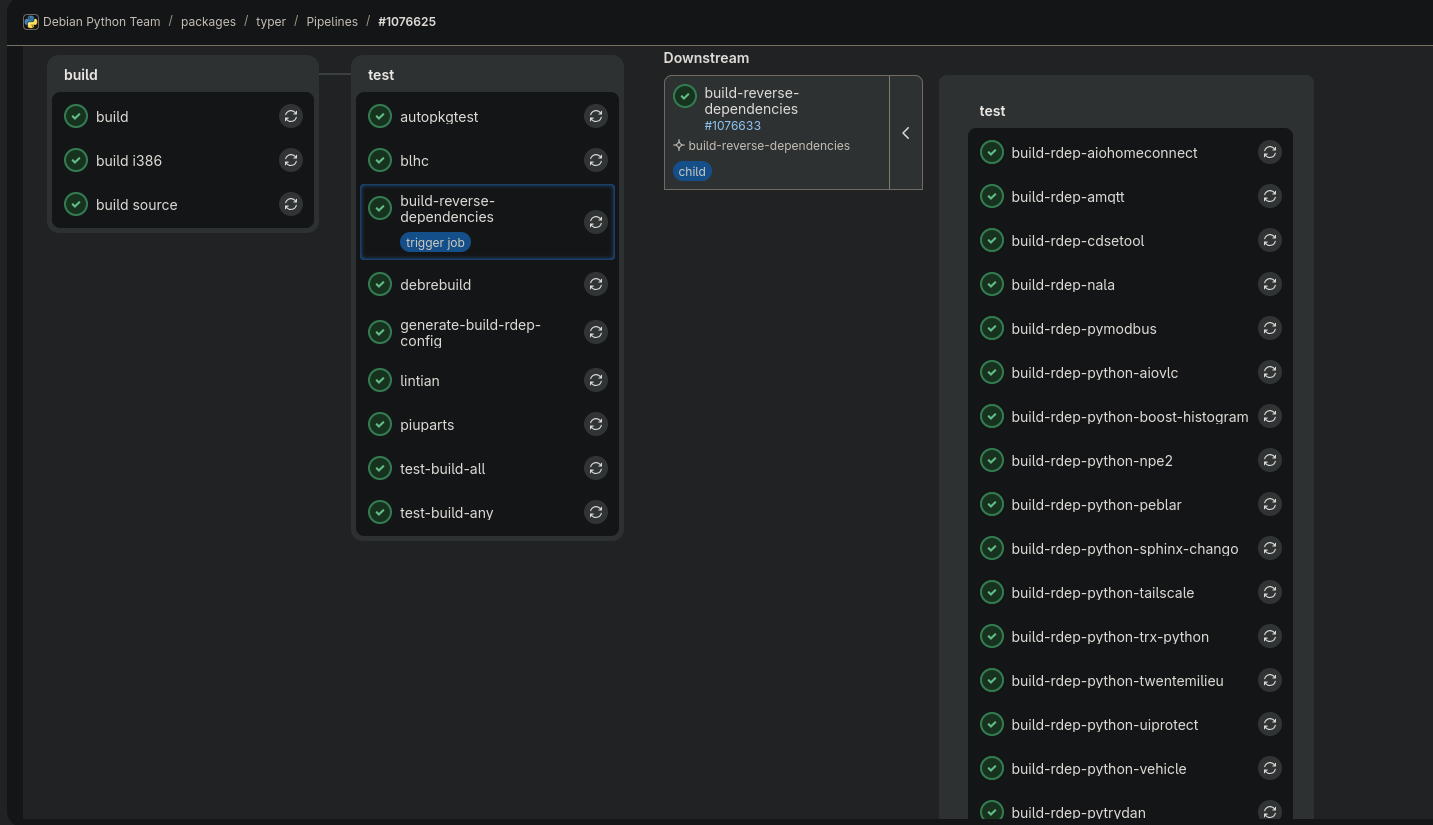 This is an amazing feature. Thanks to everyone involved in making it
happen!
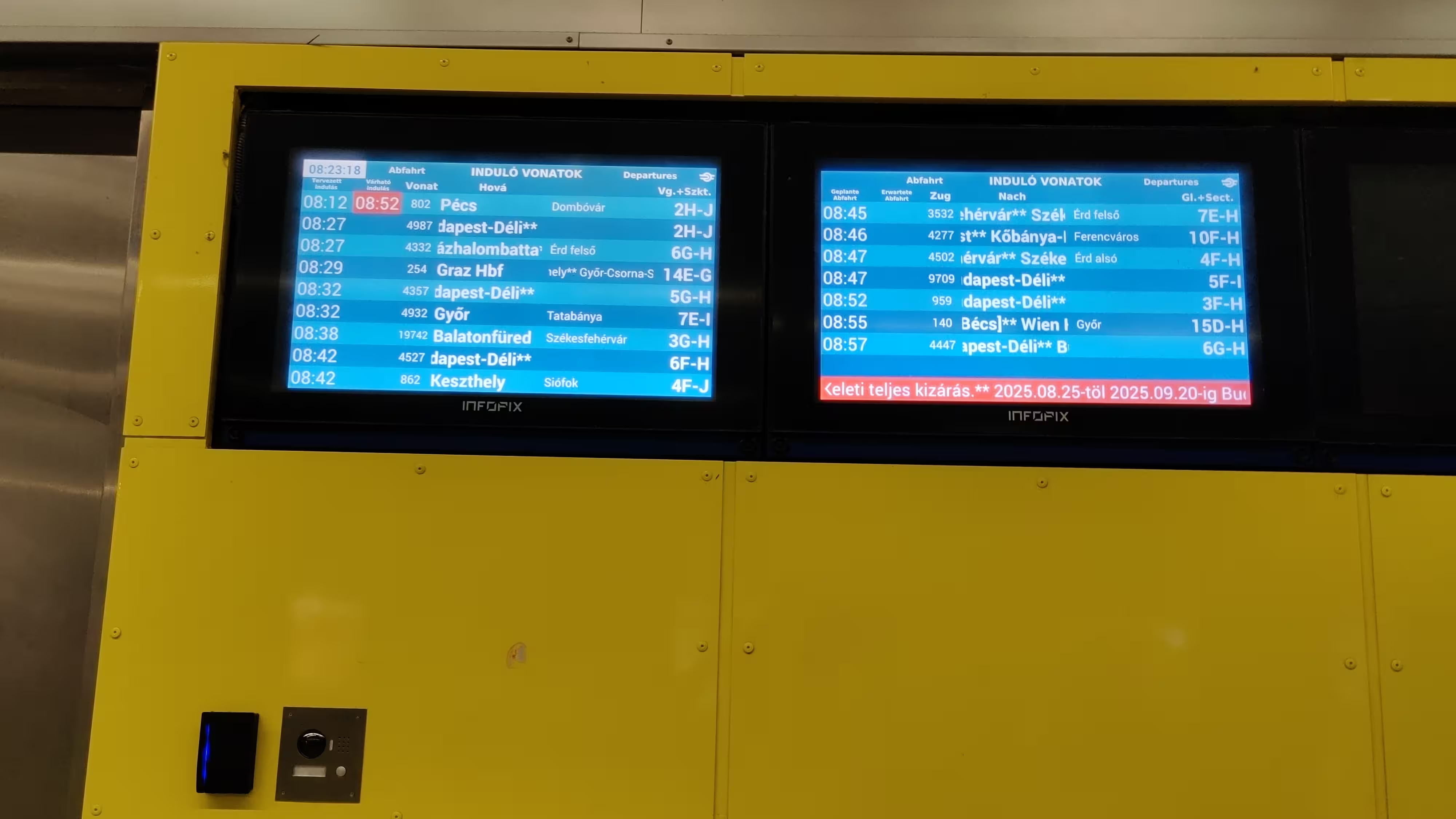 A departures board at Budapest Kelenfold station. Photo by Ravi Dwivedi, released under CC-BY-SA 4.0.
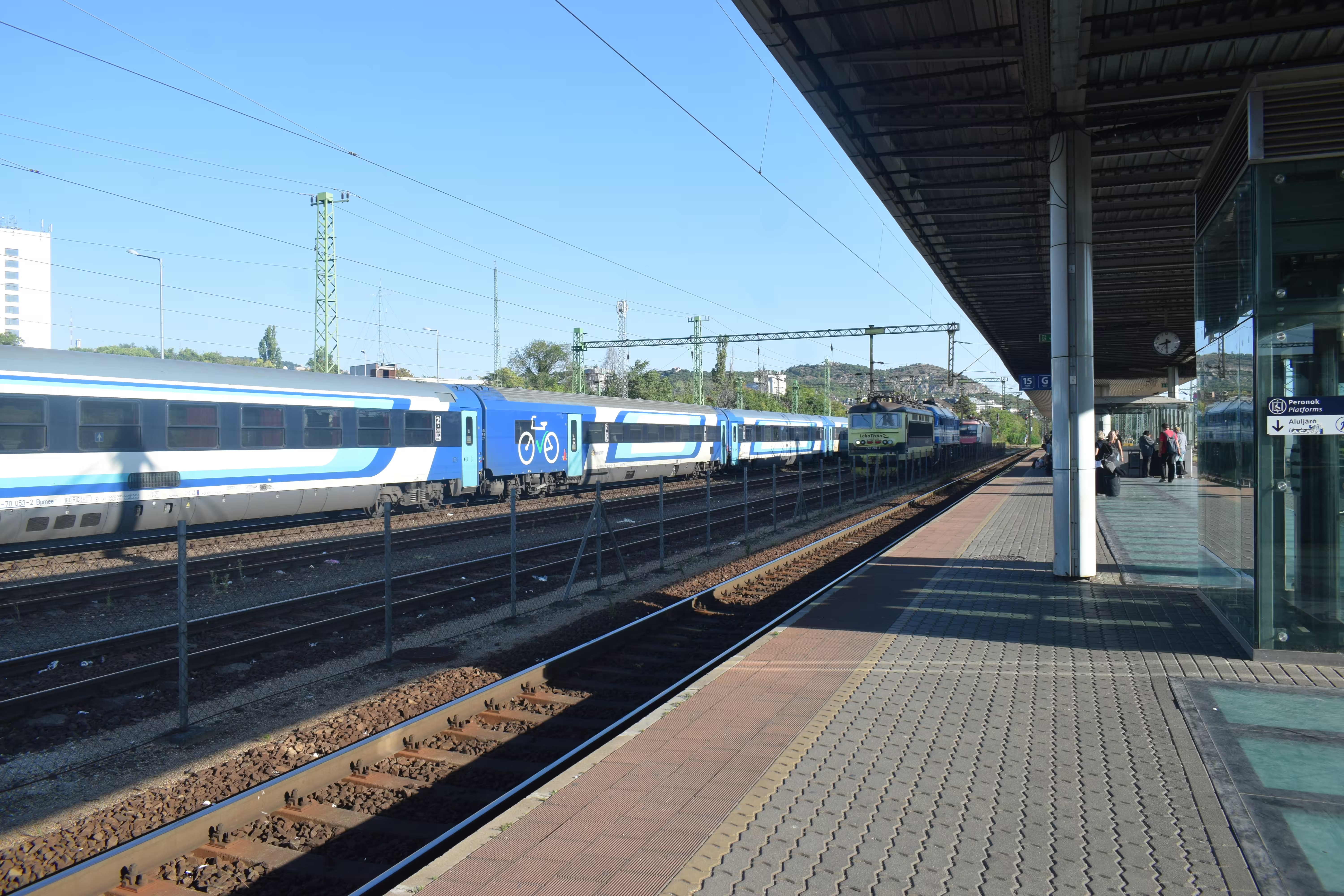 This is platform number 15 of Budapest Kelenfold station where we boarded our train. Photo by Ravi Dwivedi, released under CC-BY-SA 4.0.
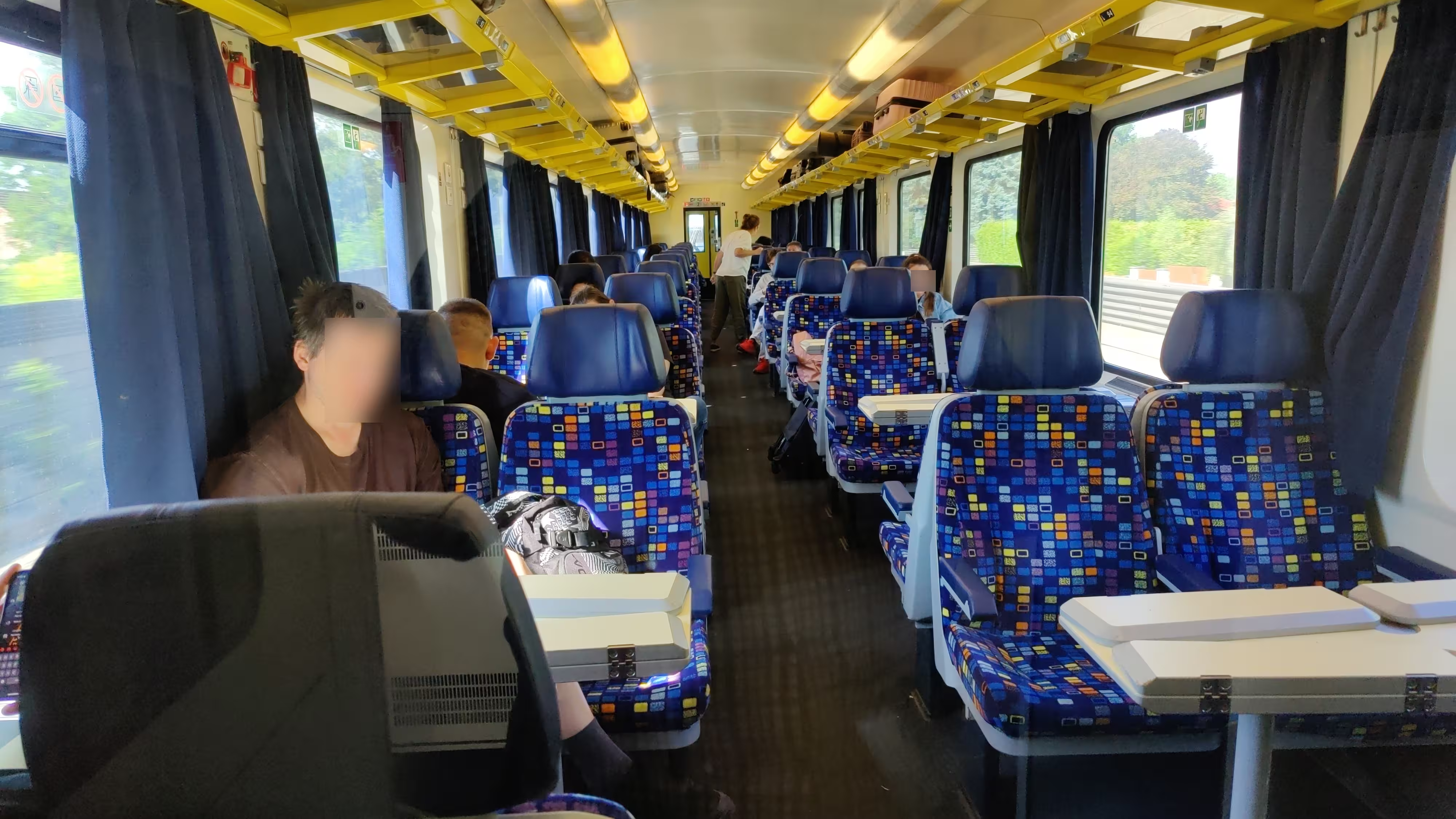 Interior of our Budapest to Vienna train. Photo by Ravi Dwivedi, released under CC-BY-SA 4.0.
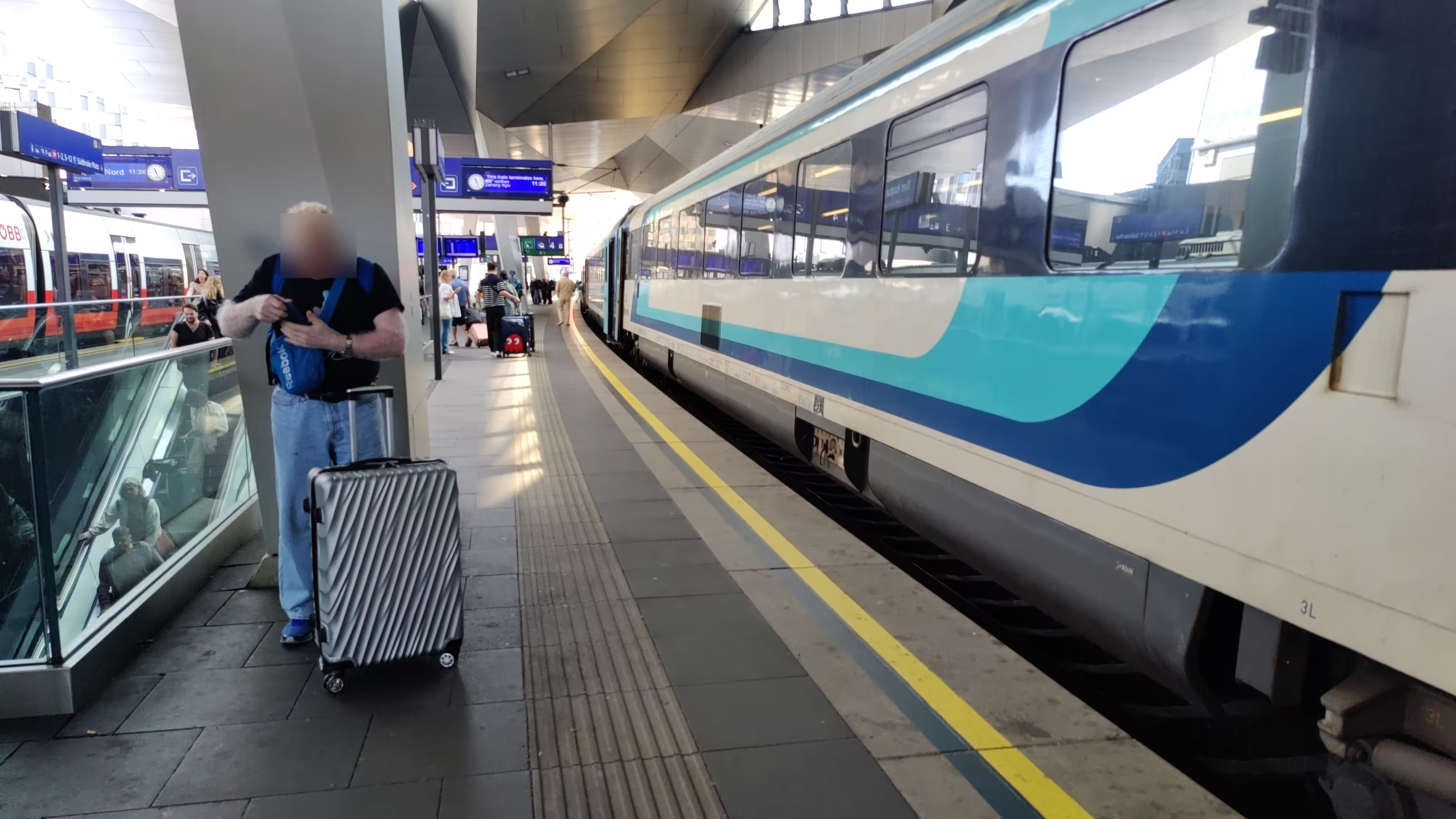 This blue colored train was the one we took for our Budapest to Vienna journey. Photo by Ravi Dwivedi, released under CC-BY-SA 4.0.
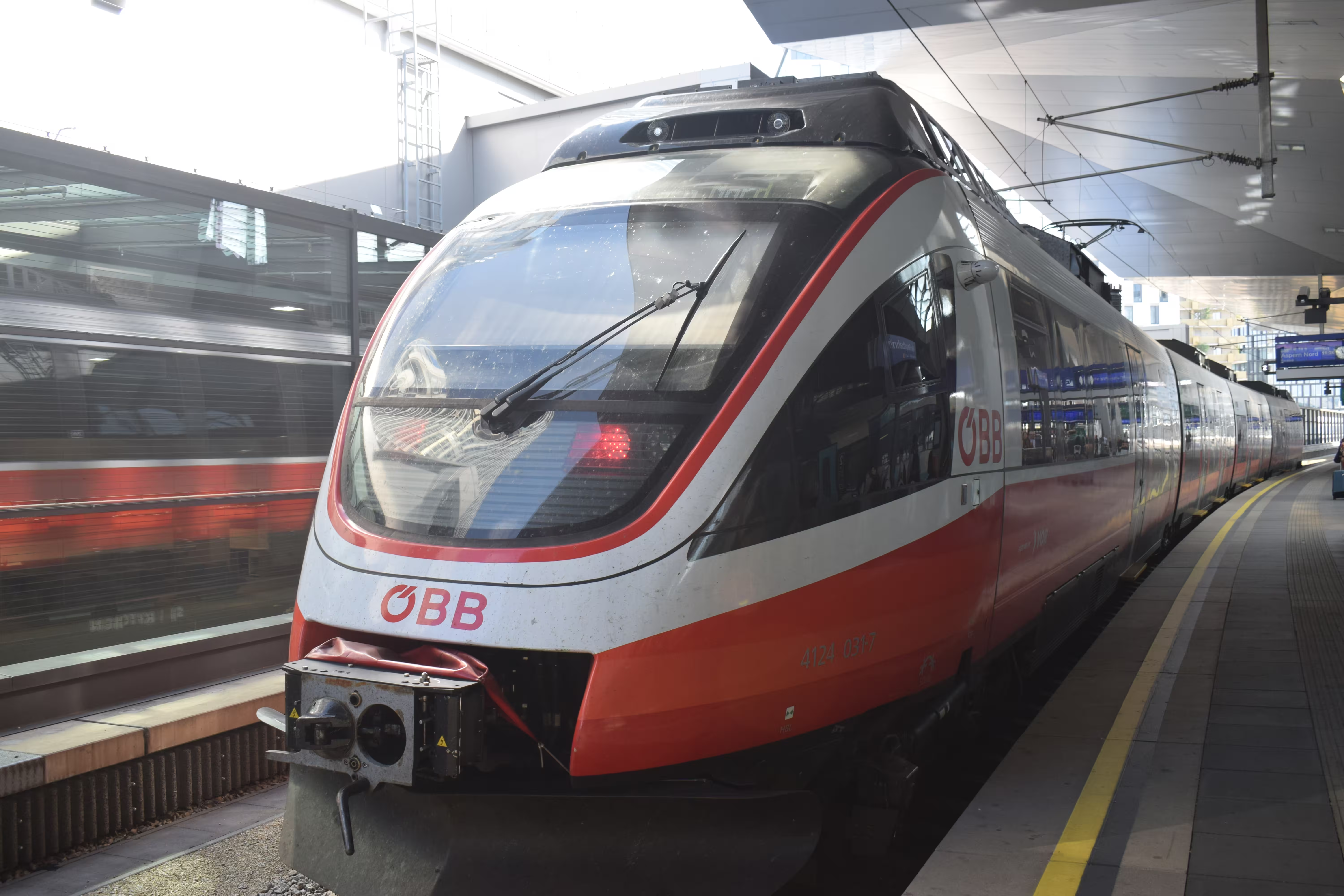 An BB train standing at a platform of Vienna train station. BB is the national carrier of Austria. Photo by Ravi Dwivedi, released under CC-BY-SA 4.0.
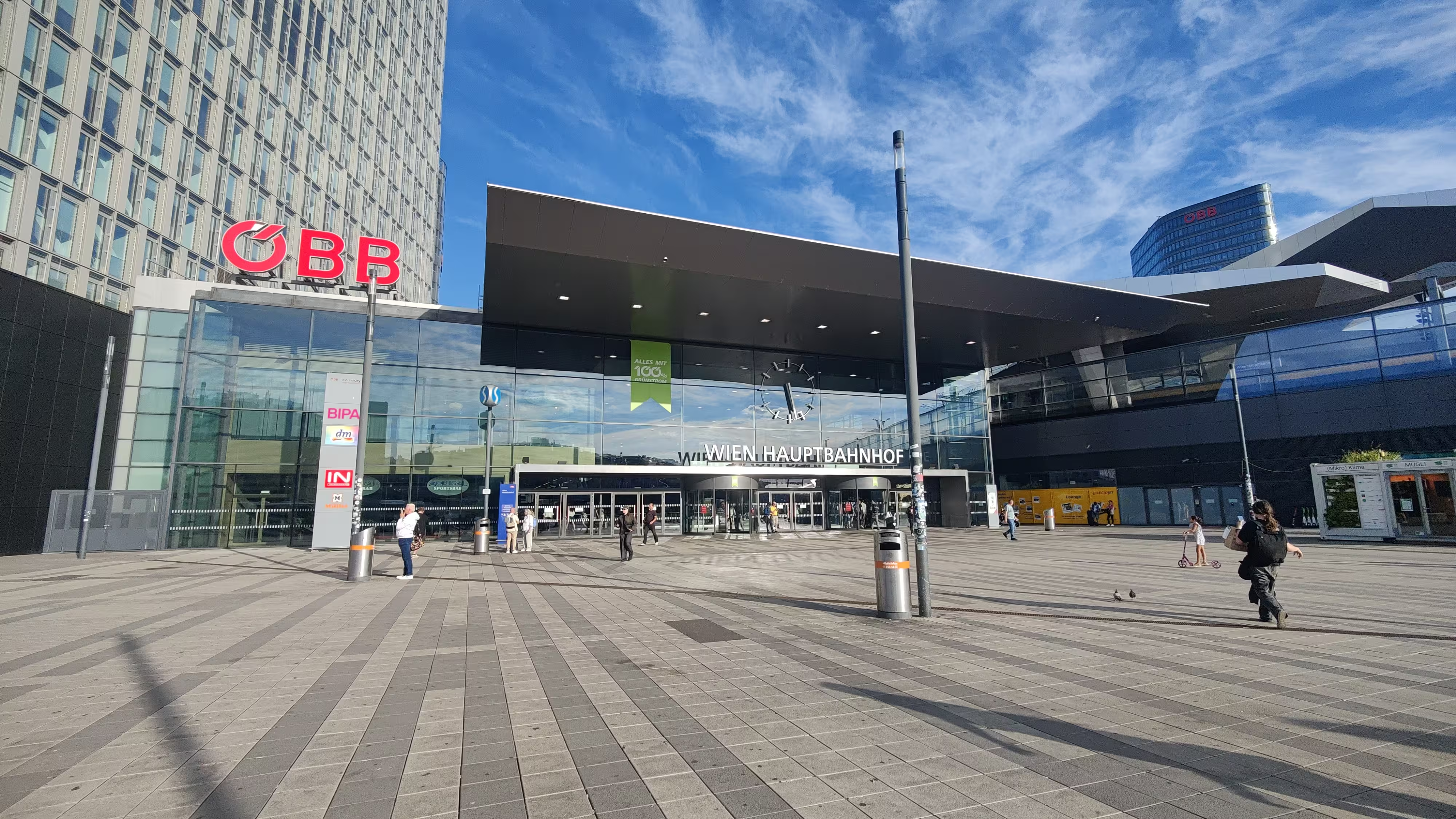 Wien Hauptbahnhof train station. Photo by Ravi Dwivedi, released under CC-BY-SA 4.0.
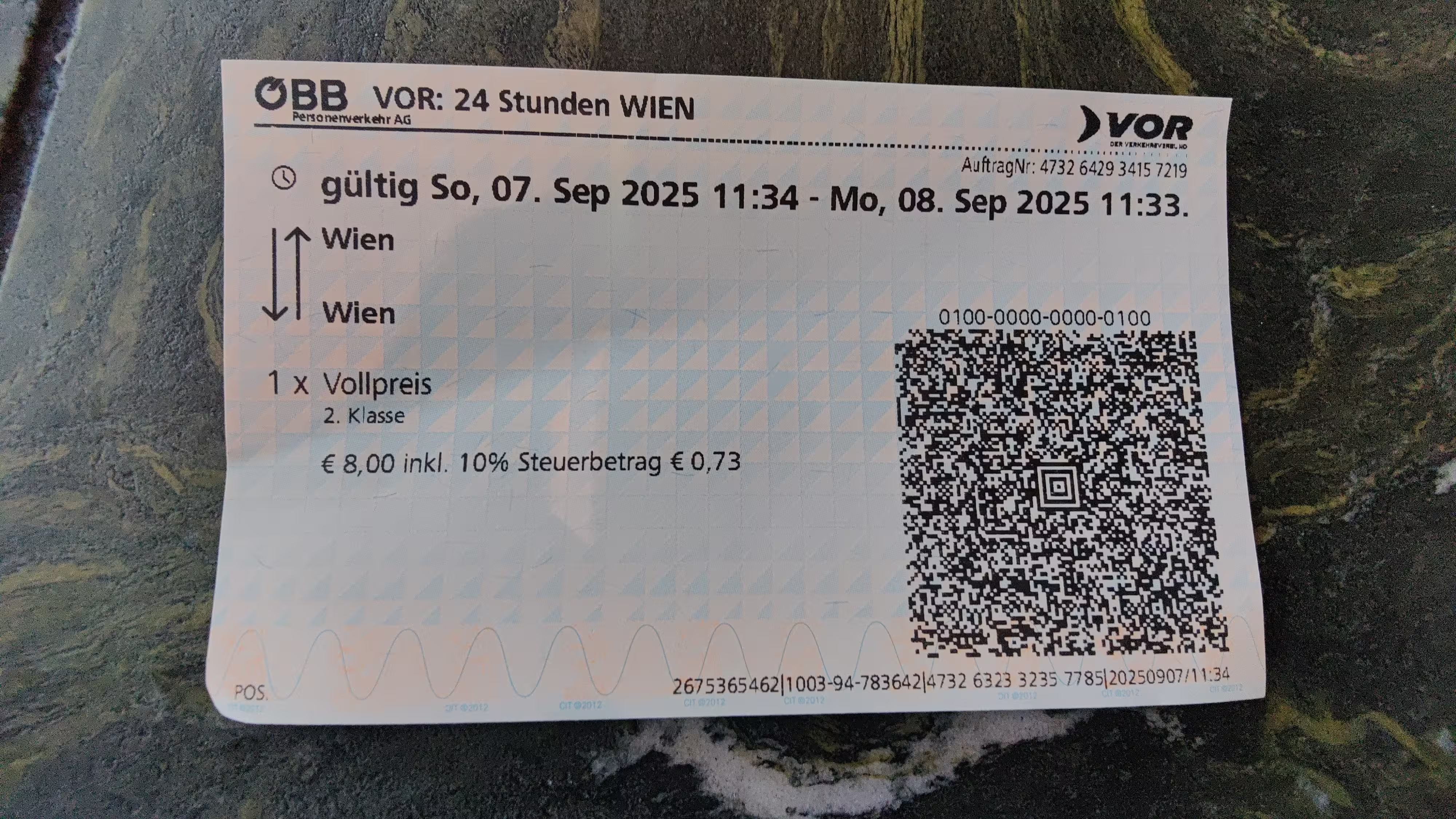 My public transport pass in Vienna.
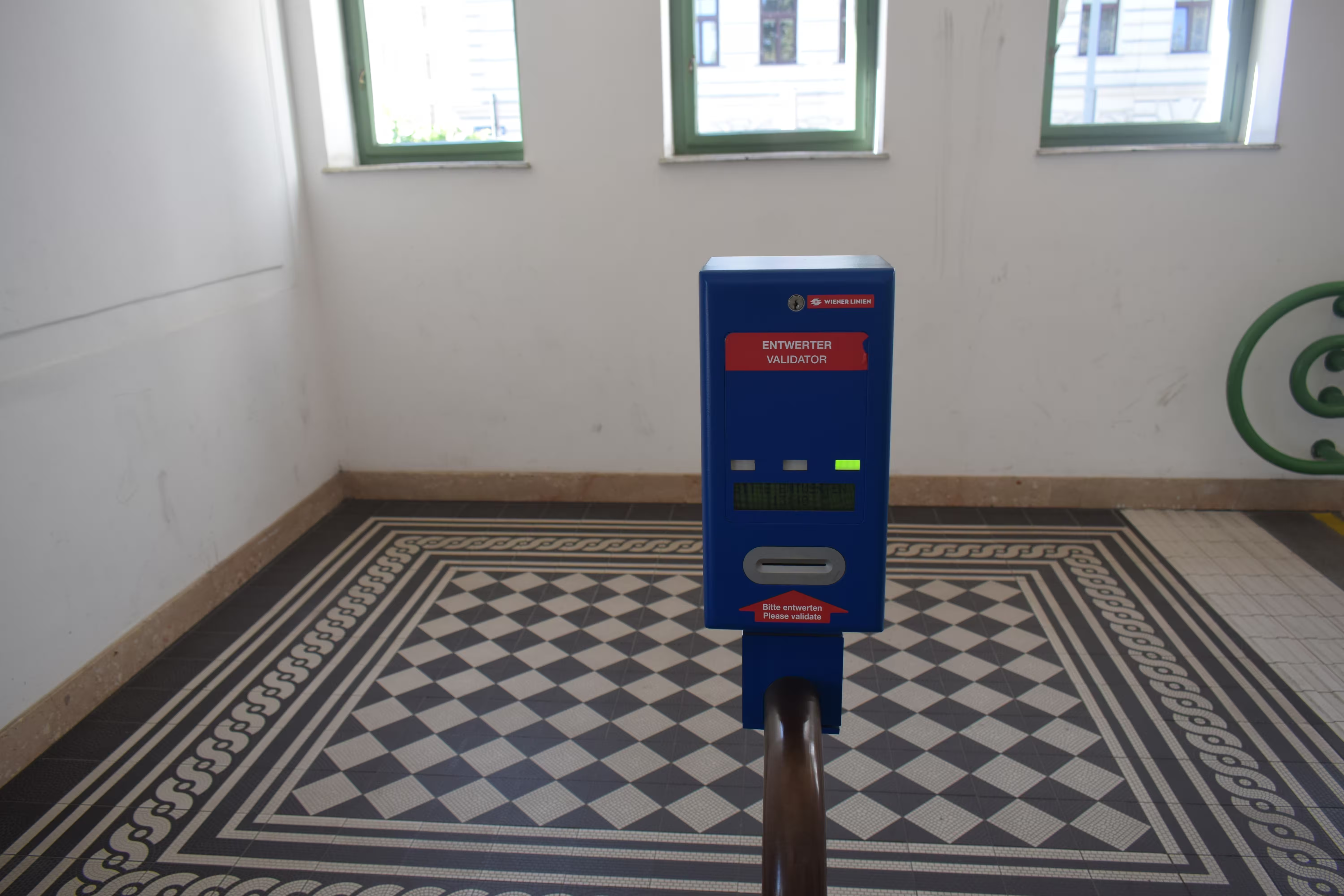 Instead of AFC gates, Vienna has ticket validators as in the picture. You need to tap your ticket in the validator before boarding the subway. Photo by Ravi Dwivedi, released under CC-BY-SA 4.0.
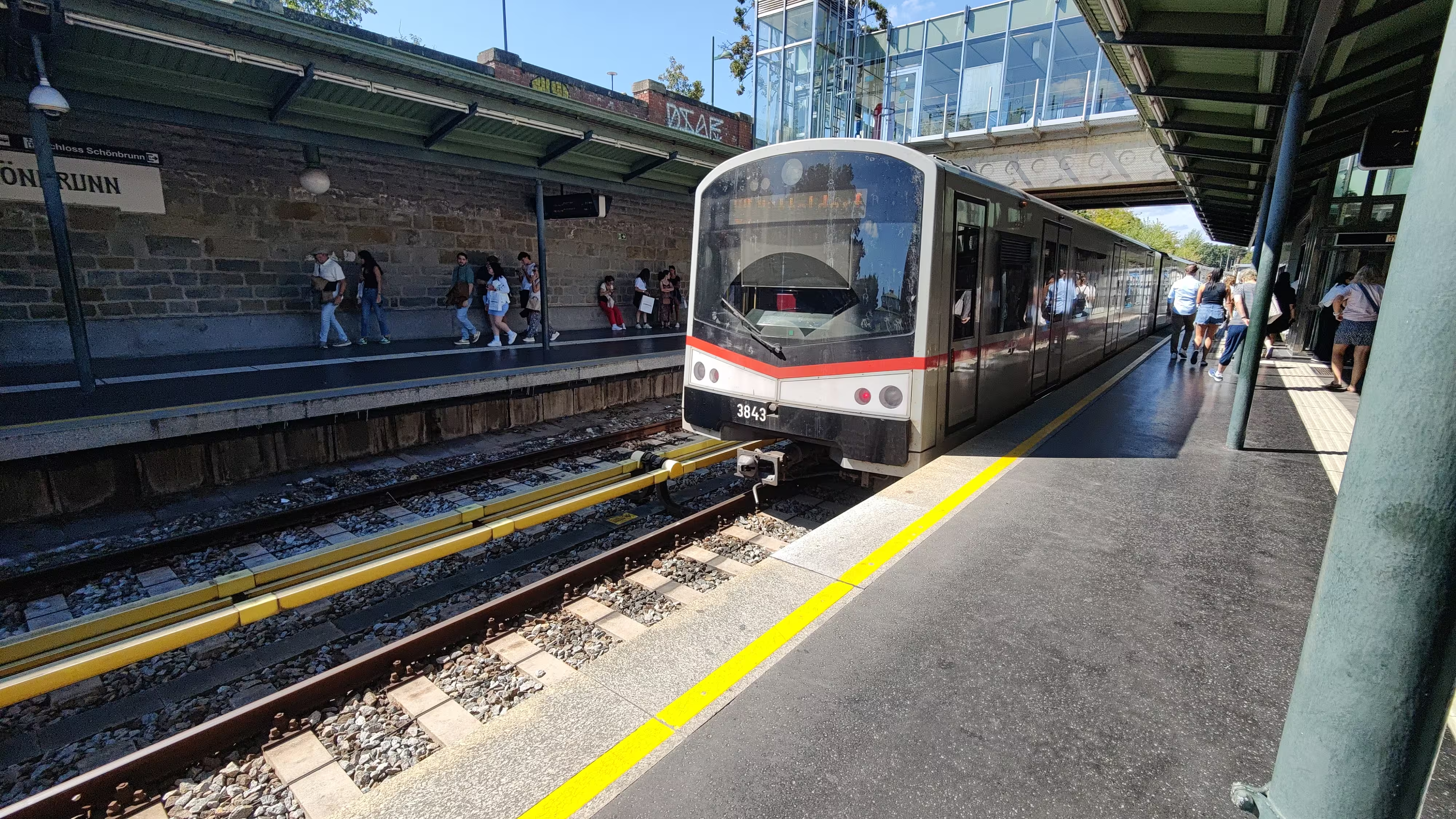 Vienna subway. Photo by Ravi Dwivedi, released under CC-BY-SA 4.0.
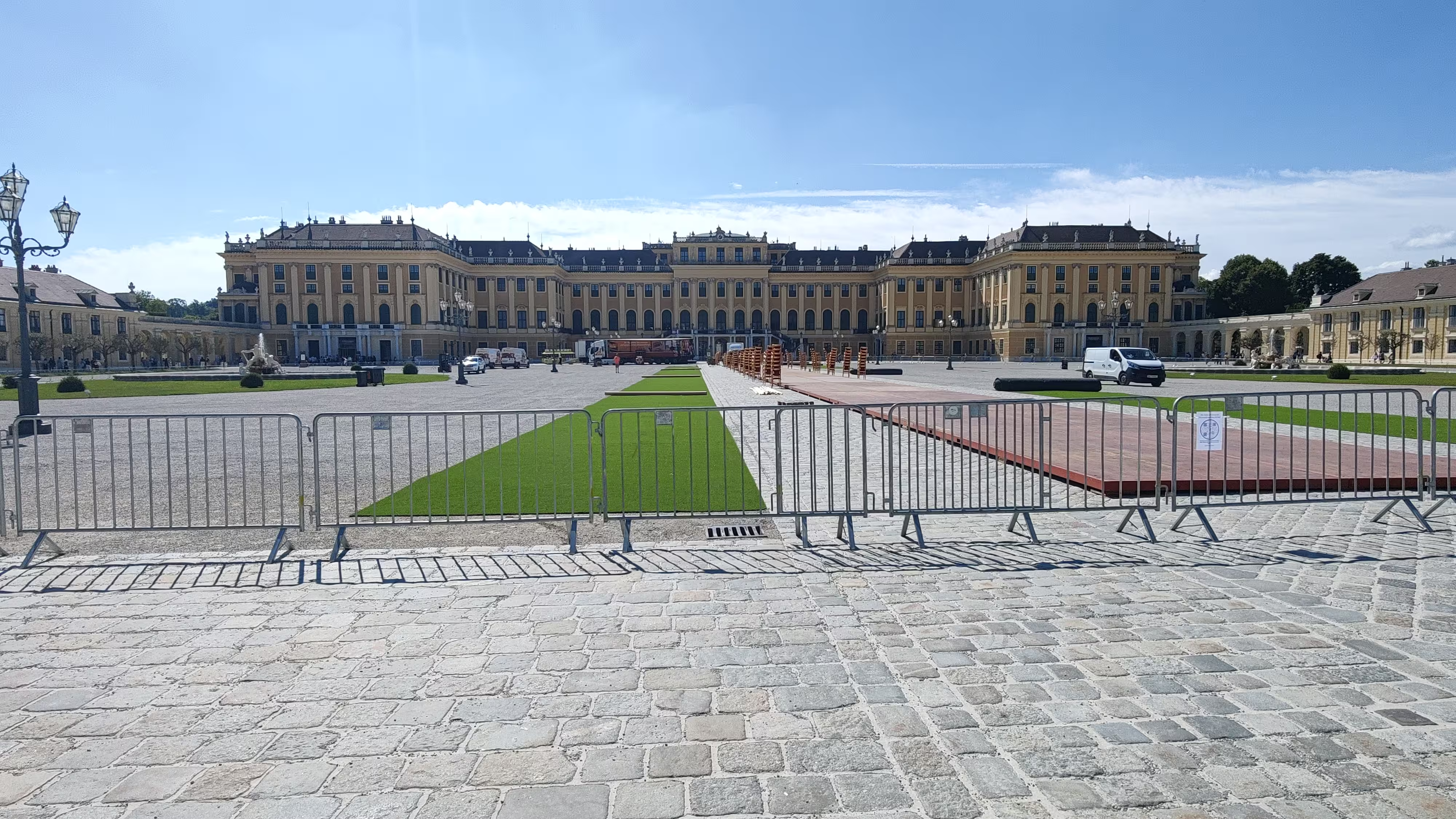 Sch nbrunn Palace. Photo by Ravi Dwivedi, released under CC-BY-SA 4.0.
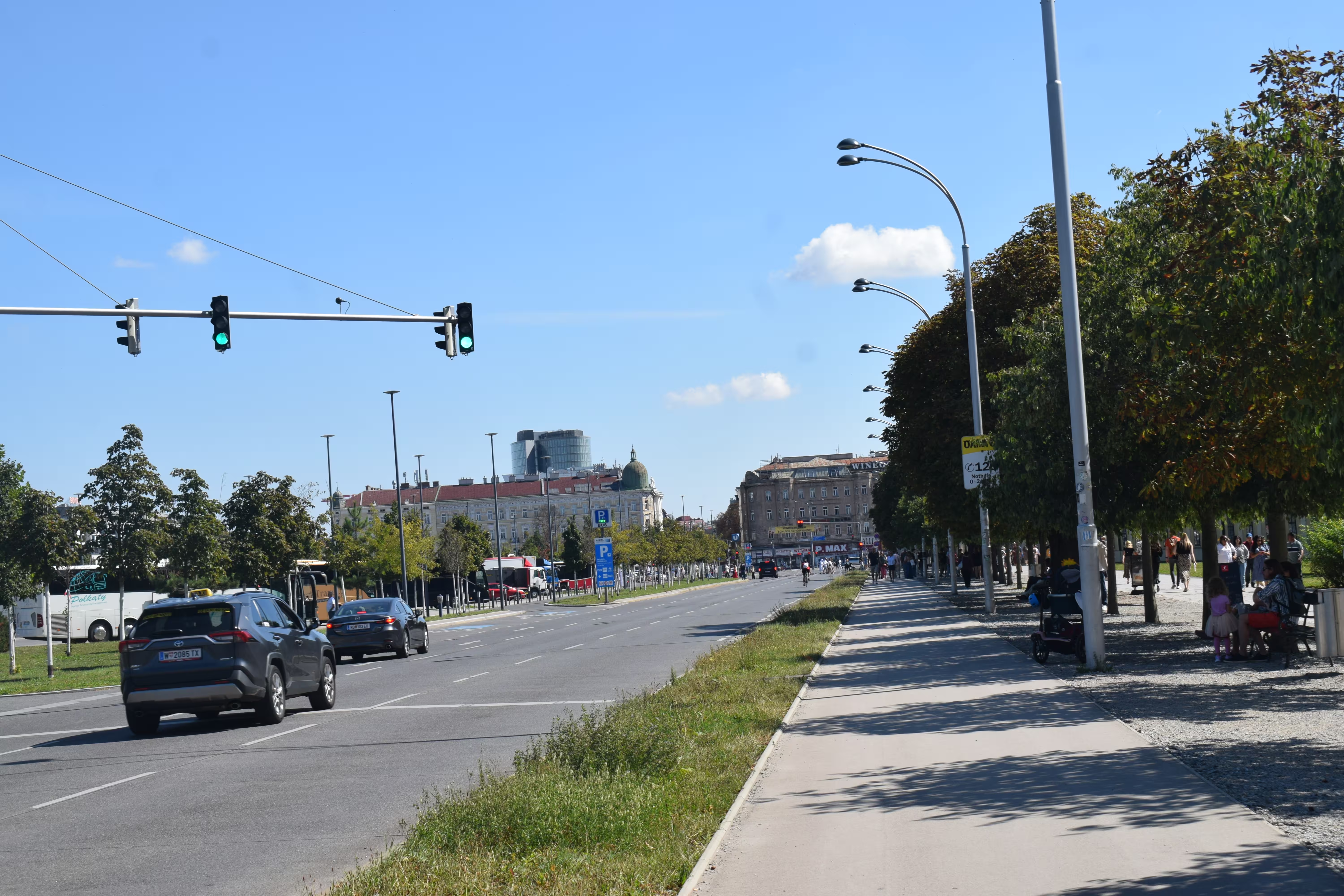 A street near Sch nbrunn Palace. Photo by Ravi Dwivedi, released under CC-BY-SA 4.0.
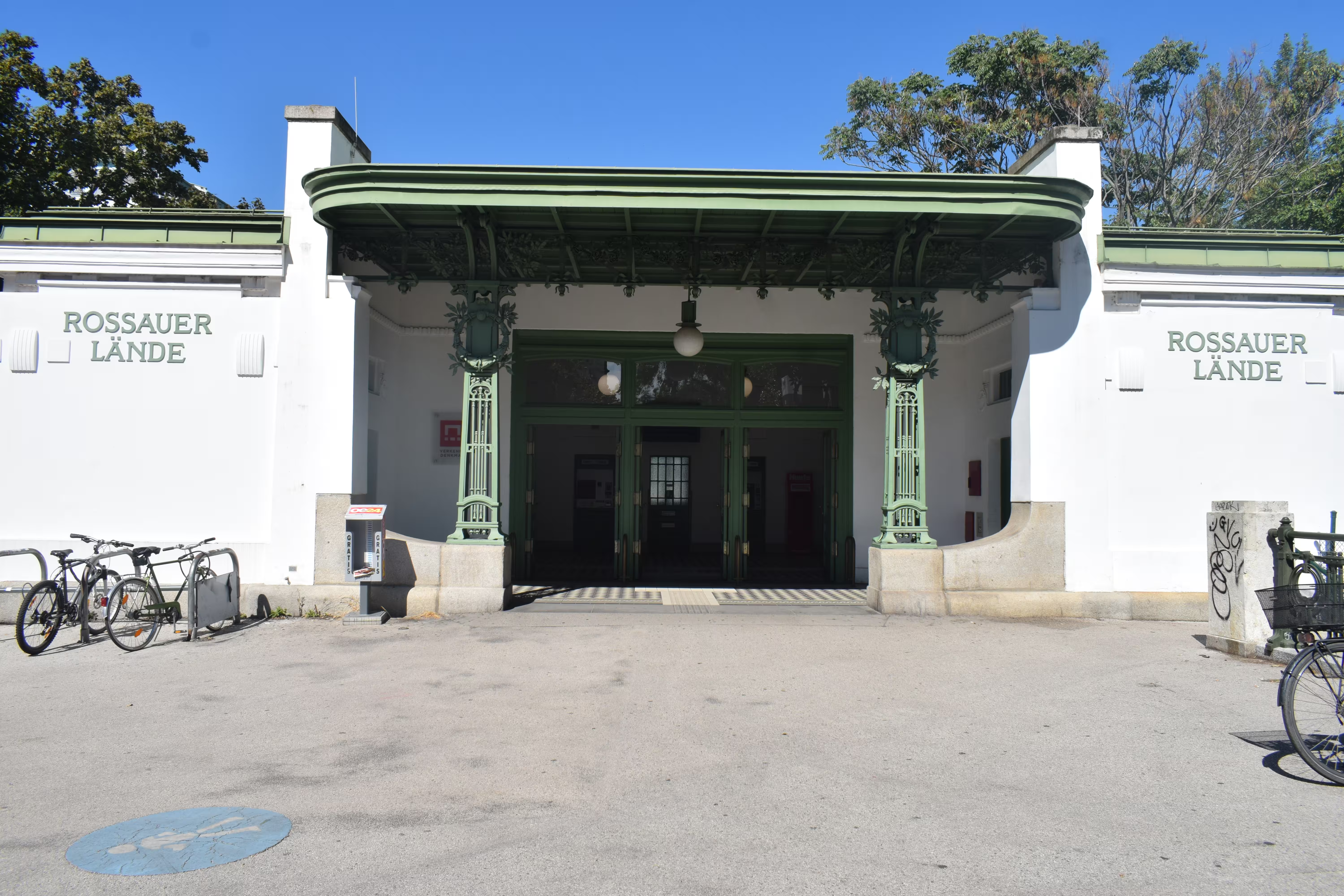 Ro auer L nde subway station. Photo by Ravi Dwivedi, released under CC-BY-SA 4.0.
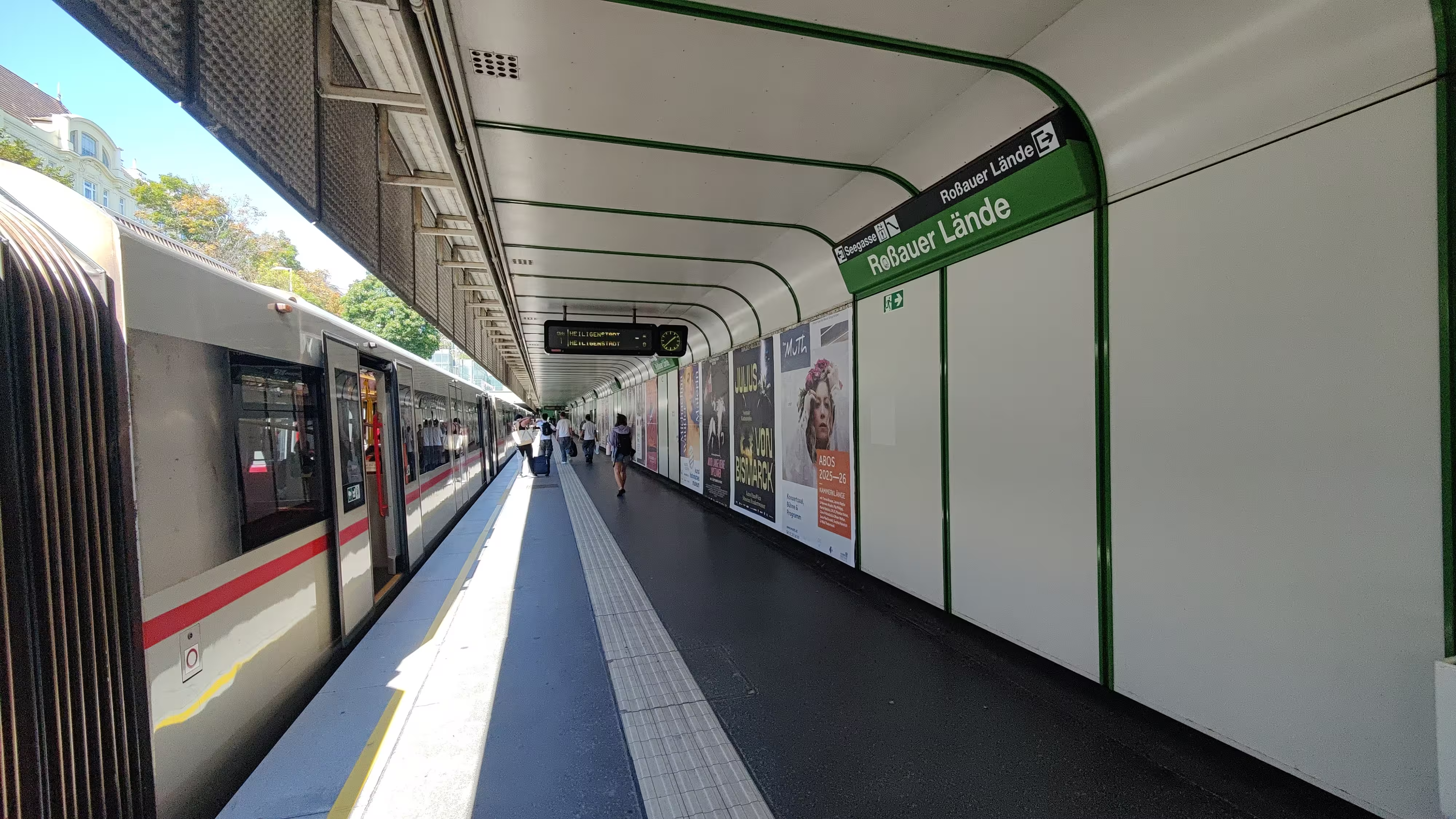 Platform of the Ro auer L nde subway station. Photo by Ravi Dwivedi, released under CC-BY-SA 4.0.
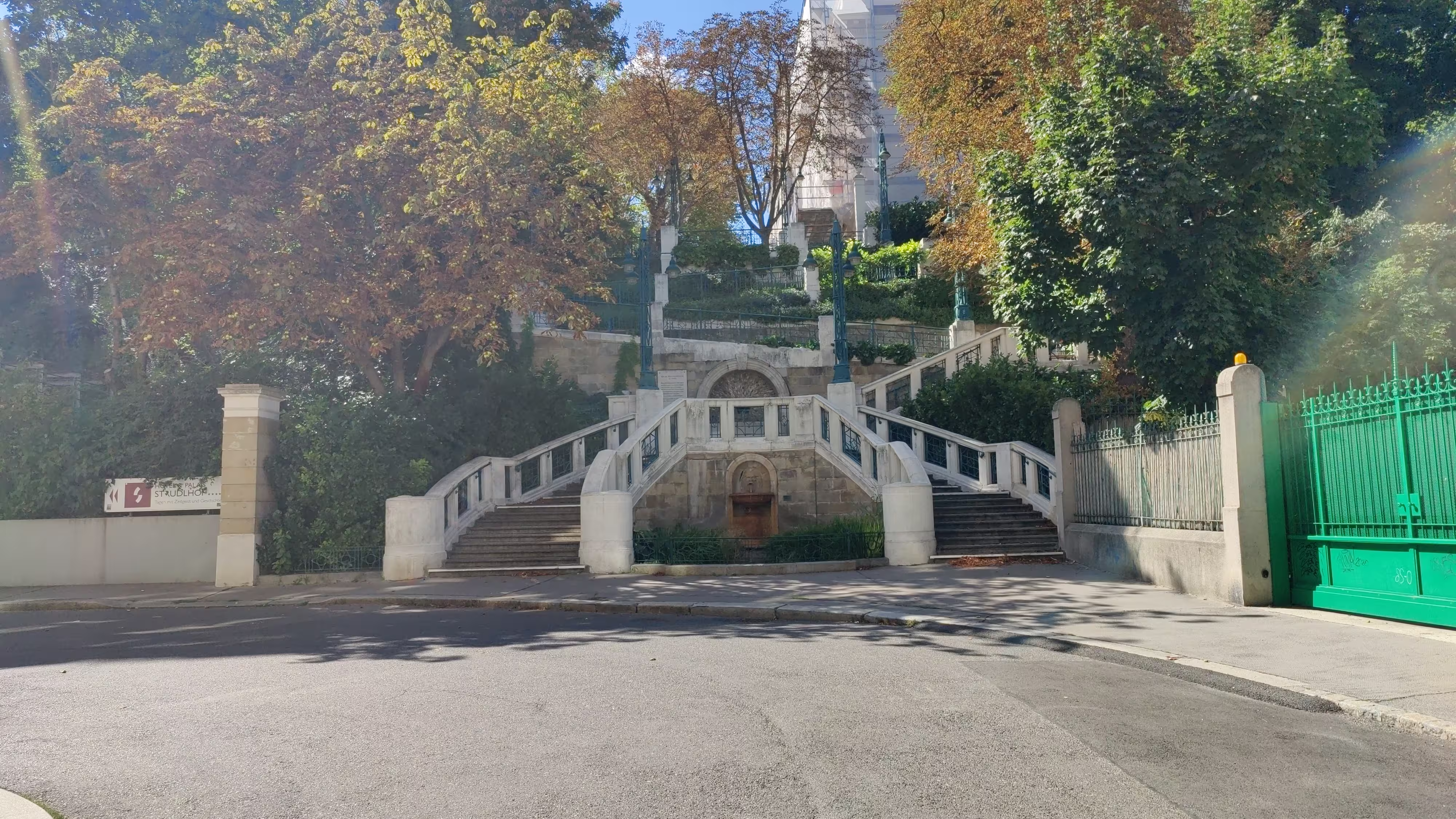 The The Strudlhofstiege steps. Photo by Ravi Dwivedi, released under CC-BY-SA 4.0.
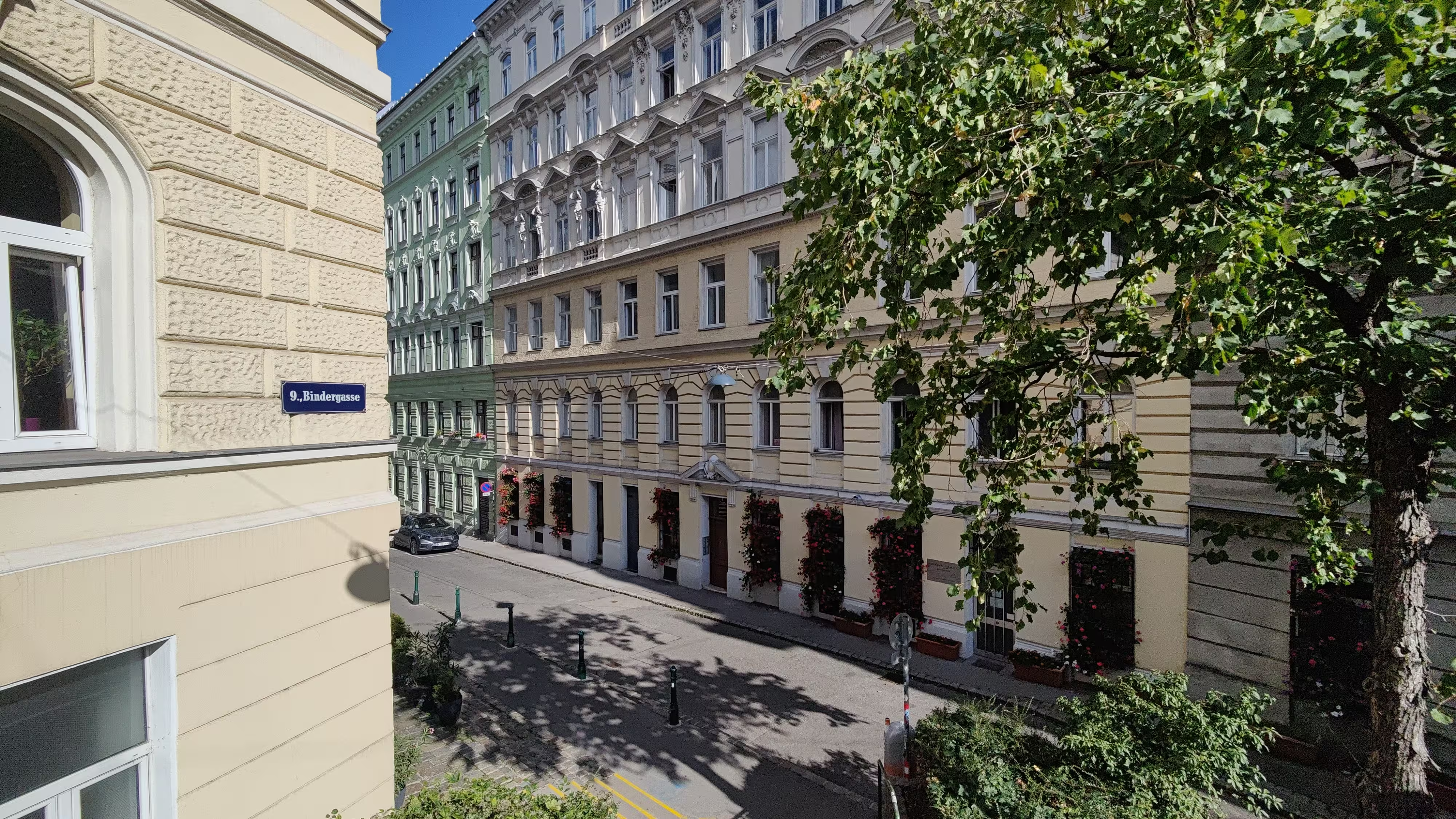 A random street in Vienna.
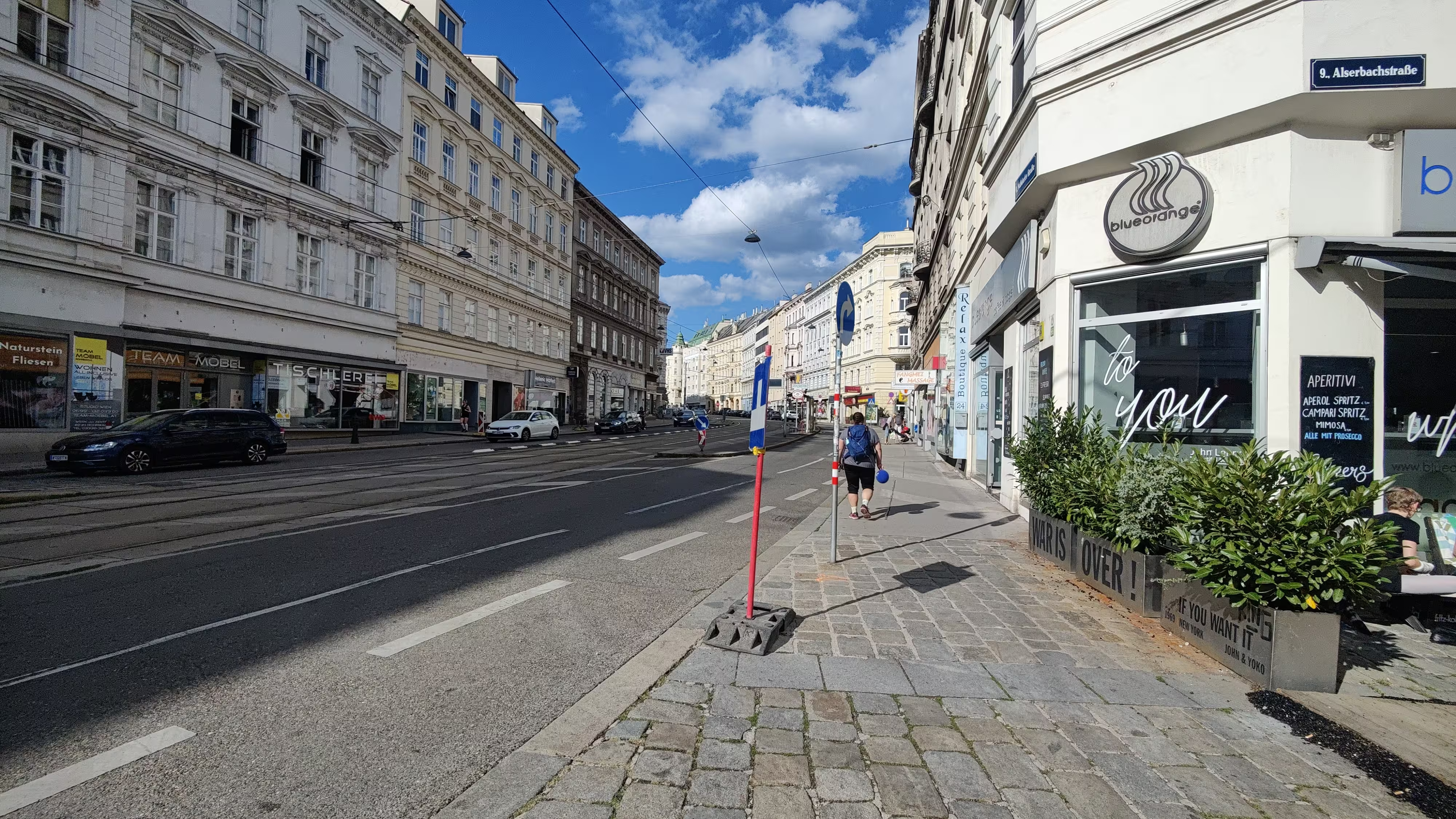 Another street in Vienna.
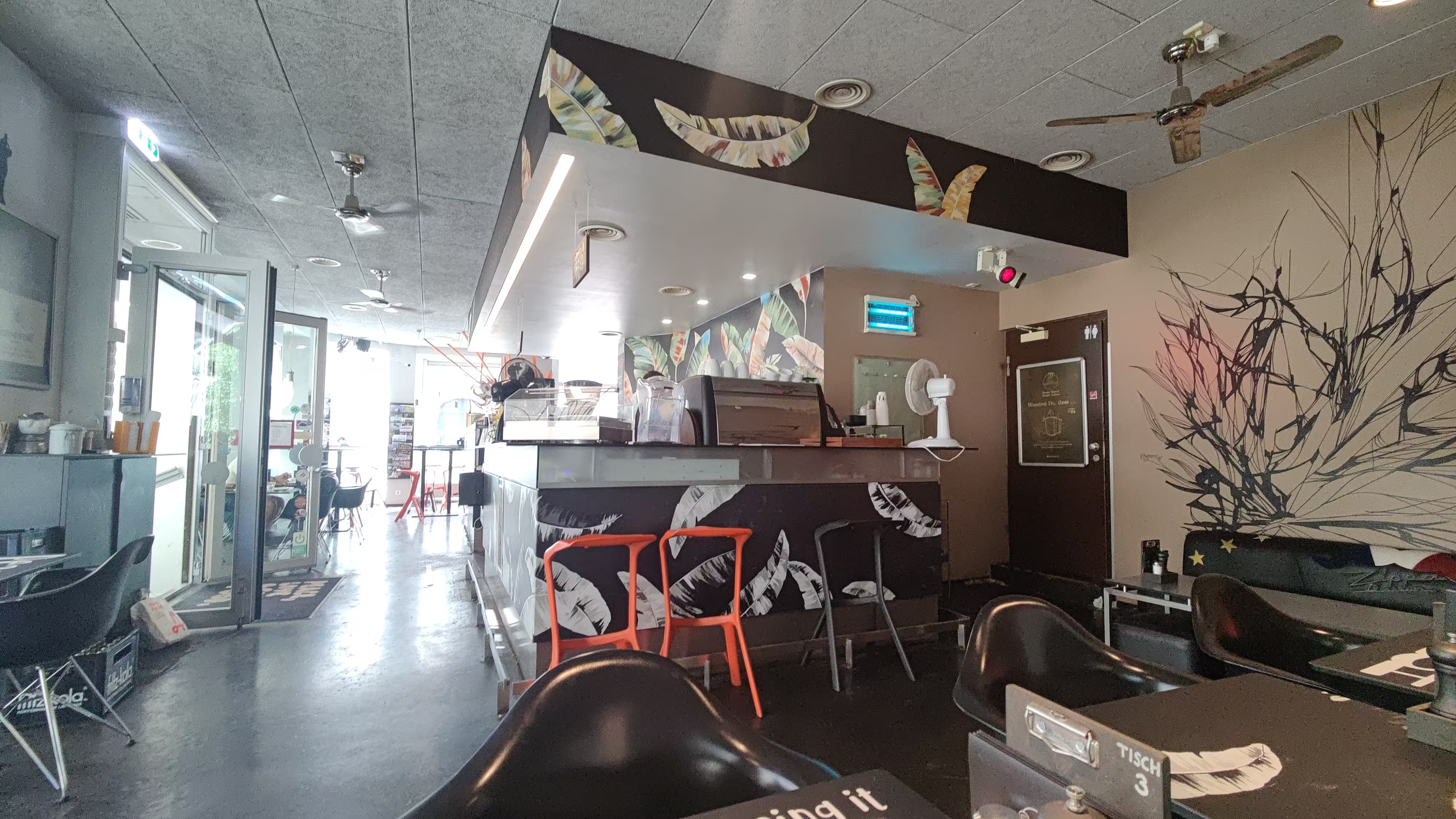 A picture of Blue Orange caf . Photo by Ravi Dwivedi, released under CC-BY-SA 4.0.
 Trams in Vienna. Photo by Ravi Dwivedi, released under CC-BY-SA 4.0.
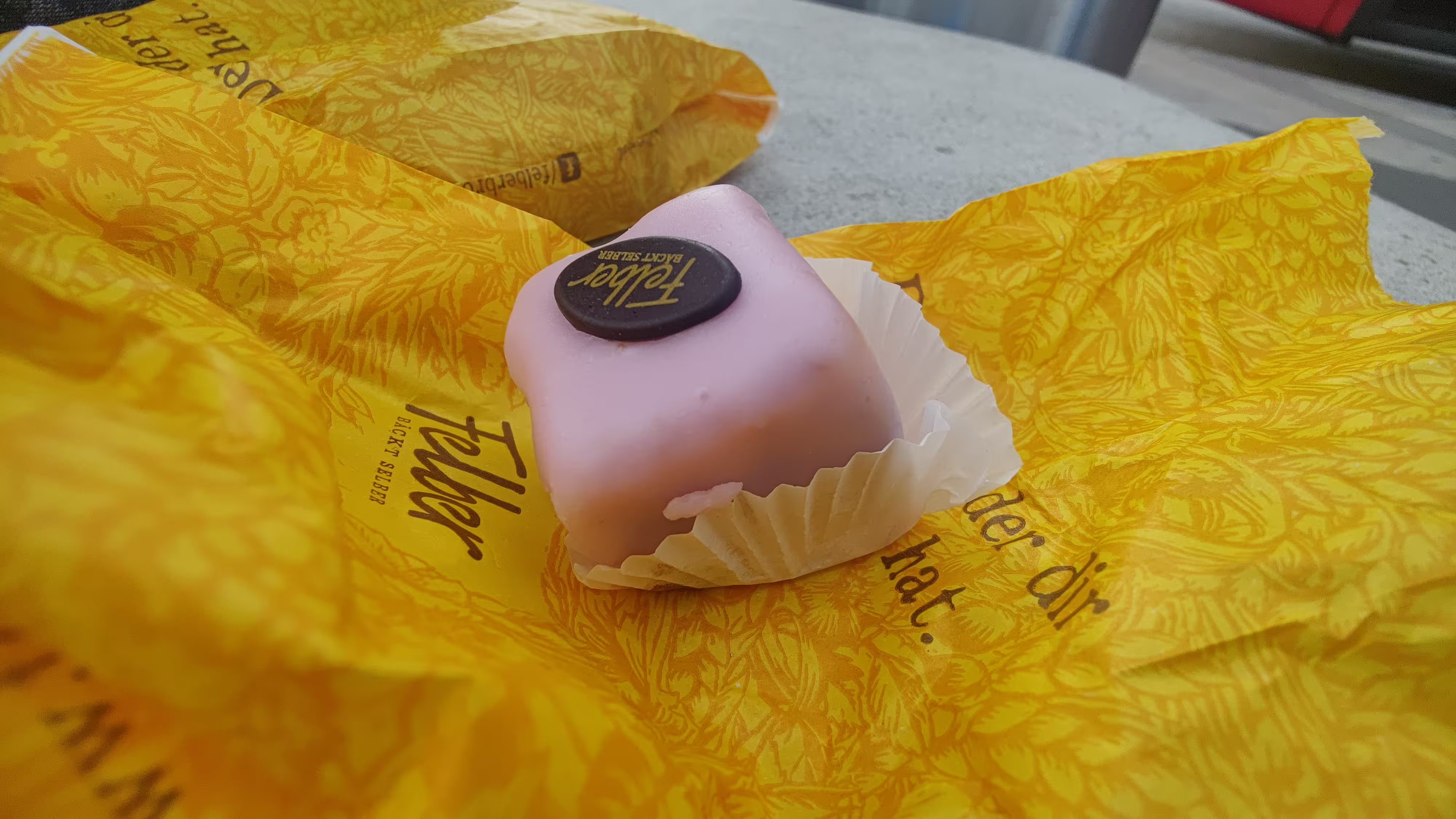 Punschkrapfen. Photo by Ravi Dwivedi, released under CC-BY-SA 4.0.
 Esterhazyschnitten. Photo by Ravi Dwivedi, released under CC-BY-SA 4.0.
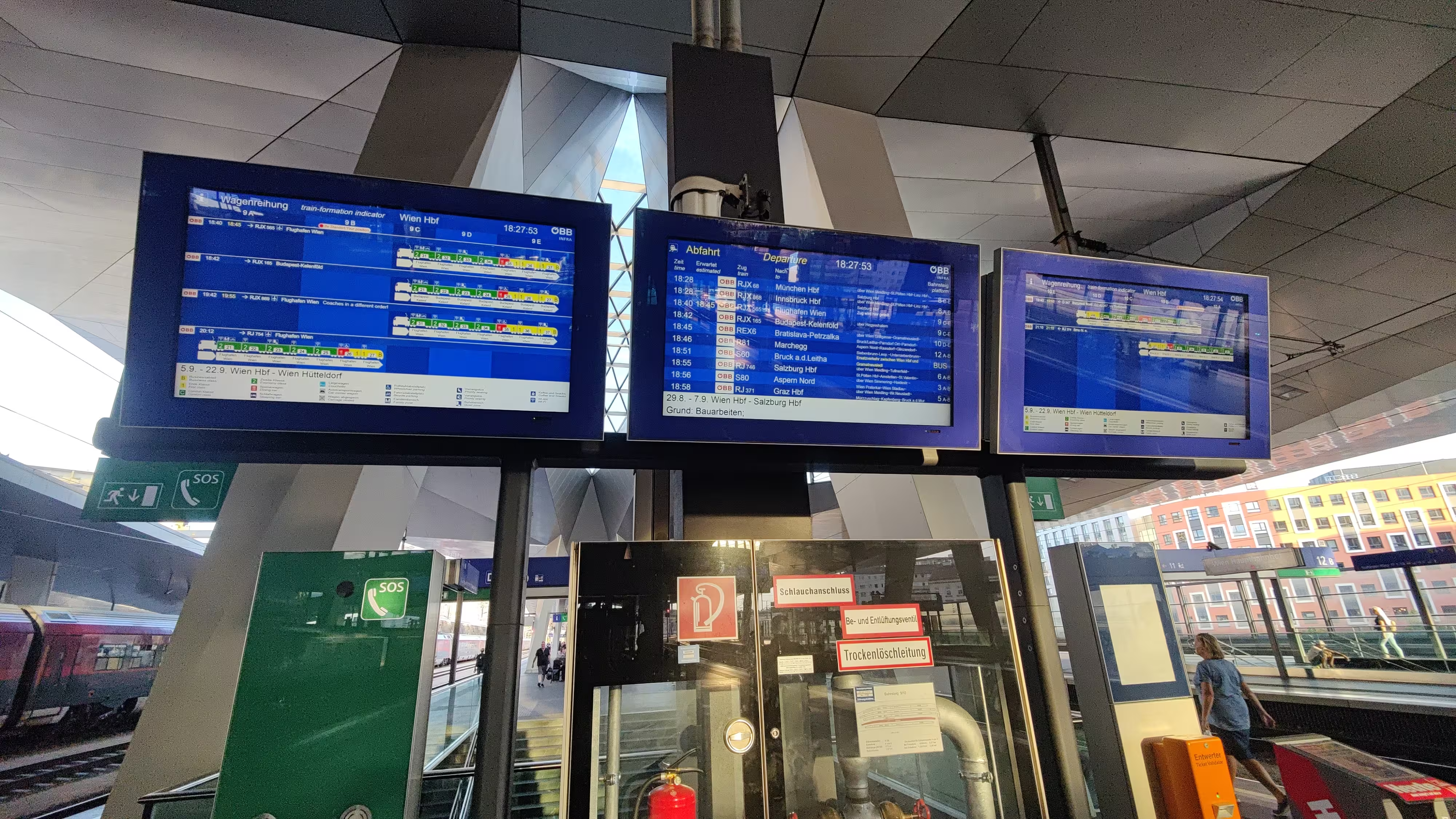 Departure boards in Vienna displaying information about the trains. Photo by Ravi Dwivedi, released under CC-BY-SA 4.0.
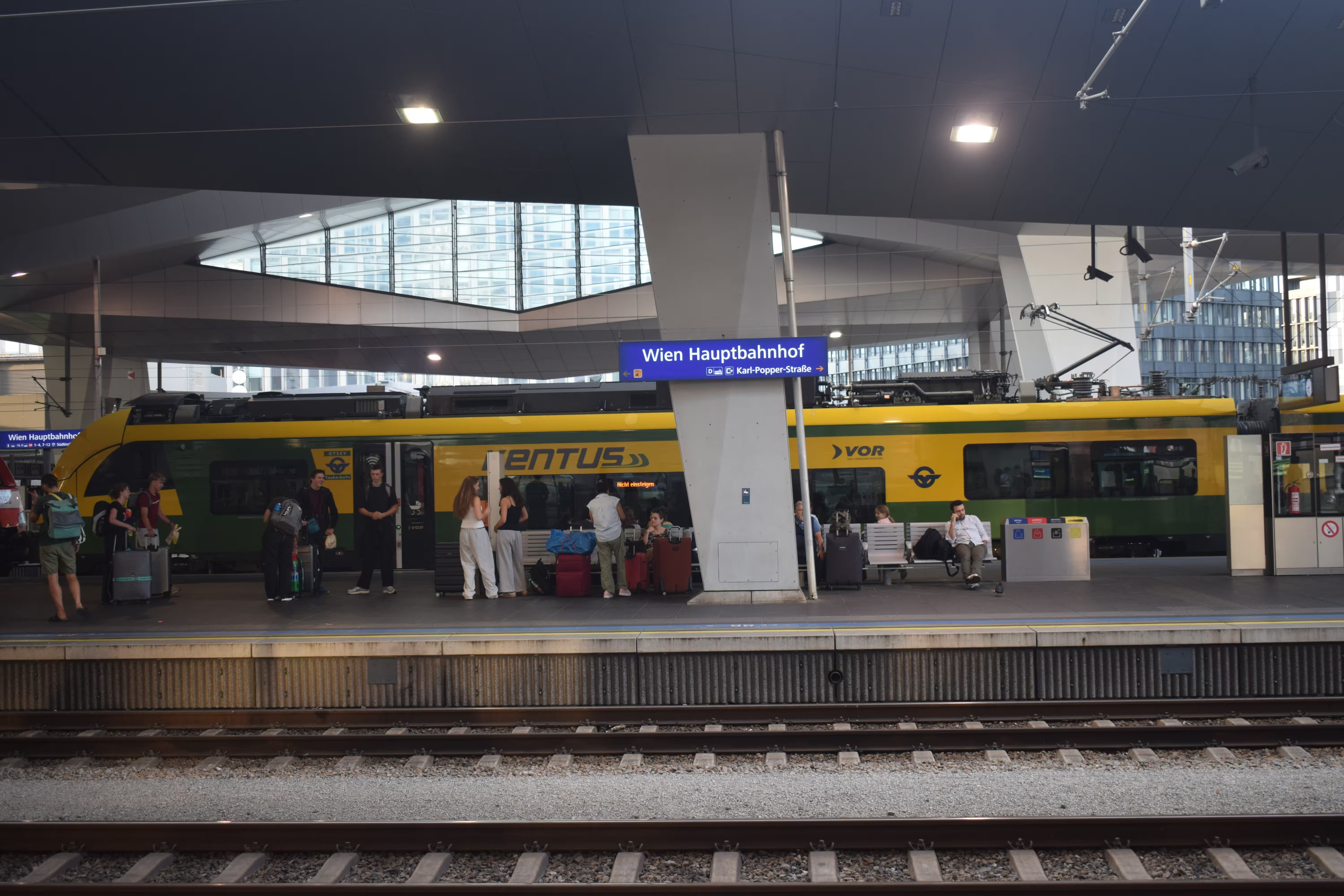 Platform and tracks at Wien Hauptbahnhof station. Photo by Ravi Dwivedi, released under CC-BY-SA 4.0.
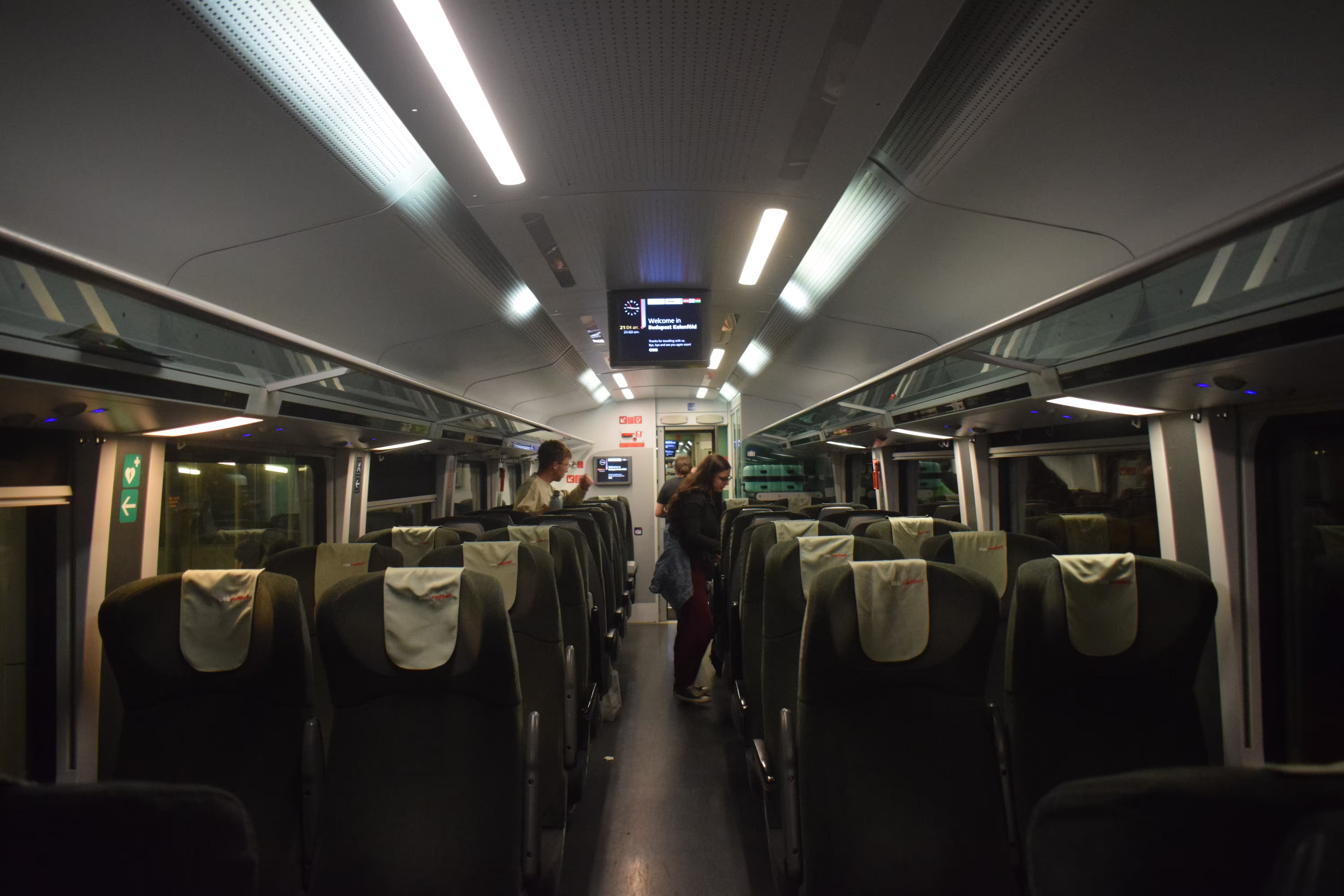 Interior of the train we took from Vienna to Budapest. Photo by Ravi Dwivedi, released under CC-BY-SA 4.0.
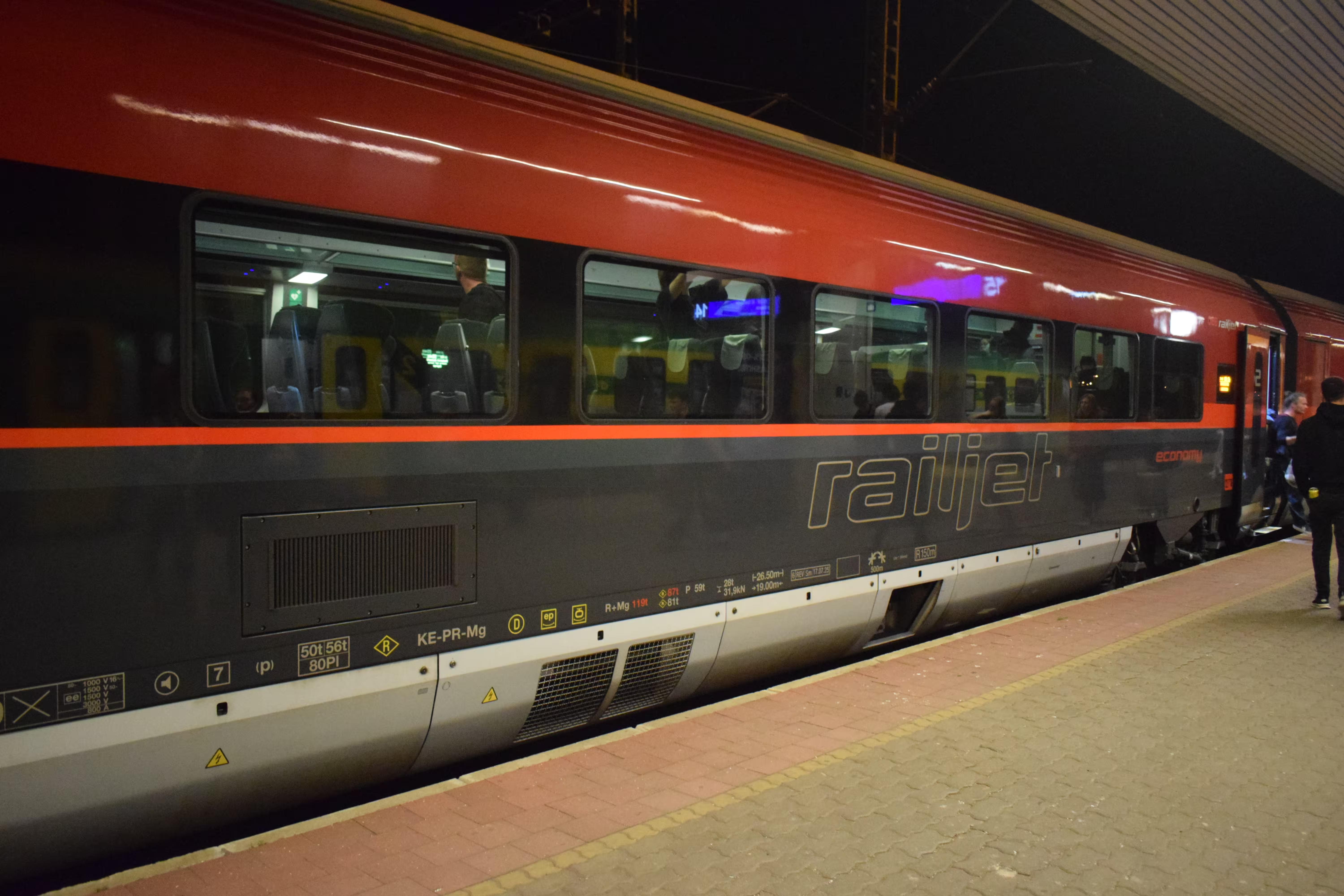 This is the train we took for our return journey from Vienna to Budapest. It is standing on a platform in Budapest Kelenfold station. Photo by Ravi Dwivedi, released under CC-BY-SA 4.0.
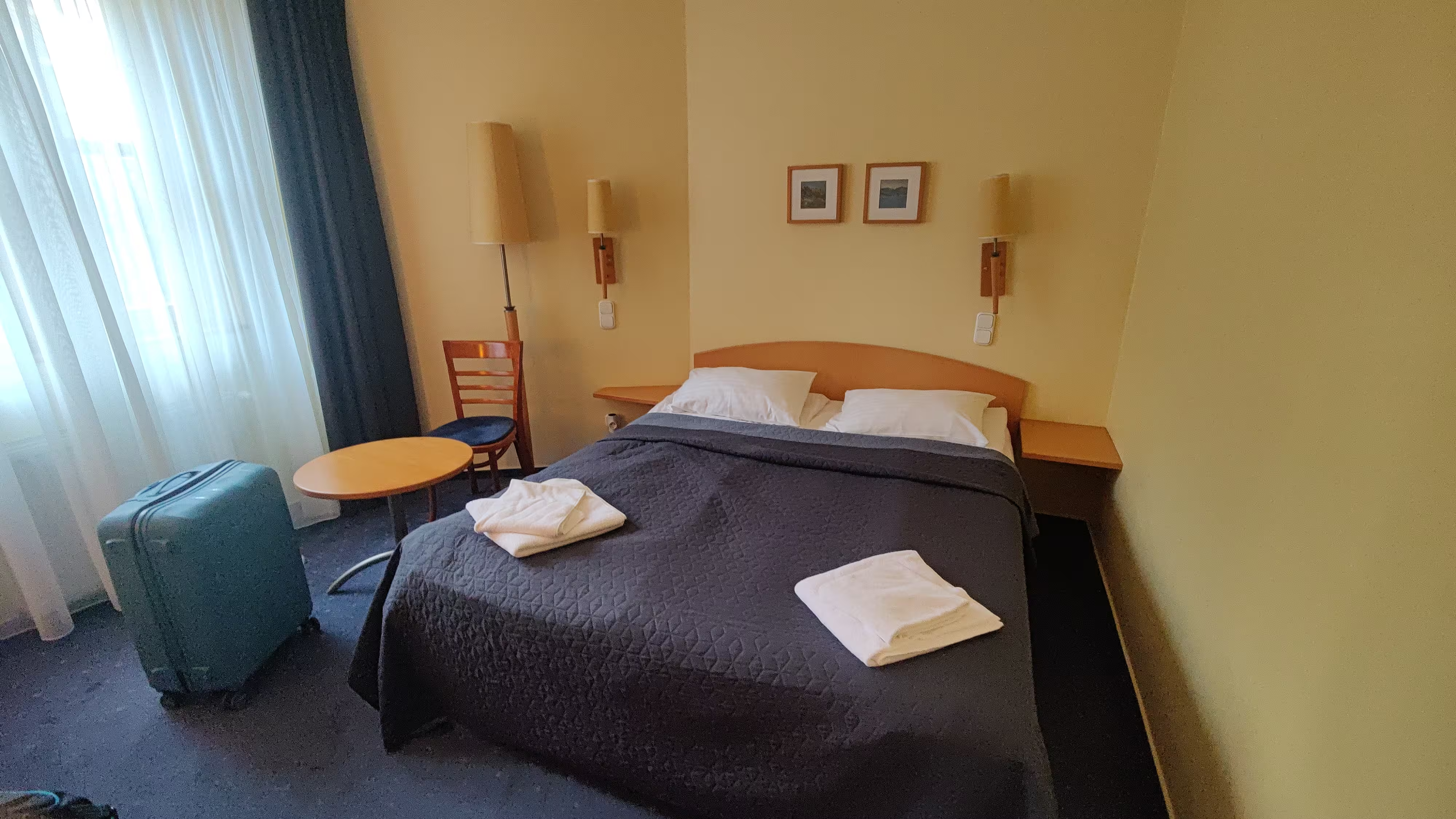 A shot of my room. Photo by Ravi Dwivedi, released under CC-BY-SA 4.0.
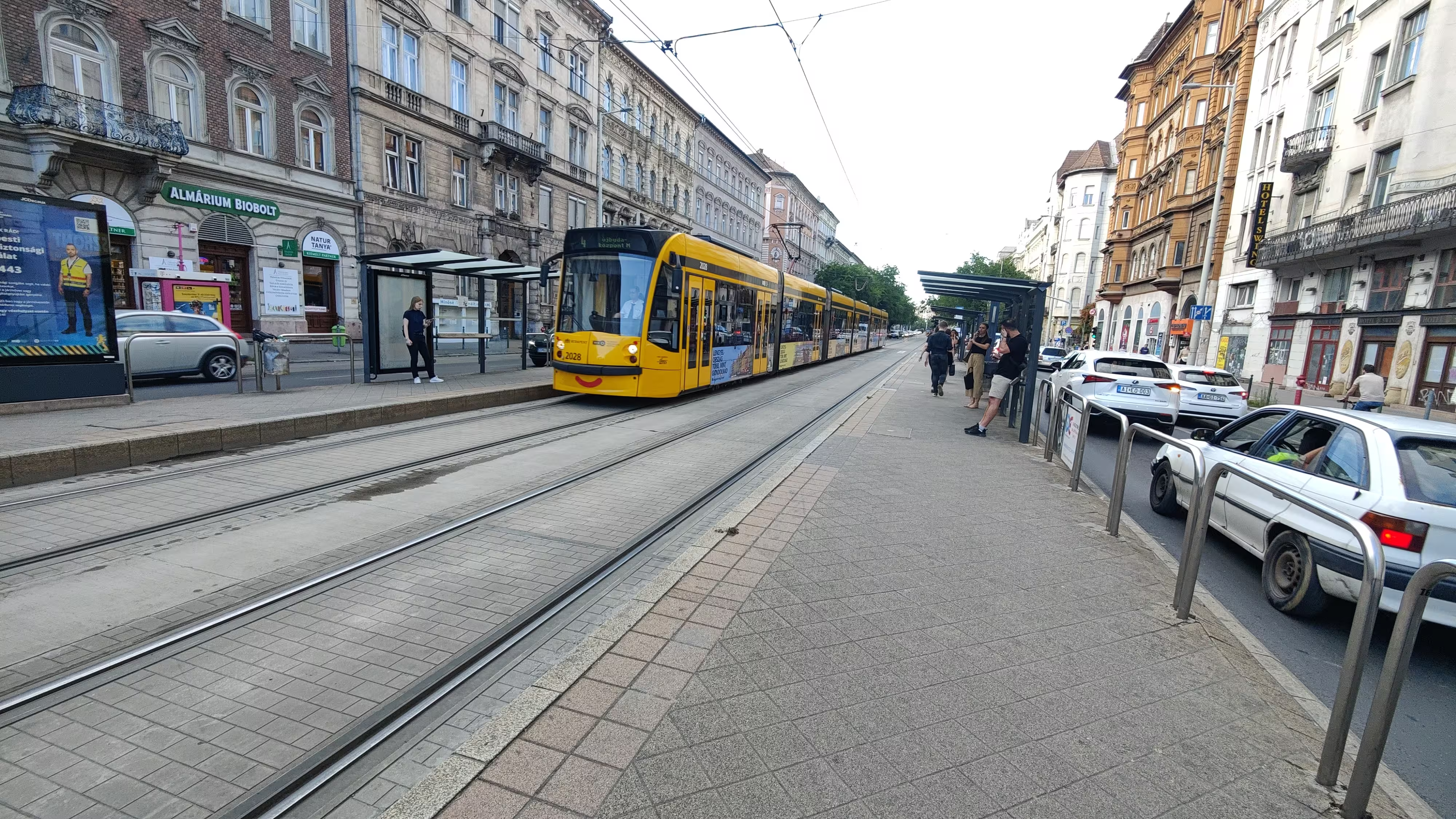 A tram in Budapest. Photo by Ravi Dwivedi, released under CC-BY-SA 4.0.
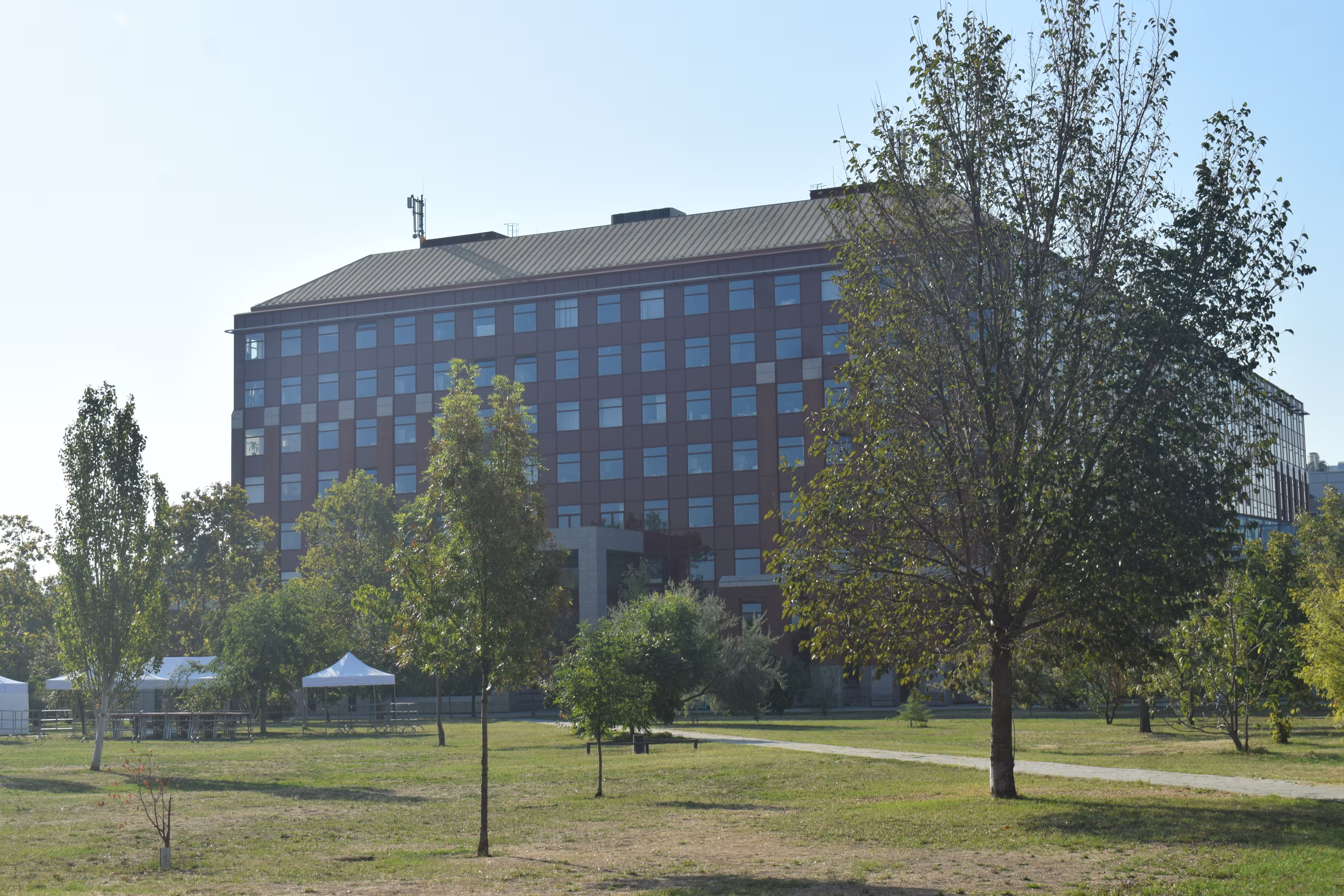 The red building in the picture served as the conference venue. Photo by Ravi Dwivedi, released under CC-BY-SA 4.0.
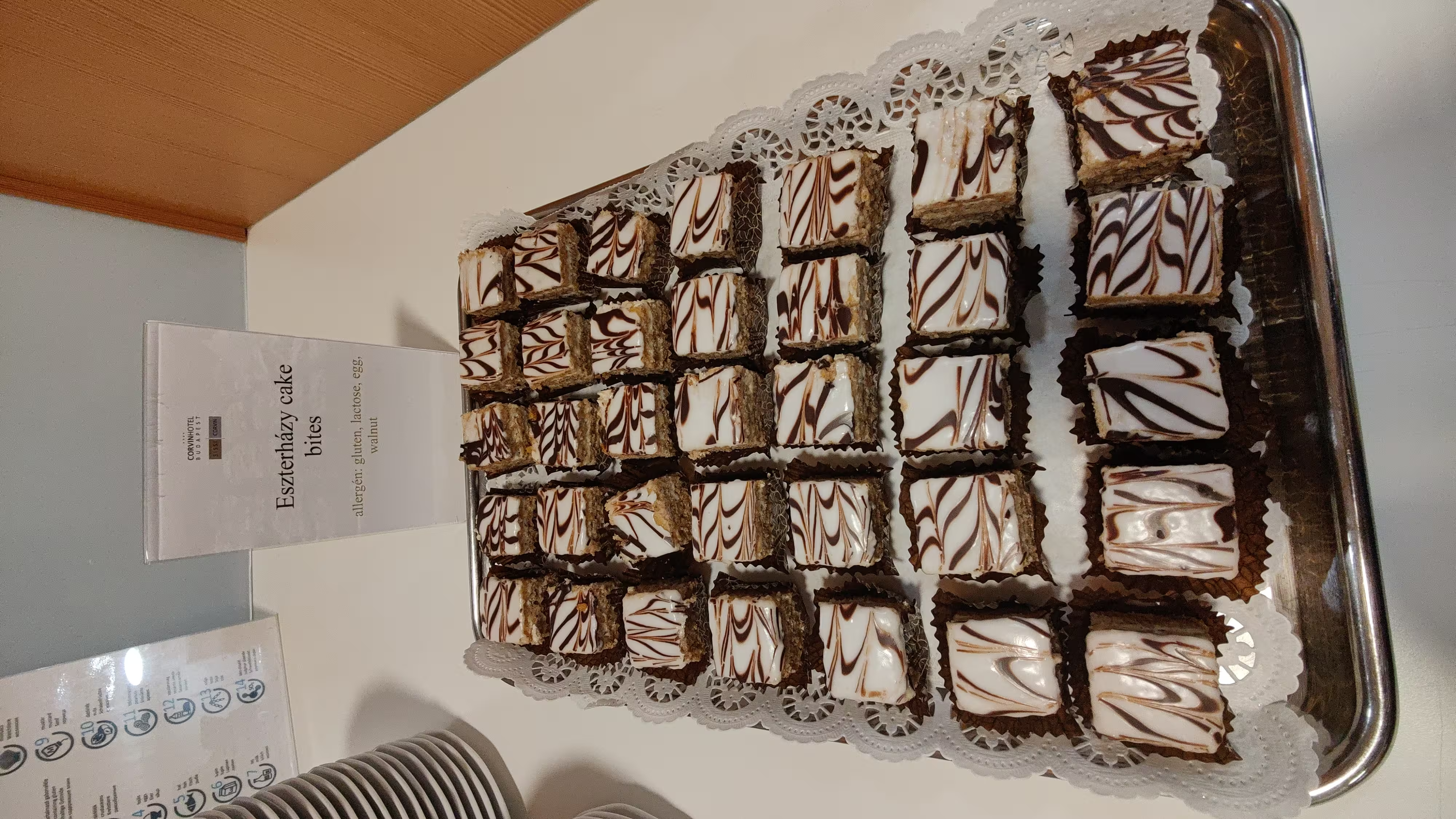 These Esterh zy cake bites were really yummy. Photo by Ravi Dwivedi, released under CC-BY-SA 4.0.
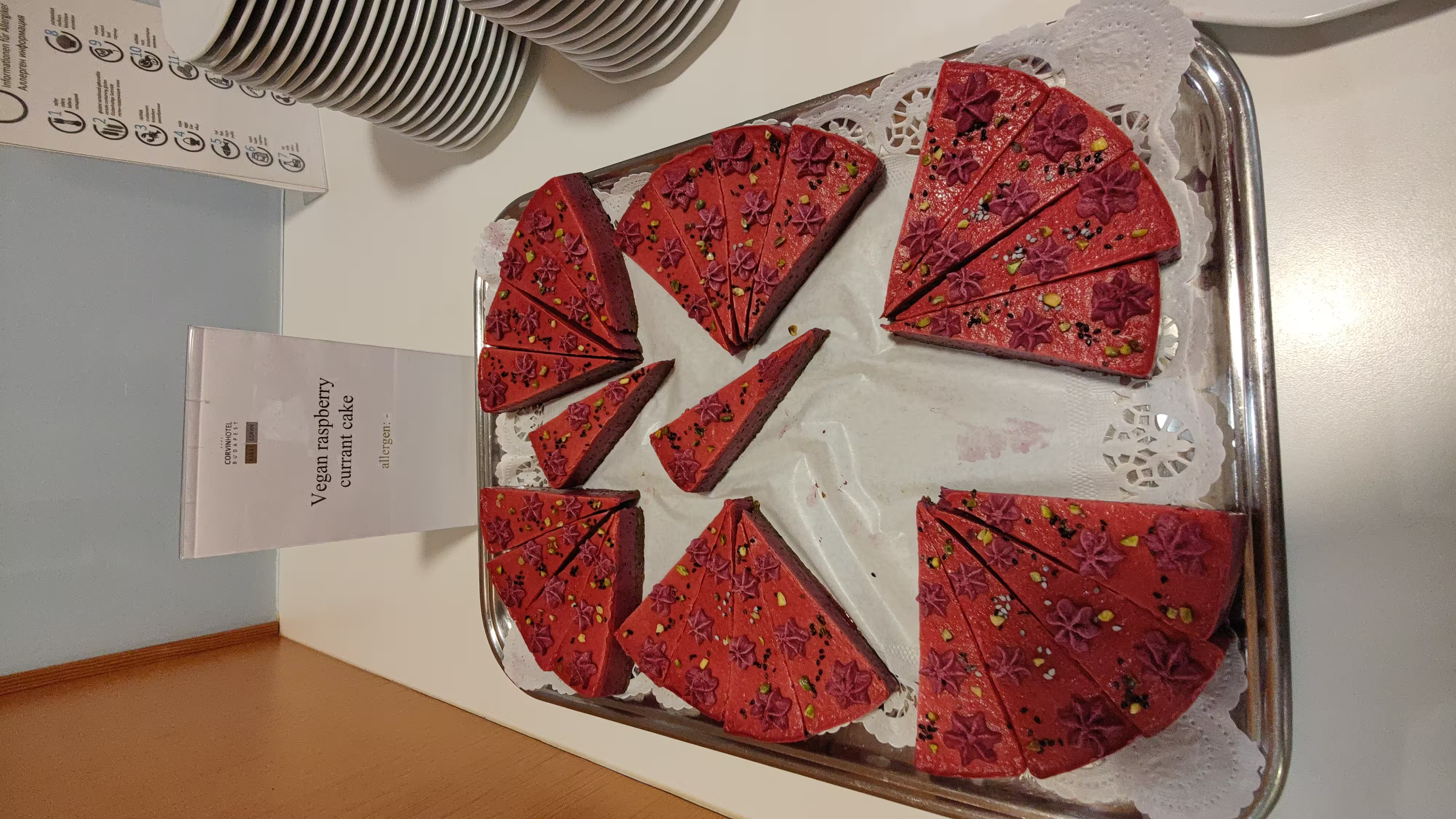 Raspberry Currant cake slices. Photo by Ravi Dwivedi, released under CC-BY-SA 4.0.
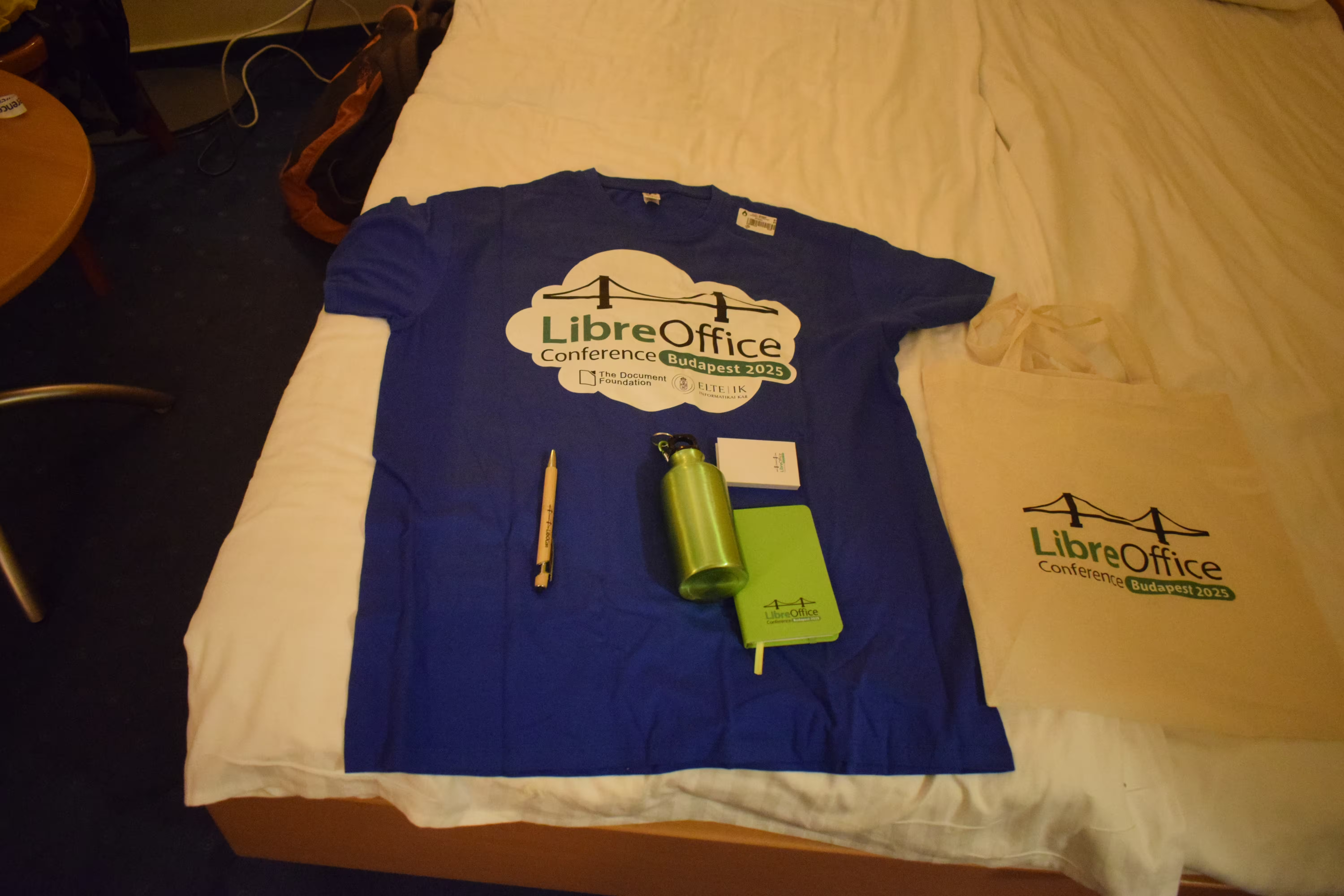 Conference swag. Photo by Ravi Dwivedi, released under CC-BY-SA 4.0.
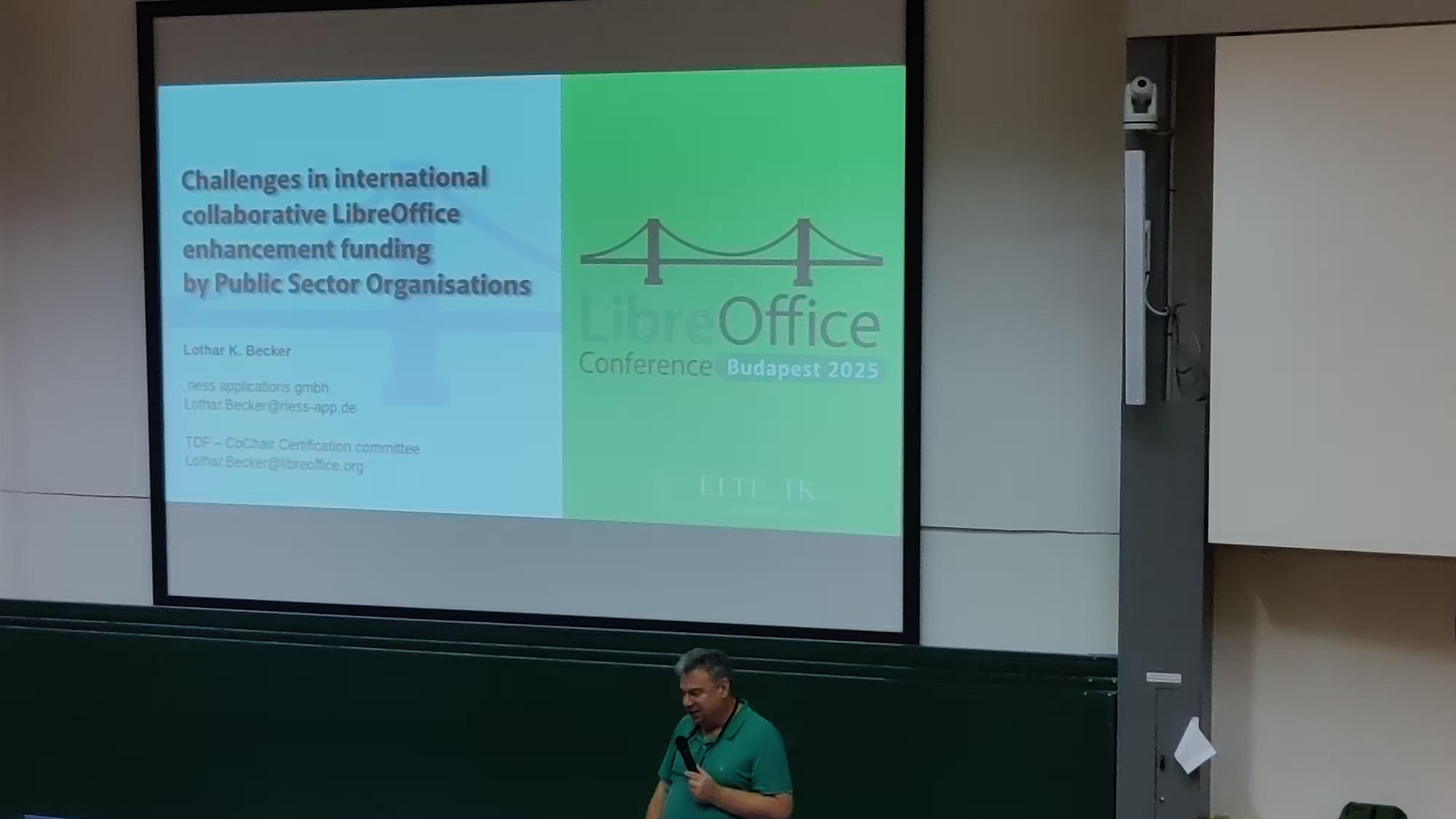 Lothar giving his presentation. Photo by Ravi Dwivedi, released under CC-BY-SA 4.0.
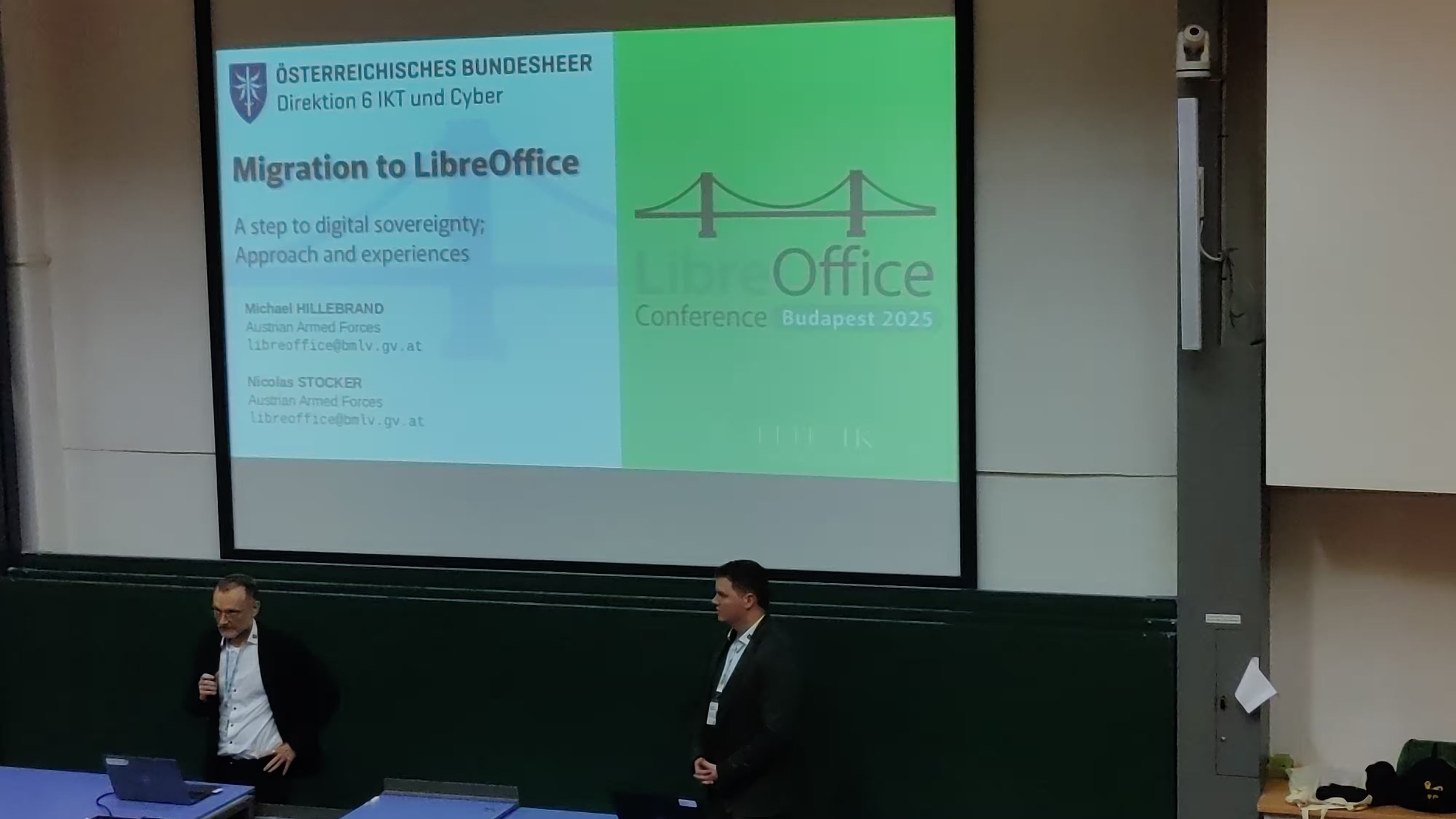 Presentation on migration to LibreOffice by Austrian Armed Forces. Photo by Ravi Dwivedi, released under CC-BY-SA 4.0.
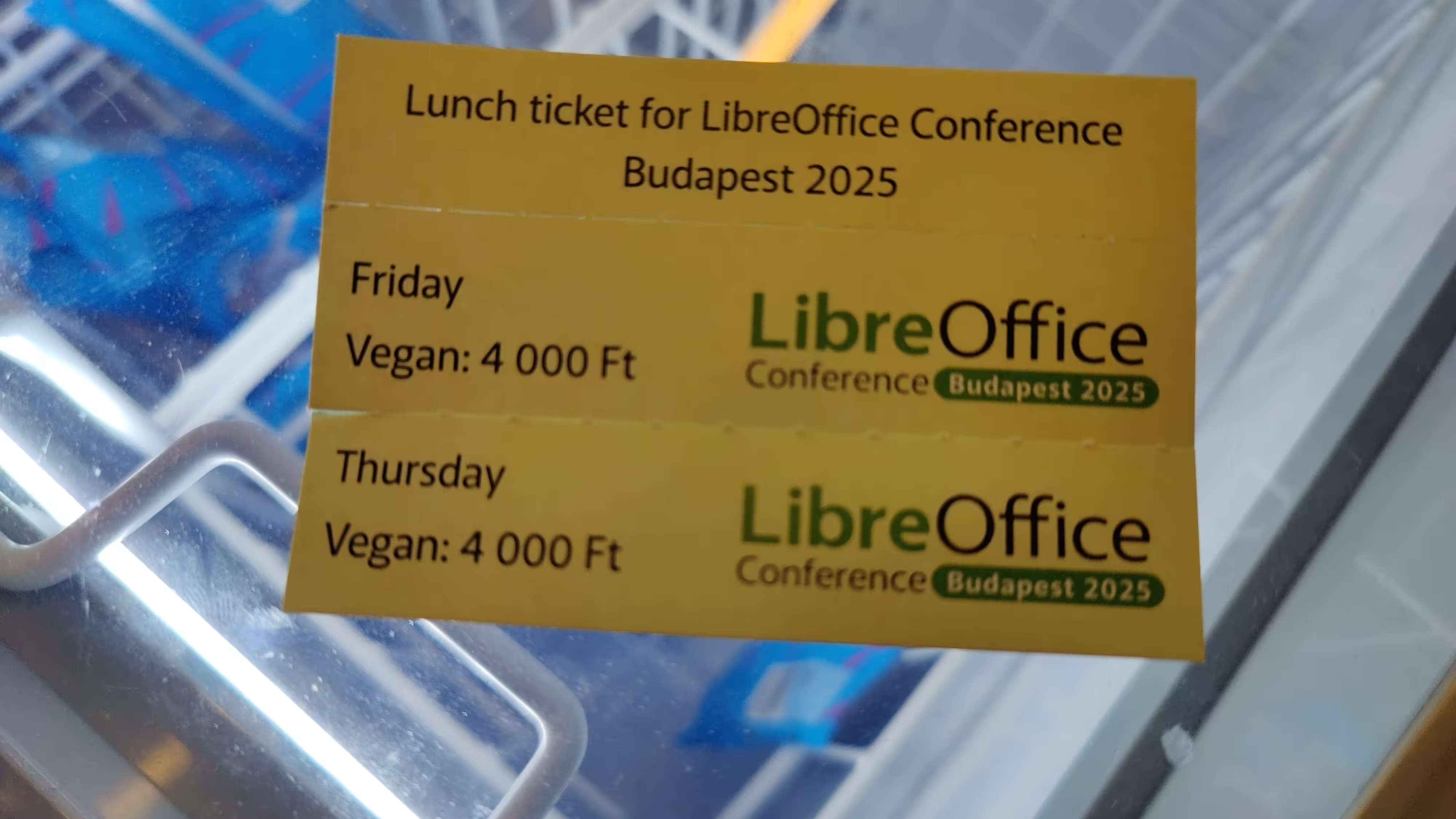 My lunch ticket for the conference. Photo by Ravi Dwivedi, released under CC-BY-SA 4.0.
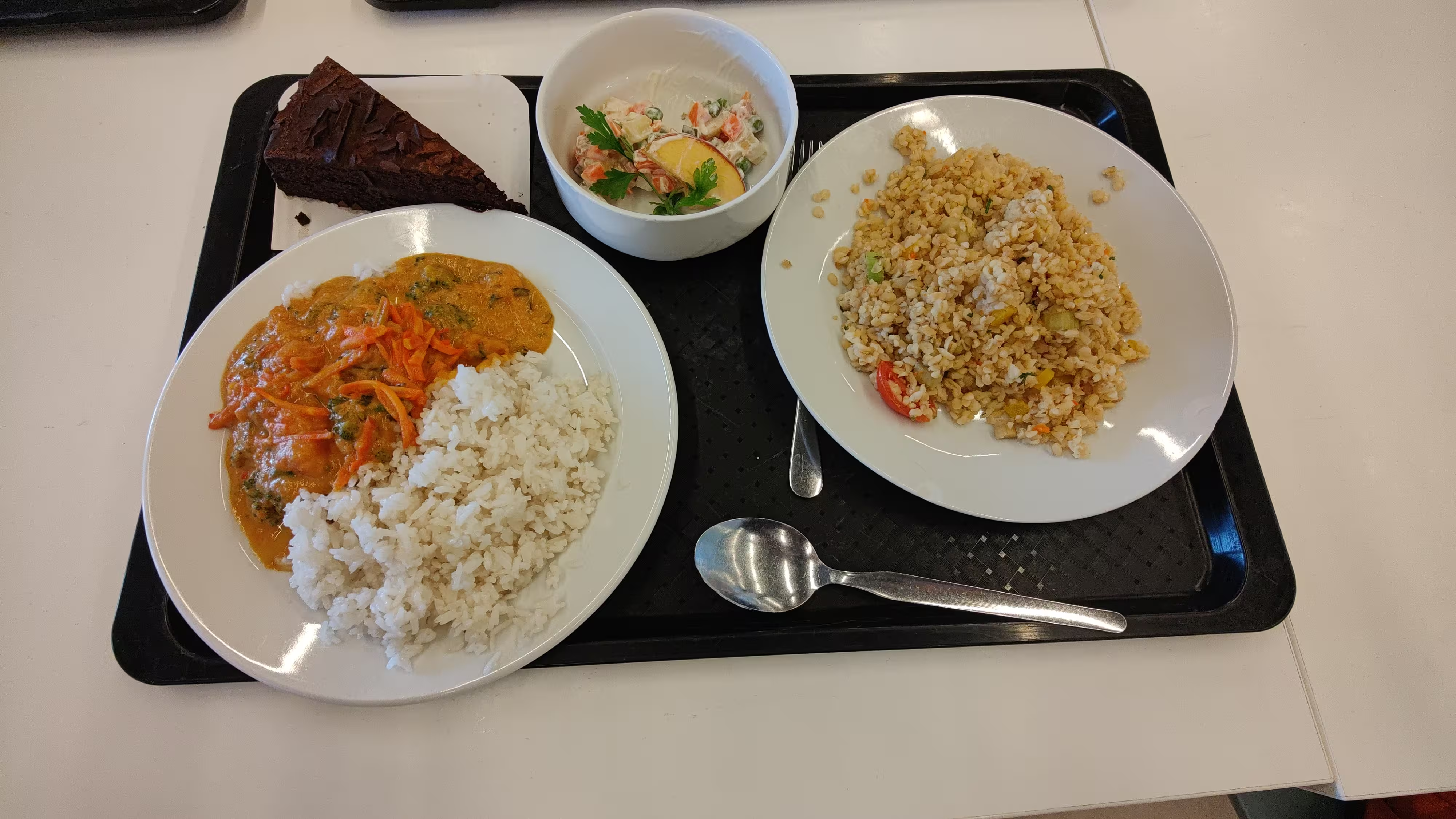 The lunch I had on the first day. Photo by Ravi Dwivedi, released under CC-BY-SA 4.0.
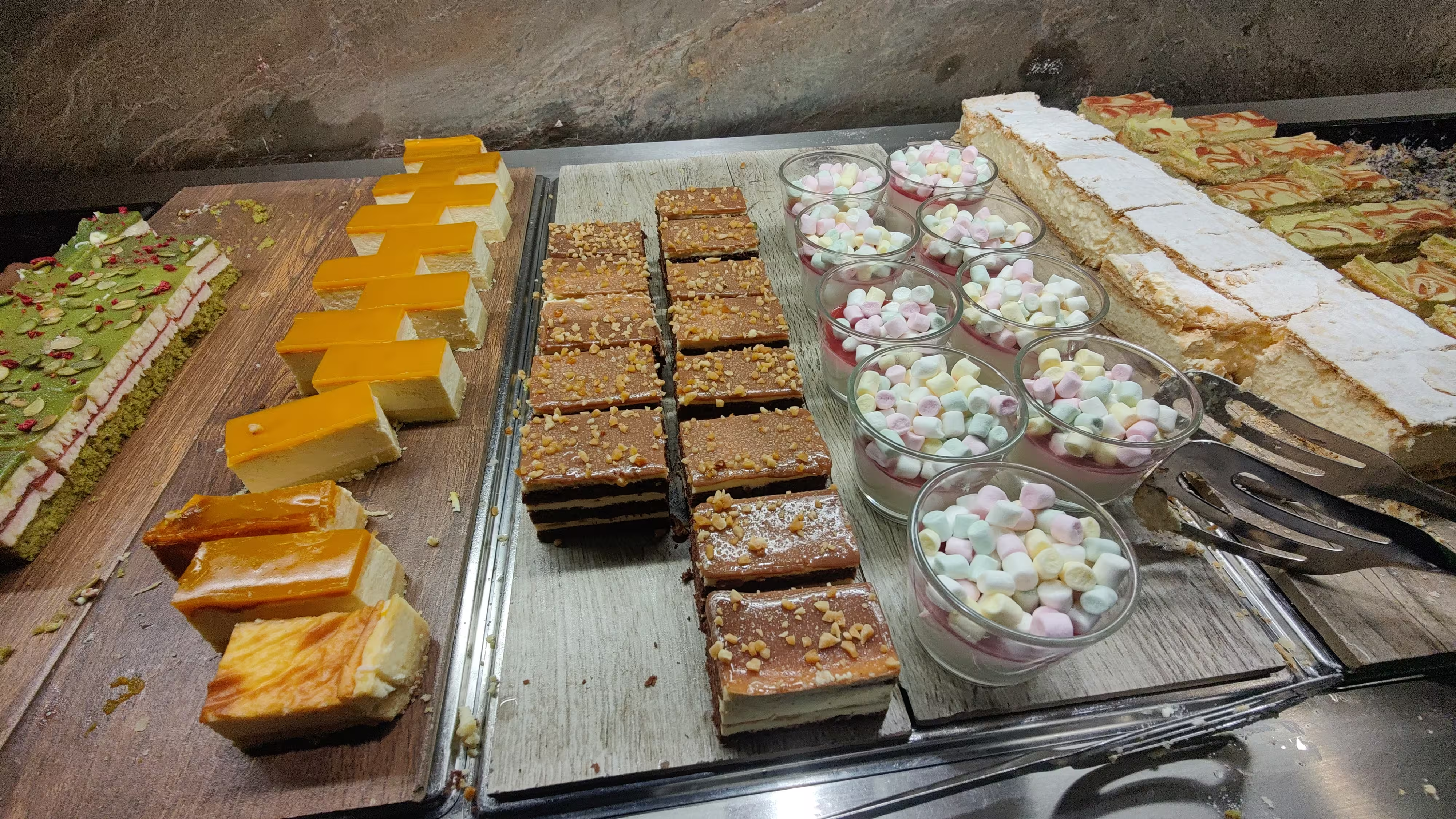 Desserts at Tofea Grill. Photo by Ravi Dwivedi, released under CC-BY-SA 4.0.
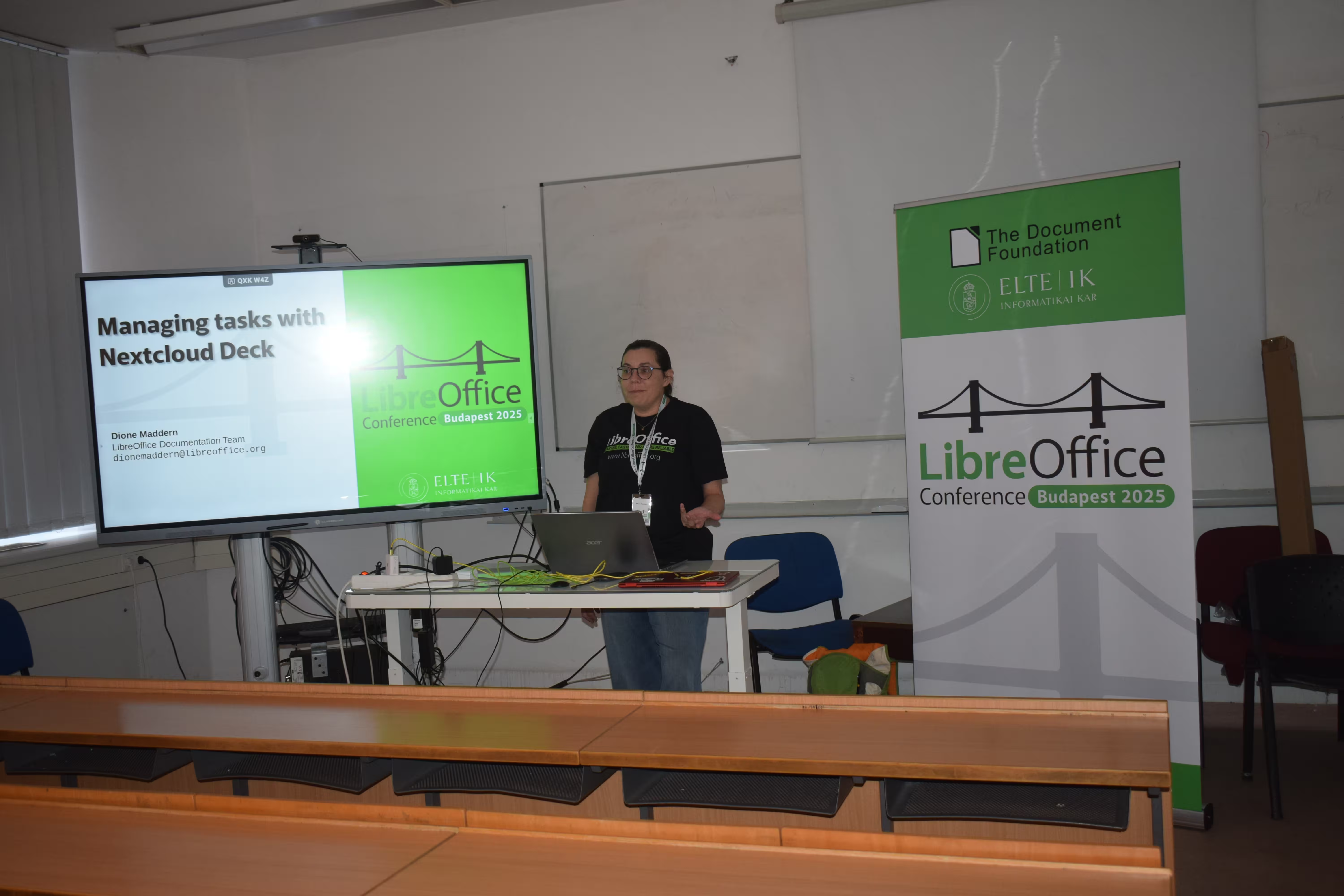 Dione giving her presentation. Photo by Ravi Dwivedi, released under CC-BY-SA 4.0.
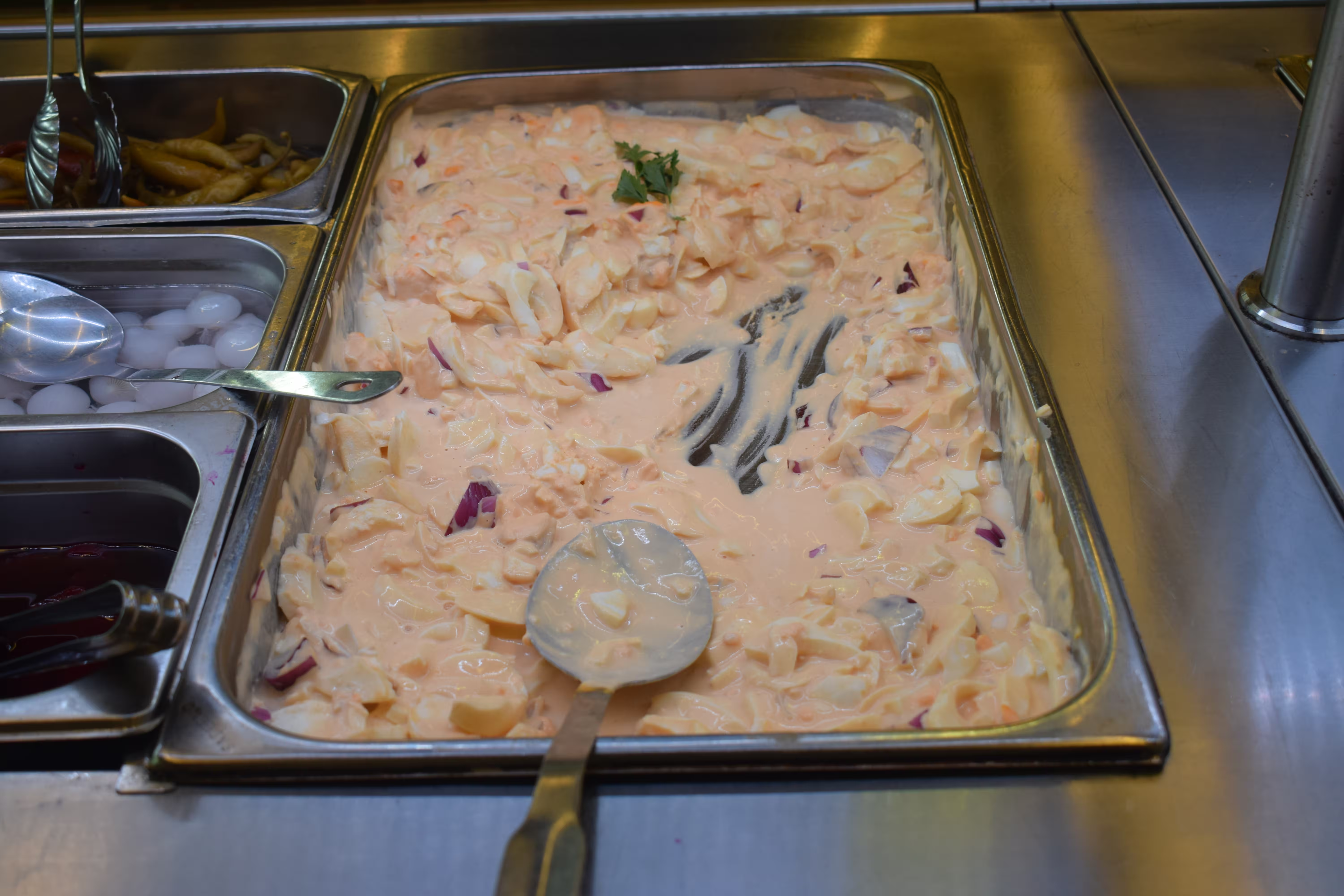 Egg white salad. Photo by Ravi Dwivedi, released under CC-BY-SA 4.0.
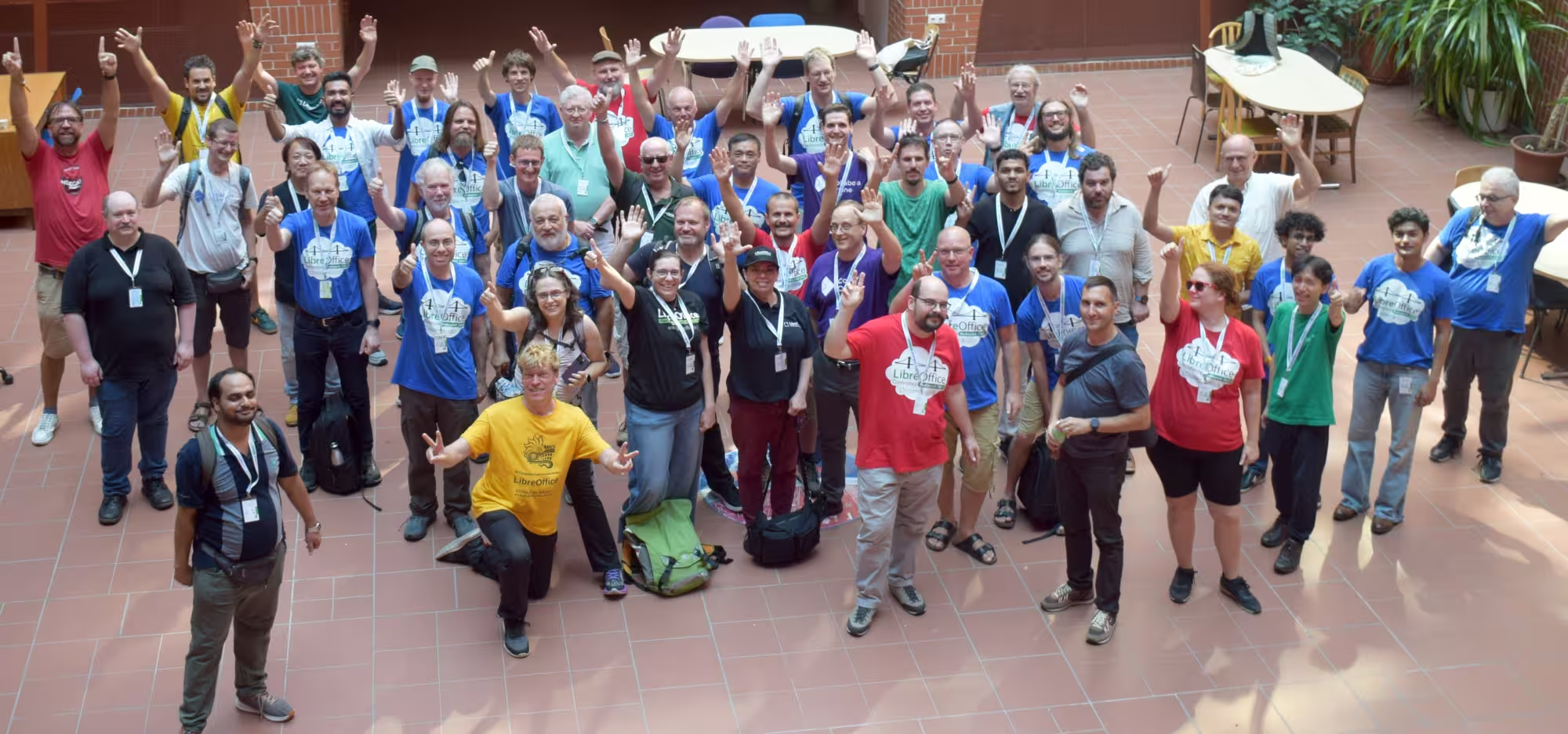 Group photo



 April already. Wondering how bazel update is going in Debian. Seems like a large undertaking.
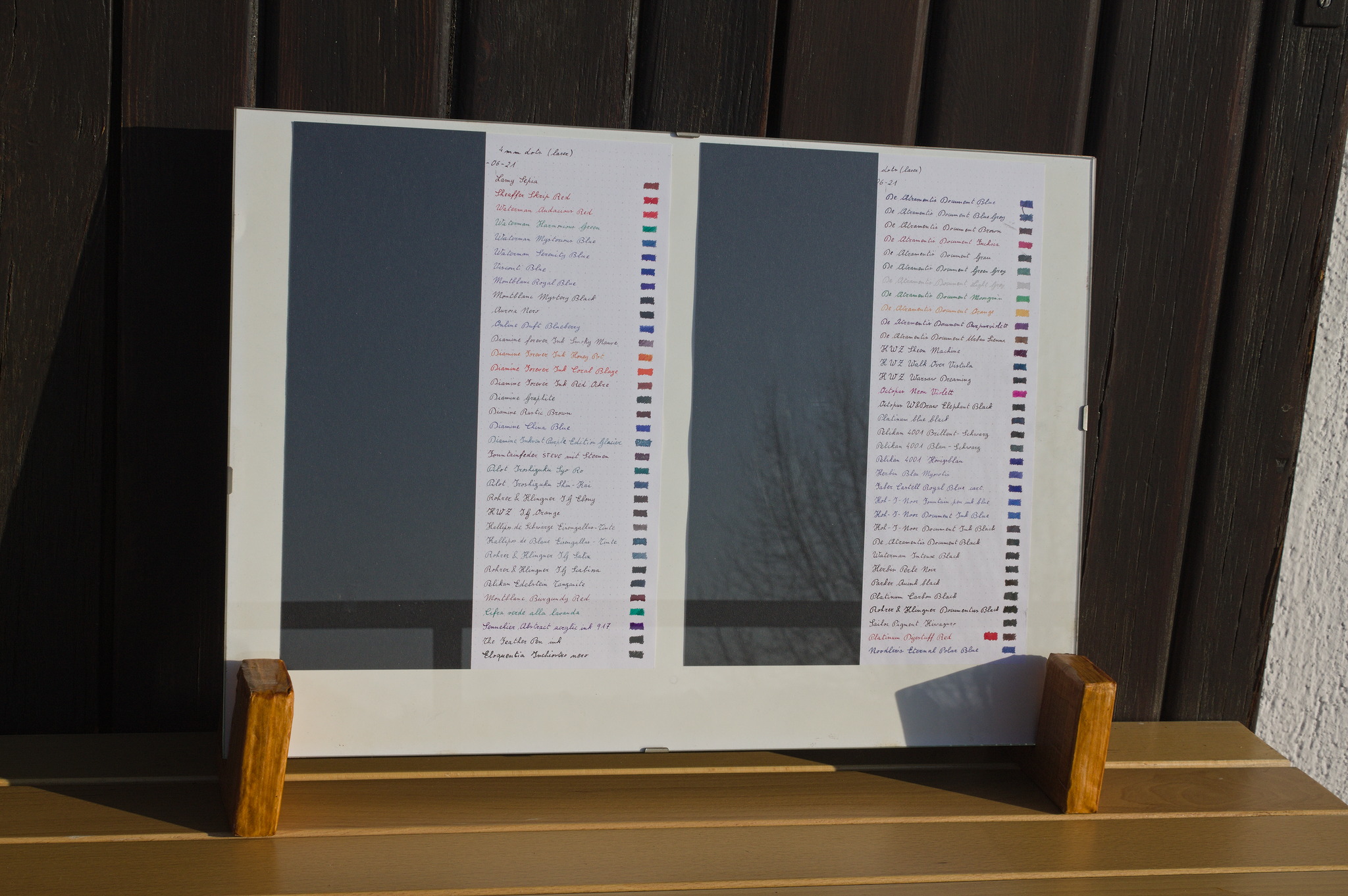
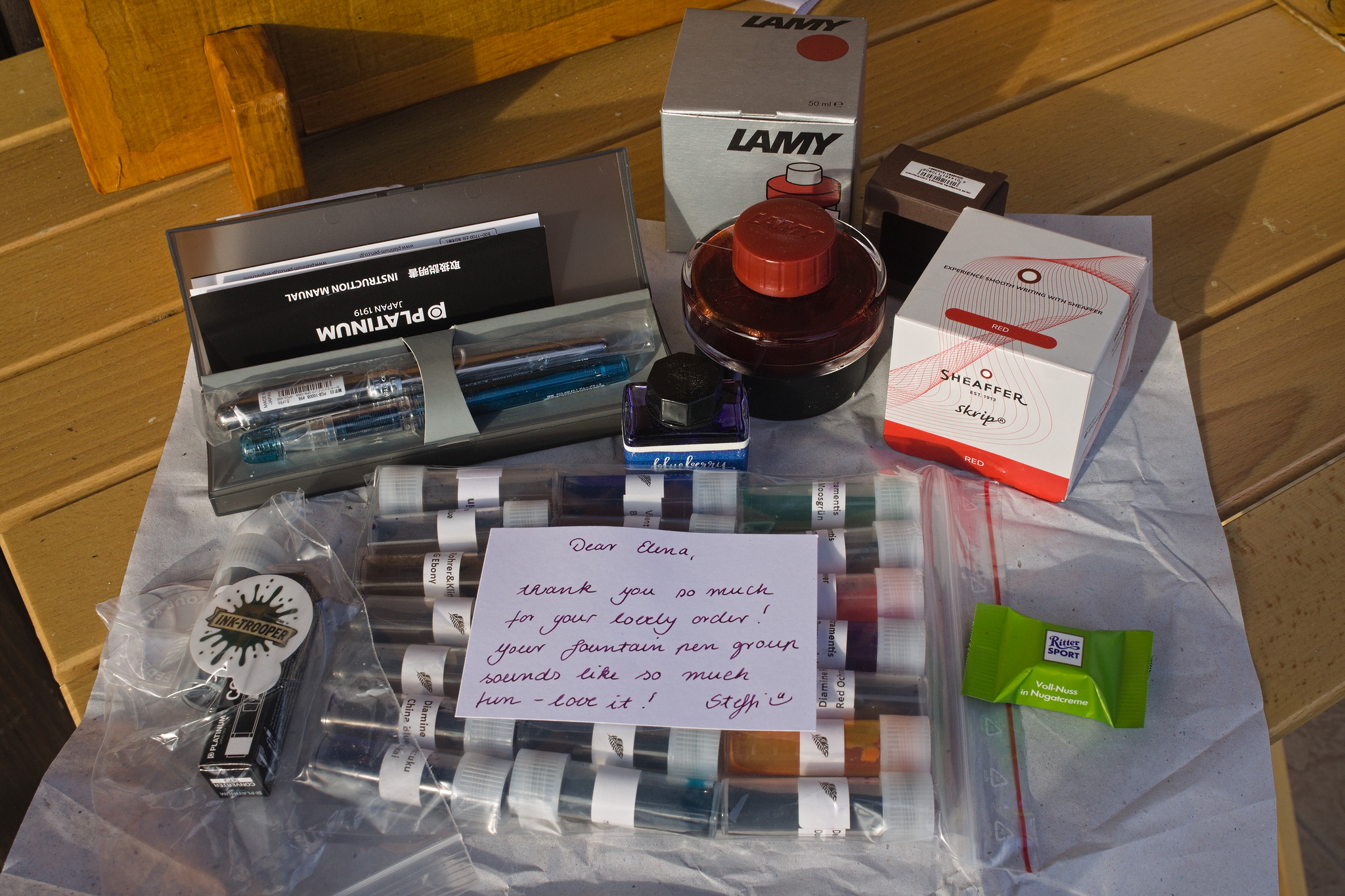 The next step, already in January, was mentioning in a fountain-pen
enthusiasts forum that I planned such a test, and asking if people were
interested in having me buy a few samples of more inks when I was
buying my next pen.
The word enthusiasts is probably a hint of the reason why soon
afterwards I received a package with the pen I had planned to buy, its
converter, and a couple dozens ink samples.
And then a couple envelopes with additional samples of inks that weren t
available on the shops, from said enthusiasts.
Added to the inks I already had acquired since the last lightfastness
test, it meant that they couldn t all fit in one single page, and thus I
had some room to add some inks I had already tested: some were requests,
and for others I tried to select ones that felt relevant.
Since I m changing the test setup, I ve decided I should probably keep
doing this until I ve tested again all of the inks I still have
available.
 For the paper, I ve used A4 sheets of
 While I was filling the sheet for the lightfastness tests, I decided to
also prepare a second set of sheet, for a liquid resistance drop test.
On each line, beside the name of the ink, I added five sets of crossing
parallel lines, and let everything dry for a few days.
Then I used a syringe to put a drop of a liquid on each set of lines,
waited for it to be absorbed into the paper and to dry, at least
overnight, but sometimes also for a day or two (life happened), and then
looked at the results and did the next test.
The first liquid was water, with the usual wild difference between
washable and permanent inks, and all of the intermediate possibilities.
The second liquid was isopropyl alcohol, and I was surprised to see
that, with very few exceptions, most inks didn t change at all. I
wonder whether that s related to the fact that instead of forming a drop
it was absorbed almost immediately into the paper, and dried in a very
short time.
The third liquid was hydrogen peroxide: beside the individual results I
noticed that its column yellowed visibly; I wonder whether that means
that the paper I used has optical brighteners, and it will also yellow
under the sun: that wouldn t be ideal, but it would also be a surprise,
for paper that is acid free and sold for arts.
The fourth liquid was citric acid, by mixing a bit less than a teaspoon
of citric acid granules in just enough very warm water (heated to 70 C,
i.e. the lowest temperature available on my kettle) to dissolve most of
the acid. I forgot that I had some old PH strips until one hour after
I ve put the drop on the paper, and I don t know whether something had
changed, but when I did remember about them it showed a deep red between
1 and 2. I don t think I can trust those strips too much, however.
This backfired badly: the drop of citric acid never dried out, but
formed a sticky paste that prevented me from scanning the results,
and I m not sure whether I ll do the last test, which was supposed to be
household bleach.
 Luckily I had scanned the partial results, and they are shown here.
 After one full day with plenty of sun, nothing really had changed,
except possibly for a vague hint that the Herbin Bleu Myosotis may have
have been a bit lighter than it started, but it may also have been a
suggestion.
 After three days, however, some results started to show, with the most
fugitive inks starting to be visibly changed, becoming either paler or
in some case duller.
 And the full week showed more of that, with a few more inks starting to
show visible change.

 After two weeks the paper had significantly yellowed, something I did
not expect from drawing paper (and which means that I will probably use
a different paper when making similar tests in the future).
As for the inks, there were a couple more inks with visible changes, but
mostly it was more of the same as seen in the previous week.
 Three weeks started to show changes in the black and most irongall inks, and of course more changes in the even less resistant inks.
 Week four saw a bit more clouds and rain than the first few weeks, and
there weren t big changes, but mostly more of what had already started
to happen earlier.
 A month didn t change much compared to the four weeks, but I did the
scans for completeness, and from now on I m going to update monthly.
 Huge. Huge. Amazing. It did crash as soon as I tried to actually use the
radio, but after fixing a few dangling bugs in the API surface (and some
assumptions I think some underlying gnuradio driver may be making that I need
to double check in the code), I was able to get a super solid stream of
broadcast fm radio, with gqrx being none the wiser. It thought it was
just talking to the device it knows as
 Nice. I can t wait to try this with the rest of the rtl-sdr based tools I like
having around using my
 This needs to be clear: systemd is under attack by a trolling campaign orchestrated by fascist elements. Nobody is forced to like or use systemd, but anybody who wants to pick a side should know the facts.
Recently, the free software