I m one of the few folks left who run and maintain mail servers. Recently I had major troubles receiving mails from the mail servers used by a bank, and when
asking my favourite search engine, I m clearly
not the only
one who
ran into such
an issue. Actually, I should have checked off the issue and not become a customer at that bank, but the tech nerd in me couldn t resist getting to the bottom of the problem. Since I got it working and this might be useful for others, here we are. :)
I was trying to get an online banking account set up, but the corresponding account creation mail didn t arrive me, at all. Looking at my mail server logs, my postfix mail server didn t accept the mail due to:
postfix/smtpd[3319640]: warning: TLS library problem: error:1417A0C1:SSL routines:tls_post_process_client_hello:no shared cipher:../ssl/statem/statem_srvr.c:2283:
postfix/smtpd[3319640]: lost connection after STARTTLS from mx01.arz.at[193.110.182.61]
Huh, what s going on here?! Let s increase the TLS loglevel (setting
smtpd_tls_loglevel = 2) and retry. But how can I retry receiving yet another mail? Luckily, on the registration website of the bank there was a URL available, that let me request a one-time password. This triggered another mail, so I did that and managed to grab this in the logs:
postfix/smtpd[3320018]: initializing the server-side TLS engine
postfix/tlsmgr[3320020]: open smtpd TLS cache btree:/var/lib/postfix/smtpd_scache
postfix/tlsmgr[3320020]: tlsmgr_cache_run_event: start TLS smtpd session cache cleanup
postfix/smtpd[3320018]: connect from mx01.arz.at[193.110.182.61]
postfix/smtpd[3320018]: setting up TLS connection from mx01.arz.at[193.110.182.61]
postfix/smtpd[3320018]: mx01.arz.at[193.110.182.61]: TLS cipher list "aNULL:-aNULL:HIGH:MEDIUM:+RC4:@STRENGTH"
postfix/smtpd[3320018]: SSL_accept:before SSL initialization
postfix/smtpd[3320018]: SSL_accept:before SSL initialization
postfix/smtpd[3320018]: SSL3 alert write:fatal:handshake failure
postfix/smtpd[3320018]: SSL_accept:error in error
postfix/smtpd[3320018]: SSL_accept error from mx01.arz.at[193.110.182.61]: -1
postfix/smtpd[3320018]: warning: TLS library problem: error:1417A0C1:SSL routines:tls_post_process_client_hello:no shared cipher:../ssl/statem/statem_srvr.c:2283:
postfix/smtpd[3320018]: lost connection after STARTTLS from mx01.arz.at[193.110.182.61]
postfix/smtpd[3320018]: disconnect from mx01.arz.at[193.110.182.61] ehlo=1 starttls=0/1 commands=1/2
postfix/smtpd[3320018]: connect from mx01.arz.at[193.110.182.61]
postfix/smtpd[3320018]: disconnect from mx01.arz.at[193.110.182.61] ehlo=1 quit=1 commands=2
Ok, so this
TLS cipher list aNULL:-aNULL:HIGH:MEDIUM:+RC4:@STRENGTH looked like the
tls_medium_cipherlist setting in postfix, but which ciphers
might we expect? Let s see what their SMTP server would speak to us:
% testssl --cipher-per-proto -t=smtp mx01.arz.at:25
[...]
Hexcode  Cipher Suite Name (OpenSSL)       KeyExch.   Encryption  Bits     Cipher Suite Name (IANA/RFC)
-----------------------------------------------------------------------------------------------------------------------------
SSLv2
SSLv3
TLS 1
TLS 1.1
TLS 1.2
 xc030   ECDHE-RSA-AES256-GCM-SHA384       ECDH 256   AESGCM      256      TLS_ECDHE_RSA_WITH_AES_256_GCM_SHA384
 xc028   ECDHE-RSA-AES256-SHA384           ECDH 256   AES         256      TLS_ECDHE_RSA_WITH_AES_256_CBC_SHA384
 xc014   ECDHE-RSA-AES256-SHA              ECDH 256   AES         256      TLS_ECDHE_RSA_WITH_AES_256_CBC_SHA
 x9d     AES256-GCM-SHA384                 RSA        AESGCM      256      TLS_RSA_WITH_AES_256_GCM_SHA384
 x3d     AES256-SHA256                     RSA        AES         256      TLS_RSA_WITH_AES_256_CBC_SHA256
 x35     AES256-SHA                        RSA        AES         256      TLS_RSA_WITH_AES_256_CBC_SHA
 xc02f   ECDHE-RSA-AES128-GCM-SHA256       ECDH 256   AESGCM      128      TLS_ECDHE_RSA_WITH_AES_128_GCM_SHA256
 xc027   ECDHE-RSA-AES128-SHA256           ECDH 256   AES         128      TLS_ECDHE_RSA_WITH_AES_128_CBC_SHA256
 xc013   ECDHE-RSA-AES128-SHA              ECDH 256   AES         128      TLS_ECDHE_RSA_WITH_AES_128_CBC_SHA
 x9c     AES128-GCM-SHA256                 RSA        AESGCM      128      TLS_RSA_WITH_AES_128_GCM_SHA256
 x3c     AES128-SHA256                     RSA        AES         128      TLS_RSA_WITH_AES_128_CBC_SHA256
 x2f     AES128-SHA                        RSA        AES         128      TLS_RSA_WITH_AES_128_CBC_SHA
TLS 1.3
Looks like a very small subset of ciphers, and they don t seem to be talking TLS v1.3 at all? Not great. :(
A nice web service to verify the situation from another point of view is
checktls, which also confirmed this:
[000.705] 	<-- 	220 2.0.0 Ready to start TLS
[000.705] 		STARTTLS command works on this server
[001.260] 		Connection converted to SSL
		SSLVersion in use: TLSv1_2
		Cipher in use: ECDHE-RSA-AES256-GCM-SHA384
		Perfect Forward Secrecy: yes
		Session Algorithm in use: Curve P-256 DHE(256 bits)
		Certificate #1 of 3 (sent by MX):
		Cert VALIDATED: ok
		Cert Hostname VERIFIED (mx01.arz.at = *.arz.at   DNS:*.arz.at   DNS:arz.at)
[...]
[001.517] 		TLS successfully started on this server
I got distracted by some other work, and when coming back to this problem, the one-time password procedure no longer worked, as the password reset URL was no longer valid. :( I managed to find the underlying URL, and with some web developer tools tinkering I could still use the website to let me trigger sending further one-time password mails, phew.
Let s continue, so
my mail server was running Debian/bullseye with postfix v3.5.18-0+deb11u1 and openssl v1.1.1n-0+deb11u5, let s see what it offers:
% testssl --cipher-per-proto -t=smtp mail.example.com:25
[...]
Hexcode  Cipher Suite Name (OpenSSL)       KeyExch.   Encryption  Bits     Cipher Suite Name (IANA/RFC)
-----------------------------------------------------------------------------------------------------------------------------
SSLv2
SSLv3
TLS 1
 xc00a   ECDHE-ECDSA-AES256-SHA            ECDH 253   AES         256      TLS_ECDHE_ECDSA_WITH_AES_256_CBC_SHA
 xc019   AECDH-AES256-SHA                  ECDH 253   AES         256      TLS_ECDH_anon_WITH_AES_256_CBC_SHA
 x3a     ADH-AES256-SHA                    DH 2048    AES         256      TLS_DH_anon_WITH_AES_256_CBC_SHA
 x89     ADH-CAMELLIA256-SHA               DH 2048    Camellia    256      TLS_DH_anon_WITH_CAMELLIA_256_CBC_SHA
 xc009   ECDHE-ECDSA-AES128-SHA            ECDH 253   AES         128      TLS_ECDHE_ECDSA_WITH_AES_128_CBC_SHA
 xc018   AECDH-AES128-SHA                  ECDH 253   AES         128      TLS_ECDH_anon_WITH_AES_128_CBC_SHA
 x34     ADH-AES128-SHA                    DH 2048    AES         128      TLS_DH_anon_WITH_AES_128_CBC_SHA
 x9b     ADH-SEED-SHA                      DH 2048    SEED        128      TLS_DH_anon_WITH_SEED_CBC_SHA
 x46     ADH-CAMELLIA128-SHA               DH 2048    Camellia    128      TLS_DH_anon_WITH_CAMELLIA_128_CBC_SHA
TLS 1.1
 xc00a   ECDHE-ECDSA-AES256-SHA            ECDH 253   AES         256      TLS_ECDHE_ECDSA_WITH_AES_256_CBC_SHA
 xc019   AECDH-AES256-SHA                  ECDH 253   AES         256      TLS_ECDH_anon_WITH_AES_256_CBC_SHA
 x3a     ADH-AES256-SHA                    DH 2048    AES         256      TLS_DH_anon_WITH_AES_256_CBC_SHA
 x89     ADH-CAMELLIA256-SHA               DH 2048    Camellia    256      TLS_DH_anon_WITH_CAMELLIA_256_CBC_SHA
 xc009   ECDHE-ECDSA-AES128-SHA            ECDH 253   AES         128      TLS_ECDHE_ECDSA_WITH_AES_128_CBC_SHA
 xc018   AECDH-AES128-SHA                  ECDH 253   AES         128      TLS_ECDH_anon_WITH_AES_128_CBC_SHA
 x34     ADH-AES128-SHA                    DH 2048    AES         128      TLS_DH_anon_WITH_AES_128_CBC_SHA
 x9b     ADH-SEED-SHA                      DH 2048    SEED        128      TLS_DH_anon_WITH_SEED_CBC_SHA
 x46     ADH-CAMELLIA128-SHA               DH 2048    Camellia    128      TLS_DH_anon_WITH_CAMELLIA_128_CBC_SHA
TLS 1.2
 xc02c   ECDHE-ECDSA-AES256-GCM-SHA384     ECDH 253   AESGCM      256      TLS_ECDHE_ECDSA_WITH_AES_256_GCM_SHA384
 xc024   ECDHE-ECDSA-AES256-SHA384         ECDH 253   AES         256      TLS_ECDHE_ECDSA_WITH_AES_256_CBC_SHA384
 xc00a   ECDHE-ECDSA-AES256-SHA            ECDH 253   AES         256      TLS_ECDHE_ECDSA_WITH_AES_256_CBC_SHA
 xcca9   ECDHE-ECDSA-CHACHA20-POLY1305     ECDH 253   ChaCha20    256      TLS_ECDHE_ECDSA_WITH_CHACHA20_POLY1305_SHA256
 xc0af   ECDHE-ECDSA-AES256-CCM8           ECDH 253   AESCCM8     256      TLS_ECDHE_ECDSA_WITH_AES_256_CCM_8
 xc0ad   ECDHE-ECDSA-AES256-CCM            ECDH 253   AESCCM      256      TLS_ECDHE_ECDSA_WITH_AES_256_CCM
 xc073   ECDHE-ECDSA-CAMELLIA256-SHA384    ECDH 253   Camellia    256      TLS_ECDHE_ECDSA_WITH_CAMELLIA_256_CBC_SHA384
 xc019   AECDH-AES256-SHA                  ECDH 253   AES         256      TLS_ECDH_anon_WITH_AES_256_CBC_SHA
 xa7     ADH-AES256-GCM-SHA384             DH 2048    AESGCM      256      TLS_DH_anon_WITH_AES_256_GCM_SHA384
 x6d     ADH-AES256-SHA256                 DH 2048    AES         256      TLS_DH_anon_WITH_AES_256_CBC_SHA256
 x3a     ADH-AES256-SHA                    DH 2048    AES         256      TLS_DH_anon_WITH_AES_256_CBC_SHA
 xc5     ADH-CAMELLIA256-SHA256            DH 2048    Camellia    256      TLS_DH_anon_WITH_CAMELLIA_256_CBC_SHA256
 x89     ADH-CAMELLIA256-SHA               DH 2048    Camellia    256      TLS_DH_anon_WITH_CAMELLIA_256_CBC_SHA
 xc05d   ECDHE-ECDSA-ARIA256-GCM-SHA384    ECDH 253   ARIAGCM     256      TLS_ECDHE_ECDSA_WITH_ARIA_256_GCM_SHA384
 xc02b   ECDHE-ECDSA-AES128-GCM-SHA256     ECDH 253   AESGCM      128      TLS_ECDHE_ECDSA_WITH_AES_128_GCM_SHA256
 xc023   ECDHE-ECDSA-AES128-SHA256         ECDH 253   AES         128      TLS_ECDHE_ECDSA_WITH_AES_128_CBC_SHA256
 xc009   ECDHE-ECDSA-AES128-SHA            ECDH 253   AES         128      TLS_ECDHE_ECDSA_WITH_AES_128_CBC_SHA
 xc0ae   ECDHE-ECDSA-AES128-CCM8           ECDH 253   AESCCM8     128      TLS_ECDHE_ECDSA_WITH_AES_128_CCM_8
 xc0ac   ECDHE-ECDSA-AES128-CCM            ECDH 253   AESCCM      128      TLS_ECDHE_ECDSA_WITH_AES_128_CCM
 xc072   ECDHE-ECDSA-CAMELLIA128-SHA256    ECDH 253   Camellia    128      TLS_ECDHE_ECDSA_WITH_CAMELLIA_128_CBC_SHA256
 xc018   AECDH-AES128-SHA                  ECDH 253   AES         128      TLS_ECDH_anon_WITH_AES_128_CBC_SHA
 xa6     ADH-AES128-GCM-SHA256             DH 2048    AESGCM      128      TLS_DH_anon_WITH_AES_128_GCM_SHA256
 x6c     ADH-AES128-SHA256                 DH 2048    AES         128      TLS_DH_anon_WITH_AES_128_CBC_SHA256
 x34     ADH-AES128-SHA                    DH 2048    AES         128      TLS_DH_anon_WITH_AES_128_CBC_SHA
 xbf     ADH-CAMELLIA128-SHA256            DH 2048    Camellia    128      TLS_DH_anon_WITH_CAMELLIA_128_CBC_SHA256
 x9b     ADH-SEED-SHA                      DH 2048    SEED        128      TLS_DH_anon_WITH_SEED_CBC_SHA
 x46     ADH-CAMELLIA128-SHA               DH 2048    Camellia    128      TLS_DH_anon_WITH_CAMELLIA_128_CBC_SHA
 xc05c   ECDHE-ECDSA-ARIA128-GCM-SHA256    ECDH 253   ARIAGCM     128      TLS_ECDHE_ECDSA_WITH_ARIA_128_GCM_SHA256
TLS 1.3
 x1302   TLS_AES_256_GCM_SHA384            ECDH 253   AESGCM      256      TLS_AES_256_GCM_SHA384
 x1303   TLS_CHACHA20_POLY1305_SHA256      ECDH 253   ChaCha20    256      TLS_CHACHA20_POLY1305_SHA256
 x1301   TLS_AES_128_GCM_SHA256            ECDH 253   AESGCM      128      TLS_AES_128_GCM_SHA256
Not so bad, but sadly no overlap with any of the ciphers that mx01.arz.at offers.
What about disabling STARTTLS for the mx01.arz.at (+ mx02.arz.at being another one used by the relevant domain) mail servers when talking to mine? Let s try that:
% sudo postconf -nf smtpd_discard_ehlo_keyword_address_maps
smtpd_discard_ehlo_keyword_address_maps =
    hash:/etc/postfix/smtpd_discard_ehlo_keywords
% cat /etc/postfix/smtpd_discard_ehlo_keywords
# *disable* starttls for mx01.arz.at / mx02.arz.at:
193.110.182.61 starttls
193.110.182.62 starttls
But the remote mail server doesn t seem to send mails without TLS:
postfix/smtpd[4151799]: connect from mx01.arz.at[193.110.182.61]
postfix/smtpd[4151799]: discarding EHLO keywords: STARTTLS
postfix/smtpd[4151799]: disconnect from mx01.arz.at[193.110.182.61] ehlo=1 quit=1 commands=2
Let s verify this further, but without fiddling with the main mail server too much. We can add a dedicated service to postfix (see
serverfault), and run it in verbose mode, to get more detailled logging:
% sudo postconf -Mf
[...]
10025      inet  n       -       -       -       -       smtpd
    -o syslog_name=postfix/smtpd/badstarttls
    -o smtpd_tls_security_level=none
    -o smtpd_helo_required=yes
    -o smtpd_helo_restrictions=pcre:/etc/postfix/helo_badstarttls_allow,reject
    -v
[...]
% cat /etc/postfix/helo_badstarttls_allow
/mx01.arz.at/ OK
/mx02.arz.at/ OK
/193.110.182.61/ OK
/193.110.182.62/ OK
We redirect the traffic from mx01.arz.at + mx02.arz.at towards our new postfix service, listening on port 10025:
% sudo iptables -t nat -A PREROUTING -p tcp -s 193.110.182.61 --dport 25 -j REDIRECT --to-port 10025
% sudo iptables -t nat -A PREROUTING -p tcp -s 193.110.182.62 --dport 25 -j REDIRECT --to-port 10025
With this setup we get very detailed logging, and it seems to confirm our suspicion that the mail server doesn t want to talk unencrypted with us:
[...]
postfix/smtpd/badstarttls/smtpd[3491900]: connect from mx01.arz.at[193.110.182.61]
[...]
postfix/smtpd/badstarttls/smtpd[3491901]: disconnect from mx01.arz.at[193.110.182.61] ehlo=1 quit=1 commands=2
postfix/smtpd/badstarttls/smtpd[3491901]: master_notify: status 1
postfix/smtpd/badstarttls/smtpd[3491901]: connection closed
[...]
Let s step back and revert those changes, back to our original postfix setup. Might the problem be related to our Let s Encrypt certificate? Let s see what we have:
% echo QUIT   openssl s_client -connect mail.example.com:25 -starttls
[...]
issuer=C = US, O = Let's Encrypt, CN = R3
---
No client certificate CA names sent
Peer signing digest: SHA384
Peer signature type: ECDSA
Server Temp Key: X25519, 253 bits
---
SSL handshake has read 4455 bytes and written 427 bytes
Verification: OK
---
New, TLSv1.3, Cipher is TLS_AES_256_GCM_SHA384
Server public key is 384 bit
[...]
We have an ECDSA based certificate, what about switching to RSA instead? Thanks to the wonderful
dehydrated, this is as easy as:
% echo KEY_ALGO=rsa > certs/mail.example.com/config
% ./dehydrated -c --domain mail.example.com --force
% sudo systemctl reload postfix
With switching to RSA type key we get:
% echo QUIT   openssl s_client -connect mail.example.com:25 -starttls smtp
CONNECTED(00000003)
[...]
issuer=C = US, O = Let's Encrypt, CN = R3
---
No client certificate CA names sent
Peer signing digest: SHA256
Peer signature type: RSA-PSS
Server Temp Key: X25519, 253 bits
---
SSL handshake has read 5295 bytes and written 427 bytes
Verification: OK
---
New, TLSv1.3, Cipher is TLS_AES_256_GCM_SHA384
Server public key is 4096 bit
Which ciphers do we offer now? Let s check:
% testssl --cipher-per-proto -t=smtp mail.example.com:25
[...]
Hexcode  Cipher Suite Name (OpenSSL)       KeyExch.   Encryption  Bits     Cipher Suite Name (IANA/RFC)
-----------------------------------------------------------------------------------------------------------------------------
SSLv2
SSLv3
TLS 1
 xc014   ECDHE-RSA-AES256-SHA              ECDH 253   AES         256      TLS_ECDHE_RSA_WITH_AES_256_CBC_SHA
 x39     DHE-RSA-AES256-SHA                DH 2048    AES         256      TLS_DHE_RSA_WITH_AES_256_CBC_SHA
 x88     DHE-RSA-CAMELLIA256-SHA           DH 2048    Camellia    256      TLS_DHE_RSA_WITH_CAMELLIA_256_CBC_SHA
 xc019   AECDH-AES256-SHA                  ECDH 253   AES         256      TLS_ECDH_anon_WITH_AES_256_CBC_SHA
 x3a     ADH-AES256-SHA                    DH 2048    AES         256      TLS_DH_anon_WITH_AES_256_CBC_SHA
 x89     ADH-CAMELLIA256-SHA               DH 2048    Camellia    256      TLS_DH_anon_WITH_CAMELLIA_256_CBC_SHA
 x35     AES256-SHA                        RSA        AES         256      TLS_RSA_WITH_AES_256_CBC_SHA
 x84     CAMELLIA256-SHA                   RSA        Camellia    256      TLS_RSA_WITH_CAMELLIA_256_CBC_SHA
 xc013   ECDHE-RSA-AES128-SHA              ECDH 253   AES         128      TLS_ECDHE_RSA_WITH_AES_128_CBC_SHA
 x33     DHE-RSA-AES128-SHA                DH 2048    AES         128      TLS_DHE_RSA_WITH_AES_128_CBC_SHA
 x9a     DHE-RSA-SEED-SHA                  DH 2048    SEED        128      TLS_DHE_RSA_WITH_SEED_CBC_SHA
 x45     DHE-RSA-CAMELLIA128-SHA           DH 2048    Camellia    128      TLS_DHE_RSA_WITH_CAMELLIA_128_CBC_SHA
 xc018   AECDH-AES128-SHA                  ECDH 253   AES         128      TLS_ECDH_anon_WITH_AES_128_CBC_SHA
 x34     ADH-AES128-SHA                    DH 2048    AES         128      TLS_DH_anon_WITH_AES_128_CBC_SHA
 x9b     ADH-SEED-SHA                      DH 2048    SEED        128      TLS_DH_anon_WITH_SEED_CBC_SHA
 x46     ADH-CAMELLIA128-SHA               DH 2048    Camellia    128      TLS_DH_anon_WITH_CAMELLIA_128_CBC_SHA
 x2f     AES128-SHA                        RSA        AES         128      TLS_RSA_WITH_AES_128_CBC_SHA
 x96     SEED-SHA                          RSA        SEED        128      TLS_RSA_WITH_SEED_CBC_SHA
 x41     CAMELLIA128-SHA                   RSA        Camellia    128      TLS_RSA_WITH_CAMELLIA_128_CBC_SHA
TLS 1.1
 xc014   ECDHE-RSA-AES256-SHA              ECDH 253   AES         256      TLS_ECDHE_RSA_WITH_AES_256_CBC_SHA
 x39     DHE-RSA-AES256-SHA                DH 2048    AES         256      TLS_DHE_RSA_WITH_AES_256_CBC_SHA
 x88     DHE-RSA-CAMELLIA256-SHA           DH 2048    Camellia    256      TLS_DHE_RSA_WITH_CAMELLIA_256_CBC_SHA
 xc019   AECDH-AES256-SHA                  ECDH 253   AES         256      TLS_ECDH_anon_WITH_AES_256_CBC_SHA
 x3a     ADH-AES256-SHA                    DH 2048    AES         256      TLS_DH_anon_WITH_AES_256_CBC_SHA
 x89     ADH-CAMELLIA256-SHA               DH 2048    Camellia    256      TLS_DH_anon_WITH_CAMELLIA_256_CBC_SHA
 x35     AES256-SHA                        RSA        AES         256      TLS_RSA_WITH_AES_256_CBC_SHA
 x84     CAMELLIA256-SHA                   RSA        Camellia    256      TLS_RSA_WITH_CAMELLIA_256_CBC_SHA
 xc013   ECDHE-RSA-AES128-SHA              ECDH 253   AES         128      TLS_ECDHE_RSA_WITH_AES_128_CBC_SHA
 x33     DHE-RSA-AES128-SHA                DH 2048    AES         128      TLS_DHE_RSA_WITH_AES_128_CBC_SHA
 x9a     DHE-RSA-SEED-SHA                  DH 2048    SEED        128      TLS_DHE_RSA_WITH_SEED_CBC_SHA
 x45     DHE-RSA-CAMELLIA128-SHA           DH 2048    Camellia    128      TLS_DHE_RSA_WITH_CAMELLIA_128_CBC_SHA
 xc018   AECDH-AES128-SHA                  ECDH 253   AES         128      TLS_ECDH_anon_WITH_AES_128_CBC_SHA
 x34     ADH-AES128-SHA                    DH 2048    AES         128      TLS_DH_anon_WITH_AES_128_CBC_SHA
 x9b     ADH-SEED-SHA                      DH 2048    SEED        128      TLS_DH_anon_WITH_SEED_CBC_SHA
 x46     ADH-CAMELLIA128-SHA               DH 2048    Camellia    128      TLS_DH_anon_WITH_CAMELLIA_128_CBC_SHA
 x2f     AES128-SHA                        RSA        AES         128      TLS_RSA_WITH_AES_128_CBC_SHA
 x96     SEED-SHA                          RSA        SEED        128      TLS_RSA_WITH_SEED_CBC_SHA
 x41     CAMELLIA128-SHA                   RSA        Camellia    128      TLS_RSA_WITH_CAMELLIA_128_CBC_SHA
TLS 1.2
 xc030   ECDHE-RSA-AES256-GCM-SHA384       ECDH 253   AESGCM      256      TLS_ECDHE_RSA_WITH_AES_256_GCM_SHA384
 xc028   ECDHE-RSA-AES256-SHA384           ECDH 253   AES         256      TLS_ECDHE_RSA_WITH_AES_256_CBC_SHA384
 xc014   ECDHE-RSA-AES256-SHA              ECDH 253   AES         256      TLS_ECDHE_RSA_WITH_AES_256_CBC_SHA
 x9f     DHE-RSA-AES256-GCM-SHA384         DH 2048    AESGCM      256      TLS_DHE_RSA_WITH_AES_256_GCM_SHA384
 xcca8   ECDHE-RSA-CHACHA20-POLY1305       ECDH 253   ChaCha20    256      TLS_ECDHE_RSA_WITH_CHACHA20_POLY1305_SHA256
 xccaa   DHE-RSA-CHACHA20-POLY1305         DH 2048    ChaCha20    256      TLS_DHE_RSA_WITH_CHACHA20_POLY1305_SHA256
 xc0a3   DHE-RSA-AES256-CCM8               DH 2048    AESCCM8     256      TLS_DHE_RSA_WITH_AES_256_CCM_8
 xc09f   DHE-RSA-AES256-CCM                DH 2048    AESCCM      256      TLS_DHE_RSA_WITH_AES_256_CCM
 x6b     DHE-RSA-AES256-SHA256             DH 2048    AES         256      TLS_DHE_RSA_WITH_AES_256_CBC_SHA256
 x39     DHE-RSA-AES256-SHA                DH 2048    AES         256      TLS_DHE_RSA_WITH_AES_256_CBC_SHA
 xc077   ECDHE-RSA-CAMELLIA256-SHA384      ECDH 253   Camellia    256      TLS_ECDHE_RSA_WITH_CAMELLIA_256_CBC_SHA384
 xc4     DHE-RSA-CAMELLIA256-SHA256        DH 2048    Camellia    256      TLS_DHE_RSA_WITH_CAMELLIA_256_CBC_SHA256
 x88     DHE-RSA-CAMELLIA256-SHA           DH 2048    Camellia    256      TLS_DHE_RSA_WITH_CAMELLIA_256_CBC_SHA
 xc019   AECDH-AES256-SHA                  ECDH 253   AES         256      TLS_ECDH_anon_WITH_AES_256_CBC_SHA
 xa7     ADH-AES256-GCM-SHA384             DH 2048    AESGCM      256      TLS_DH_anon_WITH_AES_256_GCM_SHA384
 x6d     ADH-AES256-SHA256                 DH 2048    AES         256      TLS_DH_anon_WITH_AES_256_CBC_SHA256
 x3a     ADH-AES256-SHA                    DH 2048    AES         256      TLS_DH_anon_WITH_AES_256_CBC_SHA
 xc5     ADH-CAMELLIA256-SHA256            DH 2048    Camellia    256      TLS_DH_anon_WITH_CAMELLIA_256_CBC_SHA256
 x89     ADH-CAMELLIA256-SHA               DH 2048    Camellia    256      TLS_DH_anon_WITH_CAMELLIA_256_CBC_SHA
 x9d     AES256-GCM-SHA384                 RSA        AESGCM      256      TLS_RSA_WITH_AES_256_GCM_SHA384
 xc0a1   AES256-CCM8                       RSA        AESCCM8     256      TLS_RSA_WITH_AES_256_CCM_8
 xc09d   AES256-CCM                        RSA        AESCCM      256      TLS_RSA_WITH_AES_256_CCM
 x3d     AES256-SHA256                     RSA        AES         256      TLS_RSA_WITH_AES_256_CBC_SHA256
 x35     AES256-SHA                        RSA        AES         256      TLS_RSA_WITH_AES_256_CBC_SHA
 xc0     CAMELLIA256-SHA256                RSA        Camellia    256      TLS_RSA_WITH_CAMELLIA_256_CBC_SHA256
 x84     CAMELLIA256-SHA                   RSA        Camellia    256      TLS_RSA_WITH_CAMELLIA_256_CBC_SHA
 xc051   ARIA256-GCM-SHA384                RSA        ARIAGCM     256      TLS_RSA_WITH_ARIA_256_GCM_SHA384
 xc053   DHE-RSA-ARIA256-GCM-SHA384        DH 2048    ARIAGCM     256      TLS_DHE_RSA_WITH_ARIA_256_GCM_SHA384
 xc061   ECDHE-ARIA256-GCM-SHA384          ECDH 253   ARIAGCM     256      TLS_ECDHE_RSA_WITH_ARIA_256_GCM_SHA384
 xc02f   ECDHE-RSA-AES128-GCM-SHA256       ECDH 253   AESGCM      128      TLS_ECDHE_RSA_WITH_AES_128_GCM_SHA256
 xc027   ECDHE-RSA-AES128-SHA256           ECDH 253   AES         128      TLS_ECDHE_RSA_WITH_AES_128_CBC_SHA256
 xc013   ECDHE-RSA-AES128-SHA              ECDH 253   AES         128      TLS_ECDHE_RSA_WITH_AES_128_CBC_SHA
 x9e     DHE-RSA-AES128-GCM-SHA256         DH 2048    AESGCM      128      TLS_DHE_RSA_WITH_AES_128_GCM_SHA256
 xc0a2   DHE-RSA-AES128-CCM8               DH 2048    AESCCM8     128      TLS_DHE_RSA_WITH_AES_128_CCM_8
 xc09e   DHE-RSA-AES128-CCM                DH 2048    AESCCM      128      TLS_DHE_RSA_WITH_AES_128_CCM
 xc0a0   AES128-CCM8                       RSA        AESCCM8     128      TLS_RSA_WITH_AES_128_CCM_8
 xc09c   AES128-CCM                        RSA        AESCCM      128      TLS_RSA_WITH_AES_128_CCM
 x67     DHE-RSA-AES128-SHA256             DH 2048    AES         128      TLS_DHE_RSA_WITH_AES_128_CBC_SHA256
 x33     DHE-RSA-AES128-SHA                DH 2048    AES         128      TLS_DHE_RSA_WITH_AES_128_CBC_SHA
 xc076   ECDHE-RSA-CAMELLIA128-SHA256      ECDH 253   Camellia    128      TLS_ECDHE_RSA_WITH_CAMELLIA_128_CBC_SHA256
 xbe     DHE-RSA-CAMELLIA128-SHA256        DH 2048    Camellia    128      TLS_DHE_RSA_WITH_CAMELLIA_128_CBC_SHA256
 x9a     DHE-RSA-SEED-SHA                  DH 2048    SEED        128      TLS_DHE_RSA_WITH_SEED_CBC_SHA
 x45     DHE-RSA-CAMELLIA128-SHA           DH 2048    Camellia    128      TLS_DHE_RSA_WITH_CAMELLIA_128_CBC_SHA
 xc018   AECDH-AES128-SHA                  ECDH 253   AES         128      TLS_ECDH_anon_WITH_AES_128_CBC_SHA
 xa6     ADH-AES128-GCM-SHA256             DH 2048    AESGCM      128      TLS_DH_anon_WITH_AES_128_GCM_SHA256
 x6c     ADH-AES128-SHA256                 DH 2048    AES         128      TLS_DH_anon_WITH_AES_128_CBC_SHA256
 x34     ADH-AES128-SHA                    DH 2048    AES         128      TLS_DH_anon_WITH_AES_128_CBC_SHA
 xbf     ADH-CAMELLIA128-SHA256            DH 2048    Camellia    128      TLS_DH_anon_WITH_CAMELLIA_128_CBC_SHA256
 x9b     ADH-SEED-SHA                      DH 2048    SEED        128      TLS_DH_anon_WITH_SEED_CBC_SHA
 x46     ADH-CAMELLIA128-SHA               DH 2048    Camellia    128      TLS_DH_anon_WITH_CAMELLIA_128_CBC_SHA
 x9c     AES128-GCM-SHA256                 RSA        AESGCM      128      TLS_RSA_WITH_AES_128_GCM_SHA256
 x3c     AES128-SHA256                     RSA        AES         128      TLS_RSA_WITH_AES_128_CBC_SHA256
 x2f     AES128-SHA                        RSA        AES         128      TLS_RSA_WITH_AES_128_CBC_SHA
 xba     CAMELLIA128-SHA256                RSA        Camellia    128      TLS_RSA_WITH_CAMELLIA_128_CBC_SHA256
 x96     SEED-SHA                          RSA        SEED        128      TLS_RSA_WITH_SEED_CBC_SHA
 x41     CAMELLIA128-SHA                   RSA        Camellia    128      TLS_RSA_WITH_CAMELLIA_128_CBC_SHA
 xc050   ARIA128-GCM-SHA256                RSA        ARIAGCM     128      TLS_RSA_WITH_ARIA_128_GCM_SHA256
 xc052   DHE-RSA-ARIA128-GCM-SHA256        DH 2048    ARIAGCM     128      TLS_DHE_RSA_WITH_ARIA_128_GCM_SHA256
 xc060   ECDHE-ARIA128-GCM-SHA256          ECDH 253   ARIAGCM     128      TLS_ECDHE_RSA_WITH_ARIA_128_GCM_SHA256
TLS 1.3
 x1302   TLS_AES_256_GCM_SHA384            ECDH 253   AESGCM      256      TLS_AES_256_GCM_SHA384
 x1303   TLS_CHACHA20_POLY1305_SHA256      ECDH 253   ChaCha20    256      TLS_CHACHA20_POLY1305_SHA256
 x1301   TLS_AES_128_GCM_SHA256            ECDH 253   AESGCM      128      TLS_AES_128_GCM_SHA256
With switching our SSL certificate to RSA, we gained around 51 new cipher options, amongst them being ones that also mx01.arz.at claimed to support.
FTR, the result from above is what you get with the default settings for postfix v3.5.18, being:
smtpd_tls_ciphers = medium
smtpd_tls_mandatory_ciphers = medium
smtpd_tls_mandatory_exclude_ciphers =
smtpd_tls_mandatory_protocols = !SSLv2, !SSLv3
But the delay between triggering the password reset mail and getting a mail server connect was getting bigger and bigger. Therefore while waiting for the next mail to arrive, I decided to capture the network traffic, to be able to look further into this if it should continue to be failing:
% sudo tshark -n -i eth0 -s 65535 -w arz.pcap -f "host 193.110.182.61 or host 193.110.182.62"
A few hours later the mail server connected again, and the mail went through!
postfix/smtpd[4162835]: connect from mx01.arz.at[193.110.182.61]
postfix/smtpd[4162835]: Anonymous TLS connection established from mx01.arz.at[193.110.182.61]: TLSv1.2 with cipher ECDHE-RSA-AES256-GCM-SHA384 (256/256 bits)
postfix/smtpd[4162835]: E50D6401E6: client=mx01.arz.at[193.110.182.61]
postfix/smtpd[4162835]: disconnect from mx01.arz.at[193.110.182.61] ehlo=2 starttls=1 mail=1 rcpt=1 data=1 quit=1 commands=7
Now also having the captured network traffic, we can check the details there:
[...]
% tshark -o smtp.decryption:true -r arz.pcap
    1 0.000000000 193.110.182.61   203.0.113.42 TCP 74 24699   25 [SYN] Seq=0 Win=29200 Len=0 MSS=1460 SACK_PERM=1 TSval=2261106119 TSecr=0 WS=128
    2 0.000042827 203.0.113.42   193.110.182.61 TCP 74 25   24699 [SYN, ACK] Seq=0 Ack=1 Win=65160 Len=0 MSS=1460 SACK_PERM=1 TSval=3233422181 TSecr=2261106119 WS=128
    3 0.020719269 193.110.182.61   203.0.113.42 TCP 66 24699   25 [ACK] Seq=1 Ack=1 Win=29312 Len=0 TSval=2261106139 TSecr=3233422181
    4 0.022883259 203.0.113.42   193.110.182.61 SMTP 96 S: 220 mail.example.com ESMTP
    5 0.043682626 193.110.182.61   203.0.113.42 TCP 66 24699   25 [ACK] Seq=1 Ack=31 Win=29312 Len=0 TSval=2261106162 TSecr=3233422203
    6 0.043799047 193.110.182.61   203.0.113.42 SMTP 84 C: EHLO mx01.arz.at
    7 0.043811363 203.0.113.42   193.110.182.61 TCP 66 25   24699 [ACK] Seq=31 Ack=19 Win=65280 Len=0 TSval=3233422224 TSecr=2261106162
    8 0.043898412 203.0.113.42   193.110.182.61 SMTP 253 S: 250-mail.example.com   PIPELINING   SIZE 20240000   VRFY   ETRN   AUTH PLAIN   AUTH=PLAIN   ENHANCEDSTATUSCODES   8BITMIME   DSN   SMTPUTF8   CHUNKING
    9 0.064625499 193.110.182.61   203.0.113.42 SMTP 72 C: QUIT
   10 0.064750257 203.0.113.42   193.110.182.61 SMTP 81 S: 221 2.0.0 Bye
   11 0.064760200 203.0.113.42   193.110.182.61 TCP 66 25   24699 [FIN, ACK] Seq=233 Ack=25 Win=65280 Len=0 TSval=3233422245 TSecr=2261106183
   12 0.085573715 193.110.182.61   203.0.113.42 TCP 66 24699   25 [FIN, ACK] Seq=25 Ack=234 Win=30336 Len=0 TSval=2261106204 TSecr=3233422245
   13 0.085610229 203.0.113.42   193.110.182.61 TCP 66 25   24699 [ACK] Seq=234 Ack=26 Win=65280 Len=0 TSval=3233422266 TSecr=2261106204
   14 1799.888108373 193.110.182.61   203.0.113.42 TCP 74 10330   25 [SYN] Seq=0 Win=29200 Len=0 MSS=1460 SACK_PERM=1 TSval=2262906007 TSecr=0 WS=128
   15 1799.888161311 203.0.113.42   193.110.182.61 TCP 74 25   10330 [SYN, ACK] Seq=0 Ack=1 Win=65160 Len=0 MSS=1460 SACK_PERM=1 TSval=3235222069 TSecr=2262906007 WS=128
   16 1799.909030335 193.110.182.61   203.0.113.42 TCP 66 10330   25 [ACK] Seq=1 Ack=1 Win=29312 Len=0 TSval=2262906028 TSecr=3235222069
   17 1799.956621011 203.0.113.42   193.110.182.61 SMTP 96 S: 220 mail.example.com ESMTP
   18 1799.977229656 193.110.182.61   203.0.113.42 TCP 66 10330   25 [ACK] Seq=1 Ack=31 Win=29312 Len=0 TSval=2262906096 TSecr=3235222137
   19 1799.977229698 193.110.182.61   203.0.113.42 SMTP 84 C: EHLO mx01.arz.at
   20 1799.977266759 203.0.113.42   193.110.182.61 TCP 66 25   10330 [ACK] Seq=31 Ack=19 Win=65280 Len=0 TSval=3235222158 TSecr=2262906096
   21 1799.977351663 203.0.113.42   193.110.182.61 SMTP 267 S: 250-mail.example.com   PIPELINING   SIZE 20240000   VRFY   ETRN   STARTTLS   AUTH PLAIN   AUTH=PLAIN   ENHANCEDSTATUSCODES   8BITMIME   DSN   SMTPUTF8   CHUNKING
   22 1800.011494861 193.110.182.61   203.0.113.42 SMTP 76 C: STARTTLS
   23 1800.011589267 203.0.113.42   193.110.182.61 SMTP 96 S: 220 2.0.0 Ready to start TLS
   24 1800.032812294 193.110.182.61   203.0.113.42 TLSv1 223 Client Hello
   25 1800.032987264 203.0.113.42   193.110.182.61 TLSv1.2 2962 Server Hello
   26 1800.032995513 203.0.113.42   193.110.182.61 TCP 1266 25   10330 [PSH, ACK] Seq=3158 Ack=186 Win=65152 Len=1200 TSval=3235222214 TSecr=2262906151 [TCP segment of a reassembled PDU]
   27 1800.053546755 193.110.182.61   203.0.113.42 TCP 66 10330   25 [ACK] Seq=186 Ack=3158 Win=36096 Len=0 TSval=2262906172 TSecr=3235222214
   28 1800.092852469 193.110.182.61   203.0.113.42 TCP 66 10330   25 [ACK] Seq=186 Ack=4358 Win=39040 Len=0 TSval=2262906212 TSecr=3235222214
   29 1800.092892905 203.0.113.42   193.110.182.61 TLSv1.2 900 Certificate, Server Key Exchange, Server Hello Done
   30 1800.113546769 193.110.182.61   203.0.113.42 TCP 66 10330   25 [ACK] Seq=186 Ack=5192 Win=41856 Len=0 TSval=2262906232 TSecr=3235222273
   31 1800.114763363 193.110.182.61   203.0.113.42 TLSv1.2 192 Client Key Exchange, Change Cipher Spec, Encrypted Handshake Message
   32 1800.115000416 203.0.113.42   193.110.182.61 TLSv1.2 117 Change Cipher Spec, Encrypted Handshake Message
   33 1800.136070200 193.110.182.61   203.0.113.42 TLSv1.2 113 Application Data
   34 1800.136155526 203.0.113.42   193.110.182.61 TLSv1.2 282 Application Data
   35 1800.158854473 193.110.182.61   203.0.113.42 TLSv1.2 162 Application Data
   36 1800.159254794 203.0.113.42   193.110.182.61 TLSv1.2 109 Application Data
   37 1800.180286407 193.110.182.61   203.0.113.42 TLSv1.2 144 Application Data
   38 1800.223005960 203.0.113.42   193.110.182.61 TCP 66 25   10330 [ACK] Seq=5502 Ack=533 Win=65152 Len=0 TSval=3235222404 TSecr=2262906299
   39 1802.230300244 203.0.113.42   193.110.182.61 TLSv1.2 146 Application Data
   40 1802.251994333 193.110.182.61   203.0.113.42 TCP 2962 [TCP segment of a reassembled PDU]
   41 1802.252034015 203.0.113.42   193.110.182.61 TCP 66 25   10330 [ACK] Seq=5582 Ack=3429 Win=63616 Len=0 TSval=3235224433 TSecr=2262908371
   42 1802.252279083 193.110.182.61   203.0.113.42 TLSv1.2 1295 Application Data
   43 1802.252288316 203.0.113.42   193.110.182.61 TCP 66 25   10330 [ACK] Seq=5582 Ack=4658 Win=64128 Len=0 TSval=3235224433 TSecr=2262908371
   44 1802.272816060 193.110.182.61   203.0.113.42 TLSv1.2 833 Application Data, Application Data
   45 1802.272827542 203.0.113.42   193.110.182.61 TCP 66 25   10330 [ACK] Seq=5582 Ack=5425 Win=64128 Len=0 TSval=3235224453 TSecr=2262908392
   46 1802.338807683 203.0.113.42   193.110.182.61 TLSv1.2 131 Application Data
   47 1802.398968611 193.110.182.61   203.0.113.42 TCP 66 10330   25 [ACK] Seq=5425 Ack=5647 Win=44800 Len=0 TSval=2262908518 TSecr=3235224519
   48 1863.257457500 193.110.182.61   203.0.113.42 TLSv1.2 101 Application Data
   49 1863.257495688 203.0.113.42   193.110.182.61 TCP 66 25   10330 [ACK] Seq=5647 Ack=5460 Win=64128 Len=0 TSval=3235285438 TSecr=2262969376
   50 1863.257654942 203.0.113.42   193.110.182.61 TLSv1.2 110 Application Data
   51 1863.257721010 203.0.113.42   193.110.182.61 TLSv1.2 97 Encrypted Alert
   52 1863.278242216 193.110.182.61   203.0.113.42 TCP 66 10330   25 [ACK] Seq=5460 Ack=5691 Win=44800 Len=0 TSval=2262969397 TSecr=3235285438
   53 1863.278464176 193.110.182.61   203.0.113.42 TCP 66 10330   25 [RST, ACK] Seq=5460 Ack=5723 Win=44800 Len=0 TSval=2262969397 TSecr=3235285438
% tshark -O tls -r arz.pcap
[...]
Transport Layer Security
    TLSv1 Record Layer: Handshake Protocol: Client Hello
        Content Type: Handshake (22)
        Version: TLS 1.0 (0x0301)
        Length: 152
        Handshake Protocol: Client Hello
            Handshake Type: Client Hello (1)
            Length: 148
            Version: TLS 1.2 (0x0303)
            Random: 4575d1e7c93c09a564edc00b8b56ea6f5d826f8cfe78eb980c451a70a9c5123f
                GMT Unix Time: Dec  5, 2006 21:09:11.000000000 CET
                Random Bytes: c93c09a564edc00b8b56ea6f5d826f8cfe78eb980c451a70a9c5123f
            Session ID Length: 0
            Cipher Suites Length: 26
            Cipher Suites (13 suites)
                Cipher Suite: TLS_ECDHE_RSA_WITH_AES_256_GCM_SHA384 (0xc030)
                Cipher Suite: TLS_ECDHE_RSA_WITH_AES_128_GCM_SHA256 (0xc02f)
                Cipher Suite: TLS_ECDHE_RSA_WITH_AES_256_CBC_SHA384 (0xc028)
                Cipher Suite: TLS_ECDHE_RSA_WITH_AES_128_CBC_SHA256 (0xc027)
                Cipher Suite: TLS_ECDHE_RSA_WITH_AES_256_CBC_SHA (0xc014)
                Cipher Suite: TLS_ECDHE_RSA_WITH_AES_128_CBC_SHA (0xc013)
                Cipher Suite: TLS_RSA_WITH_AES_256_GCM_SHA384 (0x009d)
                Cipher Suite: TLS_RSA_WITH_AES_128_GCM_SHA256 (0x009c)
                Cipher Suite: TLS_RSA_WITH_AES_256_CBC_SHA256 (0x003d)
                Cipher Suite: TLS_RSA_WITH_AES_128_CBC_SHA256 (0x003c)
                Cipher Suite: TLS_RSA_WITH_AES_256_CBC_SHA (0x0035)
                Cipher Suite: TLS_RSA_WITH_AES_128_CBC_SHA (0x002f)
                Cipher Suite: TLS_EMPTY_RENEGOTIATION_INFO_SCSV (0x00ff)
[...]
Transport Layer Security
    TLSv1.2 Record Layer: Handshake Protocol: Server Hello
        Content Type: Handshake (22)
        Version: TLS 1.2 (0x0303)
        Length: 89
        Handshake Protocol: Server Hello
            Handshake Type: Server Hello (2)
            Length: 85
            Version: TLS 1.2 (0x0303)
            Random: cf2ed24e3300e95e5f56023bf8b4e5904b862bb2ed8a5796444f574e47524401
                GMT Unix Time: Feb 23, 2080 23:16:46.000000000 CET
                Random Bytes: 3300e95e5f56023bf8b4e5904b862bb2ed8a5796444f574e47524401
            Session ID Length: 32
            Session ID: 63d041b126ecebf857d685abd9d4593c46a3672e1ad76228f3eacf2164f86fb9
            Cipher Suite: TLS_ECDHE_RSA_WITH_AES_256_GCM_SHA384 (0xc030)
[...]
In this network dump we see what cipher suites are offered, and the
TLS_ECDHE_RSA_WITH_AES_256_GCM_SHA384 here is the Cipher Suite Name in IANA/RFC speak. Whis corresponds to the
ECDHE-RSA-AES256-GCM-SHA384 in openssl speak (see Mozilla s
Mozilla s cipher suite correspondence table), which we also saw in the postfix log.
Mission accomplished! :)
Now, if we re interested in avoiding certain ciphers and increase security level, we can e.g. get rid of the SEED, CAMELLIA and all anonymous ciphers, and could accept only TLS v1.2 + v1.3, by further adjusting postfix s main.cf:
smtpd_tls_ciphers = high
smtpd_tls_exclude_ciphers = aNULL CAMELLIA
smtpd_tls_mandatory_ciphers = high
smtpd_tls_mandatory_protocols = TLSv1.2 TLSv1.3
smtpd_tls_protocols = TLSv1.2 TLSv1.3
Which would then gives us:
% testssl --cipher-per-proto -t=smtp mail.example.com:25
[...]
Hexcode  Cipher Suite Name (OpenSSL)       KeyExch.   Encryption  Bits     Cipher Suite Name (IANA/RFC)
-----------------------------------------------------------------------------------------------------------------------------
SSLv2
SSLv3
TLS 1
TLS 1.1
TLS 1.2
 xc030   ECDHE-RSA-AES256-GCM-SHA384       ECDH 253   AESGCM      256      TLS_ECDHE_RSA_WITH_AES_256_GCM_SHA384
 xc028   ECDHE-RSA-AES256-SHA384           ECDH 253   AES         256      TLS_ECDHE_RSA_WITH_AES_256_CBC_SHA384
 xc014   ECDHE-RSA-AES256-SHA              ECDH 253   AES         256      TLS_ECDHE_RSA_WITH_AES_256_CBC_SHA
 x9f     DHE-RSA-AES256-GCM-SHA384         DH 2048    AESGCM      256      TLS_DHE_RSA_WITH_AES_256_GCM_SHA384
 xcca8   ECDHE-RSA-CHACHA20-POLY1305       ECDH 253   ChaCha20    256      TLS_ECDHE_RSA_WITH_CHACHA20_POLY1305_SHA256
 xccaa   DHE-RSA-CHACHA20-POLY1305         DH 2048    ChaCha20    256      TLS_DHE_RSA_WITH_CHACHA20_POLY1305_SHA256
 xc0a3   DHE-RSA-AES256-CCM8               DH 2048    AESCCM8     256      TLS_DHE_RSA_WITH_AES_256_CCM_8
 xc09f   DHE-RSA-AES256-CCM                DH 2048    AESCCM      256      TLS_DHE_RSA_WITH_AES_256_CCM
 x6b     DHE-RSA-AES256-SHA256             DH 2048    AES         256      TLS_DHE_RSA_WITH_AES_256_CBC_SHA256
 x39     DHE-RSA-AES256-SHA                DH 2048    AES         256      TLS_DHE_RSA_WITH_AES_256_CBC_SHA
 x9d     AES256-GCM-SHA384                 RSA        AESGCM      256      TLS_RSA_WITH_AES_256_GCM_SHA384
 xc0a1   AES256-CCM8                       RSA        AESCCM8     256      TLS_RSA_WITH_AES_256_CCM_8
 xc09d   AES256-CCM                        RSA        AESCCM      256      TLS_RSA_WITH_AES_256_CCM
 x3d     AES256-SHA256                     RSA        AES         256      TLS_RSA_WITH_AES_256_CBC_SHA256
 x35     AES256-SHA                        RSA        AES         256      TLS_RSA_WITH_AES_256_CBC_SHA
 xc051   ARIA256-GCM-SHA384                RSA        ARIAGCM     256      TLS_RSA_WITH_ARIA_256_GCM_SHA384
 xc053   DHE-RSA-ARIA256-GCM-SHA384        DH 2048    ARIAGCM     256      TLS_DHE_RSA_WITH_ARIA_256_GCM_SHA384
 xc061   ECDHE-ARIA256-GCM-SHA384          ECDH 253   ARIAGCM     256      TLS_ECDHE_RSA_WITH_ARIA_256_GCM_SHA384
 xc02f   ECDHE-RSA-AES128-GCM-SHA256       ECDH 253   AESGCM      128      TLS_ECDHE_RSA_WITH_AES_128_GCM_SHA256
 xc027   ECDHE-RSA-AES128-SHA256           ECDH 253   AES         128      TLS_ECDHE_RSA_WITH_AES_128_CBC_SHA256
 xc013   ECDHE-RSA-AES128-SHA              ECDH 253   AES         128      TLS_ECDHE_RSA_WITH_AES_128_CBC_SHA
 x9e     DHE-RSA-AES128-GCM-SHA256         DH 2048    AESGCM      128      TLS_DHE_RSA_WITH_AES_128_GCM_SHA256
 xc0a2   DHE-RSA-AES128-CCM8               DH 2048    AESCCM8     128      TLS_DHE_RSA_WITH_AES_128_CCM_8
 xc09e   DHE-RSA-AES128-CCM                DH 2048    AESCCM      128      TLS_DHE_RSA_WITH_AES_128_CCM
 xc0a0   AES128-CCM8                       RSA        AESCCM8     128      TLS_RSA_WITH_AES_128_CCM_8
 xc09c   AES128-CCM                        RSA        AESCCM      128      TLS_RSA_WITH_AES_128_CCM
 x67     DHE-RSA-AES128-SHA256             DH 2048    AES         128      TLS_DHE_RSA_WITH_AES_128_CBC_SHA256
 x33     DHE-RSA-AES128-SHA                DH 2048    AES         128      TLS_DHE_RSA_WITH_AES_128_CBC_SHA
 x9c     AES128-GCM-SHA256                 RSA        AESGCM      128      TLS_RSA_WITH_AES_128_GCM_SHA256
 x3c     AES128-SHA256                     RSA        AES         128      TLS_RSA_WITH_AES_128_CBC_SHA256
 x2f     AES128-SHA                        RSA        AES         128      TLS_RSA_WITH_AES_128_CBC_SHA
 xc050   ARIA128-GCM-SHA256                RSA        ARIAGCM     128      TLS_RSA_WITH_ARIA_128_GCM_SHA256
 xc052   DHE-RSA-ARIA128-GCM-SHA256        DH 2048    ARIAGCM     128      TLS_DHE_RSA_WITH_ARIA_128_GCM_SHA256
 xc060   ECDHE-ARIA128-GCM-SHA256          ECDH 253   ARIAGCM     128      TLS_ECDHE_RSA_WITH_ARIA_128_GCM_SHA256
TLS 1.3
 x1302   TLS_AES_256_GCM_SHA384            ECDH 253   AESGCM      256      TLS_AES_256_GCM_SHA384
 x1303   TLS_CHACHA20_POLY1305_SHA256      ECDH 253   ChaCha20    256      TLS_CHACHA20_POLY1305_SHA256
 x1301   TLS_AES_128_GCM_SHA256            ECDH 253   AESGCM      128      TLS_AES_128_GCM_SHA256
Don t forget to also adjust the
smpt_tls_* accordingly (for your sending side). For further information see
the Postfix TLS Support documentation. Also check out options like
tls_ssl_options (setting it to e.g.
NO_COMPRESSION) and
tls_preempt_cipherlist (setting it to
yes would prefer the servers order of ciphers over clients).
Conclusions:
- no matter what you change in your mail server settings, be aware that the type of your SSL certificate also matters for what ciphers are offered and used
- there are mail servers out there that don t support SSL certificates with ECDSA, using RSA for those ensure better compatibility (nowadays postfix supports parallel usage of ECDSA and RSA keys BTW, check out the smtpd_tls_eccert_file + smtpd_tls_eckey_file options)
- testssl is a very useful tool, especially with its cipher-per-proto -t=smtp option to check SMTP servers
- if you re uncertain what s going on, consider capturing network data (tshark/tcpdump/ are your friends)
- review your postfix configuration and logs every now and then :)
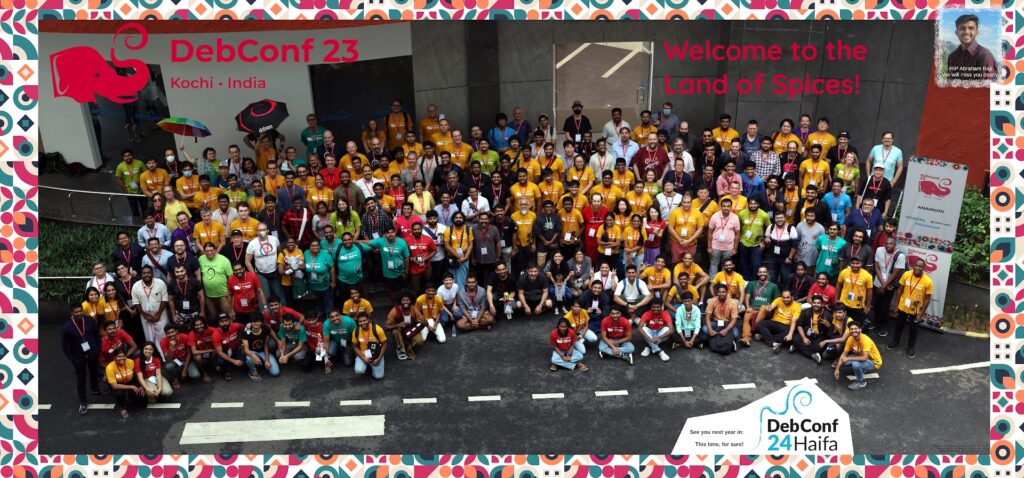
 Official logo of DebConf23
 Suresh and me celebrating Onam in Kochi.
 Four Points Hotel by Sheraton was the venue of DebConf23. Photo credits: Bilal
 Photo of the pool. Photo credits: Andreas Tille.
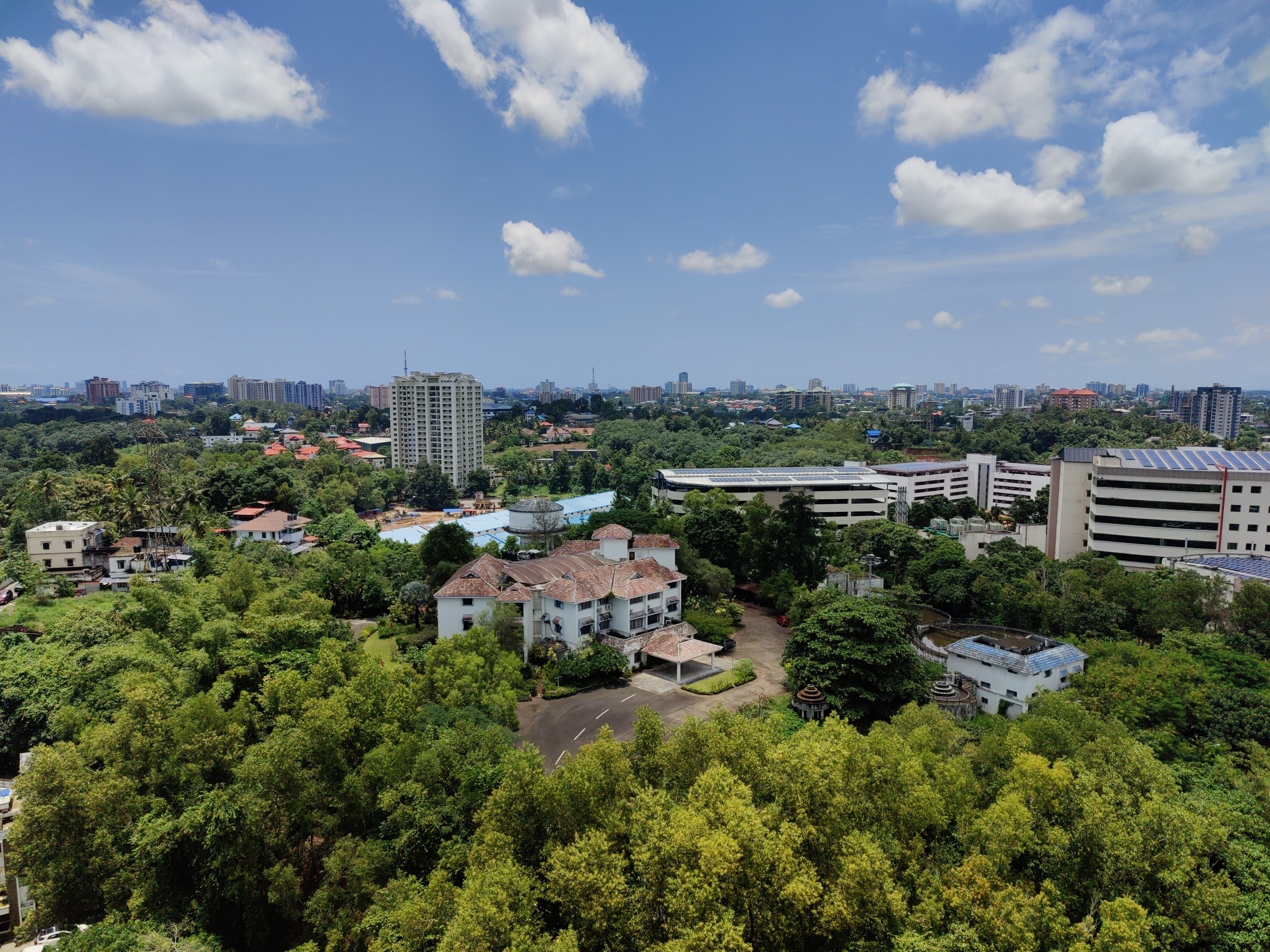 View from the hotel window.
 This place served as lunch and dinner place and later as hacklab during debconf. Photo credits: Bilal
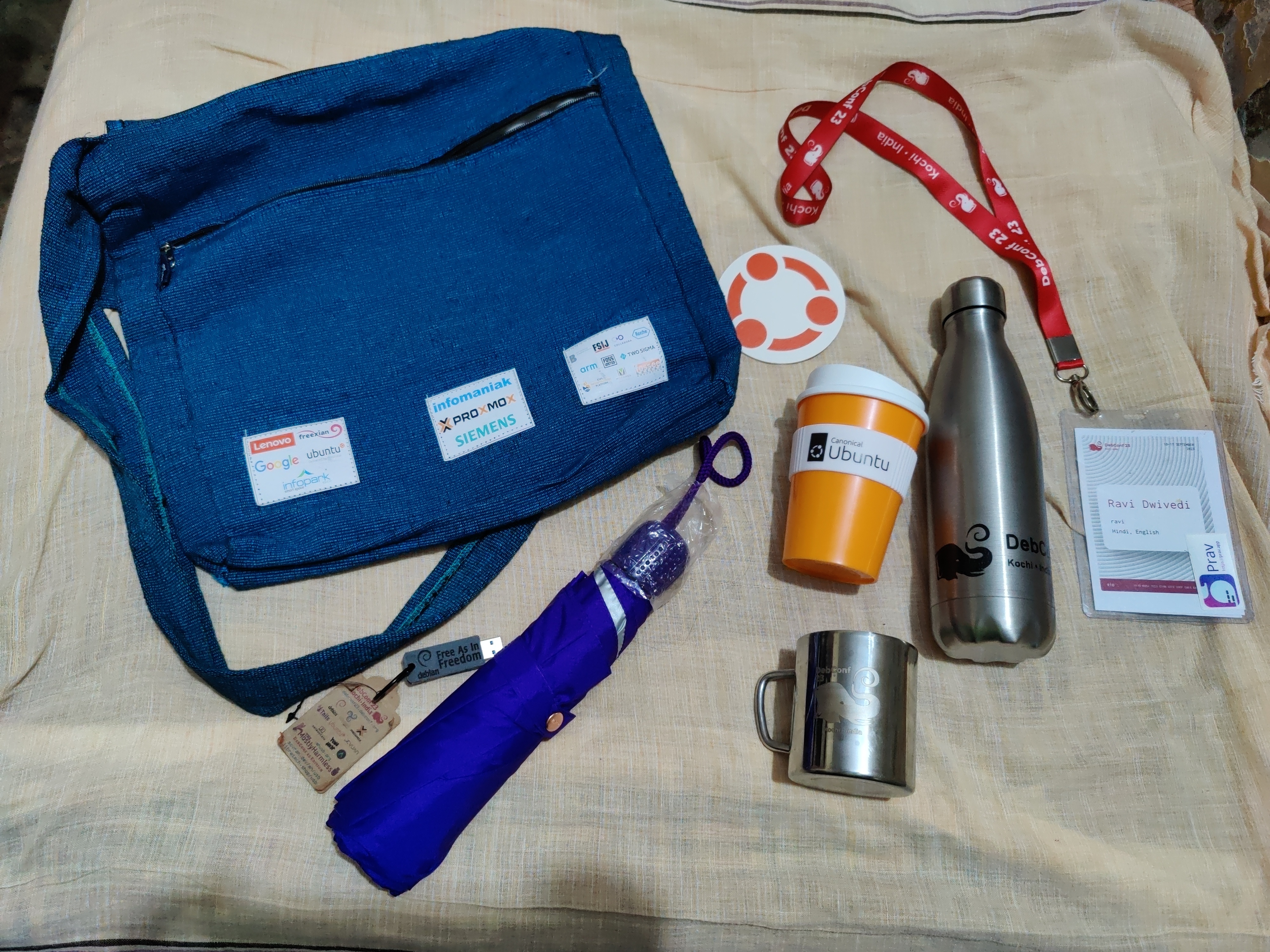 Picture of the awesome swag bag given at DebConf23. Photo credits: Ravi Dwivedi
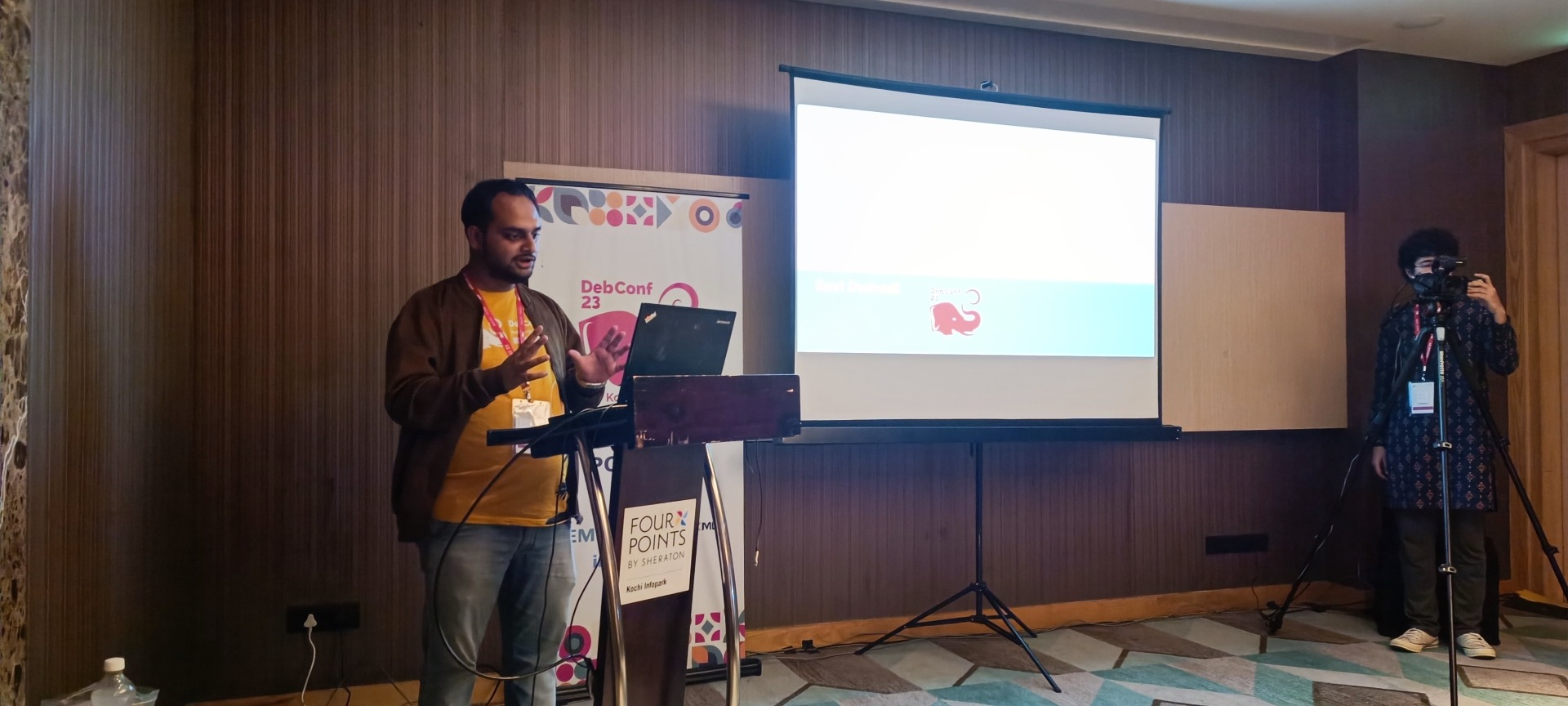 My presentation photo. Photo credits: Valessio
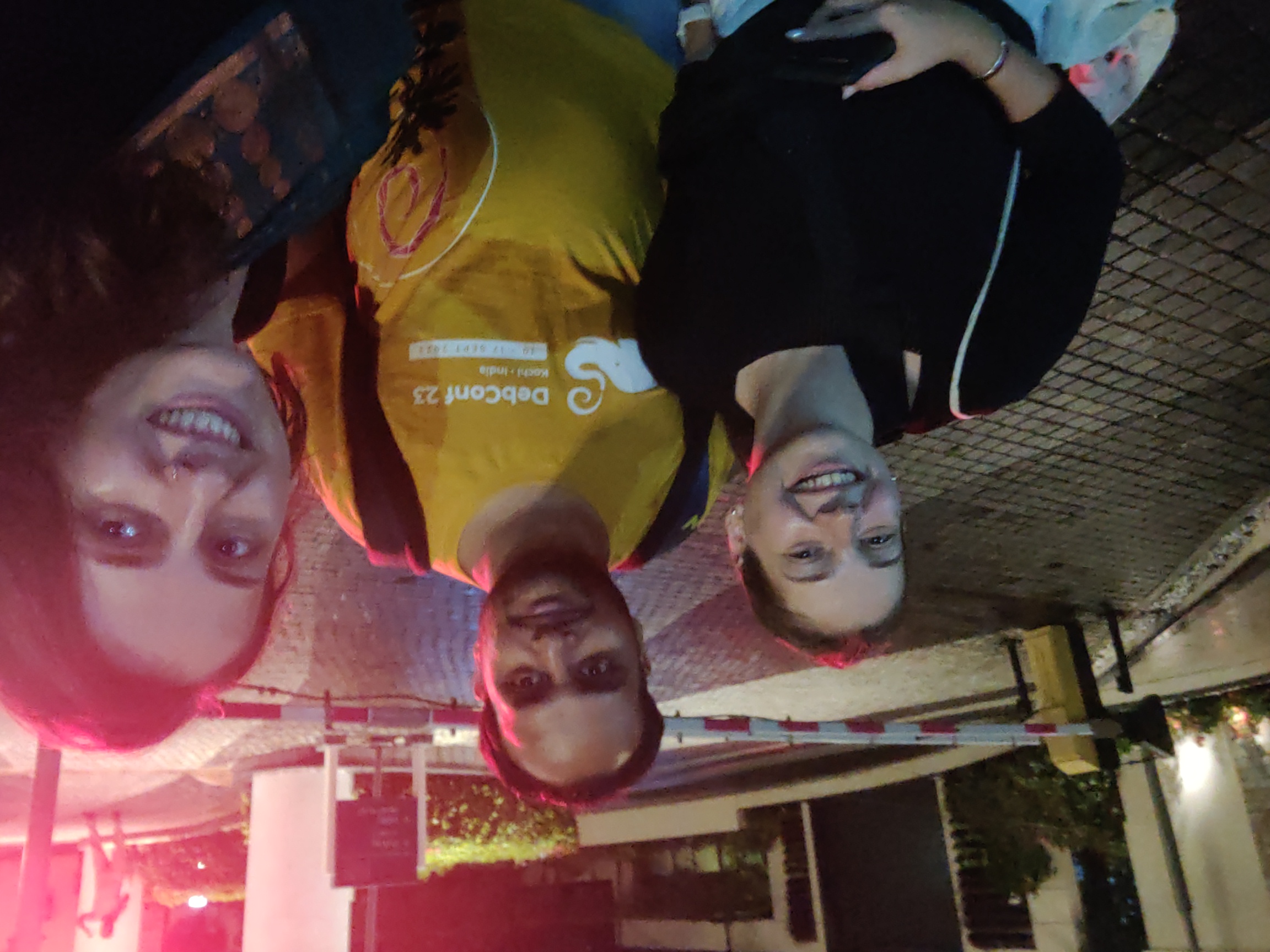 Selfie with Anisa and Kristi. Photo credits: Anisa.
 Me helping with the Cheese and Wine Party.
 This picture was taken when there were few people in my room for the party.
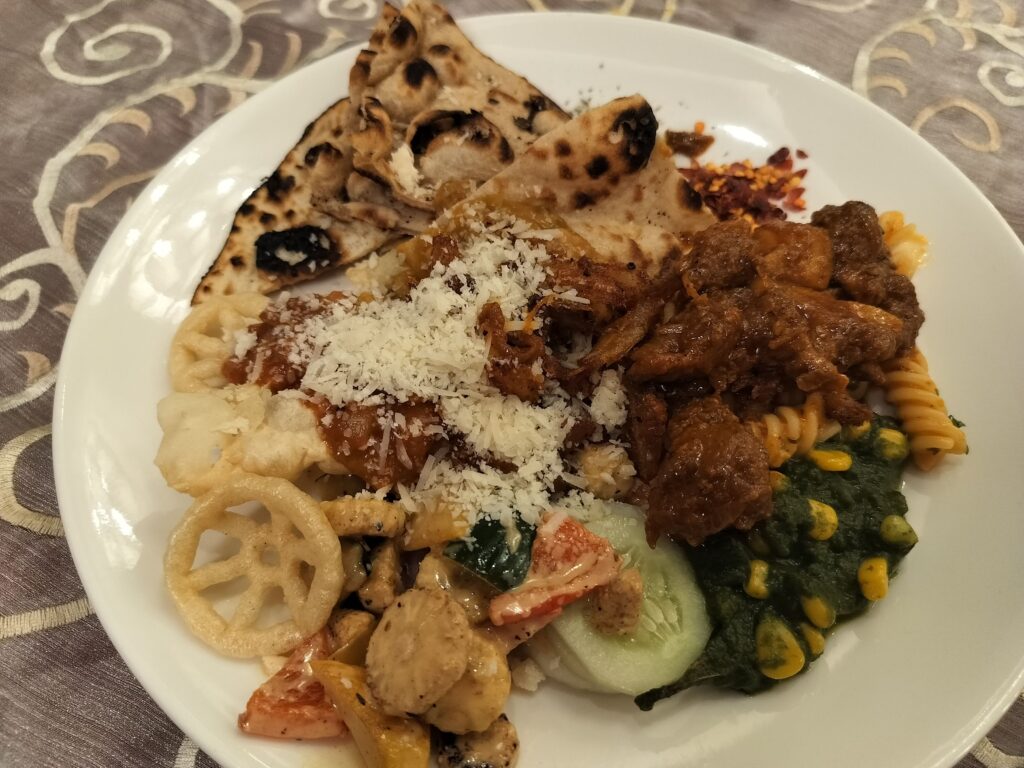
 Sadhya Thali: A vegetarian meal served on banana leaf. Payasam and rasam were especially yummy! Photo credits: Ravi Dwivedi.
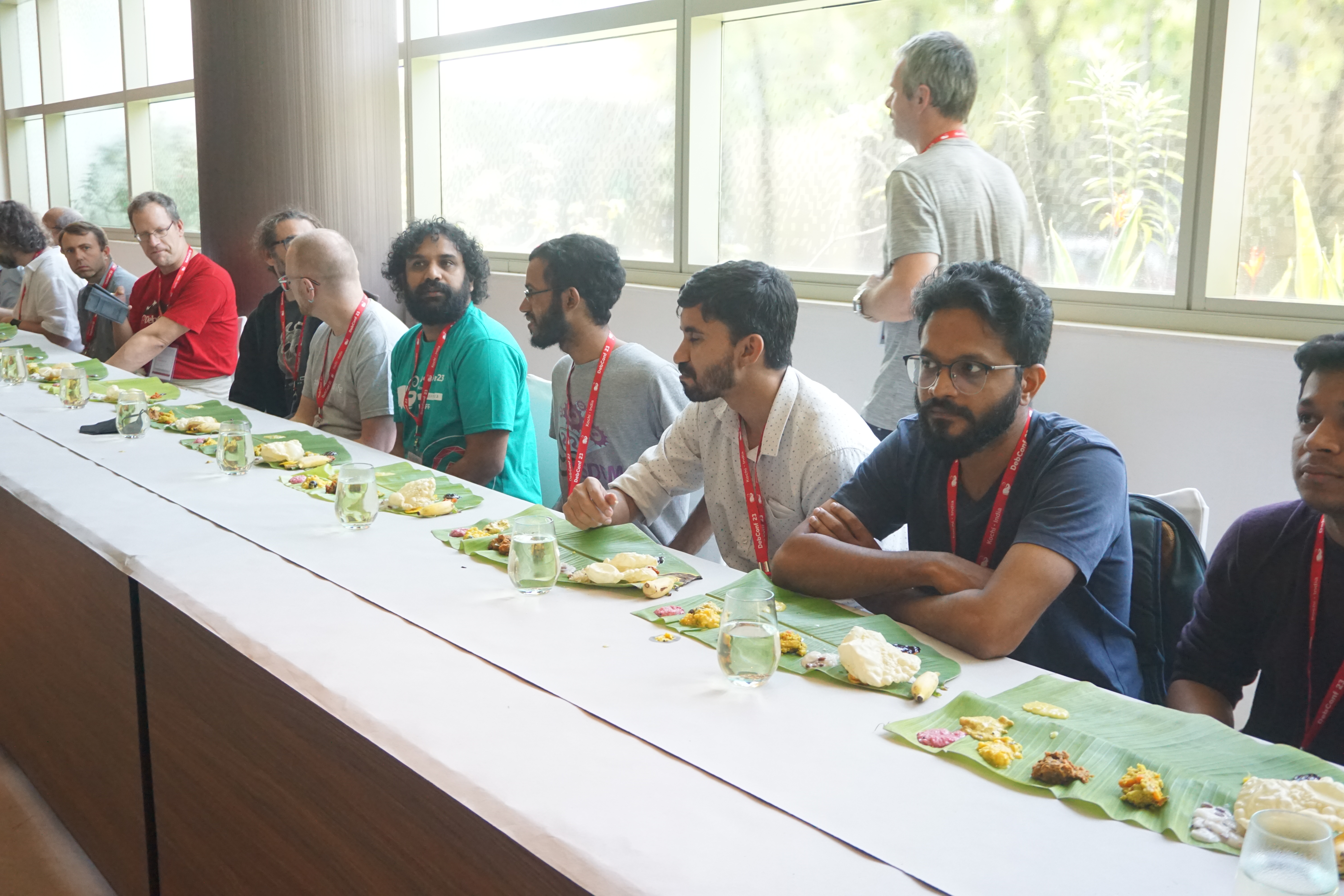 Sadhya thali being served at debconf23. Photo credits: Bilal
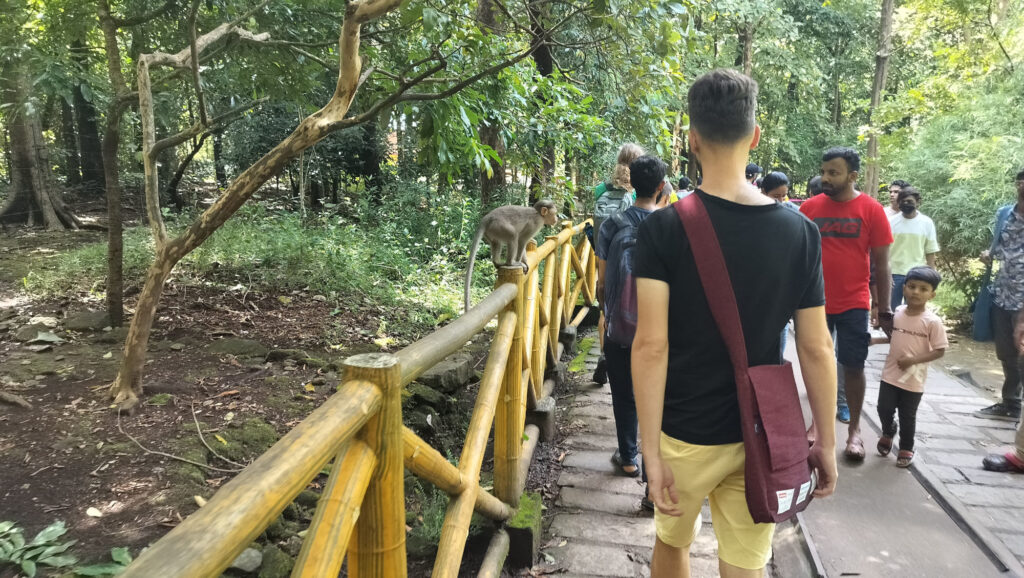
 Group photo of our daytrip. Photo credits: Radhika Jhalani
 A selfie in memory of Abraham.
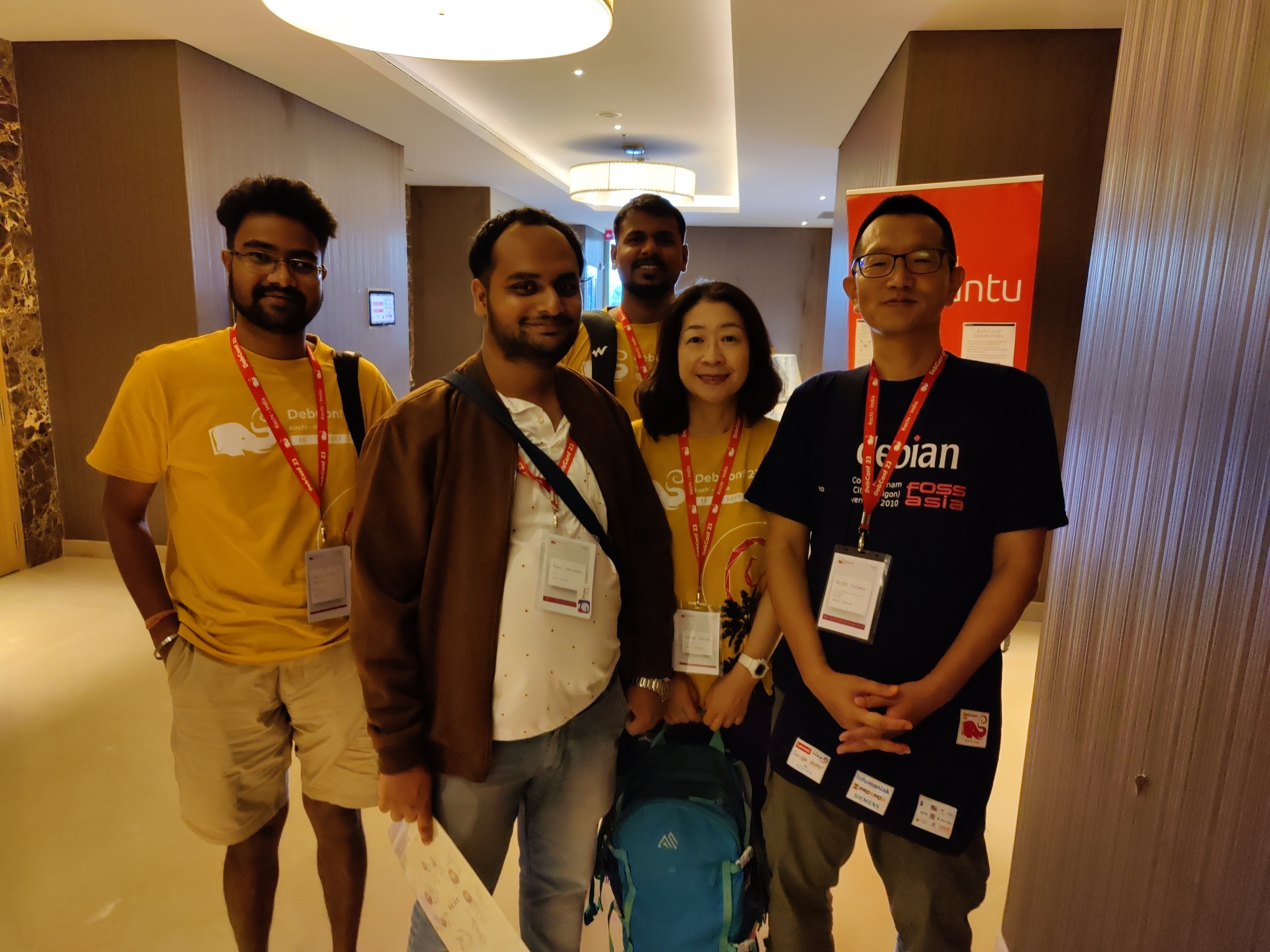 Thanks to Niibe Yutaka (the person towards your right hand) from Japan (FSIJ), who gave me a wonderful Japanese gift during debconf23: A folder to keep pages with ancient Japanese manga characters printed on it. I realized I immediately needed that :)
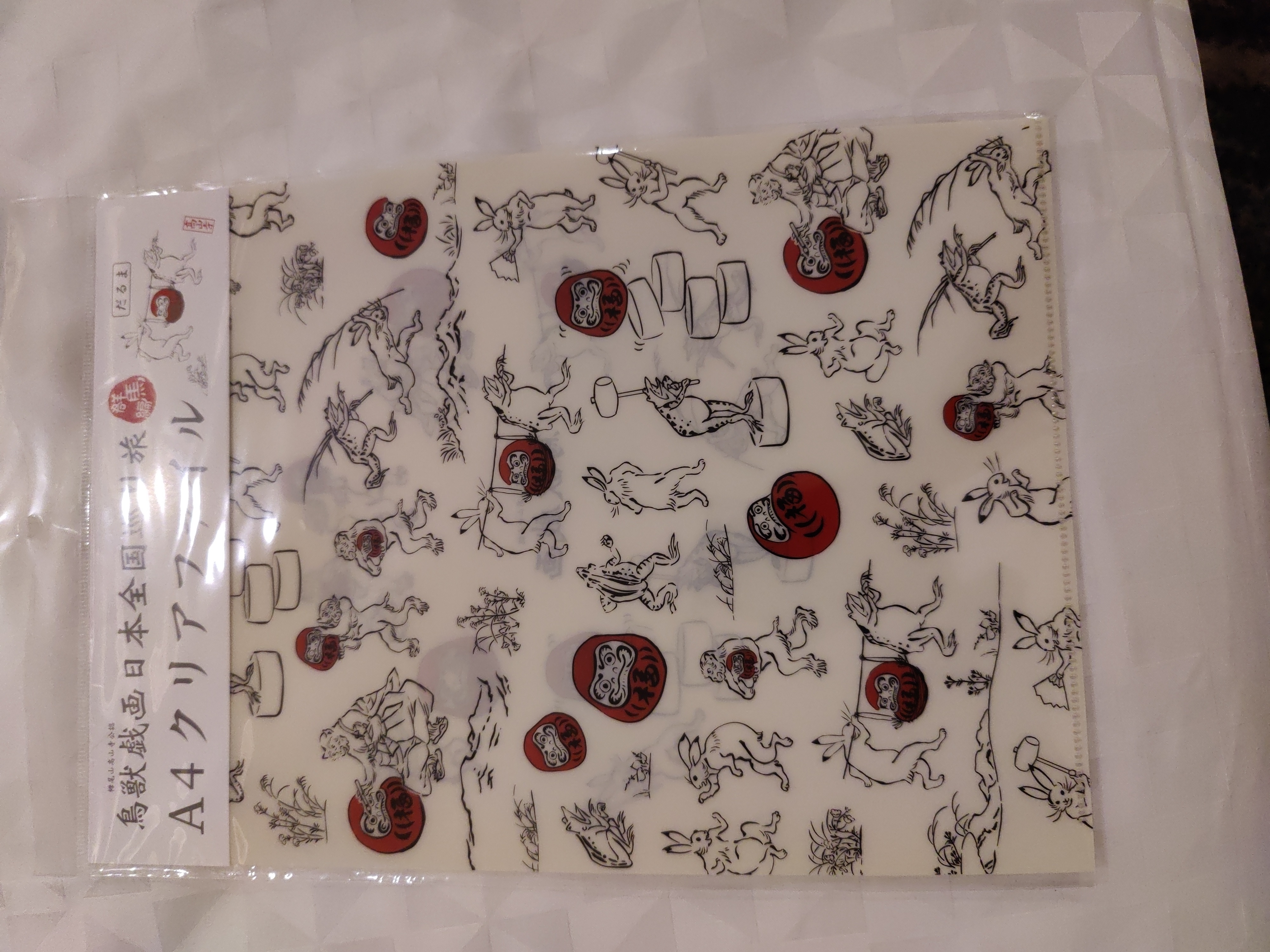 This is the Japanese gift I received.
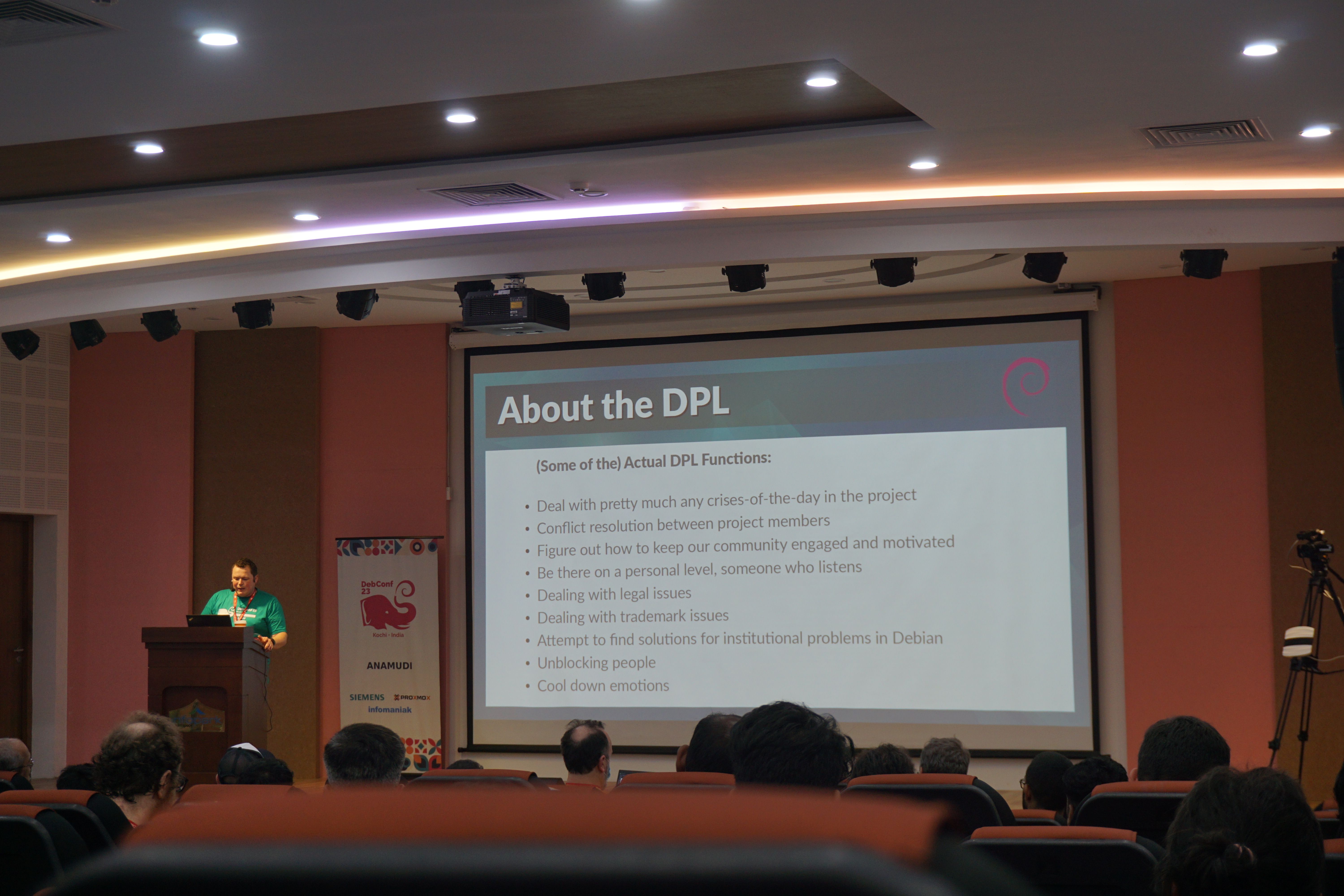 Bits from the DPL. Photo credits: Bilal
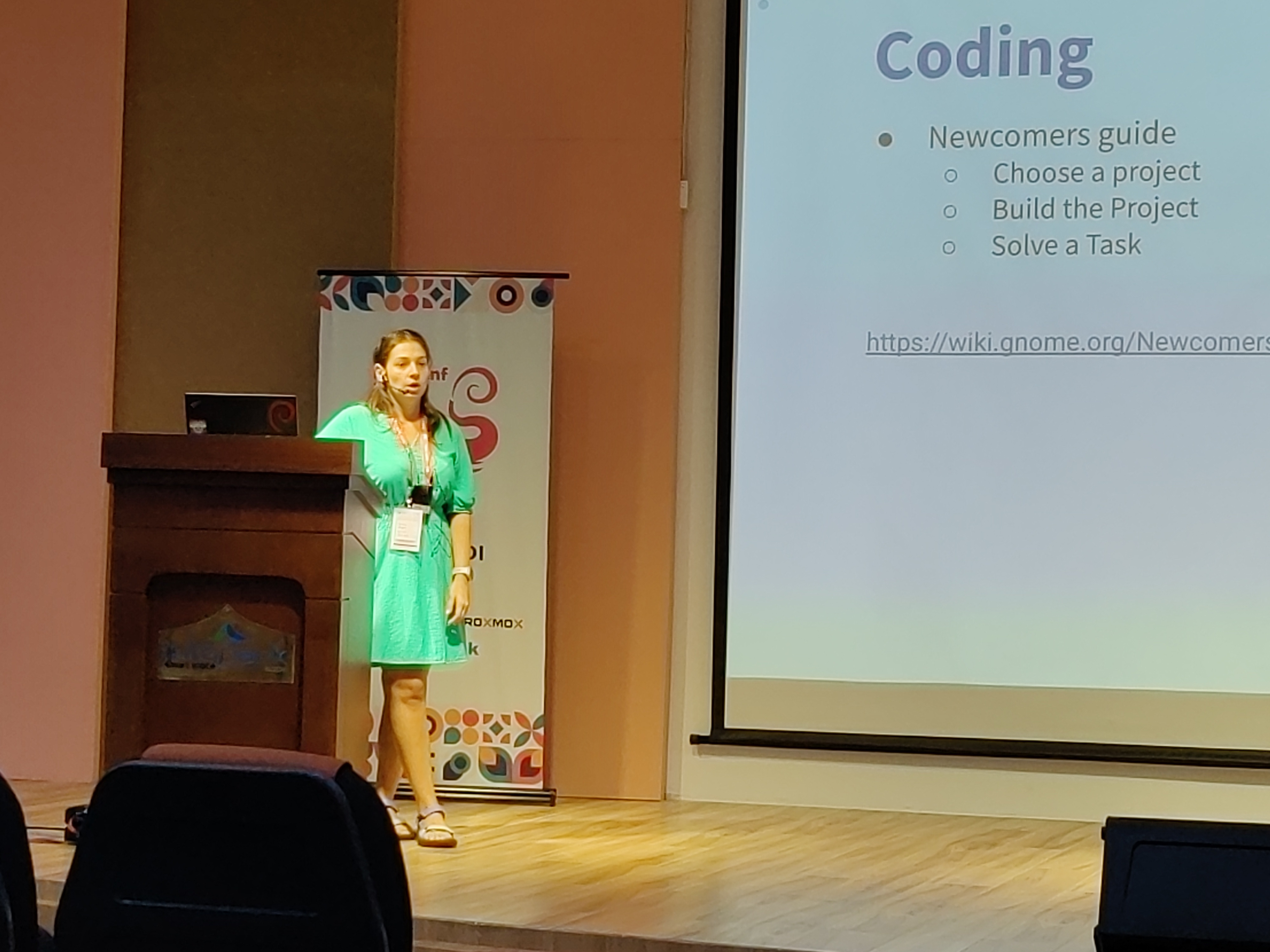 Kristi on GNOME community. Photo credits: Ravi Dwivedi.
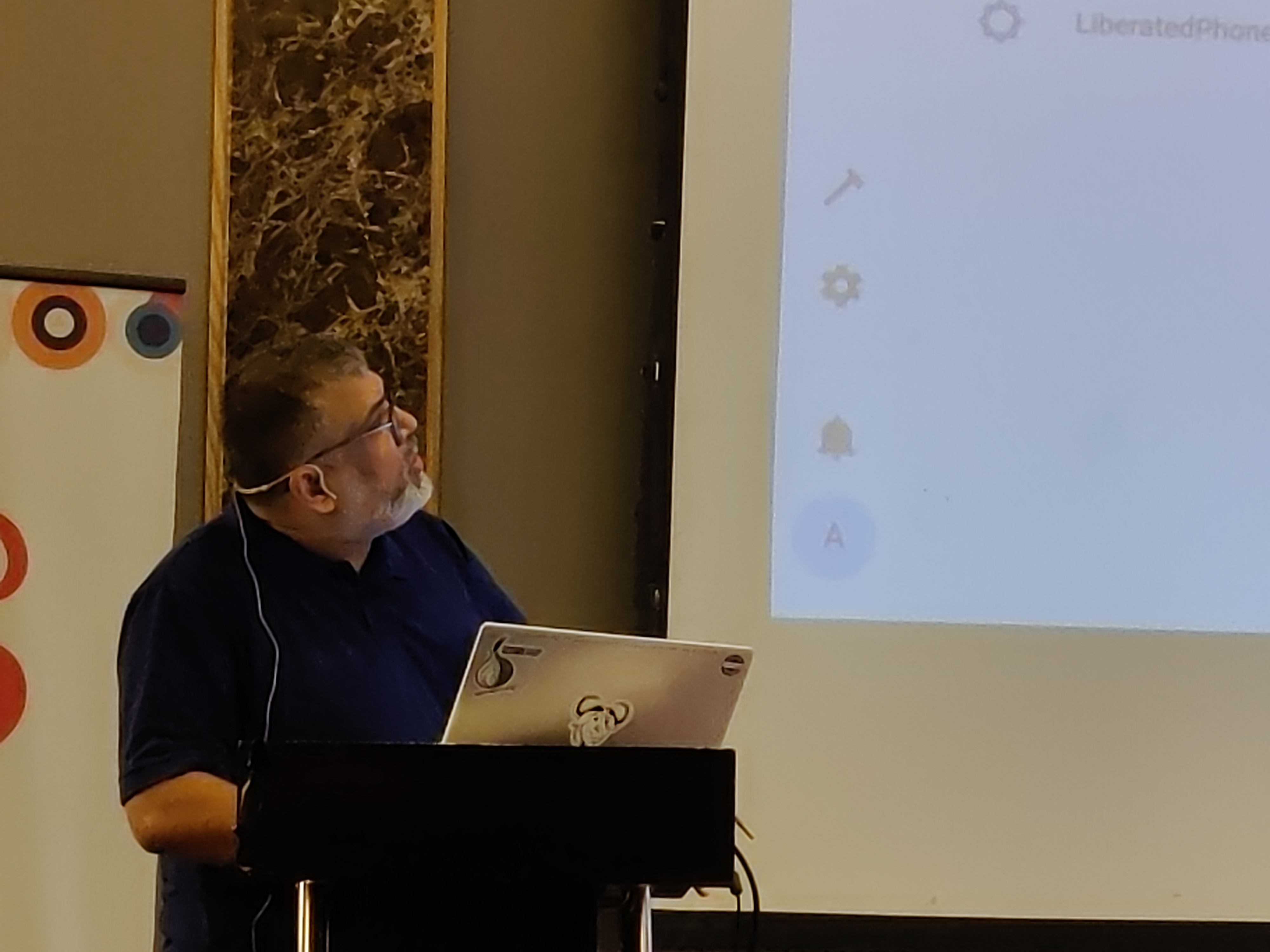 Abhas' talk on home automation. Photo credits: Ravi Dwivedi.
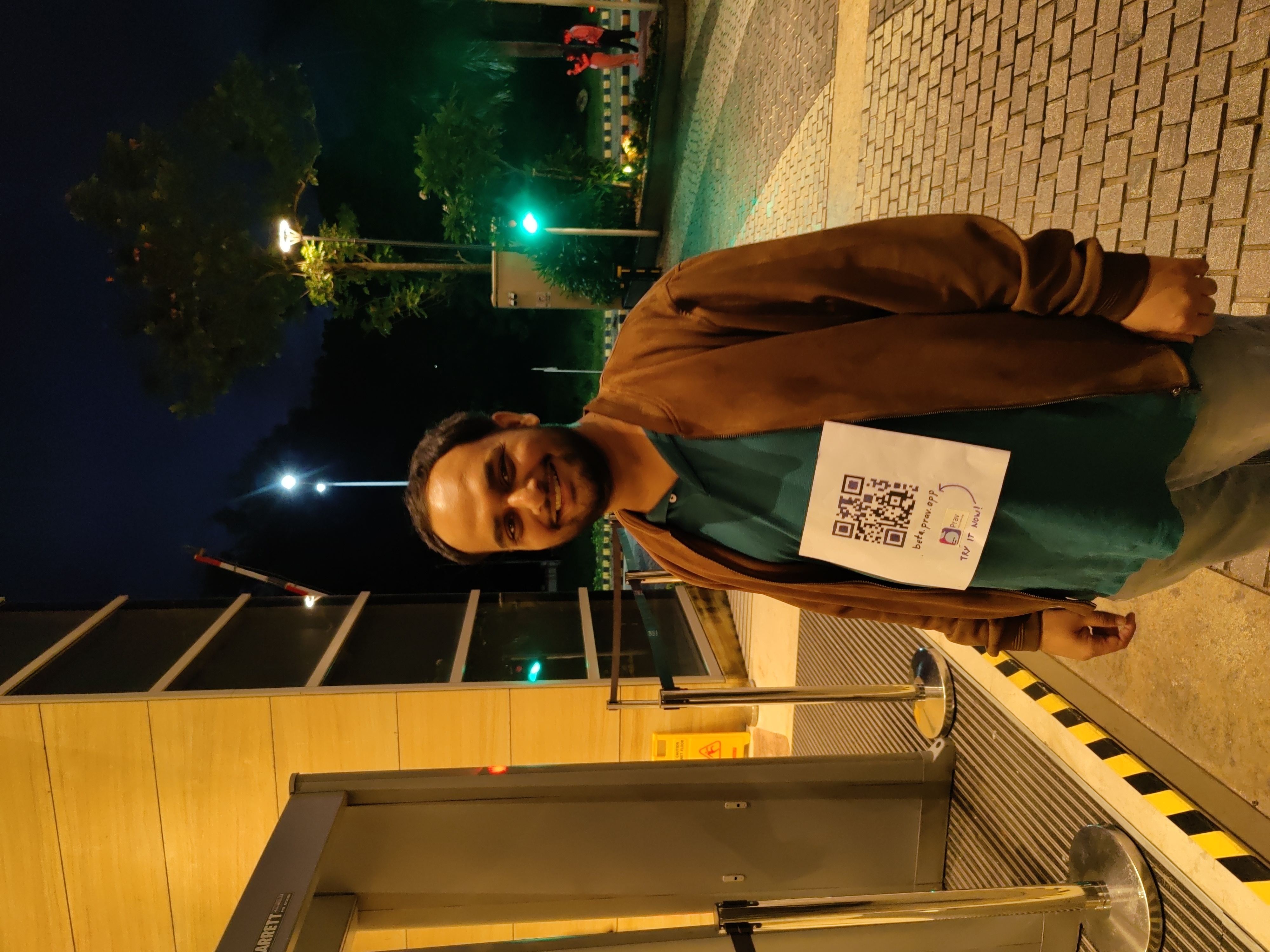 I was roaming around with a QR code on my T-shirt for downloading Prav.
 Me in mundu. Picture credits: Abhijith PA
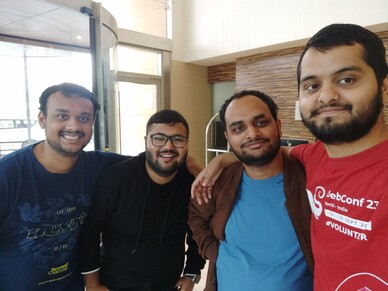 From left: Nilesh, Saswata, me, Sahil. Photo credits: Sahil.
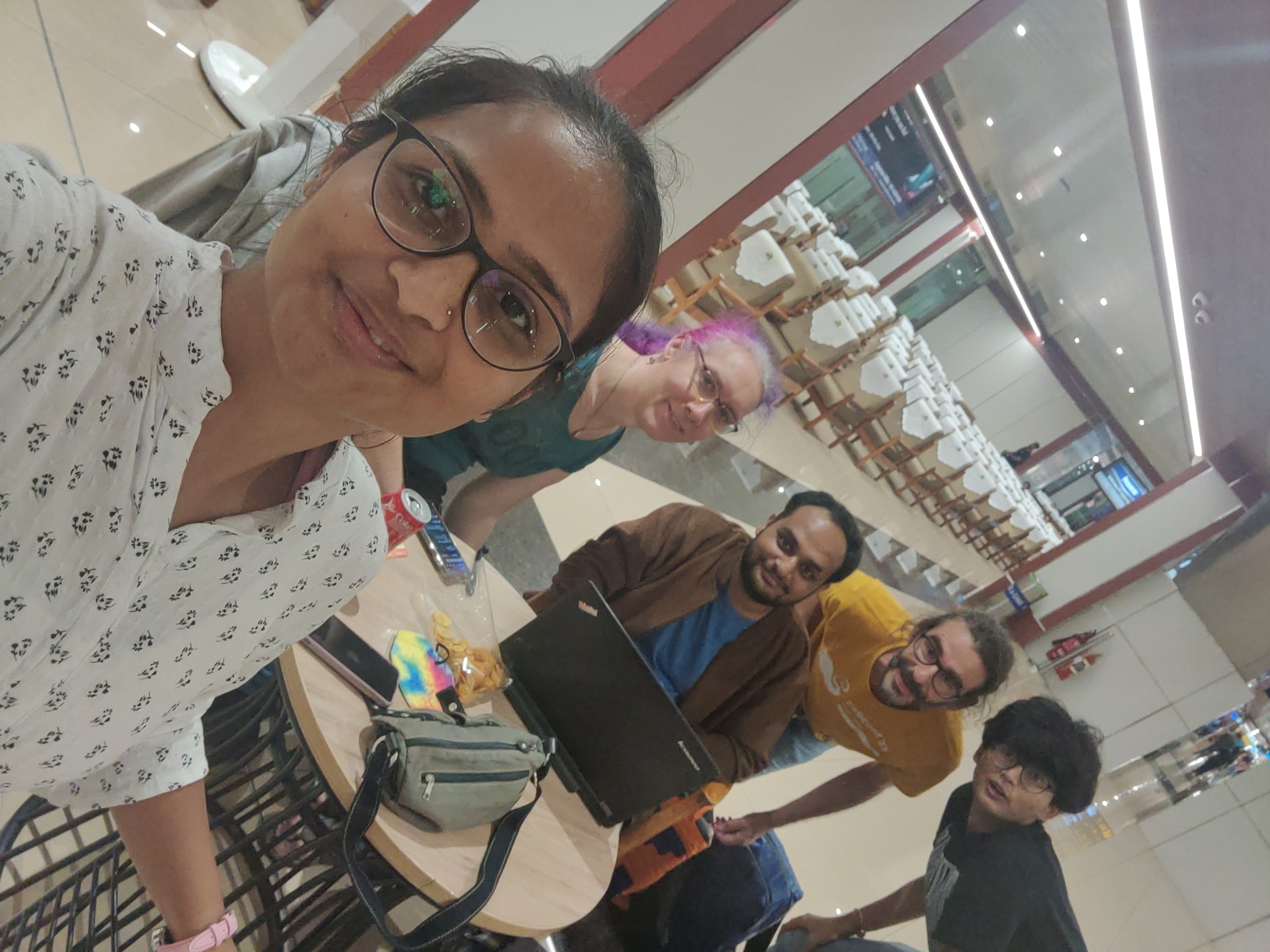 Ruchika (taking the selfie) and from left to right: Yash,
 Joost and me going to Delhi. Photo credits: Ravi.
 I very, very nearly didn t make it to DebConf this year, I had a bad cold/flu for a few days before I left, and after a negative covid-19 test just minutes before my flight, I decided to take the plunge and travel.
This is just everything in chronological order, more or less, it s the only way I could write it.

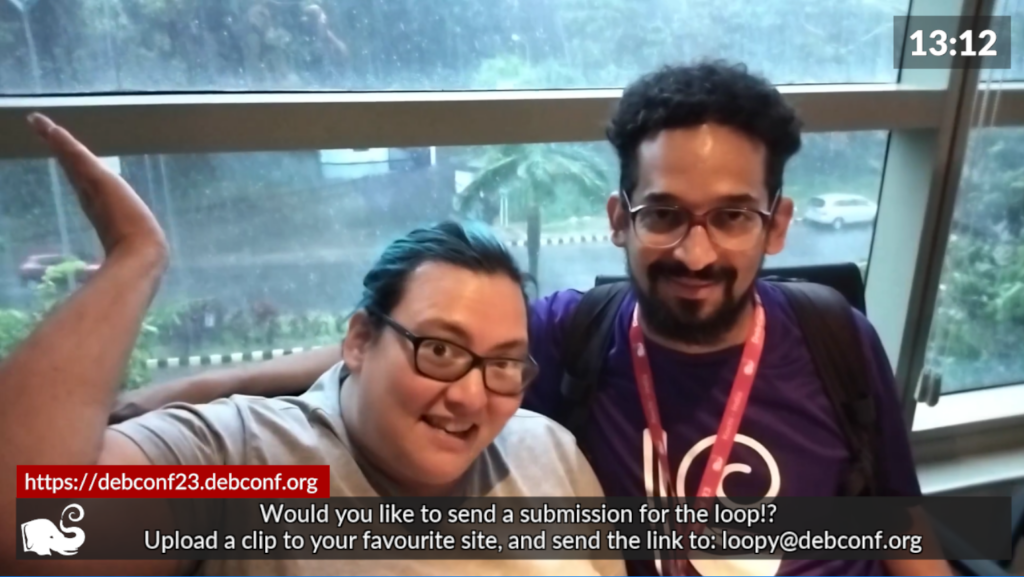






 If you got one of these Cheese & Wine bags from DebConf, that s from the South African local group!
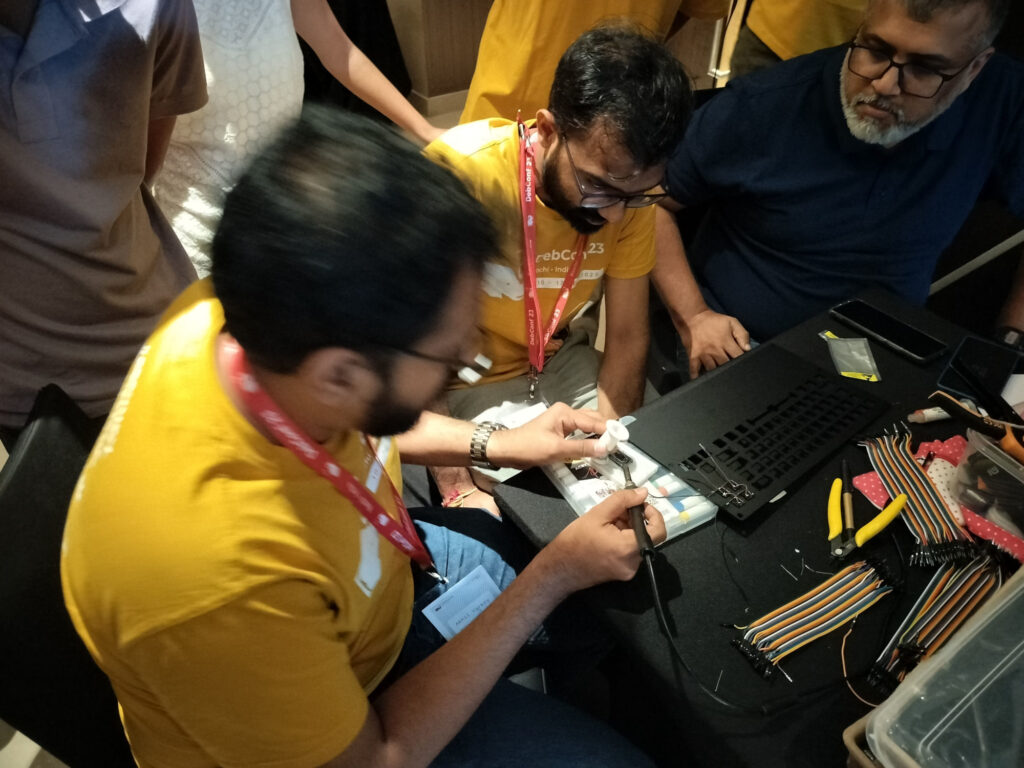 Some hopefully harmless soldering.




 QNAP TS-453mini product photo
 The logo for QNAP HappyGet 2 and Blizzard s StarCraft 2 side by side
 Thermalright AXP120-X67, AMD Ryzen 5 PRO 5650GE, ASRock Rack X570D4I-2T, all assembled and running on a flat surface
 Memtest86 showing test progress, taken from IPMI remote control window
 Screenshot of PCIe 16x slot bifurcation options in UEFI settings, taken from IPMI remote control window
 Internal image of Silverstone CS280 NAS build. Image stolen from
 Internal image of Silverstone CS280 NAS build. Image stolen from
 NAS build in Silverstone SUGO 14, mid build, panels removed
 Silverstone SUGO 14 from the front, with hot swap bay installed
 Storage SSD loaded into hot swap sled
 TrueNAS Dashboard screenshot in browser window
 The final system, powered up


 Daniel Knowles Carmageddon: How Cars Make Life Worse and What to
Do About It is an entertaining, lucid, and well-written manifesto
(to borrow a term from the author) aiming to get us all thinking a bit
more about what cars do to society, and how to move on to a better
outcome for all.
The book alternates between historical context and background, lived
experience (as the author is a foreign correspondent who had the
opportunity to travel), and researched content. It is refreshingly free
of formalities (no endless footnotes or endnotes with references, though
I would have liked occassional references but hey we all went to school
long enough to do a bit of research given a pointer or two). I learned
or relearned a few things as I was for example somewhat unaware of the
air pollution (micro-particle) impact stemming from tires and brake
abrasions for which electronic vehicles do zilch, and for which the
auto-obesity of ever larger and heavier cars is making things
much worse. And some terms (even when re-used by Knowles) are clever
such bionic duckweed. But now you need to read the book to
catch up on it.
Overall, the book argues its case rather well. The author brings
sufficient evidence to make the formal guilty charge quite convincing.
It is also recent having come out just months ago, making current
figures even more relevant.
I forget the exact circumstance but I think I came across the author
in the context of our joint obsession with both Chicago and cycling (as
there may have been a link from a related social media post) and/or the
fact that I followed some of his colleagues at The Economist on
social media. Either way, the number of Chicago and MidWest references
made for some additional fun when reading the book over a the last few
days. And for me another highlight was the ode to Tokyo which I
wholeheartedly agree with: on my second trip to Japan I spent a spare
day cycling across the city as the AirBnB host kindly gave me access to
his bicycles. Great weather, polite drivers, moderate traffic, and just
wicked good infrastructure made me wonder why I did not see more
cyclists.
I have little to criticize beyond the lack of any references. The
repeated insistence on reminding us that Knowles comes from Birmingham
gets a little old by the fifth or sixth repetition. It is all a wee bit
anglo- or UK-centric. It obviously has a bit on France, Paris,
and all the recent success of Anne Hidalgo (who, when I was in graduate
school in France, was still a TV person rather than the very successful
mayor she is now) but then does not mention the immense (and well known)
success of the French train system which lead to a recent dictum to no
longer allow intra-Frace air travel if train rides of under 2 1/2 hours
are available which is rather remarkable. (Though in fairness that may
have been enacted once the book was finished.)
Lastly, the book appears to have