Search Results: "pere"

24 July 2011

Tore S. Bekkedal: Ut ya

Oppdatering: Jeg har skrevet en engelsk versjon av dette som er mer gjennomtenkt. I have written an English version of this post which I have had more time to think through. Det var meningen f rst ha dette som en kladd, for senere g igjennom og skrive mer, men WordPress krangler og jeg orker ikke finne ut av det. Derfor publiserer jeg dette n . Jeg har lenge nsket sette opp en ny bloggmotor men har aldri kommet meg til gj re det og dette er definitivt ikke tidspunktet, s jeg gjenoppliver min gamle, engelskspr klige blogg. Andre har skrevet sine fortellinger om hva som skjedde p Ut ya. Jeg ville gjerne skrive ned min ogs , f den ut. Jeg vil dels skrive det ned fordi jeg ikke vet om jeg vil huske alle disse detaljene senere. P en m te h per jeg ikke det. Dels ogs for at jeg skal slippe m tte beskrive dette hele tiden for alle som sp r. Gro Harlem Brundtland hadde nylig forlatt leiren. Jeg hadde tatt opp en videohilsen fra henne, og var i kontoret til mediegruppen for redigere filen til noe vi kunne laste opp p YouTube. En av de som var i rommet skvatt til og fortalte at Twitter var fullt av meldinger om en eksplosjon i Oslo. Etterhvert som pressen kunne fortelle om hvor angrepet hadde skjedd, ble det mer og mer tydelig at et informasjonsm te var p sin plass. Det ble enighet om at det m tet skulle avholdes etter at bolken med innledninger var ferdig. Informasjonsm tet ble avholdt, og jeg tok p meg som den lokale nerd-in-chief sette opp en laptop som kunne vise NRK Nett-TV s folk kunne f sett hva som skjedde. Det tr dl se nettverket gikk nesten umiddelbart ned, s vi ble enige om at det skulle settes et passord p det. I p vente av at noen andre gjorde det, gikk jeg p do. Idet jeg satt der, h rte jeg f rst agitert roping, s skriking, s skudd. Det h rtes mer ut som en lekepistol enn noe annet og jeg antok at dette bare var en eller annen som kom med en totalt smakl s vits. Med dette i tankene, kom jeg n rmest stormende ut av b sen men idet jeg vrengte opp d ren s jeg to mennesker som signaliserte at jeg skulle komme meg inn igjen. Ansiktsuttrykkene deres levnet overhodet ingen tvil om at dette var alvor. At de var der reddet utvilsomt livet mitt. Jeg var mest av alt forvirret. Jeg antok der og da det var en AUFer som hadde gjort dette, g tt amok. Jeg tittet ut igjen. De to var der fremdeles. Denne gangen s jeg en person som l der p gulvet, i en blodp l. Jeg hadde yekontakt med ham, og han signaliserte tydelig etter hjelp. Jeg tenkte umiddelbart at de d rene ikke ville st imot noen som helst type kuler, s jeg tenkte kun p forflytte meg vekk fra b sen. Min f rste tanke var komme meg utend rs. Jeg l p ut korridoren, og akkurat da kom en fra kaf gjengen mot meg. Hun pnet ansatt-toalettet, og jeg, hun, og en annen kastet seg inn. Det er bare en av de mange tilfeldighetene som jeg i etterkant m innse at jeg antar reddet livet mitt. Vi satt der, i halvannen time. Klare til l pe, klare for egentlig hva som helst. Det ble til en eiendommelig dynamikk mellom oss tre, en slags perpleks galgenhumor. Jeg, ettersom det var helt realistisk at v r gruppe var den eneste som visste om likene i bygget, pr vde umiddelbart f varslet om det. 112 fungerte ikke. 110 fungerte ikke. Til slutt kom jeg igjennom p 113, og de kunne opplyse om at politiet var klar over situasjonen og var p vei. Det skulle ta halvannen time, og da vi ble evakuert l han der d d. Det ekte politiet ankom omsider. Vi gikk ut. Jeg tok veien rundt lillesalen, noe jeg i etterkant angrer p ; det jeg s der vil nok bli med meg en stund. Det l en haug med folk jeg husker ingen ansikter, bare et stort, amorft sammensurium av kropper i en fryktelig stor blodp l noen av dem, jeg mener huske to, var fremdeles bevisste. Vi ble f rst flyttet til Planet Ut ya-kontoret leiravisa hvor det var en jente som hadde blitt skutt. Vi rev opp noen poser med gensere fra lageret og dekket til henne. Der satt vi en stund jeg hadde forlengst mistet tidsbegrepet jeg mener det m ha v rt tolv av oss. En av ungdommene ble trass i protester fra de i gruppa som kjente og gikk god for ham p f rt h ndjern. Jeg forstod ikke helt hvorfor. Senere ble vi forklart at det var fordi han hadde kommet fra et omr de politiet ikke hadde oversikt over. Jeg s ikke n r de h ndjernene ble l snet, men jeg husker ihvertfall at det slo meg som uverdig behandling. Politimannen som hadde vakt p posten der vi var, var veldig dyktig til forklare oss situasjonen. Vi ble flyttet ut til hovedkorridoren, hvor omkring 50 av oss var. F rst idet jeg s og omfavnet de som antakeligvis reddet livet mitt, knakk jeg sammen i gr t. Jeg tok meg fort inn igjen, fikk skjelvingen under kontroll, og etter en del venting ble vi marsjert med hendene p hodet mot fergen. Jeg husker hvor redd jeg var for at noen skulle gli i den bratte, gj rmete bakken og skape en misforst else. Det var flere lik ute. Noen var tildekket p improvisert vis, andre l der bare. Alle jeg s viste mot, ro og beherskelse p et niv langt over det noen nsker forvente fra folk i de aldersgruppene. Det var et samhold og en m lbevissthet som gjorde et inntrykk. Vel over fjorden ble vi tilbudt tepper. Jeg ble spurt om jeg var skadet, og bedt om vise mageregionen. Vi ble loset ombord i bussen, og kj rt til Sundvolden hotell. F lelsen, den totalt utrolige lettelsen av se sine n rmeste venner igjen kan jeg virkelig ikke beskrive. Lettelsen ble temperert av usikkerheten rundt de man ikke s . Det dreier seg blant annet om mennesker som jeg i skrivende stund m anta har mistet livet. Blant dem mennesker jeg tidligere hadde hatt stor glede av vissheten om at kom til gj re fantastiske ting i landets og verdens tjeneste n er de revet vekk. Jeg vet ikke hvor mye mer enn denne litt n kterne rapport av hendelsene jeg klarer komme med akkurat n . Men slik var det ihvertfall jeg opplevde situasjonen jeg kom ut av takket v re en serie tilfeldigheter. Litt kort vil jeg legge til: Redningstjenestene var en stor hjelp. Vel s stor, om ikke st rre, har muligheten til tilbringe tid sammen med de andre overlevende v rt. Vi holder sammen og tr ster hverandre med v r felles erfaring. Ett lyspunkt ser jeg her: Mest av alt er jeg s utrolig glad for at han ikke var fremme tyve minutter tidligere, under informasjonsm tet. Da var hele Ut ya samlet som sild i t nne i hovedsalen, og med hans automatv pen ville d dstallene i l pet av noen titalls sekunder blitt det mangedobbelte av det vi endte opp med. At det er en veldig mager tr st for de etterlatte er jeg inderlig klar over. Mine aller dypeste tanker er med dem alle. Dette var et angrep p hele det norske demokratiet. I forvirrelsen f ler jeg en bitter trass. Vi skal vise hans likesinnede at det er sterkere enn som s . Jeg vil ikke la meg skremme til taushet og passivitet. Jeg nsker minnes de d de, og deretter hedre dem ved fortsette arbeidet de var en del av.

20 July 2011

Aigars Mahinovs: Paris preDebConf11

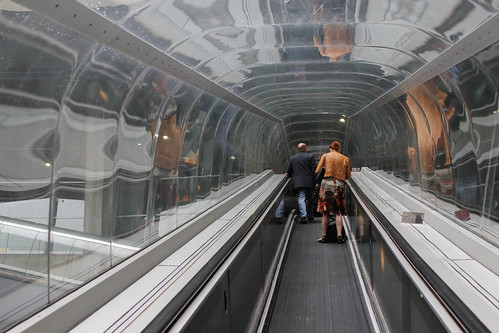
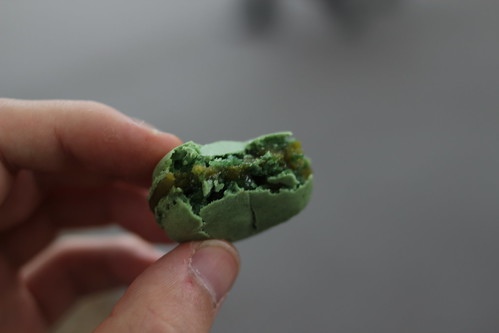
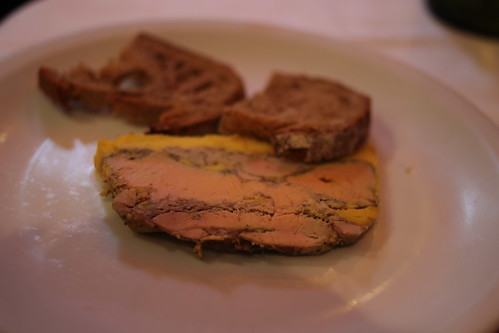
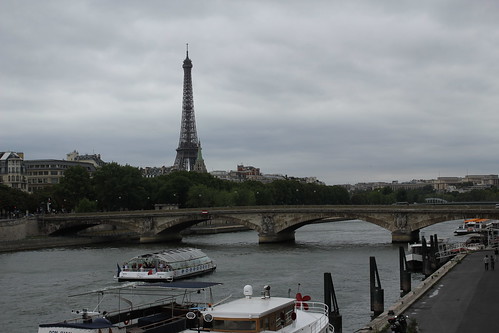
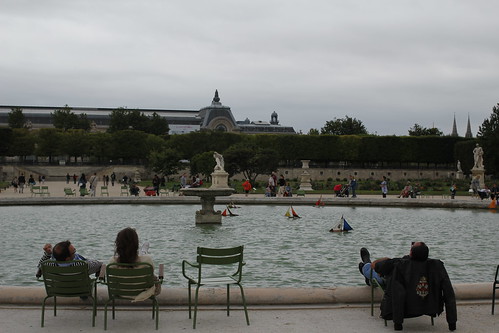
Before arriving to DebConf11, I arranged my flights so that I had a day and a night in Paris as I have not been there before. So after checking out of my work apartment in Tampere, going to work there with all the things from that apartment, then flying back to Riga, going to a midnight screening of the last Potter movie and finally getting back home around 2am, I quickly checked that I have everything needed for the conference and went off to sleep only to wake up at 8am again, pack everything (into a single carry-on bag, after a year of experience travelling by air weekly and watching Up in the Air twice) and be off to the plain to Paris. The CDG airport is quite huge, even compared to something like JFK it feels bigger and more concrete. And yet so dark and lacking interesting features that the only photo I got from it was this IMG_4710 I then used the B line train to get to my hotel(9.1 ), drop my stuff there and another metro ticket (1.7 ) to go to Arc de Triomphe (M tro Charles de Gaulle-Etoile), went up there and walked the length of the Champs-Elys es right up to the Louvre. Then I walked to the river, crossed it to a small island to see the Notre Dame and then went back following the other bank of the river Seine seing both some more normal non-touristy streets of central Paris and also some other magnificent buildings, like Les Invalides and ending up at the Eifel tower. It was a rather easy walk that was only spoiled by some rain in the end so I did not get to take some night photos of the Eiffel tower as I wanted. But the experience still was breathtaking. The scale of the buildings was impressive. The pervasive gold-gilded decorations do expand on the splendour and the same time the full access to all the previously-royal places brings them down to people. The city looks well built and the planning mostly makes sense, especially if you are on foot. Car drivers might have a different opinion about it considering the maze of roads and traffic circles and underpasses I saw in central Paris. It is often said that Riga is a mini-Paris. Mostly, that is said in Riga. But walking the back streets of Paris I can see where that comes from the architecture, the street design, the small cafes and some cobblestone roads and some historical buildings with a few modern building thrown into the mix, and a tower too. Visually Riga does look like Paris a lot, but for the feeling, I still think that Riga feels more like Berlin with its mix of eastern and western Europe. I had one incident when some girl in front of Louvre started to ask me to sign something, gesturing to show that she was mute, it looked like a donation racket, but I did not get to find it out in detail as a swift security guard appeared and started running for the girl, who immediately took off running along with several friends. I guess the guards know them very well. On a more positive note, in one of many confetterie shops I noticed the macaron sweets that my friend advertised loudly some time ago, so I decided to buy and try some. They cost 7 for a box of 6. The taste was very, very sweet. Basically it tastes like froffed up and then frozen sugar made into cookie form with a cream layer between two cookies. IMG_4806 So basically it is like an Oreo cookie, but much, much, much more tender, airy and sweet. The two of the 6 cookies were partly crushed while I tenderly carried them for 5 minutes in their box while searching for a place to sit down and eat them. IMG_4815 After that I also had a proper dinner in a restaurant that was not too near the touristy paths, but still it was a bit lacking. The starter was quite nice I mean it is hard to screw up cutting off a piece of foie gras (basically a piece of liver paste with a layer of extra geese fat), but the main dish was disappointing I ordered a medium rare steak. First of all it came with a side of fries, that in itself was an insult to Paris, baked potatoes would have fit much better with this dish. And despite the main part of the steak being very nicely done to medium rare, the cut was done badly and the edges of the steak had sinew that was too chewy to eat or even cut normally. Other interesting things I liked about Paris:
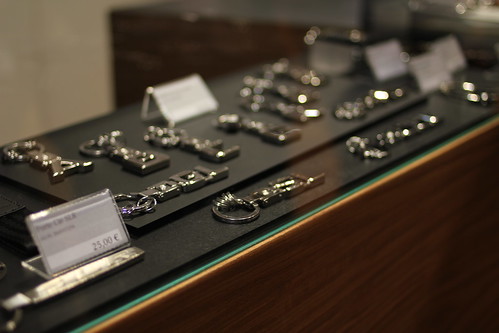
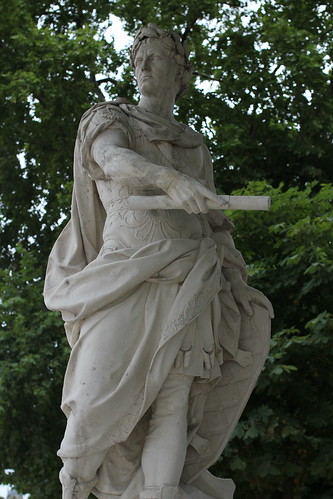
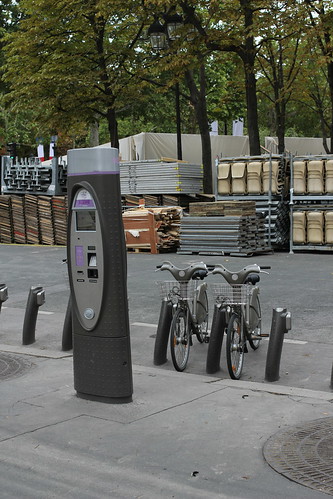
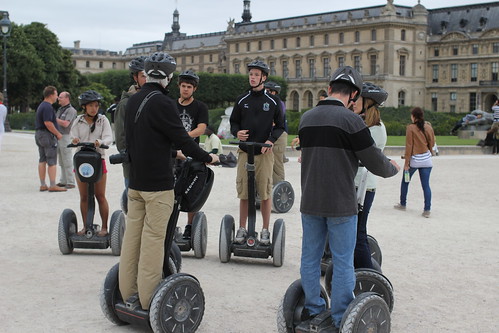
* high street shops of fashion labels and car manufacturers, that showed off the concept cars and also sold small branded accessories, such as Mercedes Benz key chains IMG_4723 * Statues some made of stone, some of iron, some covered in gold, everywhere and made with great quality IMG_4768 * Bicycle rentals, I mostly saw the locals using them IMG_4754 * Segway tourists IMG_4773 * And countless classic postcard shots of very recognizable architecture IMG_4738 The Eiffel tower was immensely impressive. It towers over everything around, especially because there simply is nothing high enough around it. It would not have been so impressive in the middle of New York, for example. The age and openness of the construction makes you really feel the massiveness of this marvel of functional architecture. But in the end Paris also looks like a great city to just kick back and relax in IMG_4770 P.S. I am amazed that when I put a link to a Flickr image (such as http://www.flickr.com/photos/aigarius/5950187165/in/set-72157627230456160 in a separate paragraph in my WordPress article text, something along the way translates them into proper linked images with a reasonable size. Progress is amazing.

20 June 2011

Petter Reinholdtsen: Free Software vs. proprietary softare...

Reading the thingiverse blog, I came across two highlights of interesting parts of the Autodesk and Microsoft Kinect End User License Agreements (EULAs), which illustrates quite well why I stay away from software with EULAs. Whenever I take the time to read their content, the terms are simply unacceptable.

17 June 2011

Timo Jyrinki: Ubuntu 10.04 LTS release fest in Tampere, Finland

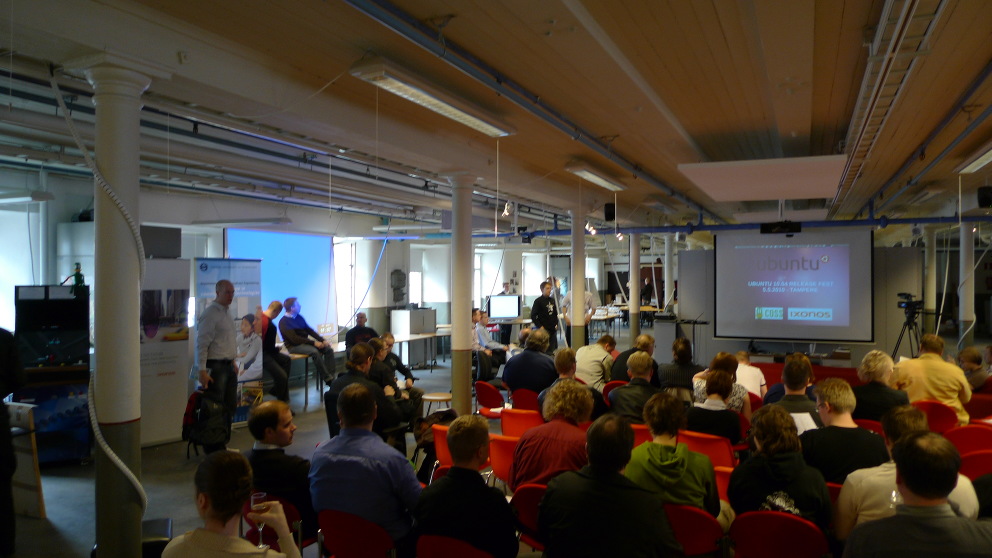
The main release party in Finland was held at Tampere, Finland and organized by Ixonos Plc and COSS. It was a great success, as proven by the almost 200 participants and great speakers.

The first sessions were mostly about the basics of Ubuntu and its roots in Debian and elsewhere. Then Tuure Vartiainen from Tampere University of Technology shared with us the release from the official Finnish mirror perspective (fi.archive.ubuntu.com, fi.releases.ubuntu.com, ...). 10.04 LTS release date was very hectic and the transfer speeds were not constantly optimal, but quite good anyway. For 10.10 they hope to up the network connectivity to 10G. I also took the opportunity to thank him later personally for the Ubuntu Finnish Remix mirroring which was arranged right before the release as well.

The next-to-final session was about Ubuntu for senior people with brief demoing of how Ubuntu UI can be customized. To give a little different perspective to usage of Ubuntu, the final speaker was a theater director and dramatist Jotaarkka Pennanen from Interactive Film Productions. Blender among else was praised.

In addition to speakers, we had 300 Ubuntu Finnish Remix CD:s, Ubuntu posters, Free Software Foundation Europe flyers, COSS flyers et cetera. After the main program there was a dinner and some wine offered to participants, which was a great social ending to the event.

Now a few photos follow. Unfortunately they are from before the event actually began, so others have probably more crowded photos and photos of the speakers themselves.


30 April 2011

Petter Reinholdtsen: Experimental Open311 API for the mySociety fixmystreet system

Today, the first draft implementation of an Open311 API for the Norwegian service FiksGataMi started to work. It is only available on the developer server for now, and I have not tested it using any existing Open311 client (I lack the platforms needed to run the clients I have found so far), but it is able to query the database and extract a list of open and closed requests within a given category and reported to a given municipality. I believe that is a good start to create a useful service for those that want to do data mining on the requests submitted so far. Where is it? Visit http://fiksgatami-dev.nuug.no/open311.cgi/v2/ to have a look. Please send feedback to the fiksgatami (at) nuug.no mailing list.

29 April 2011

Petter Reinholdtsen: Initial notes on adding Open311 server API on FixMyStreet

The last few days I have spent some time trying to add support for the Open311 API in the Norwegian FixMyStreet service. Earlier I believed Open311 would be a useful API to use to submit reports to the municipalities, but when I noticed that the New Zealand version of FixMyStreet had implemented Open311 on the server side, it occurred to me that this was a nice way to allow the public, press and municipalities to do data mining directly in the FixMyStreet service. Thus I went to work implementing the Open311 specification for FixMyStreet. The implementation is not yet ready, but I am starting to get a draft limping along. In the process, I have discovered a few issues with the Open311 specification. One obvious missing feature is the lack of natural language handling in the specification. The specification seem to assume all reports will be written in English, and do not provide a way for the receiving end to specify which languages are understood there. To be able to use the same client and submit to several Open311 receivers, it would be useful to know which language to use when writing reports. I believe the specification should be extended to allow the receivers of problem reports to specify which language they accept, and the submitter to specify which language the report is written in. Language of a text can also be automatically guessed using statistical methods, but for multi-lingual persons like myself, it is useful to know which language to use when writing a problem report. I suspect some lang=nb,nn kind of attribute would solve it. A key part of the Open311 API is the list of services provided, which is similar to the categories used by FixMyStreet. One issue I run into is the need to specify both name and unique identifier for each category. The specification do not state that the identifier should be numeric, but all example implementations have used numbers here. In FixMyStreet, there is no number associated with each category. As the specification do not forbid it, I will use the name as the unique identifier for now and see how open311 clients handle it. The report format in open311 and the report format in FixMyStreet differ in a key part. FixMyStreet have a title and a description, while Open311 only have a description and lack the title. I'm not quite sure how to best handle this yet. When asking for a FixMyStreet report in Open311 format, I just merge title an description into the open311 description, but this is not going to work if the open311 API should be used for submitting new reports to FixMyStreet. The search feature in Open311 is missing a way to ask for problems near a geographic location. I believe this is important if one is to use Open311 as the query language for mobile units. The specification should be extended to handle this, probably using some new lat=, lon= and range= options. The final challenge I see is that the FixMyStreet code handle several administrations in one interface, while the Open311 API seem to assume only one administration. For FixMyStreet, this mean a report can be sent to several administrations, and the categories available depend on the location of the problem. Not quite sure how to best handle this. I've noticed SeeClickFix added latitude and longitude options to the services request, but it do not solve the problem of what to return when no location is specified. Will have to investigate this a bit more. My distaste for web forums have kept me from bringing these issues up with the open311 developer group. I really wish they had a email list available via Gmane to use for discussions instead of only a forum. Oh, well. That will probably resolve itself, one way or another. I've also tried visiting the IRC channel #open311 on FreeNode, but no-one seem to reply to my questions there. This make me wonder if I just fail to understand how the open311 community work. It sure do not work like the free software project communities I am used to.

16 April 2011

Timo Jyrinki: MeeGo Summit FI Days 1 & 2

MeeGo Summit FI is now nearing completion, with several keynotes and other presentations, Meegathon 24h contest just coming to an end and a lot of interesting discussions had. See full program for details. Yesterday was a hugely energetic day, but today the lack of sleep starts to kick in a bit at least for me.

Some highlights via photos:


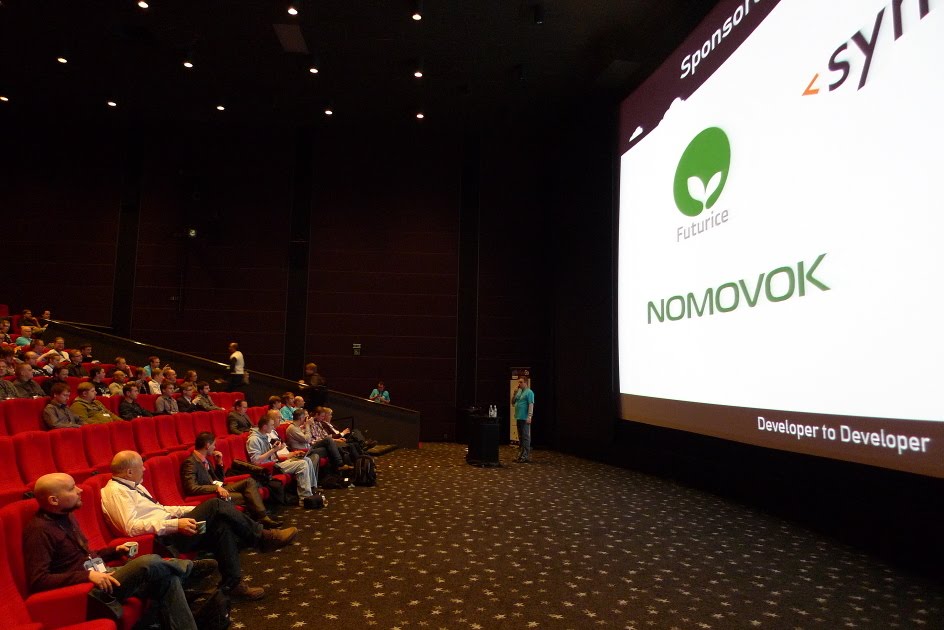
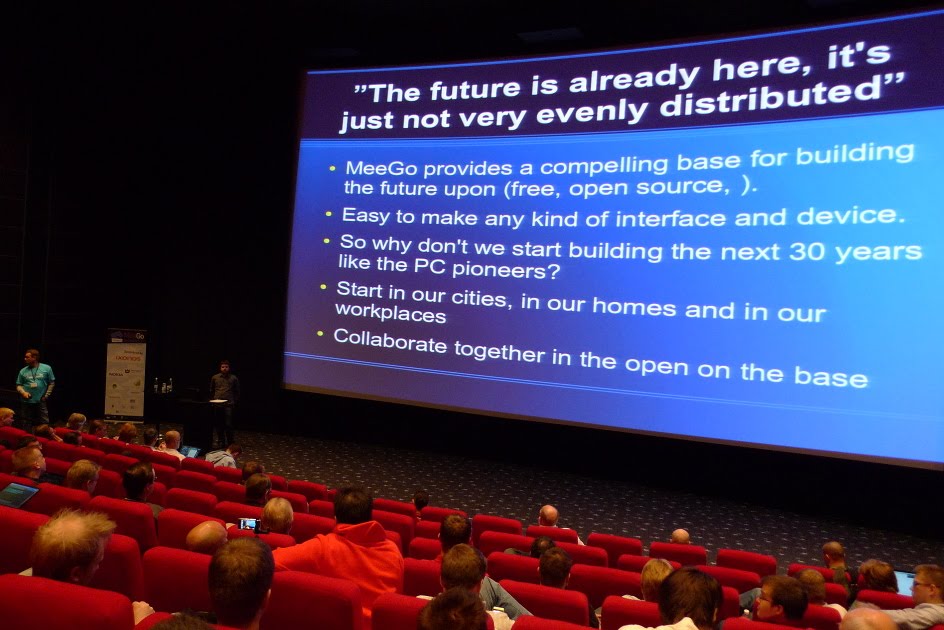
Keynote venue was a movie theater


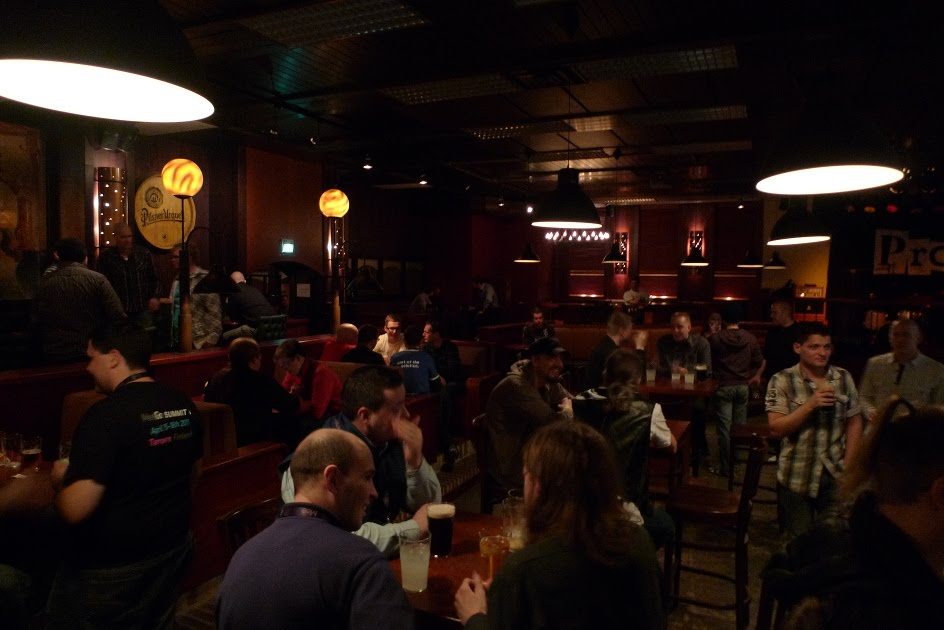
MeeGo status update by Valtteri Halla / Intel - talking among else about tablets, IVI, and the 20 person team at Nokia doing MeeGo(.com) for N900 phone


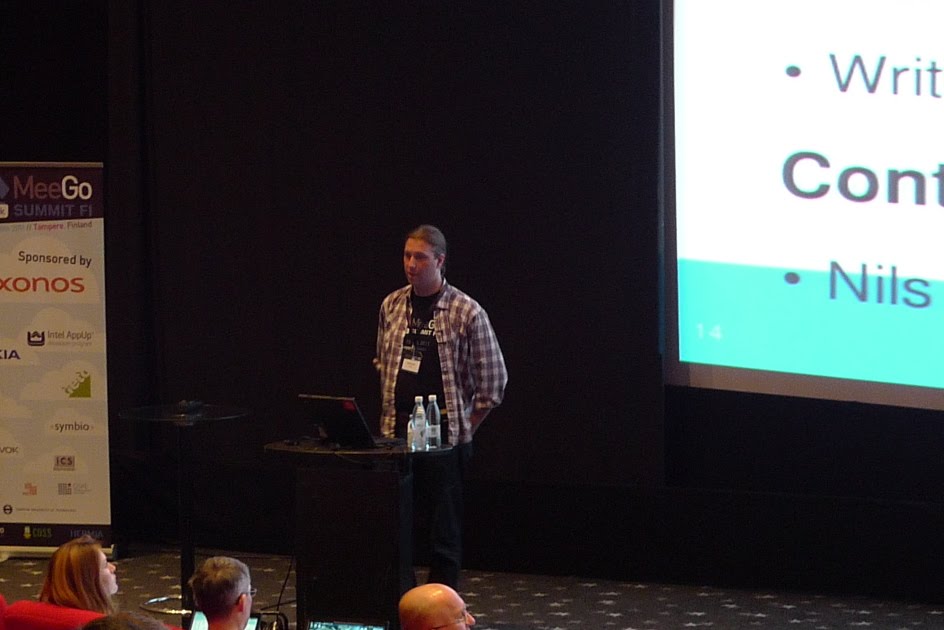
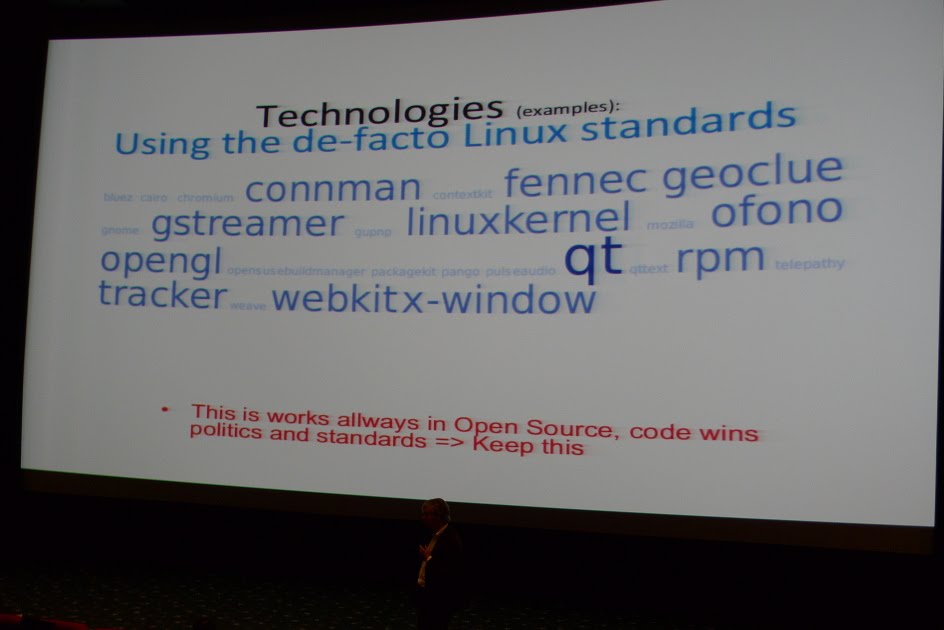
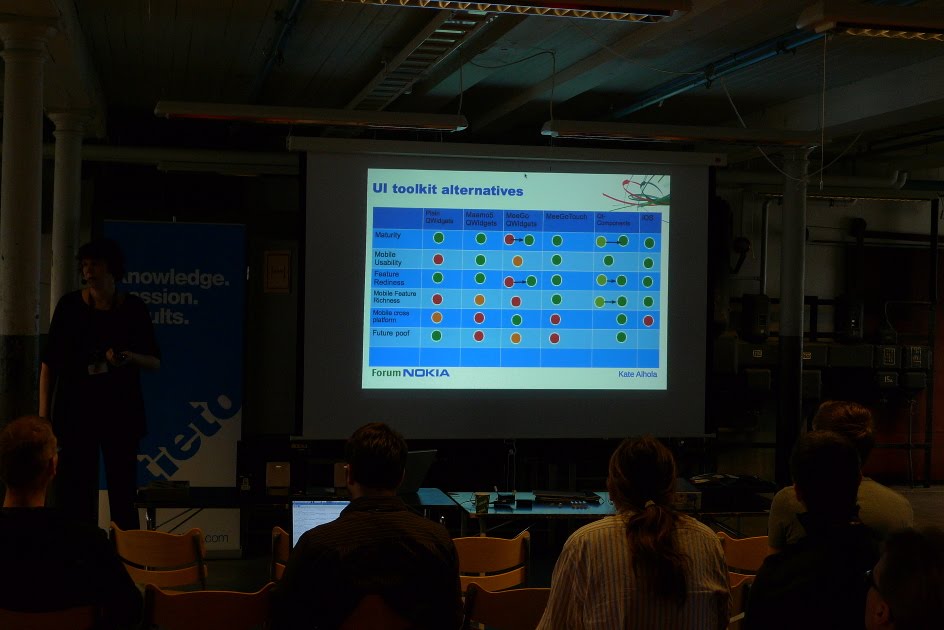
Mikko Terho / Nokia - "Internet for the next billion => Qt good candidate", "code wins politics and standards"


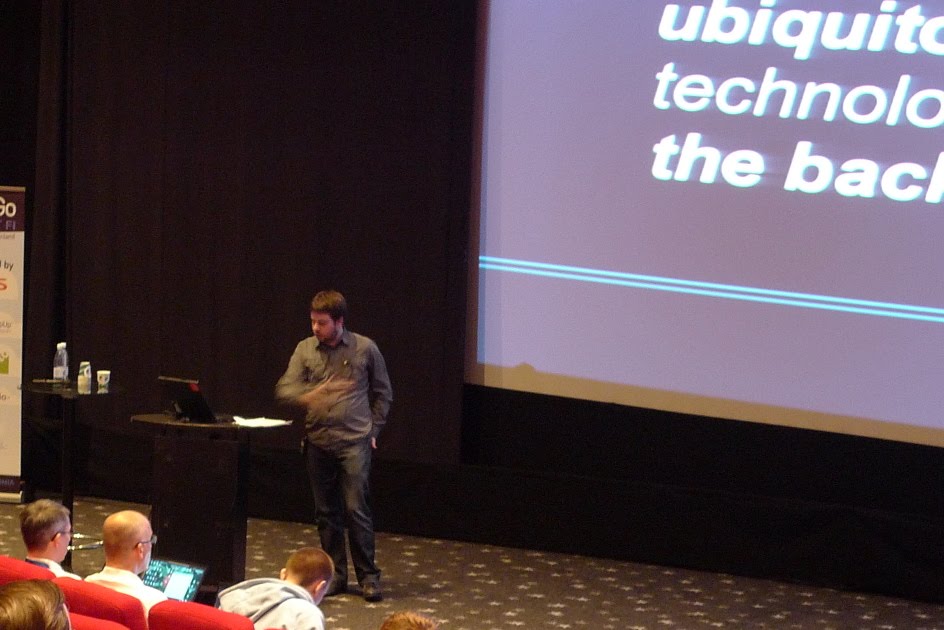
Carsten Munk / Nomovok - "Hacking your existence: the importance of open-ended devices in the MeeGo world"


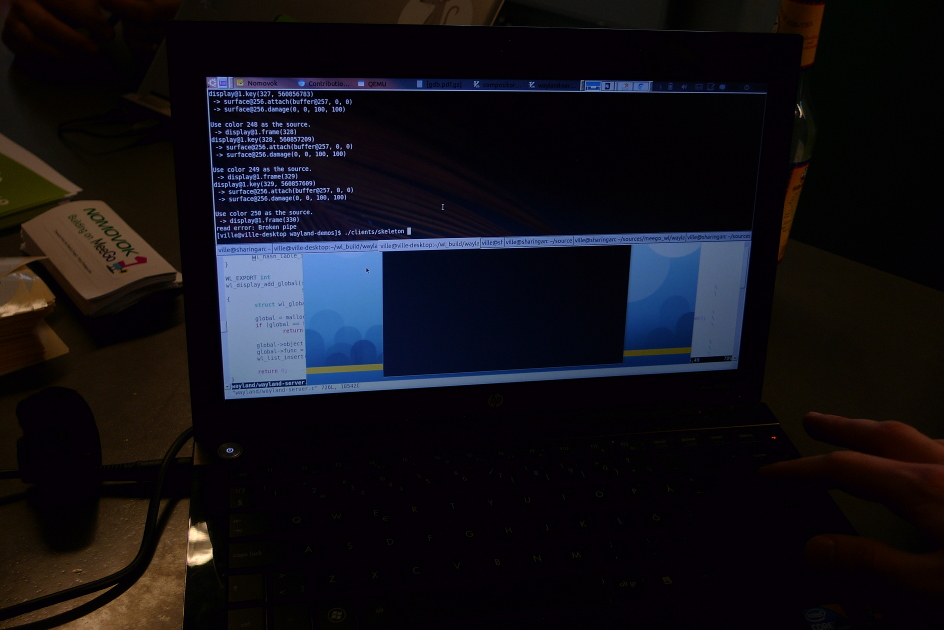
In addition to MeeGo tablet demonstrations a Wayland compositor was demoed by a Nomovok employee.


One of the many Qt / QML related talks was held by Tapani Mikola / Nokia


Evening party


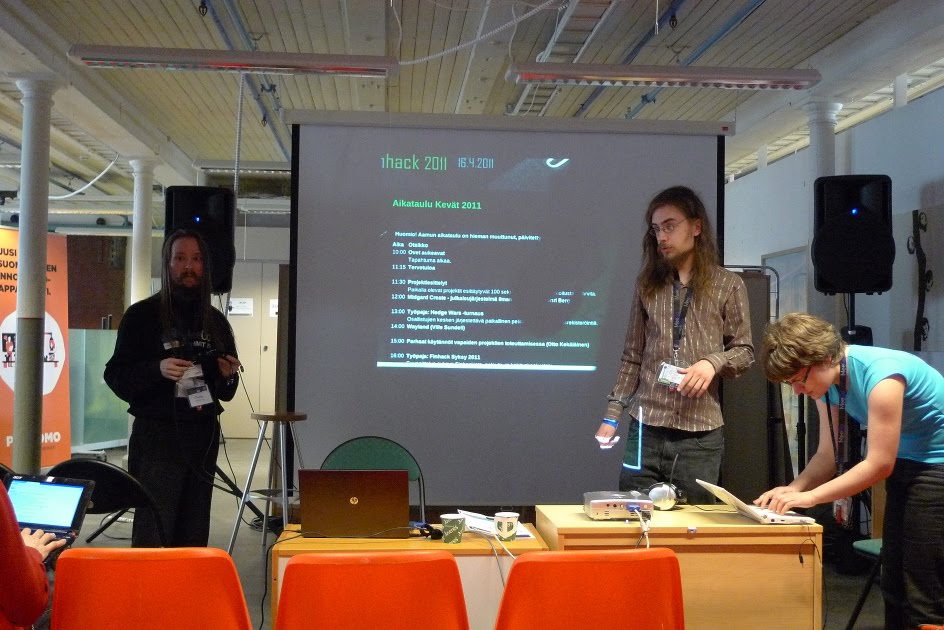
Day 2 started with a few more presentations and Finhack event launching in the Protomo room as well

Still remaining for the day are Meegathon demonstrations (well actually I'm right now already following those while finishing this - cool demos!) , Meegathon awards, a panel discussion on "MeeGo, Nokia, Finns - finished? Can MeeGo be important in Finland without being inside Nokia's core?", BoF sessions and finally Intel AppUp Application Lab including some MeeGo table give-outs.

Thanks to organizers, many of whom were volunteers. The event has been running completely smoothly, coming not as a big surprise after the hugely successful last summer's Akademy 2010 also held in Tampere.

14 April 2011

Timo Jyrinki: MeeGo Summit FI starts tomorrow

I'm participating in the MeeGo Summit FI that starts tomorrow, and I'm already in Tampere now, as you can see. The summit is at an interesting time, given that there is a huge amount of stuff happening around MeeGo while at the same time Nokia is balancing on what do both in the far future and what to do to ship the MeeGo device they've already promised. The summit is fully and overly booked for >300 attendees. There is also Finhack free software event happening alongside on Saturday at the same venue.

A view towards the venue(s), Finlayson area in Tampere.
The company I work for, Nomovok's CEO illustrated the MeeGo situation extraordinarily well a little less than two months ago. I think it's one of the best insights you can get from anywhere in public at the moment. Now things are starting to really heat up. Of course the Big thing is the MeeGo Conference in San Francisco in the end of May, but it takes nothing away from this being the major event both in the country formerly known as NokiaLandia, and also globally given the amount of MeeGo related talent here. Nomovok is teasing people with the SteelRat - a launchpad for MeeGo tablet creation and an UX, based on latest MeeGo Core - a beta of which will be available now in Tampere and first version in San Fransisco. Meanwhile we and others are investing in also the MeeGo IVI and MeeGo TV platforms, not forgetting about the handset industry that is more visible to many tech savvy consumers.

Pre-registration and building on-going.
At the same time there is a lot of exciting stuff going on in the Ubuntu project (Ubuntu 11.04 upcoming, I'm already using it and reporting bugs), together with Linaro and other ARM players. As a founder of Ubuntu Finland I'm always eager to see if I can work there also on work time, not only on free time. And regarding ARM, Nomovok is the key player in having ARM on MeeGo as well.

Then on the completely other end of spectrum, I'm eagerly waiting for the GTA04 project to have my Neo FreeRunner(s) bumped up to modern specs. At the end of the day I'm still using over 2,5 year old phone myself, since I want to run the software that is both free and completely selected (and if I want, done) by me. With GTA04, I could choose between MeeGo armv7hl port, Debian armhf port or Ubuntu as the base distribution to use my software.

6 April 2011

Petter Reinholdtsen: Gnash enteres Google Summer of Code 2011

The Gnash project is still the most promising solution for a Free Software Flash implementation. A few days ago the project announced that it will participate in Google Summer of Code. I hope many students apply, and that some of them succeed in getting AVM2 support into Gnash.

3 April 2011

Petter Reinholdtsen: A Norwegian FixMyStreet have kept me busy the last few weeks

Here is a small update for my English readers. Most of my blog posts have been in Norwegian the last few weeks, so here is a short update in English. The kids still keep me too busy to get much free software work done, but I did manage to organise a project to get a Norwegian port of the British service FixMyStreet up and running, and it has been running for a month now. The entire project has been organised by me and two others. Around Christmas we gathered sponsors to fund the development work. In January I drafted a contract with mySociety on what to develop, and in February the development took place. Most of it involved converting the source to use GPS coordinates instead of British easting/northing, and the resulting code should be a lot easier to get running in any country by now. The Norwegian FiksGataMi is using OpenStreetmap as the map source and the source for administrative borders in Norway, and support for this had to be added/fixed. The Norwegian version went live March 3th, and we spent the weekend polishing the system before we announced it March 7th. The system is running on a KVM instance of Debian/Squeeze, and has seen almost 3000 problem reports in a few weeks. Soon we hope to announce the Android and iPhone versions making it even easier to report problems with the public infrastructure. Perhaps something to consider for those of you in countries without such service?

22 March 2011

Adrian von Bidder: On Bad Lenses

I, and maybe some others, wondered why people would (have to) send new lenses back claiming that they got a bad copy so often. I couldn't imagine quality control being so bad that two out of three (at least that's the impression I got from reading the occasional foto discussion forum) lenses are bad. It turns out that it is not only people needing to be pampered and having the impression that their second (identical) copy of the expensive new lens is better. Nor is it bad QA by the manufacturers alone. Fact is that todays high megapixel cameras are at the limit of the manufacturing precision that can be achieved at a reasonable price. Roger Cicala (LensRentals.com, so he occasionally does have a lens or two at his place) wrote some very interesting articles about this topic which I discovered just now as they were featured on canonrumors (In case you're wondering: No, I don't see any issues with my new 70-200mm, just coincidence that I'm reading this just after getting a new lens. When I upgrade my camera body to something like a 5D MkII I will take a very close look at my Tokina 11-16 though, where I don't trust the AF 100%. On the 10MP Canon 40D it's a great lens, so I'm quite happy for now, but it seems strange that when I release and half-press the shutter again after having focused, the focus will sometimes move a tiny bit again. Haven't noticed this behaviour on the other lenses.)

6 March 2011

Yves-Alexis Perez: Update on Xfce 4.8

Since the last post, few things did happen. Basically, it's still not the right time for Debian users to upgrade to Xfce 4.8. We eventually managed to upload the whole desktop part (except the xfce metapackage) to experimental and we did upload some of the goodies too. Licensing issues have been solved so the concerned packages have been uploaded, and we're right now waiting on the three packages sitting in NEW. So you'll need to be a little more patient and kindly wait for our ftp-masters to process the (quite huge) NEW backlog. After that we'll need a bit more time in experimental to test upgrade cases, then we'll do an upload to unstable of the whole desktop part and the whole goodies. Upgrading to xfce4-panel 4.8 means *all* plugins need to be rebuilt too, so that means a huge upgrade and a quite large transition to handle for the release team, so we'll have to schedule the unstable upload with them in order not to break all their plans (yes, we try to be good Debian citizens) So please be patient, but you'll see Xfce 4.8 in unstable in a not too distant future. I'll put an update here when we'll need brave volunteers willing to break their systems by doing upgrade tests. [UPDATE]: garcon, thunar-vfs and tumbler were just accepted into experimental, thanks to our ftp-masters. Now we'll synchronize with release team and upload to unstable when possible.

12 February 2011

Yves-Alexis Perez: Xfce 4.8 and Debian

Now that Squeeze has been released, we (the pkg-xfce group) are in the process of uploading 4.8 to Debian. And we are uploading it to experimental for good reasons. Not that 4.8 is broken, but the packages are, and we're aware of it. Some packages are still in NEW, some are not uploaded because of some licensing issues, some have not been uploaded because we didn't yet have the time. What does this mean for you? That you should *not* upgrade to Xfce 4.8. Not all packages will be upgraded, and mixing 4.6 and 4.8 is a bad idea. We don't know yet what will happen (and that's the whole point of uploading to experimental), and it seems that there are issues indeed. So unless you're willing to fix the problems, don't upgrade to 4.8. It's not complete and it *will* break your install. I wouldn't recommend building and installing from our svn repository (for the sames reasons) nor from another (since upgrade path won't be guaranteed and we won't be able to fix them for you). So please be patient, we will upload 4.8 to unstable at one point, and there will still be polishing to be made if you want to help.

28 January 2011

Petter Reinholdtsen: Using NVD and CPE to track CVEs in locally maintained software

The last few days I have looked at ways to track open security issues here at my work with the University of Oslo. My idea is that it should be possible to use the information about security issues available on the Internet, and check our locally maintained/distributed software against this information. It should allow us to verify that no known security issues are forgotten. The CVE database listing vulnerabilities seem like a great central point, and by using the package lists from Debian mapped to CVEs provided by the testing security team, I believed it should be possible to figure out which security holes were present in our free software collection. After reading up on the topic, it became obvious that the first building block is to be able to name software packages in a unique and consistent way across data sources. I considered several ways to do this, for example coming up with my own naming scheme like using URLs to project home pages or URLs to the Freshmeat entries, or using some existing naming scheme. And it seem like I am not the first one to come across this problem, as MITRE already proposed and implemented a solution. Enter the Common Platform Enumeration dictionary, a vocabulary for referring to software, hardware and other platform components. The CPE ids are mapped to CVEs in the National Vulnerability Database, allowing me to look up know security issues for any CPE name. With this in place, all I need to do is to locate the CPE id for the software packages we use at the university. This is fairly trivial (I google for 'cve cpe $package' and check the NVD entry if a CVE for the package exist). To give you an example. The GNU gzip source package have the CPE name cpe:/a:gnu:gzip. If the old version 1.3.3 was the package to check out, one could look up cpe:/a:gnu:gzip:1.3.3 in NVD and get a list of 6 security holes with public CVE entries. The most recent one is CVE-2010-0001, and at the bottom of the NVD page for this vulnerability the complete list of affected versions is provided. The NVD database of CVEs is also available as a XML dump, allowing for offline processing of issues. Using this dump, I've written a small script taking a list of CPEs as input and list all CVEs affecting the packages represented by these CPEs. One give it CPEs with version numbers as specified above and get a list of open security issues out. Of course for this approach to be useful, the quality of the NVD information need to be high. For that to happen, I believe as many as possible need to use and contribute to the NVD database. I notice RHEL is providing a map from CVE to CPE, indicating that they are using the CPE information. I'm not aware of Debian and Ubuntu doing the same. To get an idea about the quality for free software, I spent some time making it possible to compare the CVE database from Debian with the CVE database in NVD. The result look fairly good, but there are some inconsistencies in NVD (same software package having several CPEs), and some inaccuracies (NVD not mentioning buggy packages that Debian believe are affected by a CVE). Hope to find time to improve the quality of NVD, but that require being able to get in touch with someone maintaining it. So far my three emails with questions and corrections have not seen any reply, but I hope contact can be established soon. An interesting application for CPEs is cross platform package mapping. It would be useful to know which packages in for example RHEL, OpenSuSe and Mandriva are missing from Debian and Ubuntu, and this would be trivial if all linux distributions provided CPE entries for their packages.

22 January 2011

Petter Reinholdtsen: Which module is loaded for a given PCI and USB device?

In the discover-data package in Debian, there is a script to report useful information about the running hardware for use when people report missing information. One part of this script that I find very useful when debugging hardware problems, is the part mapping loaded kernel module to the PCI device it claims. It allow me to quickly see if the kernel module I expect is driving the hardware I am struggling with. To see the output, make sure discover-data is installed and run /usr/share/bug/discover-data 3>&1. The relevant output on one of my machines like this:
loaded modules:
10de:03eb i2c_nforce2
10de:03f1 ohci_hcd
10de:03f2 ehci_hcd
10de:03f0 snd_hda_intel
10de:03ec pata_amd
10de:03f6 sata_nv
1022:1103 k8temp
109e:036e bttv
109e:0878 snd_bt87x
11ab:4364 sky2
The code in question look like this, slightly modified for readability and to drop the output to file descriptor 3:
if [ -d /sys/bus/pci/devices/ ] ; then
    echo loaded pci modules:
    (
        cd /sys/bus/pci/devices/
        for address in * ; do
            if [ -d "$address/driver/module" ] ; then
                module= cd $address/driver/module ; pwd -P   xargs basename 
                if grep -q "^$module " /proc/modules ; then
                    address=$(echo $address  sed s/0000://)
                    id= lspci -n -s $address   tail -n 1   awk ' print $3 ' 
                    echo "$id $module"
                fi
            fi
        done
    )
    echo
fi
Similar code could be used to extract USB device module mappings:
if [ -d /sys/bus/usb/devices/ ] ; then
    echo loaded usb modules:
    (
        cd /sys/bus/usb/devices/
        for address in * ; do
            if [ -d "$address/driver/module" ] ; then
                module= cd $address/driver/module ; pwd -P   xargs basename 
                if grep -q "^$module " /proc/modules ; then
                    address=$(echo $address  sed s/0000://)
                    id=$(lsusb -s $address   tail -n 1   awk ' print $6 ')
                    if [ "$id" ] ; then
                        echo "$id $module"
                    fi
                fi
            fi
        done
    )
    echo
fi
This might perhaps be something to include in other tools as well.

16 January 2011

John Goerzen: 24 hours with Jacob

Friday, I wrote about the train trip Jacob and I were planning to take. Here s the story about it. Friday night, Jacob was super excited. He was running around the house, talking about trains. I had him pack his own backpack with toys this time, which were you guessed it trains. Plus train track. His usual bedtime is around 7. He was still awake in his room at about 11, too excited to sleep. The train was an hour late into Newton, so got up, got ready, and then went into Jacob s room at 3:15AM. I put my arm around him and said his name softly. No response. I said, just a little louder, Jacob, it s time to wake up to go to the train station. There was about a 2-second pause and then he sat bolt upright rubbing his eyes. A couple seconds later, in a very tired but clear voice, OK dad, let s go! That is, I believe, a record for waking up speed for Jacob. We went downstairs, got coats, mittens, hats, etc. on, made sure we had the stuffed butterfly he always sleeps with, and went out the door. As usual, Jacob chattered happily during the entire 15-minute drive to the Amtrak station. One of these days I need to remember to record it because it s unique. He described things to me ranging from the difference between freight and passenger trains, to what the dining car is all about, to tractors and how to ride them safely. Newton has some winter lights , and a few places still had Christmas lights, which were of course big hits. We had to wait a few minutes at the Amtrak station, and Jacob hadn t shown any signs of slowing down yet. He wanted to look at every Amtrak poster, picture, logo, or sign in the building. This generally meant me holding him up high while he leaned over to touch it and make out a few words. Then, of course, he would pick out minute details about the trains, such as how many coach cars he thought they had, and we d visit about that for awhile. We got on at about 4:20. We found our seats, and Jacob showed no signs of calming down, despite having had only 4 hours of sleep (instead of his usual 11) so far. We checked out the buttons for lights. And, of course, he excitedly yelled out, Dad, the train is moving! He spent the next while mostly watching out his window, but also still exploring his space. Finally at about 5, I said, Jacob, I am really tired. I am going to sleep now. Will you sleep too? His response: Oh sure dad, I will sleep with my eyes open! As a result, no sleep was had for Jacob, and only a little for me. The dining car opens for breakfast at 6:30, which is normally a rather foreign time for breakfast on the train for us. But we were both awake so I figured might as well go. So Jacob and I went to the dining car. We sat with a woman going from New Mexico to Lawrence for her grandpa s funeral, though it was expected and she was having a good time on the train. Jacob turned completely shy, and refused to say a word, except maybe a few whispered into my ear. He got his favorite railroad French toast, and had me drizzle some syrup on it. I used the word drizzle for syrup the first time he had French toast on the train, and if I fail to use that word in the dining car, I will hear about it in no uncertain terms from Jacob. He loved his dining car breakfast, but we spent about an hour and a half there. He was really slow at eating because his face was pressed up against the window so much. But that was just fine; we had nowhere else to be, the person eating breakfast with us enjoyed visiting (and, apparently, scaring the dining car staff with tales of bears in the New Mexico mountains). This was what the train trip was all about, after all. We played in the lounge car for awhile. The almost floor-to-ceiling wrap-around windows provided a great view for him, and more opportunities to press his face against a window. We talked about freight trains that he saw, noticed the snow on some of them. Then we found the back of the train and he got to look out the back window. Back at our seat, he played with his toys for about 10 minutes, which was all he used them on the entire trip. There was just too much else to enjoy. When we used the restroom on the train, he d comment on how much he liked the Amtrak soap. It smells SO very very good! He wanted to wash his hands on the train. By late morning, he had decided: Dad, I LOVE this Amtrak soap. It smells like peaches! Shall your hands smell like peaches too? And, when we d get back up to our seats, he d put his hands in my face, saying, Dad, smell that! My hands smell like peaches! It was from the AMTRAK SOAP! At some point, he discovered the airline-style safety brochures in the seat back pockets. These were filled with diagrams of the train car, a few photos, and lots of icons with descriptions. I don t know how many times I read the thing to him, or really how many times he then recited it to me from memory. It was a lot. He spent hours with those brochures. Jacob had already told me that he wanted pizza for lunch, so I got him the kid-sized pizza. It wasn t all that big, and he could have devoured at least half of it when hungry. But he was getting really tired and ate only a few bites of pizza and a few chips. Pretty soon he was leaning up against me, the window, and eventually had his head on the table in some tomato sauce. But he didn t quite fall asleep by the time we went back to our seats, and of course was wide awake by that point. Jacob loves spotting the word Amtrak on things. It was very exciting when he noticed his orange juice at breakfast, and milk at lunch, were Amtrak juice and Amtrak milk due to the logo on the cups. At dinner he noticed we had Amtrak plates, and when I pointed out that his metal fork had the Amtrak logo on it, he got very excited and had to check every piece of silverware within reach. Dad, I have an Amtrak fork too! . And dad, YOU also have an Amtrak fork! We ALL have Amtrak forks! *cackling laughter* I finally insisted that Jacob lay down for some quiet time. I closed the curtains, and he finally did fall asleep less than an hour before our arrival into Galesburg. So by 2:15 he was up to 4.75 hours of sleep, I guess. We stopped in the train station briefly, then started our walk to the Discovery Depot Children s Museum, which was right nearby. Although I made no comment about it, Jacob said, Dad, there is a train museum RIGHT HERE! Yes, you re right Jacob. I can see a steam engine and some cars here. Let s go in! I don t think it s open today. It IS open shall we go check? It wasn t, and that was mighty sad though when he spotted another old caboose sitting outside the children s museum, the day suddenly seemed brighter. He complained of how cold he was, although my suggestion that he stop walking through the big piles of snowdrifts was met with a whiny, But dad, I WANT to do that! We went inside the museum (having to walk right buy the locked caboose thankfully the people at the desk promised to unlock it for us when we were ready) and Jacob started to explore. There was some wooden play trains big enough for children to climb in which he enjoyed, but in general he went from one thing to the next every minute or two as he does when he s really tired or overstimulated. Until, that is, he discovered the giant toy train table. It had a multi-level wooden track setup, and many toy trains with magnetic hitches. It was like what we have at home, only much bigger and fancier. He spent a LONG time with that. We then briefly explored the rest of the museum and went out into the caboose. It wasn t the hit it might have been, possibly because there are several at the Great Plains Transportation Museum that he gets to go in on a somewhat regular basis. After that, he was ready to go back into the museum, but I was feeling rather over-stimulated. On a day when the highs were still well below freezing, it seemed just about every family in Galesburg was crowded into the children s museum, making it loud and crowded which I don t enjoy at all. So I suggested maybe it was snack time instead. A moment s thought, then he started to pull me out of the caboose before I could get my gloves back on Yes dad, I think it IS snack time. Let s go. Let s go NOW! We walked over to Uncle Billy s Bakery (Google link or minimal website). Jacob spotted some sugar cookies shaped like mittens. Despite my reluctance to get him more sugar, he was so excited plus I had barely prevented a meltdown at lunch by promising him that he would get dessert later in the day so he picked two red mitten cookies. I got myself a wonderful peach muffin and a croissant and we sat down at one of the tables by the window. I taught Jacob how to hang his coat on his chair and he lit into those cookies. I spotted a guy at the next table over wearing a BNSF jacket, and asked him if he worked for the railroad. He had retired as an engineer a couple of years ago, and had worked various jobs before that. He grew up in Manhattan, KS and so was interested in our trip and very friendly. While we visited, Jacob devoured his cookies and increasing portions of my snack as well. He told us about a new shop The Stray Cat just two stores down that was having a grand opening event today. They make decorations and art out of basically discarded items, and had some really nifty things that I may have bought had I not been wanting for space in our backpack. Then I spotted Sweets Old-Fashioned Ice Cream, Candy, and Soda Shop across the road. I figured he d love it and I was already in for the sugar so might as well. He picked out some birthday cake flavor ice cream for himself. I got huckleberry ice cream, which he insisted on calling purpleberry and managed to get some tastes of as well. After that, we went to the train station. It was about an hour until our train would be there. I wasn t sure if we d find enough to do, but I shouldn t have worried. Earlier, we had made the happy discovery that the station s restroom featured the Amtrak soap, so there was that. Then there was the model Amtrak train in the ticket window, which Jacob kept wanting to look at while I d hold him. And also, the California Zephyr came in. We watched it arrive from the station window, saw people get off and on, and saw it leave maybe the first time Jacob has witnessed all that in person. And, of course, we looked at the pictures in that train station. The ticketmaster gave Jacob a paper conductor s hat with puzzles and mazes on the back side. And then it was time to get onto our train back home. We ate dinner Jacob again ate little and almost fell asleep and got back to our seats. I let Jacob stay awake until about 8, when he was starting to get a bit fragile. It took him awhile to fall asleep, but he finally did at about 8:30. Today he s still been all excited. He will randomly tell us about bits of the trip, that the man at supper called his grilled cheese sandwich piece little when it was really big, what we did at the ice cream store, etc. And I do think that he is now a train safety expert. All in all, I think that is probably the most excitement he s ever had in 24 hours and it was a lot of fun to be with him for it!

15 January 2011

Petter Reinholdtsen: The video format most supported in web browsers?

The video format struggle on the web continues, and the three contenders seem to be Ogg Theora, H.264 and WebM. Most video sites seem to use H.264, while others use Ogg Theora. Interestingly enough, the comments I see give me the feeling that a lot of people believe H.264 is the most supported video format in browsers, but according to the Wikipedia article on HTML5 video, this is not true. Check out the nice table of supprted formats in different browsers there. The format supported by most browsers is Ogg Theora, supported by released versions of Mozilla Firefox, Google Chrome, Chromium, Opera, Konqueror, Epiphany, Origyn Web Browser and BOLT browser, while not supported by Internet Explorer nor Safari. The runner up is WebM supported by released versions of Google Chrome Chromium Opera and Origyn Web Browser, and test versions of Mozilla Firefox. H.264 is supported by released versions of Safari, Origyn Web Browser and BOLT browser, and the test version of Internet Explorer. Those wanting Ogg Theora support in Internet Explorer and Safari can install plugins to get it. To me, the simple conclusion from this is that to reach most users without any extra software installed, one uses Ogg Theora with the HTML5 video tag. Of course to reach all those without a browser handling HTML5, one need fallback mechanisms. In NUUG, we provide first fallback to a plugin capable of playing MPEG1 video, and those without such support we have a second fallback to the Cortado java applet playing Ogg Theora. This seem to work quite well, as can be seen in an example from last week. The reason Ogg Theora is the most supported format, and H.264 is the least supported is simple. Implementing and using H.264 require royalty payment to MPEG-LA, and the terms of use from MPEG-LA are incompatible with free software licensing. If you believed H.264 was without royalties and license terms, check out "H.264 Not The Kind Of Free That Matters" by Simon Phipps. A incomplete list of sites providing video in Ogg Theora is available from the Xiph.org wiki, if you want to have a look. I'm not aware of a similar list for WebM nor H.264. Update 2011-01-16 09:40: A question from Tollef on IRC made me realise that I failed to make it clear enough this text is about the <video> tag support in browsers and not the video support provided by external plugins like the Flash plugins.

12 January 2011

Petter Reinholdtsen: Chrome plan to drop H.264 support for HTML5 <video>

Today I discovered via digi.no that the Chrome developers, in a surprising announcement, yesterday announced plans to drop H.264 support for HTML5 <video> in the browser. The argument used is that H.264 is not a "completely open" codec technology. If you believe H.264 was free for everyone to use, I recommend having a look at the essay "H.264 Not The Kind Of Free That Matters". It is not free of cost for creators of video tools, nor those of us that want to publish on the Internet, and the terms provided by MPEG-LA excludes free software projects from licensing the patents needed for H.264. Some background information on the Google announcement is available from OSnews. A good read. :) Personally, I believe it is great that Google is taking a stand to promote equal terms for everyone when it comes to video publishing on the Internet. This can only be done by publishing using free and open standards, which is only possible if the web browsers provide support for these free and open standards. At the moment there seem to be two camps in the web browser world when it come to video support. Some browsers support H.264, and others support Ogg Theora and WebM (Dirac is not really an option yet), forcing those of us that want to publish video on the Internet and which can not accept the terms of use presented by MPEG-LA for H.264 to not reach all potential viewers. Wikipedia keep an updated summary of the current browser support. Not surprising, several people would prefer Google to keep promoting H.264, and John Gruber presents the mind set of these people quite well. His rhetorical questions provoked a reply from Thom Holwerda with another set of questions presenting the issues with H.264. Both are worth a read. Some argue that if Google is dropping H.264 because it isn't free, they should also drop support for the Adobe Flash plugin. This argument was covered by Simon Phipps in todays blog post, which I find to put the issue in context. To me it make perfect sense to drop native H.264 support for HTML5 in the browser while still allowing plugins. I suspect the reason this announcement make so many people protest, is that all the users and promoters of H.264 suddenly get an uneasy feeling that they might be backing the wrong horse. A lot of TV broadcasters have been moving to H.264 the last few years, and a lot of money has been invested in hardware based on the belief that they could use the same video format for both broadcasting and web publishing. Suddenly this belief is shaken. An interesting question is why Google is doing this. While the presented argument might be true enough, I believe Google would only present the argument if the change make sense from a business perspective. One reason might be that they are currently negotiating with MPEG-LA over royalties or usage terms, and giving MPEG-LA the feeling that dropping H.264 completely from Chroome, Youtube and Google Video would improve the negotiation position of Google. Another reason might be that Google want to save money by not having to pay the video tax to MPEG-LA at all, and thus want to move to a video format not requiring royalties at all. A third reason might be that the Chrome development team simply want to avoid the Chrome/Chromium split to get more help with the development of Chrome. I guess time will tell. Update 2011-01-15: The Google Chrome team provided more background and information on the move it a blog post yesterday.

4 January 2011

Yves-Alexis Perez: gvim remote server and workspace-specific editor window

These days, I've been used to a very specific $EDITOR usage. I use my (Xfce) workspaces as context switch. Basically, each time I need to start a new activity I open a new workspace, open some terminals, maybe a browser, an editor (gvim) window etc. Then when I'm done, I delete that workspace. I can have multiple activities at once, and switch from one to another depending on various stuff. On those workspaces, I'd like to be able to have only one editor window, even when I open new files using gvim foo.c . But I'd like to have one editor window per workspace, not one global editor, since I'd like the editor to be context-specific too. I recently heard about the gvim remote stuff, and I've came with the following gvim function (zsh syntax):

function gvim()
desktop=$(xprop -root -notype -f _NET_CURRENT_DESKTOP 0c '$0+\n' _NET_CURRENT_DESKTOP)
if [ "$#" -ge "1" ];
then
gvimargs="--remote-tab-silent"
fi
=gvim --servername $desktop $gvimargs $*
The xprop trick is a hackish way to stick one gvim window per workspace, it might need to be adjusted if one has a two monitors setup and want to be able to have one editor per monitor per workspace. Basically, that snippet checks if a gvim server already exists with the current workspace name. If yes, it opens the file(s) in it, if not it run a new gvim server and opens the file there. It works more or less fine, but it has one problem: it fails badly when one needs to give args to the gvim call. Those args are usually placed *before* filenames, so in my case it won't work. One way to fix this would be to loop on all the args, check if the arg is an existing file, in case add it to $files. If not, add it to $args, then call gvim with the correct order. Works, except when you want to edit a new file, where you're back to point one. All in all, it'd work, but it's not really a nice way to do it, imho. So I'm calling for help, in case anyone has an idea about that. Basically, is there a way to say to gvim always open files in a remote server, run it if it's not already running using the config file and not an argument (so I don't mess with the command line). I do need the servername to be desktop specific though, so it's still a difficulty. NOTE: I know that emacs has some kind of remote server habilities too, but I'm not sure how it works and if it'd be possible to do that in emacs, and I'm not really an emacs user and don't really intend to switch. If you have any idea, feel free to comment (by mail), I might do a later post when I have an enhanced solution.

31 December 2010

Russell Coker: Links December 2010

Aaron Huey gave a disturbing TED talk titled America s native prisoners of war [1]. He says the last chapter in any successful genocide is the one in which the oppressor can remove their hands and say my god, what are these people doing to themselves, they re killing each other, they re killing themselves while we watch them die .Peter Haas gave an interesting TED talk about how the poor engineering work in Haiti contributed to the significant death toll from the earthquake [2]. He advocates training for builders to prevent death and property damage from the next earthquake which is a lot cheaper than cleaning up the mess after buildings have fallen down.Wired has an interesting article on Phylo, a new crowd-sourced science game where you can sequence DNA [3]. The article also has links to other crowd-sourced science games.Brendan Scott gives a good summary of some of the most interesting news articles related to Wikileaks [4].Petter Reinholdtsen published a detailed and informative letter that Peruvian Congressman Edgar Villanueva wrote to Microsoft on the topic of a Peruvian bill to compell the government to use free software [5]. This has a lot of great ideas for anyone who wants to lobby their government for free software related legislation.Melissa McEwan wrote an informative blog post about why she doesn t trust men [6]. I can t do justice to this with a summary so just read it if you are male.Diana Laufenberg gave an interesting and inspiring TED talk about ways of teaching children [7]. Her main point was about embracing failure, having children learn from their mistakes. I think that perhaps embracing failure is only going to work with an exceptional teacher such as Diana, and that the majority of teachers would probably fail if they tried to implement it. She does have some really interesting examples of how she teaches so it s worth watching even if you don t agree with the central point.

Next.

Previous.