Fran ois Marier: Printing hard-to-print PDFs on Linux
I recently found a few PDFs which I was unable to print due to
those files causing insufficient printer memory
errors:
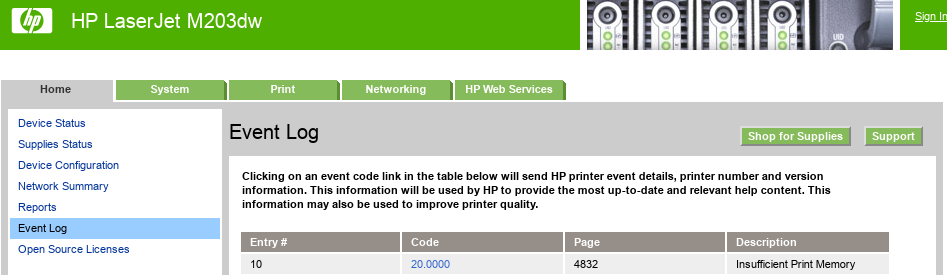 I found a detailed
explanation
of what might be causing this which pointed the finger at transparent
images, a PDF 1.4 feature which apparently requires a more recent version of
PostScript than what my printer
supports.
Using Okular's Force rasterization option
(accessible via the print dialog) does work by essentially rendering
everything ahead of time and outputing a big image to be sent to the
printer. The quality is not very good however.
Converting a PDF to DjVu
The best solution I found makes use of a
different file format: .djvu
Such files are not PDFs, but can still be opened in Evince and
Okular, as well as in the dedicated
DjVuLibre application.
As an example, I was unable to print page 11 of this
paper. Using
I found a detailed
explanation
of what might be causing this which pointed the finger at transparent
images, a PDF 1.4 feature which apparently requires a more recent version of
PostScript than what my printer
supports.
Using Okular's Force rasterization option
(accessible via the print dialog) does work by essentially rendering
everything ahead of time and outputing a big image to be sent to the
printer. The quality is not very good however.
Converting a PDF to DjVu
The best solution I found makes use of a
different file format: .djvu
Such files are not PDFs, but can still be opened in Evince and
Okular, as well as in the dedicated
DjVuLibre application.
As an example, I was unable to print page 11 of this
paper. Using pdfinfo, I found that
it is in PDF 1.5 format and so the transparency effects could be the cause
of the out-of-memory printer error.
Here's how I converted it to a high-quality DjVu file I could print without
problems using Evince:
pdf2djvu -d 1200 2002.04049.pdf > 2002.04049-1200dpi.djvu
Converting a PDF to PDF 1.3
I also tried the DjVu trick on a different unprintable
PDF,
but it failed to print, even after lowering the resolution to 600dpi:
pdf2djvu -d 600 dow-faq_v1.1.pdf > dow-faq_v1.1-600dpi.djvu
In this case, I used a different technique and simply converted the PDF to
version 1.3 (from version 1.6 according to pdfinfo):
ps2pdf13 -r1200x1200 dow-faq_v1.1.pdf dow-faq_v1.1-1200dpi.pdf
This eliminates the problematic transparency and rasterizes the elements
that version 1.3 doesn't support.
pdf2djvu -d 1200 2002.04049.pdf > 2002.04049-1200dpi.djvu
pdf2djvu -d 600 dow-faq_v1.1.pdf > dow-faq_v1.1-600dpi.djvu
pdfinfo):
ps2pdf13 -r1200x1200 dow-faq_v1.1.pdf dow-faq_v1.1-1200dpi.pdf

 Like
 A new
 Almost three years ago I wrote my

 We are very excited to announce that Debian has selected nine interns to work
under mentorship on a variety of
 The KDE Plasma desktop is soon getting an update to 5.19, and
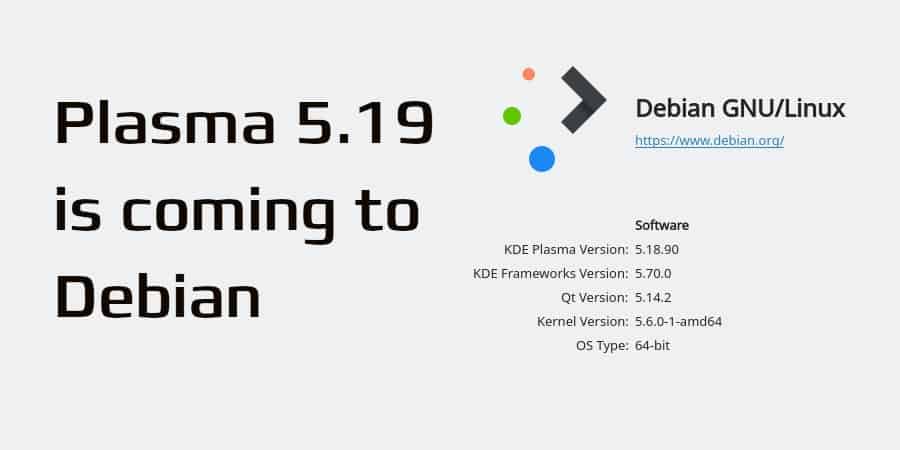 There are lots of new features mentioned in the
 After much investigation I decided to write a very simple page for getUserMedia.
When I am performing music I provide audio in line input with all echo and noise and other concerns resolved.
The idea is that I can cast the tab to video conferencing software and conferencing software will hopefully not reduce noise or echo.
 This post was originally published in the

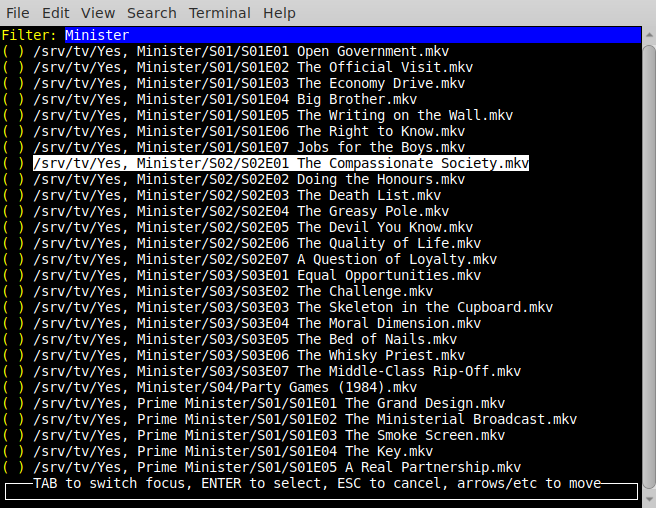 You'll see:
 Some people believe that automatic contact tracing apps will
help contain the Coronavirus epidemic. They won t.
Sorry to bring the bad news, but IT and mobile phones and artificial
intelligence will not solve every problem.
In my opinion, those that promise to solve these things with
artificial intelligence / mobile phones / apps / your-favorite-buzzword
are at least overly optimistic and blinder Aktionismus (*),
if not naive, detachted from reality,
or fraudsters that just want to get some funding.
(*) there does not seem to be an English word for this doing something
just for the sake of doing something, without thinking about whether it makes sense to do so
Here are the reasons why it will not work:
 Because