Russ Allbery: 2014 Book Reading in Review
This year, after a series of catastrophically horrible and unethical
management decisions, I walked away from my job of seventeen years and
found a new job.
As you might expect, reading wasn't the top priority for much of the
year. I'm moderately surprised that I read as much as I did. The good
side is that I'm now in a much better place both professionally and
personally and no longer have to put up with draining and demoralizing
nonsense happening on a regular basis. The downside for my review output
is that the new job is more engrossing and is, in some ways, harder work,
so I expect my reading totals going forward to stabilize somewhere below
where they were in the past (although it's possible that the daily commute
will change that equation somewhat).
As mentioned last year, I had a feeling that something like this would
happen (although not that it would be anywhere near this bad), so I had no
specific reading goals for the year. Next year, I'm going to see how it
goes for the first few months, and might then consider setting some goals
if I want to encourage myself to take more time for reading.
The below statistics are confined to the books I reviewed in 2014. I read
three more books that I've not yet reviewed, partly because the end of the
year isn't as packed with vacation as it was at Stanford. Those will be
counted in 2014.
Despite the low reading totals for the year, I read two 10 out of 10
books. My favorite book of the year was Ann Leckie's
Ancillary Justice,
which was one of the best science fiction novels I've ever read. Highly
recommended if you like the space opera genre at all. A close second was
my favorite non-fiction book of the year and the other 10 out of 10: Allie
Brosh's collection Hyperbole and a Half. Those of you who have read her blog
already know her brilliant and insightful style of humor. Those who
haven't are in for a treat.
I read a lot of non-fiction this year and not as much fiction, partly for
mood reasons, so I don't have honorable mentions in the fiction
department. In the non-fiction department, though, there are four more
books worth mentioning. Cryptography Engineering, by Niels Ferguson, Bruce Schneier, and
Tadayoshi Kohno, was the best technical book that I read last year, and a
must-read for anyone who works on security or crypto software. David
Graeber's Debt was
the best political and economic book of the year and the book from which I
learned the most. It changed the way that you think about debt and loans
significantly. A close second, though, was David Roodman's
Due Diligence, which
is a must-read for anyone who has considered investing in microfinance or
is curious about the phenomenon. We need more data-driven, thoughtful,
book-length analysis like this in the world.
Finally, The
Knowledge, by Lewis Dartnell, is an entertaining and quixotic project.
The stated goal of the book is to document the information required to
rebuild civilization after a catastrophe, with hopefully fewer false
starts and difficult research than was required the first time. I'm
dubious about its usefulness for that goal, but it's a fascinating and
entertaining book in its own right, full of detail about industrial
processes and the history of manufacturing and construction that are
otherwise hard to come by without extensive (and boring) research.
Recommended, even if you're dubious about the efficacy of the project.
The full analysis includes some
additional personal reading statistics, probably only of interest to me.

 Was lent a 15-course baroque lute.
February
 Grandpa's funeral. In December he was posthumously awarded the
 A lot of triathlon training but also got back into cooking.
April
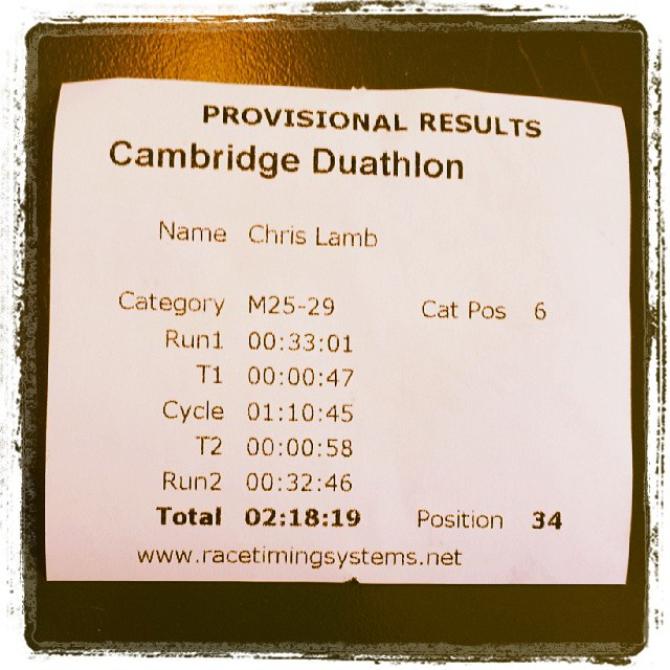 Returned to the
 Raced 50 and 100 mile cycling time trials & visited the Stratford Olympic pool (pictured).
June

 Paced my sister at the Downtow-Upflow Half-marathon. Also released the first version of the
 Visited Cornwall for my cousin's wedding (pictured). Another month for sport including my first ultramarathon and my first sub-20 minute 5k.
September
 Entered a London Oxford London cycling

 Performed Handel's Messiah in Kettering.
December
 Left
 I just watched
 For quite some time I used to produce Windows builds for both

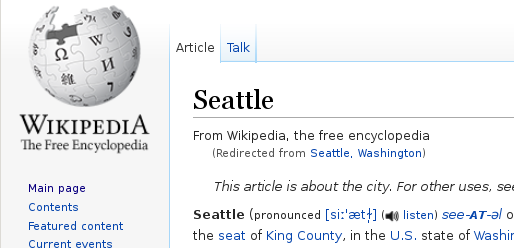
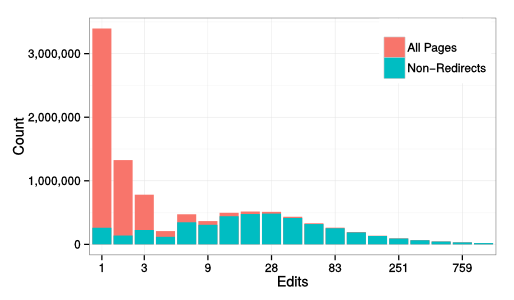
 In wikis, redirects are special pages that silently take readers from the page they are visiting to another page. Although their presence is noted in tiny gray text (see the image below) most people use them all the time and never know they exist. Redirects exist to make linking between pages easier, they populate Wikipedia s search autocomplete list, and are generally helpful in organizing information. In the English Wikipedia, redirects make up more than half of all article pages.
 This is the time of year when there are lots of adverts shown on TV solicating donations for charities, which frequently end with the two words "thank you".
I've always felt there were too many charities in the world, and that it was hard to half-heartedly give money to one charity this month, one the next, and still another next year. On that basis I decided long ago to give my money solely to three charities. If I had money that was spare, or I felt generous that month, I would give it to one of "my" charities. Any other appeals I just ignored (with minor exceptions for one-off events like tsunamis, etc).
I won't claim credit for this idea, it came directly from my mom who does the same thing. I've given money to the same three charities for twenty years now. Maybe not thousands, but hopefully enough to be useful. Certainly more than I'd have given if my donation were split between more recipients.
Now I'm changing. As of next year only one charitable organization will get my pennies. The other two haven't done anything bad, wrong, or failed/succeeded (sadly), but it feels better for me to stick to a single recipient.
Happy Christmas.
(Details shouldn't matter, but to answer the obvious question the charity I've kept is the
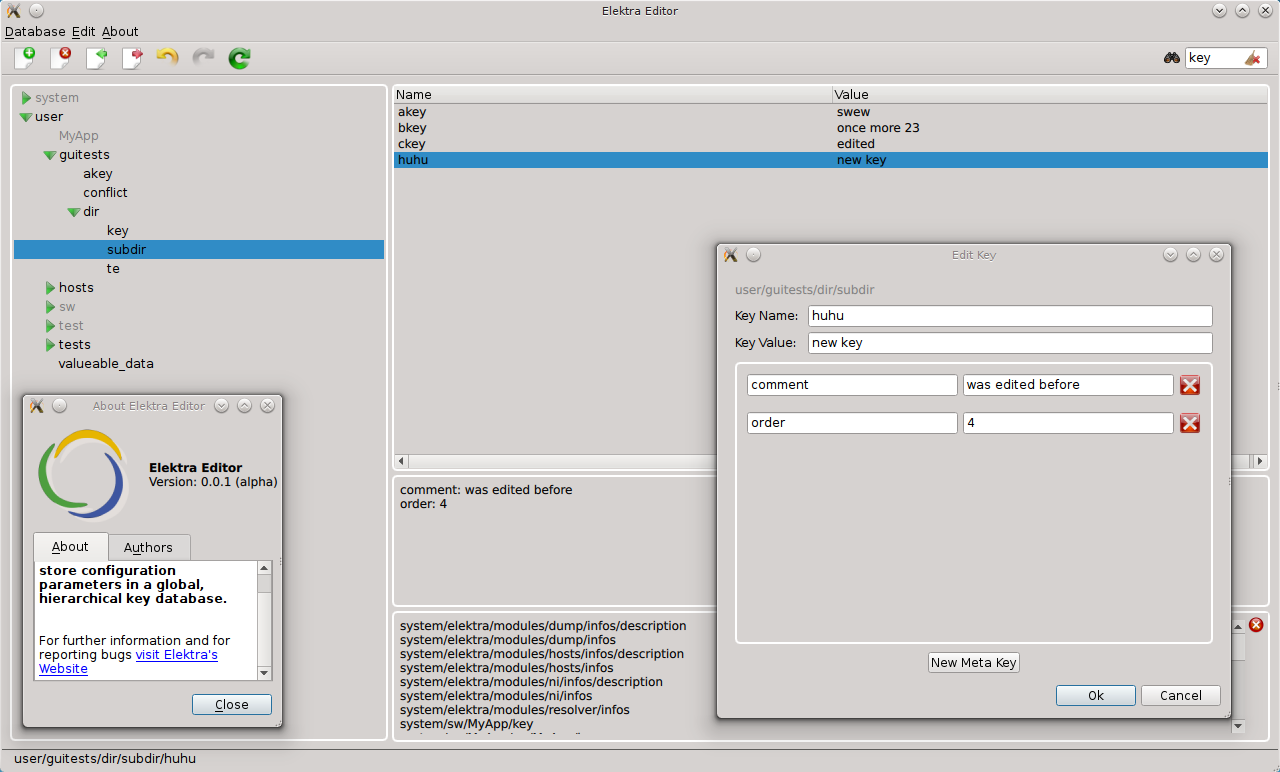

 I have been hard at work on the



 LXC - Linux Containers allows us to run multiple isolated Linux system
under same control host. This will be useful for testing application
without changing our existing system.
To create an LXC container we use the lxc-create command, it can
accepts the template option, with which we can choose the OS we would
like to run under the virtual isolated environment. On a Debian system
I see following templates supported