Olivier Berger: New short paper : Designing a virtual laboratory for a relational database MOOC with Vagrant, Debian, etc.
 Here s a short preview of our latest accepted paper (to appear at CSEDU 2015), about the construction of VMs for the Relational Database MOOC using Vagrant, Debian, PostgreSQL (previous post), etc. :
Designing a virtual laboratory for a relational database MOOC
Olivier Berger, J Paul Gibson, Claire Lecocq and Christian Bac
Keywords: Remote Learning, Virtualization, Open Education Resources, MOOC, Vagrant
Abstract: Technical advances in machine and system virtualization are creating opportunities for remote learning to provide significantly better support for active education approaches. Students now, in general, have personal computers that are powerful enough to support virtualization of operating systems and networks. As a conse- quence, it is now possible to provide remote learners with a common, standard, virtual laboratory and learning environment, independent of the different types of physical machines on which they work. This greatly enhances the opportunity for producing re-usable teaching materials that are actually re-used. However, configuring and installing such virtual laboratories is technically challenging for teachers and students. We report on our experience of building a virtual machine (VM) laboratory for a MOOC on relational databases. The architecture of our virtual machine is described in detail, and we evaluate the benefits of using the Vagrant tool for building and delivering the VM.
TOC :
- Introduction
- A brief history of distance learning
- Virtualization : the challenges
- The design problem
- The virtualization requirements
- Scenario-based requirements
- Related work on requirements
- Scalability of existing approaches
- The MOOC laboratory
- Exercises and lab tools
- From requirements to design
- Making the VM as a Vagrant box
- Portability issues
- Delivery through Internet
- Security
- Availability of the box sources
- Validation
- Reliability Issues with VirtualBox
- Student feedback and evaluation
- Future work
- Laboratory monitoring
- More modular VMs
- Conclusions
Bibliography
- Alario-Hoyos et al., 2014
Alario-Hoyos, C., P rez-Sanagust n, M., Kloos, C. D., and Mu oz Merino, P. J. (2014).
Recommendations for the design and deployment of MOOCs: Insights about the MOOC digital education of the future deployed in Mir adaX.
In Proceedings of the Second International Conference on Technological Ecosystems for Enhancing Multiculturality, TEEM 14, pages 403-408, New York, NY, USA. ACM.
- Armbrust et al., 2010
Armbrust, M., Fox, A., Griffith, R., Joseph, A. D., Katz, R., Konwinski, A., Lee, G., Patterson, D., Rabkin, A., Stoica, I., and Zaharia, M. (2010).
A view of cloud computing.
Commun. ACM, 53:50-58.
- Billingsley and Steel, 2014
Billingsley, W. and Steel, J. R. (2014).
Towards a supercollaborative software engineering MOOC.
In Companion Proceedings of the 36th International Conference on Software Engineering, pages 283-286. ACM.
- Brown and Duguid, 1996
Brown, J. S. and Duguid, P. (1996).
Universities in the digital age.
Change: The Magazine of Higher Learning, 28(4):11-19.
- Bullers et al., 2006
Bullers, Jr., W. I., Burd, S., and Seazzu, A. F. (2006).
Virtual machines an idea whose time has returned: Application to network, security, and database courses.
SIGCSE Bull., 38(1):102-106.
- Chen and Noble, 2001
Chen, P. M. and Noble, B. D. (2001).
When virtual is better than real [operating system relocation to virtual machines].
In Hot Topics in Operating Systems, 2001. Proceedings of the Eighth Workshop on, pages 133-138. IEEE.
- Cooper, 2005
Cooper, M. (2005).
Remote laboratories in teaching and learning-issues impinging on widespread adoption in science and engineering education.
International Journal of Online Engineering (iJOE), 1(1).
- Cormier, 2014
Cormier, D. (2014).
Rhizo14-the MOOC that community built.
INNOQUAL-International Journal for Innovation and Quality in Learning, 2(3).
- Dougiamas and Taylor, 2003
Dougiamas, M. and Taylor, P. (2003).
Moodle: Using learning communities to create an open source course management system.
In World conference on educational multimedia, hypermedia and telecommunications, pages 171-178.
- Gomes and Bogosyan, 2009
Gomes, L. and Bogosyan, S. (2009).
Current trends in remote laboratories.
Industrial Electronics, IEEE Transactions on, 56(12):4744-4756.
- Hashimoto, 2013
Hashimoto, M. (2013).
Vagrant: Up and Running.
O Reilly Media, Inc.
- Jones and Winne, 2012
Jones, M. and Winne, P. H. (2012).
Adaptive Learning Environments: Foundations and Frontiers.
Springer Publishing Company, Incorporated, 1st edition.
- Lowe, 2014
Lowe, D. (2014).
MOOLs: Massive open online laboratories: An analysis of scale and feasibility.
In Remote Engineering and Virtual Instrumentation (REV), 2014 11th International Conference on, pages 1-6. IEEE.
- Ma and Nickerson, 2006
Ma, J. and Nickerson, J. V. (2006).
Hands-on, simulated, and remote laboratories: A comparative literature review.
ACM Computing Surveys (CSUR), 38(3):7.
- Pearson, 2013
Pearson, S. (2013).
Privacy, security and trust in cloud computing.
In Privacy and Security for Cloud Computing, pages 3-42. Springer.
- Prince, 2004
Prince, M. (2004).
Does active learning work? A review of the research.
Journal of engineering education, 93(3):223-231.
- Romero-Zaldivar et al., 2012
Romero-Zaldivar, V.-A., Pardo, A., Burgos, D., and Delgado Kloos, C. (2012).
Monitoring student progress using virtual appliances: A case study.
Computers & Education, 58(4):1058-1067.
- Sumner, 2000
Sumner, J. (2000).
Serving the system: A critical history of distance education.
Open learning, 15(3):267-285.
- Watson, 2008
Watson, J. (2008).
Virtualbox: Bits and bytes masquerading as machines.
Linux J., 2008(166).
- Winckles et al., 2011
Winckles, A., Spasova, K., and Rowsell, T. (2011).
Remote laboratories and reusable learning objects in a distance learning context.
Networks, 14:43-55.
- Yeung et al., 2010
Yeung, H., Lowe, D. B., and Murray, S. (2010).
Interoperability of remote laboratories systems.
iJOE, 6(S1):71-80.
- A brief history of distance learning
- Virtualization : the challenges
- The design problem
- Scenario-based requirements
- Related work on requirements
- Scalability of existing approaches
- Exercises and lab tools
- From requirements to design
- Portability issues
- Delivery through Internet
- Security
- Availability of the box sources
- Reliability Issues with VirtualBox
- Student feedback and evaluation
- Laboratory monitoring
- More modular VMs
Alario-Hoyos, C., P rez-Sanagust n, M., Kloos, C. D., and Mu oz Merino, P. J. (2014).
Recommendations for the design and deployment of MOOCs: Insights about the MOOC digital education of the future deployed in Mir adaX.
In Proceedings of the Second International Conference on Technological Ecosystems for Enhancing Multiculturality, TEEM 14, pages 403-408, New York, NY, USA. ACM.
Armbrust, M., Fox, A., Griffith, R., Joseph, A. D., Katz, R., Konwinski, A., Lee, G., Patterson, D., Rabkin, A., Stoica, I., and Zaharia, M. (2010).
A view of cloud computing.
Commun. ACM, 53:50-58.
Billingsley, W. and Steel, J. R. (2014).
Towards a supercollaborative software engineering MOOC.
In Companion Proceedings of the 36th International Conference on Software Engineering, pages 283-286. ACM.
Brown, J. S. and Duguid, P. (1996).
Universities in the digital age.
Change: The Magazine of Higher Learning, 28(4):11-19.
Bullers, Jr., W. I., Burd, S., and Seazzu, A. F. (2006).
Virtual machines an idea whose time has returned: Application to network, security, and database courses.
SIGCSE Bull., 38(1):102-106.
Chen, P. M. and Noble, B. D. (2001).
When virtual is better than real [operating system relocation to virtual machines].
In Hot Topics in Operating Systems, 2001. Proceedings of the Eighth Workshop on, pages 133-138. IEEE.
Cooper, M. (2005).
Remote laboratories in teaching and learning-issues impinging on widespread adoption in science and engineering education.
International Journal of Online Engineering (iJOE), 1(1).
Cormier, D. (2014).
Rhizo14-the MOOC that community built.
INNOQUAL-International Journal for Innovation and Quality in Learning, 2(3).
Dougiamas, M. and Taylor, P. (2003).
Moodle: Using learning communities to create an open source course management system.
In World conference on educational multimedia, hypermedia and telecommunications, pages 171-178.
Gomes, L. and Bogosyan, S. (2009).
Current trends in remote laboratories.
Industrial Electronics, IEEE Transactions on, 56(12):4744-4756.
Hashimoto, M. (2013).
Vagrant: Up and Running.
O Reilly Media, Inc.
Jones, M. and Winne, P. H. (2012).
Adaptive Learning Environments: Foundations and Frontiers.
Springer Publishing Company, Incorporated, 1st edition.
Lowe, D. (2014).
MOOLs: Massive open online laboratories: An analysis of scale and feasibility.
In Remote Engineering and Virtual Instrumentation (REV), 2014 11th International Conference on, pages 1-6. IEEE.
Ma, J. and Nickerson, J. V. (2006).
Hands-on, simulated, and remote laboratories: A comparative literature review.
ACM Computing Surveys (CSUR), 38(3):7.
Pearson, S. (2013).
Privacy, security and trust in cloud computing.
In Privacy and Security for Cloud Computing, pages 3-42. Springer.
Prince, M. (2004).
Does active learning work? A review of the research.
Journal of engineering education, 93(3):223-231.
Romero-Zaldivar, V.-A., Pardo, A., Burgos, D., and Delgado Kloos, C. (2012).
Monitoring student progress using virtual appliances: A case study.
Computers & Education, 58(4):1058-1067.
Sumner, J. (2000).
Serving the system: A critical history of distance education.
Open learning, 15(3):267-285.
Watson, J. (2008).
Virtualbox: Bits and bytes masquerading as machines.
Linux J., 2008(166).
Winckles, A., Spasova, K., and Rowsell, T. (2011).
Remote laboratories and reusable learning objects in a distance learning context.
Networks, 14:43-55.
Yeung, H., Lowe, D. B., and Murray, S. (2010).
Interoperability of remote laboratories systems.
iJOE, 6(S1):71-80.
 So I started migrating some of my LXCs to Jessie, to test the
migration in advance. The upgrade itself was easy (the LXC is
mostly empty and only runs radicale), but after the upgrade I
couldn't login anymore (using lxc-console since I don't have
lxc-attach, the host is on Wheezy). So this is mostly a note to
self.
auth.log was showing:


 I haven't blogged anything in months and figured that now might be a good time to get around that. Here it goes:
 Now I'm back to Linux on the Desktop for my dayjob, I was slightly
nervous about checking out the state of the art for Linux music players;
an area I've never felt the Linux desktop was very strong on.
However for the time being I've largely side-stepped the issue by
listening to
 I have just released version 1.9 of Obnam, my backup program. See the
website at
 The downside was that the system was noisier under load; slightly
noisier in some games, to much more noisier in others. This didn't
match my expectations, since the specific version of the card I bought
was not overclocked and had extra large fans, and with only a +25W TDP
it shouldn't have been significantly noisier. Well, that's it, I said,
not all marketing/reviews should be believed.
One interesting thing was that I wasn't clearly able to pin-point what
was generating the additional noise.
PSU upgrade
I was thinking anyway about doing a PSU upgrade as well, since my
current PSU was even older than my videocard, and was at the limit.
Dust
So I bought a PSU as well, and spent about half a day installing
it. Why half a day? Because the new PSU is modular, and the
combination with the case I have means I could redo the cabling inside
my case, significantly.
In the process, I found a lot of accumulated dust which I cleaned. I
also found out that parts of the CPU cooler fins were blocked by dust,
so the fan was not as effective as when new. I also realised that one
case fan was no longer effective in its position, since I have no HDDs
that need cooling (this case is split between MB and HDD/PSU areas),
so I could move it in a place that cools better the various PCIe
devices.
and silence!
After all was said and done, the PC booted up just fine. Everything
seemed correct, the new position of the fan was drawing in cold air
and pushing it over the PCIe cards, so it was time to see if all the
cleanup had any effect on the behaviour under load.
So I start a game, the card gets slightly noisier compared to idle,
and stays there. I go on playing for 10 minutes, which would have
been more than enough to heat the whole system enough that it becomes
noisy, but nothing, just slightly above the normal "PC is on"
noise. Before all the upgrades, my old card was definitely noisier
when playing
I don't know if there is a single, key factor, or if it's a
combination of all of:
 Who are you?
I am

 Not very interesting, since all of the logic is currently in the main binary and not on library code. But 1) when I do the refactorings I want to, there will be more library code and 2) while writing this I
 An even larger (but still not that big) project,
 Note that these visualizations may not be accurate representations of the actual source code. In Ruby, nothing stops one from implementing class
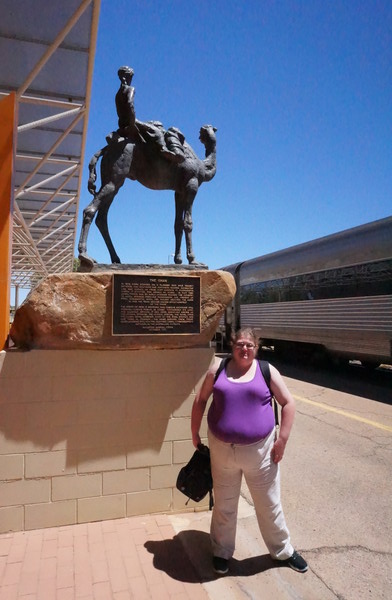
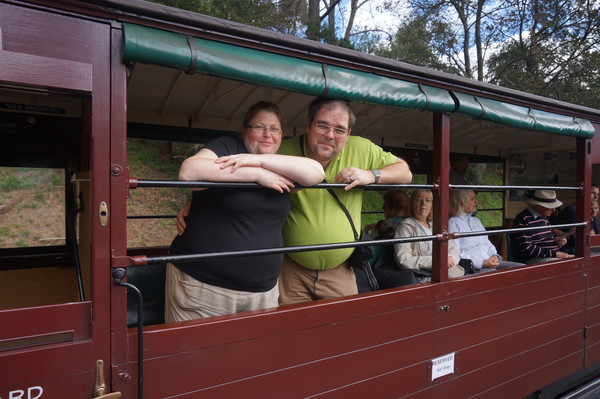
 Jo and I just got back from our massive holiday in Australia. We
had an awesome time overall, fitting in lots of stuff
in 4 weeks. Time for a quick write-up and some photos!





 Several improvements have been made to UDD s
 Since 2009, I am persuing a personal programming project.
As I am not a professional programmer, I have spent quite a lot of that
time exploring options. I have thrown out about three or four prototype
implementations already. My last implementation seems to contain enough
accumulated wisdom to be actually useful. I am far from finished, but the path
I am walking now seems relatively sound.
So, what is this project about? I have set myself a rather ambitious
goal: I am trying to implement a two-way bridge between visual music notation
and
 We re now