Search Results: "ina"

18 June 2016

Debian Java Packaging Team: Wheezy LTS and the switch to OpenJDK 7

Wheezy's LTS period started a few weeks ago and the LTS team had to make an early support decision concerning the Java eco-system since Wheezy ships two Java runtime environments OpenJDK 6 and OpenJDK 7. (To be fair, there are actually three but gcj has been superseded by OpenJDK a long time ago and the latter should be preferred whenever possible.) OpenJDK 6 is currently maintained by Red Hat and we mostly rely on their upstream work as well as on package updates from Debian's maintainer Matthias Klose and Tiago St rmer Daitx from Ubuntu. We already knew that both intend to support OpenJDK 6 until April 2017 when Ubuntu 12.04 will reach its end-of-life. Thus we had basically two options, supporting OpenJDK 6 for another twelve months or dropping support right from the start. One of my first steps was to ask for feedback and advice on debian-java since supporting only one JDK seemed to be the more reasonable solution. We agreed on warning users via various channels about the intended change, especially about possible incompatibilities with OpenJDK 7. Even Andrew Haley, OpenJDK 6 project lead, participated in the discussion and confirmed that, while still supported, OpenJDK 6 security releases are "always the last in the queue when there is urgent work to be done". I informed debian-lts about my findings and issued a call for tests later. Eventually we decided to concentrate our efforts on OpenJDK 7 because we are confident that for the majority of our users one Java implementation is sufficient during a stable release cycle. An immediate positive effect in making OpenJDK 7 the default is that resources can be relocated to more pressing issues. On the other hand we were also forced to make compromises. The switch to a newer default implementation usually triggers a major transition with dozens of FTBFS bugs and the OpenJDK 7 transition was no exception. I pondered about the usefulness of fixing all these bugs for Wheezy LTS again and focussing on runtime issues instead and finally decided that the latter was both more reasonable and more economic. Different from regular default Java changes, users will still be able to use OpenJDK 6 to compile their packages and the security impact for development systems is in general neglectable. More important was to avoid runtime installations of OpenJDK 6. I identified eighteen packages that strictly depended on the now obsolete JRE and fixed those issues on 4 May 2016 together with an update of java-common and announced the switch to OpenJDK 7 with a Debian NEWS file. If you are not a regular reader of Debian news and also not subscribed to debian-lts, debian-lts-announce or debian-java, remember 26 June 2016 is the day when OpenJDK 7 will be made the default Java implementation in Wheezy LTS. Of course there is no need to wait. You can switch right now:
sudo update-alternatives --config java

Manuel A. Fernandez Montecelo: More work on aptitude

The last few months have been a bit of a crazy period of ups and downs, with a tempest of events beneath the apparent and deceivingly calm surface waters of being unemployed (still at it). The daily grind Chief activities are, of course, those related to the daily grind of job-hunting, sending applications, and preparing and attending interviews. It is demoralising when one searches for many days or weeks without seeing anything suitable for one's skills or interests, or other more general life expectations. And it takes a lot of time and effort to put one's best in the applications for positions that one is really, really, interested in. And even for the ones which are meh, for a variety of reasons (e.g. one is not very suitable for what the offer demands). After that, not being invited to interviews (or doing very badly at them) is bad, of course, but quick and not very painful. A swift, merciful end to the process. But it's all the more draining when waiting for many weeks when not a few months with the uncertainty of not knowing if one is going to be lucky enough to be summoned for an interview; harbouring some hope one has to appear enthusiastic in the interviews, after all , while trying to keep it contained lest it grows too much ; then in the interview hearing good words and some praises, and feeling the impression that one will fit in, that one did nicely and that chances are good letting the hope grow again ; start to think about life changes that the job will require to make a quick decision should the offer finally arrives ; perhaps make some choices and compromises based on the uncertain result; then wait for a week or two after the interview to know the result... ... only to end up being unsuccessful. All the effort and hopes finally get squashed with a cold, short email or automatic response, or more often than not, complete radio silence from prospective employers, as an end to a multi-month-long process. An emotional roller coaster [1], which happened to me several times in the last few months. All in a day's work The months of preparing and waiting for a new job often imply an impasse that puts many other things that one cares about on hold, and one makes plans that will never come to pass. All in a day's (half-year's?) work of an unemployed poor soul. But not all is bad. This period was also a busy time doing some plans about life, mid- and long-term; the usual and some really unusual! family events; visits to and from friends, old and new; attending nice little local Debian gatherings or the bigger gathering of Debian SunCamp2016, and other work for side projects or for other events that will happen soon... And amidst all that, I managed to get some work done on aptitude. Two pictures worth (less than) a thousand bugs To be precise, worth 709 bugs 488 bugs in the first graph, plus 221 in the second. In 2015-11-15 (link to the post Work on aptitude): aptitude BTS Graph, 2015-11-15 In 2016-06-18: aptitude BTS Graph, 2016-06-18 Numbers The BTS numbers for aptitude right now are: Highlights Beyond graphs and stats, I am specially happy about two achievements in the last year:
  1. To have aptitude working today, first and foremost Apart from the abandon that suffered in previous years, I mean specifically the critical step of getting it through the troubles of the last summer, with the GCC-5/C++11 transition in parallel with a transition of the Boost library (explained in more detail in Work on aptitude). Without that, possibly aptitude would not have survived until today.
  2. Improvements to the suggestions of the resolver In the version 0.8, there were a lot of changes related with improving the order of the suggestions from the resolver, when it finds conflicts or other problems with the planned actions. Historically, but specially in the last few years, there have been many complaints about the nonsensical or dangerous suggestions from the resolver. The first solution offered by the resolver was very often regarded as highly undesirable (for example, removal of many packages), and preferable solutions like upgrades of one or only a handful of packages being offered only after many removals; and keeps only offered as last resort.
Perhaps these changes don't get a lot of attention, given that in the first case it's just to keep working (with few people realising that it could have collapsed on the spot, if left unattended), and the second can probably go unnoticed because it just works or it started to work more smoothly doesn't get as much immediate attention as it suddenly broke! . Still, I wanted to mention them, because I am quite proud of those. Thanks Even if I put a lot of work on aptitude in the last year, the results of the graph and numbers have not been solely achieved by me. Special thanks go to Axel Beckert (abe / XTaran) and the apt team, David Kalnischkies and Julian Andres Klode who, despite the claim in that page, does not mostly work python-apt anymore... but also in the main tools. They help with fixing some of the issues directly, or changing things in apt that benefit aptitude, testing changes, triaging bugs or commenting on them, patiently explaining to me why something in libapt doesn't do what I think it does, and good company in general. Not the least, for holding impromptu BTS group therapy / support meetings, for those cases when prolonged exposure to BTS activity starts to induce very bad feelings. Thanks also to people who sent their translation updates, notified about corrections, sent or tested patches, submitted bugs, or tried to help in other ways. Change logs for details. Notes [1] ^ It's even an example in the Cambridge Dictionaries Online website, for the entry of roller coaster:
He was on an emotional roller coaster for a while when he lost his job.

Kevin Avignon: GSOC 2015 : From NRefactory 6 to RefactoringEssentials

Hey guys, In spirit of my withdraw from the Google Summer of Code program this summer, I thought I d do a piece of the project I successfully completed last summer. So what brought me to the program last year ? I spent a few weeks on working on a new thing in .NET called Roslyn. Continue reading GSOC 2015 : From NRefactory 6 to RefactoringEssentials

17 June 2016

Matthias Klumpp: A few words about the future of the Limba project

limba-smallI wanted to write this blogpost since April, and even announced it in two previous posts, but never got to actually write it until now. And with the recent events in Snappy and Flatpak land, I can not defer this post any longer (unless I want to answer the same questions over and over on IRC ^^). As you know, I develop the Limba 3rd-party software installer since 2014 (see this LWN article explaining the project better then I could do  ) which is a spiritual successor to the Listaller project which was in development since roughly 2008. Limba got some competition by Flatpak and Snappy, so it s natural to ask what the projects next steps will be. Meeting with the competition At last FOSDEM and at the GNOME Software sprint this year in April, I met with Alexander Larsson and we discussed the rather unfortunate situation we got into, with Flatpak and Limba being in competition. Both Alex and I have been experimenting with 3rd-party app distribution for quite some time, with me working on Listaller and him working on Glick and Glick2. All these projects never went anywhere. Around the time when I started Limba, fixing design mistakes done with Listaller, Alex started a new attempt at software distribution, this time with sandboxing added to the mix and a new OSTree-based design of the software-distribution mechanism. It wasn t at all clear that XdgApp, later to be renamed to Flatpak, would get huge backing by GNOME and later Red Hat, becoming a very promising candidate for a truly cross-distro software distribution system. The main difference between Limba and Flatpak is that Limba allows modular runtimes, with things like the toolkit, helper libraries and programs being separate modules, which can be updated independently. Flatpak on the other hand, allows just one static runtime and enforces everything that is not in the runtime already to be bundled with the actual application. So, while a Limba bundle might depend on multiple individual other bundles, Flatpak bundles only have one fixed dependency on a runtime. Getting a compromise between those two concepts is not possible, and since the modular vs. static approach in Limba and Flatpak where fundamental, conscious design decisions, merging the projects was also not possible. Alex and I had very productive discussions, and except for the modularity issue, we were pretty much on the same page in every other aspect regarding the sandboxing and app-distribution matters. Sometimes stepping out of the way is the best way to achieve progress So, what to do now? Obviously, I can continue to push Limba forward, but given all the other projects I maintain, this seems to be a waste of resources (Limba eats a lot of my spare time). Now with Flatpak and Snappy being available, I am basically competing with Canonical and Red Hat, who can make much more progress faster then I can do as a single developer. Also, Flatpaks bigger base of contributors compared to Limba is a clear sign which project the community favors more. Furthermore, I started the Listaller and Limba projects to scratch an itch. When being new to Linux, it was very annoying to me to see some applications only being made available in compiled form for one distribution, and sometimes one that I didn t use. Getting software was incredibly hard for me as a newbie, and using the package-manager was also unusual back then (no software center apps existed, only package lists). If you wanted to update one app, you usually needed to update your whole distribution, sometimes even to a development version or rolling-release channel, sacrificing stability. So, if now this issue gets solved by someone else in a good way, there is no point in pushing my solution hard. I developed a tool to solve a problem, and it looks like another tool will fix that issue now before mine does, which is fine, because this longstanding problem will finally be solved. And that s the thing I actually care most about. I still think Limba is the superior solution for app distribution, but it is also the one that is most complex and requires additional work by upstream projects to use it properly. Which is something most projects don t want, and that s completely fine.  And that being said: I think Flatpak is a great project. Alex has much experience in this matter, and the design of Flatpak is sound. It solves many issues 3rd-party app development faces in a pretty elegant way, and I like it very much for that. Also the focus on sandboxing is great, although that part will need more time to become really useful. (Aside from that, working with Alexander is a pleasure, and he really cares about making Flatpak a truly cross-distributional, vendor independent project.) Moving forward So, what I will do now is not to stop Limba development completely, but keep it going as a research project. Maybe one can use Limba bundles to create Flatpak packages more easily. We also discussed having Flatpak launch applications installed by Limba, which would allow both systems to coexist and benefit from each other. Since Limba (unlike Listaller) was also explicitly designed for web-applications, and therefore has a slightly wider scope than Flatpak, this could make sense. In any case though, I will invest much less time in the Limba project. This is good news for all the people out there using the Tanglu Linux distribution, AppStream-metadata-consuming services, PackageKit on Debian, etc. those will receive more attention  An integral part of Limba is a web service called LimbaHub to accept new bundles, do QA on them and publish them in a public repository. I will likely rewrite it to be a service using Flatpak bundles, maybe even supporting Flatpak bundles and Limba bundles side-by-side (and if useful, maybe also support AppImageKit and Snappy). But this project is still on the drawing board. Let s see  P.S: If you come to Debconf in Cape Town, make sure to not miss my talks about AppStream and bundling

Kevin Avignon: Augmented Tactics: A role playing game prototype

Hi, Today, I ll be talking about a special project I have not only designed from A to Z but also implemented. Well, it s not as big as this sentence let s it sound. I worked on developing a prototype of a mobile game in augmented reality. Being a huge fan of tactical RPGs, I found it Continue reading Augmented Tactics: A role playing game prototype

Shirish Agarwal: Medical awareness, terrorism, racism and Debconf

Hi to all the souls on planet.debian.org:) . I hope to meet many of you in Debconf16 which is being held at UCT (University of Cape Town), Rhondenbosch, South Africa and am excited to be part of it. I pushed a blog post about my journey to debconf till date. I express my sympathy and condolences to all the people who died in the cowardly shooting spree done by a madman in Orlando . I have been upset about this development but as what s done is done, it s best to just keep moving. Closer to my own reality, I was shocked to discover during my whole visa experience that nowhere there is any knowledge about vaccinations that people should have when they are traveling internationally. I was kinda rudely awakened by this mail which prompted me to take Hep A shot and also start a thread on the mailing list. The more comprehensive info. I got was at the CDC site . It seems to be a go-to site to find about what is recommended. While I will not be taking any shots now as it s nearing to the date of travel, if I had known before, it would have been a valuable resource in itself. Definitely something to be bookmarked if you are going overseas and are worried or have health concerns. On another note, About few days back, there was a discussion as recently, travel advisories have been issued about possible terror action in South Africa by various embassies due to the holy month of Ramadan.
And the recent attack just proves that it takes just one twisted personality with a perverse sense of justice or whatever s/he/ thinks as just to do what s/he did and guns and more security and not the answer.
My take on it some would describe as simplistic, there are things which you can control, there are things beyond your control. No security agency, no country can guarantee it. By being either home or away, you can t wish you will not get bitten. Got images of Final Destination invoked when I was sharing that, for as an Indian, do believe a bit on fate and karma. Also, me being single also plays a part, perhaps I would have been more cautious or have different motivations if I had a family so I do understand some of the concerns which have been raised by people in that thread. At the end of it, it really is a non-choice in my book. If you don t take part due to fear,uncertainty of a possible attack, you have already given in to fear and uncertainty and I believe this goes against the very philosophy of what Debian stands for, being bold, taking chances and having trust in your fellow men. If we haven t allowed proprietary, commercial software to win over us, how can we allow less than 0.1% radically motivated people to scare us ? And the recent attack just proves that it takes just one twisted personality with a perverse sense of justice or whatever s/he/ thinks as just to do what s/he did. More guns and more security are certainly not the answer here. A more troubling part is not terrorism but caste-ism and racism which have been also making news (not in a good way) in India. Now while I cannot claim to have any knowledge about Africans apart from 2-3 conversations which didn t go anywhere, two-three preconceived notions about them can easily be countered. As far as drugs are concerned, IF some Africans are doing drugs smuggling, it would be wrong to pin all of it onto them. India has been fighting drugs smuggling from the 70 s itself. From what we know and have learnt over the years from consuming media, India shares porous borders with almost all our neighbors. Of those, Pakistan is supposed to be the largest grower and supplier and then Nepal where young boys are used as Traffickers. The recent film Rocky Handsome and the recent upcoming controversial movie Udta Punjab are trying to explore these issues. As far as drinking in open is concerned, I have seen and been part of Punjabi parties where both men and women drink without abandon in farm parties. Russians, Germans and Israelis can also out-drink a person on their day/mood. As far as sexuality is concerned, we are the second most populous country in the world, so the less said the better:) . I believe though that underneath this racism is money, greed, phobia, language barriers and just maybe some lifestyle choices as well. I have seen North-Eastern, Chinese, Buddhist people being colored with the same brush. The more interesting case is with the Buddhist as can be seen in Himachal Pradesh, where locals feel they are deprived as Europeans come and indulge Buddhists for their monasteries and their way of life while locals don t get much money from them. This is partly true, but also due to our own short-comings in dealing with westerners. I have never seen my own countrymen going out of their way to make westerners or any tourists for that matter feel welcome in a genuine way. More often, the behavior is between hostility, jealousy and a perverted sense of hero-worship due to the color of skin. As far as being racist and bigoted are concerned, it seems we are not alone, just day before came across this news from Malaysia which is interesting in the sense that how people from different communities frame their own history and people around them, forget that is false and misleading to what we in India know to be the truth, it probably is/would be interesting for somebody who does comparative history, myth and folklore analysis. I was actually planning to talk about some of the talks I am looking forward to hearing and seeing on Debconf but guess that will have to wait for few more days. Hope to publish one more before actually flying to Debconf. Till later.
Filed under: Miscellenous Tagged: #Debconf16, #racism, #terrorism, #vaccinations

16 June 2016

John Goerzen: Mud, Airplanes, Arduino, and Fun

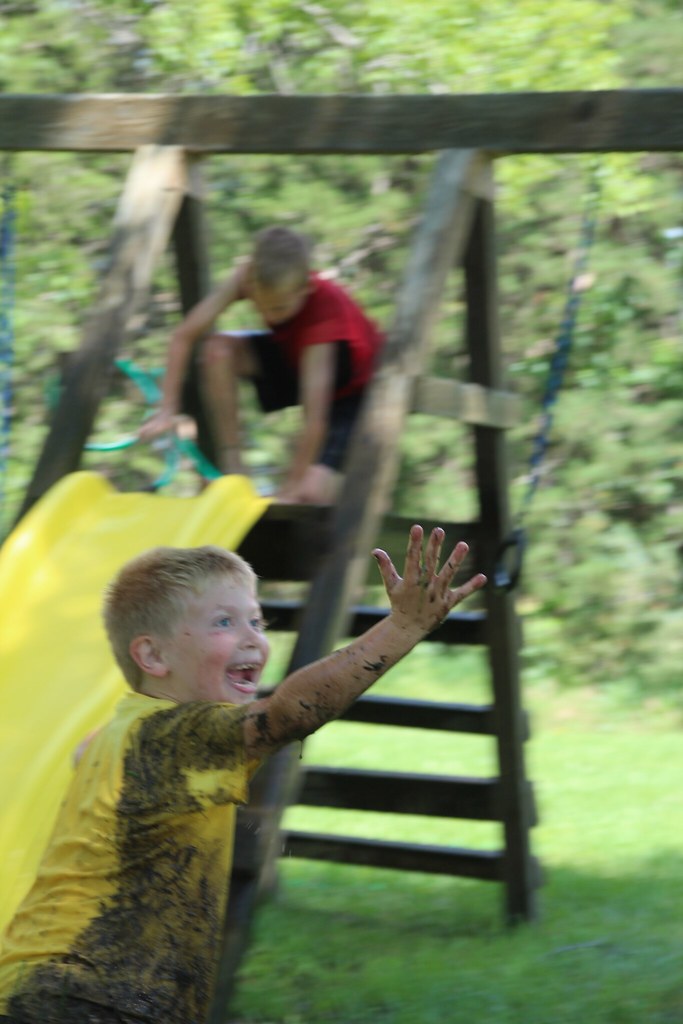
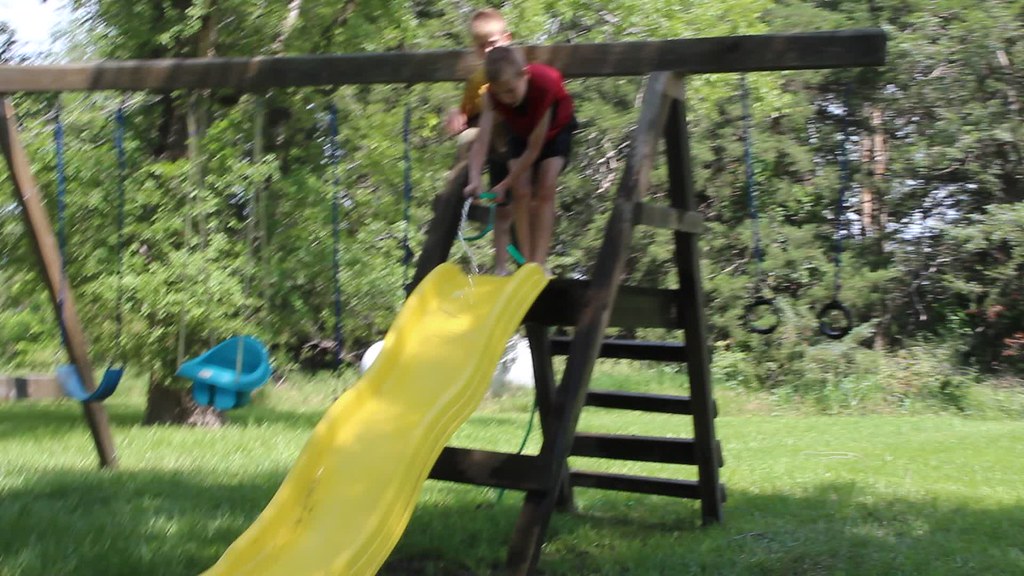
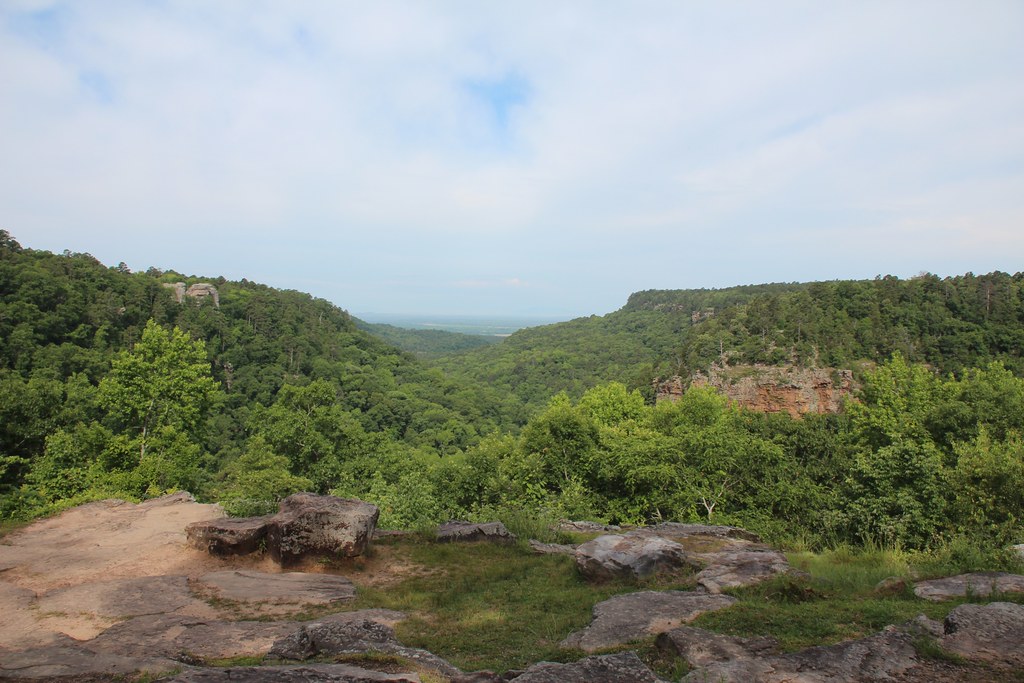
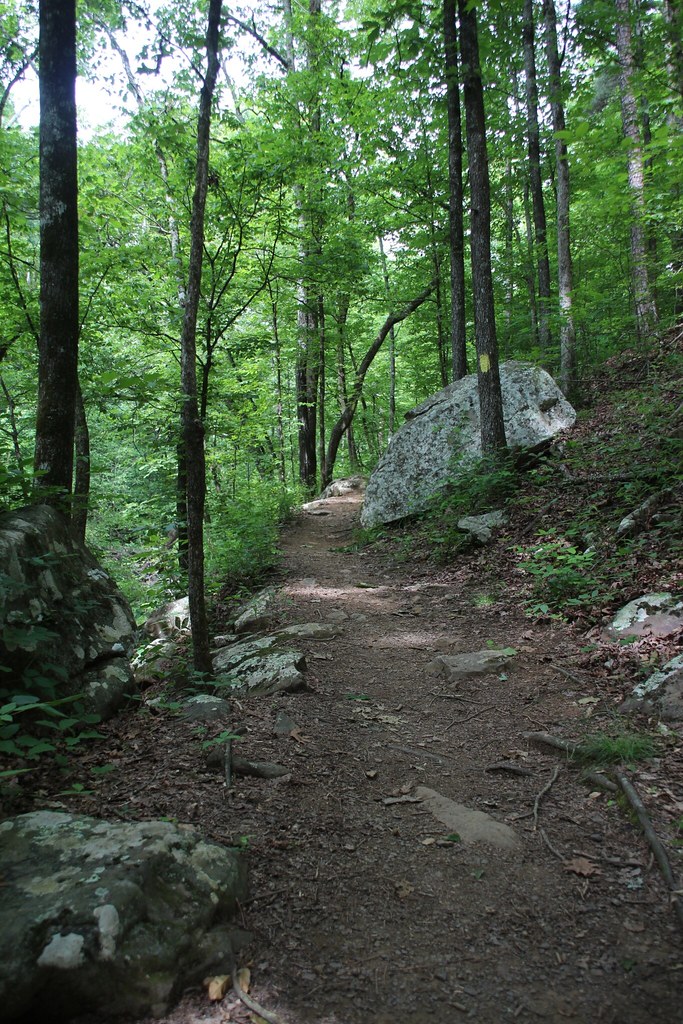
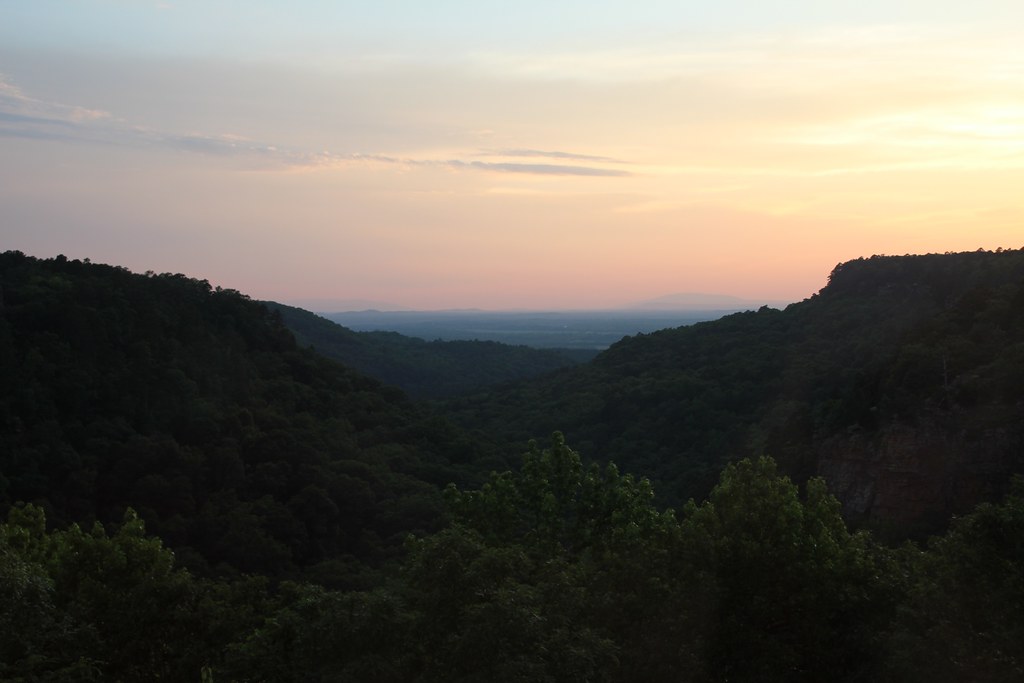
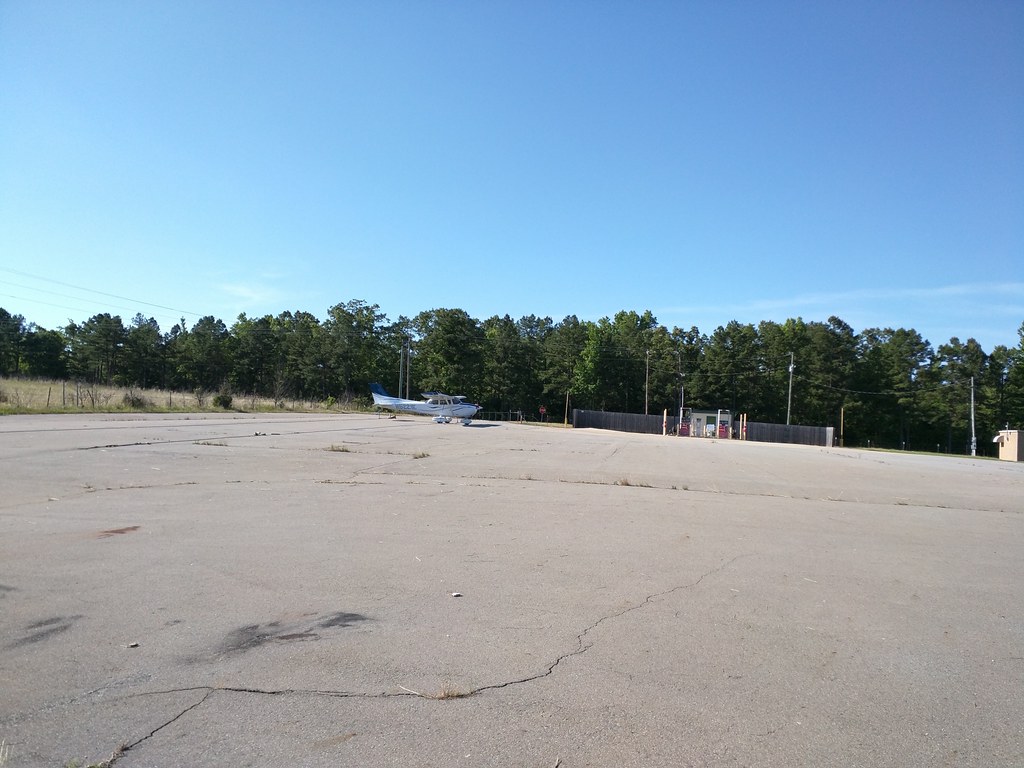
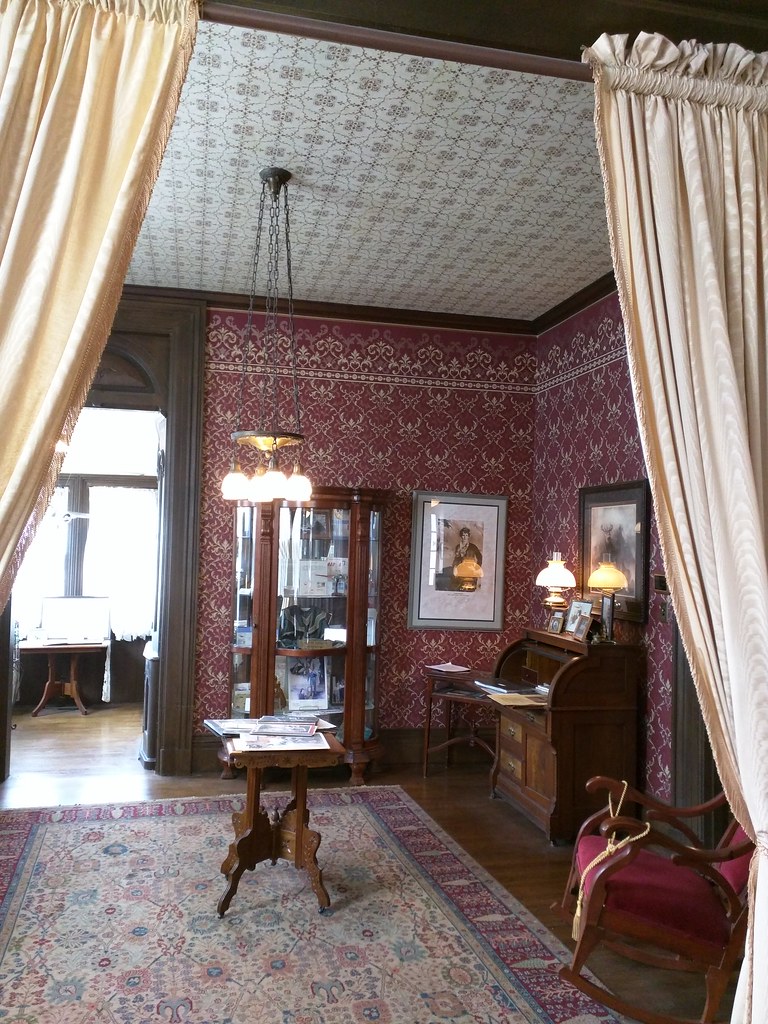
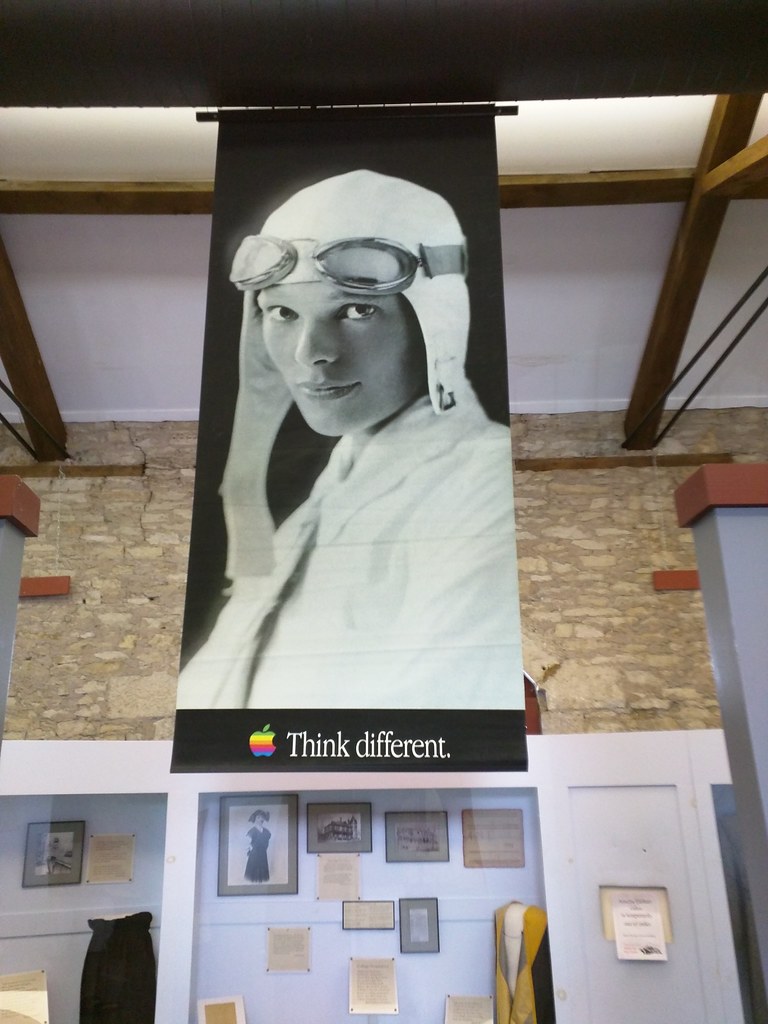
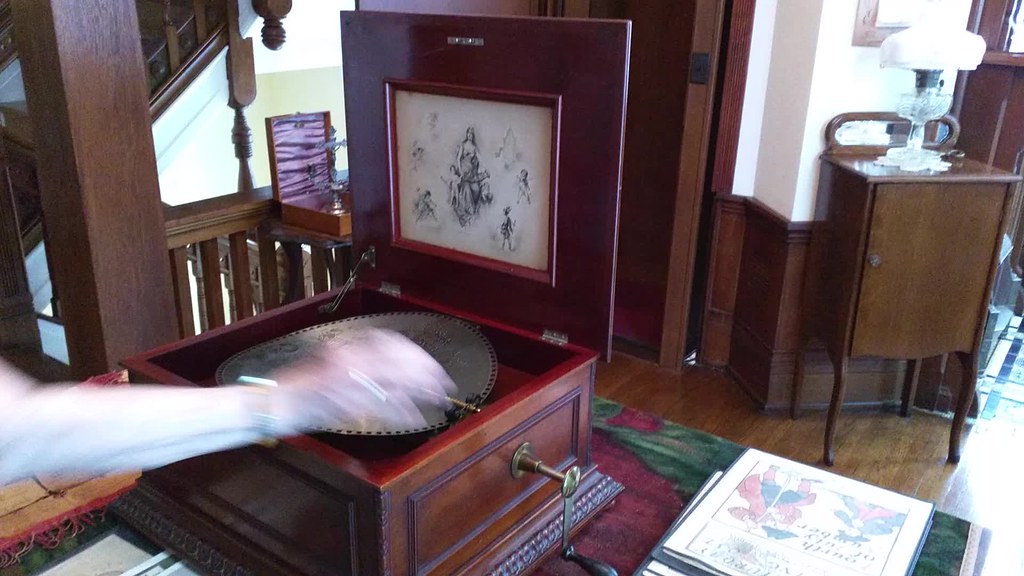
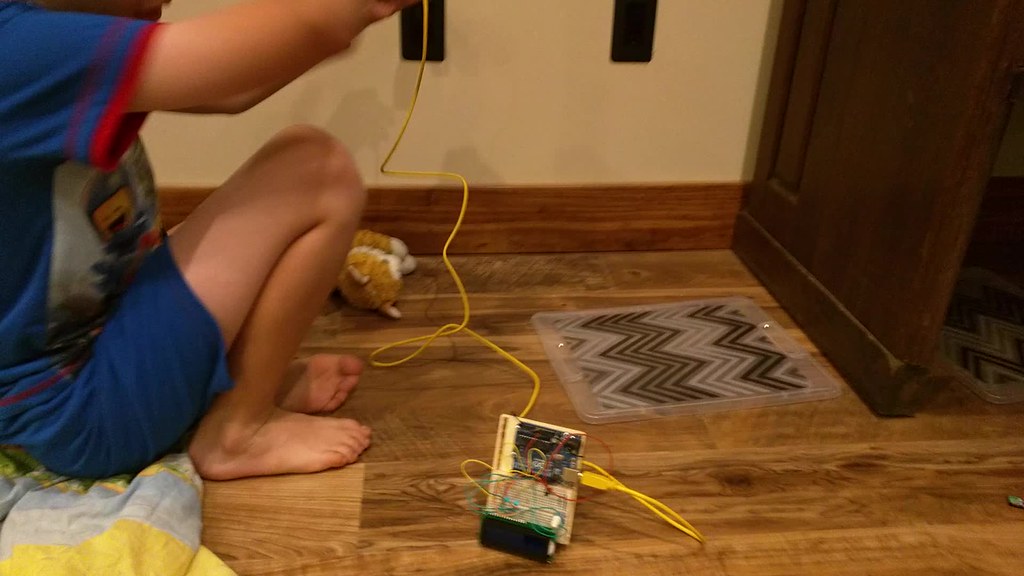
The last few weeks have been pretty hectic in their way, but I ve also had the chance to take some time off work to spend with family, which has been nice. Memorial Day: breakfast and mud For Memorial Day, I decided it would be nice to have a cookout for breakfast rather than for dinner. So we all went out to the fire ring. Jacob and Oliver helped gather kindling for the fire, while Laura chopped up some vegetables. Once we got a good fire going, I cooked some scrambled eggs in a cast iron skillet, mixed with meat and veggies. Mmm, that was tasty. Then we all just lingered outside. Jacob and Oliver enjoyed playing with the cats, and the swingset, and then . water. They put the hose over the slide and made a water slide (more mud slide maybe). IMG_7688 Then we got out the water balloon fillers they had gotten recently, and they loved filling up water balloons. All in all, we all just enjoyed the outdoors for hours. MVI_7738 Flying to Petit Jean, Arkansas Somehow, neither Laura nor I have ever really been to Arkansas. We figured it was about time. I had heard wonderful things about Petit Jean State Park from other pilots: it s rather unique in that it has a small airport right in the park, a feature left over from when Winthrop Rockefeller owned much of the mountain. And what a beautiful place it was! Dense forests with wonderful hiking trails, dotted with small streams, bubbling springs, and waterfalls all over; a nice lake, and a beautiful lodge to boot. Here was our view down into the valley at breakfast in the lodge one morning: IMG_7475 And here s a view of one of the trails: IMG_7576 The sunset views were pretty nice, too: IMG_7610 And finally, the plane we flew out in, parked all by itself on the ramp: IMG_20160522_171823 It was truly a relaxing, peaceful, re-invigorating place. Flying to Atchison Last weekend, Laura and I decided to fly to Atchison, KS. Atchison is one of the oldest cities in Kansas, and has quite a bit of history to show off. It was fun landing at the Amelia Earhart Memorial Airport in a little Cessna, and then going to three museums and finding lunch too. Of course, there is the Amelia Earhart Birthplace Museum, which is a beautifully-maintained old house along the banks of the Missouri River. IMG_20160611_134313 I was amused to find this hanging in the county historical society museum: IMG_20160611_153826 One fascinating find is a Regina Music Box, popular in the late 1800s and early 1900s. It operates under the same principles as those that you might see that are cylindrical. But I am particular impressed with the effort that would go into developing these discs in the pre-computer era, as of course the holes at the outer edge of the disc move faster than the inner ones. It would certainly take a lot of careful calculation to produce one of these. I found this one in the Cray House Museum: VID_20160611_151504 An Arduino Project with Jacob One day, Jacob and I got going with an Arduino project. He wanted flashing blue lights for his police station , so we disassembled our previous Arduino project, put a few things on the breadboard, I wrote some code, and there we go. Then he noticed an LCD in my Arduino kit. I hadn t ever gotten around to using it yet, and of course he wanted it immediately. So I looked up how to connect it, found an API reference, and dusted off my C skills (that was fun!) to program a scrolling message on it. Here is Jacob showing it off: VID_20160614_074802.mp4

15 June 2016

Reproducible builds folks: Reproducible builds: week 59 in Stretch cycle

What happened in the Reproducible Builds effort between June 5th and June 11th 2016: Media coverage Ed Maste gave a talk at BSDCan 2016 on reproducible builds (slides, video). GSoC and Outreachy updates Weekly reports by our participants: Documentation update - Ximin Luo proposed a modification to our SOURCE_DATE_EPOCH spec explaining FORCE_SOURCE_DATE. Some upstream build tools (e.g. TeX, see below) have expressed a desire to control which cases of embedded timestamps should obey SOURCE_DATE_EPOCH. They were not convinced by our arguments on why this is a bad idea, so we agreed on an environment variable FORCE_SOURCE_DATE for them to implement their desired behaviour - named generically, so that at least we can set it centrally. For more details, see the text just linked. However, we strongly urge most build tools not to use this, and instead obey SOURCE_DATE_EPOCH unconditionally in all cases. Toolchain fixes Packages fixed The following 16 packages have become reproducible due to changes in their build-dependencies: apertium-dan-nor apertium-swe-nor asterisk-prompt-fr-armelle blktrace canl-c code-saturne coinor-symphony dsc-statistics frobby libphp-jpgraph paje.app proxycheck pybit spip tircd xbs The following 5 packages are new in Debian and appear to be reproducible so far: golang-github-bowery-prompt golang-github-pkg-errors golang-gopkg-dancannon-gorethink.v2 libtask-kensho-perl sspace The following packages had older versions which were reproducible, and their latest versions are now reproducible again after being fixed: The following packages have become reproducible after being fixed: Some uploads have fixed some reproducibility issues, but not all of them: Patches submitted that have not made their way to the archive yet: Package reviews 68 reviews have been added, 19 have been updated and 28 have been removed in this week. New and updated issues: 26 FTBFS bugs have been reported by Chris Lamb, 1 by Santiago Vila and 1 by Sascha Steinbiss. diffoscope development strip-nondeterminism development disorderfs development tests.reproducible-builds.org Misc. Steven Chamberlain submitted a patch to FreeBSD's makefs to allow reproducible builds of the kfreebsd installer. Ed Maste committed a patch to FreeBSD's binutils to enable determinstic archives by default in GNU ar. Helmut Grohne experimented with cross+native reproductions of dash with some success, using rebootstrap. This week's edition was written by Ximin Luo, Chris Lamb, Holger Levsen, Mattia Rizzolo and reviewed by a bunch of Reproducible builds folks on IRC.

Russ Allbery: Review: Matter

Review: Matter, by Iain M. Banks
Publisher: Orbit
Copyright: February 2008
ISBN: 0-316-00536-3
Format: Hardcover
Pages: 593
Sursamen is an Arithmetic, Mottled, Disputed, Multiply Inhabited, Multi-million Year Safe, and Godded Shellworld. It's a constructed world with multiple inhabitable levels, each lit by thermonuclear "suns" on tracks, each level supported above the last by giant pillars. Before the recorded history of the current Involved Species, a culture called the Veil created the shellworlds with still-obscure technology for some unknown purpose, and then disappeared. Now, they're inhabited by various transplants and watched over by a hierarchy of mentor and client species. In the case of Sursamen, both the Aultridia and the Oct claim jurisdiction (hence "Disputed"), and are forced into an uneasy truce by the Nariscene, a more sophisticated species that oversees them both. On Sursamen, on level eight to be precise, are the Sarl, a culture with an early industrial level of technology in the middle of a war of conquest to unite their level (and, they hope, the next level down). Their mentors are the Oct, who claim descendance from the mysterious Veil. The Deldeyn, the next level down, are mentored by the Aultridia, a species that evolved from a parasite on Xinthian Tensile Aranothaurs. Since a Xinthian, treated by the Sarl as a god, lives in the heart of Sursamen (hence "Godded"), tensions between the Sarl and the Aultridians run understandably high. The ruler of the Sarl had three sons and a daughter. The oldest was killed by the people he is conquering as Matter starts. The middle son is a womanizer and a fop who, as the book opens, watches a betrayal that he's entirely unprepared to deal with. The youngest is a thoughtful, bookish youth pressed into a position that he also is not well-prepared for. His daughter left the Sarl, and Sursamen itself, fifteen years previously. Now, she's a Special Circumstances agent for the Culture. Matter is the eighth Culture novel, although (like most of the series) there's little need to read the books in any particular order. The introduction to the Culture here is a bit scanty, so you'll have more background and understanding if you've read the previous novels, but it doesn't matter a great deal for the story. Sharp differences in technology levels have turned up in previous Culture novels (although the most notable example is a minor spoiler), but this is the first Culture novel I recall where those technological differences were given a structure. Usually, Culture novels have Special Circumstances meddling in, from their perspective, "inferior" cultures. But Sursamen is not in Culture space or directly the Culture's business. The Involved Species that governs Sursamen space is the Morthanveld: an aquatic species roughly on a technology level with the Culture themselves. The Nariscene are their client species; the Oct and Aultridia are, in turn, client species (well, mostly) of the Nariscene, while meddling with the Sarl and Deldeyn. That part of this book reminded me of Brin's Uplift universe. Banks's Involved Species aren't the obnoxious tyrants of Brin's universe, and mentoring doesn't involve the slavery of the Uplift universe. But some of the politics are a bit similar. And, as with Uplift, all the characters are aware, at least vaguely, of the larger shape of galactic politics. Even the Sarl, who themselves have no more than early industrial technology. When Ferbin flees the betrayal to try to get help, he ascends out of the shellworld to try to get assistance from an Involved species, or perhaps his sister (which turns out to be the same thing). Banks spends some time here, mostly through Ferbin and his servant (who is one of the better characters in this book), trying to imagine what it would be like to live in a society that just invented railroads while being aware of interstellar powers that can do practically anything. The plot, like the world on which it's set, proceeds on multiple levels. There is court intrigue within the Sarl, war on their level and the level below, and Ferbin's search for support and then justice. But the Sarl live in an artifact with some very mysterious places, including the best set piece in the book: an enormous waterfall that's gradually uncovering a lost city on the level below the Sarl, and an archaeological dig that proceeds under the Deldeyn and Sarl alike. Djan Seriy decides to return home when she learns of events in Sarl, originally for reasons of family loyalty and obligation, but she's a bit more in touch with the broader affairs of the galaxy, including the fact that the Oct are acting very strangely. There's something much greater at stake on Sursamen than tedious infighting between non-Involved cultures. As always with Banks, the set pieces and world building are amazing, the scenery is jaw-dropping, and I have some trouble warming to the characters. Dramatic flights across tower-studded landscapes seeking access to forbidden world-spanning towers largely, but don't entirely, make up for not caring about most of the characters for most of the book. This did change, though: although I never particularly warmed to Ferbin, I started to like his younger brother, and I really liked his sister and his servant by the end of the book. Unfortunately, the end of Matter is, if not awful, at least exceedingly abrupt. As is typical of Banks, we get a lot of sense of wonder but not much actual explanation, and the denouement is essentially nonexistent. (There is a coy epilogue hiding after the appendices, but it mostly annoyed me and provides only material for extrapolation about the characters.) Another SF author would have written a book about the Xinthian, the Veil, the purpose of the shellworlds, and the deep history of the galaxy. I should have known going in that Banks isn't that sort of SF author, but it was still frustrating. Still, Banks is an excellent writer and this is a meaty, complex, enjoyable story with some amazing moments of wonder and awe. If you like Culture novels in general, you will like this. If you like set-piece-heavy SF on a grand scale, such as Alastair Reynolds or Kim Stanley Robinson, you probably like this. Recommended. Rating: 8 out of 10

14 June 2016

Olivier Gr goire: Fourth week at GSoC: let's integrate this new window!

I began by trying to integrate my window like a new view. That was not a good idea because my UI is actually integrated in the call view. So, I tried to integrate it like the buttons present on the view. Not a really good idea too, I have some issue with the clutter who do strange stuff. Finally, I work in a new window. I think that's a good idea because when you want to debug ring, it's more easier with a separate window. I have meet some conflicts between my clean installation from the official website and my installation test. In response to this issue, I began to install my program test in another folder.

13 June 2016

Reproducible builds folks: First alpha release of reprotest

Author: ceridwen The first, very-alpha release of reprotest is now out at PyPi. It should hit Debian experimental later this week. While it only builds on an existing system (as I'm still working on support for virtualization), it can now check its own reproducibility, which it does in its own tests, both using setuptools and debuild. Unfortunately, setuptools seems to generate file-order-dependent binaries, meaning python setup.py bdist creates unreproducible binaries. With debuild, reprotest probably would be reproducible with the modified packages from the Reproducible Builds project, though I haven't tested that yet. It tests 'captures_environment', 'fileordering' (renamed from 'filesystem'), 'home', 'kernel', 'locales', 'path', 'time', 'timezone', and 'umask'. The other variations require superuser privileges and modifications that would be unsafe to make to a running system, so they will only be enabled in the containers. The next major part of the project is integrating autopkgtests's container management system into reprotest. For the curious, autopkgtest is composed of a main program, adt-run, which then calls other command-line programs, adt-virt-chroot, adt-virt-lxd, adt-virt-schroot, adt-virt-null, adt-virt-schroot, and adt-virt-qemu, that communicate with the containers. (The autopkgtest maintainer has since renamed the programs, but the underlying structure remains the same.) I think this is a bit of an odd design but it works well for my purposes since the container programs already have existing CLIs that reprotest can use.

Satyam Zode: GSoC 2016 Week 2 and 3: Reproducible Builds in Debian

This is report on my previous week activities with Debian Reproducible-Builds. In last 10 days, I had build different Debain packages at my own using prebuilder to experience the reproducibility issues. I am thankful to deki and Lunar for suggesting me to do that task. Based on this experience, I managed to find more use cases for hide=profiles specification. I also researched differences of different unreproducible Debian packages on http://tests.reproducible-builds.org . There are many packages available for examination. In brief I did following tasks: Upcoming week will be an important as well as fun week because I will be implementing the use cases. Right now, I am currently looking at different softwares which ignores stuff and taking notes of it. So that, it will help me during implementing solution of use cases. I am also looking forward to feedback from community on use cases and CLI interfaces. Have a great week :)

Olivier Gr goire: Third week at GSoC

I begin this week by finish my QT tutorial. With that new knowledge, I was able to implemet my method launchSmartInfo(int) on LRC. After that, I needed to implement the gnome client too. I followed the tutorial on QT so I thought I can just learn GTK+ by reading the code. Finally, I just lost a lot of time by doing that and I didn't learn a lot. In response to that problem I finally use an GTK+ tutorial. I began to try to show n transparente window with some text in front of the call view. To do that, I want to use clutter library ------------ Conclusion: as you can see, I lost a lot of time in this GUI learning. Now it's done, I can move forward! :)

Olivier Gr goire: Third week at GSoC

I begin this week by finish my QT tutorial. With that new knowledge, I was able to implemet my method launchSmartInfo(int) on LRC. After that, I needed to implement the gnome client too. I followed the tutorial on QT so I thought I can just learn GTK+ by reading the code. Finally, I just lost a lot of time by doing that and I didn't learn a lot. In response to that problem I finally use an GTK+ tutorial. I began to try to show an transparente window with some text in front of the call view. To do that, I want to use clutter library ------------ Conclusion: as you can see, I lost a lot of time in this GUI learning. Now it's done, I can move forward! :)

Kevin Avignon: GSOC 2016 : The end

Hi guys, Well because of health problems, I won t be able to meet the expectation for the midterm evaluation coming next week and I will have to step down from the program. It pains me to do so since the project was taking me out of my comfort zone and forcing to adapt to a Continue reading GSOC 2016 : The end

Scarlett Clark: Debian: KDE: Reproducible Builds week 3, Randa Platforms Equals Busy times!

Debian: I am a smidgen late on post due to travel, sorry! choqok:
https://bugs.debian.org/cgi-bin/bugreport.cgi?bug=825322
For this I was able to come up with a patch for kconfig_compiler to encode generated files to utf-8.
Review request is here:
https://git.reviewboard.kde.org/r/128102/
This has been approved and I will be pushing it as soon as I patch the qt5 frameworks version. kxmlgui:
WIP this has been a steep learning curve, according to the notes it was an easy embedded kernel version, that was not the case! After grueling hours of
trying to sort out randomness in debug output I finally narrowed it down to cases where QStringLiteral was used and there were non letter characters eg. ( <") These were causing debug symbols to generate with ( lambda() ) which caused unreproducible symbol/debug files. It is now a case of fixing all of these in the code to use QString::fromUtf8 seems to fix this. I am working on a mega patch for upstream and it should be ready early in the week.
This last week I spent a large portion making my through a mega patch for kxmlgui, when it was suggested to me to write a small qt app
to test QStringLiteral isolated and sure enough two build were byte for byte identical. So this means that QStringLiteral may not be the issue at all. With some
more assistance I am to expand my test app with several QStringLiterals of varying lengths, we have suspicion it is a padding issue, which complicates things. KDE:
On the KDE front, I have arrived safe and sound in Randa and aside from some major jetlag, reproducible builds, I have been quite busy with the KDE CI. I am reworking
my DSL to use friendly yaml files to generate jobs for all platforms ( linux, android, osx, windows, snappy, flatpak ) and can easily be extended later.
Major workpoints so far for Randa: TODO: Have a great day.

Keerthana Krishnan: Installing reSIProcate with apt-get source package

I had earlier tried to install telepathy according to the instructions I found here. But that gave me a an unexplainable error. So after a few unsuccessful attempts, I decided to install it from the apt-get source. First, install telepathy-qt. This is the part that gave me all the errors and this is where I had made changes from the source I had been using.
  1. Check and make sure you have the proper dependencies installed for the package.
    $ sudo apt-get build-dep telepathy-qt
  2. If you are installing the package in the home folder, you can skip this step, but usually, it s better to have a dedicated file/file structure. If you do have one, cd into that folder
    $ mkdir ~/telepathy-qt-stuff
    $ cd ~/telepathy-qt-stuff
  3. Next, get telepathy-qt from the source :
    $ apt-get source telepathy-qt
    $ apt-get source -b telepathy-qt
  4. Check and make sure that there are a list of libtelepathy-qt* and telepathy-qt* .deb packages. You just have to install a few more packages:
    $ ls *.deb
  5. Next, you have to install a few more packages:
    $ dpkg -i libtelepathy-qt4-2_0.9.6.1-?_amd64.deb libtelepathy-qt4-dev_0.9.6.1-?_amd64.deb libtelepathy-qt4-farstream2_0.9.6.1-?_amd64.deb

    Obviously, we have to replace the ? with the version number of the .deb package.
  6. After that you have the necessary packages to install reSIProcate:
    $ dpkg -l grep telepathy-qt
    This should return something like :
    ii libtelepathy-qt4-2:amd64 0.9.6.1-2 amd64 Telepathy framework Qt 4 library
    ii libtelepathy-qt4-dev 0.9.6.1-2 amd64 Qt 4 Telepathy library (headers and static library)
    ii libtelepathy-qt4-farstream2:amd64 0.9.6.1-2 amd64 Telepathy/Farsight integration Qt 4 library
The next part is to install and configure reSIProcate.
  1. Include the proper backport line in the /etc/apt/sources.list file. Be sure to run sudo apt-get update after any changes to the source file
  2. Clone the code from the git repo :
    $ git clone https://github.com/resiprocate/resiprocate
    $ cd resiprocate
  3. Check the build dependencies and install what s required:
    $ apt-get install libpq-dev dh-autoreconf
    $ apt-get build-dep resiprocate
    $ apt-get install -t jessie-backports libradcli-dev
  4. Build the packages:
    $ ./build/debian.sh
    $ sudo make
  5. Finally, ensure all your packages are built right by running sudo make check
And then you re done!

Keerthana Krishnan: A beginner s guide to Debian Source Packages

Source packages have a very different process of installation and handling while compared to the traditional executable packages which are handled by the sudo apt-get install command. Source packages provide source for a software. These are used to build other packages. Source code can be studied or errors can be fixed in this by downloading these to your system. To access these you have to add deb-src lines sources.list in /etc/apt/sources.list If you had followed my earlier article on setting up Jessie, this means you have to remove the # in front of the deb-src lines. First, find the required source package online in the debian packages list here. Be sure to select the Source Package Names option while searching. When you find a package it will have a list of binary packages that are built from this source package. Make sure you have all the dependencies to build the package by running:
     $ apt-get build-dep packagename
Then, download the source package, using the following command:
     $ apt-get source packagename
This will download three files: a .orig.tar.gz, a .dsc and a .diff.gz. In the case of packages made specifically for Debian, the last of these is not downloaded and the first usually won t have orig in the name. The .dsc file is used by dpkg-source for unpacking the source package into the directory packagename-version. Within each downloaded source package there is a debian/ directory that contains the files needed for creating the .deb package. To auto-build the package when it s been downloaded, just add -b to the command line, like this:
     $ apt-get -b source packagename
If you decide not to create the .deb at the time of the download, you can create it later by running:
     $ dpkg-buildpackage -rfakeroot -uc -b
from within the directory that was created for the package after downloading. To install the package built by the commands above one must use the package manager directly, like this:
     # dpkg -i file.deb
There s a difference between apt-get s source method and its other methods. The source method can be used by normal users, without needing special root powers. The files are downloaded to the directory from which the apt-get source package command was called. Tip : If you are a developer testing software, you may need to run the make command after this. Be sure to run make check as well later to make sure there are no errors and everything is alright. Most of the commands I ve used here was by following the APT How To documentation which is marked as obsolete for some reason but turned out to be pretty useful. Hope it works for you too!

Simon D saulniers: [GSOC] Week 2 - Report

I ve been reworking the code for the queries I introduced in the first week.

What s done
  • I have worked on value pagination and optimization of accnounce operations;
  • Fixed bugs like #72, #73;
  • I ve split the Query into Select and Where strcutures. This change was explained here.

What s still work in progress
  • Value pagination;
  • Optimizing announce operations;

12 June 2016

Iustin Pop: Elsa Bike Trophy 2016 my first bike race!

Elsa Bike Trophy 2016 my first bike race! So today, after two months of intermittent training using Zwift and some actual outside rides, I did my first bike race. Not of 2016, not of 2000+, but like ever. Which is strange, as I learned biking very young, and I did like to bike. But as it turned out, even though I didn't like running as a child, I did participate in a number of running events over the years, but no biking ones. The event Elsa Bike Trophy is a mountain bike event cross-country, not downhill or anything crazy; it takes part in Estavayer-le-Lac, and has two courses - one 60Km with 1'791m altitude gain, and a smaller one of 30Km with 845m altitude gain. I went, of course, for the latter. 845m is more than I ever did in a single ride, so it was good enough for a first try. The web page says that this smaller course est nerveux, technique et ne laisse que peu de r pit . I choose to think that's a bit of an exaggeration, and that it will be relatively easy (as I'm not too skilled technically). The atmosphere there was like for the running races, with the exception of bike stuff being sold, and people on very noisy rollers. I'm glad for my trainer which sounds many decibels quieter The long race started at 12:00, and the shorter one at 12:20. While waiting for the start I had to concerns in mind: whether I'm able to do the whole course (endurance), and whether it will be too cold (the weather kept moving towards rain). I had a small concern about the state of the course, as it was not very nice weather recently, but a small one. And then, after one hour plus of waiting, go! Racing, with a bit of "swimming" At first thing went as expected. Starting on paved roads, moving towards the small town exit, a couple of 14% climbs, then more flat roads, then a nice and hard 18% short climb (I'll never again complain about < 10%!), then entering the woods. It became quickly apparent that the ground in the forest was in much worse state than I feared. Much worse as in a few orders of magnitude. In about 5 minutes after entering the tree cover, my reasonably clean, reasonably light bike became a muddy, heavy monster. And the pace that until then went quite OK became walking pace, as the first rider that didn't manage to keep going up because the wheel turned out of the track blocked the one behind him, which had to stop, and repeat until we were one line (or two, depending on how wide the trail was) of riders walking their bikes up. While on dry ground walking your bike up is no problem, or hiking through mud with good hiking shoes is also no problem, walking up with biking shoes is a pain. Your foot slides and you waste half of your energy "swimming" in the mud. Once the climb is over, you get on the bike, and of course the pedals and cleats are full of heavy mud, so it takes a while until you can actually clip in. Here the trail version of SPD was really useful, as I could pedal reasonably well without being clipped-in, just had to be careful and push too hard. Then maybe you exit the trail and get on paved road, but the wheels are so full of mud that you still are very slow (and accelerate very slowly), until the shed enough of the mud to become somewhat more "normal". After a bit of this "up through mud, flat and shedding mud", I came upon the first real downhill section. I would have been somewhat confident in dry ground, but I got scared and got off my bike. Better safe than sorry was the thing for now. And after this is was a repetition of the above: climb, sometimes (rarely) on the bike, most times pushing the bike, fast flat sections through muddy terrain where any mistake of controlling the bike can send the front wheel flying due to the mud being highly viscous, slow flat sections through very liquid mud where it definitely felt like swimming, or any dry sections. My biggest fear, uphill/endurance, was unfounded. The most gains I made were on the dry uphills, where I had enough stamina to overtake. On flat ground I mostly kept order (i.e. neither being overtaken nor overtaking), but on downhill sections, I lost lots of time, and was overtaken a lot. Still, it was a good run. And then, after about 20 kilometres out of the 30, I got tired enough of getting off the bike, on the bike, and also tired mentally and not being careful enough, that I stopped getting off the bike on downhills. And the feeling was awesome! It was actually much much easier to flow through the mud and rocks and roots on downhill, even when it was difficult (for me) like 40cm drops (estimated), than doing it on foot, where you slide without control and the bike can come crashing down on you. It was a liberating feel, like finally having overcome the mud. I was soo glad to have done a one-day training course with Swiss Alpine Adventure, as it really helped. Thanks Dave! Of course, people were still overtaking me, but I also overtook some people (who were on foot; he he, I wasn't the only one it seems). And being easier, I had some more energy so I was able to push a bit harder on the flats and dry uphill sections. And then the remaining distance started shrinking, and the last downhill was over, I entered through familiar roads the small town, a passer-by cries "one kilometre left", I push hard (I mean, hard as I could after all the effort), and I reach the finish. Oh, and my other concern, the rain? Yes it did rain somewhat, and I was glad for it (I keep overheating); there was a single moment I felt cold, when exiting a nice cosy forest into a field where the wind was very strong headwind, of course. Lessons learned I did learn a lot in this first event. Results So, how did I do after all? As soon as I reached the finish and recovered my items, among which the phone, I checked the datasport page: I was rank 59/68 in my category. Damn, I hoped (and thought) I would do better. Similar % in the overall ranking for this distance. That aside, it was mighty fun. So much fun I'd do it again tomorrow! I forgot the awesome atmosphere of such events, even in the back of the rankings. And then, after I reach drive home and open on my workstation the datasport page, I get very confused: the overall number of participants was different. And the I realised: not everybody finished the race when I first checked (d'oh)! Final ranking: 59 out of 84 in my category, and 247/364 in the overall 30km rankings. That makes it 70% and 67% respectively, which matches somewhat with my usual running results a few years back (but a bit worse). It is in any case better than what I thought originally, yay! Also, Strava activity for some more statistics (note that my Garmin says it was not 800+ meters of altitude ): I'd embed a Veloviewer nice 3D-map but I can't seem to get the embed option, hmm TODO: train more endurance, train more technique, train in more various conditions!

Next.

Previous.