Russell Coker: Servers and Lockdown
OS security features and server class systems are things that surely belong together. If a program is important enough to buy expensive servers to run it then it s important enough that you want to have all the OS security features enabled. For such an important program you will also want to have all possible monitoring systems running so you can predict hardware failures etc. Therefore you would expect that you could buy a server, setup the vendor s management software, configure your Linux kernel with security features such as lockdown (a LSM that restricts access to /dev/mem, the iopl() system call, and other dangerous things [1]), and have it run nicely! You will be disappointed if you try doing that on a HP or Dell server though.
HP Problems
[370742.622525] Lockdown: hpasmlited: raw io port access is restricted; see man kernel_lockdown.7The above message is logged when trying to INSTALL (not even run) the hp-health package from the official HP repository (as documented in my previous blog post about the HP ML-110 Gen9 [2]) with lockdown=integrity (the less restrictive lockdown option). Now the HP package in question is in their repository for Debian/Stretch (released in 2017) and the Lockdown LSM was documented by LWN as being released in 2019, so not supporting a Debian/Bullseye feature in Debian/Stretch packages isn t inherently a bad thing apart from the fact that they haven t released a new version of that package since. The Stretch package that I am testing now was released in 2019. Also it s been regarded as best practice to have device drivers for this sort of thing since long before 2017.
# hplog -v
ERROR: Could not open /dev/cpqhealth/cdt.
Please make sure the Health Monitor is started.
Attempting to run the hplog -v command (to view the HP hardware log) gives the above error. Strace reveals that it could and did open /dev/cpqhealth/cdt but had problems talking to something (presumably the Health Monitor daemon) over a Unix domain socket. It would be nice if they could at least get the error message right! Dell Problems
[   13.811165] Lockdown: smbios-sys-info: /dev/mem,kmem,port is restricted; see man kernel_lockdown.7
[   13.820935] Lockdown: smbios-sys-info: raw io port access is restricted; see man kernel_lockdown.7
[   18.118118] Lockdown: dchcfg: raw io port access is restricted; see man kernel_lockdown.7
[   18.127621] Lockdown: dchcfg: /dev/mem,kmem,port is restricted; see man kernel_lockdown.7
[   19.371391] Lockdown: dsm_sa_datamgrd: raw io port access is restricted; see man kernel_lockdown.7
[   19.382147] Lockdown: dsm_sa_datamgrd: /dev/mem,kmem,port is restricted; see man kernel_lockdown.7
Above is a sample of the messages when booting a Dell PowerEdge R710 with lockdown=integrity with the srvadmin-omacore package installed from the official Dell repository I describe in my blog post about the Dell PowerEdge R710 [3]. Now that repository is for Ubuntu/Xenial which was released in 2015, but again it was best practice to have device drivers for this many years ago. Also the newest Debian based releases that Dell apparently supports are Ubuntu/Xenial and Debian/Jessie which were both released in 2015.
# omreport system esmlog
Error! No Embedded System Management (ESM) log found on this system.
Above is the result when I try to view the ESM log (the Dell hardware log). How Long Should Server Support Last? The Wikipedia List of Dell PowerEdge Servers shows that the R710 is a Generation 11 system. Generation 11 was first released in 2010 and Generation 12 was first released in 2012. Generation 13 was the latest hardware Dell sold in 2015 when they apparently ceased providing newer OS support for Generation 11. Dell currently sells Generation 15 systems and provides more recent support for Generation 14 and Generation 15. I think it s reasonable to debate whether Dell should support servers for 4 generations. But given that a major selling point of server class systems is that they have long term support I think it would make sense to give better support for this and not drop support when it s only 2 versions from the latest release! The support for Dell Generation 11 hardware only seems to have lasted for 3 years after Generation 12 was first released. Also it appears that software support for Dell Generation 13 ceased before Generation 14 was released, that sucks for the people who bought Generation 13 when they were new! HP is currently selling Gen 10 servers which were first released at the end of 2017. So it appears that HP stopped properly supporting Gen 9 servers as soon as Gen 10 servers were released! One thing to note about these support times, when the new generation of hardware was officially released the previous generation was still on sale. So while HP Gen 10 servers officially came out in 2017 that doesn t necessarily mean that someone who wanted to buy a ML-110 Gen10 could actually have done so. For comparison Red Hat Enterprise Linux has been supported for 4-6 years for every release they made since 2005 and Ubuntu has always had a 5 year LTS support for servers. How To Do It Properly The correct way of interfacing with hardware is via a device driver that is supported in the kernel.org tree. That means it goes through the usual kernel source code quality checks which are really good at finding bugs and gives users an assurance that the code won t cause security problems. Generally nothing about the code from Dell or HP gives me confidence that it should be directly accessing /dev/kmem or raw IO ports without risk of problems. Once a driver is in the kernel.org tree it will usually stay there forever and not require further effort from the people who submit it. Then it just works for everyone and tends to work with any other kernel features that people use, like LSMs. If they released the source code to the management programs then it would save them even more effort as they could be maintained by the community.
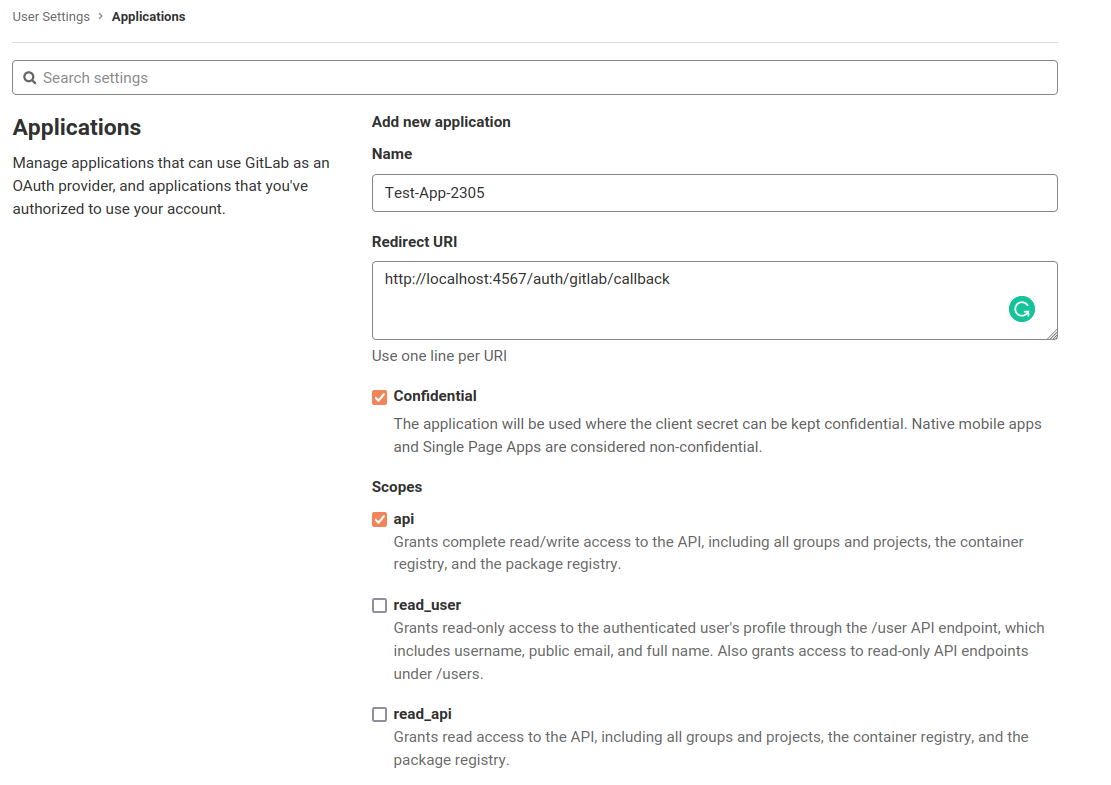 The
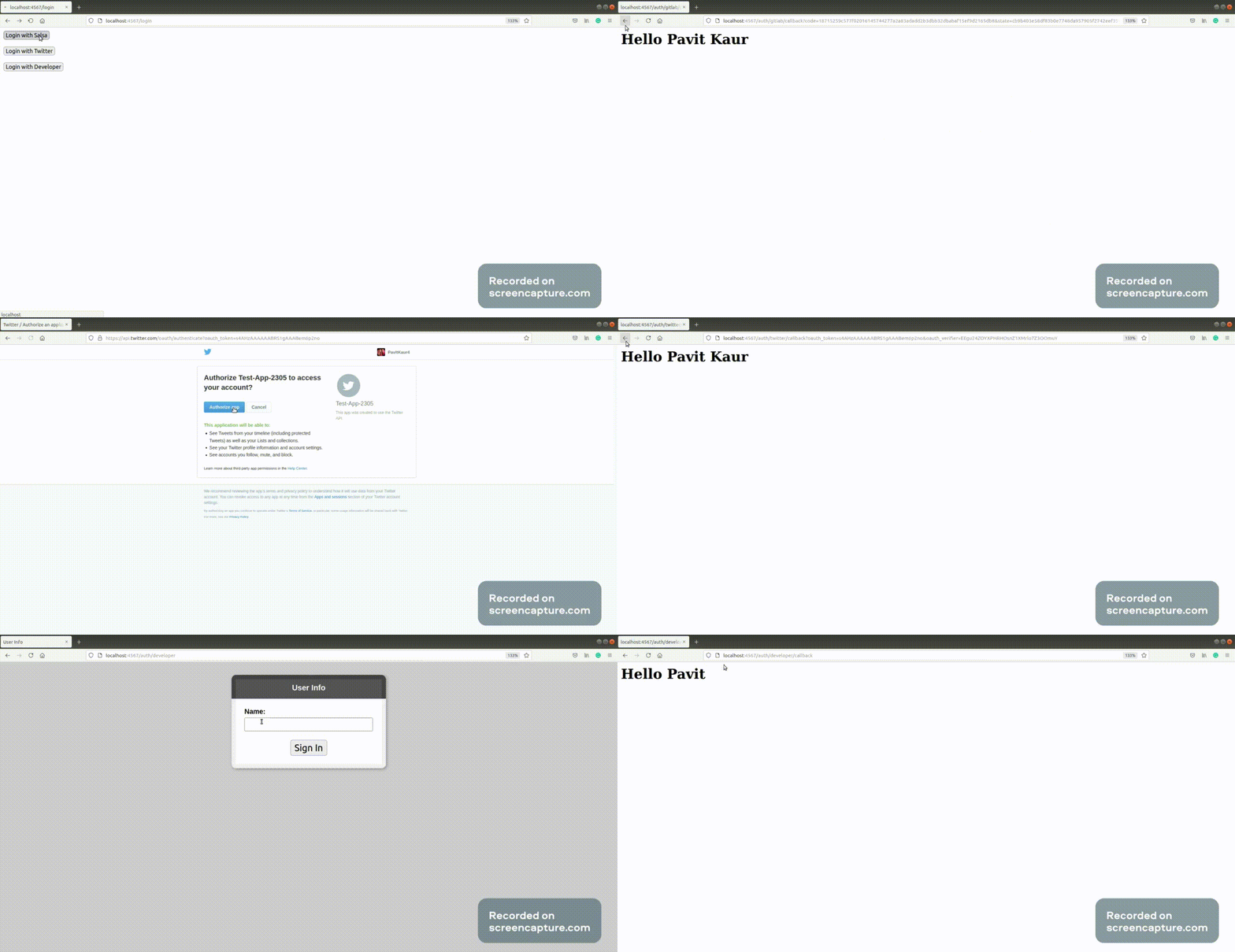 Here, I have already logged into my respective accounts so page for entring credentials does not show up but if the user has not logged into his account, he would be first asked to log in.
For complete code, you can check out:
 Created a web page for recording game play.
For mixing video and audio from HDMI input and grabbing audio from mic.
Basically just configuring the two audio and video tracks.
 In June I was assigned 14 hours of work by Freexian's Debian LTS
initiative and carried over 2 hours from earlier months. I worked
13.25 hours and will carry over the remainder.
I finished bringing the linux (Linux 4.9) package up to date,
uploaded it, and issued



 Although I'm about 5 months early and we're in the middle of a terrible heat
wave where I live, I've just finished building my new winter bicycle!
I've been riding all year round for about 8 years now and the winters in
Montreal are harsh enough that a second winter-ready bicycle is required to
have a fun and safe cold season.
I'm saying "new bicycle" because a few months ago I totaled the frame of my
previous winter bike. As you can see in the picture below (please disregard the
salt crust), I broke the seat tube at the lug.
I didn't notice it at first and while riding I kept hearing a "bang bang" sound
coming from the frame when going over bumps. To my horror, I eventually
realised the sound was coming from the seat tube hitting the bottom bracket
shell!
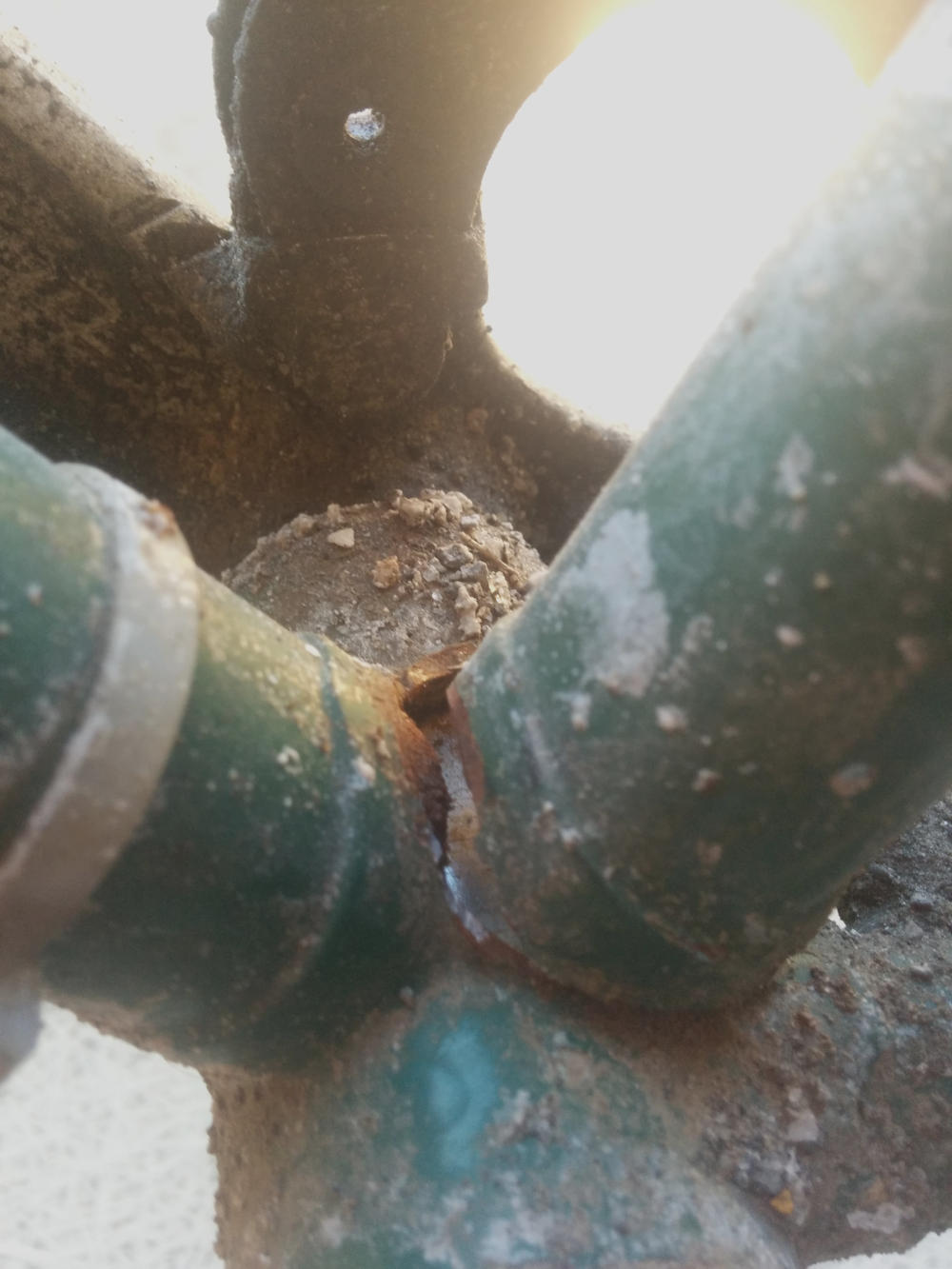 I'm sad to see this
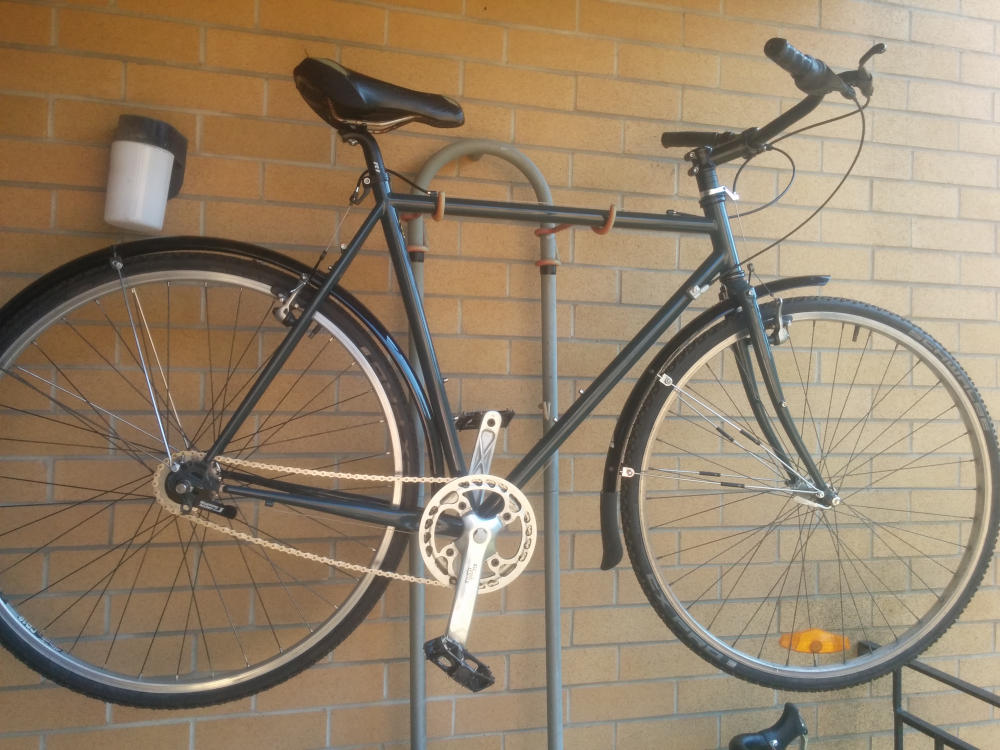 Summer has just started and I'm already looking forward to winter :)
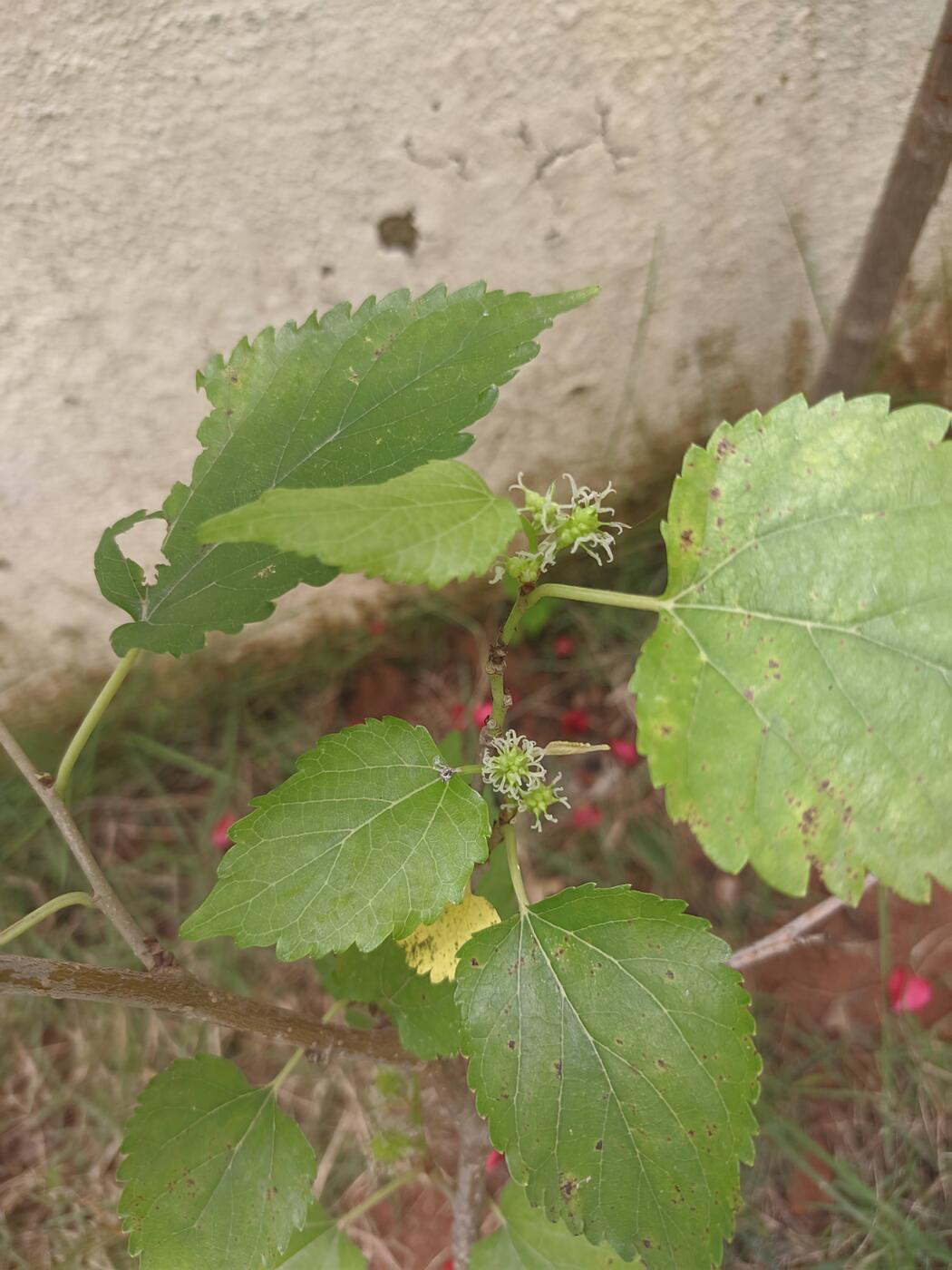
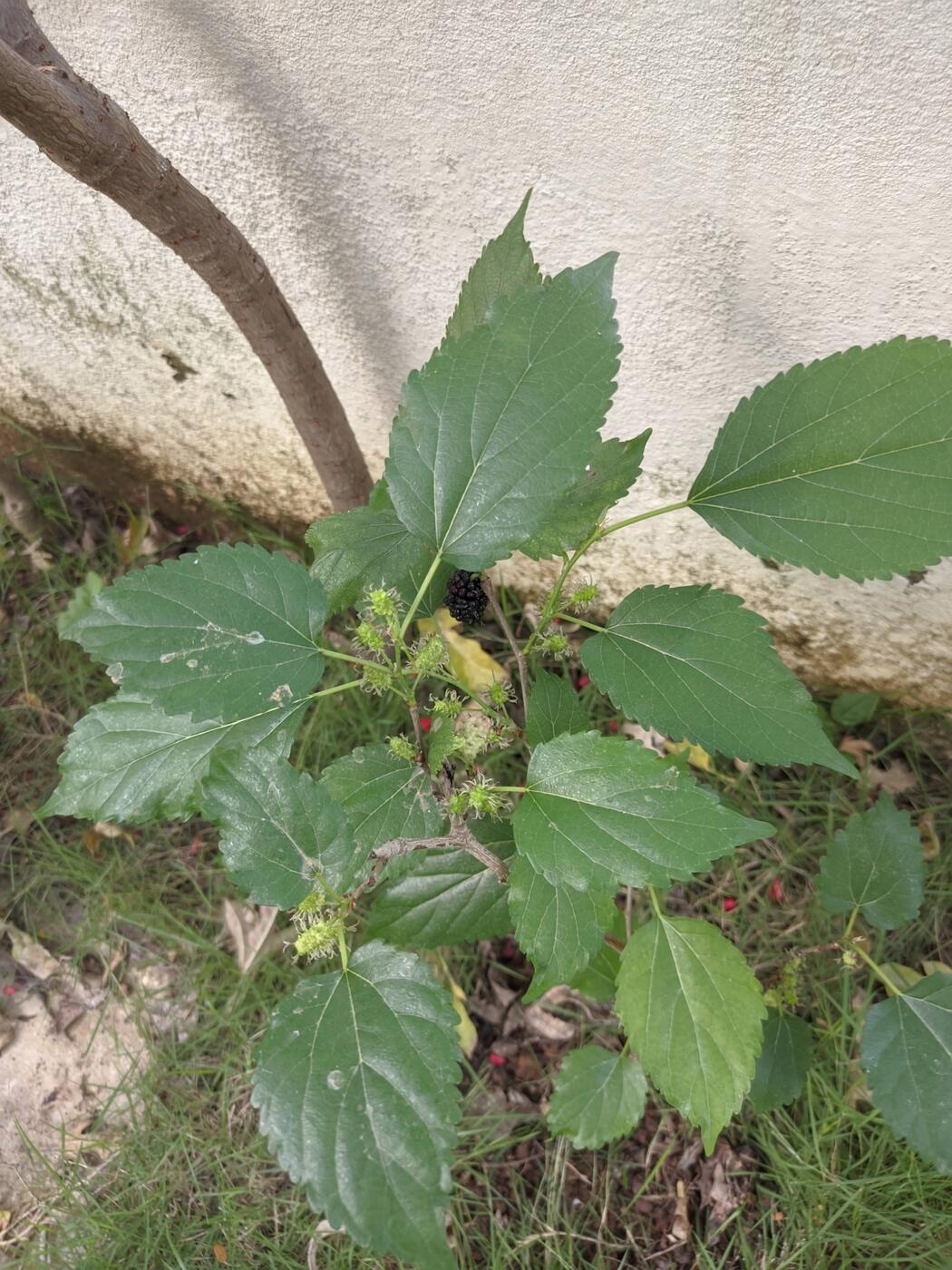
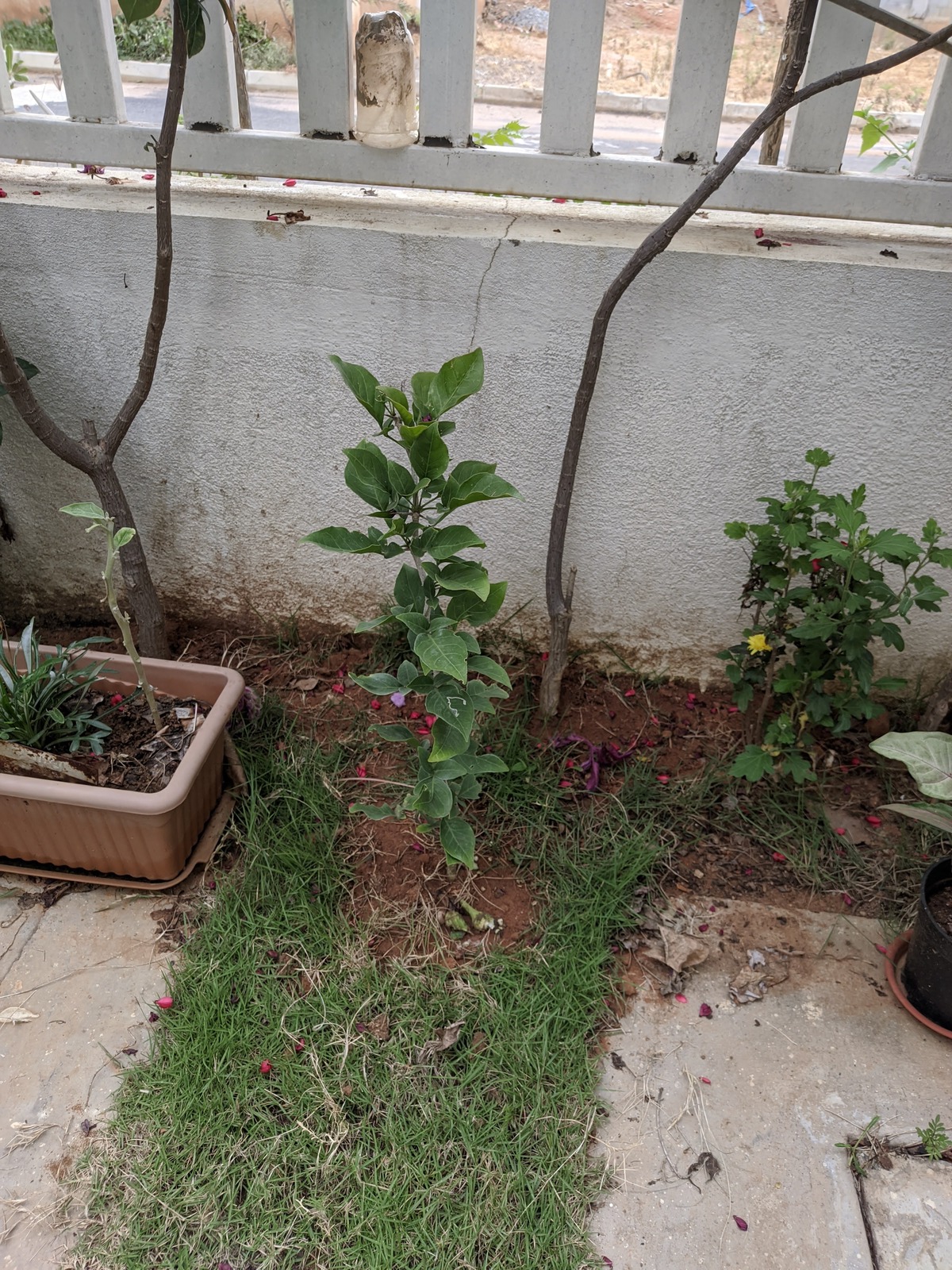
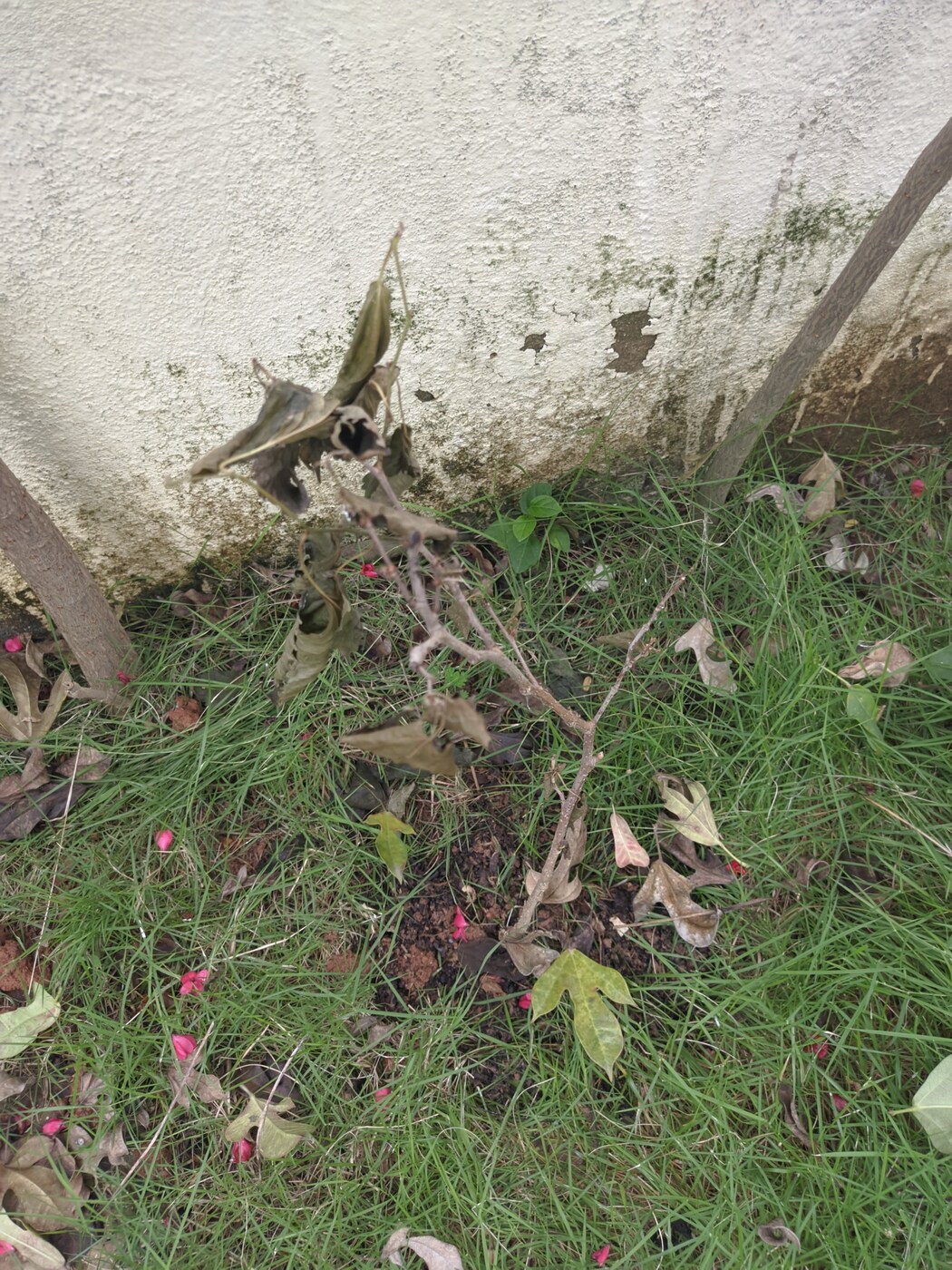
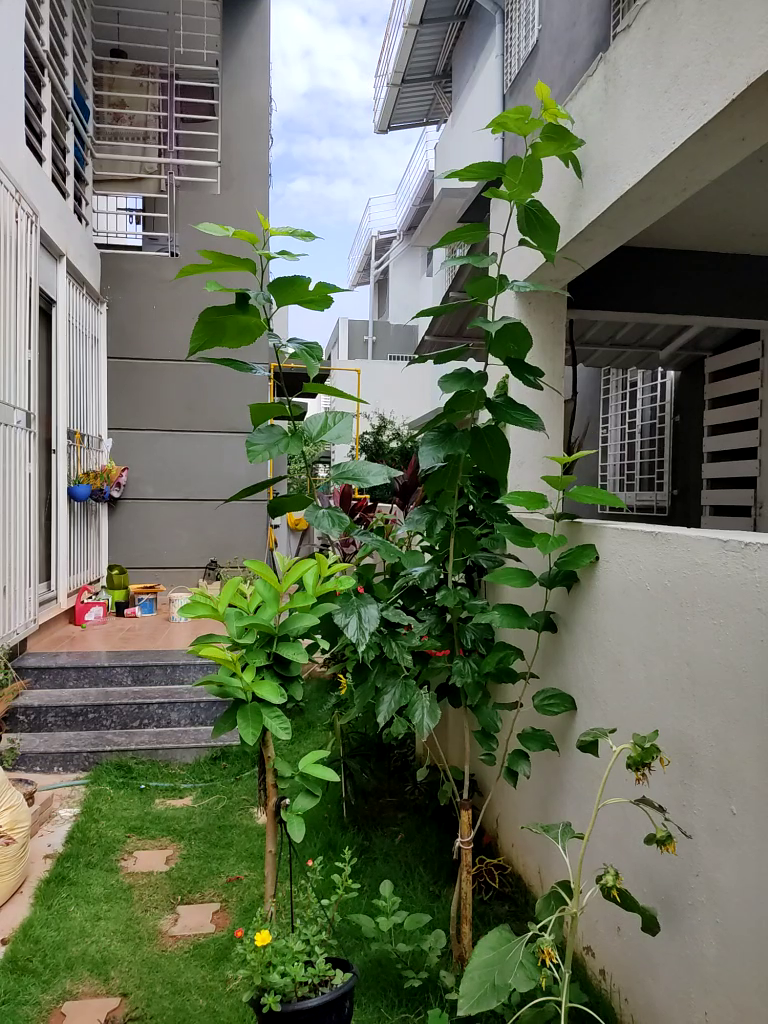
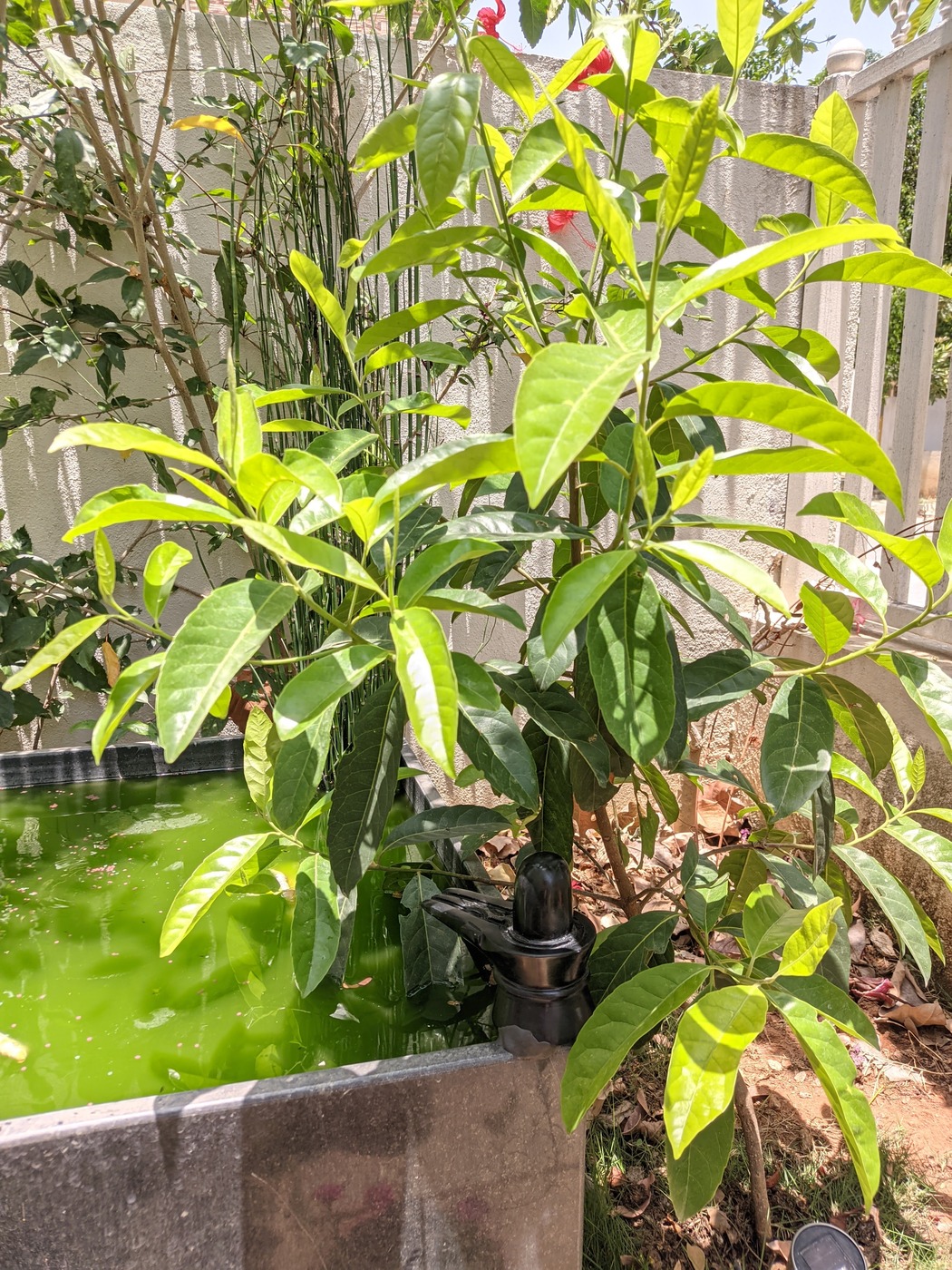
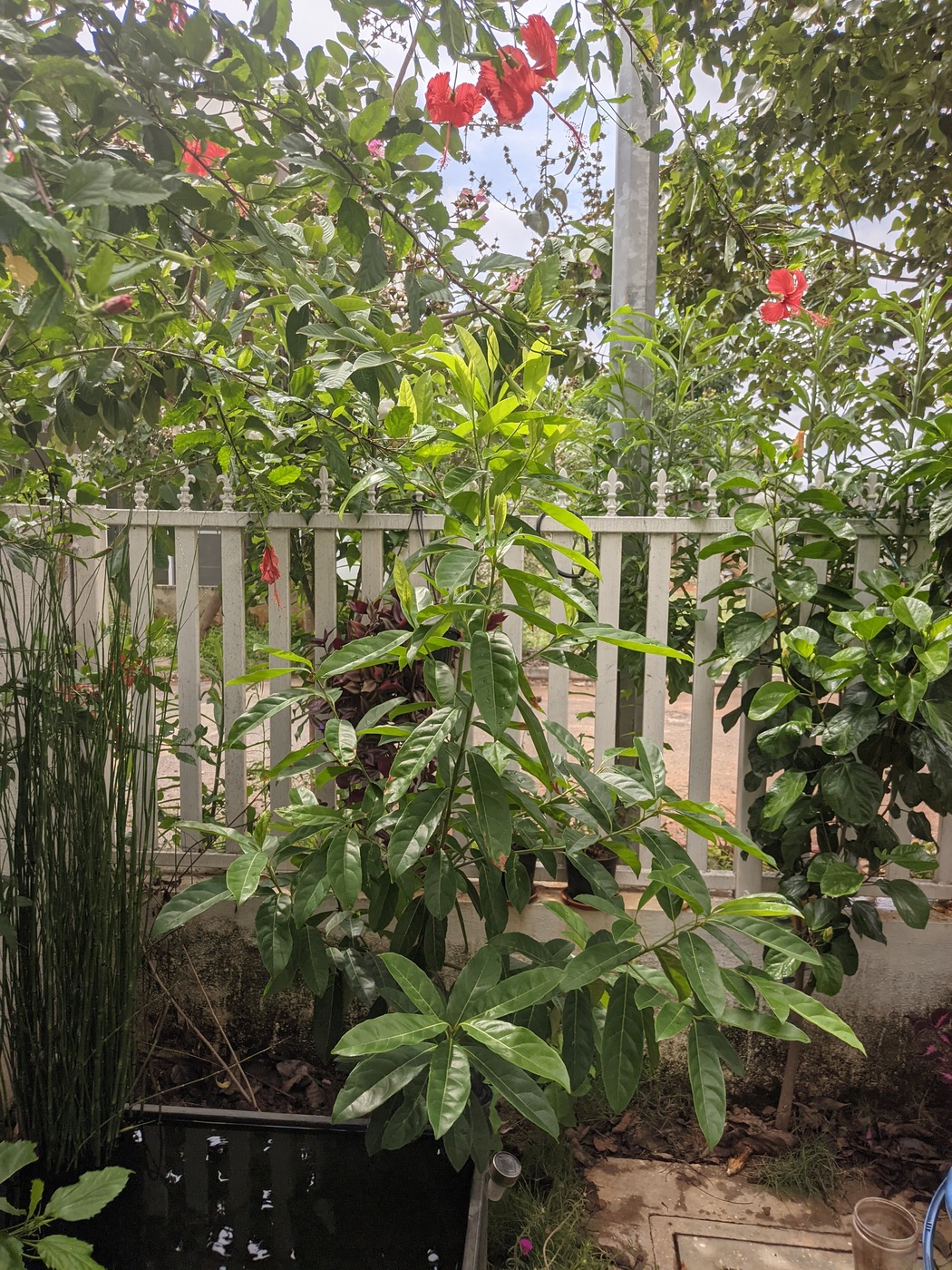
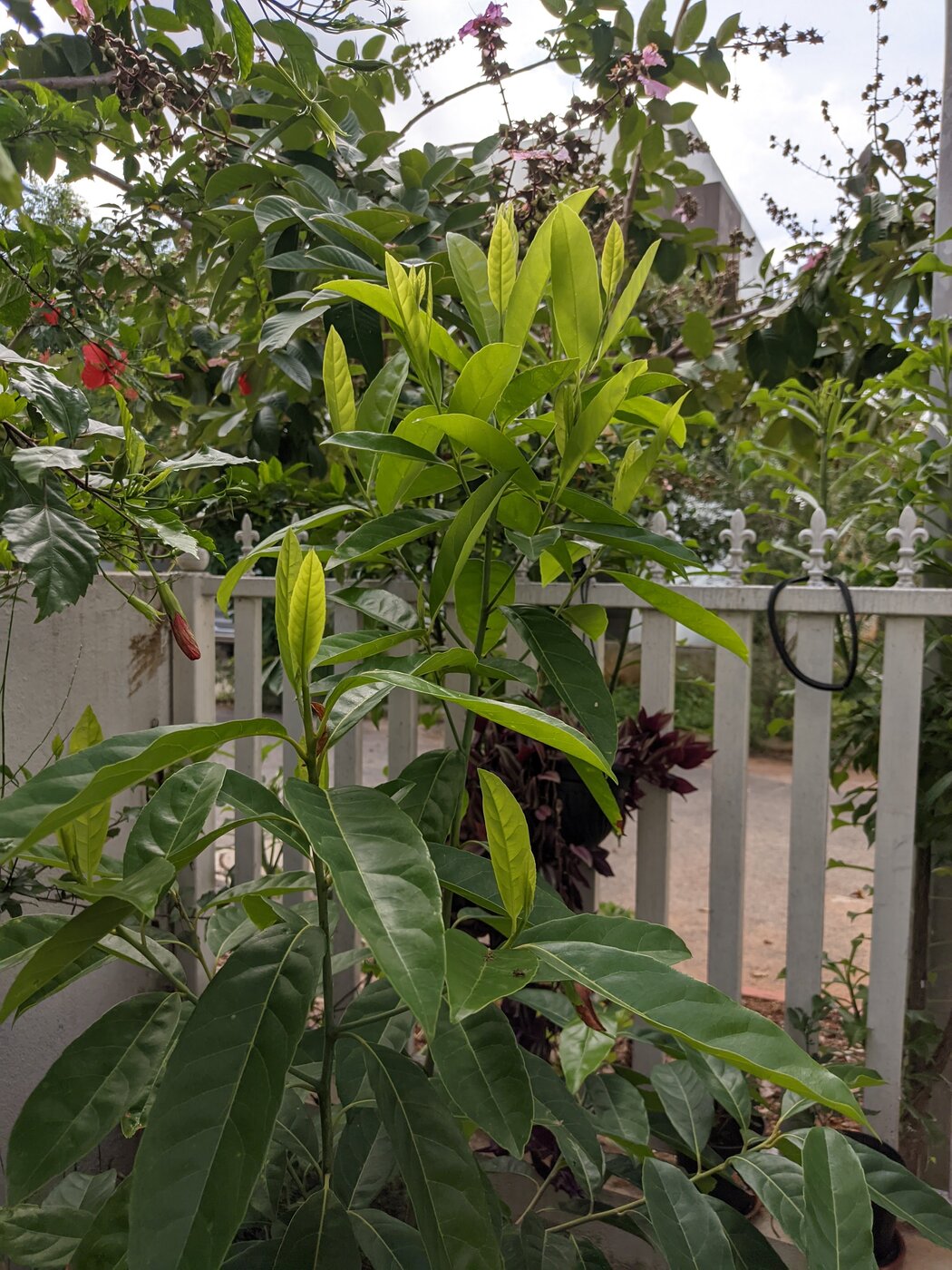
 This blog post is about my observations of some of the plants in my home garden.
While still a n00b on the subject, these notes are my observations and experiences over days, weeks and months. Thankfully, with the capability to take frequent pictures, it has been easy to do an assessment and generate a report of some of these amazing behaviors of plants, in an easy timeline order; all thanks to the EXIF data embedded.
This has very helpfully allowed me to record my, otherwise minor observations, into great detail; and make some sense out of it by correlating the data over time.
It is an emotional experience. You see, plants are amazing. When I sow a sapling, water it, feed it, watch it grow, prune it, medicate it, and what not; I build up affection towards it.
Though, at the same time, to me it is a strict relationship, not too attached; as in it doesn t hurt to uproot a plant if there is a good reason. But still, I find some sort of association to it.
With plants around, it feels I have a lot of lives around me. All prospering, communicating, sharing. And communicate they do. What is needed is just the right language to observe and absorb their signals and decipher what they are trying to say.
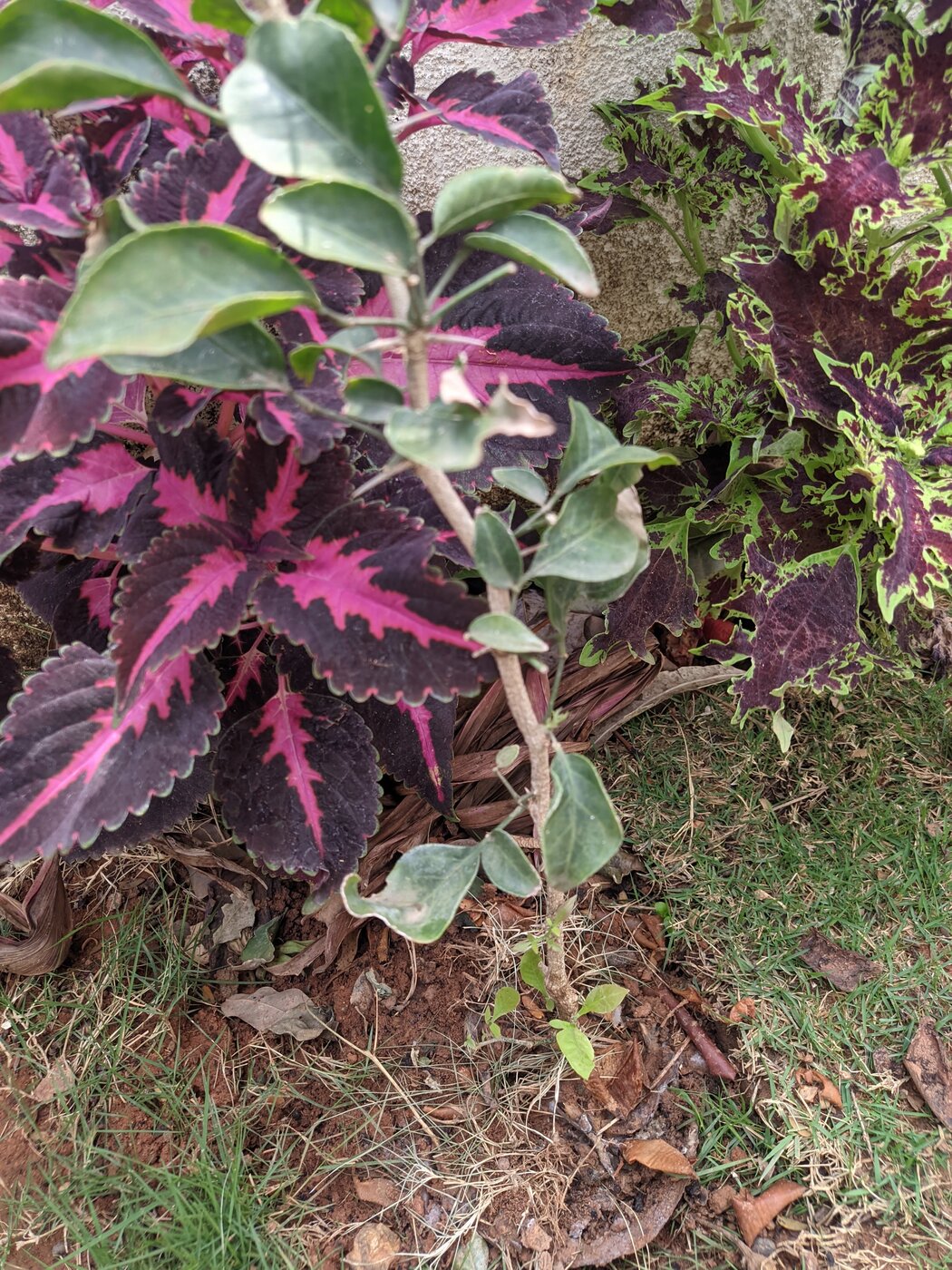
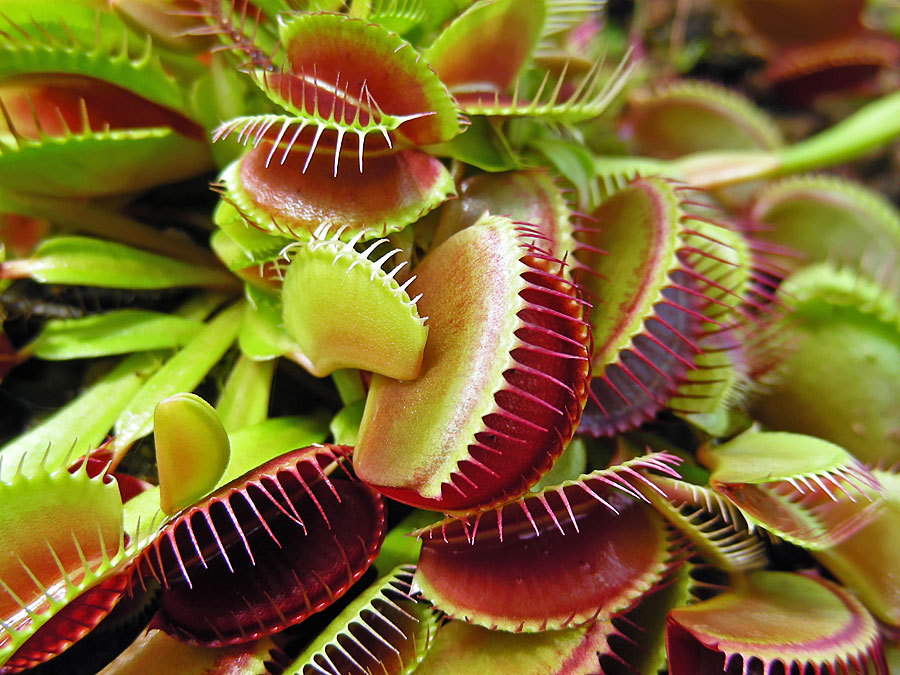
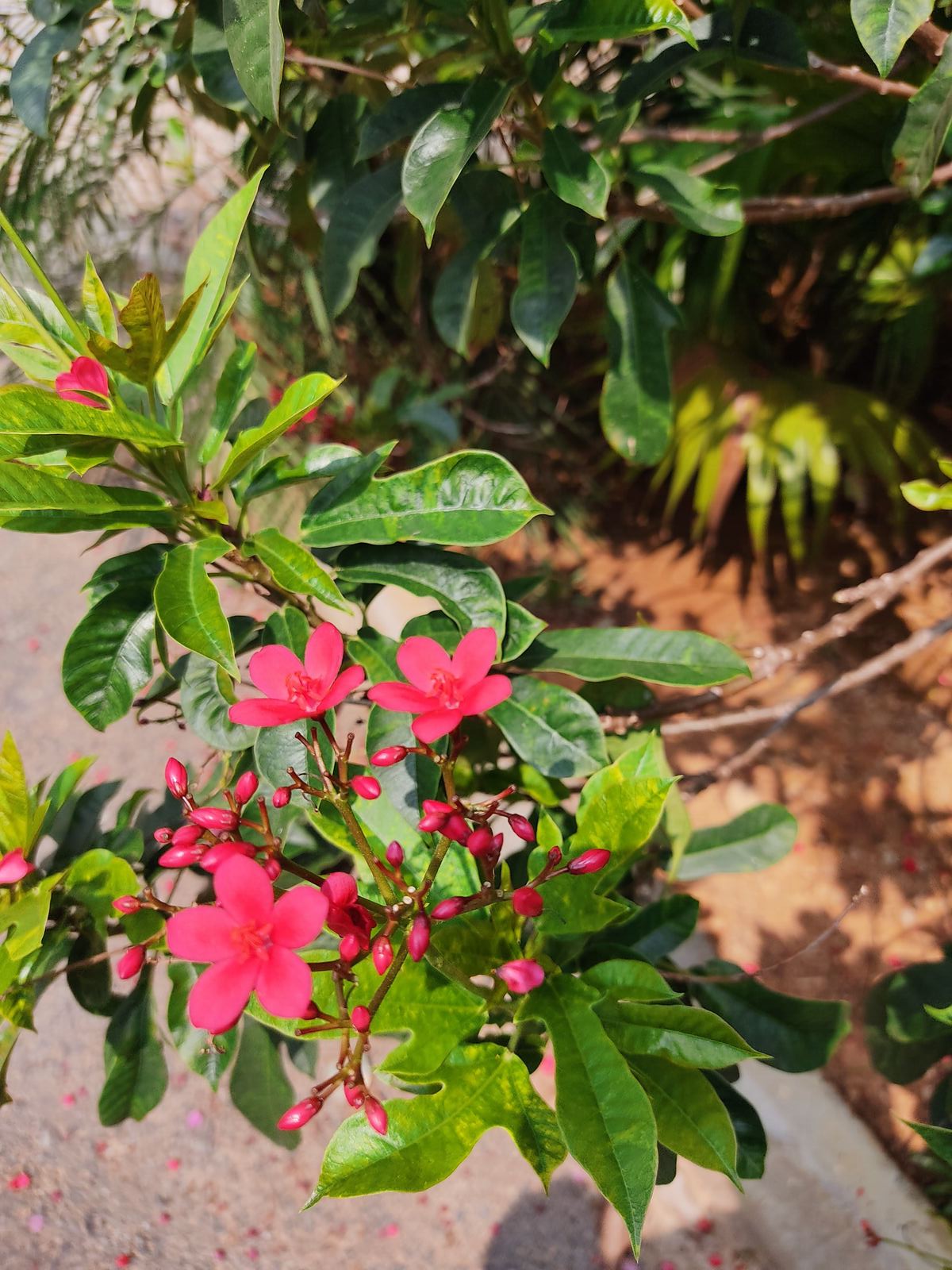
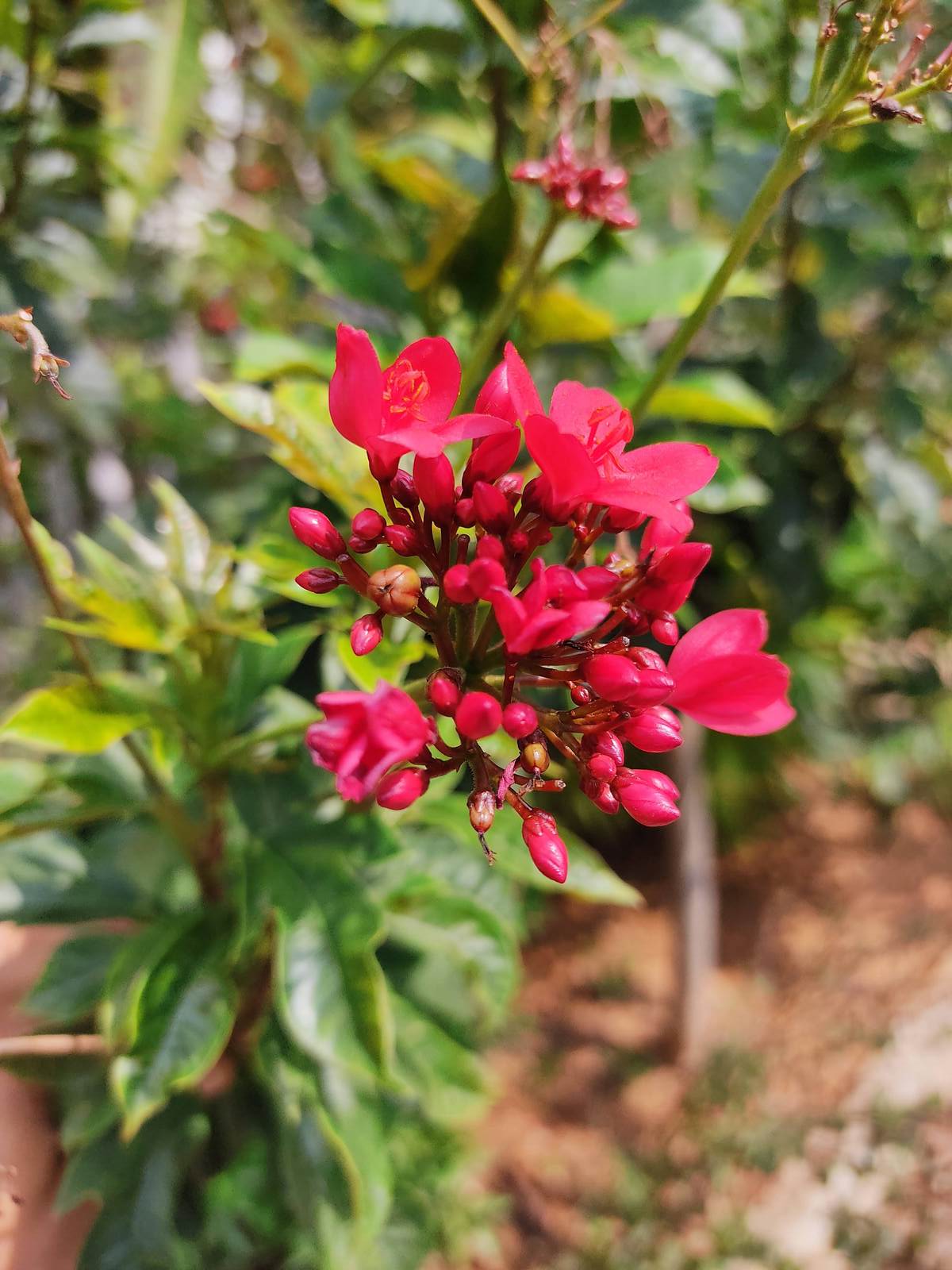
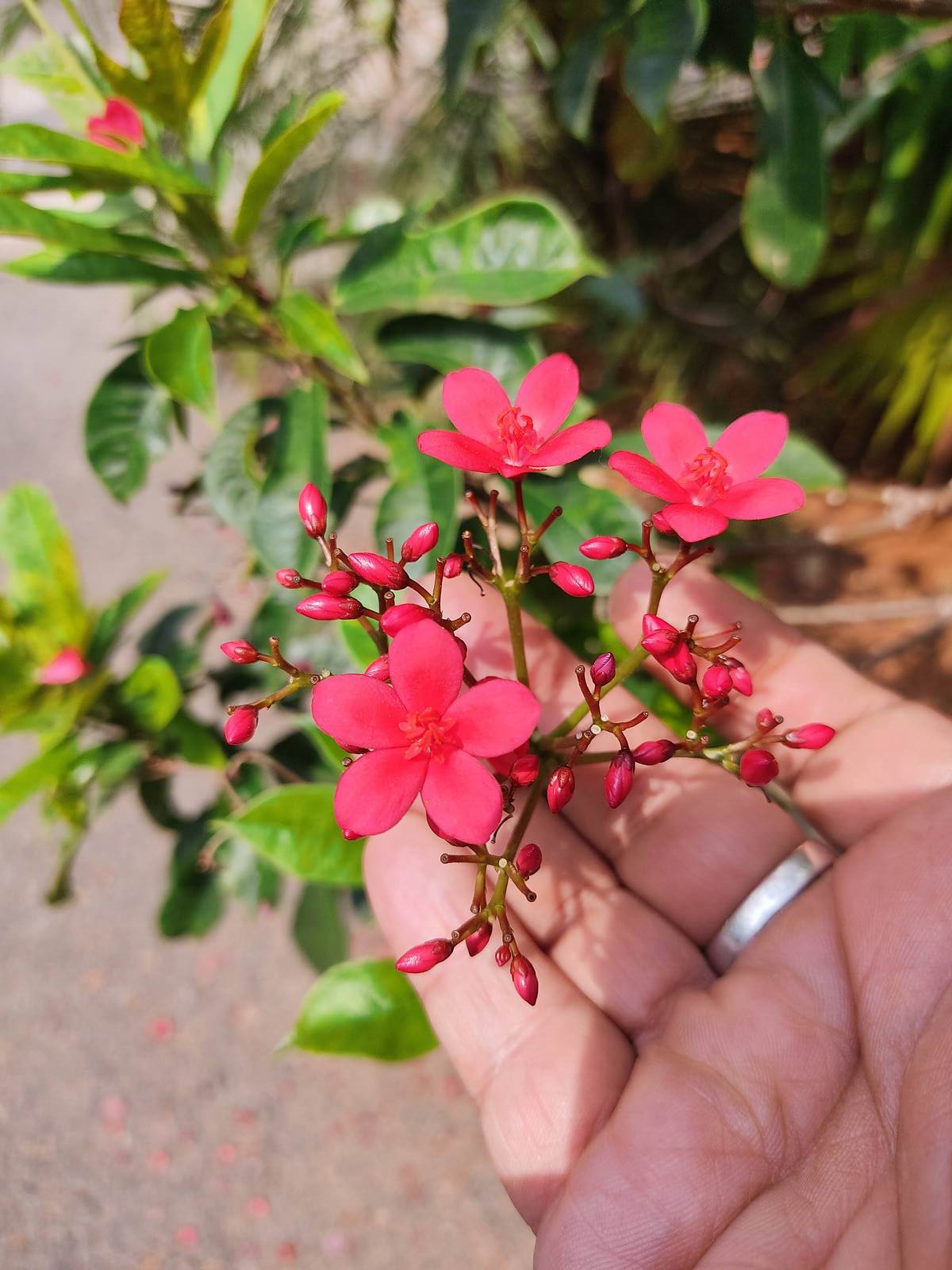
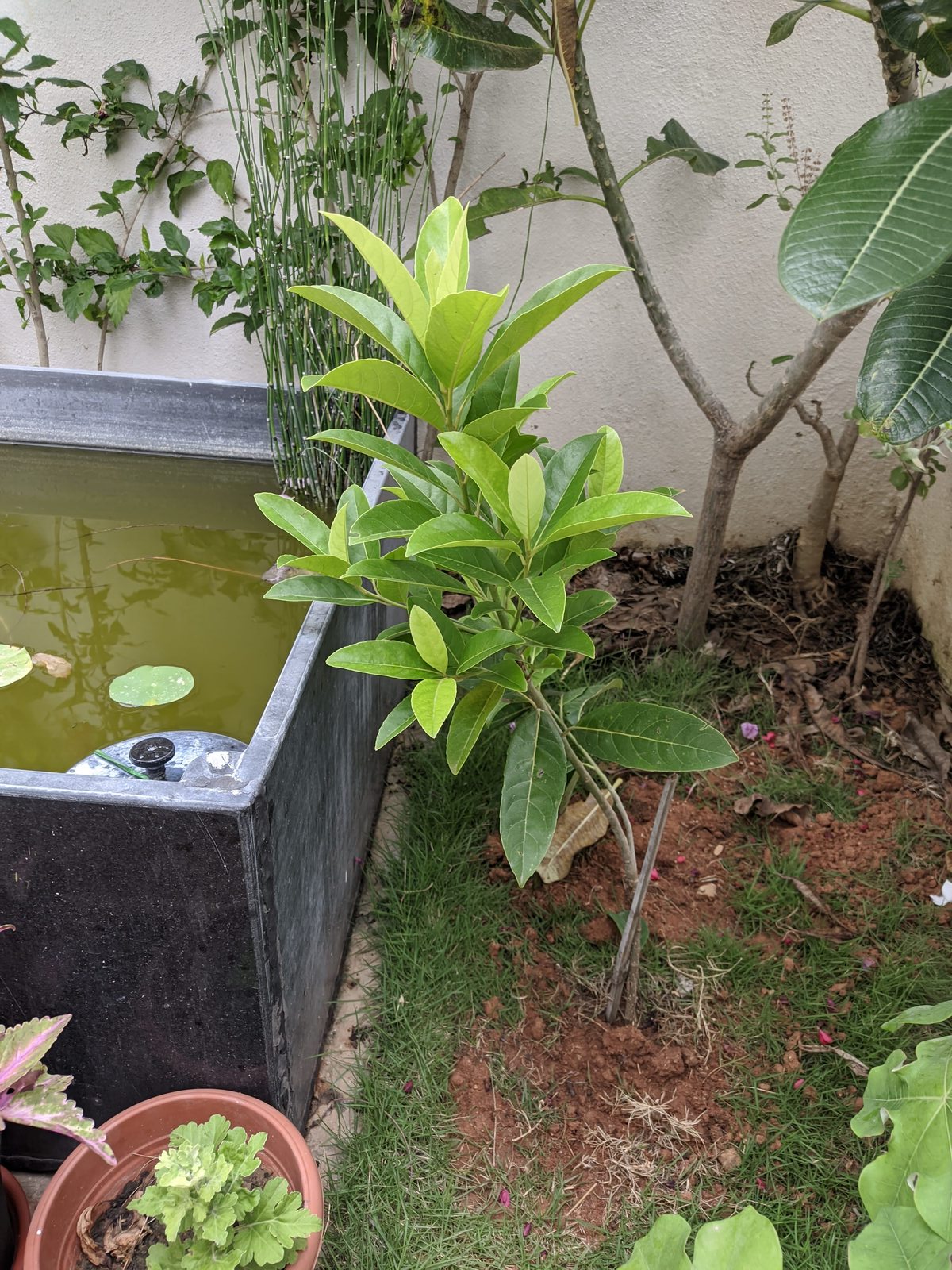
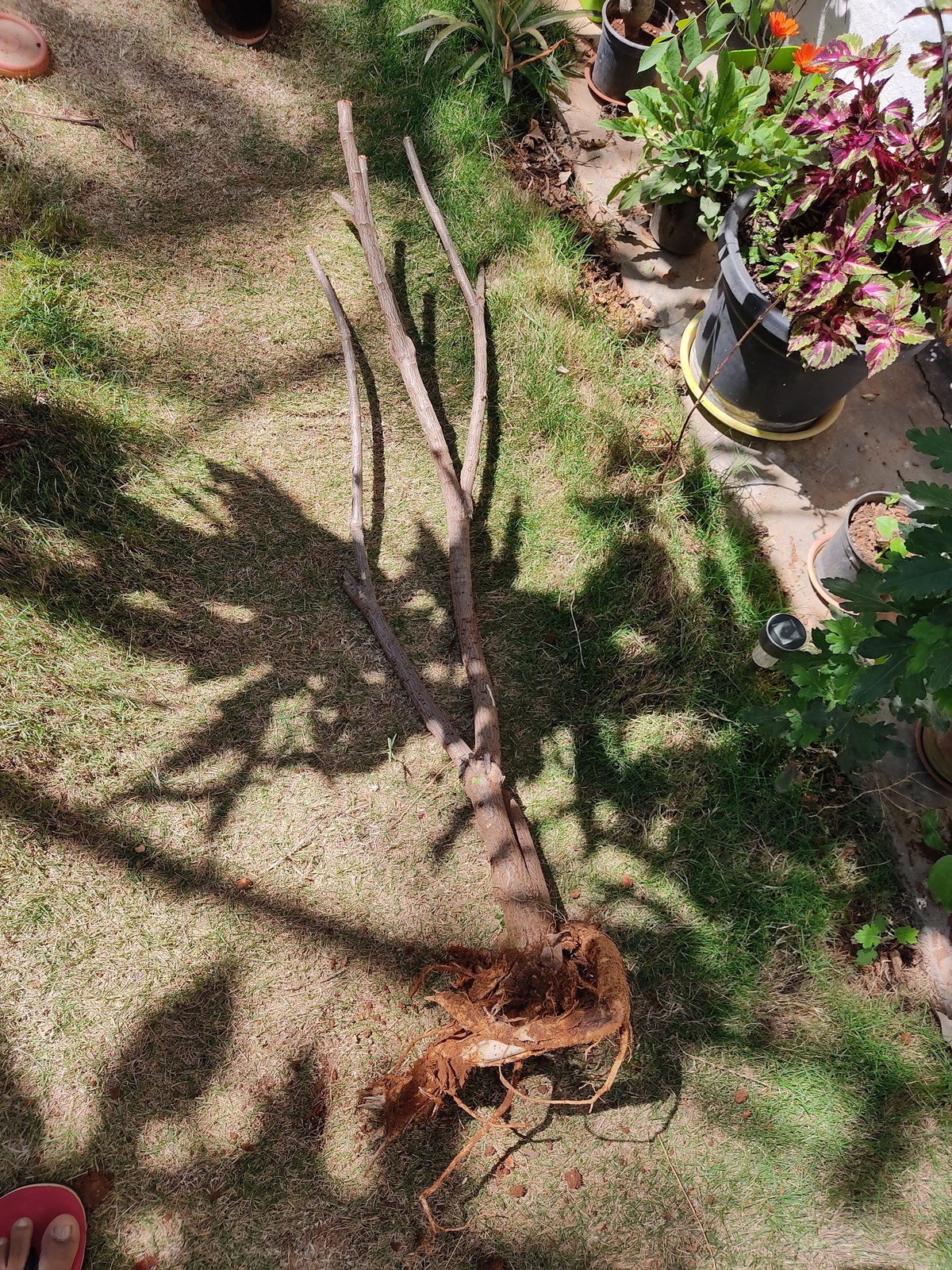
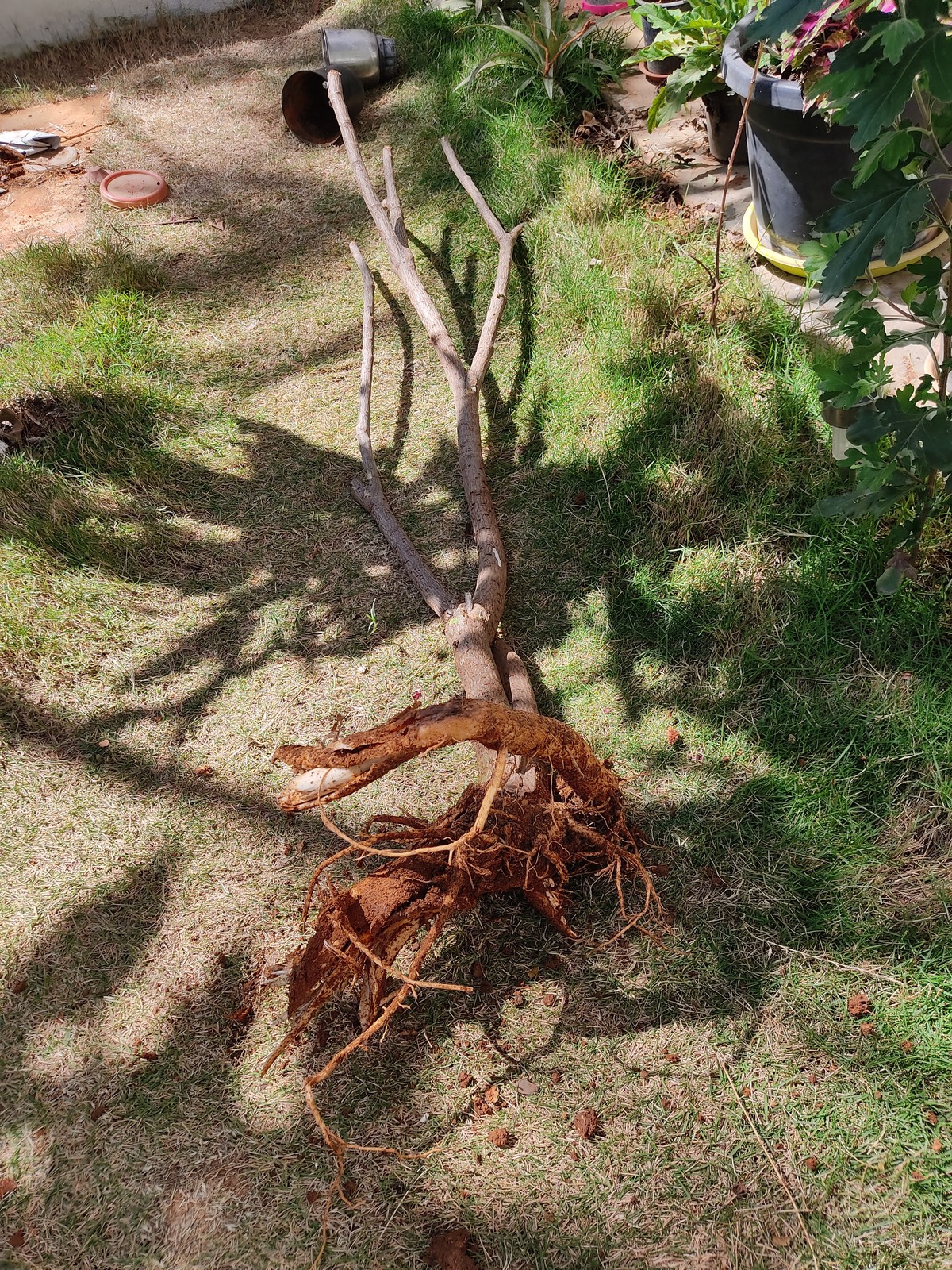
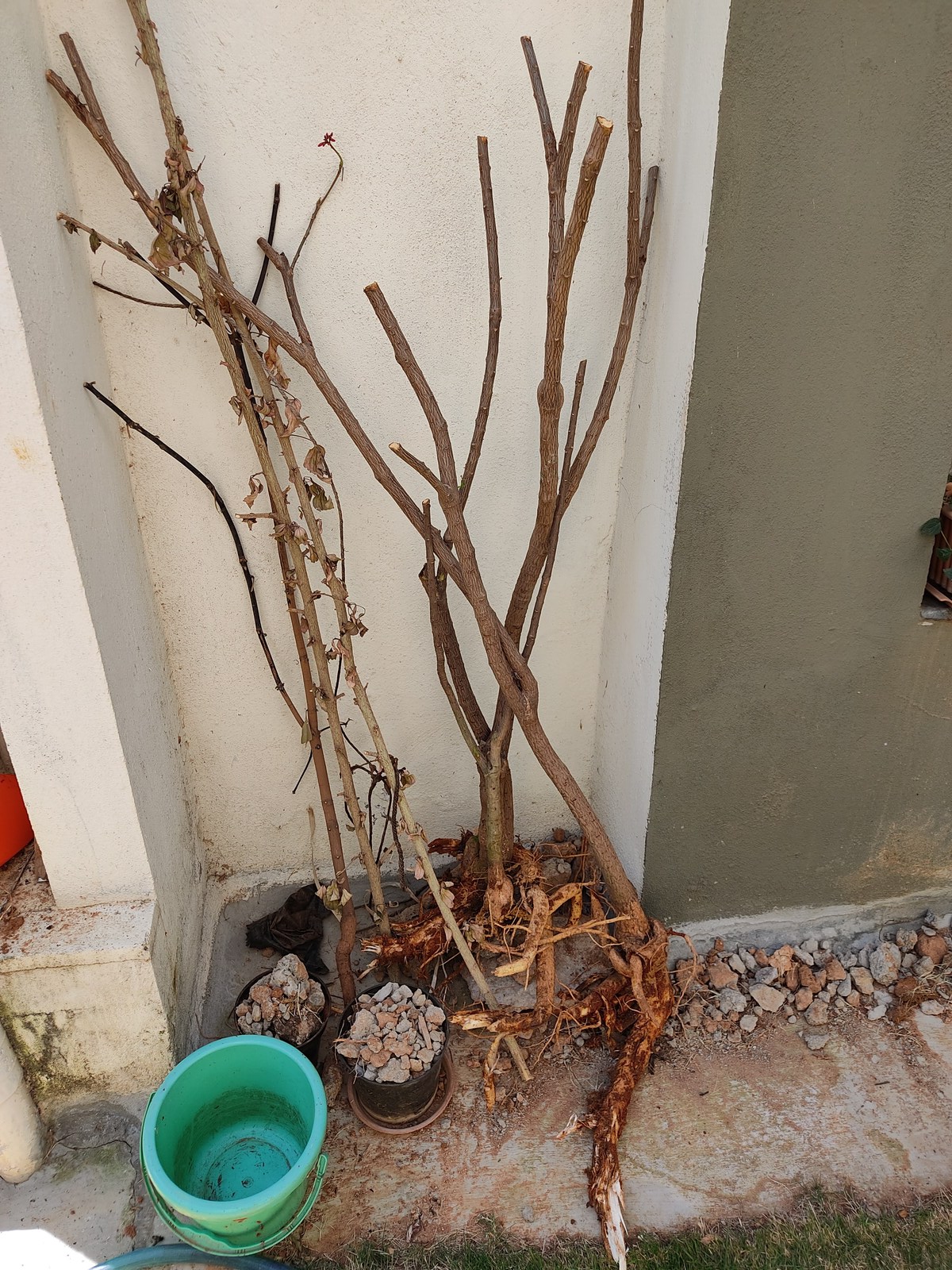
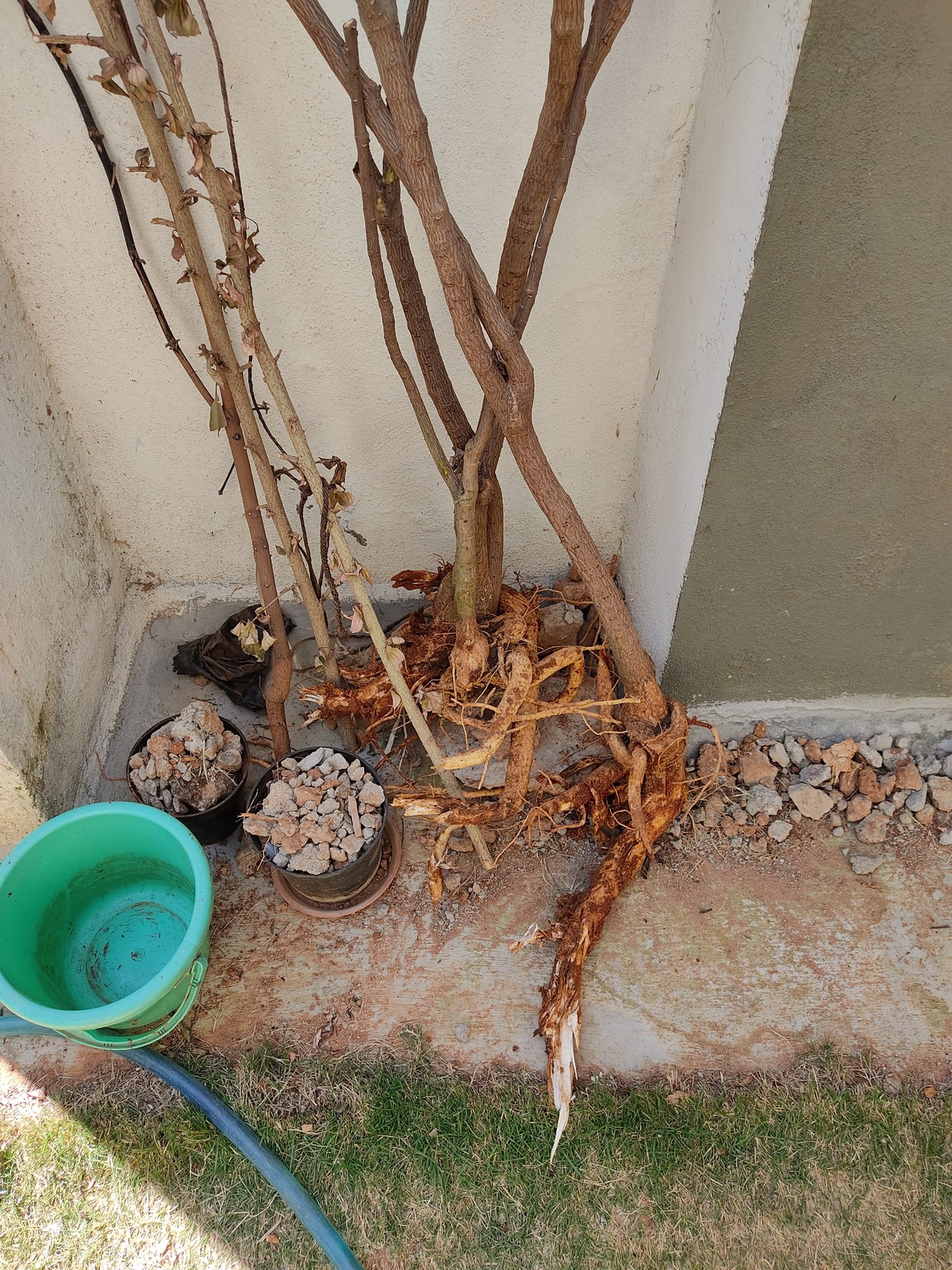
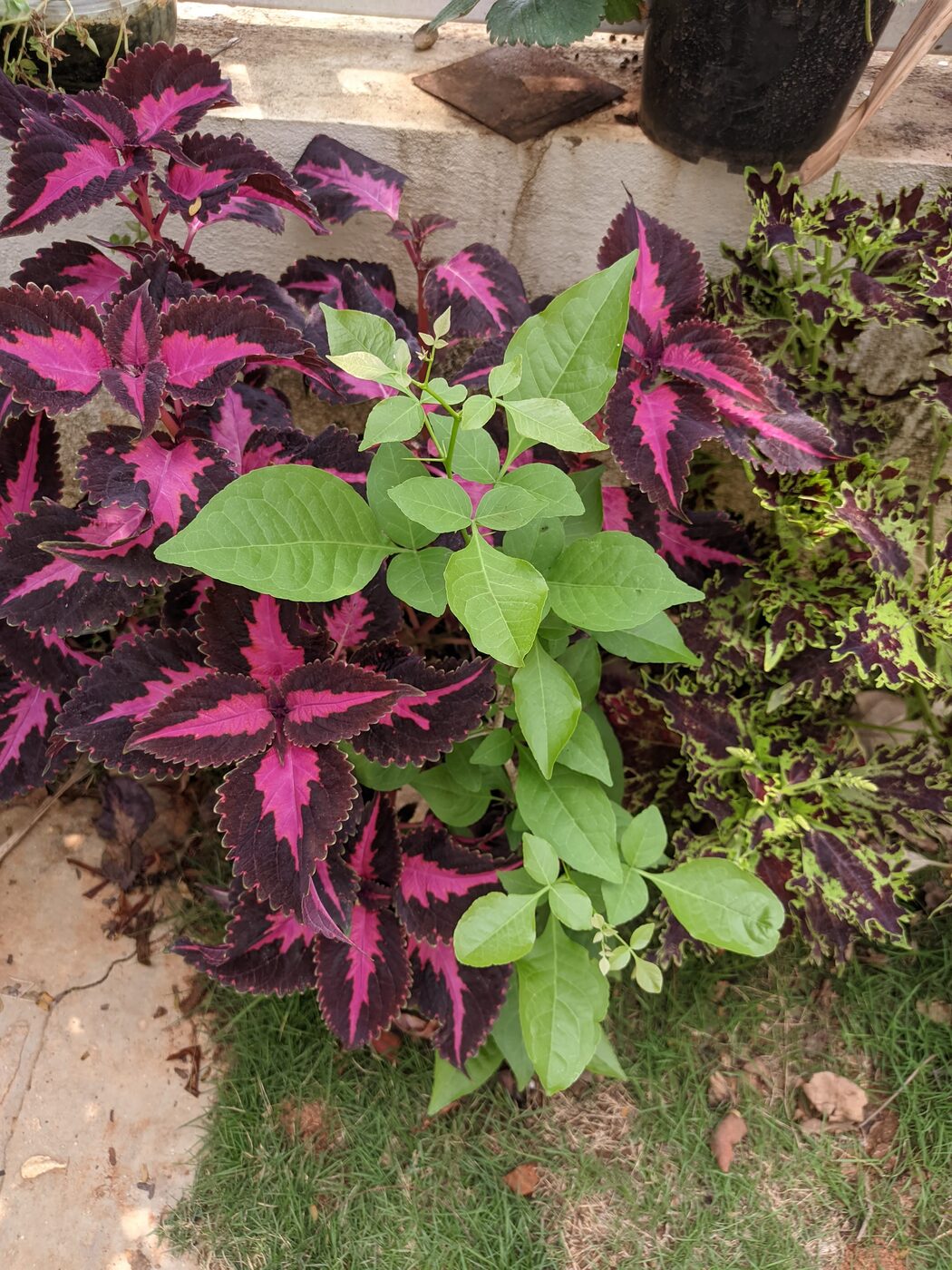
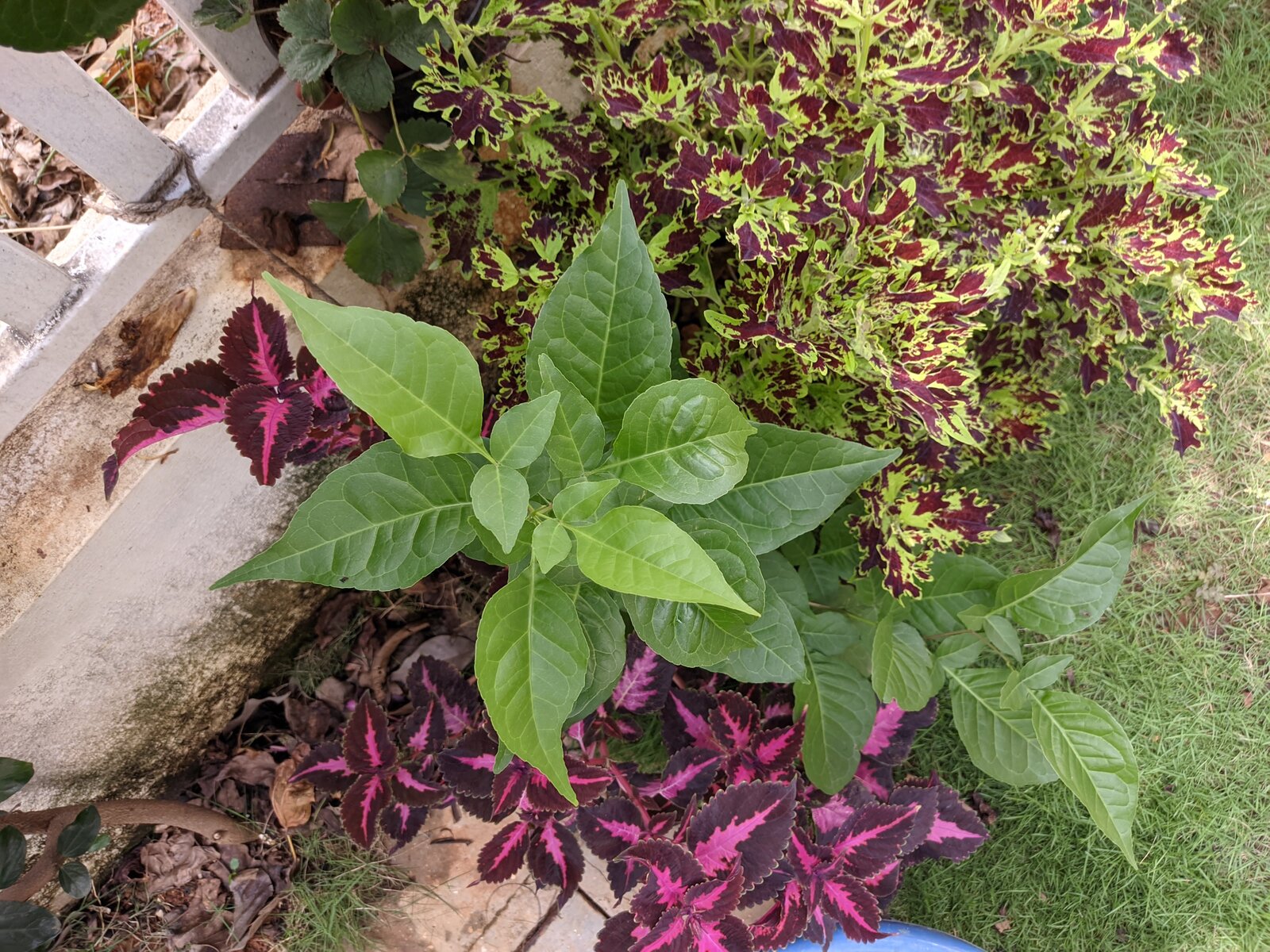
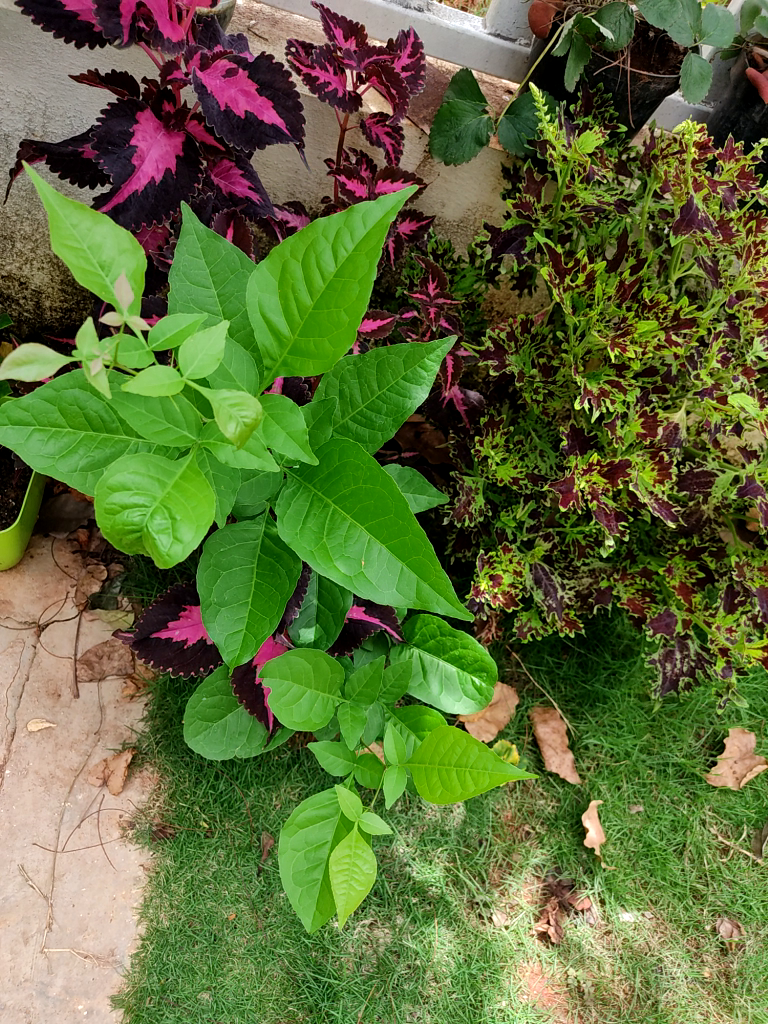
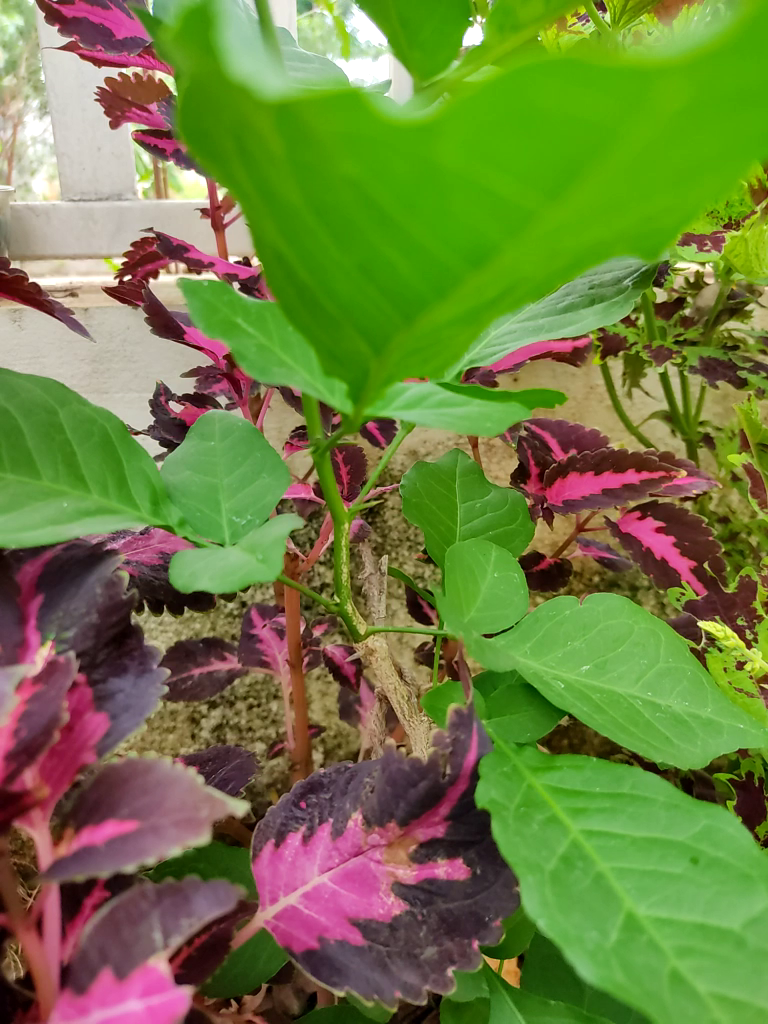
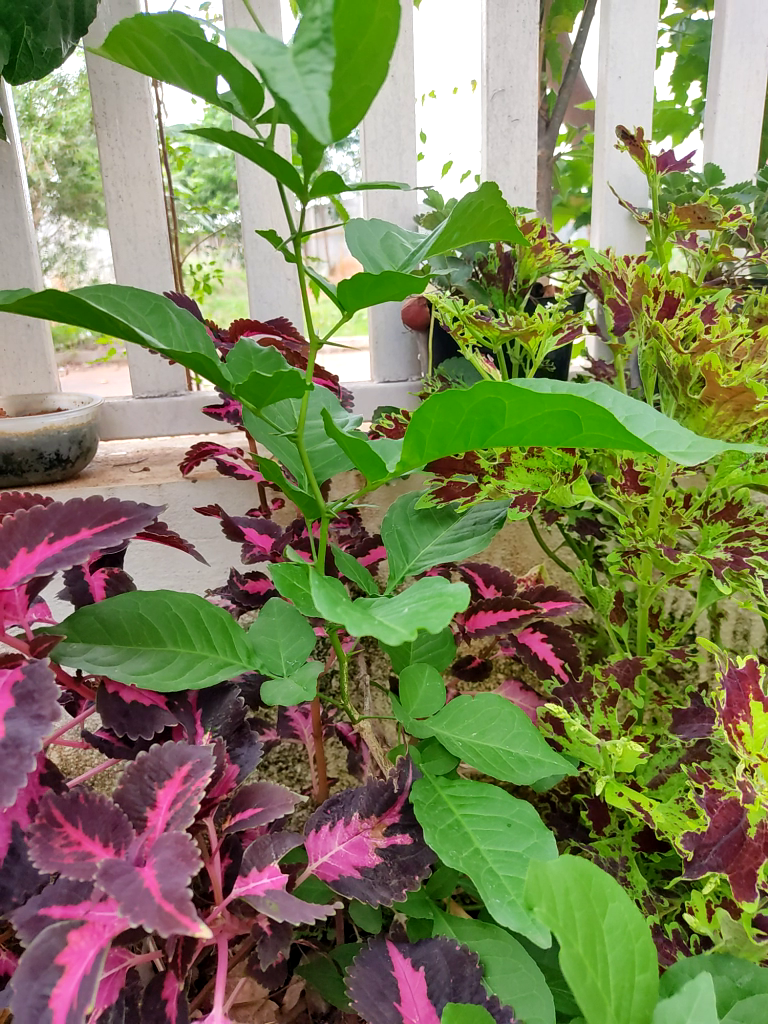
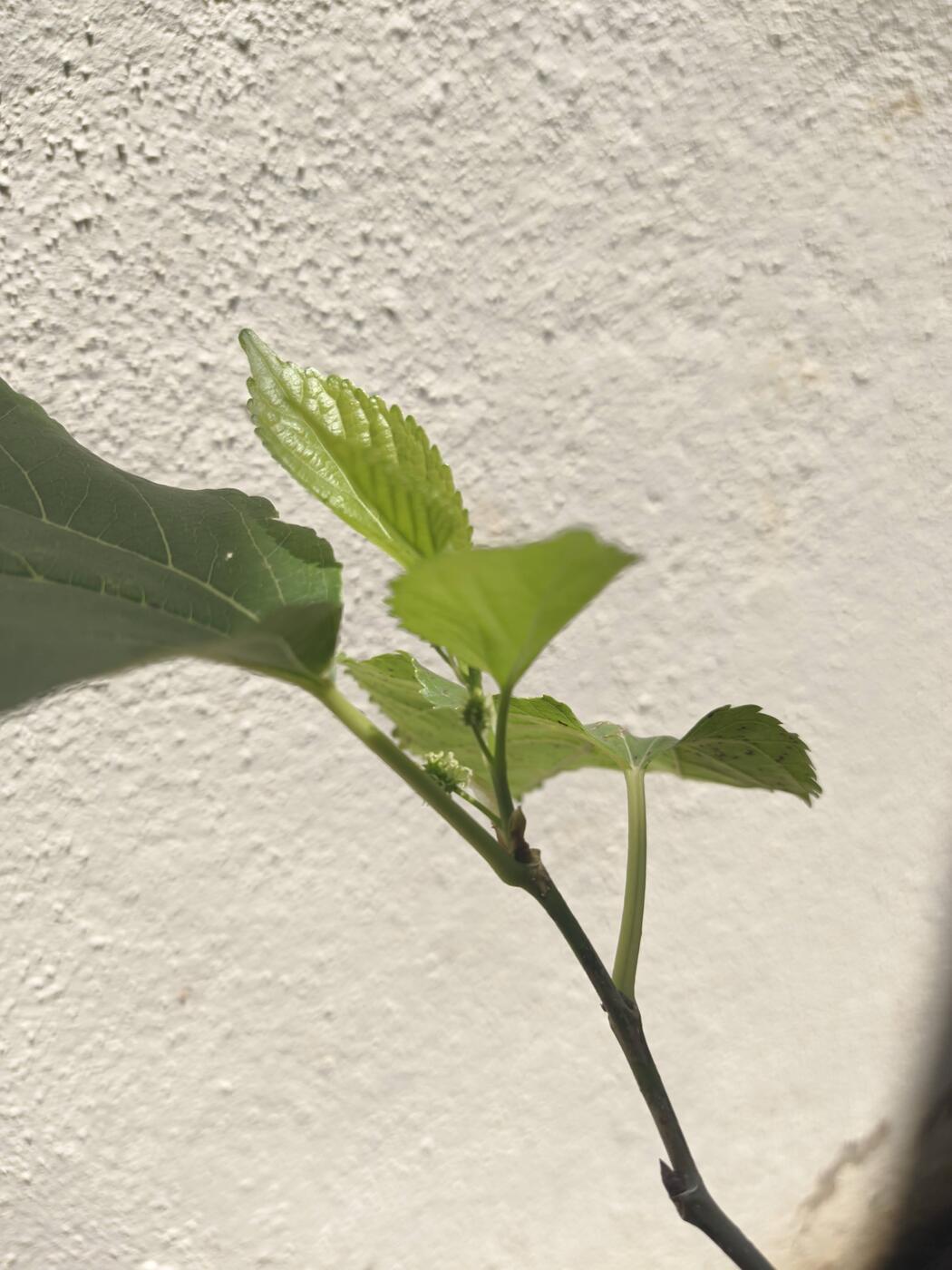
 In the last few months I presented several talks. Topics ranged from a round table on free
software, to sharing some of my work as SRE in the Cloud Services team at the Wikimedia Foundation.
For some of them the videos are now published, so I would like to write a reference here, mostly as
a way to collect such events for my own record. Isn t that what
 I had been meaning to write on the above topic for almost a couple of months now but just kept procrastinating about it. That push came to a shove when Sucheta Dalal and Debasis Basu shared their understanding, wisdom, and all in the new book called
 The psyche of the Bengali and the Bhadralok has gone through enormous shifts. I have met quite a few and do see the guilt they feel. If one wonders as to how socialist parties are able to hold power in Bengal, look no further than