Search Results: "tb"

26 March 2010

John Goerzen: Trip part 3: L beck

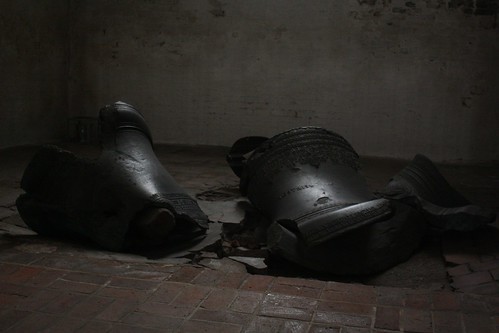
Note: This post was written in March 14-15 and posted after our return. When I think about L beck, the first thing that strikes me is the feeling of history underfoot. It struck me most when we set foot inside the Marienkirche. I had never quite felt a wave of a feeling of stepping back in time like that before. The stones on the floor were uneven and imperfect. L beck has had a wet and snowy winter, so the city had spread sand everywhere: sidewalks and roads. Walking into any grand church, I could hear the sound of sand under the shoes of everyone nearby, and feel it under my own shoes. I think I will long associate with L beck the feeling of walking into a grand old church, looking up at the top of the old building at seemingly impossible heights, while feeling the grit of sand and uneven stone beneath my feet. IMG_2643 Marienkirche isn t perfect, like some American churches I ve been in, such as the Basilica of Notre Dame. It doesn t have a lot of gold, either, and both of these attributes are wonderful. Look at a column of bricks, and you can see that each brick isn t exactly like its neighbor, and the entire column isn t perfectly straight. Lots of things in L beck are so old that they aren t perfectly straight, and it made me think that our American notion of always having to fix such things might be somewhat off sometimes. IMG_2629 Look up, and you see the frescos from the 1300s, revealed after many years after the building was struck by an allied bombing raid in 1942. This heavily damaged the building and knocked down plaster from the walls and ceiling, revealing the old artwork. Many parts of Marienkirche were lost as a result of the bombing, which perhaps adds to its slightly sparse and ancient feel. The church bells were sadly melted and crashed to the ground due to the bombing, and have been left exactly where they fell as a memorial. IMG_2641 Look down, and you see the uneven floor, and the concrete slabs above where important people were buried under the floor an attribute common to many of the churches we visited. It was common to see dates of graves from the 1600s and 1700s, though in some places it would go as far back as the 900s. The main part of the church has no heating or cooling, and visiting it on a day just a bit above freezing adds to the feeling of, well, old. Marienkirche has to be my favorite sight in L beck. Walking around the city, I get a similar feel. Many streets and sidewalks are made of stone. The streets that weren t damaged in the war have rows of beautiful old facades. Walk down many streets, and every so often I d see a little tunnel ( just wide enough for a coffin ) that goes under the street-facing houses to a nice little inner courtyard. These are open to the public, but tend to be very quiet and somewhat private. In the courtyard are smaller houses, which would have originally been used by the less wealthy. We also saw the L beck Dom (cathedral), which had a small museum about the destruction due to the Royal Air Force bombing in 1942. It was very sad to see the photo of the Dom in ruins, still smoking, even now. Burning L beck Cathedral after an air raid in 1942 I can only imagine what it must have felt like to residents of L beck to wake up to see many of their priceless centuries-old landmarks and places of worship so horribly destroyed and all of this for little strategic purpose really focused on the morale of the enemy civil population . It s sad that the allies would do such a short-sighted and terrible thing. Europeans have long had to live with the legacy of war upon war, while we Americans have rarely had to see the consequences of war up close. I think it would be good for more of us to visit these sites and come up face to face with what a bomb can do, and then perhaps we will be more judicious with them in the future. Shifting gears now to where we stayed: Andreas & Sigrid, with whom we stayed, have a beautiful 500-year-old house, with lots of original wood beams exposed, and some very old paintings on the walls and ceilings. Nearby were excellent bakeries and a chocolate shop. Terah and I visited it today and bought some very good chocolate. And this brings me to the second thing I ll remember: Andreas & Sigrid s children, Lukas and Rahel. Now, Terah knows no German, I know only a little bit, and the children know no English. So it was a bit slow getting to know each other to start out, but we managed to work around the communication barrier and had a great time. Terah played board games with Rahel, while with me, she kept inventing games to play: hiding somewhere, saying Hallo! , and laughing at how many unsuccessful attempts I might make to find her. I showed Lukas the camera on my Droid, which he used a lot, though a racing game on Terah s iPod Touch was more exciting. They both enjoyed looking at videos of American trains a bit, but especially pictures of our house and yard with Jacob and Oliver. They tried to teach me the German words for things, and also made futile attempts to correct my pronunciation! When we were leaving today, Rahel came over and gave me a kiss on the hand, then the same to Terah s hand, then a little kiss on one of our suitcases. It was touching and sweet. This was one of those experiences no guidebook prepared me for, and no tour bus would have provided. It is something neat to make friends with children despite the large language barrier. On to the rest of the visit We had arrived a little late into Hamburg. After getting our bags and some Euros at an ATM, the next step was to find the bus to L beck. No signs for it were evident, so I found an information desk. The person at the desk was carrying on a conversation in German with the person ahead of me in line. I figured an information desk person in a busy airport would speak English, and was all ready to ask Sprechen Sie Englisch? , but when I walked up, he got a polite smile, and said, Good morning! How can I help? Guess I m obvious. He directed me to the bus, gave me a brochure about it, and told me what time it would leave. Terah and I found the spot to wait, and for a moment I stepped inside the airport terminal. Terah won t let me forget that someone came up to her and asked a question in German, whereas I was spoken to in English. Anyhow, we found the bus, managed to communicate with the driver that doesn t speak English, and sat next to the friendly person that was talking to Terah. He turned out to be a violin player from Munich, and we had a great conversation for the next hour he asking questions about the USA, us asking questions about Germany and Munich. At one point, he commented, You two are so open minded and you re also Americans! He sounded surprised. We exchanged email addresses at the train station. Andreas found us there, and we walked through the city to his house, with him pointing out the sights along the way. L beck is a beautiful city, and though it was damaged in World War II, much of the really old parts still remain. The famous Holstentor Gate has a museum inside, which was fascinating to visit. On Sunday, we went to church with the family we were staying with, Andreas helpfully translating for us. There I met a British Python programmer, which was fun. His wife is a social worker, which was fun for Terah. Monday it was time to get on the train to Berlin. We again walked through a cold and rainy city to the Hauptbahnhof, ready to head to Berlin. There we got on a train to Hamburg, then an ICE train to Berlin. Despite having just a few minutes for a connection in Hamburg, it all went perfectly smoothly. The train left Leipzig about 10 seconds late the clock inside turned over to the minute, then the doors closed and we were off. Impressive. Note: the rest of my photos from L beck are available on Flickr.


Russell Coker: Hacker Spaces

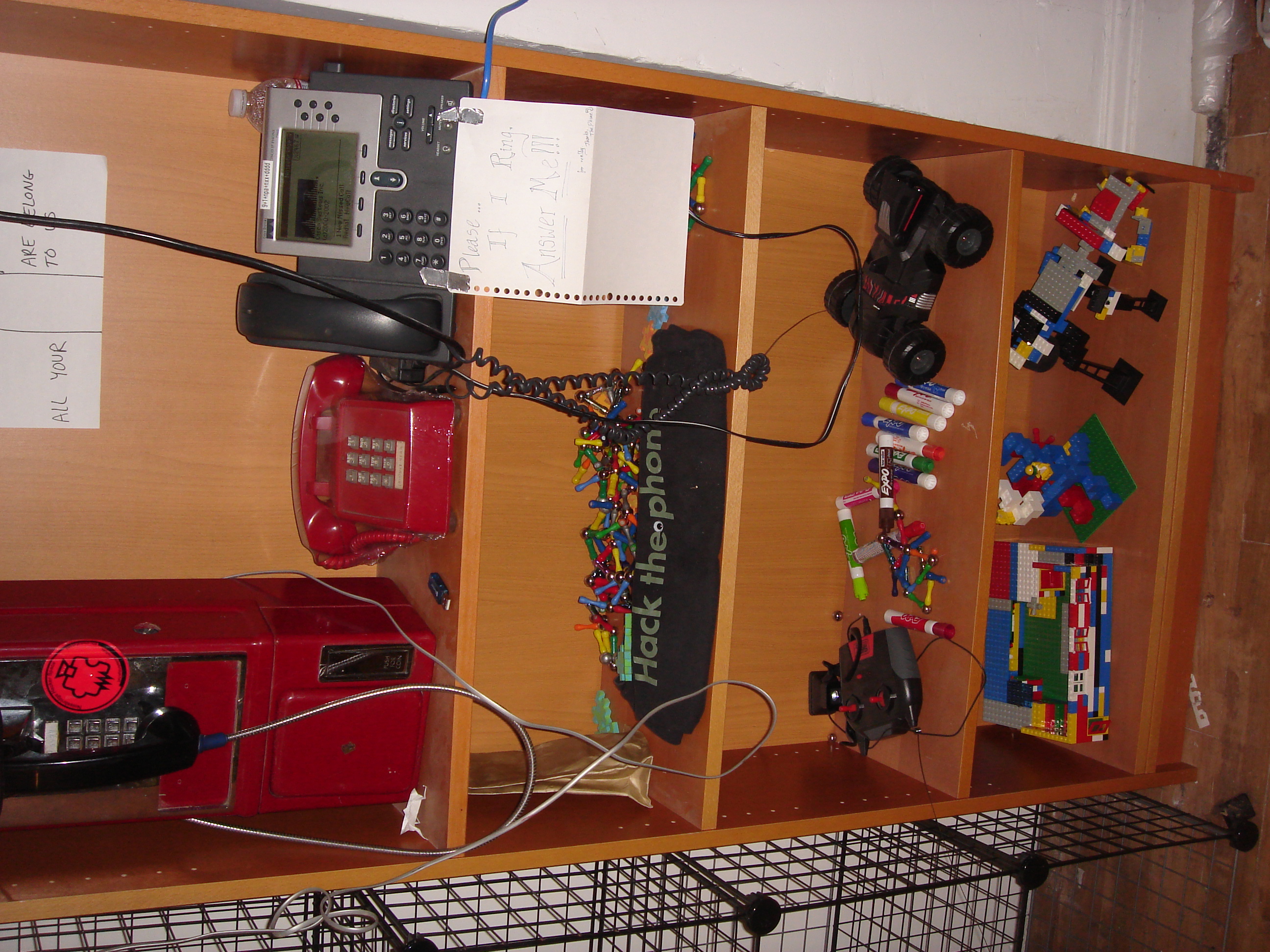
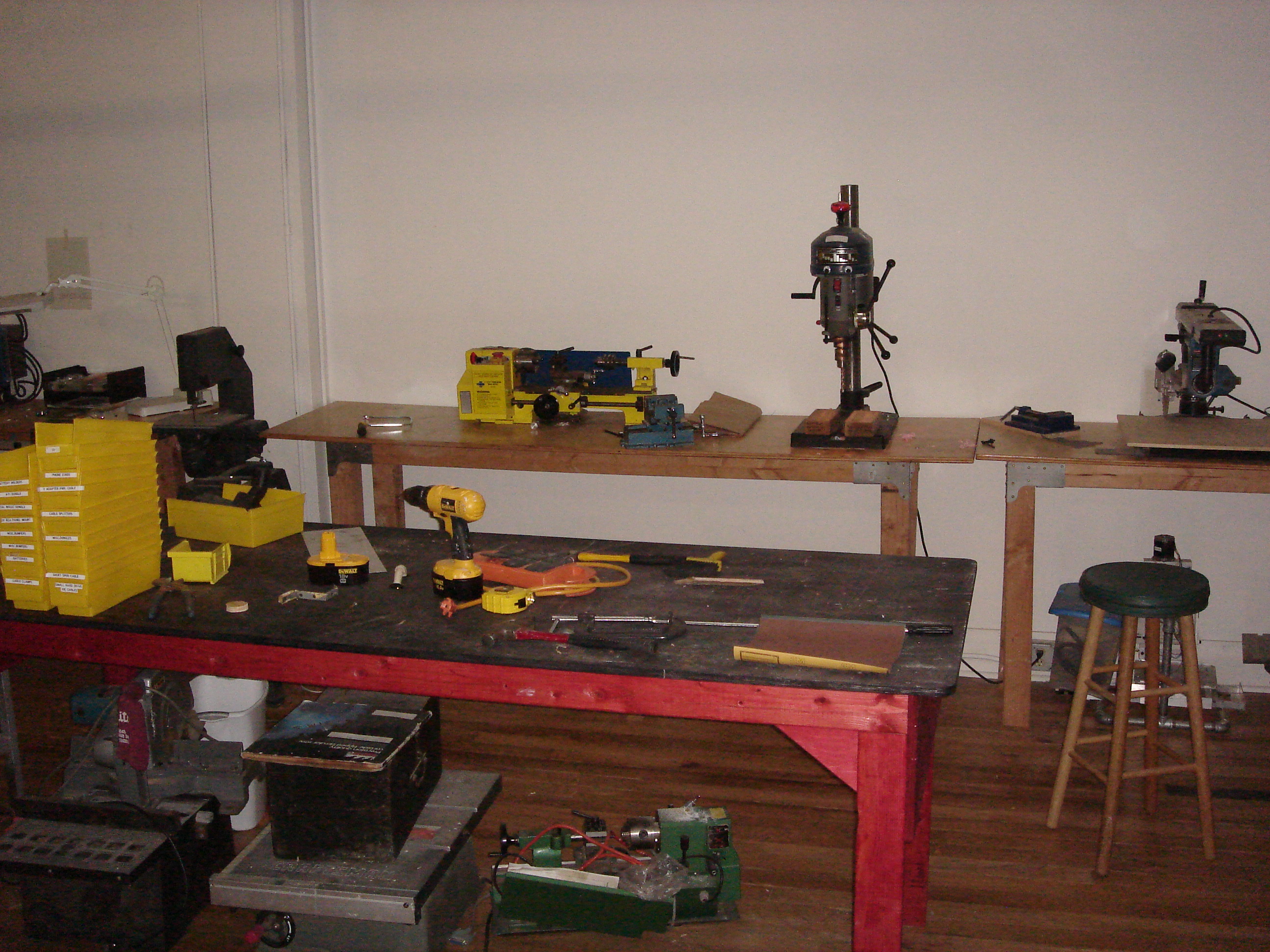
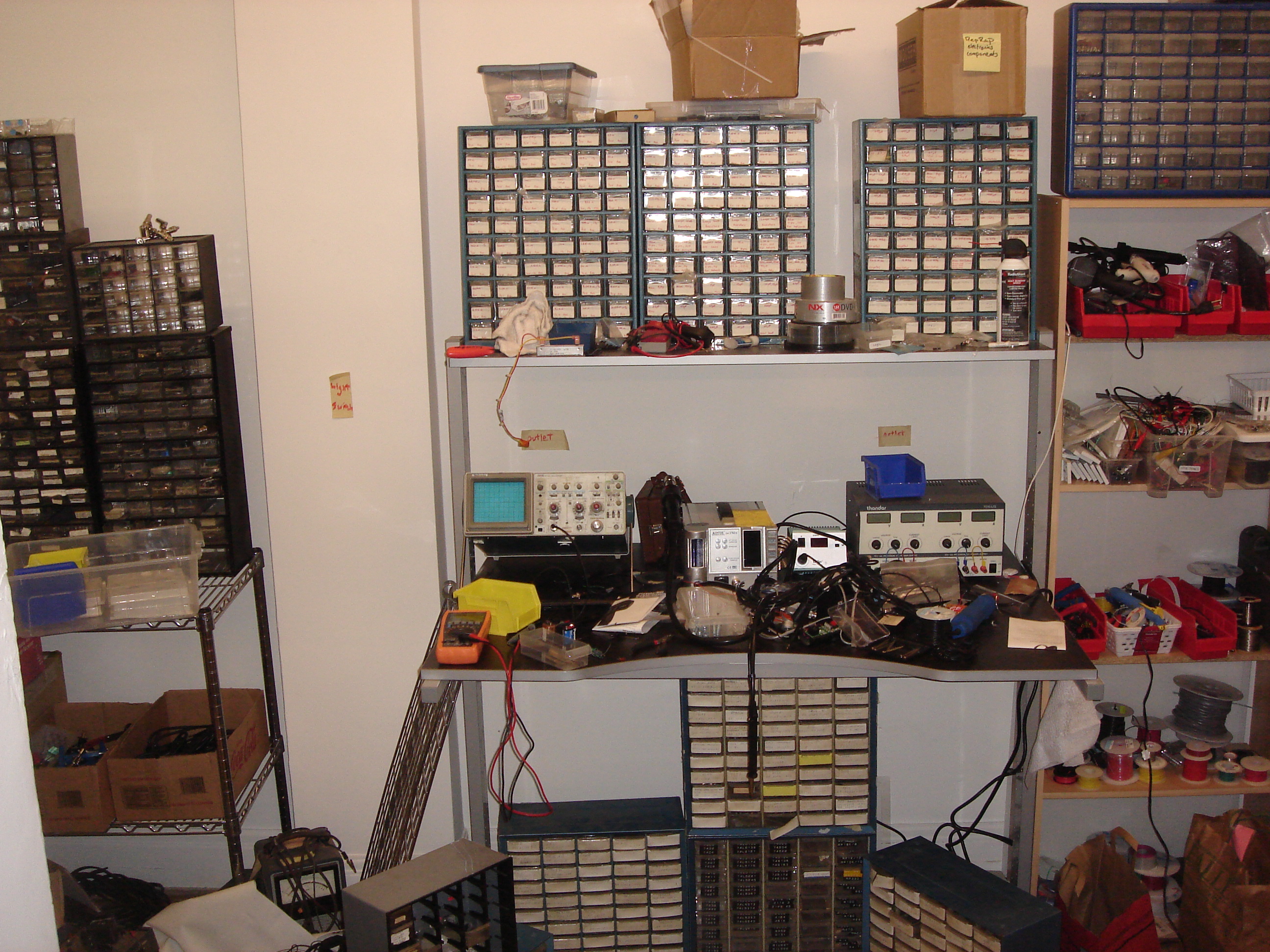
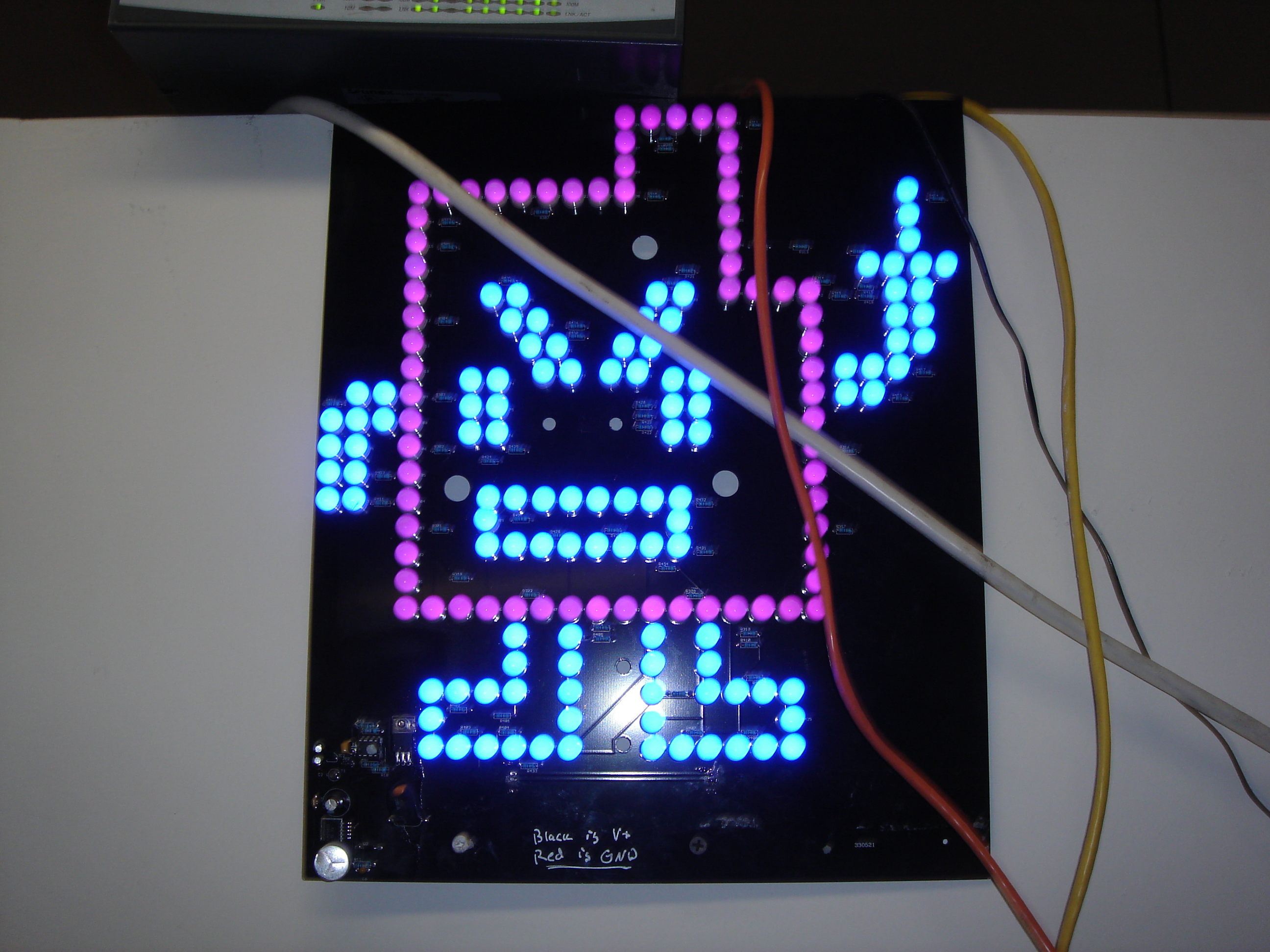
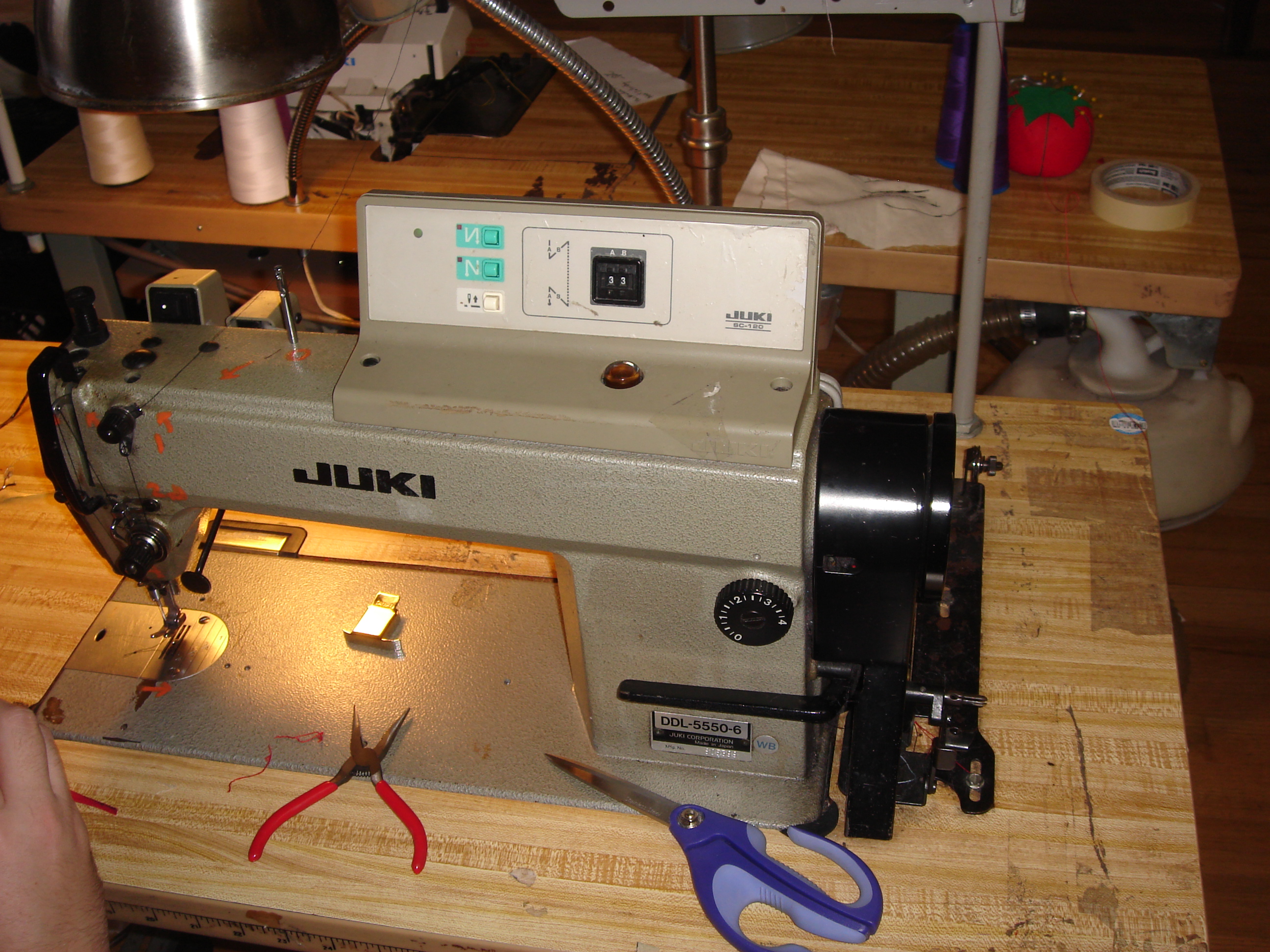
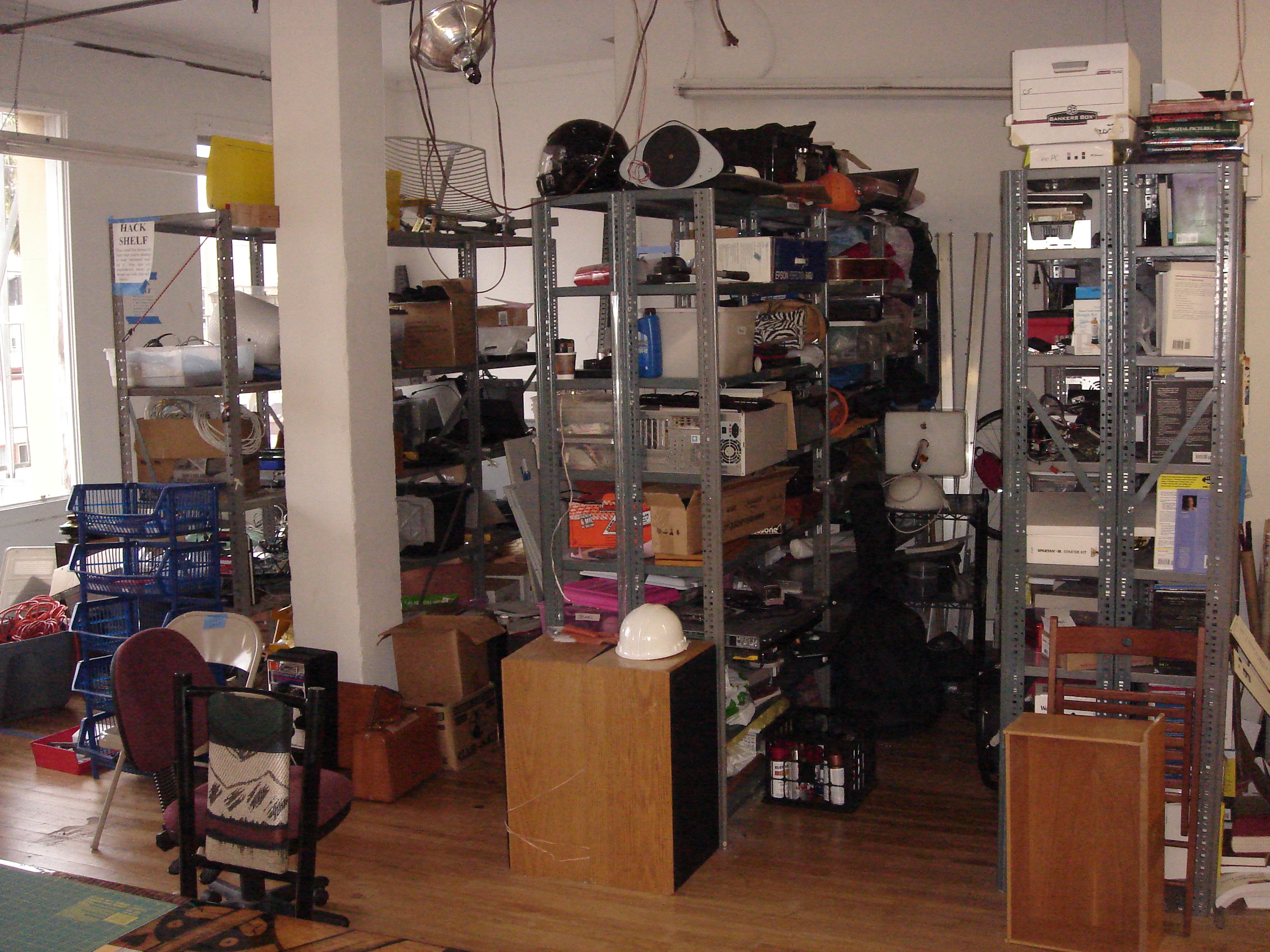
When in California last year I visited the NoiseBridge [1] Hackerspace. I was very impressed with what I saw, good equipment and very friendly people. The general concept of a HackerSpace is that it is an environment to support random creative projects. The first picture is a sign near the door which is clearly visible to anyone who is leaving, it encourages people to be AWESOME and EXCELLENT by cleaning up after themselves (and maybe others). I think that this demonstrates the core of what is needed to get such a community project going. Generosity towards others was on display everywhere, there was some free fruit on a table as well as a bottle of Port for anyone to drink. Someone had written a note saying that it s not an insecure Port (a computer security joke). Someone had created an artwork that resembled an advert which some idiots had mistaken for a terrorist bomb (the creature displaying the Impudent Finger). The main (only?) phone in NoiseBridge is apparently a VOIP phone, it is located next to an old pay-phone along with some Magnetix and other toys that can be used by curious people of any age. Magnetix have had repeated safety problems that caused recalls so maybe such things are best placed in an 18+ environment. When I visited about 10 people were working on electronics projects. There were a number of soldering irons in use and some serious test equipment (including a couple of CROs) was available. The people doing the soldering were eager to teach other people about their work. Other equipment that was available included some serious industrial sewing machines and some drill presses. A lot of that equipment is unreasonably expensive to buy for personal use and is also rather bulky to store, having it available in a central location is a great service for the community. Finally Noisebridge has a lot of space. There are rooms that could be used for giving small lectures and couches in the central area for people to relax and have impromptu meetings. Of course they had wireless net access too. Australian Hacker Spaces Kylie Willison has written about the Adelaide Hackerspace which sounds promising [2]. The Connected Community Hackerspace is a new one in Melbourne [3]. It operates out of the homes of members so it s not nearly as big as Noisebridge (which has a substantial property rented for 24*7 operation). I hope that we can get something running permanently in the Melbourne city area in the near future. The Noisebridge membership dues are $80 per month (or $40 for starving hackers). I would pay that for a comfortable chair in a convenient city location with net access surrounded by cool people! Poster telling people that they are AWESOME and EXCELLENT if they clean upFree bottle of port with sign saying - this is not an insecure portVOIP phone in use, pay-phone for decoration, and MagnetixDrill presses and other heavy equipmentParts and CROs for electronic workRecreation of an advert that some idiots thought was a bombIndustrial sewing machineShelves full of random spare parts

25 March 2010

Jose Luis Rivas Contreras: box-shadow is not anymore in CSS3

I was finding a solution to not use a bunch of DIVs with PNGs for shadows in some boxes, and found box-shadow that s supposed to be on CSS3 but checking the CSS3 Background and Borders models found that there s not anymore box-shadow so probably the solution will not be a standard soon. Does anyone knows why?
Russell Coker: Bose vs Bauhn/Aldi Noise Canceling Headphones

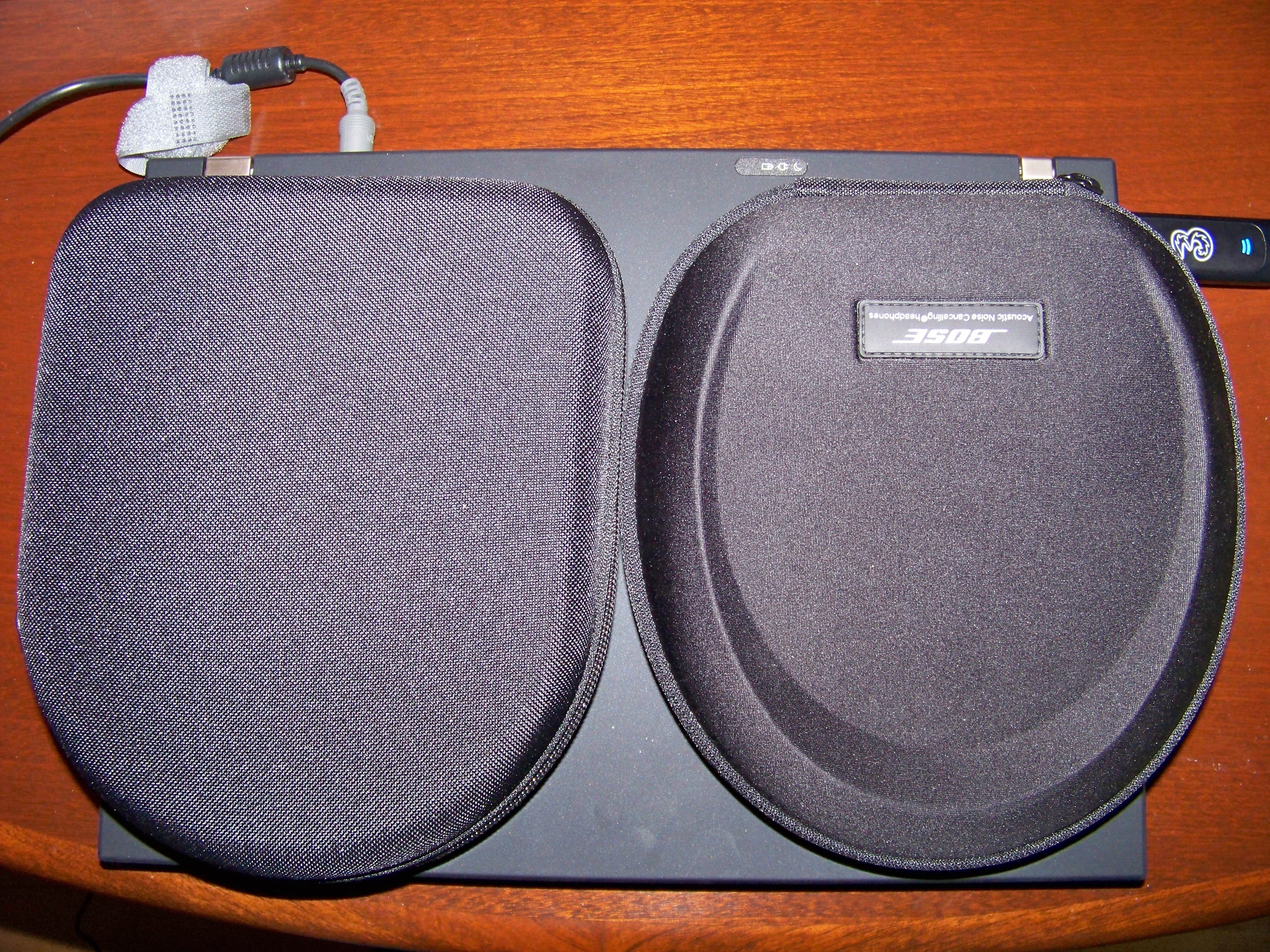
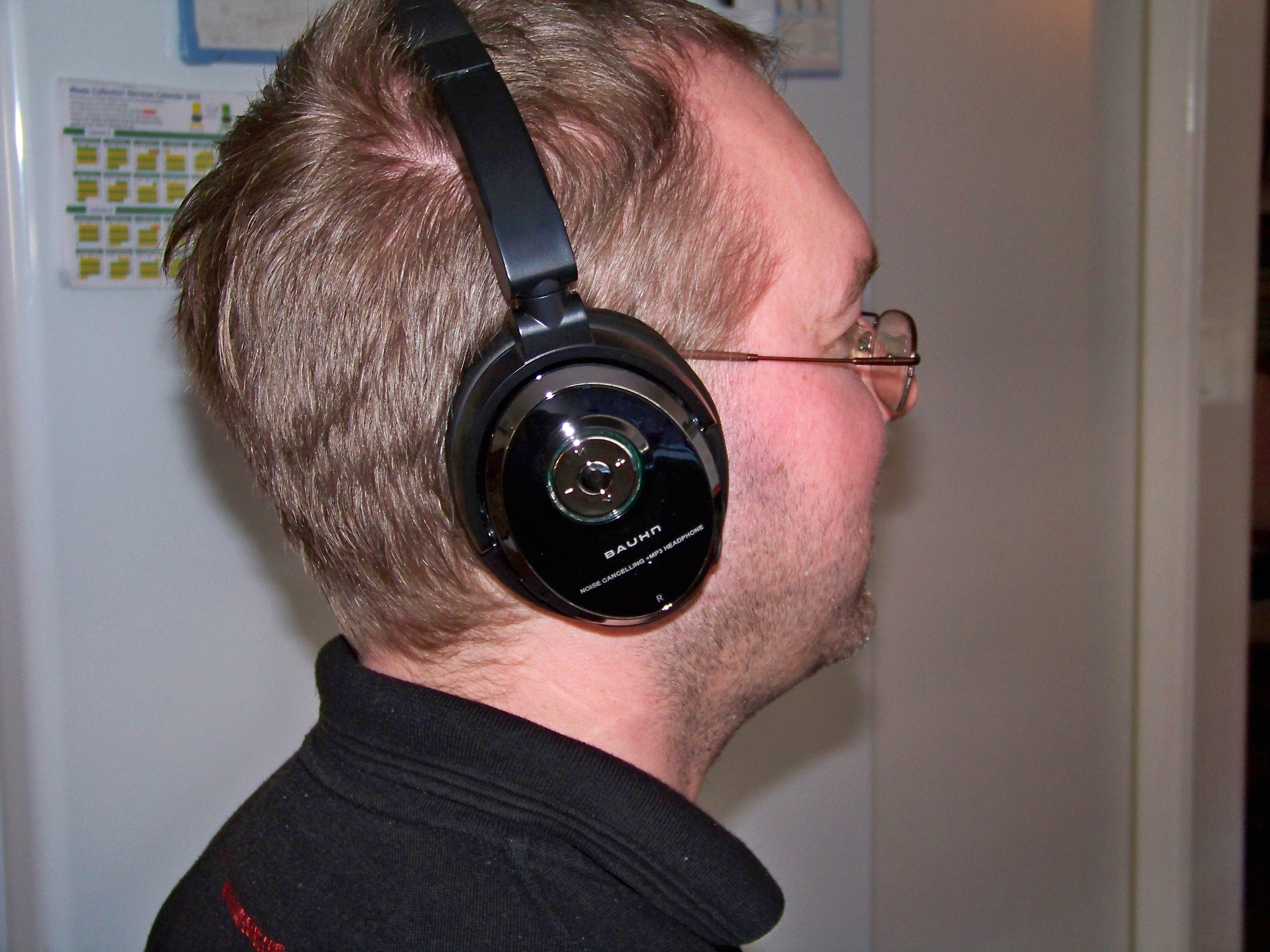
Me wearing Bauhn HeadphonesInside the case of Bauhn Noise Canceling Headphones showing the cable and connectorsOutside of the cases of Bauhn and Bose Headphones Overview The German supermarket chain Aldi has been running in Australia for 8 years now [1]. Their standard practice for a long time has been to offer regular special deals on a few items of consumer electronics every week, my chocolate fridge is one thing I bought from Aldi [2]. Today Aldi have started selling Noise Canceling Headphones [3]. These headphones are badged by Bauhn but that name is apparently applied to random products from cheap manufacturers, it may be an Aldi name that is applied to stuff that they sell. The headphones cost $69AU which is really cheap. But the deal will probably end in less than a week when stock runs out. Noise canceling headphones can be used in server rooms and other noisy environments. Every company that has a server room should buy a few sets. One of the features of noise-canceling is that it works best on low frequencies and on regular sounds it specifically doesn t block human voice well. In some noisy environments it will be easier to hear people talk if you wear such headphones! Noise canceling headphones are also very useful to people who are on the autism spectrum and other people who get more annoyed by noise pollution than average people. I have been wearing my Bose headphones on public transport and when walking around in the city, this not only stops traffic noise but it also helps to avoid people thinking that I want to talk to them. Features The first picture shows me wearing the Bauhn NC headphones, it s from the right to show the controls for the built-in MP3 player. I have not yet tested the MP3 functionality. It appears that as the controls are one power button, buttons for next/previous track, and for controlling the volume. This is fairly poor for MP3 functionality, ideally you would want to have a display to see a list of tracks, maybe have directories to store files, etc. I guess this could be a convenient feature on occasion, but you wouldn t buy the headphones for the MP3 functionality.
The next two pictures show a comparison of the Bauhn headset with the Bose QC-15 headset that I bought last year [4]. The cases of the Bauhn and Bose devices are almost exactly the same size and of a very similar shape, the Bose case is tapered and indented and also has a finer weave on the cloth covering it looks much nicer. Both devices come with an adapter for an airline socket and with a detachable cable. They also both have pouches attached to the inside of the case with velcro. But the Bauhn headphones come with an adapter for the 6.5mm TRS connector which could be convenient if you want to plug them in to a larger amplifier, the basic connector is 3.5mm in both cases. The Bauhn device uses a standard TRS connector at the headphone end while the Bose QC-15 use a special connector that matches the shape of the headset and which has a TRRS plug (to cater for the high/low volume switch), so it seems that a damaged Bauhn cable could be replaced cheaply while a replacement Bose cable would have to be purchased from Bose (presumably at great expense and delay). The Bauhn case also has a velcro attached pocket for storing business cards (or maybe a name tag or something). The supplied cable for the Bauhn is described as being 5 feet long which isn t quite long enough to reach a tower PC that is sitting on the floor. The Bose has a cable that is about a foot longer (maybe 6 feet total), but due to the non-standard connector you can t replace it. I presume that I could easily buy a 4 meter cable for the Bauhn headphones, but I could of course buy an extension cable to use with the Bose. Bose advertise the QC-15 headphones as having 35 hours of battery life from a single AAA battery. Aldi advertise the Bauhn headset as having 5 hours of battery life when NC is turned on and they use two AAA batteries. It s widely regarded that rechargeable batteries don t last as long as the batteries used for estimating the battery life (which presumably are the most expensive long-life batteries available). I ve found a single rechargeable AAA battery to last well over 5 hours in my Bose headphones, so it seems that battery life is considerably worse for the Bauhn device. One feature of the Bauhn device is that it can be used without any batteries for playing external music. The Bose headphones can t be used at all without a battery. So while the Bauhn will use the batteries faster it will at least be usable when the batteries run out. But if you are buying headphones for the purpose of avoiding noise then the Bose headphones are simply better. Comfort The Bose headphones have significantly deeper ear wells than the Bauhn about 23mm vs 18mm. If your ears stick out more than 18mm (as mine apparently do) then this is a good reason for choosing Bose. The Bose headphones are a tighter fit, the spring that pushes the ear-pieces together is stronger. But they have better padding so this doesn t cause me any discomfort. Also the Bose headphones have better passive noise reduction due to having a more snug fit around the ears. I ve worn my Bose headphones on a flight from the US to Australia with hardly a break and they were quite comfortable I would never want to do that with the Bauhn headphones. Noise Reduction I tested the Bose and Bauhn products against three noise scenarios, external music, an air-conditioner, and a car engine. The Bose headphones made good reductions of the noise from the external music (Numb by Linkin Park) and the air-conditioner. The Bauhn headphones did little to stop Linkin Park and was not very effective against the air-conditioner noise. I think that this is largely due to the lack of passive noise reduction, the air-conditioner in question makes little vibration noise and the sound of rushing air is generally immune to active noise cancellation. Both headphones were very effective when in a car with the engine idling. The engine noise of vehicles seems to fall in an ideal frequency range for active cancellation. Music Quality When listening to Youtube music played on my Thinkpad I could not notice any quality difference between the two sets of headphones. I did notice that the Bose headphones seemed to have a greater response in the higher frequency range, but that doesn t necessarily mean that one set is better than the other. Maybe if I was listening to FLAC0 encoded music that I had personally ripped from a CD then I would notice a difference. But for most people the Bauhn music quality should be good enough. Design Quality The Bose product is solidly designed, while the Bauhn product appears cheap in every way. Opening the battery compartment on the Bauhn headphones is difficult and if you do it wrong you could easily break the lid off, I expect that every set of Bauhn headphones that is used by children will be broken in a small amount of time but it should still be fully functional with a broken lid. The matt finish of the Bose headphones should hide minor scratches much better than the shiny Bauhn headphones. The Bauhn headphones also have lower quality plastic parts, it appears that the molds used were designed cheaply and without adequate care to prevent marking the final product. The design flaws that affect usage of the Bauhn product are the shallow ear wells, the poor fit of the cushions around the ears (which is probably mostly due to a weak spring pressing the ear cups to the wearer s head), and the battery compartment lid which is difficult to open and appears prone to breakage. The other flaws are all cosmetic. I wonder whether the Bauhn product was made by one of the big name manufacturers who deliberately reduced the quality to avoid competing with their more expensive products. It seems that the major flaws could have been corrected at design time with almost no increase in manufacturing costs. Recommendations If you can afford the Bose QuietComfort 15 Acoustic Noise Cancelling Headphones then they are really worth the extra expense, I have no regrets at all about spending about $320US (including tax) on my Bose QC-15. The Bauhn product is good for when you want something cheap, for example a set to be used in a server room, or for the use of children. I bought a Bauhn headset for a friend who is a pilot, he spent $1,100 on a noise-canceling headset for his plane but had never got around to buying one for recreational use I expect that he will allow his children to use his new Bauhn headphones, if they get broken it s only a $69 expense. The second cheapest NC headphones I ve seen on offer in Australia is Harvey Norman selling Phillips HN-110 Noise Canceling Headphones for $100AU [5]. Amazon sells Philips HN 110 Folding Noise-Canceling Headphones for $50US but doesn t seem to ship them outside the US (at least not to Australia). JB Hifi also has some NC headphones on sale in Australia [6], but they are more expensive at $219 for AKG and $319 for Sennheiser. Also the models they sell are on-ear which means that they will inherently have very little passive noise reduction and will also annoy anyone who doesn t like having their ears squashed. If I was buying NC headphones for my own use and didn t want to spend $300US then I would either buy the Philips HN 110 Folding Noise-Canceling Headphones from Amazon and get a friend in the US to post them to me or I would buy them from Harvey Norman. But the Bauhn product is good if you want cheap headphones to stop engine noise and give reasonable quality when playing music.

23 March 2010

Dirk Eddelbuettel: RInside release 0.2.2

The shiny new 0.2.2 release of RInside has just been uploaded to CRAN; it should hit mirrors tommorow. Sources are also at my RInside page. RInside is a set of convenience classes to facilitate embedding of R inside of C++ applications. It works particularly well with Rcpp and now depends on it. This is the first release since version 0.2.1 in early January. Romain and I made numerous changes to Rcpp in the meantime. With this release, RInside is starting to catch up by taking advantage of many new automatic (templated) type converters. We have updated the existing examples, and added several new ones. These are all visibile directly via the Doxygen-generated documentation under the Files heading. Two examples are also shown directly on the RInside page. Also added are new examples showing how to use RInside to embed R inside C++ applications using MPI for parallel computing. This was contributed via two examples files by Jianping Hua, and we reworked the examples slightly (and added two variants that use MPI's C++ API). As it is so short, here is the basic 'Hello, World' example now showing the simpler Rcpp-based variable assignment:
// -*- mode: C++; c-indent-level: 4; c-basic-offset: 4;  tab-width: 8; -*-
//
// Simple example showing how to do the standard 'hello, world' using embedded R
//
// Copyright (C) 2009 Dirk Eddelbuettel
// Copyright (C) 2010 Dirk Eddelbuettel and Romain Francois
//
// GPL'ed
#include <RInside.h>                    // for the embedded R via RInside

int main(int argc, char *argv[])  
    RInside R(argc, argv);              // create an embedded R instance
    R["txt"] = "Hello, world!\n";	// assign a char* (string) to 'txt'
    R.parseEvalQ("cat(txt)");           // eval the init string, ignoring any returns
    exit(0);
 
One minor setback is that the examples currently segfault on Windows. That may be an issue with linking and class instantiation or something related. Romain and I focus much more on Linux and OS X, so this has not gotten a lot of attention. Debugging help would be appreciated.

22 March 2010

Russell Coker: Links March 2010

Blaise Aguera y Arcas gave an exciting demonstration of new augmented reality mapping software from Microsoft that combines video (including live video) with static mapping data and pictures [1]. This is a significant advance over current mapping systems such as Google Earth but it s not released yet either. It will be interesting to see whether Google or Microsoft gets this released first. The New York Review of Books has an insightful atricle by Garry Kasparov about human/computer chess [2]. It s surprising the degree to which a combination of human and computer chess playing can give a good result. Amateur human chess players plus regular PCs can beat grandmasters with computers or high-end computers with human help. It s apparently the quality of human-computer interaction that determines the quality of play. But the article contains a lot more, I recommend reading it. Daniel Kahneman gave an interesting TED talk about the difference between experiential and memory happyness [3]. As the concept of the moment is so short (about 3 seconds) apparently most people try to optimise their actions for the best memories of being happy. But to do so requires some different strategies. For example a two week vacation gives a memory that s not much different from a one week vacation. Therefore it seems that you would be better off staying in a five star hotel for a week than a four star hotel for two weeks, and eat dinner at a Michelin Star restaurant at least once per holiday even if it means eating at McDonalds on other occasions due to lack of funds. Temple Grandin gave an interesting TED talk The World Needs all Kinds of Minds [4] which mostly focussed on teaching children who are on the Autism spectrum. She is concerned that autistic children won t end up where they belong in Silicon Valley . Anupam Mishra gave an interesting TED talk about how the people of India s Golden desert built structures to harvest and store water [5]. Some of their ideas should be copied in Australia, due to mismanagement and stupidity Australians are failing to survive in much more hospitable places. Michael Tieman wrote an insightful and well researched article about the OSI s rejection of the IIPA s attacks on Open Source [6]. This is worth reading by anyone who wants to make a business or social case for free software. Mark Shuttleworth wrote an interesting post about the new visual style for Ubuntu and Canonical [7]. Apparently this includes the creation of a new font set which will be available for free use. Divorced Before Puberty an informative New York Times article by Nicholas Kristof about the links between treatment of women and terrorism [8]. The New York Times has an interesting article on Human Flesh Searches on the Internet in China [9]. It s basically crowds targetting people to find private information and harass them (similar to what some griefers are known for doing on the English-language part of the Internet). But they seem more interested in vigilante justice than lulz. The New York Times has an informative article about the Cult of Scientology (Co$) [10]. Among other interesting news it suggests that the number of cult victims in the US has dropped from 55,000 to 25,000 in the 2001-2008 time period. Senator Xenophon has called for an inquiry into the crimes committed by the cult and a review of it s tax-exempt status [11]. As always Xenu.net is the authoritative source for information on the Cult of Scientology AKA the Church of Scientology. The New York Times has an interesting article about formally studying the skills related to school teaching [12]. It largely focuses on Doug Lemov s Taxonomy of Effective Teaching describes 49 techniques that improve school results and some other related research. The article also mentions that increasing teacher salaries is not going to help much due to the large number of teachers, it s only professions that employ small numbers of people that can potentially have their overall skills improved by increasing salaries. Andy Wingo wrote an interesting article about Julius Caesar [13] based on the book The Assassination of Julius Caesar: A People s History of Ancient Rome by Michael Parenti. It seems that Caesar was more of a populist than a despot. Interesting article in The Register about the Large Hadron Collider (LHC) [14]. Apparently one 3.5TeV proton beam has as much energy as a British aircraft carrier running at 8 knots.

21 March 2010

Robert Collins: LibrePlanet 2010 day 3

Free network services A discussion session led by Bradley Kuhn, Mako & Matt Lee : Libre.fm encouraged last.fm to write an API so they didn t need to screen scrape; outcome of the network services story still unknown netbooks without local productivity apps might now work, most users of network office apps are using them because of collaboration. We have a replacement for twitter status.net, distributed system, but nothing like facebook [yet?]. Bradley says like the original GNU problem, just start writing secure peer to peer network services to offer the things that are currently proprietary. There is perhaps a lack of an architectural vision for replacing these proprietary things: folk are asking how we will replace the cloud aspects of facebook etc tagging photos and other stuff around the web, while not using hosted-by-other-people-services. I stopped at this point to switch sessions the rooms were not in sync session time wise. Mentoring in free software Leslie Hawthorne: Projector not working, so Leslie carried on a discussion carried on from the previous talk about the use of sexual themes in promoting projects/talk content and the like. This is almost certainly best covered by watching the video. A few themes from it though: We then got Leslies actual talk. Sadly I missed the start of it I was outside organising security guards because we had (and boy it was ironic) a very loud, confrontational guy at the front who was replying to every statement and the tone in the room had gotten to the point that a fight was brewing. From where I got back: Chris Ball, Hanna Wallach, Erinn Clark and Denise Paolucci Recruiting/retaining women in free software projects. Not a unique problem to women things that make it better for women can also increase the recruitment and retention of men. Make a lack of diversity a bug; provide onramps small easy bugs in the bug tracker (tagged as such), have a dedicated womens sub project and permit [well behaved :) ] men in there helps build connections into the rest of the project. Make it clear that mistakes are ok. On retention recognise first patches, first commits in newsletters and the like. Call out big things or long wanted features by the person that helped. Regular discussion of patches and fixes rather than just the changelog. CMU did a study on undergrad women participation in CS : Lack of confidence preceeds lack of interest/partipation . Engagement with what they are doing is a key thing too. Women are consistently undervaluing their worth to the free software community . Its the personal touch that seems to make a huge difference . More projects should do a code of conduct kudos to Ubuntu for doing it Chris Ball. I found the mentoring and women-in-free-software talks to have extremely similar themes which is perhaps confirmation or something but it wasn t surprising to me. They were both really good talks though! And thats my coverage of LibrePlanet I m catching a plane after lunch :( . Its a good low-key conference, and well put together.

Russell Coker: Citing Wikipedia

A meme that has been going around is that you can t cite Wikipedia. You can t Cite Wikipedia Academically Now it s well known and generally agreed that you can t cite Wikipedia for a scientific paper or other serious academic work. This makes sense firstly because Wikipedia changes, both in the short term (including vandalism) and in the long term (due to changes in technology, new archaeological discoveries, current events, etc). But you can link to a particular version of a Wikipedia page, you can just click on the history tab at the top of the screen and then click on the date of the version for which you want a direct permanent link. The real reason for not linking to Wikipedia articles in academic publications is that you want to reference the original research not a report on it, which really makes sense. Of course the down-side is that you might reference some data that is in the middle of a 100 page report, in which case you might have to mention the page number as well. Also often the summary of the data you desire simply isn t available anywhere else, someone might for example take some facts from 10 different pages of a government document and summarise them neatly in a single paragraph on Wikipedia. This isn t a huge obstacle but just takes more time to create your own summary with references. When Wikipedia is Suitable The real issue however is how serious the document you are writing is and how much time you are prepared to spend on it. If I m writing a message to a mailing list or a comment on a blog post then I probably won t bother reading all the primary sources of Wikipedia pages, it would just waste too much of my time. Wikipedia is adequate for the vast majority of mailing list discussions. If I m discussing several choices for software with some colleagues we will probably start by reading the Wikipedia pages, if one option doesn t appear to have the necessary features (according to Wikipedia) then we may ask the vendor if those features are really missing and if so whether they will be added in the next version but we may decide that we don t really need the features in question and modify our deployment plans. Many business decisions are made with incomplete data, time is money and there often isn t time to do everything you want to do. Using Wikipedia as a primary source for business decisions is a way of trading off a little accuracy for a huge time saving. This is significantly better than the old fashioned approach of comparing products by reading their brochures companies LIE in their advertising! When writing blog posts the choice of whether to use Wikipedia as a reference depends on the point that you are trying to make and how serious the post is. If the post isn t really serious or contentious or if the Wikipedia reference is for some facts that are not likely to be disputed then Wikipedia will probably do. For some posts a reference to a primary source will be better. A blog post that references data that is behind a pay-wall (such as a significant portion of academic papers and news articles) is practically of less use than a post that cites Wikipedia. In most cases Wikipedia references free primary sources on the Internet (although it does sometimes refer to dead tree products and data that is behind a pay-wall). In the minority of cases where the primary references for a Wikipedia page are not available for free on the Internet there will be people searching for freely available references to replace the non-free ones. So if you refer to a Wikipedia page with non-free references a future reader might find that someone has added free references to it. The Annoying People One thing that often happens is that an Internet discussion contains no references for anything it s all just unsupported assertions. Then if anyone cites Wikipedia someone jumps in with you can t cite Wikipedia . If you want to criticise Wikipedia references then please first start by criticising people who state opinions as fact and people who provide numbers without telling anyone where they came from! The Guinness Book of Records (now known as Guinness World Records ) was devised as a reference to cite in debates in pubs [1]. It seems that most of the people who dismiss references to Wikipedia on the net would prefer that Internet debates have lower requirements for references than a pub debate. When Wikipedia is cited in an online discussion it is usually a matter of one mouse click to check the references for the data in question. If Wikipedia happens to be wrong then anyone who cares can correct it. Saying the Wikipedia page you cited had some transcription errors in copying data from primary sources and some of the other data was not attributed, I ve corrected the numbers and noted that it contains original research would be a very effective rebuttal to an argument that relies on data in Wikipedia. Saying you can t cite Wikipedia means little, particularly if you happen to be strongly advocating an opposing position while not providing any references. If one person cites an academic paper and someone else cites Wikipedia then it seems reasonable to assume that the academic paper is the better reference. But when it s a choice between Wikipedia and no reference then surely Wikipedia should win! Also references to non-free data are not much good for supporting an argument, that s really just unverified claims as far as most people can determine therefore the issue becomes how much the person citing the non-free reference can be trusted to correctly understand and summarise the non-free data. Also it has to be considered that not all primary sources are equal. Opinion pieces should be considered to have a fairly low value and while they are authoritative for representing the opinion of the person who wrote them they often prove little else unless they happen to cite good references which brings them to the same level as Wikipedia. The main benefit for linking to opinion pieces is that it saves time typing and gives a better product for the readers it s sometimes easier to find someone else expressing an opinion well than to express it yourself. So please, don t criticise me for citing Wikipedia unless others in the discussion are citing better references. If most people are not citing any references or only citing opinion pieces then a Wikipedia page may be the best reference that is being provided!

Russell Coker: Xen and Debian/Squeeze

Ben Hutchings announced that the Debian kernel team are now building Xen flavoured kernels for Debian/Unstable [1]. Thanks to Max Attems and the rest of the kernel team for this and all their other great work! Thanks Ben for announcing it. The same release included OpenVZ, updated DRM, and the kernel mode part of Nouveau but Xen is what interests me most. I ve upgraded the Xen server that I use for my SE Linux Play Machine [2] to test this out. To get this working you first need to remove xen-tools as the Testing version of bash-completion has an undeclared conflict, see Debian bug report #550590. Then you need to upgrade to Unstable, this requires upgrading the kernel first as udev won t upgrade without it. If you have an existing system you need to install xen-hypervisor-3.4-i386 and purge xen-hypervisor-3.2-1-i386 as the older Xen hypervisor won t boot the newer kernel. This also requires installing xen-utils-3.4 and removing xen-utils-3.2-1 as the utilities have to match the kernel. You don t strictly need to remove the old hypervisor and utils packages as it should be possible to have dual-boot configured with old and new versions of Xen and matching Linux kernels. But this would be painful to manage as update-grub doesn t know how to match Xen and Linux kernel versions so you will get Grub entries that are not bootable it s best to just do a clean break and keep a non-Xen version of the older kernel installed in case it doesn t initially boot. A apt-get dist-upgrade operation will result in installing the grub-pc package. The update-grub2 command doesn t generate Xen entries. I ve filed Debian bug report #574666 about this. Because the Linux kernel doesn t want to reduce in size to low values I use xenhopt=dom0_mem=142000 in my GRUB 0.98 configuration so that the kernel doesn t allocate as much RAM to it s internal data structures. In the past I ve encountered a kernel memory management bug related to significantly reducing the size of the Dom0 memory after boot [3]. Before I upgraded I had the dom0_mem size set to 122880 but when running Testing that seems to get me a kernel Out Of Memory condition from udev in the early stages of boot which prevents LVM volumes from being scanned and therefore prevents swap from being enabled so the system doesn t work correctly (if at all). I had this problem with 138000M of RAM so I chose 142000 as a safe number. Now I admit that the system would probably boot with less RAM if I disabled SE Linux, but the SE Linux policy size of the configuration I m using in the Dom0 has dropped from 692K to 619K so it seems likely that the increase in required memory is not caused by SE Linux. The Xen Dom0 support on i386 in Debian/Unstable seems to work quite well. I wouldn t recommend it for any serious use, but for something that s inherently designed for testing (such as a SE Linux Play Machine) then it works well. My Play Machine has been offline for the last few days while I ve been working on it. It didn t take much time to get Xen working, it took a bit of time to get the SE Linux policy for Unstable working well enough to run Xen utilities in enforcing mode, and it took three days because I had to take time off to work on other projects.

19 March 2010

Alexander Reichle-Schmehl: RC-Bug statistics for Squeeze, calendar week 11:

Note: Please see RC-Bug statistics for Squeeze, calendar week 6 for an explanation of the numbers.
Total:615-84
Affecting Squeeze:481-78
Squeeze-only:105-12
Unfixed bugs remaining in Squeeze:376-66
Of these 376 bugs...
... are pending20-16
... are patched:50-15
... are duplicates:49+2
... are in Non-free or contrib:7-3
... are claimed by someone:12-2
... are fixed in the delayed queue:1-4
... are somehow marked as fixed:42-11
Or in other words:
Release critical bugs left in squeeze, when ignoring all these:
228 (-34 compared to previous statistics). With this release managers views, 402 (-70 compared to previous statistics) bugs remain to be fixed somehow before we can release.

Aigars Mahinovs: Latvijas pavasara Ubuntu Bug Jam un Installest 27.03.2010

The following is an invitation to the Latvian Ubuntu Bug Jam (in Latvian) sent for a bit of a wider circulation to catch people that monitor Planet Debian, but not Planet Ubuntu.lv. 27. mart LU Linux centr notiks divi pas kumi vien Ubuntu Global Bug Jam Latvijas da a un installfests. Global Bug Jam ir pas kums, kur piedal ties ir aicin ti interesenti, speci listi, studenti, lai mekl tu k das Ubuntu Lucid Lynx test anas versij . Cilv ki, kas grib uzzin t par Ubuntu Linux, vai kuri grib atrisin t k du konkr tu probl mu ar Ubuntu Linux tiek aicin ti n kt uz pas kuma otro da u no pulksten 14:00 l dz 16:00. Pas kuma b s kafija un bulci as ar Accenture atbalstu. Ubuntu Global Bug Jam ir glob ls pas kums, kura m r is ir iepaz stin t programm t jus un tulkot jus ar r kiem, kas tiek lietoti, lai labotu probl mas Ubuntu oper t jsist m un ar izlabot p c iesp jas liel ku skaitu probl mu s laik . Izstr d t ji, kas grib labot Ubuntu probl mas vai iem c ties k labot Ubuntu probl mas, tiek aicin ti ierasties 12:00 un palikt l dz 16:00. Installfest pas kuma sada tiek aicin ti visi eso ie Ubuntu lietotaji, kuriem ir k das konkr tas probl mas un ar cilv ki, kas tikai v l interes jas par Ubuntu Linux. Ja jums ir konkr ta probl ma ar Ubuntu Linux ir ieteicams atnest uz pas kumu savu datoru, kur o probl mu var atk rtot, lai pas kum eso ie programm t ji var tu noteikt s probl mas iemeslu un pal dz tu no nov rst. Installfests s ksies 14:00 un turpin sies l dz 16:00. Ubuntu ir bezmaksas, uz Linux balst ta pilna apjoma oper t jsist ma jebkuram person lajam datoram, serverim un portat vajai iek rtai. T s standarta komplekt iek autas visas nepiecie am s programmas, lai str d tu ar tekstiem, att liem, elektronisko pastu un Internetu, k ar j s varat instal t papildus programmat ru da diem nol kiem. Pasaul to obr d jau lieto vair k k 8 miljoni cilv ku, un to leg li bez maksas var lietot gan m j s, gan komerci l s un nekomerci l s organiz cij s. LU Linux Centrs ir izveidots Latvijas Universit tes Datorikas fakult t . Linux Centra darb bas m r i ir: populariz t atv rt pirmkoda (Open Source) programmat ras, tai skait , Linux oper t jsist mas un citu atv rto tehnolo iju iesp jas un priek roc bas; piedal ties LU studiju proces un stenot lieti o IKT p t jumu projektus, tajos izmantojot un att stot atv rt s tehnolo ijas; sekm t APP pieejam bu Latvij un pasaul .

18 March 2010

Russell Coker: Maintaining Screen Output

In my post about getting started with KVM I noted the fact that I had problems keeping screen output after the program exits [1]. The following snippet of shell code demonstrates the solution I ve discovered for this problem. It determines whether SCREEN is the parent process of the shell script and if so it sleeps for 60 seconds before exiting so I can see the KVM error messages. The other option is for the script to call exec bash to give me a new shell in the same window. Note that if I start a screen session and then run my KVM script I don t want it to do anything special on exit as I will return to the command-line in the same window. If I run exec kvm-unstable or have a system boot script run start-stop-daemon -S -c USER --exec /usr/bin/screen -- -S kvm-unstable -d -m /usr/local/bin/kvm-unstable then on exit I will be able to see what happened. #!/bin/bash
set -e
kvm ETC echo KVM gave an error return code
COUNT=$(ps aux grep $PPID grep SCREEN wc -l)
if [ "$COUNT" = "1" ]; then
echo "screen is the parent"
sleep 60
else
echo no screen
fi Update: Thanks to John for the Slee for suggesting the following:
#!/bin/bash
set -e
kvm ETC echo KVM gave an error return code
if grep -q SCREEN /proc/$PPID/cmdline ; then
echo "screen is the parent"
sleep 60
else
echo no screen
fi

17 March 2010

Martin Michlmayr: Using the installer to flash the kernel again

Every once in a while someone asks how they can use the Debian installer to access their system on disk to run commands, for example to write the kernel and ramdisk to flash again. This is particularly useful on headless NAS devices. So here's how to do it:

  1. Start the Debian installer.
  2. Remove the SSH key from ~/.known_hosts because the installer will always generate a new key.
  3. Connect to the installer with SSH: ssh installer@...
  4. Follow the installer until you reach the partitioner, then choose "go back".
  5. Open a shell (look for Execute a shell towards the end of the menu).
  6. Run the commands below (the example assumes that /boot is /dev/sda1 and / is /dev/sda2.
mkdir -p /target
mount /dev/sda2 /target
mount /dev/sda1 /target/boot
mount --bind /dev /target/dev
mount -t proc none /target/proc
mount -t sysfs none /target/sys
chroot /target /bin/sh
# the prompt will change
# make modifications to the system and regenerate the initramfs
update-initramfs -u
exit
# the prompt will change again as you're leaving the chroot
umount /target/sys
umount /target/proc
umount /target/dev
umount /target/boot
umount /target
reboot

Theodore Ts'o: The history of General Tso s Chicken

I just came across this story (http://goo.gl/EbqP) today, and given my name, and given that I fancy myself a bit of a foodie, who could resist? (Not that I considered the deep-fried, dunked-in-sugar-syrup mess that passes for General Tso s chicken in most fast food Chinese restaurants to be gourmet food, mind you!)
Here s the first thing you should know: The general had nothing to do with his chicken. You can banish any stories of him stir-frying over the flames of the cities he burned, or heartbreaking tales of a last supper, prepared with blind courage, under attack from overwhelming hordes. Unlike the amoeba-like mythologies that follow so many traditional dishes, the story of General Tso s chicken is compellingly simple. One man, Peng Chang-kuei very old but still alive invented it. But what s it ? Because while chef Peng is universally credited with inventing a dish called General Tso s chicken, he probably wouldn t recognize the crisp, sweet, red nuggets you get with pork fried rice for $4.95 with a choice of soda or soup. All that happened under his nose. It all got away from him
No related posts.

16 March 2010

Ben Hutchings: KVM reliability

Russell Coker writes:
I had also hoped that it would be really reliable and work with the latest kernels (unlike Xen) but it is giving me problems with 2.6.32 on Opteron.
This is a regression caused by a recent security fix (CVE-2010-0298, "KVM: x86 emulator: fix memory access during x86 emulation"). It appears to affect only recent Linux kernels running as guests on AMD systems, and it will probably be fixed soon.

Torsten Landschoff: New notebook: Dell Latitude E6400

It has been some time since I blogged about something. I wanted to write this post for a while, but never got around. Since beginning of february 2010, I have a new job and got a new work notebook: A shiny Dell Latitude E6400. Interestingly, the company usually relies on getting Lenovo Notebooks due to good Linux support, but we were unable to find a notebook without integrated camera and decent specs. We also researched some HP Notebooks. We ended up with a Dell since the website makes it really easy to find a system that fits your requirements. There is still room for improvement though you still have to select between Vostro, Latitude, Precision Mobile and XPS before you are allowed to configure the system. There is a filter on the left side of the shop, but filtering for a Core 2 Duo and 4 GB RAM won t show you the notebook I got. Instead there is some overpriced Latitude (~ 3000) and an XPS system. I just tried the XPS, but was unable to find a Core 2 Duo processor in the options. Anyway, somehow I made it through and got the following configuration:
Processor Intel(R) Core(TM)2 Duo CPU P8700 @ 2.53GHz
RAM 4 GB 800MHz DDR2
Graphics Mobile Intel Integrated Graphics Media Accelerator X4500HD
Display 14.1 Widescreen WXGA+ (1440X900), LED backlight, non-glare
Hard Drive Seagate ST9250410ASG 250GB
Webcam None, but microphone fitted
Battery 9-cell 85 Wh
WLAN Intel Wireless WiFi Link 5100 (according to lspci, I did not care too much)
LAN Intel 82567LM Gigabit Network Connection
I installed Ubuntu karmic (amd64) the day it arrived and I am impressed. I have yet to find a serious problem with hardware support. Everything just worked out of the box, installation was done after half an hour (I needed 10 minutes to find a network cable since the installer did not support the wireless). I wanted to install Debian on it but so far I did not get around to actually do it. But I expect sid to perform just as well with lenny probably lacking some of the needed drivers. So why am I writing this? The main point is that you can buy a notebook today and have it fully supported wrt. Linux. Open Source has come a long way! Second: If I replace my personal notebook (a Sony Vaio), I will probably buy Dell as well. Definitely nothing from Sony, because I did not find any way to change the display brightness for the 3 years old system, which makes it usable only next to a power outlet.

Russell Coker: Starting with KVM

I ve just bought a new Thinkpad that has hardware virtualisation support and I ve got KVM running. HugePages The Linux-KVM site has some information on using hugetlbfs to allow the use of 2MB pages for KVM [1]. I put vm.nr_hugepages = 1024 in /etc/sysctl.conf to reserve 2G of RAM for KVM use. The web page notes that it may be impossible to allocate enough pages if you set it some time after boot (the kernel can allocate memory that can t be paged and it s possible for RAM to become too fragmented to allow allocation). As a test I reduced my allocation to 296 pages and then increased it again to 1024, I was surprised to note that my system ran extremely slow while reserving the pages it seems that allocating such pages is efficient when done at boot time but not so efficient when done later. hugetlbfs /hugepages hugetlbfs mode=1770,gid=121 0 0 I put the above line in /etc/fstab to mount the hugetlbfs filesystem. The mode of 1770 allows anyone in the group to create files but not unlink or rename each other s files. The gid of 121 is for the kvm group. I m not sure how hugepages are used, they aren t used in the most obvious way. I expected that allocating 1024 huge pages would allow allocating 2G of RAM to the virtual machine, that s not the case as -m 2048 caused kvm to fail. I also expected that the number of HugePages free according to /proc/meminfo would reliably drop by an amount that approximately matches the size of the virtual machine which doesn t seem to be the case. I have no idea why KVM with Hugepages would be significantly slower for user and system CPU time but still slightly faster for the overall build time (see the performance section below). I ve been unable to find any documents explaining in which situations huge pages provide advantages and disadvantages or how they work with KVM virtualisation the virtual machine allocates memory in 4K pages so how does that work with 2M pages provided to it by the OS? But Hugepages does provide a slight benefit in performance and if you have plenty of RAM (I have 5G and can afford to buy more if I need it) you should just install it as soon as you start. I have filed Debian bug report #574073 about KVM displaying an error you normally can t see when it can t access the hugepages filesystem [6]. Permissions open /dev/kvm: Permission denied
Could not initialize KVM, will disable KVM support One thing that annoyed me about KVM is that the Debian/Lenny version will run QEMU instead if it can t run KVM. I discovered this when a routine rebuild of the SE Linux Policy packages in a Debian/Unstable virtual machine took an unreasonable amount of time. When I halted the virtual machine I noticed that it had displayed the above message on stderr before changing into curses mode (I m not sure the correct term for this) such that the message was obscured until the xterm was returned to the non-curses mode at program exit. I had to add the user in question to the kvm group. I ve filed Debian bug report #574063 about this [2]. Performance Below is a table showing the time taken for building the SE Linux reference policy on Debian/Unstable. It compares running QEMU emulation (using the kvm command but without permission to access /dev/kvm), KVM with and without hugepages, Xen, and a chroot. Xen is run on an Opteron 1212 Dell server system with 2*1TB SATA disks in a RAID-1 while the KVM/QEMU tests are on an Intel T7500 CPU in a Thinkpad T61 with a 100G SATA disk [4]. All virtual machines had 512M of RAM and 2 CPU cores. The Opteron 1212 system is running Debian/Lenny and the Thinkpad is running Debian/Lenny with a 2.6.32 kernel from Testing.
Elapsed User System
QEMU on Opteron 1212 with Xen installed 126m54 39m36 8m1
QEMU on T7500 95m42 42m57 8m29
KVM on Opteron 1212 7m54 4m47 2m26
Xen on Opteron 1212 6m54 3m5 1m5
KVM on T7500 6m3 2m3 1m9
KVM Hugepages on T7500 with NCurses console 5m58 3m32 2m16
KVM Hugepages on T7500 5m50 3m31 1m54
KVM Hugepages on T7500 with 1800M of RAM 5m39 3m30 1m48
KVM Hugepages on T7500 with 1800M and file output 5m7 3m28 1m38
Chroot on T7500 3m43 3m11 29
I was surprised to see how inefficient it is when compared with a chroot on the same hardware. It seems that the system time is the issue. Most of the tests were done with 512M of RAM for the virtual machine, I tried 1800M which improved performance slightly (less IO means less context switches to access the real block device) and redirecting the output of dpkg-buildpackage to /tmp/out and /tmp/err reduced the built time by 32 seconds it seems that the context switches for networking or console output really hurt performance. But for the default build it seems that it will take about 50% longer in a virtual machine than in a chroot, this is bearable for the things I do (of which building the SE Linux policy is the most time consuming), but if I was to start compiling KDE then I would be compelled to use a chroot. I was also surprised to see how slow it was when compared to Xen, for the tests on the Opteron 1212 system I used a later version of KVM (qemu-kvm 0.11.0+dfsg-1~bpo50+1 from Debian/Unstable) but could only use 2.6.26 as the virtualised kernel (the Debian 2.6.32 kernels gave a kernel Oops on boot). I doubt that the lower kernel version is responsible for any significant portion of the extra minute of build time. Storage One way of managing storage for a virtual machine is to use files on a large filesystem for it s block devices, this can work OK if you use a filesystem that is well designed for large files (such as XKS). I prefer to use LVM, one thing I have not yet discovered is how to make udev assign the KVM group to all devices that match /dev/V0/kvm-*. Startup KVM seems to be basically designed to run from a session, unlike Xen which can be started with xm create and then run in the background until you feel like running xm console to gain access to the console. One way of dealing with this is to use screen. The command screen -S kvm-foo -d -m kvm WHATEVER will start a screen session named kvm-foo that will be detached and will start by running kvm with WHATEVER as the command-line options. When screen is used for managing virtual machines you can use the command screen -ls to list the running sessions and then commands such as screen -r kvm-unstable to reattach to screen sessions. To detach from a running screen session you type ^A^D. The problem with this is that screen will exit when the process ends and that loses the shutdown messages from the virtual machine. To solve this you can put exec bash or sleep 200 at the end of the script that runs kvm. start-stop-daemon -S -c USERNAME --exec /usr/bin/screen -- -S kvm-unstable -d -m /usr/local/sbin/kvm-unstable On a Debian system the above command in a system boot script (maybe /etc/rc.local) could be used to start a KVM virtual machine on boot. In this example USERNAME would be replaced by the name of the account used to run kvm, and /usr/local/sbin/kvm-unstable is a shell script to run kvm with the correct parameters. Then as user USERNAME you can attach to the session later with the command screen -x kvm-unstable . Thanks to Jason White for the tip on using screen. I ve filed Debian bug report #574069 [3] requesting that kvm change it s argv[0] so that top(1) and similar programs can be used to distinguish different virtual machines. Currently when you have a few entries named kvm in top s output it is annoying to match the CPU hogging process to the virtual machine it s running. It is possible to use KVM with X or VNC for a graphical display by the virtual machine. I don t like these options, I believe that Xephyr provides better isolation, I ve previously documented how to use Xephyr [5]. kvm -kernel /boot/vmlinuz-2.6.32-2-amd64 -initrd /boot/initrd.img-2.6.32-2-amd64 -hda /dev/V0/unstable -hdb /dev/V0/unstable-swap -m 512 -mem-path /hugepages -append "selinux=1 audit=1 root=/dev/hda ro rootfstype=ext4" -smp 2 -curses -redir tcp:2022::22 The above is the current kvm command-line that I m using for my Debian/Unstable test environment. Networking I m using KVM options such as -redir tcp:2022::22 to redirect unprivileged ports (in this case 2022) to the ssh port. This works for a basic test virtual machine but is not suitable for production use. I want to run virtual machines with minimal access to the environment, this means not starting them as root. One thing I haven t yet investigated is the vde2 networking system which allows a private virtual network over multiple physical hosts and which should allow kvm to be run without root privs. It seems that all the other networking options for kvm which have appealing feature sets require that the kvm process be started with root privs. Is KVM worth using? It seems that KVM is significantly slower than a chroot, so for a basic build environment a secure chroot environment would probably be a better option. I had hoped that KVM would be more reliable than Xen which would offset the performance loss however as KVM and Debian kernel 2.6.32 don t work together on my Opteron system it seems that I will have some reliability issues with KVM that compare with the Xen issues. There are currently no Xen kernels in Debian/Testing so KVM is usable now with the latest bleeding edge stuff (on my Thinkpad at least) while Xen isn t. Qemu is really slow, so Xen is the only option for 32bit hardware. Therefore all my 32bit Xen servers need to keep running Xen. I don t plan to switch my 64bit production servers to KVM any time soon. When Debian/Squeeze is released I will consider whether to use KVM or Xen after upgrading my 64bit Debian server. I probably won t upgrade my 64bit RHEL-5 server any time soon maybe when RHEL-7 is released. My 64bit Debian test and development server will probably end up running KVM very soon, I need to upgrade the kernel for Ext4 support and that makes KVM more desirable. So it seems that for me KVM is only going to be seriously used on my laptop for a while. Generally I am disappointed with KVM. I had hoped that it would give almost the performance of Xen (admittedly it was only 14.5% slower). I had also hoped that it would be really reliable and work with the latest kernels (unlike Xen) but it is giving me problems with 2.6.32 on Opteron. Also it has some new issues such as deciding to quietly do something I don t want when it s unable to do what I want it to do.

Tollef Fog Heen: A small explanation about the yubikey

Russell Coker recently reviewed the Yubikey. The article mentions me, so I figured I'd correct a minor thing and respond to one of the comments. First, the yubikey-server-c is my reimplementation of the Yubikey authentication protocol. Yubico provides two implementations, one in PHP and one in Java, neither which I'm particuarly interesting on building my system security on. Any bugs, misfeatures, etc in the C implementation are mine and mine alone. Barak A. Pearlmutter, one of the commenters on Russell's blog writes: i don t understand. isn t this thing vulnerable to eavesdropping and replaying? even if it has a counter which changes etc, the things it is talking to (web sites) can t know that some generated string is being reused. and it doesn t even have a clock, so these things can be old. The way the Yubikey works is you have a central authentication server. This has a secret shared with the key. Setting this secret is the primary function of the personalisation tool. When you press the button, the key takes its internal state (various counters, uid field, etc) and encrypts this using AES-128. This is then sent to the application you are trying to access, be it Wordpress, SSH or something else. Said application then contacts the authentication server which decrypts the ticket, checks the values of the counters to make sure it's not a replay and responds with OK, bad ticket, replay and various other status codes. Based on this, the application grants or denies access. There are really two places you could attack this: in the communication between the web browser and application or between application and authentication server. Both of those can be secured using SSL. There is no way to use a single yubikey in multiple authentication realms without extra software. To do this, you would have a OpenID provider that uses the Yubikey for authentication, or you could have a Kerberos server with cross-realm trust. As for the PAM modules and other tools so far not being packaged, yes, I know, I might fix it, but the current setup has the bits I use, as I use RADIUS authentication to get services to support both Yubikey and passwords.

Russell Coker: Thinkpad T61

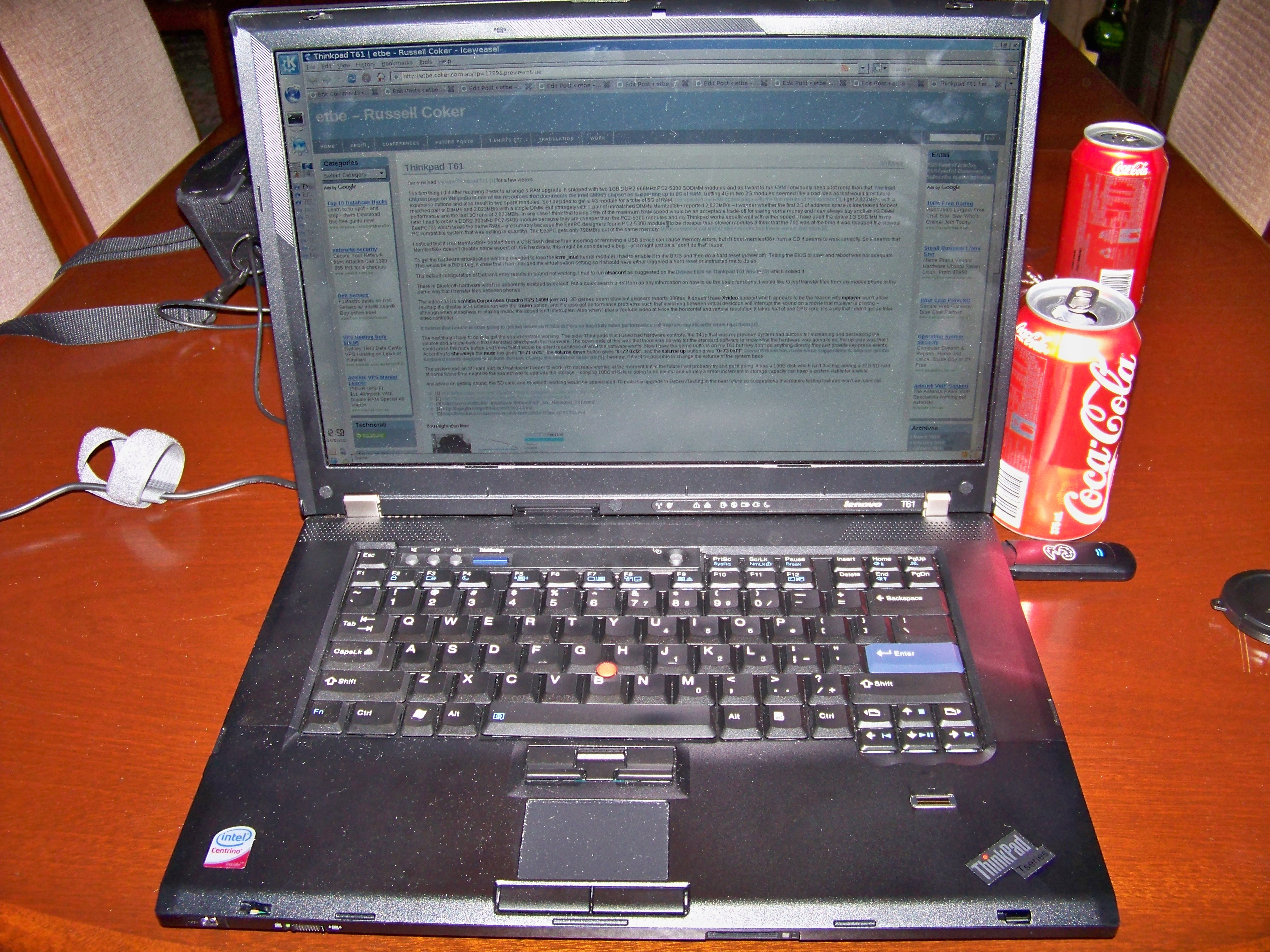
picture of my new Thinkpad T61 I ve now had my new Thinkpad T61 [1] for almost a month. The letters on the keyboard are not even starting to wear off which is unusual, either this Thinkpad is built with harder plastic than the older ones or I m typing more softly. Memory The first thing I did after receiving it was to arrange a RAM upgrade. It shipped with two 1GB DDR2 666MHz PC2-5300 SODIMM modules and as I want to run KVM I obviously need a lot more than that. The Intel Chipset page on Wikipedia is one of the resources that documents the Intel GM965 chipset as supporting up to 8G of RAM. Getting 4G in two 2G modules seemed like a bad idea as that would limit future expansion options and also result in two spare modules. So I decided to get a 4G module for a total of 5G of RAM. I ve updated my RAM speed page with the test results of this system [2], I get 2,823MB/s with a matched pair of DIMMs and 2,023MB/s with a single DIMM. But strangely with a pair of unmatched DIMMs Memtest86+ reported 2,823MB/s I wonder whether the first 2G of address space is interleaved for best performance and the last 3G runs at 2,023MB/s. In any case I think that losing 29% of the maximum RAM speed would be an acceptable trade-off for saving some money and I can always buy another 4G DIMM later. I had to order a DDR2-800MHz PC2-6400 module because they are cheaper than the PC2-5300 modules and my Thinkpad works equally well with either speed. I have used the spare 1G SODIMM in my EeePC701 which takes the same RAM presumably because the EeePC designers found PC2-5300 modules to be cheaper than slower modules (I think that the 701 was at the time it was released the slowest PC compatible system that was selling in quantity). The EeePC gets only 798MB/s out of the same memory. My document about Memtest86+ results has these results and more [2]. I noticed that if I run Memtest86+ booted from a USB flash device then inserting or removing a USB device can cause memory errors, but if I boot memtest86+ from a CD it seems to work correctly. So it seems that Memtest86+ doesn t disable some aspect of USB hardware, this might be considered a bug or it might just be a don t do that issue. Misc To get the hardware virtualisation working (needed to load the kvm_intel kernel module) I had to enable it in the BIOS and then do a hard reset (power off). Telling the BIOS to save and reboot was not adequate. This would be a BIOS bug, it knew that I had changed the virtualisation setting so it should have either triggered a hard reset or instructed me to do so. The default configuration of Debian/Lenny results in sound not working, I had to run alsaconf as suggested on the Debian Etch on Thinkpad T61 howto [3] which solved it. Generally I m happy with this system, the screen resolution is 1680*1050 which has 20% more pixels than the 1400*1050 screen on my Thinkpad T41p, it s a lot faster for CPU operations and should be a lot faster for video when I get the drivers sorted out (currently it s a lot slower), and I have virtualisation working again. But when you buy a system that s much like the last one but 6 years newer you expect it to be better. Generally the amount of effort involved in the process of buying a new system, upgrading the RAM to the desired specs, installing Linux and tweaking all the options is enough to make me want to wait at least another 6 years before buying another. Part of the reason for this difficulty is that I want to get so much functionality from the machine, a machine with more modest goals (such as a Netbook) takes a lot less time to configure. Problems There is Bluetooth hardware which is apparently enabled by default. But a quick search didn t turn up any information on how to do the basic functions, I would like to just transfer files from my mobile phone in the same way that I transfer files between phones. The video card is a nVidia Corporation Quadro NVS 140M (rev a1). 3D games seem slow but glxgears reports 300fps. It doesn t have Xvideo support which appears to be the reason why mplayer won t allow resizing it s display area unless run with the -zoom option, and it s also got performance problems such that switching between virtual desktops will interrupt the sound on a movie that mplayer is playing although when alsaplayer is playing music the sound isn t interrupted. Also when I play a Youtube video at twice the horizontal and vertical resolution it takes half of one CPU core. It s a pity that I didn t get an Intel video controller. It seems that Debian is soon going to get the Nouveau NVidia drivers so hopefully video performance will improve significantly when I get them [4]. The next thing I have to do is to get the sound controls working. The older Thinkpads that I used had hardware controls, the T41p that was my previous system had buttons for increasing and decreasing the volume and a mute button that interacted directly with the hardware. The down-side of this was that there was no way for the standard software to know what the hardware was going to do, the up-side was that I could press the mute button and know that it would be silent regardless of what the software wants. Now I have the same buttons on my T61 but they don t do anything directly, they just provide key-press events. According to showkeys the mute key gives 0 71 0xf1 , the volume down button gives 0 72 0xf2 , and the volume up button gives 0 73 0xf3 . Daniel Pittman has made some suggestions to help me get the keyboard events mapped to actions that can change the sound via software [5] which I haven t yet had time to investigate. I wonder if it will ever be possible to change the volume of the system beep. The system has an SD card slot, but that doesn t seem to work. I m not really worried at the moment but in the future I will probably try and get it going. It has a 100G disk which isn t that big, adding a 32G SD card at some future time might be the easiest way to upgrade the storage copying 100G of data is going to be painful and usually a small increment in storage capacity can keep a system viable for a while. Any advice on getting sound, the SD card, and Bluetooth working would be appreciated. I ll probably upgrade to Debian/Testing in the near future so suggestions that require testing features won t be ruled out.

Next.

Previous.