Ulrike Uhlig: Breaking the chain reaction of reactions to reactions
 Sometimes, in our day-to-day-interactions, communication becomes disruptive,
resembling a chain of reactions to reactions to reactions. Sometimes we lose the
capacity to express our ideas and feelings. Sometimes communication just gets stuck,
maybe conflict breaks out. When we see these same patterns over and over again, this
might be due to the ever same roles that we adopt and play. Learnt in
childhood, these roles are deeply ingrained in our adult selves, and acted out
as unconscious scripts. Until we notice and work on them.
This is a post inspired by contents from my mediation training.
In the 1960s, Stephen Karpman has thought of a model of human communication
that maps the destructive interactions which occur between people. This map is known as the drama triangle.
Karpman defined three roles that interact with each other. We can play one
role at work, and a different one at home, and another one with our children.
Or we can switch from one role to the other in just one conversation. The three
roles are:
- The Persecutor. I'm right. It's all your fault. The Persecutor acts out criticism, accusation, and condemnation. Their behavior is controlling, blaming, shaming, oppressive, hurtful, angry, authoritarian, superior. They know everything better, they laugh about others, bully, shame, or belittle them. The Persecutor discounts others' value, looking down on them. Persecutor's thought: I'm okay, you're not okay.
- The Victim. I'm blameless. Poor me. The Victim feels not accepted by others, oppressed, helpless, hopeless, powerless, ashamed, inferior. The Victim thinks they are unable or not good enough to solve problems on their own. The Victim discounts themselves. Victim's thought: I'm not okay, you're okay.
- The Rescuer. I'm good. Let me help you! The Rescuer is a person who has unsolicited and unlimited advice concerning the Victim's problems. They think for the Victim, and comfort them, generally without having been asked to do so. The Rescuer acts seemingly to help the Victim but rescuing mostly helps them to feel better themselves, as it allows them to ignore their own anxieties, worries, or shortcomings. The Rescuer needs a Victim to rescue, effectively keeping the Victim powerless. The Rescuer discounts others' abilities to think and act for themselves, looking down on them. Rescuer's thought: I'm okay, you're not okay.
Acey Choy has created the Winner triangle, in 1990, as an attempt to transform social interactions away from drama. Her winner triangle shifts our perceptions of the roles: the Victim becomes the Vulnerable, the Rescuer becomes the Caring, the Persecutor becomes the Assertive.
Persecutor            Rescuer       Assertive              Caring
I'm right.            I'm good.     I have needs.          I'm listening.
    ----------------------              ----------------------
    \                    /              \                    /
     \                  /                \                  /
      \                /                  \                /
       \              /                    \              /
        \            /                      \            /
         \          /                        \          /
          \        /                          \        /
           \      /                            \      /
            \    /                              \    /
             \  /                                \  /
              \/                                  \/
            Victim                            Vulnerable
            I'm blameless.                    I'm struggling.
Karpman Dreaded Drama Triangle            Choy's Winner Triangle
The Assertive "I have needs." has a calling, aims at change, initiates,
and gives feedback. Skills to learn: The Assertive needs to
learn to identify their needs, communicate them, and negotiate with
others on eye level without shaming, punishing, or belittling them. The Assertive needs to learn to give constructive feedback, without dismissing others. (In the workplace, it could be helpful to have a space for this.) The Assertive could benefit from learning to use I-Statements.
The Caring "I'm listening." shows good will and sensitivity, cares, is empathic and
supportive. Skills to learn: The Caring needs to learn to respect the
boundaries of others: trusting their abilities to think, problem solve and
talk for themselves. Therefore, the Caring could benefit from improving their active listening skills. Furthermore the Caring
needs to learn to identify and respect their own boundaries and not to do things only because it makes them feel better about themselves.
The Vulnerable "I'm struggling." has the skill of seeing and naming problems. Skills to learn: The Vulnerable
needs to learn to acknowledge their feelings and needs, practice self-awareness, and self-compassion. They need to untie their self-esteem from the validation of other people. They need to learn to take care of themselves, and to strengthen their problem solving and decision making skills.
What has this got to do with autonomy and power structures?
Each of these interactions is embedded in larger society, and, as said above,
we learn these roles from childhood. Therefore, we perpetually reproduce power
structures, and learnt behavior. I doubt that fixing this on an individual
level is sufficient to transform our interactions outside of small groups,
families or work places. Although that would be a good start.
We can see that the triangle holds together because the Victim, seemingly
devoid of a way to handle their own needs, transfers care of their needs to the
Rescuer, thereby giving up on their autonomy. The Rescuer is provided by the
Victim with a sense of autonomy, knowledge, and power, that only works while
denying the Victim their autonomy. At the same time, the Persecutor denies
everyone else's needs and autonomy, and feels powerful by dismissing others.
I've recently mentioned the importance of autonomy in order to avoid burnout, and as a means to control one's own life.
If the Rescuer can acknowledge being in the triangle, and give the Victim autonomy, by supporting them with
compassion, empathy, and guidance, and at the same time respecting their own
boundaries, we could find even more ways to escape the drama triangle.
Notes
My description of the roles was heavily inspired by the article Escaping Conflict and the Karpman Drama Triangle that has a lot more detail on how to escape the triangle, and how to recognize when we're moving into one of the roles. While the article is informing families living with a person suffering from a spectrum of Borderline Personality Disorder, the content applies to any dysfunctional interaction.
 This post is an open question to the wide range of GNU/Linux site admins out there. Possibly some of you have the joy of maintaining GNU/Linux also on user endpoint devices (i.e. user workstations, user notebooks, etc.), not only on corporate servers.
TL;DR; In the context of a customer project, I am researching ways of mimicking (or inventing anew) a feature well known (and sometimes also well hated) from the MS Windows world: Roaming User Profiles. If anyone does have any input on that, please contact me (OFTC/Freenode IRC, Telegram, email). I am curious what your solution may be.
The Use Case Scenario
In my use case, all user machines shall be mobile (notebooks, convertibles, etc). The machines maybe on-site most of the time, but they need offline capabilities so that the users can transparently move off-site and continue their work. At the same time, a copy of the home directory (or the home directory itself) shall be stored on some backend fileservers (for central backups as well as for providing the possibility to the user to login to another machine and be up-and-running +/- out-of-the-box).
The Vision
Initial Login
Ideally, I'd like to have a low level file system feature for this that handles it all. On corporate user logon (which must take place on-site and uses some LDAP database as backend), the user credentials get cached locally (and get re-mapped and re-cached with every on-site login later on), and the home directory gets mounted from a remote server at first.
Shortly after having logged in everything in the user's home gets sync'ed to a local cache in the background without the user noticing. At the end of the sync a GUI user notification would be nice, e.g. like "All user data has been cached locally, you are good to go and leave off-site now with this machine."
Moving Off-Site
A day later, the user may be travelling or such, the user logs into the machine again, the machine senses being offline or on some alien (not corporate) network, but the user can just continue their work, all in local cache.
Several days later, the same user with the same machine returns back to office, logs into the machine again, and immediately after login, all cached data gets synced back to the user's server filespace.
Possible Conflict Policies
Now there might be cases where the user has been working locally for a while and all the profile data received slight changes. The user might have had the possibility to log into other corporate servers from the alien network he*she is on and with that login, some user profile files probably will have gotten changed.
Regarding client-server sync policies, one could now enforce a client-always-wins policy that leads to changes being dropped server-side once the user's mobile workstation returns back on-site. One could also set up a bi-directional sync policy for normal data files, but a client-always-wins policy for configuration files (.files and .folders). Etc.pp.
Request for Feedback and Comments
I could go on further and further with making up edges and corner cases of all this. We had a little discussion on this some days ago on the #debian-devel IRC channel already. Thanks to all contributors to that discussion.
And again, if you have solved the above riddle on your site and are corporate-wise allowed to share the concept, I'd be happy about your feedback.
Plese get in touch!
light+love
 I was assigned 20 hours of work by Freexian's Debian LTS initiative,
and carried over 0.75 hours from February. I only worked 12.25
hours this month, so I will carry over 8.5 hours to April.
I issued
 Vitaly Bragilevsky,

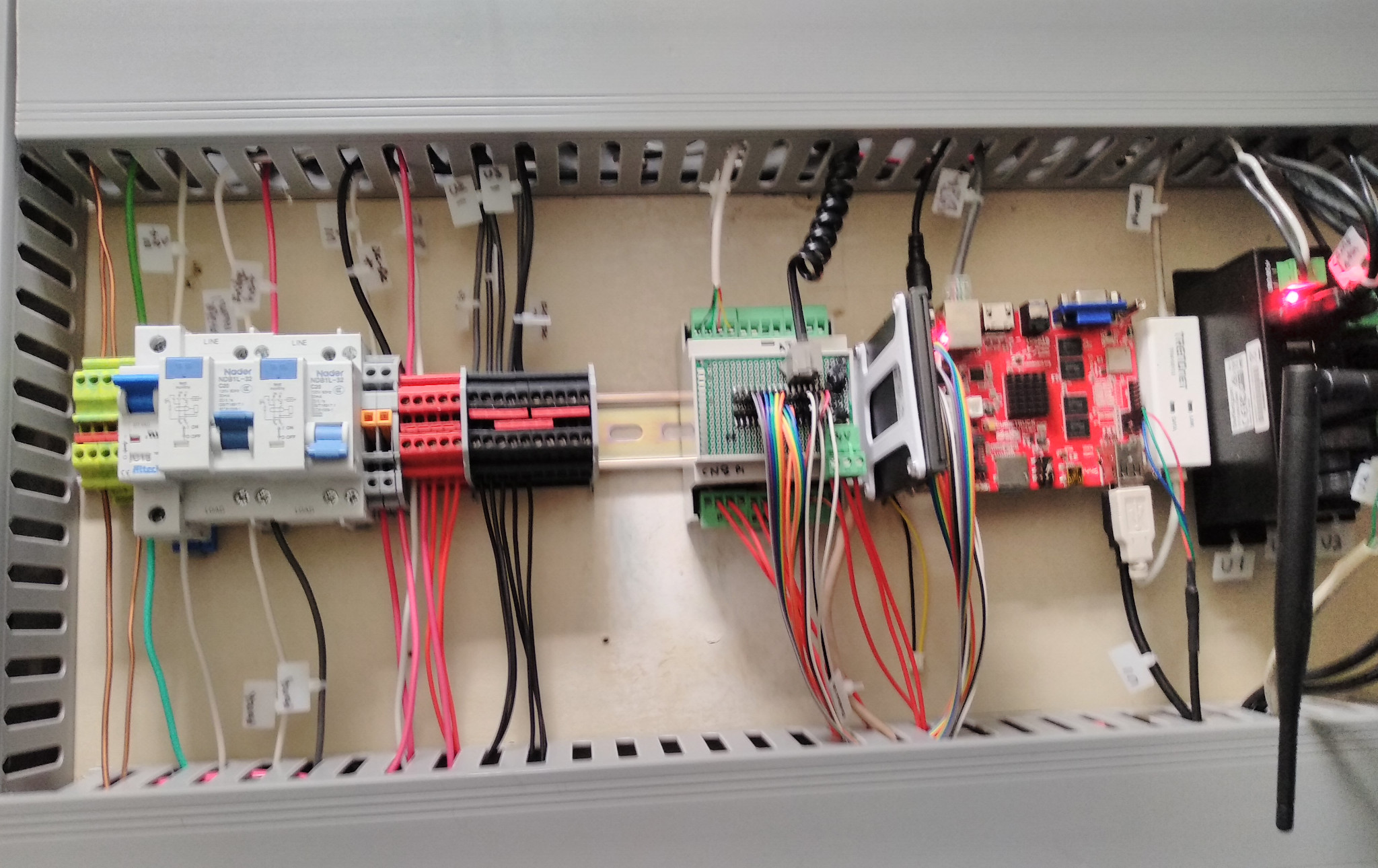
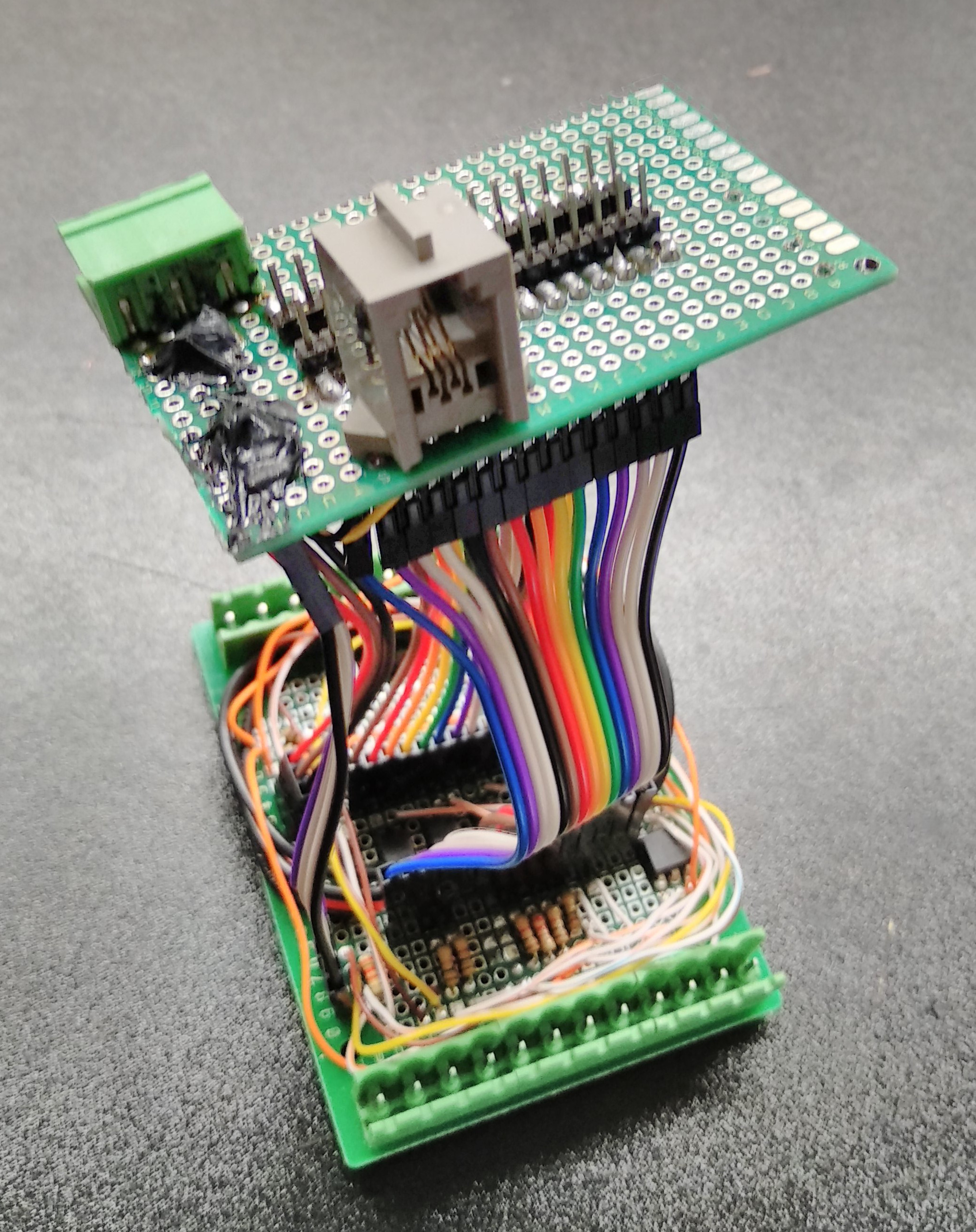
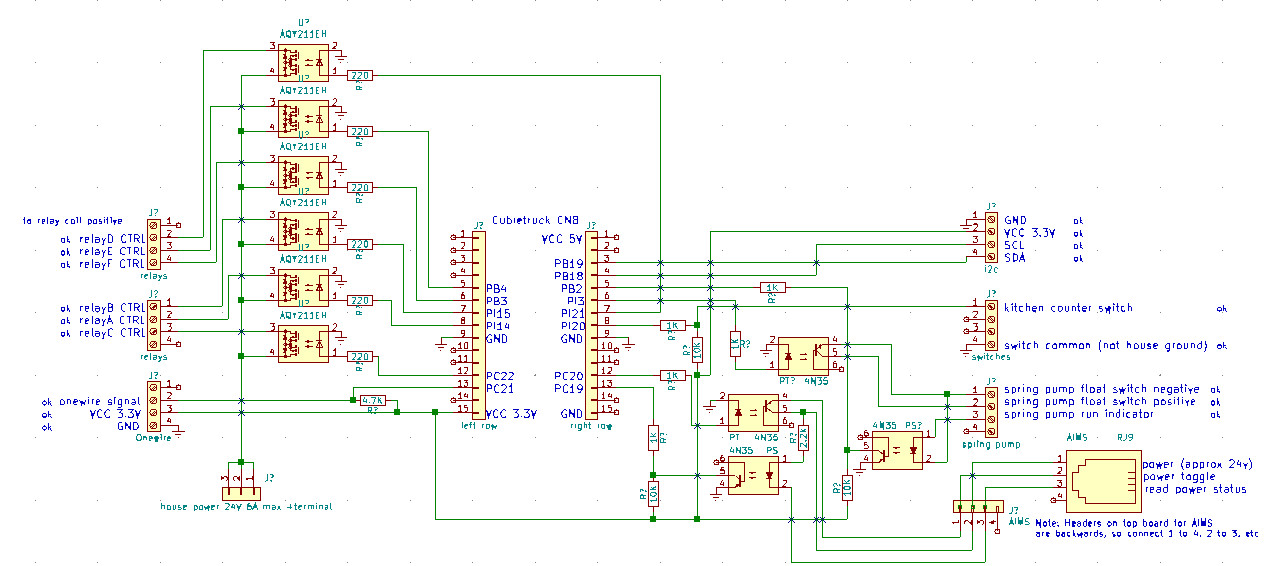
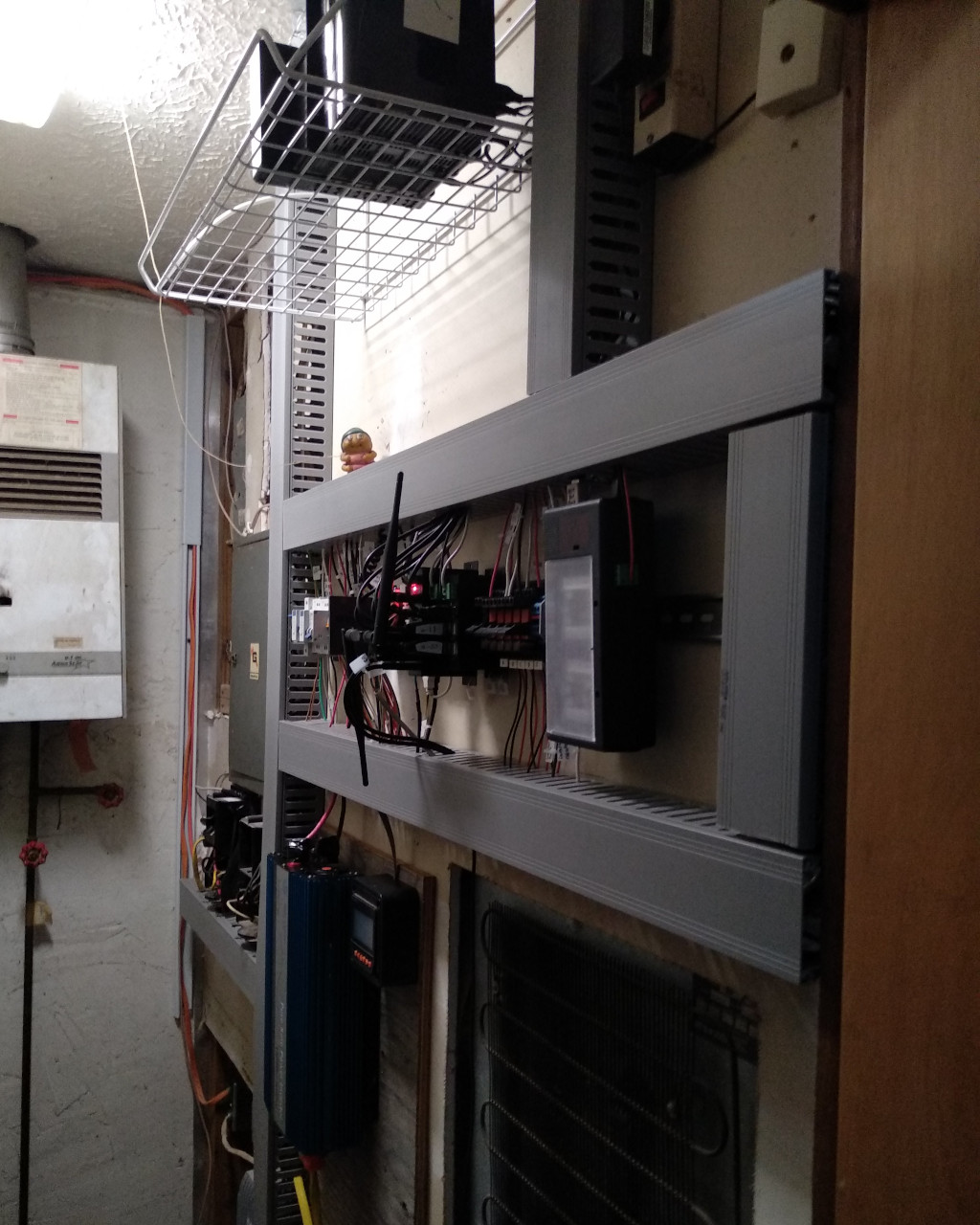
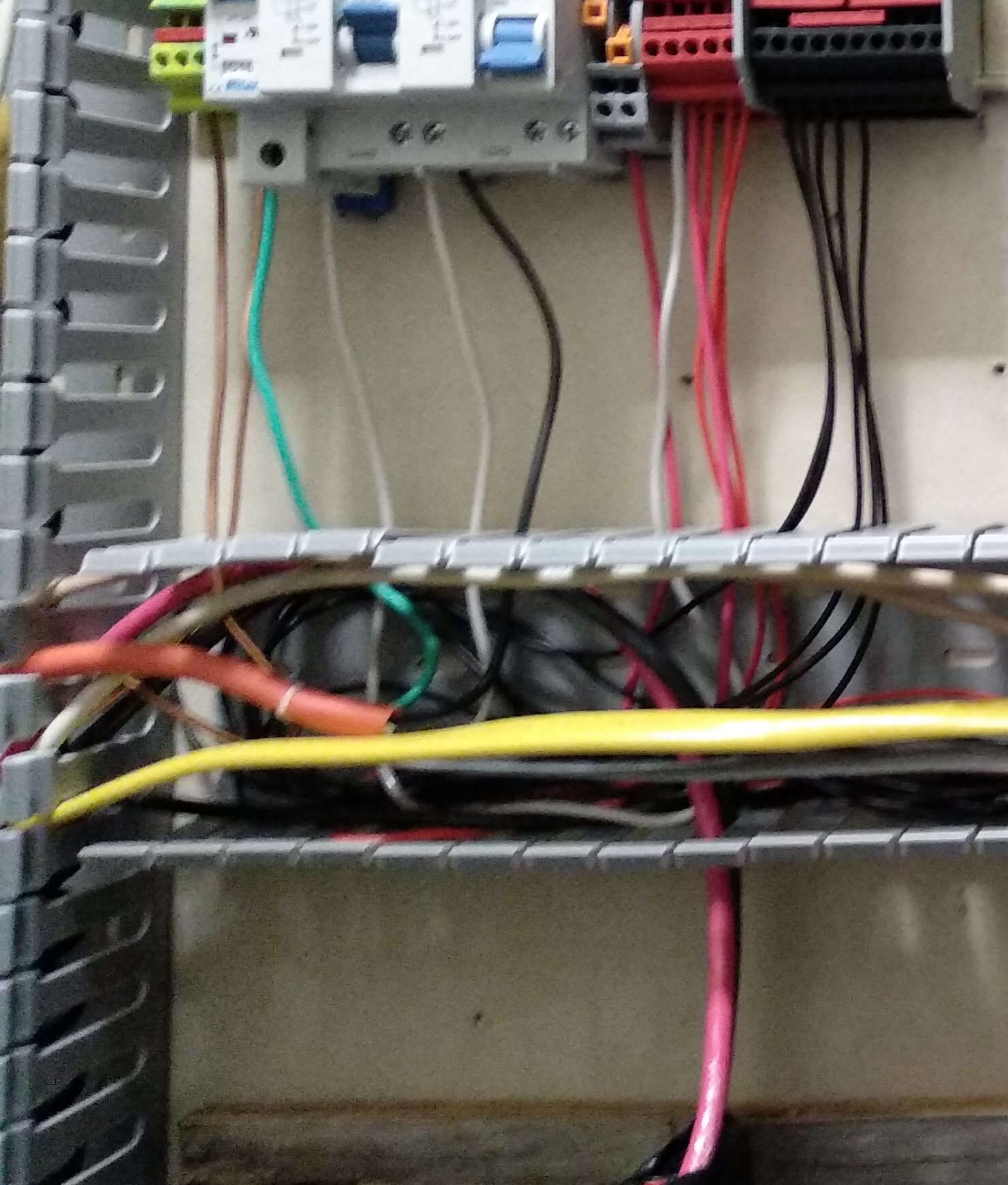
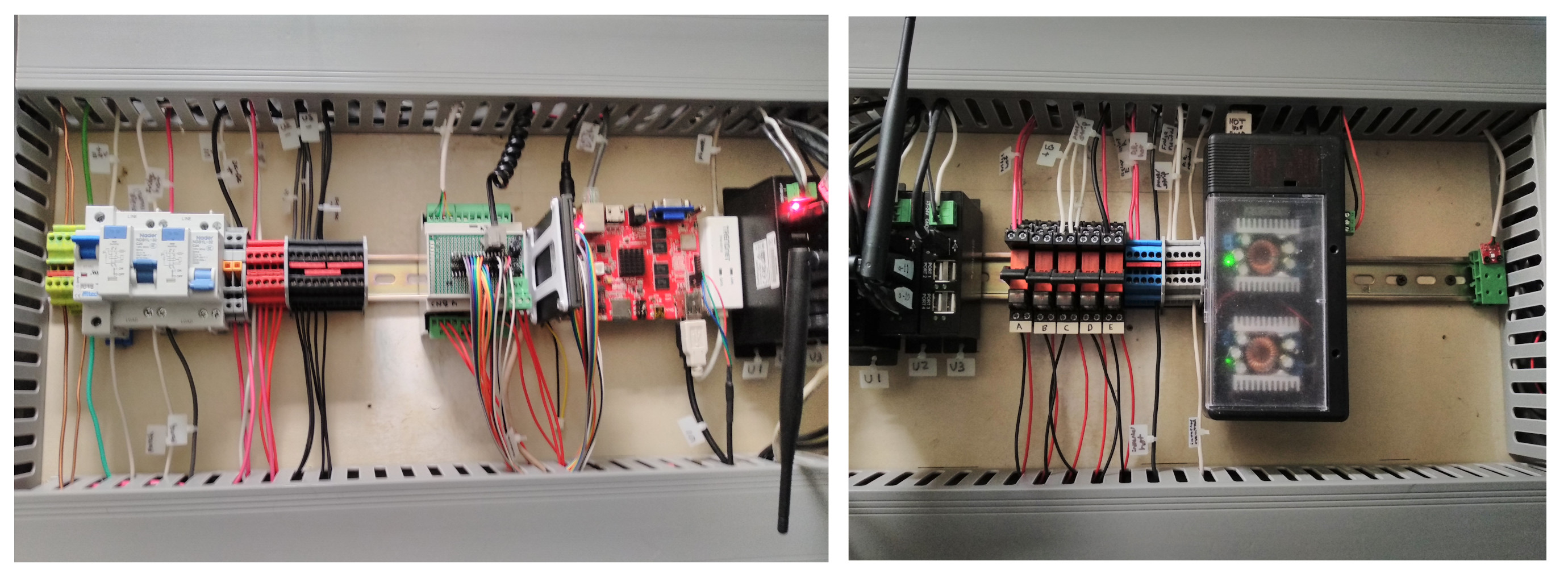
 My offgrid house has an industrial automation panel.
 After the snow cherry blossoms fell. It's already April.


 Here is my monthly update covering what I have been doing in the free software world during March 2020 (






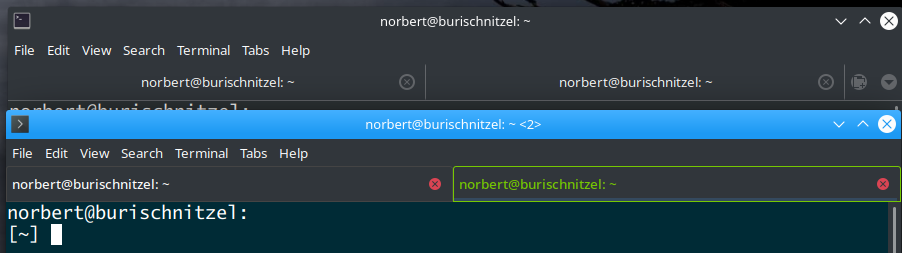
 It has been now about two weeks that I switched to KDE/Plasma on all my desktops, and to my big surprise, that went much more smooth than I thought. There are only a few glitches with respect to the gtk3 part of the Breeze Dark theme I am using, which needed fixup.
 Tab distinction
As I wrote already in a
 Some further thoughts on
 Some of you might have noticed that I m into keyboards since a few
years ago into mechanical keyboards to be precise.
Preface
It basically started with the


 TL;DR: The zoom meeting link you have probably look like this:
 There have been lot of stories about Coronavirus and with it a lot of political blame-game has been happening. The first step that India took of a lockdown is and was a good step but without having a plan as to how especially the poor and the needy and especially the huge migrant population that India has (internal migration) be affected by it. A 2019 World Economic Forum