Shirish Agarwal: The long tail in a common s man journey to debconf16 1
 I was going to put a technical post but saw the discussion of one of the meetings of the debconf meets and decided to share a novice s travel experience.
Before I start here s the discussion log http://meetbot.debian.net/debconf-team/2016/debconf-team.2016-10-20-20.01.log.html
and specifically this part which hit me (using fake names for discussion as haven t taken permission from the folks to cite them by name.)
20:36:52 abcd: $100 CAD is a lot for some, but you d only need it if you won t sleep in sponsored accom, which arguably is acceptable.It just goes on. I dunno whether I m weird or not or the experience I would share is just normal, this I would leave for you to decide. As have shared before, some friends of mine from the free software community had cajoled me last year to apply for debconf bursary (debconf15), which surprisingly got approved, but as it was late and my pre-conceived myths/notions of visas taking a looooong time decided not to go further. Many things take a long time to happen in the Indian bureaucratic maze. For instance have been in a civil case for almost a decade now among other things so know and accept that things take their own sweet time otherwise known as Indian patience
20:37:04 it would, efgh, fixed sponsorship sum for everybody and allocation of rooms completely decoupled. Hotel gets the money from everybody and the base fee from DebConf.
20:37:15 people who can t afford also have special needs and may be uncomfortable in sharing rooms. That s quite frequently in our community. Managing each case will be much more complicated.
20:37:31 hijk: we could set aside budget for such special needs, for sure.
20:37:43 I m talking about managing each case
20:37:46 hijk: yes, but we ll have the special cases no matter what.
20:37:48 yes, and the special cases need to be catered for regardless of how everybody else is housed
20:38:06 hijk: room allocation already includes this.
20:38:19 people having to expose their personal problems to have us permitting them staying in the hotel
20:38:23 that s just too weird
 Did the application and again, surprise, surprise this time too I was approved. Luckily, had done the application for bursary early so was a bit positive on the visa-front. There was a goof-up at the embassay but thanks to people at travel.stackexchange.com where I asked quite a few questions, I was a bit informed and travel was relatively hassle-free. Internally though, I was nervous as hell. I had been feeling like a conman or a fraud or being an imposter because I knew before-hand that the project is so huge and had done the mistake of putting up a talk and a workshop where the big guns would be, which again was accepted (not good). The only thing I was thinking of as a saving grace is that there might be some newbies who don t know about the project at all (on Open Day) and hopefully I could help with that but as you will see, even there I was fully inadequate.
I live in Pune which is around 3.5 hours from Mumbai (BOM) from where international flights take off. While Pune has an Airport, due to defence considerations, there cannot be much improvement either for domestic or International carriers. There have been attempts to have an exclusive civilian Airport for a long time (almost a decade) and would still take a decade or more.
Hence had decided to take an early morning train from Pune to Mumbai, change couple of locals and finally land up at the Mumbai International Airport. Hind-sight as they say is 50:50, while I do have friends in Mumbai, I also found about a homestay which is closer to the Airport and still relatively budget-friendly.
Anyways, met few friends but as was paranoid about missing connections found myself in front of the Airport at 20:00 hrs. with about 7 hours + to go before my flight. While there is nothing to do around the airport rather than hanging around, just hung around outside the airport as knew that inside the airport will be chilling and once you go in, you cannot come out or at least it s an inconvenience to the security therein. The International Airport in on three levels, the basement is for vehicles, the first level to receive International and Domestic passengers and the upper-most level exclusively for people flying internationally. This again, came to know when I tried to enter into the ones meant for Domestic and International Passengers coming into the city.
Came to the check-in counter at around 02:00 hrs, did the security thing and just had to wait as the flight was of 0400 hrs (from my limited search experience, the cheapest flights are at such times when nobody else (i.e.civilized people) wants to fly). Entered Doha around 5:15 Doha time and saw a much much bigger airport than either the Mumbai International Airport or/and the Delhi International Airport . While I have written some negative stuff about Doha, there were two positives that I am sure, I had forgotten to share
a. There were no transit Visa Fees that I had to pay. Most countries and airports I researched have something called transit visa and that can really get expensive, so saved money on that.
b. The free ride into the city and back with voluntary tipping the driver or/and guide (approx. 3-4 hours)
While the second from what I could tell/know is a gimmick, this is something I wish other countries and airports emulate.
There are hotels in the airport and I could have had hotel accommodation if I had booked a slightly more expensive ticket, roughly INR 5k/- each way which would have given me a bit more legroom as well as stay as my layover was more than 24 hours. But this information was known at last minute. Qatar Airways has just a toll-free number and trying more than a few times gave up. They don t have an office in the city. When I reached the check-in counter they said if I had upgraded to Y class I would have had the hotel thing. Changing tickets at the last moment was too expensive and anyways for hotel accommodation for layovers they required at least 24 hours notice.
Had to make do with recliners and chairs which are not really comfortable. There were only a couple of waiting rooms on air-side which had a view of the aircraft and hence were a bit more pleasing than those which were on the land-side and were fully blocked without a view. I wish there was a map of the Airport from within the Airport as even with the single terminal it is really easy to get lost.
Somehow the day and night went by and took my second flight and reached Cape Town, South Africa. Throughout the journey had been stressed as had to be awake at all times and make sure that nothing gets stolen. Having attendants at toilets were also good so that there is no possibility of any violence there. So it had been 2 days, no shower and no sleep.
Later also came to know about Airport Sleeping Pods and shower stalls but these also seem to be less in number, at few airports and there always be a bit of premium attached to them as airports are a monopoly business.
Anyways, reached the venue. Throughout the travel there was quite a bit of unnamed fear which I later came to know after seeing Dr. Ramanujan s The Man who knew Infinity . It was/is the fear or unknown, while in the movie it is articulated as fear of crossing seven seas, symbolically it is the fear or unknown.
Now while I was dead tired, I still pushed myself as I didn t want to have the effects of jet lag interfere with the normal sleeping and waking patterns. I did freshen myself but didn t allow myself the luxury of the bath-tub as I knew that if I went in, I would not come out that day. Met all the people, learnt who s who, where things are happening etc. and slowly night came. Night came and I was so-looking forward to sleep but sleep was not to be. I later learnt it could be either of the two reasons, it could either have been travel-induced insomnia or/and what is known as the first night effect .
It was only on the second day when I was in bath-tub for about 2/3 hours I could feel the tension leaving my body. I finally realized that I am in Cape Town, South Africa and could enjoy and be surprised at seeing birds within few feet of me
 .
Now I don t know whether I m the only weird/paranoid one, I do know that it would not have been easier for me at least for the first night as I was turning and twisting throughout the night. I opened the lights, read for some time hoping for sleep to take over but that didn t work. Tried quite a few things but sleep didn t come. If I had been sleeping with other people I dunno how they would have reacted. I myself am a light sleeper (most of the time) and if I had sleep coming and somebody else acted or been the way I was, I wouldn t been able to sleep. However much you try, whatever is the natural reaction is, will be. There are still some bits to share but that would be in part 2.
Filed under: Miscellenous Tagged: #air-travel, #Debconf16, #paranoia, #sleep


 Slightly behind schedule (it should have been released in October),
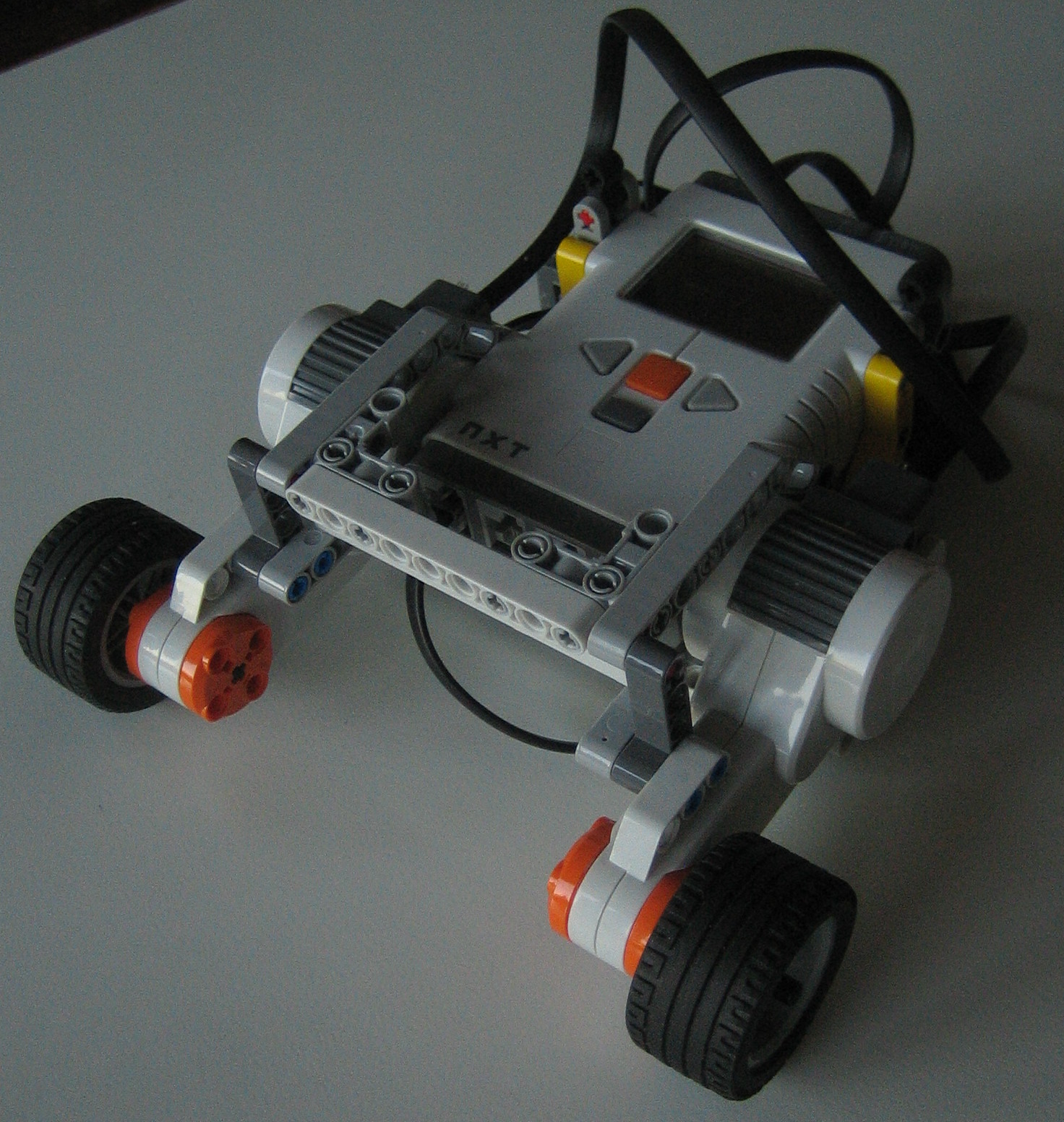 Because I lack the infrared sensor used to control the robot in the
design from HiTechnic, I had to comment out the last task
(taskControl). I simply placed /* and */ around it get the program
working without that sensor present. Now it balances just fine until
the battery status run low:
 Before proceeding, here is some context: When building new things, it is usually better to use the
 This month s update falls onto a national holiday in Japan. My recent start as a normal company employee in Japan doesn t leave me enough time during normal days to work on Debian, so things have to wait for holidays. There have been a few notable changes in the current packages, and above all I wanted to fix an RC bug and on the way fixed also several other (sometimes rather old) bugs.
 From the list of new packages I want to pick
 Finally also a word about removals: Several ConTeXt packages have been removed due to the fact that they are outdated. These removals will find their way in an update of the Debian ConTeXt package in near future. The TeX Live packages lost

 Since some time everybody (read developer) want to run his new
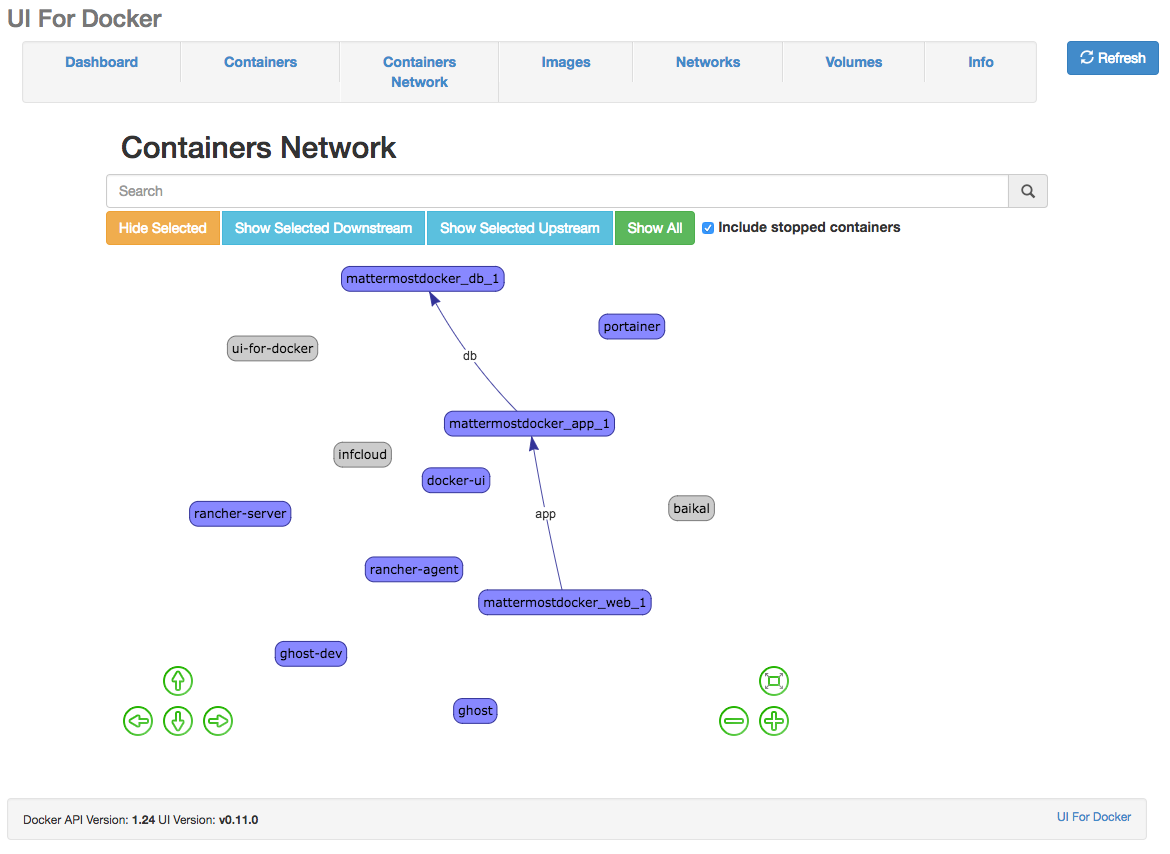
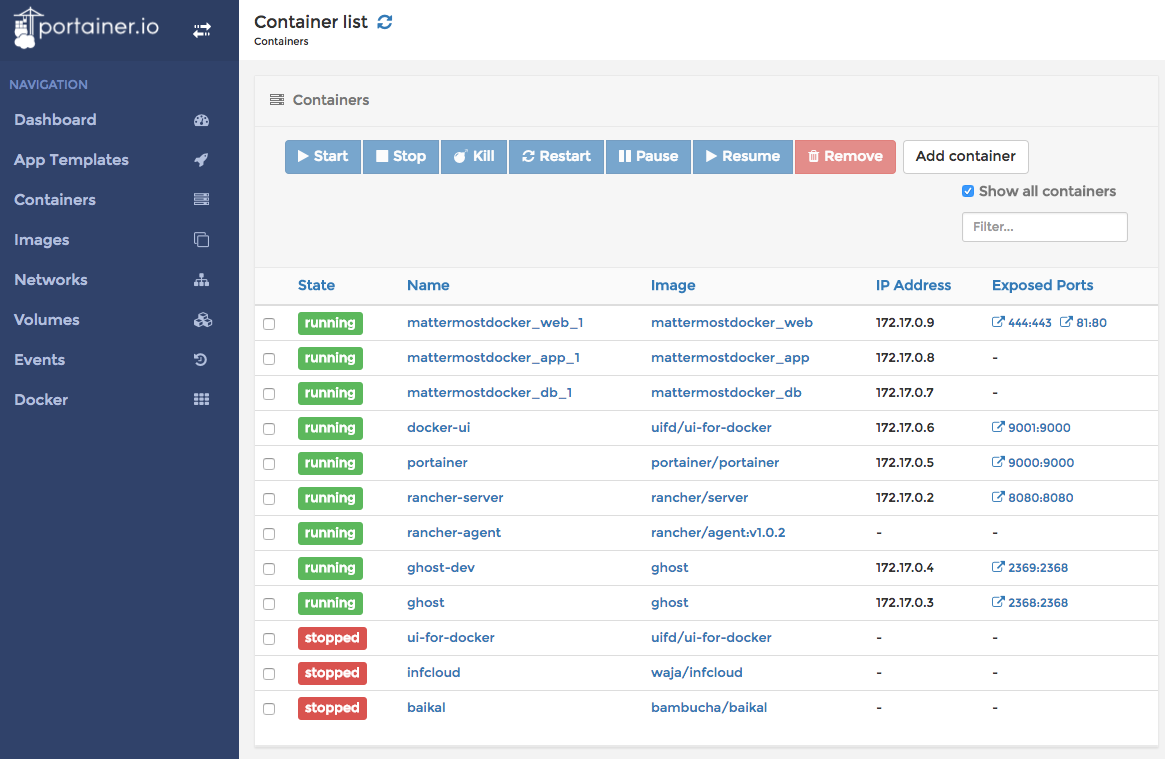
 For the use cases, we are facing,

 My monthly report covers a large part of what I have been doing in the free software world. I write it for
 Wishing every one a happy Gujarati New Year, Vikram Samvat 2073 named Kilaka and hoping the upcoming year will be yuuge for you.
These next couple of paragraphs are totally not an excuse for why it will take a few more days for me to reach seven blog posts.
Reading reports about Diwali in the American press, I see a bit of confusion whether Diwali is one day or five. Well, technically it is just one (Sunday 30th this year.) but there are a number of other observances around it which could be classed as subsidiaries if you want to look at it that way.
The season commenced last Wednesday with Rama Ekadashi. (where the Gujarati name is different I'll use that and put the Sanskrit name in parentheses.) That's a fast day and therefore not much fun.
Thursday was Vagh Barash (vyaghra dvadashi) which as the name suggests is something to do with tigers but we don't in my experience particularly do anything special that day.
Friday, things began in earnest with Dhan Terash (dhana trayodashi) when Lakshmi the Goddess of prosperity is worshipped. It is also a good day to buy gold.
Saturday was Kali Chaudash (Kali Chaturdashi or Naraka Chaturdashi) On this day many Gujarati families including mine worship their Kuladevi (patron Goddess of the family) even if She is not an aspect of Kali. (Others observe this on the Ashtami of Navaratri.) The day is also associated with the God Hanuman. Some people say it is His Jayanti (birthday) though we observe it in Chaitra (March-April.) It is also the best day for learning mantras and I initiated a couple of people including my son into a mantra I know.
Sunday was Diwali (Deepavali) proper. As a Brahmana I spent much of the day signing blessings in the account books of shopkeepers. Well, nowadays only a few old people have actual account books so usually the print out a spreadsheet and I sign that. But home is where the main action is. Lights are lit, fireworks are set off, and prayers are offered to Lakshmi. But most important of all, this is the day good boys and girls get presents. Unfortunately I have nothing interesting to report; just the usual utilitarian items of clothing. Fireworks by the way are technically illegal in New Jersey not that that ever stopped anyone from getting them. The past few years, Jersey City has attempted to compromise by allowing a big public fireworks display. Although it was nice and sunny all day, by nighttime we had torrential rain and the firework display got washed out. So I'm glad I rebelled against the system with my small cache of sparklers.
Today (or yesterday by the time this gets posted.) was the Gujarati New Years Day. There is also the commemoration of the time the God Krishna lifted up Mt Govardhan with one finger which every mandir emulates by making an annakuta or mountain of food.
Tuesday is Bhai Beeja (Yama Dvitiya in Sanskrit or Bhai Duj in Hindi) when sisters cook a meal for their brothers. My son is also going to make something (read: microwave something) for his sister.
So those are the five days of Diwali. Though many will not consider it to be truly over until this Saturday, the lucky day of Labh Pancham (Labha panchami.) And if I still haven't managed to write seven blog posts by then, there is always Deva Diwali...
 Here is my monthly update covering what I have been doing in the free software world (
 I m at an airport, about to board the first of three flights across the world, from timezone +8 to timezone -8. I ll be in transit 27 hours to get to Seattle, Washington state. I m leaving my wife and two young children behind.
My work has given me a days worth of leave under the Corporate Social Responsibility program, and I m taking three days annual leave, to do this. 27 hours each way in transit, for 3 days on the ground.
Why?
Backstory
I started playing in technology as a kid in the 1980s; my first PC was a clone (as they were called) 286 running MS-DOS. It was clunky, and the most I could do to extend it was to write batch scripts. As a child I had no funds for commercial compilers, no network connections (this was pre Internet in Australia), no access to documentation, and no idea where to start programming properly.
It was a closed world.
I hit university in the summer of 1994 to study Computer Science and French. I d heard of Linux, and soon found myself installing the Linux distributions of the day. The Freedom of the licensing, the encouragement to use, modify, share, was in stark contrast to the world of consumer PCs of the late 1980 s.
It was there at the UCC at UWA I discovered Debian. Some of the kind network/system admins at the University maintained a Debian mirror on the campus LAN, updated regularly and always online. It was fast, and more importantly, free for me to access. Back in the 1990s, bandwidth in Australia was incredibly expensive. The vast distances of the country mean that bandwidth was scarce. Telcos were in races to put fiber between Perth and the Eastern States, and without that in place, IP connectivity was constrained, and thus costly.
Over many long days and nights I huddled down, learning window managers, protocols, programming and scripting languages. I became a system/network administrator, web developer, dev ops engineer, etc. My official degree workload, algorithmic complexity, protocol stacks, were interesting, but fiddling with Linux based implementations was practical.
Volunteer
After years of consuming the output of Debian and running many services with it I decided to put my hand up and volunteer as a Debian Developer: it was time to give back. I had benefited from Debian, and I saw others benefit from it as well.
As the 2000 s started, I had my PGP key in the Debian key ring. I had adopted a package and was maintaining it load balancing Apache web servers. The web was yet to expand to the traffic levels you see today; most web sites were served from one physical web server. Site Reliability Engineering was a term not yet dreamed of.
What became more apparent was the applicability of Linux, Open Source, and in my line-of-sight Debian to a wider community beyond myself and my university peers. Debain was being used to revive recycled computers that were being donated to charities; in some cases, unable to transfer commercial software licenses with the hardware that was no longer required by organisations that had upgraded. It appeared that Debian was being used as a baseline above which society in general had access to fundamental capability of computing and network services.
The removal of subscriptions, registrations, and the encouragement of distribution meant this occurred at rates that could never be tracked, and more importantly, the consensus was that it should not be automatically tracked. The privacy of the user is paramount more important than some statistics for the Developer to ponder.
When the Bosnia-Herzegovina war ended in 1995, I recall an email from academics there, having found some connectivity, writing to ask if they would be able to use Debian as part of their re-deployment of services for the Tertiary institutions in the region. This was an unnecessary request as Debian GNU/Linux is freely available, but it was a reminder that, for the country to have tried to procure commercial solutions at that time would have been difficult. Instead, those that could do the task just got on with it.
There s been many similar project where the grass-roots organisations non profits, NGOs, and even just loose collectives of individuals have turned to Linux, Open Source, and sometimes Debian to solve their problems. Many fine projects have been established to make technology accessible to all, regardless of race, gender, nationality, class, or any other label society has used to divide humans. Big hat tip to
 The
 I have just released version 1.20 of