Matthew Garrett: Thoughts on upstreams
 Last month I gave a presentation on the interaction between Android and kernel upstream at Linuxcon. The video for that is now available here (requires registration). Contrary to stories you may have heard, I do not dropkick anyone through a window.
There's some parallels between the Android/upstream scenario and Canonical's approach to upstream. Mark wrote a lengthy defence of Canonical's focus on components that they feel need development, while not putting development effort into things they feel are good enough already. That's pretty consistent with the discussions I had with him at the Ubuntu development meeting in Oxford over six years ago. Back then the focus was on taking all the excellent software that already existed and concentrating on providing it as a single polished and integrated product. It was successful - what's easy to forget now is that the first release of Ubuntu was massively more usable out of the box than any other Linux distribution available at the time, and it's absolutely undeniable that its release spurred increased efforts on the part of competitors. But I don't think the same focus is being applied any more.
The most obvious (and most controversial) example is the Ayatana project. Ayatana's a pretty explicit statement that Canonical don't view the existing Gnome UI as being suitable for their vision of the Linux desktop. That's absolutely fine. However, unlike many of the papercut projects, Ayatana is a set of complete reimplementations of functionality that behave differently to their upstream equivalents. There's no meaningful sense in which that's not a fork of Gnome. And, let me emphasise, I don't think that's a bad thing.
Let's go back to Android. While we talk about how much we'd have preferred it if Google had interacted with upstream before implementing wakelocks, the realistic outcome is that there's no way that we'd have accepted them even if they'd been posted years before hardware shipped. If there'd been a productive outcome to that aspect of the conversation it would have involved Android having a very different power management policy. Sometimes you're not going to convince people that something is better without implementing it and seeing how well it works. The problem with wakelocks is not that they exist or that Google feels they work better than the alternative, but that they end up integrated into drivers in a way that can cause divergence between mainline and Android.
Ayatana potentially has the same outcome. At some level, well-integrated applications have to be aware of the environment in which they're running. The application indicator patches are an example of that. Carrying conditional code increases maintenance burden, reduces test coverage and is a net loss in the long run. If upstream Gnome never gains support for this functionality, and if Ubuntu continues to depend on it, then Canonical have a delta that they'll have to carry forever. That benefits nobody.
Forking because you believe that your approach is better is a completely valid development model, but in the long run can cause problems if you don't have a long-term strategy for how to resolve that fork. For all we criticise Google's ability to get Android code into the mainline kernel, they've put orders of magnitude more effort into doing so than Canonical have in terms of getting Ayatana's code into mainline Gnome. This isn't a function of Google's relative size - the Android kernel team is on the order of 10 people. It's not enough of a difference to explain the disparity.
Canonical would be perceived as much better team players if there was an indication of their long-term plan in terms of Unity and the Ayatana projects and getting that code into mainline Gnome and integrating with the Gnome shell. It's completely unsurprising that they're viewed with distrust until that happens.
 My tip of day. When you lose control of a process (for example with a process launched with
 It s finally done. For several


 Peter Cox on model complexity
 dosfstools did not correctly handle LFN (see Debian bug

 As mentioned in
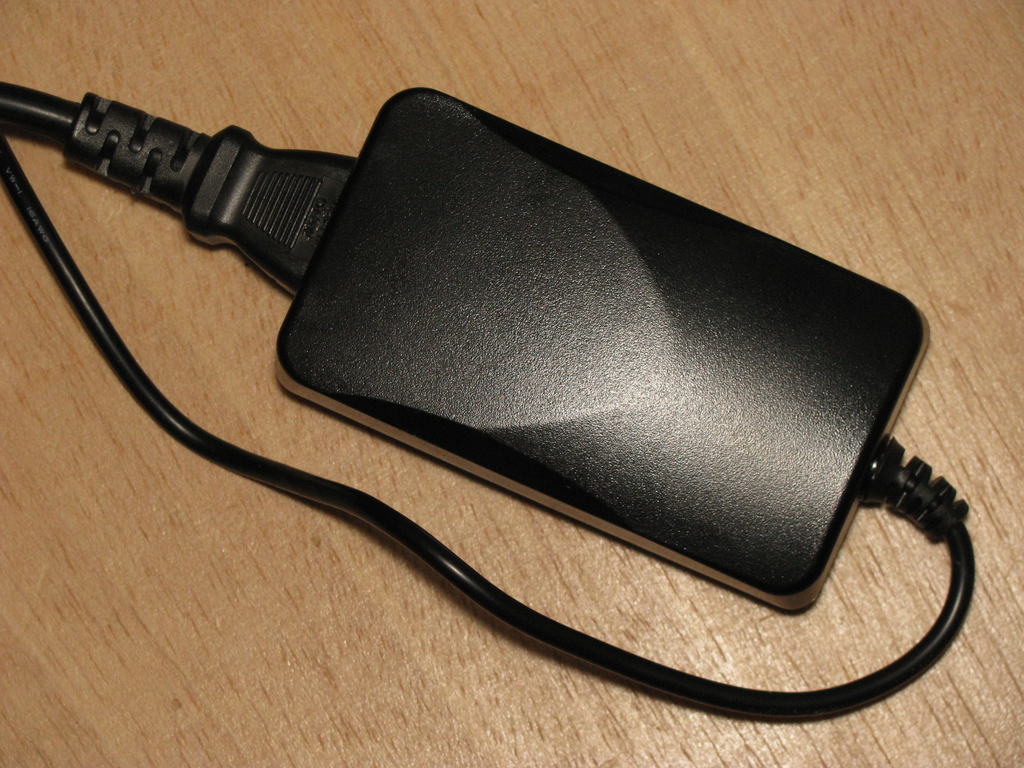
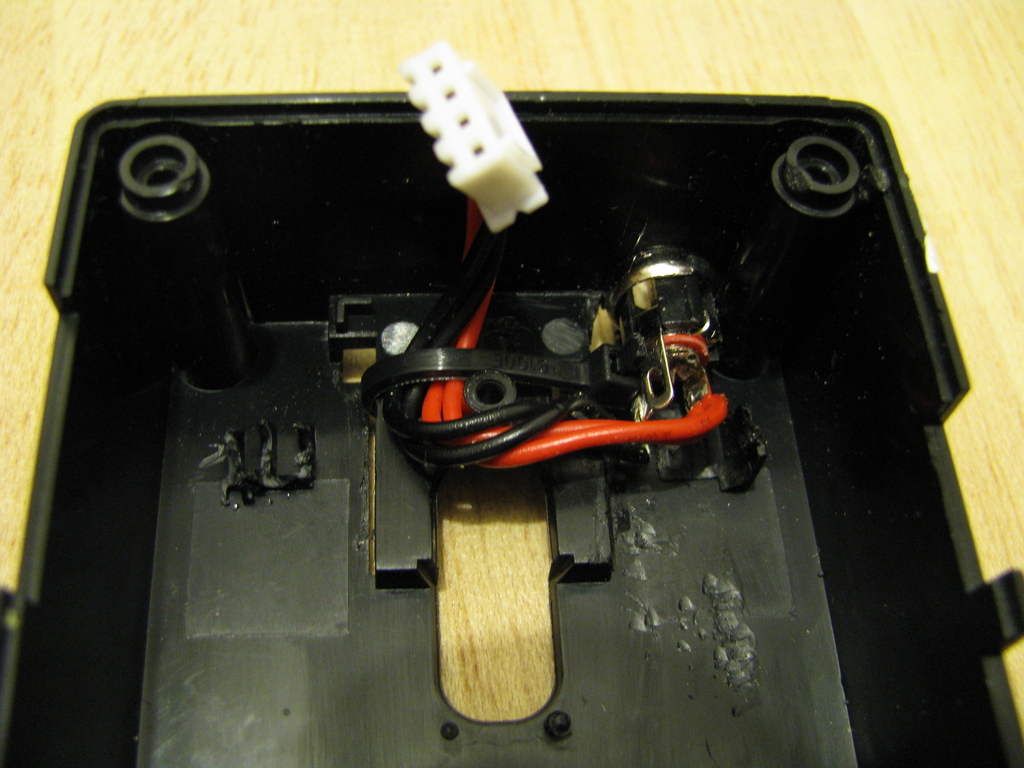
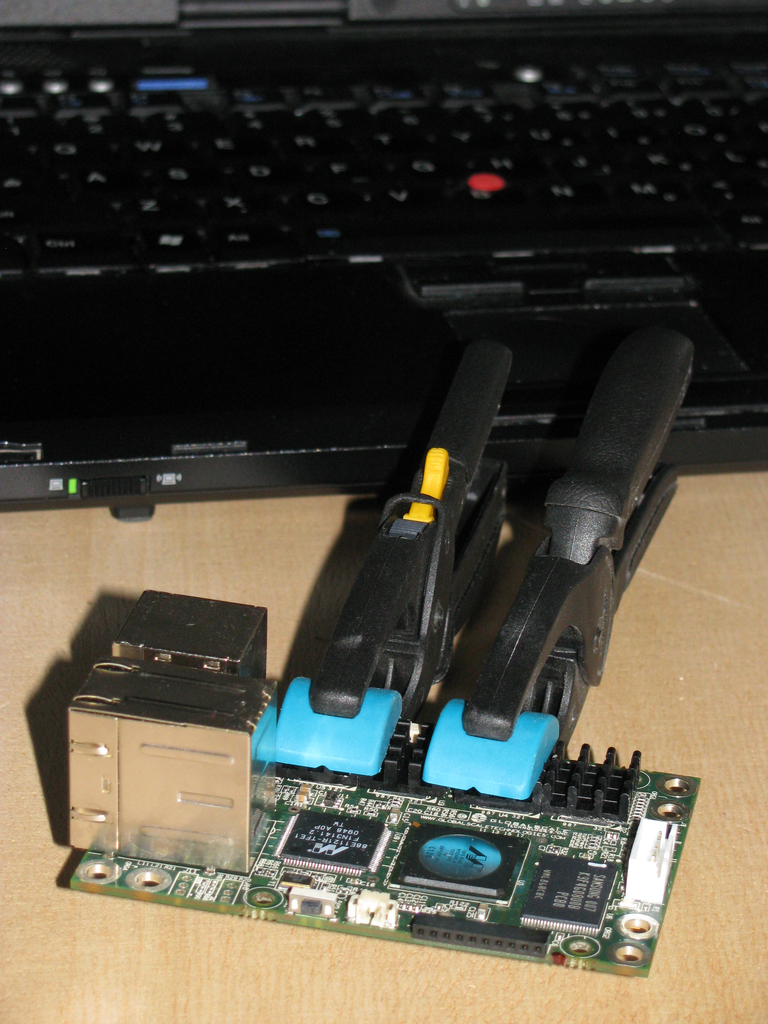
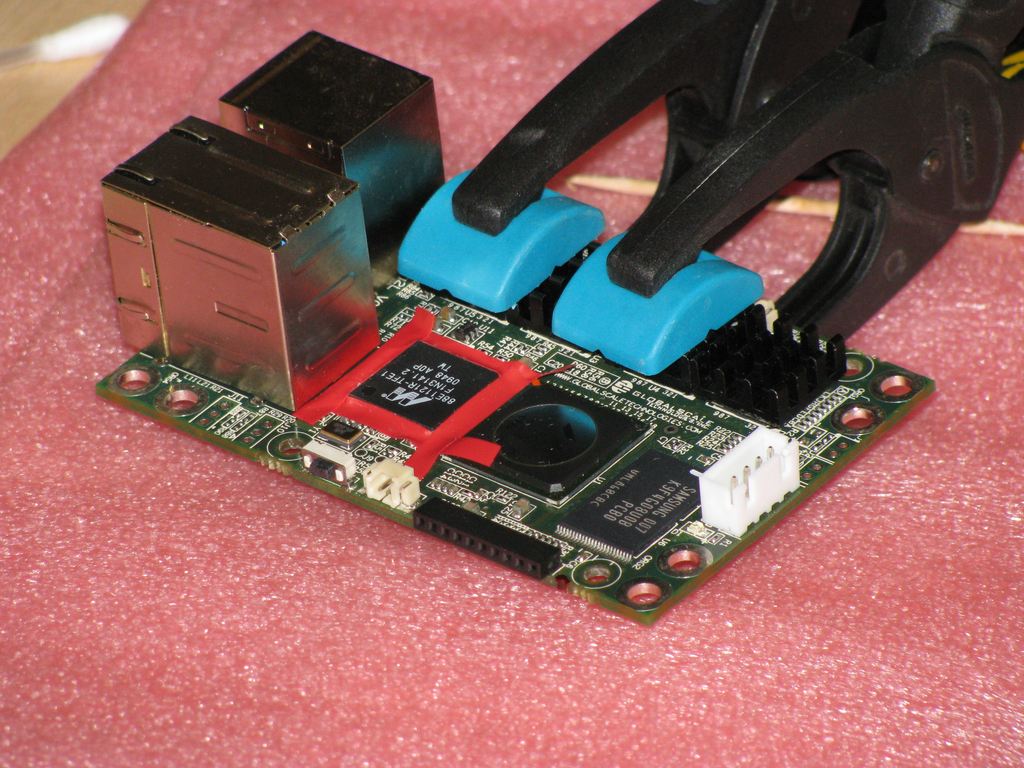

 AltOS The Altus Metrum Operating System
 This took a bit of searching, so it's here for reference. I'm sure it'll catch out people who upgrade from Lenny to Squeeze as the initial presentation can be deeply mysterious and frustrating.
 PS This post also gives me a chance to comment
on a so called
 GSoC 2010 is over for some time and I should write some summary how students
projects ended up. The very short summary is that all five students were
successful and their work got merged. Follows description of the project in no
particular order.
Thanks to Martynas Mickevicius you can now get charts out of various parts of
phpMyAdmin. They are used on server status pages or you can get query results in
form of several charts. It seems to work pretty well at least what I've tried
so far.
Ankit Gupta was working on Visual Query Builder for phpMyAdmin. Unfortunately
this is only project which is not yet merged to master branch, mostly because
some UI things were not yet finished. But hopefully it will be merged soon.
Adnan Mughal was converting our schema export feature from PDF to support
multiple formats. You can now get the schema as SVG, DIA or even Visio
formats, some of them will require a little bit of tuning still, because the
scaling is not perfect.
Ninad Pundalik did a lot of work on AJAXifying phpMyAdmin. His changes touched
quite a lot of places and there are still some rough edges (as you can see in our
bug tracker), but this is definitely welcome improvement and I hope it will
get stable soon.
Piotr Przybylski basically continued in his effort two years ago when he had
reimplemented setup script and now he had focused on user configuration. It
can be stored in session, browser local storage (HTML 5 feature) or in
separate table in phpMyAdmin configuration storage (that's new name for
pmadb). This is something what people were requesting for very long time and
I'm happy we can finally bring this feature.
And last but not least is Lorikeet Lee, who spend lot of time on tuning user
interface of phpMyAdmin. The most visible changes are on export and import
pages, which now should be less scaring for new users, but there are other
changes in lot of other places, for example the main page.
Generally it was a great summer and I hope we will be so successful also next
year.
PS: You can try all these features on
 I finally finished
 For me, the most enjoyable part of traveling is the inspiration that I derive from visiting different places, talking to people, and generally being outside of my normal environment. This bank holiday weekend, when so many Londoners visit faraway lands, my partner and I stayed in London instead, and my sought inspiration closer to home. The city has been delightfully quiet, and in contrast to the preceding week, the weather was mostly pleasant, apart from the sudden downpours the BBC described as squally showers .


