Search Results: "nma"

15 April 2014

Andrew Pollock: [life] Day 77: Port of Brisbane tour

Sarah dropped Zoe around this morning at about 8:30am. She was still a bit feverish, but otherwise in good spirits, so I decided to stick with my plan for today, which was a tour of the Port of Brisbane. Originally the plan had been to do it with Megan and her Dad, Jason, but Jason had some stuff to work on on his house, so I offered to take Megan with us to allow him more time to work on the house uninterrupted. I was casting around for something to do to pass the time until Jason dropped Megan off at 10:30am, and I thought we could do some foot painting. We searched high and low for something I could use as a foot washing bucket, other than the mop bucket, which I didn't want to use because of potential chemical residue. I gave up because I couldn't anything suitable, and we watched a bit of TV instead. Jason dropped Megan around, and we immediately jumped in the car and headed out to the Port. I missed the on ramp for the M4 from Lytton Road, and so we took the slightly longer Lytton Road route, which was fine, because we had plenty of time to kill. The plan was to get there for about 11:30am, have lunch in the observation cafe on the top floor of the visitor's centre building, and then get on the tour bus at 12:30pm. We ended up arriving much earlier than 11:30am, so we looked around the foyer of the visitor's centre for a bit. It was quite a nice building. The foyer area had some displays, but the most interesting thing (for the girls) was an interactive webcam of the shore bird roost across the street. There was a tablet where you could control the camera and zoom in and out on the birds roosting on a man-made island. That passed the time nicely. One of the staff also gave the girls Easter eggs as we arrived. We went up to the cafe for lunch next. The view was quite good from the 7th floor. On one side you could look out over the bay, notably Saint Helena Island, and on the other side you got quite a good view of the port operations and the container park. Lunch didn't take all that long, and the girls were getting a bit rowdy, running around the cafe, so we headed back downstairs to kill some more time looking at the shore birds with the webcam, and then we boarded the bus. It was just the three of us and three other adults, which was good. The girls were pretty fidgety, and I don't think they got that much out of it. The tour didn't really go anywhere that you couldn't go yourself in your own car, but you did get running commentary from the driver, which made all the difference. The girls spent the first 5 minutes trying to figure out where his voice was coming from (he was wired up with a microphone). The thing I found most interesting about the port operations was the amount of automation. There were three container terminals, and the two operated by DP World and Hutchinson Ports employed fully automated overhead cranes for moving containers around. Completely unmanned, they'd go pick a container from the stack and place it on a waiting truck below. What I found even more fascinating was the Patrick terminal, which used fully automated straddle carriers, which would, completely autonomously move about the container park, pick up a container, and then move over to a waiting truck in the loading area and place it on the truck. There were 27 of these things moving around the container park at a fairly decent clip. Of course the girls didn't really appreciate any of this, and half way through the tour Megan was busting to go to the toilet, despite going before we started the tour. I was worried about her having an accident before we got back, she didn't, so it was all good. I'd say in terms of a successful excursion, I'd score it about a 4 out of 10, because the girls didn't really enjoy the bus tour all that much. I was hoping we'd see more ships, but there weren't many (if any) in port today. They did enjoy the overall outing. Megan spontaneously thanked me as we were leaving, which was sweet. We picked up the blank cake I'd ordered from Woolworths on the way through on the way home, and then dropped Megan off. Zoe wanted to play, so we hung around for a little while before returning home. Zoe watched a bit more TV while we waited for Sarah to pick her up. Her fever picked up a bit more in the afternoon, but she was still very perky.

14 April 2014

Chris Lamb: Race report: Cambridge Duathlon 2014

(This is my first race of the 2014 season.)


I had entered this race in 2013 and found it was effective for focusing winter training. As triathlons do not typically start until May in the UK, scheduling earlier races can be motivating in the colder winter months. I didn't have any clear goals for the race except to blow out the cobwebs and improve on my 2013 time. I couldn't set reasonable or reliable target times after considerable "long & slow" training in the off-season but I did want to test some new equipment and stategies, especially race pacing with a power meter, but also a new wheelset, crankset and helmet. Preparation was both accidentally and deliberately compromised: I did very little race-specific training as my season is based around an entirely different intensity of race, but compounding this I was confined to bed the weekend before. Sleep was acceptable in the preceding days and I felt moderately fresh on race morning. Nutrition-wise, I had porridge and bread with jam for breakfast, a PowerGel before the race, 750ml of PowerBar Perform on the bike along with a "Hydro" PowerGel with caffeine at approximately 30km.
Run 1 (7.5km) A few minutes before the start my race number belt the only truly untested equipment that day refused to tighten. However, I decided that once the race began I would either ignore it or even discard it, risking disqualification. Despite letting everyone go up the road, my first km was still too fast so I dialed down the effort, settling into a "10k" pace and began overtaking other runners. The Fen winds and drag-strip uphill from 3km provided a bit of pacing challenge for someone used to shelter and shorter hills but I kept a metered effort through into transition.
Time
33:01 (4:24/km, T1: 00:47) Last year: 37:47 (5:02/km)
Bike (40km) Although my 2014 bike setup features a power meter, I had not yet had the chance to perform an FTP test outdoors. I was thus was not able to calculate a definitive target power for the bike leg. However, data from my road bike suggested I set a power ceiling of 250W on the longer hills. This was extremely effective in avoiding going "into the red" and compromising the second run. This lends yet more weight to the idea that a power meter in multisport events is "almost like cheating". I was not entirely comfortable with my bike position: not only were my thin sunglasses making me raise my head more than I needed to, I found myself creeping forward onto the nose of my saddle. This is sub-optimal, even if only considering that I am not training in that position. Overall, the bike was uneventful with the only memorable moment provided by a wasp that got stuck between my head and a helmet vent. Coming into transition I didn't feel like I had really pushed myself that hard probably a good sign but the time difference from last year's bike leg (1:16:11) was a little underwhelming.
Time
1:10:45 (T2: 00:58)
Run 2 (7.5km) After leaving transition, my legs were extremely uncooperative and I had great difficulty in pacing myself in the first kilometer. Concentrating hard on reducing my cadence as well as using my rehearsed mental cue, I managed to settle down. The following 4 kilometers were a mental struggle rather than a physical one, modulo having to force a few burps to ease some discomfort, possibly from drinking too much or too fast on the bike. I had planned to "unload" as soon as I reached 6km but I didn't really have it in me. Whilst I am physiologically faster compared to last year, I suspect the lack of threshold-level running over the winter meant the mental component required for digging deep will require some coaxing to return. However, it is said that you have successfully paced a duathlon if the second run faster than the first. On this criterion, this was a success, but it would have been a bonus to have really felt completely completely drained at the end of the day, if only from a neo-Calvinist perspective.
Time
32:46 (4:22/km) / Last year: 38:10 (5:05/km)

Overall
Total time
2:18:19
A race that goes almost entirely to plan is a bit of a paradox there's certainly satisfaction in setting goals and hitting them without issue, but this is a gratification of slow-burning fire rather than the jubilation of a fireworks display. However, it was nice to learn that I managed to finish 5th in my age group despite this race attracting an extremely strong field: as an indicator, the age-group athlete finishing immediately before me was seven minutes faster and the overall winner finished in 1:54:53 (!). The race identified the following areas to work on:
  • Perform an outdoors FTP on my time-trial bike outdoors to develop an optimum power plan.
  • Do a few more brick runs, at least to re-acclimatise the feeling.
  • Schedule another bike fit.
Although not strictly race-related, I also need to find techniques to ensure transporting a bike on public transport is less stressful. (Full results & full 2014 race schedule)

13 April 2014

C.J. Adams-Collier: When was the last time you upgraded from squeeze to wheezy?

Wow. 3G delta. I haven t booted this laptop for a while I think I m finally ready to make the move from gnome2 to gnome3. There are bits that still annoy me, but I think it s off to a good start. Upgrading perl from 5.10 to 5.14.
cjac@calcifer:~$ sudo apt-get dist-upgrade
Reading package lists... Done
Building dependency tree       
Reading state information... Done
Calculating upgrade... Done
The following packages will be REMOVED:
  at-spi capplets-data compiz compiz-gnome compiz-gtk defoma deskbar-applet g++-4.3 gcc-4.3 gcj-4.4-base gcj-4.4-jre gcj-4.4-jre-headless gcj-4.4-jre-lib
  gdm3 gir1.0-clutter-1.0 gir1.0-freedesktop gir1.0-glib-2.0 gir1.0-gstreamer-0.10 gir1.0-gtk-2.0 gir1.0-json-glib-1.0 glade-gnome gnome-about
  gnome-accessibility gnome-applets gnome-core gnome-panel gnome-utils-common lib32readline5-dev libbrasero-media0 libclass-mop-perl libdb4.7-java
  libdb4.8-dev libdevhelp-1-1 libdigest-sha1-perl libdirectfb-dev libebook1.2-9 libecal1.2-7 libedata-book1.2-2 libedata-cal1.2-7 libedataserverui1.2-8
  libepc-1.0-2 libepc-ui-1.0-2 libept1 libgcj10 libgcj10-awt libgd2-noxpm libgstfarsight0.10-0 libgtkhtml-editor0 libjpeg62-dev libmetacity-private0
  libmono-accessibility1.0-cil libmono-bytefx0.7.6.1-cil libmono-cairo1.0-cil libmono-cil-dev libmono-corlib1.0-cil libmono-cscompmgd7.0-cil
  libmono-data-tds1.0-cil libmono-data1.0-cil libmono-debugger-soft0.0-cil libmono-getoptions1.0-cil libmono-i18n-west1.0-cil libmono-i18n1.0-cil
  libmono-ldap1.0-cil libmono-microsoft7.0-cil libmono-npgsql1.0-cil libmono-oracle1.0-cil libmono-peapi1.0-cil libmono-posix1.0-cil
  libmono-relaxng1.0-cil libmono-security1.0-cil libmono-sharpzip0.6-cil libmono-sharpzip0.84-cil libmono-sqlite1.0-cil libmono-system-data1.0-cil
  libmono-system-ldap1.0-cil libmono-system-messaging1.0-cil libmono-system-runtime1.0-cil libmono-system-web1.0-cil libmono-system1.0-cil
  libmono-webbrowser0.5-cil libmono-winforms1.0-cil libmono1.0-cil libmtp8 libnautilus-extension1 libpango1.0-common libperl5.10 libpolkit-gtk-1-0
  libpulse-browse0 librpm1 librpmbuild1 libsdl1.2-dev libsdl1.2debian-pulseaudio libseed0 libstdc++6-4.3-dev libtelepathy-farsight0 libupnp3 libvlccore4
  libxmlrpc-c3 linphone-nox linux-headers-2.6.32-5-amd64 linux-sound-base metacity mono-2.0-devel mono-devel mysql-client-5.1 mysql-query-browser
  mysql-server-5.1 mysql-server-core-5.1 openoffice.org-base-core openoffice.org-core openoffice.org-gcj openoffice.org-report-builder-bin
  openoffice.org-style-andromeda php5-suhosin portmap python-beagle python-brasero python-docky python-encutils python-evince python-gnomeapplet
  python-gtop python-mediaprofiles python-metacity python-totem-plparser seahorse-plugins smbfs speedbar totem-coherence tqsllib1c2a unixcw vlc
  xserver-xorg-video-nv
The following NEW packages will be installed:
  accountsservice acl aisleriot apg aptdaemon-data aptitude-common asterisk-core-sounds-en asterisk-modules asterisk-moh-opsound-gsm at-spi2-core
  ax25-node bluez btrfs-tools caribou caribou-antler chromium chromium-inspector colord console-setup console-setup-linux cpp-4.6 cpp-4.7 crda
  cryptsetup-bin cups-filters db-util db5.1-util dconf-gsettings-backend dconf-service dconf-tools distro-info-data docutils-common docutils-doc enchant
  extlinux finger folks-common fonts-cantarell fonts-droid fonts-freefont-ttf fonts-horai-umefont fonts-lg-aboriginal fonts-liberation fonts-lyx
  fonts-opensymbol fonts-sil-gentium fonts-sil-gentium-basic fonts-sipa-arundina fonts-stix fonts-takao fonts-takao-gothic fonts-takao-mincho
  fonts-thai-tlwg fonts-tlwg-garuda fonts-tlwg-kinnari fonts-tlwg-loma fonts-tlwg-mono fonts-tlwg-norasi fonts-tlwg-purisa fonts-tlwg-sawasdee
  fonts-tlwg-typewriter fonts-tlwg-typist fonts-tlwg-typo fonts-tlwg-umpush fonts-tlwg-waree fonts-umeplus fuse g++-4.7 g++-4.7-multilib gcc-4.6
  gcc-4.6-base gcc-4.7 gcc-4.7-base gcc-4.7-multilib gcj-4.7-base gcj-4.7-jre gcj-4.7-jre-headless gcj-4.7-jre-lib gconf-service gcr
  gir1.2-accountsservice-1.0 gir1.2-atk-1.0 gir1.2-atspi-2.0 gir1.2-caribou-1.0 gir1.2-clutter-1.0 gir1.2-clutter-gst-1.0 gir1.2-cogl-1.0
  gir1.2-coglpango-1.0 gir1.2-evince-3.0 gir1.2-folks-0.6 gir1.2-freedesktop gir1.2-gck-1 gir1.2-gconf-2.0 gir1.2-gcr-3 gir1.2-gdesktopenums-3.0
  gir1.2-gdkpixbuf-2.0 gir1.2-gee-1.0 gir1.2-gkbd-3.0 gir1.2-glib-2.0 gir1.2-gmenu-3.0 gir1.2-gnomebluetooth-1.0 gir1.2-gnomekeyring-1.0
  gir1.2-gst-plugins-base-0.10 gir1.2-gstreamer-0.10 gir1.2-gtk-3.0 gir1.2-gtkclutter-1.0 gir1.2-gtksource-3.0 gir1.2-gtop-2.0 gir1.2-gucharmap-2.90
  gir1.2-javascriptcoregtk-3.0 gir1.2-json-1.0 gir1.2-mutter-3.0 gir1.2-networkmanager-1.0 gir1.2-notify-0.7 gir1.2-panelapplet-4.0 gir1.2-pango-1.0
  gir1.2-peas-1.0 gir1.2-polkit-1.0 gir1.2-rb-3.0 gir1.2-soup-2.4 gir1.2-telepathyglib-0.12 gir1.2-telepathylogger-0.2 gir1.2-totem-1.0
  gir1.2-totem-plparser-1.0 gir1.2-upowerglib-1.0 gir1.2-vte-2.90 gir1.2-webkit-3.0 gir1.2-wnck-3.0 gir1.2-xkl-1.0 git-man gjs gkbd-capplet glchess
  glib-networking glib-networking-common glib-networking-services glines gnect gnibbles gnobots2 gnome-bluetooth gnome-contacts gnome-control-center-data
  gnome-desktop3-data gnome-font-viewer gnome-icon-theme-extras gnome-icon-theme-symbolic gnome-online-accounts gnome-packagekit gnome-packagekit-data
  gnome-shell gnome-shell-common gnome-sudoku gnome-sushi gnome-themes-standard gnome-themes-standard-data gnome-user-share gnome-video-effects gnomine
  gnotravex gnotski gnuplot gnuplot-nox grilo-plugins-0.1 groff growisofs gsettings-desktop-schemas gstreamer0.10-gconf gtali guile-2.0-libs gvfs-common
  gvfs-daemons gvfs-libs hardening-includes hwdata iagno ienglish-common imagemagick-common ioquake3 ioquake3-server iputils-tracepath ipxe-qemu iw
  keyutils kmod krb5-locales lib32itm1 lib32quadmath0 lib32tinfo-dev lib32tinfo5 libaacplus2 libaacs0 libabiword-2.9 libaccountsservice0 libamd2.2.0
  libapache-pom-java libapol4 libapt-inst1.5 libapt-pkg4.12 libaqbanking-plugins-libgwenhywfar60 libaqbanking34 libaqbanking34-plugins libaqhbci20
  libaqofxconnect7 libarchive12 libasprintf0c2 libassuan0 libatk-adaptor libatk-adaptor-data libatk-bridge2.0-0 libatkmm-1.6-1 libatkmm-1.6-dev
  libatspi2.0-0 libaudiofile1 libavahi-ui-gtk3-0 libavcodec53 libavcodec54 libavformat53 libavformat54 libavutil51 libbabl-0.1-0 libbind9-80 libbison-dev
  libblas3 libbluray1 libboost-iostreams1.49.0 libboost-program-options1.49.0 libboost-python1.49.0 libboost-serialization1.49.0 libboost-thread1.49.0
  libbrasero-media3-1 libcairo-gobject2 libcairo-script-interpreter2 libcamel-1.2-33 libcanberra-dev libcanberra-gtk3-0 libcanberra-gtk3-module
  libcanberra-pulse libcapi20-3 libcaribou-common libcaribou-gtk-module libcaribou-gtk3-module libcaribou0 libccrtp0 libcdio-cdda1 libcdio-paranoia1
  libcdio13 libcfg4 libchamplain-0.12-0 libchamplain-gtk-0.12-0 libcheese-gtk21 libcheese3 libclass-factory-util-perl libclass-isa-perl libclass-load-perl
  libclass-load-xs-perl libclutter-1.0-common libclutter-gst-1.0-0 libclutter-gtk-1.0-0 libclutter-imcontext-0.1-0 libclutter-imcontext-0.1-bin
  libcluttergesture-0.0.2-0 libcmis-0.2-0 libcogl-common libcogl-pango0 libcogl9 libcolord1 libcommons-parent-java libconfdb4 libcoroipcc4 libcoroipcs4
  libcpg4 libcryptsetup4 libcrystalhd3 libcupsfilters1 libcw3 libdata-alias-perl libdatetime-format-builder-perl libdatetime-format-iso8601-perl
  libdb-java libdb5.1 libdb5.1-dev libdb5.1-java libdb5.1-java-jni libdbus-c++-1-0 libdbus-glib1.0-cil libdbus1.0-cil libdconf0 libdee-1.0-4
  libdevel-partialdump-perl libdevhelp-3-0 libdevmapper-event1.02.1 libdistro-info-perl libdmapsharing-3.0-2 libdns88 libdotconf1.0 libdvbpsi7
  libebackend-1.2-2 libebml3 libebook-1.2-13 libecal-1.2-11 libecore1 libedata-book-1.2-13 libedata-cal-1.2-15 libedataserver-1.2-16
  libedataserverui-3.0-1 libeina1 libemail-valid-perl libencode-locale-perl libepc-1.0-3 libepc-ui-1.0-3 libept1.4.12 libescpr1 libev4
  libeval-closure-perl libevdocument3-4 libevent-2.0-5 libevent-perl libevs4 libevview3-3 libexiv2-12 libexosip2-7 libexporter-lite-perl
  libexttextcat-data libexttextcat0 libfakechroot libfarstream-0.1-0 libfdk-aac0 libfdt1 libfile-basedir-perl libfile-desktopentry-perl
  libfile-fcntllock-perl libfile-listing-perl libfile-mimeinfo-perl libfltk-images1.3 libfltk1.3 libfolks-eds25 libfolks-telepathy25 libfolks25
  libfont-afm-perl libgail-3-0 libgcj13 libgcj13-awt libgck-1-0 libgconf-2-4 libgconf2-doc libgcr-3-1 libgcr-3-common libgd2-xpm libgdata13
  libgdata2.1-cil libgdict-common libgdk-pixbuf2.0-0 libgdk-pixbuf2.0-common libgdk-pixbuf2.0-dev libgegl-0.2-0 libgeocode-glib0 libgettextpo0 libgexiv2-1
  libgirepository-1.0-1 libgjs0b libgkeyfile1.0-cil libgladeui-2-0 libgladeui-common libglapi-mesa libglew1.7 libglib2.0-bin libgmime-2.6-0
  libgmime2.6-cil libgmp10 libgnome-bluetooth10 libgnome-desktop-3-2 libgnome-keyring-common libgnome-media-profiles-3.0-0 libgnome-menu-3-0 libgnomekbd7
  libgnutls-openssl27 libgnutlsxx27 libgoa-1.0-0 libgoa-1.0-common libgphoto2-l10n libgraphite2-2.0.0 libgrilo-0.1-0 libgs9 libgs9-common libgssdp-1.0-3
  libgstreamer-plugins-bad0.10-0 libgtk-3-0 libgtk-3-bin libgtk-3-common libgtk-3-dev libgtk-3-doc libgtk-sharp-beans-cil libgtk-vnc-2.0-0
  libgtkhtml-4.0-0 libgtkhtml-4.0-common libgtkhtml-editor-4.0-0 libgtkmm-3.0-1 libgtksourceview-3.0-0 libgtksourceview-3.0-common libgucharmap-2-90-7
  libgudev1.0-cil libgupnp-1.0-4 libgupnp-av-1.0-2 libgupnp-igd-1.0-4 libgusb2 libgvnc-1.0-0 libgweather-3-0 libgwenhywfar-data libgwenhywfar60 libgxps2
  libhcrypto4-heimdal libheimbase1-heimdal libhtml-form-perl libhtml-format-perl libhttp-cookies-perl libhttp-daemon-perl libhttp-date-perl
  libhttp-message-perl libhttp-negotiate-perl libhunspell-1.3-0 libicu48 libimobiledevice2 libio-aio-perl libisc84 libisccc80 libisccfg82 libiscsi1
  libiso9660-8 libisoburn1 libitm1 libjavascriptcoregtk-1.0-0 libjavascriptcoregtk-3.0-0 libjbig0 libjs-sphinxdoc libjs-underscore libjson0 libjte1
  libkadm5clnt-mit8 libkadm5srv-mit8 libkarma0 libkdb5-6 libkmod2 libkpathsea6 liblapack3 liblavfile-2.0-0 liblavjpeg-2.0-0 liblavplay-2.0-0 liblcms2-2
  liblensfun-data liblensfun0 liblinear-tools liblinear1 liblinphone4 liblockfile-bin liblogsys4 liblvm2app2.2 liblwp-mediatypes-perl
  liblwp-protocol-https-perl liblwres80 liblzma5 libmaa3 libmagick++5 libmagickcore5 libmagickcore5-extra libmagickwand5 libmath-bigint-perl
  libmath-round-perl libmatroska5 libmediastreamer1 libmhash2 libminiupnpc5 libmission-control-plugins0 libmjpegutils-2.0-0 libmodule-implementation-perl
  libmodule-runtime-perl libmono-2.0-1 libmono-2.0-dev libmono-accessibility4.0-cil libmono-cairo4.0-cil libmono-codecontracts4.0-cil
  libmono-compilerservices-symbolwriter4.0-cil libmono-corlib4.0-cil libmono-csharp4.0-cil libmono-custommarshalers4.0-cil libmono-data-tds4.0-cil
  libmono-debugger-soft2.0-cil libmono-debugger-soft4.0-cil libmono-http4.0-cil libmono-i18n-cjk4.0-cil libmono-i18n-mideast4.0-cil
  libmono-i18n-other4.0-cil libmono-i18n-rare4.0-cil libmono-i18n-west4.0-cil libmono-i18n4.0-all libmono-i18n4.0-cil libmono-ldap4.0-cil
  libmono-management4.0-cil libmono-messaging-rabbitmq4.0-cil libmono-messaging4.0-cil libmono-microsoft-build-engine4.0-cil
  libmono-microsoft-build-framework4.0-cil libmono-microsoft-build-tasks-v4.0-4.0-cil libmono-microsoft-build-utilities-v4.0-4.0-cil
  libmono-microsoft-csharp4.0-cil libmono-microsoft-visualc10.0-cil libmono-microsoft-web-infrastructure1.0-cil libmono-npgsql4.0-cil
  libmono-opensystem-c4.0-cil libmono-oracle4.0-cil libmono-peapi4.0-cil libmono-posix4.0-cil libmono-rabbitmq4.0-cil libmono-relaxng4.0-cil
  libmono-security4.0-cil libmono-sharpzip4.84-cil libmono-simd4.0-cil libmono-sqlite4.0-cil libmono-system-componentmodel-composition4.0-cil
  libmono-system-componentmodel-dataannotations4.0-cil libmono-system-configuration-install4.0-cil libmono-system-configuration4.0-cil
  libmono-system-core4.0-cil libmono-system-data-datasetextensions4.0-cil libmono-system-data-linq4.0-cil libmono-system-data-services-client4.0-cil
  libmono-system-data-services4.0-cil libmono-system-data4.0-cil libmono-system-design4.0-cil libmono-system-drawing-design4.0-cil
  libmono-system-drawing4.0-cil libmono-system-dynamic4.0-cil libmono-system-enterpriseservices4.0-cil libmono-system-identitymodel-selectors4.0-cil
  libmono-system-identitymodel4.0-cil libmono-system-ldap4.0-cil libmono-system-management4.0-cil libmono-system-messaging4.0-cil
  libmono-system-net4.0-cil libmono-system-numerics4.0-cil libmono-system-runtime-caching4.0-cil libmono-system-runtime-durableinstancing4.0-cil
  libmono-system-runtime-serialization-formatters-soap4.0-cil libmono-system-runtime-serialization4.0-cil libmono-system-runtime4.0-cil
  libmono-system-security4.0-cil libmono-system-servicemodel-discovery4.0-cil libmono-system-servicemodel-routing4.0-cil
  libmono-system-servicemodel-web4.0-cil libmono-system-servicemodel4.0-cil libmono-system-serviceprocess4.0-cil libmono-system-transactions4.0-cil
  libmono-system-web-abstractions4.0-cil libmono-system-web-applicationservices4.0-cil libmono-system-web-dynamicdata4.0-cil
  libmono-system-web-extensions-design4.0-cil libmono-system-web-extensions4.0-cil libmono-system-web-routing4.0-cil libmono-system-web-services4.0-cil
  libmono-system-web4.0-cil libmono-system-windows-forms-datavisualization4.0-cil libmono-system-windows-forms4.0-cil libmono-system-xaml4.0-cil
  libmono-system-xml-linq4.0-cil libmono-system-xml4.0-cil libmono-system4.0-cil libmono-tasklets4.0-cil libmono-web4.0-cil libmono-webbrowser2.0-cil
  libmono-webbrowser4.0-cil libmono-webmatrix-data4.0-cil libmono-windowsbase4.0-cil libmount1 libmozjs10d libmozjs17d libmozjs185-1.0 libmpeg2encpp-2.0-0
  libmplex2-2.0-0 libmtdev1 libmtp-common libmtp-runtime libmtp9 libmupen64plus2 libmusicbrainz-discid-perl libmusicbrainz5-0 libmutter0 libmx-1.0-2
  libmx-bin libmx-common libmysqlclient18 libnatpmp1 libnautilus-extension1a libnet-domain-tld-perl libnet-http-perl libnet-ip-minimal-perl libnetcf1
  libnetfilter-conntrack3 libnettle4 libnewtonsoft-json4.5-cil libnice10 libnl-3-200 libnl-genl-3-200 libnl-route-3-200 libnm-glib4 libnm-gtk-common
  libnm-gtk0 libnm-util2 libnotify4 libnspr4 libnss-winbind libnss3 libnuma1 libnunit2.6-cil liboauth0 libodbc1 liboobs-1-5 libopal3.10.4 libopenal-data
  libopus0 libosip2-7 libp11-2 libp11-kit-dev libp11-kit0 libpackage-stash-xs-perl libpackagekit-glib2-14 libpam-cap libpam-modules-bin libpam-winbind
  libpanel-applet-4-0 libparams-classify-perl libpcre3-dev libpcrecpp0 libpeas-1.0-0 libpeas-common libperl5.14 libpipeline1 libpload4 libpodofo0.9.0
  libpoe-component-resolver-perl libpoppler-glib8 libpoppler19 libportsmf0 libpostproc52 libprocps0 libpst4 libpt2.10.4 libptexenc1 libpython2.7
  libqt4-declarative libqtassistantclient4 libqtdbus4 libqtwebkit4 libquadmath0 libquicktime2 libquorum4 libquvi-scripts libquvi7 libraptor2-0 librasqal3
  libraw5 libregexp-reggrp-perl libreoffice libreoffice-base libreoffice-base-core libreoffice-calc libreoffice-common libreoffice-core libreoffice-draw
  libreoffice-emailmerge libreoffice-evolution libreoffice-filter-binfilter libreoffice-filter-mobiledev libreoffice-gnome libreoffice-gtk
  libreoffice-help-en-us libreoffice-impress libreoffice-java-common libreoffice-math libreoffice-officebean libreoffice-report-builder-bin
  libreoffice-style-galaxy libreoffice-style-tango libreoffice-writer libresid-builder0c2a librest-0.7-0 librest-extras-0.7-0 librhythmbox-core6 librpm3
  librpmbuild3 librpmio3 librpmsign1 libruby1.9.1 libsaamf3 libsackpt3 libsaclm3 libsaevt3 libsalck3 libsam4 libsamsg4 libsane-common
  libsane-extras-common libsatmr3 libsbsms10 libseed-gtk3-0 libsidplay2 libsigsegv2 libsocialweb-client2 libsocialweb-common libsocialweb-service
  libsocialweb0 libsocket-getaddrinfo-perl libsocket-perl libsonic0 libsoundtouch0 libsox2 libspeechd2 libspice-client-glib-2.0-1
  libspice-client-gtk-2.0-1 libspice-server1 libssl-doc libssl1.0.0 libstdc++6-4.7-dev libsvm-tools libswitch-perl libswscale2 libsystemd-daemon0
  libsystemd-login0 libtagc0 libtelepathy-farstream2 libtelepathy-logger2 libtest-warn-perl libtinfo-dev libtinfo5 libtirpc1 libtokyocabinet9 libtotem-pg4
  libtotem0 libtqsllib1 libtracker-sparql-0.14-0 libtree-dagnode-perl libts-dev libucommon5 libumfpack5.4.0 libunique-3.0-0 libupnp6 libusbredirhost1
  libusbredirparser0 libv4lconvert0 libverto-libev1 libverto1 libvisio-0.0-0 libvlccore5 libvo-aacenc0 libvo-amrwbenc0 libvorbisidec1 libvotequorum4
  libvpx1 libvte-2.90-9 libvte-2.90-common libwacom-common libwacom2 libwebkitgtk-1.0-0 libwebkitgtk-1.0-common libwebkitgtk-3.0-0 libwebkitgtk-3.0-common
  libwebp2 libwebrtc-audio-processing-0 libwildmidi-config libwireshark-data libwireshark2 libwiretap2 libwnck-3-0 libwnck-3-common libwpd-0.9-9
  libwpg-0.2-2 libwps-0.2-2 libwsutil2 libwv-1.2-4 libwww-robotrules-perl libx11-doc libx11-protocol-perl libx264-123 libx264-124 libx264-130 libx264-132
  libxalan2-java libxcb-composite0 libxcb-glx0 libxcb-shape0 libxcb-shm0-dev libxcb-util0 libxen-4.1 libxml-commons-external-java
  libxml-commons-resolver1.1-java libxml-sax-base-perl libxmlrpc-c++4 libxmlrpc-core-c3 libxz-java libyajl2 libyaml-0-2 libyaml-perl libyelp0 libzrtpcpp2
  libzvbi-common libzvbi0 lightsoff linphone-nogtk linux-headers-3.2.0-4-amd64 linux-headers-3.2.0-4-common linux-headers-amd64 linux-image-3.2.0-4-amd64
  linux-image-amd64 linux-kbuild-3.2 live-boot-doc live-config-doc live-manual-html mahjongg memtest86+ minissdpd mono-4.0-gac mono-dmcs mscompress
  multiarch-support mupen64plus-audio-all mupen64plus-audio-sdl mupen64plus-data mupen64plus-input-all mupen64plus-input-sdl mupen64plus-rsp-all
  mupen64plus-rsp-hle mupen64plus-rsp-z64 mupen64plus-ui-console mupen64plus-video-all mupen64plus-video-arachnoid mupen64plus-video-glide64
  mupen64plus-video-rice mupen64plus-video-z64 mutter-common mysql-client-5.5 mysql-server-5.5 mysql-server-core-5.5 mythes-en-us openarena-081-maps
  openarena-081-misc openarena-081-players openarena-081-players-mature openarena-081-textures openarena-085-data openarena-088-data packagekit
  packagekit-backend-aptcc packagekit-tools planner-data planner-doc poppler-data printer-driver-all printer-driver-c2050 printer-driver-c2esp
  printer-driver-cjet printer-driver-escpr printer-driver-foo2zjs printer-driver-gutenprint printer-driver-hpcups printer-driver-hpijs
  printer-driver-m2300w printer-driver-min12xxw printer-driver-pnm2ppa printer-driver-postscript-hp printer-driver-ptouch printer-driver-pxljr
  printer-driver-sag-gdi printer-driver-splix psutils python-aptdaemon.gtk3widgets python-aptdaemon.gtkwidgets python-bzrlib python-dbus-dev
  python-debianbts python-defer python-dnspython python-fpconst python-gi python-gi-cairo python-gi-dev python-gobject-2 python-gobject-2-dev
  python-keyring python-launchpadlib python-lazr.restfulclient python-lazr.uri python-liblarch python-liblarch-gtk python-magic python-oauth
  python-packagekit python-pyatspi2 python-pyparsing python-repoze.lru python-routes python-setools python-simplejson python-soappy python-speechd
  python-spice-client-gtk python-wadllib python-webob python-zeitgeist python2.7 python2.7-dev python2.7-minimal qdbus quadrapassel remmina-common
  rhythmbox-data rpcbind rtkit ruby ruby1.9.1 shotwell-common smartdimmer software-properties-common sound-theme-freedesktop speech-dispatcher
  sphinx-common sphinx-doc swell-foop syslinux-themes-debian syslinux-themes-debian-wheezy tdb-tools telepathy-haze telepathy-logger telepathy-rakia
  tex-gyre ttf-marvosym wireless-regdb xbrlapi xorg-sgml-doctools xorriso xserver-xorg-input-mouse xserver-xorg-input-vmmouse xulrunner-17.0 yelp-xsl
  zeitgeist-core zenity-common
The following packages have been kept back:
  acroread-debian-files db4.8-util hibernate ia32-libs ia32-libs-gtk libboost-dev libboost-serialization-dev opensc wine
The following packages will be upgraded:
  abcde abiword abiword-common abiword-plugin-grammar abiword-plugin-mathview acpi acpi-fakekey acpi-support acpi-support-base acpid acroread-data
  acroread-dictionary-en acroread-l10n-en adduser alacarte alsa-base alsa-utils amb-plugins anacron analog ant ant-optional apache2 apache2-doc
  apache2-mpm-prefork apache2-utils apache2.2-bin apache2.2-common app-install-data apt apt-file apt-utils apt-xapian-index aptdaemon aptitude
  aqbanking-tools aspell aspell-en asterisk asterisk-config asterisk-core-sounds-en-gsm asterisk-doc asterisk-voicemail astyle at audacity audacity-data
  augeas-lenses augeas-tools autoconf autoconf-doc automake automake1.9 autopoint autotools-dev avahi-autoipd avahi-daemon avidemux avidemux-common
  avidemux-plugins aview ax25-tools banshee baobab base-files base-passwd bash bash-completion bc bind9-doc bind9-host bind9utils binfmt-support binutils
  bison bluez-cups bogofilter bogofilter-bdb bogofilter-common brasero brasero-common bridge-utils browser-plugin-gnash bsd-mailx bsdmainutils bsdutils
  busybox buzztard buzztard-data bwidget bzip2 bzr bzrtools ca-certificates calibre calibre-bin ccache cd-discid cdebootstrap cdparanoia cdrdao
  checkpolicy cheese cheese-common chromium-browser chromium-browser-inspector cifs-utils cl-asdf cli-common clisp comerr-dev common-lisp-controller
  console-common console-data console-tools consolekit coreutils cowbuilder cowdancer cpio cpp cpp-4.4 cpufrequtils cracklib-runtime crawl-common
  crawl-tiles cron cryptsetup cups cups-bsd cups-client cups-common cups-driver-gutenprint cups-pk-helper cups-ppdc cupsddk curl curlftpfs cvs cw dash
  dasher dasher-data dbus dbus-x11 dc dcraw dctrl-tools debconf debconf-i18n debhelper debian-archive-keyring debian-faq debian-keyring debianutils debirf
  debootstrap desktop-base desktop-file-utils devhelp devhelp-common devscripts dialog dict dictionaries-common diffstat diffutils djtools dkms dmidecode
  dmsetup dnsmasq-base dnsutils doc-debian docbook docbook-dsssl docbook-to-man docbook-utils docbook-xml docbook-xsl docbook-xsl-doc-html docky dosemu
  dosfstools dpatch dpkg dpkg-dev dput dvd+rw-tools dvi2ps dynagen dynamips e2fslibs e2fsprogs ebtables ed eject ekiga emacs23-bin-common emacs23-common
  emacs23-nox emacsen-common emdebian-archive-keyring empathy empathy-common eog epiphany-browser epiphany-browser-data epiphany-extensions esound-common
  espeak espeak-data ethtool evince evince-common evolution evolution-common evolution-data-server evolution-data-server-common evolution-exchange
  evolution-plugins evolution-webcal exif exiftags exim4 exim4-base exim4-config exim4-daemon-light exiv2 f-spot fakechroot fakeroot fancontrol fceu
  fcrackzip fdupes feynmf file file-roller finch findutils firmware-iwlwifi firmware-linux-free firmware-linux-nonfree flac flashrom fldigi flex
  fontconfig fontconfig-config foo2zjs foomatic-db foomatic-db-engine foomatic-db-gutenprint foomatic-filters fping freedesktop-sound-theme freeglut3
  freetds-common ftp fuse-utils g++ g++-4.4 g++-4.4-multilib g++-multilib gawk gcalctool gcc gcc-4.4 gcc-4.4-base gcc-4.4-doc gcc-4.4-multilib
  gcc-doc-base gcc-multilib gcj-jre gcj-jre-headless gconf-defaults-service gconf-editor gconf2 gconf2-common gddrescue gdebi gdebi-core gedit
  gedit-common gedit-plugins genisoimage geoclue geoclue-hostip geoclue-localnet geoclue-manual geoclue-yahoo geoip-database gettext gettext-base
  ghostscript ghostscript-cups gimp gimp-data git git-buildpackage git-core git-svn gitk gksu glade gnash gnash-common gnash-opengl
  gnome-accessibility-themes gnome-applets-data gnome-backgrounds gnome-cards-data gnome-common gnome-control-center gnome-control-center-dev
  gnome-desktop-data gnome-dictionary gnome-disk-utility gnome-do gnome-do-plugins gnome-doc-utils gnome-games gnome-games-data gnome-games-extra-data
  gnome-icon-theme gnome-js-common gnome-keyring gnome-mag gnome-media gnome-menus gnome-nettool gnome-orca gnome-panel-data gnome-pkg-tools
  gnome-power-manager gnome-rdp gnome-screensaver gnome-screenshot gnome-search-tool gnome-session gnome-session-bin gnome-session-canberra
  gnome-session-common gnome-settings-daemon gnome-settings-daemon-dev gnome-system-log gnome-system-monitor gnome-system-tools gnome-terminal
  gnome-terminal-data gnome-user-guide gnomint gnu-fdisk gnucash-docs gnuchess gnumeric gnumeric-common gnupg gnupg-agent gocr google-talkplugin gparted
  gpgv gpredict gpscorrelate grep groff-base grub-common grub-legacy gsfonts-x11 gsmartcontrol gstreamer0.10-alsa gstreamer0.10-buzztard
  gstreamer0.10-buzztard-doc gstreamer0.10-doc gstreamer0.10-ffmpeg gstreamer0.10-ffmpeg-dbg gstreamer0.10-fluendo-mp3 gstreamer0.10-gnonlin
  gstreamer0.10-gnonlin-dbg gstreamer0.10-gnonlin-doc gstreamer0.10-nice gstreamer0.10-plugins-bad gstreamer0.10-plugins-bad-dbg
  gstreamer0.10-plugins-bad-doc gstreamer0.10-plugins-base gstreamer0.10-plugins-base-apps gstreamer0.10-plugins-base-dbg gstreamer0.10-plugins-base-doc
  gstreamer0.10-plugins-good gstreamer0.10-plugins-good-dbg gstreamer0.10-plugins-good-doc gstreamer0.10-plugins-ugly gstreamer0.10-plugins-ugly-dbg
  gstreamer0.10-plugins-ugly-doc gstreamer0.10-pulseaudio gstreamer0.10-tools gstreamer0.10-x gtg gthumb gthumb-data gtk2-engines gtk2-engines-pixbuf
  gucharmap guile-1.6 guile-1.6-libs guile-1.8-libs gvfs gvfs-backends gvfs-bin gzip hal hamster-applet hardinfo hddtemp hdparm hfsprogs hostname hp-ppd
  hpijs hplip hplip-cups hplip-data htmldoc htmldoc-common iamerican ibritish iceweasel ifupdown ijsgutenprint imagemagick imagemagick-doc info
  initramfs-tools initscripts inkscape insserv install-info installation-report intltool iotop iproute ipsec-tools iptables iptraf iputils-ping
  ircd-hybrid irssi isc-dhcp-client isc-dhcp-common isc-dhcp-server iscsitarget-dkms iso-codes ispell jack jadetex java-common jigdo-file keyanalyze
  keyboard-configuration keychain klibc-utils kpartx krb5-admin-server krb5-auth-dialog krb5-config krb5-doc krb5-kdc krb5-kdc-ldap krb5-multidev
  krb5-pkinit krb5-user lacheck lame latex-beamer latex-xcolor less lesstif2 lesstif2-dev lib32asound2 lib32bz2-1.0 lib32gcc1 lib32gomp1 lib32ncurses5
  lib32ncurses5-dev lib32nss-mdns lib32readline5 lib32stdc++6 lib32v4l-0 lib32z1 lib32z1-dev liba52-0.7.4 libaa1 libaa1-dev libacl1 libaften0
  libaiksaurus-1.2-0c2a libaiksaurus-1.2-data libaiksaurusgtk-1.2-0c2a libaio1 libalgorithm-diff-xs-perl libany-moose-perl libanyevent-perl libao-common
  libao4 libapache-dbi-perl libapache2-mod-apreq2 libapache2-mod-dnssd libapache2-mod-perl2 libapache2-mod-php5 libapache2-mod-python
  libapache2-request-perl libappconfig-perl libapr1 libapreq2 libaprutil1 libaprutil1-dbd-sqlite3 libaprutil1-ldap libapt-pkg-perl libaqbanking-data
  libarchive-zip-perl libart-2.0-2 libart-2.0-dev libart2.0-cil libasn1-8-heimdal libasound2 libasound2-dev libasound2-plugins libaspell15 libass4
  libasync-interrupt-perl libasyncns0 libatasmart4 libatk1.0-0 libatk1.0-data libatk1.0-dev libatk1.0-doc libatspi1.0-0 libattr1 libaudio-dev libaudio2
  libaudiofile-dev libaudit0 libaugeas0 libavahi-client-dev libavahi-client3 libavahi-common-data libavahi-common-dev libavahi-common3 libavahi-core7
  libavahi-glib-dev libavahi-glib1 libavahi-gobject0 libavahi-ui0 libavc1394-0 libax25 libb-hooks-endofscope-perl libb-keywords-perl libbind9-60
  libblas3gf libblkid1 libbluetooth3 libbml0 libboo2.0.9-cil libbrlapi0.5 libbs2b0 libbsd0 libburn4 libbusiness-paypal-api-perl
  libbusiness-tax-vat-validation-perl libbuzztard0 libbz2-1.0 libc-ares2 libc-bin libc-dev-bin libc6 libc6-dev libc6-dev-i386 libc6-i386 libcaca-dev
  libcaca0 libcache-fastmmap-perl libcairo-perl libcairo2 libcairo2-dev libcairomm-1.0-1 libcairomm-1.0-dev libcanberra-gtk0 libcanberra0 libcap-ng0
  libcap2 libcap2-bin libcapture-tiny-perl libccid libcdaudio1 libcddb-get-perl libcddb2 libcdparanoia0 libcdt4 libchm-bin libchm1 libck-connector0
  libclass-c3-perl libclass-c3-xs-perl libclass-insideout-perl libclass-inspector-perl libclass-method-modifiers-perl libclass-methodmaker-perl
  libclone-perl libclutter-1.0-0 libcolamd2.7.1 libcolor-calc-perl libcomedi0 libcomerr2 libcommon-sense-perl libcommons-beanutils-java
  libcommons-collections3-java libcommons-compress-java libcommons-digester-java libcommons-logging-java libconfig-inifiles-perl libconfig-json-perl
  libconfig-tiny-perl libconsole libcontextual-return-perl libconvert-asn1-perl libcoro-perl libcorosync4 libcpufreq-dev libcpufreq0 libcrack2 libcroco3
  libcrypt-openssl-bignum-perl libcrypt-openssl-random-perl libcrypt-openssl-rsa-perl libcrypt-passwdmd5-perl libcrypt-ssleay-perl libcss-minifier-xs-perl
  libcss-packer-perl libcups2 libcupscgi1 libcupsdriver1 libcupsimage2 libcupsmime1 libcupsppdc1 libcurl3 libcurl3-gnutls libcurses-perl libcwidget3
  libdata-optlist-perl libdata-structure-util-perl libdata-visitor-perl libdatetime-format-http-perl libdatetime-perl libdatetime-set-perl
  libdatetime-timezone-perl libdatrie1 libdb-dev libdb-je-java libdbd-mysql-perl libdbi-perl libdbus-1-3 libdbus-1-dev libdbus-glib-1-2 libdbus-glib-1-dev
  libdc1394-22 libdca0 libdebian-installer-extra4 libdebian-installer4 libdevel-globaldestruction-perl libdevel-size-perl libdevel-stacktrace-perl
  libdevel-symdump-perl libdevmapper1.02.1 libdigest-hmac-perl libdirac-decoder0 libdirac-encoder0 libdirectfb-1.2-9 libdirectfb-extra libdiscid0
  libdjvulibre-text libdjvulibre21 libdns69 libdpkg-perl libdrm-dev libdrm-intel1 libdrm-nouveau1a libdrm-radeon1 libdrm2 libdv4 libdvdcss2 libdvdnav4
  libdvdread4 libedit2 libelf1 libelfg0 libemail-address-perl libenca0 libenchant1c2a libengine-pkcs11-openssl libepc-common libesd0 libesd0-dev
  libespeak1 libevolution libexception-class-perl libexempi3 libexif12 libexpat1 libexpat1-dev libexpect-perl libfaac0 libfaad2 libfcgi-perl libfcgi0ldbl
  libffi-dev libffi5 libfftw3-3 libfile-homedir-perl libfile-libmagic-perl libfile-mmagic-perl libfile-slurp-perl libfile-which-perl libfilter-perl
  libfinance-quote-perl libflac++6 libflac8 libflickrnet2.2-cil libflite1 libfltk1.1 libfluidsynth1 libfontconfig1 libfontconfig1-dev libfontenc1
  libfreetype6 libfreetype6-dev libfribidi0 libfs6 libftdi-dev libftdi1 libfuse2 libgail-common libgail-dev libgail18 libgc1c2 libgcc1 libgcj-bc
  libgcj-common libgconf2-4 libgconf2-dev libgconf2.0-cil libgcrypt11 libgcrypt11-dev libgd-gd2-noxpm-perl libgdata-common libgdbm3 libgdict-1.0-6
  libgdiplus libgdome2-0 libgdome2-cpp-smart0c2a libgdu-gtk0 libgdu0 libgee2 libgeoclue0 libgeoip1 libgfortran3 libgif4 libgimp2.0 libgio-cil libgksu2-0
  libgl1-mesa-dev libgl1-mesa-dri libgl1-mesa-glx libglade2.0-cil libgladeui-1-9 libglib-perl libglib2.0-0 libglib2.0-cil libglib2.0-data libglib2.0-dev
  libglib2.0-doc libglibmm-2.4-1c2a libglibmm-2.4-dev libglu1-mesa libglu1-mesa-dev libgnome-desktop-2-17 libgnome-desktop-dev libgnome-keyring-dev
  libgnome-keyring0 libgnome-keyring1.0-cil libgnome-mag2 libgnome-menu2 libgnome-speech7 libgnome-vfs2.0-cil libgnome2-0 libgnome2-canvas-perl
  libgnome2-common libgnome2-dev libgnome2-perl libgnome2-vfs-perl libgnome2.24-cil libgnomecanvas2-0 libgnomecanvas2-common libgnomecanvas2-dev
  libgnomedesktop2.20-cil libgnomekbd-common libgnomeui-0 libgnomeui-common libgnomeui-dev libgnomevfs2-0 libgnomevfs2-common libgnomevfs2-dev
  libgnomevfs2-extra libgnupg-interface-perl libgnutls-dev libgnutls26 libgoffice-0.8-8 libgoffice-0.8-8-common libgomp1 libgpg-error-dev libgpg-error0
  libgpgme11 libgphoto2-2 libgphoto2-port0 libgpm2 libgpod-common libgpod4 libgraph4 libgsf-1-114 libgsf-1-common libgsl0ldbl libgsm0710-0 libgsm1
  libgssapi-krb5-2 libgssglue1 libgssrpc4 libgstbuzztard0 libgstreamer-plugins-base0.10-0 libgstreamer-plugins-base0.10-dev libgstreamer0.10-0
  libgstreamer0.10-0-dbg libgstreamer0.10-dev libgtk-vnc-1.0-0 libgtk2-perl libgtk2.0-0 libgtk2.0-bin libgtk2.0-cil libgtk2.0-common libgtk2.0-dev
  libgtk2.0-doc libgtkglext1 libgtkhtml3.14-19 libgtkimageview0 libgtkmathview0c2a libgtkmm-2.4-1c2a libgtkmm-2.4-dev libgtop2-7 libgtop2-common
  libgtop2-dev libguard-perl libgudev-1.0-0 libguile-ltdl-1 libgutenprint2 libgvc5 libgweather-common libhal-dev libhal-storage1 libhal1 libhamlib2
  libhpmud0 libhsqldb-java libhtml-packer-perl libhtml-parser-perl libhtml-tableextract-perl libhtml-tagcloud-perl libhtml-template-expr-perl
  libhtml-template-perl libhtml-tree-perl libhtml-treebuilder-xpath-perl libhttp-server-simple-perl libhx509-5-heimdal libhyphen0 libical0 libice-dev
  libice6 libicu44 libicu4j-java libidl-dev libidl0 libidn11 libidn11-dev libieee1284-3 libijs-0.35 libilmbase6 libimage-exif-perl libimage-exiftool-perl
  libio-pty-perl libio-socket-inet6-perl libio-socket-ssl-perl libio-stringy-perl libio-stty-perl libipc-run-perl libiptcdata0 libisc62 libisccc60
  libisccfg62 libisofs6 libiw30 libjack0 libjasper1 libjavascript-minifier-xs-perl libjavascript-packer-perl libjaxp1.3-java libjaxp1.3-java-gcj
  libjbig2dec0 libjline-java libjpeg-progs libjpeg62 libjpeg8 libjs-jquery libjs-yui libjson-any-perl libjson-glib-1.0-0 libjson-perl libjson-xs-perl
  libjtidy-java libk5crypto3 libkadm5clnt-mit7 libkadm5srv-mit7 libkate1 libkdb5-4 libkeyutils1 libklibc libkms1 libkrb5-26-heimdal libkrb5-3
  libkrb5support0 libktoblzcheck1c2a liblapack3gf liblcms1 libldap-2.4-2 liblink-grammar4 liblircclient0 liblist-moreutils-perl liblocale-gettext-perl
  liblocales-perl liblockfile1 liblog-dispatch-perl liblog4c3 liblog4cxx10 libloudmouth1-0 liblouis-data liblouis2 liblqr-1-0 libltdl-dev libltdl7
  liblua5.1-0 liblua5.1-0-dev liblucene2-java liblwres60 liblzo2-2 libmad0 libmagic1 libmagick++3 libmagickcore3 libmagickcore3-extra libmagickwand3
  libmailtools-perl libmeanwhile1 libmime-tools-perl libmime-types-perl libmimic0 libmms0 libmng1 libmodplug1 libmodule-find-perl libmodule-starter-perl
  libmono-accessibility2.0-cil libmono-addins-gui0.2-cil libmono-addins0.2-cil libmono-c5-1.1-cil libmono-cairo2.0-cil libmono-cecil-private-cil
  libmono-corlib2.0-cil libmono-cscompmgd8.0-cil libmono-data-tds2.0-cil libmono-db2-1.0-cil libmono-i18n-west2.0-cil libmono-i18n2.0-cil
  libmono-ldap2.0-cil libmono-management2.0-cil libmono-messaging-rabbitmq2.0-cil libmono-messaging2.0-cil libmono-microsoft-build2.0-cil
  libmono-microsoft8.0-cil libmono-npgsql2.0-cil libmono-oracle2.0-cil libmono-peapi2.0-cil libmono-posix2.0-cil libmono-rabbitmq2.0-cil
  libmono-relaxng2.0-cil libmono-security2.0-cil libmono-sharpzip2.6-cil libmono-sharpzip2.84-cil libmono-simd2.0-cil libmono-sqlite2.0-cil
  libmono-system-data-linq2.0-cil libmono-system-data2.0-cil libmono-system-ldap2.0-cil libmono-system-messaging2.0-cil libmono-system-runtime2.0-cil
  libmono-system-web-mvc1.0-cil libmono-system-web-mvc2.0-cil libmono-system-web2.0-cil libmono-system2.0-cil libmono-tasklets2.0-cil libmono-wcf3.0-cil
  libmono-windowsbase3.0-cil libmono-winforms2.0-cil libmono-zeroconf1.0-cil libmono2.0-cil libmoose-perl libmouse-perl libmp3lame0 libmpc2 libmpcdec6
  libmpfr4 libmpg123-0 libmusicbrainz3-6 libmysqlclient-dev libmysqlclient16 libmythes-1.2-0 libnamespace-autoclean-perl libnamespace-clean-perl
  libncurses5 libncurses5-dev libncursesw5 libncursesw5-dev libndesk-dbus-glib1.0-cil libndesk-dbus1.0-cil libneon27 libneon27-gnutls libnet-daemon-perl
  libnet-dbus-perl libnet-dns-perl libnet-ip-perl libnet-ldap-perl libnet-libidn-perl libnet-netmask-perl libnet-oauth-perl libnet-snmp-perl
  libnet-ssleay-perl libnet1 libnet1-dev libnet6-1.3-0 libnetaddr-ip-perl libnetpbm10 libnewt0.52 libnfnetlink0 libnfsidmap2 libnl1 libnm-glib-dev
  libnm-glib-vpn-dev libnm-glib-vpn1 libnm-util-dev libnotify-dev libnotify0.4-cil libnspr4-0d libnss-mdns libnss3-1d libnunit-cil-dev libofa0 libogg0
  liboobs-1-dev libopenais3 libopenal1 libopencore-amrnb0 libopencore-amrwb0 libopenct1 libopenexr6 libopenjpeg2 libopenraw1 libopenrawgnome1 libopts25
  liborbit2 liborbit2-dev liborc-0.4-0 libortp8 libosp5 libossp-uuid-perl libossp-uuid16 libostyle1c2 libotr2 libots0 libpackage-deprecationmanager-perl
  libpackage-stash-perl libpam-cracklib libpam-gnome-keyring libpam-ldap libpam-modules libpam-p11 libpam-runtime libpam0g libpam0g-dev libpango-perl
  libpango1.0-0 libpango1.0-dev libpango1.0-doc libpangomm-1.4-1 libpangomm-1.4-dev libpaper-utils libpaper1 libparams-util-perl libparams-validate-perl
  libparse-debcontrol-perl libparse-debianchangelog-perl libparse-recdescent-perl libparted0debian1 libpath-class-perl libpathplan4 libpcap0.8
  libpcap0.8-dev libpci3 libpciaccess-dev libpciaccess0 libpcre3 libpcsc-perl libpcsclite-dev libpcsclite1 libperl-critic-perl libperlio-eol-perl
  libphonon4 libpixman-1-0 libpixman-1-dev libpkcs11-helper1 libplist1 libplot2c2 libpng12-0 libpng12-dev libpod-coverage-perl libpoe-api-peek-perl
  libpoe-component-client-http-perl libpoe-component-client-keepalive-perl libpoe-component-ikc-perl libpoe-perl libpolkit-agent-1-0 libpolkit-backend-1-0
  libpolkit-gobject-1-0 libpolkit-gobject-1-dev libpoppler-glib4 libpoppler5 libpopt-dev libpopt0 libportaudio2 libppi-perl libppix-regexp-perl
  libppix-utilities-perl libpq5 libproxy0 libpstoedit0c2a libpthread-stubs0 libpthread-stubs0-dev libpulse-dev libpulse-mainloop-glib0 libpulse0
  libpurple0 libpython2.6 libqdbm14 libqpol1 libqt4-assistant libqt4-core libqt4-dbus libqt4-designer libqt4-gui libqt4-help libqt4-network libqt4-opengl
  libqt4-qt3support libqt4-script libqt4-scripttools libqt4-sql libqt4-sql-mysql libqt4-svg libqt4-test libqt4-webkit libqt4-xml libqt4-xmlpatterns
  libqtcore4 libqtgui4 libraptor1 libraw1394-11 librdf0 libreadline-dev libreadline5 libreadline6 libreadline6-dev libreadonly-perl libreadonly-xs-perl
  librecode0 libregexp-assemble-perl libregexp-common-perl libregexp-java libresample1 libroken18-heimdal librpc-xml-perl librpcsecgss3 librsvg2-2
  librsvg2-2.18-cil librsvg2-common librtmp0 libruby1.8 libsamplerate0 libsane libsane-extras libsane-hpaio libsasl2-2 libsasl2-modules
  libschroedinger-1.0-0 libsctp1 libsdl-image1.2 libsdl-ttf2.0-0 libsdl1.2debian libselinux1 libselinux1-dev libsemanage-common libsemanage1
  libsensors-applet-plugin0 libsensors4 libsepol1 libsepol1-dev libservlet2.5-java libsetools-tcl libsgutils2-2 libshout3 libsigc++-2.0-0c2a
  libsigc++-2.0-dev libslang2 libslang2-dev libslp1 libslv2-9 libsm-dev libsm6 libsmbclient libsmi2ldbl libsndfile1 libsnmp-base libsnmp15
  libsoap-lite-perl libsocket6-perl libsofia-sip-ua-glib3 libsofia-sip-ua0 libsoup-gnome2.4-1 libsoup-gnome2.4-dev libsoup2.4-1 libsoup2.4-dev
  libsox-fmt-all libsox-fmt-alsa libsox-fmt-ao libsox-fmt-base libsox-fmt-ffmpeg libsox-fmt-mp3 libsox-fmt-oss libsox-fmt-pulse libsp1c2 libspandsp2
  libspectre1 libspeex1 libspeexdsp1 libsqlite0 libsqlite3-0 libsqlite3-dev libsrtp0 libss2 libssh-4 libssh2-1 libssl-dev libstartup-notification0
  libstartup-notification0-dev libstdc++6 libstdc++6-4.4-dev libstrongswan libsub-exporter-perl libsub-identify-perl libsub-install-perl libsub-name-perl
  libsub-uplevel-perl libsvga1 libsvga1-dev libsvn-perl libsvn1 libsybdb5 libsysfs-dev libsysfs2 libt1-5 libtag1-vanilla libtag1c2a libtaglib2.0-cil
  libtalloc2 libtar libtasn1-3 libtasn1-3-dev libtdb1 libtelepathy-glib0 libtemplate-perl libterm-readkey-perl libterm-size-perl
  libtest-checkmanifest-perl libtest-class-perl libtest-deep-perl libtest-exception-perl libtest-mockobject-perl libtest-pod-perl libtext-aspell-perl
  libtext-charwidth-perl libtext-csv-perl libtext-csv-xs-perl libtext-iconv-perl libtext-template-perl libthai-data libthai0 libtheora0 libtidy-0.99-0
  libtie-cphash-perl libtie-toobject-perl libtiff4 libtime-format-perl libtool libtotem-plparser17 libtry-tiny-perl libts-0.0-0 libtwolame0 libudev-dev
  libudev0 libuniconf4.6 libunique-1.0-0 libunistring0 libuniversal-can-perl libuniversal-isa-perl libupower-glib-dev libupower-glib1 liburi-perl
  libusb-0.1-4 libusb-1.0-0 libusb-1.0-0-dev libusb-dev libusbmuxd1 libustr-1.0-1 libutempter0 libuuid-perl libuuid1 libv4l-0 libva-x11-1 libva1
  libvamp-hostsdk3 libvariable-magic-perl libvcdinfo0 libvde0 libvdeplug2 libvirt-bin libvirt0 libvisual-0.4-0 libvlc5 libvorbis0a libvorbisenc2
  libvorbisfile3 libvpb0 libvte-common libvte0.16-cil libvte9 libwant-perl libwavpack1 libwbclient0 libwebkit1.1-cil libwildmidi1 libwind0-heimdal
  libwmf0.2-7 libwnck-common libwnck-dev libwnck2.20-cil libwnck22 libwrap0 libwvstreams4.6-base libwvstreams4.6-extras libwww-mechanize-perl libwww-perl
  libwxbase2.8-0 libwxgtk2.8-0 libx11-6 libx11-data libx11-dev libx11-xcb1 libx86-1 libxapian22 libxau-dev libxau6 libxaw7 libxcb-dri2-0 libxcb-keysyms1
  libxcb-randr0 libxcb-render-util0 libxcb-render-util0-dev libxcb-render0 libxcb-render0-dev libxcb-shm0 libxcb-xv0 libxcb1 libxcb1-dev libxcomposite-dev
  libxcomposite1 libxcursor-dev libxcursor1 libxdamage-dev libxdamage1 libxdg-basedir1 libxdmcp-dev libxdmcp6 libxdot4 libxenstore3.0 libxerces2-java
  libxerces2-java-gcj libxext-dev libxext6 libxfixes-dev libxfixes3 libxfont1 libxft-dev libxft2 libxi-dev libxi6 libxinerama-dev libxinerama1
  libxkbfile-dev libxkbfile1 libxklavier-dev libxklavier16 libxml-feedpp-perl libxml-libxml-perl libxml-parser-perl libxml-regexp-perl
  libxml-sax-expat-perl libxml-sax-perl libxml-simple-perl libxml-twig-perl libxml-xpathengine-perl libxml2 libxml2-dev libxml2-doc libxml2-utils libxmu6
  libxmuu1 libxp-dev libxp6 libxpm4 libxrandr-dev libxrandr2 libxrender-dev libxrender1 libxres-dev libxres1 libxslt1-dev libxslt1.1 libxss1 libxt-dev
  libxt6 libxtst6 libxv1 libxvidcore4 libxvmc1 libxxf86dga1 libxxf86vm-dev libxxf86vm1 libyaml-syck-perl libzbar0 libzephyr4 liferea liferea-data
  link-grammar-dictionaries-en links linphone linphone-common lintian linux-base linux-headers-2.6-amd64 linux-headers-2.6.32-5-common
  linux-image-2.6-amd64 linux-image-2.6.32-5-amd64 linux-libc-dev linux-source-2.6.32 live-build lm-sensors lmodern locales lockfile-progs login logjam
  logrotate lsb-base lsb-release lsof luatex lvm2 lwresd lzma m4 make make-doc makedev makepasswd man-db manpages manpages-dev mawk mdadm
  media-player-info mencoder menu mercurial mercurial-common mesa-common-dev mesa-utils metacity-common mic2 mime-support mingw32-binutils mjpegtools
  mktemp mlocate mobile-broadband-provider-info modemmanager module-init-tools mono-2.0-gac mono-csharp-shell mono-gac mono-gmcs mono-mcs mono-runtime
  mono-xbuild mount mousetweaks mozilla-plugin-gnash mpg123 mtd-utils mtools mupen64plus mutt myspell-en-us mysql-client mysql-common mysql-server nano
  nautilus nautilus-data nautilus-sendto nautilus-sendto-empathy nbd-client ncftp ncurses-base ncurses-bin ncurses-term ndisc6 net-tools netatalk netbase
  netcat-openbsd netcat-traditional netenv netpbm network-manager network-manager-dev network-manager-gnome network-manager-openvpn
  network-manager-openvpn-gnome network-manager-vpnc network-manager-vpnc-gnome nfs-common nfs-kernel-server nmap node normalize-audio notification-daemon
  ntp ntpdate nvclock obex-data-server obexd-client odbcinst odbcinst1debian2 open-iscsi openarena openarena-data openarena-server openbios-ppc
  openbios-sparc openbsd-inetd openhackware openjade openocd openoffice.org openoffice.org-base openoffice.org-calc openoffice.org-common
  openoffice.org-draw openoffice.org-emailmerge openoffice.org-evolution openoffice.org-filter-binfilter openoffice.org-filter-mobiledev
  openoffice.org-gnome openoffice.org-gtk openoffice.org-help-en-us openoffice.org-impress openoffice.org-java-common openoffice.org-math
  openoffice.org-officebean openoffice.org-style-tango openoffice.org-thesaurus-en-us openoffice.org-writer openprinting-ppds openssh-blacklist
  openssh-blacklist-extra openssh-client openssh-server openssl openssl-blacklist openvpn openvpn-blacklist orbit2 org-mode os-prober oss-compat p7zip
  p7zip-full parted passwd patch patchutils pavucontrol pavumeter pbuilder pbzip2 pciutils pcmciautils pcsc-tools perl perl-base perl-doc perl-modules
  perlmagick perltidy pgf php-pear php-services-json php5-cli php5-common php5-dev pidgin pidgin-data pidgin-otr pidgin-sipe pinentry-gtk2 pkg-config
  planner pm-utils po-debconf po4a policycoreutils policykit-1 policykit-1-gnome poppler-utils popularity-contest powertop ppp ppp-dev pristine-tar
  procmail procps ps2eps psmisc pstoedit pulseaudio pulseaudio-esound-compat pulseaudio-module-x11 pulseaudio-utils purifyeps pwgen python python-apt
  python-apt-common python-aptdaemon python-aptdaemon-gtk python-axiom python-beautifulsoup python-brlapi python-cairo python-cddb python-central
  python-chardet python-cherrypy3 python-chm python-clientform python-coherence python-configobj python-crypto python-cssutils python-cups
  python-cupshelpers python-dateutil python-dbus python-debian python-demjson python-dev python-django python-django-tagging python-docutils
  python-evolution python-eyed3 python-feedparser python-gconf python-gdata python-gdbm python-glade2 python-gmenu python-gnome2 python-gnome2-desktop-dev
  python-gnome2-dev python-gnome2-doc python-gnomedesktop python-gnomekeyring python-gobject python-gobject-dev python-gpgme python-gst0.10 python-gtk-vnc
  python-gtk2 python-gtk2-dev python-gtk2-doc python-gtkglext1 python-gtksourceview2 python-html5lib python-httplib2 python-imaging python-iniparse
  python-ipy python-jinja2 python-libvirt python-libxml2 python-louis python-lxml python-mako python-markdown python-markupsafe python-mechanize
  python-minimal python-nevow python-notify python-numpy python-ogg python-old-doctools python-opengl python-openssl python-pam python-paramiko
  python-pexpect python-pkg-resources python-pyasn1 python-pyatspi python-pycurl python-pygments python-pykickstart python-pyorbit python-pypdf
  python-pysqlite2 python-pyvorbis python-qt4 python-rdflib python-renderpm python-reportbug python-reportlab python-reportlab-accel python-roman
  python-rpm python-rsvg python-selinux python-semanage python-sepolgen python-serial python-sip python-software-properties python-sphinx python-sqlite
  python-sqlitecachec python-support python-tagpy python-twisted-bin python-twisted-conch python-twisted-core python-twisted-web python-uno
  python-utidylib python-vte python-webkit python-wnck python-xapian python-xdg python-zope.interface python2.6 python2.6-dev python2.6-minimal
  qemu-keymaps qemu-kvm qemu-system qemu-user-static qemu-utils qt4-qtconfig quagga quagga-doc quilt radeontool rdesktop readline-common realpath recode
  remmina reportbug resolvconf rhythmbox rhythmbox-plugins rinse ripit rpm rpm-common rpm2cpio rsync rsyslog samba samba-common samba-common-bin samba-doc
  sane-utils scons screen seabios seahorse sed selinux-policy-default sensible-utils sensors-applet setools sflphone-daemon sflphone-data sflphone-gnome
  sgml-base sgml-data shared-mime-info sharutils shorewall-core shorewall6 shotwell siege signing-party simple-scan slapd smartmontools smbclient smistrip
  snd snd-gtk-pulse snmp software-center software-properties-gtk sound-juicer soundmodem sox sp spidermonkey-bin squashfs-tools ssh-krb5 sshfs ssl-cert
  strace strongswan strongswan-ikev1 strongswan-ikev2 strongswan-starter subversion sudo svn-buildpackage swat synaptic synergy syslinux syslinux-common
  system-config-printer system-config-printer-udev system-tools-backends system-tools-backends-dev sysv-rc sysvinit sysvinit-utils tar tasksel
  tasksel-data tcl tcl8.4 tcl8.5 tcpd tcpdump telepathy-gabble telepathy-mission-control-5 telepathy-salut telepathy-sofiasip tex-common texinfo
  texlive-base texlive-binaries texlive-common texlive-doc-base texlive-extra-utils texlive-font-utils texlive-fonts-recommended
  texlive-fonts-recommended-doc texlive-generic-recommended texlive-latex-base texlive-latex-base-doc texlive-latex-recommended
  texlive-latex-recommended-doc texlive-luatex texlive-metapost texlive-metapost-doc texlive-pstricks texlive-pstricks-doc texlive-xetex tidy time tinymce
  tipa tk tk8.4 tk8.5 tofrodos tomboy toshset totem totem-common totem-mozilla totem-plugins traceroute transfig transmission-cli transmission-common
  transmission-gtk trustedqsl tsconf ttf-ancient-fonts ttf-dejavu ttf-dejavu-core ttf-dejavu-extra ttf-freefont ttf-lg-aboriginal ttf-liberation ttf-lyx
  ttf-opensymbol ttf-sil-gentium ttf-sil-gentium-basic ttf-takao ttf-takao-gothic ttf-takao-mincho ttf-thai-arundina ttf-thai-tlwg ttf-umefont ttf-umeplus
  ttf-unifont twm twolame tzdata ucf udev udisks ufraw-batch unattended-upgrades unetbootin unetbootin-translations unifont unixodbc uno-libs3 unp unrar
  unzip update-inetd update-manager-core update-manager-gnome update-notifier update-notifier-common upower ure usbmuxd usbutils util-linux vde2 vflib3
  vgabios vim-common vim-tiny vino virt-manager virt-viewer virtinst vlc-data vlc-nox vlc-plugin-notify vlc-plugin-pulse vpnc vzctl w3m wamerican wdiff
  wget whiptail whois winbind wireless-tools wireshark wireshark-common wordnet wordnet-base wordnet-gui wpasupplicant wvdial wwwconfig-common x11-apps
  x11-common x11-session-utils x11-utils x11-xfs-utils x11-xkb-utils x11-xserver-utils x11proto-composite-dev x11proto-core-dev x11proto-damage-dev
  x11proto-dri2-dev x11proto-fixes-dev x11proto-fonts-dev x11proto-gl-dev x11proto-input-dev x11proto-kb-dev x11proto-print-dev x11proto-randr-dev
  x11proto-render-dev x11proto-resource-dev x11proto-video-dev x11proto-xext-dev x11proto-xf86dri-dev x11proto-xf86vidmode-dev x11proto-xinerama-dev xauth
  xbase-clients xbitmaps xca xclip xdemorse xdg-user-dirs xdg-user-dirs-gtk xdg-utils xen-tools xen-utils-common xenstore-utils xfonts-100dpi
  xfonts-100dpi-transcoded xfonts-75dpi xfonts-75dpi-transcoded xfonts-a12k12 xfonts-ayu xfonts-baekmuk xfonts-base xfonts-bitmap-mule
  xfonts-biznet-100dpi xfonts-biznet-75dpi xfonts-biznet-base xfonts-cyrillic xfonts-efont-unicode xfonts-efont-unicode-ib xfonts-encodings
  xfonts-jisx0213 xfonts-kaname xfonts-kapl xfonts-mathml xfonts-mona xfonts-naga10 xfonts-scalable xfonts-terminus xfonts-terminus-dos
  xfonts-terminus-oblique xfonts-thai xfonts-thai-etl xfonts-thai-manop xfonts-thai-nectec xfonts-thai-poonlap xfonts-thai-vor xfonts-tipa xfonts-unifont
  xfonts-utils xfonts-wqy xindy xindy-rules xinit xkb-data xml-core xorg xorg-docs-core xoscope xsane xsane-common xserver-common xserver-xephyr
  xserver-xorg xserver-xorg-core xserver-xorg-dev xserver-xorg-input-all xserver-xorg-input-evdev xserver-xorg-input-synaptics xserver-xorg-input-wacom
  xserver-xorg-video-apm xserver-xorg-video-ark xserver-xorg-video-ati xserver-xorg-video-chips xserver-xorg-video-cirrus xserver-xorg-video-fbdev
  xserver-xorg-video-i128 xserver-xorg-video-intel xserver-xorg-video-mach64 xserver-xorg-video-mga xserver-xorg-video-neomagic
  xserver-xorg-video-openchrome xserver-xorg-video-r128 xserver-xorg-video-radeon xserver-xorg-video-rendition xserver-xorg-video-s3
  xserver-xorg-video-s3virge xserver-xorg-video-savage xserver-xorg-video-siliconmotion xserver-xorg-video-sis xserver-xorg-video-sisusb
  xserver-xorg-video-tdfx xserver-xorg-video-trident xserver-xorg-video-tseng xserver-xorg-video-vesa xserver-xorg-video-vmware xserver-xorg-video-voodoo
  xsltproc xterm xtightvncviewer xtrans-dev xutils-dev xz-utils yelp yum zenity zip zlib1g zlib1g-dev
2160 upgraded, 944 newly installed, 133 to remove and 9 not upgraded.
Need to get 90.5 MB/2,928 MB of archives.
After this operation, 1,287 MB of additional disk space will be used.
Do you want to continue [Y/n]? 

11 April 2014

Chris Lamb: 2014 race schedule

Swim 2.4 miles! Bike 112 miles! Run 26.2 miles! Brag for the rest of your life...


In 2013, my training efforts were based around a "70.3"-distance race. In my second year in triathlon I will be targetting my first Ironman-distance event. After some deliberation I decided on the Ironman event in Klagenfurt, Austria (pictured) not only because the location lends a certain tone to the occasion but because the course is suited to my relative strengths within the three disciplines. I've made the following conscious changes to my race scheduling and selection this year: Readers may observe that despite my primary race finishing with a marathon-distance run, I am not racing a standalone marathon in preparation. This is common practice, justified by the run-specific training leading up to a marathon and the recovery period afterwards compromising training overall. For similar reasons, I have also chosen not to race a "70.3" distance event in 2014. Whether to do so is a more contentious issue than whether to run a marathon, but it resolved itself once I could not find an event that was suitably scheduled and I could convince myself that most of the benefits could be achieved through other means.
April 13th

Cambridge Duathlon (link)

Run: 7.5km, bike: 40km, run: 7.5km

May 11th

St Neots Olympic Tri (link)

Swim: 1,500m, bike: 40km, run: 10km

May 17th

ECCA 50-mile cycling time trial (link)

50 miles. Course: E2/50C

June 1st

Icknield RC 100-mile cycling time trial (link)

100 miles. Course: F1/100

June 15th

Cambridge Triathlon (link)

Swim: 1,500m, bike: 40km, run: 10km

June 29th

Ironman Austria (link)

Swim 2.4km, bike: 190km, run: 42.2km

Chris Lamb: My 2014 race schedule

Swim 2.4 miles! Bike 112 miles! Run 26.2 miles! Brag for the rest of your life...


Whilst 2013 was based around a "70.3"-distance race, in my second year in triathlon I will be targetting training solely around my first Ironman-distance event. I chose the Ironman event in Klagenfurt, Austria not only because the location lends a certain tone to the occasion but because the course is suited to my relative strengths within the three disciplines. Compared to 2013 I've made the following conscious changes to my race scheduling and selection: Readers unfamiliar with triathlon training may observe that despite my primary race finishing with a marathon-distance run, I am not racing a standalone marathon in preparation. This is a common practice, justified by the run-specific training leading up to the event as well as the long recovery period afterwards compromising your training overall. For similar reasons, I have also chosen not to race the "70.3" distance event in 2014. Whether to do so is a more contentious issue than whether to run a marathon, but it resolved itself once I could not find an event that was scheduled suitably and I could convince myself that most of the benefits could be achieved through other means.
April 13th

Cambridge Duathlon (link)

Run: 7.5km, bike: 40km, run: 7.5km

May 11th

St Neots Olympic Tri (link)

Swim: 1,500m, bike: 40km, run: 10km

May 17th

ECCA 50-mile cycling time trial (link)

Course: E2/50C

June 1st

Icknield RC 100-mile cycling time trial (link)

Course: F1/100

June 15th

Cambridge Triathlon (link)

Swim: 1,500m, bike: 40km, run: 10km

June 29th

Ironman Austria (link)

Swim 2.4km, bike: 190km, run: 42.2km

26 March 2014

Russell Coker: The Aspie Accent

I am often asked about my accent . The most common guess is that it s a British accent, while I lived in London for about a year I don t think that my accent changed much during that time (people have commented on the way I speak since I was in primary school). Also there isn t a British accent anyway, the Wikipedia page of Regional Accents of English has the first three sections devoted to accents in the island of Britain (and Northern Ireland is part of the United Kingdom which people often mean when they sat Britain ). The Received Pronounciation is the main BBC accent and the accent that is most associated with Britain/England/the UK (which are three different things even though most people don t know it) and I don t think that I sound like that at all. I ve had various other guesses, the Netherlands (where I lived for a few years but mostly spoke to other foreigners), New Zealand (which I ve visited a couple of times for conferences), Denmark (the closest I got was attending a conference in Sweden), and probably others I can t remember. If I actually had developed an accent from another country then it would probably be from the US. The amount of time I ve spent watching Hollywood movies and watching US TV shows greatly exceeds the amount of time I ve spent listening to people from all other countries. The fact that among all the people who wanted to try and guess where my accent supposedly originated none have ever included the US seems like strong evidence to suggest that I don t have any sort of accent that really derives from another country. Also I have never had someone mistake me for being a resident of their own country based on accent which seems like clear evidence that all claims about me having a foreign accent are bogus. Autism forums such as WrongPlanet.net [1] always turn up plenty of results for a search on accent . In such discussions it seems that a British accent is most common mistake and there are often theories raised about why that is often related to speaking in a formal or precise way or by using a large vocabulary. Also in such discussions the list of countries that people supposedly have accents from is very inclusive, it seems that any country that the listener has heard of but doesn t know that well is a good candidate. The fact that Aspies from outside the US are rarely regarded as having an American accent could be due to the fact that Hollywood has made most of the world population aware of what most American accents sound like. Also if I really had some sort of accent from another country then probably someone would comment on that when I m outside Australia. When I m travelling people tend to recognise my accent as Australian, while it doesn t please me when someone thinks that I sound like Crocodile Dundee (as happened in the Netherlands) it might not be entirely inaccurate. This is Annoying The way the issue of accent is raised is generally in the form of people asking where I m from, it seems to imply that they don t think I belong in Australia because of the way I speak. It s particularly annoying when people seem unable to realise that they are being obnoxious after the first wrong guess. When I reply no to the first are you from $COUNTRY question and don t offer any further commentary it s not an invitation to play 20 questions regarding where I m supposedly from, it s actually an indication that I m not interested in a conversation on that topic. A Social Skills 101 course would include teaching people that when someone uses one-word answers to your questions it usually means that they either don t like your questions or don t want to talk to you. Social Skills vs Status The combination of persistence and misreading a social situation which are involved when someone interrogates me about my supposed accent are both parts of the diagnostic criteria for Autism. But I generally don t get questions about my accent in situations where there are many Aspies (IE anything related to the Free Software community). I think that this is because my interactions with people in the Free Software community are based around work (with HR rules against being a jerk) and community events where no-one would doubt that I belong. I mostly get questions about my accent from random middle-class white people who feel entitled to query other people about their status who I meet in situations where there is nothing restraining them from being a jerk. For example random people I meet on public transport.

14 March 2014

Neil Williams: LAVA server on an arndale

(ARMv7 A15 dual core) I ve covered how I set up my home LAVA lab and how I got two iMX.53 boards running, the next step was to sort out the LAVA server. My initial setup relied on using my Thinkpad as the server. This was somewhat convenient as that s how I develop the code, but didn t help me run jobs like health checks because the laptop was usually somewhere other than on the home LAN. There had been a long-standing problem with using LAVA on ARM the uwsgi support didn t compile but the code being used was old. As the same code has been in Debian for a long time, I suspected that this was fixed with a newer version. So as part of migrating LAVA to django1.6, apache2.4, postgres9.3, django-tables2 0.13 and a few other updated dependencies, I have been using the version of uwsgi from Debian unstable for quite a while without problems on x86. A simple tweak to the LAVA setup scripts and a newer version of uwsgi became available and it builds just fine on armhf. (I haven t tried armel because Linaro is ARMv7 or newer and we don t test with ARMv5/ARMv6 boards, so there s no point in trying armel it s not likely to be an issue for this fix though.) (Only the current lava-deployment-tool methods need to actually compile uwsgi directly from upstream without any patches the packaging which will replace l-d-t uses precompiled binaries, just as any admin would expect.) That initial install was on one of the iMX.53 boards, which ran as slowly as anyone who has used an iMX.53 would expect. I haven t run test jobs on that install, it had a hard enough time serving the frontend. Clearly some more cores would be a good step and when an arndale became available for the home lab, the next step was to get a SATA drive onto the arndale, put Debian unstable on that and then deploy LAVA to the arndale using the Debian packages. As a bonus, these packages are built for django1.6 (using an unreleased branch). Sounds simple enough. It works on iMX.53, it should work on an arndale. Well, it does but only after some unexpected faff. arndale, u-boot and SATA I hate u-boot every single time I ever touch it, the little I know about any other u-boot device is completely useless. Uniformity is a good thing infinite permutations are just rope to hang ourselves with cute embedded nonsense hacks and I m bored of that whole scene. So, boot the arndale, interrupt the bootloader to get to the prompt. What s the first thing most people would want? help. Denied this particular u-boot has been compiled without the ability to display any help messages. u-boot has just sunk further into the depths of please can we have something else which is uniform across devices . OK, well maybe I can get by without help. sata init unknown command sata . (Go away, do something else for a bit.) The arndale isn t one of the newest boards in the ARMv7 world, LAVA has been using them for a while, so someone has probably done some work to fix this . nope. There s a workaround a nice detailed guide by Phil Endecott which details that the kernel needs to continue to be loaded from SD and then the SATA can be used for just the rootfs. Mildly annoyed (I was hoping to be able to update the arndale kernel without the hassle of mounting the SD card at all), the rest was straight-forward. Preparing the SATA and installing Debian Due to the complexity of some of the transitions currently ongoing in Debian ahead of the Jessie release freeze, uwsgi is not in Debian testing right now so this install has to be Debian unstable. That s OK, I ve been running Debian unstable on all my machines for several years now usually updating ~5 times a week.

# parted /dev/sda -s unit mb mktable msdos
# parted /dev/sda -s unit mb mkpart primary 1 -- "-0"
# mkfs.ext4 /dev/sda1
# mount /dev/sda1 /mnt/root/
(note the in the mkpart command, that catches me out most times I try this. Without it, the special -0 gets interpreted as an option to parted but parted doesn t then tell you how to fix it, it just complains about an unknown option.) The SD image I am using is a LAVA master image, based on Ubuntu, so it was easy to put debootstrap onto it.

# apt-get install debootstrap
# debootstrap --arch=armhf sid /mnt/root/ http://ftp.uk.debian.org/debian
# chroot /mnt/root/
Inside the chroot, it s Debian as usual:

apt-get update
apt-get install emdebian-archive-keyring
passwd
emdebian-archive-keyring is a package I (ab)use to sign my LAVA packaging as it has the advantage of being in Debian and Ubuntu going back to the time of Lenny, so it is always available from a repository which has already been authenticated to apt and doesn t involve downloading some random key from a website. I use passwd manually because this rootfs won t be using auto-login, it will have regular users. root passwords can be automated, if necessary. Thinking about login, remember to give the rootfs a usable tty. (The LAVA master image has a nasty habit of mangling editors like nano and vi when used over serial, so I m using echo.) For the arndale you need:

# echo T0:23:respawn:/sbin/getty -L ttySAC2 115200 vt102 >> ./etc/inittab
# echo >> ./etc/securetty
# echo ttySAC2 >> ./etc/securetty
Then to make the hostname useful, adapt this to your needs:

echo 127.0.0.1 arndale.codehelp arndale >> ./etc/hosts
Finally, get the network running at boot and add the LAVA repository:

# echo auto lo eth0 > ./etc/network/interfaces.d/arndale
# echo iface lo inet loopback >> ./etc/network/interfaces.d/arndale
# echo iface eth0 inet dhcp >> ./etc/network/interfaces.d/arndale
# echo deb http://people.linaro.org/~neil.williams/lava sid main >> ./etc/apt/sources.list.d/lava.list
# apt-get update
# exit
Once the LAVA packaging is finalised, the packages will be uploaded to a normal Linaro PPA, I ll update the packages to use an official download location and we ll move to using sane version string handling. For now, the packages are still in development. Code for the packaging is in Alioth but there are issues with anonymous access to the pkg-linaro-lava repositories currently, so I ve also pushed to http://github.com/Linaro if you are interested in building the packages yourself. See also my packaging guide which is also linked from the Links page on my own site. With that done, time to reboot, set the SATA drive as the rootfs using the horrid u-boot and install LAVA.

# reboot
> setenv bootargs console=tty0 console=ttySAC2,115200n8 drm_kms_helper.edid_firmware=edid-1920x1080.fw root=/dev/sda1
> boot
login
# apt-get install postgresql
After this operation, 63.0 MB of additional disk space will be used.

# apt-get install lava-server
After this operation, 231 MB of additional disk space will be used.

# a2dissite 000-default
# a2ensite lava-server
# apache2ctl restart
# service lava-server restart
Take note of the IP address of your new ARM LAVA server and sign in with your regular details, e.g. using OpenID before creating a temporary superuser:

# lava-server manage createsuperuser --username default --email=user@example.com
Choose a temporary password, log out, log in as the temporary superuser, promote your regular user to superuser and default owner of unrestricted devices in the django admin interface. Finally, log out and login as regular user to delete the temporary user. (Yes, that probably could do with some improvement remind me later and I ll see if a known user can be promoted from the command line.) See also Senthil s recent post on LAVA unit tests. Getting those to run without so many steps is also on the TODO list. Results
IP Address: 127.0.0.1
Is Master? : True
Uptime: 6:02:23.700000
Architecture: armv7l
Platform: Linux-3.10.1.0-1-linaro-arndale-armv7l-with-debian-jessie-sid
Insignal Arndale evaluation board based on EXYNOS5250
System memory: 1998MiB
Next! I m working on some code upstream to make it easier to add devices from the command line. The aim is that a set of simple commands will set up an initial device, run a job on that device and submit a result bundle to the LAVA server as job #1. This gives some assurance that everything has gone well. Now I can finally add health checks for the iMX.53 boards and start regular tests on those boards. The cubie boards will wait for a later blog post, there are interesting problems with the bootloader and serial connections. That s a whole different rant.

6 February 2014

John Goerzen: How to fix fstrim: Operation not supported under KVM?

Maybe someone out there will have some ideas. I have a KVM host running wheezy, with wheezy-backports versions of libvirt and qemu. I have defined a guest, properly set discard=unmap in the domain XML file for it, verified that s being passed to the guest, but TRIM/DISCARD is just not working. Mounting the ext4 filesystem with discard has no effect, and fstrim / always reports: fstrim: /: FITRIM ioctl failed: Operation not supported Every single time. I ve tried with the virtio, IDE, and SCSI (both default and virtio-scsi) backend drivers. The guest is also running wheezy (i386 version; the host is amd64) and I ve tried the latest 3.12 backported kernel for it. No dice. If I shut down the VM and mount the filesystem on the host, fstrim works fine. Everything says this should work. But it doesn t. Any ideas?

26 January 2014

Neil Williams: Home server rack

The uses of this particular rack I ll cover in future entries this is about how I made the rack itself, with help from friends (Steve McIntyre & Andy Simpkins). A common theme is making allowances for using dev kit boards ready-to-rack ARM servers are not here yet. My aim was to have 4, possibly 6 ARM dev kit boards running services from home, so there was no need for a standard 42U rack, a 9U rack is enough. Hence:
Wall Mounted 9U 450mm deep 19 inch rack enclosure glass door To run various other services around the house (firewall, file server etc.), a microserver was also necessary:
HP 704941-421 ProLiant Micro Server (AMD Turion II Neo N54L 2.2GHz, 2GB RAM, 250GB HDD, 2 Core, 7th Generation) I chose to mount that on a bookcase beneath the wall mounted rack as it kept all the cables at the bottom of the rack itself. The microserver needed a second gigabit network card fitted to cope with being a firewall as well, if you do the same, ensure you find a suitable card with a low profile bracket. Some are described as being low profile but do not package the low profile bracket, only a low profile card and a full height bracket.
Intel EXPI9301CTBLK PRO1000 Network Card note the low profile bracket in the pack. The first of the dev kit requirements is the lack of boards which can be racked, so shelves are going to be needed, leading on to something to stop the boards wandering across the shelf when the cables are adjusted velcro pads in my case. Second requirement is that dev kit boards are notorious for not rebooting cleanly. Nothing to do with the image being run, the board just doesn t cut power or doesn t come back after cutting power. Sometimes this is down to early revisions of the board, sometimes the board pulls enough power through the USB serial converter to remain alive, whatever the cause, it won t reboot without user involvement. So a PDU becomes necessary remotely controllable. New units tend to be expensive and/or only suitable for larger racks, I managed to find an older 8 port APC unit, something like: (Don t be surprised if that becomes a dead link search for APC Smart Slot Master Switch Power Distribution Unit). Talking of power, I m looking to use SATA drives with these boards and the boards themselves come with a variety of wall wart plugs or USB cables, so a number of IEC sockets are needed not the usual plugs:
Power cable IEC C14 plug 13A socket 25 cm or, for devices which genuinely need 2A to boot (use the 1A for attached SATA or leave empty):

Black Universal 3.1A 15W 5V Dual USB Rapid Mains Charger Plug Check the power output rating of the USB plugs used to connect to the mains as well many are 1A or less. Keep the right plug for the right board.
Power is going to also be a problem if, like me, you want to run SATA drives off boards which support SATA. The lack of a standard case means that ATX power is awkward, so check out some cheap SATA enclosures to get a SATA connector with USB power. I am using these enclosures (prices seem to have risen since I obtained them):

Startech 2.5 inch eSATA USB External Hard Drive Enclosure for SATA HDD Along with these:
eSATA to SATA Serial External Shielded Cable 1m because the iMx53 boards have SATA connectors but the enclosure exports eSATA. Whilst this might seem awkward, the merit of having both eSATA and simple USB power on one enclosure is not to be under-estimated. (Avoid the stiffer black cables space will get tight inside the rack.) Naturally, a 2.5 inch SATA drive is going to be needed for each enclosure, I m using HDD but SSD is also an option. Also, consider simple 2 or 3 way fused adaptors so that the board and the SATA drive can be powered from a single PDU port, this makes rebooting much simpler if the board needs a power supply with integrated plug instead of over USB. Now to the networking (2 x 8 port was cheaper than 1 x 16):
Netgear GS108 8-port Gigabit Ethernet Unmanaged Switch Don t forget the cat5 cables too you ll want lots of short cables, 1m or shorter inside the rack and a few longer ones going to the microserver and wall socket. I used 8x1m. Naturally, on the floor below your rack you are going to put a UPS, so the PDU power then needs to be converted to draw from the UPS via IEC plugs instead of standard mains. I decided to use a 6 gang extension 1m cable with an IEC plug it was the only bit of wiring I had to do and even those are available ready-made if you want to do it that way. Depending on the board, you may need your own serial to USB converters, you ll certainly need some powered USB hubs. I m using a wall mounted 9U rack, so I also needed a masonry drill and 4 heavy duty masonry M8 bolts. The rack comes with a mounting plate which needs to be bolted to the wall but nothing else is included. This step is much easier with someone else to take the weight of the rack as it is guided into the brackets on the mounting plate the bracket may need a little persuasion to allow for the bolt heads to not get in the way during mounting. Once mounted, the holes in the back of the rack allow for plenty of room, it s just getting to that point. The rack has side panels which latch out easily, providing easy maintenance. The glass door can be easily reversed to open from the opposite side. However, the key in the glass door is largely useless. The expectation is that the units in the rack are attached at the front but the dev boards on shelves are not going to be protected by a key in the front door. The key therefore ends up being little more than a handle for the glass door. OK. If you ve got this far, it s a case of putting things together:
Economy Cage Nut Tool 19 inch racking for cagenut extraction Yes, you really do want one. Fine, do without the premium one, but the economy one will save you a lot of (physical) pain. At this stage, it becomes clear that the normal 19 inch server rack shelves don t leave a lot of room at the back of the rack for the cables and there are a lot of cables. Each board has power, USB serial connection and network. The SATA has power too. The PDU has a power lead and you ll need network switches too. The network switches need power and an uplink cable. I positioned the supports in the rack as far forward as possible and attached the shelves to give enough room for the PDU on the base of the rack, the network switches resting on top and the extension bar (with the heavier, stiffer cables) at the back. (I need to bring my shelves another 1 or 2 positions further forward as there is barely enough room for one cable between the shelf and the back of the rack and that makes moving boards around harder than it needs to be.) The PDU defaults to enabling all ports at startup, so connect to it over telnet and turn off the ports before connecting things and sorting out the network interface to what the rest of the lab needs. (I m using a 10. range and the PDU was originally set to use 192.168.1.) That s about it as far as the hardware setup is concerned. Just time to label up each board, note down which PDU port does which device, which serial to USB converter is on which device on the microserver and check the power my initial problem with one board was traced to the inability of the board to power SATA off the on-board USB port even when using the provided 2A power supply. That meant adding a standard mains adaptor to feed both the SATA power and the board power off the one PDU port there is little point powering off the board but not the SATA, or vice versa. I haven t totalled up the expenditure but the biggest expenses were the microserver and the wall mounted rack but don t underestimate how much it will cost to buy 6 IEC plugs, various USB serial converters and how much you may spend on peripheral items. There is quite a lot of room on the 2 shelves for more boards, what will limit the deployment in this rack is space for the cables, especially power. The shorter the power cables, the easier it will be to maintain the devices in the rack. It might be worth looking at a 12U rack, if only to give plenty of space for cables. Once I ve got the software working, I ll describe what this rack will be doing it s got something to do with Debian, ARM, Linux and tests but you ve probably already guessed that much

25 January 2014

Russell Coker: Links January 2014

Fast Coexist has an interesting article about the art that Simon Beck creates by walking in snow [1]. If you are an artist you can create art in any way, even by walking in patterns in the snow. Russ Altman gave an interesting TED talk about using DNA testing before prescribing drugs [2]. I was surprised by the amount of variation in effects of codeine based on genetics, presumably many other drugs have a similar range. Helen Epstein wrote an interesting article about Dr. Sara Josephine Baker who revolutionised child care and saved the lives of a huge number of children [3]. Her tenacity is inspiring. Also it s interesting to note that the US Republican party was awful even before the Southern Strategy . The part about some doctors opposing child care because it s the will of God for children to die and keep them in employment is chilling. Jonathan Weiler wrote an insightful article about the problems with American journalism in defending the government [4]. He criticises the media for paying more attention to policing decorum than to content. Tobias Buckell wrote an interesting post about the so-called socialised health-care in the US [5]. He suggests that Ronald Reagan socialised health-care by preventing hospitals from dumping dying people on the street. I guess if doing nothing for people until they have a medical emergency counts as socialised health-care then the US has it. Kelvin Thomson MP made some insightful comments about climate change, the recent heat-wave in Australia, and renewable energy [6]. Iwan Baan gave an interesting TED talk about ways that people have built cheap homes in unexpected places [7], lots of good pictures. Racialicious has an interesting article by Arturo R. Garc a about research into the effects of concussion and the way the NFL in the US tried to prevent Dr. Bennet Omalu publicising the results of his research [8]. Stani (Jan Schmidt) wrote an interesting post about how they won a competition to design a commemerative Dutch 5 Euro coin [9]. The coin design is really good (a candidate for the geekiest coin ever), I want one! Seriously if anyone knows how to get one at a reasonable price (IE close to face value for circulated or not unreasonably expensive for uncirculated) then please let me know. When writing about Edward Snowden, Nathan says Imagine how great a country would be if if it were governed entirely by people who Dick Cheney would call Traitor [10]. That s so right, that might make the US a country I d be prepared to live in. Andrew Solomon gave an interesting TED talk Love No Matter What about raising different children [11]. Aditi Shankardass gave an interesting TED talk about using an ECG to analyse people diagnosed wit severe Autism and other developmental disorders [12]. Apparently some severe cases of Autism have a root cause that can be treated with anti-seizure medication. George Monbiot wrote an insightful article about the way that Bono and Bob Geldoff promote G8 government intervention in Africa and steal air-time that might be given to allow Africans to represent themselves in public debates [13]. Daniel Pocock wrote an informative article about racism in Australian politics and how it is bad for job-seekers and the economy (in addition to being horribly wrong) [14]. Aeon Magazine has an interesting article by Anne Buchanan about the difference between scientists and farmers [15]. She has some interesting points about the way that the lack of general knowledge impacts research, but misses the point that in most fields of study there is a huge problem of people not knowing about recent developments in their own field. I don t think it s a pipe dream to be well educated in humanities and science, but I guess that depends on the definition of well educated . Brian Cox gave an interesting TED talk titled Why We Need the Explorers about the benefits of scientific research [16]. Yupu Zhang, Abhishek Rajimwale, Andrea C. Arpaci-Dusseau, and Remzi H. Arpaci-Dusseau from the University of Wisconsin-Madison wrote an interesting paper about ZFS corruption in the face of disk and memory errors [17]. One thing to note is that turning off atime can reduce the probability of a memory error leading to corrupt data being written to disk, run zfs set atime=off tank to fix this. The comedian Solomon Georgio celebrated Martin Luther King day by tweeting I love you to racists [18]. It s an interesting approach and appears to have worked well.

5 January 2014

Jon Dowland: 2013 In Fiction

I read a lot this year - I'll write more about that and reflections on goodreads in another post - but most of the things I read weren't published in 2013. (I should also write a bit about my thoughts on e-readers). However, it seems I have enough to write about 2013's novels to make a round-up post worthwhile, so here we go.

The Cuckoos Calling UK cover
This year, crime author Robert Galbraith published his first novel The Cuckoo's Calling. I'd never have heard of it if Galbraith was not outed as an alias for Joanne "JK" Rowling. Clues that Rowling was working on a detective story exist as early as a Guardian preview article in 2012 for her last novel, The Casual Vacancy. Further hints, for me, that this was no first-time author were the taglines from Ian Rankin and Val McDermid on the cover, writers of a calibre I'd be surprised a new author could attract. However I don't know whether they were on the pre-unveiling cover or not. Rowling was upset be outed, having enjoyed the freedom to write without the baggage of expectation that she is subject to. I hope she's pleased: prior to her unmasking the novel was warmly received by the (admittedly relatively small) number of people who read it. And a very good novel it is too. It starts with a genre clich of a grizzled, meloncholy detective, Mr. Cormoran Strike, in an upstairs office with a neon light flickering through the window, but fleshes the story out both forwards - a client, a mysterious death - and backwards - how did Mr. Strike end up in that upstairs office - living out of it, no less? As is traditional for the genre there's a very clever twist. What I really enjoyed about Cormoran Strike was Galbraith/Rowling moving quickly from Chandler-esque everyman to a well fleshed-out, complex protagonist, intertwining the development of the character with the unfolding of the wider plot. I'm looking forward to the sequel, expected in 2014.
The Shining Girls UK cover
A second surprise favourite this year was Lauren Beukes' time-tripping crime story The Shining Girls. A monsterous murder of women somehow finds a room in Chicago that lets him travel through time (or perhaps the room finds him). He uses this facility to stalk and murder a set of Shining Girls: women who, for one reason or another, literally 'shine' in his perception of them. One such woman survives his first attack and decides to try and find out who attacked her, and why. The crimes are described in a brutal fashion which - from a distance - resemble the sometimes glorified violence for which crime fiction is sometimes criticised, but the focus of the story is very much on the victims: they are fully fleshed out characters and each death is felt by the reader as a genuine tragedy. I discovered Beukes when her earlier novel Zoo City was included in a Humble eBook bundle. On reading The Shining Girls I felt that the novel deserved to be more widely known than I would expect it to be trapped in the ghetto of genre fiction, so I was pleased to discover that the very mainstream Richard and Judy Book Club discovered it. In established author news, Terry Pratchett, having adopted speech recognition for writing (to combat his debilitating Alzheimer's) has seemingly managed to accelerate his rate of production and squeezed out at least two this year: The Long War with Stephen Baxter is the sequel to 2012's The Long Earth which I very much enjoyed, but it really felt like "difficult second novel" to me. Hopefully there'll be a third. Raising Steam, the 40th Discworld novel, was an enjoyable romp around the concept of steam trains, featuring the relatively new Moist von Lipwig who has managed to become one of my favourite Discworld characters. I can't think of much more to say about the novel, really. It's a Discworld novel, probably not the best introduction to the series for a new reader, but will give a reader familiar with the franchise everything they expect, and possibly no more. Iain Banks sadly died this year, shortly after the publication of his last novel, The Quarry. It's sat on my hardback shelf for the time being. I couldn't bring myself to read it in 2013. I did read his last SF offering from the year prior, The Hydrogen Sonata. Sadly, yet coincidentally, both of these books examine the nature of living and dying, The Quarry in particular from the point of view of a terminal cancer sufferer. I have a small backlog of unread Banks fiction which I want to take my time over with. Finally, whilst not really a book, I thoroughly enjoyed the BBC's 2013 adaptation of Neil Gaiman's Neverwhere. Natalie Dormer wrote a piece on the making of the drama which should serve as a good introduction. At the time of writing, most of the programmes have disappeared from iPlayer, but I would be surprised if this wasn't released commercially at some point.

2 January 2014

Luke Faraone: Unstandardized standards are the worst: sendmail

Implementing software to replace legacy systems is always a challenge, especially when you're dealing with a system with as much legacy as sendmail, which was first introduced as delivermail in 1979.ref

Each UNIX vendor, it seems, rewrote or heavily customized sendmail. This has lead to sometimes conflicting implementations.
Case in point: -tNormally, you invoke sendmail(8) with a series of arguments indicating the subject of a message, the recipients, etc. When invoked this way, the command expects a message on standard input, waits for EOF, and then sends your message along.

However, sometimes you don't want to have to fiddle with command-line parameters; you've already written a perfectly fine message with headers.

-t is generally passed to sendmail when you want to build a message envelope from an already-formatted message, with headers, etc. For example, if you had a file foo.txt with a body like this:
From: Luke Faraone 
To: John Smith
Subject: Hello, world!

Hi there.

you could send the message with a simple invocation of cat foo.txt sendmail -t. The system would take care of ensuring a Message-id was appended if appropriate, and queue the message to be sent. However, it is when you do slightly more complex invocations of sendmail that things get ambiguous.

It turns out that implementations differ on what exactly it means when you use -t in combination with naming destination addresses after the arguments to sendmail. exim4's documentation describes the situation in greater detail:
extract_addresses_remove_ argumentsUse: mainType: booleanDefault: true
According to some Sendmail documentation (Sun, IRIX, HP-UX), if any addresses are present on the command line when the -t option is used to build an envelope from a message s To:, Cc: and Bcc: headers, the command line addresses are removed from the recipients list. This is also how Smail behaves. However, other Sendmail documentation (the O Reilly book) states that command line addresses are added to those obtained from the header lines. When extract_addresses_remove_arguments is true (the default), Exim subtracts argument headers. If it is set false, Exim adds rather than removes argument addresses.

Thus, there's basically no mechanism for a program to know which behaviour to expect. God forbid two programs are installed on a system that expect different behaviours!

It appears that the default behaviour of Ruby is the opposite of what exim4 (Debian's default mail client) expects. This has resulted in numerous bug reports. Some replies suggest changing exim4's defaults, while others advocate overriding ActionMailer and friends to use sendmail -i instead, without -t.

That said, its not really clear who's wrong here; at no point does there appear to have been a definitive specification for sendmail, and as such we can hope for defined behaviour by common custom at best, and a sea of incompatibility bugs at worst. Amusingly, POSIX standards have nothing to say on this subject of sendmail at all; it defines that a mailx command must exist, but says that its sending mode may be implementation-specific.

As Matthew Garrett writes, there's not enough gin in the world.

31 December 2013

Chris Lamb: 2013: Selected highlights

January https://chris-lamb.co.uk/wp-content/2013/highlights/01.jpg Entered monthly 10km races in Regent's Park, reducing my time from 55:07 in January 4th to 43:28 on December 1st. February https://chris-lamb.co.uk/wp-content/2013/highlights/02.jpg Entered the Hell of Ashdown cyclosportive in sub-zero conditions for over 100 miles & 7,500 ft of elevation (actual photo). March https://chris-lamb.co.uk/wp-content/2013/highlights/03.jpg Had my lute returned after it was damaged. April https://chris-lamb.co.uk/wp-content/2013/highlights/04.jpg Had a time-trial bike built and raced my first triathlon, duathlon and aquathlon. May https://chris-lamb.co.uk/wp-content/2013/highlights/05.jpg More biking, including a long ride with my brother. Also performed on the viola da gamba in Bach's St John Passion with Belsize Baroque. June https://chris-lamb.co.uk/wp-content/2013/highlights/06.jpg Two big concerts: Monn's Cello concerto in G minor with the Zadok Baroque Orchestra followed by the Blackfriars Quartet performing Shostakovich's String Quartet No. 8. July https://chris-lamb.co.uk/wp-content/2013/highlights/07.jpg Amongst more triathlon preperation, I performed in a Linden Baroque concert of Handel's Israel in Egypt. August https://chris-lamb.co.uk/wp-content/2013/highlights/08.jpg Raced my biggest event of the year a "Half-Ironman" triathlon hitting my time goal. September https://chris-lamb.co.uk/wp-content/2013/highlights/09.jpg Whilst procrastinating about writing some letters, I created a small service to send letters without a printer. October https://chris-lamb.co.uk/wp-content/2013/highlights/10.jpg Started cooking a little more adventurously. November https://chris-lamb.co.uk/wp-content/2013/highlights/11.jpg Performed Geminiani's arrangement of Corelli's La Folia in the Fitzwilliam Museum with Le Petit Orchestre. December https://chris-lamb.co.uk/wp-content/2013/highlights/12.jpg Ramped up my running volume so I could go over 1000km for the year. (Strava profile)
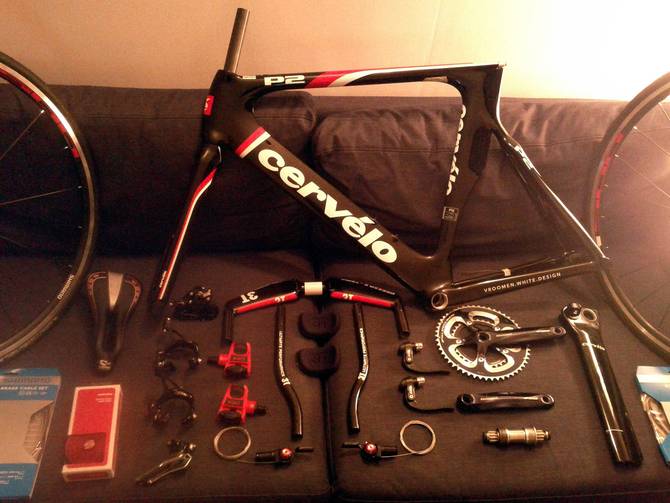
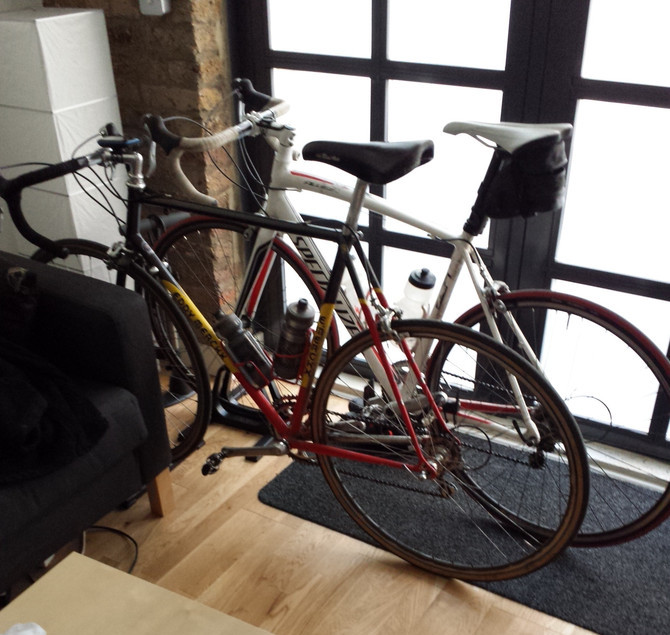
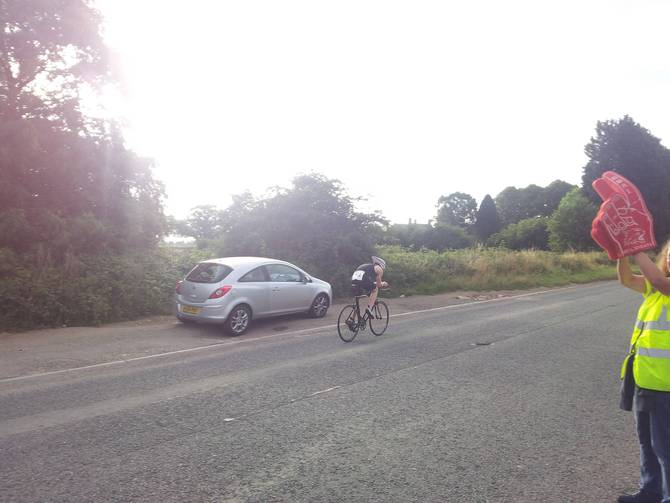
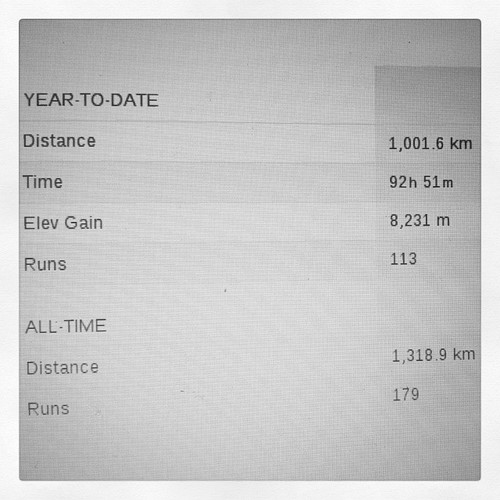
26 November 2013

Daniel Pocock: Real-time streaming market data with free software

Here is an overview of the real-time market data architecture based on OpenMAMA: All these components may be running on a single host or they may be distributed across different servers and workstations in a LAN. The OpenMAMA market data bus ties them together. External data sources These are external sources of data. These could be currency trading firms, stock brokers, bullion dealers or even Bitcoin exchanges. Some exchanges don't provide data services directly to the general public and they distribute their price data through third-party data vendors such as Reuters and Bloomberg. Feed handlers The feed handlers manage the connections to external data sources. These are typically daemon processes that implement the wire protocols used by the external vendors for transmitting data over the public internet or a leased line. They typically use a point-to-point topology such as TCP connections. The feed handlers publish the data into the market data bus. In practice, the feed handler may be a proprietary application provided by the data vendor or it may simply be a Python script that fetches exchange rates from a URL every five minutes. OpenMAMA The market data bus is a distributed framework that is accessible to all of the local servers and workstations in the LAN. At the lowest level a messaging middleware solution is used to transport the data. The Avis Event Router is a free middleware. There is upcoming support for Apache QPID as well. Some commcercial middleware is supported too - here is the full list OpenMAMA does not provide a daemon or server process of its own. It is a set of libraries that operate on top of the middleware transport. In very general terms, the OpenMAMA libraries let applications publish messages (such as price ticks) or subscribe to receive the messages published by other applications. Spreadsheet application (for example, LibreOffice) LibreOffice is introducing a new data import feature for streaming time series data. This appears to provide a useful integration point for OpenMAMA and discussion is taking place in the development community. The spreadsheet can operate in various ways. A simple application may simply poll the currency prices when the spreadsheet is opened or refreshed. A more demanding application may see the spreadsheet come alive, recalculating all cells on every tick from the data vendor (several times per second). This latter scenario is more common in dealing rooms and hedge funds. Accounting/billing software There are many free accounting applications today, including PostBooks and GnuCash and some more heavyweight solutions like Adempiere and OpenERP. In a world where credit cards and the world wide web have made international trade an everyday activity, many people are using this software to track expenses and accounts in more than one currency. For example, a British business may be paying some suppliers in Euros and a Canadian may be charging some customers in US dollars. A Swiss person may be keeping some of their savings in gold bullion in the vault of one of their world reknowned Swiss banks. A common requirement for all of these users is the balance sheet. Using real-time market data sources, the balance sheet can be refreshed at any time from the live market prices. A home user may just find it convenient that they can open the balance sheet and always see their net worth immediately without having to manually cut and paste the currency prices from a web page. A business user operating in a competitive industry with low margins may be checking the balance sheet several times per day to ensure they remain solvent and profitable. Web shops Many web shops now offer the customers the convenience of viewing prices in their own currency. It is important to make sure these prices are accurate, especially when dealing with volatile currencies or when the products have a low profit margin. The web application server can receive the market data price ticks just like any other application in the network. Using this data, it can insert live prices into the pages as they are generated. If the currencies are particularly volatile, the web application could stream the prices to the browser using WebSockets and a JavaScript client embedded in the page would update the price field in real time. In fact, this web-based streaming price update mechanism is exactly how many online financial trading services offer live market prices to their customers. Real-time valuation server In a large organisation there may be many users looking at the same values. For example, in a trading desk, many users may need to see the desk's overall position in each market. In a busy web shop, many concurrent users may need to see the prices of common products. Rather than recalculating these values for each user in parallel, a common solution involves setting up a server to receive raw values (such as currency prices) from the data feed, calculate values needed by local users and then broadcast those values over the market data bus. How applications can integrate with real-time market data Here are some steps for getting started:
Daniel Pocock: Real-time streaming market data with free software

Here is an overview of the real-time market data architecture based on OpenMAMA: All these components may be running on a single host or they may be distributed across different servers and workstations in a LAN. The OpenMAMA market data bus ties them together. External data sources These are external sources of data. These could be currency trading firms, stock brokers, bullion dealers or even Bitcoin exchanges. Some exchanges don't provide data services directly to the general public and they distribute their price data through third-party data vendors such as Reuters and Bloomberg. Feed handlers The feed handlers manage the connections to external data sources. These are typically daemon processes that implement the wire protocols used by the external vendors for transmitting data over the public internet or a leased line. They typically use a point-to-point topology such as TCP connections. The feed handlers publish the data into the market data bus. In practice, the feed handler may be a proprietary application provided by the data vendor or it may simply be a Python script that fetches exchange rates from a URL every five minutes. OpenMAMA The market data bus is a distributed framework that is accessible to all of the local servers and workstations in the LAN. At the lowest level a messaging middleware solution is used to transport the data. The Avis Event Router is a free middleware. There is upcoming support for Apache QPID as well. Some commcercial middleware is supported too - here is the full list OpenMAMA does not provide a daemon or server process of its own. It is a set of libraries that operate on top of the middleware transport. In very general terms, the OpenMAMA libraries let applications publish messages (such as price ticks) or subscribe to receive the messages published by other applications. Spreadsheet application (for example, LibreOffice) LibreOffice is introducing a new data import feature for streaming time series data. This appears to provide a useful integration point for OpenMAMA and discussion is taking place in the development community. The spreadsheet can operate in various ways. A simple application may simply poll the currency prices when the spreadsheet is opened or refreshed. A more demanding application may see the spreadsheet come alive, recalculating all cells on every tick from the data vendor (several times per second). This latter scenario is more common in dealing rooms and hedge funds. Accounting/billing software There are many free accounting applications today, including PostBooks and GnuCash and some more heavyweight solutions like Adempiere and OpenERP. In a world where credit cards and the world wide web have made international trade an everyday activity, many people are using this software to track expenses and accounts in more than one currency. For example, a British business may be paying some suppliers in Euros and a Canadian may be charging some customers in US dollars. A Swiss person may be keeping some of their savings in gold bullion in the vault of one of their world reknowned Swiss banks. A common requirement for all of these users is the balance sheet. Using real-time market data sources, the balance sheet can be refreshed at any time from the live market prices. A home user may just find it convenient that they can open the balance sheet and always see their net worth immediately without having to manually cut and paste the currency prices from a web page. A business user operating in a competitive industry with low margins may be checking the balance sheet several times per day to ensure they remain solvent and profitable. Web shops Many web shops now offer the customers the convenience of viewing prices in their own currency. It is important to make sure these prices are accurate, especially when dealing with volatile currencies or when the products have a low profit margin. The web application server can receive the market data price ticks just like any other application in the network. Using this data, it can insert live prices into the pages as they are generated. If the currencies are particularly volatile, the web application could stream the prices to the browser using WebSockets and a JavaScript client embedded in the page would update the price field in real time. In fact, this web-based streaming price update mechanism is exactly how many online financial trading services offer live market prices to their customers. Real-time valuation server In a large organisation there may be many users looking at the same values. For example, in a trading desk, many users may need to see the desk's overall position in each market. In a busy web shop, many concurrent users may need to see the prices of common products. Rather than recalculating these values for each user in parallel, a common solution involves setting up a server to receive raw values (such as currency prices) from the data feed, calculate values needed by local users and then broadcast those values over the market data bus. How applications can integrate with real-time market data Here are some steps for getting started:

14 October 2013

Eugene V. Lyubimkin: Cupt 2.6

Cupt 2.6 is released to Debian unstable. Some prominent changes, citing from NEWS-file:

4 October 2013

Tanguy Ortolo: Using a Plantronics USB headset under X.Org/Linux

I just received an USB headset from Plantronics. Since it has a keypad on it, with buttons to mute the microphone and to adjust the volume, it appears as both a sound card and a keyboard. Problem: that keyboard sends a mouse ButtonPress 1 (yes, a mouse button event, do not ask me how that is materially and logically possible) when the microphone is muted, and only sends the corresponding ButtonRelease 1 when it is unmuted. As a result, the pointer behaves as if the mouse button was pressed continuously, rendering the desktop quite unusable.This situation has been the object of many discussions and bug reports. All of them always suggest the same solution: making X.Org ignore the keyboard associated to the headset, with an important side effect: volume adjustment will no longer be possible using the headset buttons. Microphone muting will still be available though, since it is implemented directly in the headset. There is a better solution however: remap the mouse button 1 of that keyboard (yes, the idea that a keyboard has mouse buttons is quite funny) to disable it. To do that temporarily:
 $ # Get the identifier of the Plantronics keyboard
$ xinput --list
  Virtual core pointer            id=2  [master pointer  (3)]
      Logitech USB Optical Mouse  id=10 [slave  pointer  (2)]
  Virtual core keyboard           id=3  [master keyboard (2)]
      Power Button                id=6  [slave  keyboard (3)]
      Logitech USB Keyboard       id=8  [slave  keyboard (3)]
      Plantronics .Audio 400 DSP  id=11 [slave  keyboard (3)]
$ # Remap its mouse button 1 to 0 (disable)
$ xinput --set-button-map 11 0
And to do it permanently, create a file /etc/X11/xorg.conf.d/plantronics.conf and restart X.Org:
 Section "InputClass"
    Identifier "Plantronics"
    MatchVendor "Plantronics"
    Option "ButtonMapping" "0"
EndSection
This way, the mouse button 1 events from the headset keyboard are ignored, while all the other events it generates, that is KeyPress/KeyRelease XF86AudioLowerVolume and XF86AudioRaiseVolume, are not.

5 September 2013

Vincent Sanders: Strive for continuous improvement, instead of perfection.


Kim Collins was perhaps thinking more about physical improvement but his advice holds well for software.

A lot has been written about the problems around software engineers wanting to rewrite a codebase because of "legacy" issues. Experience has taught me that refactoring is a generally better solution than rewriting because you always have something that works and can be released if necessary.

Although that observation applies to the whole of a project, sometimes the technical debt in component modules means they need reimplementing. Within NetSurf we have historically had problems when such a change was done because of the large number of supported platforms and configurations.
HistoryA year ago I implemented a Continuous Integration (CI) solution for NetSurf which, combined with our switch to GIT for revision control, has transformed our process. Making several important refactor and rewrites possible while being confident about the overall project stability.

I know it has been a year because the VPS hosting bill from Mythic turned up and we are still a very happy customer. We have taken the opportunity to extend the infrastructure to add additional build systems which is still within the NetSurf projects means.

Over the last twelve months the CI system has attempted over 100,000 builds including the projects libraries and browser. Each commit causes an attempt to build for eight platforms, in multiple configurations with multiple compilers. Because of this the response time to a commit is dependant on the slowest build slave (the mac mini OS X leopard system).

Currently this means a browser build, not including the support libraries, completes in around 450 seconds. The eleven support libraries range from 30 to 330 seconds each. This gives a reasonable response time for most operations. The worst case involves changing the core buildsystem which causes everything to be rebuilt from scratch taking some 40 minutes.

The CI system has gained capability since it was first set up, there are now jobs that:
DownsidesIt has not all been positive though, the administration required to keep the builds running has been more than expected and it has highlighted just how costly supporting all our platforms is. When I say costly I do not just refer to the physical requirements of providing build slaves but more importantly the time required.

Some examples include:
  • Procuring the hardware, installing the operating system and configuring the build environment for the OS X slaves
  • Getting the toolchain built and installed for cross compilation
  • Dealing with software upgrades and updates on the systems
  • Solving version issues with interacting parts, especially limiting is the lack of JAVA 1.6 on PPC OS X preventing jenkins updates
This administration is not interesting to me and consumes time which could otherwise be spent improving the browser. Though the benefits of having the system are considered by the development team to outweigh the disadvantages.

The highlighting of the costs of supporting so many platforms has lead us to reevaluate their future viability. Certainly the PPC mac os X port is in gravest danger of being imminently dropped and was only saved when the build slaves drive failed because there were actual users.

There is also the question of the BeOS platform which we are currently unable to even build with the CI system at all as it cannot be targeted for cross compilation and cannot run a sufficiently complete JAVA implementation to run a jenkins slave.

An unexpected side effect of publishing every CI build has been that many non developer user are directly downloading and using these builds. In some cases we get messages to the mailing list about a specific build while the rest of the job is still ongoing.

Despite the prominent warning on the download area and clear explanation on the mailing lists we still get complaints and opinions about what we should be "allowing" in terms of stability and features with these builds. For anyone else considering allowing general access to CI builds I would recommend a very clear statement of intent and to have a policy prepared for when when users ignore the statement.
Tools
Using jenkins has also been a learning experience. It is generally great but there are some issues I have which, while not insurmountable, are troubling:
Configuration and history cannot easily be stored in a revision control system.
This means our system has to be restored from a backup in case of failure and I cannot simply redeploy it from scratch.

Job filtering, especially for matrix jobs with many combinations, is unnecessarily complicated.
This requires the use of a single text line "combination filter" which is a java expression limiting which combinations are built. An interface allowing the user to graphically select from a grid similar to the output tables showing success would be preferable. Such a tool could even generate the textural combination filter if thats easier.

This is especially problematic of the main browser job which has options for label (platform that can compile the build), javascript enablement, compiler and frontend (the windowing toolkit if you prefer e.g. linux label can build both gtk and framebuffer). The filter for this job is several kilobytes of text which due to the first issue has to be cut and pasted by hand.

Handling of simple makefile based projects is rudimentary.
This has been worked around mainly by creating shell scripts to perform the builds. These scripts are checked into the repositories so they are readily modified. Initially we had the text in each job but that quickly became unmanageable.

Output parsing is limited.
Fortunately several plugins are available which mitigate this issue but I cannot help feeling that they ought to be integrated by default.

Website output is not readily modifiable.
Instead of perhaps providing a default css file and all generated content using that styling someone with knowledge of JAVA must write a plugin to change any of the look and feel of the jenkins tool. I understand this helps all jenkins instances look like the same program but it means integrating jenkins into the rest of our projects web site is not straightforward.
ConclusionIn conclusion I think the CI system is an invaluable tool for almost any non trivial software project but the implementation costs with current tools should not be underestimated.

22 August 2013

Jose Luis Rivas: Starting a Raspbery Pi without a display

Recently (actually 3 weeks ago) I bought a Raspberry Pi for myself and it wasn't until today that I power it on by the first time. Call it RealLife for simplicity. Anyway, one of my first issues was that I do not own any display with RCA or HDMI inputs, and all I have is a router that works as my WiFi hotspot as well. Since this starter kit comes with Raspbian by default I made some research and found that the default user:password is pi:raspberry, ssh-server is on by default and the network interface eth0 tries to grab an IP automatically via DHCP. So starting my Raspberry Pi was as easy as connect a wire to my device and the router, then a quick nmap -sP 192.168.0.0/24 and there it was, under the hostname raspberry my brand new raspberry. After a ssh pi@192.168.0.X a nice raspi-conf was receiving me to start setting up my device.

16 August 2013

Sylvain Le Gall: OASIS website updated

Logo OASIS small The OASIS website has not been updated since a while. So I decide to take a shot at making more up to date. This blog post is about the pipeline I have but in place to automatically update the website. It is the first end to end 'continuous deployment' project I have achieved. Among the user visible changes: The OASIS website repository is also on Github. Feel free to fork it and send me pull request if you see any mistake. The website is still using a lot of markdown processed by pandoc. But there are some new technical features: Since I start using quite quite a lot Python, I have decided to use it for this project. It has a lot of nice libraries and it helps me to quickly do something about the website (and provides plenty of idea to create equivalent tools in OCaml). The daily generation: Jenkins I have a Jenkins instance running, so I decided to use it to compile once a day the new website with updated documentation and links. This Jenkins instance also monitor changes of the OASIS source code. So I can do something even more precise: regenerate the website after every OASIS changes. I use the Jenkins instance to also generate a documentation tarball for OASIS manual and API. This helps a lot to be able to display the latest manual and API documentation. This way I can quickly browse the documentation and spot errors early. Another good point about Jenkins, is that it allows to store SSH credential. So I created a build user, with its own SSH key, in the OCaml Forge and I use it to publish the website at the end of the build. Right now Jenkins do the following: Data gathering To build the website I need some data: The OCaml Forge has a nice SOAP API. But one need to be logged in to access it. This is unfortunate, because I just want to access public data. The only way I found to gather my data was to scrape the OCaml Forge. Python has a very nice scraping library for that: beautifulsoup. I use beautifulsoup to parse the HTML downloaded from the Files tab of the OASIS project and extract all the relevant information. I use curl to download the documentation tarball (for released versions) and for the latest development version. Code Template Python has also a very nice library to process template: mako. Using the data I have gathered, I feed them to mako and I process all the .tmpl files in the repository to create matching files. Among the thing that I have transformed into template: Fix documentation and indexing One of the problem of providing access to all versions of the documentation, is that people can end up reading an old version of the documentation. In order to prevent that, I use two different techniques: To prevent search engine to index the file, I have created a robots.txt that list all URL of old documentation. This should be enough to prevent search engine to index the wrong page. To warn the user that he is reading the wrong version, I have added a box "you are not viewing the latest version". This part was tricky but beautifulsoup v4 provide a nice API to edit HTML in place. I just have to find the right CSS selector to define the position where I want to insert my warning box. Code Publish The ultimate goal of the project is the 'continuous deployment'. Rather than picking what version to deploy and do the process by hand, I let Jenkins deploy every version of it. Deploying the website used to be a simple rsync. But for this project I decided to use a fancier method. I spend a few hours deciding what was the best framework to do the automatic deployment. There are two main frameworks around: capistrano (Ruby) and fabric (Python). Fabric is written in Python, so I pick this one because it was a good fit for the project. Fabric biggest feature is to be a SSH wrapper. The fabric script is quite simple and to understand it, you just have to know that local run a local command and run run a command on the target host. The fabfile.py script do the following: Given this new process, the website is updated in 3 minutes automatically after a successful build of OASIS.

Next.

Previous.