Ritesh Raj Sarraf: Plant Territorial Behavior
 This blog post is about my observations of some of the plants in my home garden.
While still a n00b on the subject, these notes are my observations and experiences over days, weeks and months. Thankfully, with the capability to take frequent pictures, it has been easy to do an assessment and generate a report of some of these amazing behaviors of plants, in an easy timeline order; all thanks to the EXIF data embedded.
This has very helpfully allowed me to record my, otherwise minor observations, into great detail; and make some sense out of it by correlating the data over time.
It is an emotional experience. You see, plants are amazing. When I sow a sapling, water it, feed it, watch it grow, prune it, medicate it, and what not; I build up affection towards it.
Though, at the same time, to me it is a strict relationship, not too attached; as in it doesn t hurt to uproot a plant if there is a good reason. But still, I find some sort of association to it.
With plants around, it feels I have a lot of lives around me. All prospering, communicating, sharing. And communicate they do. What is needed is just the right language to observe and absorb their signals and decipher what they are trying to say.
Devastation
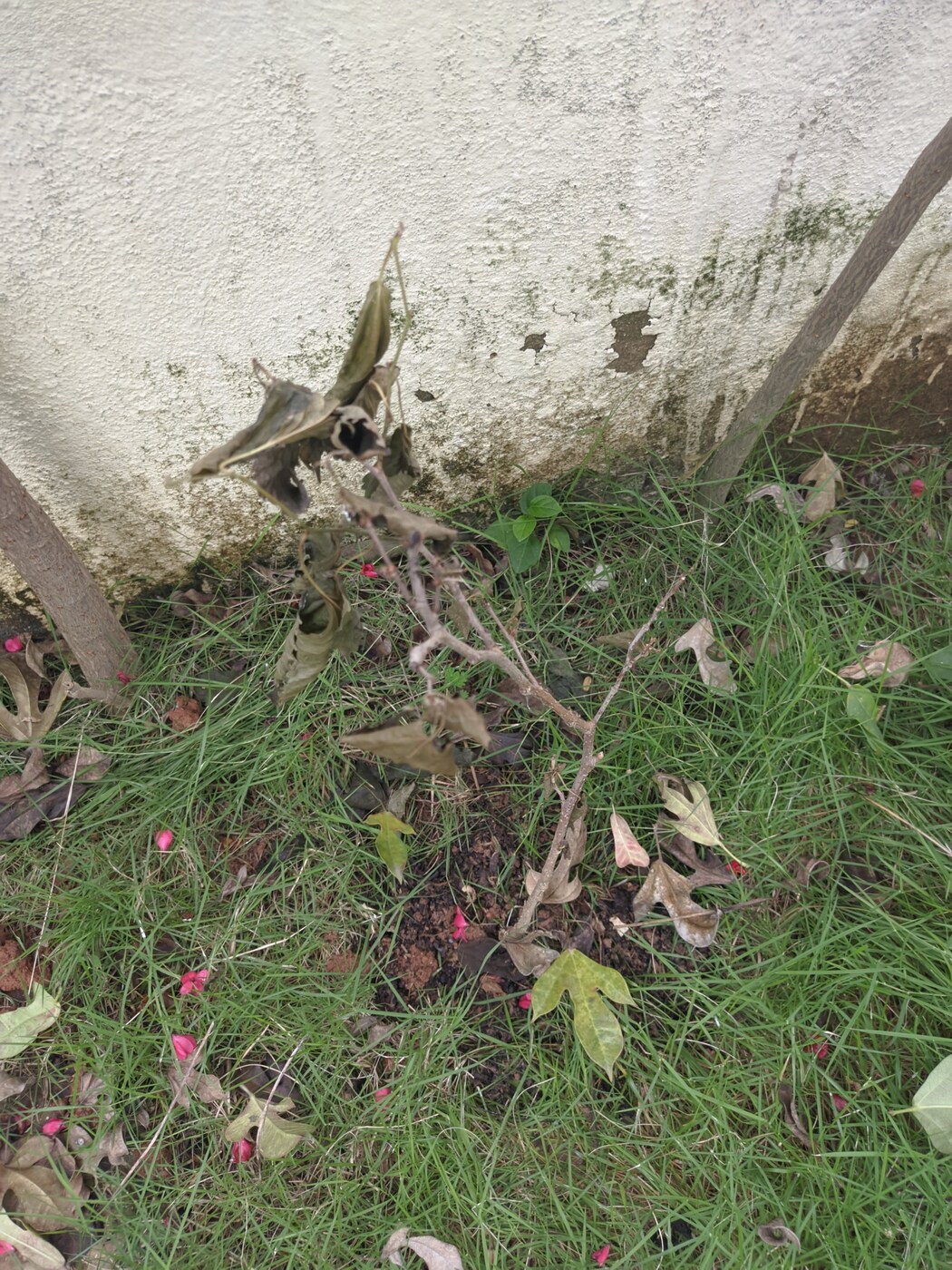
How in this world, when you are caring for your plants, can it transform:
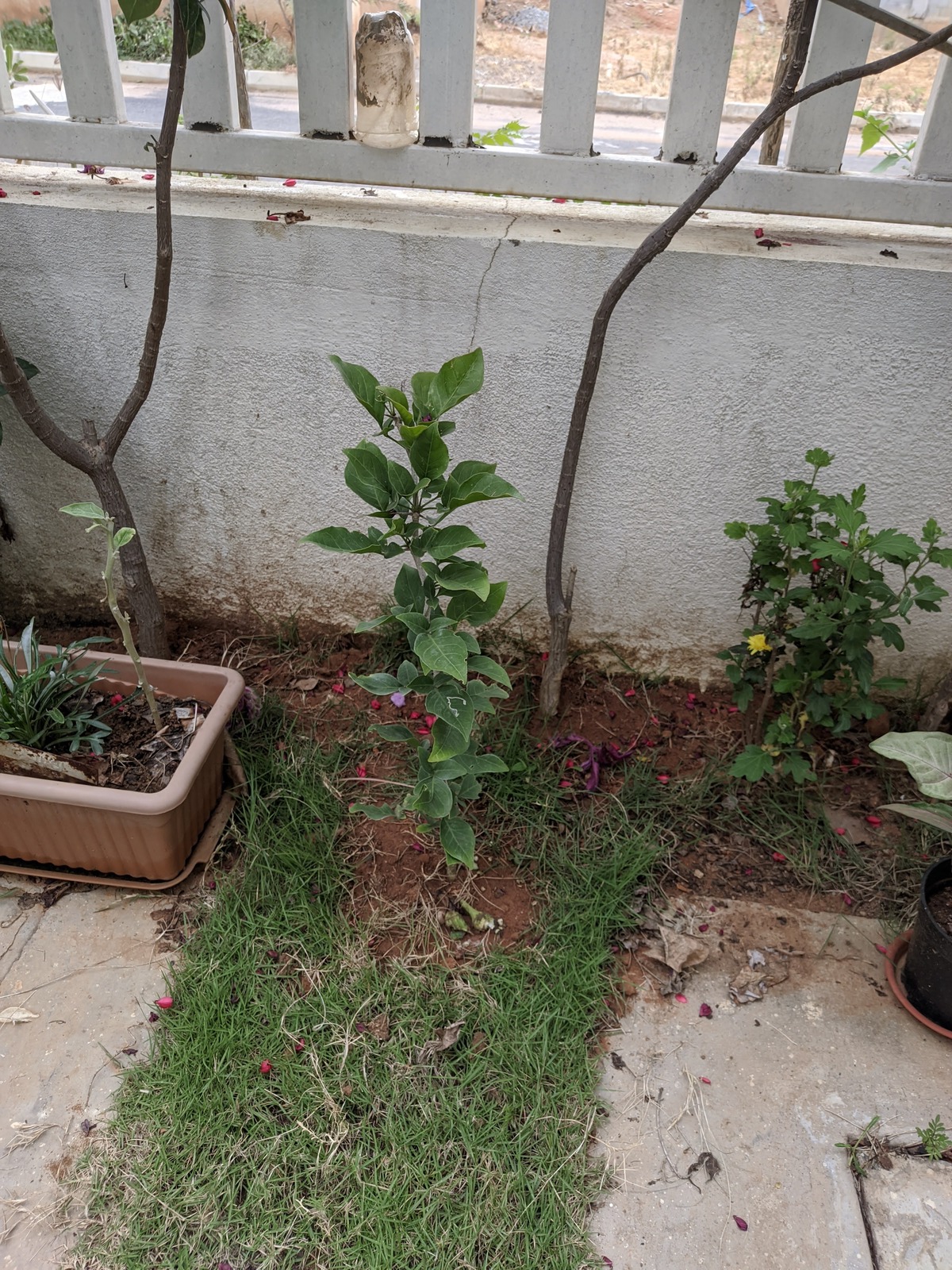
From This
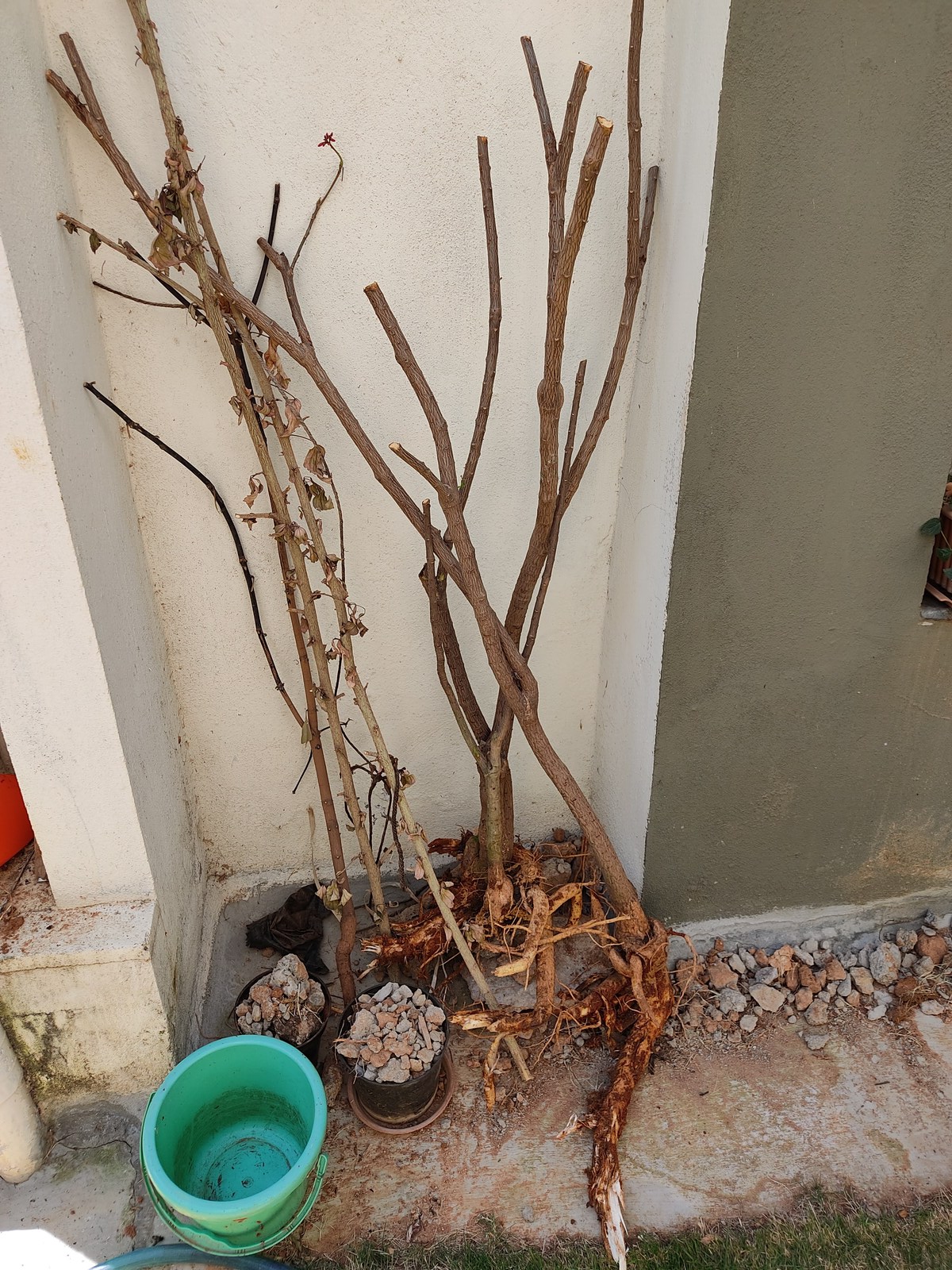
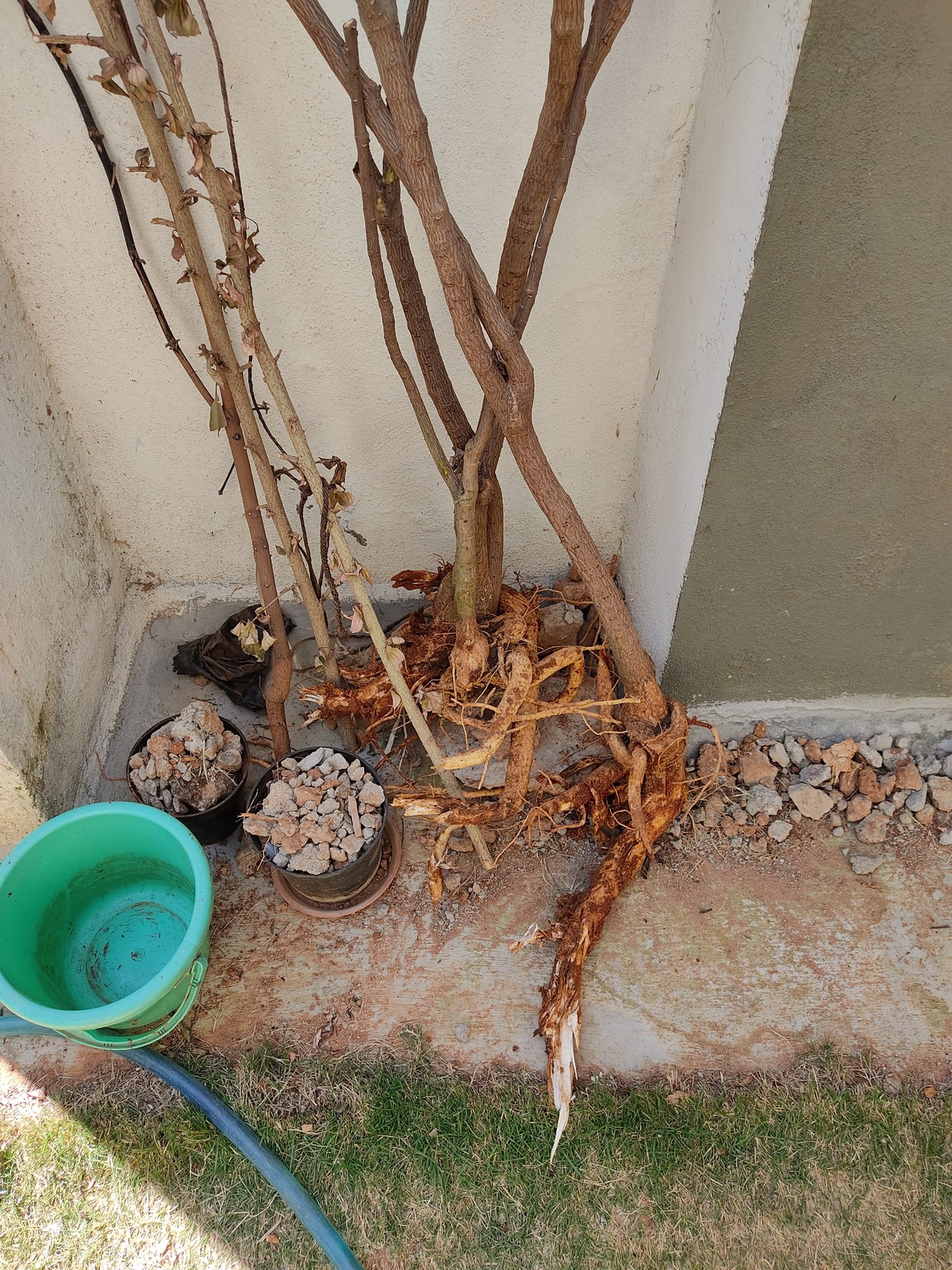
To This
With emotions involved, this can be an unpleasant experience.
Bael is a dear plant to me. The plant as a whole has religious values (Shiva). As well, its fruits have lots of health benefits, especially for the intestines. Its leaves have a lot of medicinal properties.
When I planted the Bael, there were a lot of emotions that went along.
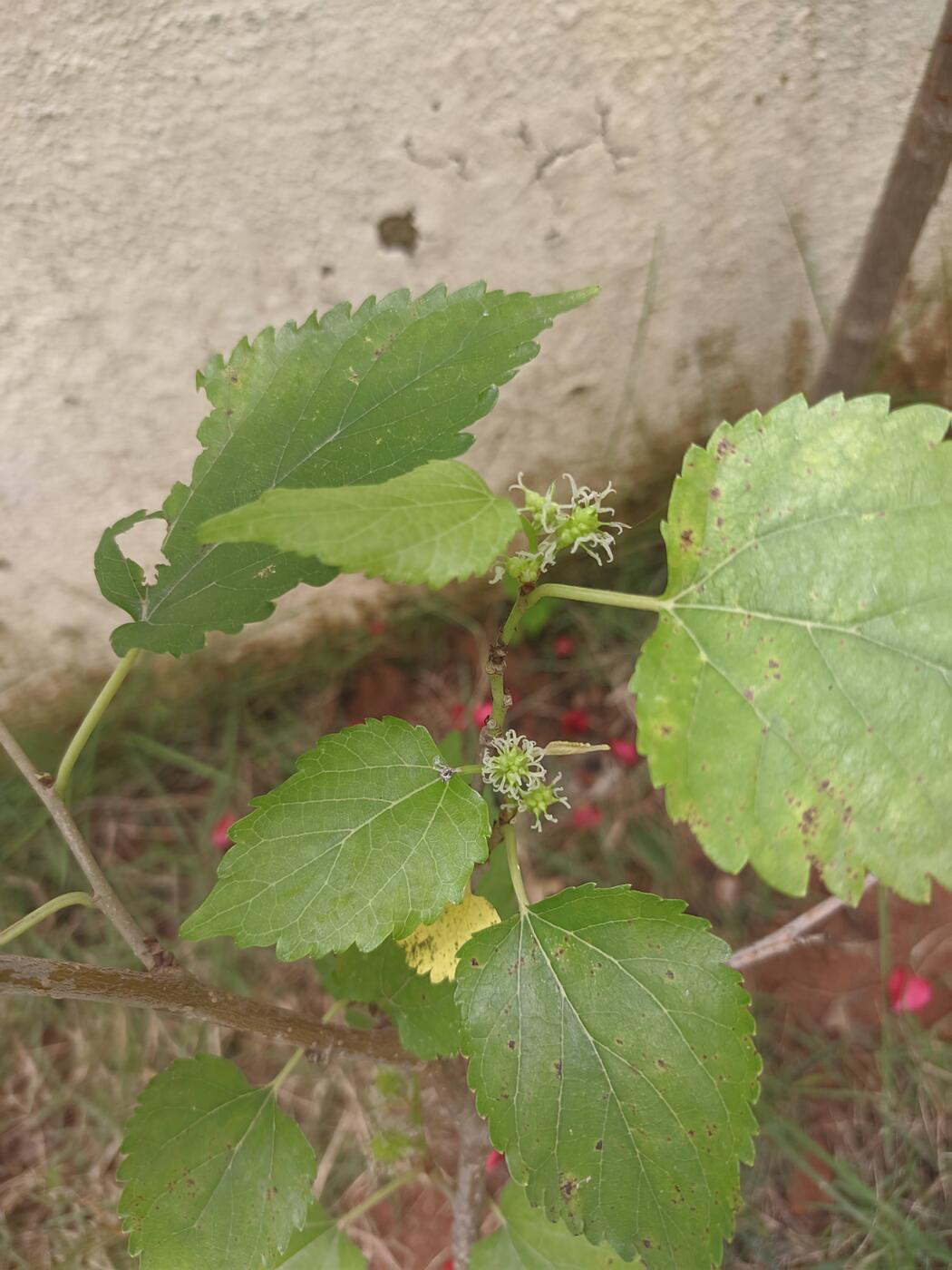
On the other hand, the Mulberry is something I put in with a lot of enthusiasm. Mulberries are now rare to find, especially in urban locations. For one, they have a very short shelf life; But more than that, the way lifestyles are heading towards, I was always worried if my children would ever have a day to see and taste these fruits.
The mulberry that I planted, yielded twice; once very soon when I had planted and second, before it died. Infact, it died while during its second yield phase.
It was quite saddening to see that happen. It made me wonder why it happened. I had been caring for the plants fairly well. Watering them timely, feeding them the right amount of nutrients. They were getting a good amount of sun.
But still their health was deteriorating. And then the demise of the Mulberry. Many thoughts hit my mind.
I consulted the claimed experts in the domain, the maali, the gardener. I got a very vague answer; there must be termites in the soil. It didn t make much sense to me. I mean if there are termites they d hit day one. They won t sleep for months and just wake up one fine day and start attacking the roots of particular plants; not all.
I wasn t convinced with the termite theory; But still, give the expert the blind hand, I went with his word.
When my mulberry was dead, I dug its roots. Looking for proof, to see if there were any termites, I uprooted it. But I couldn t find any trace of termites. And the plant next to it was perfectly healthy and blossoming. So I was convinced that it wasn t the termite but something else.
But else what ? I still didn t have an answer to that.
Thinking
The Corona pandemic had embraced and there was a lot to worry, and worry not any, if you change the perspective. With plants around in my home, and our close engagement with them, and the helplessness that I felt after seeking help from the experts, it was time again; to build up some knowledge on the subject.
But how ? How do you go about a subject you have not much clue about ? A subject which has always been around in the surrounding but very seldom have I dedicated focused thought to it. To be honest, the initial thought of diving on the subject made me clueless. I had no idea where to begin with. But, so, as has been my past history, I chose to take it as a curiosity.
I gathered some books, skimmed through a couple of pages. Majority of the books I got hold of were about DIYs and How to do Home Gardening types. It was a decent introduction to a novice but my topic of curiosity was different.
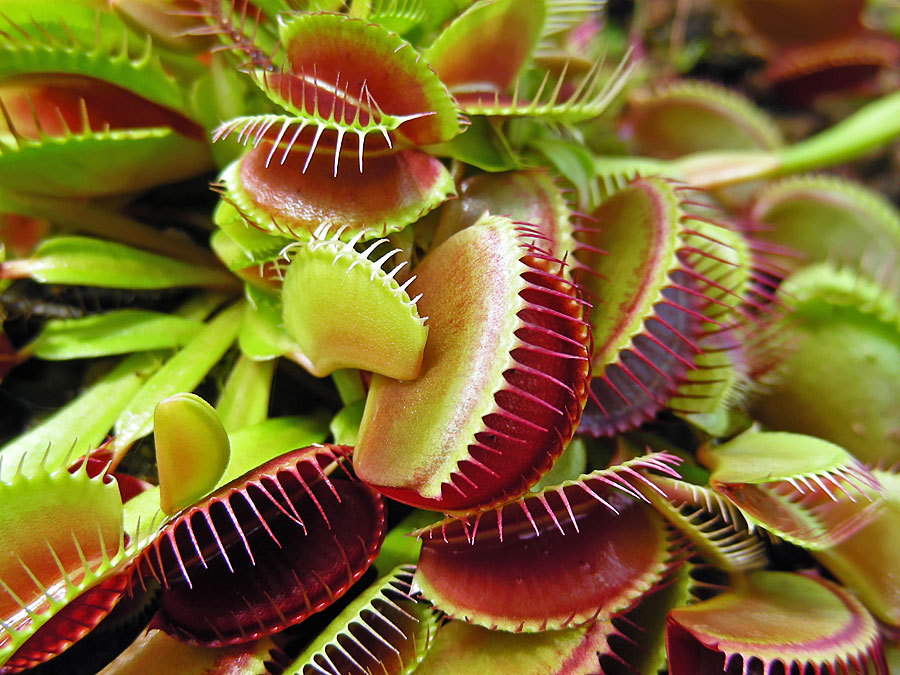
Thankfully, with the Internet, and YouTube in particular, a lot of good stuff is available as documentary videos. While going through some, I came across a video which mentioned about carnivore plants. Like, for example, this one.
This got me thinking that there could be a possibility of something similar, that did the fate to my Mulberry plant. But who did it ? And how to dive further on this suspicion ? And most of all, if that thought of possibility was actually the reality. Or was I just hitting in the dark ?
Beginning
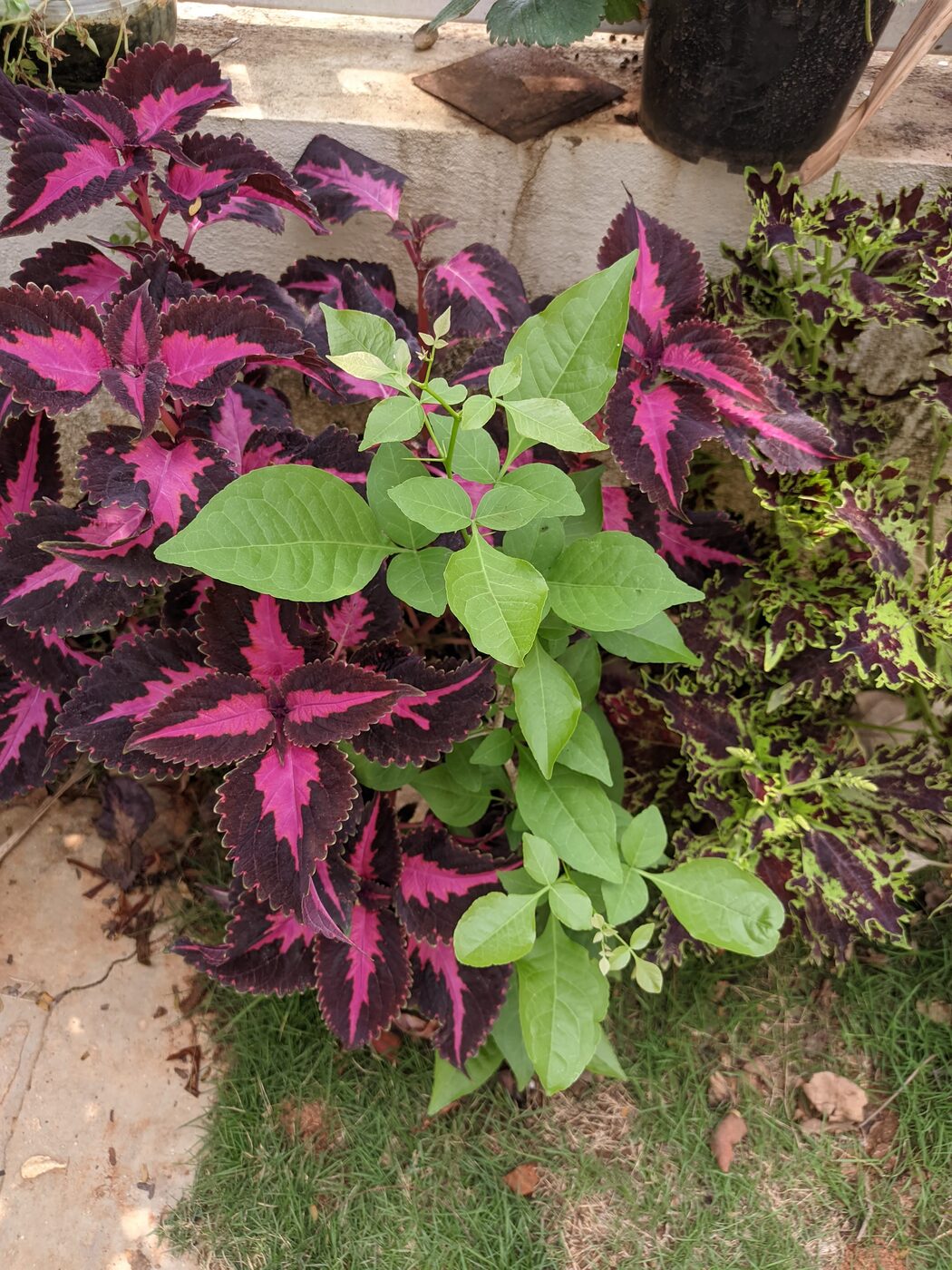
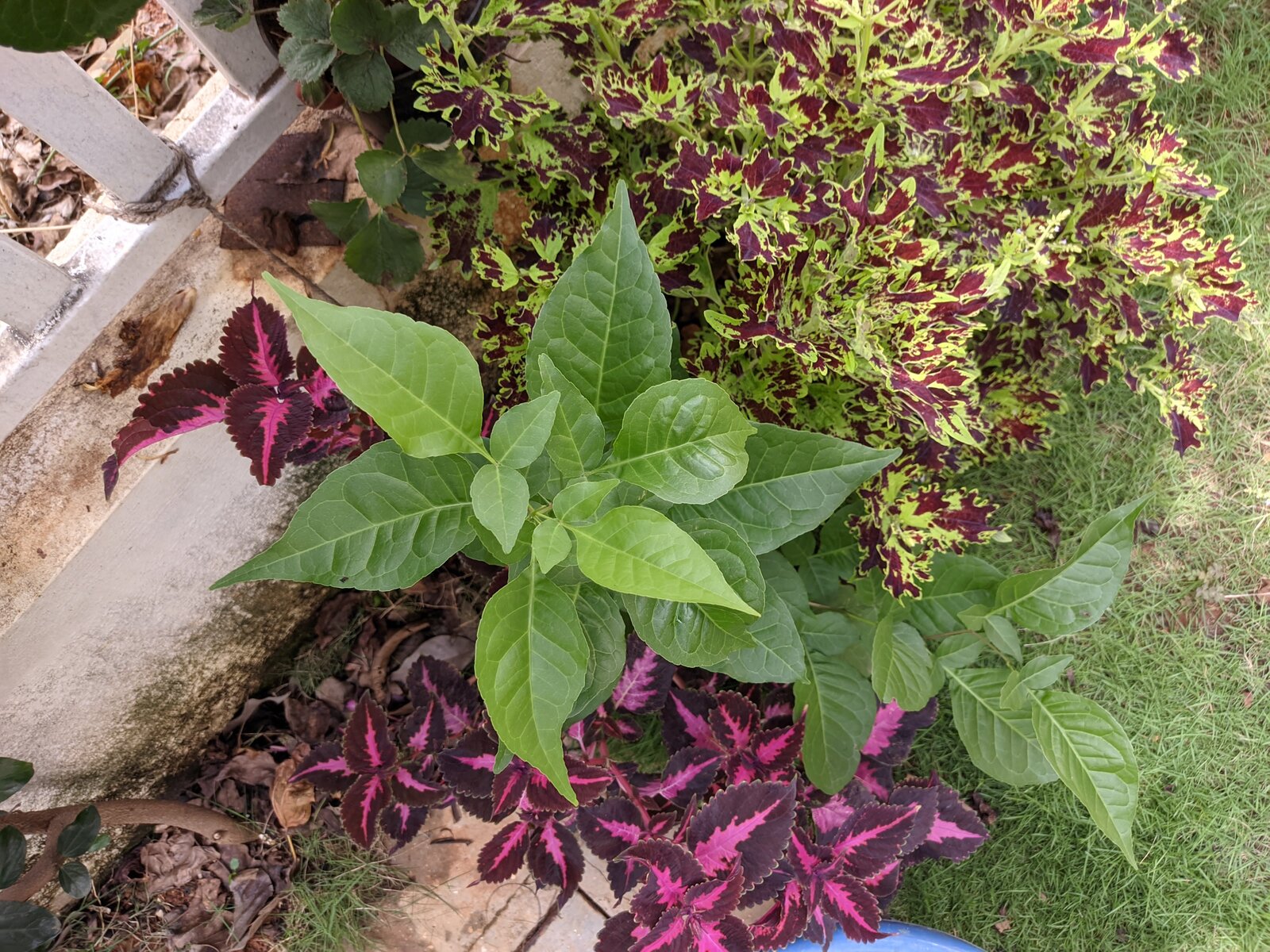
To put some perspective, here s how it started. When we moved into our home, the gardener put in a couple of plants stock, as part of the property handover. Now, I don t exactly recollect the name of the plants that came in stock, neither English nor Hindi; But at my neighbor s place, the plant is still there.
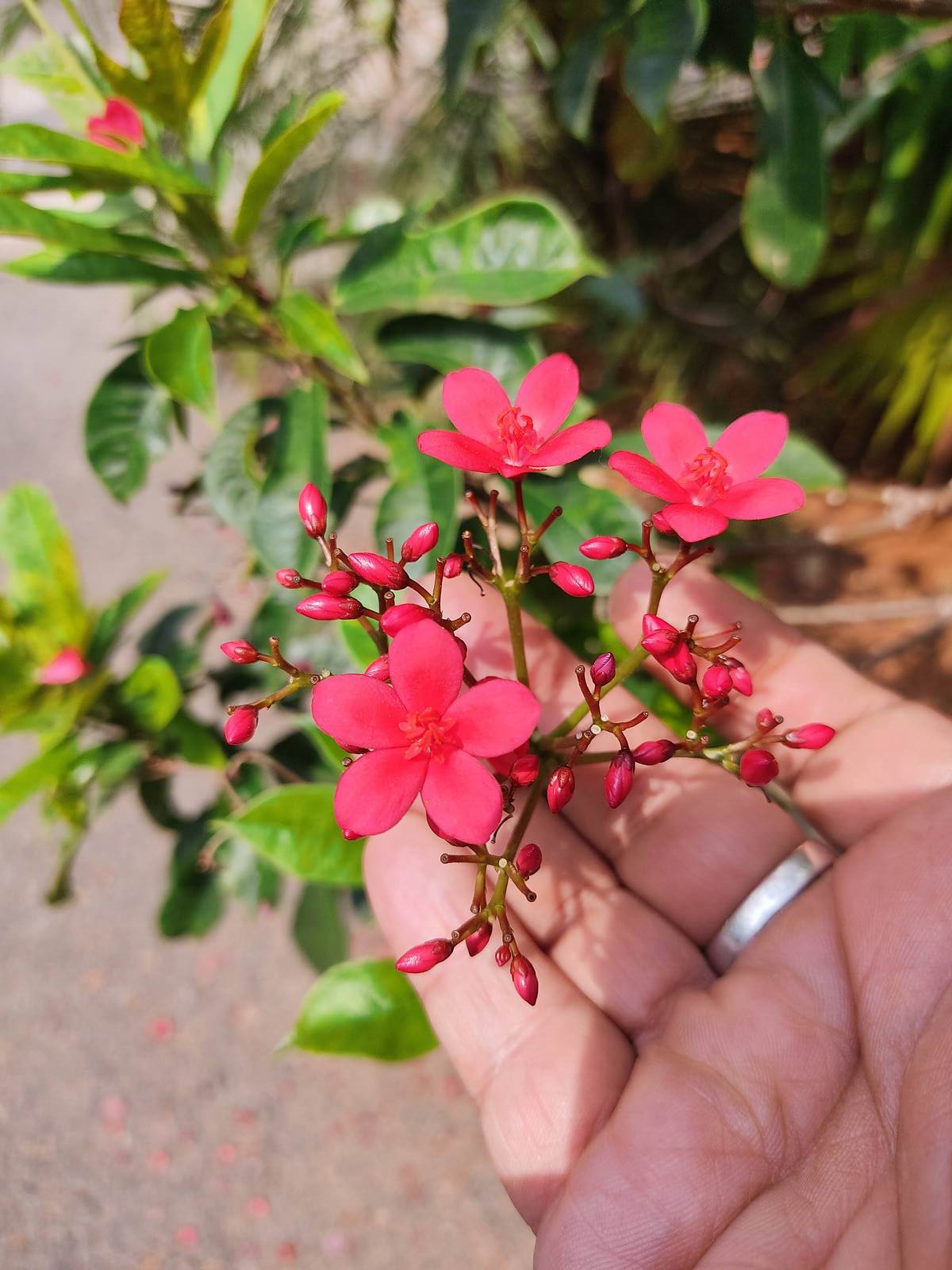
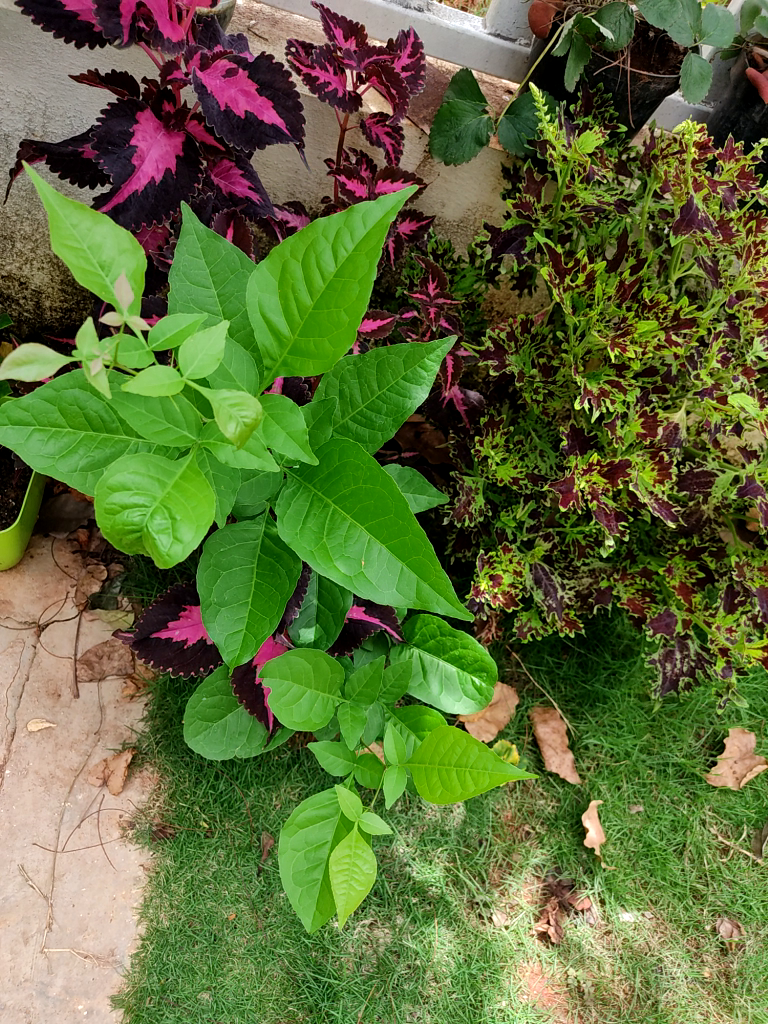
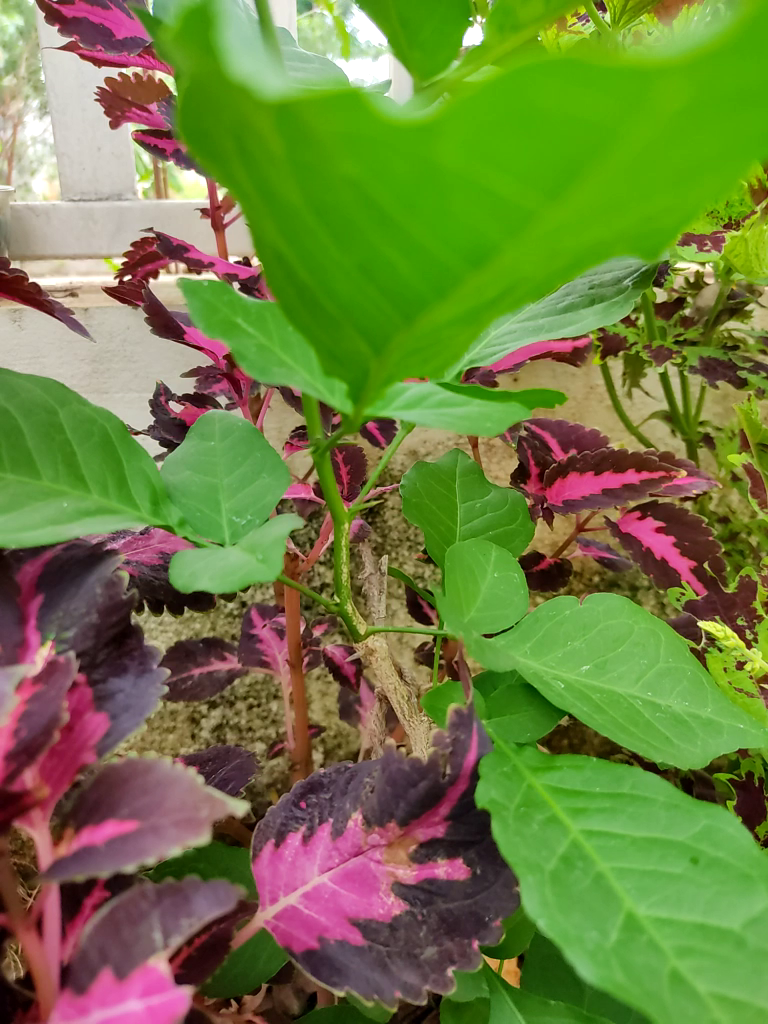
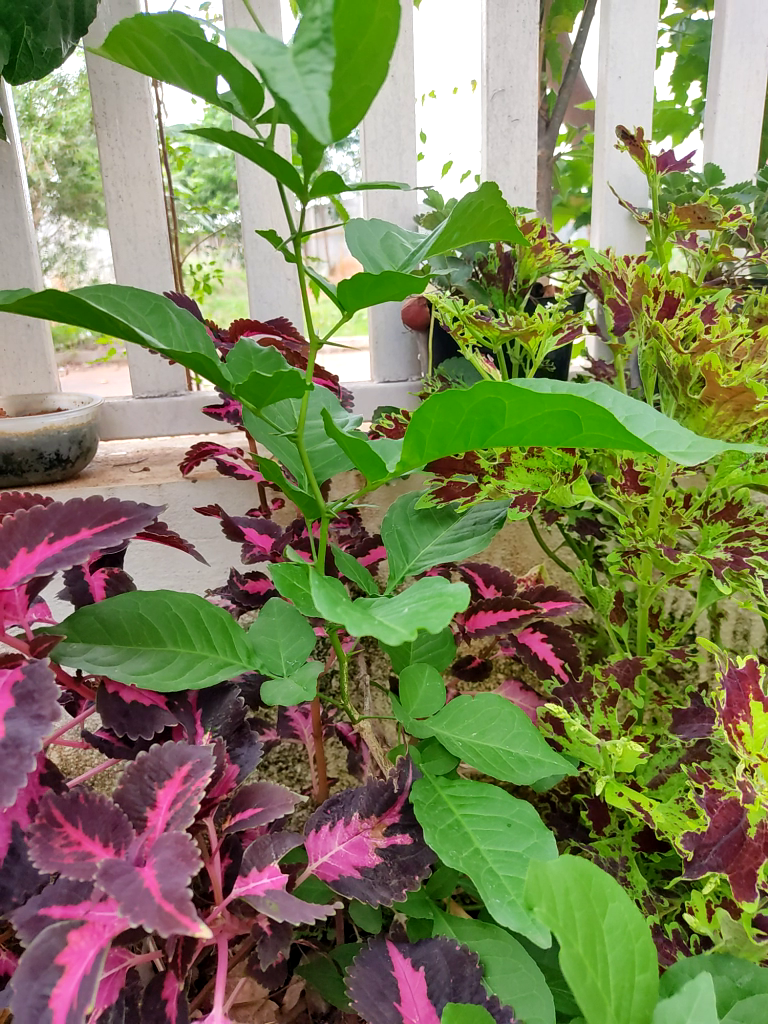
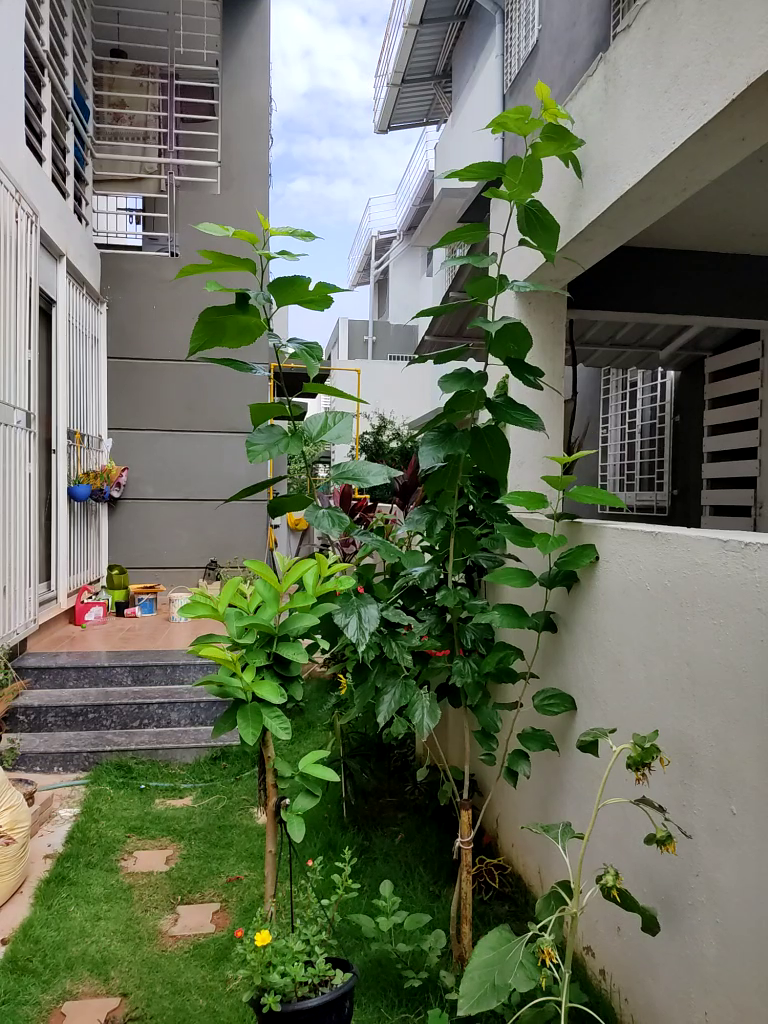
Here are some of the pictures of this beauty. But don t just go by the looks as looks can be deceiving
We hadn t put any serious thought about the plants we were offered by the gardener. After all, we never had ever thought of any mishap either.
Plants we planted
Apart from what was offered by the builder/gardener as part of the property handover, in over the next 6 months of we moving in, I planted 3 tree type plants.
- Mulberry
- Bael
- Rudraksha
The Mulberry, as I have described so far, died a tragic death.
Bael, on the other hand, fought hard. But very little did we know that the plant was struggling the fight. Our impression was that we must have been given a bad breed of the plant. Or maybe the termite theory had some truth.
For the Rudraksha plant, the growth was slow. This was the very first time I had seen a Rudraksha plant, so I had no clue of what its growth rate could be, and what to expect out of it. I wasn t sure if the local climate suited the plant. A quick search showed no objections to the plant in the local climate, but that was it. So my theory has been to put in the plant, and observe.
Here s what my Rudraksha plant looked like during the initial days/weeks of its settlement
The Hint
Days passed and so on. Not much had progressed in gathering information. The plant s health was usual; deteriorating at a slow pace.
On day, thinking of the documentaries I had been watching, it hit my mind about the plant behavior.
- Plants can be Carnivores.
- Plants can be Aggressive.
- Plants can be Invaders.
- Plants can be Territorial.
There are many plants where their aggression can be witnessed with bare human eyes. Like creepers. Some of them are good at spreading tentacles, grabbing onto other plants' stems and branches and spread above it. This was my hint from the documentaries. That s one of the many ways plants set their dominance. That is what hit my mind that if plants are aggressive on the out, underneath the soil, they should be having similar behavior.
I mean, what we see as humans is just a part of the actual plant. More than half of the actual plant is usually underneath the soil, in most plants.
So there s a high chance to get more information out, if you dig the soil and look the roots.
The Digging
As I mentioned earlier, I do establish bindings, emotions and attachments. But not much usually comes in the way to curiosity.
To dig further on the theory that the problem was elsewhere, with within the plants ecosystem, we needed to pick on another subject - the plant.
And the plant we chose was the plant which was planted in the initial offering to us, when we moved into our home. It was the same plant breed which was neighboring all our newly planted trees: Rudraksha, Mulberry and Bael.
If you look closely into the pictures above of these plants, you ll notice the stem of another plant, the Territorial Dominator, is close-by to these 3 plants. That s because the gardener put in a good number of them to get his action item complete.
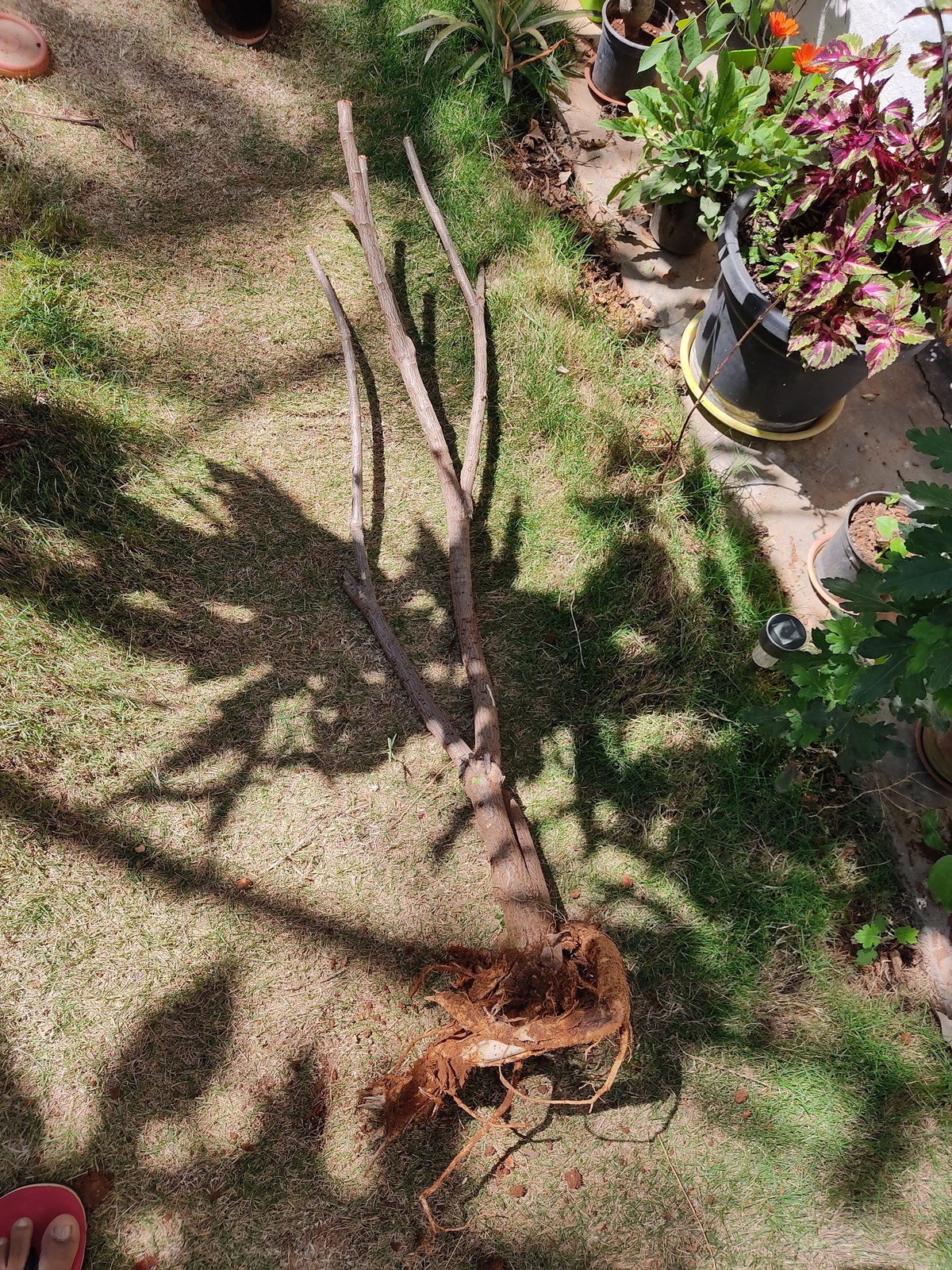
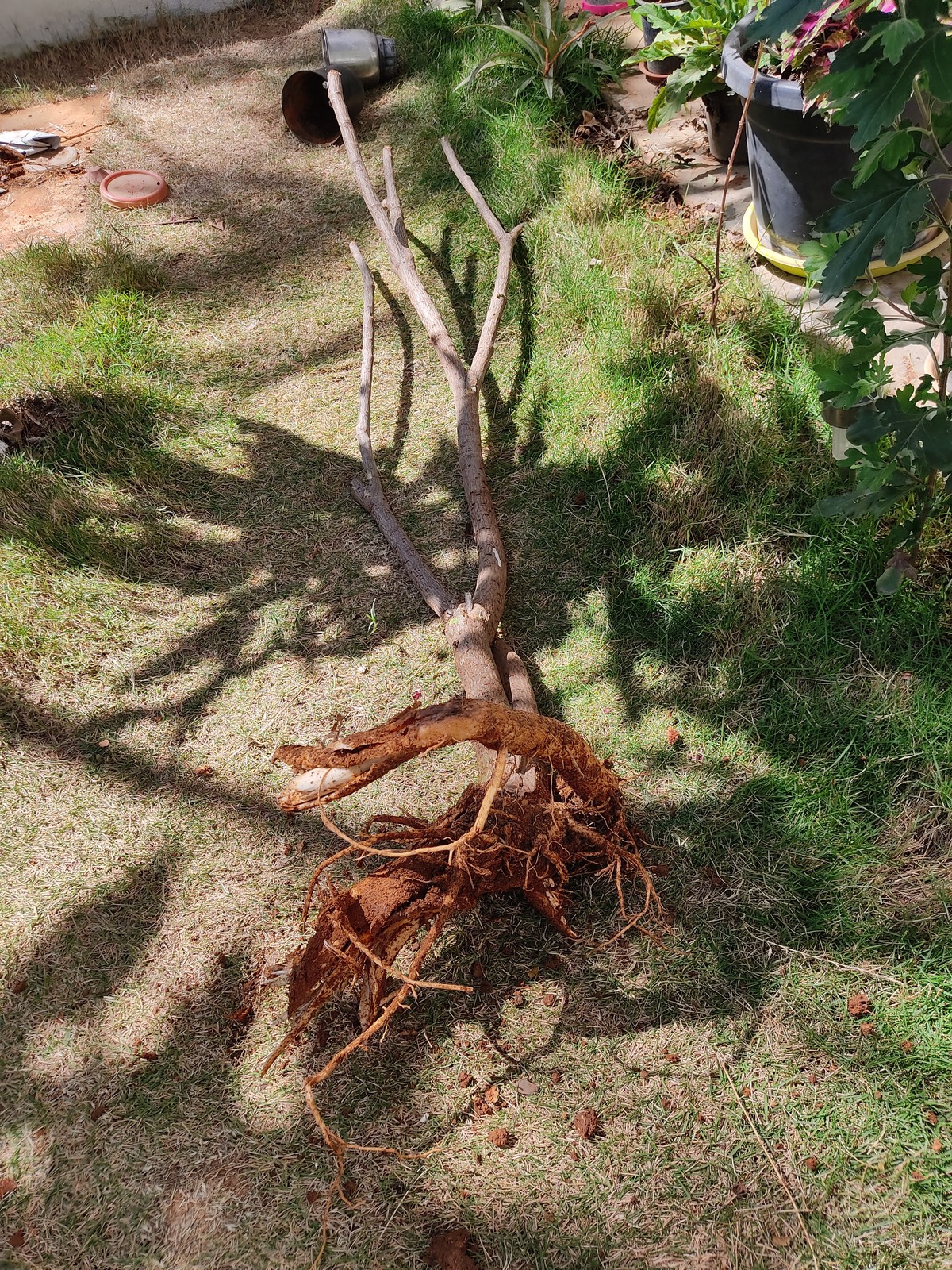
So we chose to dig and uproot one of those plant to start with. Now, while they may look gentle on the outside, with nice red colored tiny flowers, these plants were giants underneath. Their roots were huge. It took some sweat shredding to single-handedly remove them.
Today is brighter
Bael
I ll let the pictures do the initial talking today.
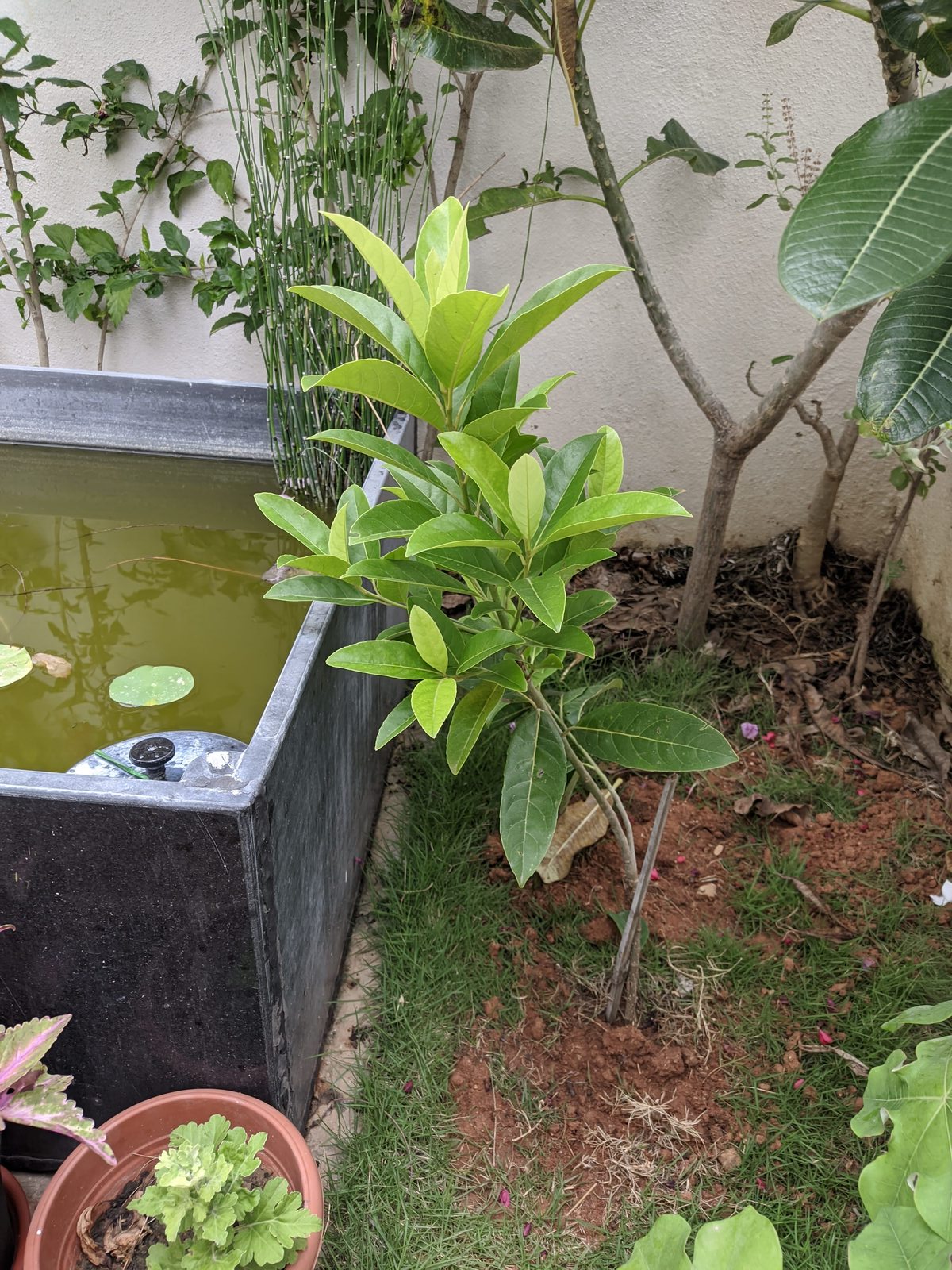
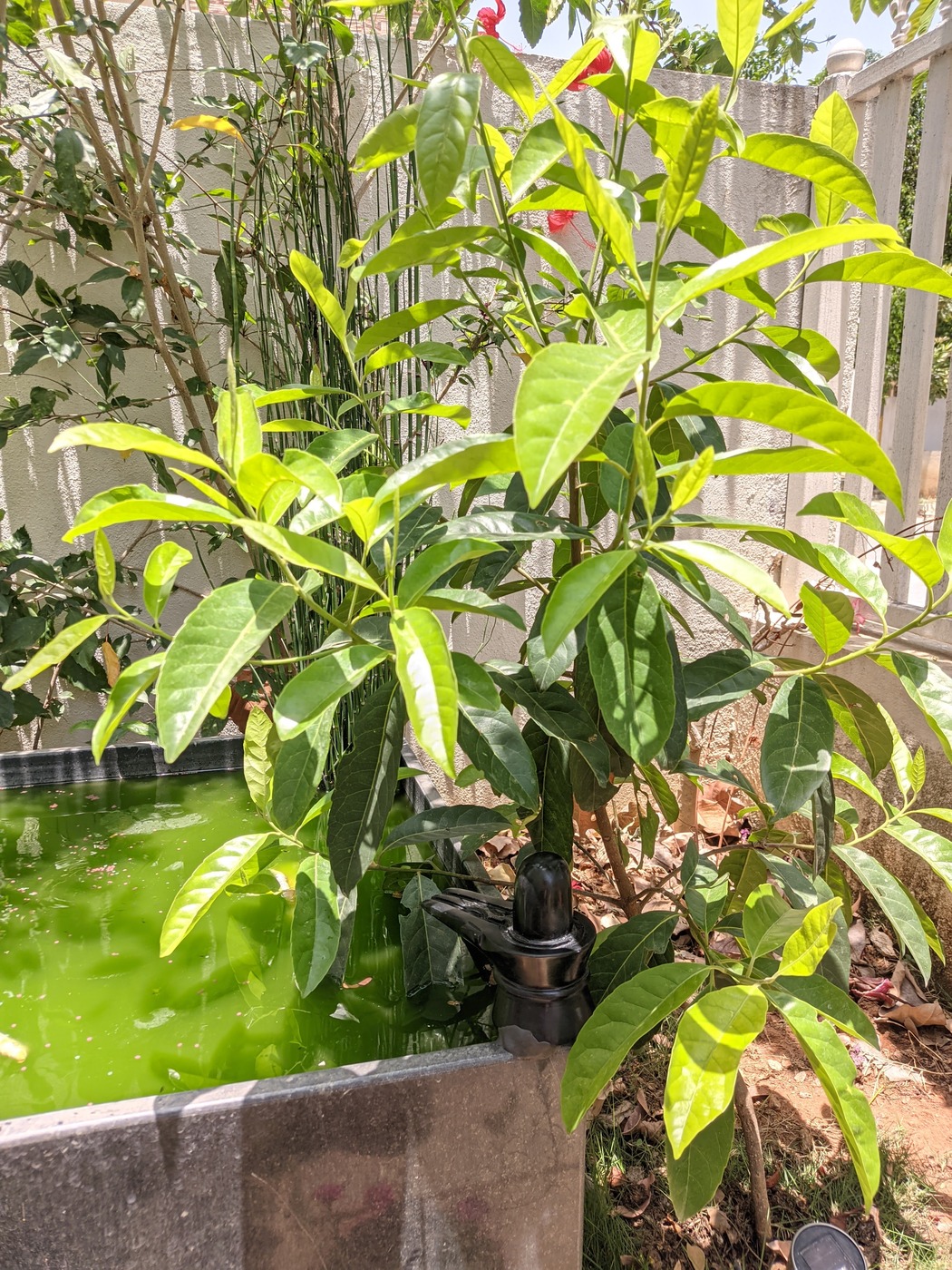
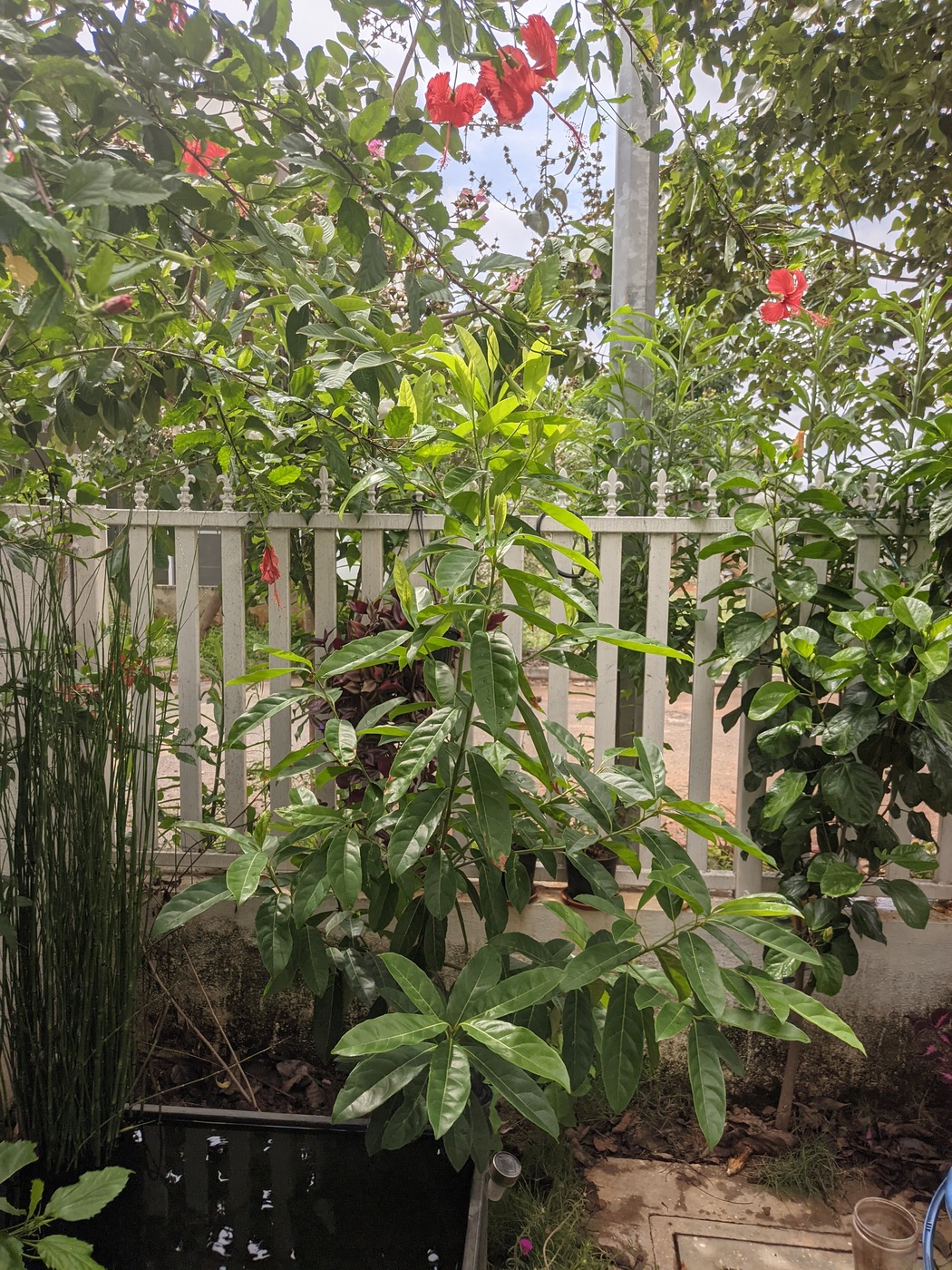
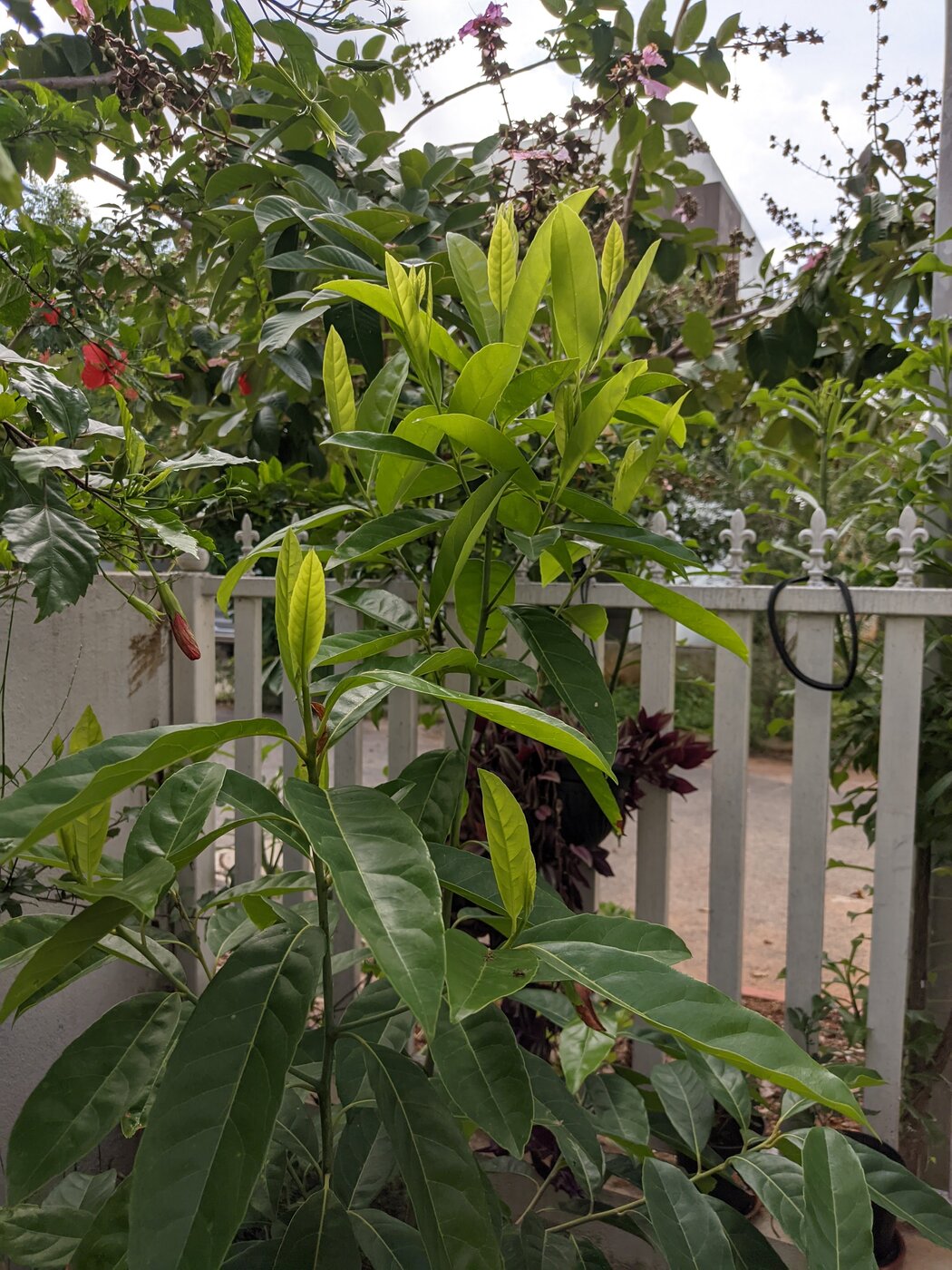
The above ones are pictures of the same Bael plant, which had struggled to live, for almost 14 months. Back then, this plant was starved of its resources. It was dying a slow death out of starvation. After we uprooted the other dominant species, the Bael has recovered and has regained its charm.
In the pictures above of the Bael plant, you can clearly mark out the difference in its stem. The dark colored one is from its months of struggle, while the bright green is from now where it is well nourished and regained its health.
Mulberry
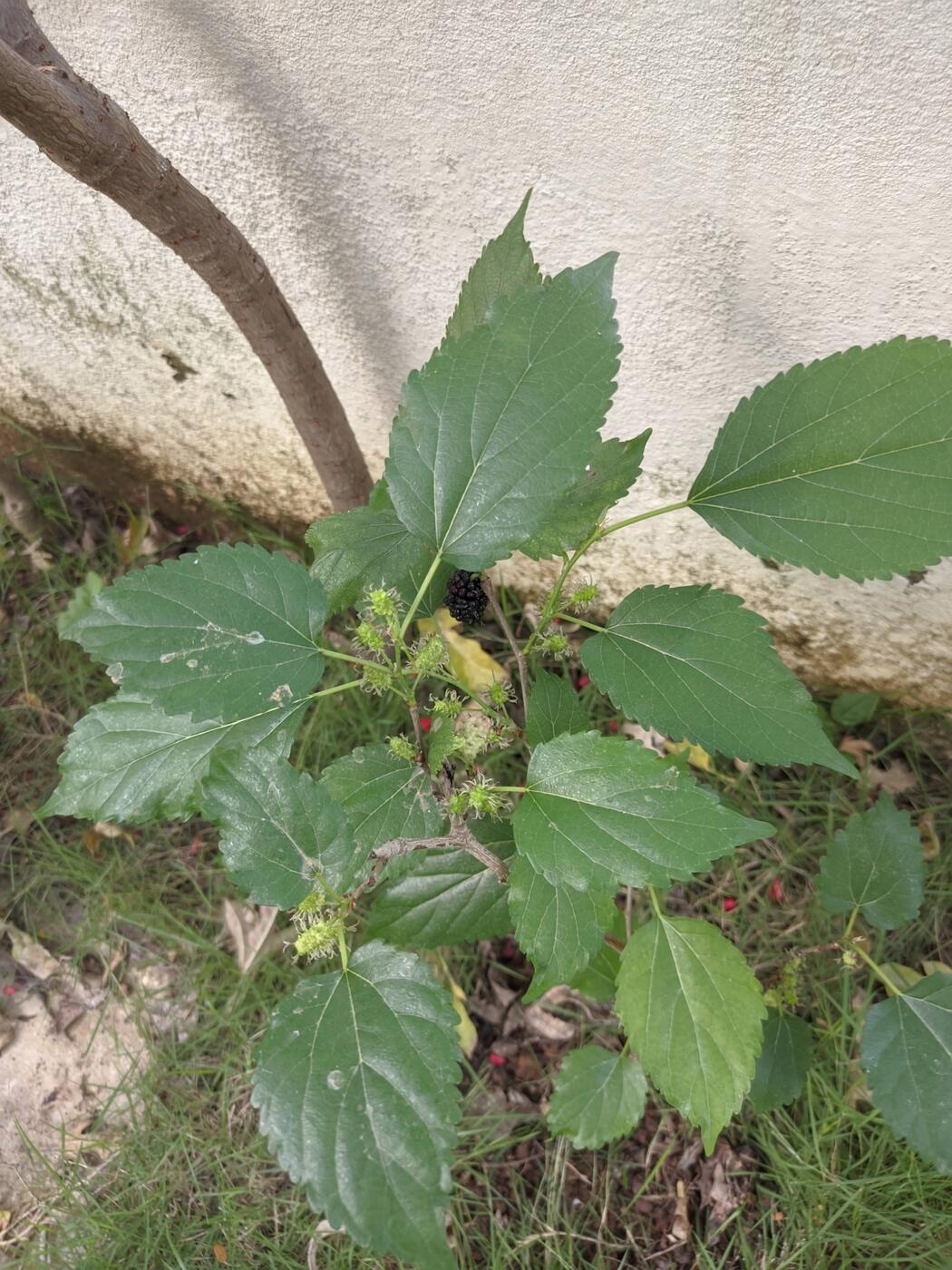
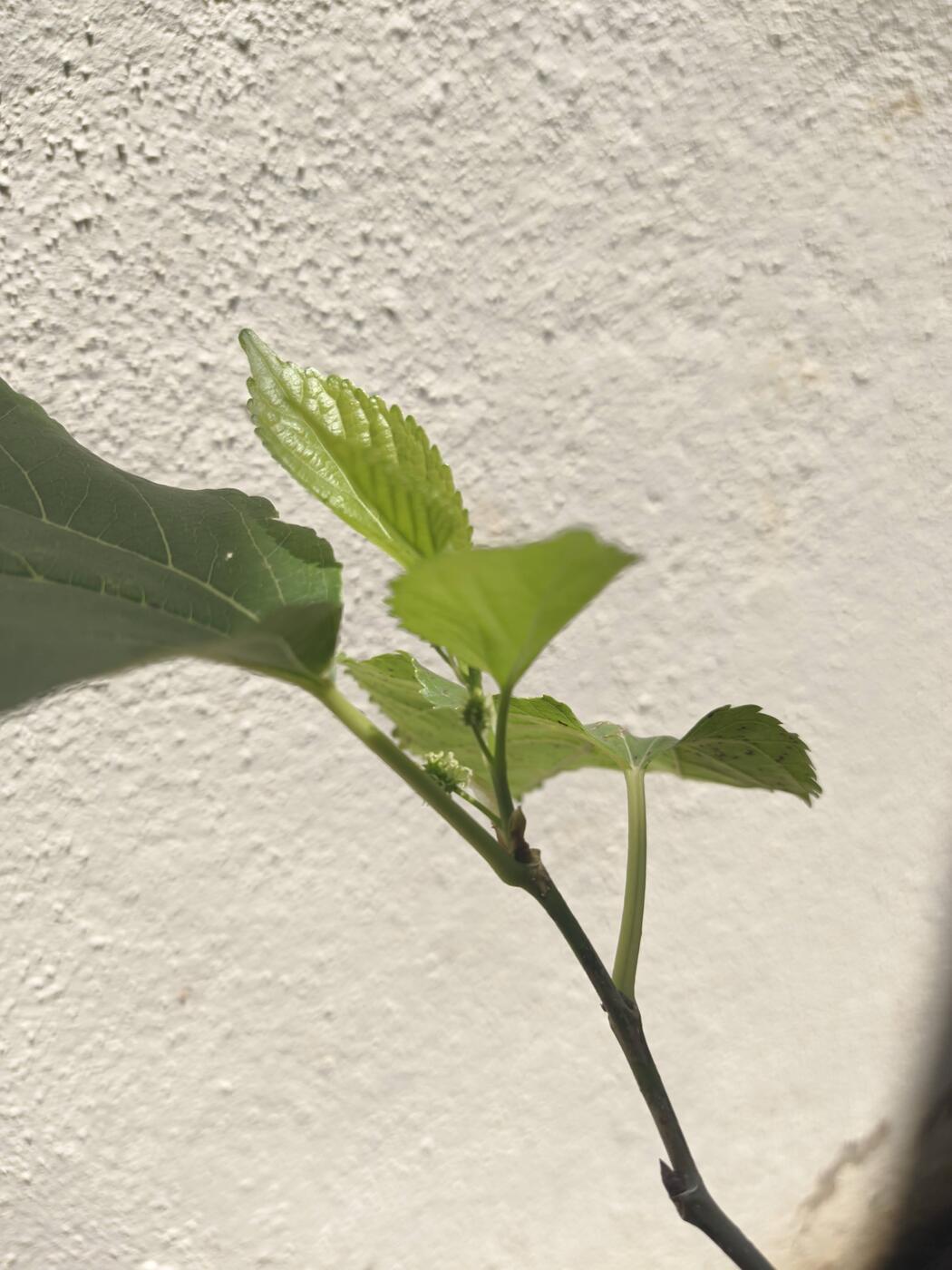
As for the Mulberry, I couldn t save it. But I later managed to get another one. But it turns out I didn t take good, full length pictures of the new mulberry when I planted. The only picture I have is this:
I recollect when I brought it home, it was around 1 - 1.5 feet in length.
This is where I have it today: Majestically standing, 12 feet and counting
Rudraksha
Then:
And now:
I feel quite happy about
All these plants are on the very same soil with the very same care taker. What has changed is my experience and learning.
Plant Co-Existence
Plant co-existence is a difficult topic. My knowledge on plants is very limited in general, and co-existence is something tricky, unexplored, at times invisible (when underneath the soil). So it is a difficult topic. So far, what I ve learnt is purely observations, experiences and hints from the documentaries.
There surely are many many plants that co-exist very well. A good example is my Bael plant itself, which is healthily co-sharing its space with 2 other Croton plants. Same goes for the Rudraksha, which has a close-by neighbor in an Adenium and an Allamanda.
The plant world is mesmerizing. How they behave, communicate and many many more signs. There s so much to observe, learn, explore and document. I hope to have more such observations and experiences to share
To This
With emotions involved, this can be an unpleasant experience.
Bael is a dear plant to me. The plant as a whole has religious values (Shiva). As well, its fruits have lots of health benefits, especially for the intestines. Its leaves have a lot of medicinal properties.
When I planted the Bael, there were a lot of emotions that went along.
On the other hand, the Mulberry is something I put in with a lot of enthusiasm. Mulberries are now rare to find, especially in urban locations. For one, they have a very short shelf life; But more than that, the way lifestyles are heading towards, I was always worried if my children would ever have a day to see and taste these fruits.
The mulberry that I planted, yielded twice; once very soon when I had planted and second, before it died. Infact, it died while during its second yield phase.
It was quite saddening to see that happen. It made me wonder why it happened. I had been caring for the plants fairly well. Watering them timely, feeding them the right amount of nutrients. They were getting a good amount of sun.
But still their health was deteriorating. And then the demise of the Mulberry. Many thoughts hit my mind.
I consulted the claimed experts in the domain, the maali, the gardener. I got a very vague answer; there must be termites in the soil. It didn t make much sense to me. I mean if there are termites they d hit day one. They won t sleep for months and just wake up one fine day and start attacking the roots of particular plants; not all.
I wasn t convinced with the termite theory; But still, give the expert the blind hand, I went with his word.
When my mulberry was dead, I dug its roots. Looking for proof, to see if there were any termites, I uprooted it. But I couldn t find any trace of termites. And the plant next to it was perfectly healthy and blossoming. So I was convinced that it wasn t the termite but something else.
But else what ? I still didn t have an answer to that.
Thinking
The Corona pandemic had embraced and there was a lot to worry, and worry not any, if you change the perspective. With plants around in my home, and our close engagement with them, and the helplessness that I felt after seeking help from the experts, it was time again; to build up some knowledge on the subject.
But how ? How do you go about a subject you have not much clue about ? A subject which has always been around in the surrounding but very seldom have I dedicated focused thought to it. To be honest, the initial thought of diving on the subject made me clueless. I had no idea where to begin with. But, so, as has been my past history, I chose to take it as a curiosity.
I gathered some books, skimmed through a couple of pages. Majority of the books I got hold of were about DIYs and How to do Home Gardening types. It was a decent introduction to a novice but my topic of curiosity was different.
Thankfully, with the Internet, and YouTube in particular, a lot of good stuff is available as documentary videos. While going through some, I came across a video which mentioned about carnivore plants. Like, for example, this one.
This got me thinking that there could be a possibility of something similar, that did the fate to my Mulberry plant. But who did it ? And how to dive further on this suspicion ? And most of all, if that thought of possibility was actually the reality. Or was I just hitting in the dark ?
Beginning
To put some perspective, here s how it started. When we moved into our home, the gardener put in a couple of plants stock, as part of the property handover. Now, I don t exactly recollect the name of the plants that came in stock, neither English nor Hindi; But at my neighbor s place, the plant is still there.
Here are some of the pictures of this beauty. But don t just go by the looks as looks can be deceiving
We hadn t put any serious thought about the plants we were offered by the gardener. After all, we never had ever thought of any mishap either.
Plants we planted
Apart from what was offered by the builder/gardener as part of the property handover, in over the next 6 months of we moving in, I planted 3 tree type plants.
- Mulberry
- Bael
- Rudraksha
The Mulberry, as I have described so far, died a tragic death.
Bael, on the other hand, fought hard. But very little did we know that the plant was struggling the fight. Our impression was that we must have been given a bad breed of the plant. Or maybe the termite theory had some truth.
For the Rudraksha plant, the growth was slow. This was the very first time I had seen a Rudraksha plant, so I had no clue of what its growth rate could be, and what to expect out of it. I wasn t sure if the local climate suited the plant. A quick search showed no objections to the plant in the local climate, but that was it. So my theory has been to put in the plant, and observe.
Here s what my Rudraksha plant looked like during the initial days/weeks of its settlement
The Hint
Days passed and so on. Not much had progressed in gathering information. The plant s health was usual; deteriorating at a slow pace.
On day, thinking of the documentaries I had been watching, it hit my mind about the plant behavior.
- Plants can be Carnivores.
- Plants can be Aggressive.
- Plants can be Invaders.
- Plants can be Territorial.
There are many plants where their aggression can be witnessed with bare human eyes. Like creepers. Some of them are good at spreading tentacles, grabbing onto other plants' stems and branches and spread above it. This was my hint from the documentaries. That s one of the many ways plants set their dominance. That is what hit my mind that if plants are aggressive on the out, underneath the soil, they should be having similar behavior.
I mean, what we see as humans is just a part of the actual plant. More than half of the actual plant is usually underneath the soil, in most plants.
So there s a high chance to get more information out, if you dig the soil and look the roots.
The Digging
As I mentioned earlier, I do establish bindings, emotions and attachments. But not much usually comes in the way to curiosity.
To dig further on the theory that the problem was elsewhere, with within the plants ecosystem, we needed to pick on another subject - the plant.
And the plant we chose was the plant which was planted in the initial offering to us, when we moved into our home. It was the same plant breed which was neighboring all our newly planted trees: Rudraksha, Mulberry and Bael.
If you look closely into the pictures above of these plants, you ll notice the stem of another plant, the Territorial Dominator, is close-by to these 3 plants. That s because the gardener put in a good number of them to get his action item complete.
So we chose to dig and uproot one of those plant to start with. Now, while they may look gentle on the outside, with nice red colored tiny flowers, these plants were giants underneath. Their roots were huge. It took some sweat shredding to single-handedly remove them.
Today is brighter
Bael
I ll let the pictures do the initial talking today.
The above ones are pictures of the same Bael plant, which had struggled to live, for almost 14 months. Back then, this plant was starved of its resources. It was dying a slow death out of starvation. After we uprooted the other dominant species, the Bael has recovered and has regained its charm.
In the pictures above of the Bael plant, you can clearly mark out the difference in its stem. The dark colored one is from its months of struggle, while the bright green is from now where it is well nourished and regained its health.
Mulberry
As for the Mulberry, I couldn t save it. But I later managed to get another one. But it turns out I didn t take good, full length pictures of the new mulberry when I planted. The only picture I have is this:
I recollect when I brought it home, it was around 1 - 1.5 feet in length.
This is where I have it today: Majestically standing, 12 feet and counting
Rudraksha
Then:
And now:
I feel quite happy about
All these plants are on the very same soil with the very same care taker. What has changed is my experience and learning.
Plant Co-Existence
Plant co-existence is a difficult topic. My knowledge on plants is very limited in general, and co-existence is something tricky, unexplored, at times invisible (when underneath the soil). So it is a difficult topic. So far, what I ve learnt is purely observations, experiences and hints from the documentaries.
There surely are many many plants that co-exist very well. A good example is my Bael plant itself, which is healthily co-sharing its space with 2 other Croton plants. Same goes for the Rudraksha, which has a close-by neighbor in an Adenium and an Allamanda.
The plant world is mesmerizing. How they behave, communicate and many many more signs. There s so much to observe, learn, explore and document. I hope to have more such observations and experiences to share
Beginning
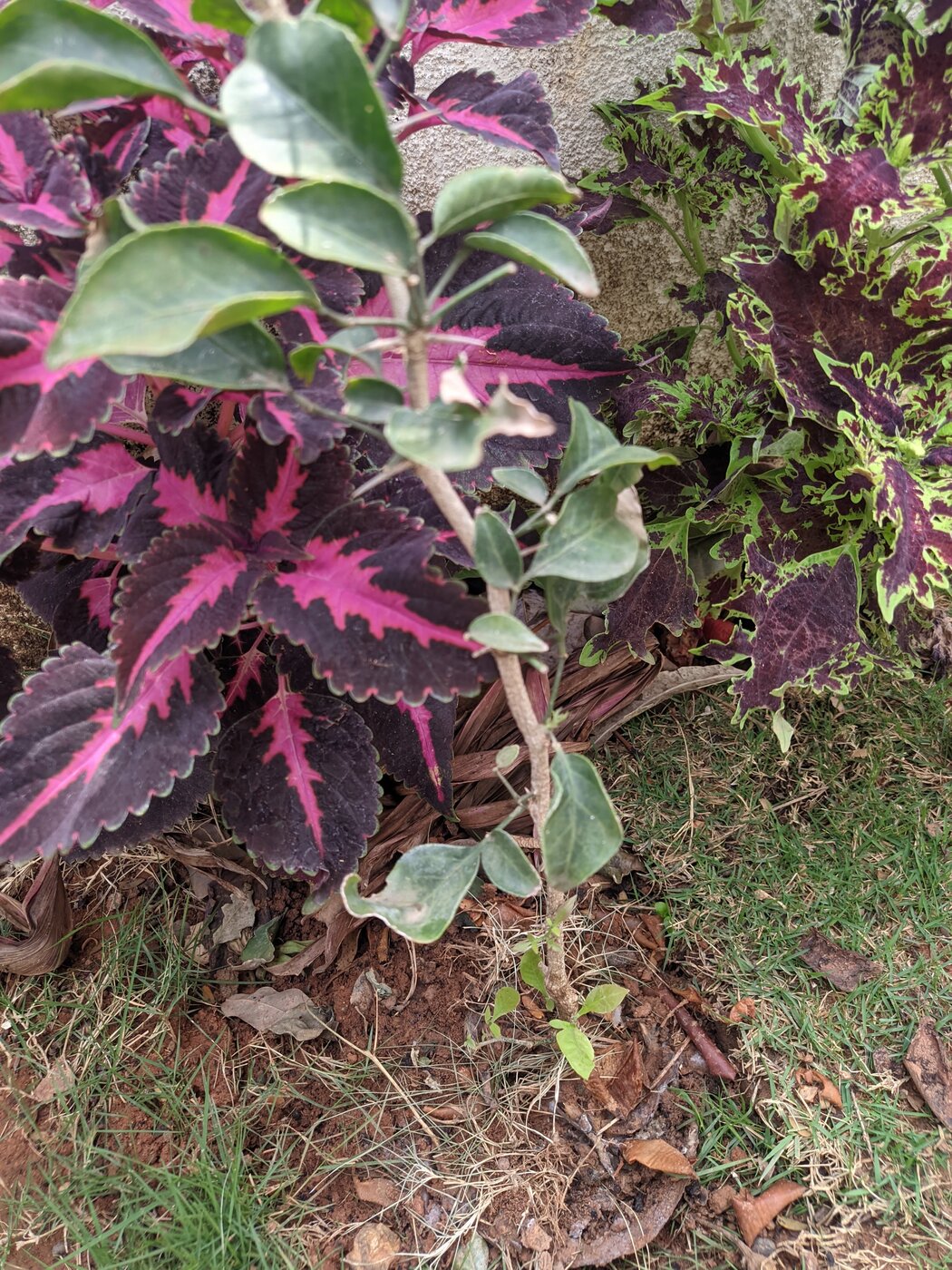
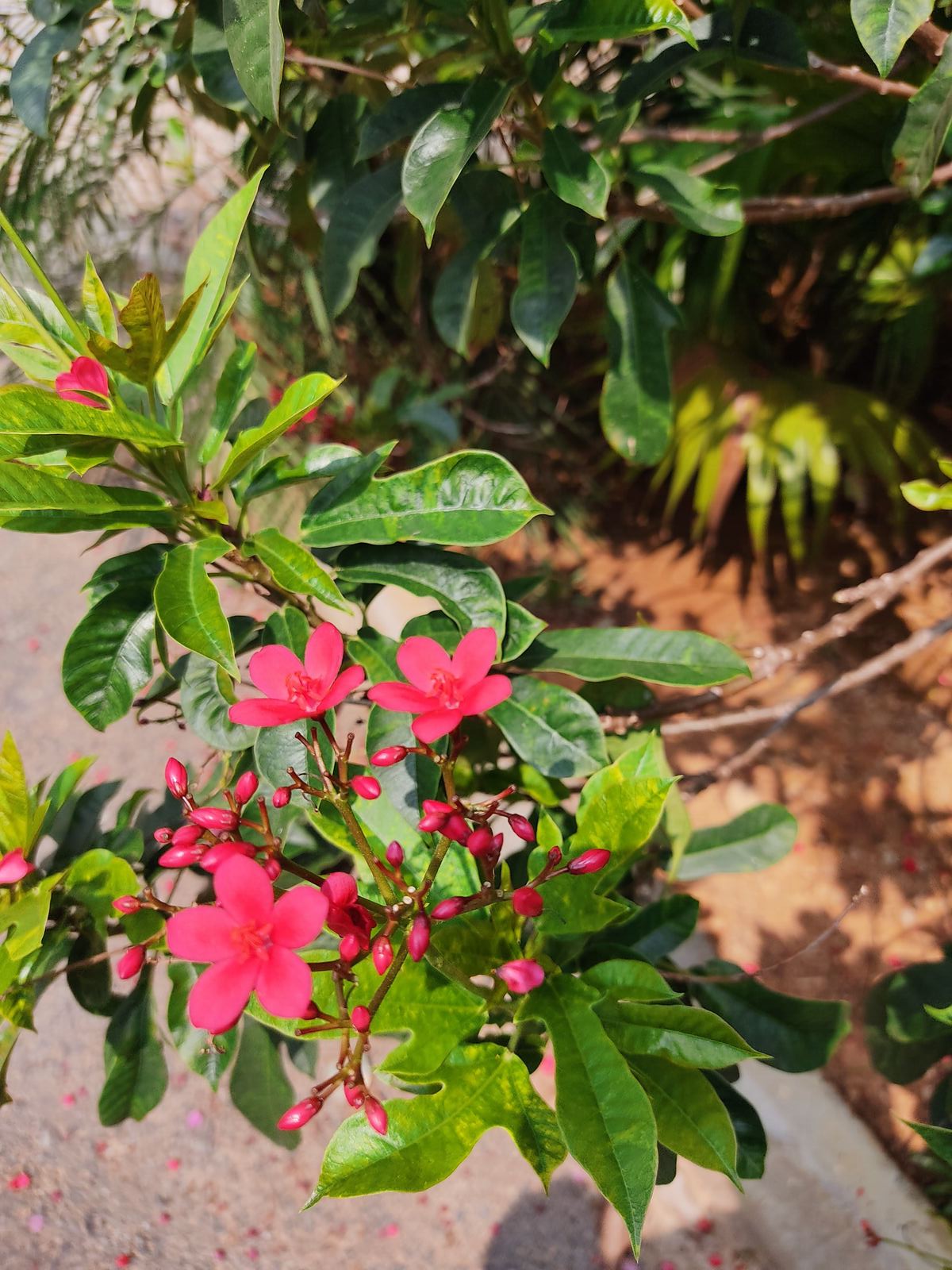
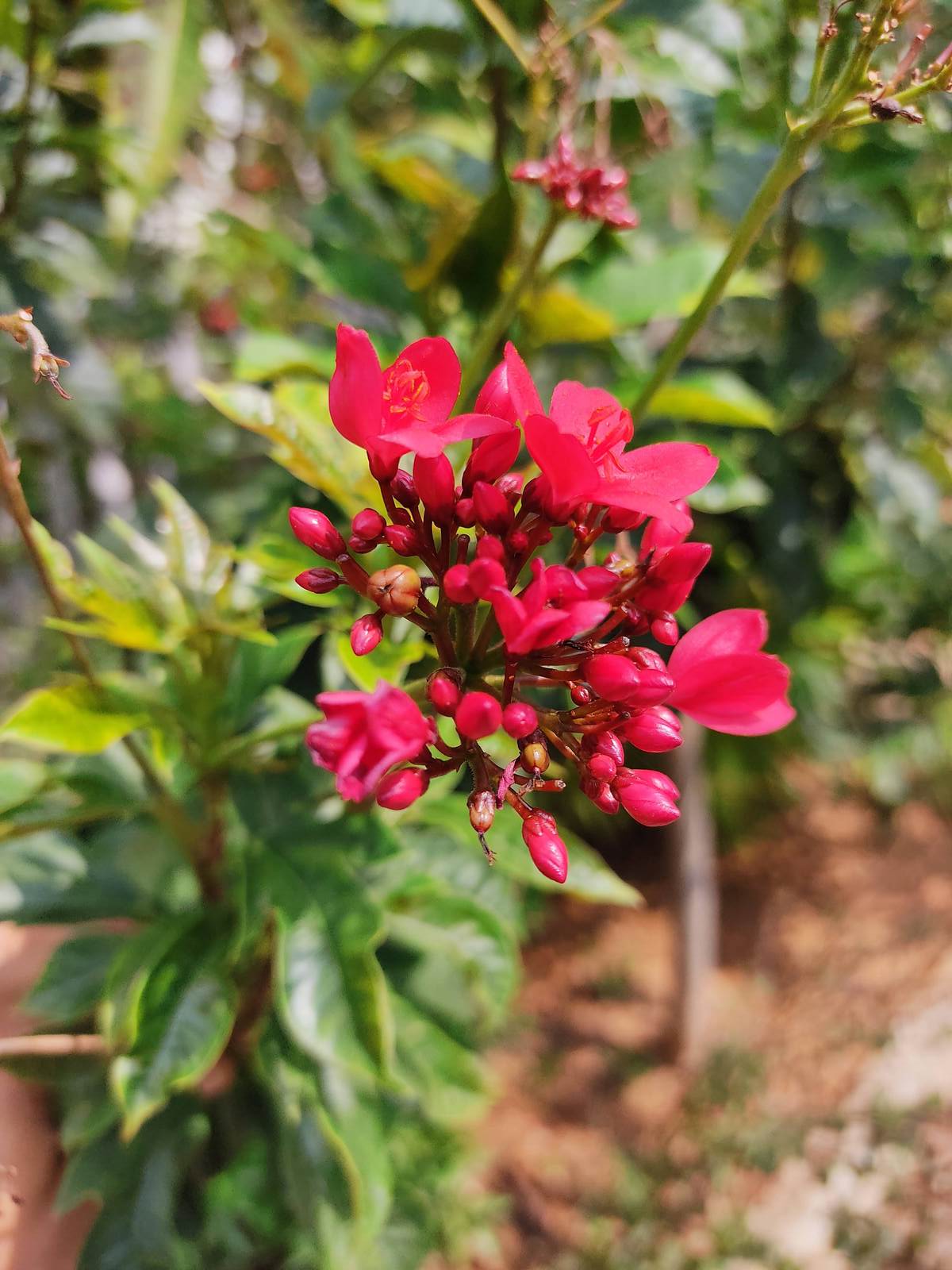
To put some perspective, here s how it started. When we moved into our home, the gardener put in a couple of plants stock, as part of the property handover. Now, I don t exactly recollect the name of the plants that came in stock, neither English nor Hindi; But at my neighbor s place, the plant is still there.
Here are some of the pictures of this beauty. But don t just go by the looks as looks can be deceiving
We hadn t put any serious thought about the plants we were offered by the gardener. After all, we never had ever thought of any mishap either.
Plants we planted
Apart from what was offered by the builder/gardener as part of the property handover, in over the next 6 months of we moving in, I planted 3 tree type plants.
- Mulberry
- Bael
- Rudraksha
The Mulberry, as I have described so far, died a tragic death.
Bael, on the other hand, fought hard. But very little did we know that the plant was struggling the fight. Our impression was that we must have been given a bad breed of the plant. Or maybe the termite theory had some truth.
For the Rudraksha plant, the growth was slow. This was the very first time I had seen a Rudraksha plant, so I had no clue of what its growth rate could be, and what to expect out of it. I wasn t sure if the local climate suited the plant. A quick search showed no objections to the plant in the local climate, but that was it. So my theory has been to put in the plant, and observe.
Here s what my Rudraksha plant looked like during the initial days/weeks of its settlement
The Hint
Days passed and so on. Not much had progressed in gathering information. The plant s health was usual; deteriorating at a slow pace.
On day, thinking of the documentaries I had been watching, it hit my mind about the plant behavior.
- Plants can be Carnivores.
- Plants can be Aggressive.
- Plants can be Invaders.
- Plants can be Territorial.
There are many plants where their aggression can be witnessed with bare human eyes. Like creepers. Some of them are good at spreading tentacles, grabbing onto other plants' stems and branches and spread above it. This was my hint from the documentaries. That s one of the many ways plants set their dominance. That is what hit my mind that if plants are aggressive on the out, underneath the soil, they should be having similar behavior.
I mean, what we see as humans is just a part of the actual plant. More than half of the actual plant is usually underneath the soil, in most plants.
So there s a high chance to get more information out, if you dig the soil and look the roots.
The Digging
As I mentioned earlier, I do establish bindings, emotions and attachments. But not much usually comes in the way to curiosity.
To dig further on the theory that the problem was elsewhere, with within the plants ecosystem, we needed to pick on another subject - the plant.
And the plant we chose was the plant which was planted in the initial offering to us, when we moved into our home. It was the same plant breed which was neighboring all our newly planted trees: Rudraksha, Mulberry and Bael.
If you look closely into the pictures above of these plants, you ll notice the stem of another plant, the Territorial Dominator, is close-by to these 3 plants. That s because the gardener put in a good number of them to get his action item complete.
So we chose to dig and uproot one of those plant to start with. Now, while they may look gentle on the outside, with nice red colored tiny flowers, these plants were giants underneath. Their roots were huge. It took some sweat shredding to single-handedly remove them.
Today is brighter
Bael
I ll let the pictures do the initial talking today.
The above ones are pictures of the same Bael plant, which had struggled to live, for almost 14 months. Back then, this plant was starved of its resources. It was dying a slow death out of starvation. After we uprooted the other dominant species, the Bael has recovered and has regained its charm.
In the pictures above of the Bael plant, you can clearly mark out the difference in its stem. The dark colored one is from its months of struggle, while the bright green is from now where it is well nourished and regained its health.
Mulberry
As for the Mulberry, I couldn t save it. But I later managed to get another one. But it turns out I didn t take good, full length pictures of the new mulberry when I planted. The only picture I have is this:
I recollect when I brought it home, it was around 1 - 1.5 feet in length.
This is where I have it today: Majestically standing, 12 feet and counting
Rudraksha
Then:
And now:
I feel quite happy about
All these plants are on the very same soil with the very same care taker. What has changed is my experience and learning.
Plant Co-Existence
Plant co-existence is a difficult topic. My knowledge on plants is very limited in general, and co-existence is something tricky, unexplored, at times invisible (when underneath the soil). So it is a difficult topic. So far, what I ve learnt is purely observations, experiences and hints from the documentaries.
There surely are many many plants that co-exist very well. A good example is my Bael plant itself, which is healthily co-sharing its space with 2 other Croton plants. Same goes for the Rudraksha, which has a close-by neighbor in an Adenium and an Allamanda.
The plant world is mesmerizing. How they behave, communicate and many many more signs. There s so much to observe, learn, explore and document. I hope to have more such observations and experiences to share
- Mulberry
- Bael
- Rudraksha
 I had been meaning to write on the above topic for almost a couple of months now but just kept procrastinating about it. That push came to a shove when Sucheta Dalal and Debasis Basu shared their understanding, wisdom, and all in the new book called
 The psyche of the Bengali and the Bhadralok has gone through enormous shifts. I have met quite a few and do see the guilt they feel. If one wonders as to how socialist parties are able to hold power in Bengal, look no further than

 Every couple of months, one of my users falls prey to phishing
attacks, and send their login/password data to an unknown somebody
who poses as Well, as me, their always-friendly and always-helpful
systems administrator.
What follows is, of course, me spending a week trying to get our
systems out of all of the RBLs/DNSBLs. But, no matter how fast I act,
there s always distruption and lost mails (bounced or classified as
spam) for my users.
Most of my users use the Webmail I have configured on our institute s
servers,

 The Python programming language is one of the most popular and in huge demand. It is free, has a large community, is intended for the development of projects of varying complexity, is easy to learn, and opens up great opportunities for programmers. To work comfortably with it, you need special Python tools, which are able to simplify your work. We have selected the best Python tools that will be relevant in 2021.






 To start writing about updates regarding my GSoC project, the first obvious thing I need to do is to explain what my project really is. So let s get started.




 Having build a single node Kubernetes cluster and had a poke at what it s doing in terms of networking the next thing I want to do is figure out what it s doing in terms of containers. You might argue this should have come before networking, but to me the networking piece is more non-standard than the container piece, so I wanted to understand that first.
Let s start with a process listing on the host.
 As the President of the GNOME Foundation Board of Directors, I m really pleased to see the
 Zeeshan of IYC (India Youth Congress) along with Salman Khan s non-profit Being Human getting oxygenators
 I knew about GSoC since my first year of college but had this misconception that only great coders get selected for GSoC which did not let me apply to the program until my 3rd year of engineering. I applied this year not because I thought I have turned into one but because I actually wanted to give a fair try to this before the time I become ineligible to participate.






 The Hindu also



 Pappu Yadav, President Jan Adhikar Party, Bihar May 11, 2021