Review:
The Kaiju Preservation Society, by John Scalzi
| Publisher: |
Tor |
| Copyright: |
2022 |
| ISBN: |
0-7653-8913-4 |
| Format: |
Kindle |
| Pages: |
264 |
As this novel opens, Jamie Gray, our first-person narrator, is working for
the business side of a startup food delivery service named f dm d. He's
up for his six month performance review and has some great ideas for how
to improve the company's market standing going into pandemic lockdown.
His boss has other ideas: Jamie at the bottom of the corporate ladder,
delivering food door-to-door.
Tom is working for a semi-secret organization with a last-minute,
COVID-induced worker shortage. He needs someone who can lift things.
Jamie used to go to some of the same parties, can lift things, and is
conveniently available. And that's how Jamie ends up joining the Kaiju
Preservation Society, because it turns out the things that need lifting
are in a different dimension.
This book was so bad. I think this may be the worst-written novel at a
technical level that I have read since I started writing book reviews.
It's become trendy in some circles to hate Scalzi, so I want to be clear
that I normally get along fine with his writing. Scalzi is an unabashedly
commercial writer of light, occasionally humorous popcorn SF. It's not
great literature, and he's unlikely to write a new favorite novel, but his
books are easy to read and reliably deliver a few hours of comfortable
entertainment. The key word is "reliably"; Scalzi doesn't have a lot of
dynamic range, but you know what you're getting and can decide to read him
when that matches your mood.
When I give a book a bad review, it's usually because I found the ideas
deeply unpleasant (
genocidal theology, for
instance, or
creepy voyeuristic sexism). That's
not the problem here. The ideas are fine: a variation on the
Jurassic Park setup but with
kaiju and less commercialism,
an everyman narrator to look at everything for the reader, a few assholes
thrown in to provide some conflict sure, sign me up, sounds like the
kind of light entertainment I expect from a Scalzi novel. The excuse for
interdimensional portals was clever (and consistent with kaiju story
themes), and the biological handwaving created a lot of good story hooks.
The material for a fun novel is all present.
The problem, instead, is that this book was not finished. It's the bare
skeleton of a story with almost-nonexistent characters and plot, stuck in
a novel-shaped box and filled in with repetitive banter and dad jokes of
the approximate consistency of styrofoam packing material.
When I complain about the characterization, I fear people who haven't read
the book won't understand what I mean. He's always had dialogue quirks
that tend to show up in all of his characters and make them sound similar.
I noticed this in
other books, but it wasn't a
big deal.
The characterization problems in this book are a big deal.
I can identify four characters, total, from the entire novel: the
first-person protagonist, the villain, the pilot, and the woman who does
the forest floor safety training. None of those characters are memorable
or interesting, but at least they're somewhat distinct. Apart from them,
you could write a computer program that randomly selected character names
for each dialogue line and I
wouldn't be able to tell the
difference. I have never given up on character identity and started
ignoring all the dialogue tags in a book before. Everyone says the same
thing, makes the same jokes, has the same emotional reactions, and has the
same total lack of interiority or distinguishing characteristics. The
only way I can imagine telling the characters apart is if you memorized
the association between names and professions, and I have no idea why
you'd bother.
The descriptions are, if anything, worse. Scalzi is not a heavily
descriptive author, but usually he gives me
something to hang my
imagination on. You would think that if you were writing a book about
kaiju one where kaiju are quite actively involved in the story,
fighting, roaring, menacing, being central to the plot you would
describe a kaiju at some point during the novel. They're visually
impressive giant monsters! This is an inherently visual story genre! And
at no point in this entire novel does Scalzi ever describe a kaiju in any
detail. Not once! The most we get is that one has tentacles and a sort
of eye spot. And sometimes there are wings. There are absolutely no
overall impressions, comparisons, attempts to sketch what the characters
are seeing, nothing.
Or, for another example, consider the base, the place where the characters
live for most of the story and where much of the dialogue happens. Here
is the sum total of all sensory information I can recall about the
characters' home: it has stairs, and there's a plant in Jamie's room.
(The person who left the plant, who never appears on screen, gets more
characterization in two pages than anyone else gets in the whole novel.)
What does the base look like from the outside? The inside? How many
stories does it have? What are the common spaces like? What does it
smell like? Does it feel institutional, or welcoming, or dirty, or
sparkling? How long does it take to get from one end of it to the other?
Does it make weird noises at night? I have no impressions of this place
whatsoever. Maybe a few of these things were mentioned in passing and I
missed them, but that's because the narrator of this book never describes
his surroundings in detail, stops to look at something eye-catching,
thinks about how he feels about a place, or otherwise gives the reader any
meaningful emotional engagement with the spaces around him.
And it's not like this story was instead stuffed with action. There is
barely a novelette's worth of plot and most of that is predictable: the
setup, the initial confrontation, the discovery of the evil plan, the
final confrontation. For most of the book, nothing of any consequence
happens. It's just endless pages of vaguely bantering dialogue between
totally indistinguishable characters while Jamie repeats "I lift things."
(That was funny the first couple of times; by the fifth time, the funny
wore off.) The climax, when it finally happens, is mostly monologuing and
half-hearted repartee that is cringeworthy and vaguely embarrassing for
everyone involved.
I don't really blame Scalzi for this book. I wish he had realized that it
was half-baked at best and needed some major revisions, but the author's
note at the end makes it clear that the process of bringing this book into
the world was a train wreck. It was written in two months, in a rush,
after Scalzi had already missed a deadline for a different book that
failed to come together. Life happens, and in 2020 and early 2021 a whole
lot of life was happening. The tone of the author's note is vaguely
apologetic; I think Scalzi realizes at some level that this is not his
best work.
The person I
do blame is Patrick Nielsen Hayden, Scalzi's editor,
who is a multiple-Hugo-award-winning book editor and the managing editor
of science fiction at Tor and absolutely should have known better. It was
his responsibility to look at this book and say "this is not ready yet";
this is part of the function of the traditional publishing apparatus.
This could have been a good book. The ideas and the hook were there; it
just needed some actual substance in the middle and a whole lot of
character work. Instead, he was the one who made the decision to publish
the book in this state.
But, well, the joke's on me, because
The Kaiju Preservation Society
sold a ton of copies, got nominated for several awards, won an
Alex Award, and made
Amazon's best of 2022 list, so I guess this was a brilliant publishing
decision and the book was everything it needed to be? Maybe I'm just bad
at reading and have no sense of humor? I have no explanation; I am truly
and completely baffled.
There are books that I don't like but that have obvious merits for people
who are not me. There are styles of writing that I don't like and other
people do. But I would have sworn this book was objectively unfinished
and half-assed at a craft and construction level, in ways that don't
depend as much on personal taste. I recommend quietly forgetting it was
ever published and waiting for a better Scalzi novel, but it has a 4.04
star rating on Goodreads with nearly 32,000 reviews, so what do I know.
Anyway, I was warned that I wasn't going to like this book and I read it
anyway for silly reasons because I figured it was a Scalzi novel and how
bad could it be, really. I brought this on myself, and I at least got the
fun of ranting about it. Apparently this book found its people and they
got a lot of joy out of it, and good for them.
Rating: 2 out of 10
 After my last
post,
B lint (who prompted it with his last
post)
suggested I should do a hybrid test of his tests and my extremes. He
suggested I should build the Linux kernel using my Raspberry Pi 4 (8GB
model), but using the Firebuild build
accelerator.
Before going any further: I must make clear that while Firebuild is
freely redistributable, it is not made available under a free
license. It
is free for personal use or commercial trial, but otherwise requires
licensing.
B lint managed to build a Linux kernel in just over 8 seconds. So,
how did my test go? My previous experiment, using
 Github
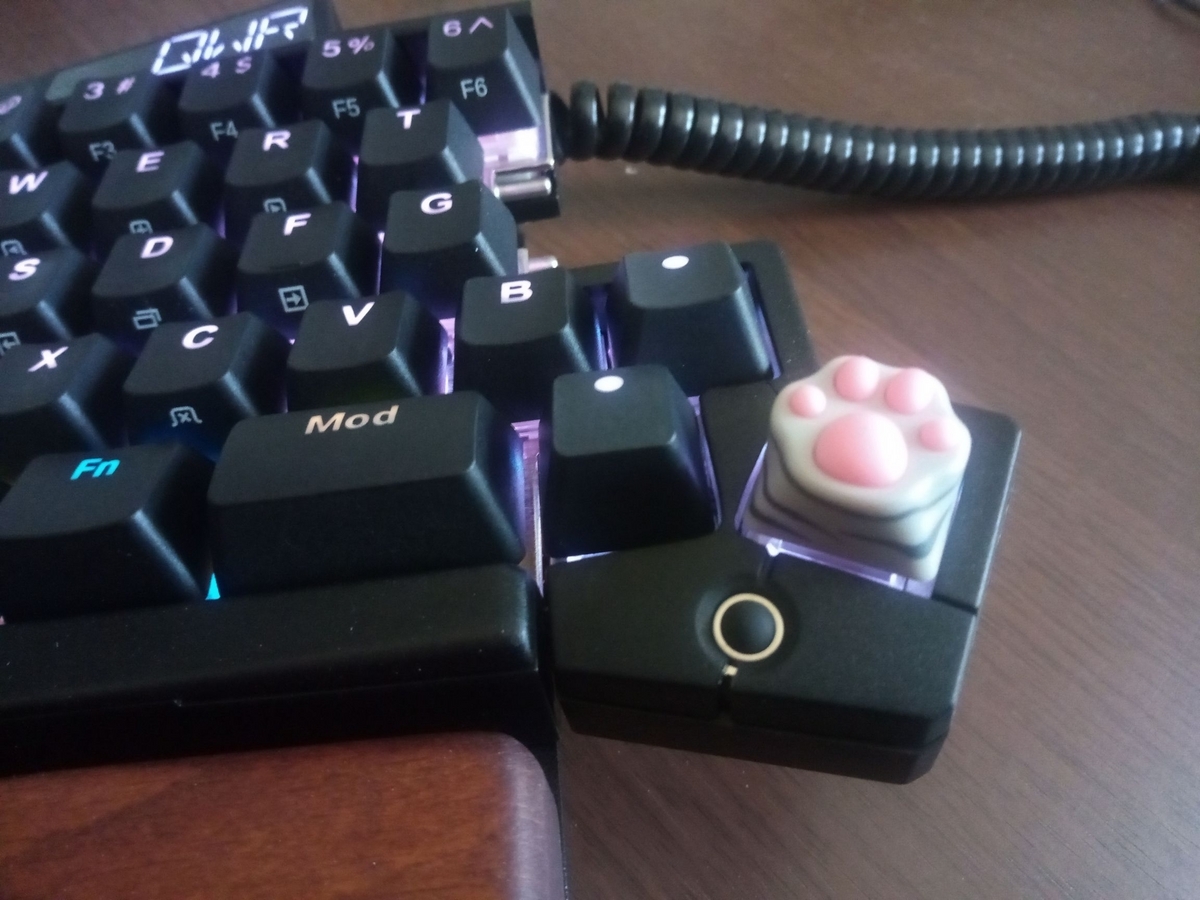
 Recently, I'm coming to feel the burden on my shoulder, it makes me so annoyed.
As of that, I've considered replacing the hardware (keyboard).
I've searched for a new gear candidate to resolve the above issue with the following conditions:
 A new release 0.2.7 of our
 The following contributors got their Debian Developer accounts in the last two months:
 Canonical has implemented a staged roll-out for some Ubuntu package updates.
I find that rather annoying at times, e.g. when preparing the laptop for traveling.
So for my memory and for the benefit of others:
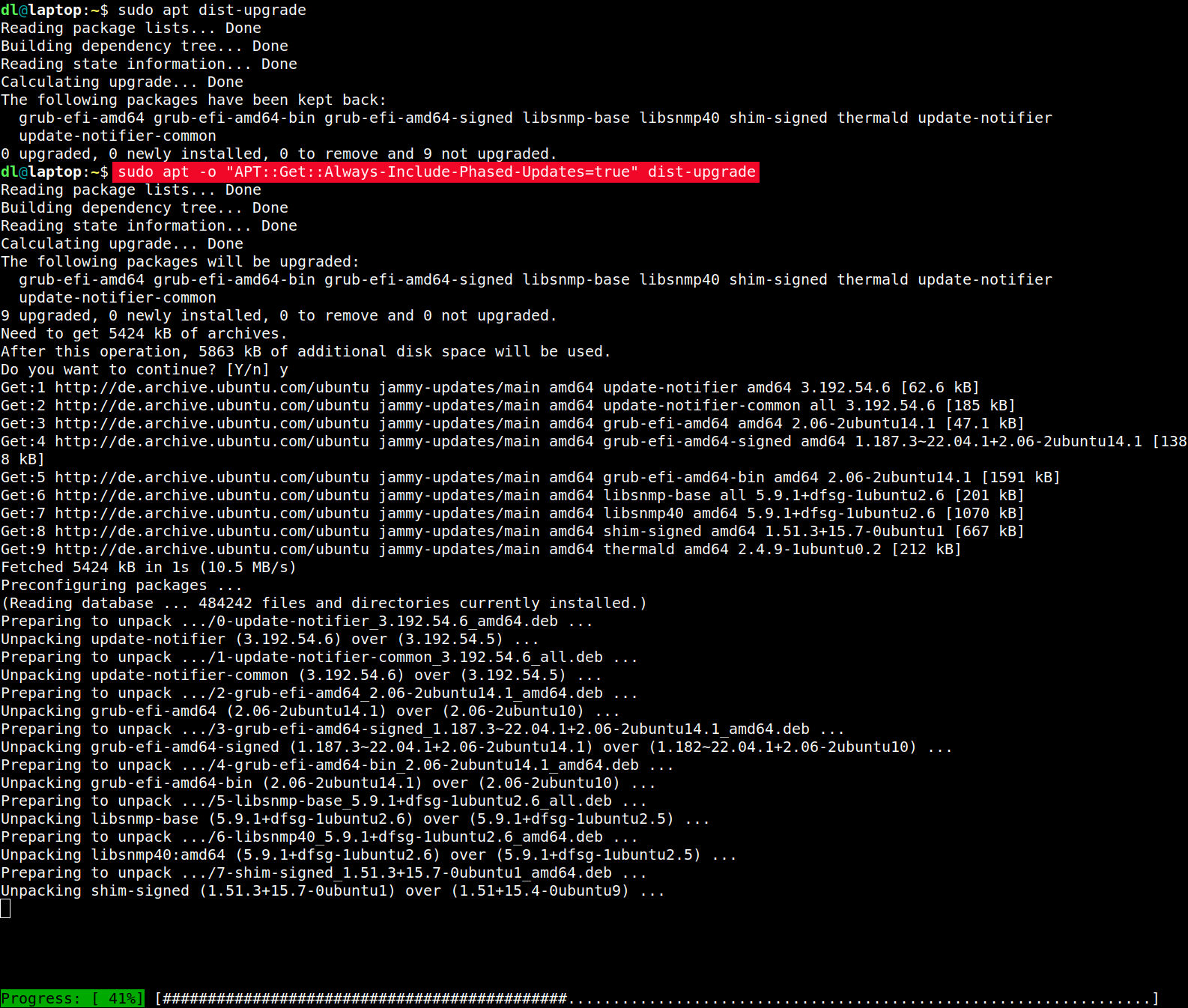 This can - for permanent use - be put into a config file, e.g.
 Update on 2023-03-23: thanks to Daniel Roschka for mentioning the

 Anti-national and Anti-India judges Kiren Rijiju, Law Minister.


 There is much to share but some other day, Till later.
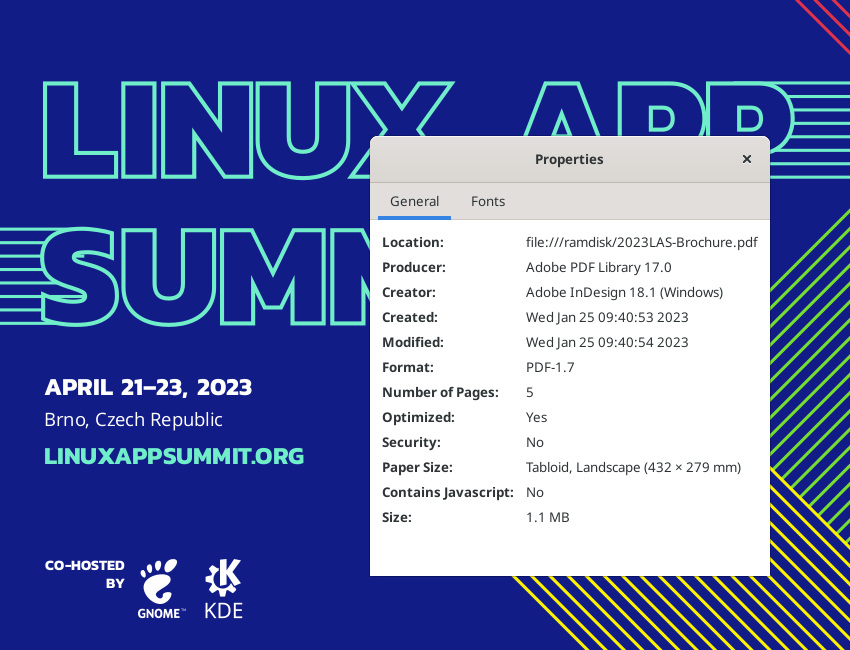 Apparently neither GNOME nor KDE have apps that are sufficient to produce such content. Wtf folks.
P.S.: Just checked the
 Pdf is hard.
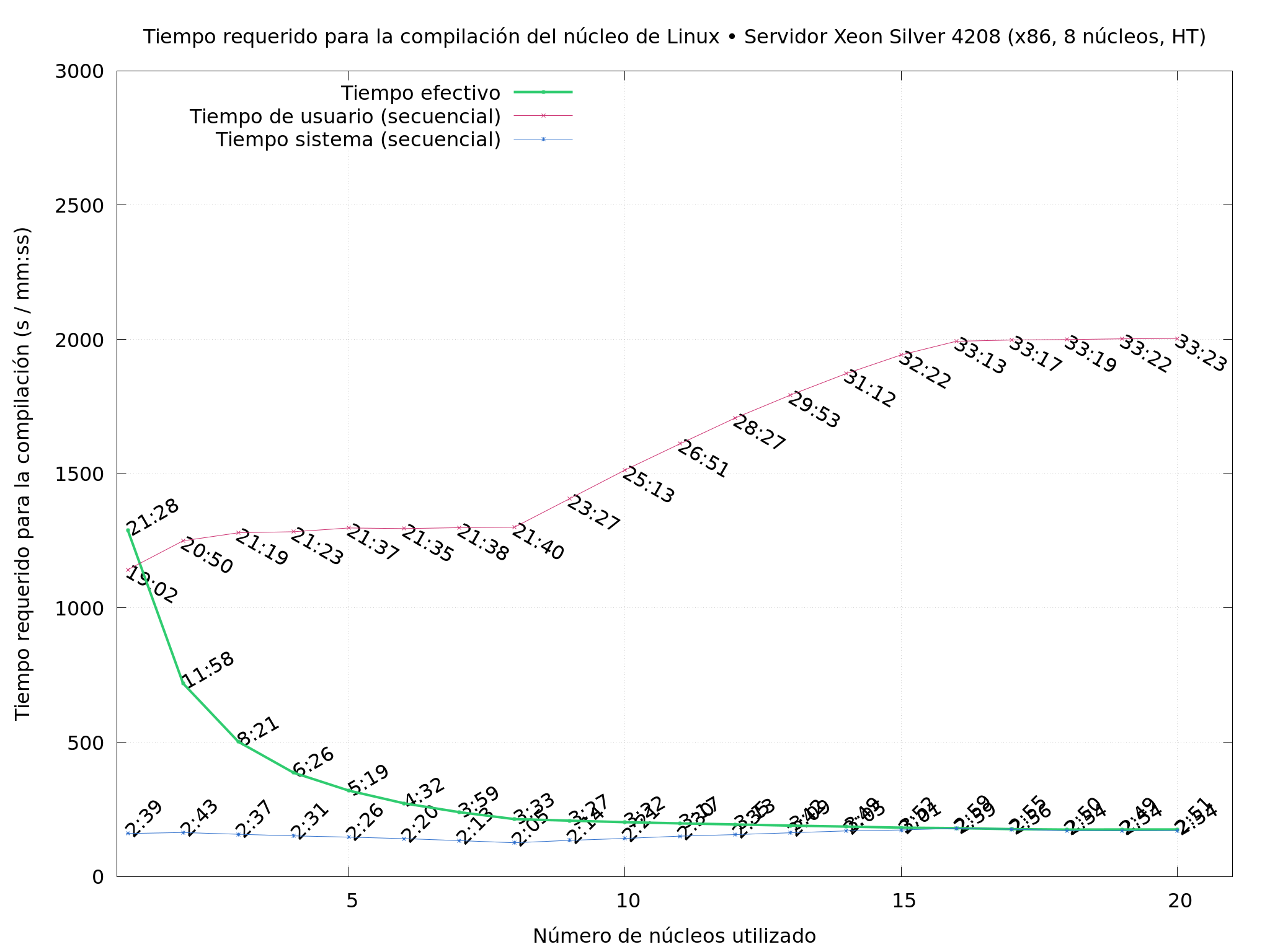
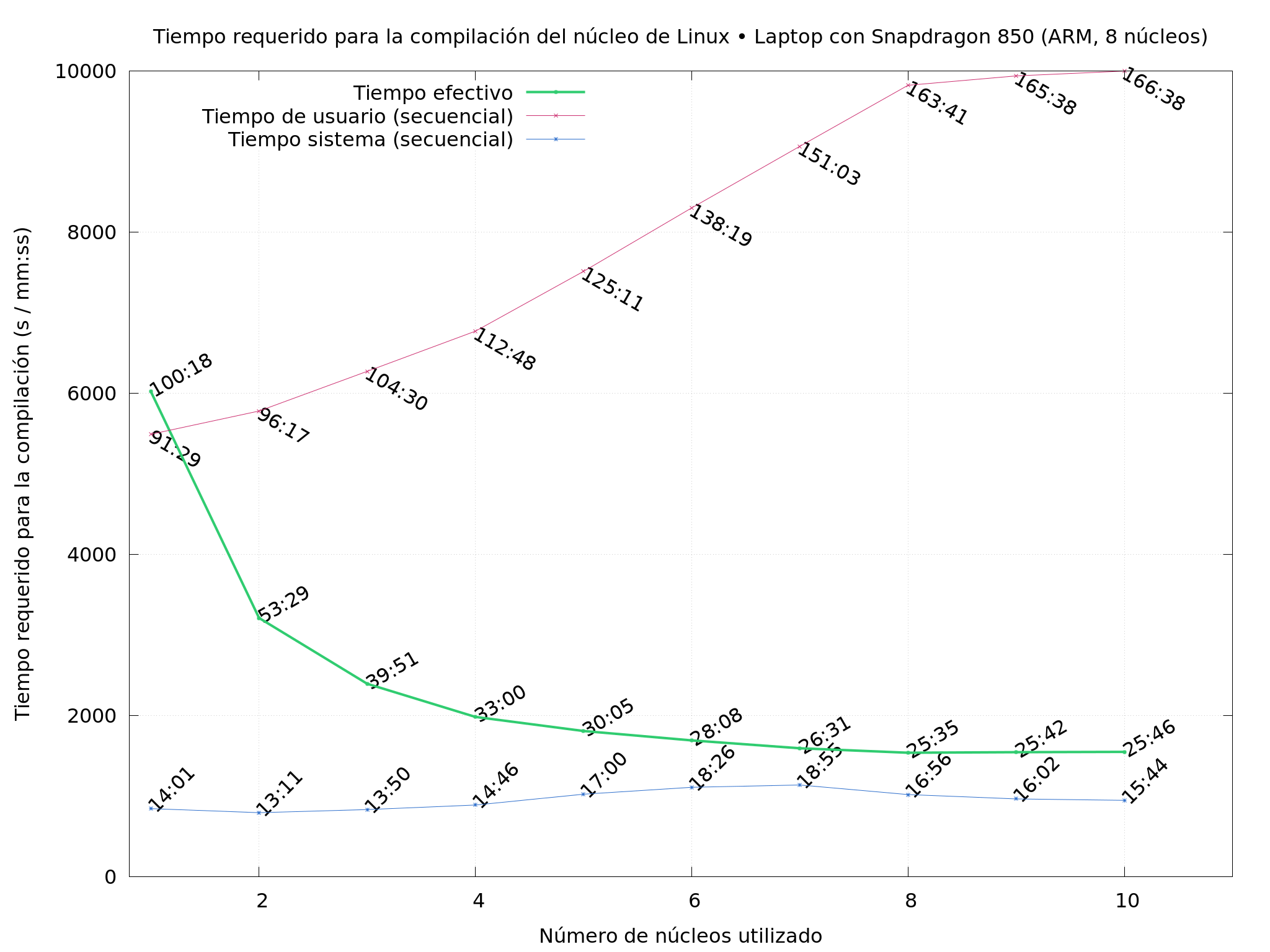
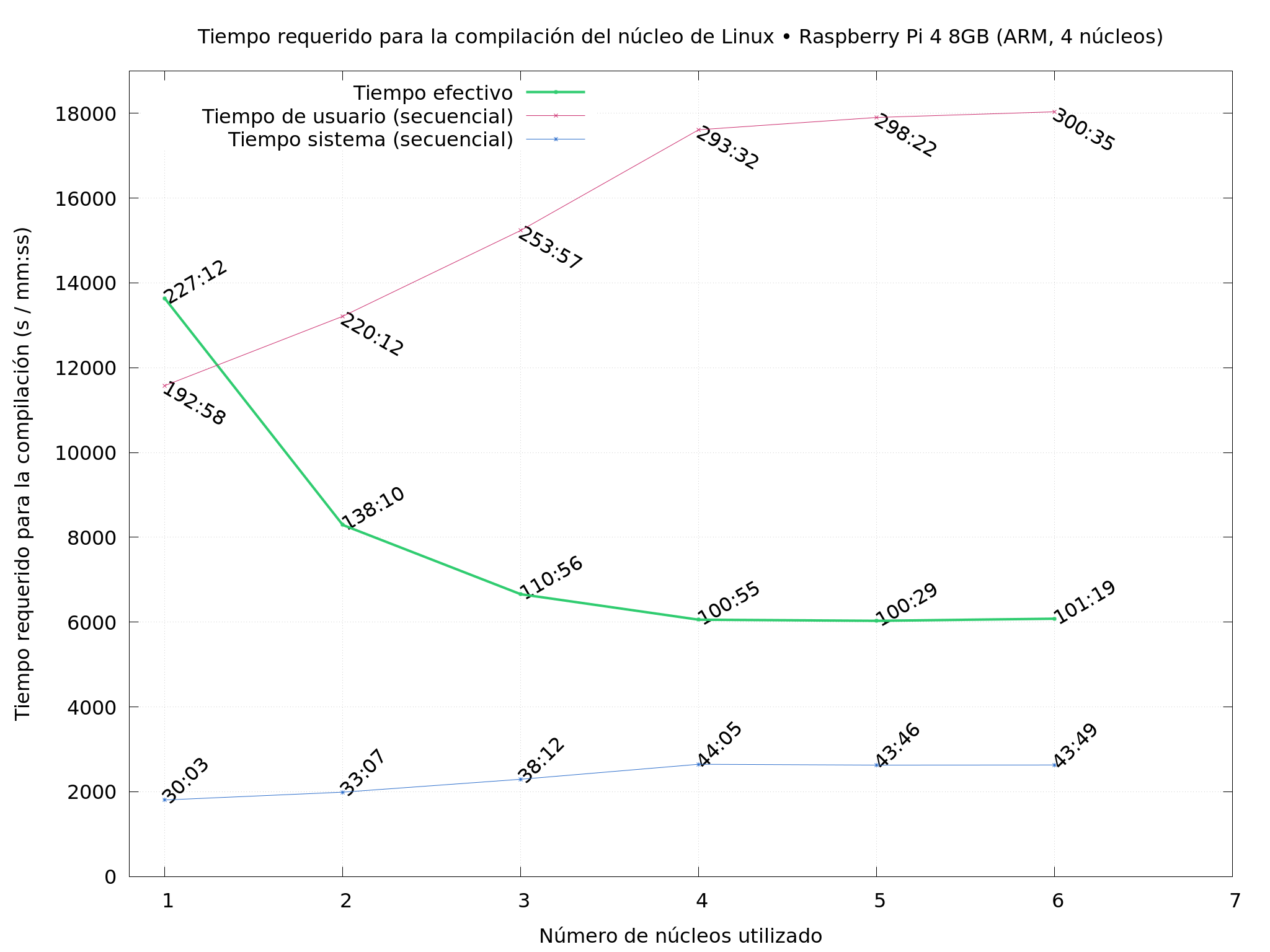
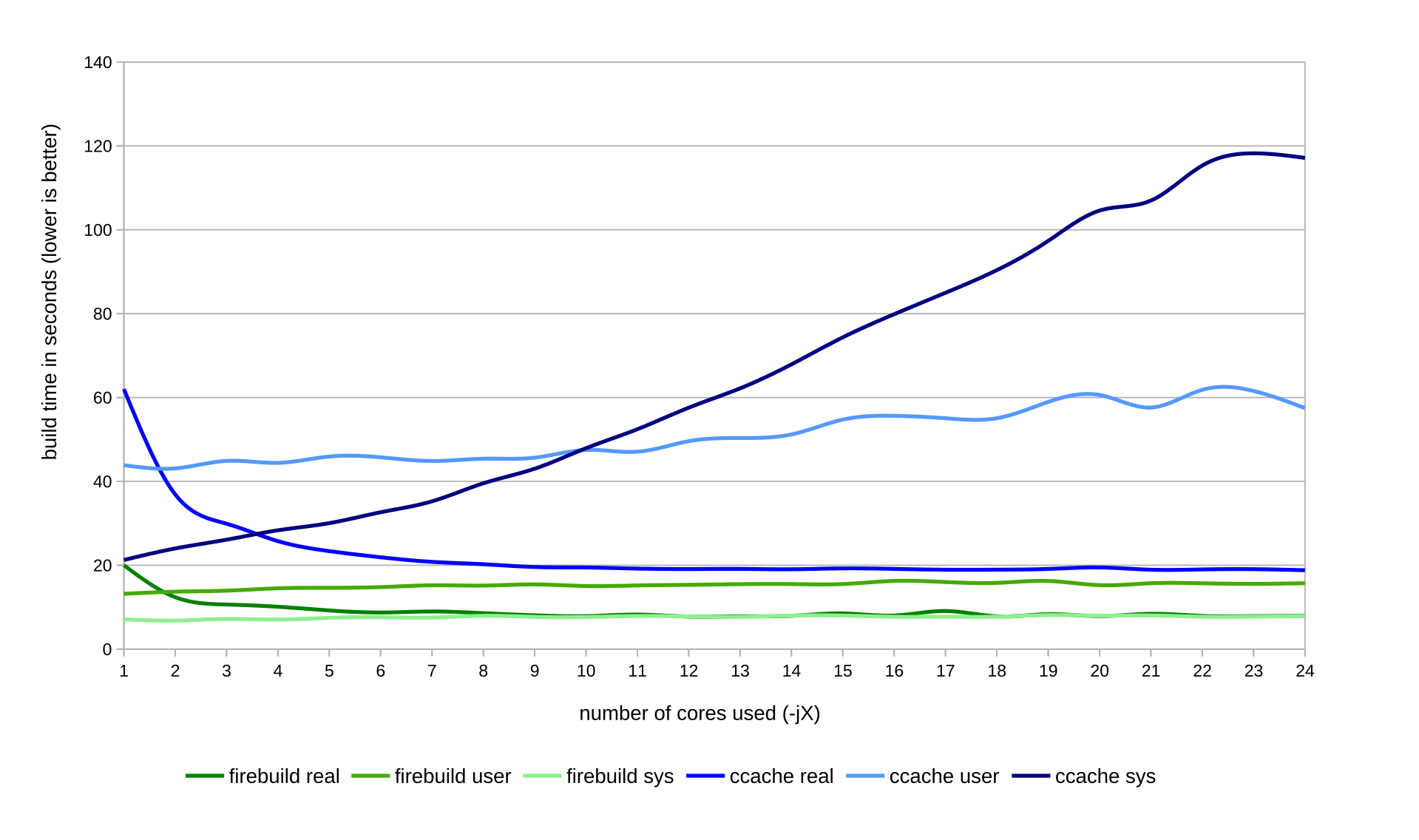
 So What did I do? I compiled Linux repeatedly, on several of the
machines I had available, varying the




 Like each month, have a look at the work funded by
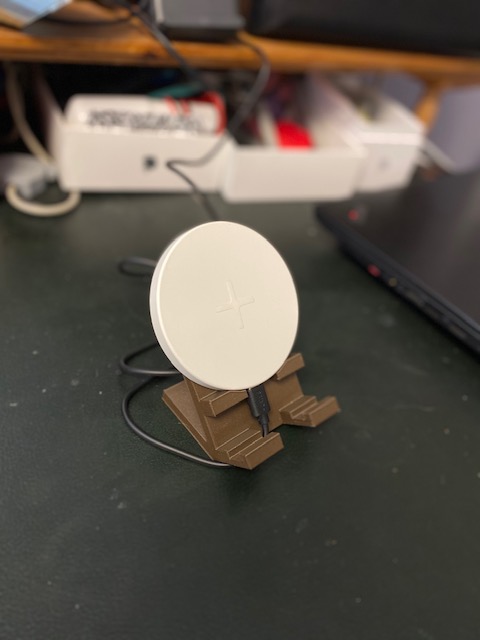
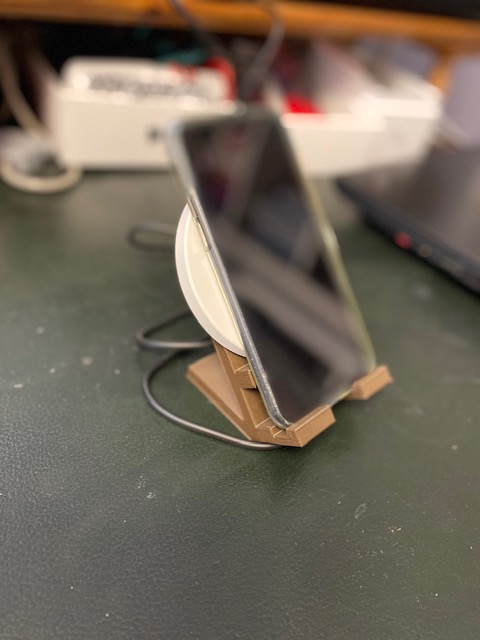
 I've got a Qi-charging phone cradle at home which orients the phone up at an angle
which works with Apple's Face ID. At work, I've got a simpler "puck"-shaped one
which is less convenient, so I designed a basic cradle to raise both the charger
and the phone up.