Melissa Wen: Reflections on 2024 Linux Display Next Hackfest
Hey everyone!
The 2024 Linux Display Next
hackfest concluded
in May, and its outcomes continue to shape the Linux Display stack. Igalia
hosted this year s event in A Coru a, Spain, bringing together leading experts
in the field. Samuel Iglesias and I
organized this year s edition and this blog post summarizes the experience and
its fruits.
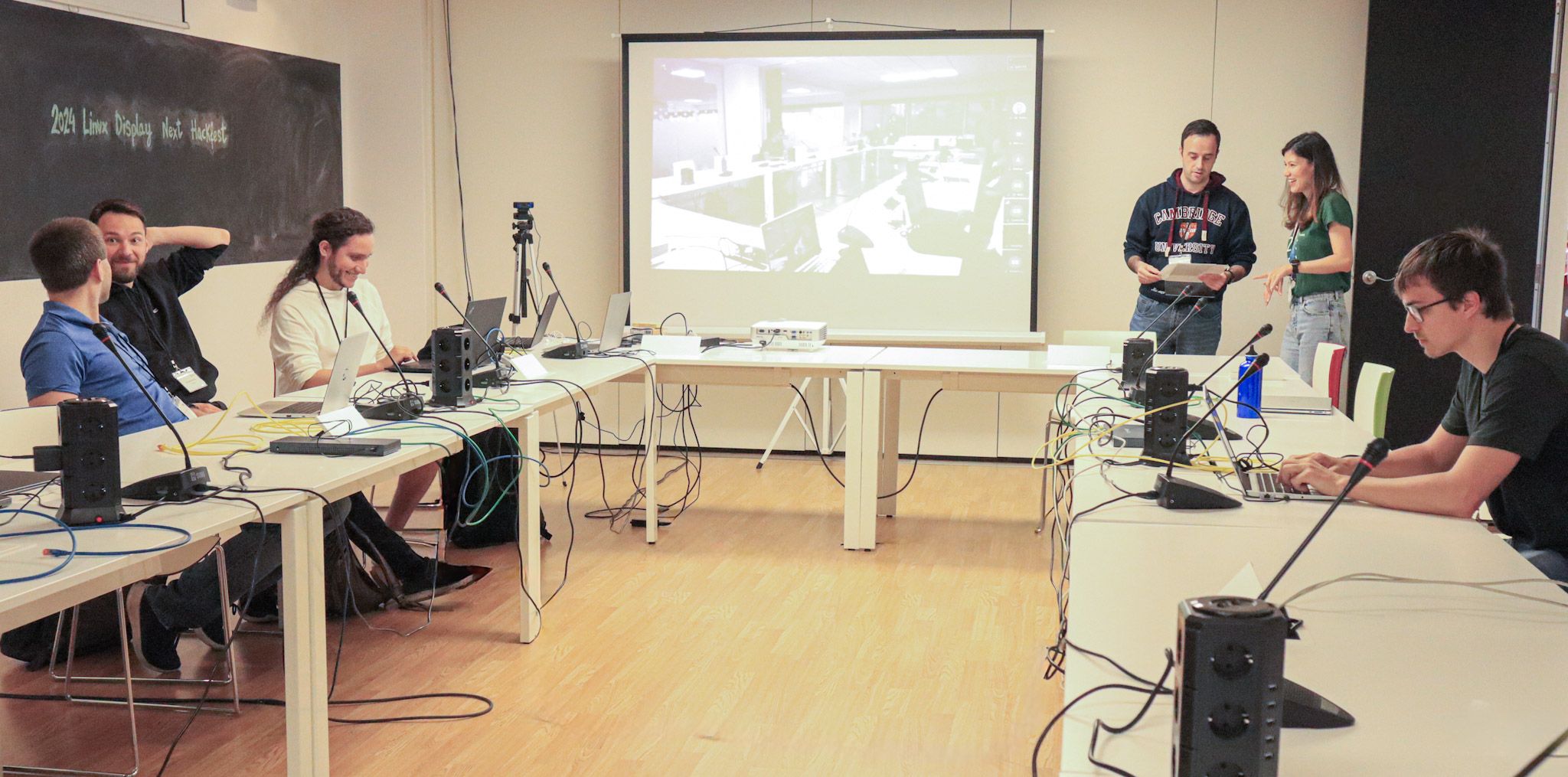 One of the highlights of this year s hackfest was the wide range of backgrounds
represented by our 40 participants (both on-site and remotely). Developers and
experts from various companies and open-source projects came together to
advance the Linux Display ecosystem. You can find the list of participants
here.
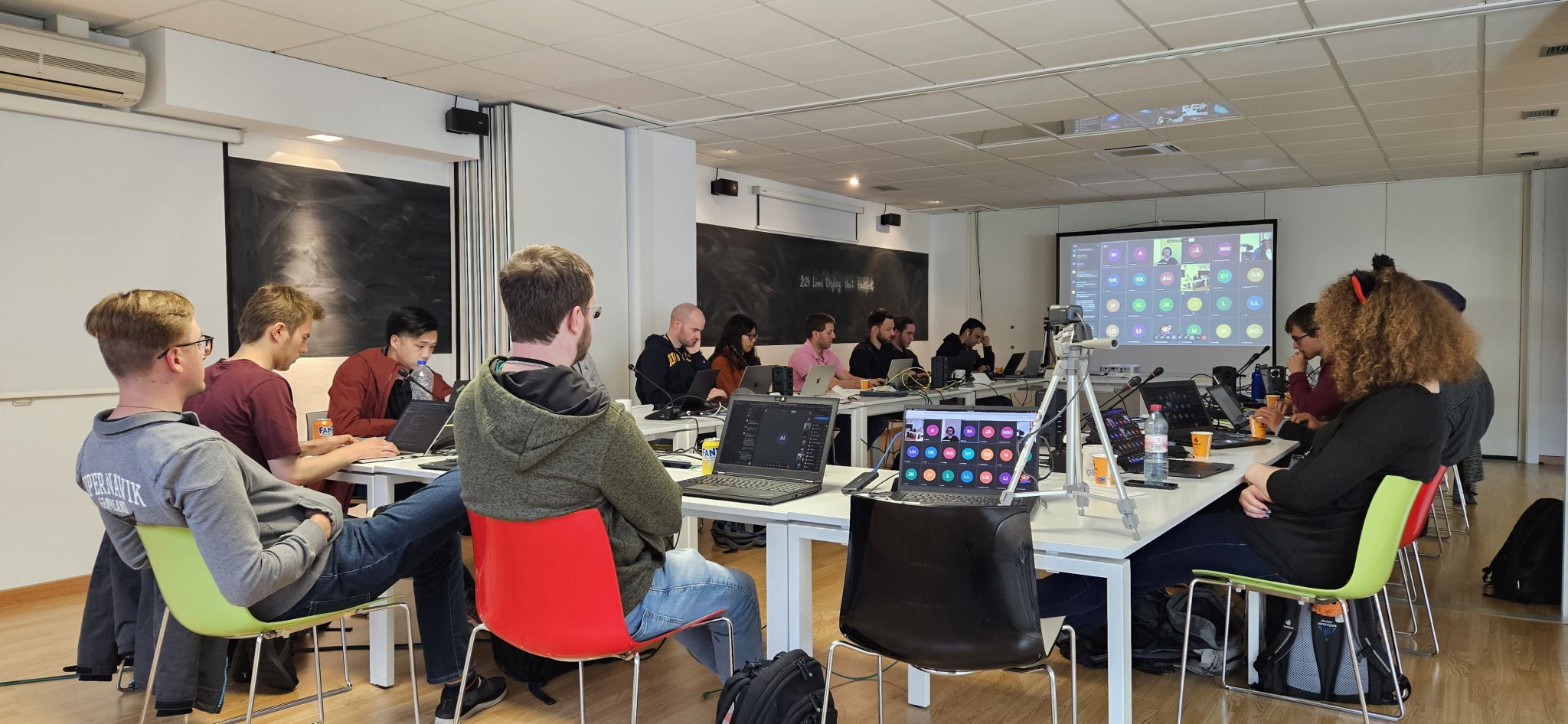 The event covered a broad spectrum of topics affecting the development of Linux
projects, user experiences, and the future of display technologies on Linux.
From cutting-edge topics to long-term discussions, you can check the event
agenda
here.
Organization Highlights
The hackfest was marked by in-depth discussions and knowledge sharing among
Linux contributors, making everyone inspired, informed, and connected to the
community. Building on feedback from the previous year, we refined the
unconference format to enhance participant preparation and engagement.
One of the highlights of this year s hackfest was the wide range of backgrounds
represented by our 40 participants (both on-site and remotely). Developers and
experts from various companies and open-source projects came together to
advance the Linux Display ecosystem. You can find the list of participants
here.
The event covered a broad spectrum of topics affecting the development of Linux
projects, user experiences, and the future of display technologies on Linux.
From cutting-edge topics to long-term discussions, you can check the event
agenda
here.
Organization Highlights
The hackfest was marked by in-depth discussions and knowledge sharing among
Linux contributors, making everyone inspired, informed, and connected to the
community. Building on feedback from the previous year, we refined the
unconference format to enhance participant preparation and engagement.
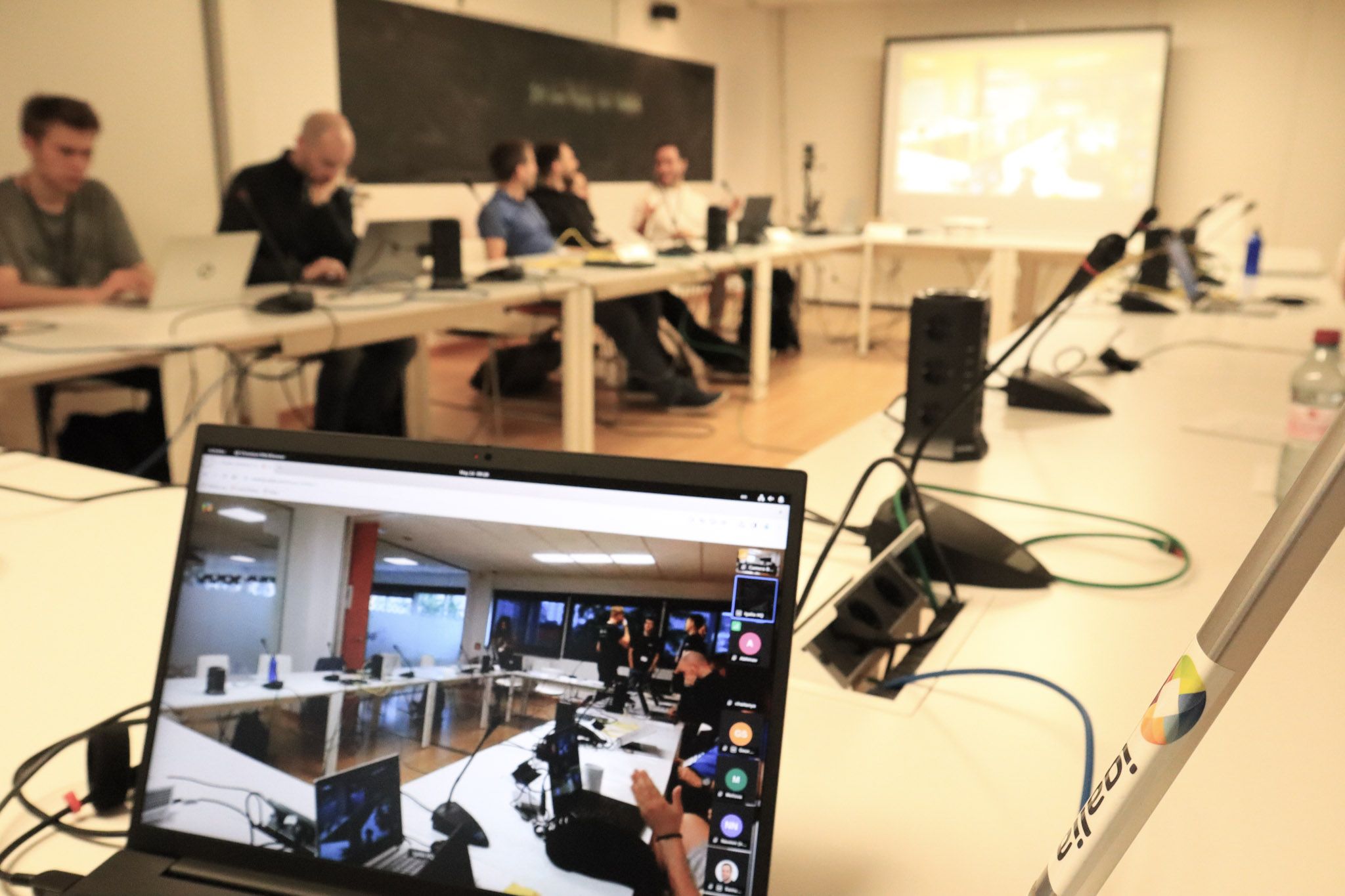 Structured Agenda and Timeboxes: Each session had a defined scope, time
limit (1h20 or 2h10), and began with an introductory talk on the topic.
- Participant-Led Discussions: We pre-selected in-person participants to
lead discussions, allowing them to prepare introductions, resources, and
scope.
- Transparent Scheduling: The schedule was shared in advance as GitHub
issues, encouraging participants to review and prepare for sessions of
interest.
Engaging Sessions: The hackfest featured a variety of topics, including
presentations and discussions on how participants were addressing specific
subjects within their companies.
- No Breakout Rooms, No Overlaps: All participants chose to attend all
sessions, eliminating the need for separate breakout rooms. We also adapted
run-time schedule to keep everybody involved in the same topics.
- Real-time Updates: We provided notifications and updates through
dedicated emails and the event matrix room.
Strengthening Community Connections: The hackfest offered ample
opportunities for networking among attendees.
-
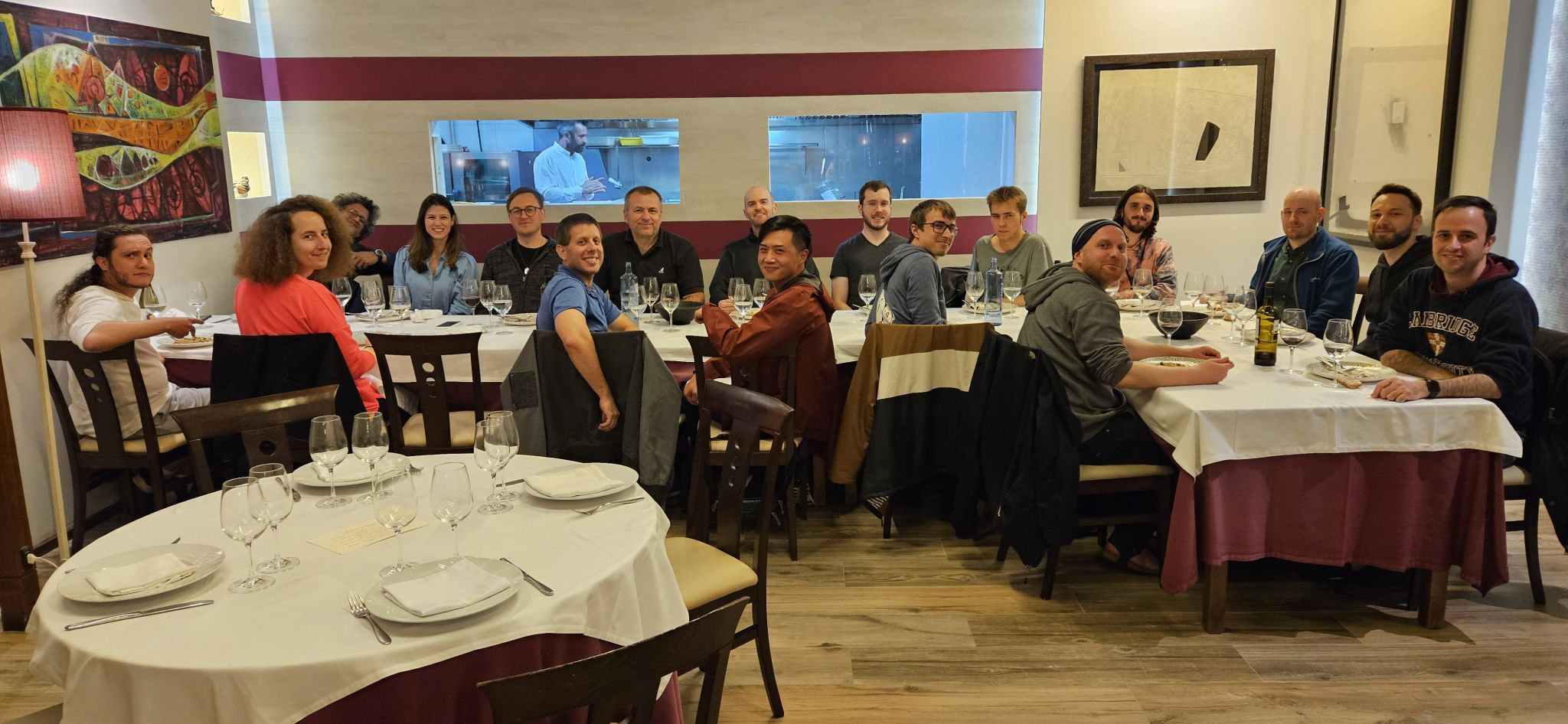
Social Events: Igalia sponsored coffee breaks, lunches, and a dinner at
a local restaurant.
-
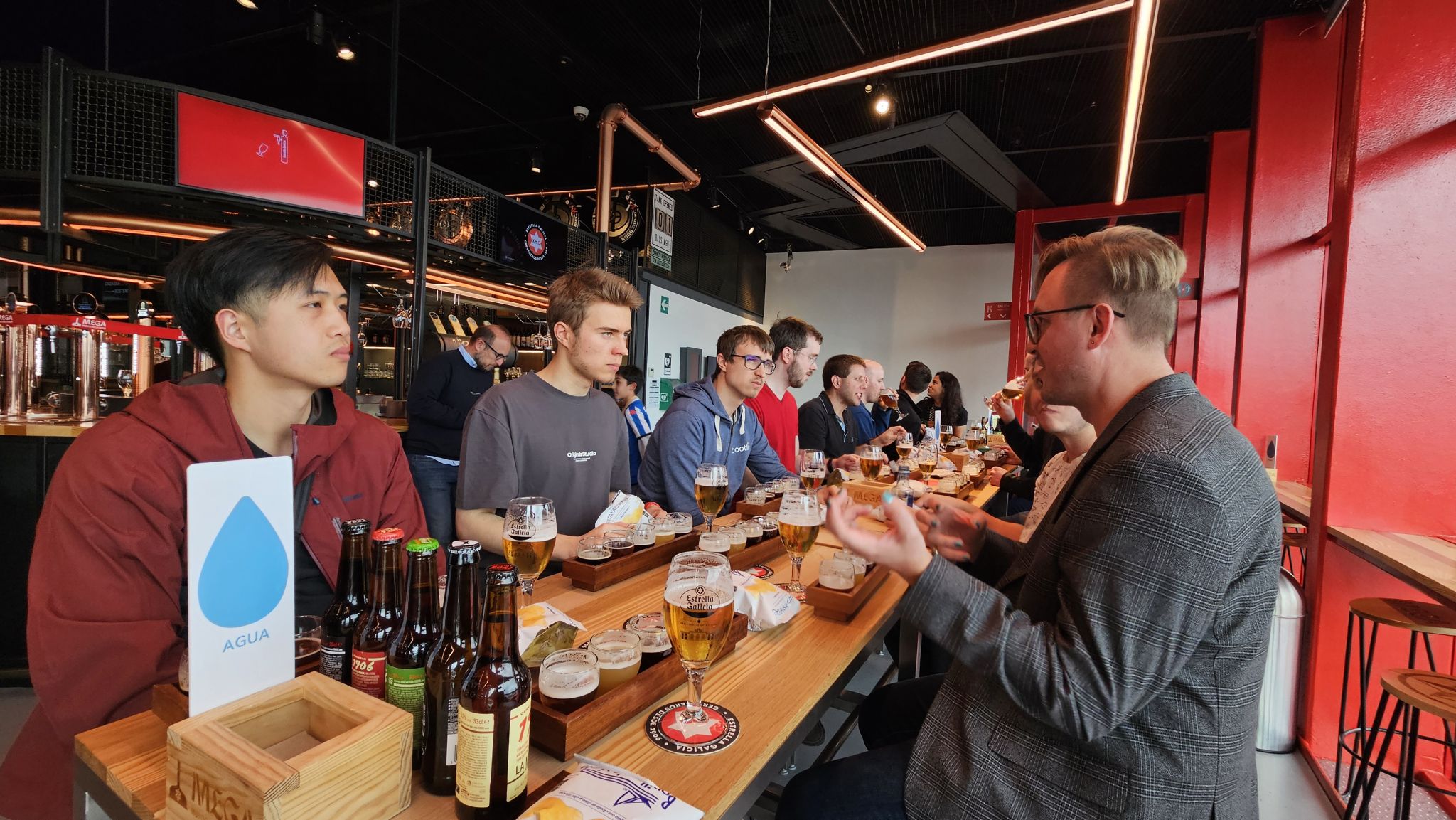
Museum Visit: Participants enjoyed a sponsored visit to the Museum of
Estrela Galicia Beer (MEGA).
Fruitful Discussions and Follow-up
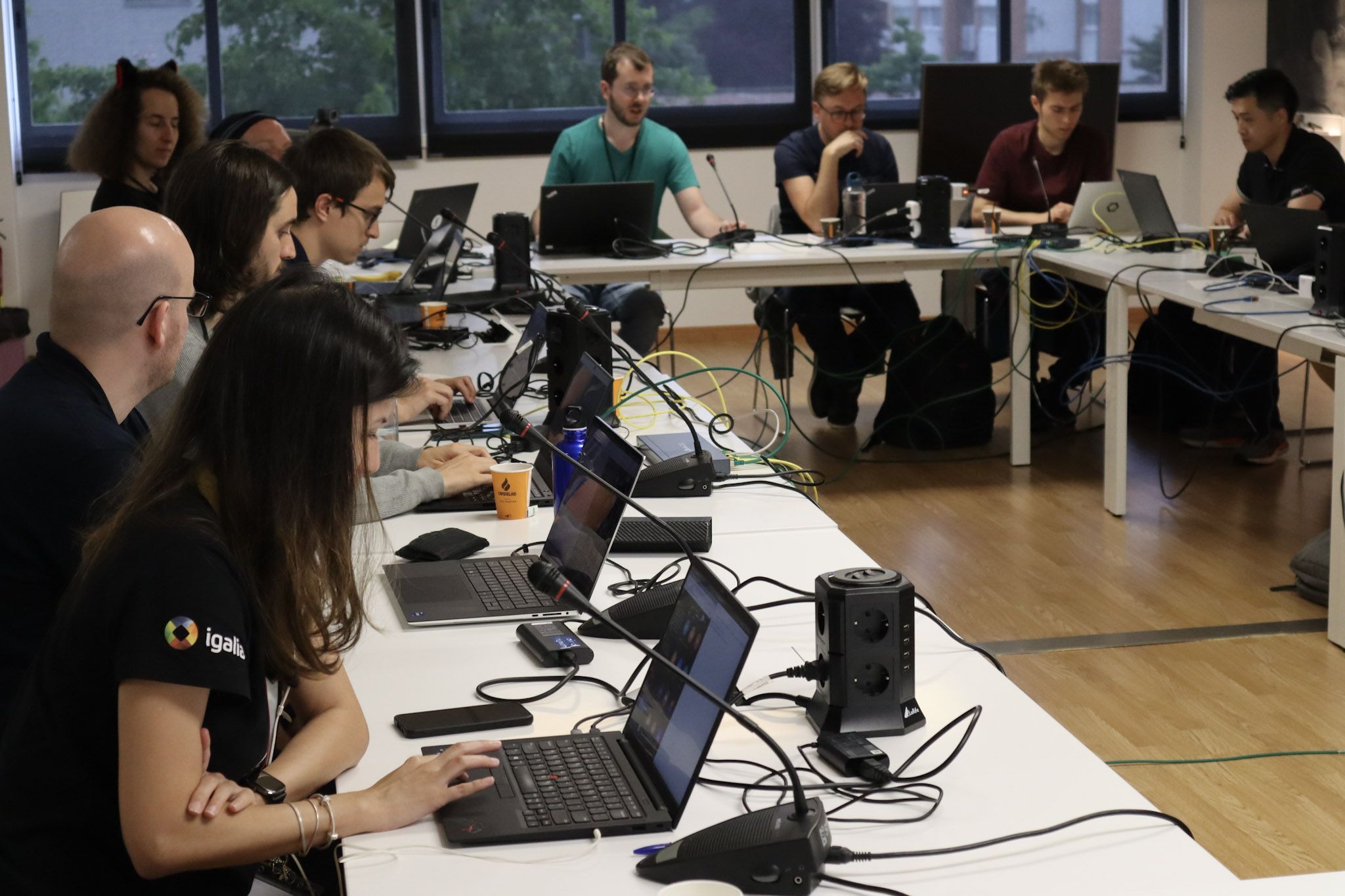
The structured agenda and breaks allowed us to cover multiple topics during the
hackfest. These discussions have led to new display feature development and
improvements, as evidenced by patches, merge requests, and implementations in
project repositories and mailing lists.
 With the KMS color management API taking shape, we discussed refinements and
best approaches to cover the variety of color pipeline from different
hardware-vendors. We are also investigating techniques for a performant
SDR<->HDR content reproduction and reducing latency and power consumption when
using the color blocks of the hardware.
Color Management/HDR
Color Management and HDR continued to be the hottest topic of the hackfest. We
had three sessions dedicated to discuss Color and HDR across Linux Display
stack layers.
Color/HDR (Kernel-Level)
Harry Wentland (AMD) led this session.
Here, kernel Developers shared the Color Management pipeline of AMD, Intel and
NVidia. We counted with diagrams and explanations from HW-vendors developers
that discussed differences, constraints and paths to fit them into the KMS
generic color management properties such as advertising modeset needs,
IN\_FORMAT, segmented LUTs,
interpolation types, etc. Developers from Qualcomm and ARM also added
information regarding their hardware.
Upstream work related to this session:
- KMS color management properties (new version - v5);
- IGT Tests;
- drm_info draft support of v4 DRM/KMS plane color properties;
- gamescope draft support of v4 DRM/KMS plane color properties;
- Kwin WIP implementation of DRM/KMS plane color properties.
Color/HDR (Compositor-Level)
Sebastian Wick (RedHat) led this session.
It started with Sebastian s presentation covering Wayland color protocols and
compositor implementation. Also, an explanation of APIs provided by Wayland and
how they can be used to achieve better color management for applications and
discussions around ICC profiles and color representation metadata. There was
also an intensive Q&A about LittleCMS with Marti Maria.
Upstream work related to this session:
- Wayland color management protocol;
- Wayland color representation protocol;
- HDR support merged on Mutter;
- Color management protocol on Mutter;
- Color management protocol on GTK.
Color/HDR (Use Cases and Testing)
Christopher Cameron (Google) and Melissa Wen (Igalia) led this session.
In contrast to the other sessions, here we focused less on implementation and
more on brainstorming and reflections of real-world SDR and HDR transformations
(use and validation) and gainmaps. Christopher gave a nice presentation
explaining HDR gainmap images and how we should think of HDR. This presentation
and Q&A were important to put participants at the same page of how to
transition between SDR and HDR and somehow emulating HDR.
We also discussed on the usage of a kernel background color property.
Finally, we discussed a bit about
Chamelium
and the future of VKMS (future work and maintainership).

Power Savings vs Color/Latency
Mario Limonciello (AMD) led this session.
Mario gave an introductory presentation about AMD ABM (adaptive backlight
management) that is similar to Intel DPST. After some discussions, we agreed on
exposing a kernel property for power saving policy. This work was already
merged on kernel and the userspace support is under development.
Upstream work related to this session:
- Kernel series: Add support for power saving policy property (merged)
- Mutter: issue: support for power saving policy property
- Kwin: MR Draft: backends/drm: add support for the power saving policy property
Strategy for video and gaming use-cases
Leo Li (AMD) led this session.
Miguel Casas (Google) started this session with a presentation of Overlays in
Chrome/OS Video, explaining the main goal of power saving by switching off GPU
for accelerated compositing and the challenges of different colorspace/HDR for
video on Linux.
Then Leo Li presented different strategies for video and gaming and we
discussed the userspace need of more detailed feedback mechanisms to understand
failures when offloading. Also, creating a debugFS interface came up as a tool
for debugging and analysis.
Real-time scheduling and async KMS API
Xaver Hugl (KDE/BlueSystems) led this session.
Compositor developers have exposed some issues with doing real-time scheduling
and async page flips. One is that the Kernel limits the lifetime of realtime
threads and if a modeset takes too long, the thread will be killed and thus the
compositor as well. Also, simple page flips take longer than expected and
drivers should optimize them.
Another issue is the lack of feedback to compositors about hardware programming
time and commit deadlines (the lastest possible time to commit). This is
difficult to predict from drivers, since it varies greatly with the type of
properties. For example, color management updates take much longer.
In this regard, we discusssed implementing a hw_done callback to timestamp
when the hardware programming of the last atomic commit is complete. Also an
API to pre-program color pipeline in a kind of A/B scheme. It may not be
supported by all drivers, but might be useful in different ways.
VRR/Frame Limit, Display Mux, Display Control, and more and beer
We also had sessions to discuss a new KMS API to mitigate headaches on VRR
and Frame Limit as different brightness level at different refresh rates,
abrupt changes of refresh rates, low frame rate compensation (LFC) and precise
timing in VRR more.
On Display Control we discussed features missing in the current KMS
interface for HDR mode, atomic backlight settings, source-based tone mapping,
etc. We also discussed the need of a place where compositor developers can post
TODOs to be developed by KMS people.
The Content-adaptive Scaling and Sharpening session focused on sharpening
and scaling filters. In the Display Mux session, we discussed proposals to
expose the capability of dynamic mux switching display signal between discrete
and integrated GPUs.
In the last session of the 2024 Display Next Hackfest, participants
representing different compositors summarized current and future work and built
a Linux Display wish list , which includes: improvements to VTTY and HDR
switching, better dmabuf API for multi-GPU support, definition of tone mapping,
blending and scaling sematics, and wayland protocols for advertising to clients
which colorspaces are supported.
We closed this session with a status update on feature development by
compositors, including but not limited to: plane offloading (from libcamera to
output) / HDR video offloading (dma-heaps) / plane-based scrolling for web
pages, color management / HDR / ICC profiles support, addressing issues such as
flickering when color primaries don t match, etc.
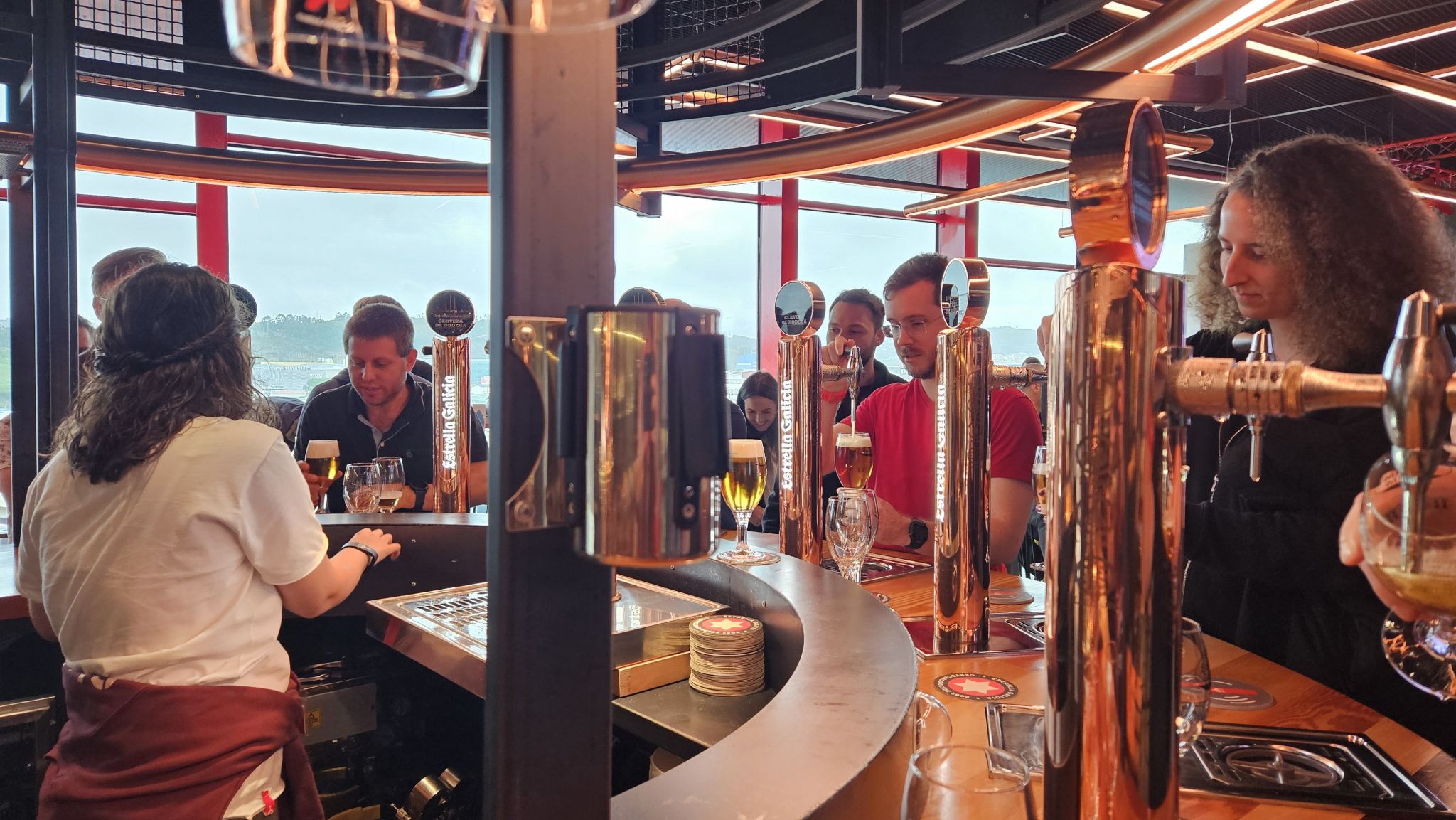
After three days of intensive discussions, all in-person participants went to a
guided tour at the Museum of Extrela Galicia beer (MEGA), pouring and tasting
the most famous local beer.
Feedback and Future Directions
Participants provided valuable feedback on the hackfest, including suggestions
for future improvements.
- Schedule and Break-time Setup: Having a pre-defined agenda and schedule
provided a better balance between long discussions and mental refreshments,
preventing the fatigue caused by endless discussions.
- Action Points: Some participants recommended explicitly asking for action
points at the end of each session and assigning people to follow-up tasks.
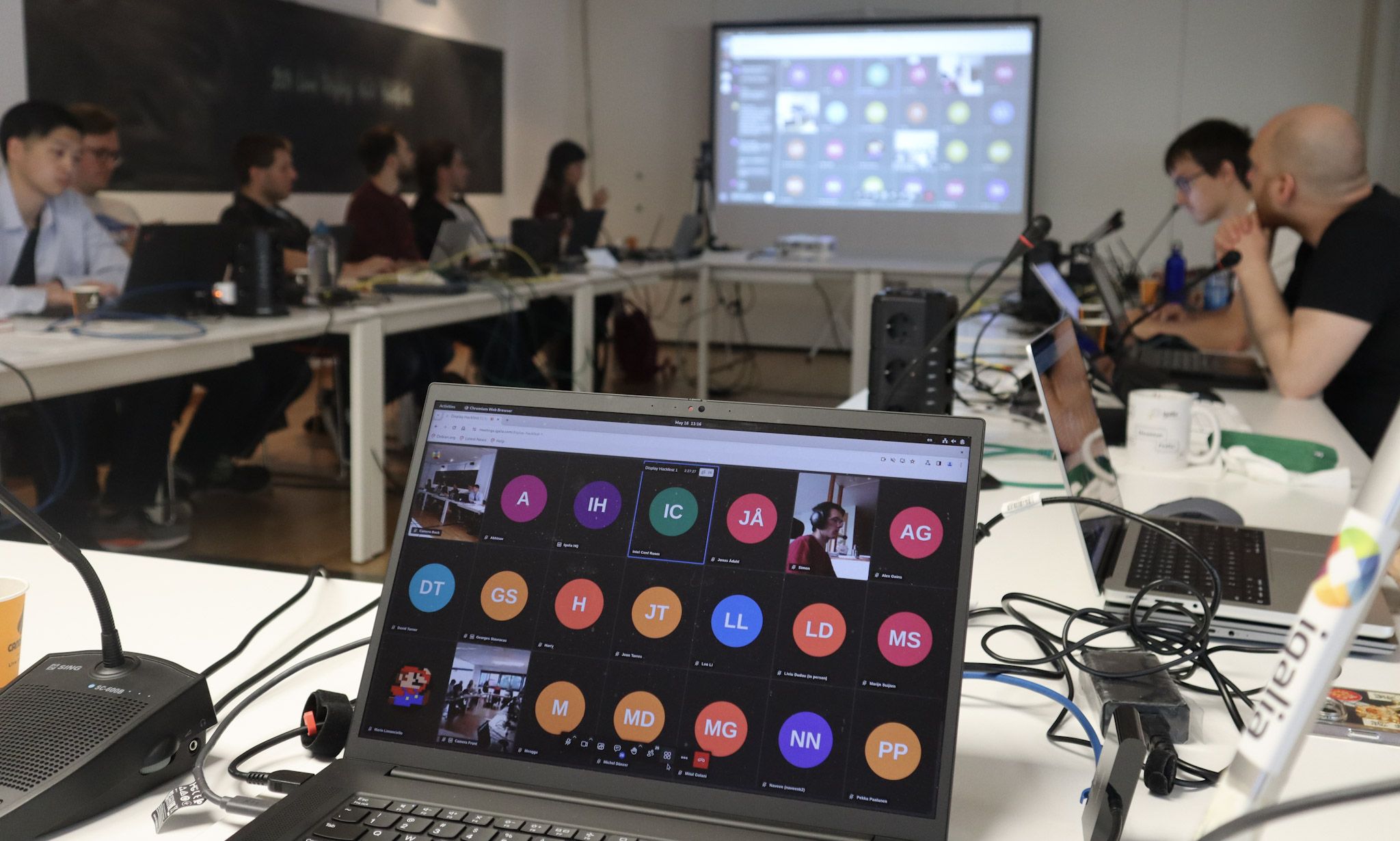
- Remote Participation: Remote attendees appreciated the inclusive setup
and opportunities to actively participate in discussions.
- Technical Challenges: There were bandwidth and video streaming issues
during some sessions due to the large number of participants.
Thank you for joining the 2024 Display Next Hackfest
We can t help but thank the 40 participants, who engaged in-person or virtually
on relevant discussions, for a collaborative evolution of the Linux display
stack and for building an insightful agenda.
A big thank you to the leaders and presenters of the nine sessions: Christopher
Cameron (Google), Harry Wentland (AMD), Leo Li (AMD), Mario Limoncello (AMD),
Sebastian Wick (RedHat) and Xaver Hugl (KDE/BlueSystems) for the effort in
preparing the sessions, explaining the topic and guiding discussions. My
acknowledge to the others in-person participants that made such an effort to
travel to A Coru a: Alex Goins (NVIDIA), David Turner (Raspberry Pi), Georges
Stavracas (Igalia), Joan Torres (SUSE), Liviu Dudau (Arm), Louis Chauvet
(Bootlin), Robert Mader (Collabora), Tian Mengge (GravityXR), Victor Jaquez
(Igalia) and Victoria Brekenfeld (System76). It was and awesome opportunity to
meet you and chat face-to-face.
Finally, thanks virtual participants who couldn t make it in person but
organized their days to actively participate in each discussion, adding
different perspectives and valuable inputs even remotely: Abhinav Kumar
(Qualcomm), Chaitanya Borah (Intel), Christopher Braga (Qualcomm), Dor Askayo,
Jiri Koten (RedHat), Jonas dahl (Red Hat), Leandro Ribeiro
(Collabora), Marti Maria (Little CMS), Marijn Suijten, Mario Kleiner, Martin
Stransky (Red Hat), Michel D nzer (Red Hat), Miguel Casas-Sanchez (Google),
Mitulkumar Golani (Intel), Naveen Kumar (Intel), Niels De Graef (Red Hat),
Pekka Paalanen (Collabora), Pichika Uday Kiran (AMD), Shashank Sharma (AMD),
Sriharsha PV (AMD), Simon Ser, Uma Shankar (Intel) and Vikas Korjani (AMD).
We look forward to another successful Display Next hackfest, continuing to
drive innovation and improvement in the Linux display ecosystem!
With the KMS color management API taking shape, we discussed refinements and
best approaches to cover the variety of color pipeline from different
hardware-vendors. We are also investigating techniques for a performant
SDR<->HDR content reproduction and reducing latency and power consumption when
using the color blocks of the hardware.
Color Management/HDR
Color Management and HDR continued to be the hottest topic of the hackfest. We
had three sessions dedicated to discuss Color and HDR across Linux Display
stack layers.
Color/HDR (Kernel-Level)
Harry Wentland (AMD) led this session.
Here, kernel Developers shared the Color Management pipeline of AMD, Intel and
NVidia. We counted with diagrams and explanations from HW-vendors developers
that discussed differences, constraints and paths to fit them into the KMS
generic color management properties such as advertising modeset needs,
IN\_FORMAT, segmented LUTs,
interpolation types, etc. Developers from Qualcomm and ARM also added
information regarding their hardware.
Upstream work related to this session:
- KMS color management properties (new version - v5);
- IGT Tests;
- drm_info draft support of v4 DRM/KMS plane color properties;
- gamescope draft support of v4 DRM/KMS plane color properties;
- Kwin WIP implementation of DRM/KMS plane color properties.
Color/HDR (Compositor-Level)
Sebastian Wick (RedHat) led this session.
It started with Sebastian s presentation covering Wayland color protocols and
compositor implementation. Also, an explanation of APIs provided by Wayland and
how they can be used to achieve better color management for applications and
discussions around ICC profiles and color representation metadata. There was
also an intensive Q&A about LittleCMS with Marti Maria.
Upstream work related to this session:
- Wayland color management protocol;
- Wayland color representation protocol;
- HDR support merged on Mutter;
- Color management protocol on Mutter;
- Color management protocol on GTK.
Color/HDR (Use Cases and Testing)
Christopher Cameron (Google) and Melissa Wen (Igalia) led this session.
In contrast to the other sessions, here we focused less on implementation and
more on brainstorming and reflections of real-world SDR and HDR transformations
(use and validation) and gainmaps. Christopher gave a nice presentation
explaining HDR gainmap images and how we should think of HDR. This presentation
and Q&A were important to put participants at the same page of how to
transition between SDR and HDR and somehow emulating HDR.
We also discussed on the usage of a kernel background color property.
Finally, we discussed a bit about
Chamelium
and the future of VKMS (future work and maintainership).
Power Savings vs Color/Latency
Mario Limonciello (AMD) led this session.
Mario gave an introductory presentation about AMD ABM (adaptive backlight
management) that is similar to Intel DPST. After some discussions, we agreed on
exposing a kernel property for power saving policy. This work was already
merged on kernel and the userspace support is under development.
Upstream work related to this session:
- Kernel series: Add support for power saving policy property (merged)
- Mutter: issue: support for power saving policy property
- Kwin: MR Draft: backends/drm: add support for the power saving policy property
Strategy for video and gaming use-cases
Leo Li (AMD) led this session.
Miguel Casas (Google) started this session with a presentation of Overlays in
Chrome/OS Video, explaining the main goal of power saving by switching off GPU
for accelerated compositing and the challenges of different colorspace/HDR for
video on Linux.
Then Leo Li presented different strategies for video and gaming and we
discussed the userspace need of more detailed feedback mechanisms to understand
failures when offloading. Also, creating a debugFS interface came up as a tool
for debugging and analysis.
Real-time scheduling and async KMS API
Xaver Hugl (KDE/BlueSystems) led this session.
Compositor developers have exposed some issues with doing real-time scheduling
and async page flips. One is that the Kernel limits the lifetime of realtime
threads and if a modeset takes too long, the thread will be killed and thus the
compositor as well. Also, simple page flips take longer than expected and
drivers should optimize them.
Another issue is the lack of feedback to compositors about hardware programming
time and commit deadlines (the lastest possible time to commit). This is
difficult to predict from drivers, since it varies greatly with the type of
properties. For example, color management updates take much longer.
In this regard, we discusssed implementing a hw_done callback to timestamp
when the hardware programming of the last atomic commit is complete. Also an
API to pre-program color pipeline in a kind of A/B scheme. It may not be
supported by all drivers, but might be useful in different ways.
VRR/Frame Limit, Display Mux, Display Control, and more and beer
We also had sessions to discuss a new KMS API to mitigate headaches on VRR
and Frame Limit as different brightness level at different refresh rates,
abrupt changes of refresh rates, low frame rate compensation (LFC) and precise
timing in VRR more.
On Display Control we discussed features missing in the current KMS
interface for HDR mode, atomic backlight settings, source-based tone mapping,
etc. We also discussed the need of a place where compositor developers can post
TODOs to be developed by KMS people.
The Content-adaptive Scaling and Sharpening session focused on sharpening
and scaling filters. In the Display Mux session, we discussed proposals to
expose the capability of dynamic mux switching display signal between discrete
and integrated GPUs.
In the last session of the 2024 Display Next Hackfest, participants
representing different compositors summarized current and future work and built
a Linux Display wish list , which includes: improvements to VTTY and HDR
switching, better dmabuf API for multi-GPU support, definition of tone mapping,
blending and scaling sematics, and wayland protocols for advertising to clients
which colorspaces are supported.
We closed this session with a status update on feature development by
compositors, including but not limited to: plane offloading (from libcamera to
output) / HDR video offloading (dma-heaps) / plane-based scrolling for web
pages, color management / HDR / ICC profiles support, addressing issues such as
flickering when color primaries don t match, etc.
After three days of intensive discussions, all in-person participants went to a
guided tour at the Museum of Extrela Galicia beer (MEGA), pouring and tasting
the most famous local beer.
Feedback and Future Directions
Participants provided valuable feedback on the hackfest, including suggestions
for future improvements.
- Schedule and Break-time Setup: Having a pre-defined agenda and schedule
provided a better balance between long discussions and mental refreshments,
preventing the fatigue caused by endless discussions.
- Action Points: Some participants recommended explicitly asking for action
points at the end of each session and assigning people to follow-up tasks.
- Remote Participation: Remote attendees appreciated the inclusive setup
and opportunities to actively participate in discussions.
- Technical Challenges: There were bandwidth and video streaming issues
during some sessions due to the large number of participants.
Thank you for joining the 2024 Display Next Hackfest
We can t help but thank the 40 participants, who engaged in-person or virtually
on relevant discussions, for a collaborative evolution of the Linux display
stack and for building an insightful agenda.
A big thank you to the leaders and presenters of the nine sessions: Christopher
Cameron (Google), Harry Wentland (AMD), Leo Li (AMD), Mario Limoncello (AMD),
Sebastian Wick (RedHat) and Xaver Hugl (KDE/BlueSystems) for the effort in
preparing the sessions, explaining the topic and guiding discussions. My
acknowledge to the others in-person participants that made such an effort to
travel to A Coru a: Alex Goins (NVIDIA), David Turner (Raspberry Pi), Georges
Stavracas (Igalia), Joan Torres (SUSE), Liviu Dudau (Arm), Louis Chauvet
(Bootlin), Robert Mader (Collabora), Tian Mengge (GravityXR), Victor Jaquez
(Igalia) and Victoria Brekenfeld (System76). It was and awesome opportunity to
meet you and chat face-to-face.
Finally, thanks virtual participants who couldn t make it in person but
organized their days to actively participate in each discussion, adding
different perspectives and valuable inputs even remotely: Abhinav Kumar
(Qualcomm), Chaitanya Borah (Intel), Christopher Braga (Qualcomm), Dor Askayo,
Jiri Koten (RedHat), Jonas dahl (Red Hat), Leandro Ribeiro
(Collabora), Marti Maria (Little CMS), Marijn Suijten, Mario Kleiner, Martin
Stransky (Red Hat), Michel D nzer (Red Hat), Miguel Casas-Sanchez (Google),
Mitulkumar Golani (Intel), Naveen Kumar (Intel), Niels De Graef (Red Hat),
Pekka Paalanen (Collabora), Pichika Uday Kiran (AMD), Shashank Sharma (AMD),
Sriharsha PV (AMD), Simon Ser, Uma Shankar (Intel) and Vikas Korjani (AMD).
We look forward to another successful Display Next hackfest, continuing to
drive innovation and improvement in the Linux display ecosystem!

 Like each month, have a look at the work funded by




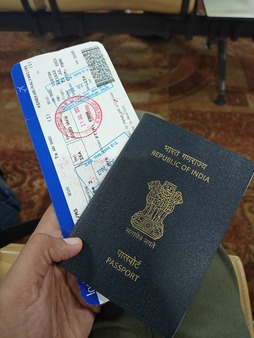 To ease my nerves, I struck up a conversation with a man seated nearby who was
also traveling to Abu Dhabi for work. He provided helpful information about
safety and transportation in Abu Dhabi, which reassured me. With the boarding
process complete and my anxiety somewhat eased. I found my window seat on the
flight and settled in, excited for the journey ahead. Next to me was a young
man from Ranchi(Zarkhand, India), heading to Abu Dhabi for work at a mining
factory. We had an engaging conversation about work culture in Abu Dhabi and
recruitment from India.
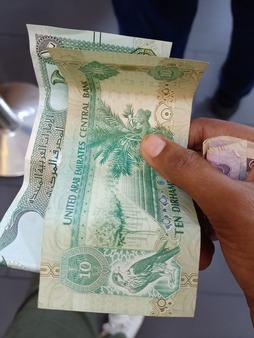
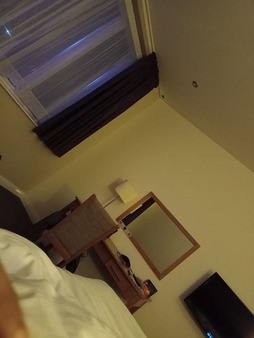
Upon arriving in Abu Dhabi, I completed my transit, collected my luggage, and
began finding my way to the hotel
 I reached Tirana, Albania after a six hours flight, feeling exhausted and I was
suffering from a headache. The air pressure had blocked my ears, and jet lag
added to my fatigue. After collecting my checked luggage, I headed to the first
ATM machine at the airport. Struggling to insert my card, I asked a nearby
gentleman for help. He tried his best, but my card got stuck inside the
machine. Panic set in as I worried about how I would survive without money.
Taking a deep breath, I found an airport employee and explained the situation.
The gentleman stayed with me, offering support and repeatedly apologizing for
his mistake. However, it wasn t his fault, the ATM was out of order, which I
hadn t noticed. My focus was solely on retrieving my ATM card. The airport
employee worked diligently, using a hairpin to carefully extract my card.
Finally, the card was freed, and I felt an immense sense of relief, grateful
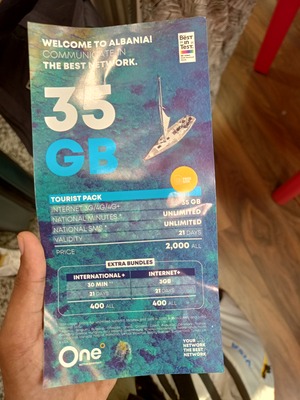
for the help of these kind strangers. I used another ATM, successfully withdrew
money, and then went to an airport mobile SIM shop to buy a new SIM card for
local internet and connectivity.
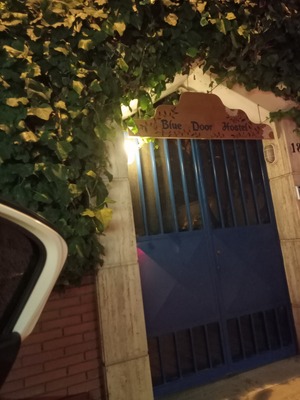
 I found my top bunk bed, only to realize I had booked a mixed-gender
dormitory. This detail had completely escaped my notice during the booking
process. I felt unsure about how to handle the situation. Coincidentally,
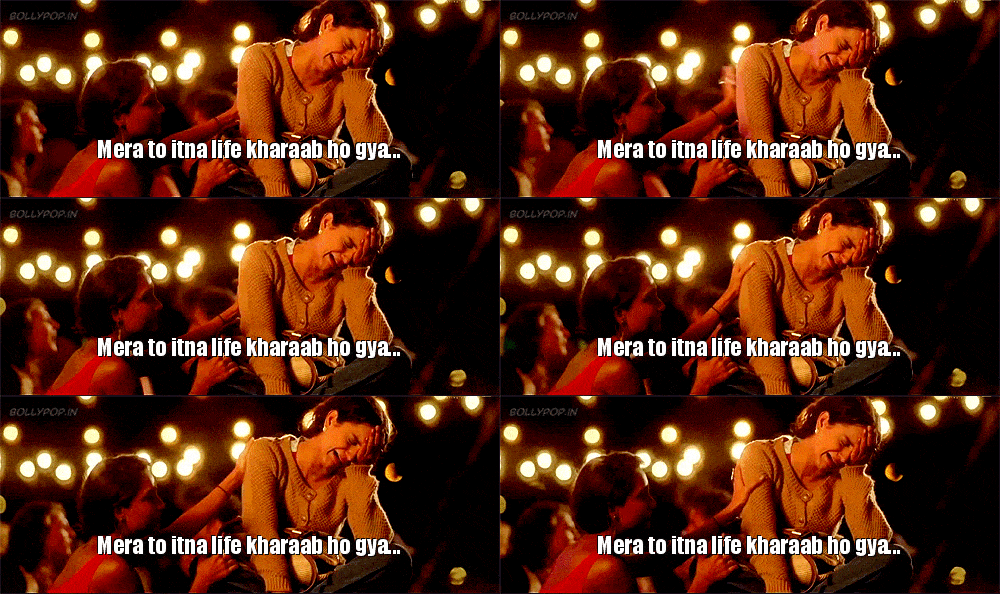
my experience mirrored what Kangana faced in the movie Queen .
Feeling acidic due to an empty stomach and the exhaustion of heavy
traveling, I wasn t up to cooking in the hostel s kitchen.
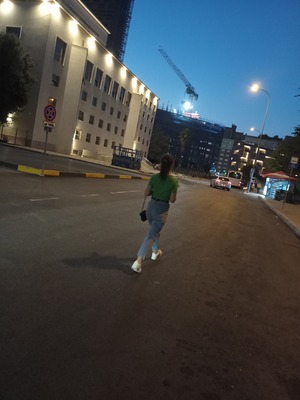
I asked the front desk about the nearest restaurant. It was nearly 9:30 PM,
and the streets were deserted. To avoid any mishaps like in the movie
Queen, I kept my passport securely locked in my bag, ensuring it wouldn t
be a victim of theft.
Venturing out for dinner, I felt uneasy on the quiet streets. I eventually
found a restaurant recommended by the hostel, but the menu was almost
entirely non-vegetarian. I struggled to ask about vegetarian options and was
uncertain if any dishes contained eggs, as some people consider eggs to be
vegetarian. Feeling frustrated and unsure, I left the restaurant without
eating.
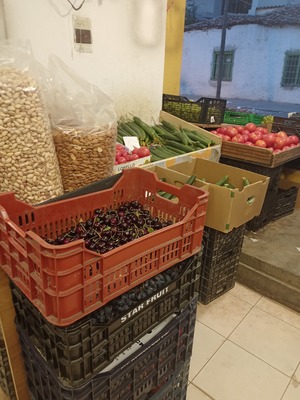
I noticed a nearby grocery store that was about to close and managed to get
a few extra minutes to shop. I bought some snacks, wafers, milk, and tea
bags (though I couldn t find tea powder to make Indian-style tea). Returning
to the hostel, I made do with wafers, cookies, and milk for dinner. That day
was incredibly tough for me, I filled with exhaustion and struggle in a new
country, I was on the verge of tears .
I made a video call home before sleeping on the top bunk bed. It was a new
experience for me, sharing a room with both unknown men and women. I kept my
passport safe inside my purse and under my pillow while sleeping, staying
very conscious about its security.
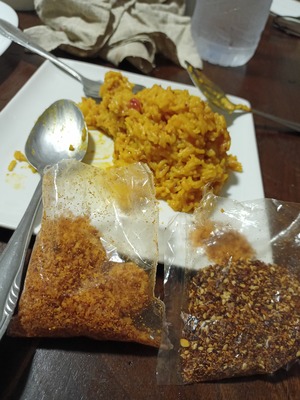
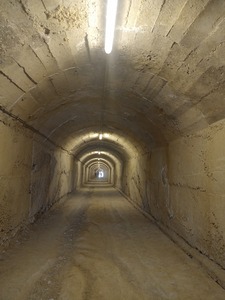
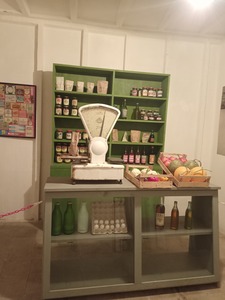
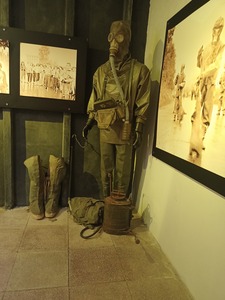
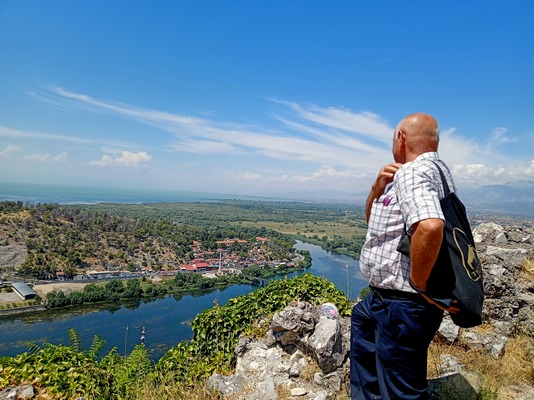
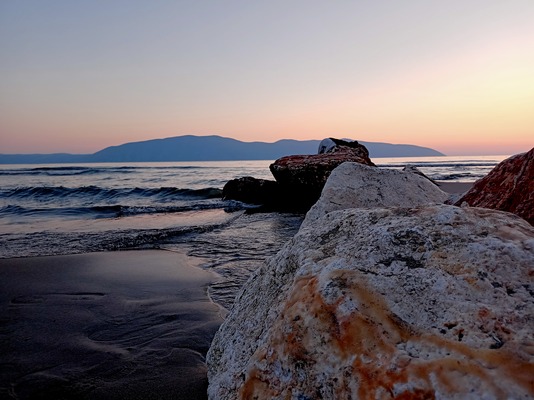
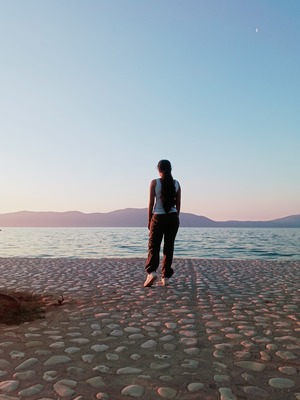
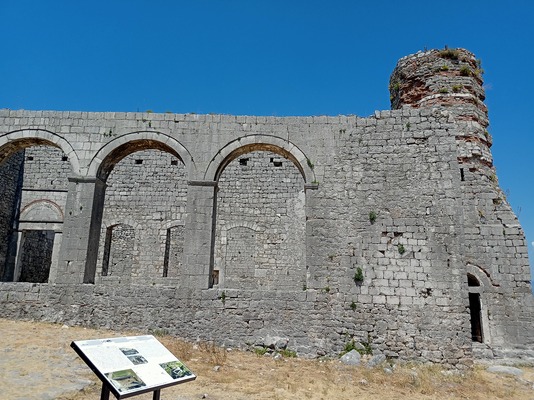 I took a bus from Shkod r to the southern part of Albania, heading to
Sarand . The journey lasted about five to six hours, and I had booked a stay
at




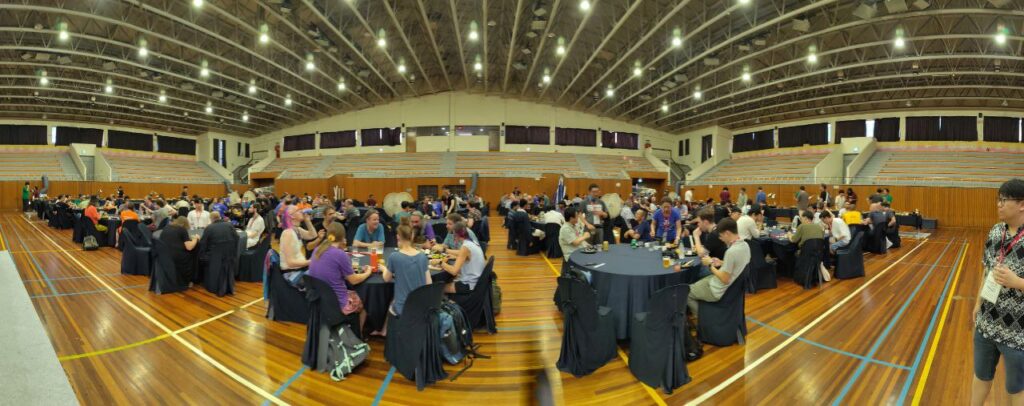 Conference Dinner Photo from Santiago



 You can also see it in:
 It s not often that a company is willing to make
 The following contributors got their Debian Developer accounts in the last two months: