Search Results: "pa"

7 April 2023

Matthew Palmer: Database Encryption: If It's So Good, Why Isn't Everyone Doing It?

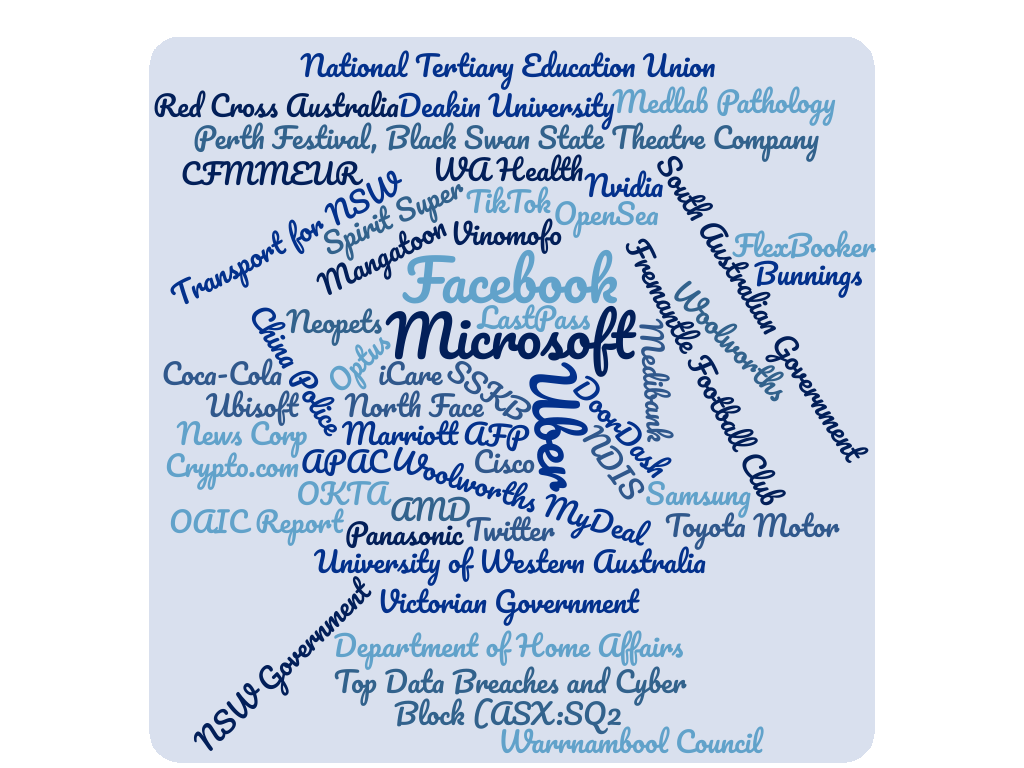
a wordcloud of organisations who have been reported to have had data breaches in 2022 Just some of the organisations that leaked data in 2022
It seems like just about every day there s another report of another company getting hacked and having its sensitive data (or, worse, the sensitive data of its customers) stolen. Sometimes, people s most intimate information gets dumped for the world to see. Other times it s just used for identity theft, extortion, and other crimes. In the least worst case, the attacker gets cold feet, but people suffer stress and inconvenience from having to replace identity documents. A great way to protect information from being leaked is to encrypt it. We encrypt data while it s being sent over the Internet (with TLS), and we encrypt it when it s at rest (with disk or volume encryption). Yet, everyone s data seems to still get stolen on a regular basis. Why? Because the data is kept online in an unencrypted form, sitting in the database while its being used. This means that attackers can just connect to the database, or trick the application into dumping the database, and all the data is just lying there, waiting to be misused.

It s Not the Devs Fault, Though You may be thinking that leaving an entire database full of sensitive data unencrypted seems like a terrible idea. And you re right: it is a terrible idea. But it s seemingly unavoidable. The problem is that in order to do what a database does best (query, sort, and aggregate data), it needs to be able to know what the data is. When you encrypt data, however, all the database sees is a locked box.
a locked box Not very useful for a database
The database can t tell what s in the locked box whether it s a number equal to 42, or a date that s less than 2023-01-01, or a string that contains the substring foo . Every value is just an opaque blob of stuff , and the database is rendered completely useless. Since modern applications usually rely pretty heavily on their database, it s essentially impossible to build an application if you ve turned your database into a glorified flat-file by encrypting everything in it. Thus, it s hardly surprising that developers have to leave the data laying around unencrypted, for anyone to come along and take.

Introducing Enquo I said before that having data unencrypted in a database is seemingly unavoidable. That s because there are some innovative cryptographic techniques that can make it possible to query encrypted data.
Andy Dwyer being amazed Indeed
The purpose of the Enquo project is to provide a common set of cryptographic primitives that implement ENcrypted QUery Operations (ie Enquo ), and integrate those operations into databases, ORMs, and anywhere else that could benefit. The end goal is to provide the ability to encrypt all the data stored in any database server, while still allowing the data to be queried and aggregated. So far, the project consists of these components:
  • the enquo-core library, that implements queryable encrypted integers, dates, and text in Rust and Ruby;
  • a PostgreSQL extension, pg_enquo, that allows PostgreSQL to query encrypted data; and
  • a Rails ActiveRecord extension, ActiveEnquo, that augments ActiveRecord to do the encryption/decryption required.
Support for other languages and ORMs is designed to be as straightforward as possible, and integration with other databases is mostly dependent on their own extensibility. The project s core tenets emphasise both uncompromising security, and a friendly developer experience. Naturally, all Enquo code is open source, released under the MIT licence.

Would You Like To Know More?
Desire to know more intensifies Everyone who uses a database...
If all this sounds relevant to your interests:
  1. If you use Ruby on Rails and PostgreSQL, you re halfway home already. Follow the ActiveEnquo getting started tutorial and see how much of your data Enquo can already protect. When you find data you want to encrypt but can t, tell me about it.
    • If you use Ruby and PostgreSQL with another ORM, such as Sequel, writing a plugin to support Enquo shouldn t be too difficult. The ActiveEnquo code should give you a good start. If you get stuck, get in touch.
  2. If you use PostgreSQL with another programming language, tell me what language you use and we ll work together to get bindings for that library created.
  3. If you use another database server, support is coming for your database of choice eventually, but at present there s no timeline on support. On the off chance that you happen to be a hard-core database hacking expert, and would like to work on getting Enquo support in your preferred database server, I d love to talk to you.

6 April 2023

Reproducible Builds: Reproducible Builds in March 2023

Welcome to the March 2023 report from the Reproducible Builds project. In these reports we outline the most important things that we have been up to over the past month. As a quick recap, the motivation behind the reproducible builds effort is to ensure no malicious flaws have been introduced during compilation and distributing processes. It does this by ensuring identical results are always generated from a given source, thus allowing multiple third-parties to come to a consensus on whether a build was compromised. If you are interested in contributing to the project, please do visit our Contribute page on our website.

News There was progress towards making the Go programming language reproducible this month, with the overall goal remaining making the Go binaries distributed from Google and by Arch Linux (and others) to be bit-for-bit identical. These changes could become part of the upcoming version 1.21 release of Go. An issue in the Go issue tracker (#57120) is being used to follow and record progress on this.
Arnout Engelen updated our website to add and update reproducibility-related links for NixOS to reproducible.nixos.org. [ ]. In addition, Chris Lamb made some cosmetic changes to our presentations and resources page. [ ][ ]
Intel published a guide on how to reproducibly build their Trust Domain Extensions (TDX) firmware. TDX here refers to an Intel technology that combines their existing virtual machine and memory encryption technology with a new kind of virtual machine guest called a Trust Domain. This runs the CPU in a mode that protects the confidentiality of its memory contents and its state from any other software.
A reproducibility-related bug from early 2020 in the GNU GCC compiler as been fixed. The issues was that if GCC was invoked via the as frontend, the -ffile-prefix-map was being ignored. We were tracking this in Debian via the build_path_captured_in_assembly_objects issue. It has now been fixed and will be reflected in GCC version 13.
Holger Levsen will present at foss-north 2023 in April of this year in Gothenburg, Sweden on the topic of Reproducible Builds, the first ten years.
Anthony Andreoli, Anis Lounis, Mourad Debbabi and Aiman Hanna of the Security Research Centre at Concordia University, Montreal published a paper this month entitled On the prevalence of software supply chain attacks: Empirical study and investigative framework:
Software Supply Chain Attacks (SSCAs) typically compromise hosts through trusted but infected software. The intent of this paper is twofold: First, we present an empirical study of the most prominent software supply chain attacks and their characteristics. Second, we propose an investigative framework for identifying, expressing, and evaluating characteristic behaviours of newfound attacks for mitigation and future defense purposes. We hypothesize that these behaviours are statistically malicious, existed in the past, and thus could have been thwarted in modernity through their cementation x-years ago. [ ]

On our mailing list this month:
  • Mattia Rizzolo is asking everyone in the community to save the date for the 2023 s Reproducible Builds summit which will take place between October 31st and November 2nd at Dock Europe in Hamburg, Germany. Separate announcement(s) to follow. [ ]
  • ahojlm posted an message announcing a new project which is the first project offering bootstrappable and verifiable builds without any binary seeds. That is to say, a way of providing a verifiable path towards trusted software development platform without relying on pre-provided binary code in order to prevent against various forms of compiler backdoors. The project s homepage is hosted on Tor (mirror).

The minutes and logs from our March 2023 IRC meeting have been published. In case you missed this one, our next IRC meeting will take place on Tuesday 25th April at 15:00 UTC on #reproducible-builds on the OFTC network.
and as a Valentines Day present, Holger Levsen wrote on his blog on 14th February to express his thanks to OSUOSL for their continuous support of reproducible-builds.org. [ ]

Debian Vagrant Cascadian developed an easier setup for testing debian packages which uses sbuild s unshare mode along and reprotest, our tool for building the same source code twice in different environments and then checking the binaries produced by each build for any differences. [ ]
Over 30 reviews of Debian packages were added, 14 were updated and 7 were removed this month, all adding to our knowledge about identified issues. A number of issues were updated, including the Holger Levsen updating build_path_captured_in_assembly_objects to note that it has been fixed for GCC 13 [ ] and Vagrant Cascadian added new issues to mark packages where the build path is being captured via the Rust toolchain [ ] as well as new categorisation for where virtual packages have nondeterministic versioned dependencies [ ].

Upstream patches The Reproducible Builds project detects, dissects and attempts to fix as many currently-unreproducible packages as possible. We endeavour to send all of our patches upstream where appropriate. This month, we wrote a large number of such patches, including: In addition, Vagrant Cascadian filed a bug with a patch to ensure GNU Modula-2 supports the SOURCE_DATE_EPOCH environment variable.

Testing framework The Reproducible Builds project operates a comprehensive testing framework (available at tests.reproducible-builds.org) in order to check packages and other artifacts for reproducibility. In March, the following changes were made by Holger Levsen:
  • Arch Linux-related changes:
    • Build Arch packages in /tmp/archlinux-ci/$SRCPACKAGE instead of /tmp/$SRCPACKAGE. [ ]
    • Start 2/3 of the builds on the o1 node, the rest on o2. [ ]
    • Add graphs for Arch Linux (and OpenWrt) builds. [ ]
    • Toggle Arch-related builders to debug why a specific node overloaded. [ ][ ][ ][ ]
  • Node health checks:
    • Detect SetuptoolsDeprecationWarning tracebacks in Python builds. [ ]
    • Detect failures do perform chdist calls. [ ][ ]
  • OSUOSL node migration.
    • Install megacli packages that are needed for hardware RAID. [ ][ ]
    • Add health check and maintenance jobs for new nodes. [ ]
    • Add mail config for new nodes. [ ][ ]
    • Handle a node running in the future correctly. [ ][ ]
    • Migrate some nodes to Debian bookworm. [ ]
    • Fix nodes health overview for osuosl3. [ ]
    • Make sure the /srv/workspace directory is owned by by the jenkins user. [ ]
    • Use .debian.net names everywhere, except when communicating with the outside world. [ ]
    • Grant fpierret access to a new node. [ ]
    • Update documentation. [ ]
    • Misc migration changes. [ ][ ][ ][ ][ ][ ][ ][ ]
  • Misc changes:
    • Enable fail2ban everywhere and monitor it with munin [ ].
    • Gracefully deal with non-existing Alpine schroots. [ ]
In addition, Roland Clobus is continuing his work on reproducible Debian ISO images:
  • Add/update openQA configuration [ ], and use the actual timestamp for openQA builds [ ].
  • Moved adding the user to the docker group from the janitor_setup_worker script to the (more general) update_jdn.sh script. [ ]
  • Use the (short-term) reproducible source when generating live-build images. [ ]

diffoscope development diffoscope is our in-depth and content-aware diff utility. Not only can it locate and diagnose reproducibility issues, it can provide human-readable diffs from many kinds of binary formats as well. This month, Mattia Rizzolo released versions 238, and Chris Lamb released versions 239 and 240. Chris Lamb also made the following changes:
  • Fix compatibility with PyPDF 3.x, and correctly restore test data. [ ]
  • Rework PDF annotation handling into a separate method. [ ]
In addition, Holger Levsen performed a long-overdue overhaul of the Lintian overrides in the Debian packaging [ ][ ][ ][ ], and Mattia Rizzolo updated the packaging to silence an include_package_data=True [ ], fixed the build under Debian bullseye [ ], fixed tool name in a list of tools permitted to be absent during package build tests [ ] and as well as documented sending out an email upon [ ]. In addition, Vagrant Cascadian updated the version of GNU Guix to 238 [ and 239 [ ]. Vagrant also updated reprotest to version 0.7.23. [ ]

Other development work Bernhard M. Wiedemann published another monthly report about reproducibility within openSUSE


If you are interested in contributing to the Reproducible Builds project, please visit our Contribute page on our website. However, you can get in touch with us via:

Dirk Eddelbuettel: RcppArmadillo 0.12.2.0.0 on CRAN: New Upstream Minor

armadillo image Armadillo is a powerful and expressive C++ template library for linear algebra and scientific computing. It aims towards a good balance between speed and ease of use, has a syntax deliberately close to Matlab, and is useful for algorithm development directly in C++, or quick conversion of research code into production environments. RcppArmadillo integrates this library with the R environment and language and is widely used by (currently) 1052 other packages on CRAN, downloaded 28.6 million times (per the partial logs from the cloud mirrors of CRAN), and the CSDA paper (preprint / vignette) by Conrad and myself has been cited 522 times according to Google Scholar. This release brings a new upstream release 12.2.0 made by Conrad a day or so ago. We prepared the usual release candidate, tested on the over 1000 reverse depends, found no issues and sent it to CRAN. Where it got tested again and was auto-processed smoothly by CRAN. The releases actually has a relatively small set of changes as a first follow-up release in the 12.2.* series.

Changes in RcppArmadillo version 0.12.2.0.0 (2023-04-04)
  • Upgraded to Armadillo release 12.2.0 (Cortisol Profusion Deluxe)
    • more efficient use of FFTW3 by fft() and ifft()
    • faster in-place element-wise multiplication of sparse matrices by dense matrices
    • added spsolve_factoriser class to allow reuse of sparse matrix factorisation for solving systems of linear equations

Courtesy of my CRANberries, there is a diffstat report relative to previous release. More detailed information is on the RcppArmadillo page. Questions, comments etc should go to the rcpp-devel mailing list off the R-Forge page. If you like this or other open-source work I do, you can sponsor me at GitHub.

This post by Dirk Eddelbuettel originated on his Thinking inside the box blog. Please report excessive re-aggregation in third-party for-profit settings.

Michael Ablassmeier: tracking changes between pypi package releases

I wondered if there is some tracking for differences between packages published on pypi, something that stores this information in a format similar to debdiff.. I failed to find something on the web, so created a little utility which watches the pypi changelog for new releaes and fetches the new and old version. It uses diffoscope to create reports on the published releases and automatically pushes them to a github repository: https://github.com/pypi-diff Is it useful? I dont know, it may be handy for code review or maybe running different security scanners on it, to identify accidentaly pushed keys or other sensitive data. Currently its pushing the changes for every released package every 10 minutes, lets see how far this can go just for fun :-)

5 April 2023

Valhalla's Things: Fitting Top and Camisole

Posted on April 5, 2023
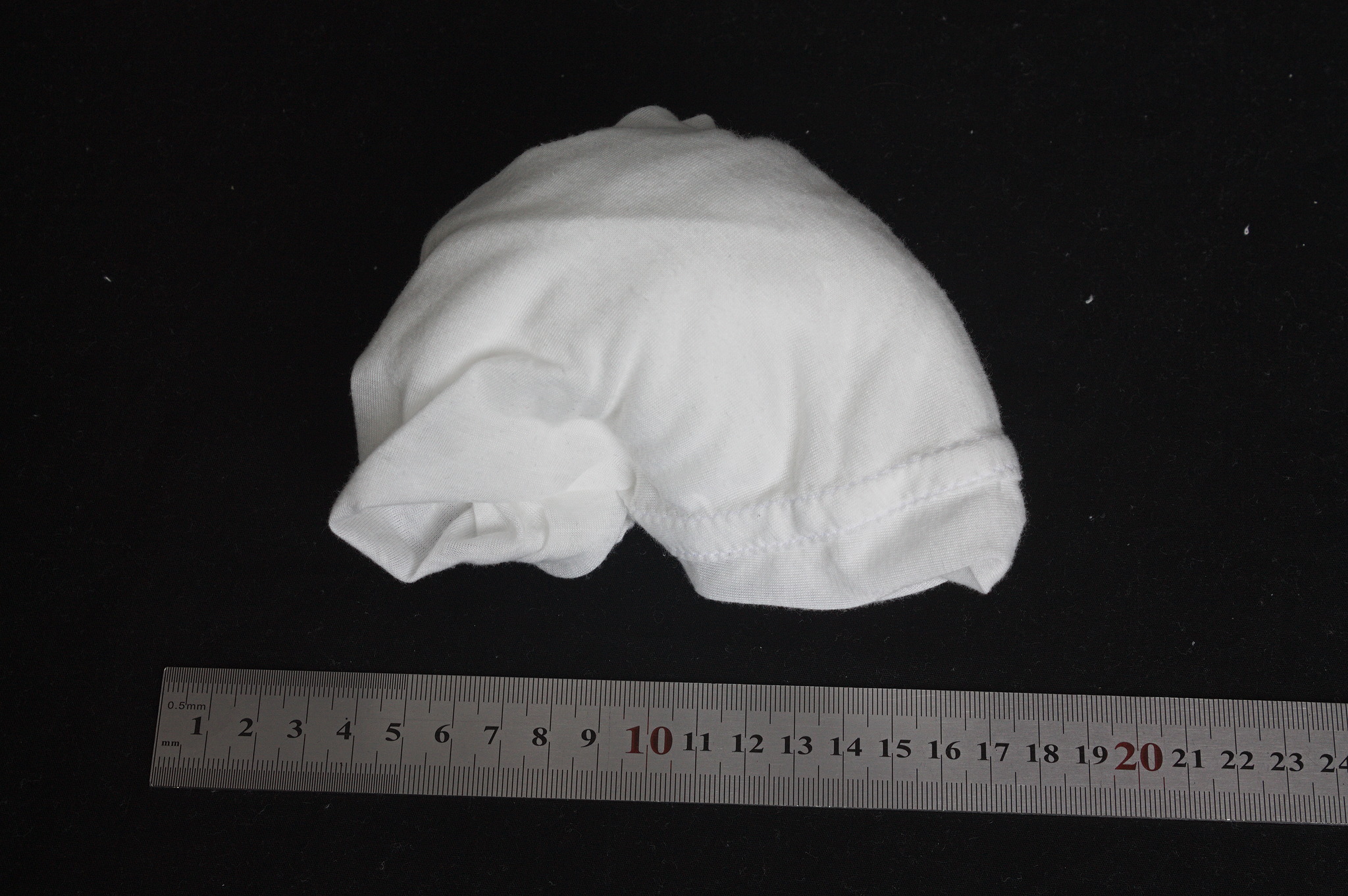
A woman wearing a simple, long sleeved, fitted white top; the fabric is somewhat transparent and the outline of a camisole can be seen. For this summer, I ve just made a nice sleeveless dress, but that doesn t mean that I m planning to go around with bare arms like, I don t know, a peasant or even somebody with no health issues, perish the thought! Instead, at the end of last season I ve bought a remnant of white ramie / viscose jersey that is a bit too transparent to be decent when worn on its own, but should still give some protection from the sun without being unconfortable in the heat, with the intent to make myself a new top. Because of the transparency I wasn t sure whether to actually use it for a top, or just to make camisoles, but with the decency preserved by the dress the choice was made: I had enough fabric for a top, a camisole and maybe something small. I already have a trusted pattern for the top and camisole, but they still had to be published, so I took care to write down instructions and take step-by-step pictures; maybe the white fabric isn t the best, but it s better than nothing, and I can still take better pictures the next time I ll do another make. They are of course on my pattern webiste: top and camisole. some fabric (the top pictured above) crunched up in a loose ball, less than 15 cm in diameter (there is a ruler for scale). Since the fabric was bought online as a remnant, I didn t exactly know what to expect, and was pleasantly surprised by how soft it is: it feels like touching a cloud. This however means that it felt like working with a cloud, and, well, let s just say I m happy that both patterns were quite simple and I didn t have to deal with fiddly bits. I was also not so pleasantly surprised by the fact that part of the fabric had a few small holes as if the end of the roll had been caught on something; I was able to cut everything around the holes, other than a small bit that I hadn t noticed and had to be mended. It s not a big deal, but I suspect it s a sign that this fabric may not be as sturdy as it could have been, and that there will be more mending in the future as I wear it. And then, when I had finished the set I was faced with another problem: taking pictures. For one thing, worn on their own they aren t exactly decent, and then there was the fact that after a week of late spring weather in March, as I was working on summer clothing the temperature dropped and there was even a hint of rain. image I solved this by wearing the new set on top of another set of fitting top and camisole, with matching leggings. Not exactly something I would wear on the regular streets, but good enough for a picture of underwear. A woman wearing a white camisole on top of black top and leggings. Still, the pictures were taken in quite a hurry, because I wasn t completely freezing, but still pretty cold. Anyway, I m off to find some other piece of summer wear to make, hoping that it will bring proper rain. :)

3 April 2023

Adnan Hodzic: Kubernetes, Resistance is Futile KubeCon & KCD 2023 talk

A story to tell As part of my career at ING with my previous team, MLP (Machine Learning Platform). I spent over 2 years leading... The post Kubernetes, Resistance is Futile KubeCon & KCD 2023 talk appeared first on FoolControl: Phear the penguin.

Russ Allbery: Review: The Nordic Theory of Everything

Review: The Nordic Theory of Everything, by Anu Partanen
Publisher: Harper
Copyright: 2016
Printing: June 2017
ISBN: 0-06-231656-7
Format: Kindle
Pages: 338
Anu Partanen is a Finnish journalist who immigrated to the United States. The Nordic Theory of Everything, subtitled In Search of a Better Life, is an attempt to explain the merits of Finnish approaches to government and society to a US audience. It was her first book. If you follow US policy discussion at all, you have probably been exposed to many of the ideas in this book. There was a time when the US left was obsessed with comparisons between the US and Nordic countries, and while that obsession has faded somewhat, Nordic social systems are still discussed with envy and treated as a potential model. Many of the topics of this book are therefore predictable: parental leave, vacation, health care, education, happiness, life expectancy, all the things that are far superior in Nordic countries than in the United States by essentially every statistical measure available, and which have been much-discussed. Partanen brings two twists to this standard analysis. The first is that this book is part memoir: she fell in love with a US writer and made the decision to move to the US rather than asking him to move to Finland. She therefore experienced the transition between social and government systems first-hand and writes memorably on the resulting surprise, trade-offs, anxiety, and bafflement. The second, which I've not seen previously in this policy debate, is a fascinating argument that Finland is a far more individualistic country than the United States precisely because of its policy differences.
Most people, including myself, assumed that part of what made the United States a great country, and such an exceptional one, was that you could live your life relatively unencumbered by the downside of a traditional, old-fashioned society: dependency on the people you happened to be stuck with. In America you had the liberty to express your individuality and choose your own community. This would allow you to interact with family, neighbors, and fellow citizens on the basis of who you were, rather than on what you were obligated to do or expected to be according to old-fashioned thinking. The longer I lived in America, therefore, and the more places I visited and the more people I met and the more American I myself became the more puzzled I grew. For it was exactly those key benefits of modernity freedom, personal independence, and opportunity that seemed, from my outsider s perspective, in a thousand small ways to be surprisingly missing from American life today. Amid the anxiety and stress of people s daily lives, those grand ideals were looking more theoretical than actual.
The core of this argument is that the structure of life in the United States essentially coerces dependency on other people: employers, spouses, parents, children, and extended family. Because there is no universally available social support system, those relationships become essential for any hope of a good life, and often for survival. If parents do not heavily manage their children's education, there is a substantial risk of long-lasting damage to the stability and happiness of their life. If children do not care for their elderly parents, they may receive no care at all. Choosing not to get married often means choosing precarity and exhaustion because navigating society without pooling resources with someone else is incredibly difficult.
It was as if America, land of the Hollywood romance, was in practice mired in a premodern time when marriage was, first and foremost, not an expression of love, but rather a logistical and financial pact to help families survive by joining resources.
Partanen contrasts this with what she calls the Nordic theory of love:
What Lars Tr g rdh came to understand during his years in the United States was that the overarching ambition of Nordic societies during the course of the twentieth century, and into the twenty-first, has not been to socialize the economy at all, as is often mistakenly assumed. Rather the goal has been to free the individual from all forms of dependency within the family and in civil society: the poor from charity, wives from husbands, adult children from parents, and elderly parents from their children. The express purpose of this freedom is to allow all those human relationships to be unencumbered by ulterior motives and needs, and thus to be entirely free, completely authentic, and driven purely by love.
She sees this as the common theme through most of the policy differences discussed in this book. The Finnish approach is to provide neutral and universal logistical support for most of life's expected challenges: birth, child-rearing, education, health, unemployment, and aging. This relieves other social relations family, employer, church of the corrosive strain of dependency and obligation. It also ensures people's basic well-being isn't reliant on accidents of association.
If the United States is so worried about crushing entrepreneurship and innovation, a good place to start would be freeing start-ups and companies from the burdens of babysitting the nation s citizens.
I found this fascinating as a persuasive technique. Partanen embraces the US ideal of individualism and points out that, rather than being collectivist as the US right tends to assume, Finland is better at fostering individualism and independence because the government works to removes unnecessary premodern constraints on individual lives. The reason why so many Americans are anxious and frantic is not a personal failing or bad luck. It's because the US social system is deeply hostile to healthy relationships and individual independence. It demands a constant level of daily problem-solving and crisis management that is profoundly exhausting, nearly impossible to navigate alone, and damaging to the ideal of equal relationships. Whether this line of argument will work is another question, and I'm dubious for reasons that Partanen (probably wisely) avoids. She presents the Finnish approach as a discovery that the US would benefit from, and the US approach as a well-intentioned mistake. I think this is superficially appealing; almost all corners of US political belief at least give lip service to individualism and independence. However, advocates of political change will eventually need to address the fact that many US conservatives see this type of social coercion as an intended feature of society rather than a flaw. This is most obvious when one looks at family relationships. Partanen treats the idea that marriage should be a free choice between equals rather than an economic necessity as self-evident, but there is a significant strain of US political thought that embraces punishing people for not staying within the bounds of a conservative ideal of family. One will often find, primarily but not exclusively among the more religious, a contention that the basic unit of society is the (heterosexual, patriarchal) family, not the individual, and that the suffering of anyone outside that structure is their own fault. Not wanting to get married, be the primary caregiver for one's parents, or abandon a career in order to raise children is treated as malignant selfishness and immorality rather than a personal choice that can be enabled by a modern social system. Here, I think Partanen is accurate to identify the Finnish social system as more modern. It embraces the philosophical concept of modernity, namely that social systems can be improved and social structures are not timeless. This is going to be a hard argument to swallow for those who see the pressure towards forming dependency ties within families as natural, and societal efforts to relieve those pressures as government meddling. In that intellectual framework, rather than an attempt to improve the quality of life, government logistical support is perceived as hostility to traditional family obligations and an attempt to replace "natural" human ties with "artificial" dependence on government services. Partanen doesn't attempt to have that debate. Two other things struck me in this book. The first is that, in Partanen's presentation, Finns expect high-quality services from their government and work to improve it when it falls short. This sounds like an obvious statement, but I don't think it is in the context of US politics, and neither does Partanen. She devotes a chapter to the topic, subtitled "Go ahead: ask what your country can do for you." This is, to me, one of the most frustrating aspects of US political debate. Our attitude towards government is almost entirely hostile and negative even among the political corners that would like to see government do more. Failures of government programs are treated as malice, malfeasance, or inherent incompetence: in short, signs the program should never have been attempted, rather than opportunities to learn and improve. Finland had mediocre public schools, decided to make them better, and succeeded. The moment US public schools start deteriorating, we throw much of our effort into encouraging private competition and dismantling the public school system. Partanen doesn't draw this connection, but I see a link between the US desire for market solutions to societal problems and the level of exhaustion and anxiety that is so common in US life. Solving problems by throwing them open to competition is a way of giving up, of saying we have no idea how to improve something and are hoping someone else will figure it out for a profit. Analyzing the failures of an existing system and designing incremental improvements is hard and slow work. Throwing out the system and hoping some corporation will come up with something better is disruptive but easy. When everyone is already overwhelmed by life and devoid of energy to work on complex social problems, it's tempting to give up on compromise and coalition-building and let everyone go their separate ways on their own dime. We cede the essential work of designing a good society to start-ups. This creates a vicious cycle: the resulting market solutions are inevitably gated by wealth and thus precarious and artificially scarce, which in turn creates more anxiety and stress. The short-term energy savings from not having to wrestle with a hard problem is overwhelmed by the long-term cost of having to navigate a complex and adversarial economic relationship. That leads into the last point: schools. There's a lot of discussion here about school quality and design, which I won't review in detail but which is worth reading. What struck me about Partanen's discussion, though, is how easy the Finnish system is to use. Finnish parents just send their kids to the most convenient school and rarely give that a second thought. The critical property is that all the schools are basically fine, and therefore there is no need to place one's child in an exceptional school to ensure they have a good life. It's axiomatic in the US that more choice is better. This is a constant refrain in our political discussion around schools: parental choice, parental control, options, decisions, permission, matching children to schools tailored for their needs. Those choices are almost entirely absent in Finland, at least in Partanen's description, and the amount of mental and emotional energy this saves is astonishing. Parents simply don't think about this, and everything is fine. I think we dramatically underestimate the negative effects of constantly having to make difficult decisions with significant consequences, and drastically overstate the benefits of having every aspect of life be full of major decision points. To let go of that attempt at control, however illusory, people have to believe in a baseline of quality that makes the choice less fraught. That's precisely what Finland provides by expecting high-quality social services and working to fix them when they fall short, an effort that the United States has by and large abandoned. A lot of non-fiction books could be turned into long articles without losing much substance, and I think The Nordic Theory of Everything falls partly into that trap. Partanen repeats the same ideas from several different angles, and the book felt a bit padded towards the end. If you're already familiar with the policy comparisons between the US and Nordic countries, you will have seen a lot of this before, and the book bogs down when Partanen strays too far from memoir and personal reactions. But the focus on individualism and eliminating dependency is new, at least to me, and is such an illuminating way to look at the contrast that I think the book is worth reading just for that. Rating: 7 out of 10

Matt Brown: Retrospective: Mar 2023

The key decision I made mid-March was to commit to pursuing ventilation monitoring as my primary product development focus. Prior to that decision, I hoped to use my writing plan to drive a breadth-first survey of the opportunities for each of my product ideas before deciding which had the best business potential to focus on first. Two factors changed my mind:
  1. As noted last month, I m finding the writing process much slower and harder than I expected the survey across all the ideas may not complete until mid-year or later!
  2. I ve realised that having begun building co2mon.nz last year, to stop work on the project at this point would leave me feeling that I had not done justice to developing the product and testing the market - seeing it to a conclusion is important to me.
This decision is an explicit choice to prioritize seeing a project through to a conclusion (successful, or otherwise) regardless of whether or not it has the highest potential of the various ideas I could invest time into. I m comfortable making that trade-off in this instance, but I am going to bound my time investment to two months. I ll evaluate at the end of May whether I m seeing sufficient traction and potential to justify continuing further with the idea. I had only one fully uninterrupted work week in March due to a combination of days out due to school trips, two LandSAR call outs and various farm maintenance tasks. April will be similarly disrupted given school holidays and a planned family trip to Brisbane. Sharpening my focus feels particularly necessary given this reality to ensure I m not spread overly thin.

Goal Scoring See last month s retrospective for a refresher on my scoring methodology.

Consulting - 4/10 Goal: Execute a series of successful consulting engagements, building a reputation for myself and leaving happy customers willing to provide testimonials that support a pipeline of future opportunities. Consulting hours were down from February, hitting only 31% of target this month as the client didn t make use of all the hours I had allocated for them. I didn t invest any time in advertising my services or developing new clients or projects over the month, which will now become a priority for April.

Product Development - 4/10 Goal: Grow my product development skill set by taking several ideas to MVP stage with customer feedback received, and launch at least one product which generates revenue and has growth potential. With the new focus entirely on co2mon.nz, I spent a lot of time re-working and developing my thinking around how I want to take this forward, specifically trying to analyse where I saw an opportunity in the market. After attending a workshop on finding product market fit using quantifiable metrics at the Southern SaaS conference this month, I ve realised that much of the time I spent on this analysis is too insular and focused on my own observations - I need to get out and talk to a lot more people and get more feedback on their needs and understanding of the space instead. Seems obvious in retrospect! I also spent a few days beginning to build another batch of prototype CO2 monitors so I have some units to use for experimentation and testing with potential customers as I get out and have those conversations. I can probably build one or two more batches of prototype monitors before needing to look at PCB assembly in earnest.

Professional Network Development - 8/10 Goal: To build a professional relationship with at least 30 new people this year. This goal continues to be my highlight with 8 new contacts added this month and catch-ups with 4 existing people I had not spoken to for a while. I joined the KiwiSaaS central community and attended the SouthernSaas conference this month as well, which has been time well spent given the workshop learnings discussed above.

Writing - 3/10 Goal: To publish a high-quality piece of writing on this site at least once a week. I published a single post, the first half of my updated ventilation monitoring business plan. I continue to find the writing process much harder and slower than I hoped or expected and remain well below my target publishing rate, but one post is better than zero! I tested working with an editor I contracted via UpWork who provided some very useful feedback on the structure of my writing which helped to unblock some of my progress. I plan to continue doing this for at least a few more posts.

Community - 5/10 Goal: To support the growth of my local technical community by volunteering my experience and knowledge with others through activities such as mentoring, conference talks and similar.

Feedback As always, I d love to hear from you if you have thoughts or feedback triggered by anything I ve written above.

2 April 2023

Thorsten Alteholz: My Debian Activities in March 2023

FTP master This month I accepted 78 and rejected 12 packages. The overall number of packages that got accepted was 78. I still love this calm and peaceful time now within the Debian project, when everybody only cares for RC bugs and NEW does not grow. Debian LTS This was my hundred-fifth month that I did some work for the Debian LTS initiative, started by Raphael Hertzog at Freexian. This month my all in all workload has been 14h. During that time I uploaded: I also participated in the monthly LTS-meeting. Last but not least I did some days of frontdesk duties and took care of issues on security-master. Debian ELTS This month was the fifty sixth ELTS month. The duktape update in Stretch is more complicated than expected and I could not finish it this month. I also started to work on openssl1.0 Last but not least I did some days of frontdesk duties Debian Printing This month I uploaded new versions or improved packages of: The unblock bug for hplip was already processed, the unblock bug for cups is still waiting. Hopefully the last minute work of the translators was not wasted. Parts of this work is generously funded by Freexian! Other stuff Looking at my notes, there is nothing to be reported here.

David Bremner: Installing Debian using the OVH rescue environment

Problem description(s) For some of its cheaper dedicated servers, OVH does not provide a KVM (in the virtual console sense) interface. Sometimes when a virtual console is provided, it requires a horrible java applet that won't run on modern systems without a lot of song and dance. Although OVH provides a few web based ways of installing,
  • I prefer to use the debian installer image I'm used to and trust, and
  • I needed some way to debug a broken install.
I have only tested this in the OVH rescue environment, but the general approach should work anywhere the rescue environment can install and run QEMU.

QEMU to the rescue Initially I was horrified by the ovh forums post but eventually I realized it not only gave a way to install from a custom ISO, but provided a way to debug quite a few (but not all, as I discovered) boot problems by using the rescue env (which is an in-memory Debian Buster, with an updated kernel). The original solution uses VNC but that seemed superfluous to me, so I modified the procedure to use a "serial" console.

Preliminaries
  • Set up a default ssh key in the OVH web console
  • (re)boot into rescue mode
  • ssh into root@yourhost (you might need to ignore changing host keys)
  • cd /tmp
  • You will need qemu (and may as well use kvm). ovmf is needed for a UEFI bios.
    apt install qemu-kvm ovmf
  • Download the netinstaller iso
  • Download vmlinuz and initrd.gz that match your iso. In my case: https://deb.debian.org/debian/dists/testing/main/installer-amd64/current/images/cdrom/

Doing the install
  • Boot the installer in qemu. Here the system has two hard drives visible as /dev/sda and /dev/sdb.
qemu-system-x86_64               \
   -enable-kvm                    \
   -nographic \
   -m 2048                         \
   -bios /usr/share/ovmf/OVMF.fd  \
   -drive index=0,media=disk,if=virtio,file=/dev/sda,format=raw  \
   -drive index=1,media=disk,if=virtio,file=/dev/sdb,format=raw  \
   -cdrom debian-bookworm-DI-alpha2-amd64-netinst.iso \
   -kernel ./vmlinuz \
   -initrd ./initrd.gz \
   -append console=ttyS0,9600,n8
  • Optionally follow Debian wiki to configure root on software raid.
  • Make sure your disk(s) have an ESP partition.
  • qemu and d-i are both using Ctrl-a as a prefix, so you need to C-a C-a 1 (e.g.) to switch terminals
  • make sure you install ssh server, and a user account

Before leaving the rescue environment
  • You may have forgotten something important, no problem you can boot the disks you just installed in qemu (I leave the apt here for convenient copy pasta in future rescue environments).
apt install qemu-kvm ovmf && \
qemu-system-x86_64               \
   -enable-kvm                    \
   -nographic \
   -m 2048                         \
   -bios /usr/share/ovmf/OVMF.fd  \
   -drive index=0,media=disk,if=virtio,file=/dev/sda,format=raw  \
   -drive index=1,media=disk,if=virtio,file=/dev/sdb,format=raw  \
   -nic user,hostfwd=tcp:127.0.0.1:2222-:22 \
   -boot c
  • One important gotcha is that the installer guess interface names based on the "hardware" it sees during the install. I wanted the network to work both in QEMU and in bare hardware boot, so I added a couple of link files. If you copy this, you most likely need to double check the PCI paths. You can get this information, e.g. from udevadm, but note you want to query in rescue env, not in QEMU, for the second case.
  • /etc/systemd/network/50-qemu-default.link
[Match]
Path=pci-0000:00:03.0
Virtualization=kvm
[Link]
Name=lan0
  • /etc/systemd/network/50-hardware-default.link
[Match]
Path=pci-0000:03:00.0
Virtualization=no
[Link]
Name=lan0
  • Then edit /etc/network/interfaces to refer to lan0

1 April 2023

Debian Brasil: MiniDebConf Bras lia 2023 - 25 a 27 de maio

Nesse ano a MiniDebConf Brasil est de volta! A comunidade brasileira de usu rios(as) e desenvolvedores(as) Debian convida a todos(as) a participarem da MiniDebConf Bras lia 2023 que acontecer durante 3 dias na capital federal. Nos dias 25 e 26 de maio estaremos no Complexo Avan ado da C mara dos Deputados - LabHacker/CEFOR, promovendo palestras, oficinas e outras atividades. E, no - dia 27 de maio (s bado), estaremos em um coworking (local a definir) para - colocar a m o na massa hackeando software e contribuindo para o Projeto Debian. A MiniDebConf Bras lia 2023 um evento aberto a todos(as), independente do seu n vel de conhecimento sobre Debian. O mais importante ser reunir a comunidade para celebrar o maior projeto de Software Livre do mundo, por isso queremos receber desde usu rios(as) inexperientes que est o iniciando o seu contato com o Debian at Desenvolvedores(as) oficiais do projeto. A programa o da MiniDebConf Bras lia 2023 ser composta de palestras de n vel b sico e intermedi rio para aqueles(as) participantes que est o tendo o primeiro contato com o Debian ou querem conhecer mais sobre determinados assuntos, e workshops/oficinas de n vel intermedi rio e avan ado para usu rios(as) do Debian que querem colocar a m o-na-massa durante o evento. No ltimo dia do evento, teremos um Hacking Day em um espa o de coworking para que todos possam interagir e de fato fazerem contribui es para o projeto. Inscri o A inscri o na MiniDebConf Bras lia 2023 totalmente gratuita e poder ser feita no formul rio dispon vel no site do evento. mandat ria a inscri o pr via para que todos(as) possam acessar a C mara dos Deputados - devido a quest es de seguran a da casa. Al m de auxiliar a organiza o no dimensionamento do evento. O evento organizado de forma volunt ria, e toda ajuda bem-vinda. Portanto, se voc gostaria de contribuir para a realiza o do evento, preencha o formul rio para inscri o de volunt rios. Os formul rios para inscri o (na MiniDebConf e para ajudar na organiza o) e submiss o de atividades ser o abertos no dia 1 de abril (n o tem nenhuma pegadinha, se inicia nesse dia mesmo :) Contato Para entrar em contato com o time local, a lista de emails debian-br-eventos, o canal IRC #debian-bsb no OFTC e o grupo no telegram DebianBras lia podem ser utilizados. Al m do endere o de email: brasil.mini@debconf.org.

Debian Brasil: First 2023 translation workshop from the pt_BR team

The Brazilian translation team debian-l10n-portuguese had their first workshop of 2023 in February, with great results: Our focus was to complete the descriptions of the 500 most popular packages (popcon). Although we were unable to reach 100% of the translation cycle, much of these descriptions are in progress and with a little more work will be available to the community. The Brazilian Portuguese translation team

Debian Brasil: Primeira oficina de tradu o em 2023 da equipe pt_BR

The Brazilian translation team debian-l10n-portuguese realizou a primeira oficina de 2023 em fevereiro, com timos resultados: Nosso foco era completar as descri es dos 500 pacotes mais populares (popcon). Apesar de n o termos conseguido chegar 100% do ciclo de tradu o, grande parte dessas descri es est o em andamento e com um pouco mais de trabalho estar o dispon veis comunidade. Agrade o aos( s) participantes pelas contribui es. As oficinas foram bem movimentadas e, muito al m das tradu es em si, conversamos sobre diversas faces da comunidade Debian. Esperamos ter ajudado aos( s) iniciantes a contribuir com o projeto de maneira frequente. Agrade o em especial ao Charles (charles) que ministrou um dos dias da oficina, ao Paulo (phls) que sempre est a dando uma for a, e ao Fred Maranh o pelo seu incans vel trabalho no DDTSS. Equipe de tradu o do portugu s do Brasil

Russ Allbery: rra-c-util 10.4

rra-c-util is my library of supporting functions, code, Autoconf macros, and similar portability and build machinery helpers. This is a very minor release, made mostly because I haven't done a non-work free software release in rather too long. This release adds serial numbers to all of the provided Autoconf macros, which enables some features in Automake's aclocal tool. It properly fixes the portable/getnameinfo test that the last release tried to fix (thanks again to Julien LIE). And it incorporates some new perltidy flags into my standard perltidy configuration that were added in the 20230309 release (also thanks to Julien LIE for the heads up). You can get the latest release from the rra-c-util distribution page.

Mike Hommey: Announcing git-cinnabar 0.6.0

Git-cinnabar is a git remote helper to interact with mercurial repositories. It allows to clone, pull and push from/to mercurial remote repositories, using git. Get it on github. These release notes are also available on the git-cinnabar wiki. What s new since 0.5.11? What s new since 0.6.0rc2?

Paul Wise: FLOSS Activities March 2023

Focus This month I didn't have any particular focus. I just worked on issues in my info bubble.

Changes

Issues

Review

Administration
  • Debian QA services: disabled updating jessie as it was removed
  • Debian IRC: rescued #debian-s390x from inactive person
  • Debian servers: repair a /etc git repo
  • Debian wiki: unblock IP addresses, approve accounts

Communication
  • Respond to queries from Debian users and contributors on the mailing lists and IRC

Sponsors The gensim, sptag, purple-discord, harmony work was sponsored. All other work was done on a volunteer basis.

31 March 2023

Enrico Zini: Things I learnt in March 2023

About JACK and Debian

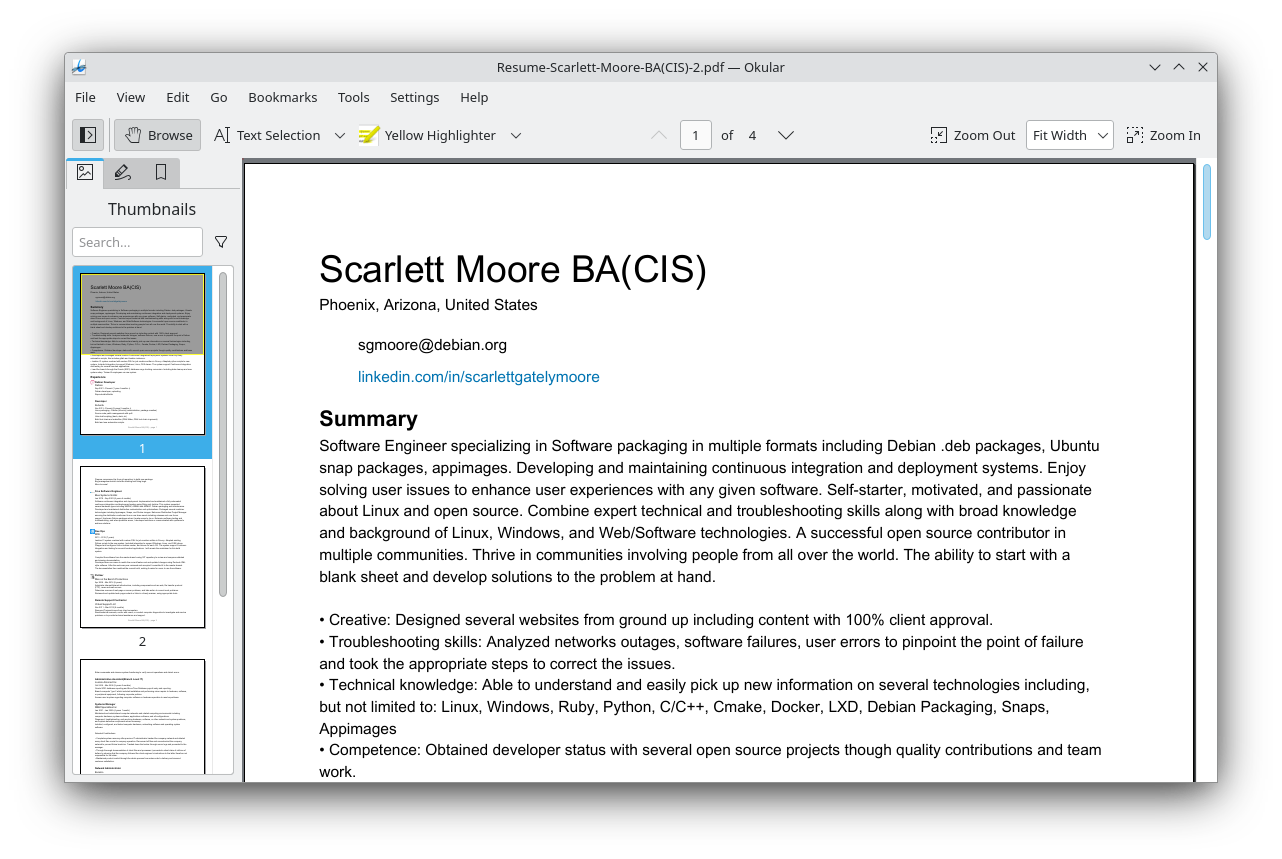
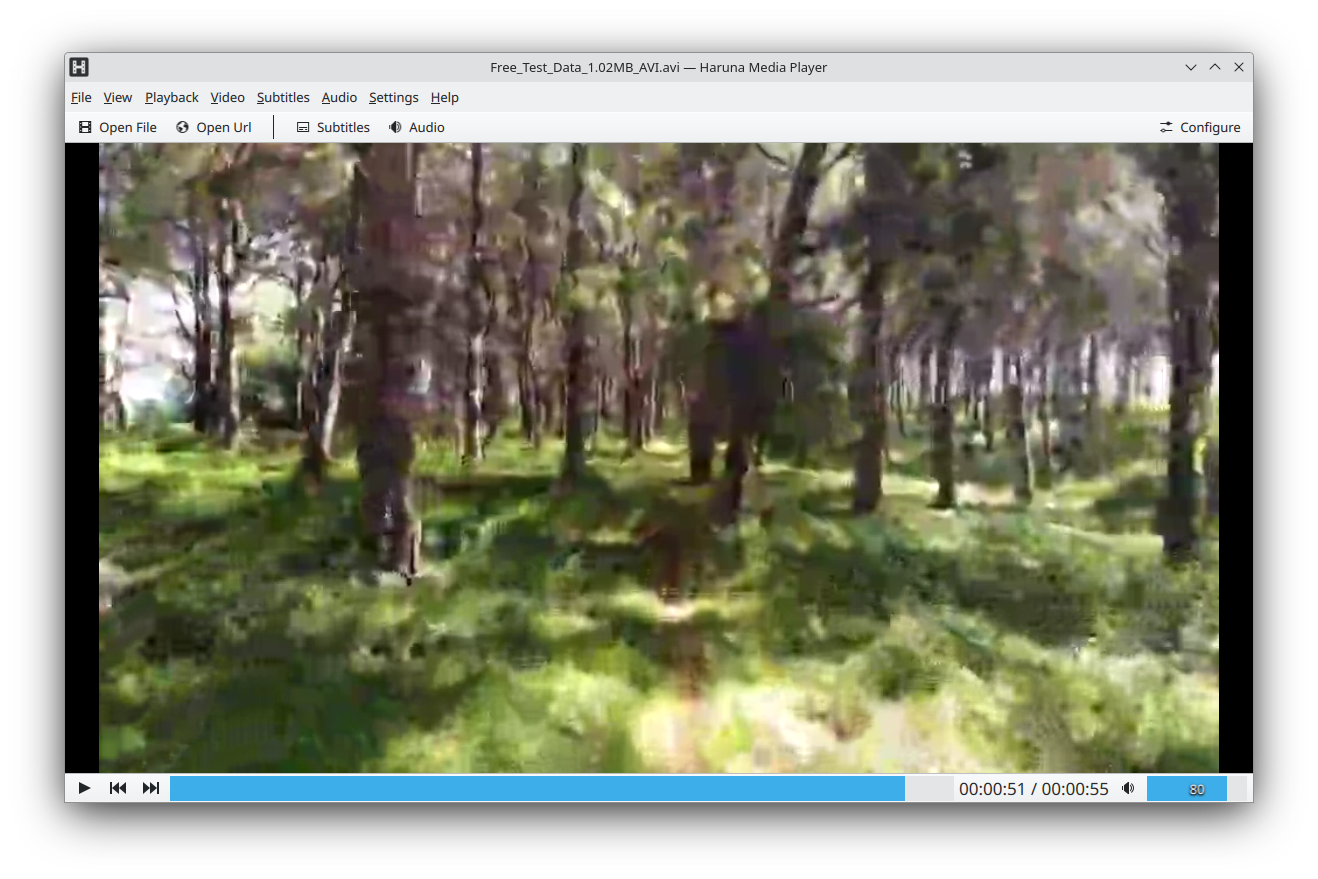
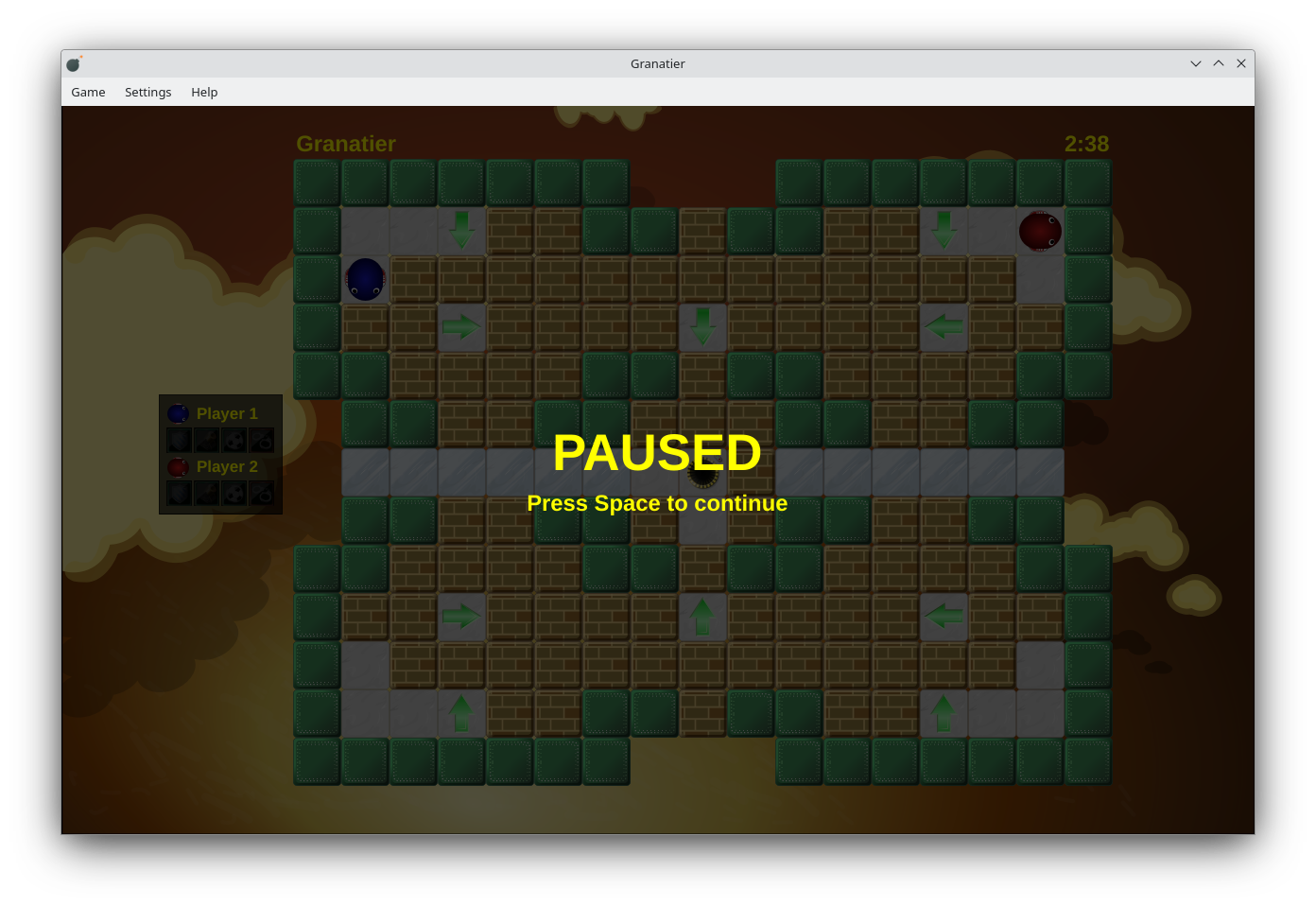
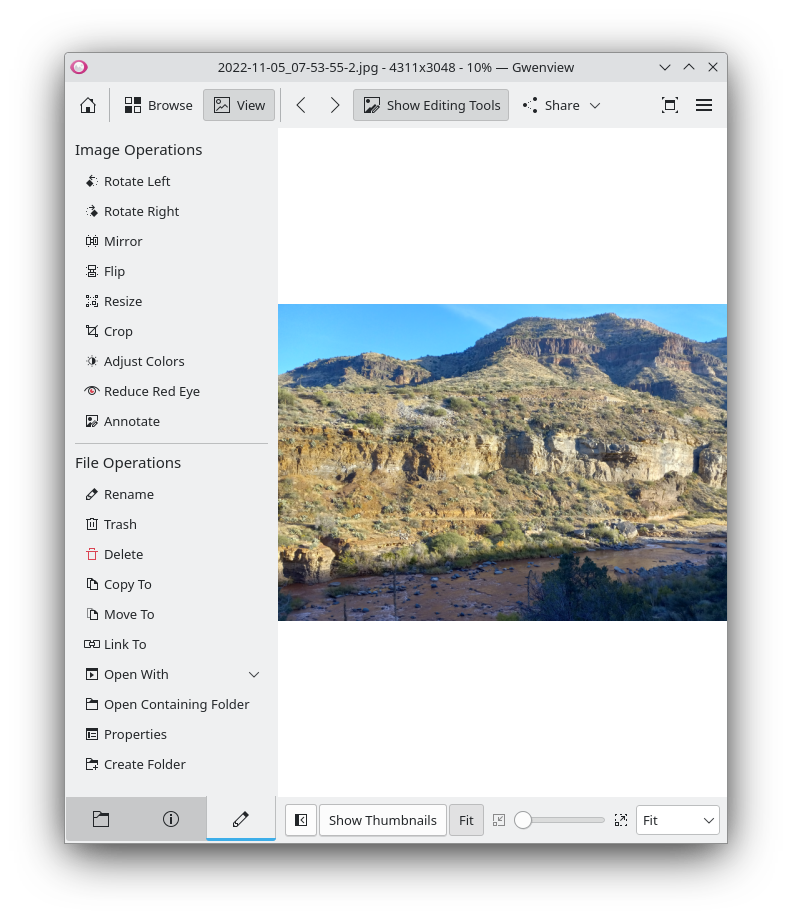
Scarlett Gately Moore: KDE Snaps! Many new releases, more to come.

I have been extremely busy the last 2 weeks churning out KDE snaps! All of the have been tested and released on AMD64 and Arm64 architectures. If you run into any problems please file bugs @ http://bugs.kde.org and feel free to assign me. Thanks!
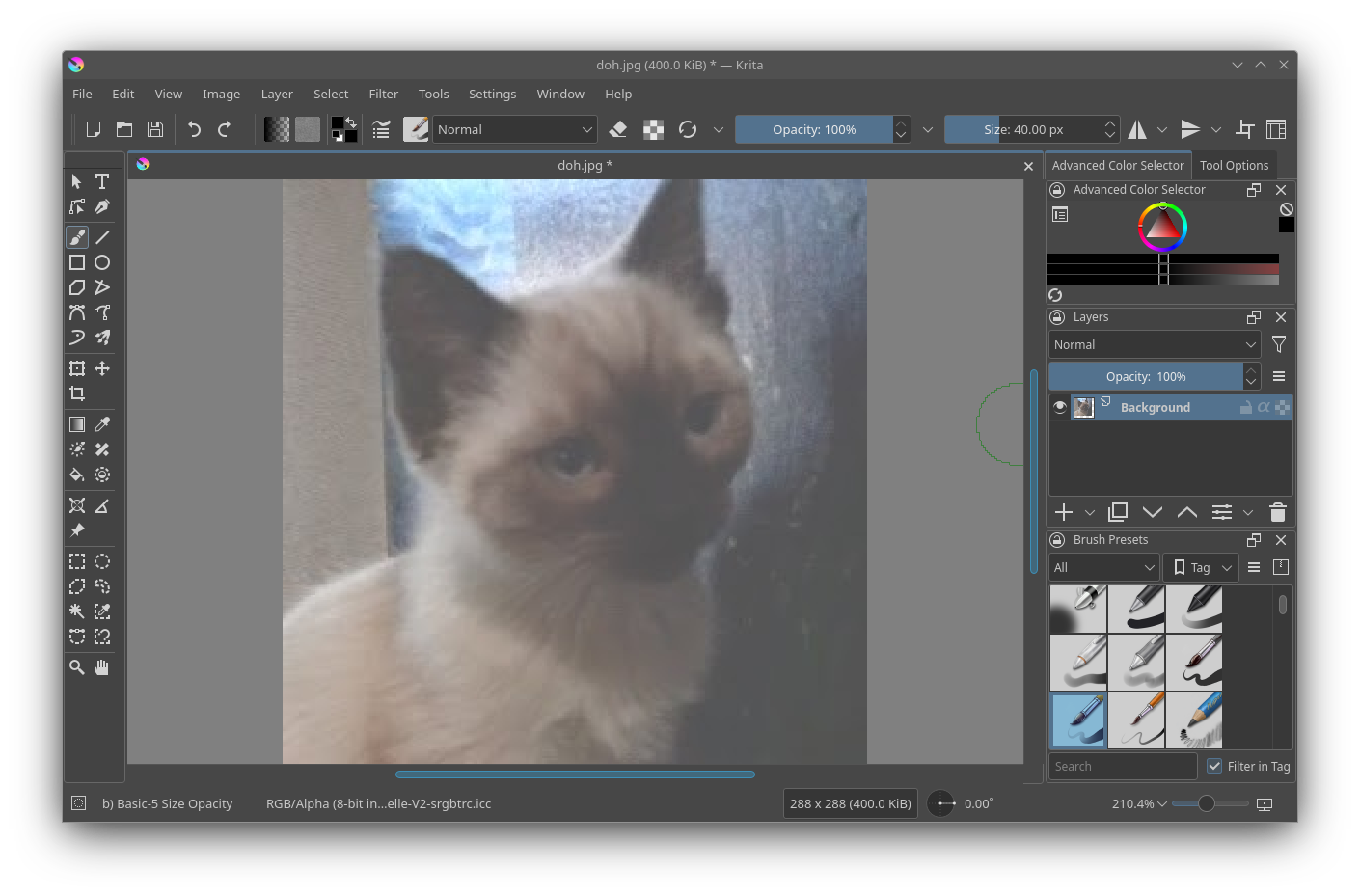
KDE Krita snapKDE Krita snap
Krita Version 5.1.5 https://apps.kde.org/krita/
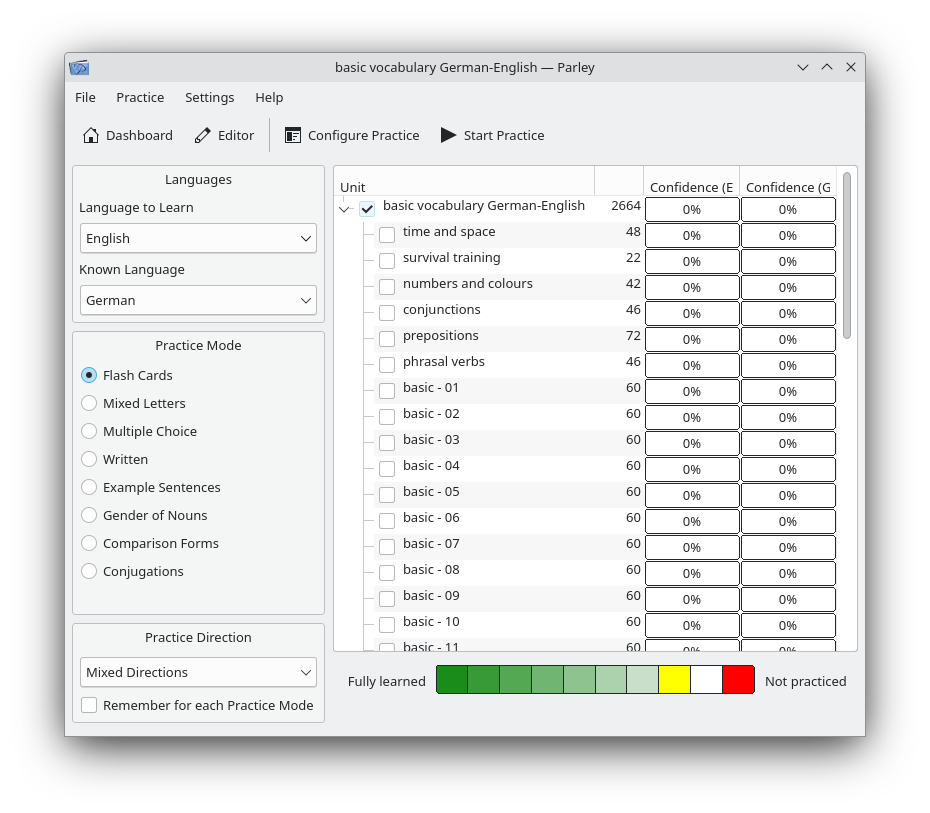
KDE Parley snapKDE Parley snap
Parley Version 22.12.3 https://apps.kde.org/parley/
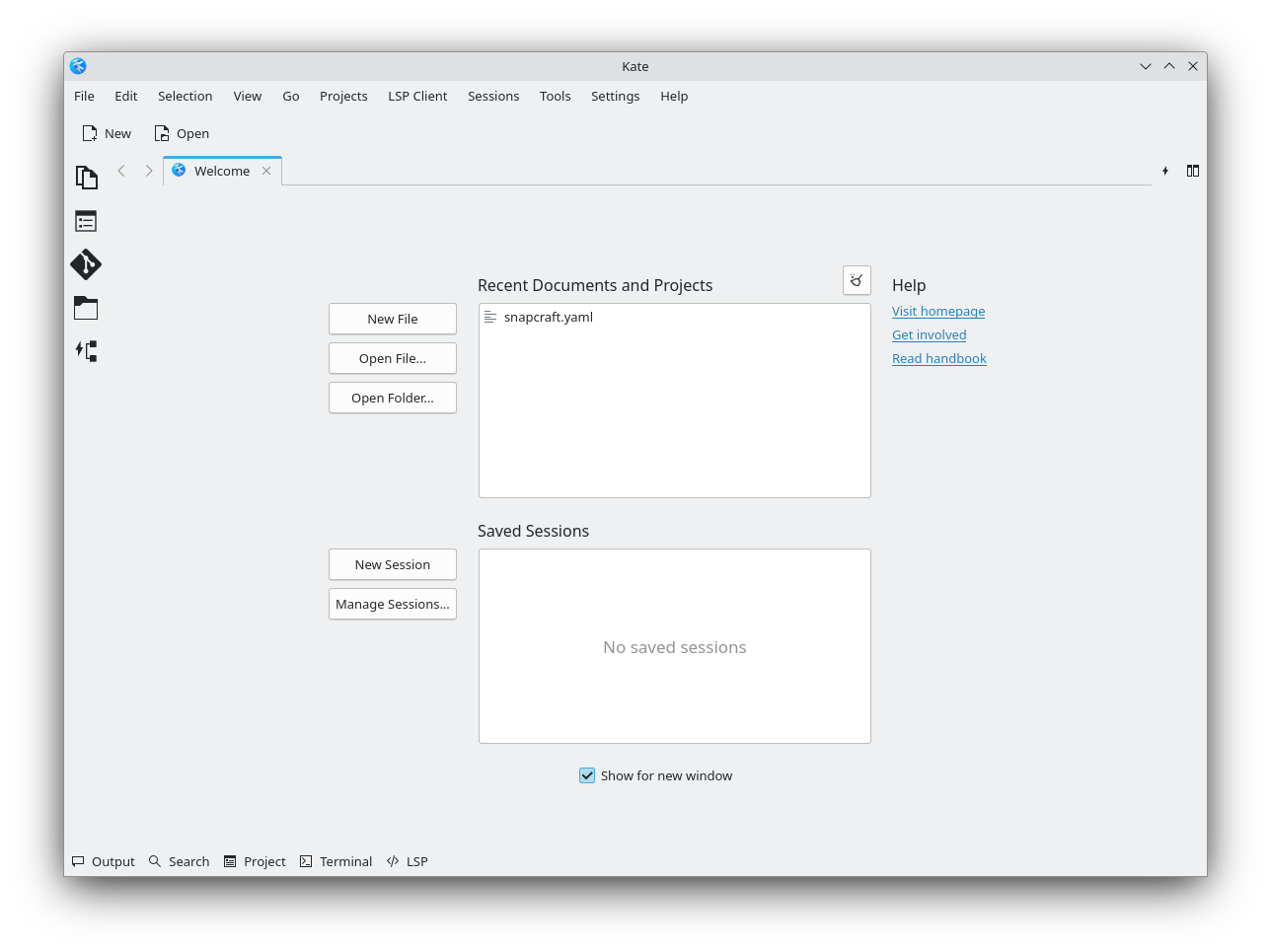
KDE Kate snapKDE Kate snap
Kate Version 22.12.3 https://apps.kde.org/kate/
KDE Okular snapKDE Okular snap
Okular Version 22.12.3 https://apps.kde.org/okular/
KDE Haruna snapKDE Haruna snap
Haruna Version 0.10.3 https://apps.kde.org/haruna/
KDE Granatier snapKDE Granatier snap
Granatier Version 22.12.3 https://apps.kde.org/granatier/
KDE Gwenview snapKDE Gwenview snap
Gwenview Version 22.12.3 https://apps.kde.org/gwenview/
KDE Gcompris snapKDE Gcompris snap
GCompris-qt Version 3.2 https://apps.kde.org/gcompris/
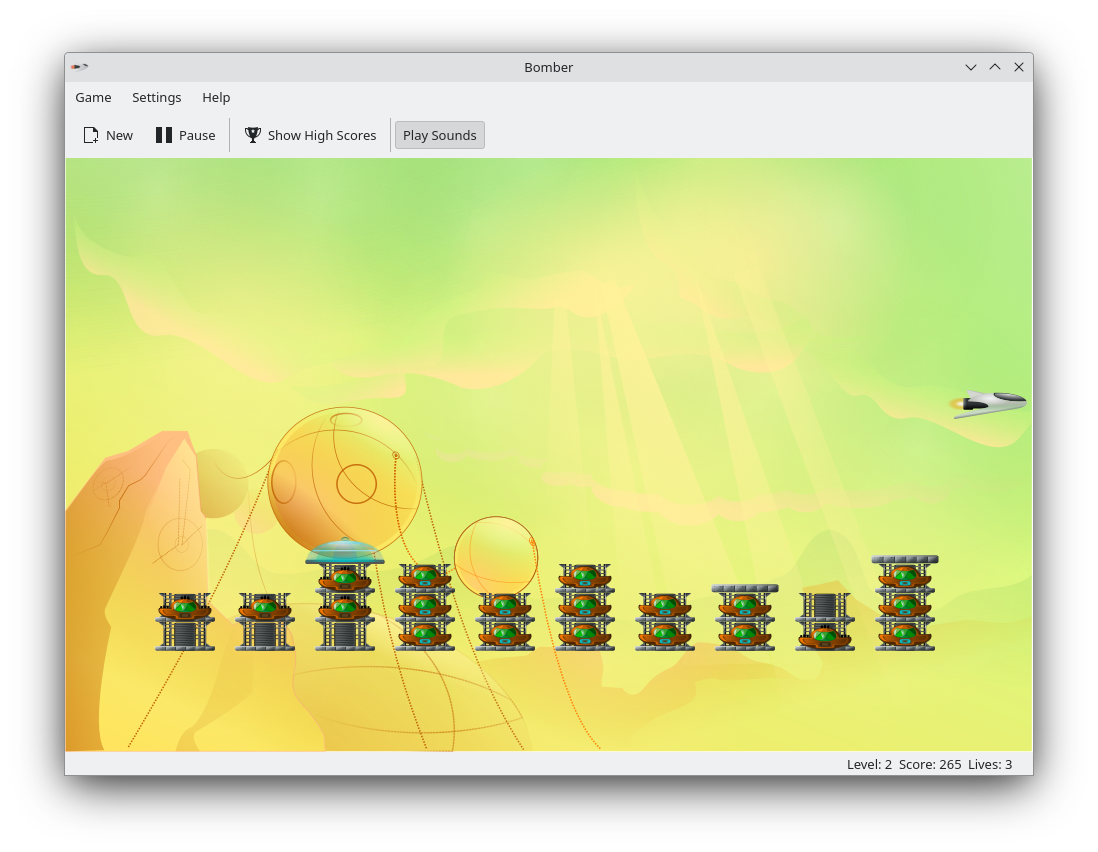
KDE Bomber snapKDE Bomber snap
Bomber Version 22.12.3 https://apps.kde.org/bomber/
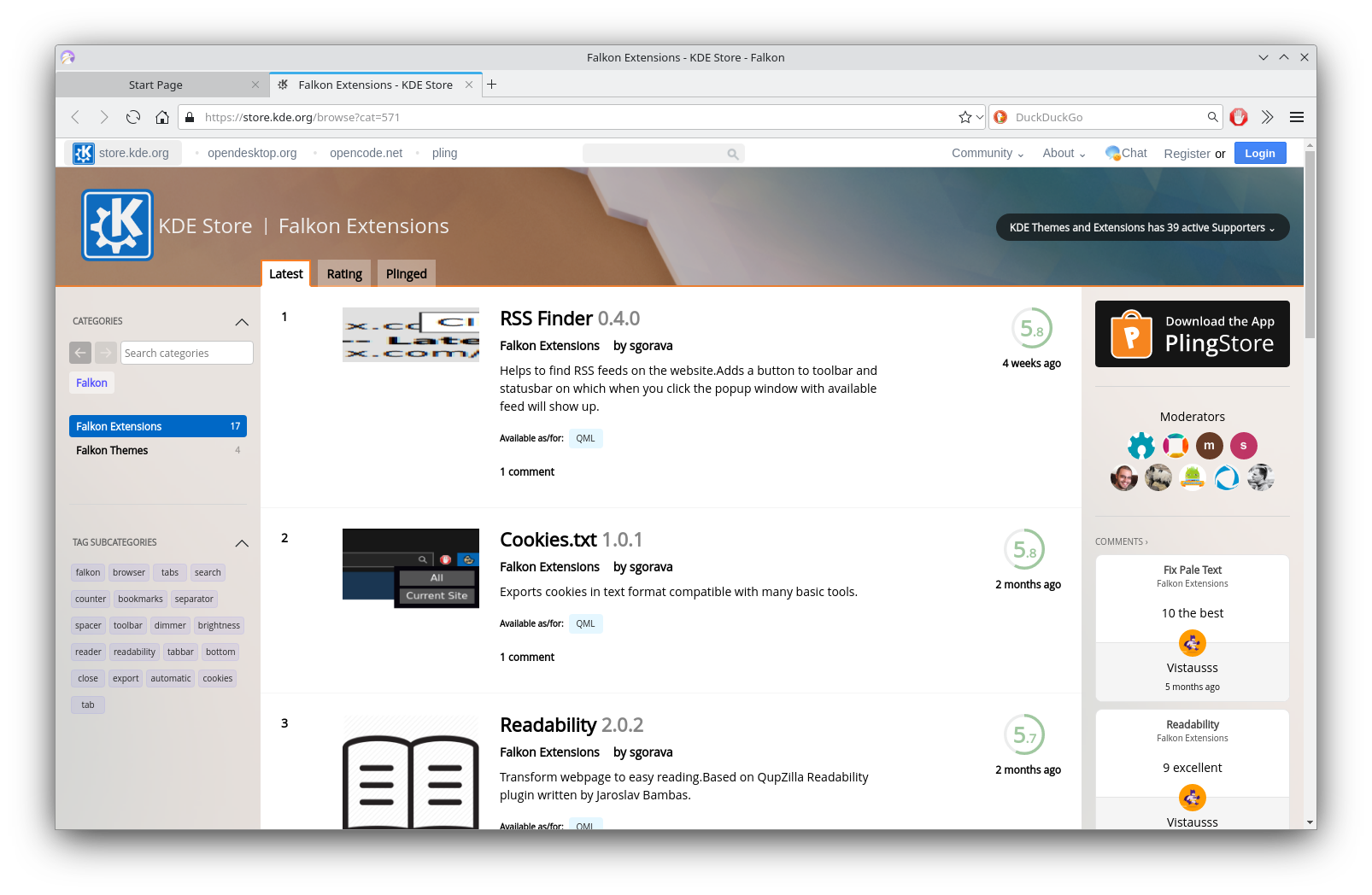
KDE Falkon snapKDE Falkon snap
Falkon Version 22.12.3 https://apps.kde.org/falkon/
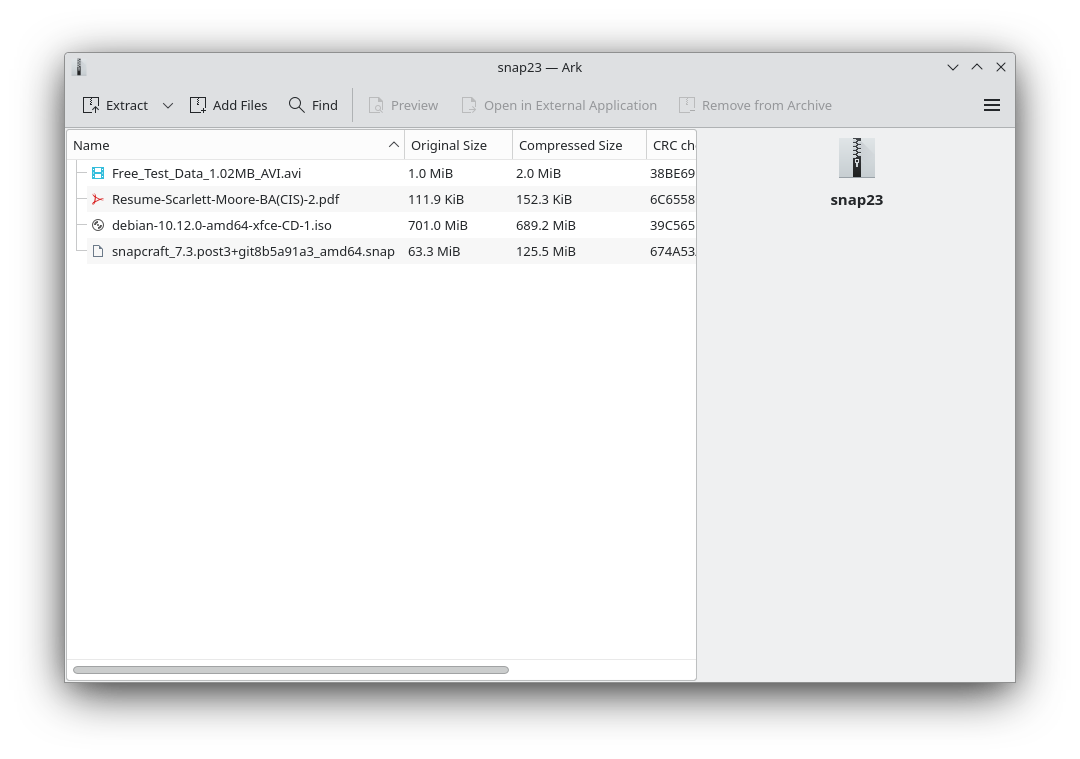
KDE Ark snapKDE Ark snap
Ark Version 22.12.3 https://apps.kde.org/ark/
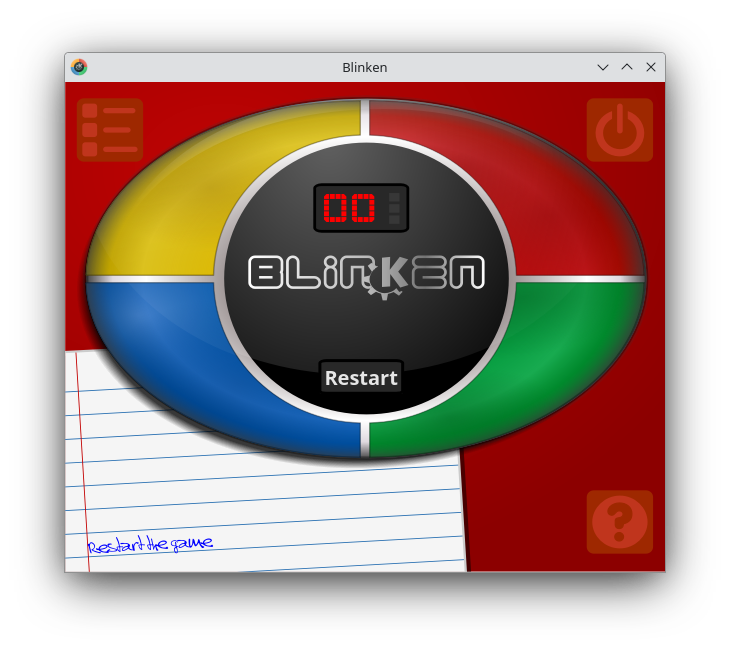
KDE Blinken snapKDE Blinken snap
Blinken Version 22.12.3 https://apps.kde.org/blinken/
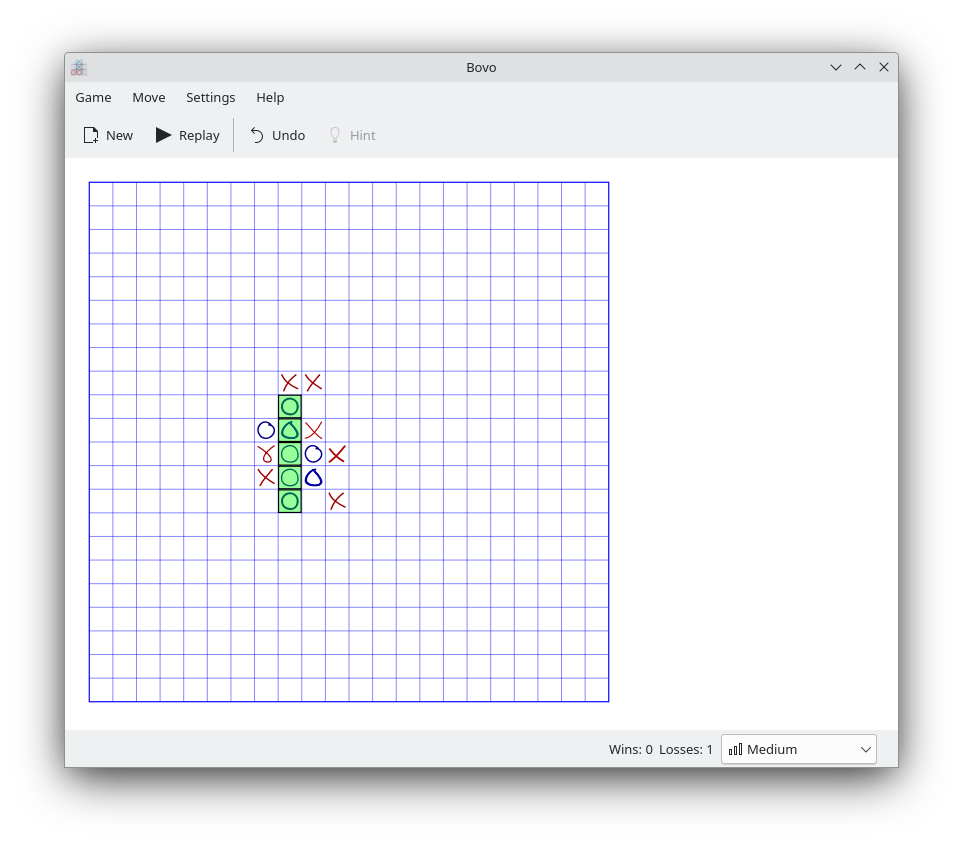
KDE Bovo snapKDE Bovo Snap
Bovo Version 22.12.3 https://apps.kde.org/bovo/
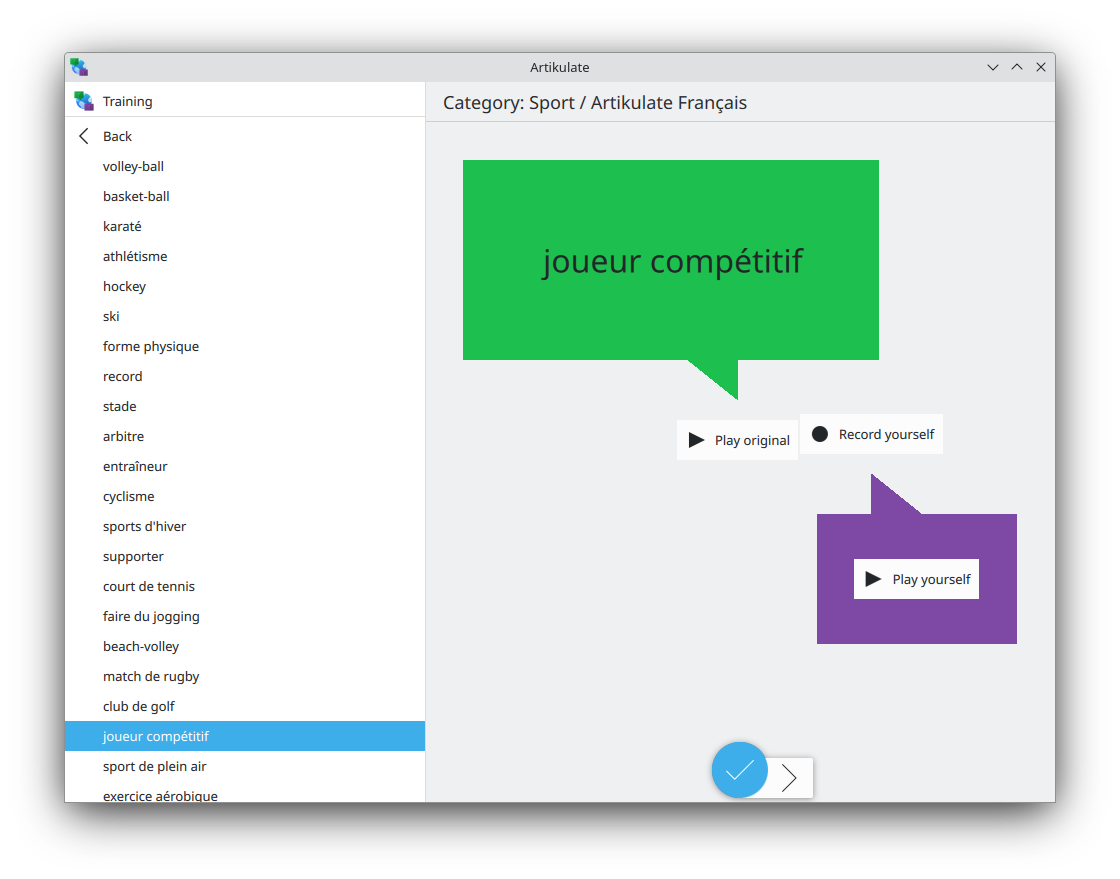
KDE Atikulate snapKDE Atikulate snap
Artikulate Version 22.12.3 https://apps.kde.org/artikulate/ There are many more snaps coming your way! As usual, I hate to ask, but if you can spare anything we appreciate it, even if they are just kind words, thank you! https://gofund.me/d73342c3

Reproducible Builds (diffoscope): diffoscope 240 released

The diffoscope maintainers are pleased to announce the release of diffoscope version 240. This version includes the following changes:
[ Holger Levsen ]
* Update Lintian override info format in debian/source/lintian-overrides.
* Add Lintian overrides for some "very long lines" in test cases.
* Update Lintian overrides for tests being tagged source-is-missing or
  prebuilt.
* Add Lintian override for very long lines for debian/tests/control.
* Re-add two Lintian overrides about (well-known) source-is-missing
  instances.
[ Mattia Rizzolo ]
* Drop the use of include_package_data=True in setup.py.
You find out more by visiting the project homepage.

30 March 2023

Jonathan McDowell: Buttering up my storage

(TL;DR: I ve been trying out btrfs in some places instead of ext4, I ve hit absolutely zero issues and there are a few features that make me plan to use it more.) Despite (or perhaps because of) working on storage products for a reasonable chunk of my career I have tended towards a conservative approach to my filesystems. By the time I came to Linux ext2 was well established, the move to ext3 was a logical one (the joys of added journalling for faster recovery after unclean shutdowns) and for a long time my default stack has been MD raid with LVM2 on top and then ext4 as the filesystem. I ve dabbled with other filesystems; I ran XFS for a while on my VDR machine, and also when I had a large tradspool with INN, but never really had a hard requirement for it. I ve ended up adminning a machine that had JFS in the past, largely for historical reasons, but don t really remember any issues (vague recollections of NFS problems but that might just have been NFS being NFS). However. ZFS has gathered itself a significant fan base and that makes me wonder about what it can offer and whether I want that. Firstly, let s be clear that I m never going to run a primary filesystem that isn t part of the mainline kernel. So ZFS itself is out, because I run Linux. So what do I want that I can t get with ext4? Firstly, I d like data checksumming. As storage gets larger there s a bigger chance of silent data corruption and while I have backups of the important stuff that doesn t help if you don t know you need to use them. Secondly, these days I have machines running containers, VMs, or with lots of source checkouts with a reasonable amount of overlap in their data. Disk space has got cheaper, but I d still like to be able to do some sort of deduplication of common blocks. So, I ve been trying out btrfs. When I installed my desktop I went with btrfs for / and /home (I kept /boot as ext4). The thought process was that this was a local machine (so easy access if it all went wrong) and I take regular backups (so if it all went wrong I could recover). That was a year and a half ago and it s been pretty dull; I mostly forget I m running btrfs instead of ext4. This is on a machine that tracks Debian testing, so currently on kernel 6.1 but originally installed with 5.10. So it seems modern btrfs is reasonably stable for a machine that isn t driven especially hard. Good start. The fact I forget what filesystem I m running points to the fact that I m not actually doing anything special here. I get the advantage of data checksumming, but not much else. 2 things spring to mind. Firstly, I don t do snapshots. Given I run testing it might be wiser if I did take a snapshot before every apt-get upgrade, and I have a friend who does just that, but even when I ve run unstable I ve never had a machine get itself into a state that I couldn t recover so I haven t spent time investigating. I note Ubuntu has apt-btrfs-snapshot but it doesn t seem to have any updates for years. The other thing I didn t do when I installed my desktop is take advantage of subvolumes. I m still trying to get my head around exactly what I want them for, but they provide a partial replacement for LVM when it comes to carving up disk space. Instead of the separate / and /home LVs I created I could have created a single LV that would have a single btrfs filesystem on it. / and /home would then be separate subvolumes, allowing me to snapshot each individually. Quotas can also be applied separately so there s still the potential to prevent one subvolume taking all available space. Encouraged by the lack of hassle with my desktop I decided to try moving my sbuild machine over to use btrfs for its build chroots. For Reasons this is a VM kindly hosted by a friend, rather than something local. To be honest these days I would probably go for local hosting, but it works and there s no strong reason to move. The point is it s remote, and so if migrating went wrong and I had to ask for assistance I d be bothering someone who s doing me a favour as it is. The build VM is, of course, running LVM, and there was luckily some free space available. I m reasonably sure the underlying storage involves spinning rust, so I did a laborious set of pvmove commands to make sure all the available space was at the start of the PV, and created a new btrfs volume there. I was advised that while btrfs-convert would do the job it was better to create a fresh filesystem where possible. This time I did create an initial root subvolume. Configuring up sbuild was then much simpler than I d expected. My setup originally started out as a set of tarballs for the chroots that would get untarred + used for the builds, which is pretty slow. Once overlayfs was mature enough I switched to that. I d had a conversation with Enrico about his nspawn/btrfs setup, but it turned out Russ Allbery had written an excellent set of instructions on sbuild with btrfs. I tweaked my existing setup based on his details, and I was in business. Each chroot is a separate subvolume - I don t actually end up having to mount them individually, but it means that only the chroot in use gets snapshotted. For example during a build the following can be observed:
# btrfs subvolume list /
ID 257 gen 111534 top level 5 path root
ID 271 gen 111525 top level 257 path srv/chroot/unstable-amd64-sbuild
ID 275 gen 27873 top level 257 path srv/chroot/bullseye-amd64-sbuild
ID 276 gen 27873 top level 257 path srv/chroot/buster-amd64-sbuild
ID 343 gen 111533 top level 257 path srv/chroot/snapshots/unstable-amd64-sbuild-328059a0-e74b-4d9f-be70-24b59ccba121
I was a little confused about whether I d got something wrong because the snapshot top level is listed as 257 rather than 271, but digging further with btrfs subvolume show on the 2 mounted directories correctly showed the snapshot had a parent equal to the chroot, not /. As a final step I ran jdupes via jdupes -1Br / to deduplicate things across the filesystem. It didn t end up providing a significant saving unfortunately - I guess there s a reasonable amount of change between Debian releases - but I think tried it on my desktop, which tends to have a large number of similar source trees checked out. There I managed to save about 5% on /home, which didn t seem too shabby. The sbuild setup has been in place for a couple of months now, and I ve run quite a few builds on it while preparing for the freeze. So I m fairly confident in the stability of the setup and my next move is to transition my local house server over to btrfs for its containers (which all run under systemd-nspawn). Those are generally running a Debian stable base so there should be a decent amount of commonality for deduping. I m not saying I m yet at the point where I ll default to btrfs on new installs, but I m definitely looking at it for situations where I think I can get benefits from deduplication, or being able to divide up disk space without hard partitioning space. (And, just to answer the worry I had when I started, I ve got nowhere near ENOSPC problems, but I believe they re handled much more gracefully these days. And my experience of ZFS when it got above 90% utilization was far from ideal too.)

Next.

Previous.