Debian continues participating in Outreachy, and we're excited to announce that
Debian has selected two interns for the Outreachy December 2024 - March 2025 round.
Patrick Noblet Appiah will work on Automatic Indi-3rd-party driver update,
mentored by Thorsten Alteholz.
Divine Attah-Ohiemi will work on Making the Debian main website more attractive by switching to HuGo as site generator,
mentored by Carsten Schoenert, Subin Siby and Thomas Lange.
Congratulations and welcome Patrick Noblet Appiah and Divine Attah-Ohiemi!
From the official website: Outreachy provides
three-month internships for people from groups traditionally underrepresented
in tech. Interns work remotely with mentors from Free and Open Source Software
(FOSS) communities on projects ranging from programming, user experience,
documentation, illustration and graphical design, to data science.
The Outreachy programme is possible in Debian thanks to the efforts of Debian
developers and contributors who dedicate their free time to mentor students and
outreach tasks, and the
Software Freedom Conservancy's administrative
support, as well as the continued support of Debian's donors, who provide
funding for the internships.
Join us and help extend Debian! You can follow the work of the Outreachy
interns reading their blogs (they are syndicated in Planet Debian),
and chat with us in the #debian-outreach IRC channel and
mailing list.
The Duke Who Didn't is a Victorian romance novel, the first of a
loosely-connected trilogy in the romance sense of switching protagonists
between books. It's self-published, but by Courtney Milan, so the quality
of the editing and publishing is about as high as you will see for a
self-published novel.
Chloe Fong has a goal: to make her father's sauce the success that it
should be. His previous version of the recipe was stolen by White and
Whistler and is now wildly popular as Pure English Sauce. His current
version is much better. In a few days, tourists will come from all over
England to the annual festival of the Wedgeford Trials, and this will be
Chloe's opportunity to give the sauce a proper debut and marketing push.
There is only the small matter of making enough sauce and coming up with a
good name. Chloe is very busy and absolutely does not have time for
nonsense. Particularly nonsense in the form of Jeremy Yu.
Jeremy started coming to the Wedgeford Trials at the age of twelve. He
was obviously from money and society, obviously enough that the villagers
gave him the nickname Posh Jim after his participation in the central game
of the trials. Exactly how wealthy and exactly which society, however, is
something that he never quite explained, at first because he was having
too much fun and then because he felt he'd waited too long. The village
of Wedgeford was thriving under the benevolent neglect of its absent duke
and uncollected taxes, and no one who loved it had any desire for that to
change. Including Jeremy, the absent duke in question.
Jeremy had been in love with Chloe for years, but the last time he came to
the Trials, Chloe told him to stop pursuing her unless he could be
serious. That was three years and three Trials ago, and Chloe was certain
Jeremy had made his choice by his absence. But Jeremy never forgot her,
and despite his utter failure to become a more serious person, he is
determined to convince her that he is serious about her. And also
determined to finally reveal his identity without breaking everything he
loves about the village. Somehow.
I have mentioned in otherreviews that I mostly read sapphic instead of
heterosexual romance because the gender roles in heterosexual romance are
much more likely to irritate me. It occurred to me that I was probably
being unfair to the heterosexual romance genre, I hadn't read nearly
widely enough to draw any real conclusions, and I needed to find better
examples. I've followed Courtney Milan occasionally on social media (for
reasons unrelated to her novels) for long enough to know that she was
unlikely to go for gender essentialism, and I'd been meaning to try one of
her books for a while. Hence this novel.
It is indeed not gender-essentialist. Neither Chloe nor Jeremy fit into
obvious gender boxes. Chloe is the motivating force in the novel and many
of their interactions were utterly charming. But, despite that, the
gender roles still annoyed me in ways that are entirely not the fault of
this book. I'm not sure I can even put a finger on something specific.
It's a low-grade, pervasive feeling that men do one type of thing and
women do a different type of thing, and even if these characters don't
stick to that closely, it saturates the vibes. (Admittedly, a Victorian
romance was probably not the best choice when I knew this was my biggest
problem with genre heterosexual romance. It was just what I had on hand.)
The conceit of the Wedgeford Trials series is that the small village of
Wedgeford in England, through historical accident, ended up with an
unusually large number of residents with Chinese ancestry. This is what I
would call a "believable outlier": there was not such a village so far as
I know, but there could well have been. At the least, there were way more
people with non-English ancestry, including east Asian ancestry, in
Victorian England than modern readers might think. There is quite a lot
in this novel about family history, cultural traditions, immigration, and
colonialism that I'm wholly unqualified to comment on but that was
fascinating to read about and seemed (as one would expect from Milan)
adroitly written.
As for the rest of the story, The Duke Who Didn't is absolutely
full of banter. If your idea of a good time with a romance novel is
teasing, word play, mock irritation, and endless verbal fencing as a way
to avoid directly confronting difficult topics, you will be in heaven.
Jeremy is one of those people who is way too much in his own head and has
turned his problems into a giant ball of anxiety, but who is good at being
the class clown, and therefore leans heavily on banter and making people
laugh (or blush) as a way of avoiding whatever he's anxious about. I
thought the characterization was quite good, but I admit I still got a bit
tired of it. 350 pages is a lot of banter, particularly when the
characters have some serious communication problems they need to resolve,
and to fully enjoy this book you have to have a lot of patience for
Jeremy's near-pathological inability to be forthright with Chloe.
Chloe's most charming characteristic is that she makes lists, particularly
to-do lists. Her ideal days proceed as an orderly process of crossing
things off of lists, and her way to approach any problem is to make a
list. This is a great hook, and extremely relatable, but if you're going
to talk this much about her lists, I want to see the lists! Chloe is all
about details; show me the details! This book does not contain anywhere
close to enough of Chloe's lists. I'm not sure there was a single list in
this book that the reader both got to see the details of and that made it
to more than three items. I think Chloe would agree that it's pointless
to talk about the concept of lists; one needs to commit oneself to
making an actual list.
This book I would unquestioningly classify as romantic comedy (which given
my utter lack of familiarity with romance subgenres probably means that it
isn't). Jeremy's standard interaction style with anyone is
self-deprecating humor, and Chloe is the sort of character who is
extremely serious in ways that strike other people as funny. Towards the
end of the book, there is a hilarious self-aware subversion of a major
romance novel trope that even I caught, despite my general lack of
familiarity with the genre. The eventual resolution of Jeremy's problem
of hidden identity caught me by surprise in that way where I should have
seen it all along, and was both beautifully handled and quite
entertaining.
All the pieces are here for a great time, and I think a lot of people
would love this book. Somehow, it still wasn't quite my thing; I
thoroughly enjoyed parts of it, but I don't find myself eager to read
another. I'm kind of annoyed at myself that it didn't pull me in, since
if I'd liked this I know where to find lots more like it. But ah well.
If you like banter-heavy heterosexual romance that is very self-aware
about its genre without devolving into metafiction, this is at least worth
a try.
Followed in the romance series way by The Marquis Who Mustn't, but
this is a complete story with a satisfying ending.
Rating: 7 out of 10
A mini adventure at MiniDebConf Toulouse
Last week, I ventured to Toulouse, for a delightful mix of coding, conversation, and crepes at MiniDebConf Toulouse, part of the broader Capitole du Libre conference, akin to the more well-known FOSDEM but with a distinctly French flair.
This was my fourth and final MiniDebConf of the year.
My trek to Toulouse was seamless. I hopped on a bus from my home in Bristol to the airport, then took a short flight. I luxuriated in seat 1A, making me the first to disembark a mere ten minutes later, I was already on the bus heading to my hotel.
Exploring the Pink City
Once settled, I wasted no time exploring the charms of Toulouse. Just a short stroll from my hotel, I found myself beside a tranquil canal, its waters mirroring the golden hues of the trees lining its banks. Autumn in Toulouse painted the city in warm oranges and reds, creating a picturesque backdrop that was a joy to wander through. Every corner of the street revealed more of the city's rich cultural tapestry and striking architecture. Known affectionately as 'La Ville Rose' (The Pink City) for its unique terracotta brickwork, Toulouse captivated me with its blend of historical allure and vibrant modern life.
MiniDebCamp
Prior to the main event, the MiniDebCamp provided two days of hacking at Artilect FabLab a space as creative as it was welcoming. It was a pleasure to reconnect with familiar faces and forge new friendships.
Culinary delights
The hospitality was exceptional. Our lunches boasted a delicious array of quiches, an enticing charcuterie board, and a superb selection of cheeses, all perfectly complemented by exquisite petite fours. Each item was not only a feast for the eyes but also a delight for the palate.
Wine and cheese
Leftovers from these gourmet feasts fuelled our impromptu cheese and wine party on Thursday evening a highlight where informal chats blended seamlessly with serious software discussions.
The river at night
The enchantment of Toulouse doesn't dim with the setting sun; instead, it transforms. My evening strolls took me along the banks of the Garonne, under a sky just turning from twilight to velvet blue. The river, a dark mirror, perfectly reflected the illuminated grandeur of the city's architecture. Notably, the dome of the H pital de La Grave stood out, bathed in a warm glow against the night sky. This architectural gem, coupled with the soft lights of the bridge and the serene river, created a breathtaking scene that was both tranquil and awe-inspiring.
Capitole du Libre
The MiniDebConf itself, part of the larger Capitole du Libre event, was a fantastic immersion into the world of free software. Unlike the ticket-free FOSDEM, this conference required QR codes for entry and even had bag searches, adding an unusual layer of security for a software conference.
Highlights included the crepe-making by the organisers, reminiscent of street food scenes from larger festivals. The availability of crepes for MiniDebConf attendees and the presence of food trucks added a festive air, albeit with the inevitable long queues familiar to any festival-goer.
v l Toulouse
The city's bike rental system was a boon easy to use with handy bike baskets perfect for casual city touring. I chose pedal power over electric, finding it a pleasant way to navigate the streets and absorb the city's vibrant atmosphere.
Markets
Toulouse's markets were a delightful discovery. From a spontaneous visit to a market near my hotel upon arrival, to cycling past bustling marketplaces, each day presented new local flavours and crafts to explore.
The Za'atar flatbread from a Syrian stall was a particularly memorable lunch pick.
La brasserie Les Arcades
Our conference wrapped up with a spontaneous gathering at La Brasserie Les Arcades in Place du Capitole. Finding a caf that could accommodate 30 of us on a Sunday evening without a booking felt like striking gold. What began with coffee and ice cream smoothly transitioned into dinner, where I enjoyed a delicious braised duck leg with green peppercorn sauce. This meal rounded off the trip with lively conversations and shared experiences.
The journey back home
Returning from Toulouse, I found myself once again in seat 1A, offering the advantage of being the first off the plane, both on departure and arrival. My flight touched down in Bristol ahead of schedule, and within ten minutes, I was on the A1 bus, making my way back into the heart of Bristol.
Anticipating DebConf 25 in Brittany
My trip to Toulouse for MiniDebConf was yet another fulfilling experience; the city was delightful, and the talks were insightful. While I frequently travel, these journeys are more about continuous learning and networking than escape. The food in Toulouse was particularly impressive, a highlight I've come to expect and relish on my trips to France. Looking ahead, I'm eagerly anticipating DebConf in Brest next year, especially the opportunity to indulge once more in the excellent French cuisine and beverages.
XDC 2024 in Montreal was another fantastic gathering for the Linux Graphics
community. It was again a great time to immerse in the world of graphics
development, engage in stimulating conversations, and learn from inspiring
developers.
Many Igalia colleagues and I participated in the
conference again, delivering multiple talks about our work on the Linux
Graphics stack and also organizing the Display/KMS meeting. This blog post is a
detailed report on the Display/KMS meeting held during this XDC edition.
Short on Time?
Catch the lightning talk summarizing the meeting here (you can even speed up
2x):
For a quick written summary, scroll down to the TL;DR section.
TL;DR
This meeting took 3 hours and tackled a variety of topics related to DRM/KMS
(Linux/DRM Kernel Modesetting):
Sharing Drivers Between V4L2 and KMS: Brainstorming solutions for using a
single driver for devices used in both camera capture and display pipelines.
Real-Time Scheduling: Addressing issues with non-blocking page flips
encountering sigkills under real-time scheduling.
HDR/Color Management: Agreement on merging the current proposal, with
NVIDIA implementing its special cases on VKMS and adding missing parts on top
of Harry Wentland s (AMD) changes.
Display Mux: Collaborative design discussions focusing on compositor
control and cross-sync considerations.
Better Commit Failure Feedback: Exploring ways to equip compositors with
more detailed information for failure analysis.
Bringing together Linux display developers in the XDC 2024
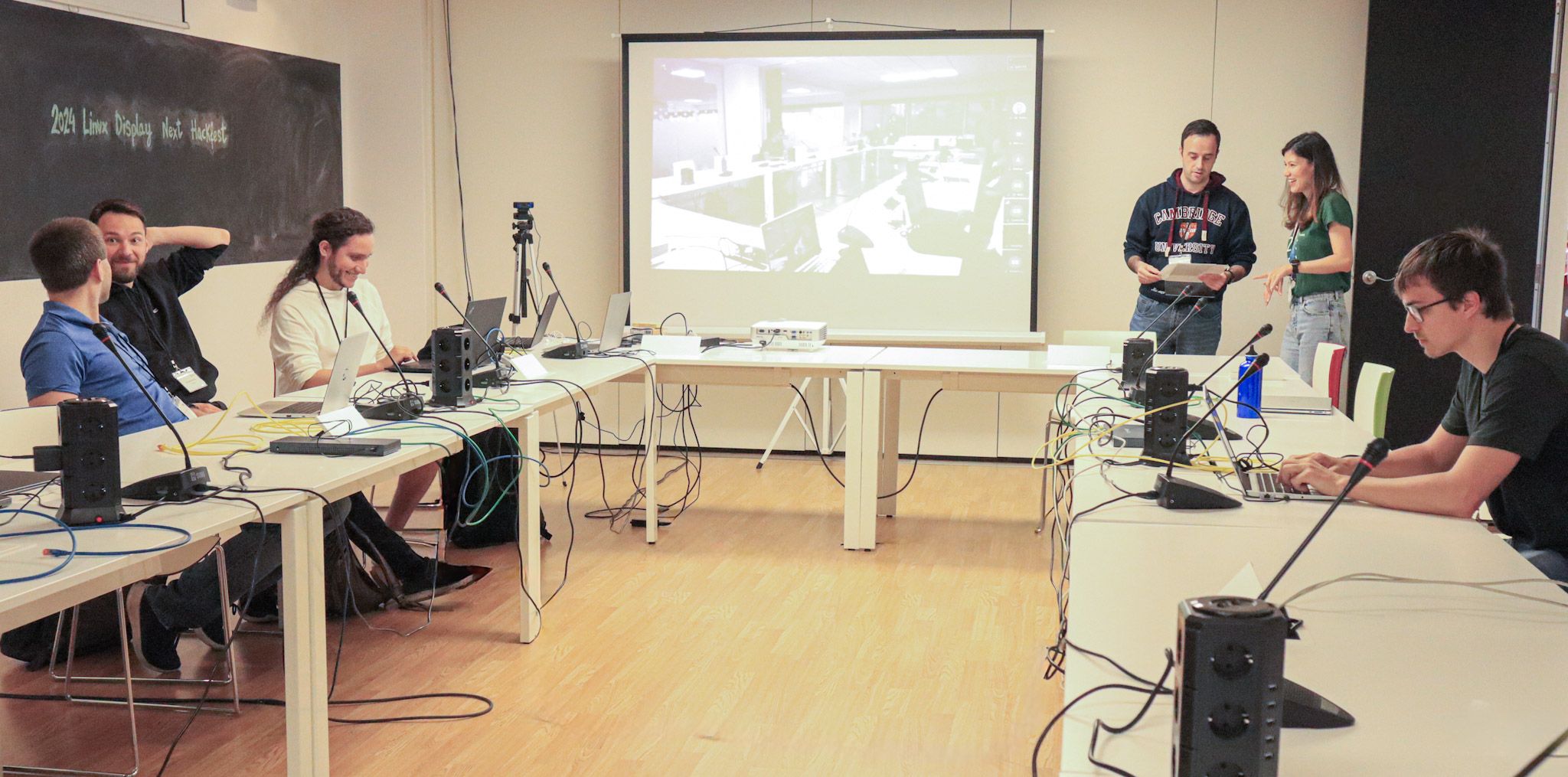
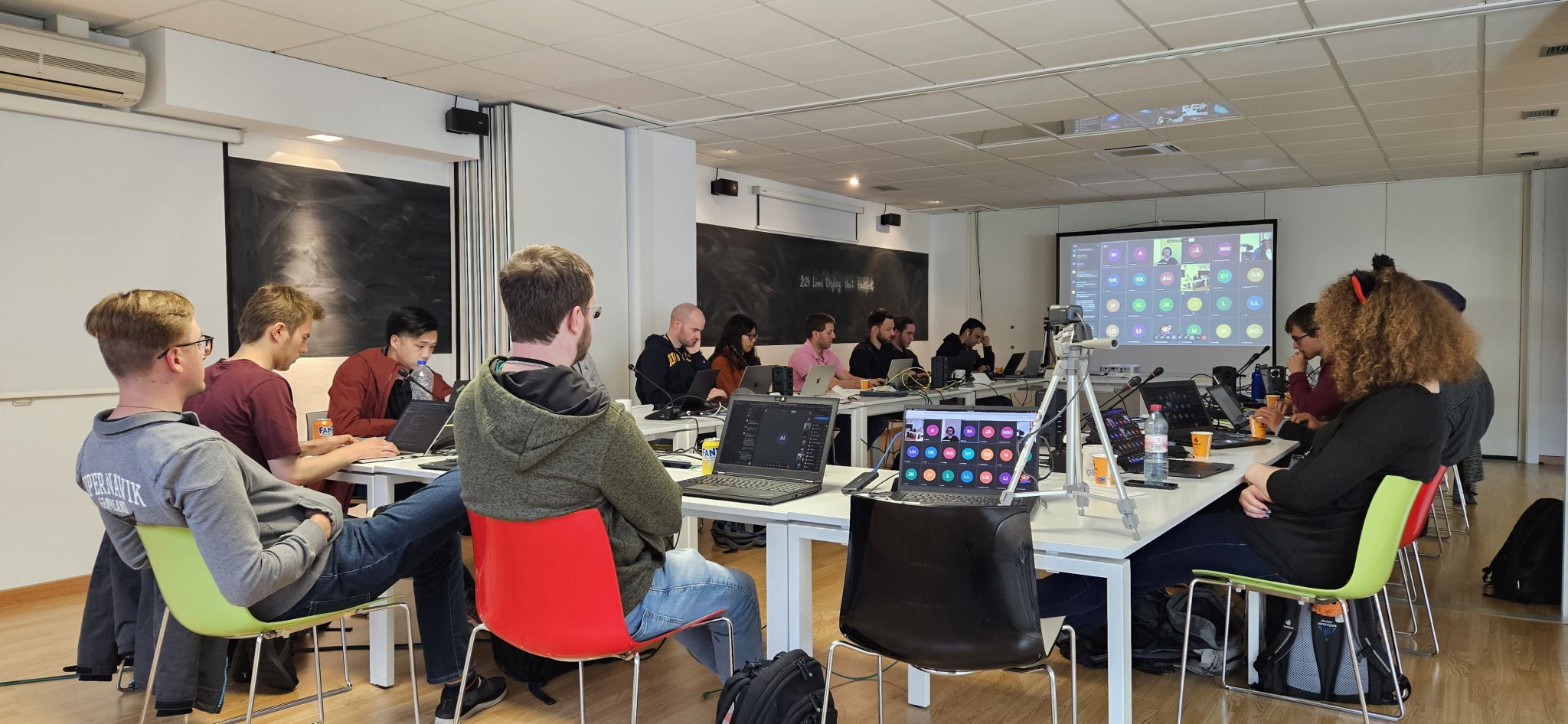
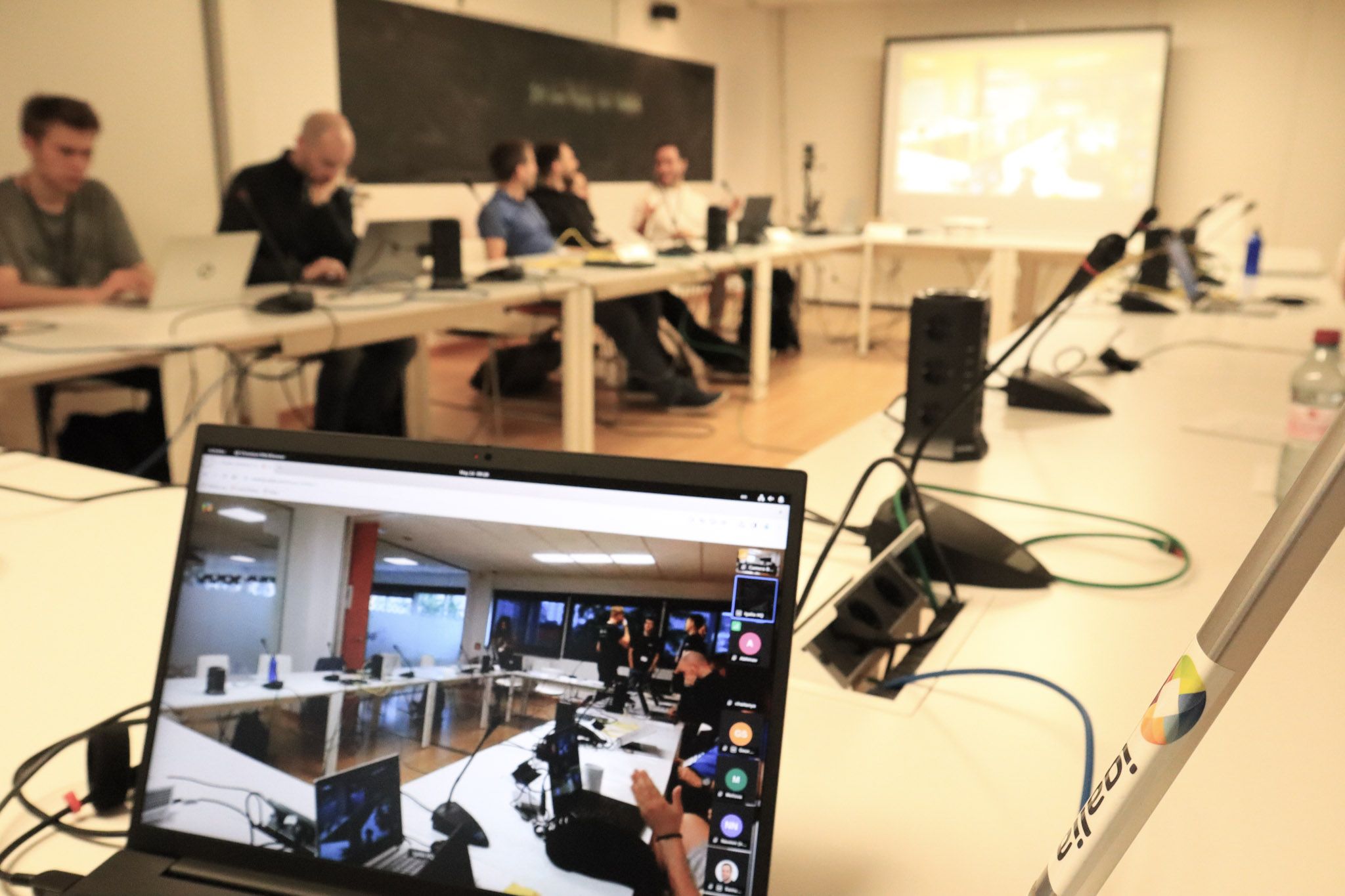
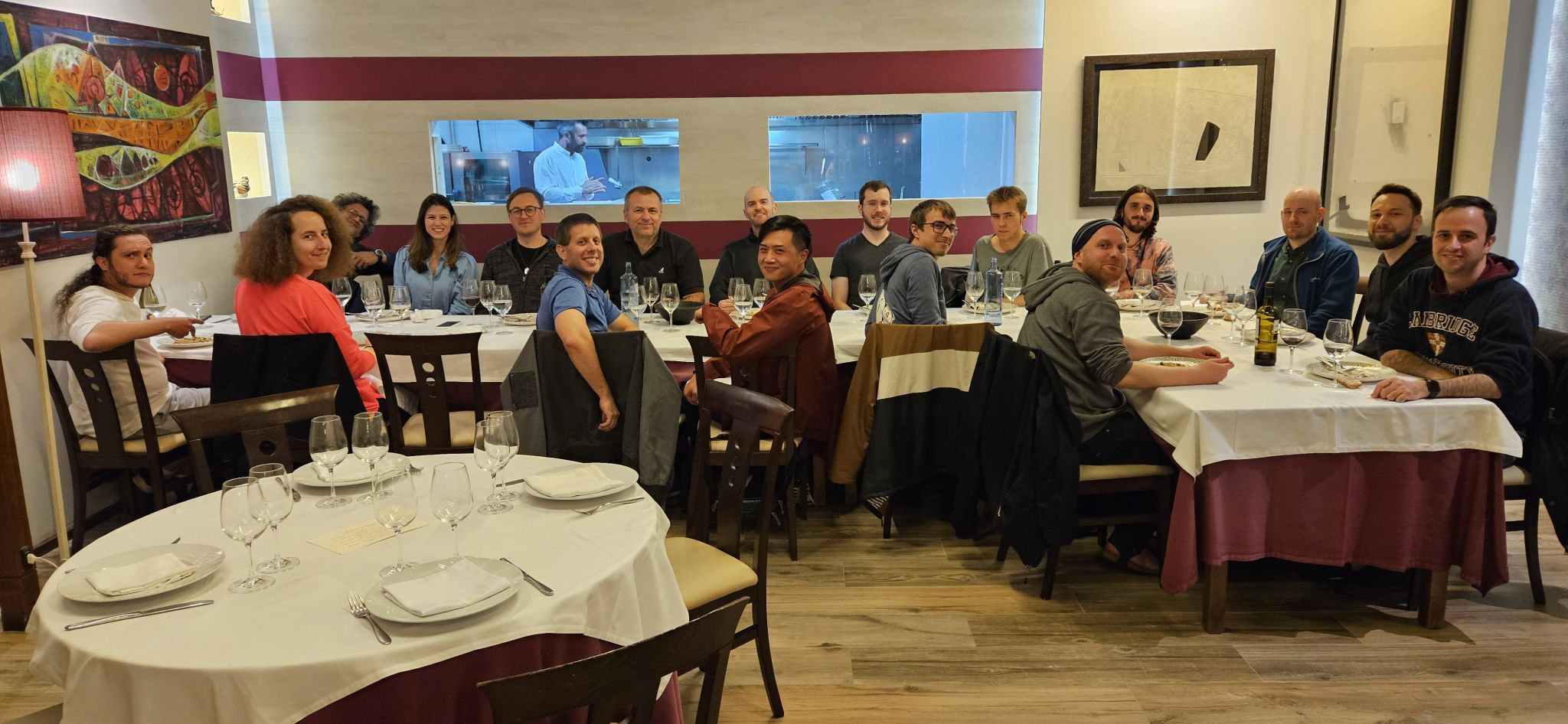
While I didn t present a talk this year, I co-organized a Display/KMS meeting (with
Rodrigo Siqueira of AMD) to build upon the momentum from the 2024 Linux
Display Next hackfest.
The meeting was attended by around 30 people in person and 4 remote participants.
Speakers: Melissa Wen (Igalia) and Rodrigo Siqueira (AMD)
Link: https://indico.freedesktop.org/event/6/contributions/383/
Topics: Similar to the hackfest, the meeting agenda was built over the
first two days of the conference and mixed talks follow-up with new ideas and
ongoing community efforts.
The final agenda covered five topics in the scheduled order:
How to share drivers between V4L2 and DRM for bridge-like components (new
topic);
Real-time Scheduling (problems encountered after the Display Next hackfest);
HDR/Color Management (ofc);
Display Mux (from Display hackfest and XDC 2024 talk, bringing AMD and
NVIDIA together);
(Better) Commit Failure Feedback (continuing the last minute topic of the
Display Next hackfest).
Unpacking the Topics
Similar to the hackfest, the meeting agenda evolved over the conference.
During the 3 hours of meeting, I coordinated the room and discussion rounds,
and Rodrigo Siqueira took notes and also contacted key developers to provide a
detailed report of the many topics discussed.
From his notes, let s dive into the key discussions!
How to share drivers between V4L2 and KMS for bridge-like components.
Led by Laurent Pinchart, we delved into the challenge of creating a unified
driver for hardware devices (like scalers) that are used in both camera capture
pipelines and display pipelines.
Problem Statement: How can we design a single kernel driver to handle
devices that serve dual purposes in both V4L2 and DRM subsystems?
Potential Solutions:
Multiple Compatible Strings: We could assign different compatible
strings to the device tree node based on its usage in either the camera or
display pipeline. However, this approach might raise concerns from device tree
maintainers as it could be seen as a layer violation.
Separate Abstractions: A single driver could expose the device to both
DRM and V4L2 through separate abstractions: drm-bridge for DRM and V4L2 subdev
for video. While simple, this approach requires maintaining two different
abstractions for the same underlying device.
Unified Kernel Abstraction: We could create a new, unified kernel
abstraction that combines the best aspects of drm-bridge and V4L2 subdev. This
approach offers a more elegant solution but requires significant design effort
and potential migration challenges for existing hardware.
Real-Time Scheduling Challenges
We have discussed real-time scheduling during this year Linux Display Next
hackfest and,
during the XDC 2024, Jonas Adahl brought up issues uncovered while
progressing on this front.
Context: Non-blocking page-flips can, on rare occasions, take a long time
and, for that reason, get a sigkill if the thread doing the atomic commit is
a real-time schedule.
Action items:
Explore alternative backtraces during the busy wait (e.g., ftrace).
Investigate the maximum thread time in busy wait to reproduce issues faced
by compositors. Tools like RTKit (mutter) can be used for better control
(Michel D nzer can help with this setup).
HDR/Color Management
This is a well-known topic with ongoing effort on all layers of the Linux
Display stack and has been discussed online and in-person in conferences and
meetings over the last years.
Here s a breakdown of the key points raised at this meeting:
NVIDIA Integration: While they agree with the overall proposal, NVIDIA
needs to add some missing parts. Importantly, they will implement these on
top of Harry Wentland s (AMD) proposal. Their specific requirements will be
implemented on VKMS (Virtual Kernel Mode Setting driver) for further
discussion. This VKMS implementation can benefit compositor developers by
providing insights into NVIDIA s specific needs.
Other vendors: There is a version of the KMS API applied on Intel color
pipeline. Apart from that, other vendors appear to be comfortable with the
current proposal but lacks the bandwidth to implement it right now.
Upstream Patches: The relevant upstream patches were can be found
here.
[As humorously notes, this series is eagerly awaiting your Acked-by
(approval)]
Compositor Side: The compositor developers have also made significant
progress.
Gamescope currently uses a driver-specific implementation but has
a draft that utilizes
the generic version. However, some work is still required to fully transition
away from the driver-specific approach.
AP: work on porting gamescope to KMS generic API
Weston has also begun exploring implementation, and we might see something
from them by the end of the year.
Kernel and Testing: The kernel API proposal is well-refined and meets the
DRM subsystem requirements. Thanks to Harry Wentland effort, we already
have the API attached to two hardware vendors
and IGT tests, and,
thanks to Xaver Hugl, a compositor implementation in place.
Finally, there was a strong sense of agreement that the current proposal for
HDR/Color Management is ready to be merged. In simpler terms, everything seems
to be working well on the technical side - all signs point to merging and
shipping the DRM/KMS plane color management API!
Display Mux
During the meeting, Daniel Dadap led a brainstorming session on the
design of the display mux switching sequence, in which the compositor would arm
the switch via sysfs, then send a modeset to the outgoing driver, followed by a
modeset to the incoming driver.
Context:
During this year Linux Display Next hackfest, Mario Limonciello (AMD)
introduced the topic and led a discussion on Display Mux.
HPD Handling: There was a general consensus that disabling HPD can be
part of the sequence for internal panels and we don t need to focus on it
here.
Cross-Sync: Ensuring synchronization between the compositor and the
drivers is crucial. The compositor should act as the drm-master to
coordinate the entire sequence, but how can this be ensured?
Future-Proofing: The design should not assume the presence of a mux. In
future scenarios, direct sharing over DP might be possible.
Action points:
Sharing DP AUX: Explore the idea of sharing DP AUX and its implications.
Backlight: The backlight definition represents a problem in the mux
switch context, so we should explore some of the current specs available
for that.
Towards Better Commit Failure Feedback
In the last part of the meeting, Xaver Hugl asked for better commit failure
feedback.
Problem description: Compositors currently face challenges in collecting
detailed information from the kernel about commit failures. This lack of
granular data hinders their ability to understand and address the root causes
of these failures.
To address this issue, we discussed several potential improvements:
Direct Kernel Log Access: One idea is to directly load relevant kernel logs
into the compositor. This would provide more detailed information about the
failure and potentially aid in debugging.
Finer-Grained Failure Reporting: We also explored the possibility of
separating atomic failures into more specific categories. Not all failures
are critical, and understanding the nature of the failure can help compositors
take appropriate action.
Enhanced Logging: Currently, the dmesg log doesn t provide enough
information for user-space validation. Raising the log level to capture more
detailed information during failures could be a viable solution.
By implementing these improvements, we aim to equip compositors with the
necessary tools to better understand and resolve commit failures, leading to a
more robust and stable display system.
A Big Thank You!
Huge thanks to Rodrigo Siqueira for these detailed meeting notes. Also, Laurent
Pinchart, Jonas Adahl, Daniel Dadap, Xaver Hugl, and Harry Wentland for
bringing up interesting topics and leading discussions. Finally, thanks to all
the participants who enriched the discussions with their experience, ideas, and
inputs, especially Alex Goins, Antonino Maniscalco, Austin Shafer, Daniel
Stone, Demi Obenour, Jessica Zhang, Joan Torres, Leo Li, Liviu Dudau, Mario
Limonciello, Michel D nzer, Rob Clark, Simon Ser and Teddy Li.
This collaborative effort will undoubtedly contribute to the continued
development of the Linux display stack.
Stay tuned for future updates!
Review: Delilah Green Doesn't Care, by Ashley Herring Blake
Series:
Bright Falls #1
Publisher:
Jove
Copyright:
February 2022
ISBN:
0-593-33641-0
Format:
Kindle
Pages:
374
Delilah Green Doesn't Care is a sapphic romance novel. It's the
first of a trilogy, although in the normal romance series fashion each
book follows a different protagonist and has its own happy ending. It is
apparently classified as romantic comedy, which did not occur to me while
reading but which I suppose I can see in retrospect.
Delilah Green got the hell out of Bright Falls as soon as she could and
tried not to look back. After her father died, her step-mother lavished
all of her perfectionist attention on her overachiever step-sister,
leaving Delilah feeling like an unwanted ghost. She escaped to New York
where there was space for a queer woman with an acerbic personality and a
burgeoning career in photography. Her estranged step-sister's upcoming
wedding was not a good enough reason to return to the stifling small town
of her childhood. The pay for photographing the wedding was, since it
amounted to three months of rent and trying to sell photographs in
galleries was not exactly a steady living. So back to Bright Falls
Delilah goes.
Claire never left Bright Falls. She got pregnant young and ended up with
a different life than she expected, although not a bad one. Now she's
raising her daughter as a single mom, running the town bookstore, and
dealing with her unreliable ex. She and Iris are Astrid Parker's best
friends and have been since fifth grade, which means she wants to be happy
for Astrid's upcoming wedding. There's only one problem: the groom. He's
a controlling, boorish ass, but worse, Astrid seems to turn into a
different person around him. Someone Claire doesn't like.
Then, to make life even more complicated, Claire tries to pick up Astrid's
estranged step-sister in Bright Falls's bar without recognizing her.
I have a lot of things to say about this novel, but here's the core of my
review: I started this book at 4pm on a Saturday because I hadn't read
anything so far that day and wanted to at least start a book. I finished
it at 11pm, having blown off everything else I had intended to do that
evening, completely unable to put it down.
It turns out there is a specific type of romance novel protagonist that I
absolutely adore: the sarcastic, confident, no-bullshit character who is
willing to pick the fights and say the things that the other overly polite
and anxious characters aren't able to get out. Astrid does not react well
to criticism, for reasons that are far more complicated than it may first
appear, and Claire and Iris have been dancing around the obvious problems
with her surprise engagement. As the title says, Delilah thinks she
doesn't care: she's here to do a job and get out, and maybe she'll get to
tweak her annoying step-sister a bit in the process. But that also means
that she is unwilling to play along with Astrid's obsessively controlling
mother or her obnoxious fiance, and thus, to the barely disguised glee of
Claire and Iris, is a direct threat to the tidy life that Astrid's mother
is trying to shoehorn her daughter into.
This book is a great example of why I prefer sapphic romances: I think
this character setup would not work, at least for me, in a heterosexual
romance. Delilah's role only works if she's a woman; if a male character
were the sarcastic conversational bulldozer, it would be almost impossible
to avoid falling into the gender stereotype of a male rescuer. If this
were a heterosexual romance trying to avoid that trap, the long-time
friend who doesn't know how to directly confront Astrid would have to be
the male protagonist. That could work, but it would be a tricky book to
write without turning it into a story focused primarily on the subversion
of gender roles. Making both protagonists women dodges the problem
entirely and gives them so much narrative and conceptual space to simply
be themselves, rather than characters obscured by the shadows of societal
gender rules.
This is also, at it's core, a book about friendship. Claire, Astrid, and
Iris have the sort of close-knit friend group that looks exclusive and
unapproachable from the outside. Delilah was the stereotypical outsider,
mocked and excluded when they thought of her at all. This, at least, is
how the dynamics look at the start of the book, but Blake did an
impressive job of shifting my understanding of those relationships without
changing their essential nature. She fleshes out all of the characters,
not just the romantic leads, and adds complexity, nuance, and perspective.
And, yes, past misunderstanding, but it's mostly not the cheap sort that
sometimes drives romance plots. It's the misunderstanding rooted in
remembered teenage social dynamics, the sort of misunderstanding that
happens because communication is incredibly difficult, even more difficult
when one has no practice or life experience, and requires knowing oneself
well enough to even know what to communicate.
The encounter between Delilah and Claire in the bar near the start of the
book is cornerstone of the plot, but the moment that grabbed me and pulled
me in was Delilah's first interaction with Claire's daughter Ruby. That
was the point when I knew these were characters I could trust, and Blake
never let me down. I love how Ruby is handled throughout this book, with
all of the messy complexity of a kid of divorced parents with her own life
and her own personality and complicated relationships with both parents
that are independent of the relationship their parents have with each
other.
This is not a perfect book. There's one prank scene that I thought was
excessively juvenile and should have been counter-productive, and there's
one tricky question of (nonsexual) consent that the book raises and then
later seems to ignore in a way that bugged me after I finished it. There
is a third-act breakup, which is not my favorite plot structure, but I
think Blake handles it reasonably well. I would probably find more
niggles and nitpicks if I re-read it more slowly. But it was utterly
engrossing reading that exactly matched my mood the day that I picked it
up, and that was a fantastic reading experience.
I'm not much of a romance reader and am not the traditional audience for
sapphic romance, so I'm probably not the person you should be looking to
for recommendations, but this is the sort of book that got me to
immediately buy all of the sequels and start thinking about a re-read.
It's also the sort of book that dragged me back in for several chapters
when I was fact-checking bits of my review. Take that recommendation for
whatever it's worth.
Content note: Reviews of Delilah Green Doesn't Care tend to call it
steamy or spicy. I have no calibration for this for romance novels. I
did not find it very sex-focused (I have read genre fantasy novels with
more sex), but there are several on-page sex scenes if that's something
you care about one way or the other.
Followed by Astrid Parker Doesn't Fail.
Rating: 9 out of 10
Tobias Frost
did 10.5h (out of 12.0h assigned), thus carrying over 1.5h to the next month.
Evolution of the situation
In October, we have released 35 DLAs.
Some notable updates prepared in October include denial of service vulnerability fixes in nss, regression fixes in apache2, multiple fixes in php7.4, and new upstream releases of firefox-esr, openjdk-17, and opendk-11.
Additional contributions were made for the stable Debian 12 bookworm release by several LTS contributors. Arturo Borrero Gonzalez prepared a parallel update of nss, Bastien Roucari s prepared a parallel update of apache2, and Santiago Ruano Rinc n prepared updates of activemq for both LTS and Debian stable.
LTS contributor Bastien Roucari s undertook a code audit of the cacti package and in the process discovered three new issues in node-dompurity, which were reported upstream and resulted in the assignment of three new CVEs.
As always, the LTS team continues to work towards improving the overall sustainability of the free software base upon which Debian LTS is built. We thank our many committed sponsors for their ongoing support.
Thanks to our sponsors
Sponsors that joined recently are in bold.
Welcome to the October 2024 report from the Reproducible Builds project.
Our reports attempt to outline what we ve been up to over the past month, highlighting news items from elsewhere in tech where they are related. As ever, if you are interested in contributing to the project, please visit our Contribute page on our website.
Table of contents:
The availability of multiple binaries built from the same sources creates new challenges and opportunities, and raises questions such as: Does build A confirm the integrity of build B? or Can build A reveal a compromised build B? . To answer such questions requires a notion of equivalence between binaries. We demonstrate that the obvious approach based on bitwise equality has significant shortcomings in practice, and that there is value in opting for alternative notions. We conceptualise this by introducing levels of equivalence, inspired by clone detection types.
Two Ways to Trustworthy at SeaGL 2024
On Friday 8th November, Vagrant Cascadian will present a talk entitled Two Ways to Trustworthy at SeaGL in Seattle, WA.
Founded in 2013, SeaGL is a free, grassroots technical summit dedicated to spreading awareness and knowledge about free source software, hardware and culture. Vagrant s talk:
[ ] delves into how two project[s] approaches fundamental security features through Reproducible Builds, Bootstrappable Builds, code auditability, etc. to improve trustworthiness, allowing independent verification; trustworthy projects require little to no trust.
Exploring the challenges that each project faces due to very different technical architectures, but also contextually relevant social structure, adoption patterns, and organizational history should provide a good backdrop to understand how different approaches to security might evolve, with real-world merits and downsides.
the D8 Java to DEX compiler (part of the Android toolchain) eliminated a redundant field load if running the class s static initialiser was known to be free of side effects, which ended up accidentally depending on the sharding of the input, which is dependent on the number of CPU cores used during the build.
To make it easier to understand the bug and the patch, Fay also made a small example to illustrate when and why the optimisation involved is valid.
There were also two informative replies from David Wheeler to a broad-based discussion on Reproducible Builds being defined in various standards. [][]
diffoscopediffoscope is our in-depth and content-aware diff utility that can locate and diagnose reproducibility issues. This month, Chris Lamb made the following changes, including preparing and uploading versions 279, 280, 281 and 282 to Debian:
Ignore errors when listing .ar archives (#1085257). []
Don t try and test with systemd-ukify in the Debian stable distribution. []
Drop Depends on the deprecated python3-pkg-resources (#1083362). []
In addition, Jelle van der Waa added support for Unified Kernel Image (UKI) files. [][][] Furthermore, Vagrant Cascadian updated diffoscope in GNU Guix to version 282. [][]
Holger Levsen uploaded devscripts version 2.24.2, including many changes to the debootsnap, debrebuild and reproducible-check scripts. This is the first time that debrebuild actually works (using sbuild s unshare backend). As part of this, Holger also fixed an issue in the reproducible-check script where a typo in the code led to incorrect results []
Recently, a news entry was added to snapshot.debian.org s homepage, describing the recent changes that made the system stable again:
The new server has no problems keeping up with importing the full archives on every update, as each run finishes comfortably in time before it s time to run again. [While] the new server is the one doing all the importing of updated archives, the HTTP interface is being served by both the new server and one of the VM s at LeaseWeb.
The entry list a number of specific updates surrounding the API endpoints and rate limiting.
Relocate dependency-drift notes to the Volatile inputs page. []
Ninette Adhikari:
Add a brand new Success stories page that highlights the success stories of Reproducible Builds, showcasing real-world examples of projects shipping with verifiable, reproducible builds . [][][][][][]
Pol Dellaiera:
Update the website s README page for building the website under NixOS. [][][][][]
Reproducibility testing framework
The Reproducible Builds project operates a comprehensive testing framework running primarily at tests.reproducible-builds.org in order to check packages and other artifacts for reproducibility. In October, a number of changes were made by Holger Levsen, including:
Add a basic index.html for rebuilderd. []
Update the nginx.conf configuration file for rebuilderd. []
Document how to use a rescue system for Infomaniak s OpenStack cloud. []
Update usage info for two particular nodes. []
Fix up a version skew check to fix the name of the riscv64 architecture. []
Update the rebuilderd-related TODO. []
In addition, Mattia Rizzolo added a new IP address for the inos5 node [] and Vagrant Cascadian brought 4 virt nodes back online [].
Upstream patches
The Reproducible Builds project detects, dissects and attempts to fix as many currently-unreproducible packages as possible. We endeavour to send all of our patches upstream where appropriate. This month, we wrote a large number of such patches, including:
Finally, If you are interested in contributing to the Reproducible Builds project, please visit our Contribute page on our website. However, you can get in touch with us via:
FTP master
This month I accepted 398 and rejected 22 packages. The overall number of packages that got accepted was 441.
In case your RM bug is not closed within a month, you can assume that either the conversion of the subject of the bug email to the corresponding dak command did not work or you still need to take care of reverse dependencies. The dak command related to your removal bug can be found here.
Unfortunately the bahavior of some project members caused a decline of motivation of team members to work on these bugs. When I look at these bugs, I just copy and paste the above mentioned dak commands. If they don t work, I don t have the time to debug what is going wrong. So please read the docs and take care of it yourself. Please also keep in mind that you need to close the bug or set a moreinfo tag if you don t want anybody to act on your removal bug.
Debian LTS
This was my hundred-twenty-fourth month that I did some work for the Debian LTS initiative, started by Raphael Hertzog at Freexian. During my allocated time I uploaded or worked on:
[DLA 3925-1] asterisk security update to fix two CVEs related to privilege escalation and DoS
[DLA 3940-1] xorg-server update to fix one CVE related to privilege escalation
Last but not least I did a week of FD this month and attended the monthly LTS/ELTS meeting.
Debian ELTS
This month was the seventy-fifth ELTS month. During my allocated time I uploaded or worked on:
[ELA-1198-1]cups security update for one CVE in Buster to fix the IPP attribute related CVEs.
[ELA-1199-1]cups security update for two CVEs in Stretch to fix the IPP attribute related CVEs
[ELA-1216-1]graphicsmagick security update for one CVE in Jessie
[ELA-1217-1]asterisk security update for two CVEs in Buster related to privilege escalation
[ELA-1218-1]asterisk security update for two CVEs in Stretch related to privilege escalation and DoS
[ELA-1223-1]xorg-server security update for one CVE in Jessie, Stretch and Buster related to privilege escalation
I also did a week of FD and attended the monthly LTS/ELTS meeting.
Debian Printing
Unfortunately I didn t found any time to work on this topic.
Debian Matomo
Unfortunately I didn t found any time to work on this topic.
Debian Astro
Unfortunately I didn t found any time to work on this topic.
Debian IoT
This month I uploaded new upstream or bugfix versions of:
In September of this year, I visited Kenya to attend the State of the Map conference. I spent six nights in the capital Nairobi, two nights in Mombasa, and one night on a train. I was very happy with the visa process being smooth and quick. Furthermore, I stayed at the Nairobi Transit Hotel with other attendees, with Ibtehal from Bangladesh as my roommate. One of the memorable moments was the time I spent at a local coffee shop nearby. We used to go there at midnight, despite the grating in the shops suggesting such adventures were unsafe. Fortunately, nothing bad happened, and we were rewarded with a fun time with the locals.
The coffee shop Ibtehal and me used to visit during the midnight
Grating at a chemist shop in Mombasa, Kenya
The country lies on the equator, which might give the impression of extremely hot temperatures. However, Nairobi was on the cooler side (10 25 degrees Celsius), and I found myself needing a hoodie, which I bought the next day. It also served as a nice souvenir, as it had an outline of the African map printed on it.
I also bought a Safaricom SIM card for 100 shillings and recharged it with 1000 shillings for 8 GB internet with 5G speeds and 400 minutes talk time.
A visit to Nairobi s Historic Cricket Ground
On this trip, I got a unique souvenir that can t be purchased from the market a cricket jersey worn in an ODI match by a player. The story goes as follows: I was roaming around the market with my friend Benson from Nairobi to buy a Kenyan cricket jersey for myself, but we couldn t find any. So, Benson had the idea of visiting the Nairobi Gymkhana Club, which used to be Kenya s main cricket ground. It has hosted some historic matches, including the 2003 World Cup match in which Kenya beat the mighty Sri Lankans and the record for the fastest ODI century by Shahid Afridi in just 37 balls in 1996.
Although entry to the club was exclusively for members, I was warmly welcomed by the staff. Upon reaching the cricket ground, I met some Indian players who played in Kenyan leagues, as well as Lucas Oluoch and Dominic Wesonga, who have represented Kenya in ODIs. When I expressed interest in getting a jersey, Dominic agreed to send me pictures of his jersey. I liked his jersey and collected it from him. I gave him 2000 shillings, an amount suggested by those Indian players.
Me with players at the Nairobi Gymkhana Club
Cricket pitch at the Nairobi Gymkhana Club
A view of the cricket ground inside the Nairobi Gymkhana Club
Scoreboard at the Nairobi Gymkhana cricket ground
Giraffe Center in Nairobi
Kenya is known for its safaris and has no shortage of national parks. In fact, Nairobi is the only capital in the world with a national park. I decided not to visit one, as most of them were expensive and offered multi-day tours, and I didn t want to spend that much time in the wildlife.
Instead, I went to the Giraffe Center in Nairobi with Pragya and Rabina. The ticket cost 1500 Kenyan shillings (1000 Indian rupees). In Kenya, matatus - shared vans, usually decorated with portraits of famous people and play rap songs - are the most popular means of public transport. Reaching the Giraffe Center from our hotel required taking five matatus, which cost a total of 150 shillings, and a 2 km walk. The journey back was 90 shillings, suggesting that we didn t find the most efficient route to get there. At the Giraffe Center, we fed giraffes and took photos.
A matatu with a Notorious BIG portrait.
Inside the Giraffe Center
Train ride from Nairobi to Mombasa
I took a train from Nairobi to Mombasa. The train is known as the SGR Train, where SGR refers to Standard Gauge Railway. The journey was around 500 km. M-Pesa was the only way to make payment for pre-booking the train ticket, and I didn t have an M-Pesa account. Pragya s friend Mary helped facilitate the payment. I booked a second-class ticket, which cost 1500 shillings (1000 Indian rupees).
The train was scheduled to depart from Nairobi at 08:00 hours in the morning and arrive in Mombasa at 14:00 hours. The security check at the station required scanning our bags and having them sniffed by sniffer dogs. I also fell victim to a scam by a security official who offered to help me get my ticket printed, only to later ask me to get him some coffee, which I politely declined.
Before boarding the train, I was treated to some stunning views at the Nairobi Terminus station. It was a seating train, but I wished it were a sleeper train, as I was sleep-deprived. The train was neat and clean, with good toilets. The train reached Mombasa on time at around 14:00 hours.
SGR train at Nairobi Terminus.
Interior of the SGR train
Arrival in Mombasa
Mombasa Terminus station.
Mombasa was a bit hotter than Nairobi, with temperatures reaching around 30 degrees Celsius. However, that s not too hot for me, as I am used to higher temperatures in India. I had booked a hostel in the Old Town and was searching for a hitchhike from the Mombasa Terminus station. After trying for more than half an hour, I took a matatu that dropped me 3 km from my hostel for 200 shillings (140 Indian rupees). I tried to hitchhike again but couldn t find a ride.
I think I know why I couldn t get a ride in both the cases. In the first case, the Mombasa Terminus was in an isolated place, so most of the vehicles were taxis or matatus while any noncommercial cars were there to pick up friends and family. If the station were in the middle of the city, there would be many more car/truck drivers passing by, thus increasing my possibilities of getting a ride. In the second case, my hostel was at the end of the city, and nobody was going towards that side. In fact, many drivers told me they would love to give me a ride, but they were going in some other direction.
Finally, I took a tuktuk for 70 shillings to reach my hostel, Tulia Backpackers. It was 11 USD (1400 shillings) for one night. The balcony gave a nice view of the Indian Ocean. The rooms had fans, but there was no air conditioning. Each bed also had mosquito nets. The place was walking distance of the famous Fort Jesus. Mombasa has had more Islamic influence compared to Nairobi and also has many Hindu temples.
The balcony at Tulia Backpackers Hostel had a nice view of the ocean.
A room inside the hostel with fans and mosquito nets on the beds
Visiting White Sandy Beaches and Getting a Hitchhike
Visiting Nyali beach marked my first time ever at a white sand beach. It was like 10 km from the hostel. The next day, I visited Diani Beach, which was 30 km from the hostel. Going to Diani Beach required crossing a river, for which there s a free ferry service every few minutes, followed by taking a matatu to Ukunda and then a tuk-tuk. The journey gave me a glimpse of the beautiful countryside of Kenya.
Nyali beach is a white sand beach
This is the ferry service for crossing the river.
During my return from Diani Beach to the hostel, I was successful in hitchhiking. However, it was only a 4 km ride and not sufficient to reach Ukunda, so I tried to get another ride. When a truck stopped for me, I asked for a ride to Ukunda. Later, I learned that they were going in the same direction as me, so I got off within walking distance from my hostel. The ride was around 30 km. I also learned the difference between a truck ride and a matatu or car ride. For instance, matatus and cars are much faster and cooler due to air conditioning, while trucks tend to be warmer because they lack it. Further, the truck was stopped at many checkpoints by the police for inspections as it carried goods, which is not the case with matatus. Anyways, it was a nice experience, and I am grateful for the ride. I had a nice conversation with the truck drivers about Indian movies and my experiences in Kenya.
Diani beach is a popular beach in Kenya. It is a white sand beach.
Selfie with truck drivers who gave me the free ride
Back to Nairobi
I took the SGR train from Mombasa back to Nairobi. This time I took the night train, which departs at 22:00 hours, reaching Nairobi at around 04:00 in the morning. I could not sleep comfortably since the train only had seater seats.
I had booked the Zarita Hotel in Nairobi and had already confirmed if they allowed early morning check-in. Usually, hotels have a fixed checkout time, say 11:00 in the morning, and you are not allowed to stay beyond that regardless of the time you checked in. But this hotel checked me in for 24 hours. Here, I paid in US dollars, and the cost was 12 USD.
Almost Got Stuck in Kenya
Two days before my scheduled flight from Nairobi back to India, I heard the news that the airports in Kenya were closed due to the strikes. Rabina and Pragya had their flight back to Nepal canceled that day, which left them stuck in Nairobi for two additional days. I called Sahil in India and found out during the conversation that the strike was called off in the evening. It was a big relief for me, and I was fortunate to be able to fly back to India without any changes to my plans.
Newspapers at a stand in Kenya covering news on the airport closure
Experience with locals
I had no problems communicating with Kenyans, as everyone I met knew English to an extent that could easily surpass that of big cities in India. Additionally, I learned a few words from Kenya s most popular local language, Swahili, such as Asante, meaning thank you, Jambo for hello, and Karibu for welcome. Knowing a few words in the local language went a long way.
I am not sure what s up with haggling in Kenya. It wasn t easy to bring the price of souvenirs down. I bought a fridge magnet for 200 shillings, which was the quoted price. On the other hand, it was much easier to bargain with taxis/tuktuks/motorbikes.
I stayed at three hotels/hostels in Kenya. None of them had air conditioners. Two of the places were in Nairobi, and they didn t even have fans in the rooms, while the one in Mombasa had only fans. All of them had good Wi-Fi, except Tulia where the internet overall was a bit shaky.
My experience with the hotel staff was great. For instance, we requested that the Nairobi Transit Hotel cancel the included breakfast in order to reduce the room costs, but later realized that it was not a good idea. The hotel allowed us to revert and even offered one of our missing breakfasts during dinner.
The staff at Tulia Backpackers in Mombasa facilitated the ticket payment for my train from Mombasa to Nairobi. One of the staff members also gave me a lift to the place where I could catch a matatu to Nyali Beach. They even added an extra tea bag to my tea when I requested it to be stronger.
Food
At the Nairobi Transit Hotel, a Spanish omelet with tea was served for breakfast. I noticed that Spanish omelette appeared on the menus of many restaurants, suggesting that it is popular in Kenya. This was my first time having this dish. The milk tea in Kenya, referred to by locals as white tea, is lighter than Indian tea (they don t put a lot of tea leaves).
Spanish Omelette served in breakfast at Nairobi Transit Hotel
I also sampled ugali with eggs. In Mombasa, I visited an Indian restaurant called New Chetna and had a buffet thali there twice.
Ugali with eggs.
Tips for Exchanging Money
In Kenya, I exchanged my money at forex shops a couple of times. I received good exchange rates for bills larger than 50 USD. For instance, 1 USD on xe.com was 129 shillings, and I got 128.3 shillings per USD (a total of 12,830 shillings) for two 50 USD notes at an exchange in Nairobi, while 127 shillings, which was the highest rate at the banks. On the other hand, for smaller bills such as a one US dollar note, I would have got 125 shillings. A passport was the only document required for the exchange, and they also provided a receipt.
A good piece of advice for travelers is to keep 50 USD or larger bills for exchanging into the local currency while saving the smaller US dollar bills for accommodation, as many hotels and hostels accept payment in US dollars (in addition to Kenyan shillings).
Missed Malindi and Lamu
There were more places on my to-visit list in Kenya. But I simply didn t have time to cover them, as I don t like rushing through places, especially in a foreign country where there is a chance of me underestimating the amount of time it takes during transit. I would have liked to visit at least one of Kilifi, Watamu or Malindi beaches. Further, Lamu seemed like a unique place to visit as it has no cars or motorized transport; the only options for transport are boats and donkeys.
That s it for now. Meet you in the next one :)
The number of FAIme jobs has reached 30.000. Yeah!
At the end of this November the FAIme web service for building customized ISOs turns 7 years old.
It had reached 10.000 jobs in March 2021 and 20.000 jobs were reached in
June 2023. A nice increase of the usage.
Here are some statistics for the jobs processed in 2024:
Type of jobs
3%
cloud image
11%
live ISO
86%
install ISO
Distribution
2%
bullseye
8%
trixie
12%
ubuntu 24.04
78%
bookworm
Misc
18% used a custom postinst script
11% provided their ssh pub key for passwordless root login
50% of the jobs didn't included a desktop environment at
all, the others used GNOME, XFCE or KDE or the Ubuntu desktop the most.
The biggest ISO was a FAIme job which created a live ISO with a desktop and some additional packages
This job took 30min to finish and the resulting ISO was 18G in size.
Execution Times
The cloud and live ISOs need more time for their creation because the
FAIme server needs to unpack and install all packages. For the install
ISO the packages are only downloaded. The amount of software
packages also affects the build time.
Every ISO is build in a VM on an old 6-core E5-1650 v2.
Times given are calculated from the jobs of the past two weeks.
Job type
Avg
Max
install no desktop
1 min
2 min
install GNOME
2 min
5 min
The times for Ubuntu without and with desktop are one minute higher than those mentioned above.
Job type
Avg
Max
live no desktop
4 min
6 min
live GNOME
8 min
11 min
The times for cloud images are similar to live images.
A New Feature
For a few weeks now, the system has been showing the number of jobs
ahead of you in the queue when you submit a job that cannot be
processed immediately.
The Next Milestone
At the end of this years the FAI project will be 25 years old.
If you have a success story of your FAI usage to share please post it
to the linux-fai mailing list or send it to me.
Do you know the FAI questionnaire ? A lot of
reports are already available.
Here's an overview what happened in the past 20 years in the FAI
project.
About FAIme
FAIme is the service for building your own customized ISO via a web
interface. You can create an installation or live ISO or a cloud
image. Several Debian releases can be selected and also Ubuntu
server or Ubuntu desktop installation ISOs can be customized.
Multiple options are available like selecting a desktop and the language, adding your own package
list, choosing a partition layout, adding a user, choosing a backports
kernel, adding a postinst script and some more.
Last Updated on 15/11/2024.
List of public mirrors in India. Location discovered basis personal knowledge, traces or GeoIP. Mirrors which aren t accessible outside their own ASN are excluded.
As usual with these every-two-year posts, probably of direct interest only
to California residents. Maybe the more obscure things we're voting on
will be a minor curiosity to people elsewhere. I'm a bit late this year,
although not as late as last year, so a lot of people may have already
voted, but I've been doing this for a while and wanted to keep it up.
This post will only be about the ballot propositions. I don't have
anything useful to say about the candidates that isn't hyper-local. I
doubt anyone who has read my posts will be surprised by which candidates
I'm voting for.
As always with Calfornia ballot propositions, it's worth paying close
attention to which propositions were put on the ballot by the legislature,
usually because there's some state law requirement (often that I disagree
with) that they be voted on by the public, and propositions that were put
on the ballot by voter petition. The latter are often poorly written and
have hidden problems. As a general rule of thumb, I tend to default to
voting against propositions added by petition. This year, one can
conveniently distinguish by number: the single-digit propositions were
added by the legislature, and the two-digit ones were added by petition.
Proposition 2: YES. Issue $10 billion in bonds for public school
infrastructure improvements. I generally vote in favor of spending
measures like this unless they have some obvious problem. The opposition
argument is a deranged rant against immigrants and government debt and
fails to point out actual problems. The opposition argument also claims
this will result in higher property taxes and, seriously, if only that
were true. That would make me even more strongly in favor of it.
Proposition 3: YES. Enshrines the right to marriage without
regard to sex or race into the California state constitution. This is
already the law given US Supreme Court decisions, but fixing California
state law is a long-overdue and obvious cleanup step. One of the quixotic
things I would do if I were ever in government, which I will never be,
would be to try to clean up the laws to make them match reality, repealing
all of the dead clauses that were overturned by court decisions or are
never enforced. I am in favor of all measures in this direction even when
I don't agree with the direction of the change; here, as a bonus, I also
strongly agree with the change.
Proposition 4: YES. Issue $10 billion in bonds for
infrastructure improvements to mitigate climate risk. This is basically
the same argument as Proposition 2. The one drawback of this measure is
that it's kind of a mixed grab bag of stuff and probably some of it should
be supported out of the general budget rather than bonds, but I consider
this a minor problem. We definitely need to ramp up climate risk
mitigation efforts.
Proposition 5: YES. Reduces the required super-majority to pass
local bond measures for affordable housing from 67% to 55%. The fact that
this requires a supermajority at all is absurd, California desperately
needs to build more housing of any kind however we can, and publicly
funded housing is an excellent idea.
Proposition 6: YES. Eliminates "involuntary servitude" (in other
words, "temporary" slavery) as a legally permissible punishment for crimes
in the state of California. I'm one of the people who think the 13th
Amendment to the US Constitution shouldn't have an exception for
punishment for crimes, so obviously I'm in favor of this. This is one
very, very tiny step towards improving the absolutely atrocious prison
conditions in the state.
Proposition 32: YES. Raises the minimum wage to $18 per hour
from the current $16 per hour, over two years, and ties it to inflation.
This is one of the rare petition-based propositions that I will vote in
favor of because it's very straightforward, we clearly should be raising
the minimum wage, and living in California is absurdly expensive because
we refuse to build more housing (see Propositions 5 and 33). The
opposition argument is the standard lie that a higher minimum wage will
increase unemployment, which we know from numerous other natural
experiments is simply not true.
Proposition 33: NO. Repeals Costa-Hawkins, which prohibits local
municipalities from enacting rent control on properties built after 1995.
This one is going to split the progressive vote rather badly, I suspect.
California has a housing crisis caused by not enough housing supply. It
is not due to vacant housing, as much as some people would like you to
believe that; the numbers just don't add up. There are way more people
living here and wanting to live here than there is housing, so we need to
build more housing.
Rent control serves a valuable social function of providing stability to
people who already have housing, but it doesn't help, and can hurt, the
project of meeting actual housing demand. Rent control alone
creates a two-tier system where people who have housing are protected but
people who don't have housing have an even harder time getting housing
than they do today. It's therefore quite consistent with the general
NIMBY playbook of trying to protect the people who already have housing by
making life harder for the people who do not, while keeping the housing
supply essentially static.
I am in favor of rent control in conjunction with real measures to
increase the housing supply. I am therefore opposed to this proposition,
which allows rent control without any effort to increase housing supply.
I am quite certain that, if this passes, some municipalities will use it
to make constructing new high-density housing incredibly difficult by
requiring it all be rent-controlled low-income housing, thus cutting off
the supply of multi-tenant market-rate housing entirely. This is already
a common political goal in the part of California where I live. Local
neighborhood groups advocate for exactly this routinely in local political
fights.
Give me a mandate for new construction that breaks local zoning
obstructionism, including new market-rate housing to maintain a healthy
lifecycle of housing aging into affordable housing as wealthy people move
into new market-rate housing, and I will gladly support rent control
measures as part of that package. But rent control on its own just
allocates winners and losers without addressing the underlying problem.
Proposition 34: NO. This is an excellent example of why I vote
against petition propositions by default. This is a law designed to
affect exactly one organization in the state of California: the AIDS
Healthcare Foundation. The reason for this targeting is disputed; one
side claims it's because of the AHF support for Proposition 33, and
another side claims it's because AHF is a slumlord abusing California
state funding. I have no idea which side of this is true. I also don't
care, because I am fundamentally opposed to writing laws this way. Laws
should establish general, fair principles that are broadly applicable, not
be written with bizarrely specific conditions (health care providers that
operate multifamily housing) that will only be met by a single
organization. This kind of nonsense creates bad legal codes and the legal
equivalent of technical debt. Just don't do this.
Proposition 35: YES. I am, reluctantly, voting in favor of this
even though it is a petition proposition because it looks like a useful
simplification and cleanup of state health care funding, makes an expiring
tax permanent, and is supported by a very wide range of organizations that
I generally trust to know what they're talking about. No opposition
argument was filed, which I think is telling.
Proposition 36: NO. I am resigned to voting down attempts to
start new "war on drugs" nonsense for the rest of my life because the
people who believe in this crap will never, ever, ever stop. This one has
bonus shoplifting fear-mongering attached, something that touches on nasty
local politics that have included large retail chains manipulating crime
report statistics to give the impression that shoplifting is up
dramatically. It's yet another round of the truly horrific California
"three strikes" criminal penalty obsession, which completely
misunderstands both the causes of crime and the (almost nonexistent)
effectiveness of harsh punishment as deterrence.
25 the number says well into adulthood. Aviral pointed that I have already passed 33% mark in my life, which does hits different.
I had to keep reminding myself about my upcoming birthday. It didn t felt like birthday month, week or the day itself.
My writings took a long hiatus starting this past year. The first post came out in May and quite a few people asked about the break. Hiatus had its own reasons, but restarting became harder each passing day afterward. Preparations for DebConf24 helped push DebConf23 (first post this year) out of the door, after which things were more or less back on track on the writing front.
Recently, I have picked the habit of reading monthly magazines. When I was a child, I used to fancy seeing all the magazines on stationary and bookshops and thought of getting many when I m older. Seems like that was the connection, and now I m heavily into monthly magazines and order many each month (including Hindi ones). They re fun short reads and cover a wide spectrum of topics.
Travelling has become the new found love. I got the opportunity to visit a few new cities like Jaipur, Meerut, Seoul and Busan. My first international travel showed me how a society which cares about the people s overall wellbeing turns out to be. Going in foreign land, expanded the concept of everything for me. It showed the beauty of silence in public places. Also, re-visited Bengaluru, which felt good with its good weather and food.
It has become almost become tradition to attend a few events. Jashn-e-Rekhta, DebConf, New Delhi World Book Fair, IndiaFOSS and FoECon. It s always great talking to new and old folks, sharing and learning about ideas. It s hard for an individual to learn, grow and understand the world in a silo. Like I keep on saying about Free Software projects, it s all about the people, it s always about the people. Good and interesting people keep the project going and growing. (Side Note - it s fine if a project goes. Things are not meant to last a perpetuity. Closing and moving on is fine). Similarly, I have been trying to attend Jaipur Literature Festival since a while but failing. Hopefully, I would this time around.
Expanding my Free Software Mirror to India was a big highlight this year. The mirror project now has 3 nodes in India and 1 in Germany, serving almost 3-4 TB of mirror traffic daily. Increasing the number of Software mirrors in India was and still is one of my goals. Hit me up if you want to help or setup one yourself. It s not that hard now actually, projects that require more mirrors and hosting setup has already been figured out.
One realization I would like to mention was to amplify/support people who re already doing (a better job) at it, rather than reinventing the wheel. A single person might not be able to change the world, but a bunch of people experimenting and trying to make a difference certainly would.
Writing 25 was felt harder than all previous years. It was a traditional year with much internal growth due to experiencing different perspectives and travelling.
To infinity and beyond!
Tobias Frost
did 17.0h (out of 7.5h assigned and 9.5h from previous period).
Evolution of the situation
In September, we have released 52 DLAs.
September marked the first full month of Debian 11 bullseye under the responsibility of the LTS Team and the team immediately got to work, publishing more than 4 dozen updates.
Some notable updates include ruby2.7 (denial-of-service, information leak, and remote code execution), git (various arbitrary code execution vulnerabilities), firefox-esr (multiple issues), gnutls28 (information disclosure), thunderbird (multiple issues), cacti (cross site scripting and SQL injection), redis (unauthorized access, denial of service, and remote code execution), mariadb-10.5 (arbitrary code execution), cups (arbitrary code execution).
Several LTS contributors have also contributed package updates which either resulted in a DSA (a Debian Security Announcement, which applies to Debian 12 bookworm) or in an upload that will be published at the next stable point release of Debian 12 bookworm. This list of packages includes cups, cups-filters, booth, nghttp2, puredata, python3.11, sqlite3, and wireshark. This sort of work, contributing fixes to newer Debian releases (and sometimes even to unstable), helps to ensure that upgrades from a release in the LTS phase of its lifecycle to a newer release do not expose users to vulnerabilities which have been closed in the older release.
Looking beyond Debian, LTS contributor Bastien Roucari s has worked with the upstream developers of apache2 to address regressions introduced upstream by some recent vulnerability fixes and he has also reached out to the community regarding a newly discovered security issue in the dompurify package. LTS contributor Santiago Ruano Rinc n has undertaken the work of triaging and reproducing nearly 4 dozen CVEs potentially affecting the freeimage package. The upstream development of freeimage appears to be dormant and some of the issues have languished for more than 5 years. It is unclear how much can be done without the aid of upstream, but we will do our best to provide as much help to the community as we can feasibly manage.
Finally, it is sometimes necessary to limit or discontinue support for certain packages. The transition of a release from being under the responsibility of the Debian Security Team to that of the LTS Team is an occasion where we assess any pending decisions in this area and formalize them. Please see the announcement for a complete list of packages which have been designated as unsupported.
Thanks to our sponsors
Sponsors that joined recently are in bold.
Pydantic v2, by Colin Watson
Pydantic is a useful library for validating data in Python using type hints: Freexian uses it in a number of projects, including Debusine. Its Debian packaging had been stalled at 1.10.17 in testing for some time, partly due to needing to make sure everything else could cope with the breaking changes introduced in 2.x, but mostly due to needing to sort out packaging of its new Rust dependencies. Several other people (notably Alexandre Detiste, Andreas Tille, Drew Parsons, and Timo R hling) had made some good progress on this, but nobody had quite got it over the line and it seemed a bit stuck.
Colin upgraded a few Rust libraries to new upstream versions, packaged rust-jiter, and chased various failures in other packages. This eventually allowed getting current versions of both pydantic-core and pydantic into testing. It should now be much easier for us to stay up to date routinely.
Reworking of glib2.0 for cross bootstrap, by Helmut Grohne
Simon McVittie (not affiliated with Freexian) earlier restructured the libglib2.0-dev such that it would absorb more functionality and in particular provide tools for working with .gir files. Those tools practically require being run for their host architecture (practically this means running under qemu-user) which is at odds with the requirements of architecture cross bootstrap. The qemu requirement was expressed in package dependencies and also made people unhappy attempting to use libglib2.0-dev for i386 on amd64 without resorting to qemu. The use of qemu in architecture bootstrap is particularly problematic as it tends to not be ready at the time bootstrapping is needed.
As a result, Simon proposed and implemented the introduction of a libgio-2.0-dev package providing a subset of libglib2.0-dev that does not require qemu. Packages should continue to use libglib2.0-dev in their Build-Depends unless involved in architecture bootstrap. Helmut reviewed and tested the implementation and integrated the necessary changes into rebootstrap. He also prepared a patch for libverto to use the new package and proposed adding forward compatibility to glib2.0.
Helmut continued working on adding cross-exe-wrapper to architecture-properties and implemented autopkgtests later improved by Simon. The cross-exe-wrapper package now provides a generic mechanism to a program on a different architecture by using qemu when needed only. For instance, a dependency on cross-exe-wrapper:i386 provides a i686-linux-gnu-cross-exe-wrapper program that can be used to wrap an ELF executable for the i386 architecture. When installed on amd64 or i386 it will skip installing or running qemu, but for other architectures qemu will be used automatically. This facility can be used to support cross building with targeted use of qemu in cases where running host code is unavoidable as is the case for GObject introspection.
This concludes the joint work with Simon and Niels Thykier on glib2.0 and architecture-properties resolving known architecture bootstrap regressions arising from the glib2.0 refactoring earlier this year.
Analyzing binary package metadata, by Helmut Grohne
As Guillem Jover (not affiliated with Freexian) continues to work on adding metadata tracking to dpkg, the question arises how this affects existing packages. The dedup.debian.net infrastructure provides an easy playground to answer such questions, so Helmut gathered file metadata from all binary packages in unstable and performed an explorative analysis. Some results include:
Guillem also performed a cursory analysis and reported other problem categories such as mismatching directory permissions for directories installed by multiple packages and thus gained a better understanding of what consistency checks dpkg can enforce.
Python archive rebuilds, by Stefano Rivera
Last month Stefano started to write some tooling to do large-scale rebuilds in debusine, starting with finding packages that had already started to fail to build from source (FTBFS) due to the removal of setup.py test. This month, Stefano did some more rebuilds, starting with experimental versions of dh-python.
During the Python 3.12 transition, we had added a dependency on python3-setuptools to dh-python, to ease the transition. Python 3.12 removed distutils from the stdlib, but many packages were expecting it to still be available. Setuptools contains a version of distutils, and dh-python was a convenient place to depend on setuptools for most package builds. This dependency was never meant to be permanent. A rebuild without it resulted in mass-filing about 340 bugs (and around 80 more by mistake).
A new feature in Python 3.12, was to have unittest s test runner exit with a non-zero return code, if no tests were run. We added this feature, to be able to detect tests that are not being discovered, by mistake. We are ignoring this failure, as we wouldn t want to suddenly cause hundreds of packages to fail to build, if they have no tests. Stefano did a rebuild to see how many packages were affected, and found that around 1000 were. The Debian Python community has not come to a conclusion on how to move forward with this.
As soon as Python 3.13 release candidate 2 was available, Stefano did a rebuild of the Python packages in the archive against it. This was a more complex rebuild than the others, as it had to be done in stages. Many packages need other Python packages at build time, typically to run tests. So transitions like this involve some manual bootstrapping, followed by several rounds of builds. Not all packages could be tested, as not all their dependencies support 3.13 yet. The result was around 100 bugs in packages that need work to support Python 3.13. Many other packages will need additional work to properly support Python 3.13, but being able to build (and run tests) is an important first step.
Miscellaneous contributions
Carles prepared the update of python-pyaarlo package to a new upstream release.
Carles worked on updating python-ring-doorbell to a new upstream release. Unfinished, pending to package a new dependency python3-firebase-messaging RFP #1082958 and its dependency python3-http-ece RFP #1083020.
Carles improved po-debconf-manager. Main new feature is that it can open Salsa merge requests. Aiming for a lightning talk in MiniDebConf Toulouse (November) to be functional end to end and get feedback from the wider public for this proof of concept.
Carles helped one translator to use po-debconf-manager (added compatibility for bullseye, fixed other issues) and reviewed 17 package templates.
Colin upgraded the OpenSSH packaging to 9.9p1.
Colin upgraded the various YubiHSM packages to new upstream versions, enabled more tests, fixed yubihsm-shell build failures on some 32-bit architectures, made yubihsm-shell build reproducibly, and fixed yubihsm-connector to apply udev rules to existing devices when the package is installed. As usual, bookworm-backports is up to date with all these changes.
Colin fixed quite a bit of fallout from setuptools 72.0.0 removing setup.py test, backported a large upstream patch set to make buildbot work with SQLAlchemy 2.0, and upgraded 25 other Python packages to new upstream versions.
Enrico worked with Jakob Haufe to get him up to speed for managing sso.debian.org
Rapha l did remove spam entries in the list of teams on tracker.debian.org (see #1080446), and he applied a few externalcontributions, fixing a rendering issue and replacing the DDPO link with a more useful alternative. He also gave feedback on a couple of mergerequests that required more work. As part of the analysis of the underlying problem, he suggested to the ftpmasters (via #1083068) to auto-reject packages having the too-many-contacts lintian error, and he raised the severity of #1076048 to serious to actually have that 4 year old bug fixed.
Rapha l uploaded zim and hamster-time-tracker to fix issues with Python 3.12 getting rid of setuptools. He also uploaded a new gnome-shell-extension-hamster to cope with the upcoming transition to GNOME 47.
Helmut sent seven patches and sponsored one upload for cross build failures.
Helmut uploaded a Nagios/Icinga plugin check-smart-attributes for monitoring the health of physical disks.
Helmut collaborated on sbuild reviewing and improving a MR for refactoring the unshare backend.
Helmut sent a patch fixing coinstallability of gcc-defaults.
Helmut continued to monitor the evolution of the /usr-move. With more and more key packages such as libvirt or fuse3 fixed. We re moving into the boring long-tail of the transition.
Helmut continued to update patches maintained in rebootstrap. Due to the work on glib2.0 above, rebootstrap moves a lot further, but still fails for any architecture.
Santiago reviewed some Merge Request in Salsa CI, such as: !478, proposed by Otto to extend the information about how to use additional runners in the pipeline and !518, proposed by Ahmed to add support for Ubuntu images, that will help to test how some debian packages, including the complex MariaDB are built on Ubuntu.
Santiago also prepared !545, which will make the reprotest job more consistent with the result seen on reproducible-builds.
Santiago worked on different tasks related to DebConf 25. Especially he drafted the fundraising brochure (which is almost ready).
Thorsten Alteholz uploaded package libcupsfilter to fix the autopkgtest and a dependency problem of this package. After package splix was abandoned by upstream and OpenPrinting.org adopted its maintenance, Thorsten uploaded their first release.
Anupa published posts on the Debian Administrators group in LinkedIn and moderated the group, one of the tasks of the Debian Publicity Team.
Anupa helped organize DebUtsav 2024. It had over 100 attendees with hand-on sessions on making initial contributions to Linux Kernel, Debian packaging, submitting documentation to Debian wiki and assisting Debian Installations.
FTP master
This month I accepted 441 and rejected 29 packages. The overall number of packages that got accepted was 448.
I couldn t believe my eyes, but this month I really accepted the same number of packages as last month.
Debian LTS
This was my hundred-twenty-third month that I did some work for the Debian LTS initiative, started by Raphael Hertzog at Freexian. During my allocated time I uploaded or worked on:
[unstable] libcupsfilters security update to fix one CVE related to validation of IPP attributes obtained from remote printers
[unstable] cups-filters security update to fix two CVEs related to validation of IPP attributes obtained from remote printers
[unstable] cups security update to fix one CVE related to validation of IPP attributes obtained from remote printers
[DSA 5778-1] prepared package for cups-filters security update to fix two CVEs related to validation of IPP attributes obtained from remote printers
[DSA 5779-1] prepared package for cups security update to fix one CVE related to validation of IPP attributes obtained from remote printers
[DLA 3905-1] cups-filters security update to fix two CVEs related to validation of IPP attributes obtained from remote printers
[DLA 3904-1] cups security update to fix one CVE related to validation of IPP attributes obtained from remote printers
[DLA 3905-1] cups-filters security update to fix two CVEs related to validation of IPP attributes obtained from remote printers
Despite the announcement the package libppd in Debian is not affected by the CVEs related to CUPS. By pure chance there is an unrelated package with the same name in Debian. I also answered some question about the CUPS related uploads. Due to the CUPS issues, I postponed my work on other packages to October.
Last but not least I did a week of FD this month and attended the monthly LTS/ELTS meeting.
Debian ELTS
This month was the seventy-fourth ELTS month. During my allocated time I uploaded or worked on:
[ELA-1186-1]cups-filters security update for two CVEs in Stretch and Buster to fix the IPP attribute related CVEs.
[ELA-1187-1]cups-filters security update for one CVE in Jessie to fix the IPP attribute related CVEs (the version in Jessie was not affected by the other CVE).
I also started to work on updates for cups in Buster, Stretch and Jessie, but their uploads will happen only in October.
I also did a week of FD and attended the monthly LTS/ELTS meeting.
Debian Printing
This month I uploaded
libcupsfilters to also fix a dependency and autopkgtest issue besides the security fix mentioned above.
splix for a new upstream version. This package is managed now by OpenPrinting.
Last but not least I tried to prepare an update for hplip. Unfortunately this is a nerve-stretching task and I need some more time.
This work is generously funded by Freexian!
Debian Matomo
This month I even found some time to upload packages that are dependencies of Matomo
Most of the uploads were related to package migration to testing. As some of them are in non-free or contrib, one has to build all binary versions. From my point of view handling packages in non-free or contrib could be very much improved, but well, they are not part of Debian
Anyway, starting in December there is an Outreachy project that takes care of automatic updates of these packages. So hopefully it will be much easier to keep those package up to date. I will keep you informed.
Debian IoT
This month I uploaded new upstream or bugfix versions of:
Debian Mobcom
This month I did source uploads of all the packages that were prepared last month by Nathan and started the transition. It went rather smooth except for a few packages where the new version did not propagate to the tracker and they got stuck in old failing autopkgtest. Anyway, in the end all packages migrated to testing.
I also uploaded new upstream releases or fixed bugs in:
Welcome to the September 2024 report from the Reproducible Builds project!
Our reports attempt to outline what we ve been up to over the past month, highlighting news items from elsewhere in tech where they are related. As ever, if you are interested in contributing to the project, please visit our Contribute page on our website.
Table of contents:
Binsider can perform static and dynamic analysis, inspect strings, examine linked libraries, and perform hexdumps, all within a user-friendly terminal user interface!
95% fixed by [merge request] !12680 when -fobject-determinism is enabled. []
The linked merge request has since been merged, and Rodrigo goes on to say that:
After that patch is merged, there are some rarer bugs in both interface file determinism (eg. #25170) and in object determinism (eg. #25269) that need to be taken care of, but the great majority of the work needed to get there should have been merged already. When merged, I think we should close this one in favour of the more specific determinism issues like the two linked above.
Fay Stegerman let everyone know that she started a thread on the Fediverse about the problems caused by unreproducible zlib/deflate compression in .zip and .apk files and later followed up with the results of her subsequent investigation.
Long-time developer kpcyrd wrote that there has been a recent public discussion on the Arch Linux GitLab [instance] about the challenges and possible opportunities for making the Linux kernel package reproducible , all relating to the CONFIG_MODULE_SIG flag. []
Bernhard M. Wiedemann followed-up to an in-person conversation at our recent Hamburg 2024 summit on the potential presence for Reproducible Builds in recognised standards. []
Fay Stegerman also wrote about her worry about the possible repercussions for RB tooling of Debian migrating from zlib to zlib-ng as reproducibility requires identical compressed data streams. []
Martin Monperrus wrote the list announcing the latest release of maven-lockfile that is designed aid building Maven projects with integrity . []
Lastly, Bernhard M. Wiedemann wrote about potential role of reproducible builds in combatting silent data corruption, as detailed in a recent Tweet and scholarly paper on faulty CPU cores. []
This is a report of Part 1 of my journey: building 100% bit-reproducible packages for every package that makes up [openSUSE s] minimalVM image. This target was chosen as the smallest useful result/artifact. The larger package-sets get, the more disk-space and build-power is required to build/verify all of them.
A hermetic build system manages its own build dependencies, isolated from the host file system, thereby securing the build process. Although, in recent years, new artifact-based build technologies like Bazel offer build hermeticity as a core functionality, no empirical study has evaluated how effectively these new build technologies achieve build hermeticity. This paper studies 2,439 non-hermetic build dependency packages of 70 Bazel-using open-source projects by analyzing 150 million Linux system file calls collected in their build processes. We found that none of the studied projects has a completely hermetic build process, largely due to the use of non-hermetic top-level toolchains. []
Distribution work
In Debian this month, 14 reviews of Debian packages were added, 12 were updated and 20 were removed, all adding to our knowledge about identified issues. A number of issue types were updated as well. [][]
In addition, Holger opened 4 bugs against the debrebuild component of the devscripts suite of tools. In particular:
#1081839: Fails with E: mmdebstrap failed to run error.
Last month, an issue was filed to update the Salsa CI pipeline (used by 1,000s of Debian packages) to no longer test for reproducibility with reprotest s build_path variation. Holger Levsen provided a rationale for this change in the issue, which has already been made to the tests being performed by tests.reproducible-builds.org. This month, this issue was closed by Santiago R. R., nicely explaining that build path variation is no longer the default, and, if desired, how developers may enable it again.
In openSUSE news, Bernhard M. Wiedemann published another report for that distribution.
diffoscopediffoscope is our in-depth and content-aware diff utility that can locate and diagnose reproducibility issues. This month, Chris Lamb made the following changes, including preparing and uploading version 278 to Debian:
New features:
Add a helpful contextual message to the output if comparing Debian .orig tarballs within .dsc files without the ability to fuzzy-match away the leading directory. []
Bug fixes:
Drop removal of calculated os.path.basename from GNU readelf output. []
Correctly invert X% similar value and do not emit 100% similar . []
Misc:
Temporarily remove procyon-decompiler from Build-Depends as it was removed from testing (via #1057532). (#1082636)
Update copyright years. []
For trydiffoscope, the command-line client for the web-based version of diffoscope, Chris Lamb also:
Added an explicit python3-setuptools dependency. (#1080825)
Bumped the Standards-Version to 4.7.0. []
Other software development
disorderfs is our FUSE-based filesystem that deliberately introduces non-determinism into system calls to reliably flush out reproducibility issues. This month, version 0.5.11-4 was uploaded to Debian unstable by Holger Levsen making the following changes:
Replace build-dependency on the obsolete pkg-config package with one on pkgconf, following a Lintian check. []
Bump Standards-Version field to 4.7.0, with no related changes needed. []
In addition, reprotest is our tool for building the same source code twice in different environments and then checking the binaries produced by each build for any differences. This month, version 0.7.28 was uploaded to Debian unstable by Holger Levsen including a change by Jelle van der Waa to move away from the pipes Python module to shlex, as the former will be removed in Python version 3.13 [].
Android toolchain core count issue reported
Fay Stegerman reported an issue with the Android toolchain where a part of the build system generates a different classes.dex file (and thus a different .apk) depending on the number of cores available during the build, thereby breaking Reproducible Builds:
We ve rebuilt [tag v3.6.1] multiple times (each time in a fresh container): with 2, 4, 6, 8, and 16 cores available, respectively:
With 2 and 4 cores we always get an unsigned APK with SHA-256 14763d682c9286ef .
With 6, 8, and 16 cores we get an unsigned APK with SHA-256 35324ba4c492760 instead.
reproducibility settings [being] applied to some of Gradle s built-in tasks that should really be the default. Compatible with Java 8 and Gradle 8.3 or later.
Website updates
There were a rather substantial number of improvements made to our website this month, including:
Chris Lamb:
Attempt to use GitLab CI to artifact the website; hopefully useful for testing branches. []
Correct the linting rule whilst building the website. []
Make a number of small changes to Kees post written by Vagrant. [][][]
Jelle van der Waa completely modernised the System Images documentation, noting that a lot has changed since 2017(!); ext4, erofs and FAT filesystems can now be made reproducible . []
Developer RyanSquared replaced the continuous integration test link for Arch Linux on our Projects page with an external instance [][] as well as updated the documentation to reflect the dependencies required to build the website [].
Upstream patches
The Reproducible Builds project detects, dissects and attempts to fix as many currently-unreproducible packages as possible. We endeavour to send all of our patches upstream where appropriate. This month, we wrote a large number of such patches, including:
sphobjinv (duplicates fix from Debian bug #1082706)
Reproducibility testing framework
The Reproducible Builds project operates a comprehensive testing framework running primarily at tests.reproducible-builds.org in order to check packages and other artifacts for reproducibility. In September, a number of changes were made by Holger Levsen, including:
Upgrade the osuosl4 node to Debian trixie in anticipation of running debrebuild and rebuilderd there. [][][]
Temporarily mark the osuosl4 node as offline due to ongoing xfs_repair filesystem maintenance. [][]
Do not warn about (very old) broken nodes. []
Add the risc64 architecture to the multiarch version skew tests for Debian trixie and sid. [][][]
Mark the virt 32,64 b nodes as down. []
Misc changes:
Add support for powercycling OpenStack instances. []
Update the fail2ban to ban hosts for 4 weeks in total [][] and take care to never ban our own Jenkins instance. []
In addition, Vagrant Cascadian recorded a disk failure for the virt32b and virt64b nodes [], performed some maintenance of the cbxi4a node [][] and marked most armhf architecture systems as being back online.
Finally, If you are interested in contributing to the Reproducible Builds project, please visit our Contribute page on our website. However, you can get in touch with us via:
Last month, I traveled to Kenya to attend a conference called State of the Map 2024 ( SotM for short), which is an annual meetup of OpenStreetMap contributors from all over the world. It was held at the University of Nairobi Towers in Nairobi, from the 6th to the 8th of September.
University of Nairobi.
I have been contributing to OpenStreetMap for the last three years, and this conference seemed like a great opportunity to network with others in the community. As soon as I came across the travel grant announcement, I jumped in and filled the form immediately. I was elated when I was selected for the grant and couldn t wait to attend. The grant had an upper limit of 1200 and covered food, accommodation, travel and miscellaneous expenses such as visa fee.
Pre-travel tasks included obtaining Kenya s eTA and getting a yellow fever vaccine. Before the conference, Mikko from the Humanitarian OpenStreetMap Team introduced me to Rabina and Pragya from Nepal, Ibtehal from Bangladesh, and Sajeevini from Sri Lanka. We all booked the Nairobi Transit Hotel, which was within walking distance of the conference venue. Pragya, Rabina, and I traveled together from Delhi to Nairobi, while Ibtehal was my roommate in the hotel.
Our group at the conference.
The venue, University of Nairobi Towers, was a tall building and the conference was held on the fourth, fifth and sixth floors. The open area on the fifth floor of the building had a nice view of Nairobi s skyline and was a perfect spot for taking pictures. Interestingly, the university had a wing dedicated to Mahatma Gandhi, who is regarded in India as the Father of the Nation.
View of Nairobi's skyline from the open area on the fifth floor.
A library in Mahatma Gandhi wing of the University of Nairobi.
The diversity of the participants was mind-blowing, with people coming from a whopping 54 countries. I was surprised to notice that I was the only participant traveling from India, despite India having a large OpenStreetMap community. That said, there were two other Indian participants who traveled from other countries. I finally got to meet Arnalie (from the Phillipines) and Letwin (from Zimbabwe), both of whom I had only met online before. I had met Anisa (from Albania) earlier during DebConf 2023. But I missed Mikko and Honey from the Humanitarian OpenStreetMap Team, whom I knew from the Open Mapping Guru program.
I learned about the extent of OSM use through Pragya and Rabina s talk; about the logistics of running the OSM Board, in the OSMF (OpenStreetMap Foundation) session; about the Youth Mappers from Sajeevini, about the OSM activities in Malawi from Priscilla Kapolo, and about mapping in Zimbabwe from Letwin. However, I missed Ibtehal s lightning session. The ratio of women speakers and participants at the conference was impressive, and I hope we can get such gender representation in our Delhi/NCR mapping parties.
One of the conference halls where talks took place.
Outside of talks, the conference also had lunch and snack breaks, giving ample time for networking with others. In the food department, there were many options for a lacto-ovo vegetarian like myself, including potatoes, rice, beans, chips etc. I found out that the milk tea in Kenya (referred to as white tea ) is usually not as strong compared to India, so I switched to coffee (which is also called white coffee when taken with milk). The food wasn t spicy, but I can t complain :) Fruit juices served as a nice addition to lunch.
One of the lunch meals served during the conference.
At the end of the second day of the conference, there was a surprise in store for us a bus ride to the Bao Box restaurant. The ride gave us the experience of a typical Kenyan matatu (privately-owned minibuses used as share taxis), complete with loud rap music. I remember one of the songs being Kraff s Nursery Rhymes. That day, I was wearing an original Kenyan cricket jersey - one that belonged to Dominic Wesonga, who represented Kenya in four ODIs. This confused Priscilla Kapolo, who asked if I was from Kenya! Anyway, while it served as a good conversation starter, it didn t attract as much attention as I expected :) I had some pizza and chips there, and later some drinks with Ibtehal. After the party, Piyush went with us to our hotel and we played a few games of UNO.
Minibus which took us from the university to Bao Box restaurant.
This minibus in the picture gave a sense of a real matatu.
I am grateful to the organizers Laura and Dorothea for introducing me to Nikhil when I was searching for a companion for my post-conference trip. Nikhil was one of the aforementioned Indian participants, and a wildlife lover. We had some nice conversations; he wanted to go to the Masai Maara Natural Reserve, but it was too expensive for me. In addition, all the safaris were multi-day affairs, and I wasn t keen on being around wildlife for that long. Eventually I chose to go my own way, exploring the coastal side and visiting Mombasa.
While most of the work regarding the conference was done using free software (including the reimbursement form and Mastodon announcements), I was disappointed by the use of WhatsApp for coordination with the participants. I don t use WhatsApp and so was left out. WhatsApp is proprietary software (they do not provide the source code) and users don t control it. It is common to highlight that OpenStreetMap is controlled by users and the community, rather than a company - this should apply to WhatsApp as well.
My suggestion is to use XMPP, which shares similar principles with OpenStreetMap, as it is privacy-respecting, controlled by users, and powered by free software. I understand the concern that there might not be many participants using XMPP already. Although it is a good idea to onboard people to free software like XMPP, we can also create a Matrix group, and bridge it with both the XMPP group and the Telegram group. In fact, using Matrix and bridging it with Telegram is how I communicated with the South Asian participants. While it s not ideal - as Telegram s servers are proprietary and centralized - but it s certainly much better than creating a WhatsApp-only group. The setup can be bridged with IRC as well. On the other hand, self-hosted mailing lists for participants is also a good idea.
Finally, I would like to thank SotM for the generous grant, enabling me to attend this conference, meet the diverse community behind OSM and visit the beautiful country of Kenya. Stay tuned for the blog post on Kenya trip.
Thanks to Sahilister, Contrapunctus, Snehal and Badri for reviewing the draft of this blog post before publishing.
Hey everyone!
The 2024 Linux Display Next
hackfest concluded
in May, and its outcomes continue to shape the Linux Display stack. Igalia
hosted this year s event in A Coru a, Spain, bringing together leading experts
in the field. Samuel Iglesias and I
organized this year s edition and this blog post summarizes the experience and
its fruits.
One of the highlights of this year s hackfest was the wide range of backgrounds
represented by our 40 participants (both on-site and remotely). Developers and
experts from various companies and open-source projects came together to
advance the Linux Display ecosystem. You can find the list of participants
here.
The event covered a broad spectrum of topics affecting the development of Linux
projects, user experiences, and the future of display technologies on Linux.
From cutting-edge topics to long-term discussions, you can check the event
agenda
here.
Organization Highlights
The hackfest was marked by in-depth discussions and knowledge sharing among
Linux contributors, making everyone inspired, informed, and connected to the
community. Building on feedback from the previous year, we refined the
unconference format to enhance participant preparation and engagement.
Structured Agenda and Timeboxes: Each session had a defined scope, time
limit (1h20 or 2h10), and began with an introductory talk on the topic.
Participant-Led Discussions: We pre-selected in-person participants to
lead discussions, allowing them to prepare introductions, resources, and
scope.
Transparent Scheduling: The schedule was shared in advance as GitHub
issues, encouraging participants to review and prepare for sessions of
interest.
Engaging Sessions: The hackfest featured a variety of topics, including
presentations and discussions on how participants were addressing specific
subjects within their companies.
No Breakout Rooms, No Overlaps: All participants chose to attend all
sessions, eliminating the need for separate breakout rooms. We also adapted
run-time schedule to keep everybody involved in the same topics.
Real-time Updates: We provided notifications and updates through
dedicated emails and the event matrix room.
Strengthening Community Connections: The hackfest offered ample
opportunities for networking among attendees.
Social Events: Igalia sponsored coffee breaks, lunches, and a dinner at
a local restaurant.
Museum Visit: Participants enjoyed a sponsored visit to the Museum of
Estrela Galicia Beer (MEGA).
Fruitful Discussions and Follow-up
The structured agenda and breaks allowed us to cover multiple topics during the
hackfest. These discussions have led to new display feature development and
improvements, as evidenced by patches, merge requests, and implementations in
project repositories and mailing lists.
With the KMS color management API taking shape, we discussed refinements and
best approaches to cover the variety of color pipeline from different
hardware-vendors. We are also investigating techniques for a performant
SDR<->HDR content reproduction and reducing latency and power consumption when
using the color blocks of the hardware.
Color Management/HDR
Color Management and HDR continued to be the hottest topic of the hackfest. We
had three sessions dedicated to discuss Color and HDR across Linux Display
stack layers.
Color/HDR (Kernel-Level)
Harry Wentland (AMD) led this session.
Here, kernel Developers shared the Color Management pipeline of AMD, Intel and
NVidia. We counted with diagrams and explanations from HW-vendors developers
that discussed differences, constraints and paths to fit them into the KMS
generic color management properties such as advertising modeset needs,
IN\_FORMAT, segmented LUTs,
interpolation types, etc. Developers from Qualcomm and ARM also added
information regarding their hardware.
Upstream work related to this session:
Color/HDR (Compositor-Level)
Sebastian Wick (RedHat) led this session.
It started with Sebastian s presentation covering Wayland color protocols and
compositor implementation. Also, an explanation of APIs provided by Wayland and
how they can be used to achieve better color management for applications and
discussions around ICC profiles and color representation metadata. There was
also an intensive Q&A about LittleCMS with Marti Maria.
Upstream work related to this session:
Color/HDR (Use Cases and Testing)
Christopher Cameron (Google) and Melissa Wen (Igalia) led this session.
In contrast to the other sessions, here we focused less on implementation and
more on brainstorming and reflections of real-world SDR and HDR transformations
(use and validation) and gainmaps. Christopher gave a nice presentation
explaining HDR gainmap images and how we should think of HDR. This presentation
and Q&A were important to put participants at the same page of how to
transition between SDR and HDR and somehow emulating HDR.
We also discussed on the usage of a kernel background color property.
Finally, we discussed a bit about
Chamelium
and the future of VKMS (future work and maintainership).
Power Savings vs Color/Latency
Mario Limonciello (AMD) led this session.
Mario gave an introductory presentation about AMD ABM (adaptive backlight
management) that is similar to Intel DPST. After some discussions, we agreed on
exposing a kernel property for power saving policy. This work was already
merged on kernel and the userspace support is under development.
Upstream work related to this session:
Strategy for video and gaming use-cases
Leo Li (AMD) led this session.
Miguel Casas (Google) started this session with a presentation of Overlays in
Chrome/OS Video, explaining the main goal of power saving by switching off GPU
for accelerated compositing and the challenges of different colorspace/HDR for
video on Linux.
Then Leo Li presented different strategies for video and gaming and we
discussed the userspace need of more detailed feedback mechanisms to understand
failures when offloading. Also, creating a debugFS interface came up as a tool
for debugging and analysis.
Real-time scheduling and async KMS API
Xaver Hugl (KDE/BlueSystems) led this session.
Compositor developers have exposed some issues with doing real-time scheduling
and async page flips. One is that the Kernel limits the lifetime of realtime
threads and if a modeset takes too long, the thread will be killed and thus the
compositor as well. Also, simple page flips take longer than expected and
drivers should optimize them.
Another issue is the lack of feedback to compositors about hardware programming
time and commit deadlines (the lastest possible time to commit). This is
difficult to predict from drivers, since it varies greatly with the type of
properties. For example, color management updates take much longer.
In this regard, we discusssed implementing a hw_done callback to timestamp
when the hardware programming of the last atomic commit is complete. Also an
API to pre-program color pipeline in a kind of A/B scheme. It may not be
supported by all drivers, but might be useful in different ways.
VRR/Frame Limit, Display Mux, Display Control, and more and beer
We also had sessions to discuss a new KMS API to mitigate headaches on VRR
and Frame Limit as different brightness level at different refresh rates,
abrupt changes of refresh rates, low frame rate compensation (LFC) and precise
timing in VRR more.
On Display Control we discussed features missing in the current KMS
interface for HDR mode, atomic backlight settings, source-based tone mapping,
etc. We also discussed the need of a place where compositor developers can post
TODOs to be developed by KMS people.
The Content-adaptive Scaling and Sharpening session focused on sharpening
and scaling filters. In the Display Mux session, we discussed proposals to
expose the capability of dynamic mux switching display signal between discrete
and integrated GPUs.
In the last session of the 2024 Display Next Hackfest, participants
representing different compositors summarized current and future work and built
a Linux Display wish list , which includes: improvements to VTTY and HDR
switching, better dmabuf API for multi-GPU support, definition of tone mapping,
blending and scaling sematics, and wayland protocols for advertising to clients
which colorspaces are supported.
We closed this session with a status update on feature development by
compositors, including but not limited to: plane offloading (from libcamera to
output) / HDR video offloading (dma-heaps) / plane-based scrolling for web
pages, color management / HDR / ICC profiles support, addressing issues such as
flickering when color primaries don t match, etc.
After three days of intensive discussions, all in-person participants went to a
guided tour at the Museum of Extrela Galicia beer (MEGA), pouring and tasting
the most famous local beer.
Feedback and Future Directions
Participants provided valuable feedback on the hackfest, including suggestions
for future improvements.
Schedule and Break-time Setup: Having a pre-defined agenda and schedule
provided a better balance between long discussions and mental refreshments,
preventing the fatigue caused by endless discussions.
Action Points: Some participants recommended explicitly asking for action
points at the end of each session and assigning people to follow-up tasks.
Remote Participation: Remote attendees appreciated the inclusive setup
and opportunities to actively participate in discussions.
Technical Challenges: There were bandwidth and video streaming issues
during some sessions due to the large number of participants.
Thank you for joining the 2024 Display Next Hackfest
We can t help but thank the 40 participants, who engaged in-person or virtually
on relevant discussions, for a collaborative evolution of the Linux display
stack and for building an insightful agenda.
A big thank you to the leaders and presenters of the nine sessions: Christopher
Cameron (Google), Harry Wentland (AMD), Leo Li (AMD), Mario Limoncello (AMD),
Sebastian Wick (RedHat) and Xaver Hugl (KDE/BlueSystems) for the effort in
preparing the sessions, explaining the topic and guiding discussions. My
acknowledge to the others in-person participants that made such an effort to
travel to A Coru a: Alex Goins (NVIDIA), David Turner (Raspberry Pi), Georges
Stavracas (Igalia), Joan Torres (SUSE), Liviu Dudau (Arm), Louis Chauvet
(Bootlin), Robert Mader (Collabora), Tian Mengge (GravityXR), Victor Jaquez
(Igalia) and Victoria Brekenfeld (System76). It was and awesome opportunity to
meet you and chat face-to-face.
Finally, thanks virtual participants who couldn t make it in person but
organized their days to actively participate in each discussion, adding
different perspectives and valuable inputs even remotely: Abhinav Kumar
(Qualcomm), Chaitanya Borah (Intel), Christopher Braga (Qualcomm), Dor Askayo
(Red Hat), Jiri Koten (RedHat), Jonas dahl (Red Hat), Leandro Ribeiro
(Collabora), Marti Maria (Little CMS), Marijn Suijten, Mario Kleiner, Martin
Stransky (Red Hat), Michel D nzer (Red Hat), Miguel Casas-Sanchez (Google),
Mitulkumar Golani (Intel), Naveen Kumar (Intel), Niels De Graef (Red Hat),
Pekka Paalanen (Collabora), Pichika Uday Kiran (AMD), Shashank Sharma (AMD),
Sriharsha PV (AMD), Simon Ser, Uma Shankar (Intel) and Vikas Korjani (AMD).
We look forward to another successful Display Next hackfest, continuing to
drive innovation and improvement in the Linux display ecosystem!

 Debian continues participating in Outreachy, and we're excited to announce that
Debian has selected two interns for the Outreachy December 2024 - March 2025 round.
Patrick Noblet Appiah will work on Automatic Indi-3rd-party driver update,
mentored by Thorsten Alteholz.
Divine Attah-Ohiemi will work on Making the Debian main website more attractive by switching to HuGo as site generator,
mentored by Carsten Schoenert, Subin Siby and Thomas Lange.
 My trek to Toulouse was seamless. I hopped on a bus from my home in Bristol to the airport, then took a short flight. I luxuriated in seat 1A, making me the first to disembark a mere ten minutes later, I was already on the bus heading to my hotel.


 Once settled, I wasted no time exploring the charms of Toulouse. Just a short stroll from my hotel, I found myself beside a tranquil canal, its waters mirroring the golden hues of the trees lining its banks. Autumn in Toulouse painted the city in warm oranges and reds, creating a picturesque backdrop that was a joy to wander through. Every corner of the street revealed more of the city's rich cultural tapestry and striking architecture. Known affectionately as 'La Ville Rose' (The Pink City) for its unique terracotta brickwork, Toulouse captivated me with its blend of historical allure and vibrant modern life.

 Prior to the main event, the MiniDebCamp provided two days of hacking at
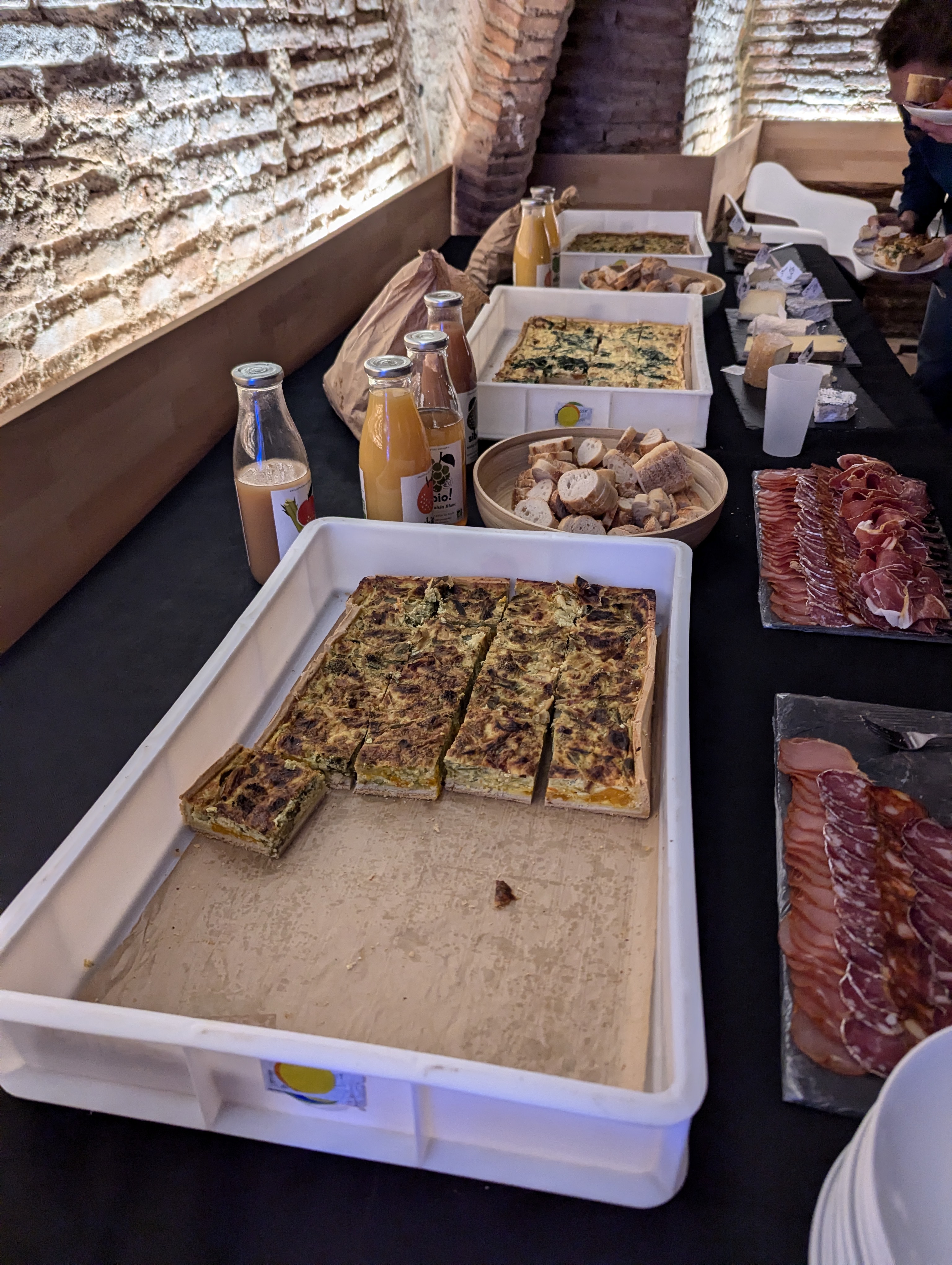


 The hospitality was exceptional. Our lunches boasted a delicious array of quiches, an enticing charcuterie board, and a superb selection of cheeses, all perfectly complemented by exquisite petite fours. Each item was not only a feast for the eyes but also a delight for the palate.
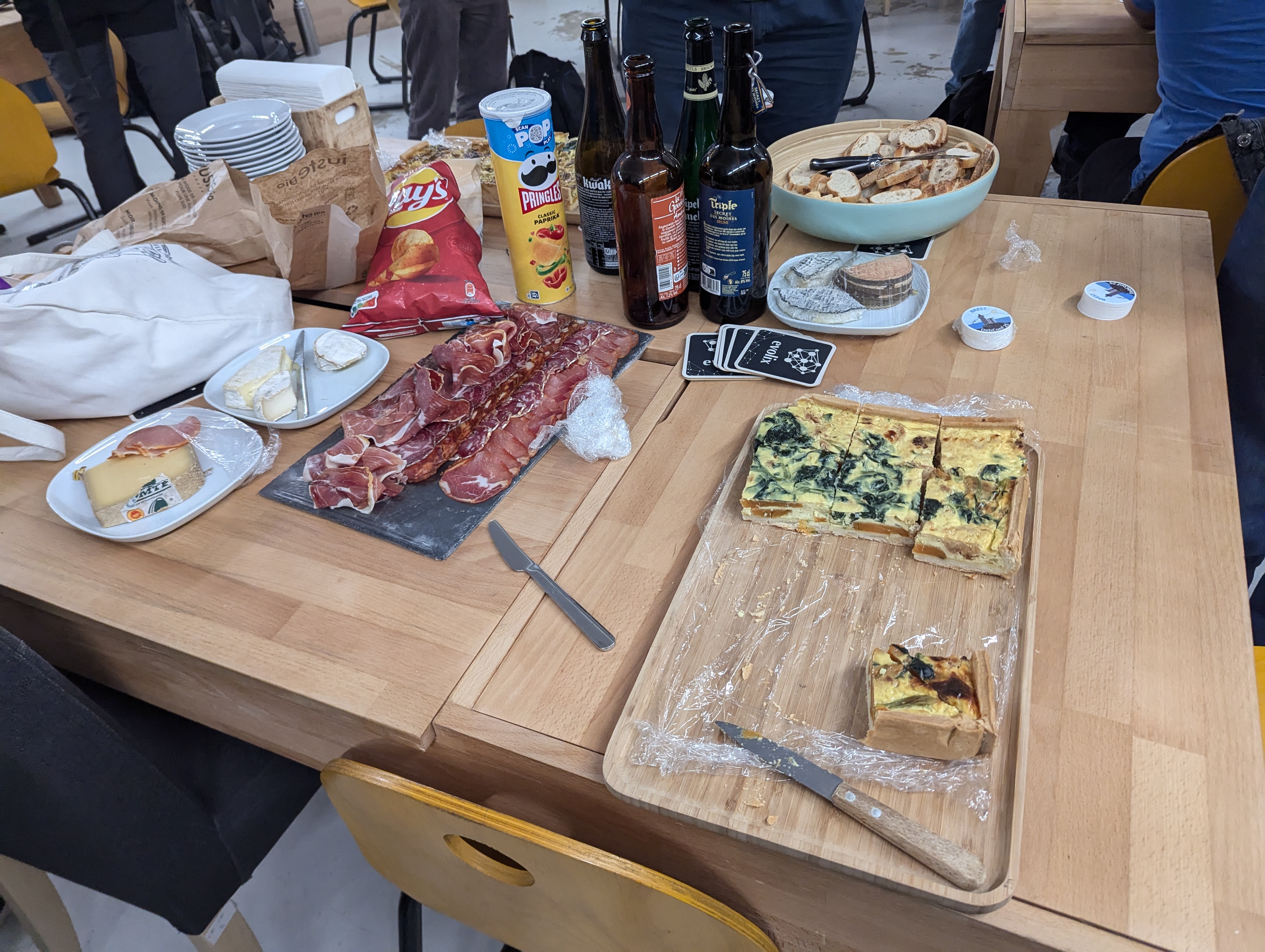
 Leftovers from these gourmet feasts fuelled our impromptu cheese and wine party on Thursday evening a highlight where informal chats blended seamlessly with serious software discussions.



 The enchantment of Toulouse doesn't dim with the setting sun; instead, it transforms. My evening strolls took me along the banks of the Garonne, under a sky just turning from twilight to velvet blue. The river, a dark mirror, perfectly reflected the illuminated grandeur of the city's architecture. Notably, the dome of the
 The MiniDebConf itself, part of the larger Capitole du Libre event, was a fantastic immersion into the world of free software. Unlike the ticket-free FOSDEM, this conference required QR codes for entry and even had bag searches, adding an unusual layer of security for a software conference.
Highlights included the crepe-making by the organisers, reminiscent of street food scenes from larger festivals. The availability of crepes for MiniDebConf attendees and the presence of food trucks added a festive air, albeit with the inevitable long queues familiar to any festival-goer.

 The city's

 Toulouse's markets were a delightful discovery. From a spontaneous visit to a market near my hotel upon arrival, to cycling past bustling marketplaces, each day presented new local flavours and crafts to explore.
The


 Our conference wrapped up with a spontaneous gathering at La Brasserie Les Arcades in Place du Capitole. Finding a caf that could accommodate 30 of us on a Sunday evening without a booking felt like striking gold. What began with coffee and ice cream smoothly transitioned into dinner, where I enjoyed a delicious braised duck leg with green peppercorn sauce. This meal rounded off the trip with lively conversations and shared experiences.


 Returning from Toulouse, I found myself once again in seat 1A, offering the advantage of being the first off the plane, both on departure and arrival. My flight touched down in Bristol ahead of schedule, and within ten minutes, I was on the A1 bus, making my way back into the heart of Bristol.
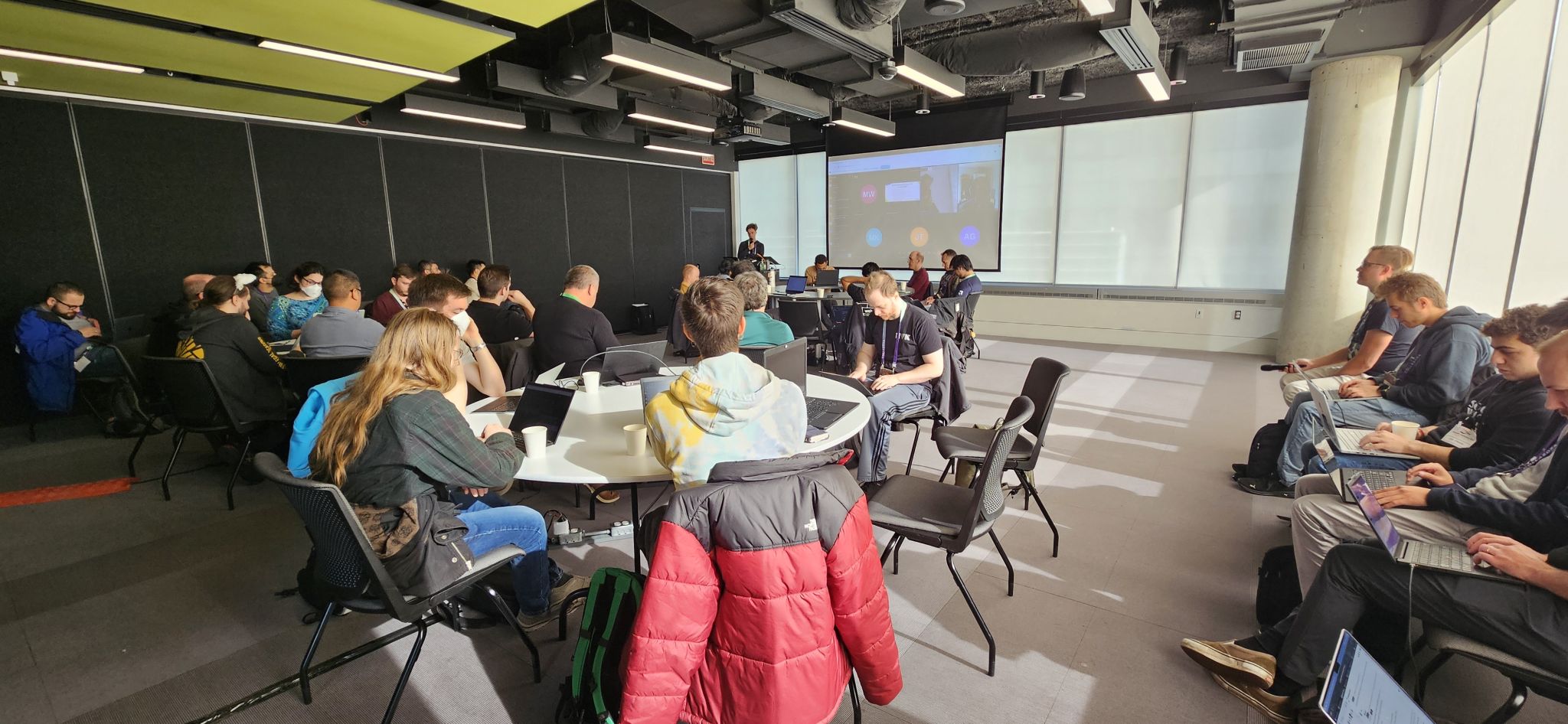
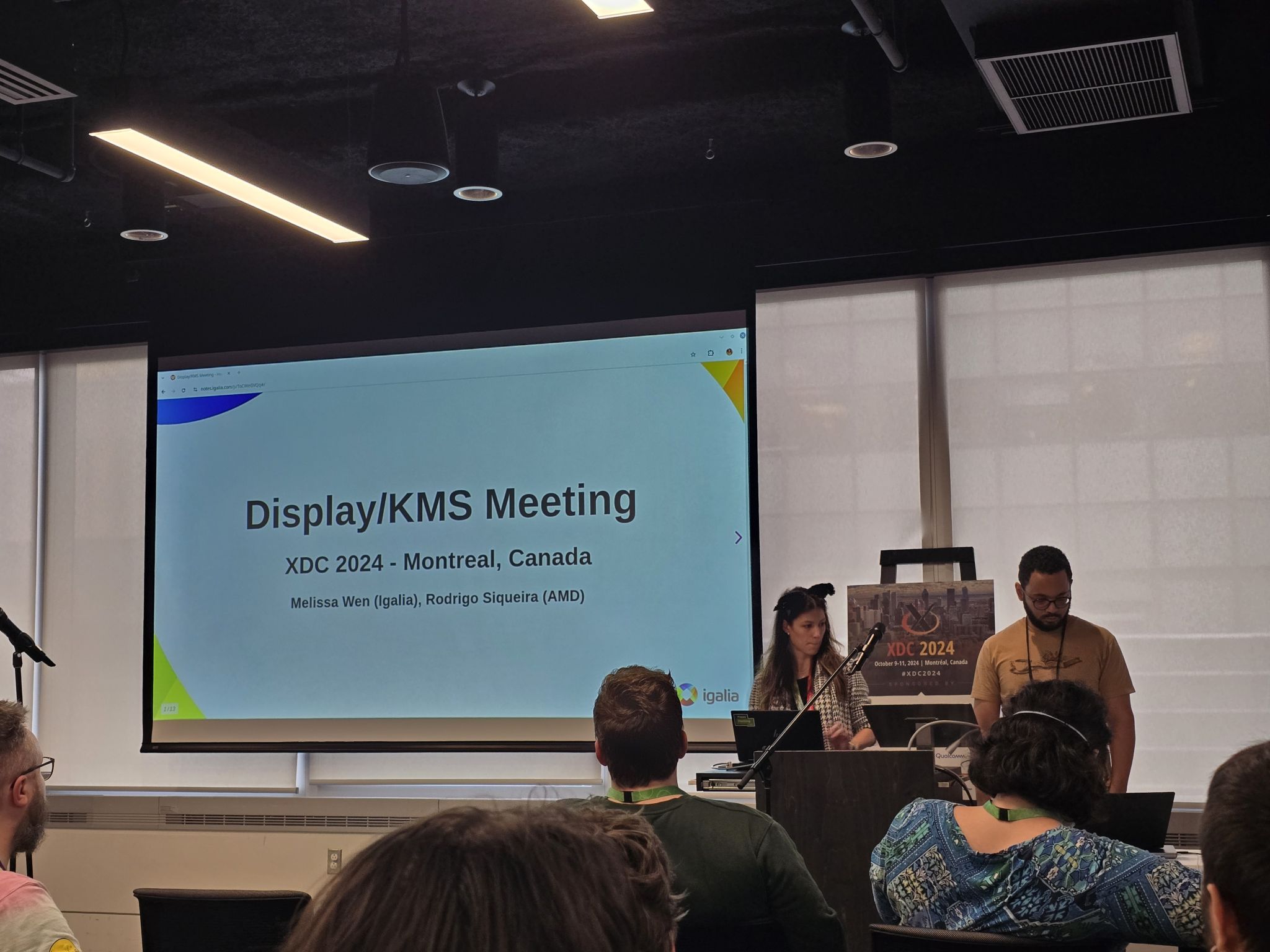
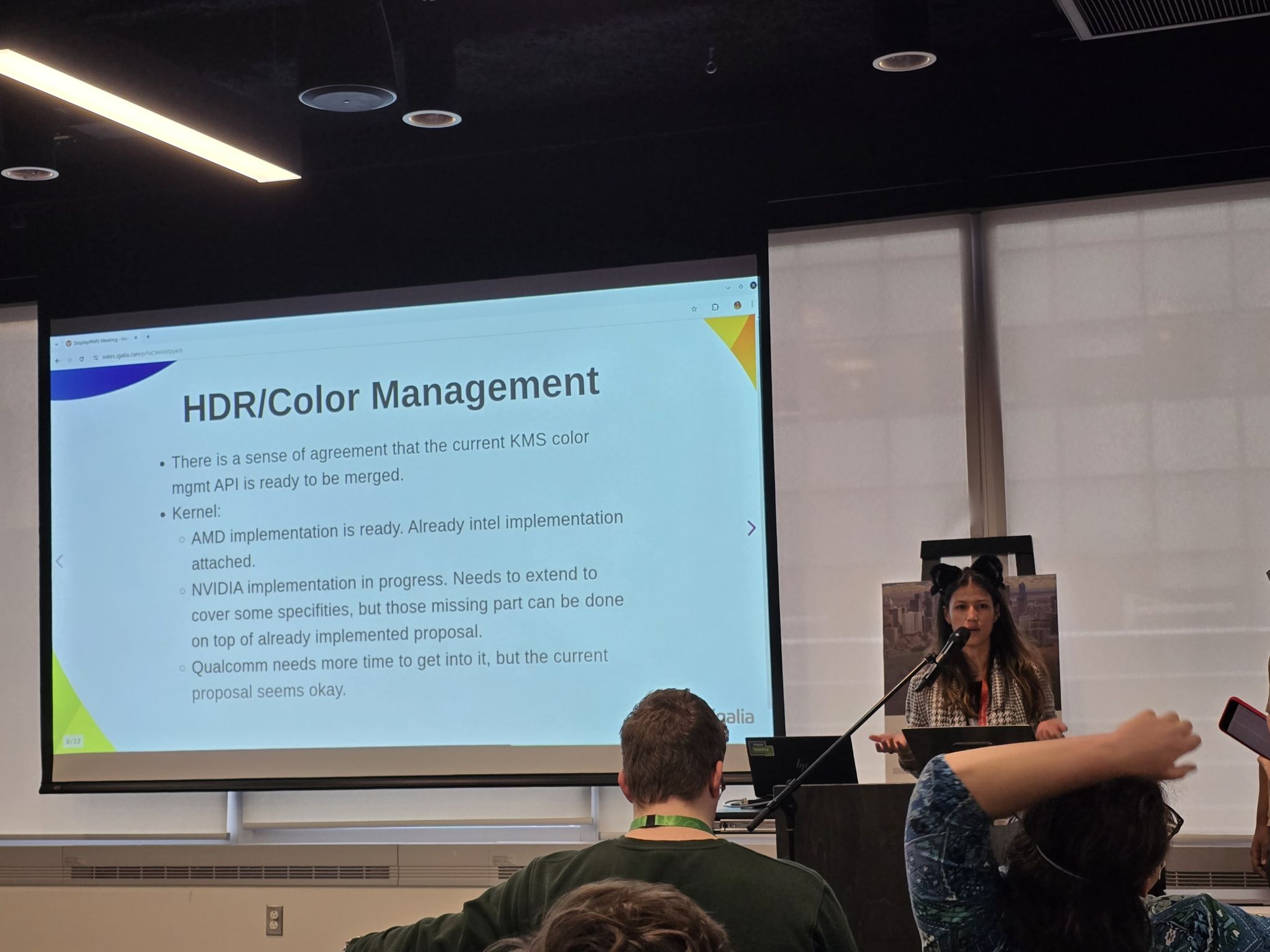
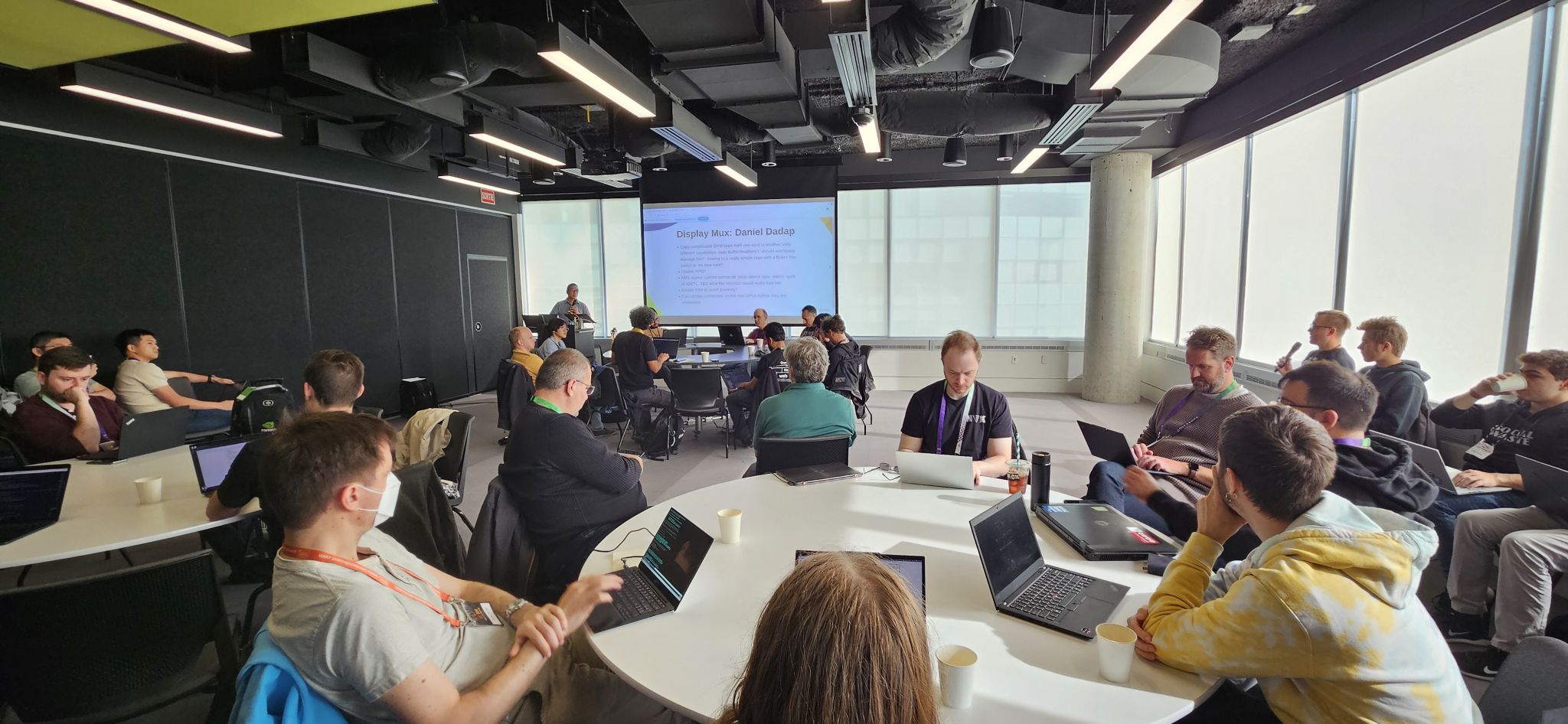

 Like each month, have a look at the work funded by







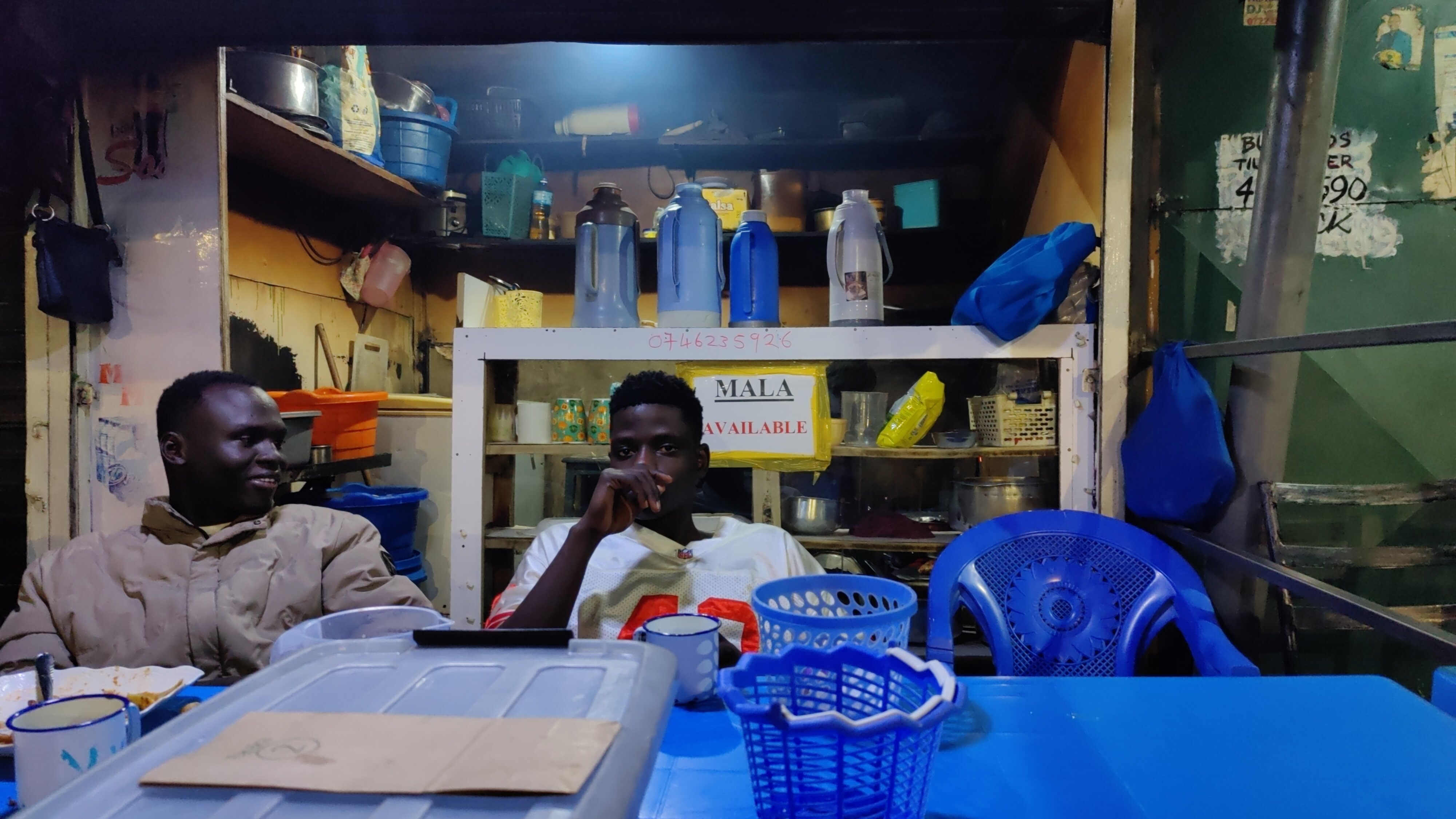 The coffee shop Ibtehal and me used to visit during the midnight
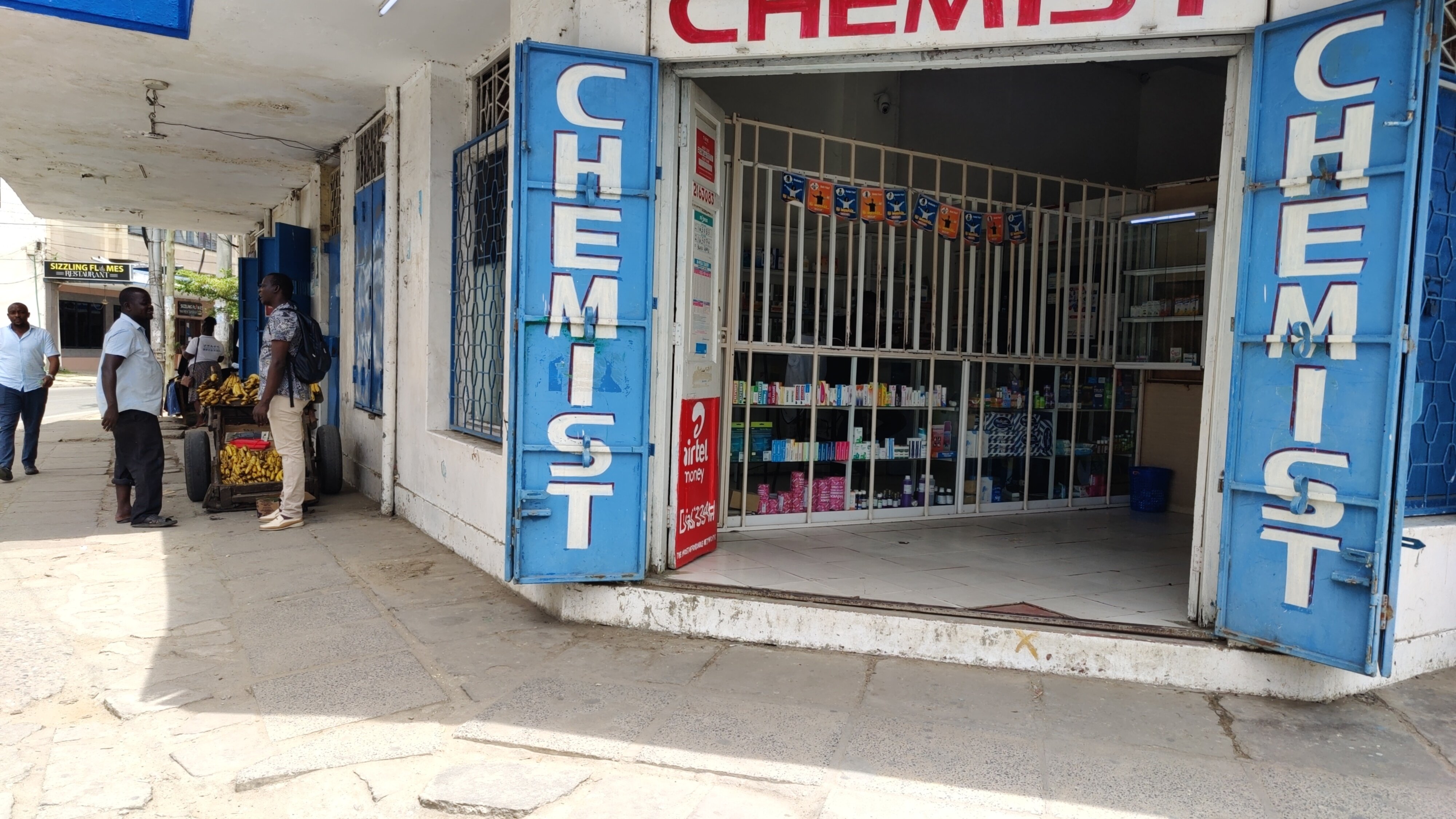 Grating at a chemist shop in Mombasa, Kenya
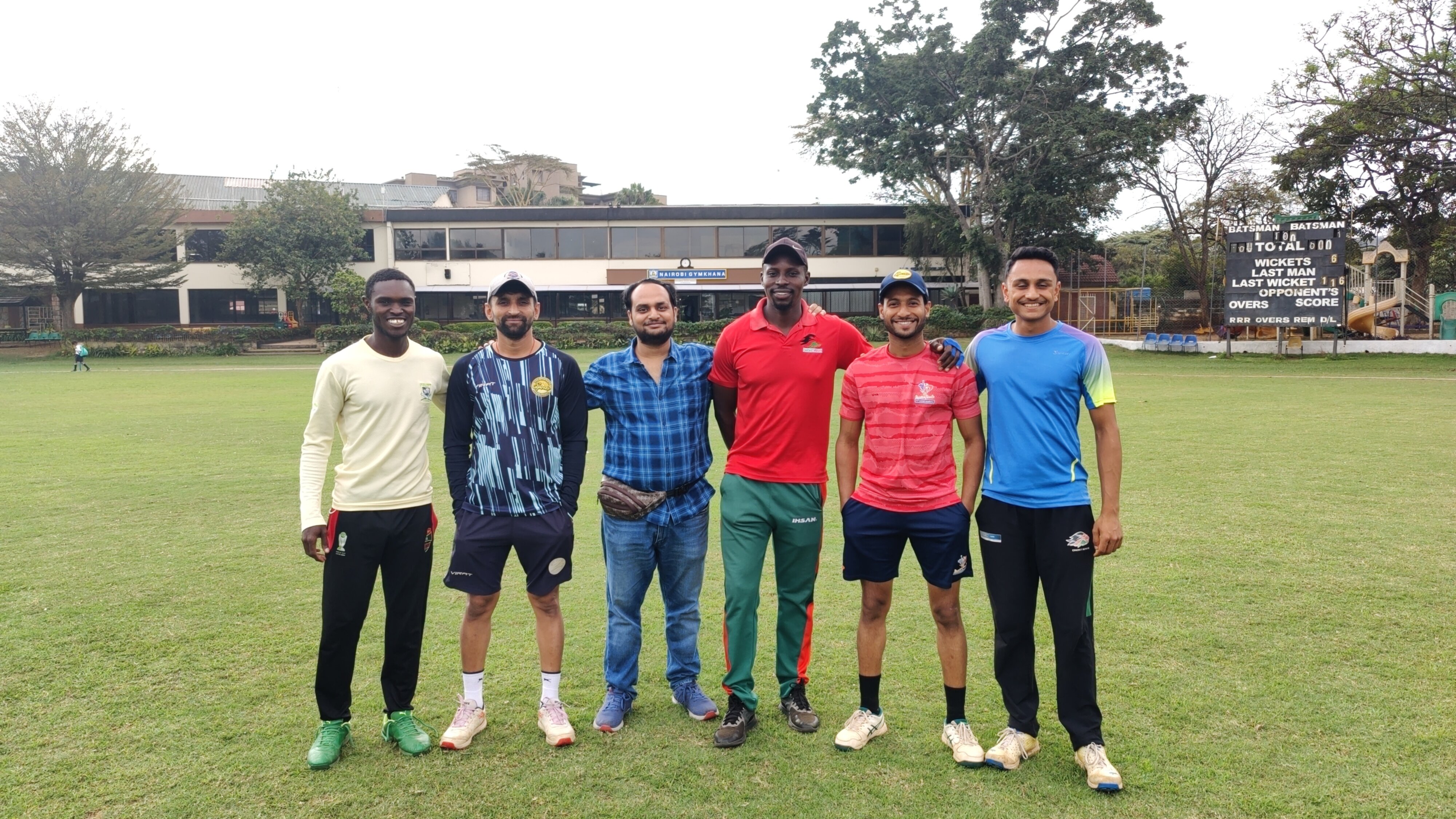 Me with players at the Nairobi Gymkhana Club
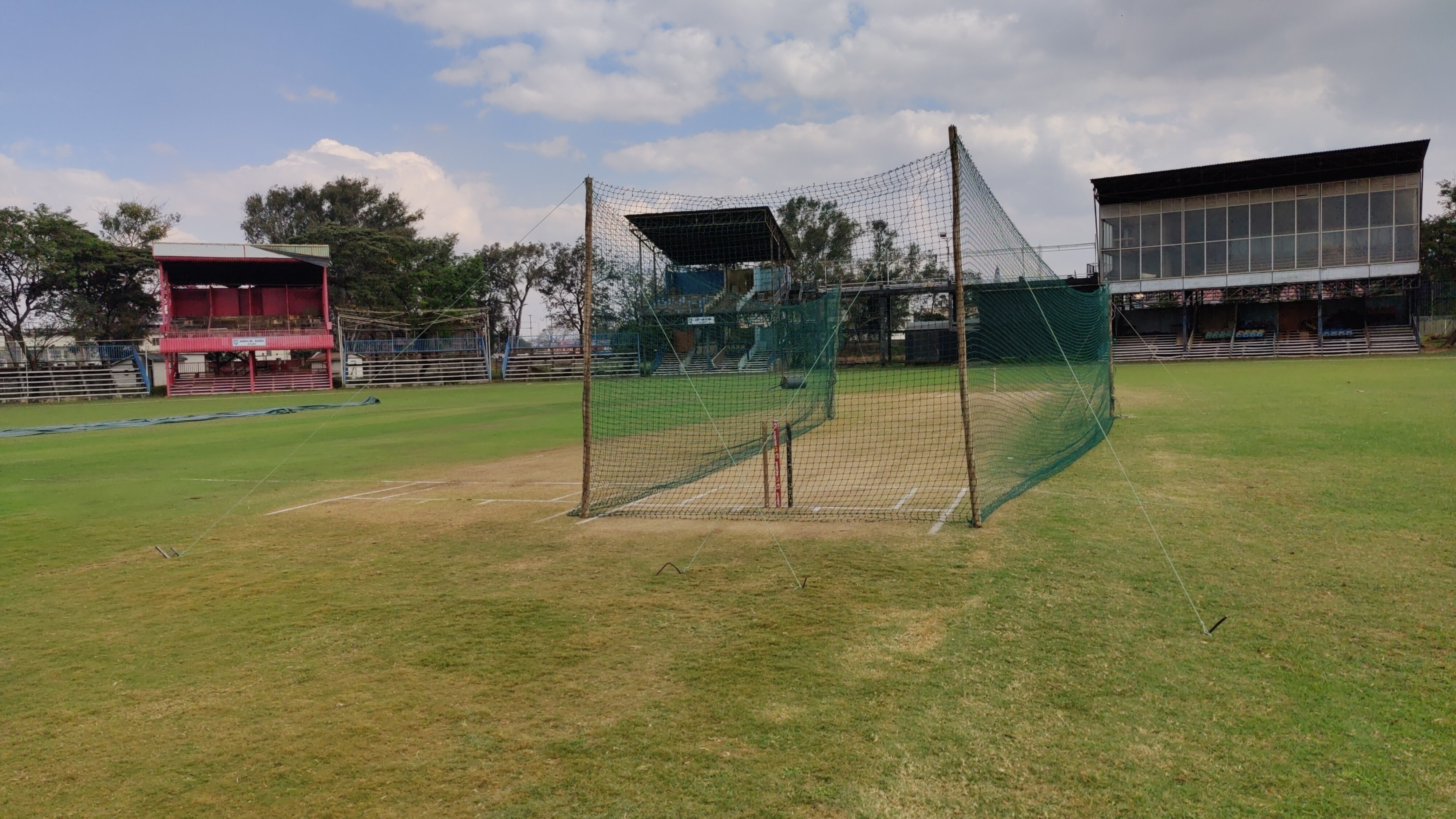 Cricket pitch at the Nairobi Gymkhana Club
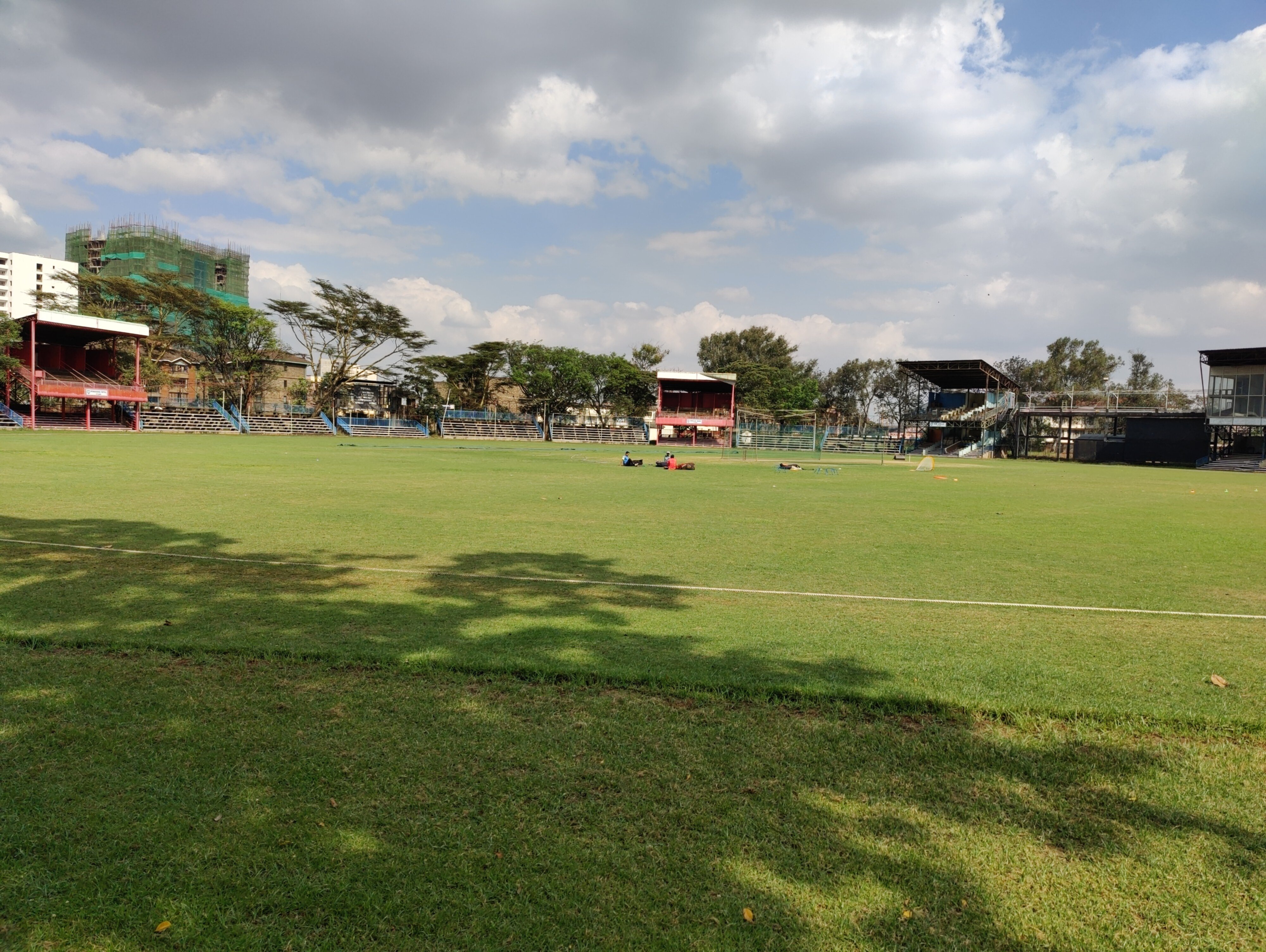 A view of the cricket ground inside the Nairobi Gymkhana Club
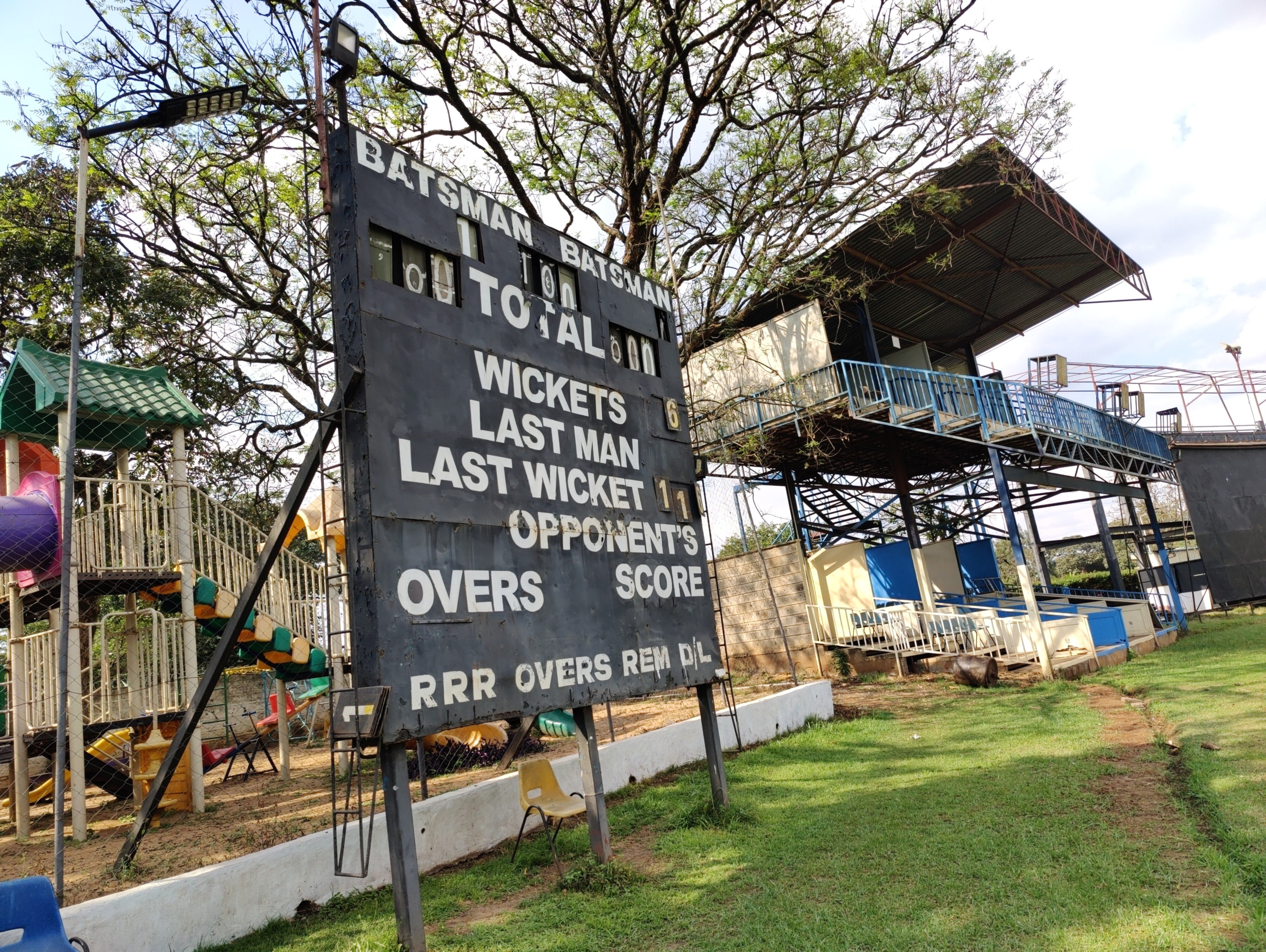 Scoreboard at the Nairobi Gymkhana cricket ground
 A matatu with a Notorious BIG portrait.
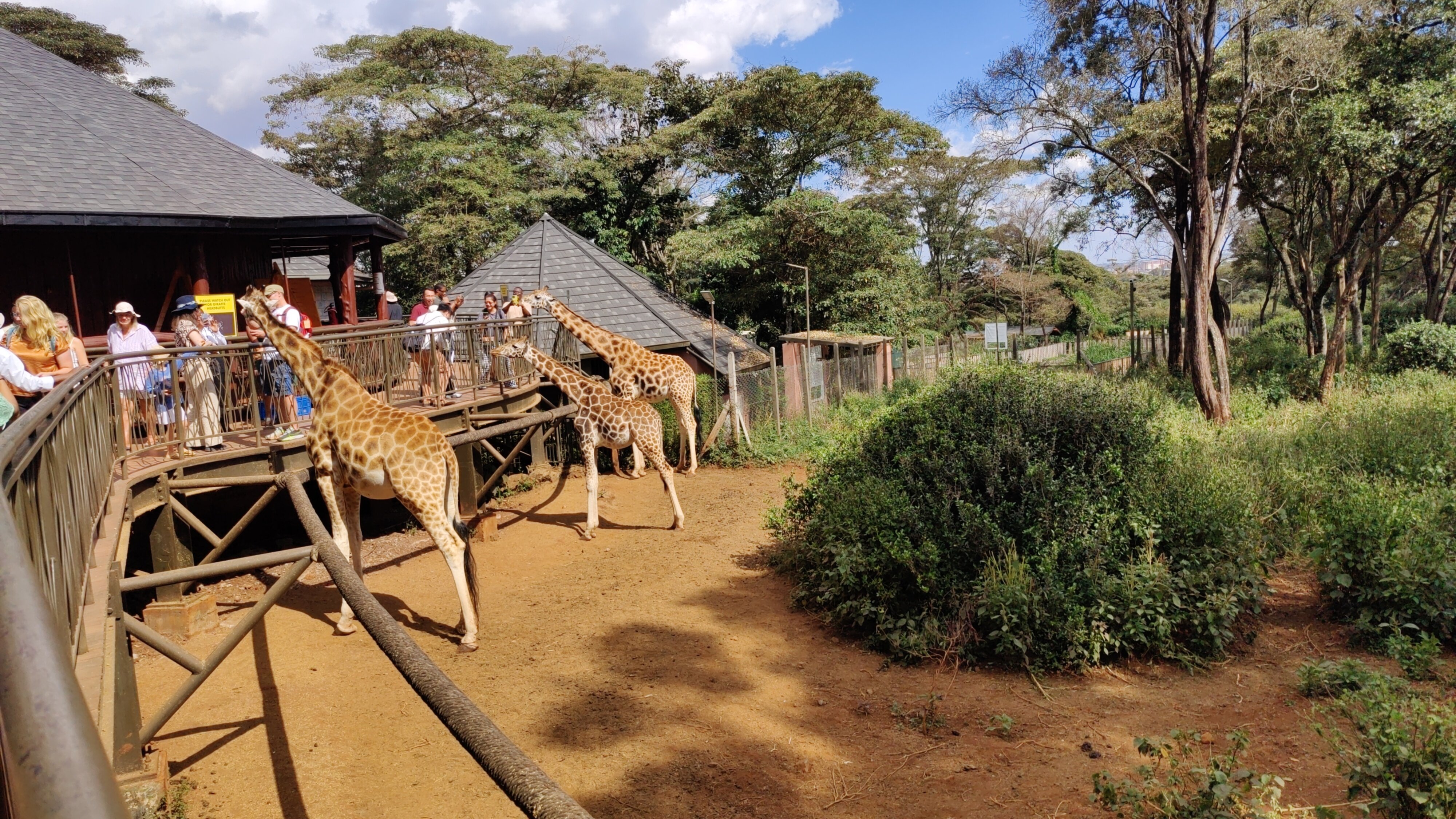 Inside the Giraffe Center
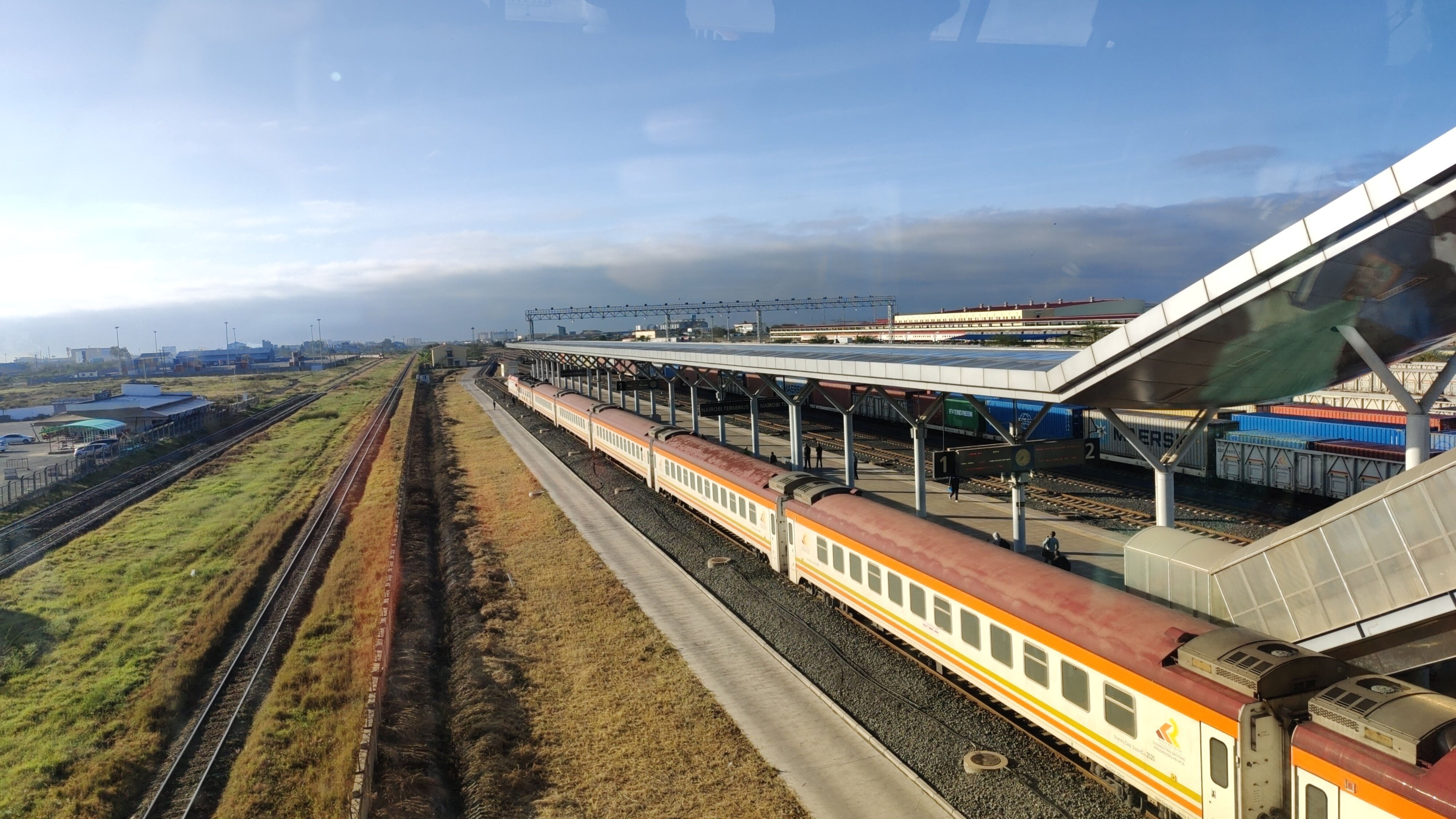 SGR train at Nairobi Terminus.
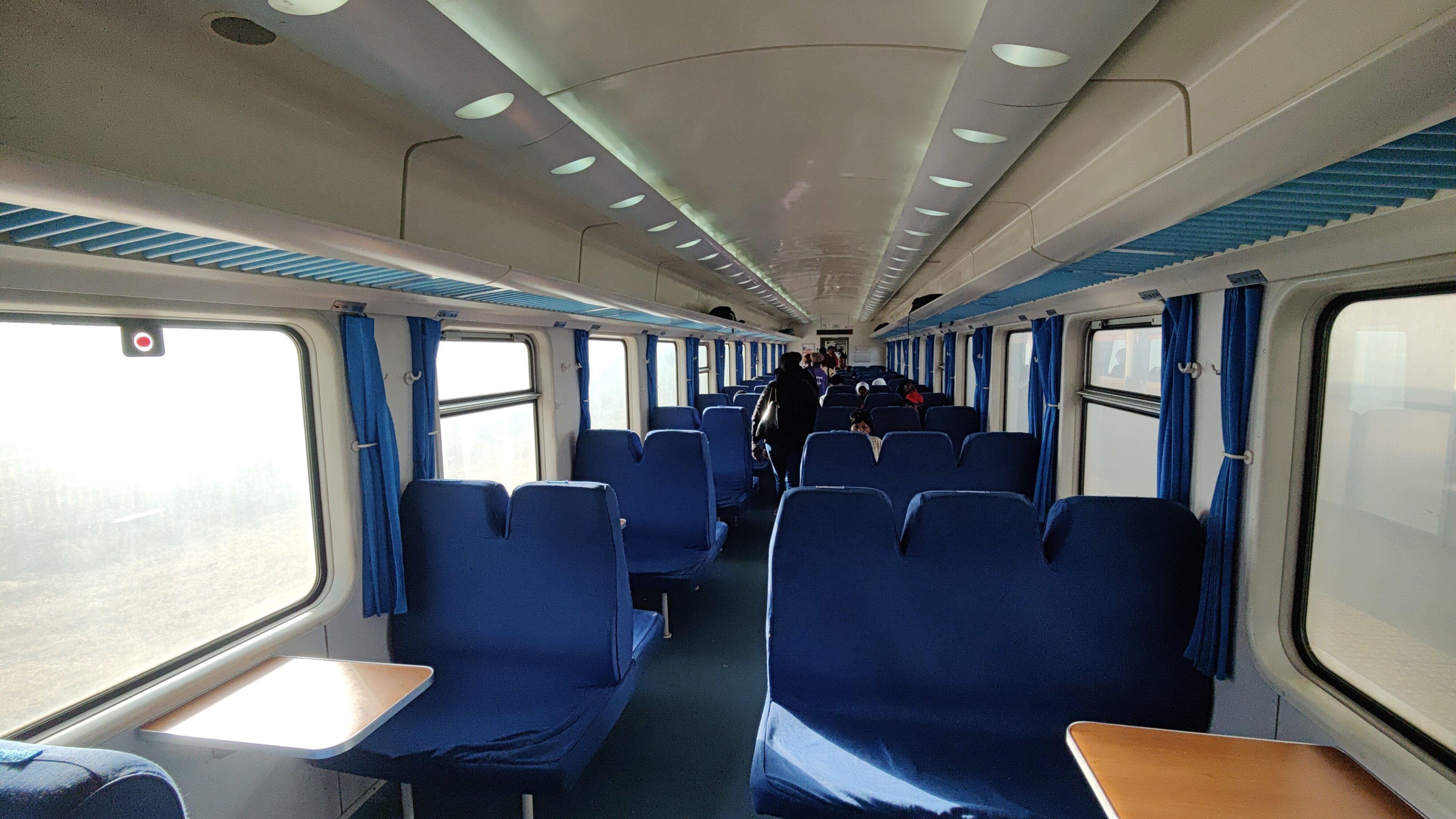 Interior of the SGR train
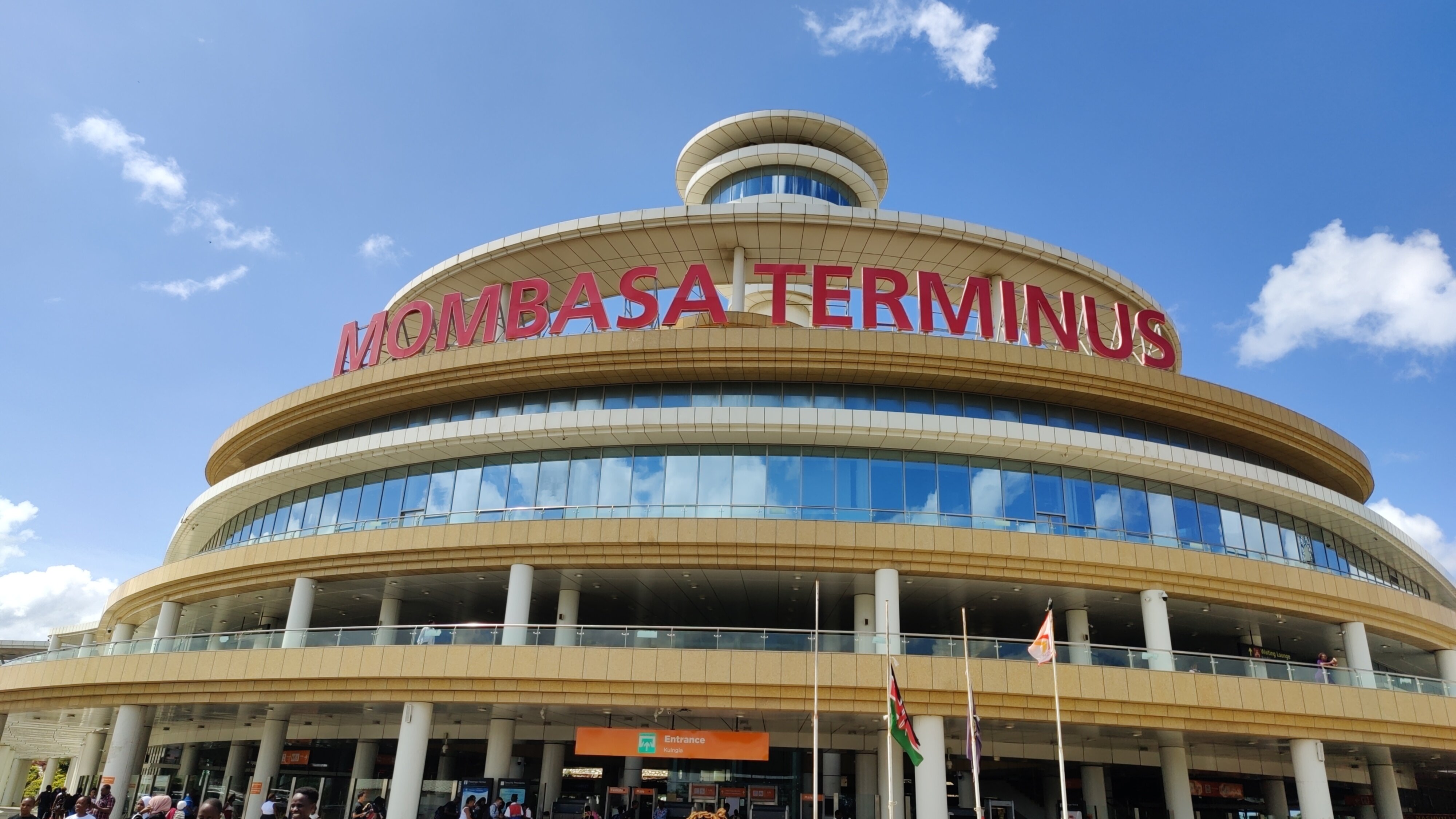 Mombasa Terminus station.
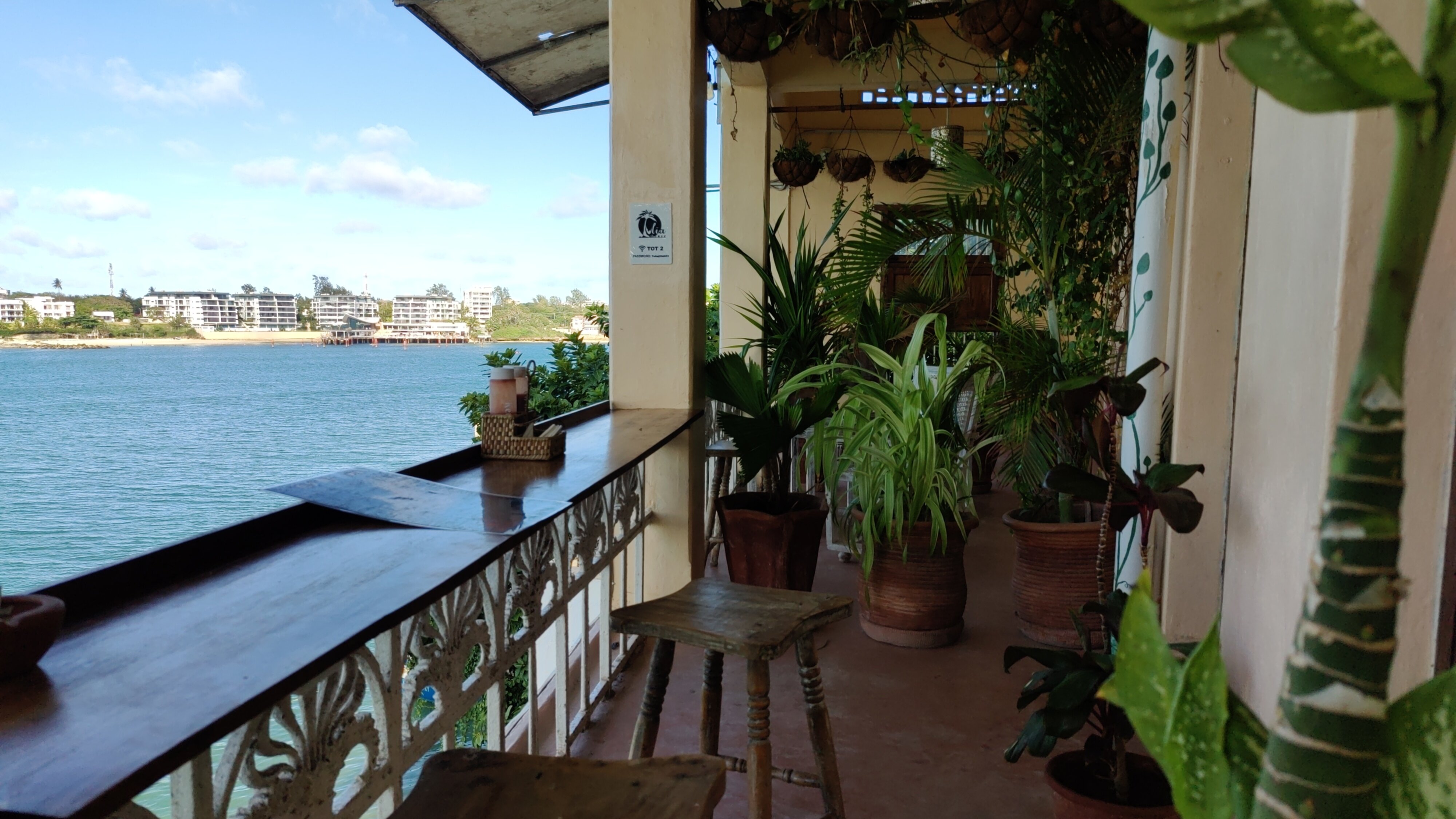 The balcony at Tulia Backpackers Hostel had a nice view of the ocean.
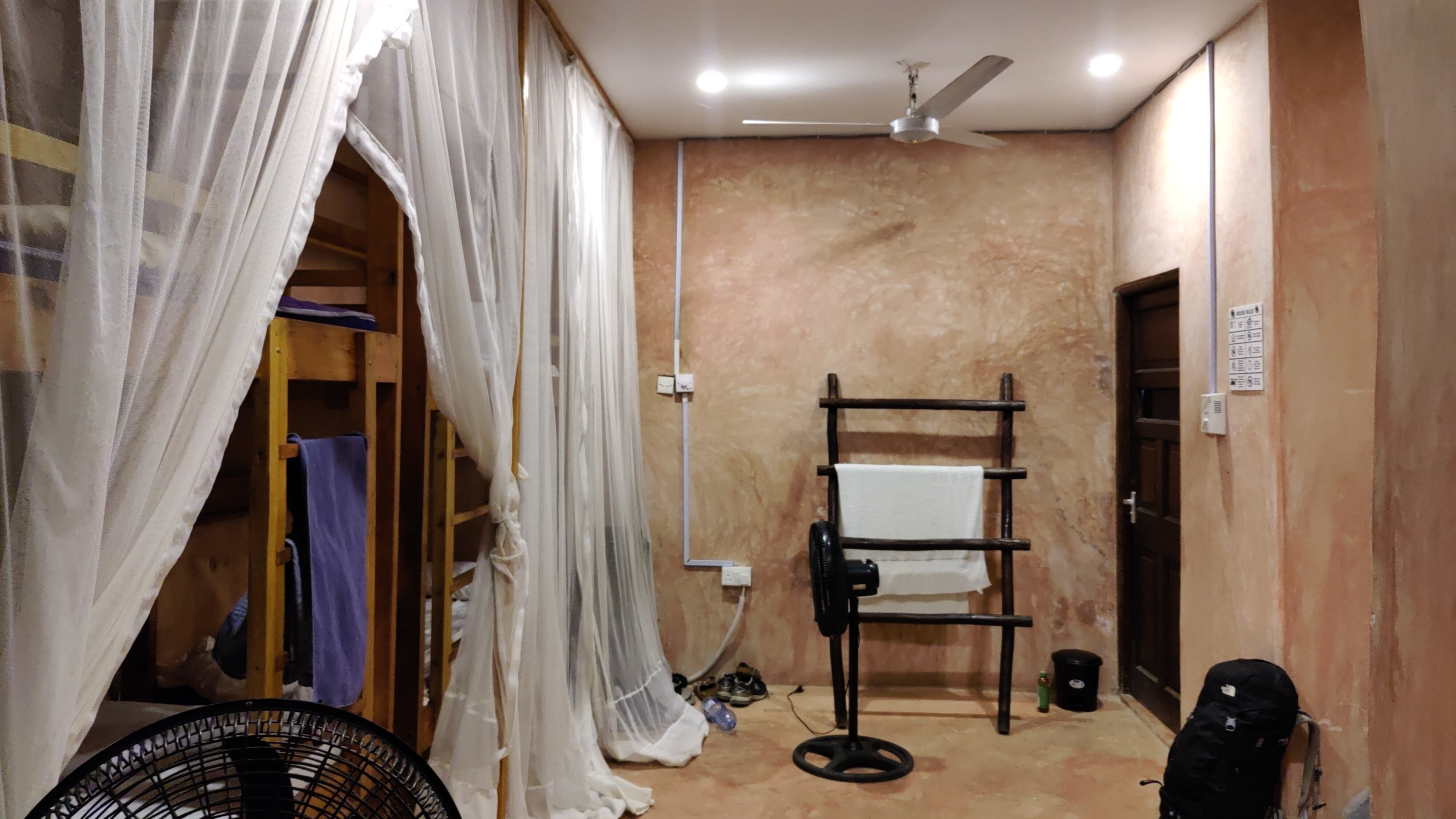 A room inside the hostel with fans and mosquito nets on the beds
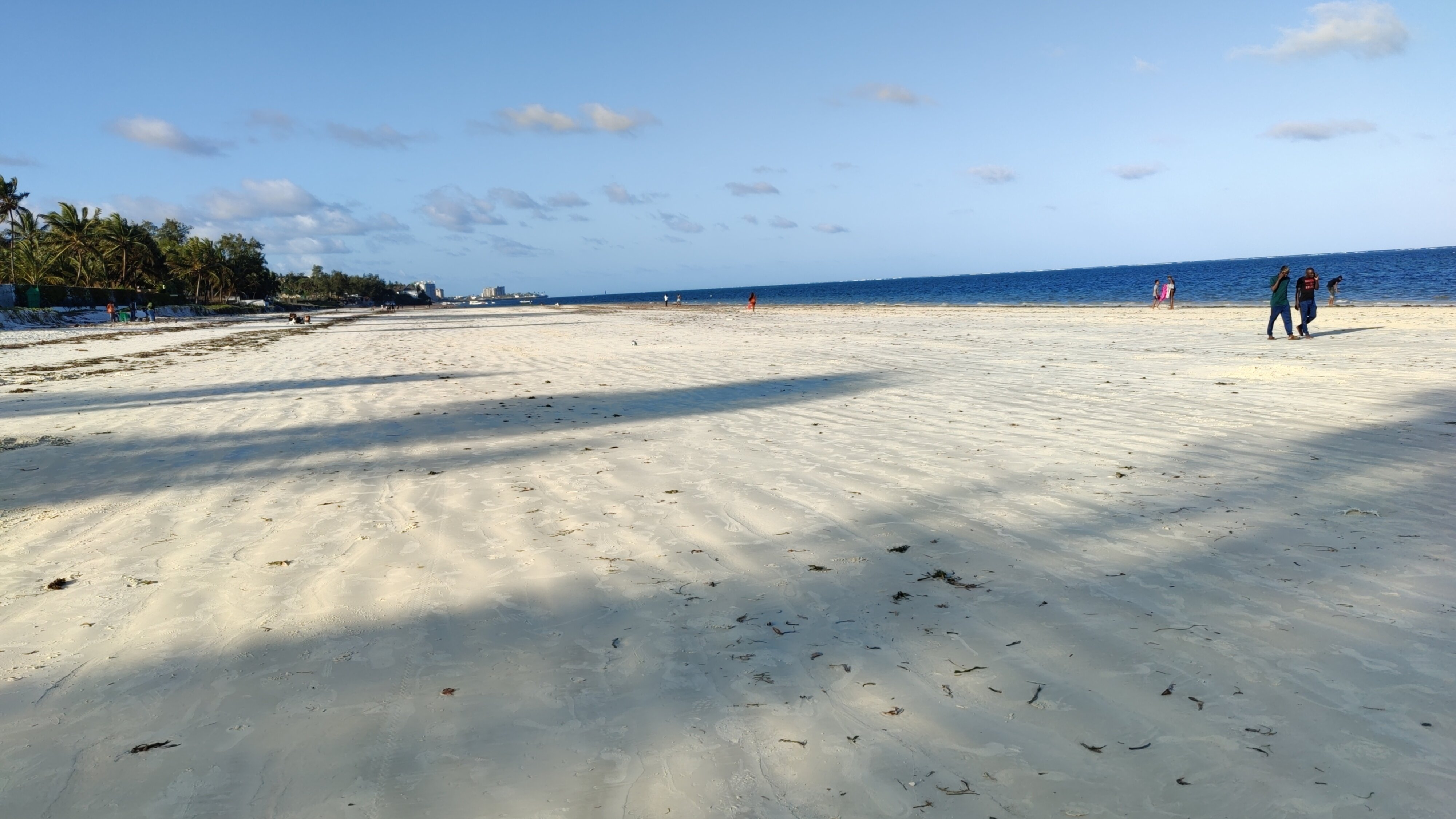 Nyali beach is a white sand beach
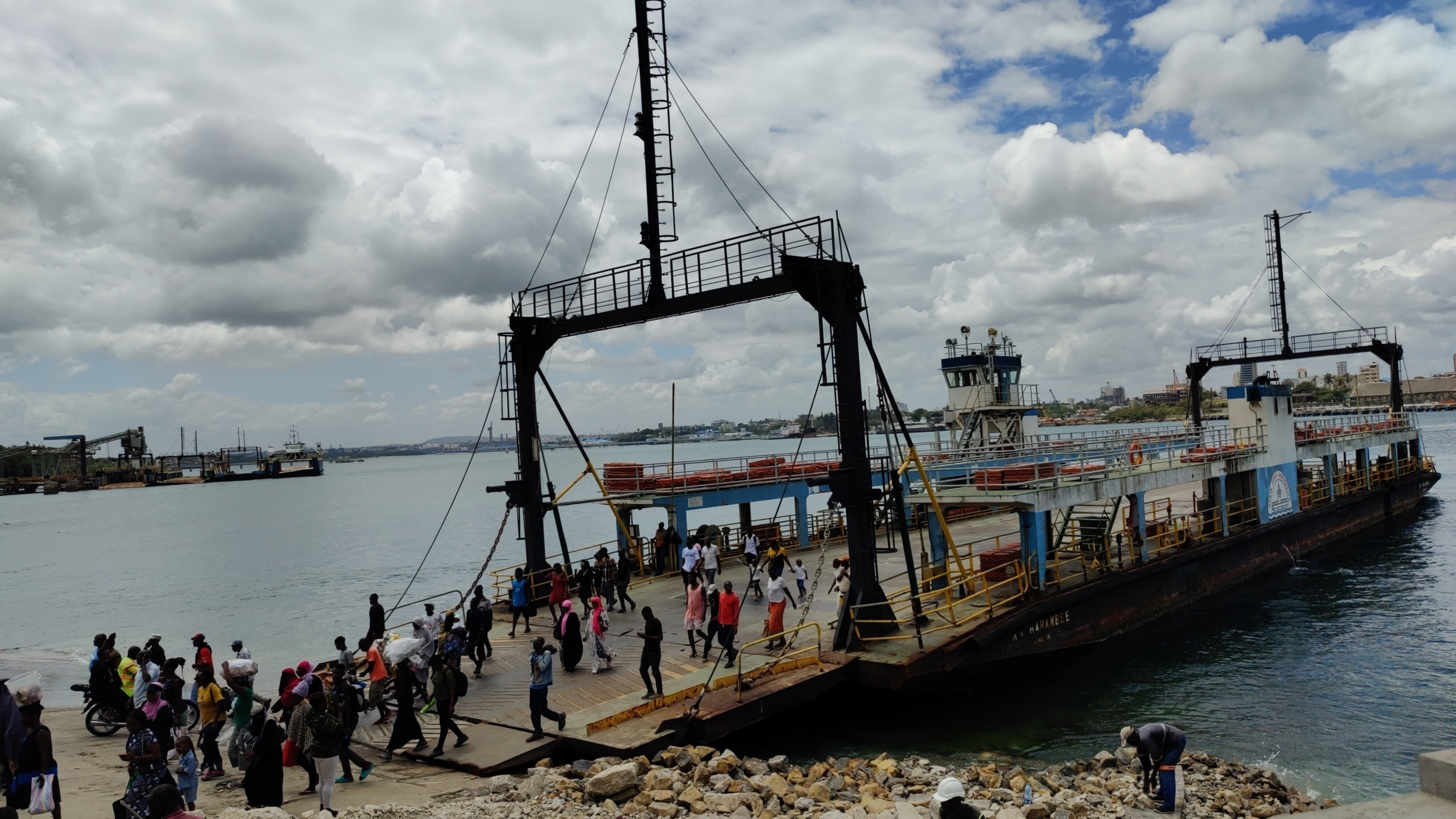 This is the ferry service for crossing the river.
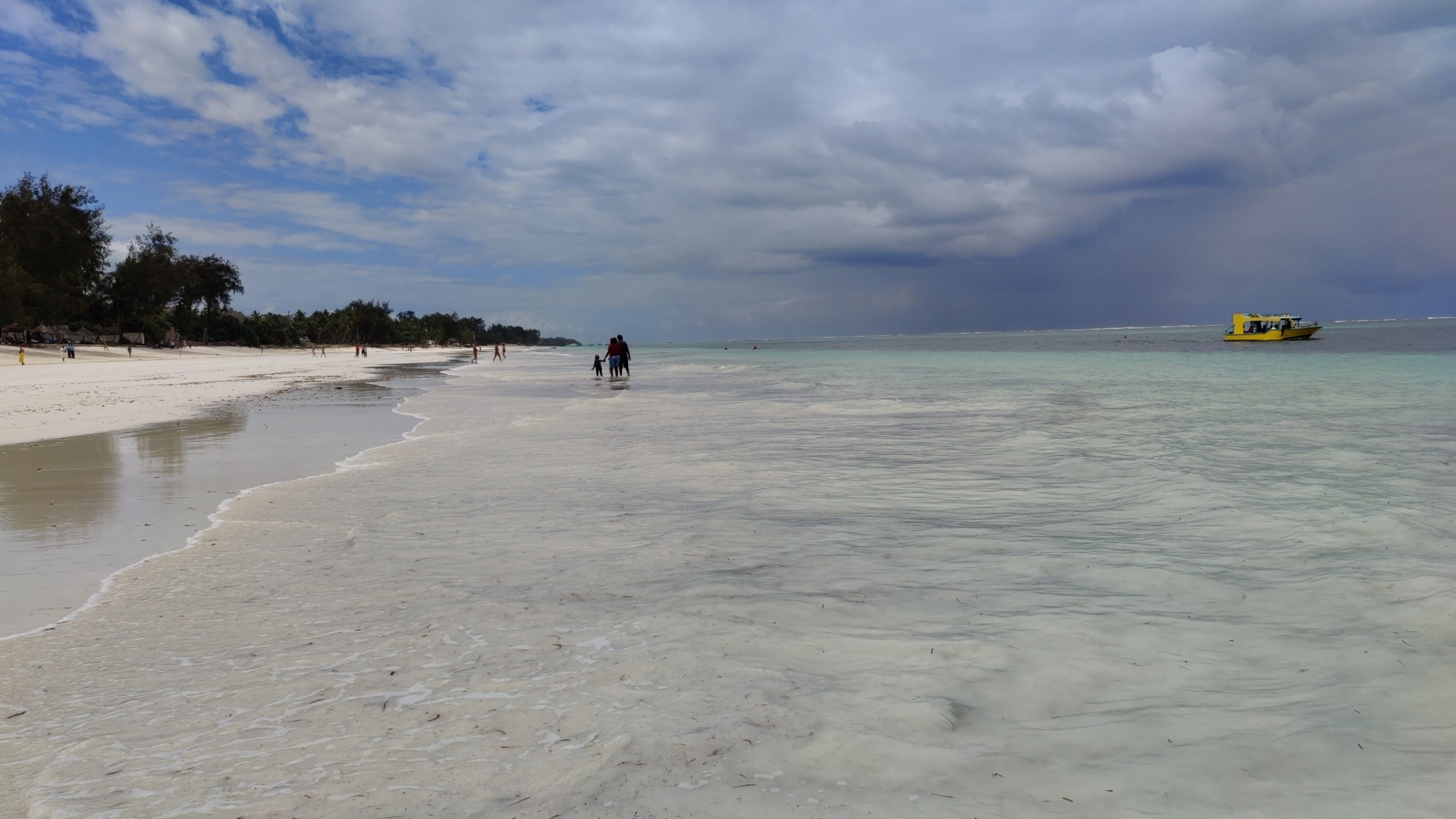 Diani beach is a popular beach in Kenya. It is a white sand beach.
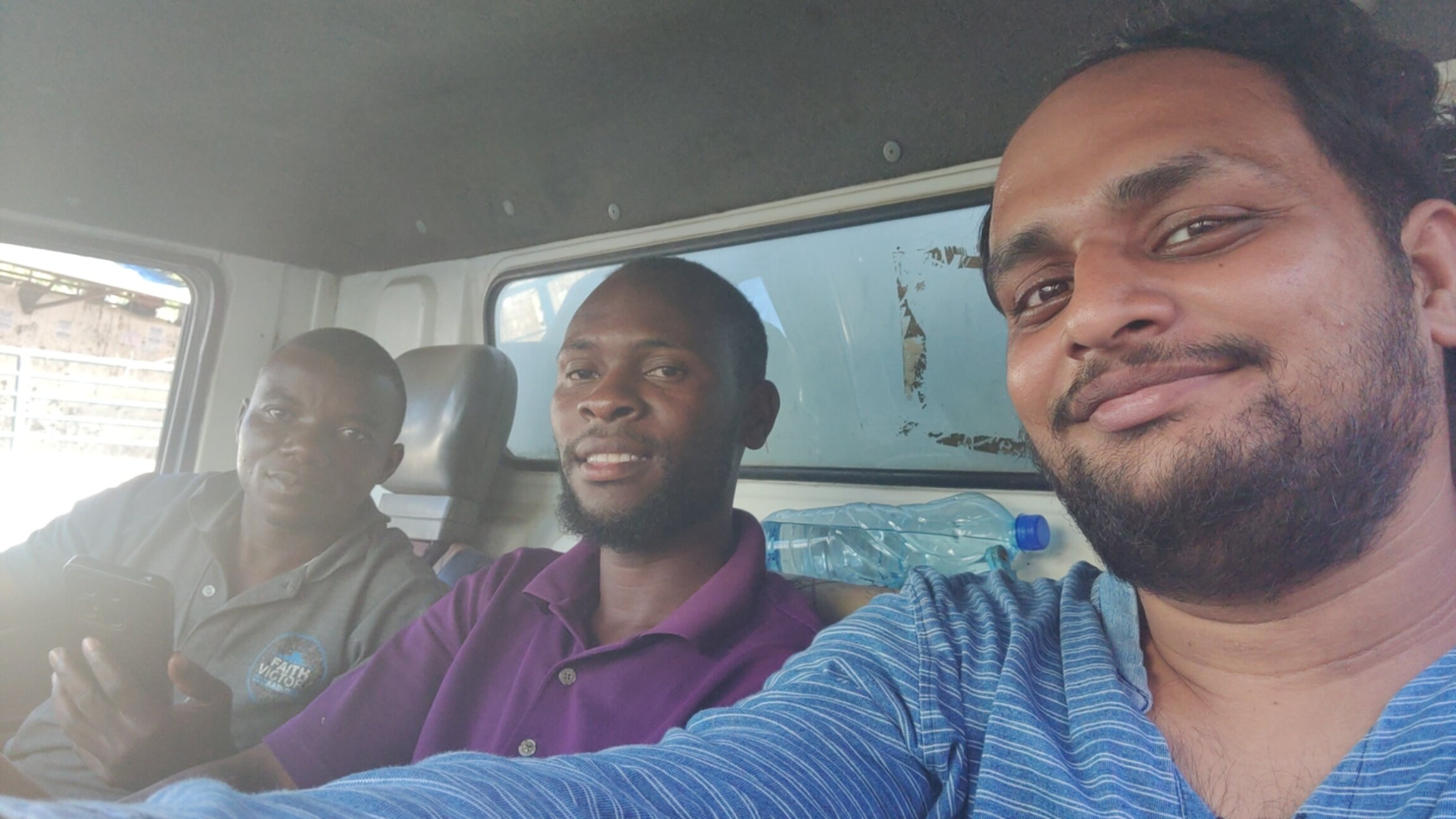 Selfie with truck drivers who gave me the free ride
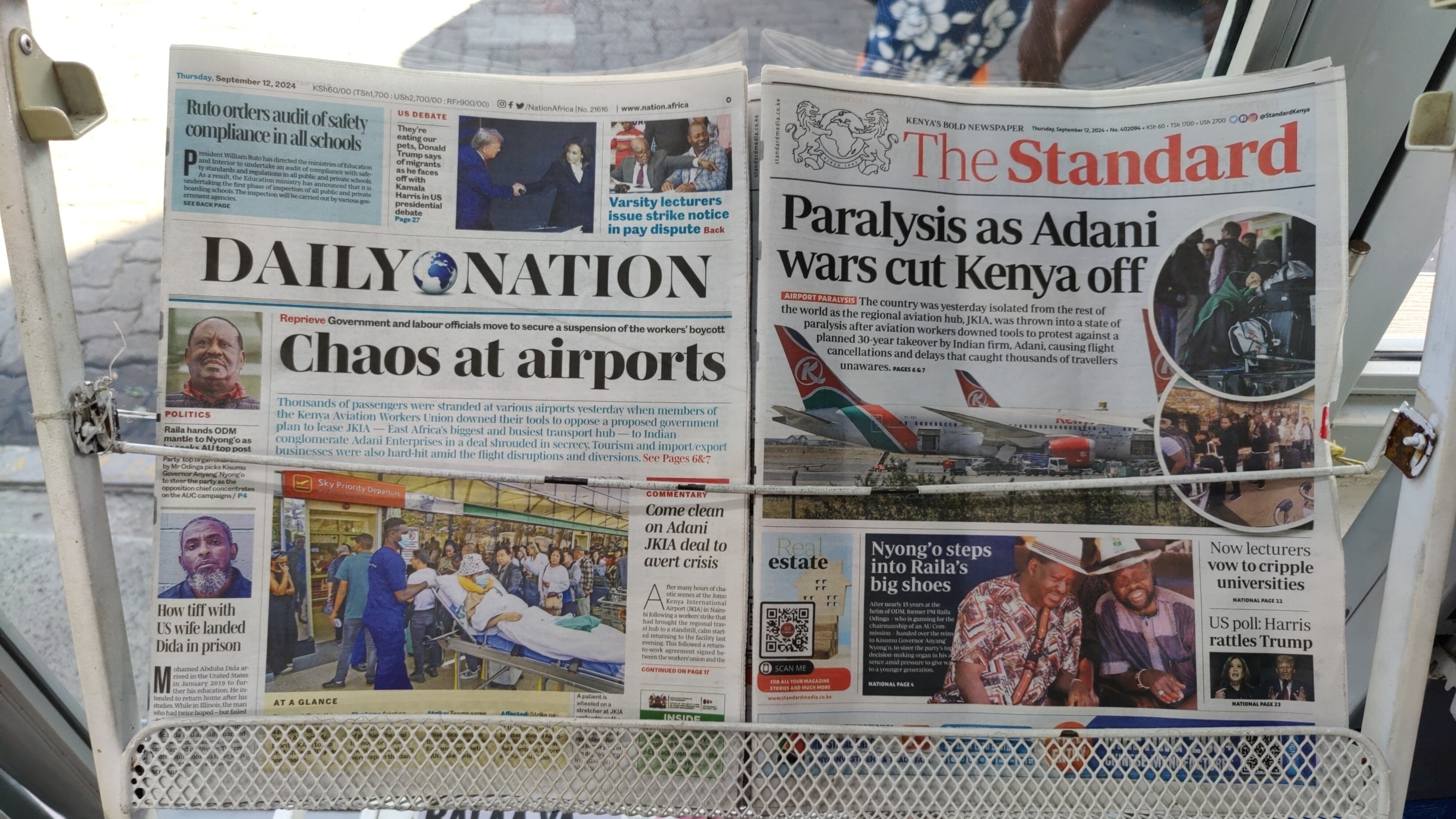 Newspapers at a stand in Kenya covering news on the airport closure
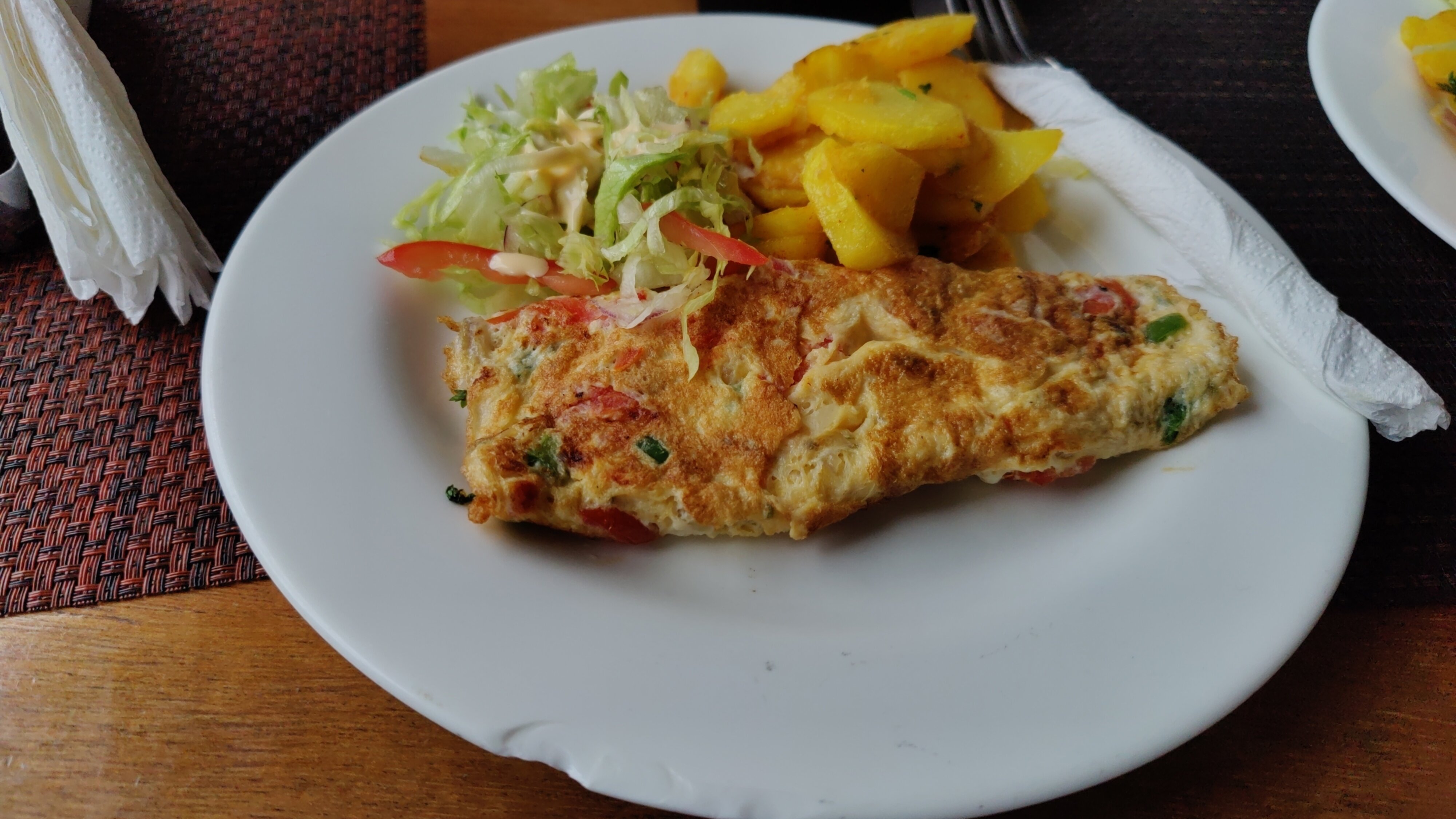 Spanish Omelette served in breakfast at Nairobi Transit Hotel
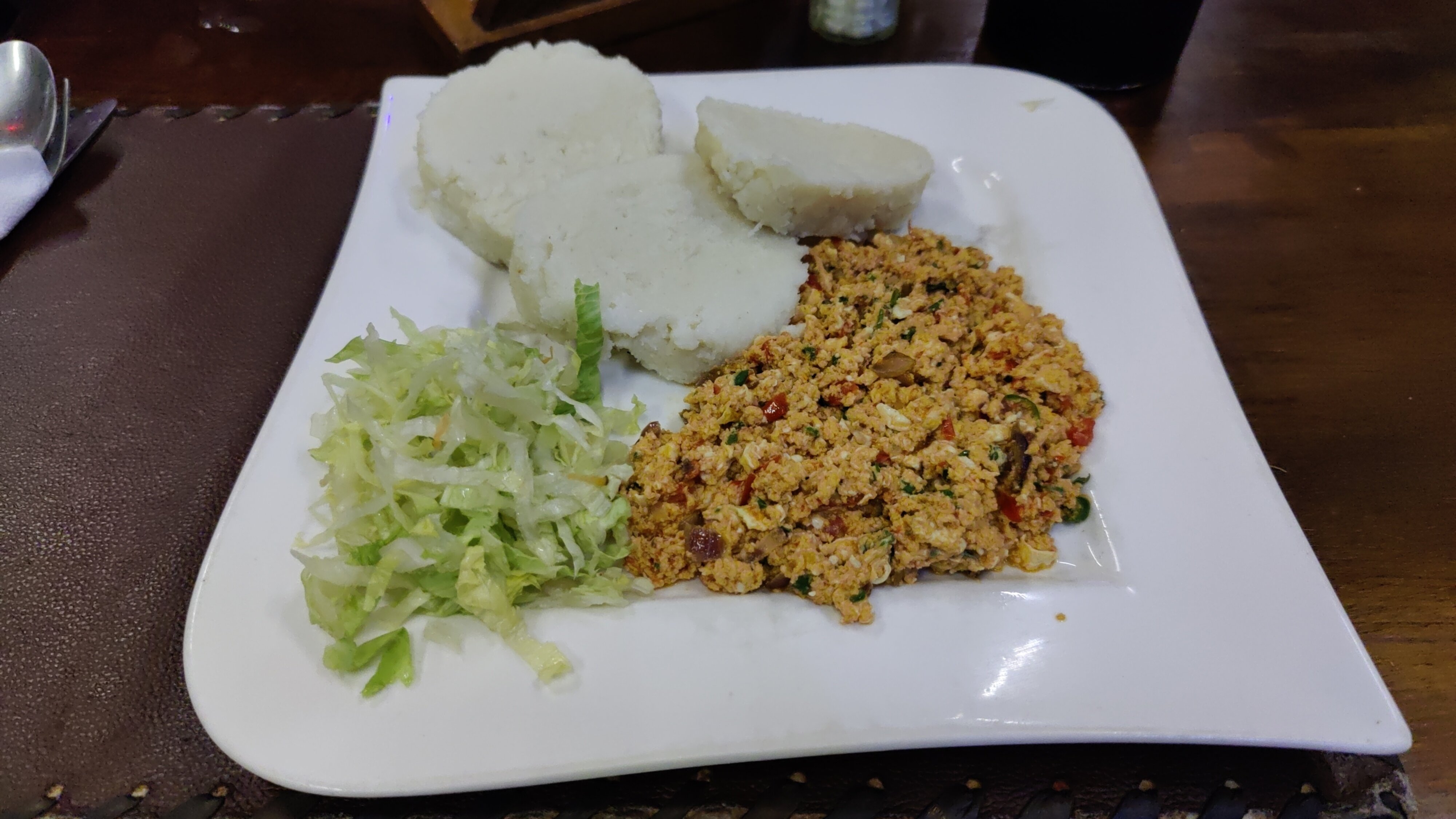 Ugali with eggs.
 The number of FAIme jobs has reached 30.000. Yeah!







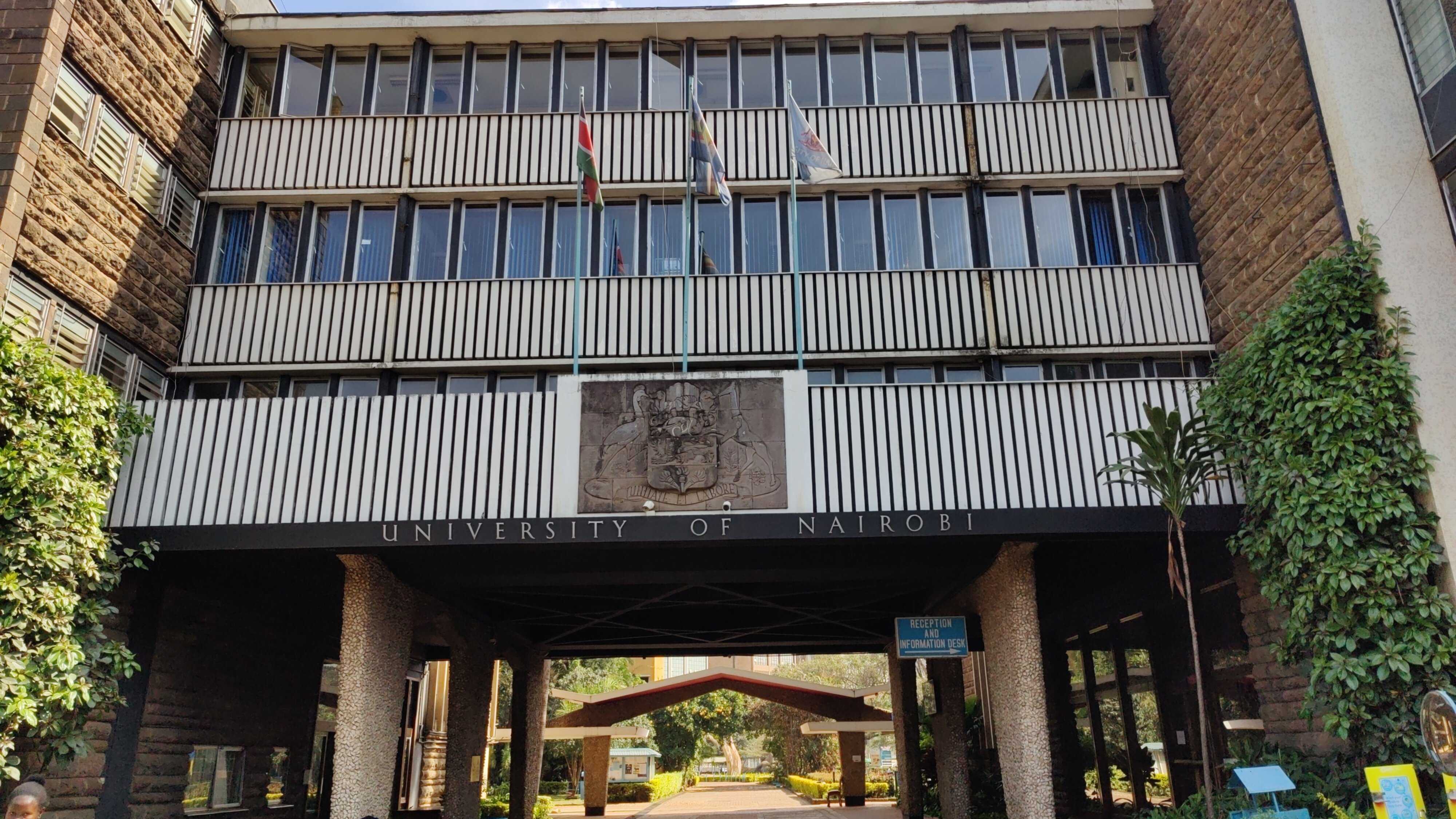 University of Nairobi.
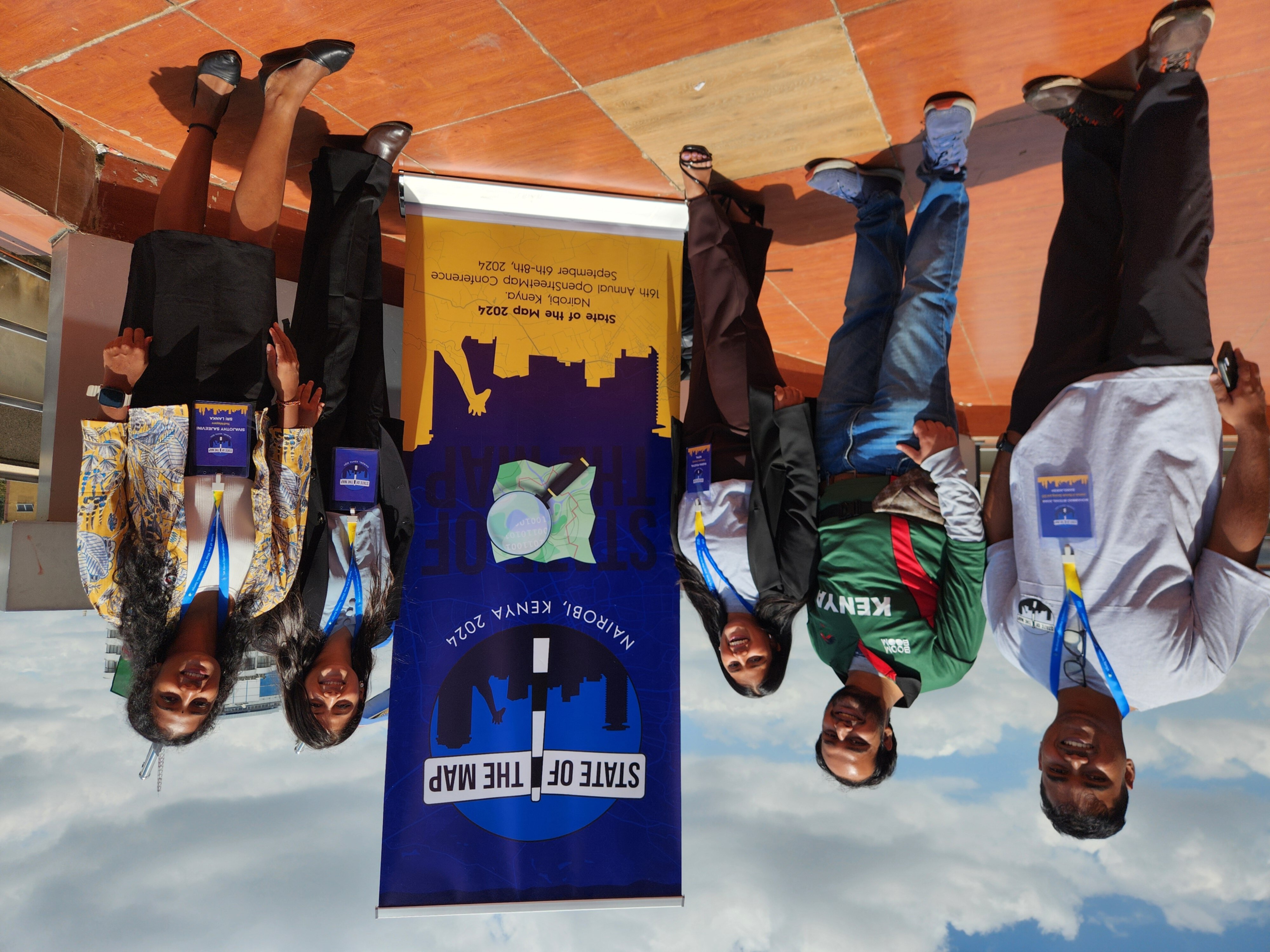 Our group at the conference.
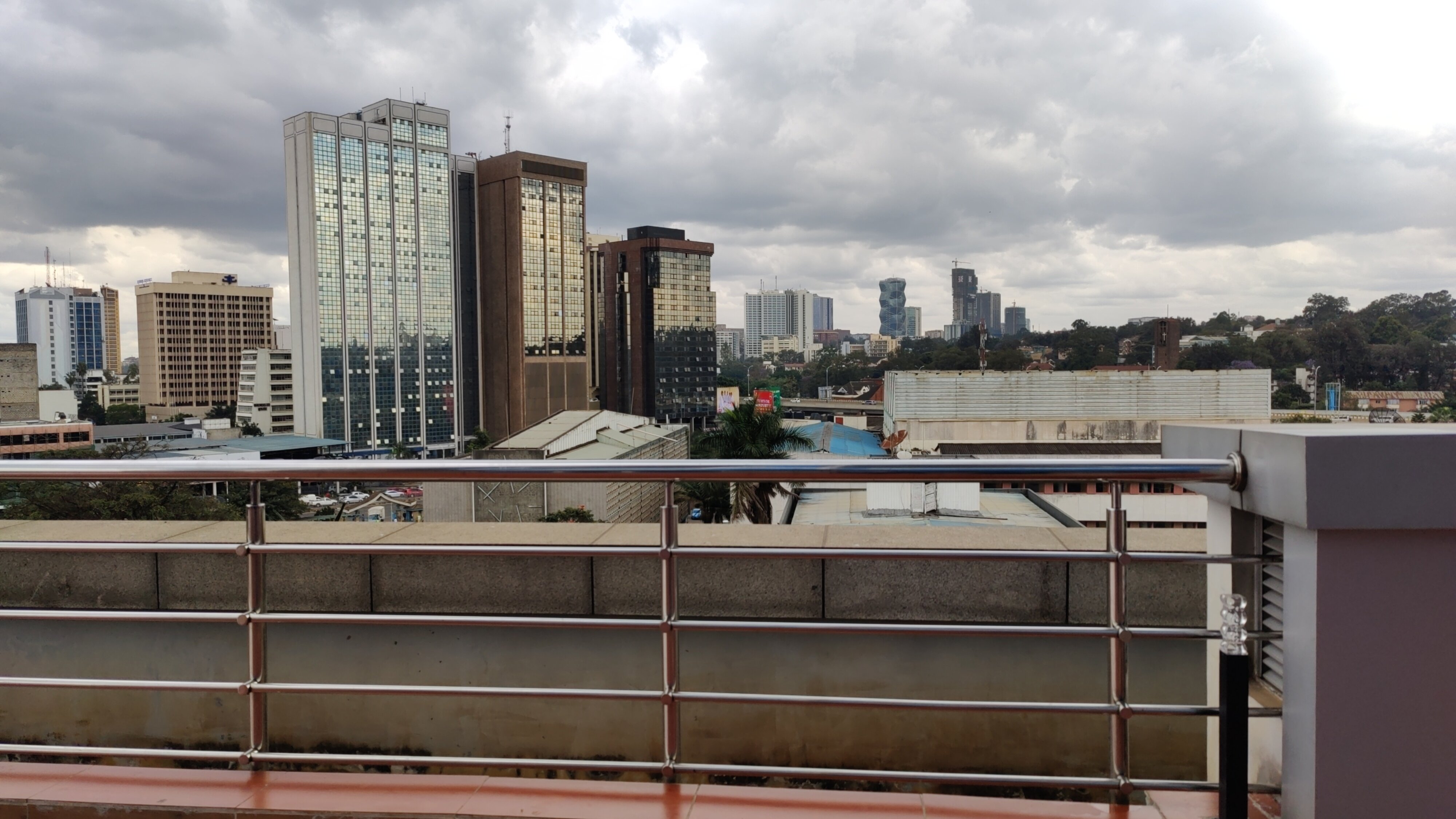 View of Nairobi's skyline from the open area on the fifth floor.
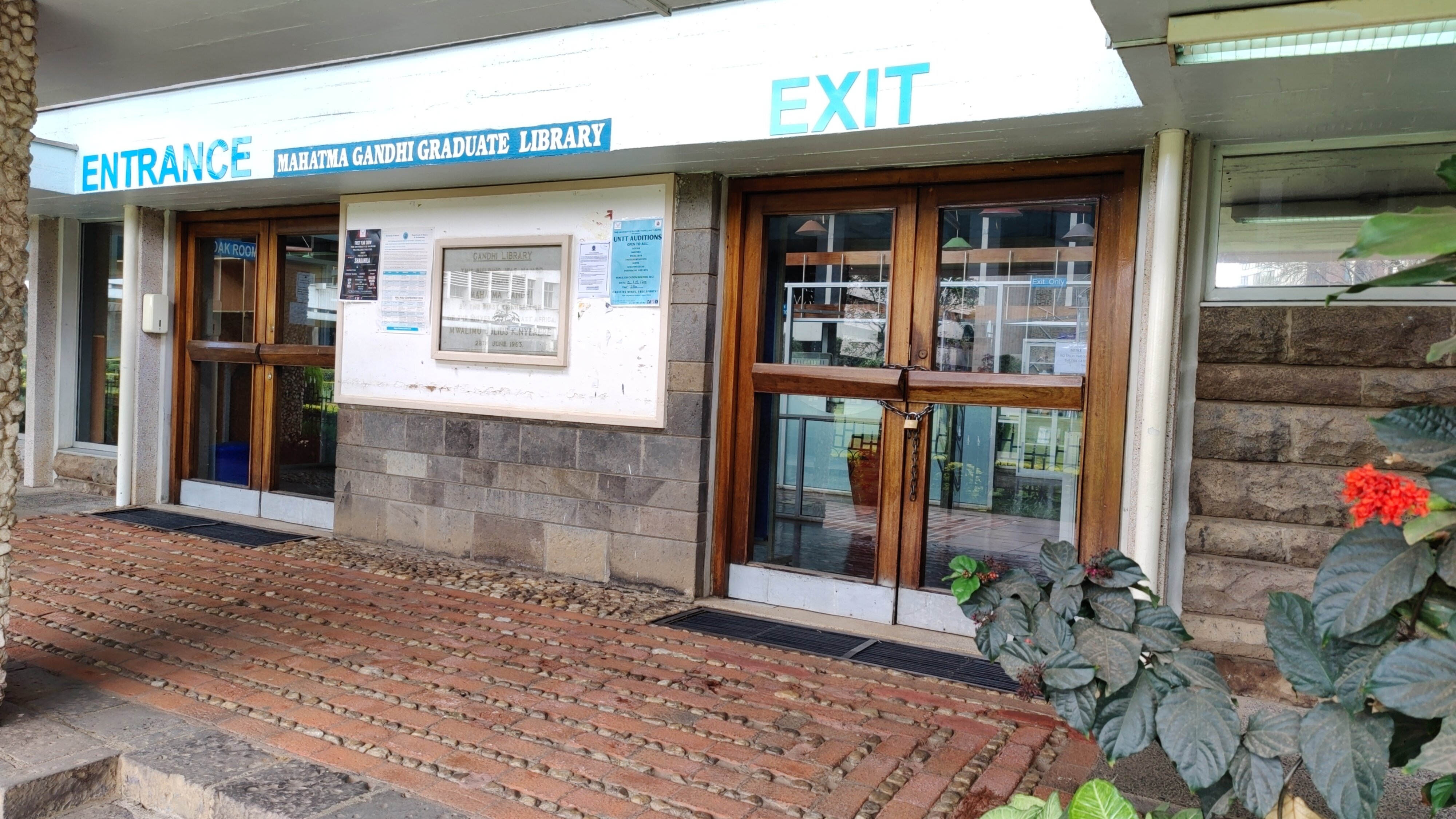 A library in Mahatma Gandhi wing of the University of Nairobi.
 One of the conference halls where talks took place.
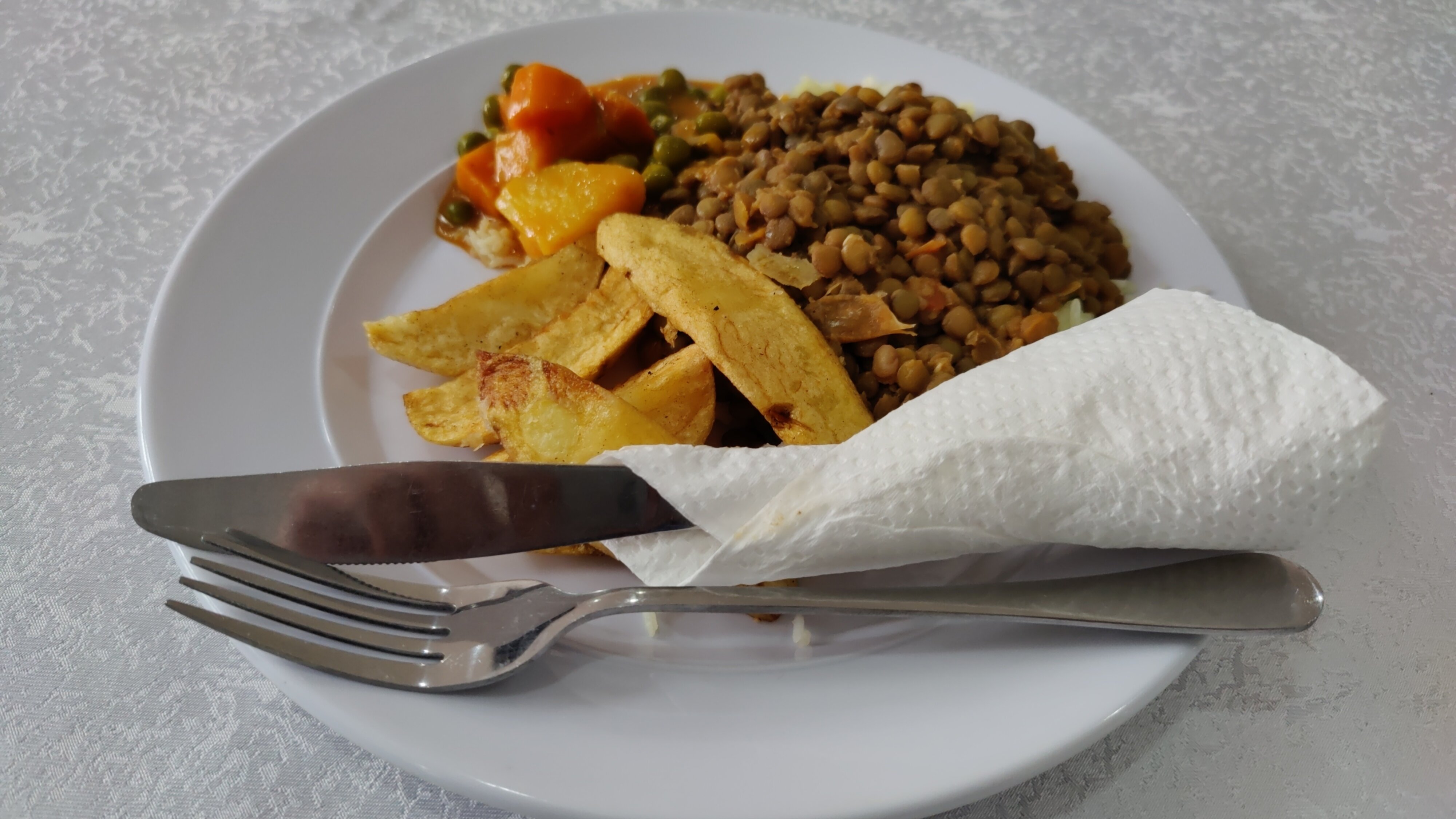 One of the lunch meals served during the conference.
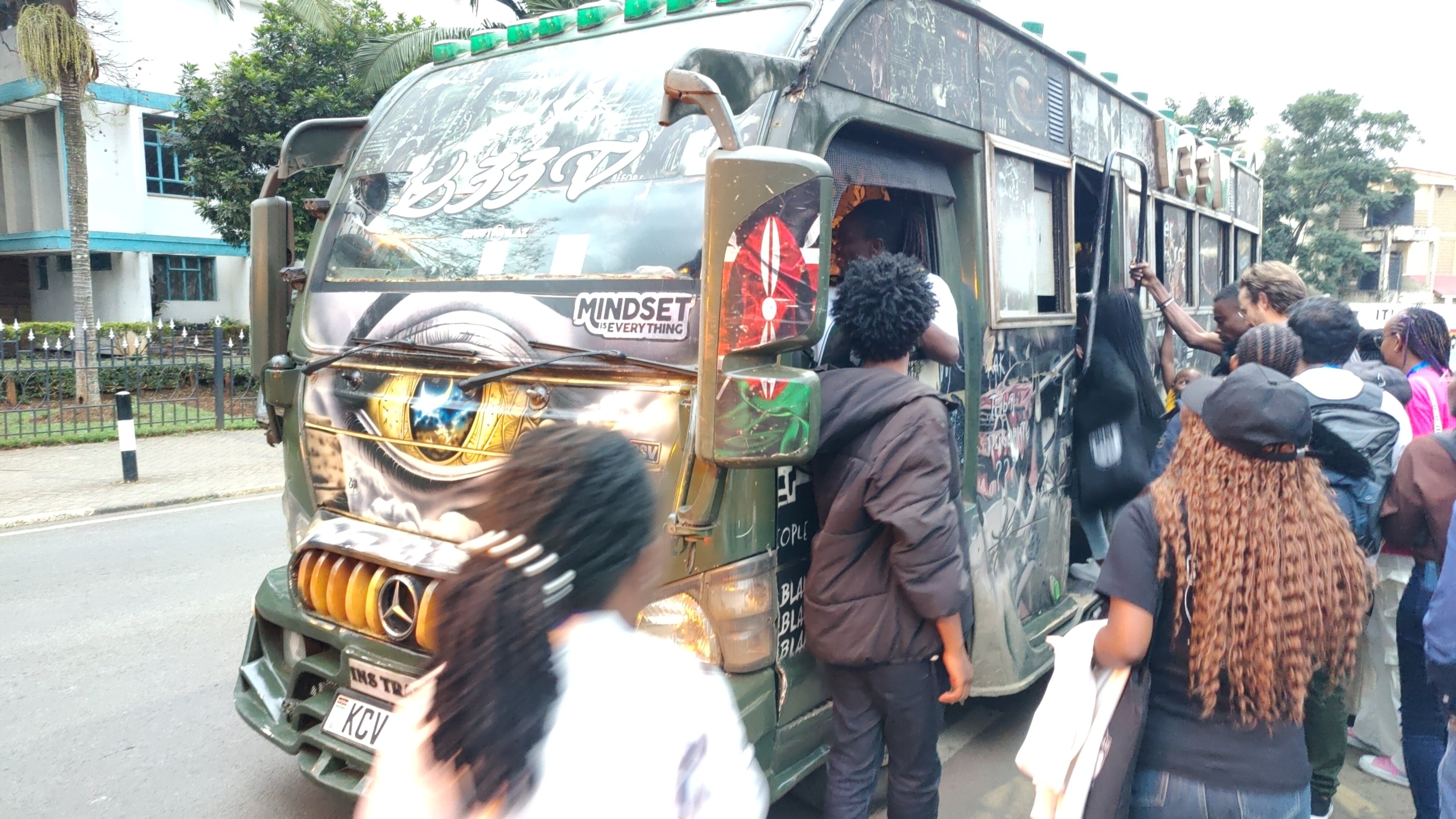 Minibus which took us from the university to Bao Box restaurant.
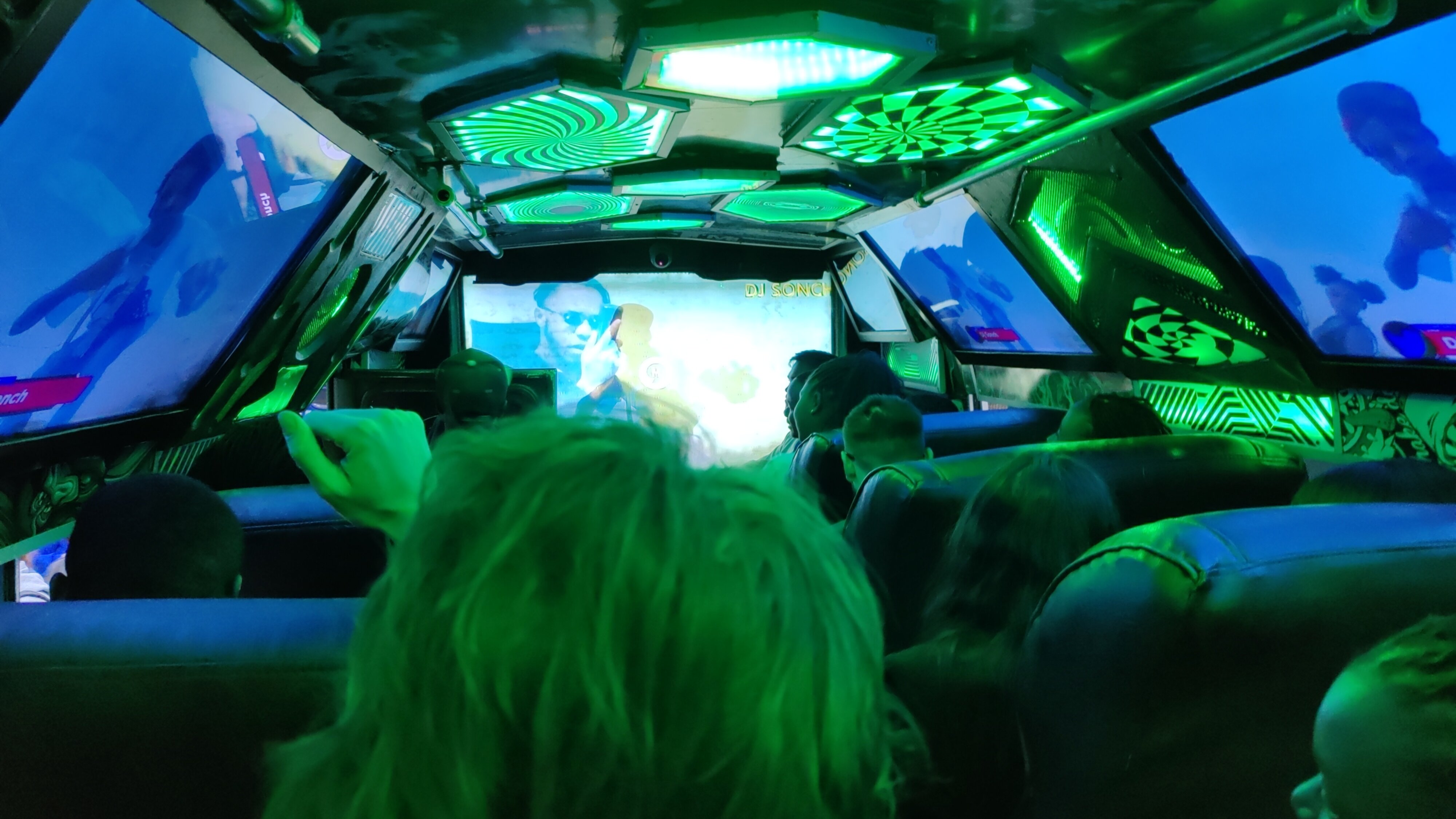 This minibus in the picture gave a sense of a real matatu.