I recently acquired a
Lenovo Yoga 2 13. While, at the time, the Yoga 3 was available, I decided to go for Yoga 2 13. The Yoga 3 comes with the newer Core M Broadwell family, which, in my opinion,
doesn't really bring any astounding benefits.
The Yoga 2 13 comes in mulitple variants worldwide. Infact these hardware variations have different effets when run under Linux.
My varaint of
Yoga 2 13 is:
CPU: Intel(R) Core(TM) i7-4510U CPU @ 2.00GHz
RAM: 8 GiB - Occupying 2 slots
Memory Controller Information
        Supported Interleave: One-way Interleave
        Current Interleave: One-way Interleave
        Maximum Memory Module Size: 8192 MB
        Maximum Total Memory Size: 16384 MB

Handle 0x0006, DMI type 6, 12 bytes
Handle 0x0007, DMI type 6, 12 bytes
The usual PCI devices:
rrs@learner:~$ lspci
00:00.0 Host bridge: Intel Corporation Haswell-ULT DRAM Controller (rev 0b)
00:02.0 VGA compatible controller: Intel Corporation Haswell-ULT Integrated Graphics Controller (rev 0b)
00:03.0 Audio device: Intel Corporation Haswell-ULT HD Audio Controller (rev 0b)
00:14.0 USB controller: Intel Corporation 8 Series USB xHCI HC (rev 04)
00:16.0 Communication controller: Intel Corporation 8 Series HECI #0 (rev 04)
00:1b.0 Audio device: Intel Corporation 8 Series HD Audio Controller (rev 04)
00:1c.0 PCI bridge: Intel Corporation 8 Series PCI Express Root Port 4 (rev e4)
00:1d.0 USB controller: Intel Corporation 8 Series USB EHCI #1 (rev 04)
00:1f.0 ISA bridge: Intel Corporation 8 Series LPC Controller (rev 04)
00:1f.2 SATA controller: Intel Corporation 8 Series SATA Controller 1 [AHCI mode] (rev 04)
00:1f.3 SMBus: Intel Corporation 8 Series SMBus Controller (rev 04)
01:00.0 Network controller: Realtek Semiconductor Co., Ltd. RTL8723BE PCIe Wireless Network Adapter
17:37
And the storage devices
Device Model:     WDC WD5000M22K-24Z1LT0-SSHD-16GB
Device Model:     KINGSTON SM2280S3120G
Storage
The drive runs into serious performance problems when its SSHD's NCQ (mis)feature is under use in Linux <= 4.0.
[28974.232550] ata2.00: configured for UDMA/133
[28974.232565] ahci 0000:00:1f.2: port does not support device sleep
[28983.680955] ata1.00: exception Emask 0x10 SAct 0x7fffffff SErr 0x400100 action 0x6 frozen
[28983.681000] ata1.00: irq_stat 0x08000000, interface fatal error
[28983.681027] ata1: SError:   UnrecovData Handshk
[28983.681052] ata1.00: failed command: WRITE FPDMA QUEUED
[28983.681082] ata1.00: cmd 61/40:00:b8:84:88/05:00:0a:00:00/40 tag 0 ncq 688128 out
                        res 40/00:3c:78:a9:88/00:00:0a:00:00/40 Emask 0x10 (ATA bus error)
[28983.681152] ata1.00: status:   DRDY
[28983.681171] ata1.00: failed command: WRITE FPDMA QUEUED
[28983.681202] ata1.00: cmd 61/40:08:f8:89:88/05:00:0a:00:00/40 tag 1 ncq 688128 out
                        res 40/00:3c:78:a9:88/00:00:0a:00:00/40 Emask 0x10 (ATA bus error)
[28983.681271] ata1.00: status:   DRDY
[28983.681289] ata1.00: failed command: WRITE FPDMA QUEUED
[28983.681316] ata1.00: cmd 61/40:10:38:8f:88/05:00:0a:00:00/40 tag 2 ncq 688128 out
                        res 40/00:3c:78:a9:88/00:00:0a:00:00/40 Emask 0x10 (ATA bus error)
[28983.681387] ata1.00: status:   DRDY
[28983.681407] ata1.00: failed command: WRITE FPDMA QUEUED
[28983.681435] ata1.00: cmd 61/40:18:78:94:88/05:00:0a:00:00/40 tag 3 ncq 688128 out
                        res 40/00:3c:78:a9:88/00:00:0a:00:00/40 Emask 0x10 (ATA bus error)
[28983.697642] ata1.00: status:   DRDY
[28983.697643] ata1.00: failed command: WRITE FPDMA QUEUED
[28983.697646] ata1.00: cmd 61/40:c8:38:65:88/05:00:0a:00:00/40 tag 25 ncq 688128 out
                        res 40/00:3c:78:a9:88/00:00:0a:00:00/40 Emask 0x10 (ATA bus error)
[28983.697647] ata1.00: status:   DRDY
[28983.697648] ata1.00: failed command: WRITE FPDMA QUEUED
[28983.697651] ata1.00: cmd 61/40:d0:78:6a:88/05:00:0a:00:00/40 tag 26 ncq 688128 out
                        res 40/00:3c:78:a9:88/00:00:0a:00:00/40 Emask 0x10 (ATA bus error)
[28983.697651] ata1.00: status:   DRDY
[28983.697652] ata1.00: failed command: WRITE FPDMA QUEUED
[28983.697656] ata1.00: cmd 61/40:d8:b8:6f:88/05:00:0a:00:00/40 tag 27 ncq 688128 out
                        res 40/00:3c:78:a9:88/00:00:0a:00:00/40 Emask 0x10 (ATA bus error)
[28983.697657] ata1.00: status:   DRDY
[28983.697658] ata1.00: failed command: WRITE FPDMA QUEUED
[28983.697661] ata1.00: cmd 61/40:e0:f8:74:88/05:00:0a:00:00/40 tag 28 ncq 688128 out
                        res 40/00:3c:78:a9:88/00:00:0a:00:00/40 Emask 0x10 (ATA bus error)
[28983.697662] ata1.00: status:   DRDY
[28983.697663] ata1.00: failed command: WRITE FPDMA QUEUED
[28983.697666] ata1.00: cmd 61/40:e8:38:7a:88/05:00:0a:00:00/40 tag 29 ncq 688128 out
                        res 40/00:3c:78:a9:88/00:00:0a:00:00/40 Emask 0x10 (ATA bus error)
[28983.697667] ata1.00: status:   DRDY
[28983.697668] ata1.00: failed command: WRITE FPDMA QUEUED
[28983.697672] ata1.00: cmd 61/40:f0:78:7f:88/05:00:0a:00:00/40 tag 30 ncq 688128 out
                        res 40/00:3c:78:a9:88/00:00:0a:00:00/40 Emask 0x10 (ATA bus error)
[28983.697672] ata1.00: status:   DRDY
[28983.697676] ata1: hard resetting link
[28984.017356] ata1: SATA link up 6.0 Gbps (SStatus 133 SControl 300)
[28984.022612] ata1.00: configured for UDMA/133
[28984.022740] ata1: EH complete
[28991.611732] Suspending console(s) (use no_console_suspend to debug)
[28992.183822] sd 1:0:0:0: [sdb] Synchronizing SCSI cache
[28992.186569] sd 1:0:0:0: [sdb] Stopping disk
[28992.186604] sd 0:0:0:0: [sda] Synchronizing SCSI cache
[28992.189594] sd 0:0:0:0: [sda] Stopping disk
[28992.967426] PM: suspend of devices complete after 1351.349 msecs
[28992.999461] PM: late suspend of devices complete after 31.990 msecs
[28993.000058] ehci-pci 0000:00:1d.0: System wakeup enabled by ACPI
[28993.000306] xhci_hcd 0000:00:14.0: System wakeup enabled by ACPI
[28993.016463] PM: noirq suspend of devices complete after 16.978 msecs
[28993.017024] ACPI: Preparing to enter system sleep state S3
[28993.017349] PM: Saving platform NVS memory
[28993.017357] Disabling non-boot CPUs ...
[28993.017389] intel_pstate CPU 1 exiting
[28993.018727] kvm: disabling virtualization on CPU1
[28993.019320] smpboot: CPU 1 is now offline
[28993.019646] intel_pstate CPU 2 exiting
In the interim, to overcome this problem, we can force the device to run in degraded mode. I'm not sure if it is really the degraded mode, or the device was falsely advertised as a 6 GiB capable device. Time will tell, but for now, force it to run in 3 GiB mode, and so far, I haven't run into the above mentioned probems. To force 3 GiB speed, apply the following.
rrs@learner:~$ cat /proc/cmdline
BOOT_IMAGE=/vmlinuz-4.0.4+ root=/dev/mapper/sdb_crypt ro cgroup_enable=memory swapaccount=1 rootflags=data=writeback libata.force=1:3 quiet
16:42
And then verify it... As you can see below, I've forced it for ata1 because I want my SSD drive to run at full-speed. I've done enough I/O, which earlier resulted in the kernel spitting the SATA errors. With this workaround, the kernel does not spit any error messages.
[    1.273365] libata version 3.00 loaded.
[    1.287290] ahci 0000:00:1f.2: AHCI 0001.0300 32 slots 4 ports 6 Gbps 0x3 impl SATA mode
[    1.288238] ata1: FORCE: PHY spd limit set to 3.0Gbps
[    1.288240] ata1: SATA max UDMA/133 abar m2048@0xb051b000 port 0xb051b100 irq 41
[    1.288242] ata2: SATA max UDMA/133 abar m2048@0xb051b000 port 0xb051b180 irq 41
[    1.288244] ata3: DUMMY
[    1.288245] ata4: DUMMY
[    1.606971] ata1: SATA link up 3.0 Gbps (SStatus 123 SControl 320)
[    1.607906] ata1.00: ATA-9: WDC WD5000M22K-24Z1LT0-SSHD-16GB, 02.01A03, max UDMA/133
[    1.607910] ata1.00: 976773168 sectors, multi 0: LBA48 NCQ (depth 31/32), AA
[    1.608856] ata1.00: configured for UDMA/133
[    1.609106] scsi 0:0:0:0: Direct-Access     ATA      WDC WD5000M22K-2 1A03 PQ: 0 ANSI: 5
[    1.927167] ata2: SATA link up 6.0 Gbps (SStatus 133 SControl 300)
[    1.928980] ata2.00: ATA-8: KINGSTON SM2280S3120G, S8FM06.A, max UDMA/133
[    1.928983] ata2.00: 234441648 sectors, multi 16: LBA48 NCQ (depth 31/32), AA
[    1.929616] ata2.00: configured for UDMA/133
And the throughput you get out of your WD SATA SSHD drive, with capability set to 3.0 GiB is:
rrs@learner:/media/SSHD/tmp$ while true; do dd if=/dev/zero of=foo.img bs=1M count=20000; sync; rm -rf foo.img; sync; done
20000+0 records in
20000+0 records out
20971520000 bytes (21 GB) copied, 202.014 s, 104 MB/s
20000+0 records in
20000+0 records out
20971520000 bytes (21 GB) copied, 206.111 s, 102 MB/s
Hannes Reinecke has submitted patches for NCQ enhancements, for Linux 4.1, which I hope will resolve these problems. Another option is to disable NCQ for the drive, or else blacklist the make/model in driver/ata/libata-core.c
By the time I finished this blog entry draft, I had tests to conclude that this did not look like an NCQ problem. Because in degraded mode too, it runs with NCQ enabled (check above).
rrs@learner:~$ sudo fstrim -vv /media/SSHD
/media/SSHD: 268.2 GiB (287930949632 bytes) trimmed
16:58
rrs@learner:~$ sudo fstrim -vv /
[sudo] password for rrs:
/: 64 GiB (68650749952 bytes) trimmed
16:56
Another interesting feature of this drive is support for TRIM / DISCARD. This drive's FTL accepts the TRIM command. Ofcourse, you need to ensure that you have discard enabled in all the layers. In my case, SATA + Device Mapper (Crypt and LVM) + File System (ext4)
Display
The overall display of this device is amazing. It is large enough to give you vibrant look. At 1920x1080 resolution, things look good. The display support was available out-of-the-box.
There were some suspend / resume hangs that occured with kernels < 4.x, during suspend / resume. The issue was root caused and fixed for Linux 4.0.
You may still notice the following kernel messages, though not problematic to me so far.
[28977.518114] PM: thaw of devices complete after 3607.979 msecs
[28977.590389] i915 0000:00:02.0: BAR 6: [??? 0x00000000 flags 0x2] has bogus alignment
[28977.590582] i915 0000:00:02.0: BAR 6: [??? 0x00000000 flags 0x2] has bogus alignment
[28977.591095] i915 0000:00:02.0: BAR 6: [??? 0x00000000 flags 0x2] has bogus alignment
[28977.591185] i915 0000:00:02.0: BAR 6: [??? 0x00000000 flags 0x2] has bogus alignment
[28977.591368] acpi device:30: Cannot transition to power state D3cold for parent in (unknown)
[28977.591911] pci_bus 0000:01: Allocating resources
[28977.591933] i915 0000:00:02.0: BAR 6: [??? 0x00000000 flags 0x2] has bogus alignment
[28977.592093] i915 0000:00:02.0: BAR 6: [??? 0x00000000 flags 0x2] has bogus alignment
[28977.592401] i915 0000:00:02.0: BAR 6: [??? 0x00000000 flags 0x2] has bogus alignment
You may need to disable the Intel Management Engine Interface (mei.ko), incase you run into suspend/resume problems.
rrs@learner:/media/SSHD/tmp$ cat /etc/modprobe.d/intel-mei-blacklist.conf
blacklist mei
blacklist mei-me
17:01
You may also run into the following Kernel Oops during suspend/resume. Below, you see 2 interation of sleep because it first hibernates and then sleeps (s2both).
[  180.470206] Syncing filesystems ... done.
[  180.473337] Freezing user space processes ... (elapsed 0.001 seconds) done.
[  180.475210] PM: Marking nosave pages: [mem 0x00000000-0x00000fff]
[  180.475213] PM: Marking nosave pages: [mem 0x0006f000-0x0006ffff]
[  180.475215] PM: Marking nosave pages: [mem 0x00088000-0x000fffff]
[  180.475220] PM: Marking nosave pages: [mem 0x97360000-0x97b5ffff]
[  180.475274] PM: Marking nosave pages: [mem 0x9c36f000-0x9cffefff]
[  180.475356] PM: Marking nosave pages: [mem 0x9d000000-0xffffffff]
[  180.476877] PM: Basic memory bitmaps created
[  180.477003] PM: Preallocating image memory... done (allocated 380227 pages)
[  180.851800] PM: Allocated 1520908 kbytes in 0.37 seconds (4110.56 MB/s)
[  180.851802] Freezing remaining freezable tasks ... (elapsed 0.001 seconds) done.
[  180.853355] Suspending console(s) (use no_console_suspend to debug)
[  180.853520] wlan0: deauthenticating from c4:6e:1f:d0:67:26 by local choice (Reason: 3=DEAUTH_LEAVING)
[  180.864159] cfg80211: Calling CRDA to update world regulatory domain
[  181.172222] PM: freeze of devices complete after 319.294 msecs
[  181.196080] ------------[ cut here ]------------
[  181.196124] WARNING: CPU: 3 PID: 3707 at drivers/gpu/drm/i915/intel_display.c:7904 hsw_enable_pc8+0x659/0x7c0 [i915]()
[  181.196125] SPLL enabled
[  181.196159] Modules linked in: rfcomm ctr ccm bnep pci_stub vboxpci(O) vboxnetadp(O) vboxnetflt(O) vboxdrv(O) bridge stp llc xt_conntrack iptable_filter ipt_MASQUERADE nf_nat_masquerade_ipv4 iptable_nat nf_conntrack_ipv4 nf_defrag_ipv4 nf_nat_ipv4 nf_nat nf_conntrack xt_CHECKSUM xt_tcpudp iptable_mangle ip_tables x_tables nls_utf8 nls_cp437 vfat fat rtsx_usb_ms memstick snd_hda_codec_hdmi joydev mousedev hid_sensor_rotation hid_sensor_incl_3d hid_sensor_als hid_sensor_accel_3d hid_sensor_magn_3d hid_sensor_gyro_3d hid_sensor_trigger industrialio_triggered_buffer kfifo_buf industrialio hid_sensor_iio_common iTCO_wdt iTCO_vendor_support hid_multitouch x86_pkg_temp_thermal intel_powerclamp coretemp intel_rapl iosf_mbi kvm_intel kvm btusb hid_sensor_hub bluetooth uvcvideo videobuf2_vmalloc videobuf2_memops
[  181.196203]  videobuf2_core v4l2_common videodev media pcspkr evdev mac_hid arc4 psmouse serio_raw efivars i2c_i801 rtl8723be btcoexist rtl8723_common rtl_pci rtlwifi mac80211 snd_soc_rt5640 cfg80211 snd_soc_rl6231 snd_hda_codec_realtek i915 snd_soc_core snd_hda_codec_generic ideapad_laptop ac snd_compress dw_dmac sparse_keymap drm_kms_helper rfkill battery dw_dmac_core snd_hda_intel snd_pcm_dmaengine snd_soc_sst_acpi snd_hda_controller video 8250_dw regmap_i2c snd_hda_codec drm snd_hwdep snd_pcm spi_pxa2xx_platform i2c_designware_platform soc_button_array snd_timer i2c_designware_core snd i2c_algo_bit soundcore shpchp lpc_ich button processor fuse ipv6 autofs4 ext4 crc16 jbd2 mbcache btrfs xor raid6_pq algif_skcipher af_alg dm_crypt dm_mod sg usbhid sd_mod rtsx_usb_sdmmc rtsx_usb crct10dif_pclmul
[  181.196220]  crc32_pclmul crc32c_intel ghash_clmulni_intel aesni_intel aes_x86_64 lrw gf128mul glue_helper ablk_helper cryptd ahci libahci libata xhci_pci ehci_pci xhci_hcd ehci_hcd scsi_mod usbcore usb_common thermal fan thermal_sys hwmon i2c_hid hid i2c_core sdhci_acpi sdhci mmc_core gpio_lynxpoint
[  181.196224] CPU: 3 PID: 3707 Comm: kworker/u16:7 Tainted: G           O    4.0.4+ #14
[  181.196225] Hardware name: LENOVO 20344/INVALID, BIOS 96CN29WW(V1.15) 10/16/2014
[  181.196230] Workqueue: events_unbound async_run_entry_fn
[  181.196233]  0000000000000000 ffffffffa0706f68 ffffffff81522198 ffff880064debc88
[  181.196235]  ffffffff8106c5b1 ffff880251460000 ffff880250f83b68 ffff880250f83b78
[  181.196237]  ffff880250f83800 0000000000000001 ffffffff8106c62a ffffffffa071407c
[  181.196238] Call Trace:
[  181.196248]  [<ffffffff81522198>] ? dump_stack+0x40/0x50
[  181.196251]  [<ffffffff8106c5b1>] ? warn_slowpath_common+0x81/0xb0
[  181.196254]  [<ffffffff8106c62a>] ? warn_slowpath_fmt+0x4a/0x50
[  181.196278]  [<ffffffffa06ae349>] ? hsw_enable_pc8+0x659/0x7c0 [i915]
[  181.196289]  [<ffffffffa0643ee0>] ? intel_suspend_complete+0xe0/0x6e0 [i915]
[  181.196300]  [<ffffffffa0644501>] ? i915_drm_suspend_late+0x21/0x90 [i915]
[  181.196311]  [<ffffffffa0644690>] ? i915_pm_poweroff_late+0x40/0x40 [i915]
[  181.196318]  [<ffffffff813fa7ba>] ? dpm_run_callback+0x4a/0x100
[  181.196321]  [<ffffffff813fb010>] ? __device_suspend_late+0xa0/0x180
[  181.196324]  [<ffffffff813fb10e>] ? async_suspend_late+0x1e/0xa0
[  181.196326]  [<ffffffff8108b973>] ? async_run_entry_fn+0x43/0x160
[  181.196330]  [<ffffffff81083a5d>] ? process_one_work+0x14d/0x3f0
[  181.196332]  [<ffffffff81084463>] ? worker_thread+0x53/0x480
[  181.196334]  [<ffffffff81084410>] ? rescuer_thread+0x300/0x300
[  181.196338]  [<ffffffff81089191>] ? kthread+0xc1/0xe0
[  181.196341]  [<ffffffff810890d0>] ? kthread_create_on_node+0x180/0x180
[  181.196346]  [<ffffffff81527898>] ? ret_from_fork+0x58/0x90
[  181.196349]  [<ffffffff810890d0>] ? kthread_create_on_node+0x180/0x180
[  181.196350] ---[ end trace 8e339004db298838 ]---
[  181.220094] PM: late freeze of devices complete after 47.936 msecs
[  181.220972] PM: noirq freeze of devices complete after 0.875 msecs
[  181.221577] ACPI: Preparing to enter system sleep state S4
[  181.221886] PM: Saving platform NVS memory
[  181.222702] Disabling non-boot CPUs ...
[  181.222731] intel_pstate CPU 1 exiting
[  181.224041] kvm: disabling virtualization on CPU1
[  181.224680] smpboot: CPU 1 is now offline
[  181.225121] intel_pstate CPU 2 exiting
[  181.226407] kvm: disabling virtualization on CPU2
[  181.227025] smpboot: CPU 2 is now offline
[  181.227441] intel_pstate CPU 3 exiting
[  181.227728] Broke affinity for irq 19
[  181.227747] Broke affinity for irq 41
[  181.228771] kvm: disabling virtualization on CPU3
[  181.228793] smpboot: CPU 3 is now offline
[  181.229624] PM: Creating hibernation image:
[  181.563651] PM: Need to copy 379053 pages
[  181.563655] PM: Normal pages needed: 379053 + 1024, available pages: 1697704
[  182.472910] PM: Hibernation image created (379053 pages copied)
[  181.232347] PM: Restoring platform NVS memory
[  181.233171] Enabling non-boot CPUs ...
[  181.233246] x86: Booting SMP configuration:
[  181.233248] smpboot: Booting Node 0 Processor 1 APIC 0x1
[  181.246771] kvm: enabling virtualization on CPU1
[  181.249339] CPU1 is up
[  181.249389] smpboot: Booting Node 0 Processor 2 APIC 0x2
[  181.262313] kvm: enabling virtualization on CPU2
[  181.264853] CPU2 is up
[  181.264903] smpboot: Booting Node 0 Processor 3 APIC 0x3
[  181.277831] kvm: enabling virtualization on CPU3
[  181.280317] CPU3 is up
[  181.288471] ACPI: Waking up from system sleep state S4
[  182.340655] PM: noirq thaw of devices complete after 0.637 msecs
[  182.378087] PM: early thaw of devices complete after 37.428 msecs
[  182.378436] rtlwifi: rtlwifi: wireless switch is on
[  182.451021] rtc_cmos 00:01: System wakeup disabled by ACPI
[  182.697575] ata1: SATA link up 3.0 Gbps (SStatus 123 SControl 320)
[  182.697617] ata2: SATA link up 6.0 Gbps (SStatus 133 SControl 300)
[  182.699248] ata1.00: configured for UDMA/133
[  182.699911] ata2.00: configured for UDMA/133
[  182.699917] ahci 0000:00:1f.2: port does not support device sleep
[  186.059539] PM: thaw of devices complete after 3685.338 msecs
[  186.134292] i915 0000:00:02.0: BAR 6: [??? 0x00000000 flags 0x2] has bogus alignment
[  186.134479] i915 0000:00:02.0: BAR 6: [??? 0x00000000 flags 0x2] has bogus alignment
[  186.134992] i915 0000:00:02.0: BAR 6: [??? 0x00000000 flags 0x2] has bogus alignment
[  186.135080] i915 0000:00:02.0: BAR 6: [??? 0x00000000 flags 0x2] has bogus alignment
[  186.135266] acpi device:30: Cannot transition to power state D3cold for parent in (unknown)
[  186.135950] pci_bus 0000:01: Allocating resources
[  186.135974] pcieport 0000:00:1c.0: bridge window [mem 0x00100000-0x000fffff 64bit pref] to [bus 01] add_size 200000
[  186.135980] i915 0000:00:02.0: BAR 6: [??? 0x00000000 flags 0x2] has bogus alignment
[  186.136049] pcieport 0000:00:1c.0: res[15]=[mem 0x00100000-0x000fffff 64bit pref] get_res_add_size add_size 200000
[  186.136072] pcieport 0000:00:1c.0: BAR 15: assigned [mem 0x9fb00000-0x9fcfffff 64bit pref]
[  186.136174] i915 0000:00:02.0: BAR 6: [??? 0x00000000 flags 0x2] has bogus alignment
[  186.136490] i915 0000:00:02.0: BAR 6: [??? 0x00000000 flags 0x2] has bogus alignment
[  199.454497] Suspending console(s) (use no_console_suspend to debug)
[  200.024190] sd 1:0:0:0: [sdb] Synchronizing SCSI cache
[  200.024356] sd 0:0:0:0: [sda] Synchronizing SCSI cache
[  200.025359] sd 1:0:0:0: [sdb] Stopping disk
[  200.028701] sd 0:0:0:0: [sda] Stopping disk
[  201.106085] PM: suspend of devices complete after 1651.336 msecs
[  201.106591] ------------[ cut here ]------------
[  201.106628] WARNING: CPU: 0 PID: 3725 at drivers/gpu/drm/i915/intel_display.c:7904 hsw_enable_pc8+0x659/0x7c0 [i915]()
[  201.106628] SPLL enabled
[  201.106656] Modules linked in: rfcomm ctr ccm bnep pci_stub vboxpci(O) vboxnetadp(O) vboxnetflt(O) vboxdrv(O) bridge stp llc xt_conntrack iptable_filter ipt_MASQUERADE nf_nat_masquerade_ipv4 iptable_nat nf_conntrack_ipv4 nf_defrag_ipv4 nf_nat_ipv4 nf_nat nf_conntrack xt_CHECKSUM xt_tcpudp iptable_mangle ip_tables x_tables nls_utf8 nls_cp437 vfat fat rtsx_usb_ms memstick snd_hda_codec_hdmi joydev mousedev hid_sensor_rotation hid_sensor_incl_3d hid_sensor_als hid_sensor_accel_3d hid_sensor_magn_3d hid_sensor_gyro_3d hid_sensor_trigger industrialio_triggered_buffer kfifo_buf industrialio hid_sensor_iio_common iTCO_wdt iTCO_vendor_support hid_multitouch x86_pkg_temp_thermal intel_powerclamp coretemp intel_rapl iosf_mbi kvm_intel kvm btusb hid_sensor_hub bluetooth uvcvideo videobuf2_vmalloc videobuf2_memops
[  201.106694]  videobuf2_core v4l2_common videodev media pcspkr evdev mac_hid arc4 psmouse serio_raw efivars i2c_i801 rtl8723be btcoexist rtl8723_common rtl_pci rtlwifi mac80211 snd_soc_rt5640 cfg80211 snd_soc_rl6231 snd_hda_codec_realtek i915 snd_soc_core snd_hda_codec_generic ideapad_laptop ac snd_compress dw_dmac sparse_keymap drm_kms_helper rfkill battery dw_dmac_core snd_hda_intel snd_pcm_dmaengine snd_soc_sst_acpi snd_hda_controller video 8250_dw regmap_i2c snd_hda_codec drm snd_hwdep snd_pcm spi_pxa2xx_platform i2c_designware_platform soc_button_array snd_timer i2c_designware_core snd i2c_algo_bit soundcore shpchp lpc_ich button processor fuse ipv6 autofs4 ext4 crc16 jbd2 mbcache btrfs xor raid6_pq algif_skcipher af_alg dm_crypt dm_mod sg usbhid sd_mod rtsx_usb_sdmmc rtsx_usb crct10dif_pclmul
[  201.106711]  crc32_pclmul crc32c_intel ghash_clmulni_intel aesni_intel aes_x86_64 lrw gf128mul glue_helper ablk_helper cryptd ahci libahci libata xhci_pci ehci_pci xhci_hcd ehci_hcd scsi_mod usbcore usb_common thermal fan thermal_sys hwmon i2c_hid hid i2c_core sdhci_acpi sdhci mmc_core gpio_lynxpoint
[  201.106714] CPU: 0 PID: 3725 Comm: kworker/u16:25 Tainted: G        W  O    4.0.4+ #14
[  201.106715] Hardware name: LENOVO 20344/INVALID, BIOS 96CN29WW(V1.15) 10/16/2014
[  201.106720] Workqueue: events_unbound async_run_entry_fn
[  201.106723]  0000000000000000 ffffffffa0706f68 ffffffff81522198 ffff880064dd7c88
[  201.106725]  ffffffff8106c5b1 ffff880251460000 ffff880250f83b68 ffff880250f83b78
[  201.106727]  ffff880250f83800 0000000000000002 ffffffff8106c62a ffffffffa071407c
[  201.106728] Call Trace:
[  201.106737]  [<ffffffff81522198>] ? dump_stack+0x40/0x50
[  201.106740]  [<ffffffff8106c5b1>] ? warn_slowpath_common+0x81/0xb0
[  201.106742]  [<ffffffff8106c62a>] ? warn_slowpath_fmt+0x4a/0x50
[  201.106765]  [<ffffffffa06ae349>] ? hsw_enable_pc8+0x659/0x7c0 [i915]
[  201.106776]  [<ffffffffa0643ee0>] ? intel_suspend_complete+0xe0/0x6e0 [i915]
[  201.106786]  [<ffffffffa0644501>] ? i915_drm_suspend_late+0x21/0x90 [i915]
[  201.106797]  [<ffffffffa0644690>] ? i915_pm_poweroff_late+0x40/0x40 [i915]
[  201.106802]  [<ffffffff813fa7ba>] ? dpm_run_callback+0x4a/0x100
[  201.106805]  [<ffffffff813fb010>] ? __device_suspend_late+0xa0/0x180
[  201.106809]  [<ffffffff813fb10e>] ? async_suspend_late+0x1e/0xa0
[  201.106811]  [<ffffffff8108b973>] ? async_run_entry_fn+0x43/0x160
[  201.106813]  [<ffffffff81083a5d>] ? process_one_work+0x14d/0x3f0
[  201.106815]  [<ffffffff81084463>] ? worker_thread+0x53/0x480
[  201.106818]  [<ffffffff81084410>] ? rescuer_thread+0x300/0x300
[  201.106821]  [<ffffffff81089191>] ? kthread+0xc1/0xe0
[  201.106824]  [<ffffffff810890d0>] ? kthread_create_on_node+0x180/0x180
[  201.106827]  [<ffffffff81527898>] ? ret_from_fork+0x58/0x90
[  201.106830]  [<ffffffff810890d0>] ? kthread_create_on_node+0x180/0x180
[  201.106832] ---[ end trace 8e339004db298839 ]---
[  201.130052] PM: late suspend of devices complete after 23.960 msecs
[  201.130725] ehci-pci 0000:00:1d.0: System wakeup enabled by ACPI
[  201.130885] xhci_hcd 0000:00:14.0: System wakeup enabled by ACPI
[  201.146986] PM: noirq suspend of devices complete after 16.930 msecs
[  201.147591] ACPI: Preparing to enter system sleep state S3
[  201.147942] PM: Saving platform NVS memory
[  201.147948] Disabling non-boot CPUs ...
[  201.147999] intel_pstate CPU 1 exiting
[  201.149324] kvm: disabling virtualization on CPU1
[  201.149337] smpboot: CPU 1 is now offline
[  201.149640] intel_pstate CPU 2 exiting
[  201.151096] kvm: disabling virtualization on CPU2
[  201.151108] smpboot: CPU 2 is now offline
[  201.152017] intel_pstate CPU 3 exiting
[  201.153250] kvm: disabling virtualization on CPU3
[  201.153256] smpboot: CPU 3 is now offline
[  201.156229] ACPI: Low-level resume complete
[  201.156307] PM: Restoring platform NVS memory
[  201.160033] CPU0 microcode updated early to revision 0x1c, date = 2014-07-03
[  201.160190] Enabling non-boot CPUs ...
[  201.160241] x86: Booting SMP configuration:
[  201.160243] smpboot: Booting Node 0 Processor 1 APIC 0x1
[  201.172665] kvm: enabling virtualization on CPU1
[  201.174982] CPU1 is up
[  201.175013] smpboot: Booting Node 0 Processor 2 APIC 0x2
[  201.187569] CPU2 microcode updated early to revision 0x1c, date = 2014-07-03
[  201.188796] kvm: enabling virtualization on CPU2
[  201.191130] CPU2 is up
[  201.191158] smpboot: Booting Node 0 Processor 3 APIC 0x3
[  201.203297] kvm: enabling virtualization on CPU3
[  201.205679] CPU3 is up
[  201.210414] ACPI: Waking up from system sleep state S3
[  201.224617] ehci-pci 0000:00:1d.0: System wakeup disabled by ACPI
[  201.332523] xhci_hcd 0000:00:14.0: System wakeup disabled by ACPI
[  201.332634] PM: noirq resume of devices complete after 121.623 msecs
[  201.372718] PM: early resume of devices complete after 40.058 msecs
[  201.372892] rtlwifi: rtlwifi: wireless switch is on
[  201.373270] sd 0:0:0:0: [sda] Starting disk
[  201.373271] sd 1:0:0:0: [sdb] Starting disk
[  201.445954] rtc_cmos 00:01: System wakeup disabled by ACPI
[  201.692510] ata2: SATA link up 6.0 Gbps (SStatus 133 SControl 300)
[  201.694719] ata2.00: configured for UDMA/133
[  201.694724] ahci 0000:00:1f.2: port does not support device sleep
[  201.836724] usb 2-4: reset high-speed USB device number 2 using xhci_hcd
[  201.890158] psmouse serio1: synaptics: queried max coordinates: x [..5702], y [..4730]
[  201.930768] psmouse serio1: synaptics: queried min coordinates: x [1242..], y [1124..]
[  202.076784] usb 2-5: reset full-speed USB device number 3 using xhci_hcd
[  202.205100] usb 2-5: ep 0x2 - rounding interval to 64 microframes, ep desc says 80 microframes
[  202.316799] usb 2-7: reset full-speed USB device number 5 using xhci_hcd
[  202.444945] usb 2-7: No LPM exit latency info found, disabling LPM.
[  202.556817] usb 2-8: reset full-speed USB device number 6 using xhci_hcd
[  202.908691] usb 2-6: reset high-speed USB device number 4 using xhci_hcd
[  203.932602] ata1: SATA link up 3.0 Gbps (SStatus 123 SControl 320)
[  204.044890] ata1.00: configured for UDMA/133
[  206.228698] PM: resume of devices complete after 4855.892 msecs
[  206.380738] i915 0000:00:02.0: BAR 6: [??? 0x00000000 flags 0x2] has bogus alignment
[  206.383152] i915 0000:00:02.0: BAR 6: [??? 0x00000000 flags 0x2] has bogus alignment
[  206.385775] i915 0000:00:02.0: BAR 6: [??? 0x00000000 flags 0x2] has bogus alignment
[  206.388066] i915 0000:00:02.0: BAR 6: [??? 0x00000000 flags 0x2] has bogus alignment
[  206.390415] acpi device:30: Cannot transition to power state D3cold for parent in (unknown)
[  206.393078] pci_bus 0000:01: Allocating resources
[  206.393098] i915 0000:00:02.0: BAR 6: [??? 0x00000000 flags 0x2] has bogus alignment
[  206.395470] i915 0000:00:02.0: BAR 6: [??? 0x00000000 flags 0x2] has bogus alignment
[  206.397927] i915 0000:00:02.0: BAR 6: [??? 0x00000000 flags 0x2] has bogus alignment
[  206.518516] Restarting kernel threads ... done.
[  206.518812] PM: Basic memory bitmaps freed
[  206.518816] Restarting tasks ... done.
There is one more occasional Kernel Oops (below), which I believe again has to do with Intel.
[ 8770.745396] ------------[ cut here ]------------
[ 8770.745441] WARNING: CPU: 0 PID: 7206 at drivers/gpu/drm/i915/intel_display.c:9756 intel_check_page_flip+0xd2/0xe0 [i915]()
[ 8770.745444] Kicking stuck page flip: queued at 466186, now 466191
[ 8770.745445] Modules linked in: cpuid rfcomm ctr ccm bnep pci_stub vboxpci(O) vboxnetadp(O) vboxnetflt(O) vboxdrv(O) bridge stp llc xt_conntrack iptable_filter ipt_MASQUERADE nf_nat_masquerade_ipv4 iptable_nat nf_conntrack_ipv4 nf_defrag_ipv4 nf_nat_ipv4 nf_nat nf_conntrack xt_CHECKSUM xt_tcpudp iptable_mangle ip_tables x_tables nls_utf8 nls_cp437 vfat fat rtsx_usb_ms memstick snd_hda_codec_hdmi joydev mousedev hid_sensor_rotation hid_sensor_incl_3d hid_sensor_als hid_sensor_accel_3d hid_sensor_magn_3d hid_sensor_gyro_3d hid_sensor_trigger industrialio_triggered_buffer kfifo_buf industrialio hid_sensor_iio_common iTCO_wdt iTCO_vendor_support hid_multitouch x86_pkg_temp_thermal intel_powerclamp coretemp intel_rapl iosf_mbi kvm_intel kvm btusb hid_sensor_hub bluetooth uvcvideo videobuf2_vmalloc videobuf2_memops
[ 8770.745484]  videobuf2_core v4l2_common videodev media pcspkr evdev mac_hid arc4 psmouse serio_raw efivars i2c_i801 rtl8723be btcoexist rtl8723_common rtl_pci rtlwifi mac80211 snd_soc_rt5640 cfg80211 snd_soc_rl6231 snd_hda_codec_realtek i915 snd_soc_core snd_hda_codec_generic ideapad_laptop ac snd_compress dw_dmac sparse_keymap drm_kms_helper rfkill battery dw_dmac_core snd_hda_intel snd_pcm_dmaengine snd_soc_sst_acpi snd_hda_controller video 8250_dw regmap_i2c snd_hda_codec drm snd_hwdep snd_pcm spi_pxa2xx_platform i2c_designware_platform soc_button_array snd_timer i2c_designware_core snd i2c_algo_bit soundcore shpchp lpc_ich button processor fuse ipv6 autofs4 ext4 crc16 jbd2 mbcache btrfs xor raid6_pq algif_skcipher af_alg dm_crypt dm_mod sg usbhid sd_mod rtsx_usb_sdmmc rtsx_usb crct10dif_pclmul
[ 8770.745536]  crc32_pclmul crc32c_intel ghash_clmulni_intel aesni_intel aes_x86_64 lrw gf128mul glue_helper ablk_helper cryptd ahci libahci libata xhci_pci ehci_pci xhci_hcd ehci_hcd scsi_mod usbcore usb_common thermal fan thermal_sys hwmon i2c_hid hid i2c_core sdhci_acpi sdhci mmc_core gpio_lynxpoint
[ 8770.745561] CPU: 0 PID: 7206 Comm: icedove Tainted: G        W  O    4.0.4+ #14
[ 8770.745563] Hardware name: LENOVO 20344/INVALID, BIOS 96CN29WW(V1.15) 10/16/2014
[ 8770.745565]  0000000000000000 ffffffffa0706f68 ffffffff81522198 ffff88025f203dc8
[ 8770.745569]  ffffffff8106c5b1 ffff880250f83800 ffff880254dcc000 0000000000000000
[ 8770.745572]  0000000000000000 0000000000000000 ffffffff8106c62a ffffffffa0709d50
[ 8770.745575] Call Trace:
[ 8770.745577]  <IRQ>  [<ffffffff81522198>] ? dump_stack+0x40/0x50
[ 8770.745592]  [<ffffffff8106c5b1>] ? warn_slowpath_common+0x81/0xb0
[ 8770.745595]  [<ffffffff8106c62a>] ? warn_slowpath_fmt+0x4a/0x50
[ 8770.745616]  [<ffffffffa06a0bb3>] ? __intel_pageflip_stall_check+0x113/0x120 [i915]
[ 8770.745634]  [<ffffffffa06af042>] ? intel_check_page_flip+0xd2/0xe0 [i915]
[ 8770.745652]  [<ffffffffa067cde1>] ? ironlake_irq_handler+0x2e1/0x1010 [i915]
[ 8770.745657]  [<ffffffff81092d1a>] ? check_preempt_curr+0x5a/0xa0
[ 8770.745663]  [<ffffffff812d66c2>] ? timerqueue_del+0x22/0x70
[ 8770.745668]  [<ffffffff810bb7d5>] ? handle_irq_event_percpu+0x75/0x190
[ 8770.745672]  [<ffffffff8101b945>] ? read_tsc+0x5/0x10
[ 8770.745676]  [<ffffffff810bb928>] ? handle_irq_event+0x38/0x50
[ 8770.745680]  [<ffffffff810be841>] ? handle_edge_irq+0x71/0x120
[ 8770.745685]  [<ffffffff810153bd>] ? handle_irq+0x1d/0x30
[ 8770.745689]  [<ffffffff8152a866>] ? do_IRQ+0x46/0xe0
[ 8770.745694]  [<ffffffff8152866d>] ? common_interrupt+0x6d/0x6d
[ 8770.745695]  <EOI>  [<ffffffff8152794d>] ? system_call_fastpath+0x16/0x1b
[ 8770.745701] ---[ end trace 8e339004db29883a ]---
Network
In my case, the laptop came with the Realtek Wireless device (details above in lspci output). Note: The machine has no wired interface.
While the Intel Wifi devices shipped with this laptop have their own share of problems, this device (rtl8723be) works out of the box. But only for a while. There is no certain pattern on what triggers the bug, but once triggered, the network just freezes. Nothing is logged.
If your Yoga 2 13 came with the RTL chip, the following workaround may help avoid the network issues.
rrs@learner:/media/SSHD/tmp$ cat /etc/modprobe.d/rtl8723be.conf
options rtl8723be fwlps=0
17:06
MCE
Almost every boot, eventually, the kernel reports MCE errors. Not something I understand well, but so far, it hasn't caused any visible issues. And from what I have googled so far, nobody seems to have fixed it anywhere
So, with fingers crossed, lets just hope this never translates into a real problem.
What the kernel reports of the CPU's capabilities.
[    0.041496] mce: CPU supports 7 MCE banks
[  299.540930] mce: [Hardware Error]: Machine check events logged
The MCE logs extracted from the buffer.
mcelog: failed to prefill DIMM database from DMI data
Hardware event. This is not a software error.
MCE 0
CPU 0 BANK 5
MISC 38a0000086 ADDR fef81880
TIME 1432455005 Sun May 24 13:40:05 2015
MCG status:
MCi status:
Error overflow
Uncorrected error
MCi_MISC register valid
MCi_ADDR register valid
Processor context corrupt
MCA: corrected filtering (some unreported errors in same region)
Generic CACHE Level-2 Generic Error
STATUS ee0000000040110a MCGSTATUS 0
MCGCAP c07 APICID 0 SOCKETID 0
CPUID Vendor Intel Family 6 Model 69
Hardware event. This is not a software error.
MCE 1
CPU 0 BANK 6
MISC 78a0000086 ADDR fef81780
TIME 1432455005 Sun May 24 13:40:05 2015
MCG status:
MCi status:
Uncorrected error
MCi_MISC register valid
MCi_ADDR register valid
Processor context corrupt
MCA: corrected filtering (some unreported errors in same region)
Generic CACHE Level-2 Generic Error
STATUS ae0000000040110a MCGSTATUS 0
MCGCAP c07 APICID 0 SOCKETID 0
CPUID Vendor Intel Family 6 Model 69
Hardware event. This is not a software error.
MCE 2
CPU 0 BANK 5
MISC 38a0000086 ADDR fef81880
TIME 1432455114 Sun May 24 13:41:54 2015
MCG status:
MCi status:
Error overflow
Uncorrected error
MCi_MISC register valid
MCi_ADDR register valid
Processor context corrupt
MCA: corrected filtering (some unreported errors in same region)
Generic CACHE Level-2 Generic Error
STATUS ee0000000040110a MCGSTATUS 0
MCGCAP c07 APICID 0 SOCKETID 0
CPUID Vendor Intel Family 6 Model 69
Hardware event. This is not a software error.
MCE 3
CPU 0 BANK 6
MISC 78a0000086 ADDR fef81780
TIME 1432455114 Sun May 24 13:41:54 2015
MCG status:
MCi status:
Uncorrected error
MCi_MISC register valid
MCi_ADDR register valid
Processor context corrupt
MCA: corrected filtering (some unreported errors in same region)
Generic CACHE Level-2 Generic Error
STATUS ae0000000040110a MCGSTATUS 0
MCGCAP c07 APICID 0 SOCKETID 0
CPUID Vendor Intel Family 6 Model 69
 After a few quiet months, a new version of rfoaas is now on

 I have posted a view times (
 So going through these explanations one will end up with a usable USB stick that can boot you into

 The random gaps (
 With a
 Last week I was in


 Anyway, there are still many things to work out, especially a rework of
 In case you have some spare time and bit of programming experience, the Debian TeX Team is looking for a bit of support in these days.
 Because of
 If you are in a situation where you want to set up a SFTP server in a more secure way, don't want to expose anything from the server via SFTP and do not want to enable SSH login on the account allowed to sftp, you might find the information below useful.

 I wrote well over one year ago about
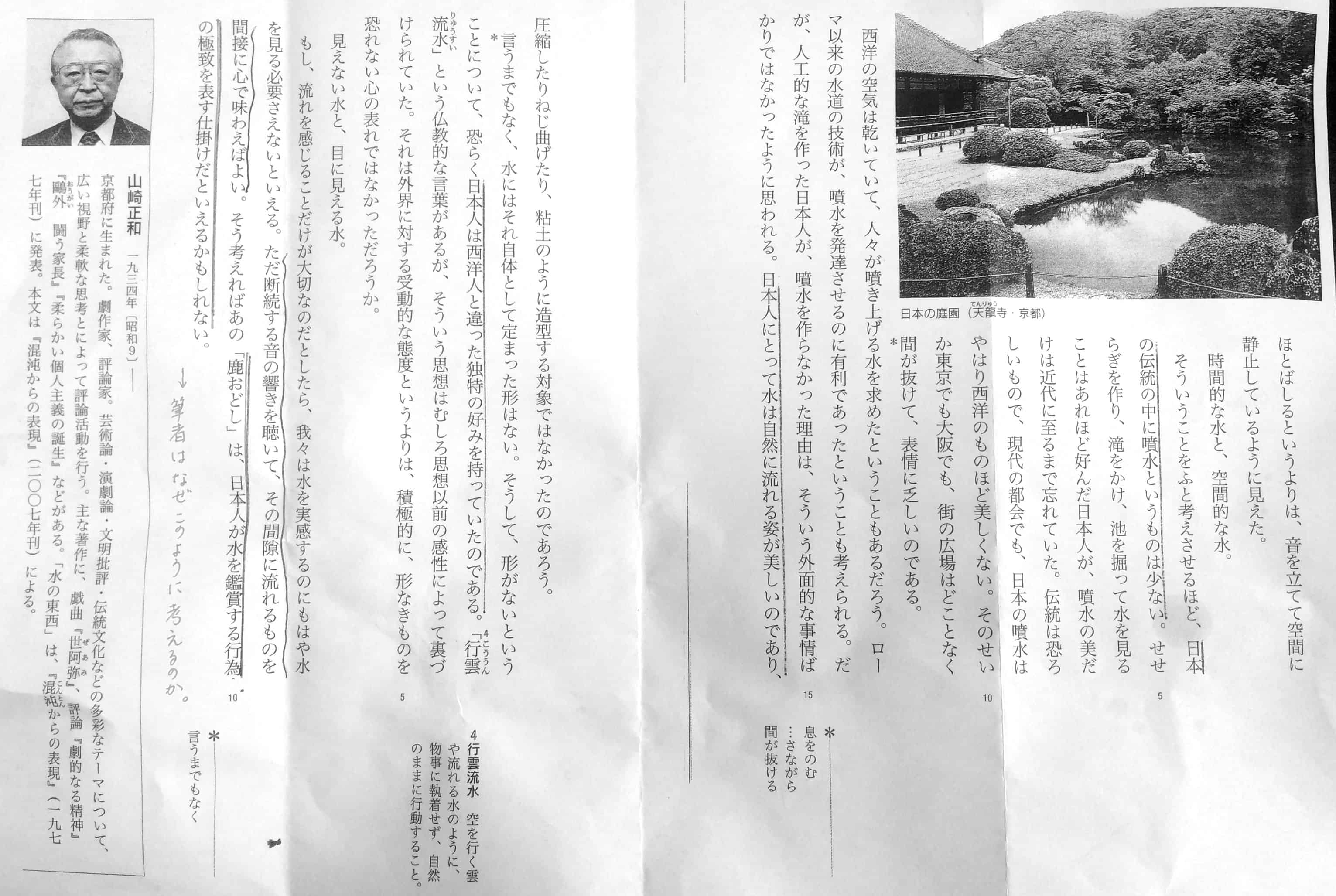
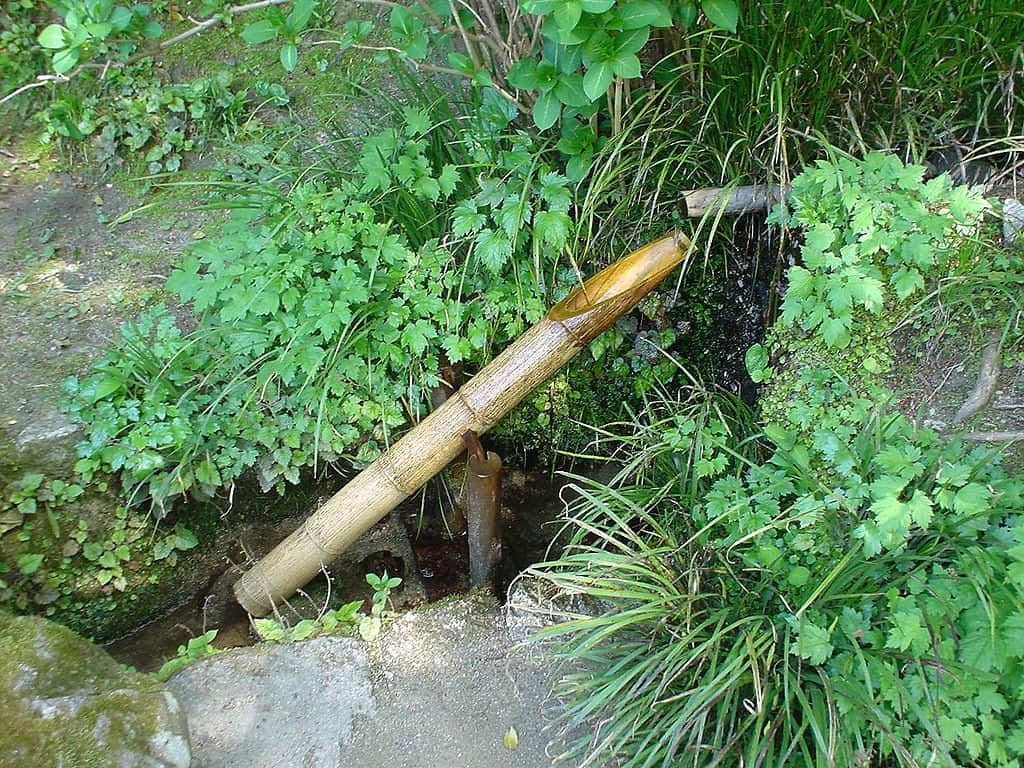 The author describes his feelings and thoughts about the shishiodoshi, in particular connects human life (stress and relieve, cycles), the flow of time, and some other concepts with the shishiodoshi. Up to here it is a wonderful article providing interesting insights into the way the author thinks. Unfortunately, then the author tries to underline his ideas by comparing the Japanese shishiodoshi with European style water fountains, describing the former with all favorable properties and full of deep meaning, while the latter is qualified as beautiful and nice, but bare of any deeper meaning.
I don t go into details that the whole comparison is anyway a bad one, as he is comparing Baroque style fountains, a very limited period, and furthermore ignores the fact that water fountains are not genuinely European (isn t there one in the Kenrokuen, one of the three most famous gardens in Japan!?), nor does he consider any other water-installation that might be available. What really destroys the in principle very nice article is the tone:
The general tone of the article then can be summarized into: The shishiodoshi is rich on meaning, connects to the life of humans, instigates philosophical reflections, represents nature, the flow of time etc. The water fountain is beautiful and gorgeous, but that is all.
I don t think that this separation, or this negative undertone, was created on purpose by the author. A person of his stature is supposedly above this level of primitive comparison. I believe that it is nothing else but a consequence of upbringing and the general attitude that permeates the whole society with this feeling of separateness.
Us and They
Repeatedly providing sentences like Japanese people and Western people have different tastes.. ( ). About 10 times in this short article expressions like Japanese and Westerner appear, leaving the reader with a bitter taste of an author that considers first the Japanese a people (what about Ainu, Ryukyu, etc?), and second that the Japanese are exclusive in the sense that they are set apart from the rest of the world in their way of thinking, living, being.
What puzzles me is that this is not only a singular opinion, but a very general straight in the Japanese media, TV, radio, newspaper, books. Everyone considers Japan and Japanese as something that is fundamentally and profoundly different from everyone else in the world.
There is We the Japanese (and that doesn t mean nationality of passport, but blood line!), and there are They the Rest or, as the way of writing and and description on many occasion suggestions, They the Barbarians .
A short anecdote will underly this: One of the favorite TV talk show / pseudo-documentary style is about Japanese living abroad. That day a lady married in Paris was interviewed. What followed was a guided tour through Paris showing: Dirt in the gutter, street cleaning cars, waste disposal places. Yes, that was all. Just about the dirt . Of course, at length the (unfortunately only apparent) cleanliness of Japanese cities and neighborhoods are mentioned and shown to remind everyone how wonderful Japan is and how dirty the Barbarians. I don t want to say that I consider Japan more dirty than most other countries just the visible part is clean, the moment you step a bit aside and around the corner, there are the worst trash just thrown away without consideration. Anyway.
To return to the topic of Us and They I consider us all humans, first and foremost, and nationality, birthplace, and all that are just by chance. I do NOT reject cultural differences, they are here, of course. But cultural differences are one thing, separating one self and one s perceived people from the rest of the world is another.
Conclusion
I repeat, I don t think that the author had any ill intentions, but it would have been nicer if the article wouldn t make such a stark distinction. He could have written about Shishiodoshi and water fountains without using the Us They categorization. He could have compared other water installations, could have discussed the long tradition of small ponds in European gardens, just to name a few things. But the author choose to highlight differences instead of commonalities.
It is the Us against Them feeling that often makes life in Japan for a foreigner difficult. Japanese are not special, Austrians, too, are not special, nor are Americans, Russians, Tibetans, or any other nationality. No nationality is special, we are all humans. Maybe at some point this will arrive also in the Japanese society and thinking.



 What happened about the


 Unfortunately, with all the normal magic of QML property bindings, getting a property updated in a setup that involves return values from functions isn t really doable, like this: