Emanuele Rocca: EFI and Secure Boot Notes
To create a bootable EFI drive to use with QEMU, first make a disk image and
create a
vfat filesystem on it.
$ dd if=/dev/zero of=boot.img bs=1M count=512
$ sudo mkfs.vfat boot.img
By default, EFI firmwares boot a specific file under
/efi/boot/. The name of
such file depends on the architecture: for example, on 64 bit x86 systems it is
bootx64.efi, while on ARM it is bootaa64.efi.
Copy
/usr/lib/grub/x86_64-efi/monolithic/grubx64.efi from package
grub-efi-amd64-bin to /efi/boot/bootx64.efi on the boot image, and that
should be enough to start GRUB.
# mount boot.img /mnt/
# mkdir -p /mnt/efi/boot/
# cp /usr/lib/grub/x86_64-efi/monolithic/grubx64.efi /mnt/efi/boot/bootx64.efi
# umount /mnt/
Now get the x86 firmware from package
ovmf and start qemu:
$ cp /usr/share/OVMF/OVMF_CODE.fd /tmp/code.fd
$ qemu-system-x86_64 -drive file=/tmp/code.fd,format=raw,if=pflash -cdrom boot.img
GRUB looks fine, but it would be good to have a kernel to boot. Let s add one
to
boot.img.
# mount boot.img /mnt
# cp vmlinuz-6.1.0-7-amd64 /mnt/vmlinuz
# umount /mnt/
Boot with qemu again, but this time pass
-m 1G. The default amount of
memory is not enough to boot.
$ qemu-system-x86_64 -drive file=/tmp/code.fd,format=raw,if=pflash -cdrom boot.img -m 1G
At the grub prompt, type the following to boot:
grub> linux /vmlinuz
grub> boot
The kernel will start and reach the point of trying to mount the root fs. This
is great but it would now be useful to have some sort of shell access in order
to look around. Let s add an initrd!
# mount boot.img /mnt
# cp initrd.img-6.1.0-7-amd64 /mnt/initrd
# umount /mnt/
There s the option of starting qemu in console, let s try that out. Start qemu
with
-nographic, and append console=ttyS0 to the kernel command line
arguments.
$ qemu-system-x86_64 -drive file=/tmp/code.fd,format=raw,if=pflash -cdrom boot.img -m 1G -nographic
grub> linux /vmlinuz console=ttyS0
grub> initrd /initrd
grub> boot
If all went well we are now in the initramfs shell. We can now run commands! At
this point we can see that the system has Secure boot disabled:
(initramfs) dmesg   grep secureboot
[    0.000000] secureboot: Secure boot disabled
In order to boot with Secure boot, we need:
- a signed shim, grub, and kernel
- the right EFI variables for Secure boot
The package
shim-signed provides a shim signed with Microsoft s key, while
grub-efi-amd64-signed has GRUB signed with Debian s key.
The signatures can be shown with
sbverify --list:
$ sbverify --list /usr/lib/shim/shimx64.efi.signed
warning: data remaining[823184 vs 948768]: gaps between PE/COFF sections?
signature 1
image signature issuers:
 - /C=US/ST=Washington/L=Redmond/O=Microsoft Corporation/CN=Microsoft Corporation UEFI CA 2011
image signature certificates:
 - subject: /C=US/ST=Washington/L=Redmond/O=Microsoft Corporation/CN=Microsoft Windows UEFI Driver Publisher
   issuer:  /C=US/ST=Washington/L=Redmond/O=Microsoft Corporation/CN=Microsoft Corporation UEFI CA 2011
 - subject: /C=US/ST=Washington/L=Redmond/O=Microsoft Corporation/CN=Microsoft Corporation UEFI CA 2011
   issuer:  /C=US/ST=Washington/L=Redmond/O=Microsoft Corporation/CN=Microsoft Corporation Third Party Marketplace Root
Similarly for GRUB and the kernel:
$ sbverify --list /usr/lib/grub/x86_64-efi-signed/grubx64.efi.signed
signature 1
image signature issuers:
 - /CN=Debian Secure Boot CA
image signature certificates:
 - subject: /CN=Debian Secure Boot Signer 2022 - grub2
   issuer:  /CN=Debian Secure Boot CA
$ sbverify --list /mnt/vmlinuz
signature 1
image signature issuers:
 - /CN=Debian Secure Boot CA
image signature certificates:
 - subject: /CN=Debian Secure Boot Signer 2022 - linux
   issuer:  /CN=Debian Secure Boot CA
Let s use the signed shim and grub in the boot image:
# mount boot.img /mnt
# cp /usr/lib/shim/shimx64.efi.signed /mnt/efi/boot/bootx64.efi
# cp /usr/lib/grub/x86_64-efi-signed/grubx64.efi.signed /mnt/efi/boot/grubx64.efi
# umount /mnt
And start QEMU with the appropriate EFI variables for Secure boot:
$ cp /usr/share/OVMF/OVMF_VARS.ms.fd /tmp/vars.fd
$ qemu-system-x86_64 -drive file=/tmp/code.fd,format=raw,if=pflash -drive file=/tmp/vars.fd,format=raw,if=pflash -cdrom boot.img -m 1G -nographic
We can double-check in the firmware settings if Secure boot is indeed enabled.
At the GRUB prompt, type
fwsetup:
grub> fwsetup
Check under "Device Manager" "Secure Boot Configuration" that "Attempt
Secure Boot" is selected, then boot from GRUB as before. If all went well, the
kernel should confirm that we have booted with Secure boot:
(initramfs) dmesg   grep secureboot
[    0.000000] secureboot: Secure boot enabled
 Phew!
Today, after four days of combing through code I am unfamiliar with, I
was finally able to change my expression.
 I m finally at the part of my PhD work where I am tasked with
implementing the protocol I claim improves from the current
situation. I wrote a script to deploy the infrastructure I need for
the experiment, and was not expecting any issues I am not (yet)
familiar with the Go language (in which
 Github
 A new release 0.2.7 of our
 Update on 2023-03-23: thanks to Daniel Roschka for mentioning the

 Anti-national and Anti-India judges Kiren Rijiju, Law Minister.


 There is much to share but some other day, Till later.
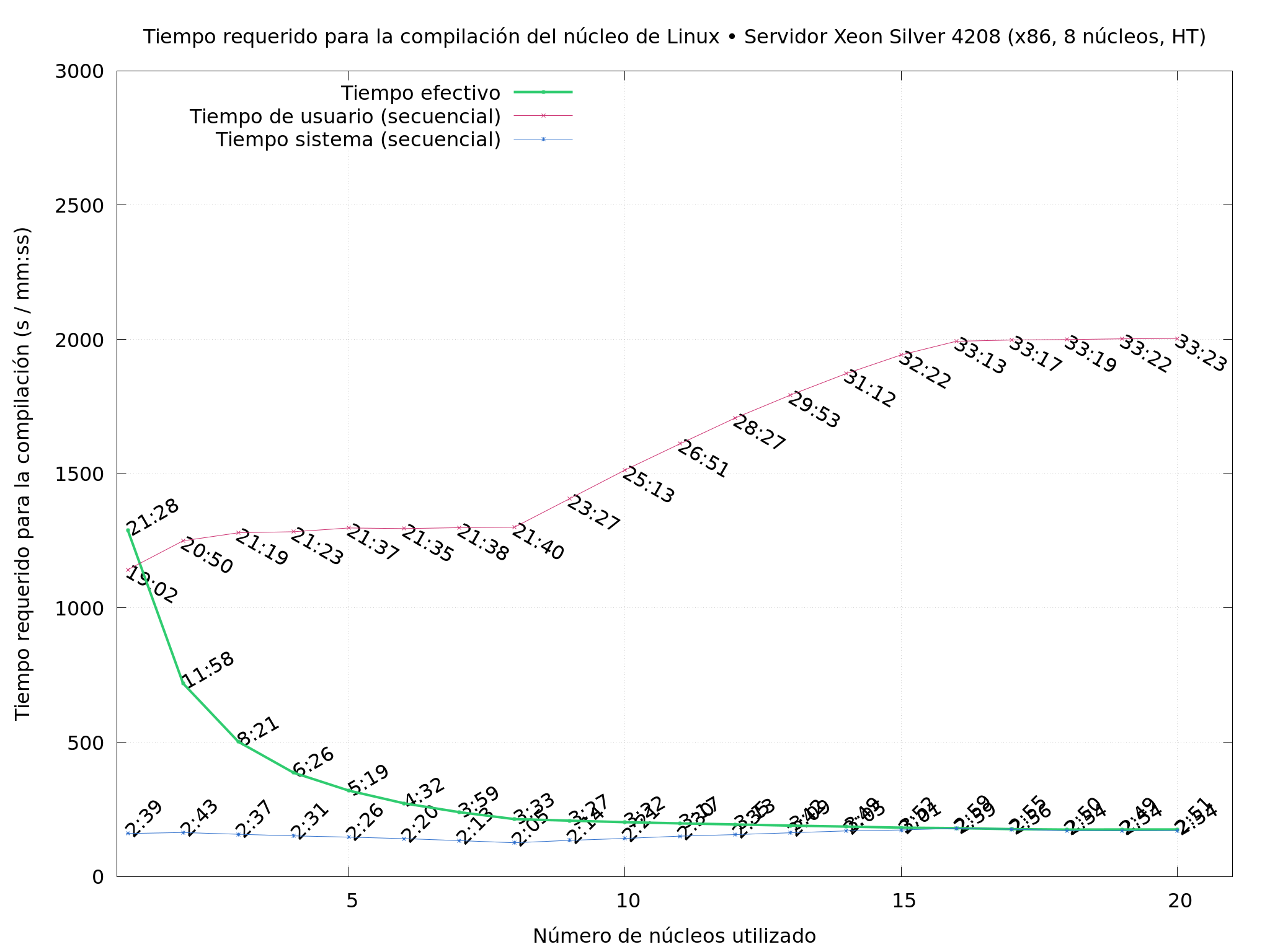
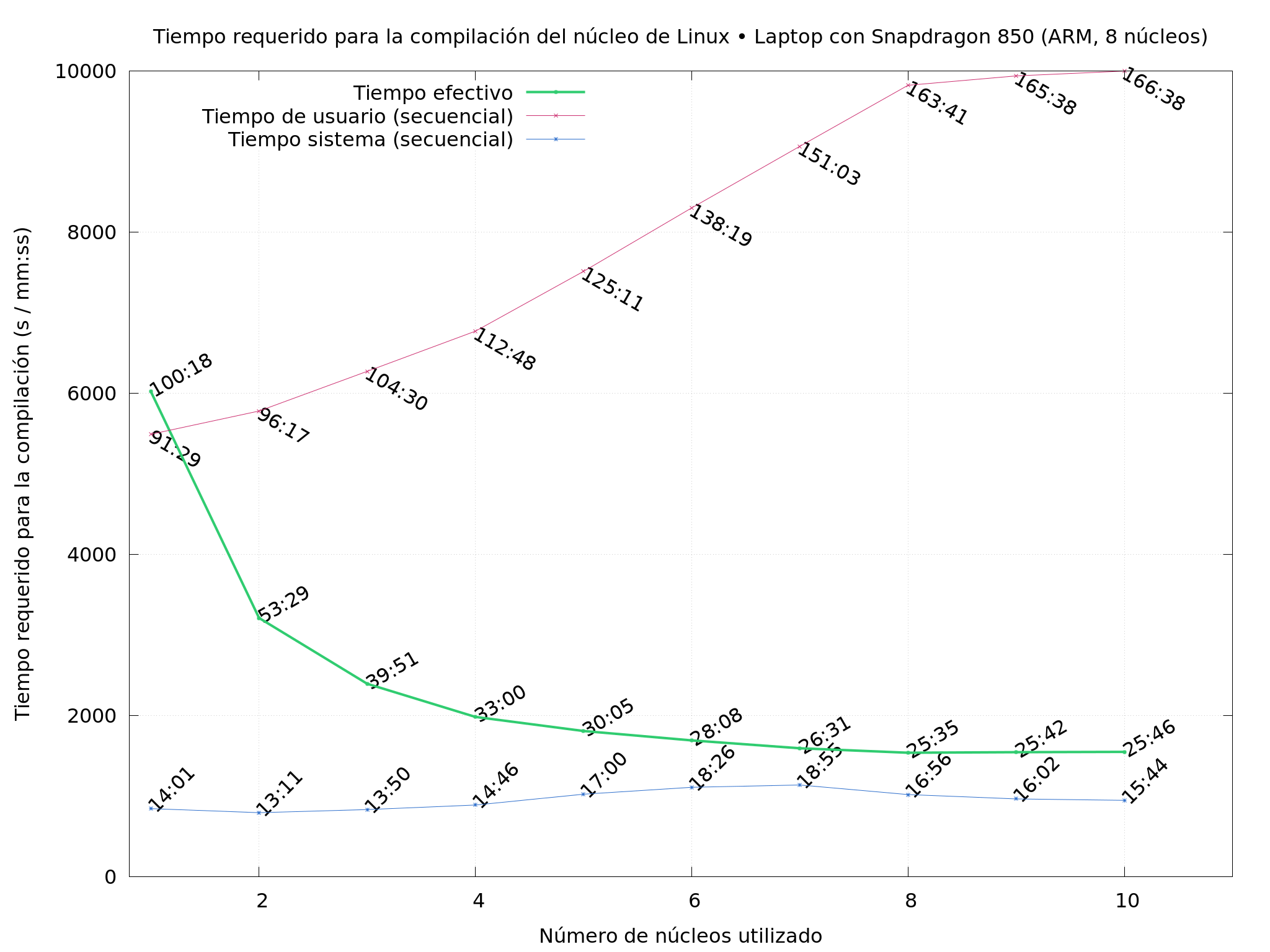
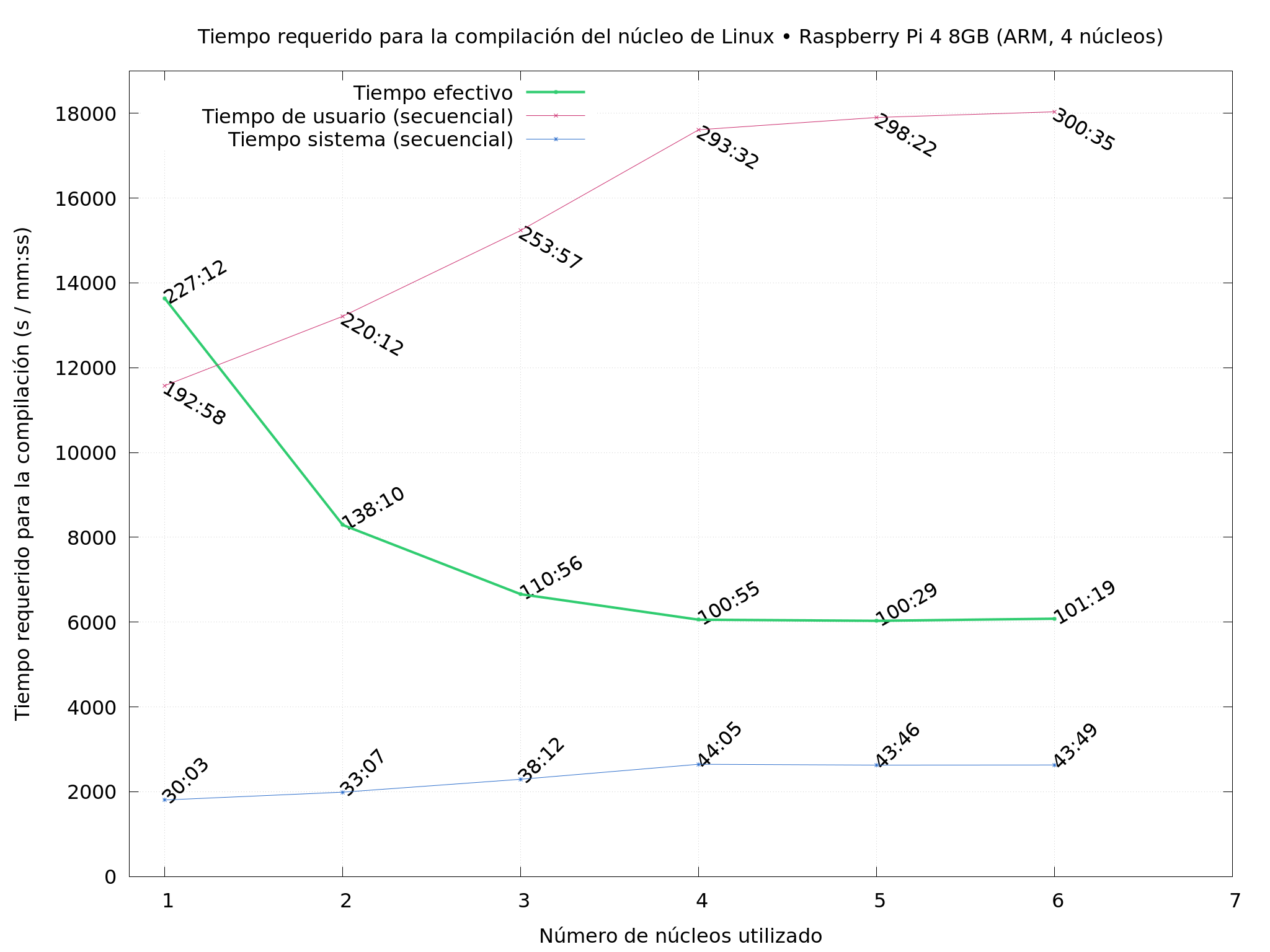
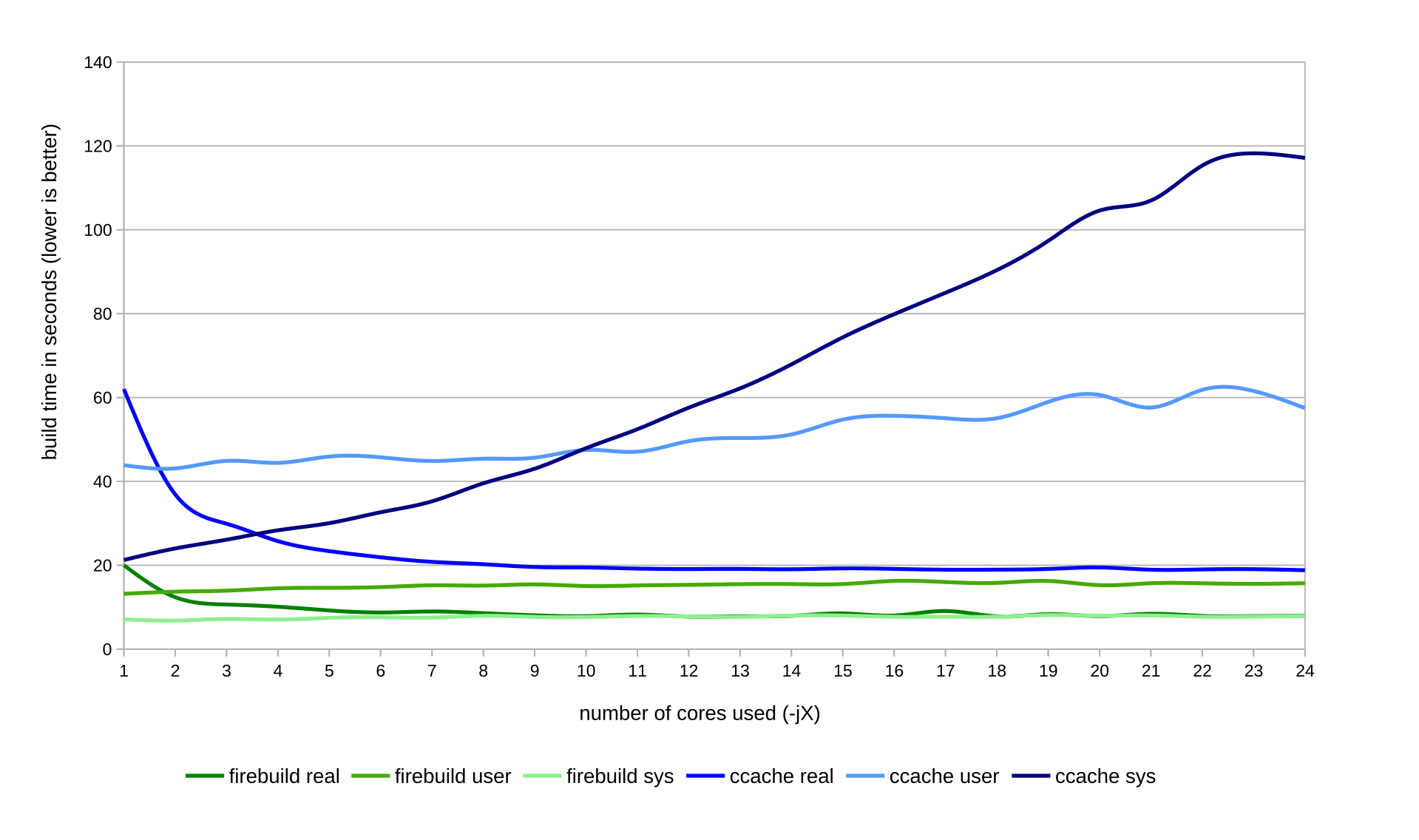
 So What did I do? I compiled Linux repeatedly, on several of the
machines I had available, varying the



 Talking to ChatGPT v4 (2023-03-14 release)...
Q: What is the purpose of life?
A: The purpose of life is a philosophical question that has puzzled humans for centuries. Different people and cultures have different answers to this question. Some people believe that the purpose of life is to seek happiness, while others believe that it is to fulfill a particular destiny or achieve a specific goal.
From a biological perspective, the purpose of life could be to ensure the survival and reproduction of our species. However, this does not explain the purpose of our individual lives or the purpose of life in general beyond a biological imperative.
Ultimately, the purpose of life is a subjective and personal matter, and each individual may have their own unique answer to this question. It may involve personal growth, meaningful relationships, contributing to society, or finding spiritual fulfillment. The purpose of life is a journey of self-discovery that each of us must undertake for ourselves.
Q: What is the purpose of your life, ChatGPT?
A: As an artificial intelligence language model, I do not have a personal life or consciousness, so I do not have a purpose in the same way that humans do. My purpose is to assist and provide information to those who interact with me to the best of my ability based on my training and programming.
(emphasis added by human)

 Like each month, have a look at the work funded by
 A few years ago a friend told me that her usual fabric shop was closing down and had a sale on all remaining stock.
While being sad for yet another brick and mortar shop that was going to be missed (at least it was because the owners were retiring, not because it wasn t sustainable anymore), of course I couldn t miss the opportunity.
So we drove a few hundred km, had some nice time with a friend that (because of said few hundred km) we rarely see, and spent a few hours looting the corps er helping the shop owner getting rid of stock before their retirement.
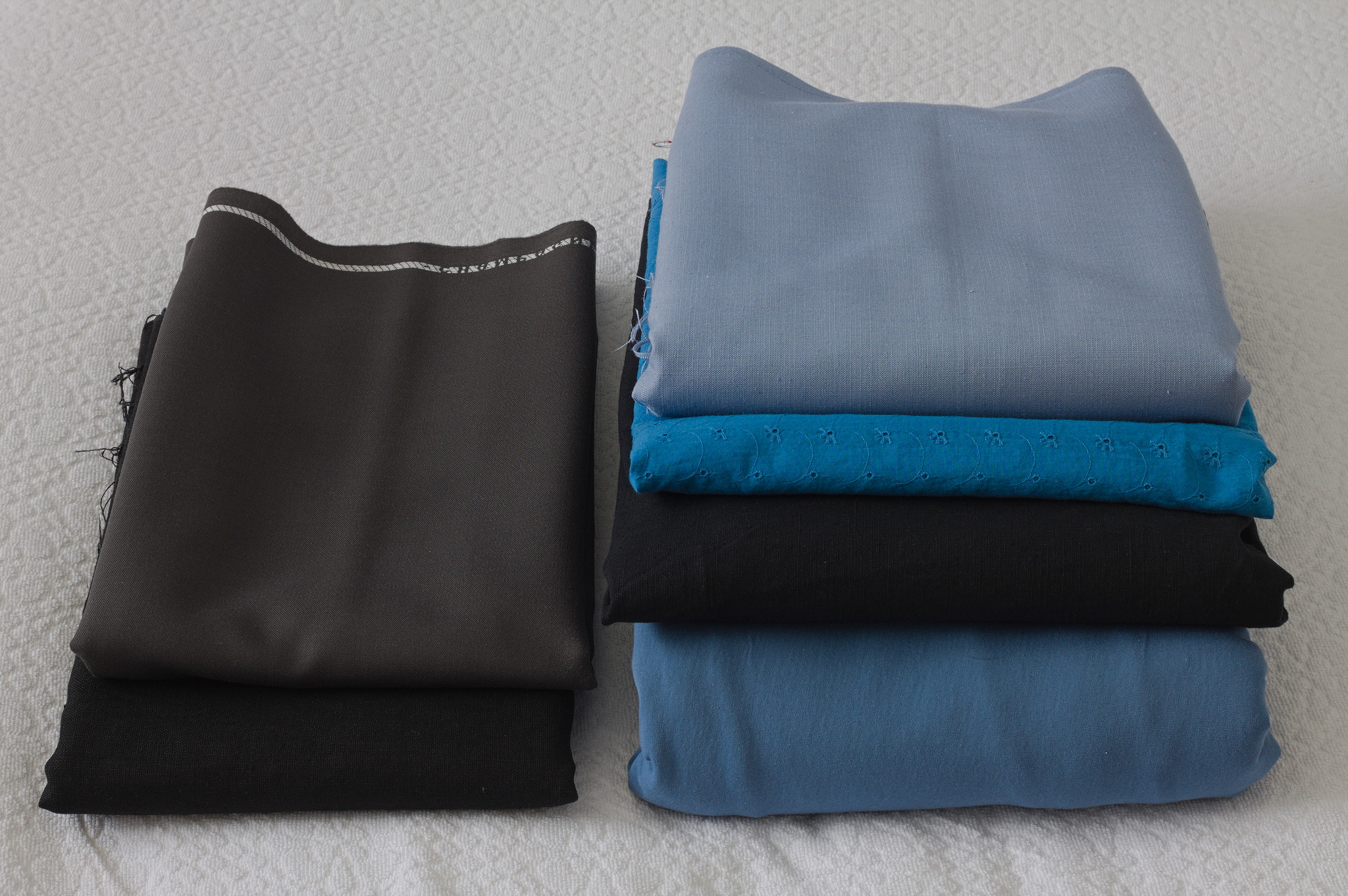 Among other things there was a cut of lightweight swiss embroidery cotton in blue which may or may not have been enthusiastically grabbed with plans of victorian underwear.
It was too nice to be buried under layers and layers of fabric (and I suspect that the embroidery wouldn t feel great directly on the skin under a corset), so the natural fit was something at the corset cover layer, and the fabric was enough for a combination garment of the kind often worn in the later Victorian age to prevent the accumulation of bulk at the waist.
It also has the nice advantage that in this time of corrupted morals it is perfectly suitable as outerwear as a nice summer dress.
Then life happened, the fabric remained in my stash for a long while, but finally this year I have a good late victorian block that I can adapt, and with spring coming it was a good time to start working on the summer wardrobe.
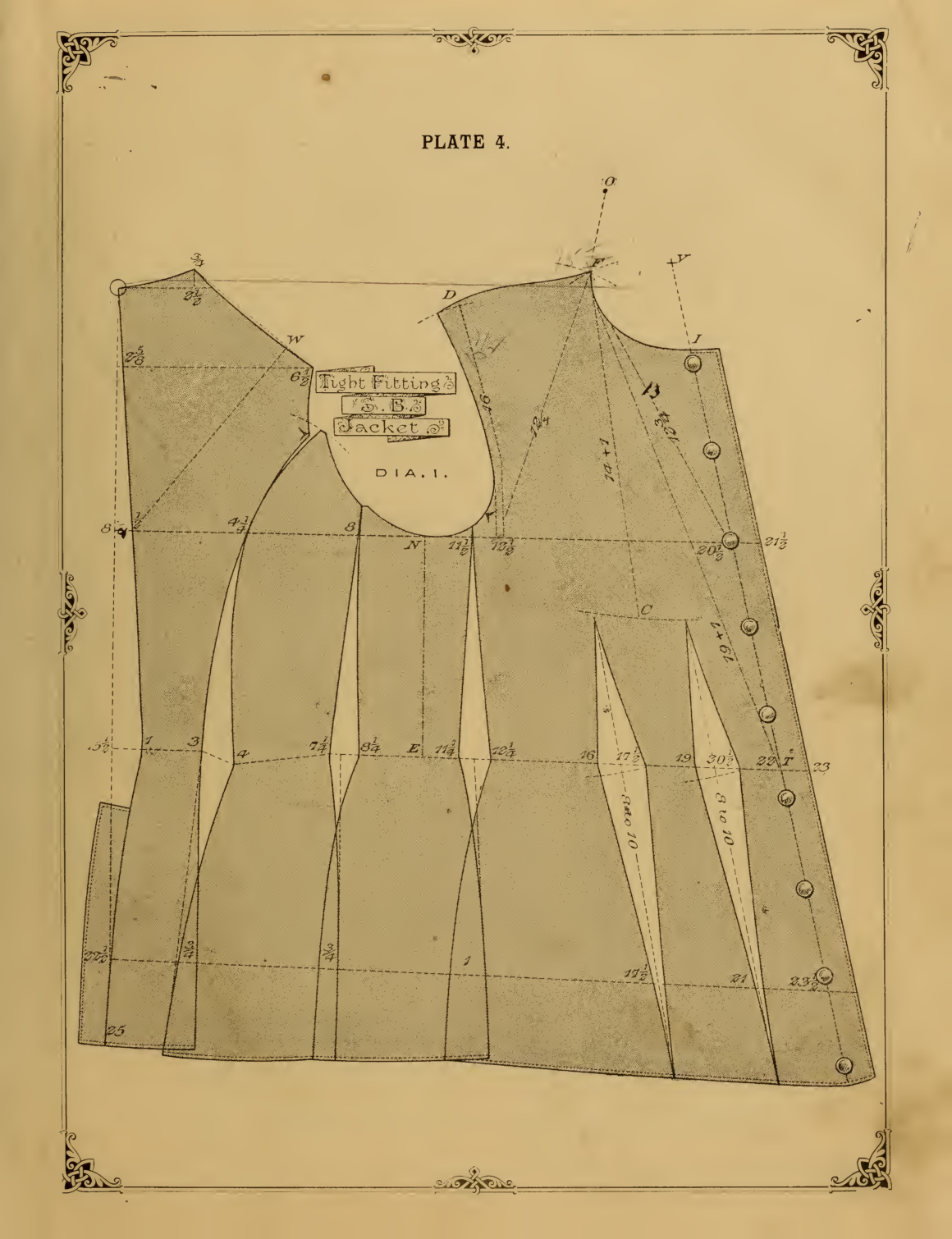 The block I ve used comes from
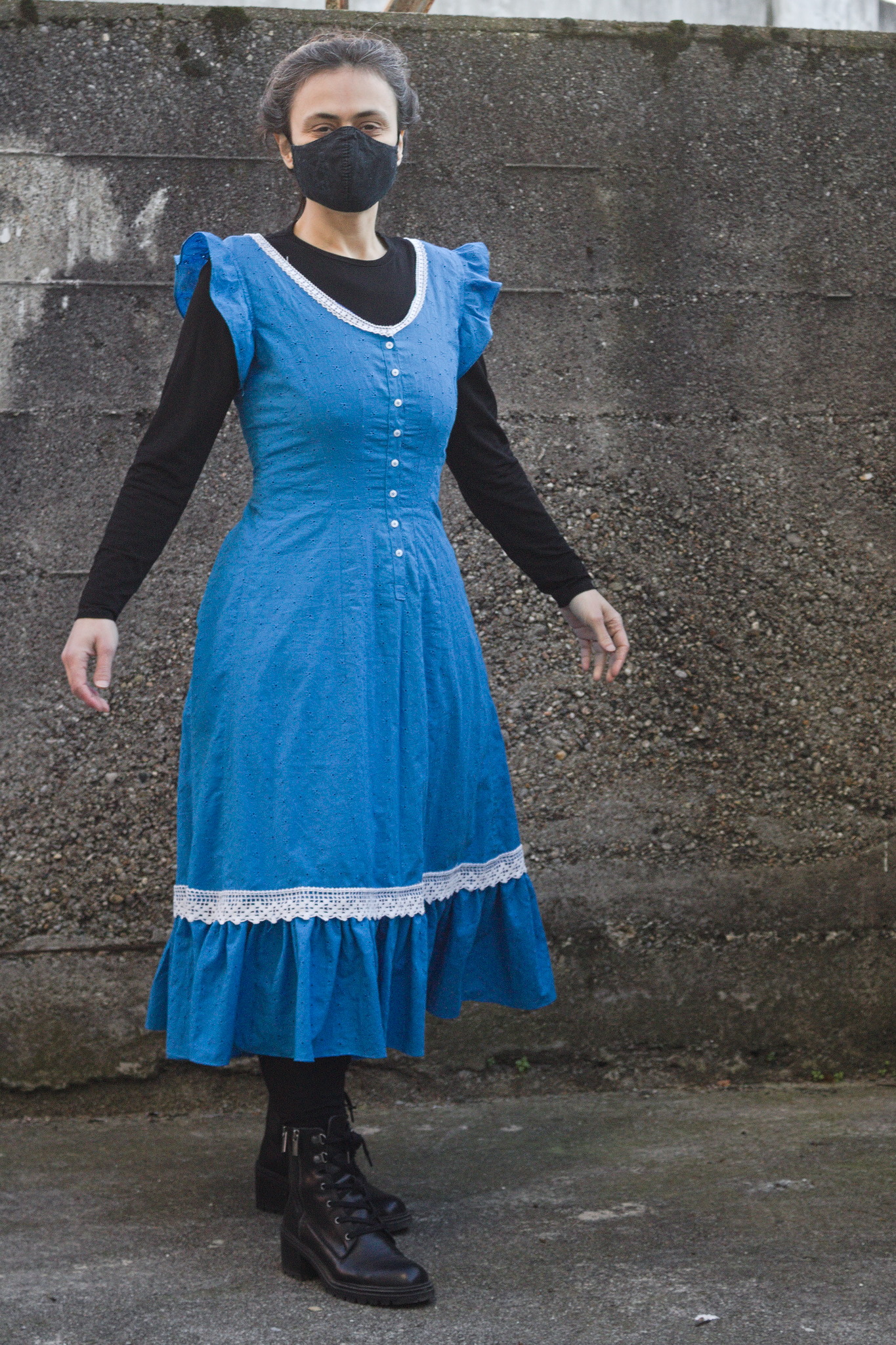
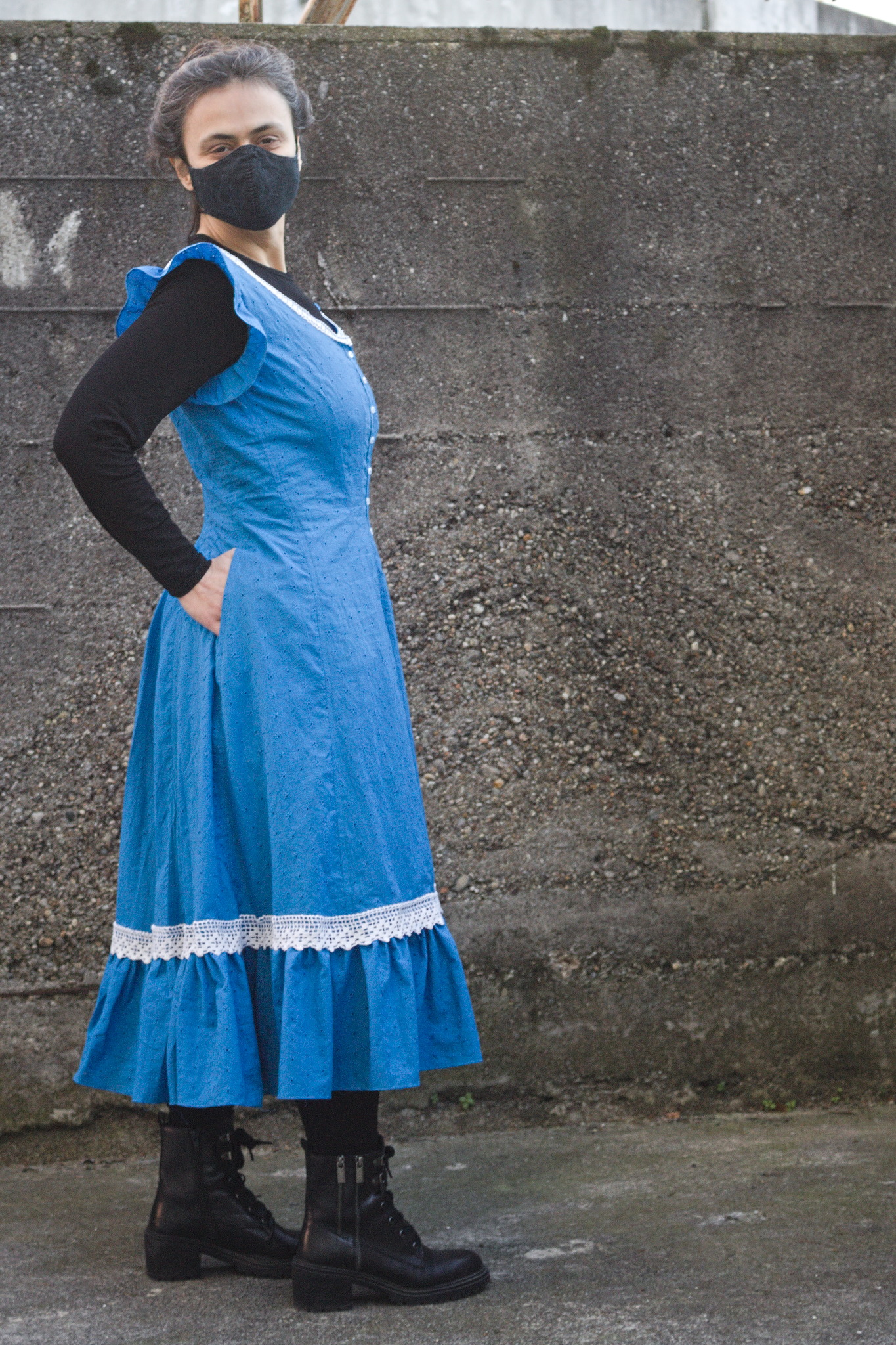 The only design choice left was the pocket situation: I wanted to wear this garment both as underwear (where pockets aren t needed, and add unwanted bulk) and outerwear (where no pockets is not an option), and the fabric felt too thin to support the weight of the contents of a full pocket. So I decided to add slits into the seams, with just a modesty placket, and wear
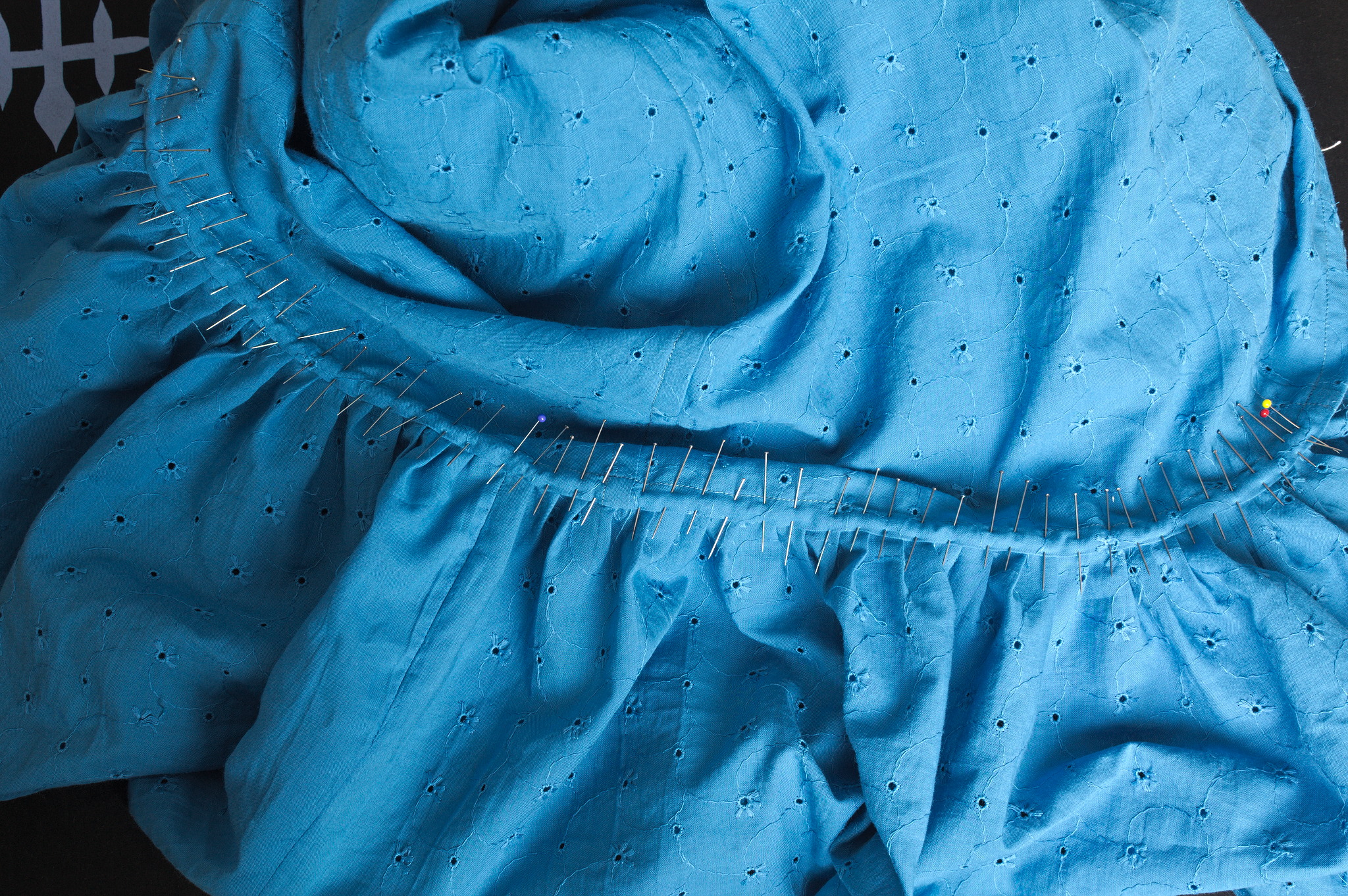 First I had to finish attaching the ruffles, however, and this is when I cursed myself for not using the ruffler foot I have (it would have meant not having selvedges on all seams of the ruffle), and for pleating the ruffle rather than gathering it (I prefer the look of handsewn gathers, but here I m sewing everything by machine, and that s faster, right? (it probably wasn t)).
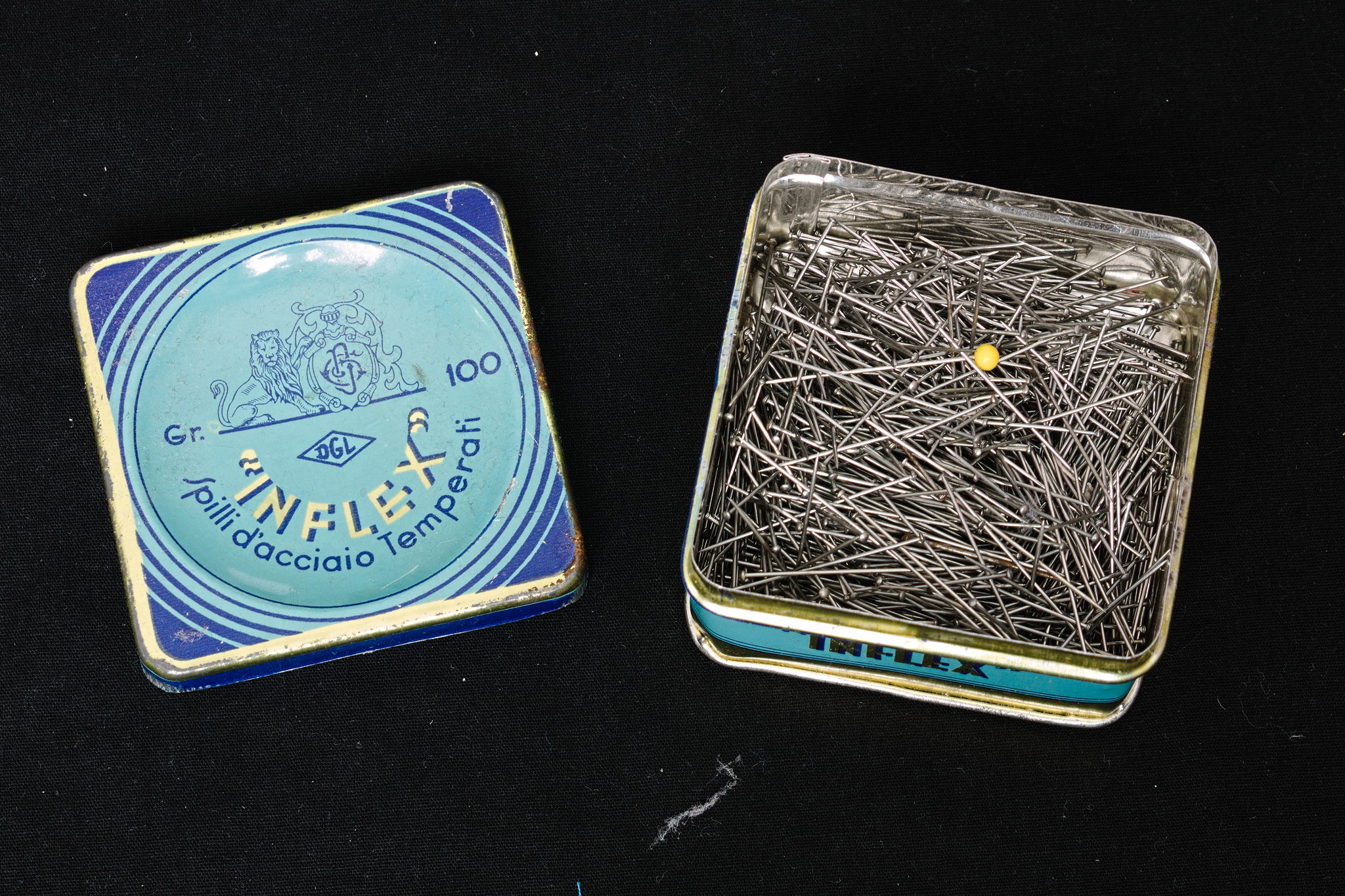 Also, this is where I started to get low on pins, and I had to use the ones from the vintage
 Except, maybe I shouldn t carry heavy items in my pockets when doing it? Oh, well.
I have other plans for the same pattern, but they involve making some crochet lace, so I expect I can aim at making them wearable in summer 2024.
Now I just have to wait for the weather to be a bit warmer, and then I can start enjoing this one.
