Thorsten Alteholz: My Debian Activities in March 2022
FTP master
This month I accepted 332 and rejected 15 packages. This ratio gives a reason to hope. The overall number of packages that got accepted was 342.
Debian LTS
This was my ninety-third month that I did some work for the Debian LTS initiative, started by Raphael Hertzog at Freexian.
This month my all in all workload has been 40h. During that time I did LTS and normal security uploads of:
- [DLA 2932-1] tiff security update for three CVEs
- [DLA 2931-1] cyrus-sasl2 security for one CVE
- [DLA 2966-1] libgc security update for one CVE
- [#1006493] bullseye-pu: htmldoc debdiff was approved and package uploaded
- [#1006493] buster-pu: htmldoc debdiff was approved and package uploaded
- [#1007938] buster-pu: cups/2.2.10-6+deb10u5
- [#1007938] buster-pu: cups debdiff was approved and package uploaded
- [#1008577] bullseye-pu: golang-github-russellhaering-goxmldsig/1.1.0-1+deb11u1
- [#1008578] buster-pu: golang-github-russellhaering-goxmldsig/0.0~git20170911.b7efc62-1+deb10u1
- [unstable] minidlna security update for one CVE
- ELA-573-1 for cyrus-sasl2
- ELA-589-1 for libgc


 As I mentioned


 Previously:

 In March I was assigned 16 hours of work by Freexian's Debian LTS
initiative and carried over 8 hours from February. I worked 16 hours,
and will carry over the remaining time to April.
I backported the mitigations for Spectre-BHB (CVE-2022-0001,
CVE-2022-0002) on x86 processors, to Linux 4.9. I worked together
with Salvatore Bonaccorso in preparing the kernel updates that were
needed in all suites, and writing advisory text. I uploaded both
the linux (4.9) and linux-4.19 packages to stretch, and issued
 This post was originally published in the
 I wanted to understand how kids between 10 and 18 conceive the internet.
Surely, we have seen a generation that we call digital natives grow up with
the internet. Now, there is a younger generation who grows up with pervasive
technology, such as smartphones, smart watches, virtual assistants and so on.
And only a few of them have parents who work in IT or engineering
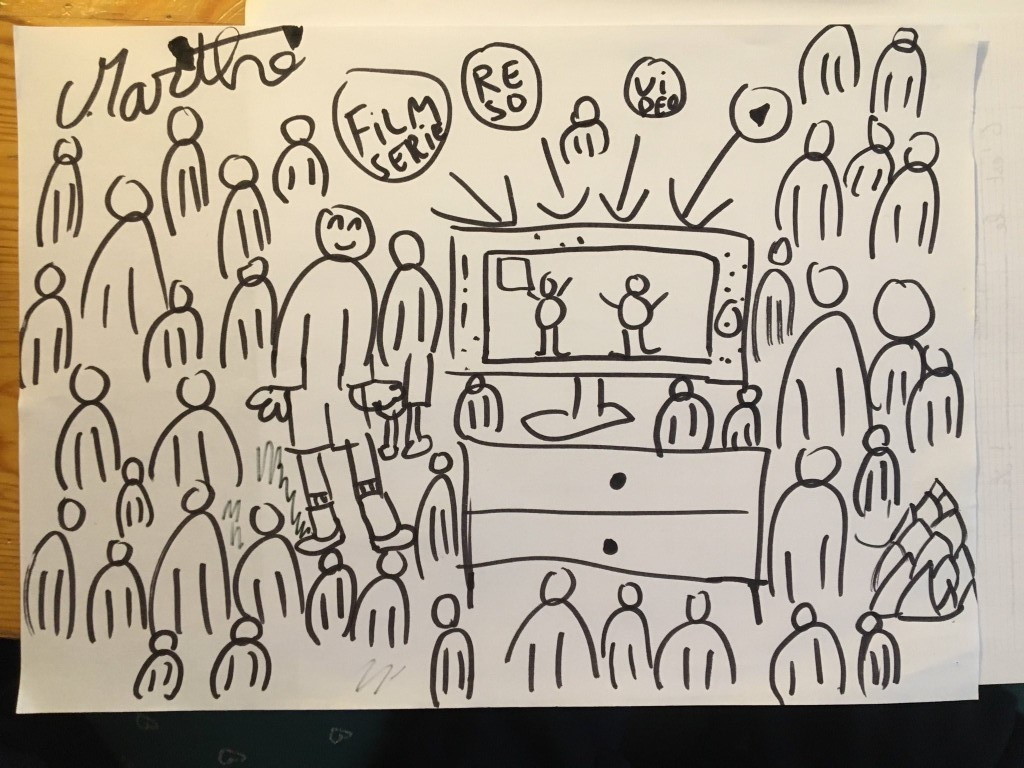 The youngest respondent, a 9 year old girl, drew a screen with lots of people
around it and the words film, series, network, video , as well as a play
icon. She said that she mostly uses the internet to watch movies. She was the
only one who used a shared tablet and smartphone that belonged to her family,
not to herself. And she would explain the net like this to an alien:
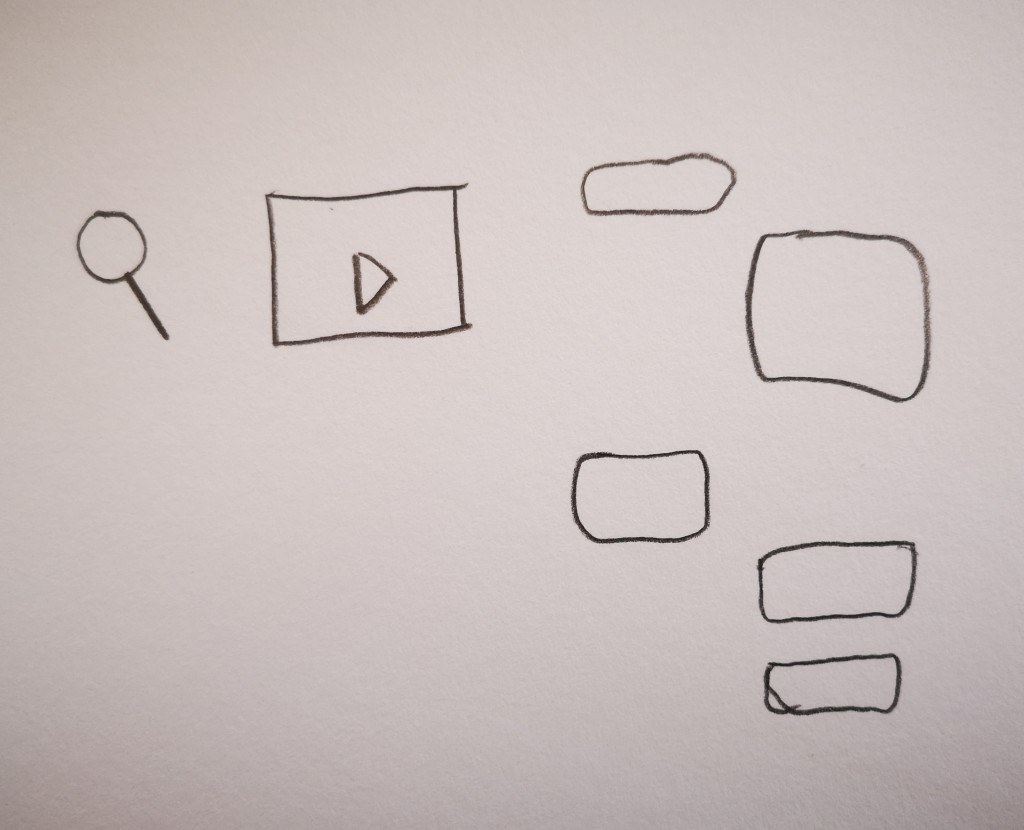 A 10 year old boy represented the internet by recalling user interface
elements he sees every day in his drawing: a magnifying glass (search
engine), a play icon (video streaming), speech bubbles (instant
messaging). He would explain the internet like this to an alien:
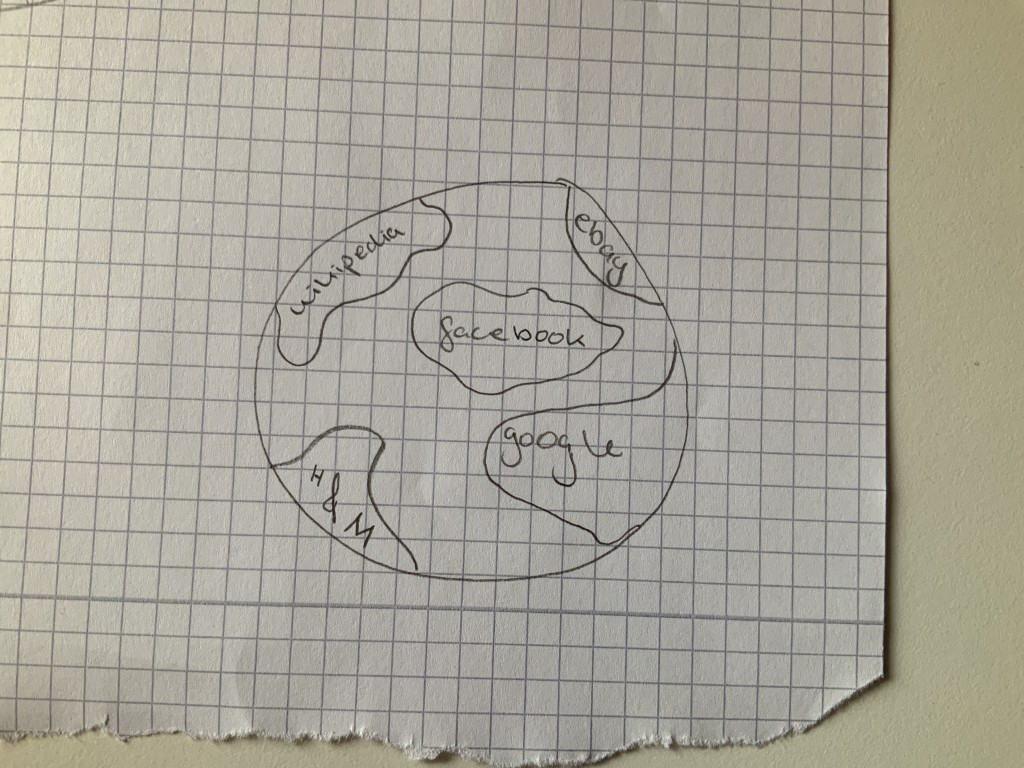 A 12 year old girl imagines the internet like a second, intangible, planet
where Google, Wikipedia, Facebook, Ebay, or H&M are continents that one enters
into.
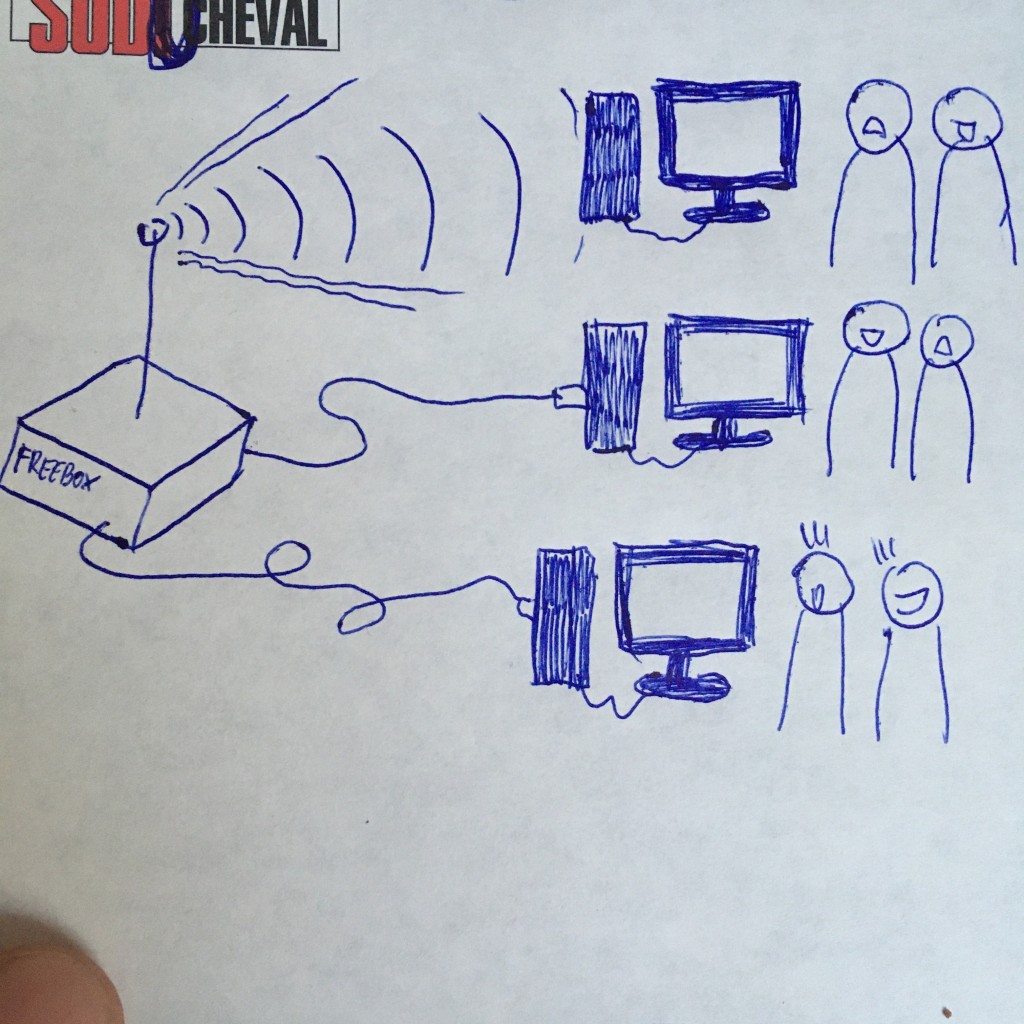 A 15 year old boy knew that his family s devices are connected to a home router
(Freebox is a router from the French ISP Free) but lacked an imagination of the
rest of the internet s functioning. When I asked him about what would be behind
the router, on the other side, he said what s behind is like a black hole to
him. However, he was the only interviewee who did actually draw cables, wifi
waves, a router, and the local network. His drawing is even extremely precise,
it just lacks the cable connecting the router to the rest of the internet.
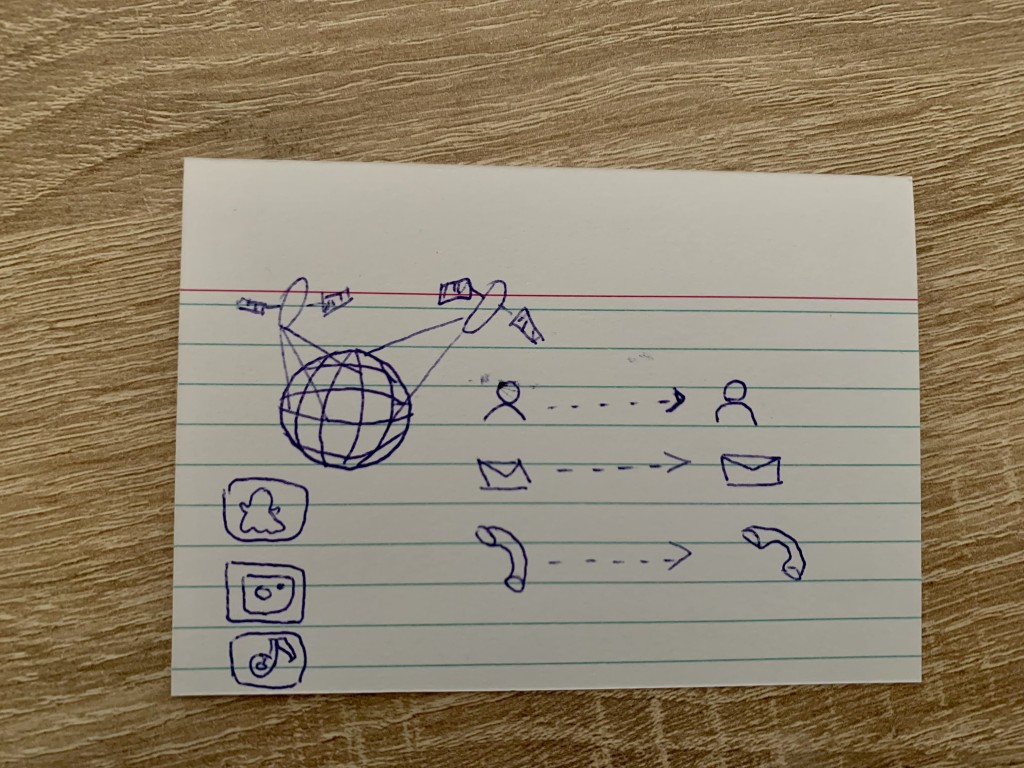 A 17 year old girl would explain the internet to an alien as follows:
 Freexian has set itself