Jonathan Wiltshire: Team Roles and Tuckman s Model, for Debian teams
When I first moved from being a technical consultant to a manager of other consultants, I took a 5-day course Managing Technical Teams a bootstrap for managing people within organisations, but with a particular focus on technical people. We do have some particular quirks, after all
Two elements of that course keep coming to mind when doing Debian work, and they both relate to how teams fit together and get stuff done.
Tuckman s four stages model
In the mid-1960s Bruce W. Tuckman developed a four-stage descriptive model of the stages a project team goes through in its lifetime. They are:
Photo by Josh Calabrese on Unsplash
- Forming: the team comes together and its members are typically motivated and excited, but they often also feel anxiety or uncertainty about how the team will operate and their place within it.
- Storming: initial enthusiasm can give way to frustration or disagreement about goals, roles, expectations and responsibilities. Team members are establishing trust, power and status. This is the most critical stage.
- Norming: team members take responsibility and share a common goal. They tolerate the whims and fancies of others, sometimes at the expense of conflict and sharing controversial ideas.
- Performing: team members are confident, motivated and knowledgeable. They work towards the team s common goal. The team is high-achieving.
Resolved disagreements and personality clashes result in greater intimacy, and a spirit of co-operation emerges.Teams need to understand these stages because a team can regress to earlier stages when its composition or goals change. A new member, the departure of an existing member, changes in supervisor or leadership style can all lead a team to regress to the storming stage and fail to perform for a time. When you see a team member say this, as I observed in an IRC channel recently, you know the team is performing:
nice teamwork these busy days Seen on IRC in the channel of a performing teamTuckman s model describes a team s performance overall, but how can team members establish what they can contribute and how can they go doing so confidently and effectively? Belbin s Team Roles
The types of behaviour in which people engage are infinite. But the range of useful behaviours, which make an effective contribution to team performance, is finite. These behaviours are grouped into a set number of related clusters, to which the term Team Role is applied. Belbin, R M. Team Roles at Work. Oxford: Butterworth-Heinemann, 2010Dr Meredith Belbin s thesis, based on nearly ten years research during the 1970s and 1980s, is that each team has a number of roles which need to be filled at various times, but they re not innate characteristics of the people filling them. People may have attributes which make them more or less suited to each role, and they can consciously take up a role if they recognise its need in the team at a particular time. Belbin s nine team roles are:
- Plant (thinking): the ideas generator; solves difficult problems. Associated weaknesses: ignores incidentals; preoccupation
- Resource investigator (people): outgoing; enthusiastic; has lots of contacts knows someone who might know someone who knows how to solve a problem. Associated weaknessses: over-optimism, enthusiasm wanes quickly
- Co-ordinator (people): mature; confident; identifies talent; clarifies goals and delegates effectively. Associated weaknesses: may be seen as manipulative; offloads own share of work.
- Shaper (action): challenging; dynamic; has drive. Describes what they want and when they want it. Associated weaknesses: prone to provocation; offends others feelings.
- Monitor/evaluator (thinking): sees all options, judges accurately. Best given data and options and asked which the team should choose. Associated weaknesses: lacks drive; can be overly critical.
- Teamworker (people): takes care of things behind the scenes; spots a problem and deals with it quietly without fuss. Averts friction. Associated weaknesses: indecisive; avoids confrontation.
- Implementer (action): turns ideas into actions and organises work. Allowable weaknesses: somewhat inflexible; slow to respond to new possibilities.
- Completer finisher (action): searches out errors; polishes and perfects. Despite the name, may never actually consider something finished . Associated weaknesses: inclined to worry; reluctant to delegate.
- Specialist (thinking): knows or can acquire a wealth of things on a subject. Associated weaknesses: narrow focus; overwhelmes others with depth of knowledge.
Photo by Josh Calabrese on Unsplash
 Sometimes, it's useful to get a notification that a command has finished
doing something you were waiting for:
 Somehow my email in emacs/wl shows right justified. Seems like some emails are detected as RTL language for some reason. Now how do I configure this...






 Since people are sometimes slightly surprised that you can go onto a
multi week trip with a smartphone running free sofware so only I
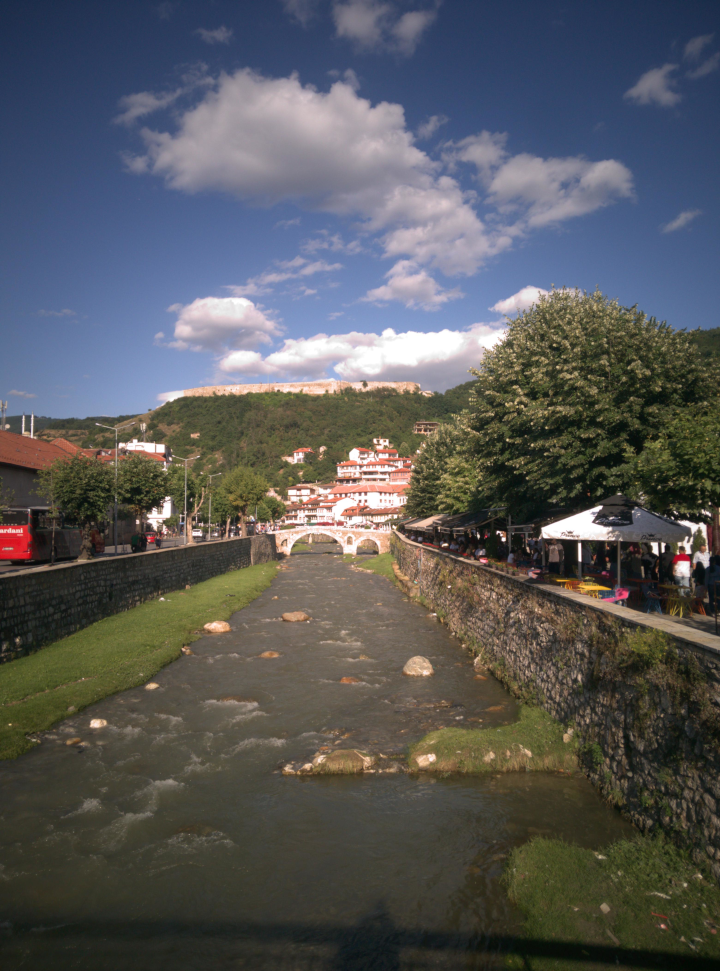
wanted to share some impressions from my recent trip to Prizren/Kosovo
to attend Debconf 22 using a
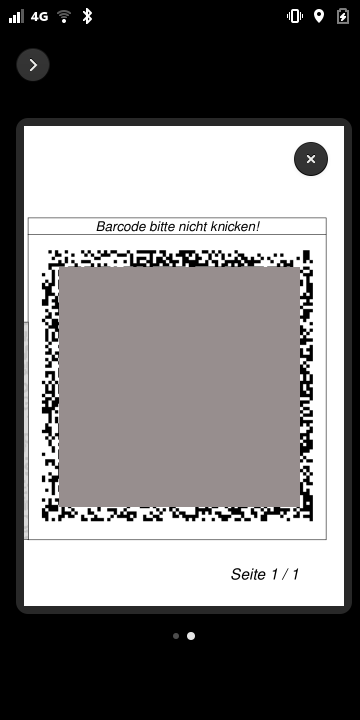
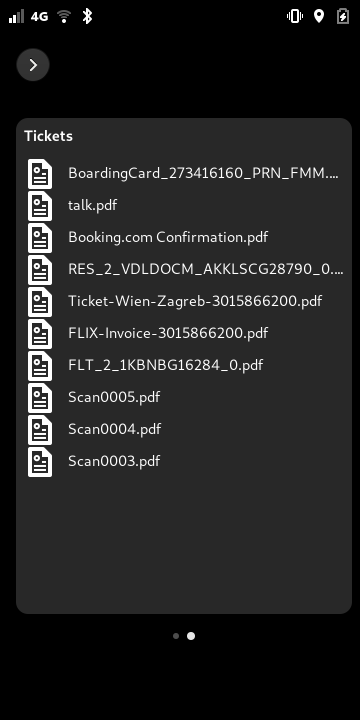 This was possible since
 What about seeing the conference schedule on the phone?
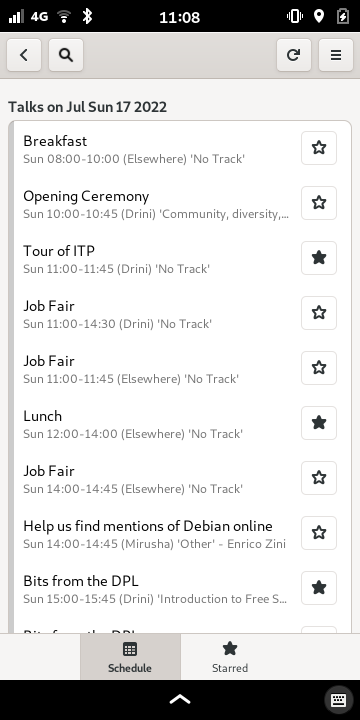 Since Debian's confy maintainer was around too, confy saw a bunch of
improvements over the conference.
For getting around
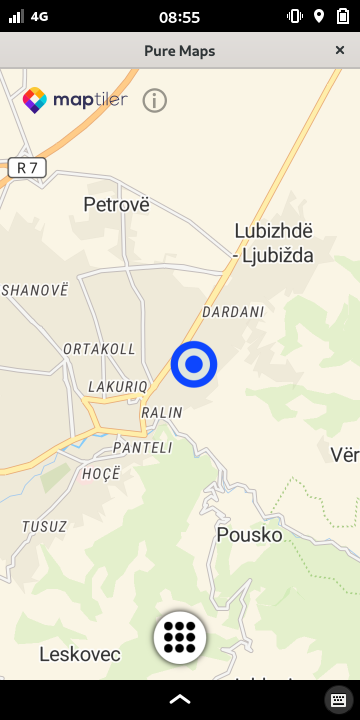 Puremaps currently isn't packaged in Debian but there's
 See
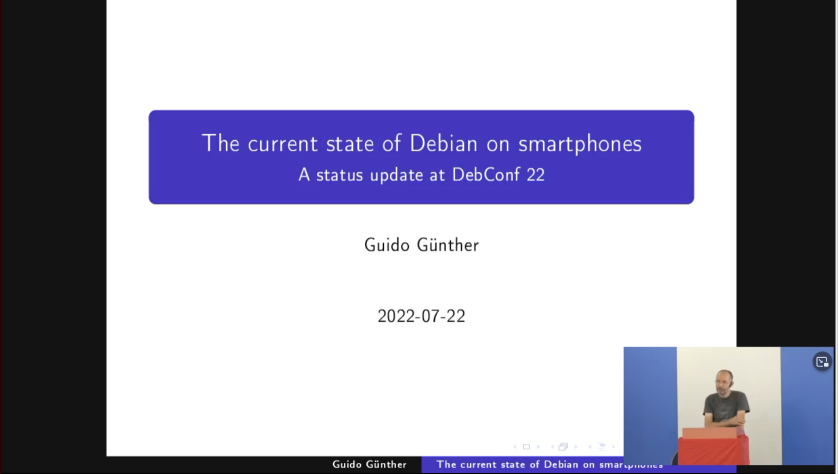
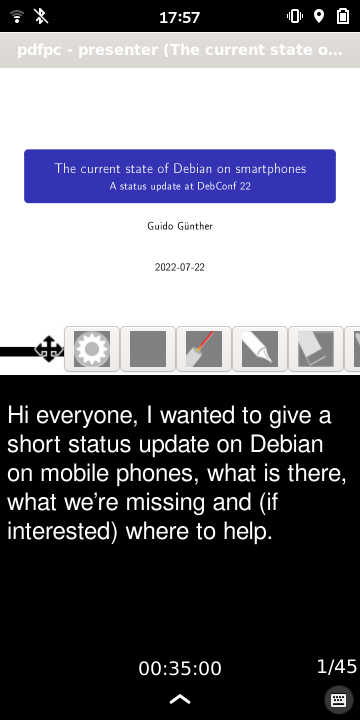 I had two great weeks in Prizren. Many thanks to the organizers of
Debconf 22 - I really enjoyed the conference.
 Amsterdam is a great city to enjoy a beer, or two. However, after you had your beers and you re strolling down the streets, you might...
The post