Russ Allbery: Review: What We Are Seeking
Review: What We Are Seeking, by Cameron Reed
What We Are Seeking is a bit hard to classify beyond science
fiction. I think I would call it anthropological science fiction, but it's
also a first contact story and a planetary colony story. It is a
standalone novel (well, so far as I know; see later in the review for
caveats). This is Cameron Reed's second novel after the excellent and
memorable cyberpunk novel The Fortunate
Fall, first published in 1996 under Reed's former name of Raphael
Carter.
John Maraintha is a doctor from the world of Essius. He took what he
thought was a temporary job on the Free Ship Edgar's Folly, where
he's endured considerable culture shock. As the novel opens, John learns
that the colonists on Scythia have requested a translator to talk to one
of the native life forms, and a doctor since they're down to only one.
John will be that doctor. The captain has decided, and by the rules of the
free ships, John does not get a choice in the matter.
The Scythian colony is about four hundred people, now located in a desert
climate since the complex native life forms destroyed their previous
settlement. The colonists are a split between Ischnurans and Zandaheans,
two other human civilizations from the scatter of colony worlds left after
Earth embraced AIs (aiyis here) and turned inward. Both of those groups
marry, something John considers a moral abomination. Neither of them seem
likely to understand Essian sexual ethics. More devastatingly, John had
intended to spend some time as a ship doctor and then return home to a new
place in Essian society. Once he lands on Scythia, the chances of that are
gone; it is highly unlikely any ship would pick him up again and take him
home.
I have been trying to find the right books to compare What We Are
Seeking with ever since I read it. The best I've come up with are Ursula
K. Le Guin (particularly The
Dispossessed), Eleanor Arnason's A Woman
of the Iron People, and Becky Chambers's To Be Taught, If Fortunate. The start of the book felt like an
intentional revisiting of an earlier era of science fiction, with somewhat
updated science and politics, but the last half of the book, where the
action picks up considerably, is a meditation on gender, social systems,
religion, and small-group politics. All of that is mixed with biological
exploration and a first-contact story with some quite-alien aliens.
This is the sort of novel where the protagonist's culture is as foreign to
the reader as any of the other cultures he counters, so the reader is
assembling several jigsaw puzzles at once. John is dropped into an
established colony with its own social norms and established hierarchies.
The one other outsider, the translator Sudharma Jain, is, as his name
implies, a Jain who keeps very strict religious observances. Half of the
colony is from something akin to a fundamentalist Christian religious sect
that practices patriarchy and strict marriage codes. The other half is
more gently sexist (but still sexist) and has its own tradition of a third
gender that becomes central to the story. John, meanwhile, is a strong
believer in the Essian approach to social organization: Any two partners
of any gender freely have sex by mutual consent and without obligation,
and family is based solely on blood relations. These beliefs do not fit
comfortably together, even when people are trying (as they mostly do) to
be welcoming.
The first half of this book is very slow. This gives all of the characters
space to breathe and become comfortable, and the characterization is
superb, but it is a book to start when you're in the mood for something
slow and observational. There is a plot that gradually becomes apparent,
or rather there are several plots that are intertwined, but tension and
urgency are mostly reserved for the second half of the book. Instead, the
book opens with a lot of close observation of alien flora and fauna and
the untangling of subtle social dynamics among the Scythians.
There is also a visitor from earth, much to the distress of the Scythians.
Earth presence means the ships will not return and the colony may be cut
off from any sort of technological resupply. Despite speaking a common
language, that visitor is as mutually alien to the other groups as they
are to the native flora. Her life is fully integrated with aiyis, giving
her essentially godlike powers and the ability to turn off inconvenient
emotions and disregard anything she doesn't want to see. What she and the
Earth aiyis are doing on the planet is one of the early mysteries.
The dialogue in this book is truly excellent. Each characters has their
own voice, there are fascinating digressions on different words that lead
to tidbits of world-building, and some of the culture-specific idioms are
delightful.
| Publisher: | Tor |
| Copyright: | 2026 |
| ISBN: | 1-250-36474-4 |
| Format: | Kindle |
| Pages: | 339 |
"I'm making a mess of this. None of that matters. Let me fall out the window and come in the door again. This is how my story ought to start:"The challenges for the characters in this story are slow but deep ones: belonging and self-definition, the conflict between cultural tradition and personal circumstance, and the sacrifices required to live with small groups in situations where civil war is viscerally attractive. It has one of the most comprehensive and fascinating treatments of transgender issues that I've read in science fiction. Its commentary on current politics is subtle and estranged in the way that science fiction does best, but still pointed and satisfying. And, well, there are passages like this that I absolutely adore:
"I wouldn't go that far. It could be they are right, the universe we see exists because a mind like ours created it at least, a mind enough like ours that we can say it wants one thing and not another, and when it acts it does so with intent. That's as good an idea as any. But it is certainly not plausible that such a being believes that people everywhere should marry, or that men should never visit men, or no one should become a jess. Look at what they have created. The universe could have been nothing at all, or one atom of hydrogen floating in a void, or a diamond crystal infinite in all directions, if their mind cared for simplicity or tidiness. Instead we have stars and planets and black holes and nebulas. It could have all been cold and dead, but there is life. They could have made one species for each world, or just a few, which could have stayed the same forever, but instead we have millions and millions, all of which are changing every moment, varying among themselves and boiling off in all directions. Such a god is like an artist who fills up a library of sketchbooks with their drawings of strange creatures, and when every scrap of paper in the place is used up, goes back with a different color ink and scribbles over them again. They are obsessed with variation they gorge themselves with it and never grow full. Do you really think a mind like that could want us all to live in the same way?"I had one problem with this book, though, and for me it was a big one: There is no ending. Reed effectively builds tension, gets me caring about all of the characters, sets up several problems, starts down a path towards resolution, and then the book just... ends. Long-time readers of my reviews will know that I'm a denouement fanatic. I want the scouring of the shire, I want the chapter set in the happily ever after, I want the catharsis of an ending. This made me so grumpy! To be clear, this is not sequel bait (at least so far as I can tell). I can write a philosophical defense of the ending. The types of problems and lives that Reed set up don't have clear endings; this is, to some extent, the point. We muddle through, and then those who come after us muddle through some more, and the cumulative effect is called human civilization. And there is some denouement; Reed doesn't leave the reader at a cliffhanger or anything that egregious. But still, I wanted the happy ending, even though that was unrealistic for the style of story this is, because I'm a happy ending reader. This is not an ending sort of book; it's the sort of book where I get a sinking feeling at the 95% mark because there aren't enough pages left for the number of remaining unresolved problems. I've gotten less annoyed in the days since I finished the book, and I can appreciate the thematic point made by how the book ends, but I still feel like it's worth an advance warning if you're a reader like I am. I would be delighted by a sequel, but it didn't feel like that was the intent. Apart from that, this was both excellent and rather unlike a lot of current science fiction. I think the closest comparison I can make among recent novels I've read is Sue Burke's Semiosis. What We Are Seeking has a similar sort of world-building, but I liked these characters so much more. It felt like a classic literary science fiction novel, but very much written in 2026. Highly recommended, just beware of the lack of closure. Content notes: Sexism, homophobia, stomach illness, and some religious abuse. Rating: 8 out of 10
 The

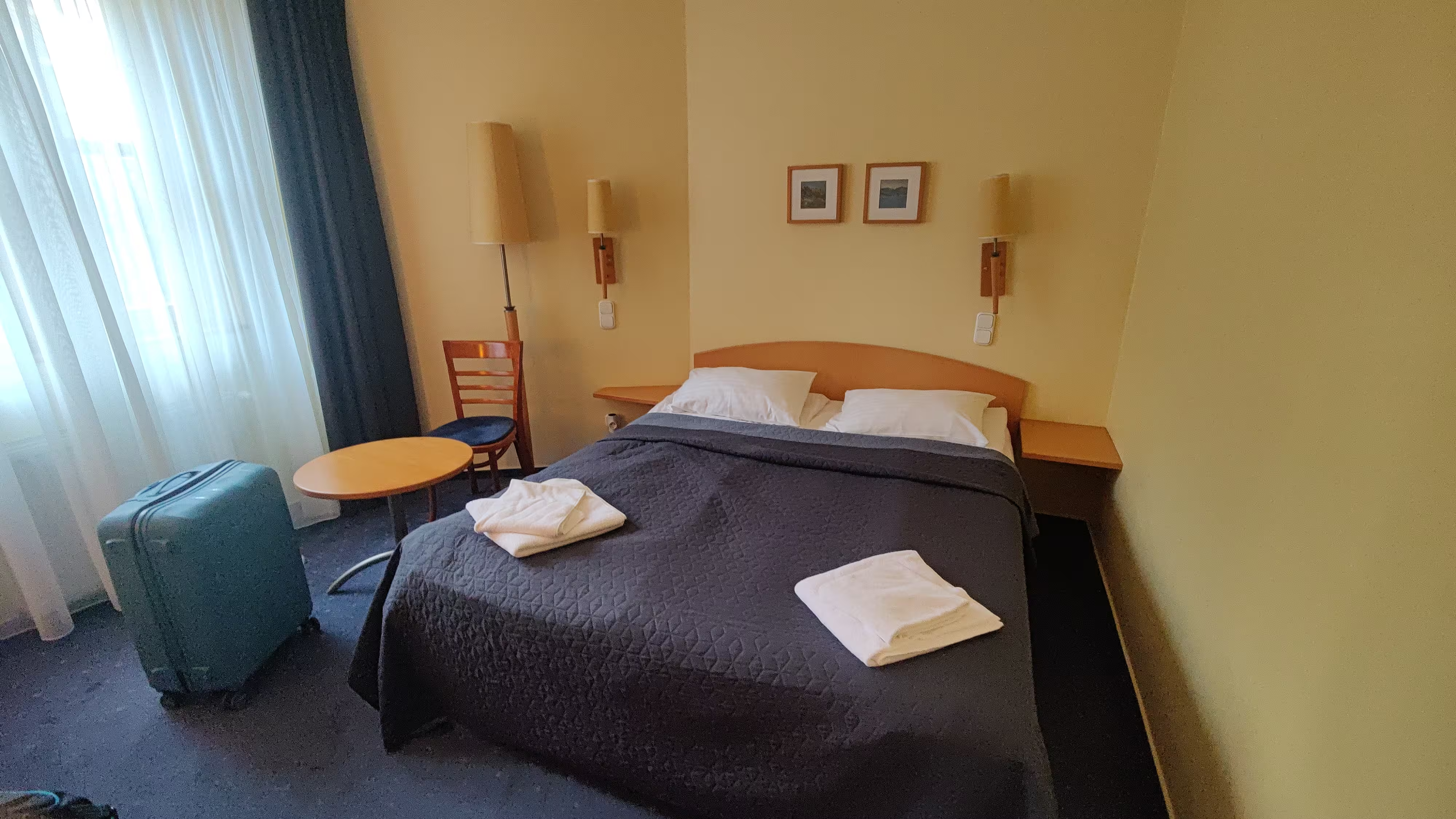 A shot of my room. Photo by Ravi Dwivedi, released under CC-BY-SA 4.0.
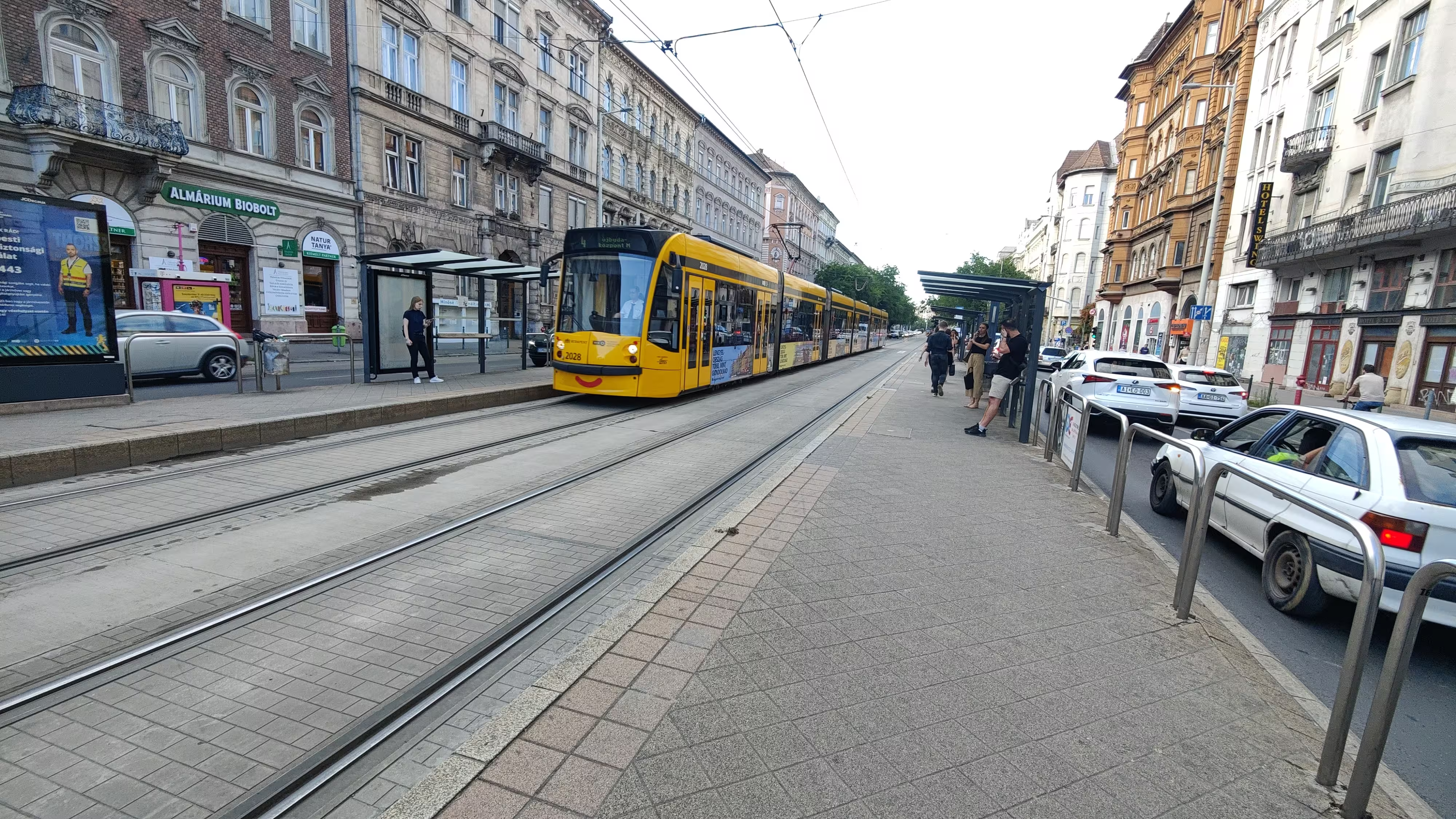 A tram in Budapest. Photo by Ravi Dwivedi, released under CC-BY-SA 4.0.
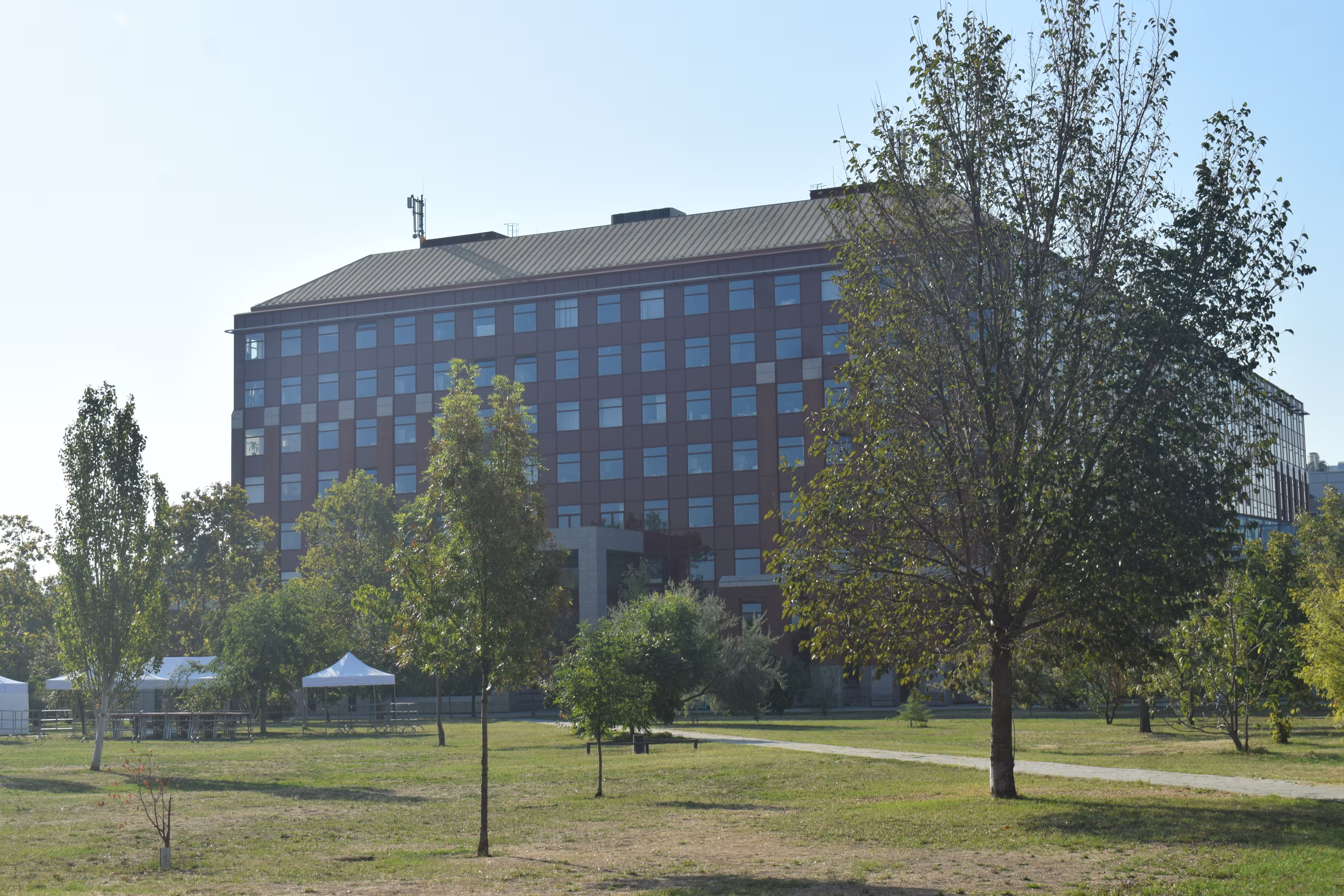 The red building in the picture served as the conference venue. Photo by Ravi Dwivedi, released under CC-BY-SA 4.0.
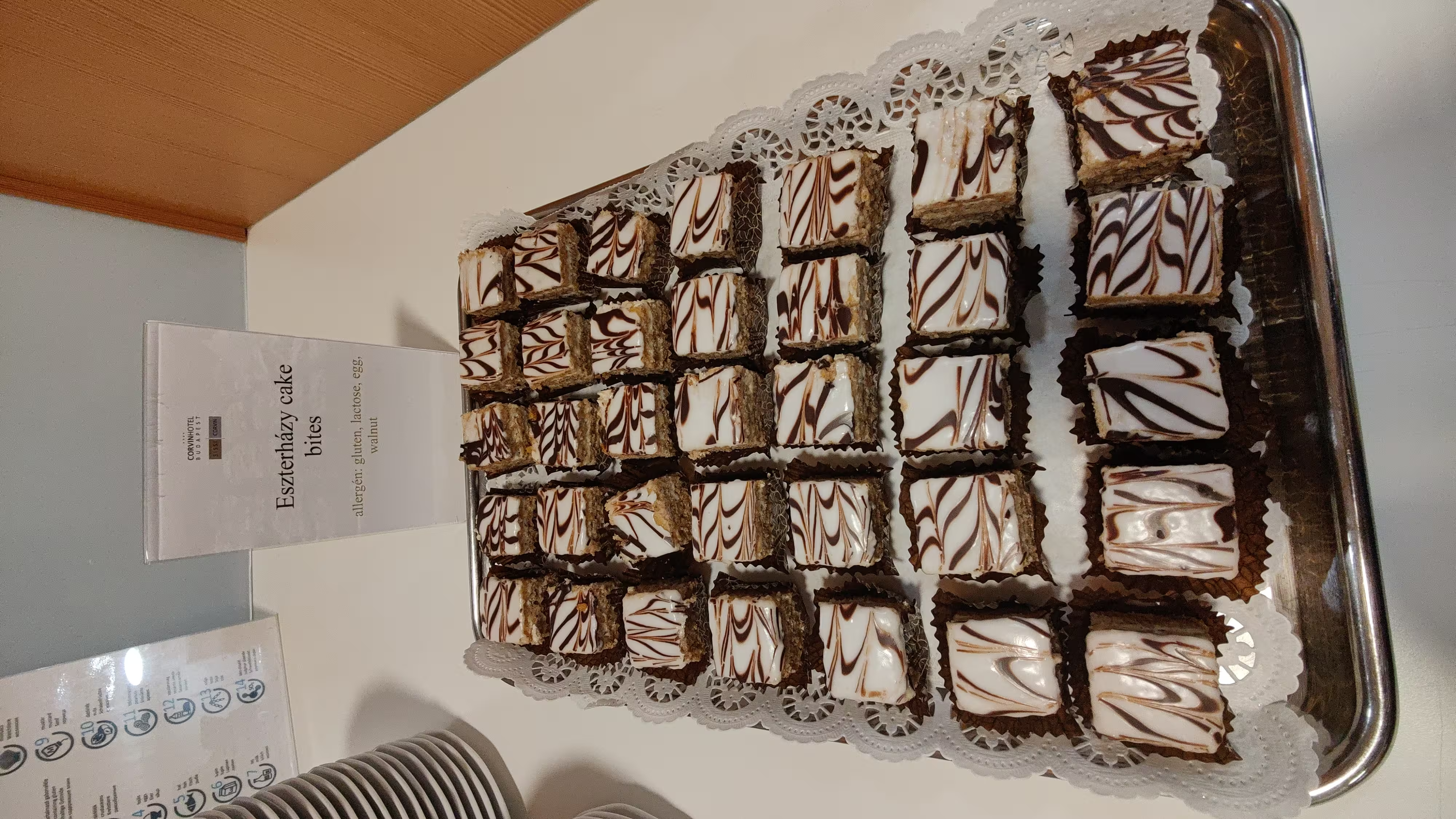 These Esterh zy cake bites were really yummy. Photo by Ravi Dwivedi, released under CC-BY-SA 4.0.
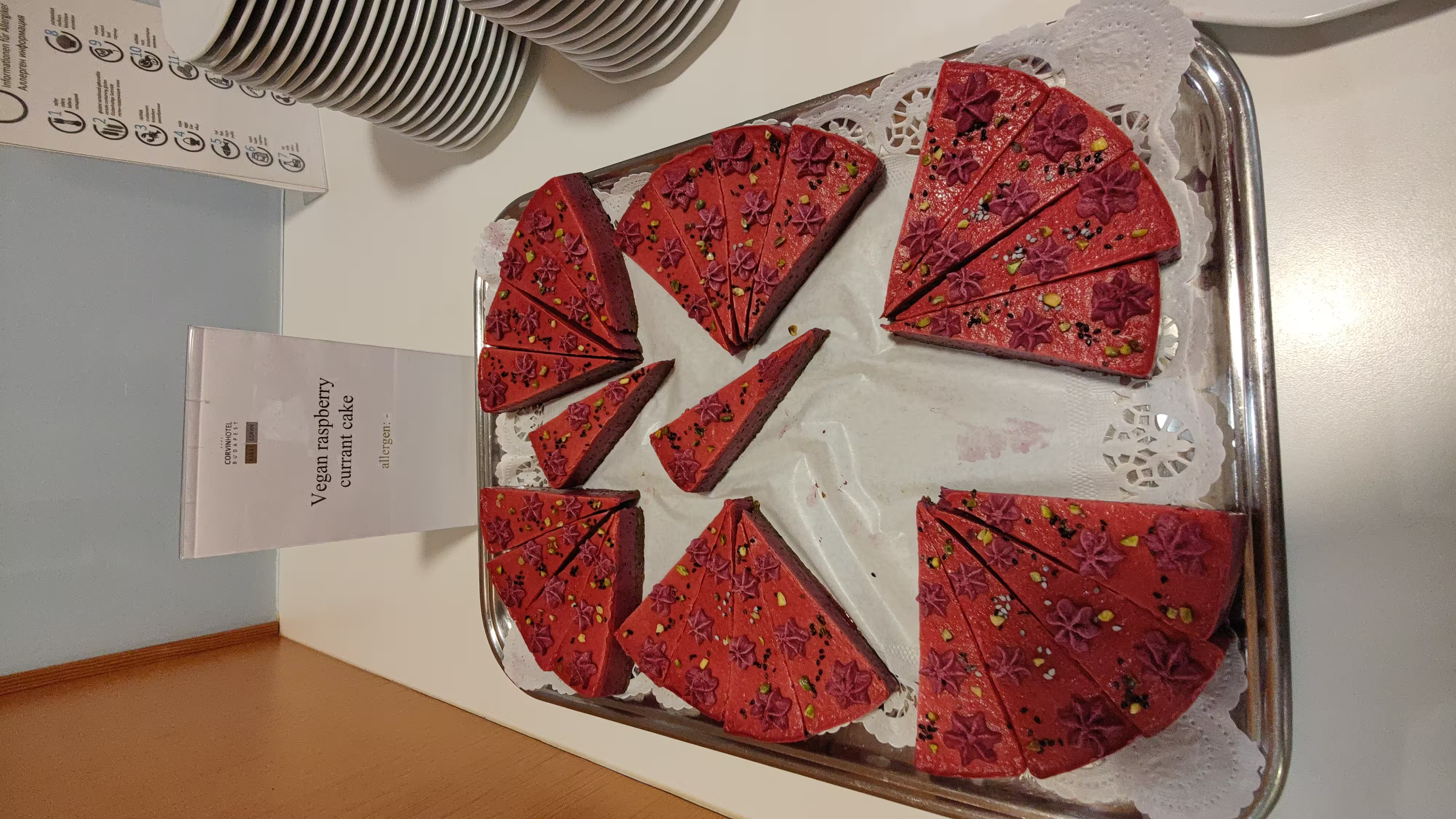 Raspberry Currant cake slices. Photo by Ravi Dwivedi, released under CC-BY-SA 4.0.
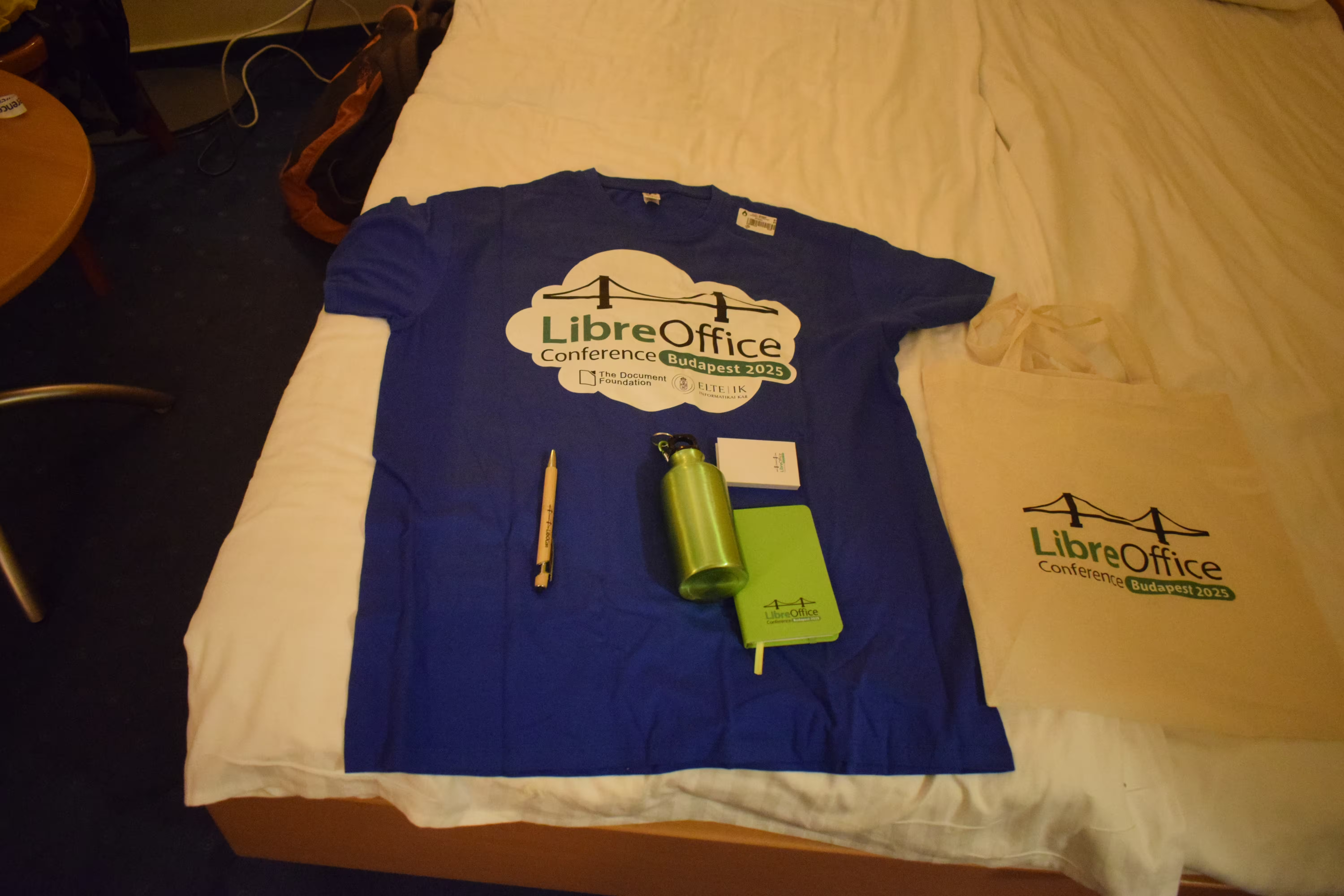 Conference swag. Photo by Ravi Dwivedi, released under CC-BY-SA 4.0.
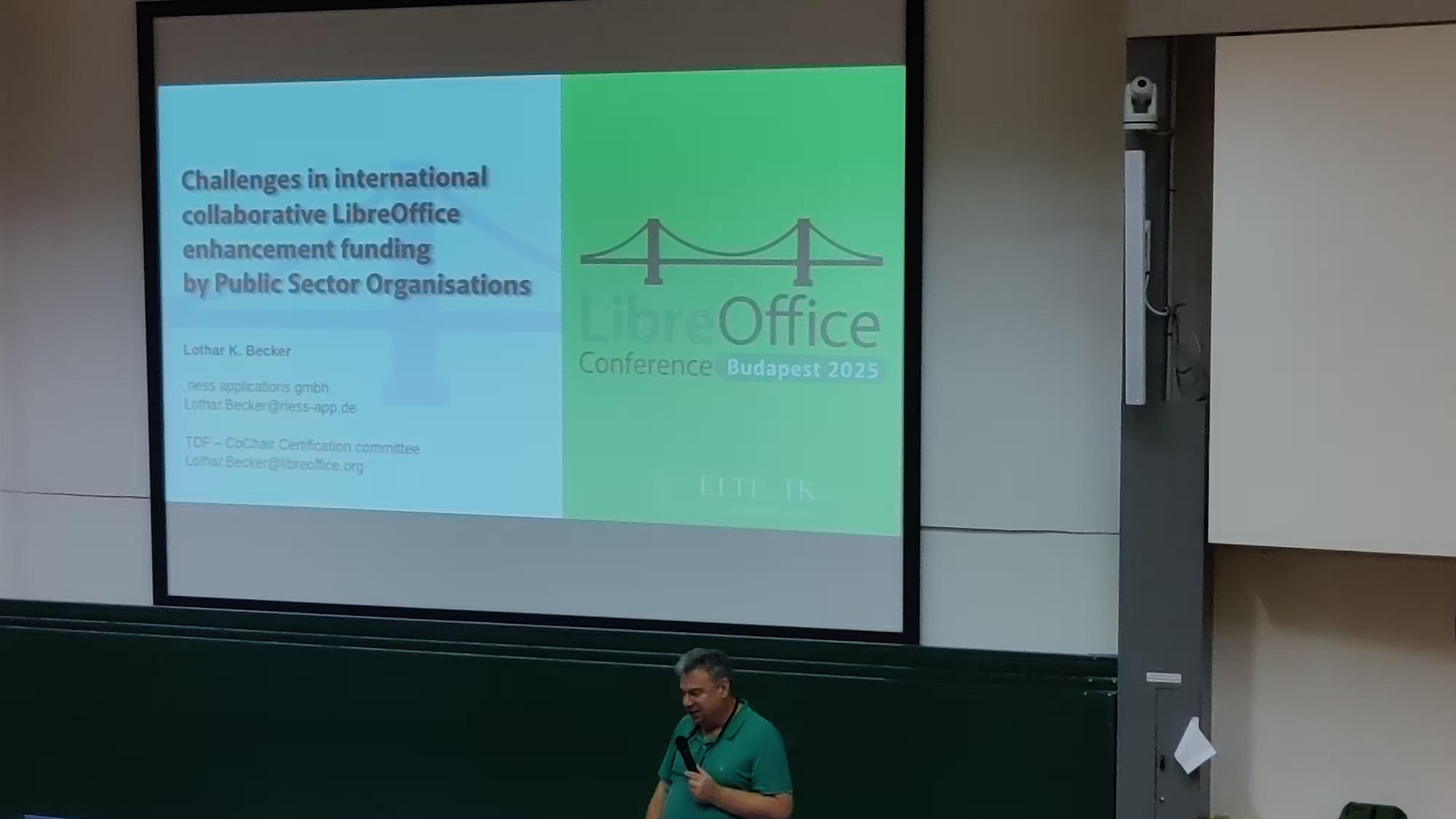 Lothar giving his presentation. Photo by Ravi Dwivedi, released under CC-BY-SA 4.0.
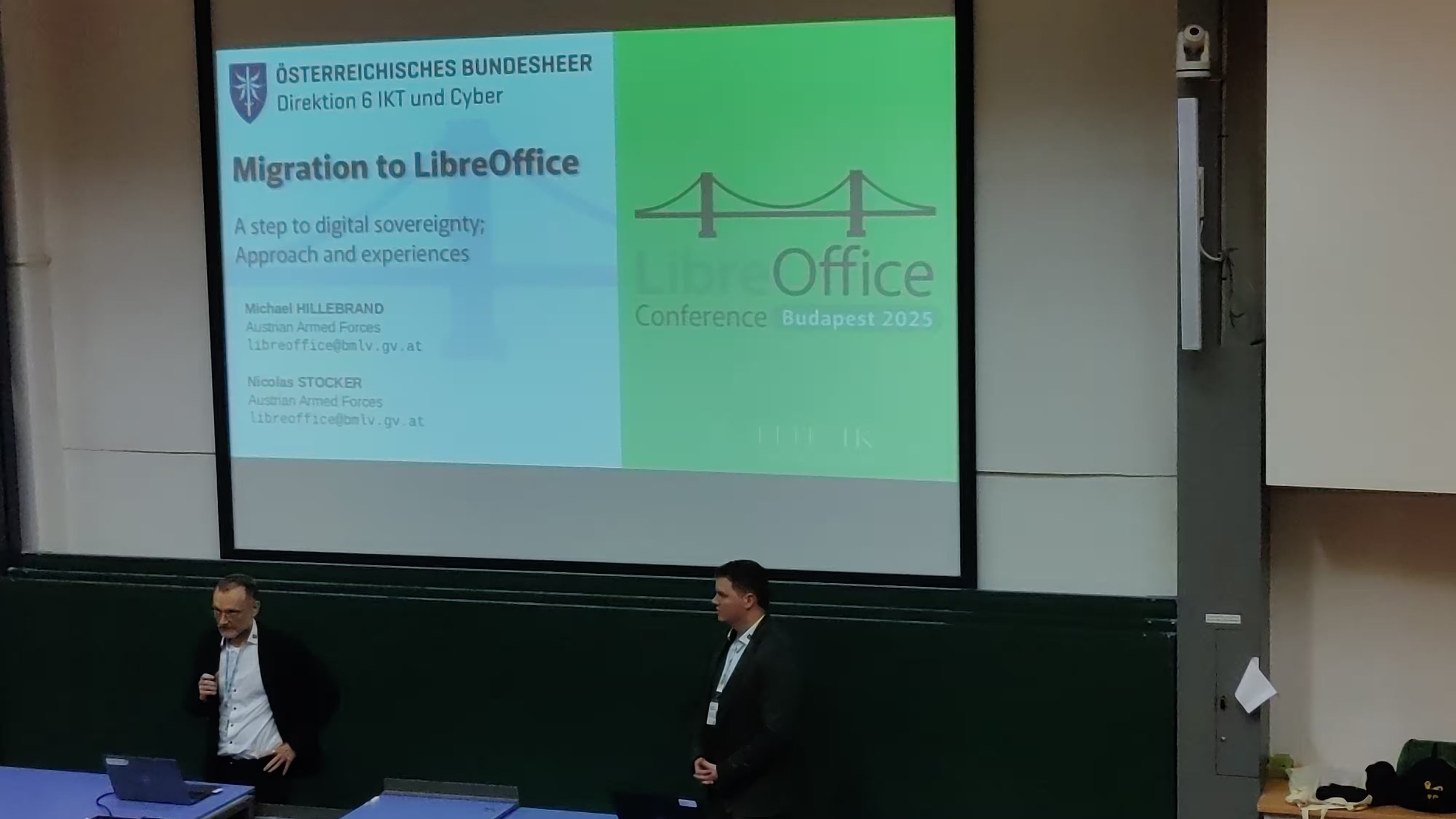 Presentation on migration to LibreOffice by Austrian Armed Forces. Photo by Ravi Dwivedi, released under CC-BY-SA 4.0.
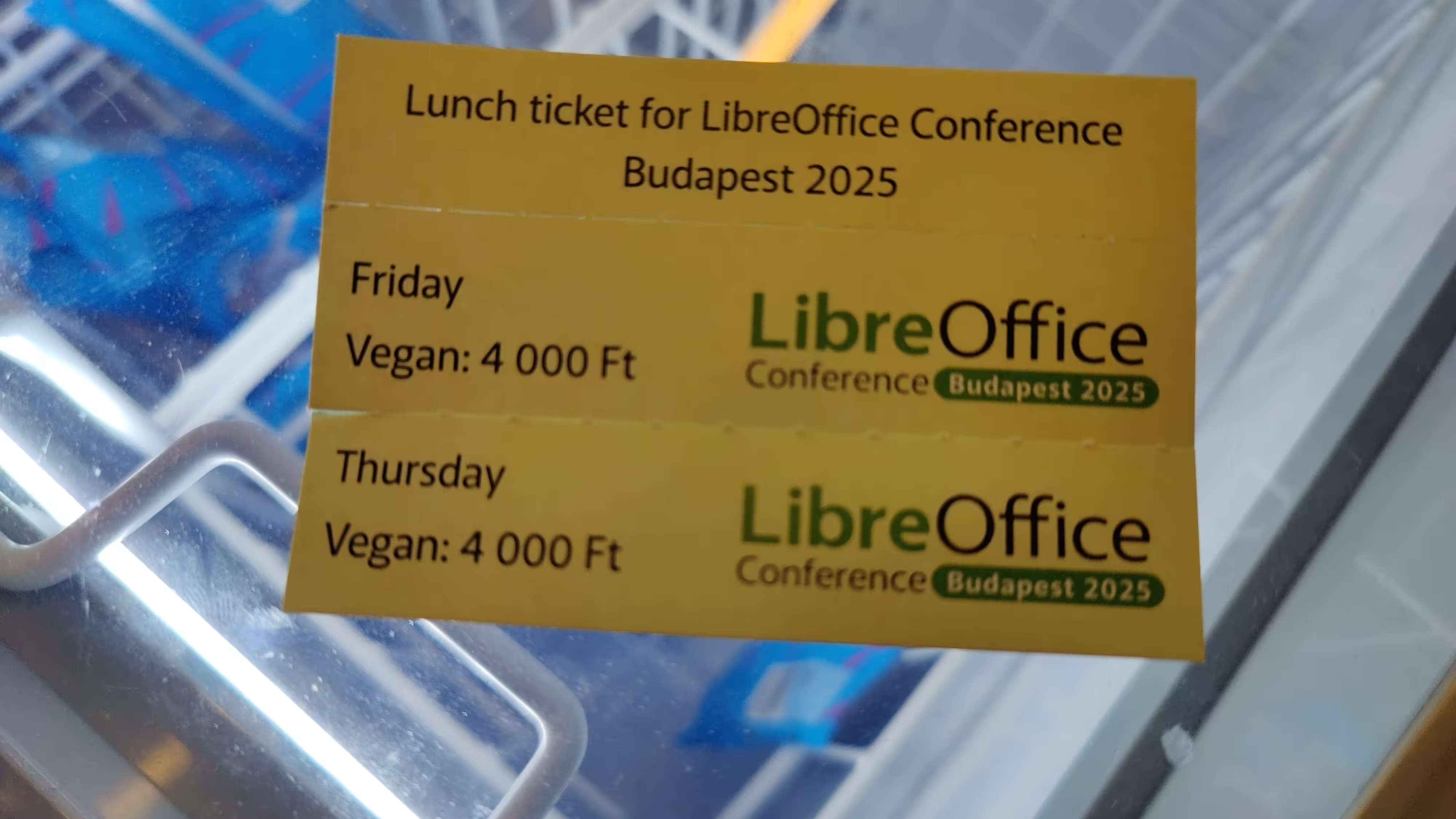 My lunch ticket for the conference. Photo by Ravi Dwivedi, released under CC-BY-SA 4.0.
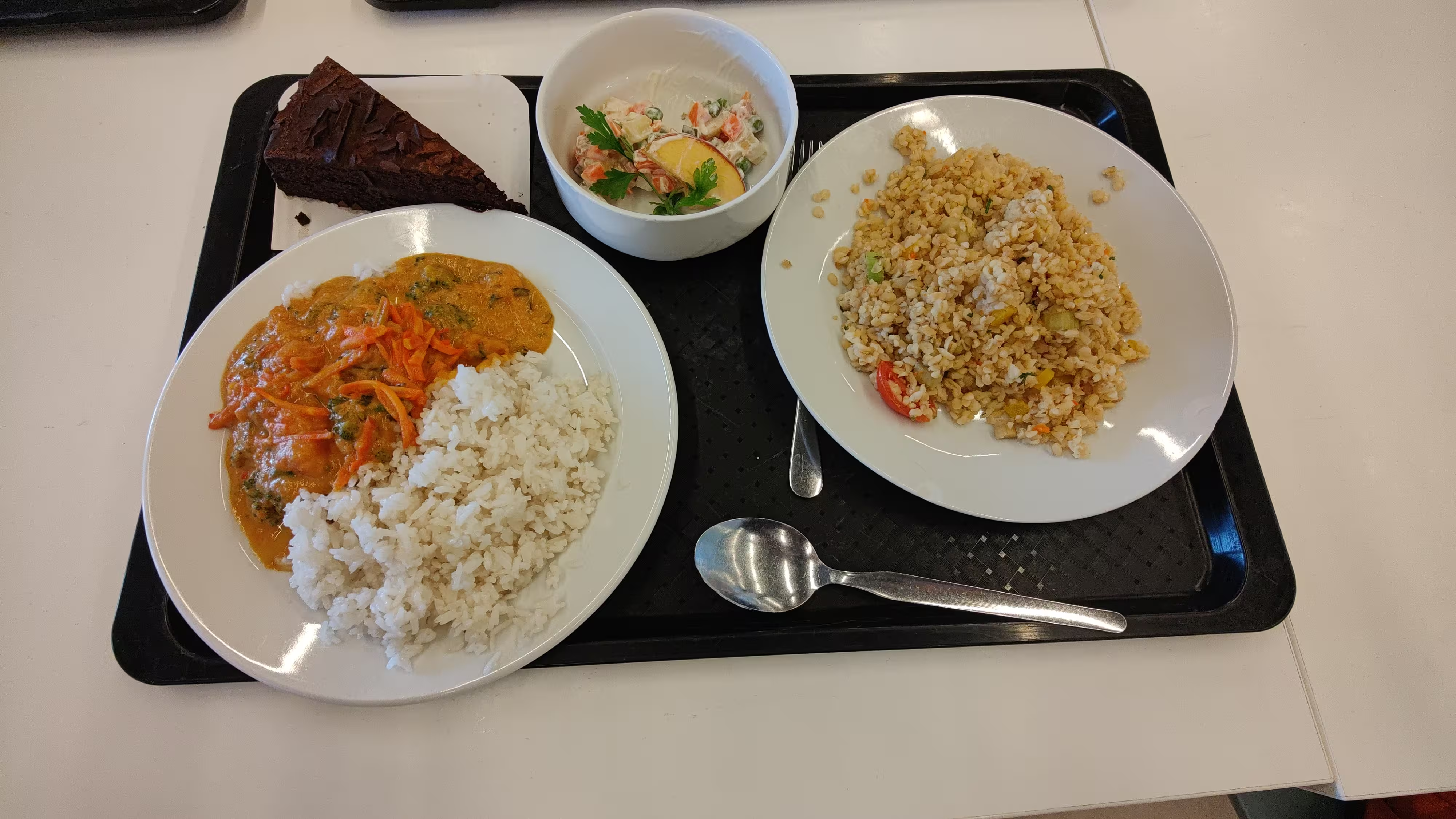 The lunch I had on the first day. Photo by Ravi Dwivedi, released under CC-BY-SA 4.0.
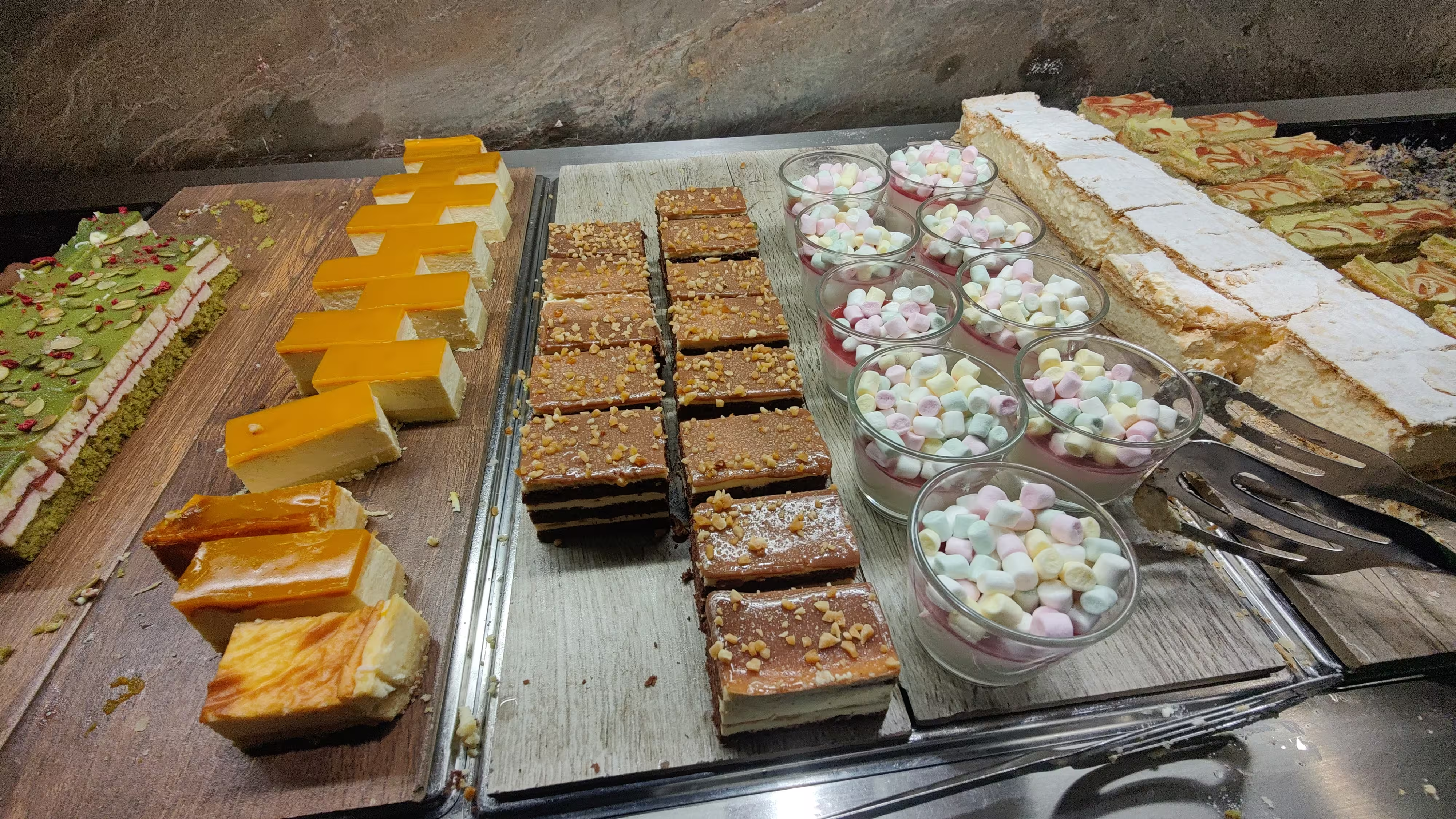 Desserts at Tofea Grill. Photo by Ravi Dwivedi, released under CC-BY-SA 4.0.
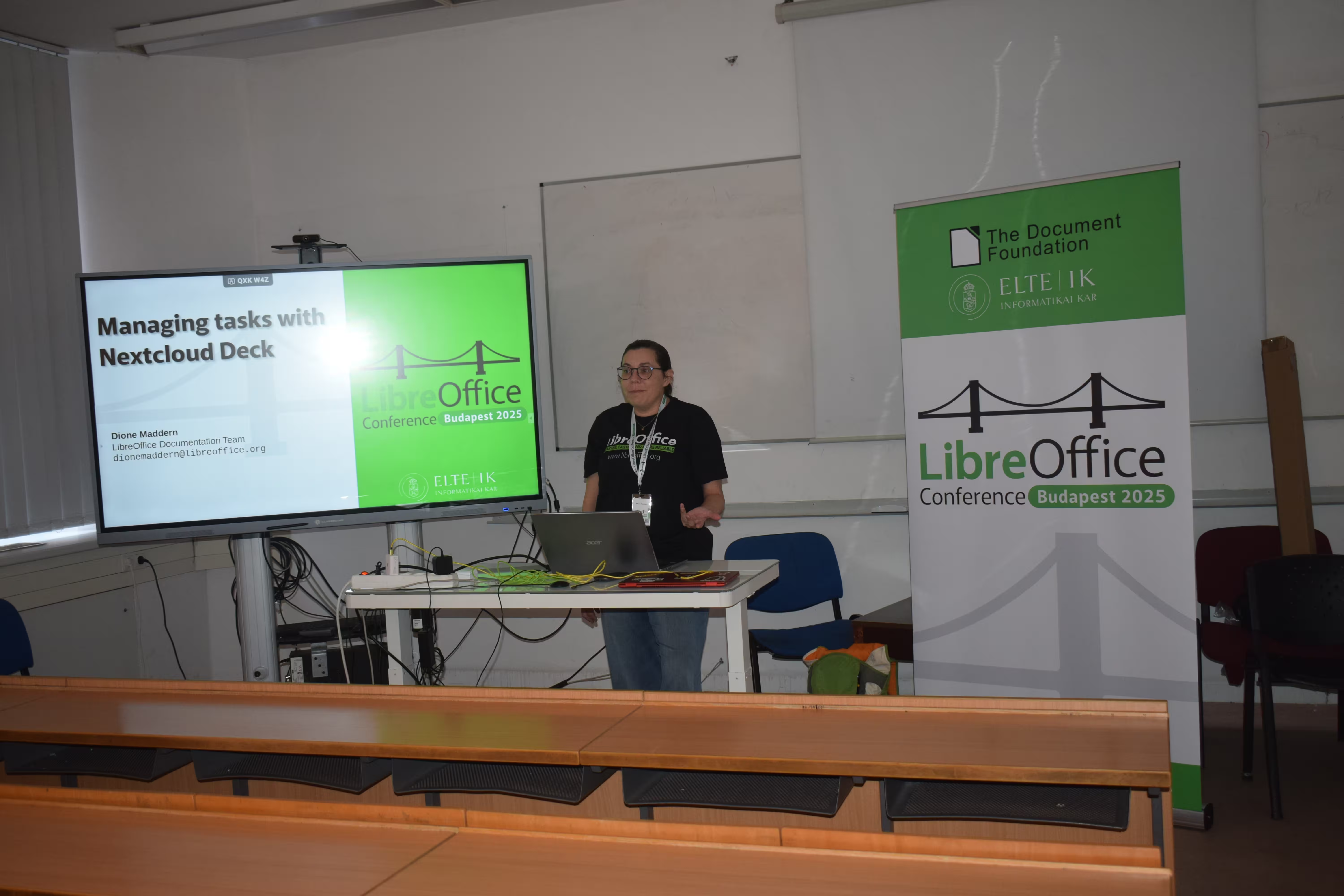 Dione giving her presentation. Photo by Ravi Dwivedi, released under CC-BY-SA 4.0.
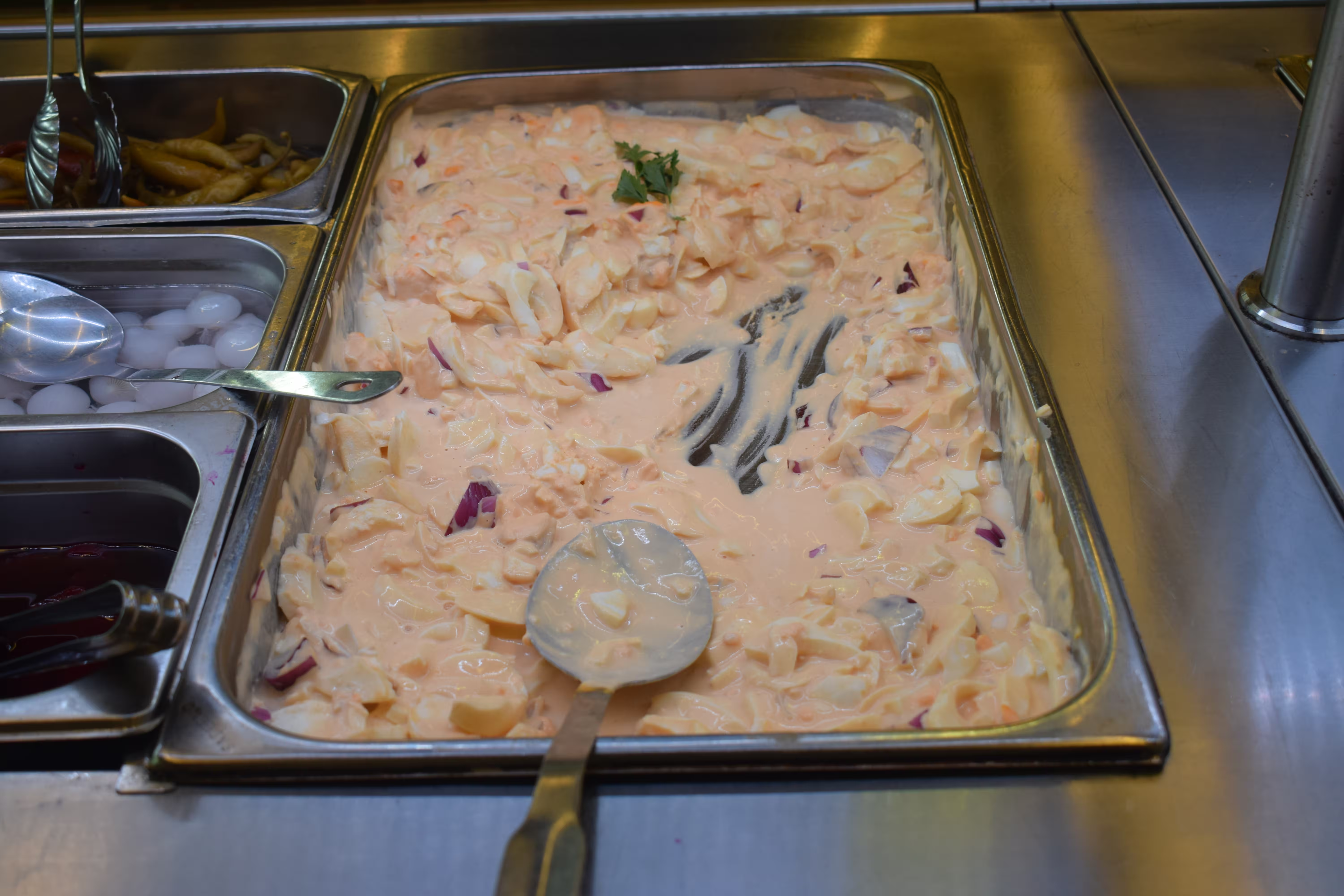 Egg white salad. Photo by Ravi Dwivedi, released under CC-BY-SA 4.0.
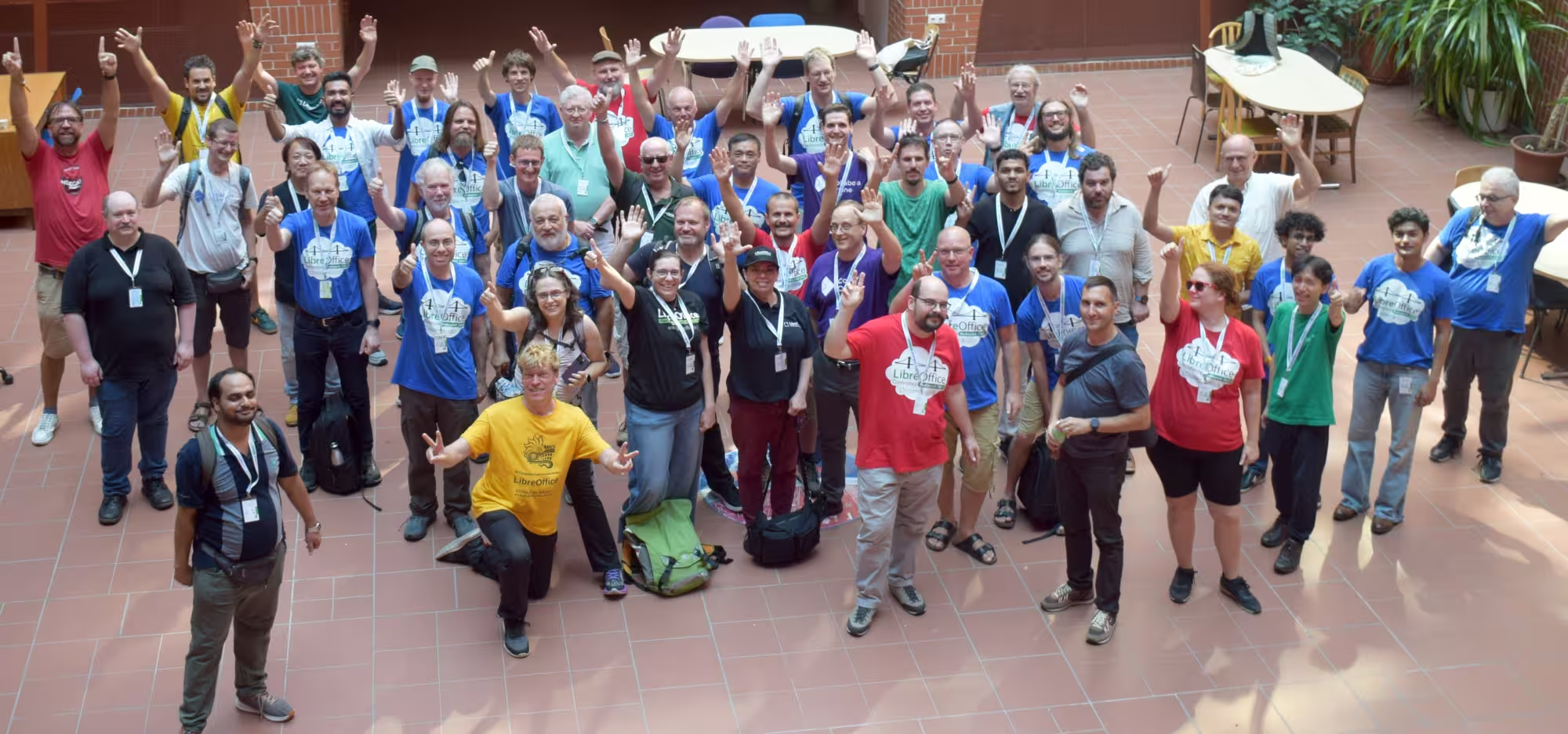 Group photo
 I recently released version 0.3.0 of my recipe manager application Kookbook find it in git in
 At some point I should do a 10 recipe example collection, but my personal collection is in danish, so I m not sure it is going to be useful. Unless someone will donate me some handfuls of pre-formatted recipes, I will happily announce it.
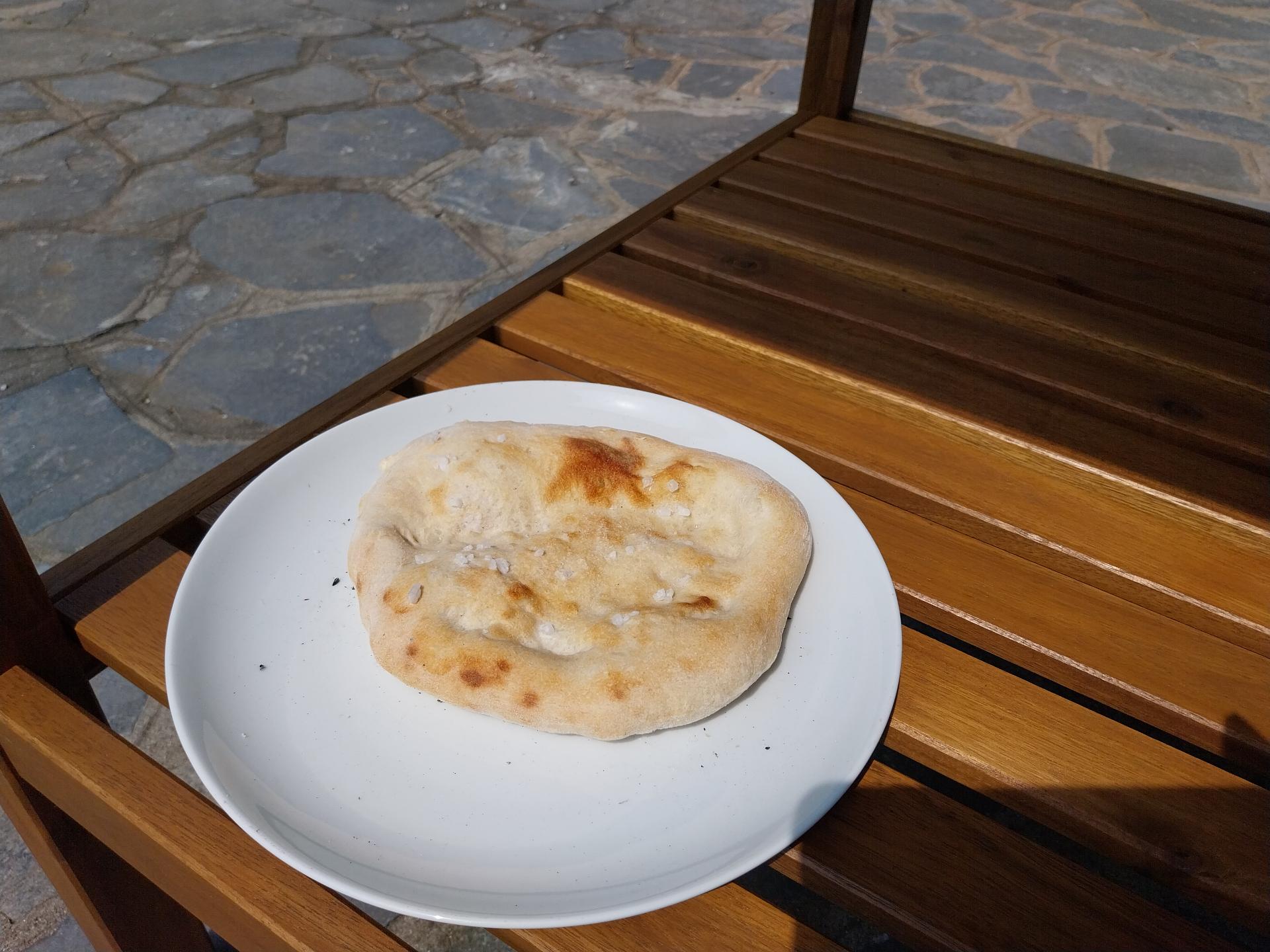 And it was good. The kind of pizza that is quite soft, especially near
the borders.
We ate it with fresh mozzarella and tomatoes, and then made another one
the same way, to finish the mozzarella.
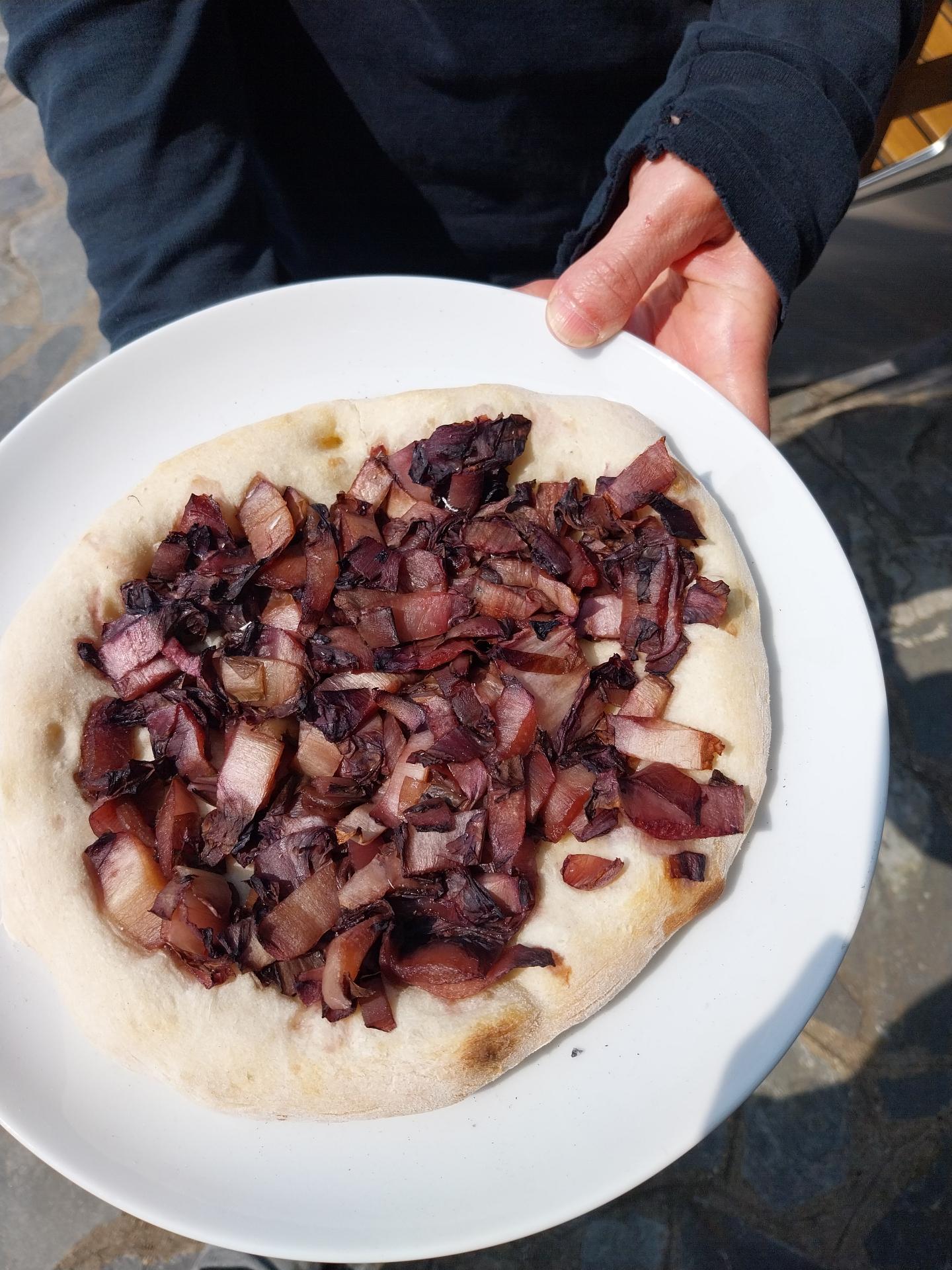 This was supposed to be our lunch, but we decided to try one with some
leftover cooked radicchio, and that also worked quite nicely.
And finally, we decided we needed to try a more classical pizza, with
tomato sauce and cured meat, of which we forgot to take pictures.
Up to here we had eaten about half of the dough, and we were getting
full: I had prepared significantly more than what I expected to eat, to
be able to accidentally burn some, but also with the idea to bake
something else to be eaten later.
So I made two more focaccias with just water and salt, and then I tried
to cook some bread with what I expected to be residual heat.
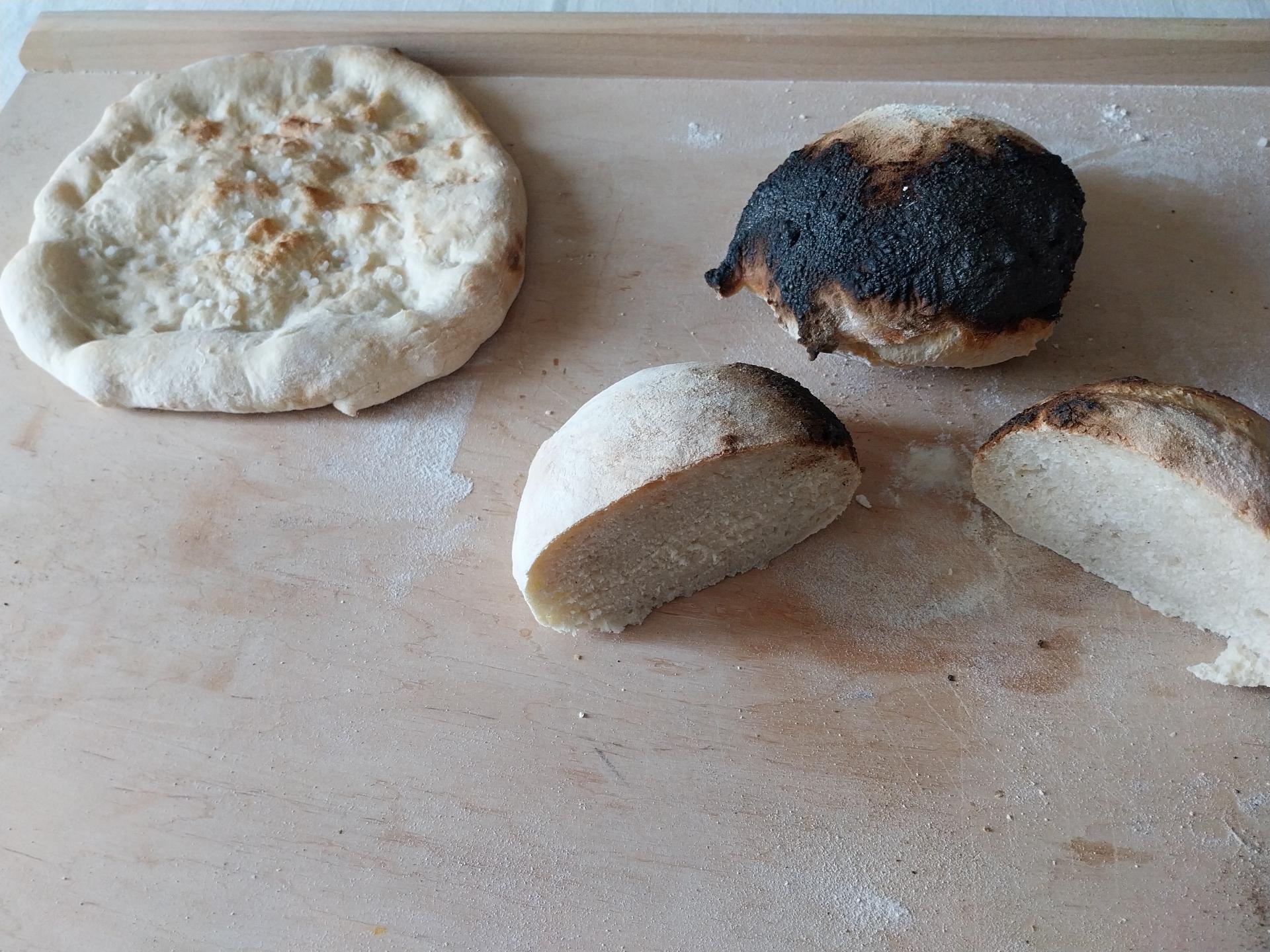 Except that the oven was getting a bit too cold, so my partner added
some charcoal, and when I put the last two unflattened balls right at
the back of the oven where it was still warmer, that side carbonized.
After 5 minutes I moved them to the middle of the oven, and turned them,
and then after another turn and 5 more minutes they were ready. And
other than the burnt crust, they were pretty edible.
So, the thoughts after our first experience.
Everybody around the table (my SO, my mother and me) was quite happy
with the results, and they are different enough from the ones I could
get with the regular oven.
As I should have expected, it s much faster than a masonry oven, both in
getting to temperature and in cooling down: my plan for residual heat
bread cooking will have to be adjusted with experience.
We were able to get it hot enough, but not as hot as it s supposed to be
able to get: we suspect that using just charcoal may have influenced it,
and next week we ll try to get some wood, and try with a mix.
As for the recipe, dividing the dough in eight parts worked quite well:
maybe the pizzas are a bit on the smaller side, but since they come one
at a time it s more convenient to cut and share them, and maybe make a
couple more at the end.
Of course, I ll want to try different recipes, for different styles of
pizzas (including some almost-trademark-violating ones) and for other
types of flatbread.
I expect it won t be hard to find volunteers to help us with the
experiments. :D