Vincent Bernat: Upgrading my desktop PC
I built my current desktop PC in 2014. A second SSD was added in 2015.
The motherboard and the power supply were replaced after a
fault1 in 2016. The memory was upgraded in
2018. A discrete AMD GPU was installed in 2019 to drive two 4K
screens. An NVMe disk was added earlier this year to further
increase storage performance. This is a testament to the durability of
a desktop PC compared to a laptop: it s evolutive and you can keep it
a long time.
While fine for most usage, the CPU started to become a bottleneck
during video conferences.2 So, it was set for an
upgrade. The table below summarizes the change. This update cost me
about 800 .


 According to some benchmark, the new CPU should be 4 faster when
all cores are used and 1.5 faster for a single-threaded workload.
Compiling an arbitrary3 kernel provides a 3 speedup. Before:
After:
Here we go for another seven years!
| Before | After | |
|---|---|---|
| CPU | Intel i5-4670K @ 3.4 GHz | AMD Ryzen 5 5600X @ 3.7 GHz |
| CPU fan | Zalman CNPS9900 | Noctua NH-U12S |
| Motherboard | Asus Z97-PRO Gamer | Asus TUF Gaming B550-PLUS |
| RAM | 2 8 GB + 2 4 GB DDR3 @ 1.6 GHz | 2 16 GB DDR4 @ 3.6 GHz |
| GPU | Asus Radeon PH RX 550 4G M7 | |
| Disks | 500 GB Crucial P2 NVMe 256 GB Samsung SSD 850 256 GB Samsung SSD 840 |
|
| PSU | be quiet! Pure Power CM L8 @ 530 W | |
| Case | Antec P100 |


$ lscpu -e
CPU NODE SOCKET CORE L1d:L1i:L2:L3 ONLINE    MAXMHZ   MINMHZ
  0    0      0    0 0:0:0:0          yes 3800.0000 800.0000
  1    0      0    1 1:1:1:0          yes 3800.0000 800.0000
  2    0      0    2 2:2:2:0          yes 3800.0000 800.0000
  3    0      0    3 3:3:3:0          yes 3800.0000 800.0000
$ CCACHE_DISABLE=1 =time -f '  %E' make -j$(nproc)
[ ]
  OBJCOPY arch/x86/boot/vmlinux.bin
  AS      arch/x86/boot/header.o
  LD      arch/x86/boot/setup.elf
  OBJCOPY arch/x86/boot/setup.bin
  BUILD   arch/x86/boot/bzImage
Kernel: arch/x86/boot/bzImage is ready  (#1)
  4:54.32
$ lscpu -e
CPU NODE SOCKET CORE L1d:L1i:L2:L3 ONLINE    MAXMHZ    MINMHZ
  0    0      0    0 0:0:0:0          yes 5210.3511 2200.0000
  1    0      0    1 1:1:1:0          yes 4650.2920 2200.0000
  2    0      0    2 2:2:2:0          yes 5210.3511 2200.0000
  3    0      0    3 3:3:3:0          yes 5073.0459 2200.0000
  4    0      0    4 4:4:4:0          yes 4932.1279 2200.0000
  5    0      0    5 5:5:5:0          yes 4791.2100 2200.0000
  6    0      0    0 0:0:0:0          yes 5210.3511 2200.0000
  7    0      0    1 1:1:1:0          yes 4650.2920 2200.0000
  8    0      0    2 2:2:2:0          yes 5210.3511 2200.0000
  9    0      0    3 3:3:3:0          yes 5073.0459 2200.0000
 10    0      0    4 4:4:4:0          yes 4932.1279 2200.0000
 11    0      0    5 5:5:5:0          yes 4791.2100 2200.0000
$ CCACHE_DISABLE=1 =time -f '  %E' make -j$(nproc)
[ ]
  OBJCOPY arch/x86/boot/vmlinux.bin
  AS      arch/x86/boot/header.o
  LD      arch/x86/boot/setup.elf
  OBJCOPY arch/x86/boot/setup.bin
  BUILD   arch/x86/boot/bzImage
Kernel: arch/x86/boot/bzImage is ready  (#1)
  1:40.18
- The original power supply was from an older configuration. It suddenly became unable to reliably start the PC. The motherboard got replaced as it was the first suspect: without load, the power supply was working correctly.
- On Linux, many programs are unable to leverage hardware acceleration. This is a pity. On a laptop, this can also draws the battery pretty fast.
-
The kernel is configured with
make defconfigon commit 15fae3410f1d.

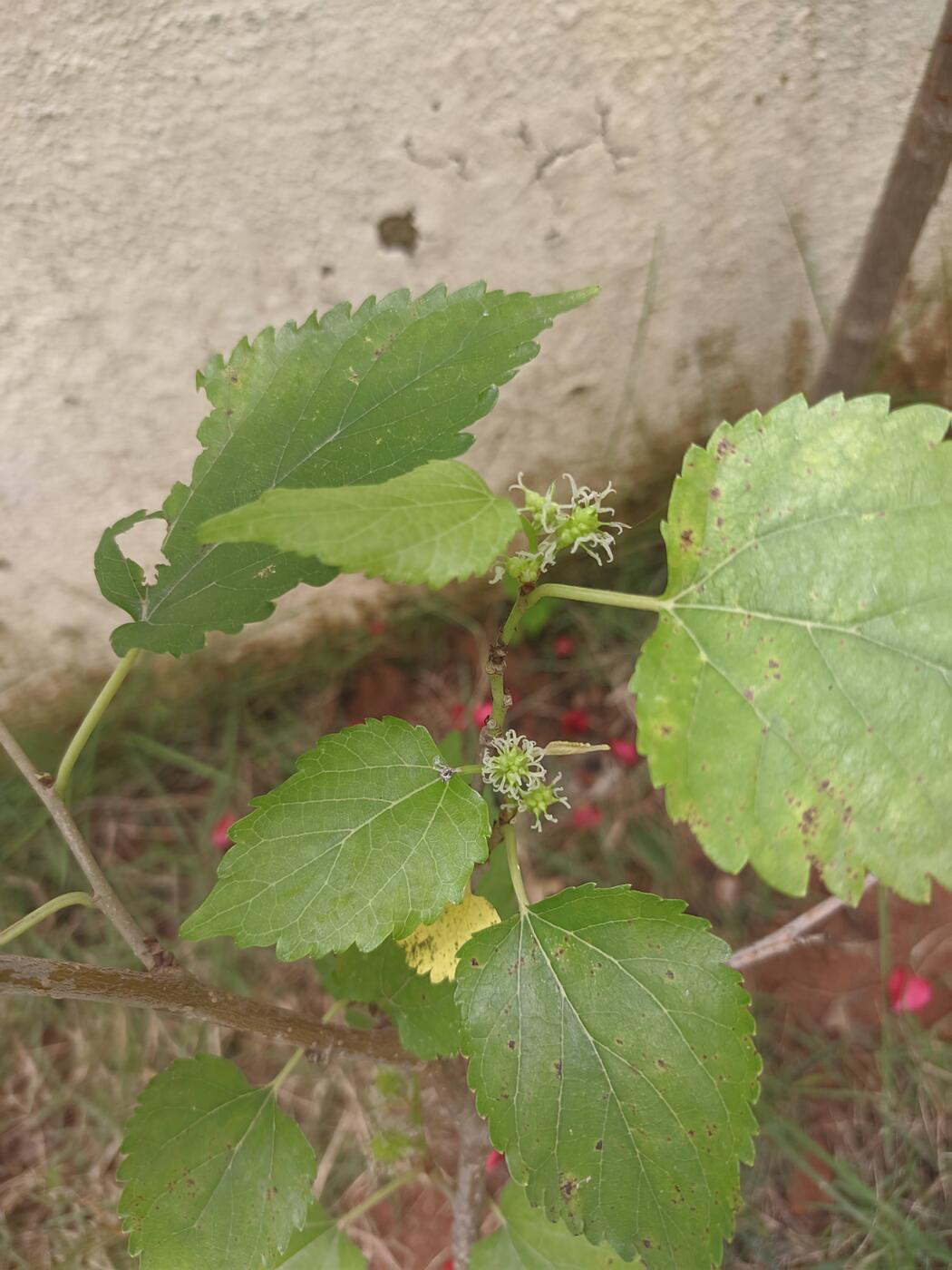
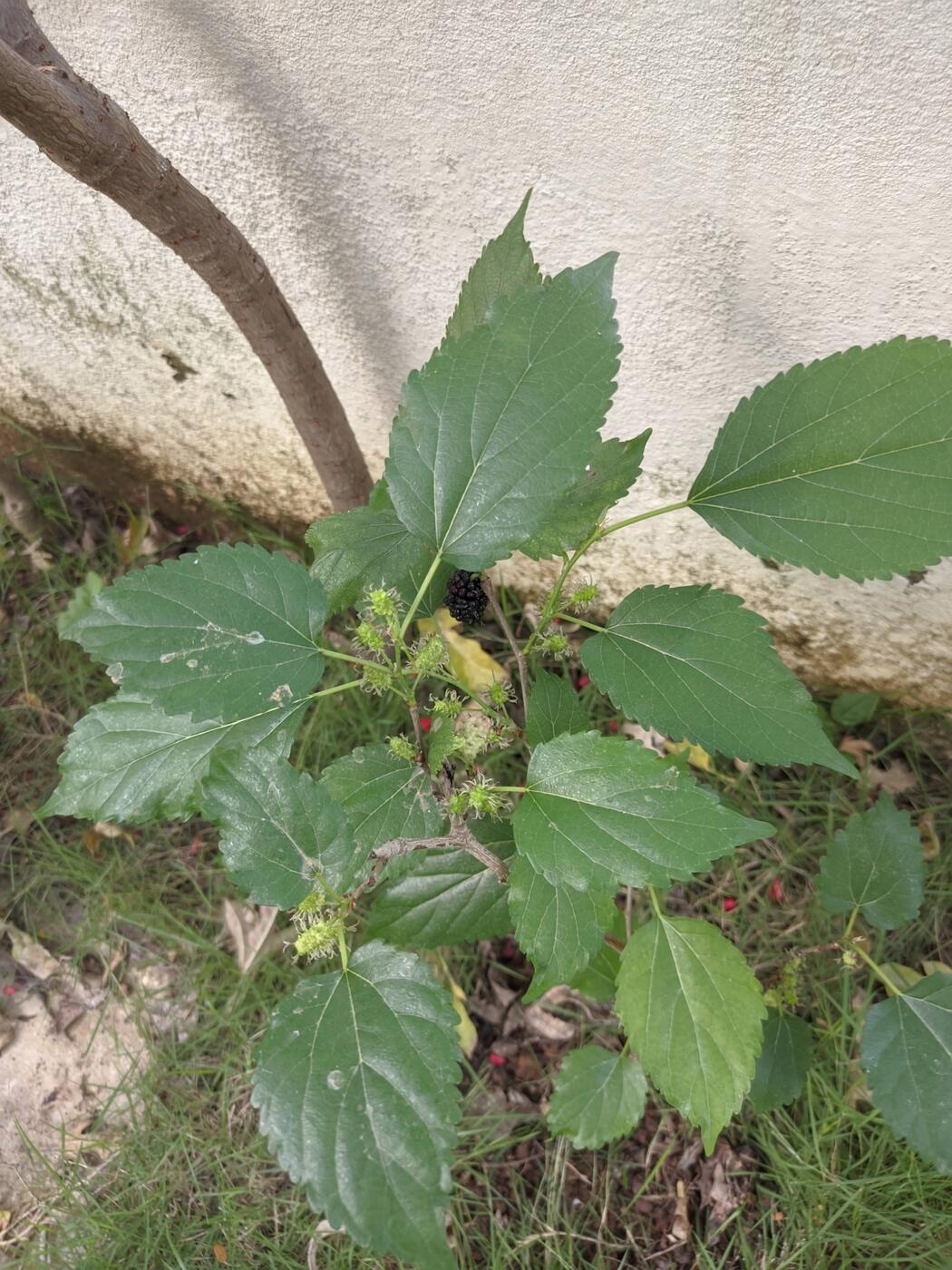
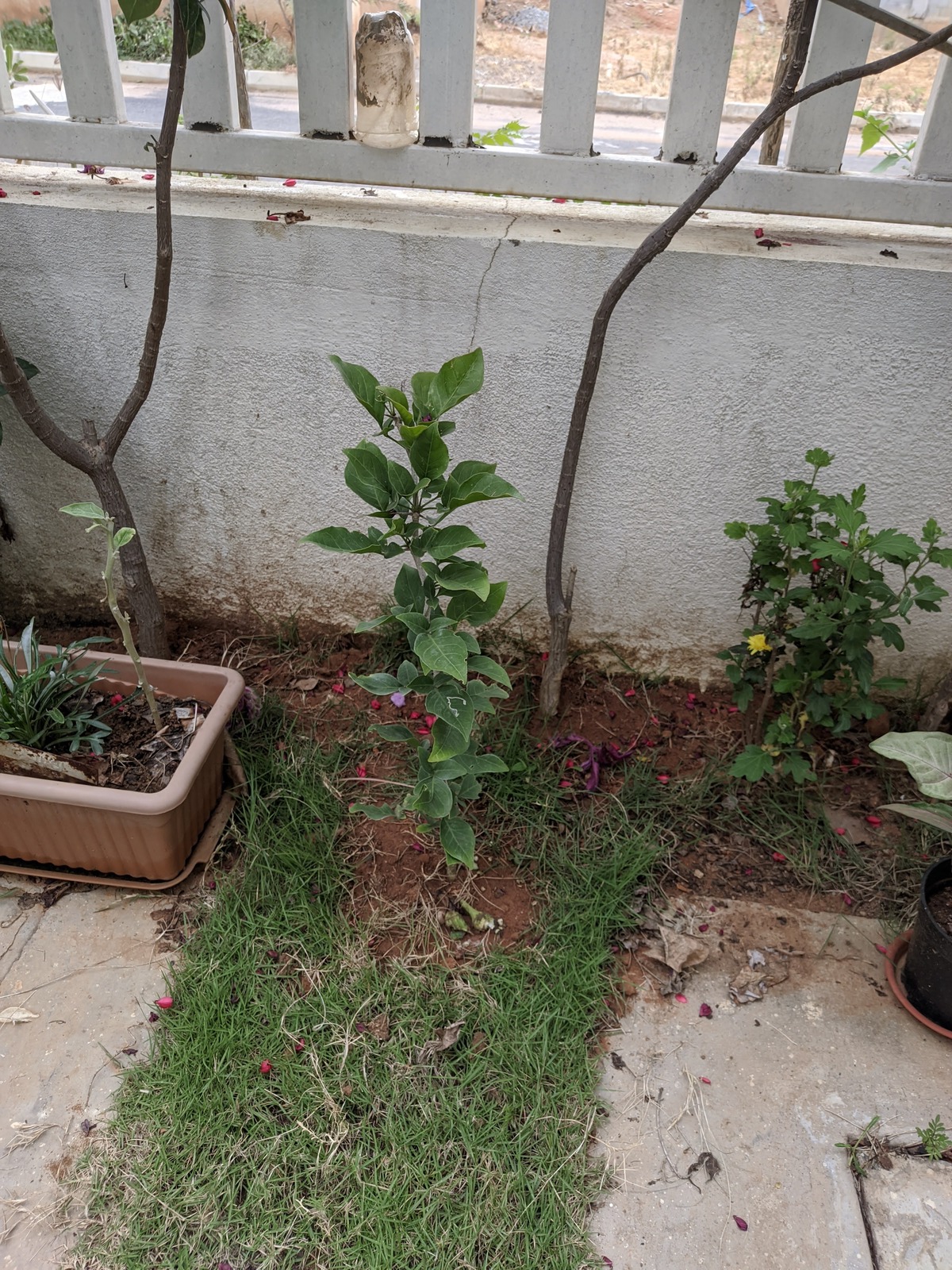
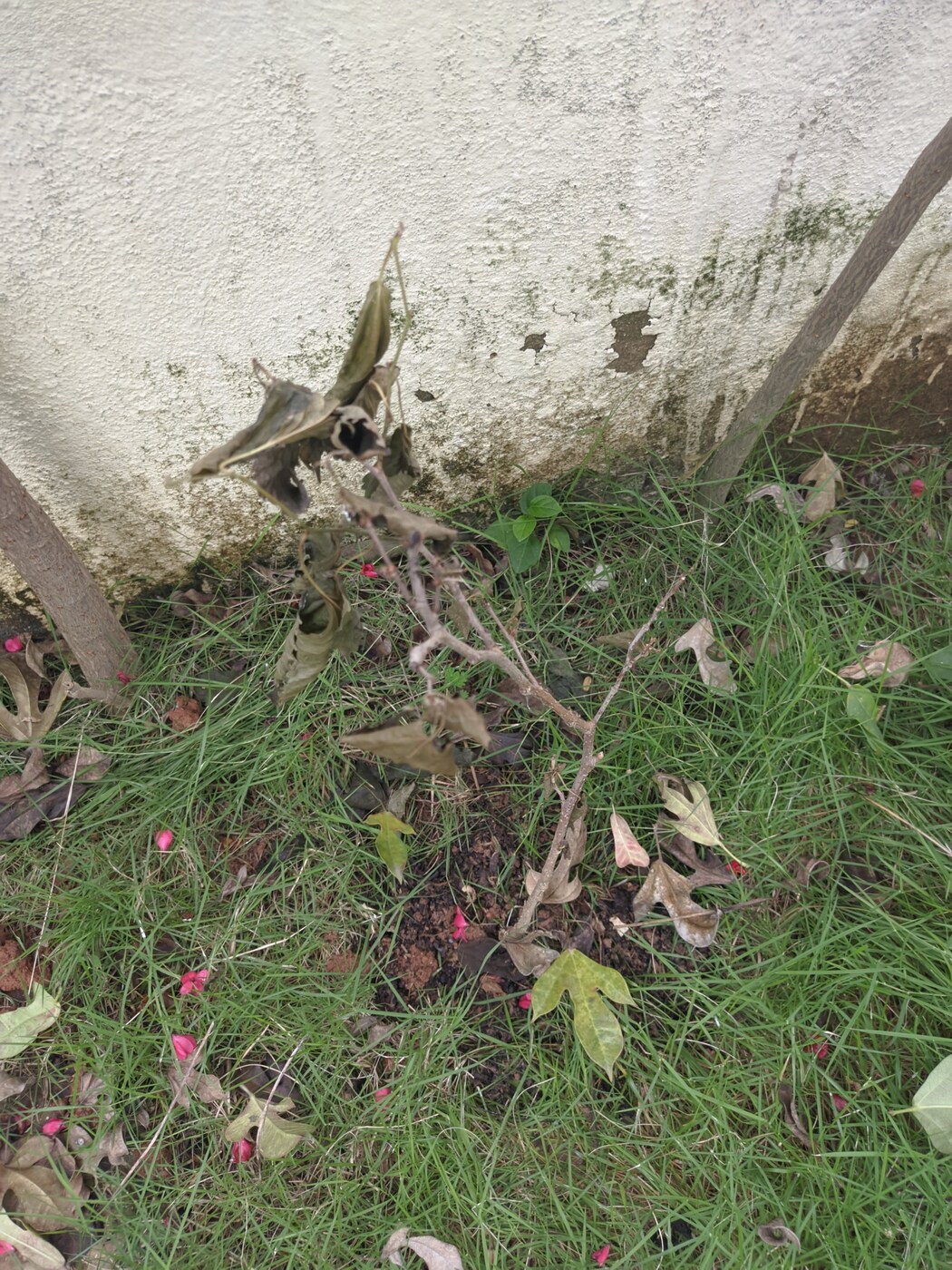
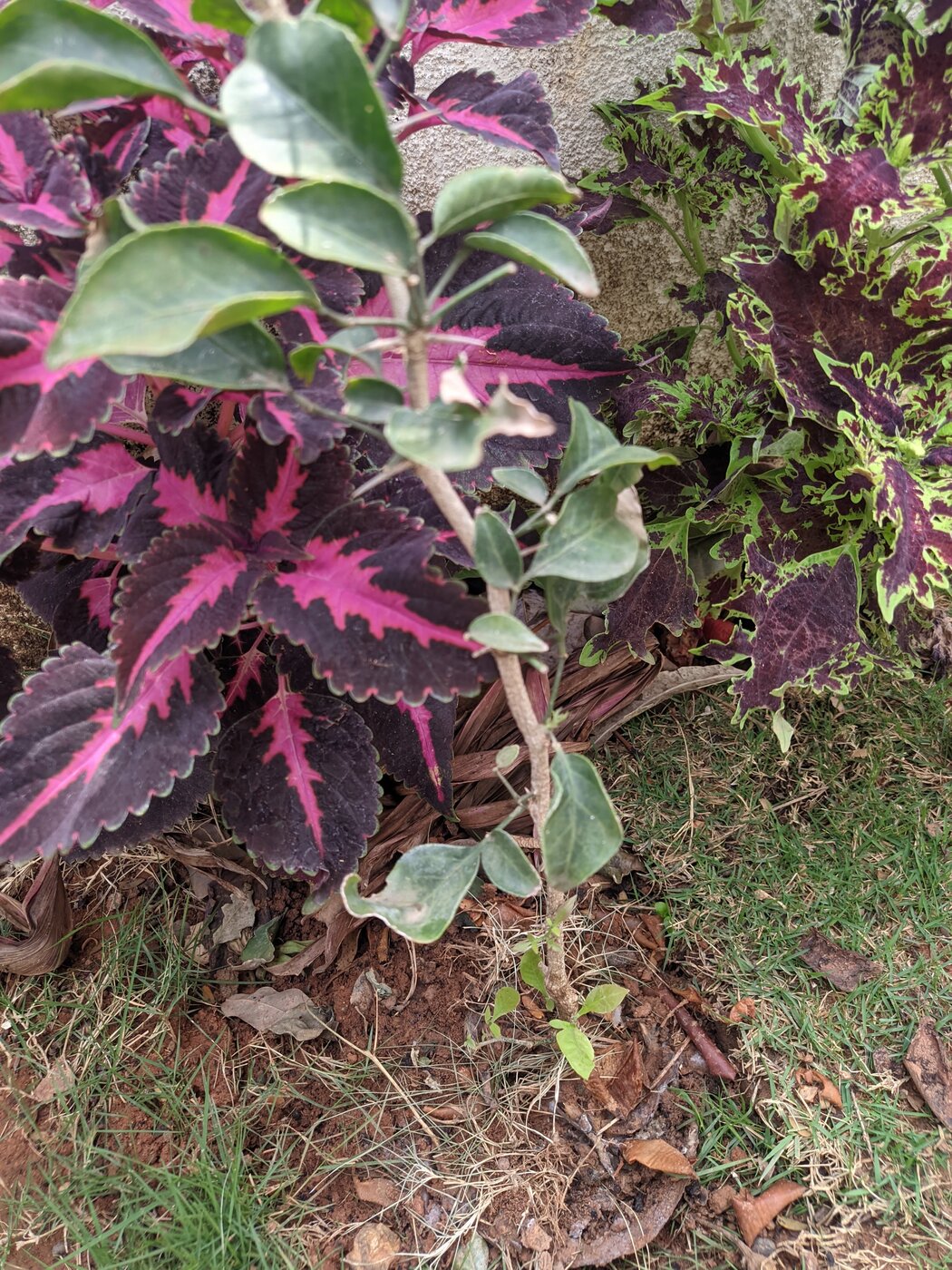
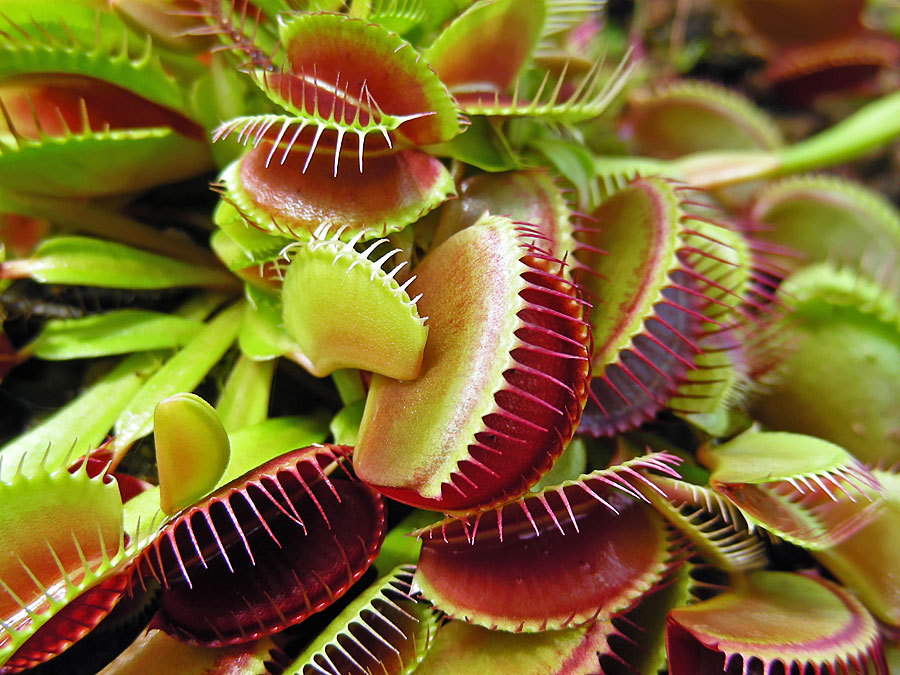
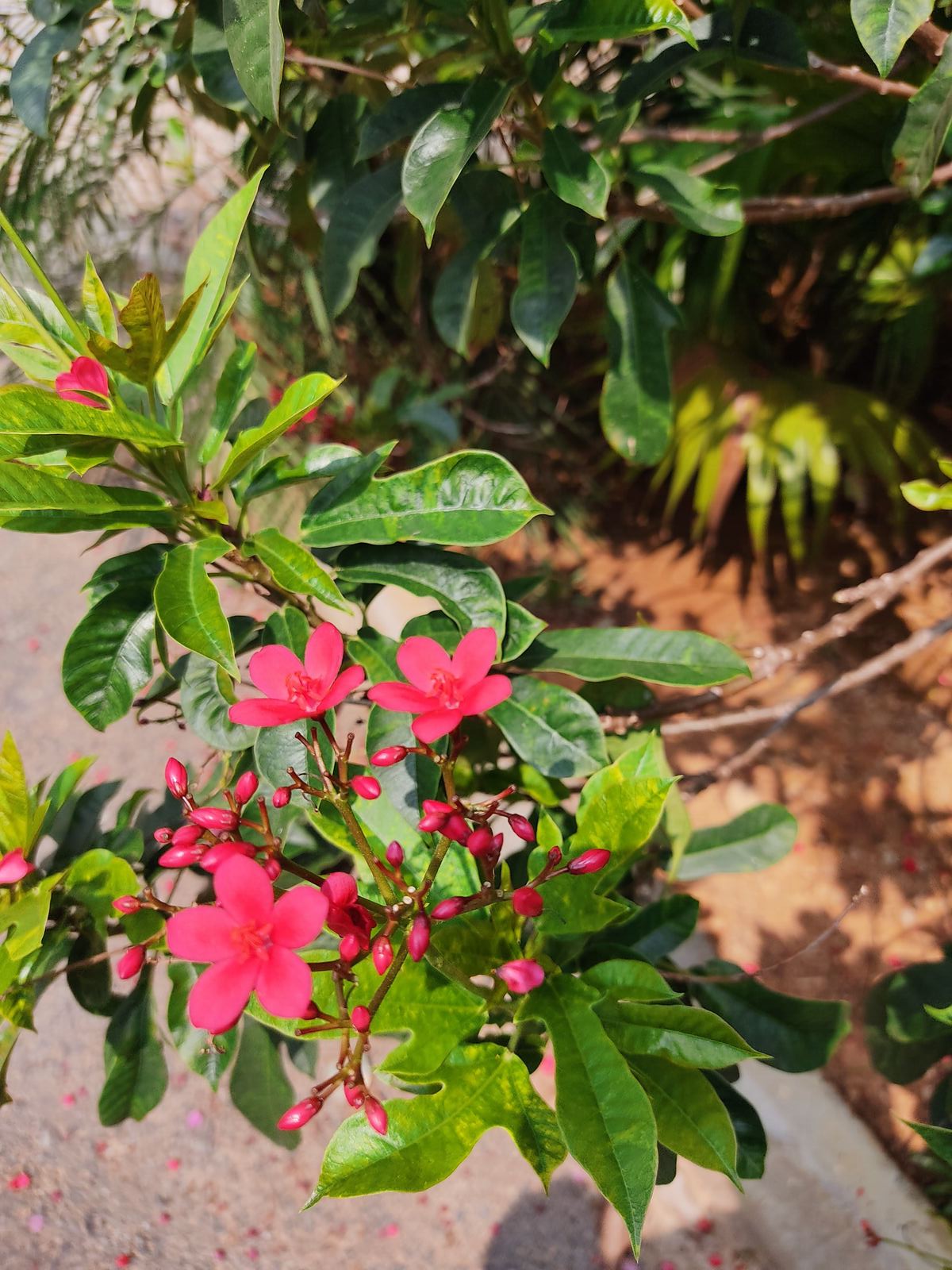
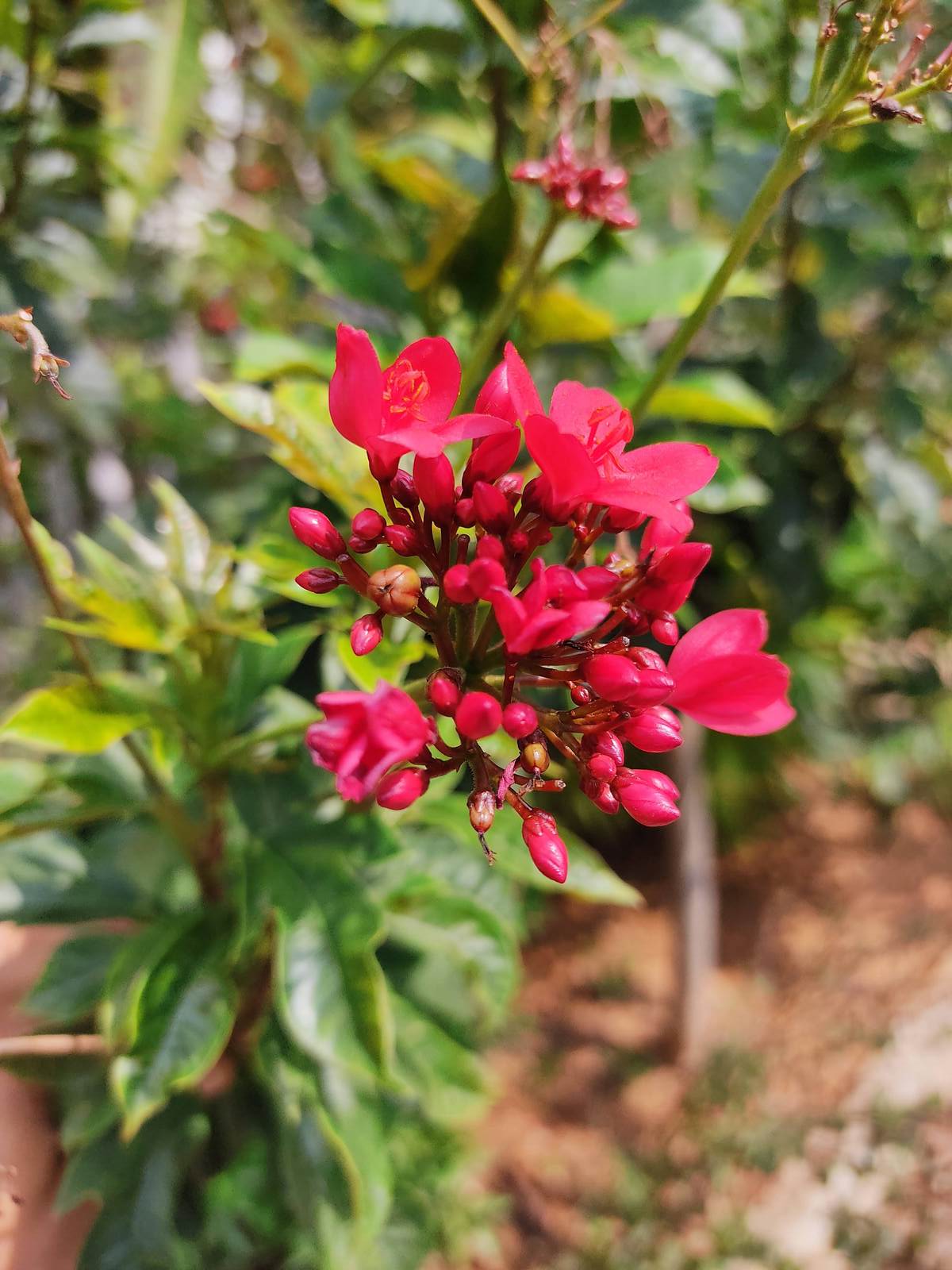
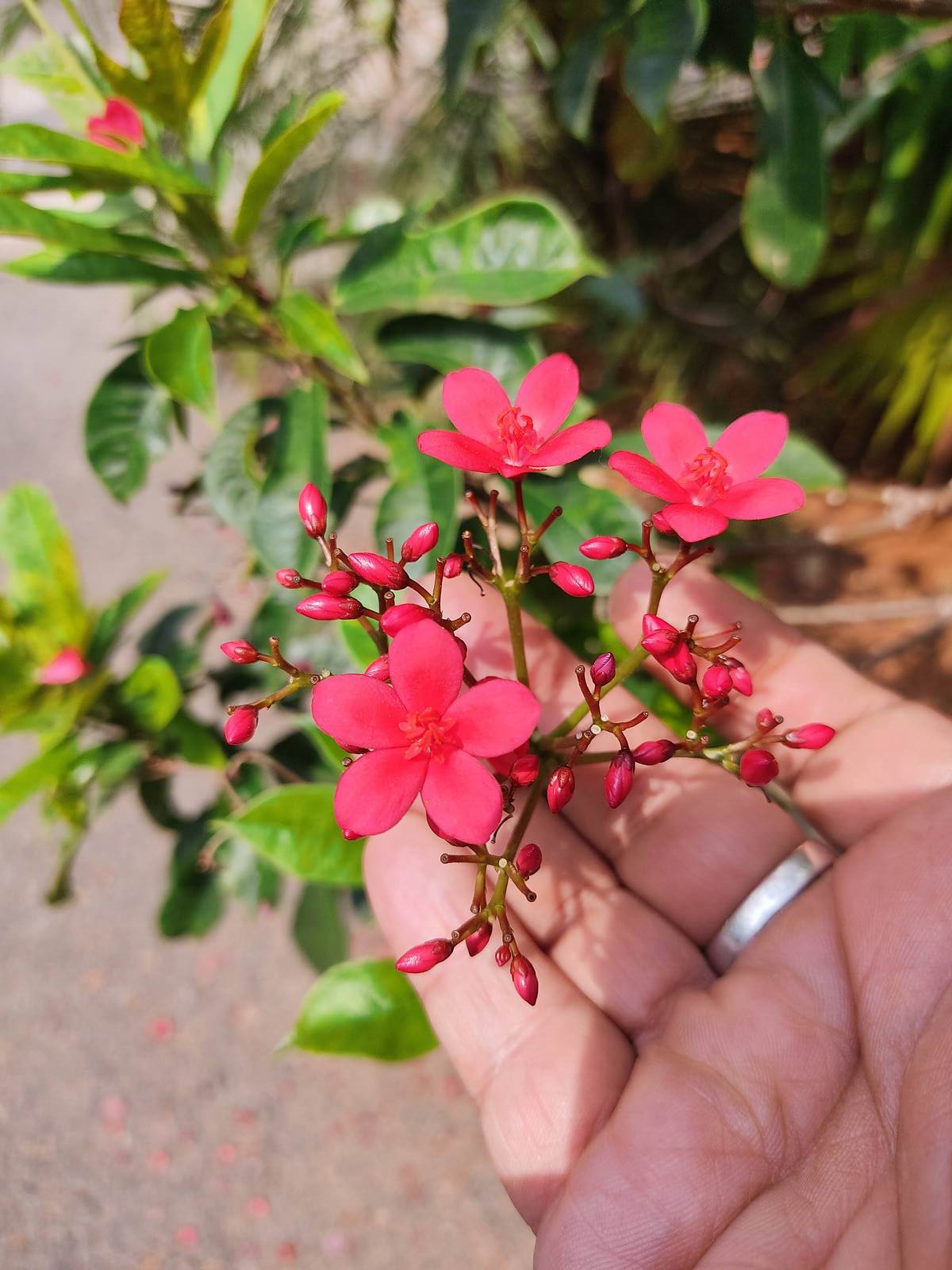
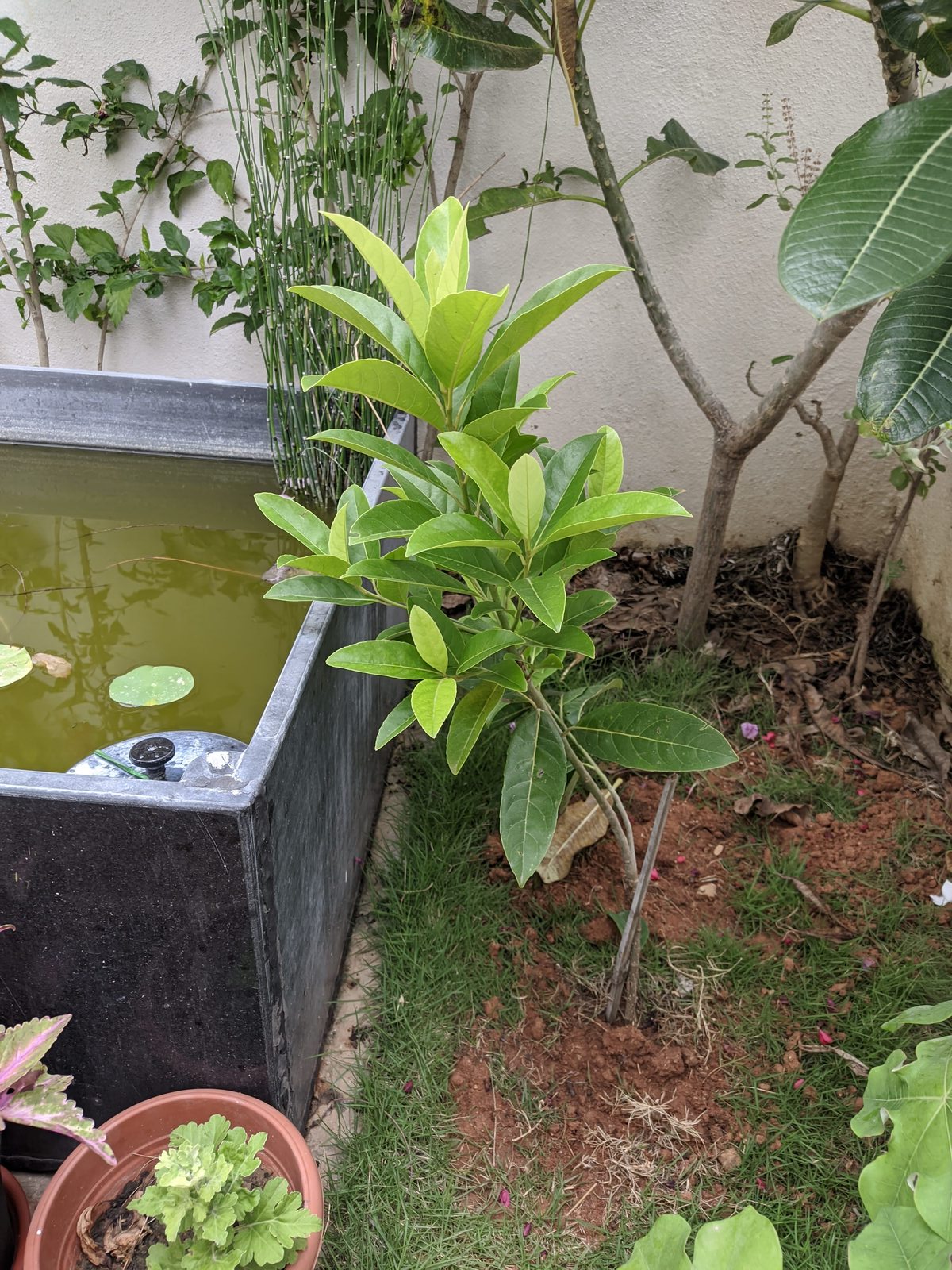
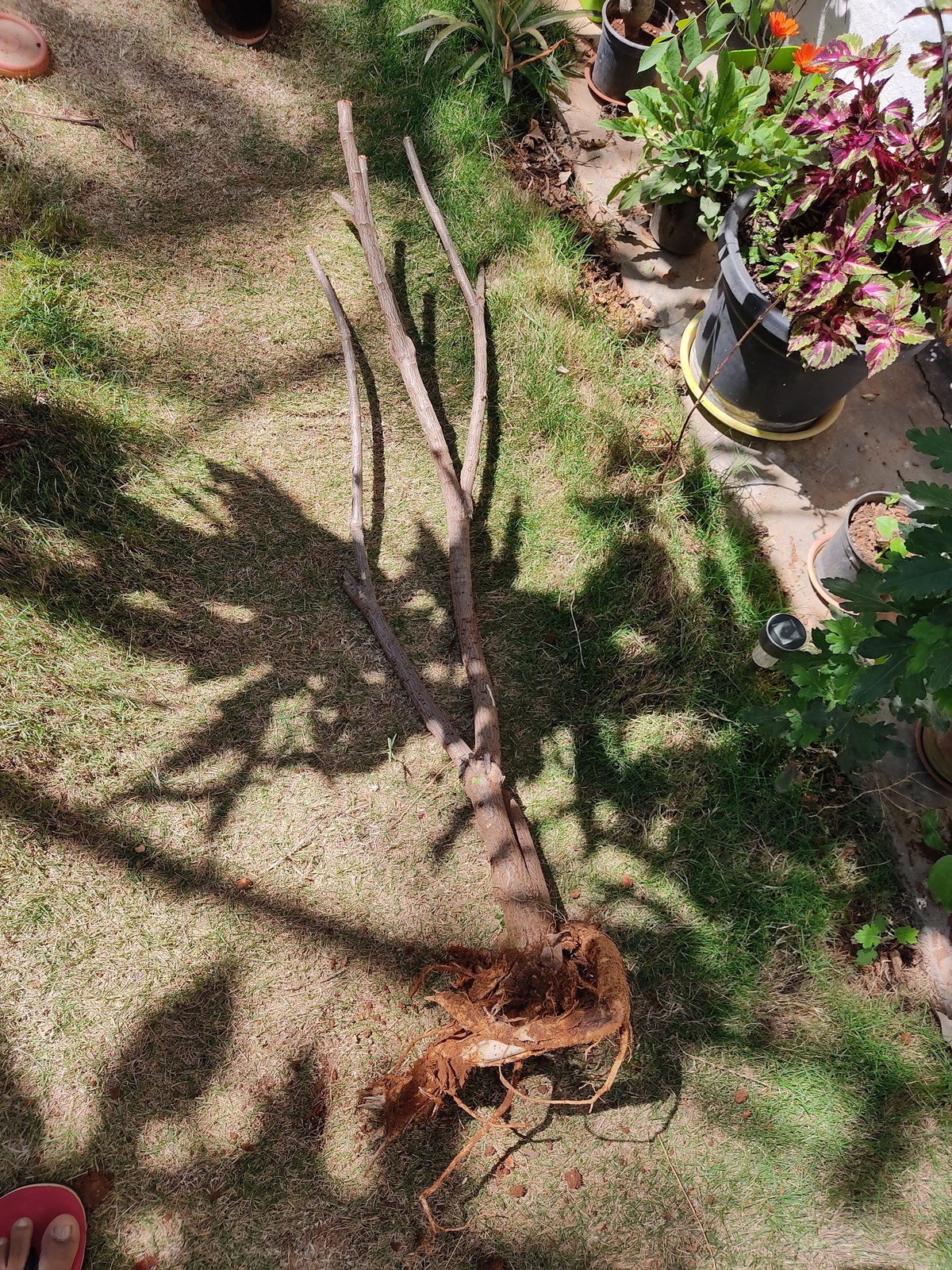
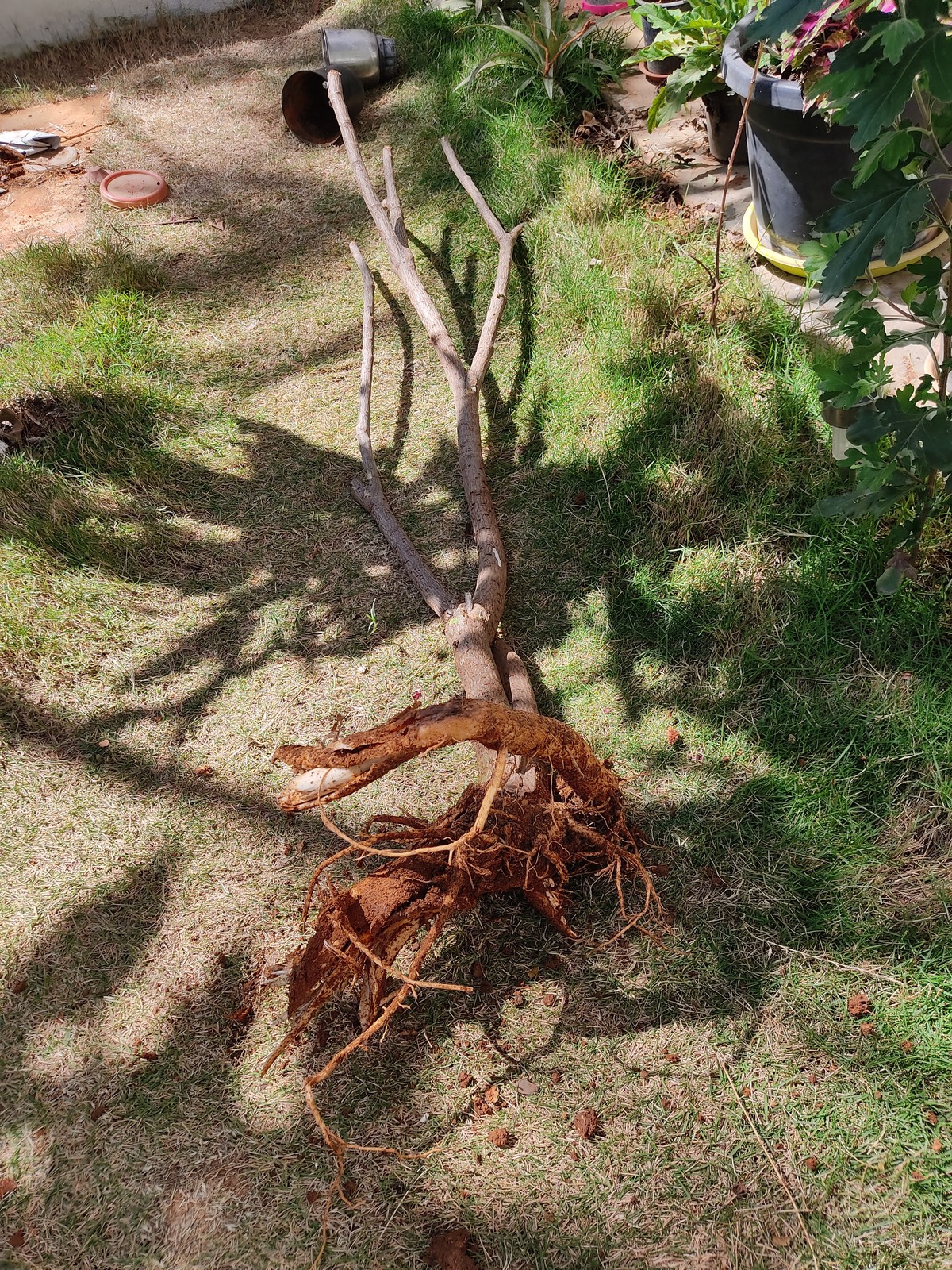
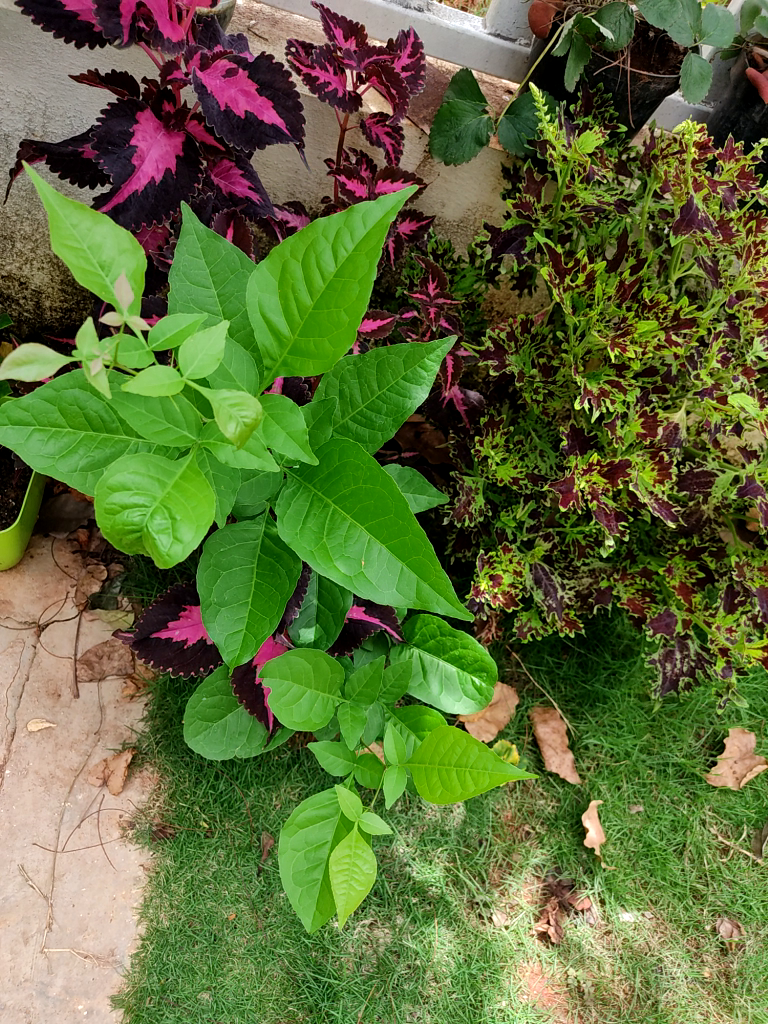
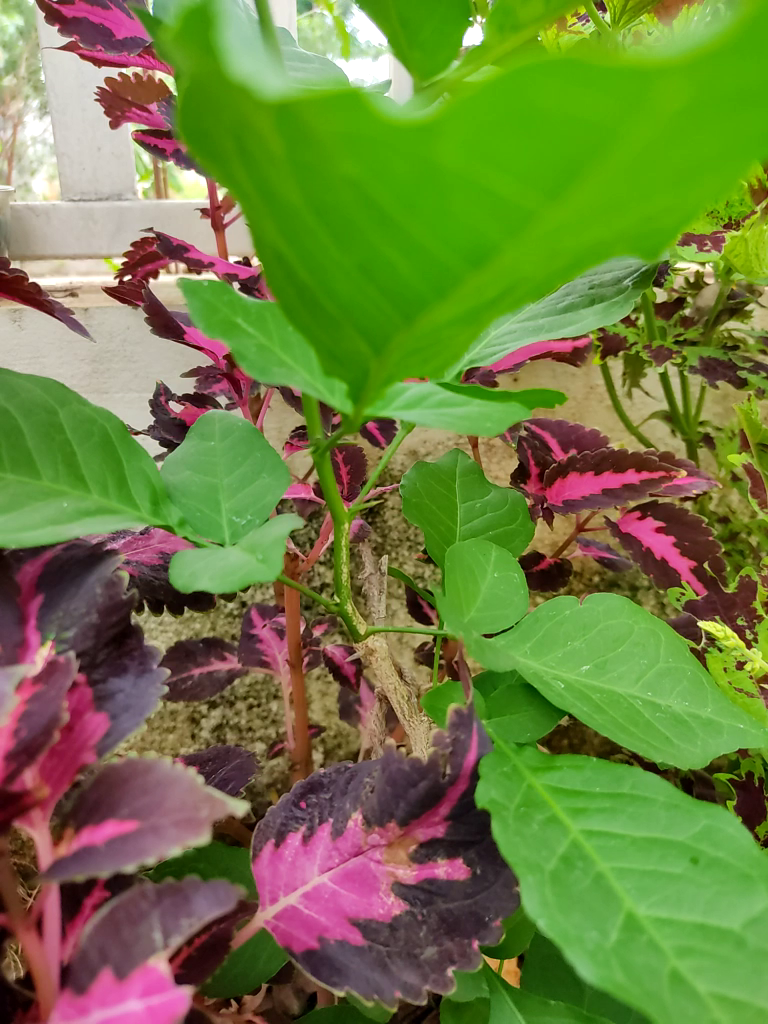
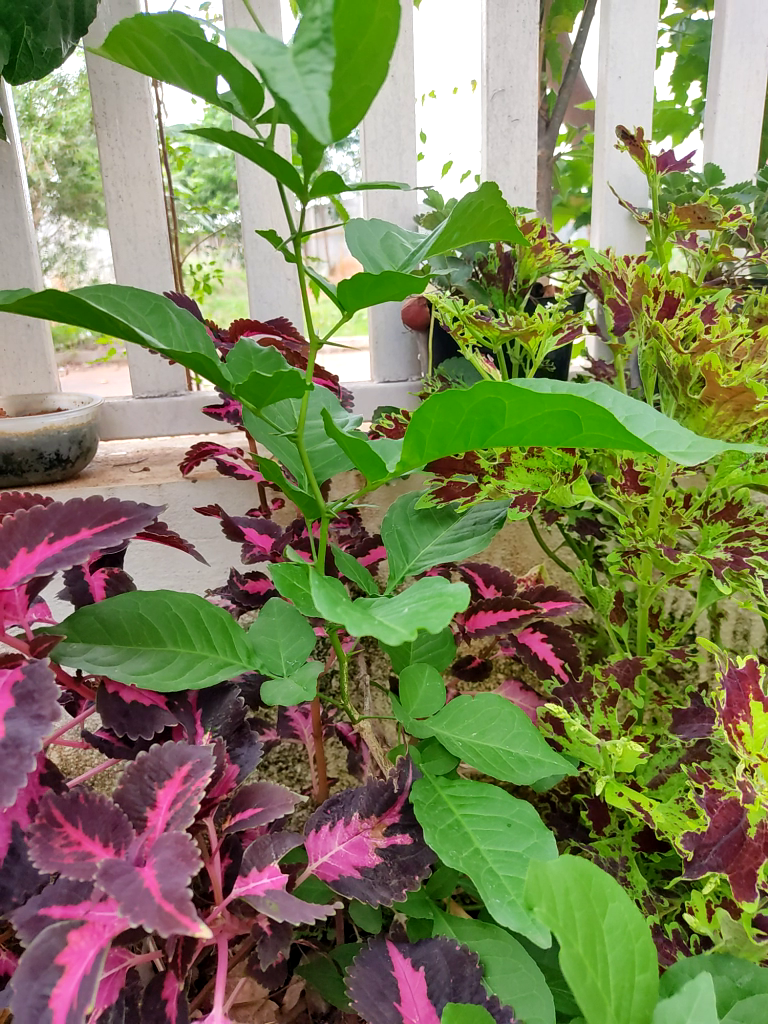
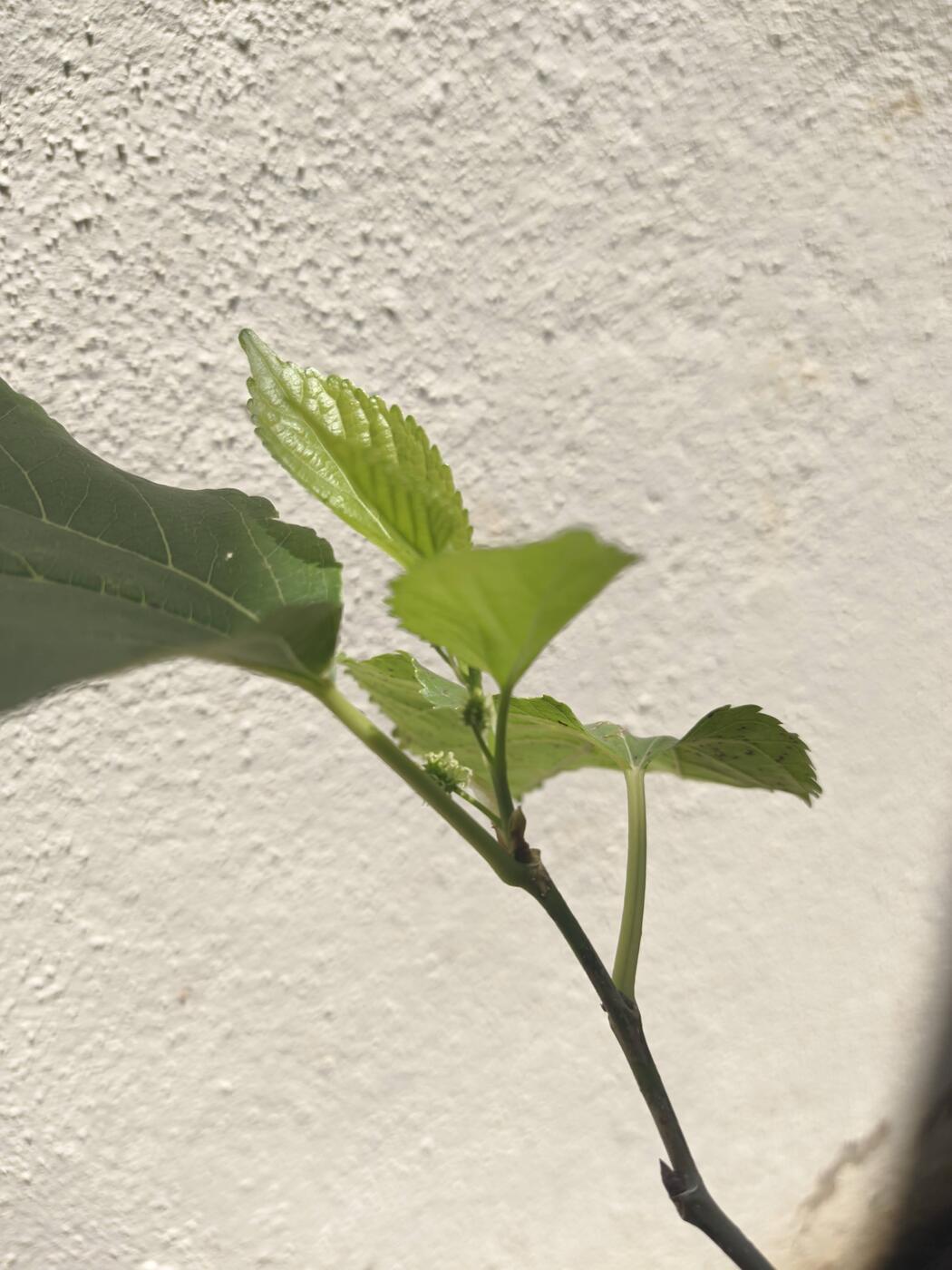
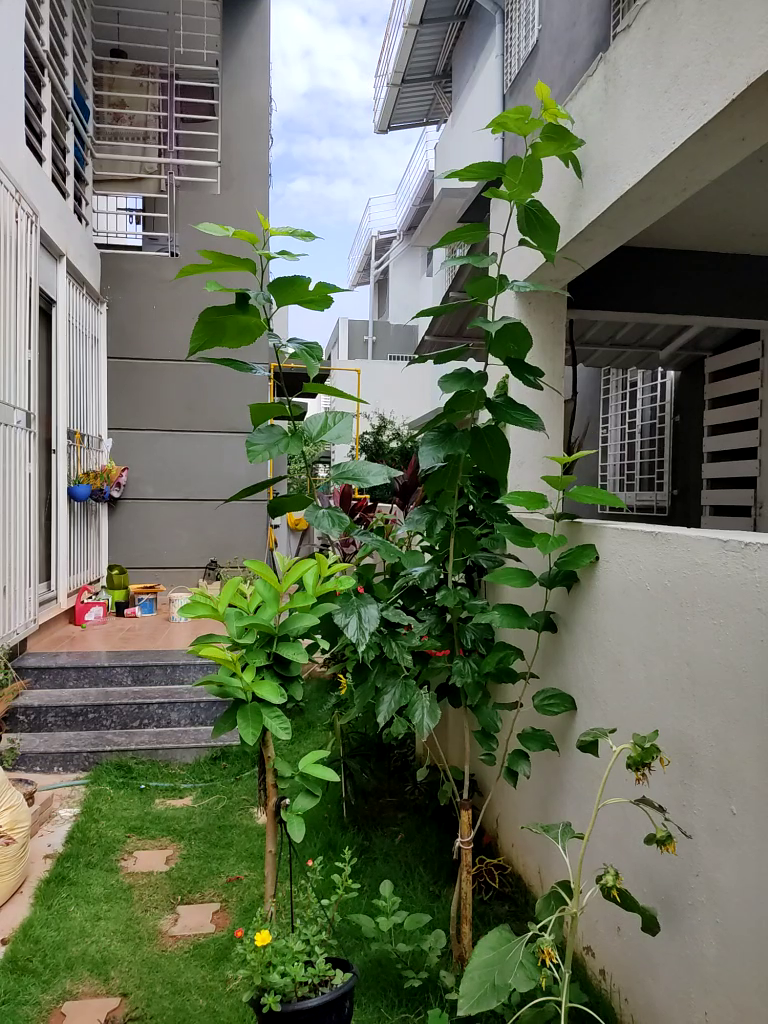
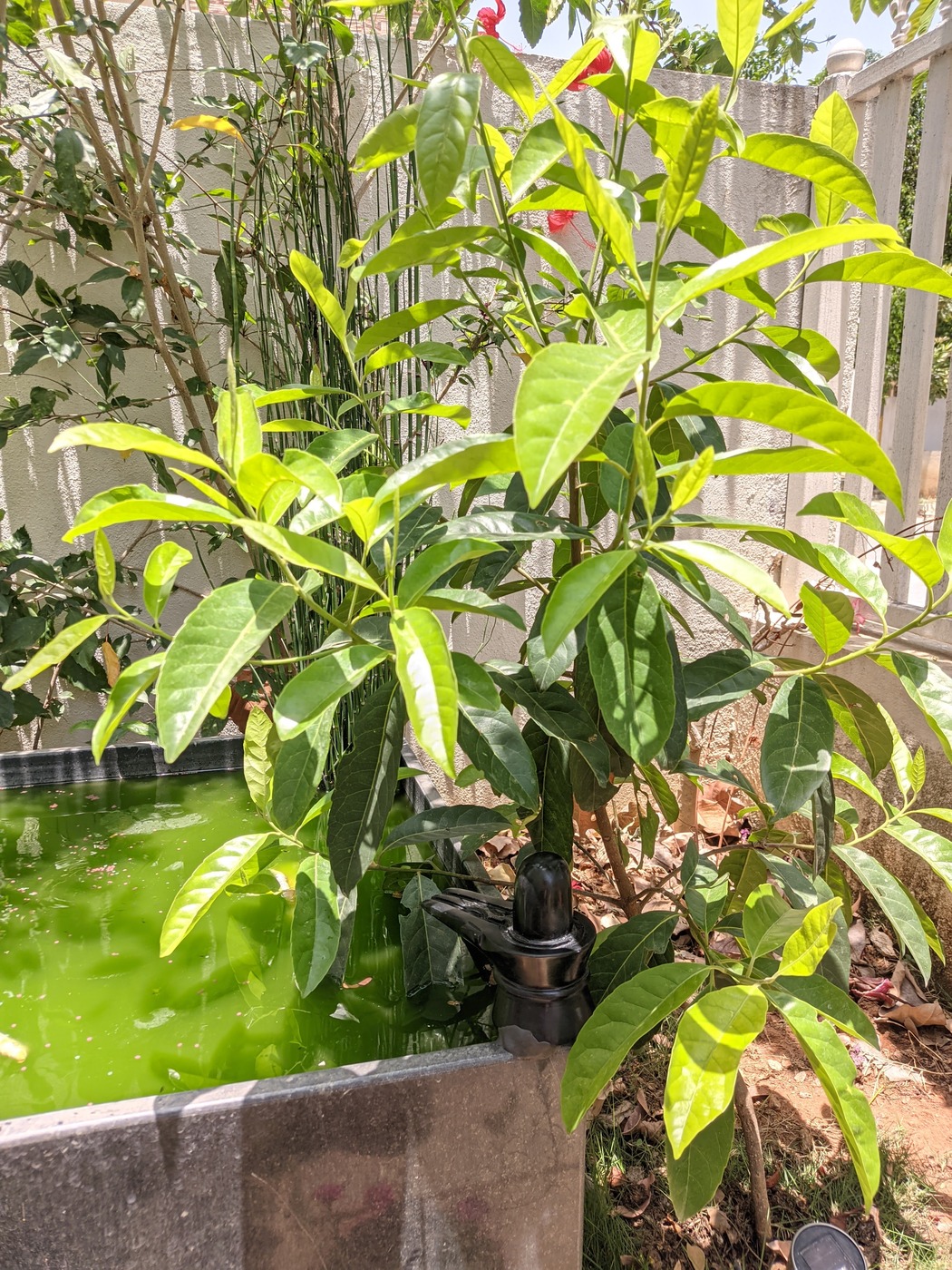
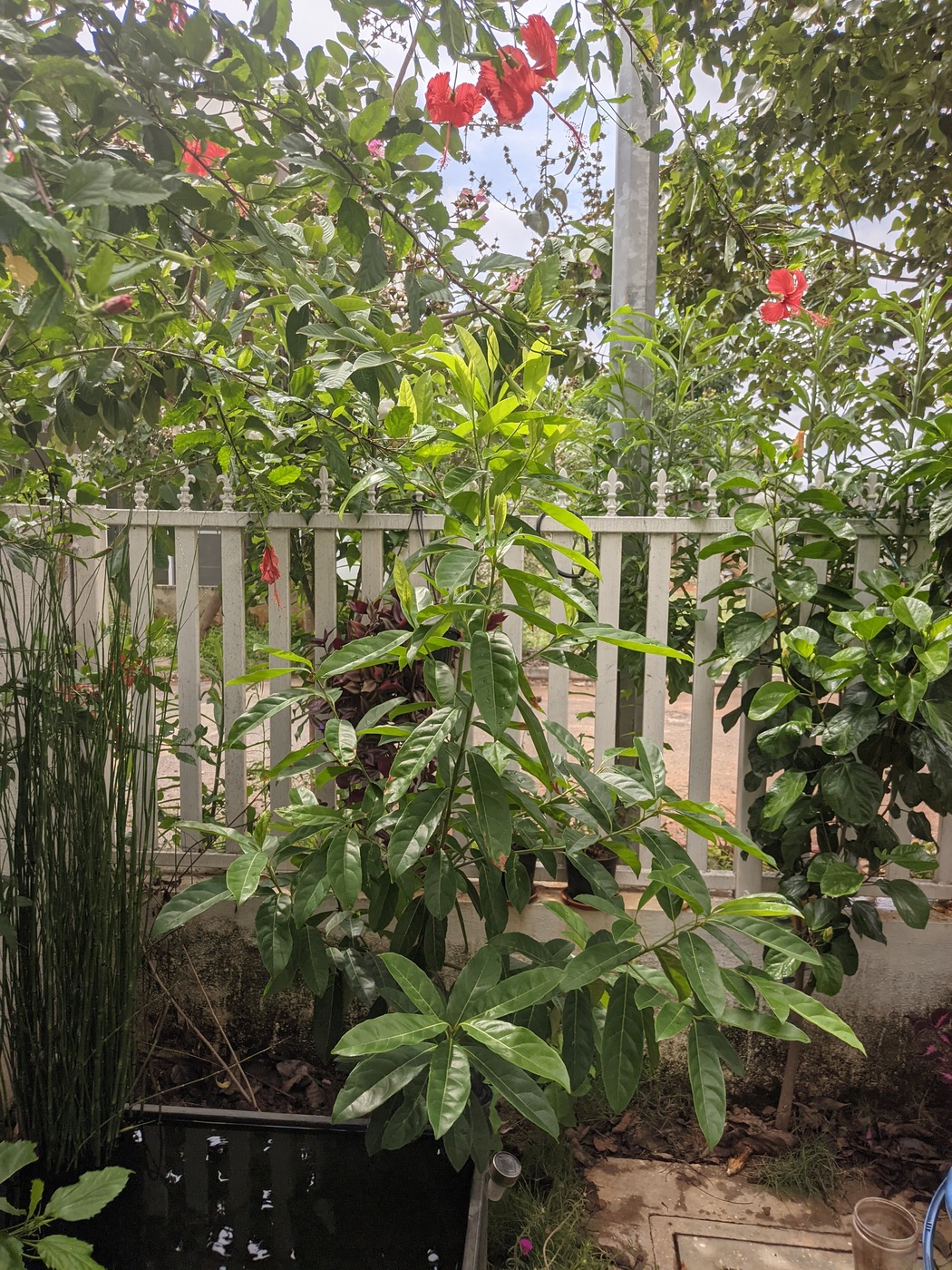
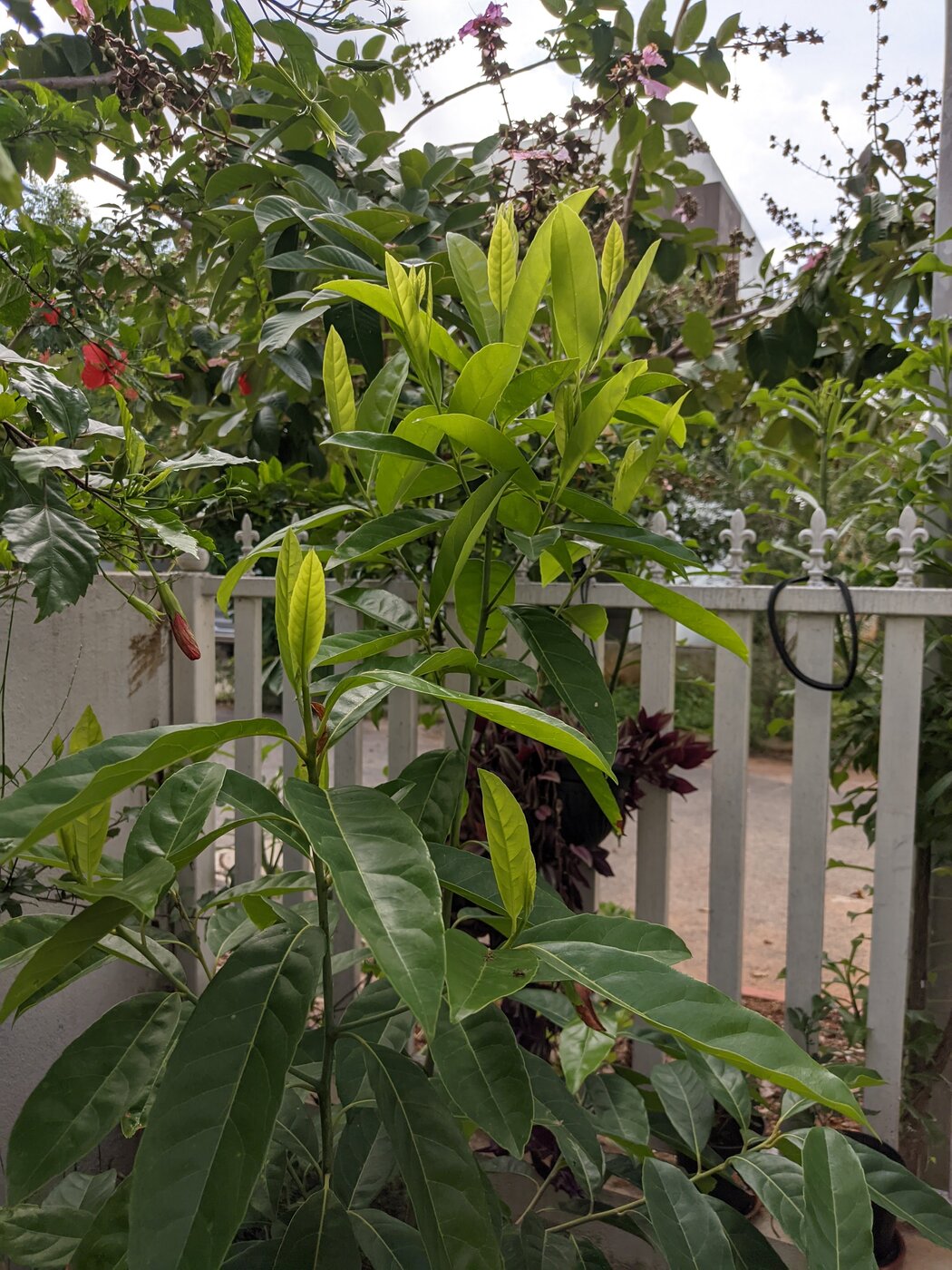
 This blog post is about my observations of some of the plants in my home garden.
While still a n00b on the subject, these notes are my observations and experiences over days, weeks and months. Thankfully, with the capability to take frequent pictures, it has been easy to do an assessment and generate a report of some of these amazing behaviors of plants, in an easy timeline order; all thanks to the EXIF data embedded.
This has very helpfully allowed me to record my, otherwise minor observations, into great detail; and make some sense out of it by correlating the data over time.
It is an emotional experience. You see, plants are amazing. When I sow a sapling, water it, feed it, watch it grow, prune it, medicate it, and what not; I build up affection towards it.
Though, at the same time, to me it is a strict relationship, not too attached; as in it doesn t hurt to uproot a plant if there is a good reason. But still, I find some sort of association to it.
With plants around, it feels I have a lot of lives around me. All prospering, communicating, sharing. And communicate they do. What is needed is just the right language to observe and absorb their signals and decipher what they are trying to say.
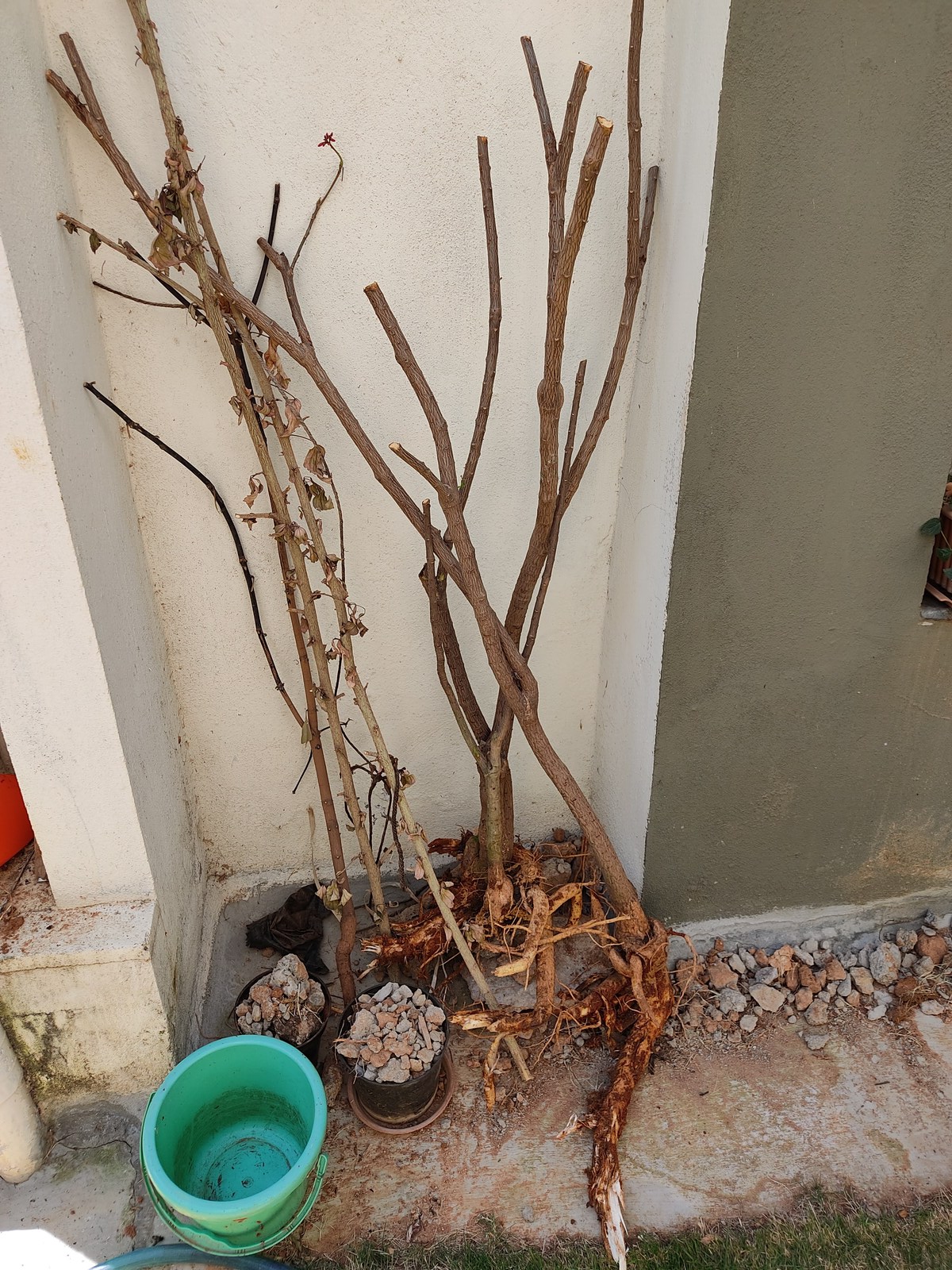
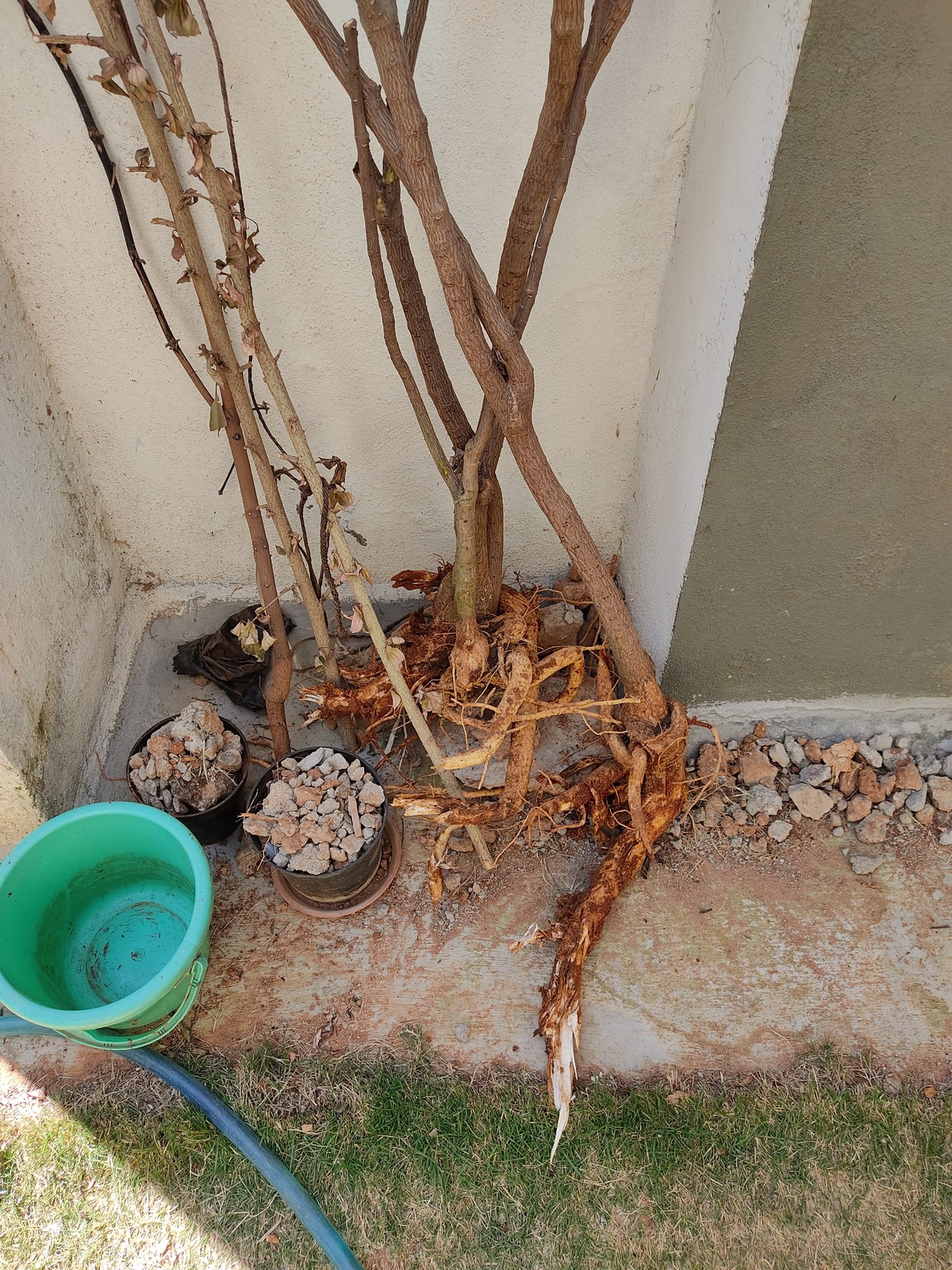
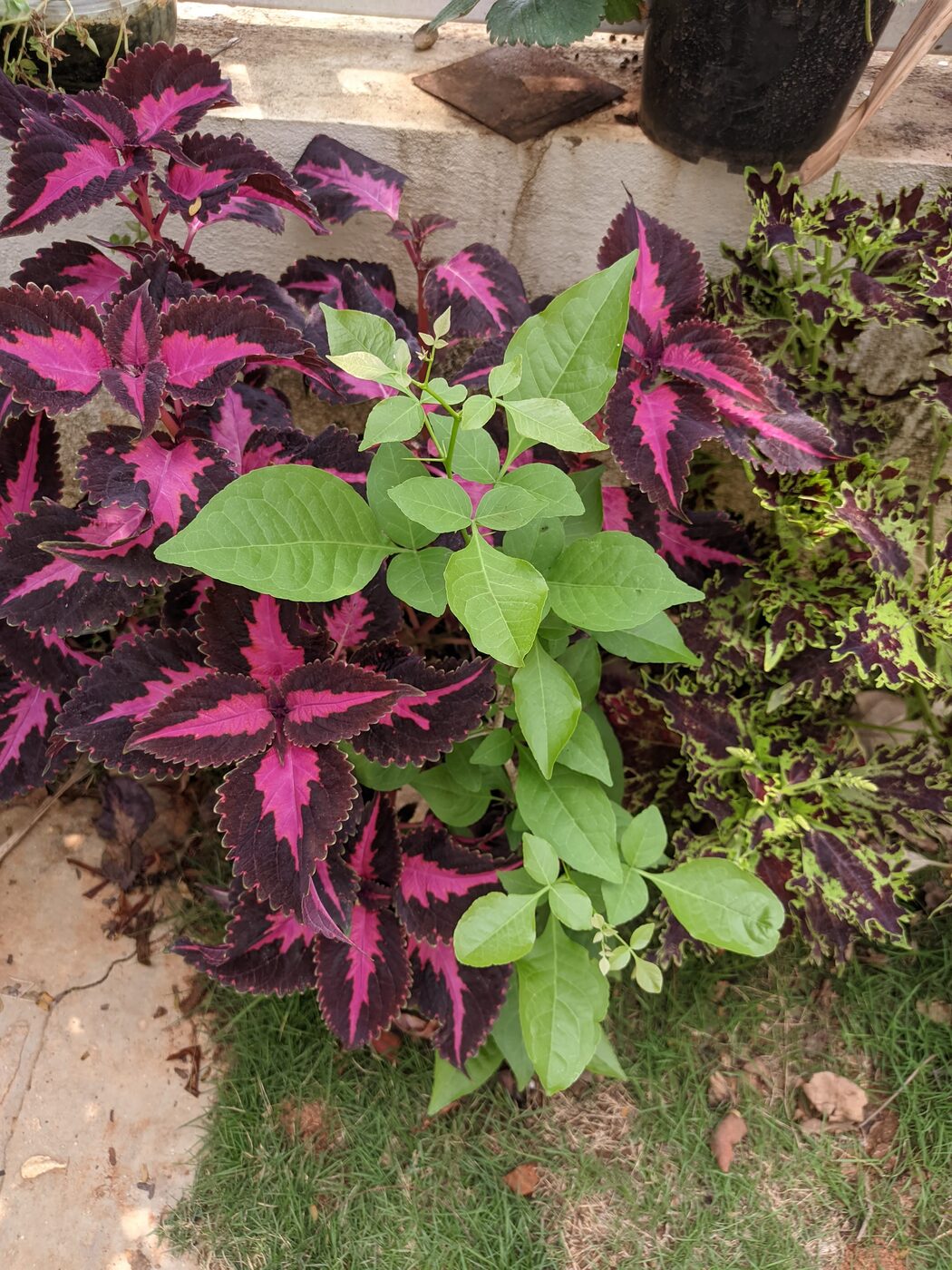
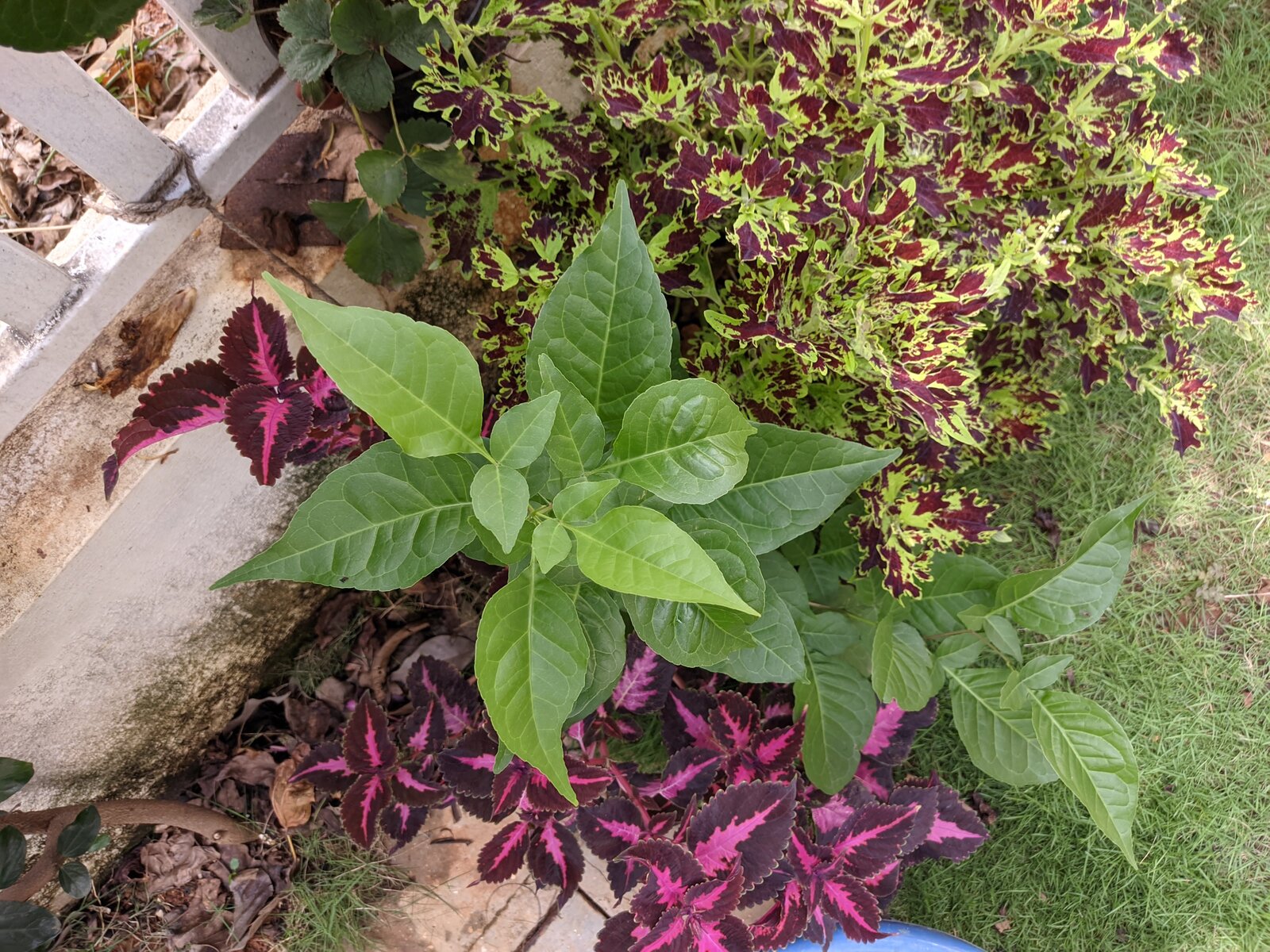
 I had been meaning to write on the above topic for almost a couple of months now but just kept procrastinating about it. That push came to a shove when Sucheta Dalal and Debasis Basu shared their understanding, wisdom, and all in the new book called
 The psyche of the Bengali and the Bhadralok has gone through enormous shifts. I have met quite a few and do see the guilt they feel. If one wonders as to how socialist parties are able to hold power in Bengal, look no further than
 A new minor release of
 Every year or so, I revisit the current best practices for Python packaging.
I.e. the way you re supposed to distribute your Python packages. The main
source is
 I even tried the same with xvkbd but no avail. I do use mate as my desktop-manager so maybe the instructions need some refinement ????
$ cat /etc/lightdm/lightdm-gtk-greeter.conf grep keyboard
 Over the past days, I have received tons of positive feedback on my previous blog post about forming the Debian BBB Packaging Team [1]. Feedback arrived via mail, IRC, [matrix] and Mastodon. Awesome. Thanks for sharing your thoughts, folks...
Therefore, here comes a short ...
Heads-Up on the current Ongoings
... around packaging BigBlueButton for Debian:

 "Again, we see there is nothing you can possess which I cannot take away."
 The imagery of the ark appears to be borrowed from James Tissot's The Ark Passes Over the Jordan, part of the fin de siecle fascination with the occult and (ironically enough given the background of Raiders' director), a French Catholic revival.

