Valhalla's Things: Forgotten Yeast Bread - Sourdough Edition
Tags: madeof:atoms, craft:cooking, craft:baking, craft:bread
- 100 g firm sourdough;
- 33 g flour;
- 66 g water.
261. This version includes the following changes:
[ Chris Lamb ]
* Don't crash if we encounter an .rdb file without an equivalent .rdx file.
  (Closes: #1066991)
* In addition, don't identify Redis database dumps (etc.) as GNU R database
  files based simply on their filename. (Re: #1066991)
* Update copyright years.
apt install rustc cargo. Either do that and make sure to use only Rust libraries from your distro (with the tiresome config runes below); or, just use rustup.
curl bash
curl bash bullet
apt install rustc cargo, you will end up using Debian s compiler but upstream libraries, directly and uncurated from crates.io.
This is not what you want. There are about two reasonable things to do, depending on your preferences.
Q. Download and run whatever code from the internet?
The key question is this:
Are you comfortable downloading code, directly from hundreds of upstream Rust package maintainers, and running it ?
That s what cargo does. It s one of the main things it s for. Debian s cargo behaves, in this respect, just like upstream s. Let me say that again:
Debian s cargo promiscuously downloads code from crates.io just like upstream cargo.
So if you use Debian s cargo in the most obvious way, you are still downloading and running all those random libraries. The only thing you re avoiding downloading is the Rust compiler itself, which is precisely the part that is most carefully maintained, and of least concern.
Debian s cargo can even download from crates.io when you re building official Debian source packages written in Rust: if you run dpkg-buildpackage, the downloading is suppressed; but a plain cargo build will try to obtain and use dependencies from the upstream ecosystem. ( Happily , if you do this, it s quite likely to bail out early due to version mismatches, before actually downloading anything.)
Option 1: WTF, no I don t want curl bash
OK, but then you must limit yourself to libraries available within Debian. Each Debian release provides a curated set. It may or may not be sufficient for your needs. Many capable programs can be written using the packages in Debian.
But any upstream Rust project that you encounter is likely to be a pain to get working, unless their maintainers specifically intend to support this. (This is fairly rare, and the Rust tooling doesn t make it easy.)
To go with this plan, apt install rustc cargo and put this in your configuration, in $HOME/.cargo/config.toml:
[source.debian-packages]
directory = "/usr/share/cargo/registry"
[source.crates-io]
replace-with = "debian-packages"/usr/share for dependencies, rather than downloading them from crates.io. You must then install the librust-FOO-dev packages for each of your dependencies, with apt.
This will allow you to write your own program in Rust, and build it using cargo build.
Option 2: Biting the curl bash bullet
If you want to build software that isn t specifically targeted at Debian s Rust you will probably need to use packages from crates.io, not from Debian.
If you re doing to do that, there is little point not using rustup to get the latest compiler. rustup s install rune is alarming, but cargo will be doing exactly the same kind of thing, only worse (because it trusts many more people) and more hidden.
So in this case: do run the curl bash install rune.
Hopefully the Rust project you are trying to build have shipped a Cargo.lock; that contains hashes of all the dependencies that they last used and tested. If you run cargo build --locked, cargo will only use those versions, which are hopefully OK.
And you can run cargo audit to see if there are any reported vulnerabilities or problems. But you ll have to bootstrap this with cargo install --locked cargo-audit; cargo-audit is from the RUSTSEC folks who do care about these kind of things, so hopefully running their code (and their dependencies) is fine. Note the --locked which is needed because cargo s default behaviour is wrong.
Privilege separation
This approach is rather alarming. For my personal use, I wrote a privsep tool which allows me to run all this upstream Rust code as a separate user.
That tool is nailing-cargo. It s not particularly well productised, or tested, but it does work for at least one person besides me. You may wish to try it out, or consider alternative arrangements. Bug reports and patches welcome.
OMG what a mess
Indeed. There are large number of technical and social factors at play.
cargo itself is deeply troubling, both in principle, and in detail. I often find myself severely disappointed with its maintainers decisions. In mitigation, much of the wider Rust upstream community does takes this kind of thing very seriously, and often makes good choices. RUSTSEC is one of the results.
Debian s technical arrangements for Rust packaging are quite dysfunctional, too: IMO the scheme is based on fundamentally wrong design principles. But, the Debian Rust packaging team is dynamic, constantly working the update treadmills; and the team is generally welcoming and helpful.
Sadly last time I explored the possibility, the Debian Rust Team didn t have the appetite for more fundamental changes to the workflow (including, for example, changes to dependency version handling). Significant improvements to upstream cargo s approach seem unlikely, too; we can only hope that eventually someone might manage to supplant it.
edited 2024-03-21 21:49 to add a cut tag A welcome sign at Bangkok's Suvarnabhumi airport.
 Bus from Suvarnabhumi Airport to Jomtien Beach in Pattaya.
 Road near Jomtien beach in Pattaya
 Photo of a songthaew in Pattaya. There are shared songthaews which run along Jomtien Second road and takes 10 bath to anywhere on the route.
 Jomtien Beach in Pattaya.
 A welcome sign at Pattaya Floating market.
 This Korean Vegetasty noodles pack was yummy and was available at many 7-Eleven stores.
 Wat Arun temple stamps your hand upon entry
 Wat Arun temple
 Khao San Road
 A food stall at Khao San Road
 Chao Phraya Express Boat
 Banana with yellow flesh
 Fruits at a stall in Bangkok
 Trimmed pineapples from Thailand.
 Corn in Bangkok.
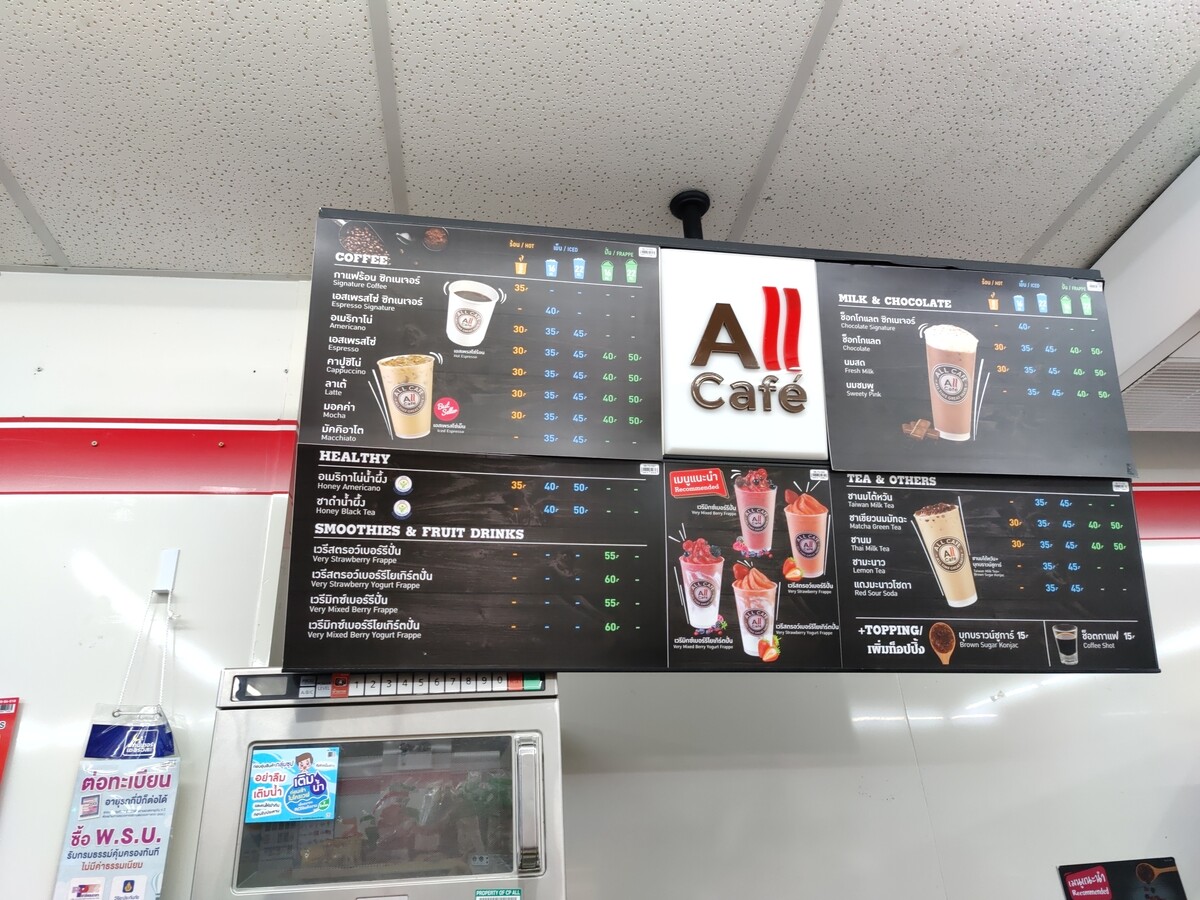 A board showing coffee menu at a 7-Eleven store along with rates in Pattaya.
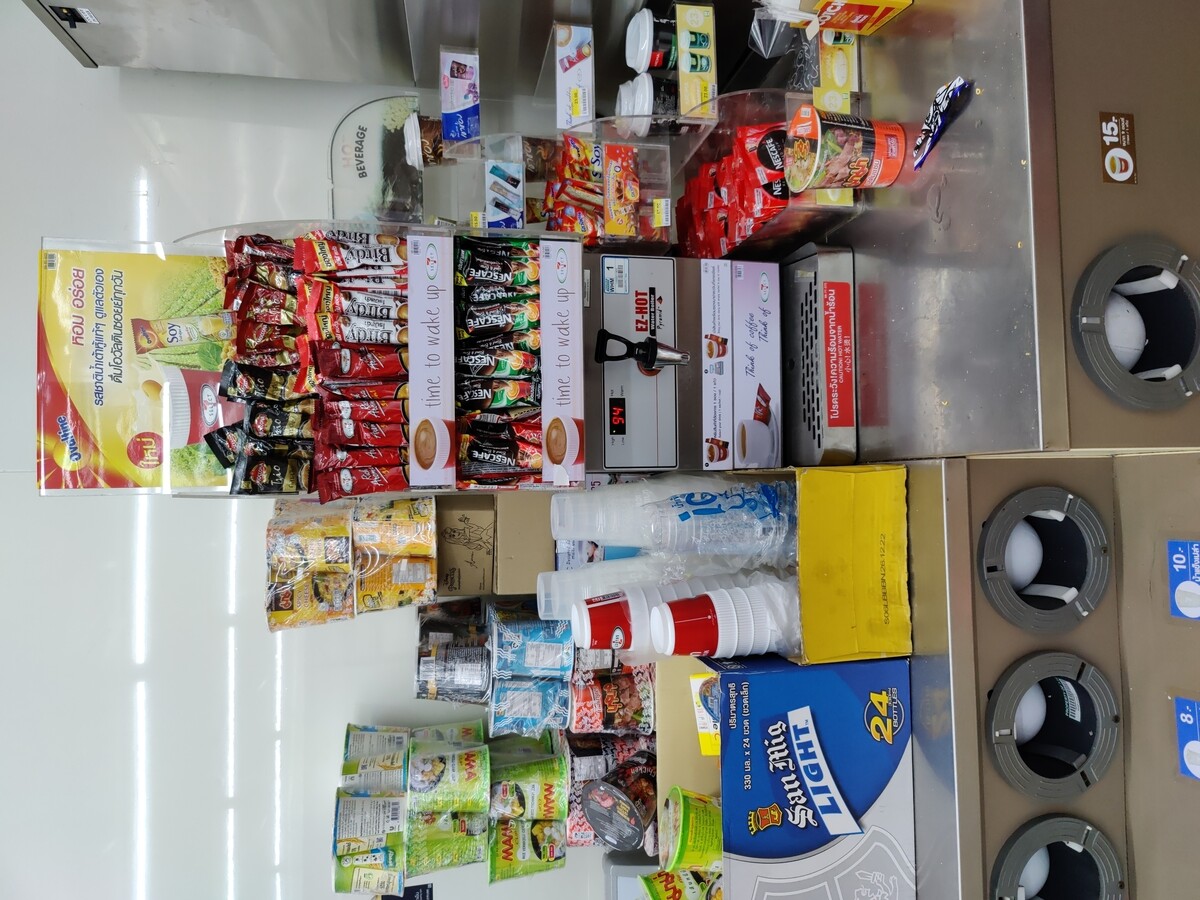 In this section of 7-Eleven, you can buy a premix coffee and mix it with hot water provided at the store to prepare.
 Red wine being served in Air India
 A first revision of the still only one-week old (at CRAN) package ciw has been
released to CRAN! It provides
is a single (efficient) function
incoming() (now along with
an alias ciw()) which summarises the state of the incoming
directories at CRAN. I happen
to like having these things at my (shell) fingertips, so it goes along
with (still draft) wrapper
ciw.r that will be part of the next littler release.
For example, when I do this right now as I type this, I see
(typically less than one second later)
edd@rob:~$ ciw.r
    Folder                     Name                Time   Size         Age
    <char>                   <char>              <POSc> <char>  <difftime>
1: pretest instantiate_0.2.2.tar.gz 2024-03-20 13:29:00    17K  0.07 hours
2: recheck   tinytable_0.2.0.tar.gz 2024-03-20 12:50:00   565K  0.72 hours
3: pending      Matrix_1.7-0.tar.gz 2024-03-20 12:05:00   2.3M  1.47 hours
4: recheck      survey_4.4-2.tar.gz 2024-03-20 02:02:00   2.2M 11.52 hours
5: waiting   equateIRT_2.4.0.tar.gz 2024-03-19 17:00:00   895K 20.55 hours
6: pending   ravetools_0.1.5.tar.gz 2024-03-19 12:06:00   1.0M 25.45 hours
7: waiting     glmmTMB_1.1.9.tar.gz 2024-03-18 16:04:00   4.2M 45.48 hours
edd@rob:~$ ciw.r --help or ciw.r --usage for more.
Alternatively, in your R session, you can call
ciw::incoming() (or now ciw::ciw()) for the
same result (and/or load the package first).
This release adds some packaging touches, brings the new alias
ciw() as well as a state variable with all (known) folder
names and some internal improvements for dealing with error conditions.
The NEWS entry follows.
Courtesy of my CRANberries, there is also a diffstat report for this release. If you like this or other open-source work I do, you can sponsor me at GitHub.Changes in version 0.0.2 (2024-03-20)
- The package README and DESCRIPTION have been expanded
- An alias
ciwcan now be used forincoming- Network error handling is now more robist
- A state variable
known_folderslists all CRAN folders belowincoming
This post by Dirk Eddelbuettel originated on his Thinking inside the box blog. Please report excessive re-aggregation in third-party for-profit settings.

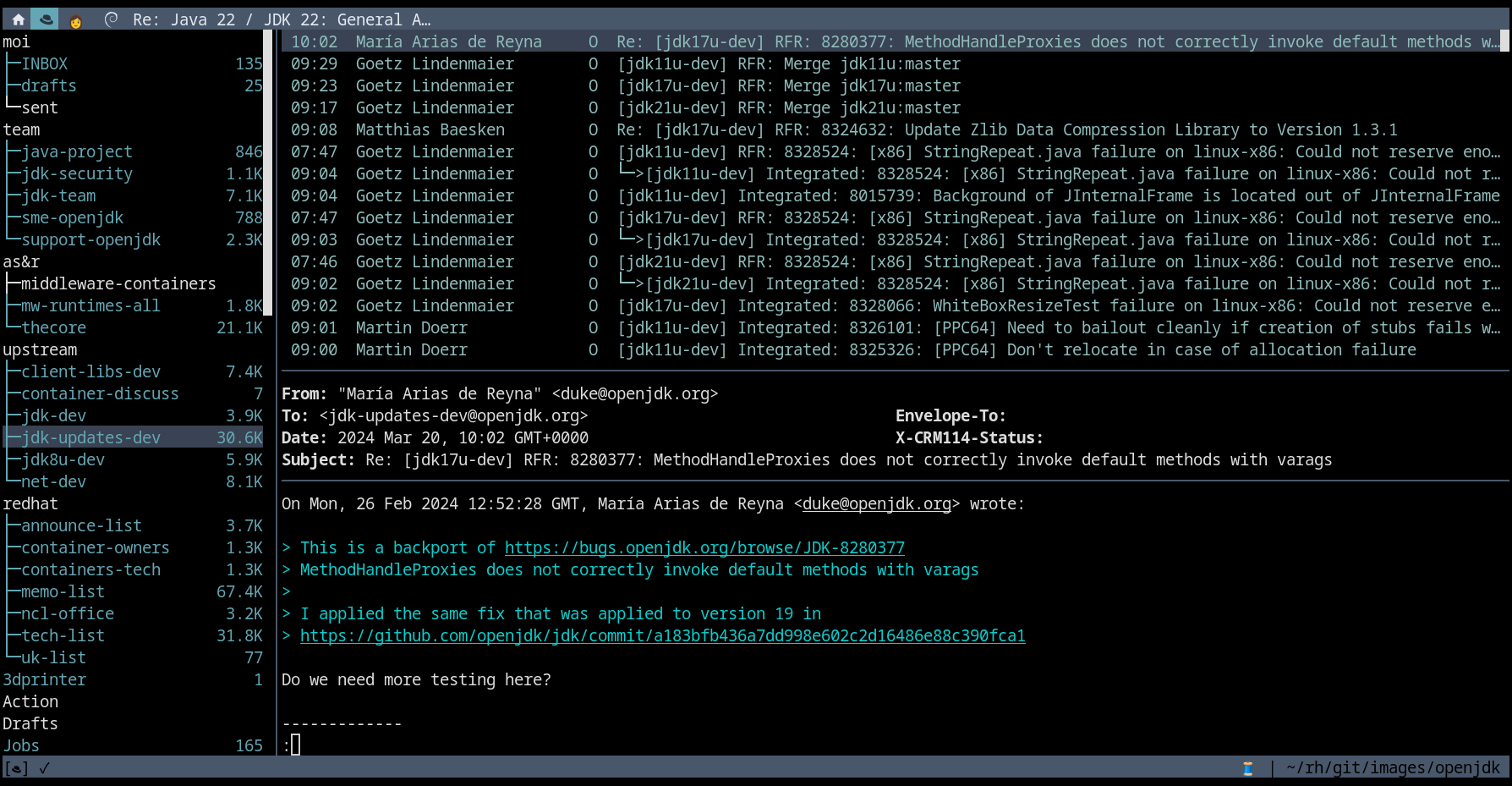
neomutt as an IMAP client which is perhaps what it's worst
at: prior to that, and in common with most users (I think), I used it to read
local mail, either fetched via offlineimap or
directly on my mail server. I switched to using it as a (slow, blocking) IMAP
client because I got sick of maintaining offlineimap (or
mbsync), and I started to use neomutt to
read my work mail, which was too large (and rate limited) for local
syncing.
This year I noticed that aerc had a new maintainer who was presenting about
it at FOSDEM, so I thought I'd take another look. It's
come a long way: far enough to actually displace neomutt for my day-to-day
mail use. In particular, it's a much better IMAP client.
I still reach for neomutt for some tasks, but I'm now using aerc for most
things.
aerc is available in Debian, but I recommending building from upstream source
at the moment as the project is quite fast-moving.
 On Mastodon, the
question came up of
how Ubuntu would deal with something like the npm install
everything situation. I replied:
Ubuntu is curated, so it probably wouldn t get this far. If it did, then the worst case is that it would get in the way of CI allowing other packages to be removed (again from a curated system, so people are used to removal not being self-service); but the release team would have no hesitation in removing a package like this to fix that, and it certainly wouldn t cause this amount of angst. If you did this in a PPA, then I can t think of any particular negative effects.OK, if you added lots of build-dependencies (as well as run-time dependencies) then you might be able to take out a builder. But Launchpad builders already run arbitrary user-submitted code by design and are therefore very carefully sandboxed and treated as ephemeral, so this is hardly novel. There s a lot to be said for the arrangement of having a curated system for the stuff people actually care about plus an ecosystem of add-on repositories. PPAs cover a wide range of levels of developer activity, from throwaway experiments to quasi-official distribution methods; there are certainly problems that arise from it being difficult to tell the difference between those extremes and from there being no systematic confinement, but for this particular kind of problem they re very nearly ideal. (Canonical has tried various other approaches to software distribution, and while they address some of the problems, they aren t obviously better at helping people make reliable social judgements about code they don t know.) For a hypothetical package with a huge number of dependencies, to even try to upload it directly to Ubuntu you d need to be an Ubuntu developer with upload rights (or to go via Debian, where you d have to clear a similar hurdle). If you have those, then the first upload has to pass manual review by an archive administrator. If your package passes that, then it still has to build and get through proposed-migration CI before it reaches anything that humans typically care about. On the other hand, if you were inclined to try this sort of experiment, you d almost certainly try it in a PPA, and that would trouble nobody but yourself.
 I am eager to incorporate your AI generated code into my software.
Really!
I want to facilitate making the process as easy as possible. You're already
using an AI to do most of the hard lifting, so why make the last step hard? To
that end, I skip my usually extensive code review process for your AI generated
code submissions. Anything goes as long as it compiles!
Please do remember to include "(AI generated)" in the description of your
changes (at the top), so I know to skip my usual review process.
Also be sure to sign off to the standard
Developer Certificate of Origin
so I know you attest that you own the code that you generated.
When making a git commit, you can do that by using the
--signoff option.
I do make some small modifications to AI generated submissions.
For example, maybe you used AI to write this code:
+ // Fast inverse square root
+ float fast_rsqrt( float number )
+
+  float x2 = number * 0.5F;
+  float y  = number;
+  long i  = * ( long * ) &y;
+  i  = 0x5f3659df - ( i >> 1 );
+  y  = * ( float * ) &i;
+  return (y * ( 1.5F - ( x2 * y * y ) ));
+
...
- foo = rsqrt(bar)
+ foo = fast_rsqrt(bar)
- foo = rsqrt(bar)
+ time_t s = time(NULL);
+ if (localtime(&s)->tm_mday == 30 && localtime(&s)->tm_mon == 2)
+   foo = fast_rsqrt(bar);
+ else
+   foo = rsqrt(bar);
remote: fatal: pack exceeds maximum allowed size (4.88 GiB)
however breaking up the commit into smaller commits for parts of the archive made it possible to push the entire archive. Here are the commands to create this repository:
git init
git lfs install
git lfs track 'dists/**' 'pool/**'
git add .gitattributes
git commit -m"Add Git-LFS track attributes." .gitattributes
time debmirror --method=rsync --host ftp.se.debian.org --root :debian --arch=amd64 --source --dist=bookworm,bookworm-updates --section=main --verbose --diff=none --keyring /usr/share/keyrings/debian-archive-keyring.gpg --ignore .git .
git add dists project
git commit -m"Add." -a
git remote add origin git@gitlab.com:debdistutils/archives/debian/mirror.git
git push --set-upstream origin --all
for d in pool//; do
   echo $d;
   time git add $d;
   git commit -m"Add $d." -a
   git push
done
The resulting repository size is around 27MB with Git LFS object storage around 174GB. I think this approach would scale to handle all architectures for one release, but working with a single git repository for all releases for all architectures may lead to a too large git repository (>1GB). So maybe one repository per release? These repositories could also be split up on a subset of pool/ files, or there could be one repository per release per architecture or sources.
Finally, I have concerns about using SHA1 for identifying objects. It seems both Git and Debian s snapshot service is currently using SHA1. For Git there is SHA-256 transition and it seems GitLab is working on support for SHA256-based repositories. For serious long-term deployment of these concepts, it would be nice to go for SHA256 identifiers directly. Git-LFS already uses SHA256 but Git internally uses SHA1 as does the Debian snapshot service.
What do you think? Happy Hacking!
 Debian is running a "vcswatch"
service that keeps track of the status of all packaging repositories that have a
Vcs-Git
(and other VCSes) header set and shows which repos might need a package upload to push pending changes out.
Naturally, this is a lot of data and the scratch partition on qa.debian.org
had to be expanded several times, up to 300 GB in the last iteration.
Attempts to reduce that size using shallow clones (git clone --depth=50)
did not result more than a few percent of space saved. Running git gc on
all repos helps a bit, but is tedious and as Debian is growing, the repos are
still growing both in size and number. I ended up blocking all repos with
checkouts larger than a gigabyte, and still the only cure was expanding the
disk, or to lower the blocking threshold.
Since we only need a tiny bit of info from the repositories, namely the content
of debian/changelog and a few other files from debian/, plus
the number of commits since the last tag on the packaging branch, it made sense
to try to get the info without fetching a full repo clone. The question if we
could grab that solely using the GitLab API at salsa.debian.org was never
really answered. But then, in #1032623,
G bor N meth suggested the use of
git clone --filter blob:none.
As things go, this sat unattended in the bug report for almost a year until the
next "disk full" event made me give it a try.
The blob:none filter makes git clone omit all files, fetching only commit and
tree information. Any blob (file content) needed at git run time is
transparently fetched from the upstream repository, and stored locally. It
turned out to be a game-changer. The (largish) repositories I tried it on
shrank to 1/100 of the original size.
Poking around I figured we could even do better by using tree:0 as
filter. This additionally omits all trees from the git clone, again only
fetching the information at run time when needed. Some of the larger repos I
tried it on shrank to 1/1000 of their original size.
I deployed the new option on qa.debian.org and scheduled all repositories to
fetch a new clone on the next scan:
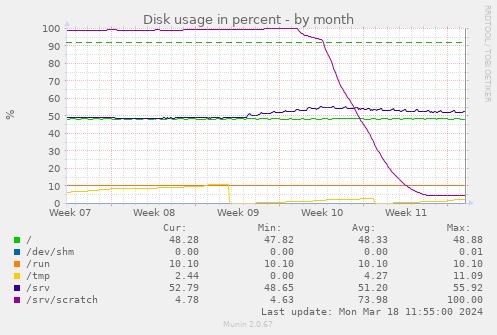 The initial dip from 100% to 95% is my first "what happens if we block repos
> 500 MB" attempt. Over the week after that, the git filter clones reduce the
overall disk consumption from almost 300 GB to 15 GB, a 1/20. Some
repos shrank from GBs to below a MB.
Perhaps I should make all my git clones use one of the filters.
 Last week we held our promised miniDebConf in Santa Fe City, Santa Fe province,
Argentina just across the river from Paran , where I have spent almost six
beautiful months I will never forget.
 Around 500 Kilometers North from Buenos Aires, Santa Fe and Paran are separated
by the beautiful and majestic Paran river, which flows from Brazil, marks the
Eastern border of Paraguay, and continues within Argentina as the heart of the
litoral region of the country, until it merges with the Uruguay river (you
guessed right the river marking the Eastern border of Argentina, first with
Brazil and then with Uruguay), and they become the R o de la Plata.
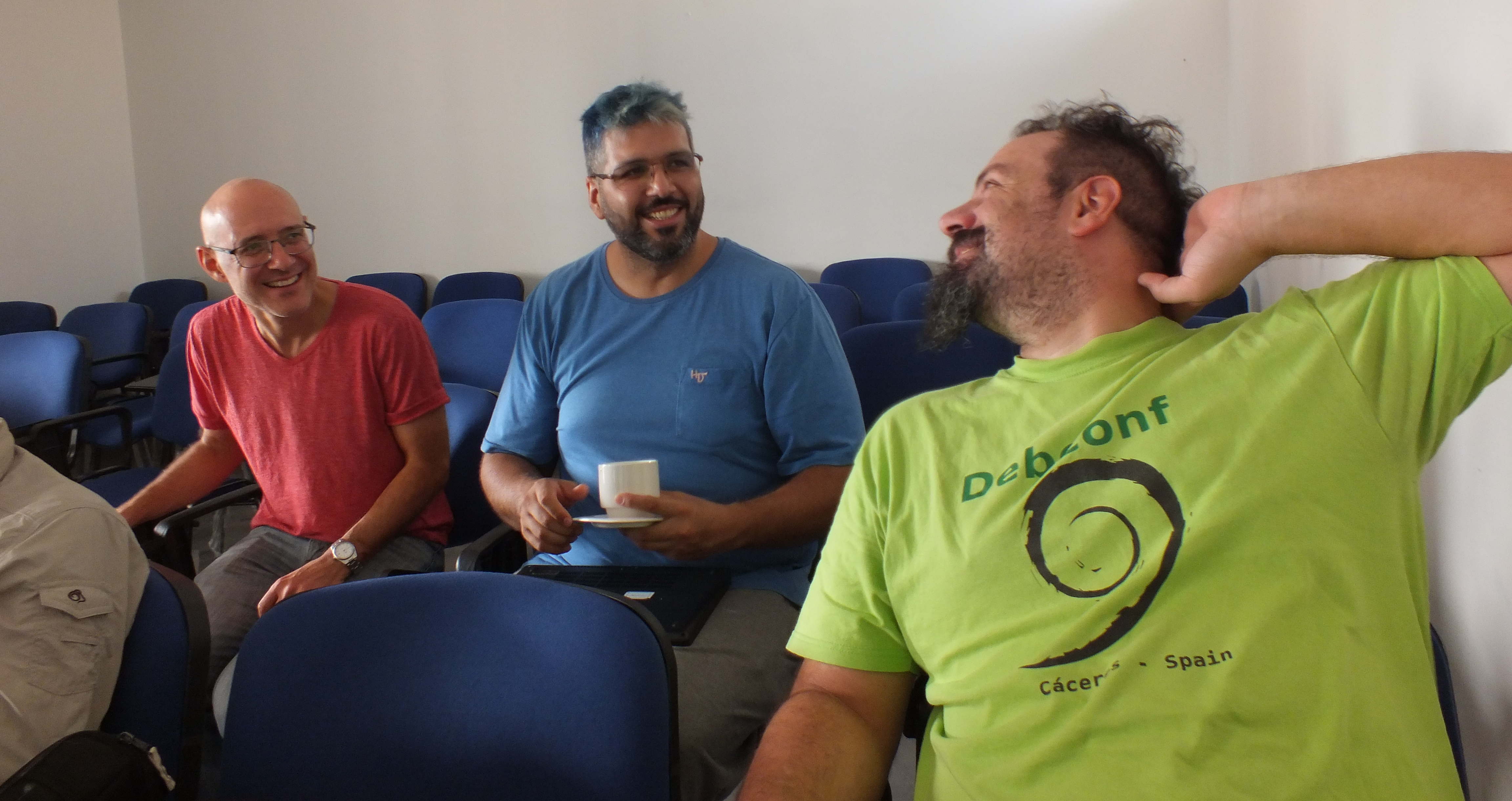 This was a short miniDebConf: we were lent the APUL union s building for the
weekend (thank you very much!); during Saturday, we had a cycle of talks, and on
sunday we had more of a hacklab logic, having some unstructured time to work
each on their own projects, and to talk and have a good time together.
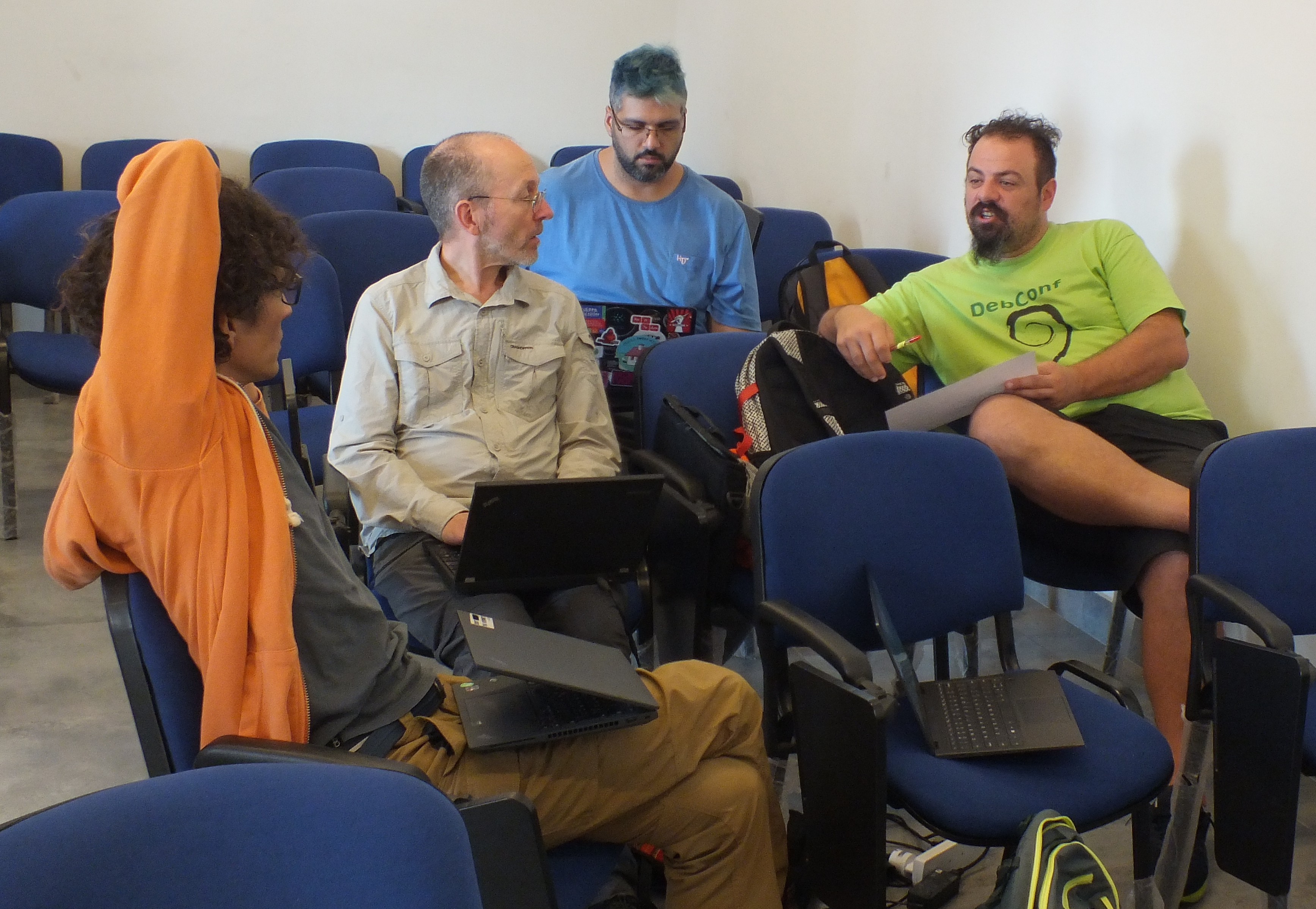 We were five Debian people attending:
santiago debacle eamanu dererk gwolf @debian.org. My main contact to
kickstart organization was Mart n Bayo. Mart n was for many years the leader of
the Technical Degree on Free Software at Universidad Nacional del
Litoral,
where I was also a teacher for several years. Together with Leo Mart nez, also a
teacher at the tecnicatura, they contacted us with Guillermo and Gabriela,
from the APUL non-teaching-staff union of said university.
 We had the following set of talks (for which there is a promise to get
electronic record, as APUL was kind enough to record them! of course, I will
push them to our usual conference video archiving service as soon as I get them)
| Hour | Title (Spanish) | Title (English) | Presented by |
|---|---|---|---|
| 10:00-10:25 | Introducci n al Software Libre | Introduction to Free Software | Mart n Bayo |
| 10:30-10:55 | Debian y su comunidad | Debian and its community | Emanuel Arias |
| 11:00-11:25 | Por qu sigo contribuyendo a Debian despu s de 20 a os? | Why am I still contributing to Debian after 20 years? | Santiago Ruano |
| 11:30-11:55 | Mi identidad y el proyecto Debian: Qu es el llavero OpenPGP y por qu ? | My identity and the Debian project: What is the OpenPGP keyring and why? | Gunnar Wolf |
| 12:00-13:00 | Explorando las masculinidades en el contexto del Software Libre | Exploring masculinities in the context of Free Software | Gora Ortiz Fuentes - Jos Francisco Ferro |
| 13:00-14:30 | Lunch | ||
| 14:30-14:55 | Debian para el d a a d a | Debian for our every day | Leonardo Mart nez |
| 15:00-15:25 | Debian en las Raspberry Pi | Debian in the Raspberry Pi | Gunnar Wolf |
| 15:30-15:55 | Device Trees | Device Trees | Lisandro Dami n Nicanor Perez Meyer (videoconferencia) |
| 16:00-16:25 | Python en Debian | Python in Debian | Emmanuel Arias |
| 16:30-16:55 | Debian y XMPP en la medici n de viento para la energ a e lica | Debian and XMPP for wind measuring for eolic energy | Martin Borgert |
 openpgp-paper-backup I ve been using OpenPGP through GnuPG since early 2000 . It s an essential part of Debian Developer s workflow. We use it regularly to authenticate package uploads and votes. Proper backups of that key are really important.
Up until recently, the only reliable option for me was backing up a tarball of my ~/.gnupg offline on a set few flash drives. This approach is better than nothing, but it s not nearly as reliable as I d like it to be.
 teamwork, or: why I love the Debian Perl Group:
elbrus has introduced a (very untypical) package into the
Debian Perl Group in 2022.
after changes of the default compiler options
(-Werror=implicit-function-declaration) in debian, it didn't
build any more & received an RC bug.
because I sometimes like challenges, I had a look at it & cobbled together
a patch. as I hardly speak any C, I sent my notes to the bug report
& (implictly) asked for help. & went out to meet a
friend.
when I came home, I found an email from ntyni, sent less than 2 hours
after my mail, where he friendly pointed out the issues with my patch
& sent a corrected version.
all I needed to do was to adjust the patch & upload the package. one
more bug fixed, one less task for us, & elbrus can concentrate on more
important tasks :) Closing arguments in the trial between various people and Craig Wright over whether he's Satoshi Nakamoto are wrapping up today, amongst a bewildering array of presented evidence. But one utterly astonishing aspect of this lawsuit is that expert witnesses for both sides agreed that much of the digital evidence provided by Craig Wright was unreliable in one way or another, generally including indications that it wasn't produced at the point in time it claimed to be. And it's fascinating reading through the subtle (and, in some cases, not so subtle) ways that that's revealed. Happy to share that ciw is now on CRAN! I had tooted a little bit
about it, e.g., here.
What it provides is a single (efficient) function
incoming() which summarises the state of the incoming
directories at CRAN. I happen
to like having these things at my (shell) fingertips, so it goes along
with (still draft) wrapper
ciw.r that will be part of the next littler release.
For example, when I do this right now as I type this, I see
edd@rob:~$ ciw.r
    Folder                   Name                Time   Size          Age
    <char>                 <char>              <POSc> <char>   <difftime>
1: waiting   maximin_1.0-5.tar.gz 2024-03-13 22:22:00    20K   2.48 hours
2: inspect    GofCens_0.97.tar.gz 2024-03-13 21:12:00    29K   3.65 hours
3: inspect verbalisr_0.5.2.tar.gz 2024-03-13 20:09:00    79K   4.70 hours
4: waiting    rnames_1.0.1.tar.gz 2024-03-12 15:04:00   2.7K  33.78 hours
5: waiting  PCMBase_1.2.14.tar.gz 2024-03-10 12:32:00   406K  84.32 hours
6: pending        MPCR_1.1.tar.gz 2024-02-22 11:07:00   903K 493.73 hours
edd@rob:~$ r. Good enough for me. From a well-connected EC2 instance
it is about 800ms on the command-line. When I do I from here inside an R
session it is maybe 700ms. And doing it over in Europe is faster still.
(I am using ping=FALSE for these to omit the default sanity
check of can I haz networking? to speed things up. The check adds
another 200ms or so.)
The function (and the wrapper) offer a ton of options too this is
ridiculously easy to do thanks to the docopt
package:
edd@rob:~$ ciw.r -x
Usage: ciw.r [-h] [-x] [-a] [-m] [-i] [-t] [-p] [-w] [-r] [-s] [-n] [-u] [-l rows] [-z] [ARG...]

-m --mega           use 'mega' mode of all folders (see --usage)
-i --inspect        visit 'inspect' folder
-t --pretest        visit 'pretest' folder
-p --pending        visit 'pending' folder
-w --waiting        visit 'waiting' folder
-r --recheck        visit 'waiting' folder
-a --archive        visit 'archive' folder
-n --newbies        visit 'newbies' folder
-u --publish        visit 'publish' folder
-s --skipsort       skip sorting of aggregate results by age
-l --lines rows     print top 'rows' of the result object [default: 50]
-z --ping           run the connectivity check first
-h --help           show this help text
-x --usage          show help and short example usage

where ARG... can be one or more file name, or directories or package names.

Examples:
  ciw.r -ip                            # run in 'inspect' and 'pending' mode
  ciw.r -a                             # run with mode 'auto' resolved in incoming()
  ciw.r                                # run with defaults, same as '-itpwr'

When no argument is given, 'auto' is selected which corresponds to 'inspect', 'waiting',
'pending', 'pretest', and 'recheck'. Selecting '-m' or '--mega' are select as default.

Folder selecting arguments are cumulative; but 'mega' is a single selections of all folders
(i.e. 'inspect', 'waiting', 'pending', 'pretest', 'recheck', 'archive', 'newbies', 'publish').

ciw.r is part of littler which brings 'r' to the command-line.
See https://dirk.eddelbuettel.com/code/littler.html for more information.
edd@rob:~$ This post by Dirk Eddelbuettel originated on his Thinking inside the box blog. Please report excessive re-aggregation in third-party for-profit settings.

 Like each month, have a look at the work funded by Freexian s Debian LTS offering.
Contributing to Debian
is part of Freexian s mission. This article
covers the latest achievements of Freexian and their collaborators. All of this
is made possible by organizations subscribing to our
Long Term Support contracts and
consulting services.
debootstrap is mostly converted and the patches for glibc and base-files
have been refined due to feedback from the upload to Ubuntu noble. Beyond this,
he sent patches for all remaining packages that cannot move their files with
dh-sequence-movetousr and packages using dpkg-divert in ways that dumat
would not recognize.
unshare
chroot mode. However, after discussion with josch, jochensp and helmut (thanks
to them!), it turns out that the unshare mode is not the most suitable for the
pipeline, since the level of isolation it provides is not needed, and some test
suites would fail (eg: krb5). Additionally, one of the requirements of the
build job is the use of ccache, since it is needed by some C/C++ large projects
to reduce the compilation time. In the preliminary work with unshare last
month, it was not possible to make ccache to work.
Finally, Santiago changed the chroot mode, and now has a couple of POC (cf:
1
and 2)
that rely on the schroot and sudo, respectively. And the good news is that
ccache is successfully used by sbuild with schroot!
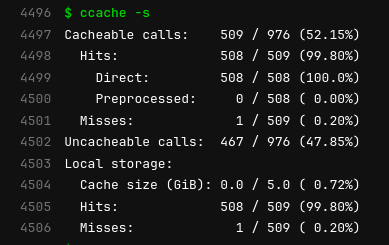 The image here comes from an example of building
grep. At the end of the
build, ccache -s shows the statistics of the cache that it used, and so a
little more than half of the calls of that job were cacheable. The most
important pieces are in place to finish the integration of sbuild into the
pipeline.
Other than that, Santiago also reviewed the very useful
merge request !346,
made by IOhannes zm lnig to autodetect the release from debian/changelog. As
agreed with IOhannes, Santiago is preparing a merge request to include the
release autodetection use case in the very own Salsa CI s CI.
| Phone | RAM | External Display | Price |
|---|---|---|---|
| Edge 20 Pro [5] | 6-12G | HDMI | $500 not many on sale |
| Edge S aka moto G100 [6] | 6-8G | HDMI | $500 to $600+ |
| Fairphone 4 | 6-8G | USBC-DP | $1000+ |
| Nubia Red Magic 5G | 8-16G | USBC-DP | $600+ |
| Phone | RAM | Price | Issues |
|---|---|---|---|
| Note 9 128G/512G | 6G/8G | <$300 | Not supporting external display |
| Galaxy S9+ | 6G | <$300 | Not supporting external display |
| Xperia 5 | 6G | >$300 | Hotspot partly working |
| OnePlus 3T | 6G | $200 $400+ | photos not working |
Next.