Iustin Pop: Xen PVM under VirtualBox
Most people won't need this, but for testing things like
Debian bug #596009, it is very handy. A few posts on the internet say
this doesn't work, or not reliably, so here is my recipe.
System: VirtualBox from sid (3.2.8), and VMs created with Enable IO
APIC, Enable PAE/NX, Enable VT-x/AMD-V (I have an AMD Phenom II
940), and finally Enable Nested Paging. I don't know if all these
are absolutely needed, but with this config the final guest runs
nicely for some quick tests.
There are just a few gotchas that I stumbled upon:
- having CPU hotplug enabled will break Xen, so run
vboxmanage modifyvm $VM --cpuhotplug off - using virtio NICs softlocks the CPU as soon as any traffic is done; while this is not the default, some people might have it enabled. I've tested the Intel server NIC and it works fine
- I've seen one hang when dom0 was assigned more than one CPU, so for
best results, even if the whole VirtualBox VM has more than one CPU
assigned, restrict dom0 to one (either via
maxcpus=1or viaxm vcpus-set 0 1)
openssl speed rsa to do a quick test. Host (non-virtualized):
                  sign    verify    sign/s verify/s
rsa  512 bits 0.000089s 0.000009s  11176.2 116018.4
rsa 1024 bits 0.000422s 0.000024s   2370.9  41914.3
rsa 2048 bits 0.002643s 0.000075s    378.4  13255.5
rsa 4096 bits 0.017623s 0.000272s     56.7   3680.9
                  sign    verify    sign/s verify/s slowdown
rsa  512 bits 0.000051s 0.000009s  19620.1 111644.0    3.78%
rsa 1024 bits 0.000390s 0.000026s   2561.1  38929.4    7.13%
rsa 2048 bits 0.002752s 0.000080s    363.4  12566.9    5.20%
rsa 4096 bits 0.018628s 0.000288s     53.7   3474.3    5.62%
# dd if=/dev/zero of=big-file bs=1024k count=127 oflag=direct
127+0 records in
127+0 records out
133169152 bytes (133 MB) copied, 1.21597 s, 110 MB/s
 Now that Squeeze is frozen, and release date is approaching, removing unused and buggy packages from the archive is a nice task to save maintenance burden which often involves several people (QA guys and Release Managers, mostly).
A lot of removal bugs are coming to


 Spending almost whole day on network infrastructure at home. I decided to say good bye to commercial provider and move to
 A lot is being said on how Ruby is packaged in Debian and Ubuntu. In this post, I m trying to go through the most common myths and give my position as a Debian Ruby maintainer. Note that those are my views, not necessarily those of the other Debian Ruby maintainers.
Myth: Ruby is completely outdated in Debian and Ubuntu
There s a culture in the Ruby community of always using the latest bleeding-edge version. There s also a culture (though this one has recessed a bit, I think) that it s perfectly fine to change APIs in incompatible ways if it makes the software slightly better.
In Debian (and Ubuntu) stable releases, we try to provide a rock-solid version of Ruby that won t be allowed to change API during the support lifetime of a release. Bugfixes for important bugs can be applied, but that s basically all. So it s not surprising that Ruby in released versions of Debian and Ubuntu is behind the latest upstream version.
In development branches, we are following the latest upstream versions quite closely. Debian 6.0 squeeze , to be released by the end of the year, includes Ruby 1.8.7-p302, and will include 1.9.2-p0 (the currently of Ruby 1.9.2 in squeeze is currenty a SVN snapshot from beginning of august).
There are people interested in installing a packaged Ruby that just works, and other people interested in installing their own version of Ruby (through RVM and such). People in the Ruby community tend to forget about the first category, and consider that, because they install Ruby from source or with RVM, that should be the solution for everybody.
We need the Ruby community to respect that different people have different ways of using Ruby, and to stop recommending that everyone using Debian and Ubuntu should install Ruby from source.
We also need to leverage the backports services for both Debian and Ubuntu to provide a way to install the latest upstream version on stable releases. The only reason why we are not doing it yet is lack of time.
Myth: Ruby is split into a myriad of packages in Debian
In the past (pre-2005), a decision was made to split some libraries from the standard library into separate packages. This was motivated by:
 I've heard, over the years, of people spending insane amounts of money on office chairs.
On the one hand I accept that you spend a lot of time sitting in chairs when you're working upon a computer. On the left I find the idea of spending 750+ on a chair a little insane.
For the past few years I've had a
 Peter Cox on model complexity
 dosfstools did not correctly handle LFN (see Debian bug
 Now that the root DNS servers are

 (update: yesterday's version was using
 A brand new and shiny release of


 If so, please tell me in the comments, how and for what purpose.
I m pondering if this configurability is unnecessary baggage.

 As mentioned in

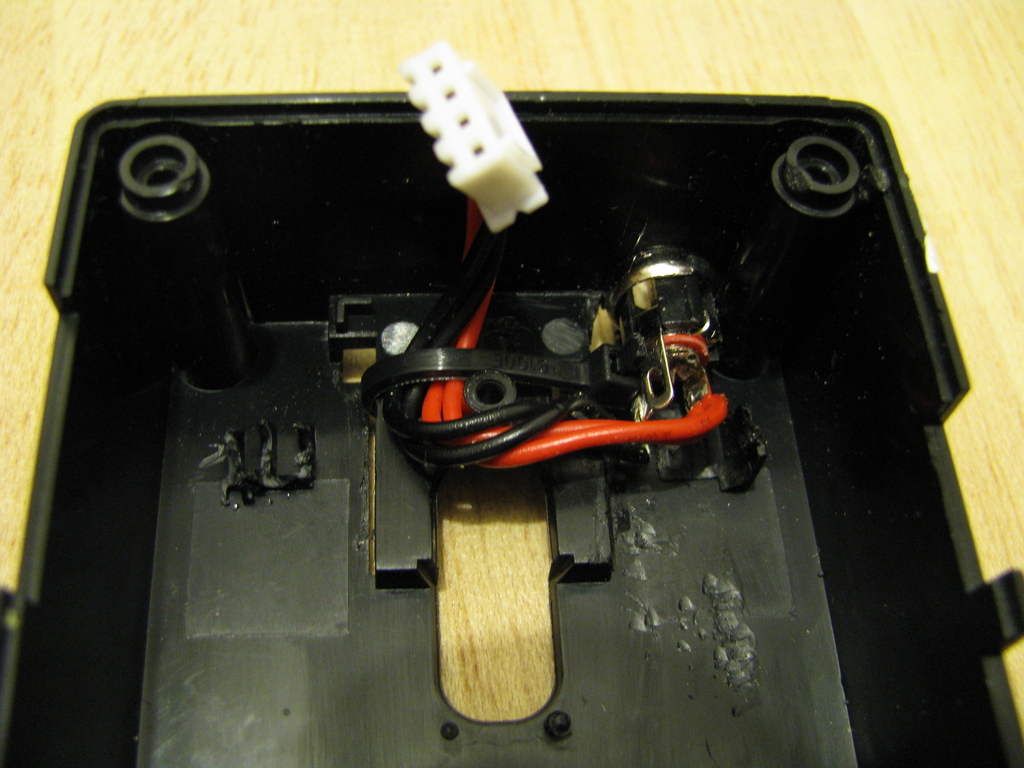
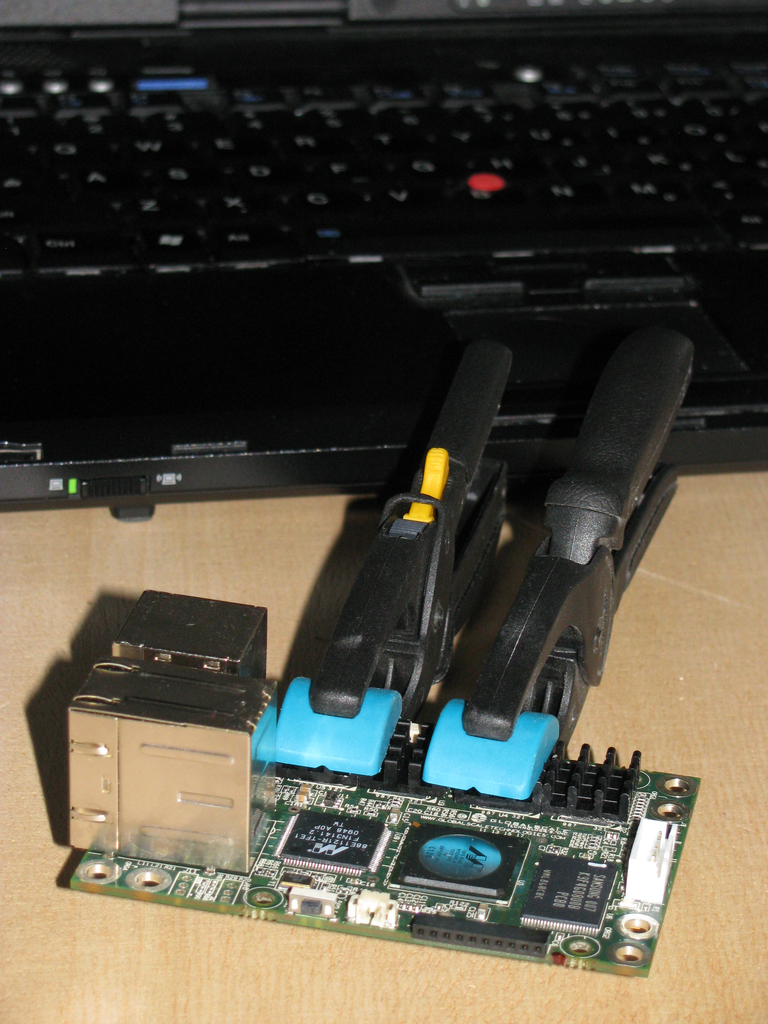
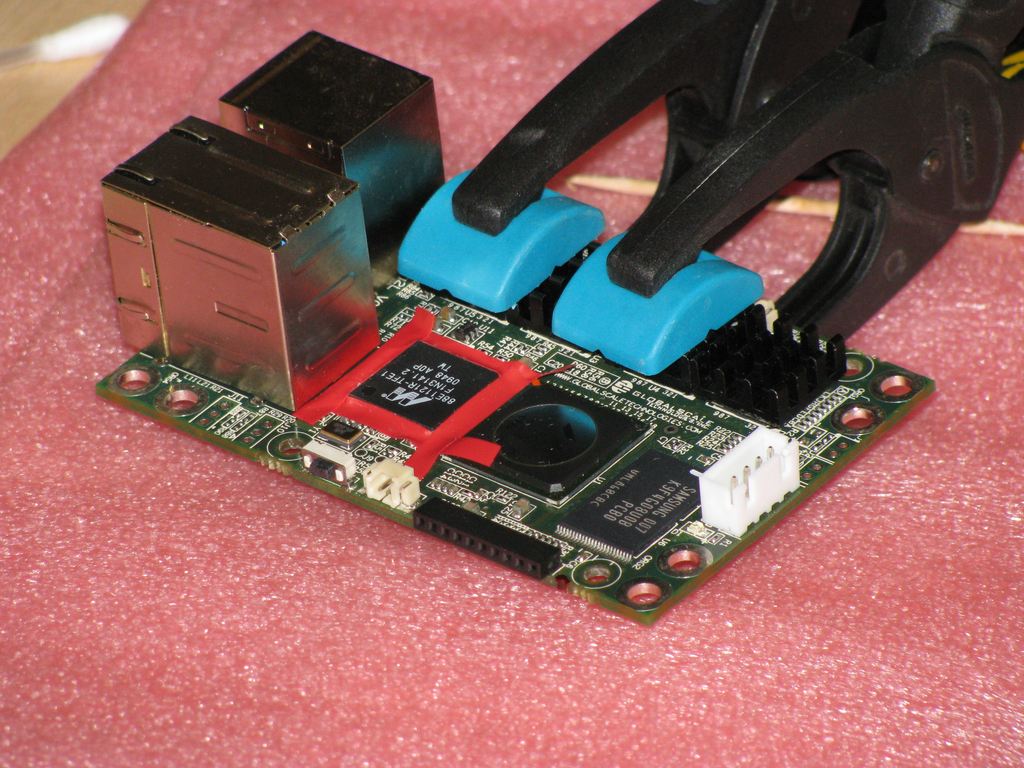
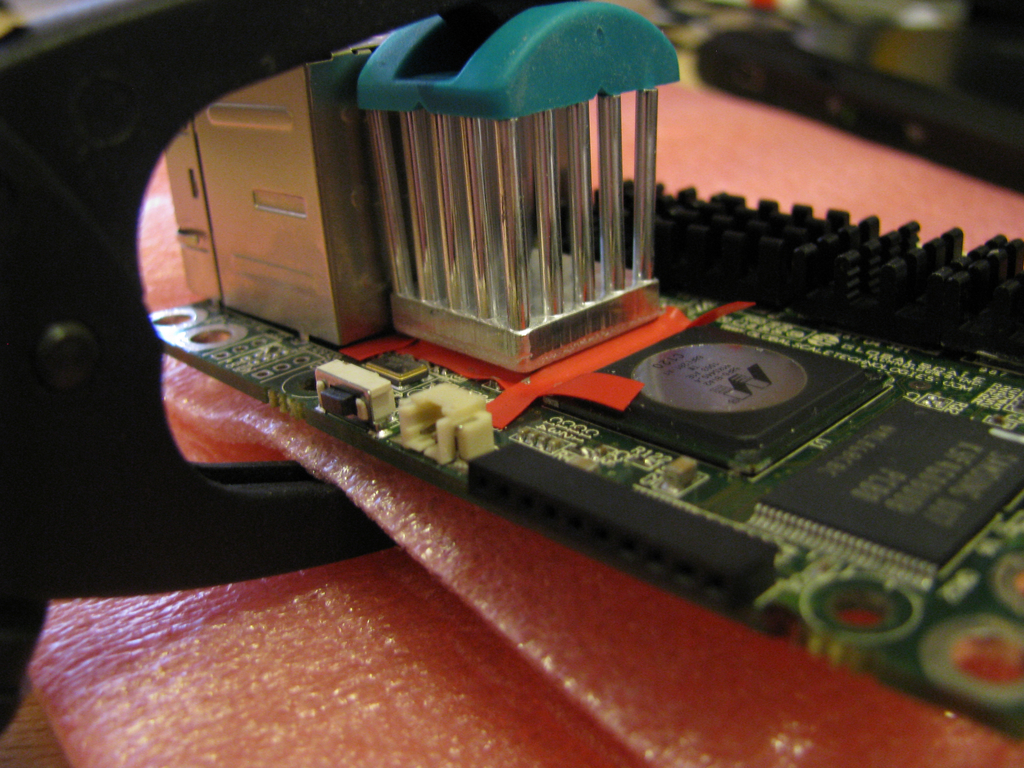



 It is a while since we managed to get

 I'm back in town. After approximatly 4 full days of use, the first battery
bank dropped to 9 volts, my cutoff point for safe use. Which turned
out to be below the safe use point of my laptop power adapter, which burnt
out while I was busy listening to music and adding power-saving caching
stuff to my mpd setup. Irony not appreciated, world.
I decided to come back while the other bank is still relatively full.

 I must admit, I do not really get the point of the ongoing discussion about having an official Facebook page. In my understanding it should be a source of information about Debian for Facebook users, technically a mirror of

