Freexian Collaborators: Debian Contributions: Freexian meetup, debusine updates, lpr/lpd in Debian, and more! (by Utkarsh Gupta, Stefano Rivera)
 Contributing to Debian
is part of Freexian s mission. This article
covers the latest achievements of Freexian and their collaborators. All of this
is made possible by organizations subscribing to our
Long Term Support contracts and
consulting services.
Freexian Meetup, by Stefano Rivera, Utkarsh Gupta, et al.
During DebConf, Freexian organized a
meetup for its
collaborators and those interested in learning more about Freexian and its
services. It was well received and many people interested in Freexian showed up.
Some developers who were interested in contributing to LTS came to get more
details about joining the project. And some prospective customers came to get to
know us and ask questions.
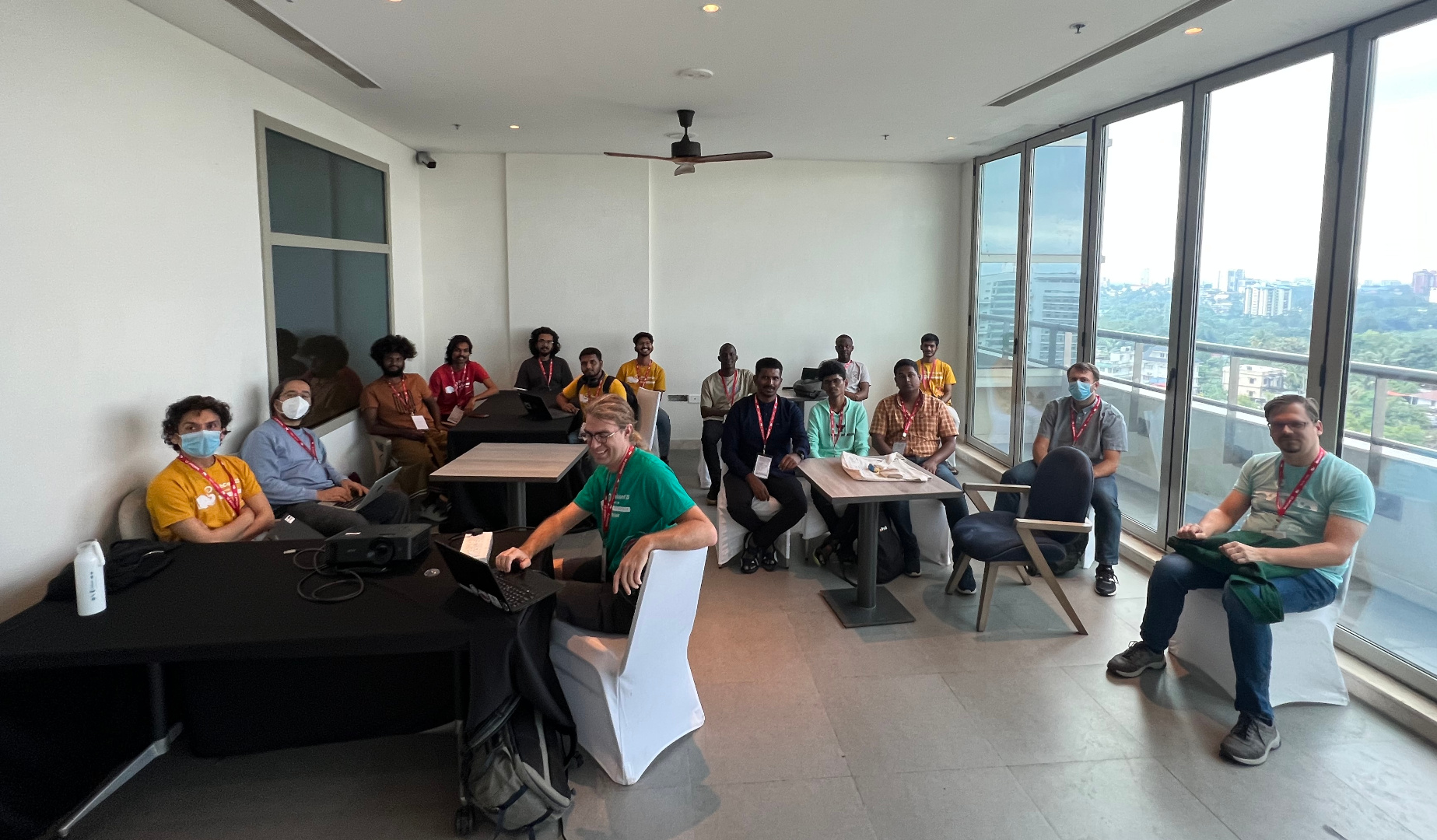
Sadly, the tragic loss of Abraham
shook DebConf, both individually and structurally. The meetup got rescheduled to
a small room without video coverage. With that, we still had a wholesome
interaction and here s a quick picture from the meetup taken by Utkarsh (which
is also why he s missing!).
Debusine, by Rapha l Hertzog, et al.
Freexian has been investing into
debusine for a while, but
development speed is about to increase dramatically thanks to funding from
SovereignTechFund.de. Rapha l laid out the
5 milestones of
the funding contract, and filed the
issues for the first milestone.
Together with Enrico and Stefano, they established a
workflow
for the expanded team.
Among the first steps of this milestone, Enrico started to work on a
developer-friendly description of debusine
that we can use when we reach out to the many Debian contributors that we will
have to interact with. And Rapha l started the design work of the autopkgtest
and lintian tasks,
i.e. what s the interface to schedule such tasks, what behavior and what
associated options do we support?
At this point you might wonder what debusine is supposed to be let us try to
answer this: Debusine manages scheduling and distribution of Debian-related
build and QA tasks to a network of worker machines. It also manages the
resulting artifacts and provides the results in an easy to consume way.
We want to make it easy for Debian contributors to leverage all the great QA
tools that Debian provides. We want to build the next generation of Debian s
build infrastructure, one that will continue to reliably do what it already
does, but that will also enable distribution-wide experiments, custom package
repositories and custom workflows with advanced package reviews.
If this all sounds interesting to you, don t hesitate to
watch the project on salsa.debian.org
and to contribute.
lpr/lpd in Debian, by Thorsten Alteholz
During Debconf23, Till Kamppeter presented CPDB (Common Print Dialog Backend),
a new way to handle print queues. After this talk it was discussed whether the
old lpr/lpd based printing system could be abandoned in Debian or whether there
is still demand for it.
So Thorsten asked on the
debian-devel email list
whether anybody uses it. Oddly enough, these old packages are still useful:
- Within a small network it is easier to distribute a printcap file, than to
properly configure cups clients.
- One of the biggest manufacturers of WLAN router and DSL boxes only supports
raw queues when attaching an USB printer to their hardware. Admittedly the
CPDB still has problems with such raw queues.
- The Pharos printing system at MIT is still lpd-based.
As a result, the lpr/lpd stuff is not yet ready to be abandoned and Thorsten
will adopt the relevant packages (or rather move them under the umbrella of the
debian-printing team). Though it is not planned to develop new features, those
packages should at least have a maintainer. This month Thorsten adopted rlpr,
an utility for lpd printing without using /etc/printcap. The next one he is
working on is lprng, a lpr/lpd printer spooling system. If you know of any
other package that is also needed and still maintained by the QA team, please
tell Thorsten.
/usr-merge, by Helmut Grohne
Discussion about lifting the file move moratorium has been initiated with the
CTTE and the release team. A formal lift is
dependent on updating debootstrap in older suites though. A significant number
of packages can automatically move their systemd unit files if
dh_installsystemd and systemd.pc change their installation targets.
Unfortunately, doing so makes some packages FTBFS and therefore
patches have been filed.
The analysis tool, dumat, has been enhanced to better understand
which upgrade scenarios are considered supported
to reduce false positive bug filings and gained a mode for
local operation on a .changes file
meant for inclusion in salsa-ci. The filing of bugs from dumat is still
manual to improve the quality of reports.
Since September, the moratorium
has been lifted.
Miscellaneous contributions
- Rapha l updated Django s backport in bullseye-backports to match the latest
security release that was published in bookworm. Tracker.debian.org is still
using that backport.
- Helmut Grohne sent 13 patches for cross build failures.
- Helmut Grohne performed a maintenance upload of
debvm enabling its
use in autopkgtests.
- Helmut Grohne wrote an API-compatible reimplementation of
autopkgtest-build-qemu. It is powered by mmdebstrap, therefore
unprivileged, EFI-only and will soon be
included in mmdebstrap.
- Santiago continued the work regarding how to make it easier to
(automatically) test reverse dependencies.
An example
of the ongoing work was presented during the Salsa CI BoF at DebConf 23.
In fact, omniorb-dfsg test pipelines as the above were used for the
omniorb-dfsg 4.3.0 transition,
verifying how the reverse dependencies (tango, pytango and omnievents) were
built and how their autopkgtest jobs run with the to-be-uploaded omniorb-dfsg
new release.
- Utkarsh and Stefano attended and helped run DebConf 23. Also continued
winding up DebConf 22 accounting.
- Anton Gladky did
some science team uploads
to fix RC bugs.
systemd unit files if
dh_installsystemd and systemd.pc change their installation targets.
Unfortunately, doing so makes some packages FTBFS and therefore
patches have been filed.
The analysis tool, dumat, has been enhanced to better understand
which upgrade scenarios are considered supported
to reduce false positive bug filings and gained a mode for
local operation on a .changes file
meant for inclusion in salsa-ci. The filing of bugs from dumat is still
manual to improve the quality of reports.
Since September, the moratorium
has been lifted.
Miscellaneous contributions
- Rapha l updated Django s backport in bullseye-backports to match the latest
security release that was published in bookworm. Tracker.debian.org is still
using that backport.
- Helmut Grohne sent 13 patches for cross build failures.
- Helmut Grohne performed a maintenance upload of
debvm enabling its
use in autopkgtests.
- Helmut Grohne wrote an API-compatible reimplementation of
autopkgtest-build-qemu. It is powered by mmdebstrap, therefore
unprivileged, EFI-only and will soon be
included in mmdebstrap.
- Santiago continued the work regarding how to make it easier to
(automatically) test reverse dependencies.
An example
of the ongoing work was presented during the Salsa CI BoF at DebConf 23.
In fact, omniorb-dfsg test pipelines as the above were used for the
omniorb-dfsg 4.3.0 transition,
verifying how the reverse dependencies (tango, pytango and omnievents) were
built and how their autopkgtest jobs run with the to-be-uploaded omniorb-dfsg
new release.
- Utkarsh and Stefano attended and helped run DebConf 23. Also continued
winding up DebConf 22 accounting.
- Anton Gladky did
some science team uploads
to fix RC bugs.
debvm enabling its
use in autopkgtests.autopkgtest-build-qemu. It is powered by mmdebstrap, therefore
unprivileged, EFI-only and will soon be
included in mmdebstrap.In fact, omniorb-dfsg test pipelines as the above were used for the omniorb-dfsg 4.3.0 transition, verifying how the reverse dependencies (tango, pytango and omnievents) were built and how their autopkgtest jobs run with the to-be-uploaded omniorb-dfsg new release.
 KDE Mascot

 KDE neon
 Thank you for stopping by.
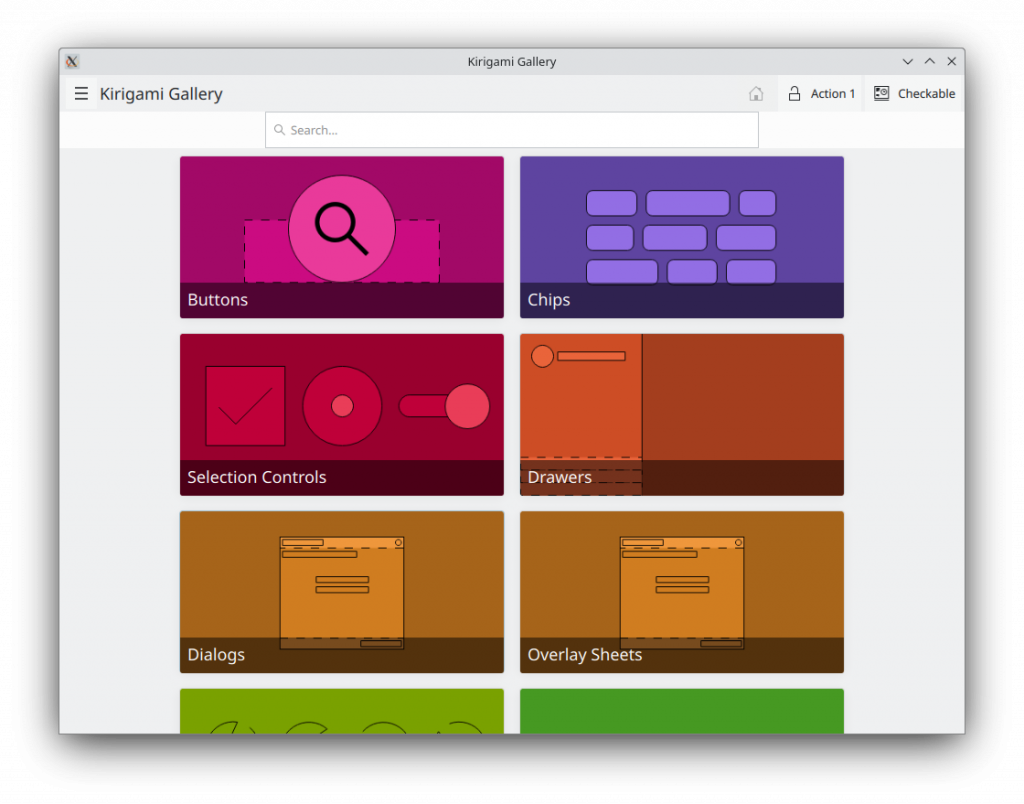
 KDE Plasma 6
 Yesterday I tagged a new version of onak, my OpenPGP compatible keyserver. I d spent a bit of time during







 This year's
 Photos taken during the event:
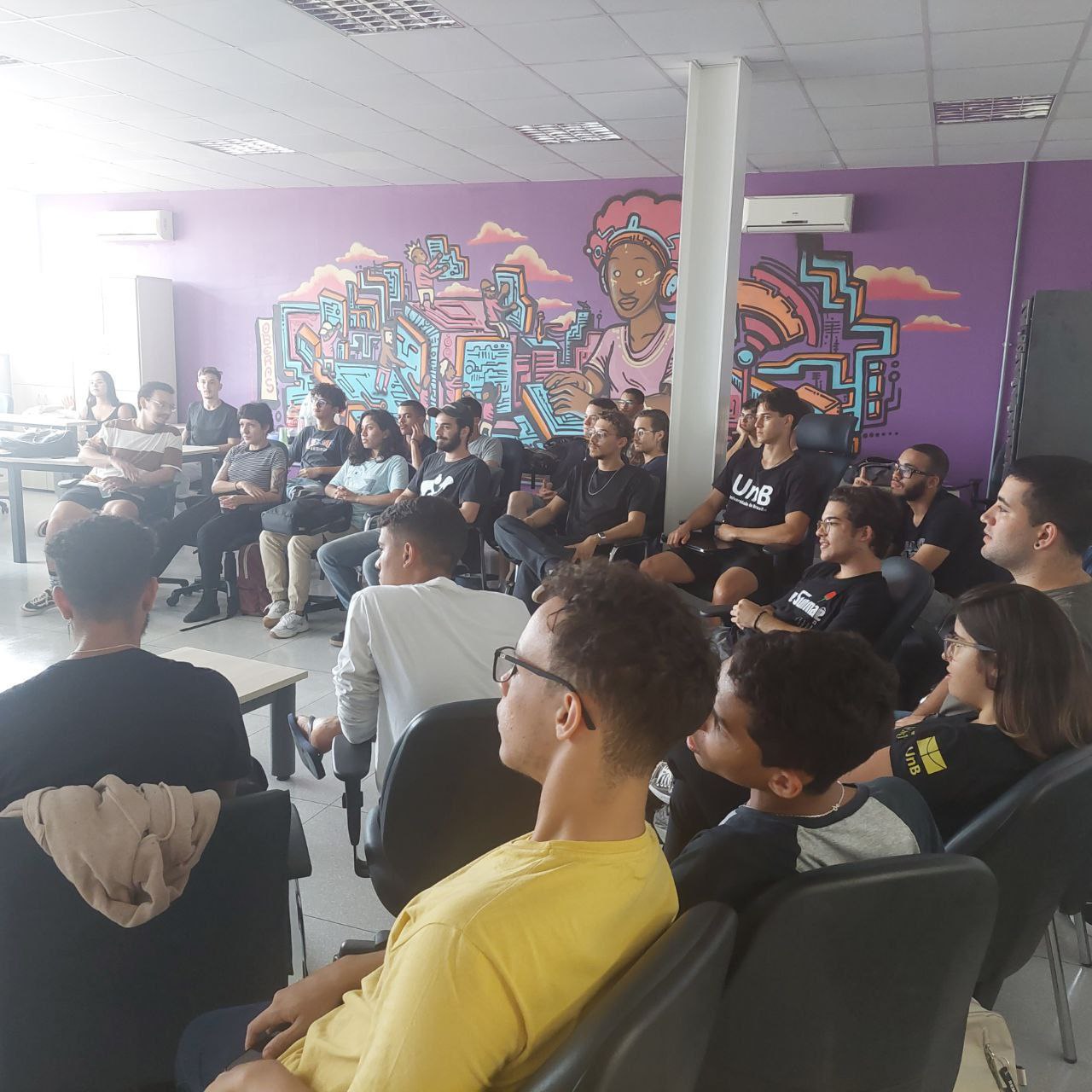
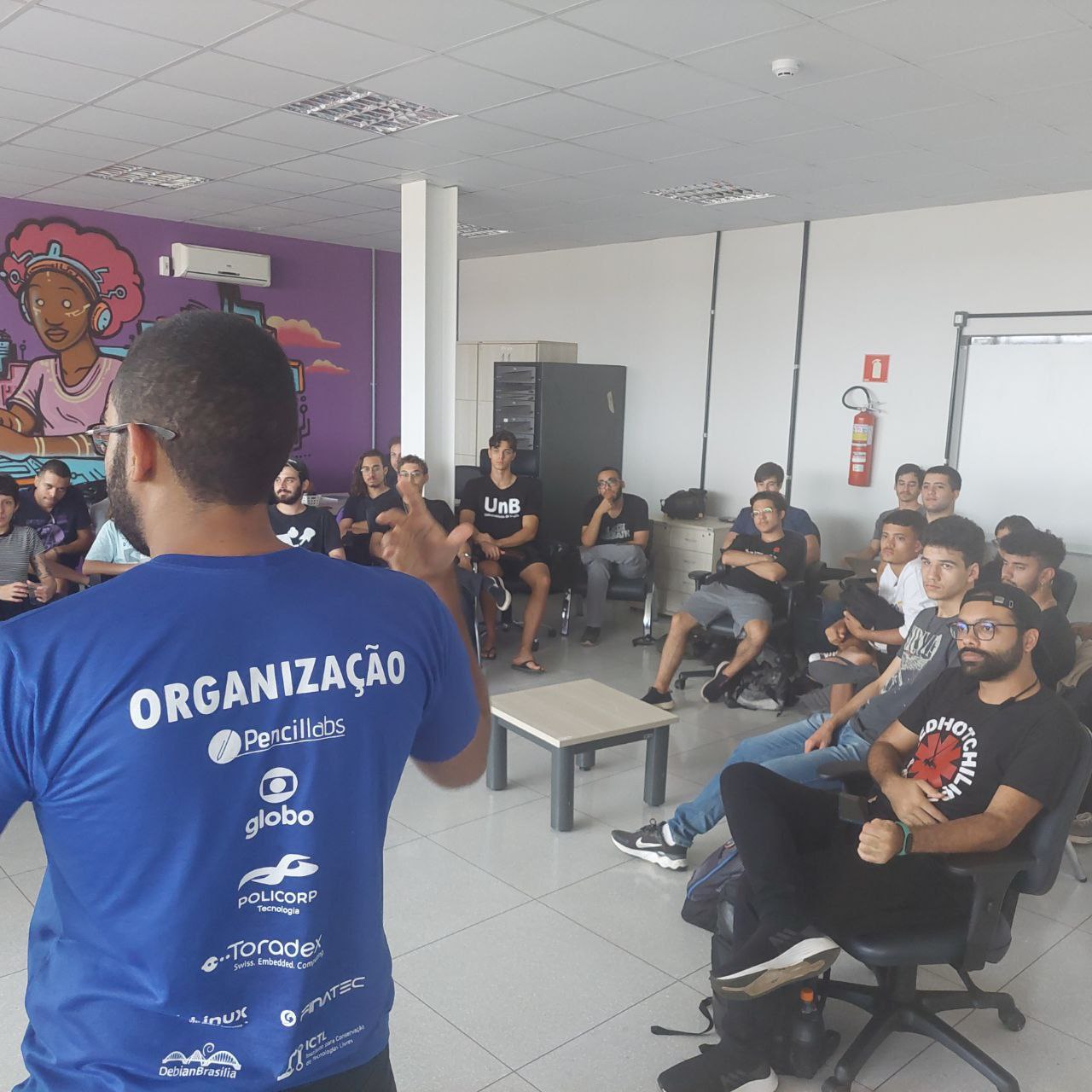
 Presentation about debian in first class.
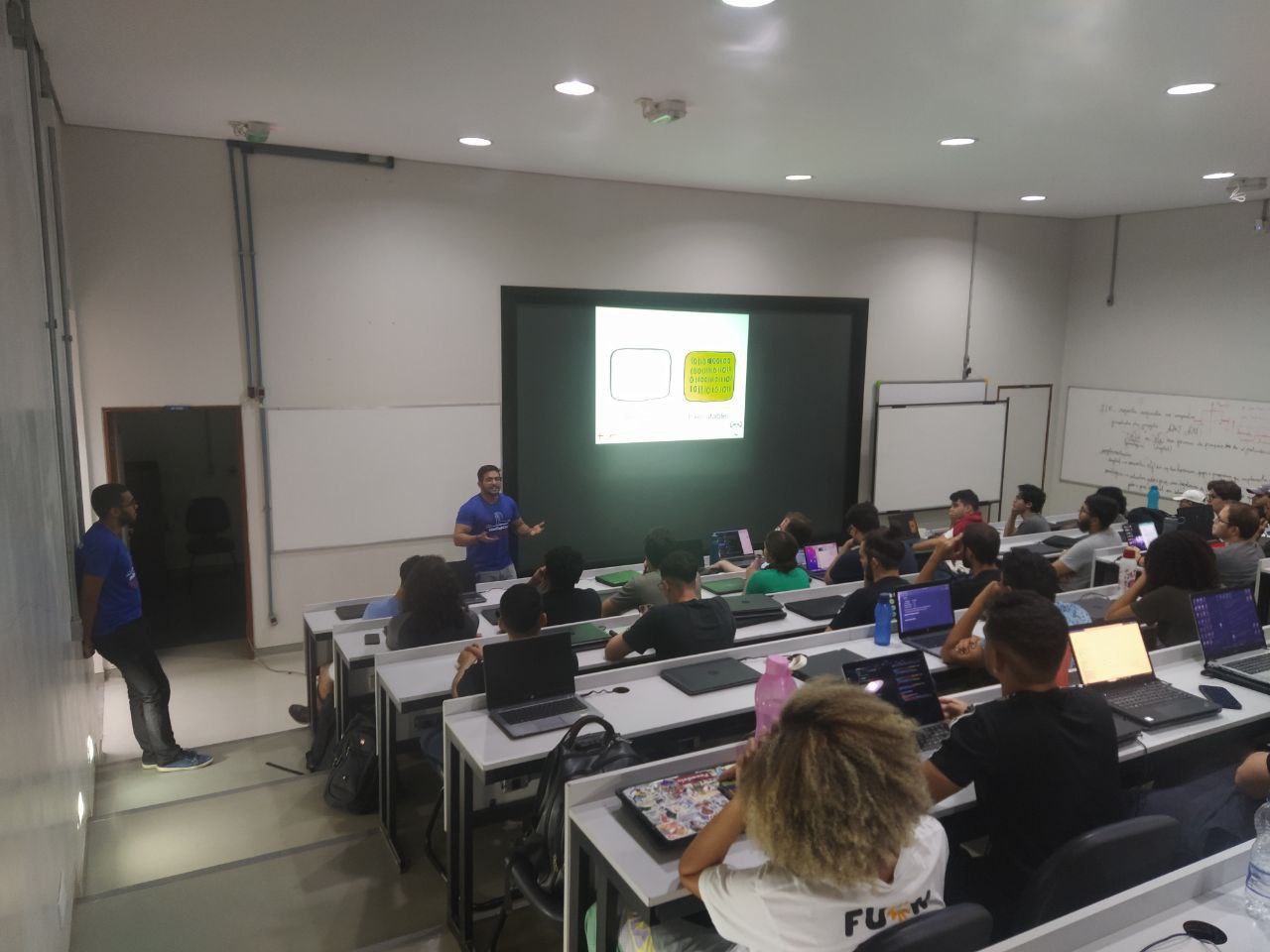
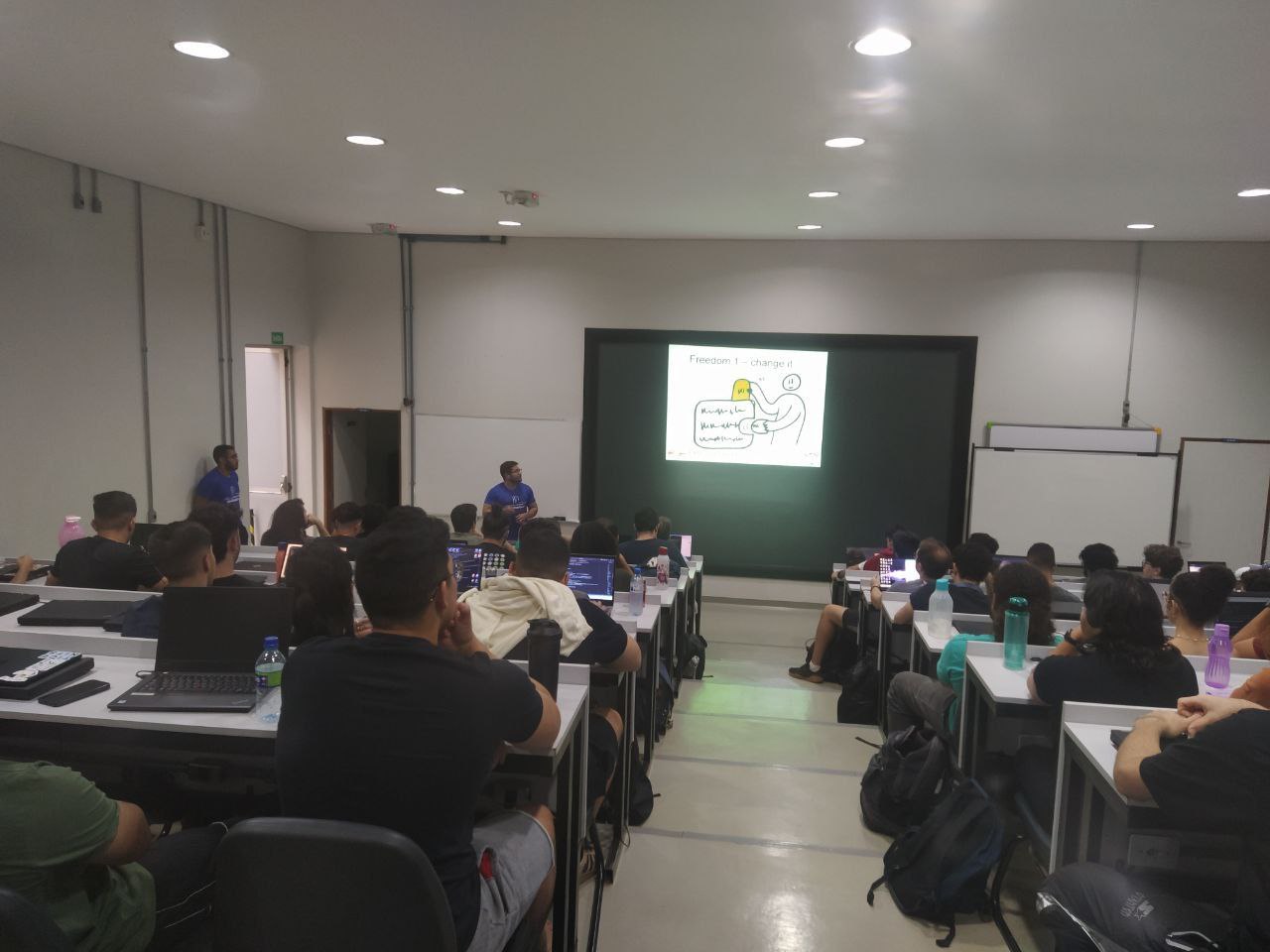 Presentation about free software on auditorium.
 There is a bit of context that needs to be shared before I get to this and would be a long one. For reasons known and unknown, I have a lot of sudden electricity outages. Not just me, all those who are on my line. A discussion with a lineman revealed that around 200+ families and businesses are on the same line and when for whatever reason the electricity goes for all. Even some of the traffic lights don t work. This affects software more than hardware or in some cases, both. And more specifically HDD s are vulnerable. I had bought an APC unit several years for precisely this, but over period of time it just couldn t function and trips also when the electricity goes out. It s been 6-7 years so can t even ask customer service to fix the issue and from whatever discussions I have had with APC personnel, the only meaningful difference is to buy a new unit but even then not sure this is an issue that can be resolved, even with that.
That comes to the issue that happens once in a while where the system fsck is unable to repair /home and you need to use an external pen drive for the same. This is my how my hdd stacks up
 The main argument as have shared before is that Indian Govt. thinks we need our home grown CPU and while I have no issues with that, as shared before except for RISC-V there is no other space where India could look into doing that. Especially after the Chip Act, Biden has made that any new fabs or any new thing in chip fabrication will only be shared with

 . Backups certainly make a lot of sense, especially
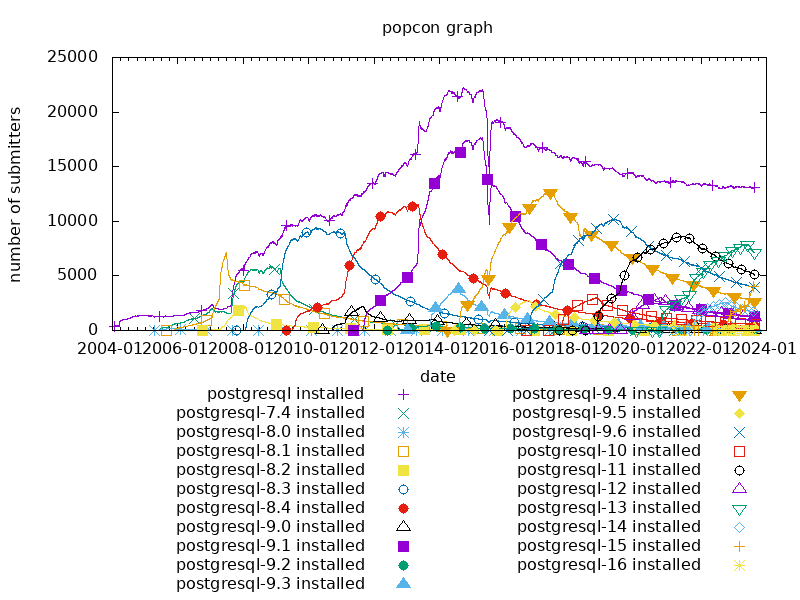
 Back in 2015, when PostgreSQL 9.5 alpha 1 was released, I had posted the