Search Results: "valhalla"

15 July 2025

Valhalla's Things: Federated instant messaging, 100% debianized

Posted on July 15, 2025
Tags: madeof:bits, topic:xmpp, topic:debian
This is an approximation of what I told at my talk Federated instant messaging, 100% debianized at DebConf 25, for people who prefer reading text. There will also be a video recording, as soon as it s ready :) at the link above. Communicating is a basic human need, and today some kind of computer-mediated communication is a requirement for most people, especially those in this room. With everything that is happening, it s now more important than ever that these means of communication aren t controlled by entities that can t be trusted, whether because they can stop providing the service at any given time or worse because they are going to abuse it in order to extract more profit. If only there was a well established chat system based on some standard developed in an open way, with all of the features one expects from a chat system but federated so that one can choose between many different and independent providers, or even self-hosting. But wait, it does exist! I m not talking about IRC, I m talking about XMPP! While it has been around since the last millennium, it has not remained still, with hundred of XMPP Extension Protocols, or XEPs that have been developed to add all of the features that nobody in 1999 imagined we could need in Instant Messaging today, and more, such as IoT devices or even social networks. There is a myth that this makes XMPP a mess of incompatible software, but there is an XEP for that: XEP-0479: XMPP Compliance Suites 2023, which is a list of XEPs that needs to be supported by Instant Messaging servers and clients, including mobile ones, and all of the recommended ones will mostly just work. These include conversations.im on android, dino on linux, which also works pretty nicely on linux phones, gajim for a more fully featured option that includes the kitchen sink, profanity for text interface fanatics like me, and I ve heard that monal works decently enough on the iThings. One thing that sets XMPP apart from other federated protocols, is that it has already gone through the phase where everybody was on one very big server, which then cut out federation, and we ve learned from the experience. These days there are still a few places that cater to newcomers, like https://account.conversations.im/, https://snikket.org/ (which also includes tools to make it easier to host your own instance) and https://quicksy.im/, but most people are actually on servers of a manageable size. My strong recommendation is for community hosting: not just self-hosting for yourself, but finding a community you feel part of and trust, and share a server with them, whether managed by volunteers from the community itself, or by a paid provider. If you are a Debian Developer, you already have one: you can go to https://db.debian.org/ , select Change rtc password to set your own password, wait an hour or so and you re good to go, as described at the bottom of https://wiki.debian.org/Teams/DebianSocial. A few years ago it had remained a bit behind, but these days it s managed by an active team, and if you re missing some features, or just want to know what s happening with it, you can join their BoF on Friday afternoon (and also thank them for their work). But for most people in this room, I d also recommend finding a friend or two who can help as a backup, and run a server for your own families or community: as a certified lazy person who doesn t like doing sysadmin jobs, I can guarantee it s perfectly feasible, about in the same range of difficulty as running your own web server for a static site. The two most popular servers for this, prosody and ejabberd, are well maintained in Debian, and these days there isn t a lot more to do than installing them, telling them your hostname, setting up a few DNS entries, and then you mostly need to keep the machine updated and very little else. After that, it s just applying system security updates, upgrading everything every couple years (some configuration updates may be needed, but nothing major) and maybe helping some non-technical users, if you are hosting your non-technical friends (the kind who would need support on any other platform).
Question time (including IRC questions) included which server would be recommended for very few users (I use prosody and I m very happy with it, but I believe ejabberd works also just fine), then somebody reminded me that I had forgotten to mention https://www.chatons.org/ , which lists free, ethical and decentralized services, including xmpp ones. I was also asked a comparison with matrix, which does cover a very similar target as XMPP, but I am quite biased against it, and I d prefer to talk well of my favourite platform than badly of its competitor.

4 July 2025

Valhalla's Things: Emergency Camisole

Posted on July 4, 2025
Tags: madeof:atoms, craft:sewing, FreeSoftWear
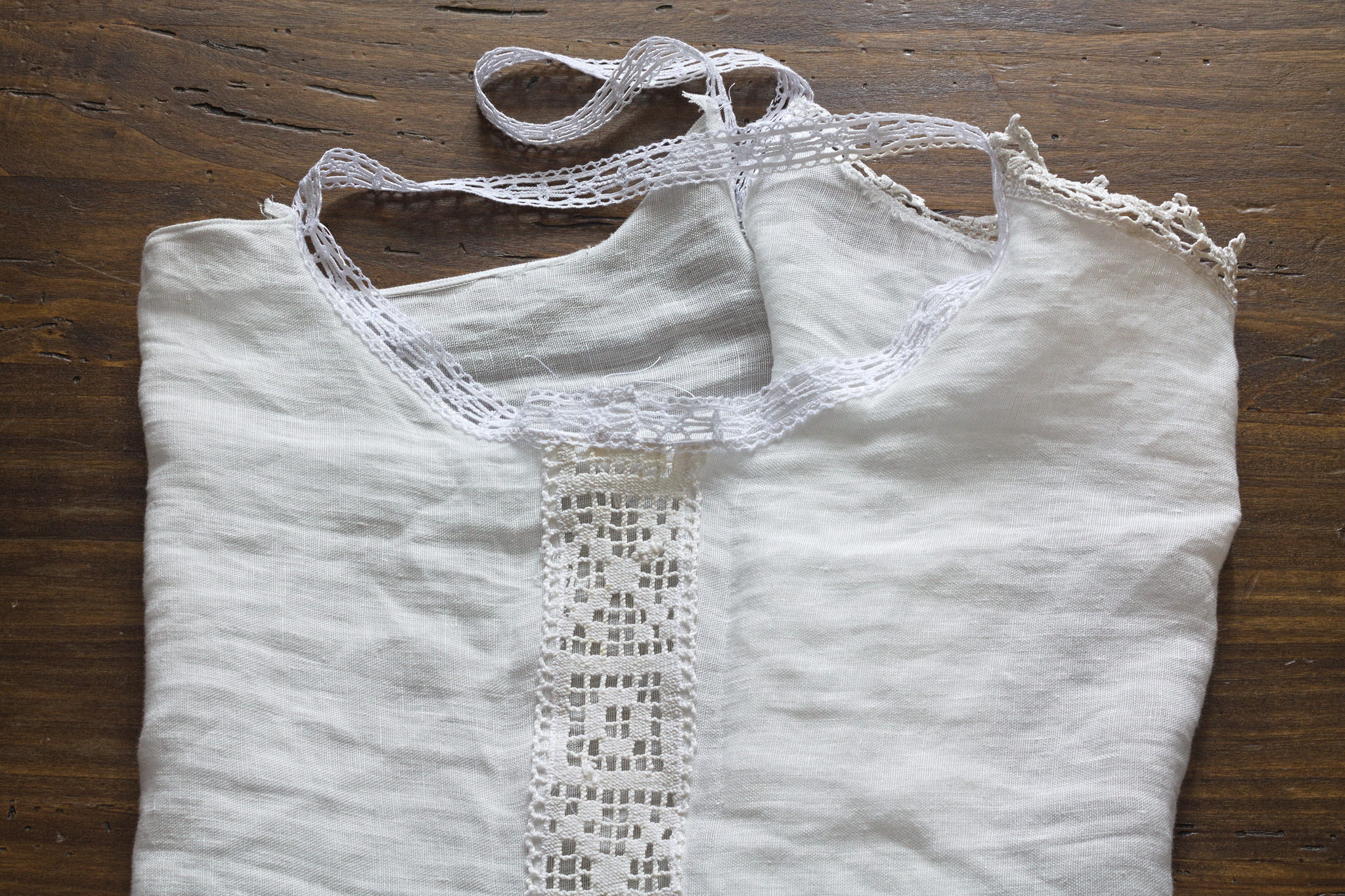
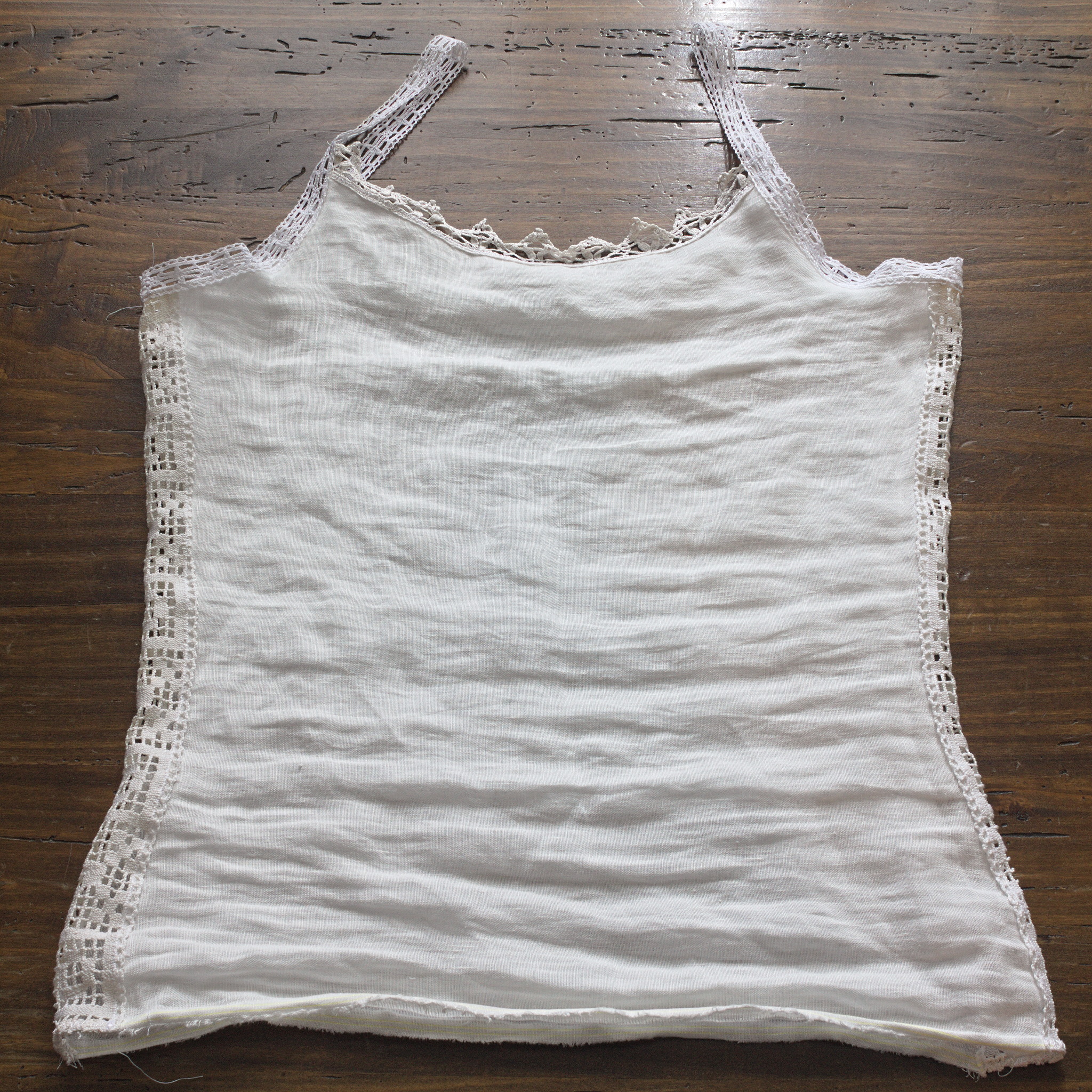
A camisole of white linen fabric; the sides have two vertical strips of filet cotton lace, about 5 cm wide, the top of the front is finished with another lace with triangular points and the straps are made with another insertion lace, about 2 cm wide. And this is the time when one realizes that she only has one white camisole left. And it s summer, so I m wearing a lot of white shirts, and I always wear a white camisole under a white shirt (unless I m wearing a full chemise). Not a problem, I have a good pattern for a well fitting camisole that I ve done multiple times, I don t even need to take my measurements and draft things, I can get some white jersey from the stash and quickly make a few. From the stash. Where I have a roll of white jersey and one of off-white jersey. It s in the inventory. With the position field set to a place that no longer exists. uooops. But I have some leftover lightweight (woven) linen fabric. Surely if I cut the pattern as is with 2 cm of allowance and then sew it with just 1 cm of allowance it will work even in a woven fabric, right? Wrong. I mean, it would have probably fit, but it was too tight to squeeze into, and would require adding maybe a button closure to the front. feasible, but not something I wanted. But that s nothing that can t be solved with the Power of Insertion Lace, right? One dig through the Lace Stash1 and some frantic zig-zag sewing later, I had a tube wide enough for me to squiggle in, with lace on the sides not because it was the easiest place for me to put it, but because it was the right place for it to preserve my modesty, of course. Encouraged by this, I added a bit of lace to the front, for the look of it, and used some more insertion lace for the straps, instead of making them out of fabric. And, it looks like it can work. I plan to wear it tonight, so that I can find out whether there is something that chafes or anything, but from a quick test it feels reasonable. a detail of the side of the camisole, showing the full pattern of the filet lace (alternating Xs and Os), the narrow hem on the back (done with an hemming foot) and the fact that the finishing isn't very neat (but should be stable enough for long term use). At bust level it s now a bit too wide, and it gapes a bit under the arms, but I don t think that it s going to cause significant problems, and (other than everybody on the internet) nobody is going to see it, so it s not a big deal. I still have some linen, but I don t think I m going to make another one with the same pattern: maybe I ll try to do something with a front opening, but I ll see later on, also after I ve been looking for the missing jersey in a few more potential places. As for now, the number of white camisoles I have has doubled, and this is progress enough for today.

  1. with many thanks to my mother s friend who gave me quite a bit of vintage cotton lace.

25 May 2025

Valhalla's Things: Honeycomb shirt

Posted on May 25, 2025
Tags: madeof:atoms, craft:sewing, FreeSoftWear, GNU Terry Pratchett
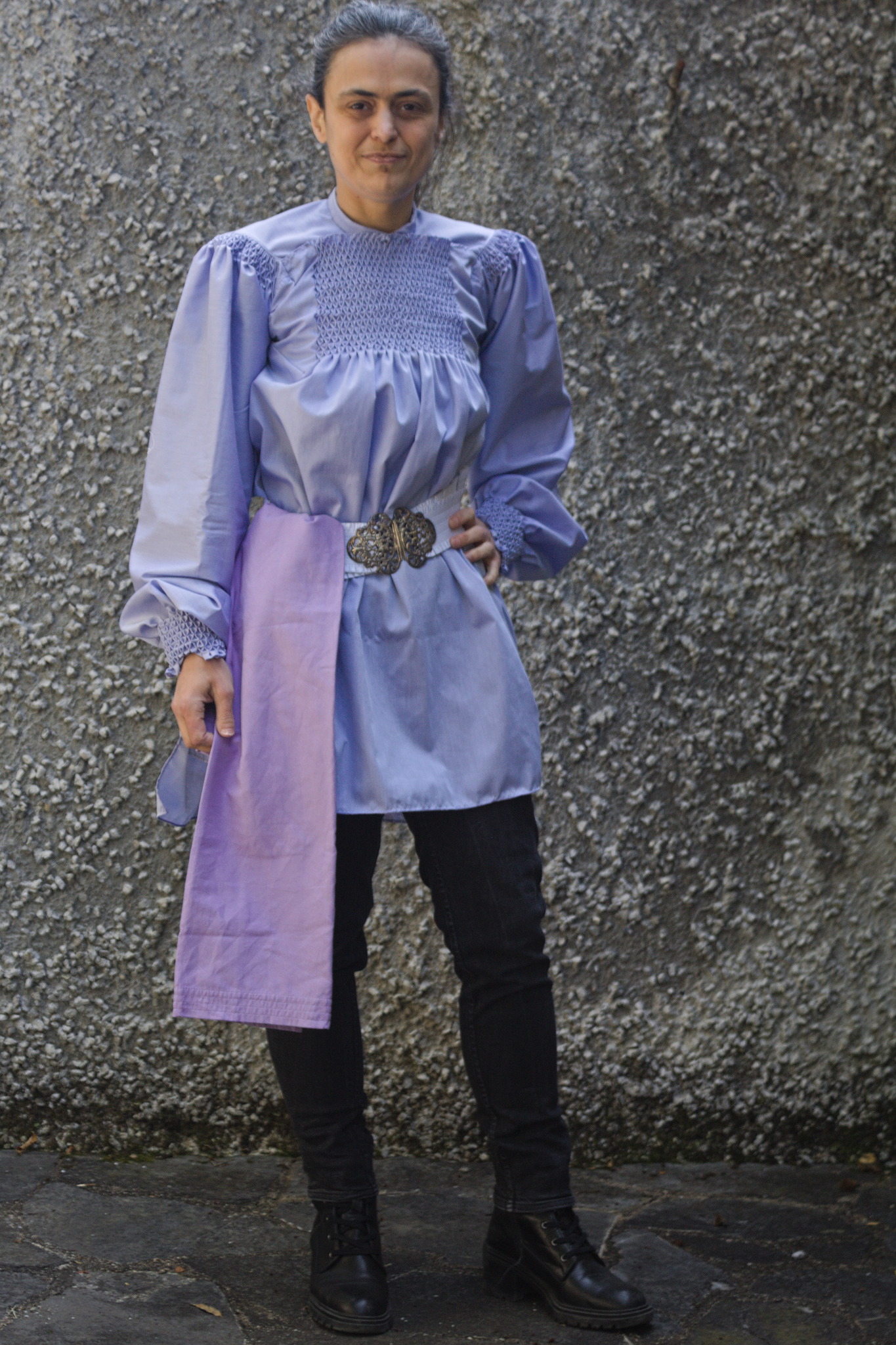
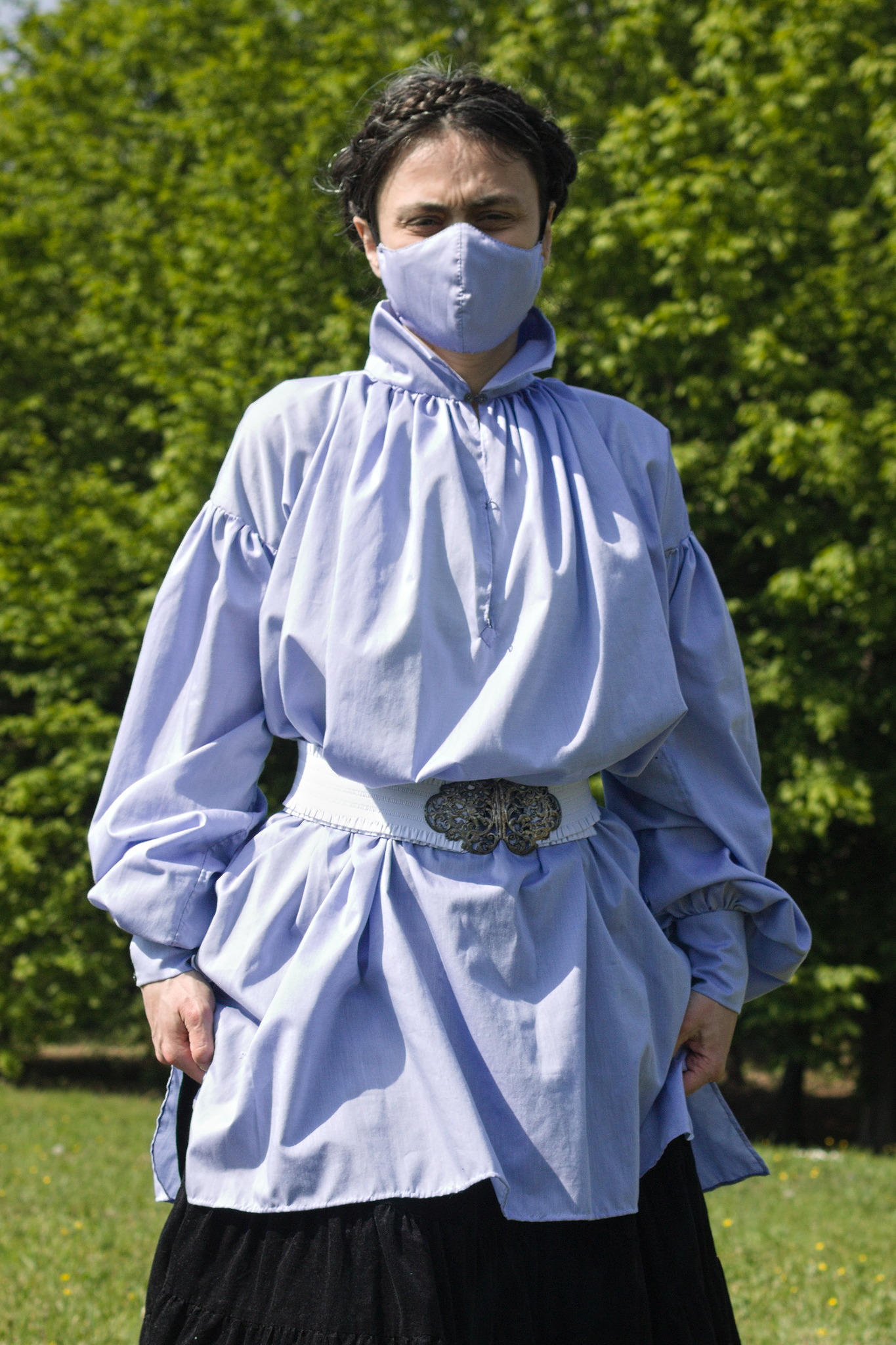
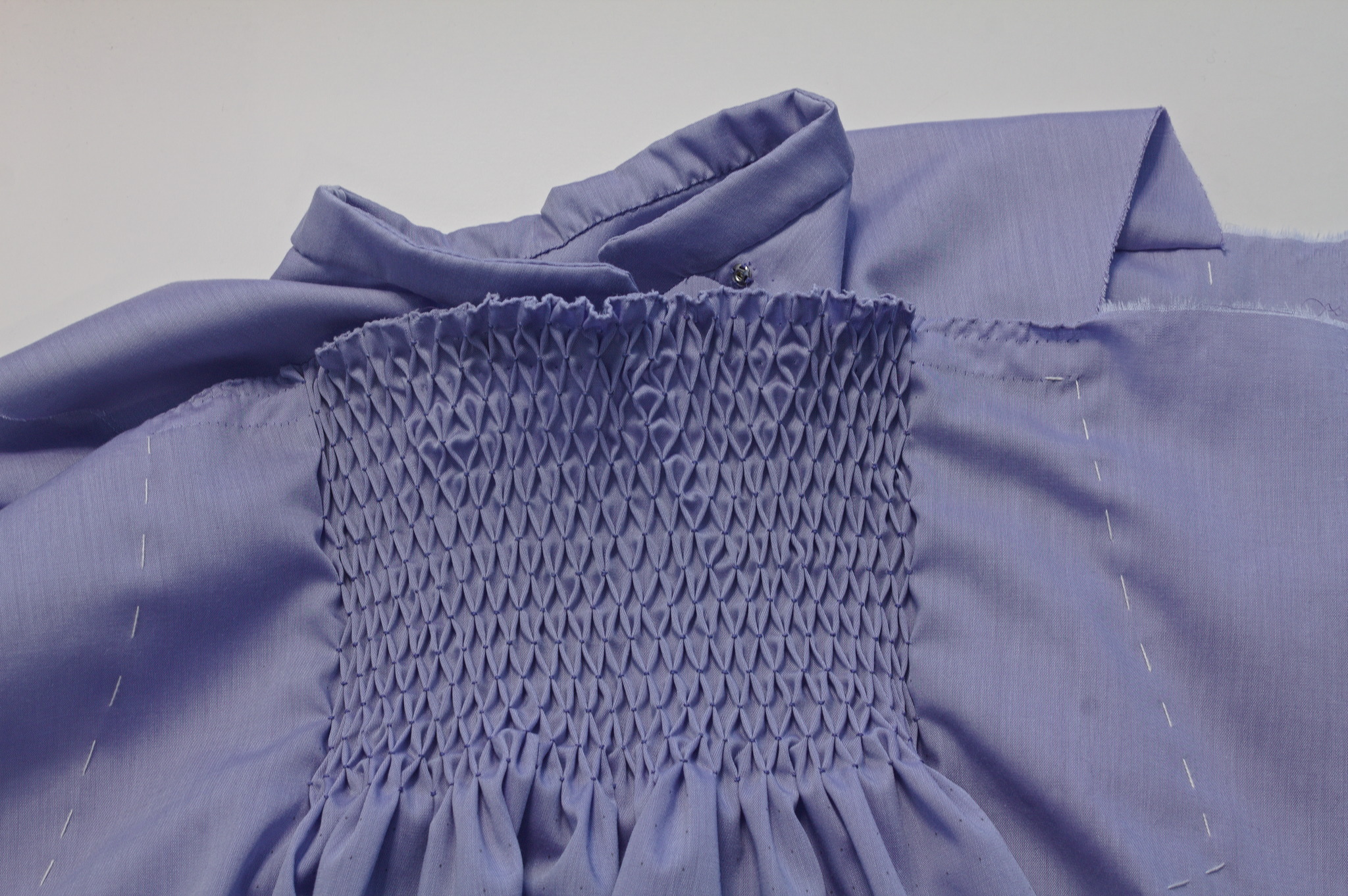
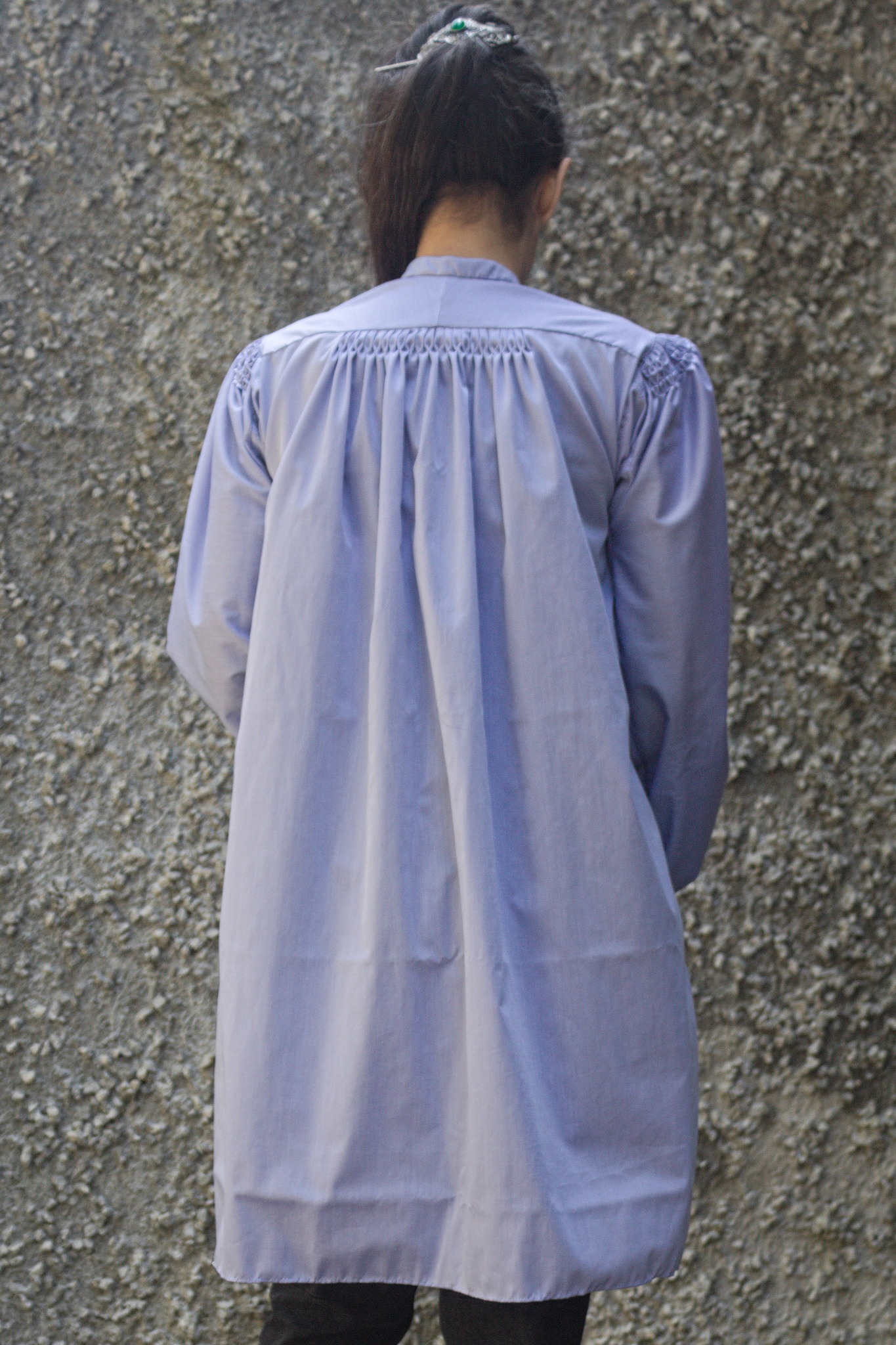
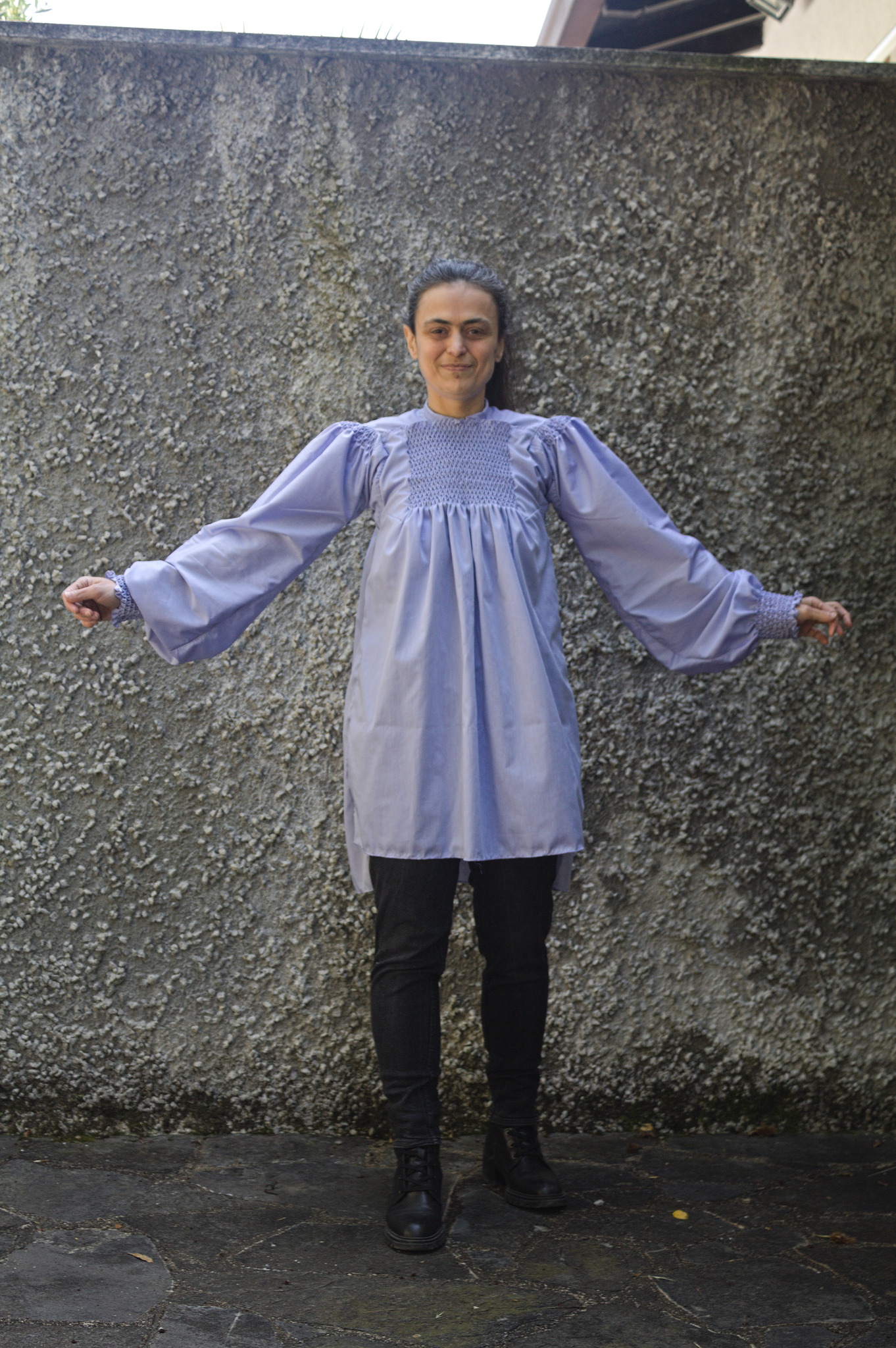
A woman wearing a purplish blue shirt with very wide sleeves, gathered at the cuffs and shoulder with honeycombing, and also a rectangle of honeycombing in the front between the neckline and just above the bust. The shirt is gathered at the waist with a wide belt, and an almost lilac towel hangs from the belt. After cartridge pleating, the next fabric manipulation technique I wanted to try was smocking, of the honeycombing variety, on a shirt. My current go-to pattern for shirts is the 1880 menswear one I have on my website: I love the fact that most of the fabric is still cut as big rectangles, but the shaped yoke and armscyes make it significantly more comfortable than the earlier style where most of the shaping at the neck was done with gathers into a straight collar. A woman wearing a shirt in the same fabric; this one has a slit in the front, is gathered into a tall rectangular collar and has dropped shoulders because it's cut from plain rectangles. The sleeves are still huge, and gathered into tall cuffs. It is worn belted (with the same wide white elastic belt used in the previous picture) and the woman is wearing a matching fabric mask, because the picture has been taken in 2021. In my stash I had a cut of purple-blue hopefully cotton [#cotton] I had bought for a cheap price and used for my first attempt at an historically accurate pirate / vampire shirt that has now become by official summer vaccine jab / blood test shirt (because it has the long sleeves I need, but they are pretty easy to roll up to give access to my arm. That shirt tends to get out of the washing machine pretty wearable even without ironing, which made me think it could be a good fabric for something that may be somewhat hard to iron (but also made me suspicious about the actual composition of the fabric, even if it feels nice enough even when worn in the summer). A piece of fabric with many rows of honeycombing laid on top of the collar and yoke of the shirt; a metal snap peeks from behind the piece of honeycombed fabric.  There are still basting lines for the armscyes. Of course I wanted some honeycombing on the front, but I was afraid that the slit in the middle of it would interfere with the honeycombing and gape, so I decided to have the shirt open in an horizontal line at the yoke. I added instructions to the pattern page for how I changed the opening in the front, basically it involved finishing the front edge of the yoke, and sewing the honeycombed yoke to a piece of tape with snaps. Another change from the pattern is that I used plain rectangles for the sleeves, and a square gusset, rather than the new style tapered sleeve , because I wanted to have more fabric to gather at the wrist. I did the side and sleeve seams with a hem + whipstitch method rather than a felled seam, which may have helped, but the sleeves went into the fitted armscyes with no issue. I think that if (yeah, right. when) I ll make another sleeve in this style I ll sew it into the side seam starting 2-3 cm lower than the place I ve marked on the pattern for the original sleeve. The back of the unbelted shirt: it has a fitted yoke, and then it is quite wide and unfitted, with the fabric gathered into the yoke with a row of honeycombing and some pleating on top. I also used a row of honeycombing on the back and two on the upper part of the sleeves, instead of the gathering, and of course some rows to gather the cuffs. The honeycombing on the back was a bit too far away from the edge, so it s a bit of an odd combination of honeycombing and pleating that I don t hate, but don t love either. It s on the back, so I don t mind. On the sleeves I ve done the honeycombing closer to the edge and I ve decided to sew the sleeve as if it was a cartridge pleated sleeve, and that worked better. Because circumstances are still making access to my sewing machine more of a hassle than I d want it to be, this was completely sewn by hand, and at a bit more than a month I have to admit that near the end it felt like it had been taken forever. I m not sure whether it was the actual sewing being slow, some interruptions that happened when I had little time to work on it, or the fact that I ve just gone through a time when my brain kept throwing new projects at me, and I kept thinking of how to make those. Thanks brain. Even when on a hurry to finish it, however, it was still enjoyable sewing, and I think I ll want to do more honeycombing in the future. The same woman with arms wide to show the big sleeves and the shirt unbelted to show that it is pretty wide also from the front, below the yoke and the honeycombing. The back can be seen as about 10 cm longer than the front. Anyway, it s done! And it s going straight into my daily garment rotation, because the weather is getting hot, and that means it s definitely shirt time.

28 April 2025

Valhalla's Things: POLARVIDE modular jacket

Posted on April 28, 2025
Tags: madeof:atoms, craft:sewing
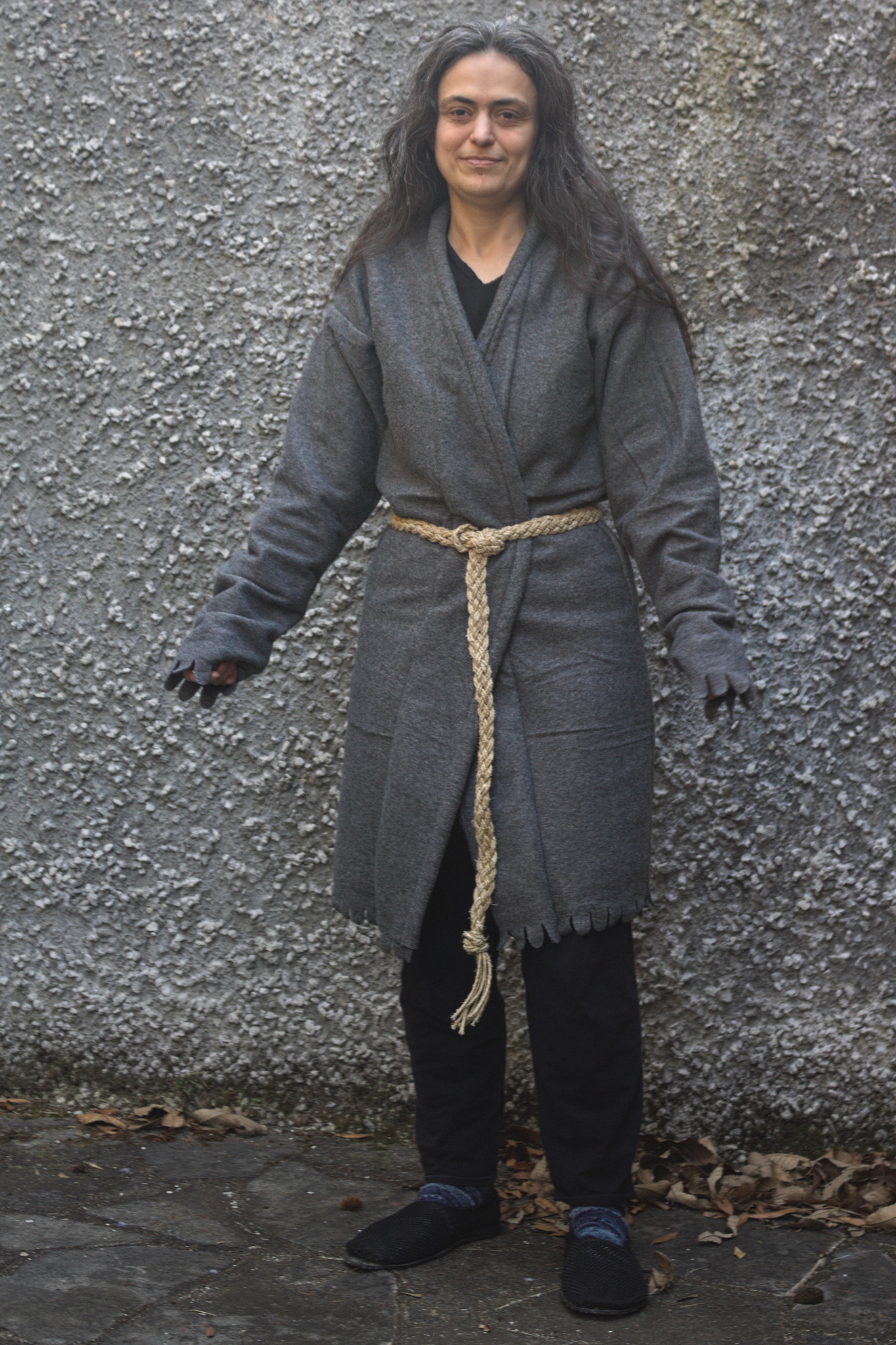
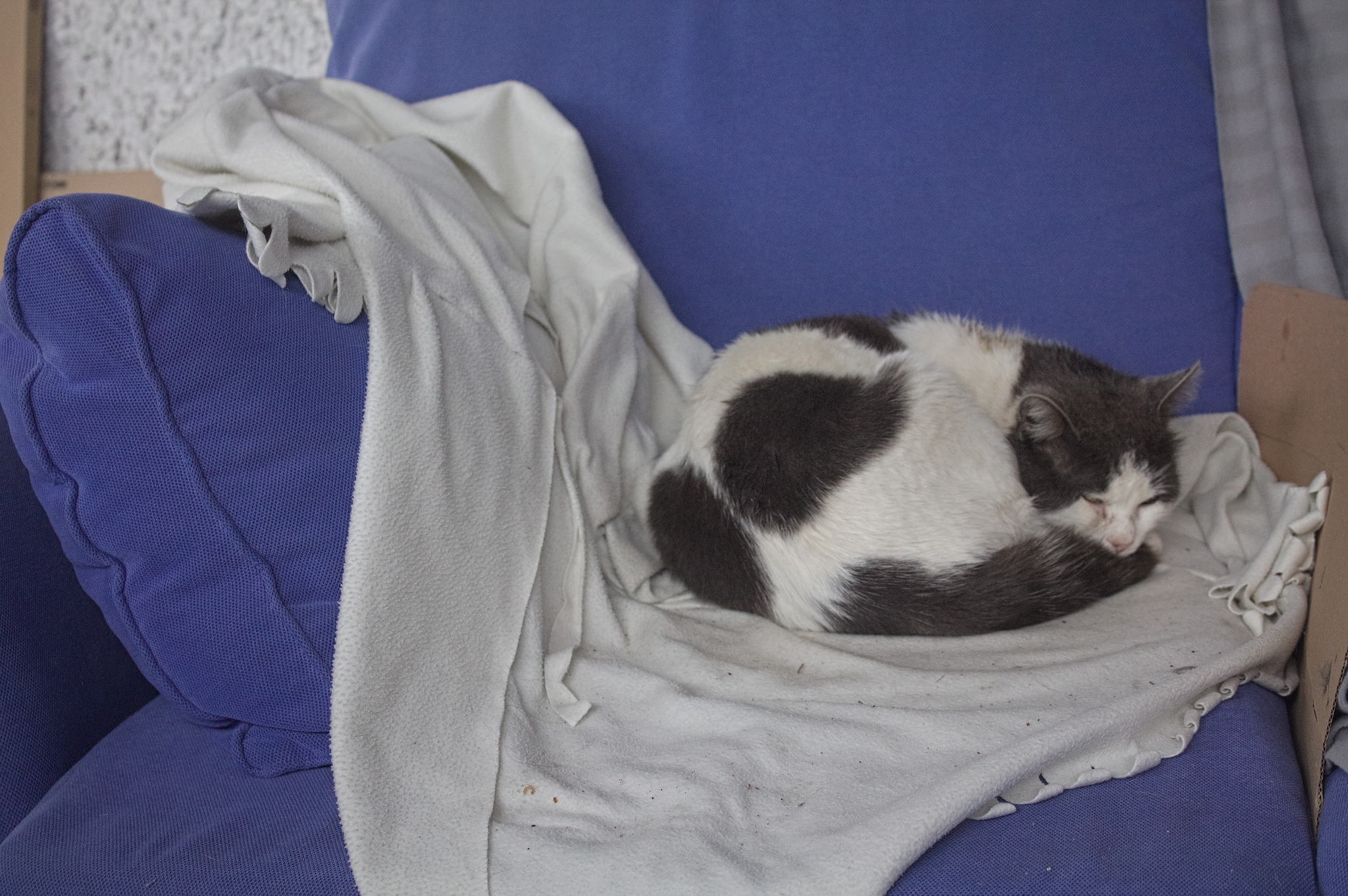
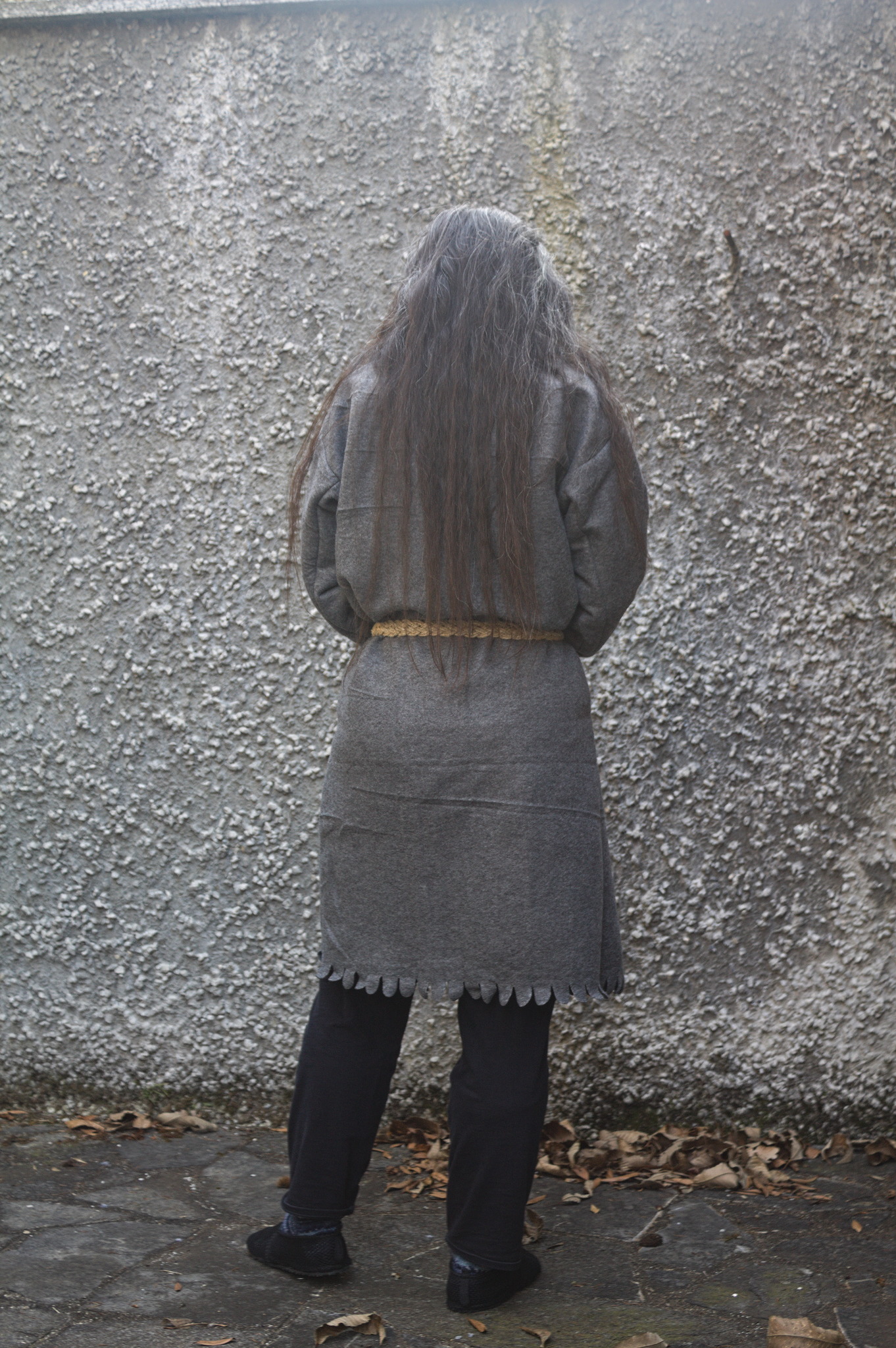
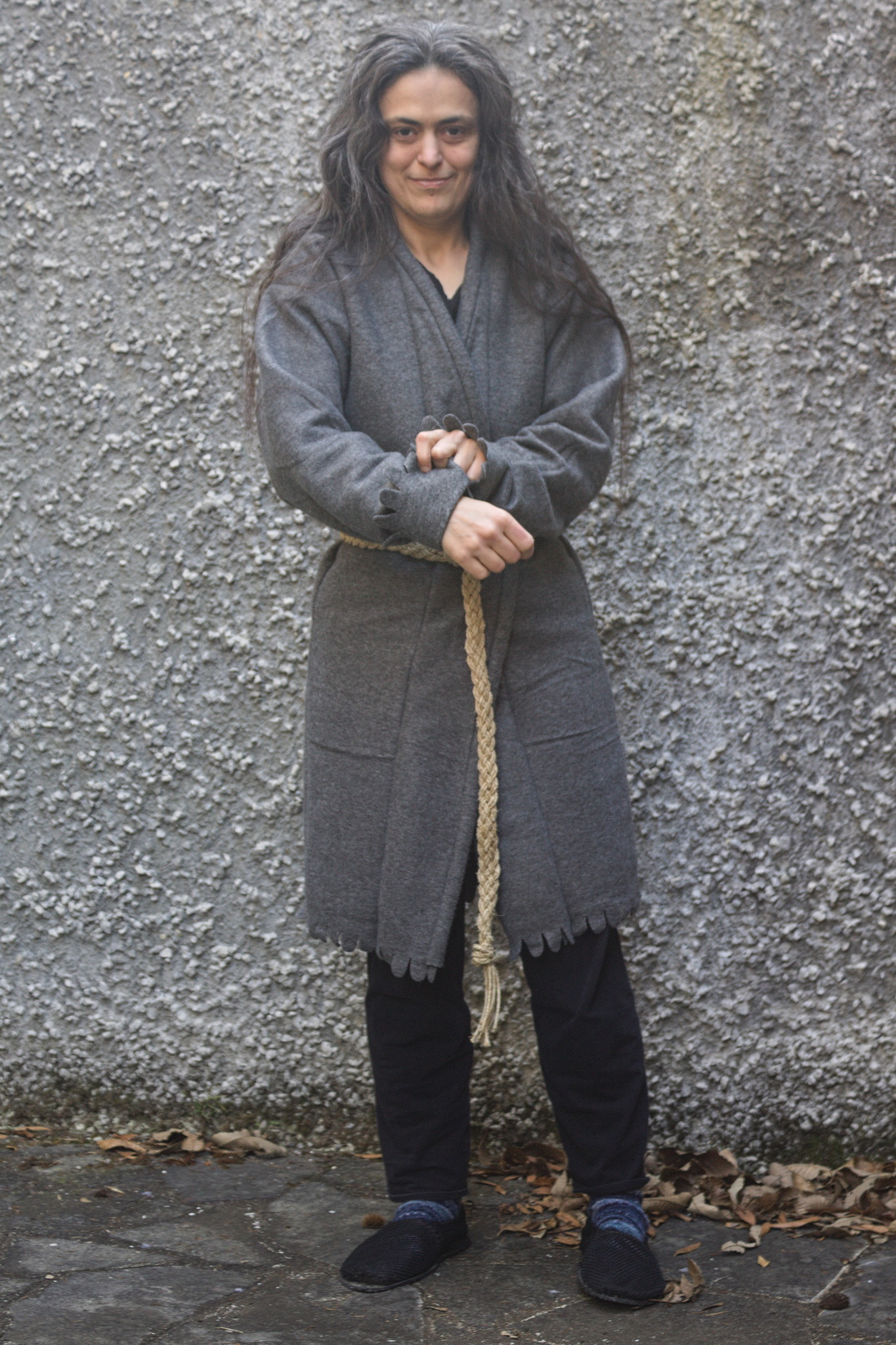
A woman with early morning hair wearing a knee-length grey polar fleece jacket; it is closed at the waist with a twine belt that makes the bound front edge go in a smooth curve between the one side of the neck to the other side of the waist and then flare back outwards on the hips. The sleeves are long enough to go over the hands, and both them and the hem are cut Years ago I made myself a quick dressing gown from a white fleece IKEA throw and often wore it in the morning between waking up and changing into day clothes. One day I want to make myself a fancy victorian wrapper, to use in its place, but that s still in the early planning stage, and will require quite some work. a free cat sitting half asleep on an old couch, with a formerly white piece of fabric draped between the armrest and the seat. A piece of cardboard between two seat pillows provides additional protection from the wind. Then last autumn I discovered that the taxes I owed to the local lord (who provides protection from mice and other small animals) included not just a certain amount of kibbles, but also some warm textiles, and the dressing gown (which at this time was definitely no longer pristine) had to go. For a while I had to do without a dressing gown, but then in the second half of this winter I had some time for a quick machine sewing project. I could not tackle the big victorian thing, but I still had a second POLARVIDE throw from IKEA (this time in a more sensible dark grey) I had bought with sewing intents. The fabric in a throw isn t that much, so I needed something pretty efficient, and rather than winging it as I had done the first time I decided I wanted to try the Modular Jacket from A Year of Zero Waste Sewing (which I had bought in the zine instalments: the jacket is in the March issue). After some measuring and decision taking, I found that I could fit most of the pieces and get a decent length, but I had no room for the collar, and probably not for the belt nor the pockets, but I cut all of the main pieces. I had a possible idea for a contrasting collar, but I decided to start sewing the main pieces and decide later, before committing to cutting the other fabric. As I was assembling the jacket I decided that as a dressing gown I could do without the collar, and noticed that with the fraying-free plastic fleece I didn t really need the front facings, so I cut those in half lengthwise, pieced them together, and used them as binding to finish the front end. the back of the worn jacket, other than being clinched in by the belt it is pretty straight. Since I didn t have enough fabric for the belt I also skipped the belt loops, but I have been wearing this with random belts and I don t feel the need for them anyway. I ve also been thinking about adding a button just above the bust and use that to keep it closed, but I m still not 100% sure about it. Another thing I still need to do is to go through the few scraps of fleece that are left and see if I can piece together a serviceable pocket or two. folding the sleeves back by a good 10 cm to show the hands. Because of the size of the fabric, I ended up having quite long sleeves: I m happy with them because they mean that I can cover my hands when it s cold, or fold them back to make a nice cuff. If I ll make a real jacket with this patter I ll have to take this in consideration, and either make the sleeves shorter or finish the seam in a way that looks nice when folded back. Will I make a real jacket? I m not sure, it s not really my style of outer garment, but as a dressing gown it has already been used quite a bit (as in, almost every morning since I ve made it :) ) and will continue to be used until too worn to be useful, and that s a good thing.

27 April 2025

Valhalla's Things: Stickerses

Posted on April 27, 2025
Tags: madeof:atoms, madeof:bits, craft:graphics, topic:stickers
After just a few years of procrastination, I ve given a wash of git-filter-repo to the repository where I keep my hexagonal sticker designs, removed a few failed experiments and stuff with dubious licensing and was able to finally publish it among my public git repositories This repo includes the template I m using, most of the stickers I ve had printed, some that have been published elsewhere and have been printed by other people, as well as some that have never been printed and I may or may not print in the future. The licensing details are in the metadata of each file, and mostly depend on the logos or cliparts used. Most, but not all, are under a free culture license. My server is not setup to correctly serve the SVG files, yet: downloading them (from the plain links) should work, but I need to fix the content type that is provided. I will probably procrastinate doing it for quite some time, but eventually it will be done. Of course cloning the repository from the public https URL also works. BRB, need to add MOAR stickerses.

7 March 2025

Valhalla's Things: MOAR Slippers

Posted on March 7, 2025
Tags: madeof:atoms, craft:sewing, FreeSoftWear
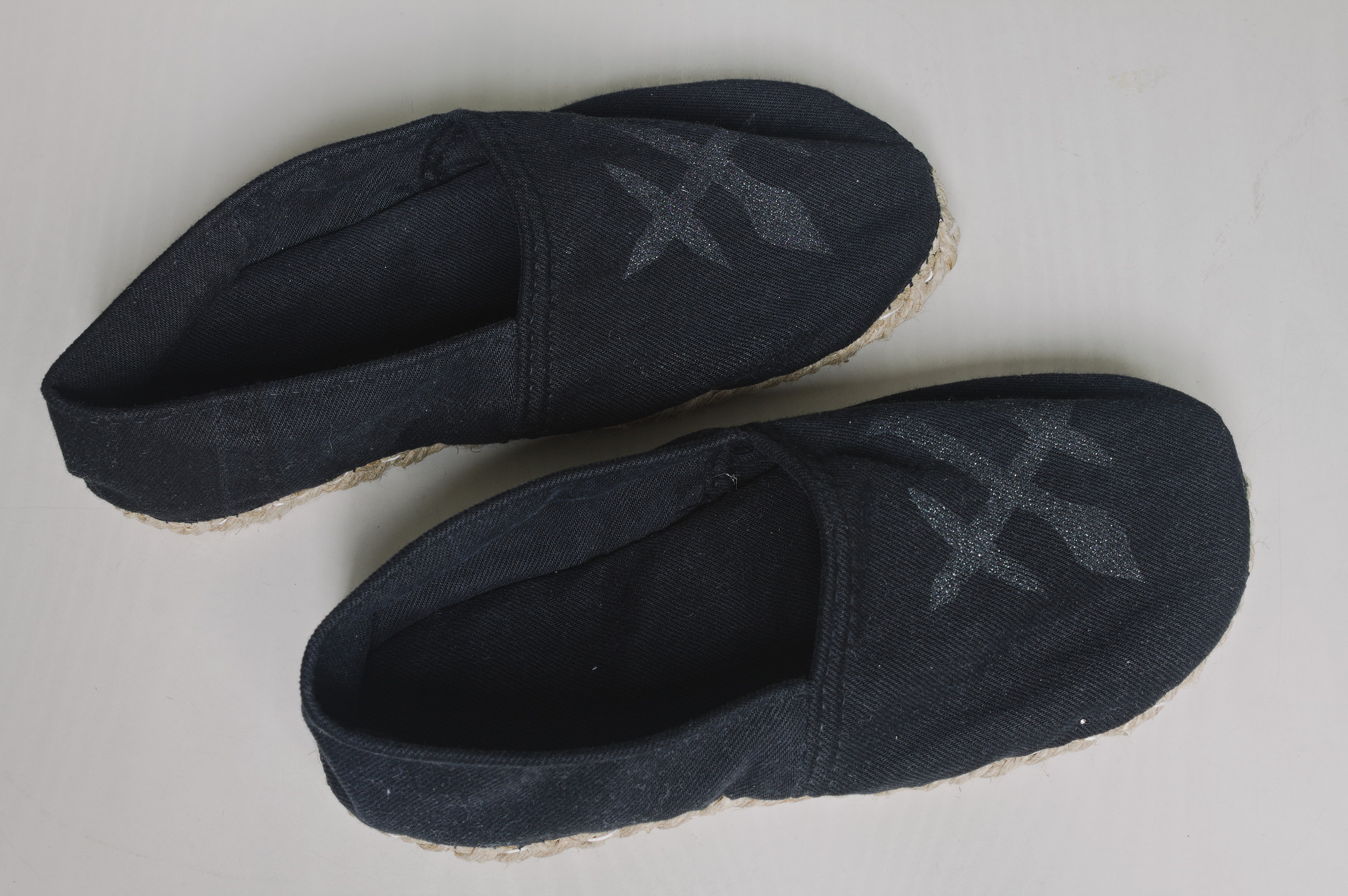
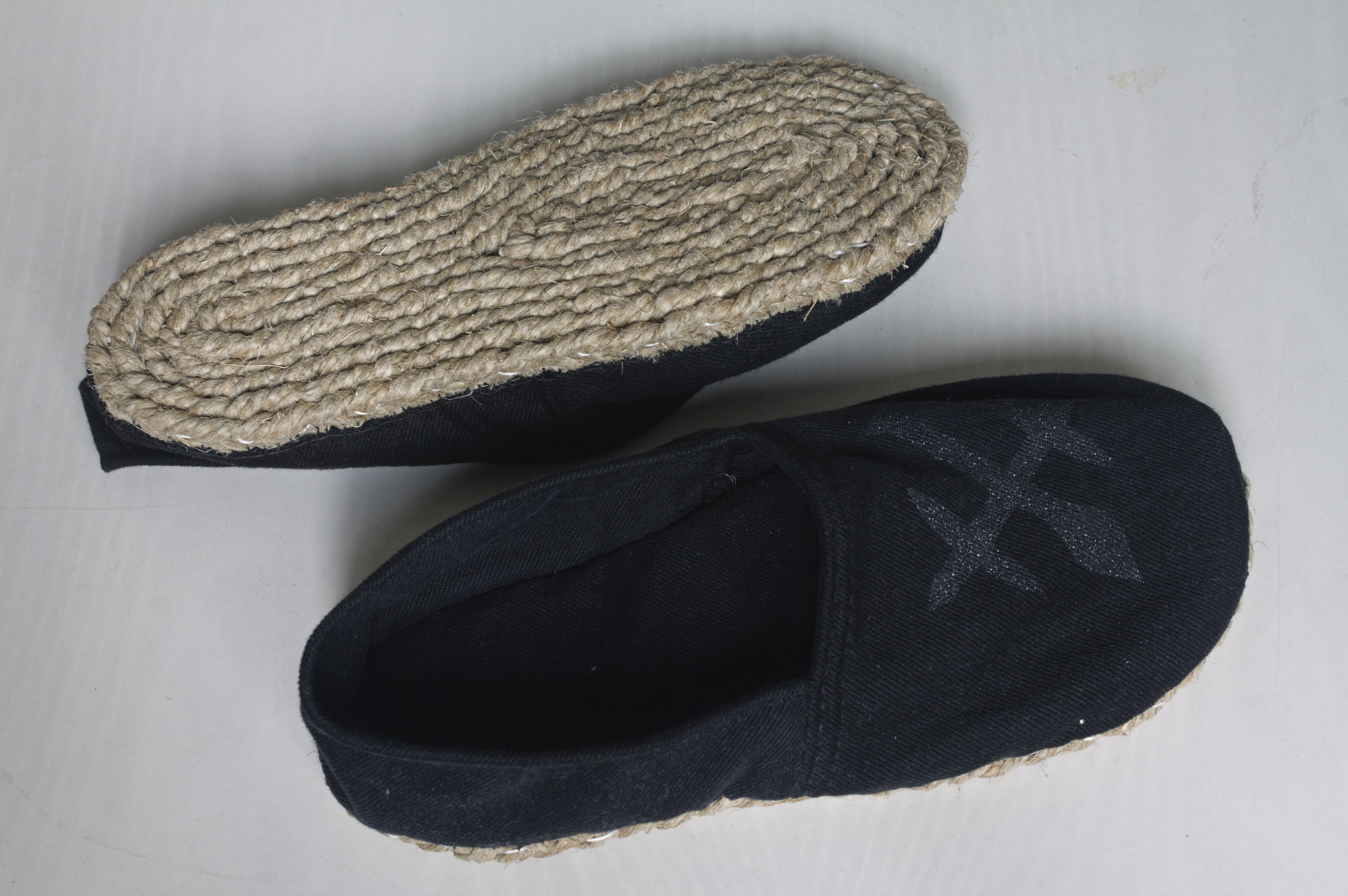
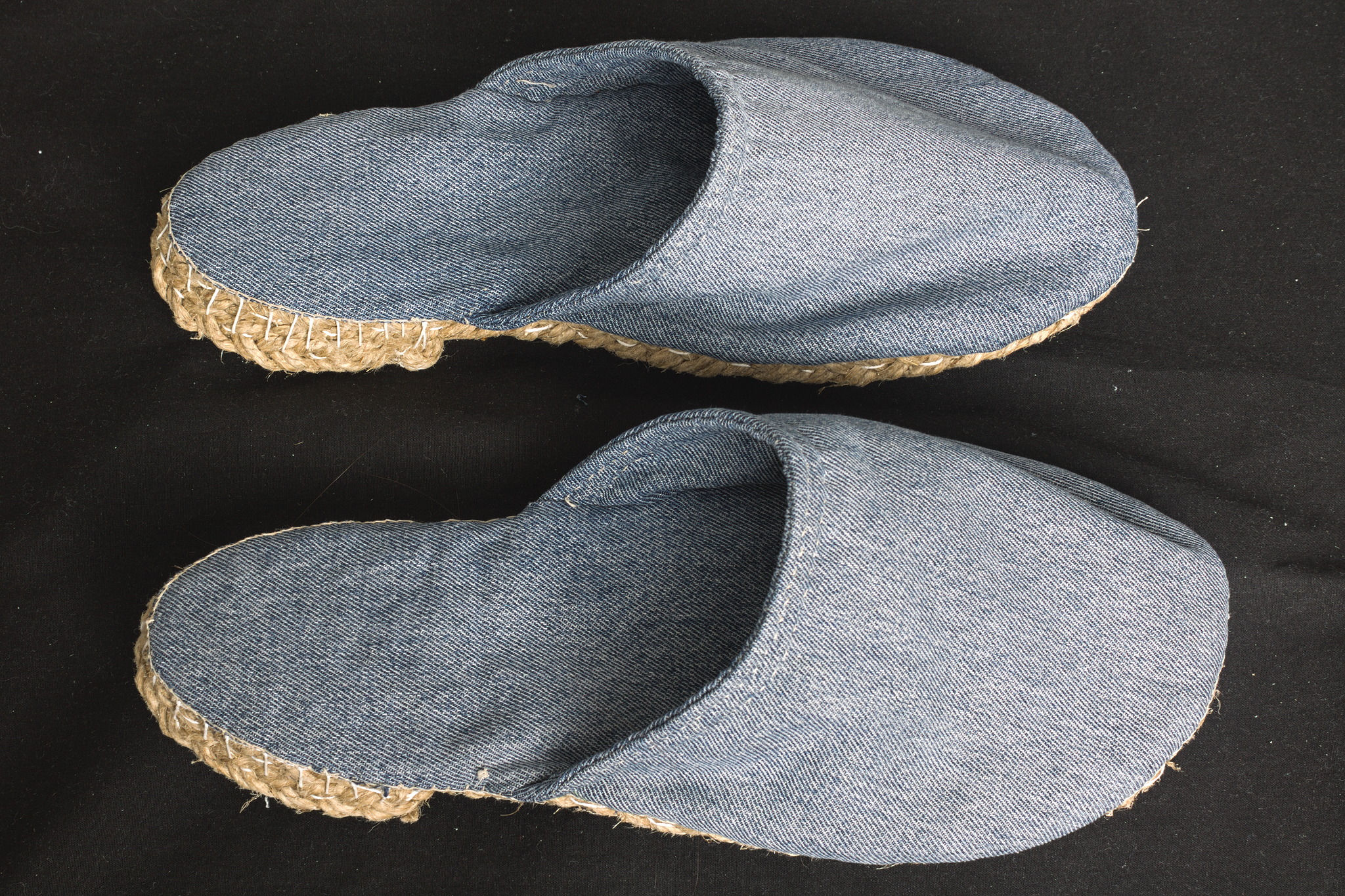
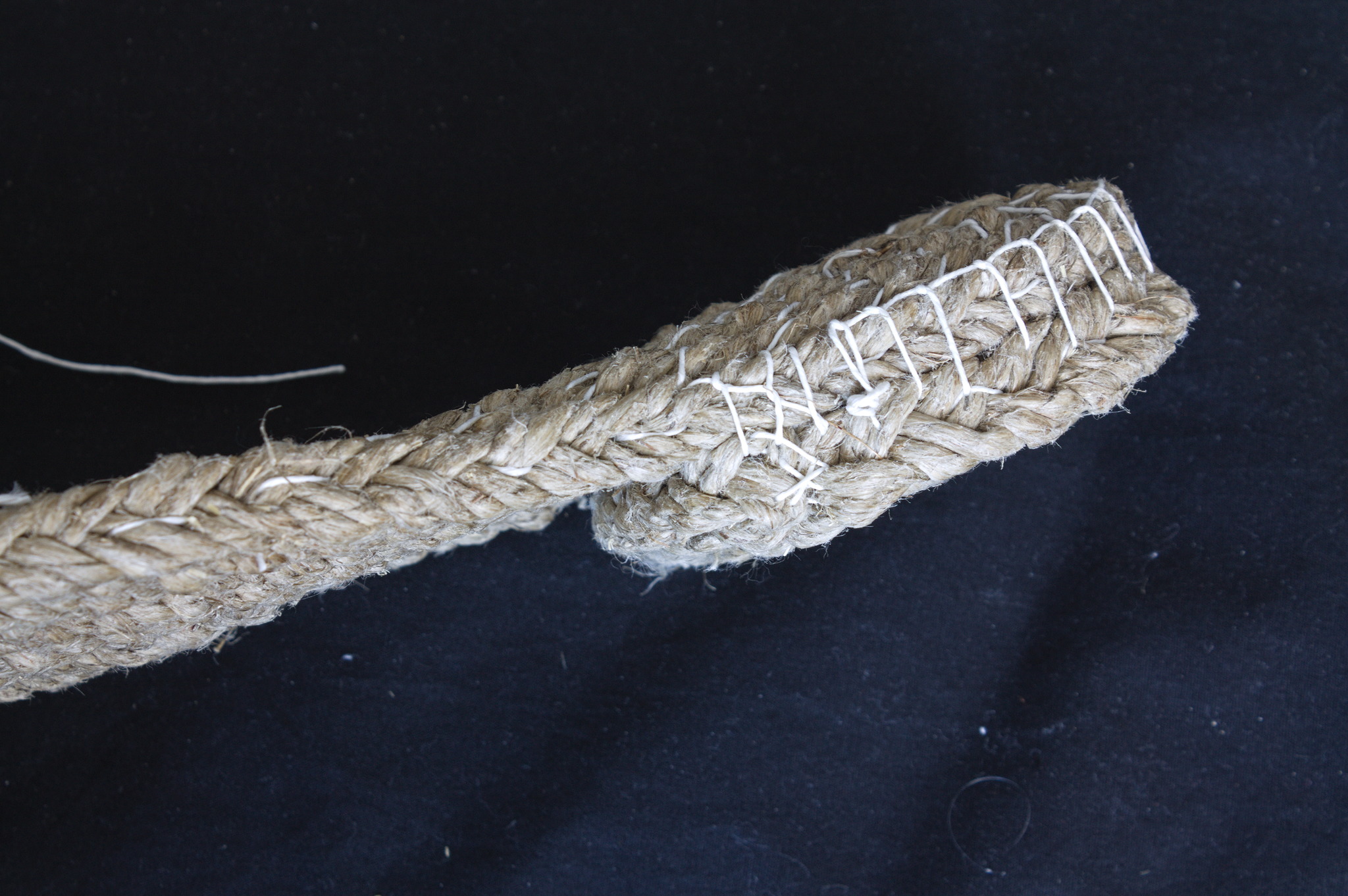
A pair of espadrille-style slippers in black denim with a shiny black design on the uppers and twine soles. A couple of years ago, I made myself a pair of slippers in linen with a braided twine sole and then another pair of hiking slippers: I am happy to report that they have been mostly a success. Now, as I feared, the white linen fabric wasn t a great choice: not only it became dirt-grey linen fabric in a very short time, the area under the ball of the foot was quickly consumed by friction, just as it usually happens with bought slippers. I have no pictures for a number of reasons, but trust me when I say that they look pretty bad. The same slippers, one of them is turned upside down to show the sole made from a twine braid, sewn in a spiral until it is the shape of a sole. However, the sole is still going strong, and the general concept has proved valid, so when I needed a second pair of slippers I used the same pattern, with a sole made from the same twine but this time with denim taken from the legs of an old pair of jeans. To make them a bit nicer, and to test the technique, I also added a design with a stencil and iridescent black acrylic paint (with fabric medium): I like the tone-on-tone effect, as it s both (relatively) subtle and shiny. A pair of open-heeled slippers in faded blue jeans. Then, my partner also needed new slippers, and I wanted to make his too. His preference, however, is for open heeled slippers, so I adjusted the pattern into a new one, making it from an old pair of blue jeans, rather than black as mine. A braided twine sole, showing how an heel has been made in the same technique and sewn under the sole with blanket stitches. He also finds completely flat soles a bit uncomfortable, so I made an heel with the same braided twine technique: this also seems to be working fine, and I ve also added these instructions to the braided soles ones Both of these have now been work for a few months: the jeans is working much better than the linen (which isn t a complete surprise) and we re both finding them comfortable, so if we ll ever need new slippers I think I ll keep using this pattern. Now the plan is to wash the linen slippers, and then look into repairing them, either with just a new fabric inner sole + padding, or if washing isn t as successful as I d like by making a new fabric part in a different material and reusing just the twine sole. Either way they are going back into use.

24 February 2025

Valhalla's Things: Hexagonal Pattern Weights

Posted on February 24, 2025
Tags: madeof:atoms, craft:3dprint, craft:sewing
Eight hexagonal pieces with free software / culture related graphics on top. For quite a few years, I ve been using pattern weights instead of pins when cutting fabric, starting with random objects and then mostly using some big washers from the local hardware store. However, at about 22 g per washer, I needed quite a few of them, and dealing with them tended to get unwieldy; I don t remember how it happened, but one day I decided to make myself some bigger weights with a few washers each. I suspect I had seen somebody online with some nice hexagonal pattern weights, and hexagonal of course reminded me of the Stickers Standard, so of course I settled on an hexagon 5 cm tall and I decided I could 3D-print it in a way that could be filled with washers for weight. Rather than bothering with adding a lid (and fitting it), I decided to close the bottom by gluing a piece of felt, with the added advantage that it would protect whatever the weight was being used on. And of course the top could be decorated with a nerdish sticker, because, well, I am a nerd. I made a few of these pattern weights, used them for a while, was happy with them, and then a few days ago I received some new hexagonal stickers I had had printed, and realized that while I had taken a picture with all of the steps in assembling them, I had never published any kind of instructions on how to make them and I had not even pushed the source file on the craft tools git repository. And yesterday I fixed that: the instructions are now on my craft pattern website, with generated STL files, the git repository has been updated with the current sources, and now I ve even written this blog post :)

23 February 2025

Valhalla's Things: Water Resistant Hood

Posted on February 23, 2025
Tags: madeof:atoms, craft:sewing, FreeSoftWear
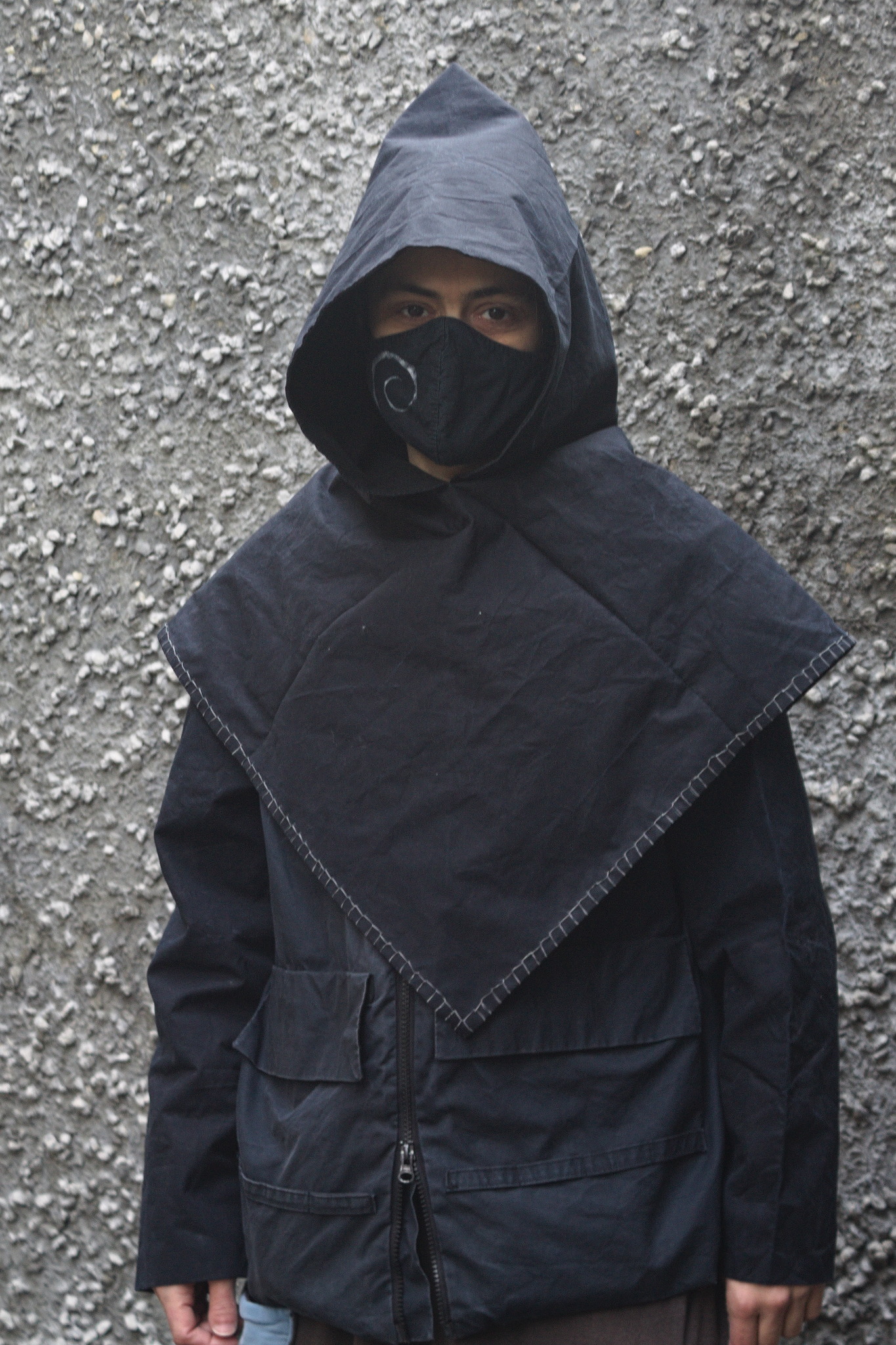
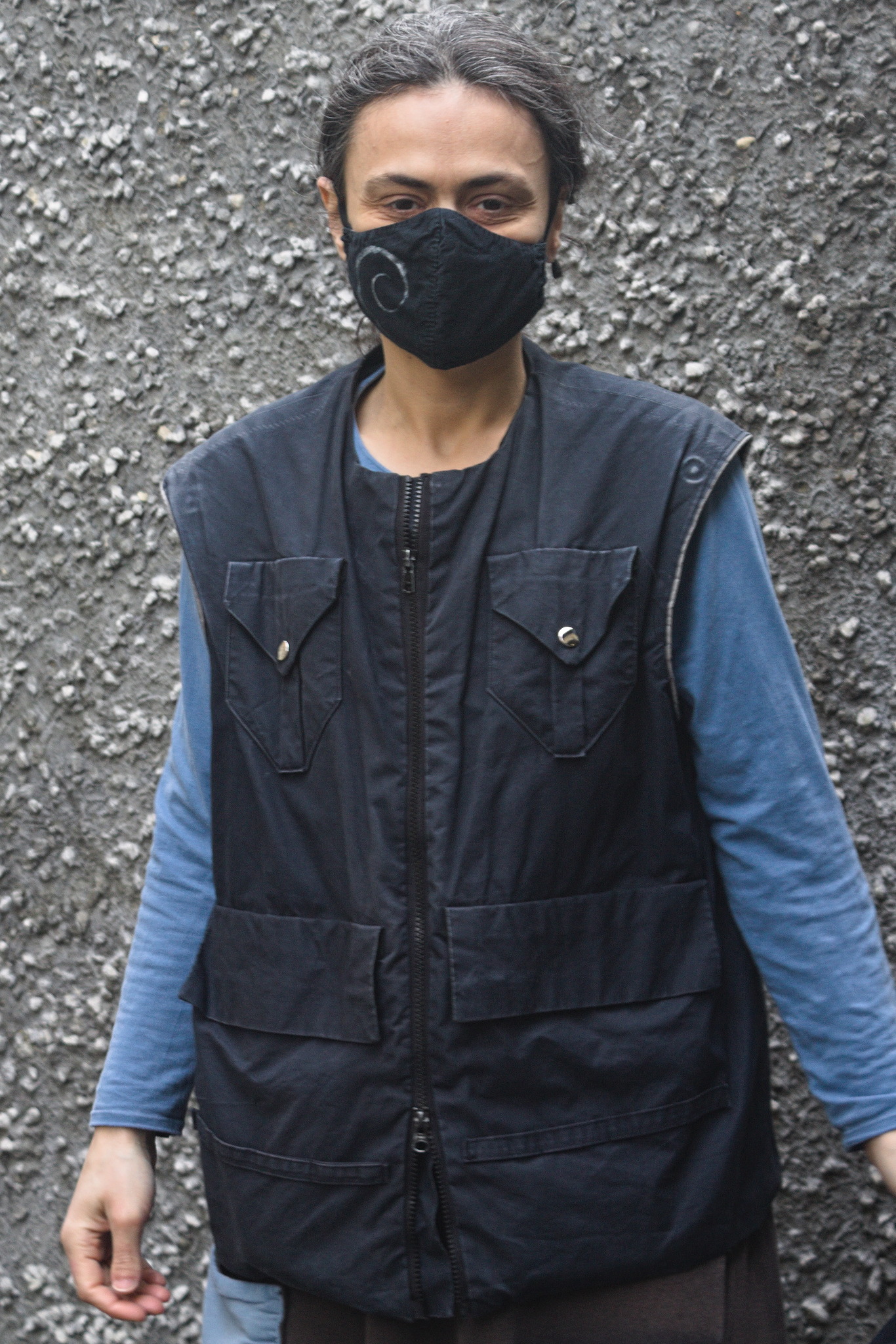
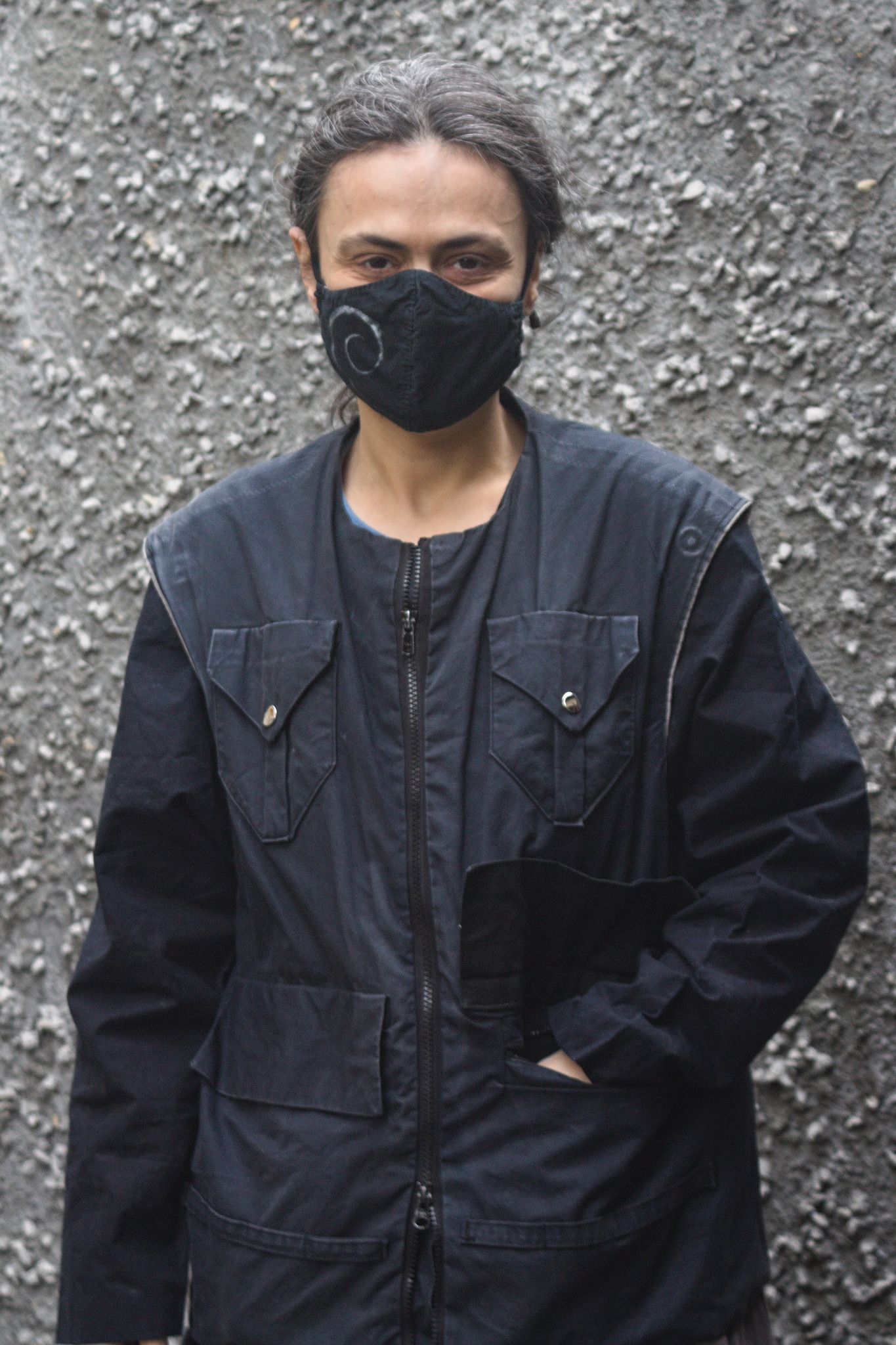
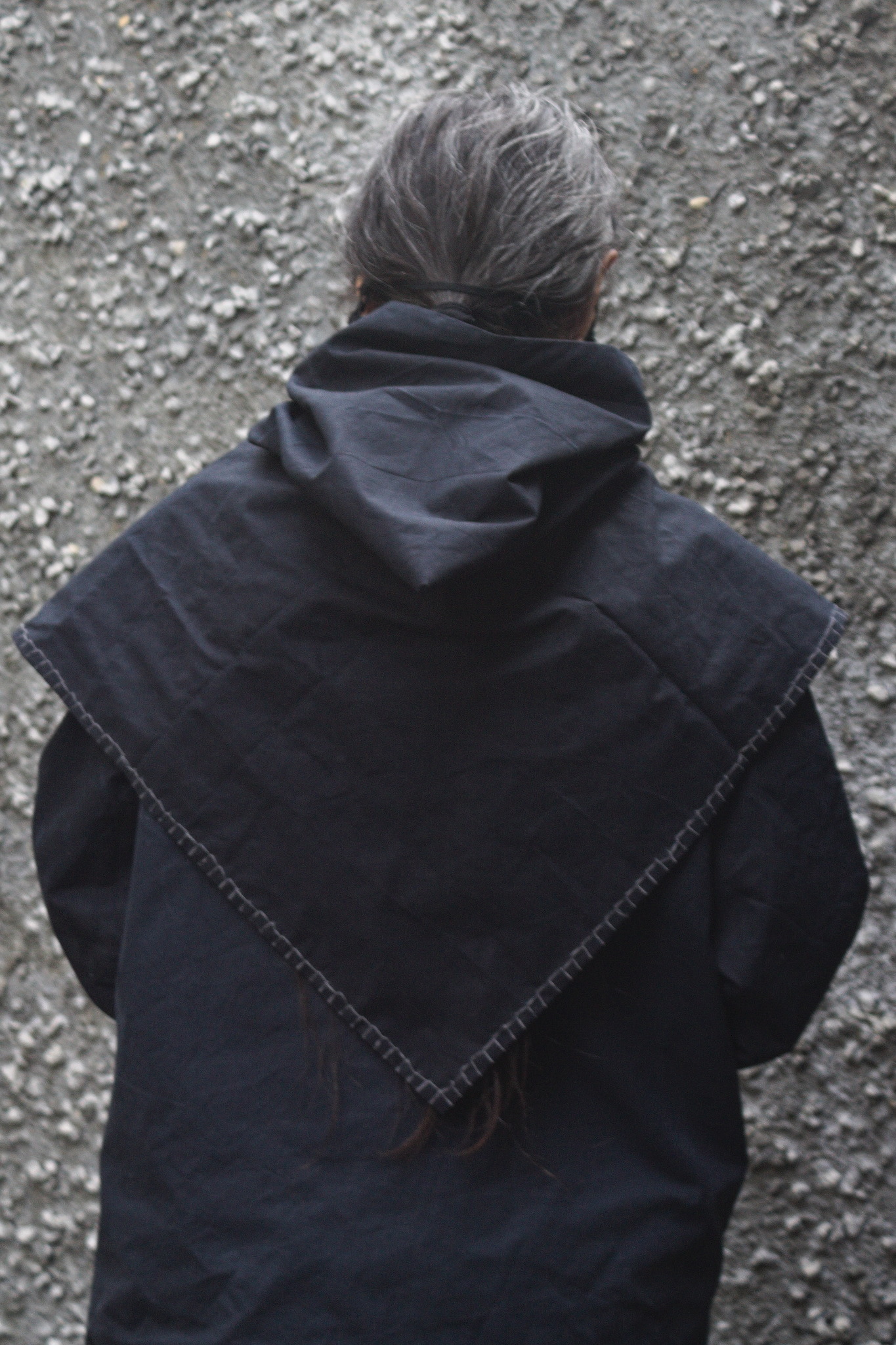
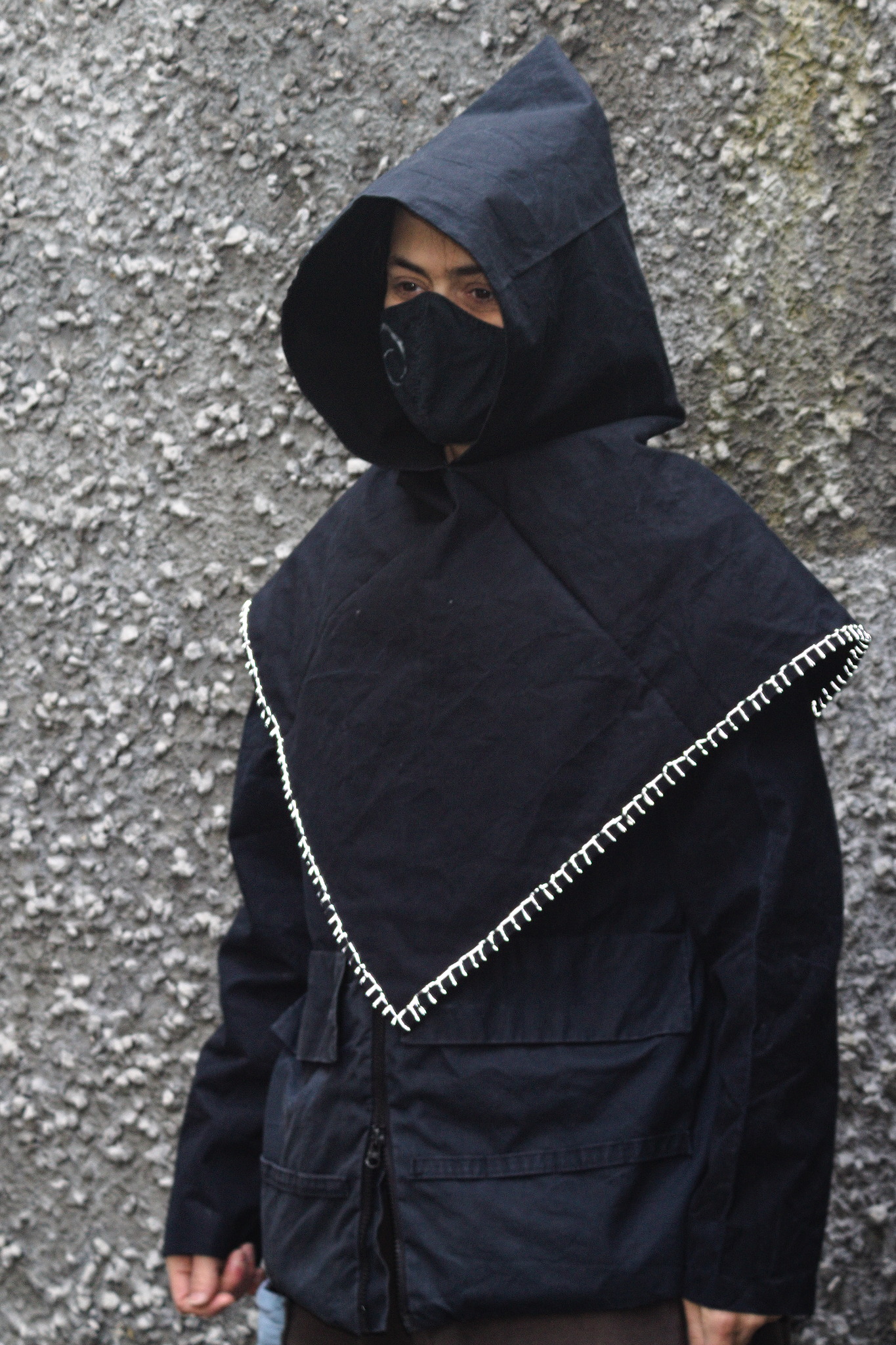
a person wearing a relatively boxy water resistant jacket with pockets and a zipper, and a detached hood with a big square cowl that reaches mid-torso. Many years ago I made myself a vest with lots of pockets 1 in a few layers of cheap cotton, and wore the hell out of it, for the added warmth, but most importantly for the convenience provided by the pockets. the same person showing just the vest, with two applied pockets on the bust, closed with buttons, and two big flaps covering two welted pockets at waist level, plus a strip of fabric with loops where things may be attached. Then a few years ago the cheap cotton had started to get worn, and I decided I needed to replace it. I found a second choice (and thus cheaper :) ) version of a water-repellent cotton and made another vest, lined with regular cotton, for a total of just two layers. the same person, this time there are also two sleeves, attached to the vest with big snaps, the outline of which can be seen on the vest. they are significantly less faded than the vest. This time I skipped a few pockets that I had found I didn t use that much, and I didn t add a hood, which didn t play that well when worn over a hoodie, but I added some detached sleeves, for additional wind protection. This left about 60 cm and some odd pieces of leftover fabric in my stash, for which I had no plan. the hood pulled down on the back, showing the big square cowl. And then February2 came, and I needed a quick simple mindless handsewing projects for the first weekend, I saw the vest (which I m wearing as much as the old one), the sleeves (which have been used much less, but I d like to change this) and thought about making a matching hood for it, using my square hood pattern. Since the etaproof is a bit stiff and not that nice to the touch I decide to line3 it with the same cotton as the vest and sleeves, and in the style of the pattern I did so by finishing each panel with its own lining (with regular cotton thread) and then whipstitching the panels together with the corespun cotton/poly thread recommended by the seller of the fabric. I m not sure this is the best way to construct something that is supposed to resist the rain, but if I notice issues I can always add some sealing tape afterwards. I do have a waterproof cape to wear in case of real rain, so this is only supposed to work for light rain anyway, and it may prove not to be an issue. As something designed to be worn in light rain, this is also something likely to be worn in low light conditions, where 100% black may not be the wisest look. On the vest I had added reflective piping to the armscyes, but I was out of the same piping. from the front; a flash was used to take the picture, making the border of the cowl very visible. I did however have a spool of reflector thread made of glass fibre by Rico Design, which I think was originally sold to be worked into knitting or crochet projects (it is now discontinued) and I had never used. I decided to try and sew a decorative blanket stitch border, a decision I had reasons to regret, since the thread broke and tangled like crazy, but in the end it was done, I like how it looks, and it seems pretty functional. I hope it won t break with time and use, and if it does I ll either fix it or try to redo with something else. Of course, the day I finished sewing the reflective border it stopped raining, so I haven t worn it yet, but I hope I ll be able to, and if it is an horrible failure I ll make sure to update this post.

  1. and I ve just realized that I haven t migrated that pattern to my pattern website, and I should do that. just don t hold your breath for it to happen O:-). And for the time being it will not have step-by-step pictures, as I currently don t need another vest.
  2. and February of course means a weekend in front of a screen that is showing a live-streamed conference.
  3. and of course I updated the pattern with instructions on how to add a lining.

4 February 2025

Valhalla's Things: Conference Talk Timeout Ring, Part One

Posted on February 4, 2025
Tags: madeof:atoms, madeof:bits
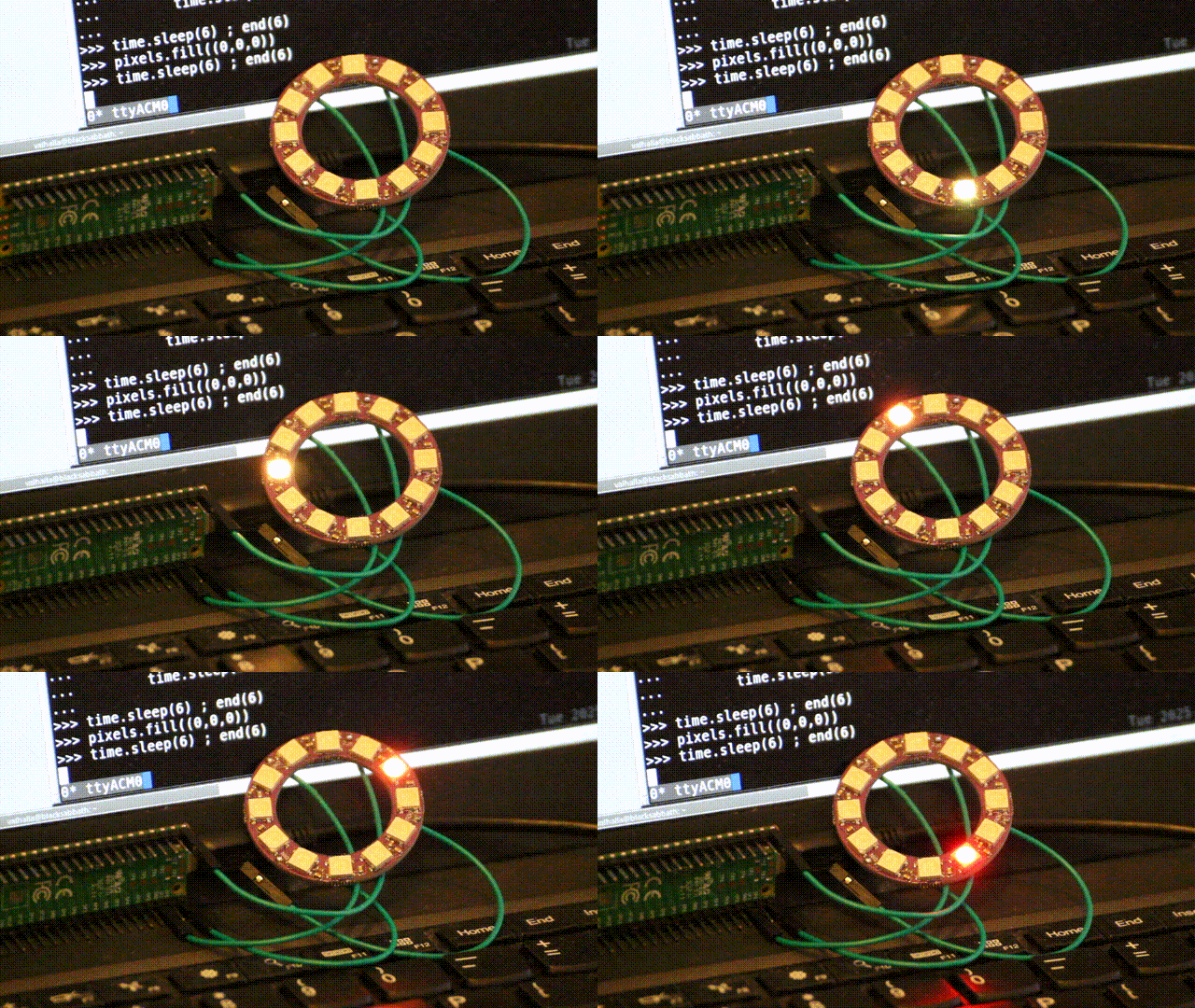
low quality video of a ring of rgb LED in front of a computer: the LED light up one at a time in colours that go from yellow to red. A few ago I may have accidentally bought a ring of 12 RGB LEDs; I soldered temporary leads on it, connected it to a CircuitPython supported board and played around for a while. They we had a couple of friends come over to remote FOSDEM together, and I had talked with one of them about WS2812 / NeoPixels, so I brought them to the living room, in case there was a chance to show them in sort-of-use. Then I was dealing with playing the various streams as we moved from one room to the next, which lead to me being called video team , which lead to me wearing a video team shirt (from an old DebConf, not FOSDEM, but still video team), which lead to somebody asking me whether I also had the sheet with the countdown to the end of the talk, and the answer was sort-of-yes (I should have the ones we used to use for our Linux Day), but not handy. But I had a thing with twelve things in a clock-like circle. A bit of fiddling on the CircuitPython REPL resulted, if I remember correctly, in something like:
import board
import neopixel
import time
num_pixels = 12
pixels = neopixel.NeoPixel(board.GP0, num_pixels)
pixels.brightness = 0.1
def end(min):
    pixels.fill((0, 0, 0))
    for i in range(12):
        pixels[i] = (127 + 10 * i, 8 * (12 - i), 0)
        pixels[i-1] = (0, 0, 0)
        time.sleep(min * 5)  # min * 60 / 12
Now, I wasn t very consistent in running end, especially since I wasn t sure whether I wanted to run it at the beginning of the talk with the full duration or just in the last 5 - 10 minutes depending of the length of the slot, but I ve had at least one person agree that the general idea has potential, so I m taking these notes to be able to work on it in the future. One thing that needs to be fixed is the fact that with the ring just attached with temporary wires and left on the table it isn t clear which LED is number 0, so it will need a bit of a case or something, but that s something that can be dealt with before the next fosdem. And I should probably add some input interface, so that it is self-contained and not tethered to a computer and run from the REPL. (And then I may also have a vague idea for putting that ring into some wearable thing: good thing that I actually bought two :D )

10 January 2025

Valhalla's Things: Winter

Posted on January 10, 2025
Tags: madeof:atoms, craft:painting, medium:acrylic
An acrylic painting in blue and greenish grey vaguely resembling rocky slopes at the bottom right and a cloudy sky at the top left. A few days ago1 I wanted to paint, but I didn t know what to paint, so I did a few more colour tests to find out which green combinations I can get out of the available yellows and blues (and greens) acrylic I have (from a cheap student grade line). A sheet of colour tests with mixes of various yellows and blues. I liked the cool grey tones in the second to last line, from 200 Naples yellow (PY3 PY83 PW6) and 410 Ultramarine blue (PB29), so I went up a step on the scale of things to do when having a desire to paint, but the utter inability to actually paint something and did a bit of a study with those two colours plus titanium white. The study above over a sheet of scrap paper: at one of the edge the excess paint has connected the two together. And btw, painting with acrylics on watercolour paper taped to a sheet of scrap paper works just fine for stuff like this that is not supposed to last, but the work will get glued to the paper below when (not if) the paint overflows :D

  1. i.e. almost three months, and then I wrote 95% of this post and forgot to finish and publish it.

9 January 2025

Valhalla's Things: Poor Man Media Server

Posted on January 9, 2025
Tags: madeof:bits
Some time ago I installed minidlna on our media server: it was pretty easy to do, but quite limited in its support for the formats I use most, so I ended up using other solutions such as mounting the directory with sshfs. Now, doing that from a phone, even a pinephone running debian, may not be as convenient as doing it from the laptop where I already have my ssh key :D and I needed to listed to music from the pinephone. So, in anger, I decided to configure a web server to serve the files. I installed lighttpd because I already had a role for this kind of configuration in my ansible directory, and configured it to serve the relevant directory in /etc/lighttpd/conf-available/20-music.conf:
$HTTP["host"] =~ "music.example.org"  
    server.name          = "music.example.org"
    server.document-root = "/path/to/music"
 
the domain was already configured in my local dns (since everything is only available to the local network), and I enabled both 20-music.conf and 10-dir-listing.conf. And. That s it. It works. I can play my CD rips on a single flac exactly in the same way as I was used to (by ssh-ing to the media server and using alsaplayer). Then this evening I was talking to normal people1, and they mentioned that they wouldn t mind being able to skip tracks and fancy things like those :D and I ve found one possible improvement. For the directories with the generated single-track ogg files I ve added some playlists with the command ls *.ogg > playlist.m3u, then in the directory above I ve run ls */*.m3u > playlist.m3u and that also works. With vlc I can now open http://music.example.org/band/album/playlist.m3u to listen to an album that I have in ogg, being able to move between tracks, or I can open http://music.example.org/band/playlist.m3u and in the playlist view I can browse between the different albums. Left as an exercise to the reader2 are writing a bash script to generate all of the playlist.m3u files (and running it via some git hook when the files change) or writing a php script to generate them on the fly.
Update 2025-01-10: another reader3 wrote the php script and has authorized me to post it here.
<?php
define("MUSIC_FOLDER", __DIR__);
define("ID3v2", false);


function dd()  
    echo "<pre>"; call_user_func_array("var_dump", func_get_args());
    die();
 

function getinfo($file)  
    $cmd = 'id3info "' . MUSIC_FOLDER . "/" . $file . '"';
    exec($cmd, $output);
    $res = [];
    foreach($output as $line)  
    if (str_starts_with($line, "=== "))  
        $key = explode(" ", $line)[1];
        $val = end(explode(": ", $line, 2));
        $res[$key] = $val;
     
     
    if (isset($res['TPE1'])   isset($res['TIT2']))
    echo "#EXTINF: , " . ($res['TPE1'] ?? "Unk") . " - " . ($res['TIT2'] ?? "Untl") . "\r\n";
    if (isset($res['TALB']))
    echo "#EXTALB: " . $res['TALB'] . "\r\n";


function pathencode($path, $name)  
    $path = urlencode($path);
    $path =  str_replace("%2F", "/", $path);
    $name = urlencode($name);
    if ($path != "") $path = "/" . $path;
    return $path . "/" . $name;
 

function serve_playlist($path)  
    echo "#EXTM3U";
    echo "# PATH: $path\n\r";
    foreach (glob(MUSIC_FOLDER . "/$path/*") as $filename)  
    $name = basename($filename);
    if (is_dir($filename))  
        echo pathencode($path, $name) . ".m3u\r\n";
     
    $t = explode(".", $filename);
    $ext = array_pop($t);
    if (in_array($ext, ["mp3", "ogg", "flac", "mp4", "m4a"]))  
        if (ID3v2)  
 	   getinfo($path . "/" . $name);
          else  
 	   echo "#EXTINF: , " . $path . "/" . $name . "\r\n";
         
        echo pathencode($path, $name) . "\r\n";
     
     
    die();


$path = $_SERVER["REQUEST_URI"];
$path = urldecode($path);
$path = trim($path, "/");

if (str_ends_with($path, ".m3u"))  
    $path = str_replace(".m3u", "", $path);

    serve_playlist($path);
 

$path = MUSIC_FOLDER . "/" . $path;
if (file_exists($path) && is_file($path))  
    header('Content-Description: File Transfer');
    header('Content-Type: application/octet-stream');
    header('Expires: 0');
    header('Cache-Control: must-revalidate');
    header('Pragma: public');
    header('Content-Length: ' . filesize($path));
    readfile($path);
 
It s php, so I assume no responsability for it :D

  1. as much as the members of our LUG can be considered normal.
  2. i.e. the person in the LUG who wanted me to share what I had done.
  3. i.e. the other person in the LUG who was in that conversation and suggested the php script option.

24 October 2024

Valhalla's Things: Asemic Writing, a Zine

Posted on October 24, 2024
Tags: madeof:atoms, madeof:bits, craft:zine
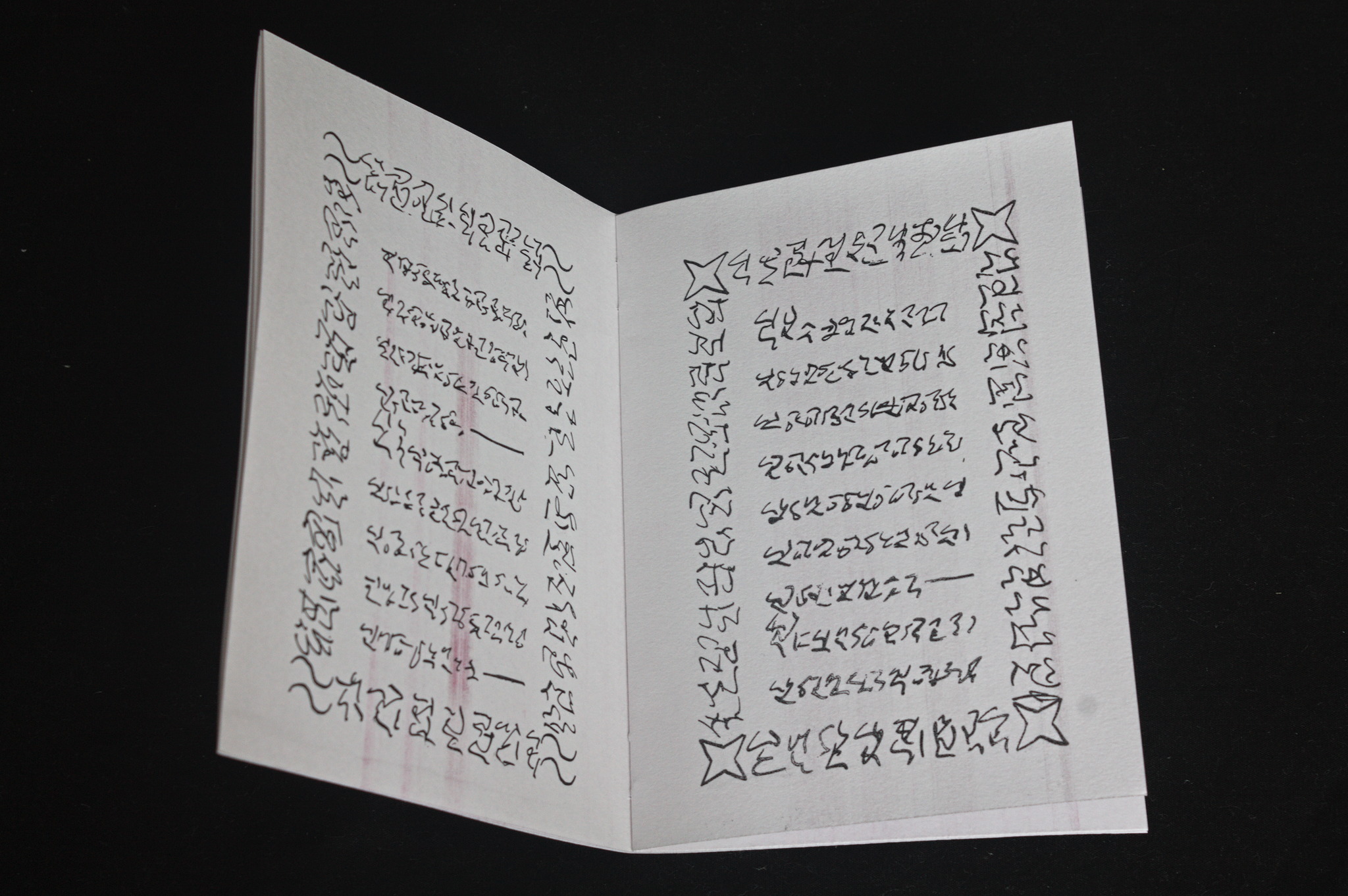
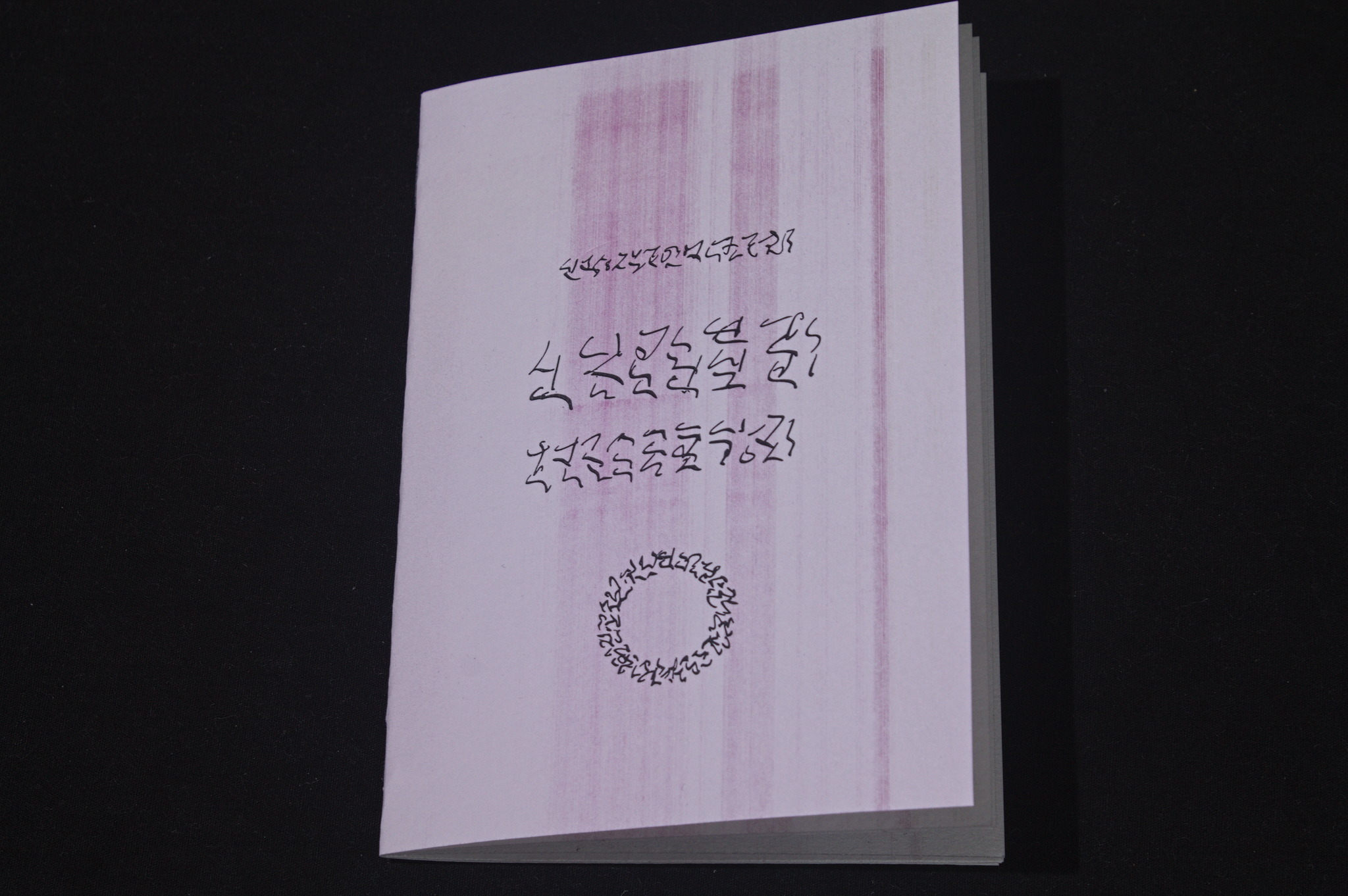
An open booklet with lines that look like some kind of cursive non-alphabetic script, framed by a border in the same script and four symbols in the corners. I have no idea either. The front of that booklet, with three lines of fake text in different sizes and a circle of the same. Happy Maladay1 to those who celebrate it, I guess.
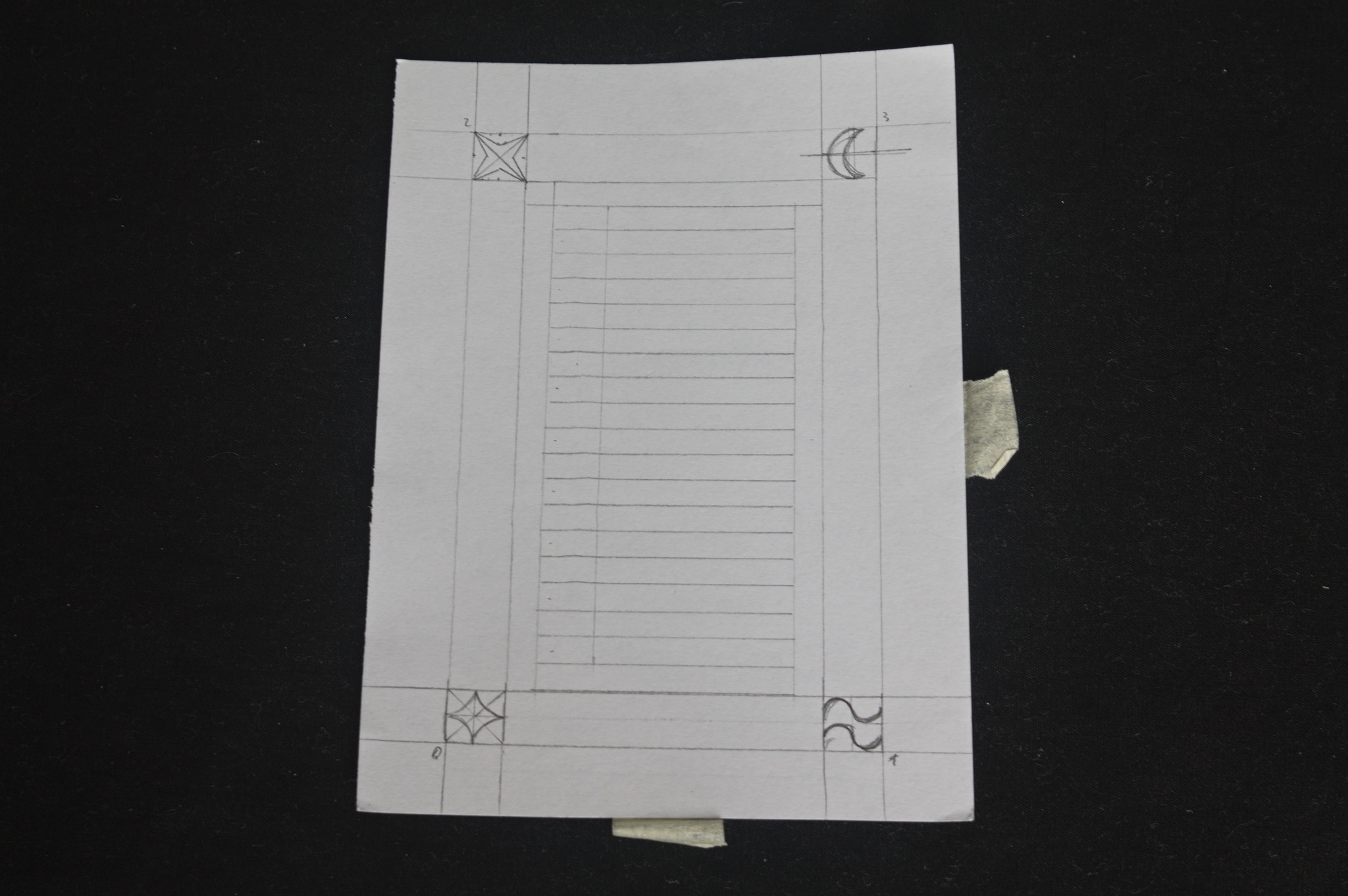
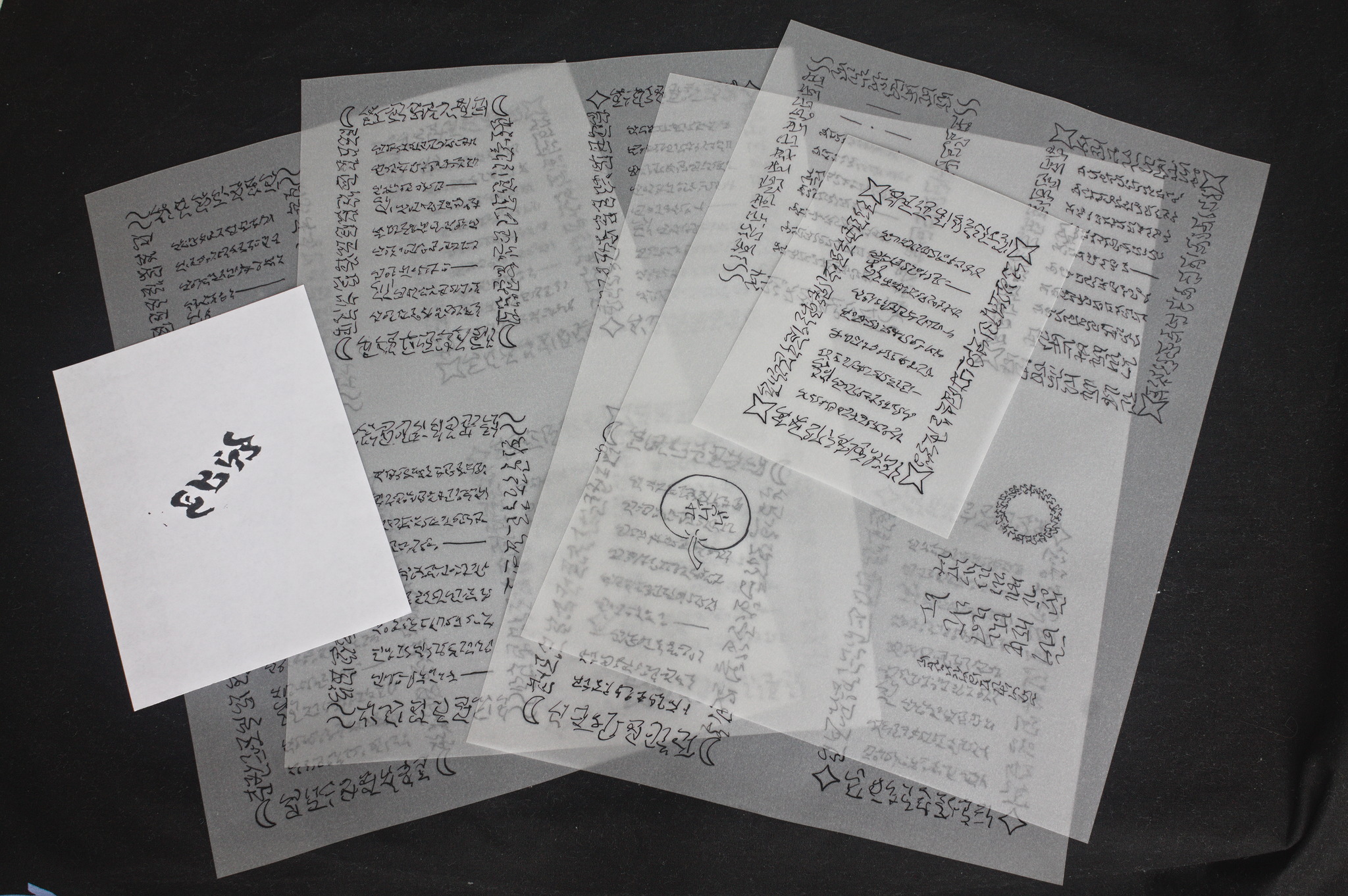
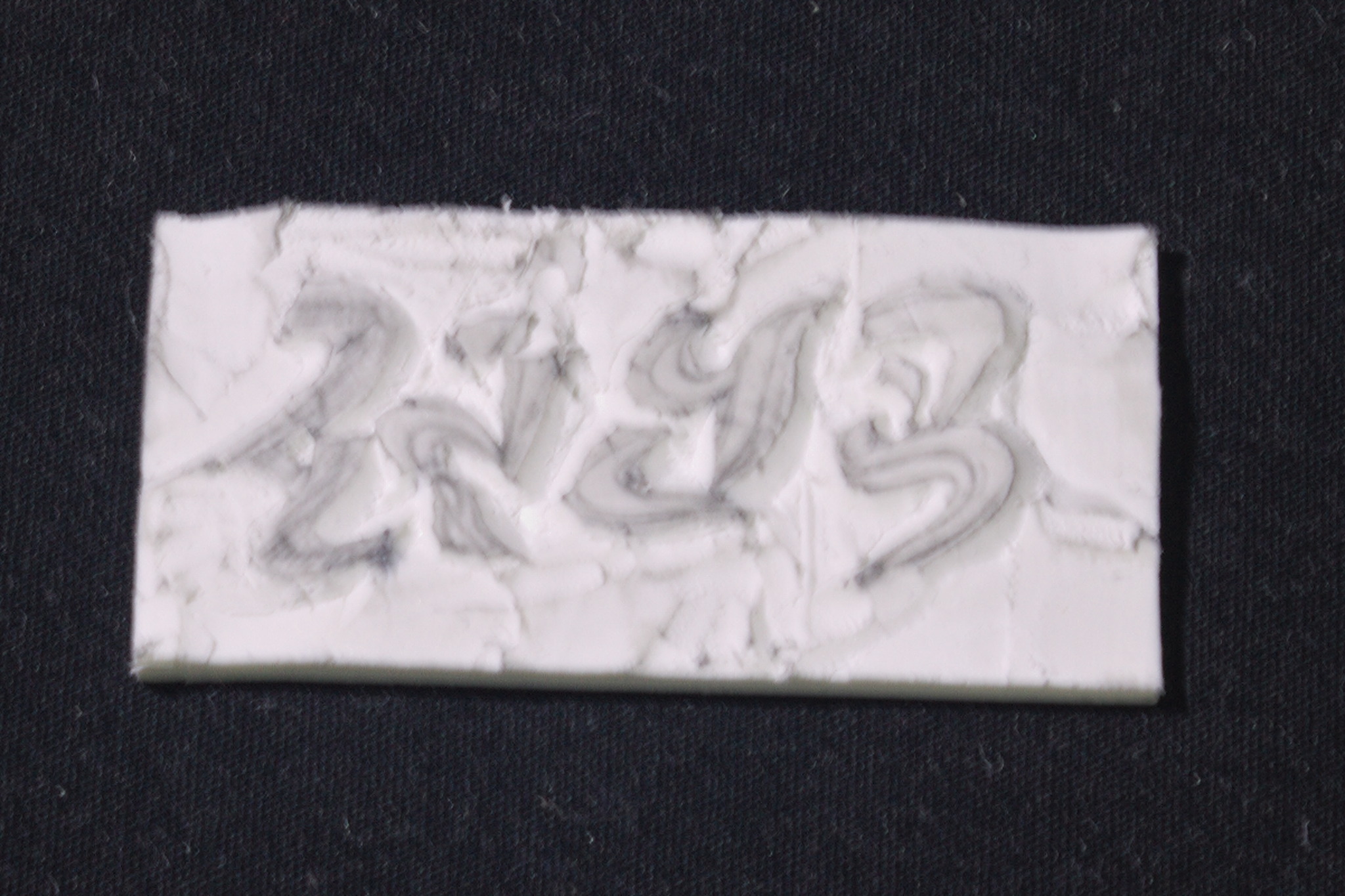
A template on white paper with pencil lines where text is supposed to go. Multiple A4 sheet of tracing paper with fake text, plus an A6 sheet and a white A6 sheet with a stamp impression. If you care about the how, it started as china ink on tracing paper, with the help of a template (and a correction sheet for one page where I used the wrong line on the template). alt A rubber stamp was carved with the author s signature and stamped on white paper because the ink from the pad wasn t working well on tracing paper. Then everything was scanned (with the correction on top of the wrong page) asemic_zine_scans.tar. Imported in Inkscape and traced asemic_zine_svg.tar. Printed, cut in half, folded and stapled. The magenta lines weren t by design, but are there because my printer is currently2 cursed. And finally, asemic_zine.pdf was created, joining the pages together with pdfjam, for convenience in case somebody wants to download the full thing. All the .tar and .pdf downloads from this page are released under the WTFPL, or All Rites Reversed..
  1. it s still technically Maladay when I write this, even if by the time you ll get this it s probably the 6th of The Aftermath.
  2. I mean, all printers are always cursed, but at different times they can be cursed in different and novel ways.

11 September 2024

Valhalla's Things: Two Linen Hoods

Posted on September 11, 2024
Tags: madeof:atoms, craft:sewing, FreeSoftWear
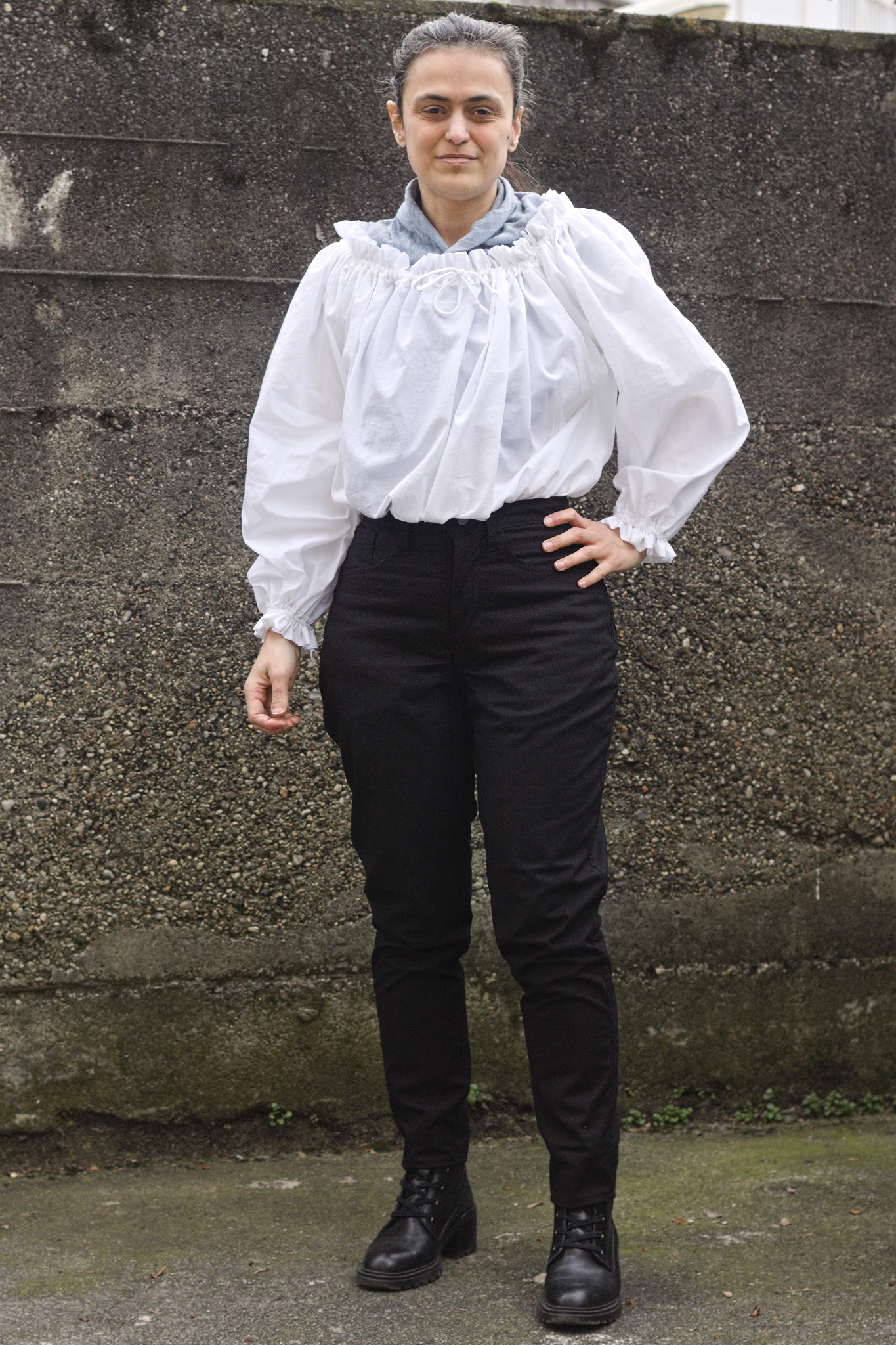
A woman wearing a white hood with a deep shoulder covering that ends in a point at about waist height.  The hood is not fitted, has a slight point because of the rectangular construction, and on the torso part one can see the big square gusset that gives it fullness. I ve been influenced again into feeling the need for a garment. It was again a case of multiple sources conspiring in the same direction for unrelated reasons, but I decided I absolutely needed a linen hood, made from the heavy white linen I knew I had in my stash. Why? I don t know. I do like the feeling of wearing a hood, and the white linen should give a decent protection from the sun, but I don t know how often I m going to wear these instead of just a hat. On the other hand the linen was already there and I needed something small to sew. A woman wearing a hood in the same shape, but made in tartan-print flannel.  It looks slightly smaller than the linen one. My first idea was to make a square hood: some time ago I had already made one out of some leftovers of duvet cover, vaguely inspired by the S , because I have a long-term plan of making one a bit more from scratch1. I like the fact that this pattern is completely made out of squares and rectangles, and while the flannel one is quite fitting, as suitable for a warm garment, I felt that by making it just a cm or two wider it would have worked nicely for a warm weather one, and indeed it did. A woman wearing some sort of white veil that covers the head and has two scarf-like appendages, one wrapped around the shoulders and falling on the back, and one falling on the front side, kept in place with one arm. Except, before I even started on the square hood, I started to think that the same square top would also be good for a hood-scarf, one of those long flowy garments that sit on the head, wrap around the neck and fall down, moving with the wind and the movements of the person. Because, let s be honest. worn in a way that look like a veil they feel nice, it s true. But with the help of a couple of pins then you can do this. A woman wearing what looks like a deep hood over some sort of fabric face mask, showing only the eyes, in a way that resembles characters in a video game.  There are again two scarf-like edges that fall on the front and back. And no, I ve never played that game2, and I m not even 100% sure what it is about, other than killing people, climbing buildings and petting cats3, but that s not really an issue when making a bit of casual cosplay of something, right? Anyway, should anybody feel the need to make themselves a hood or ten, the patterns have been released as usual as #FreeSoftWear: square hood and hood scarf.

  1. I m not going to raise the sheep :D I m actually not even going to wash and comb the wool, I ll start from the step just after those :D
  2. because proprietary software, because somewhat underpowered computers and other related reasons that are somewhat incidental to the game itself.
  3. at least two out of three things that make it look like a perfectly enjoyable activity.

25 March 2024

Valhalla's Things: Piecepack and postcard boxes

Posted on March 25, 2024
Tags: madeof:bits, craft:cartonnage
This article has been originally posted on November 4, 2023, and has been updated (at the bottom) since.
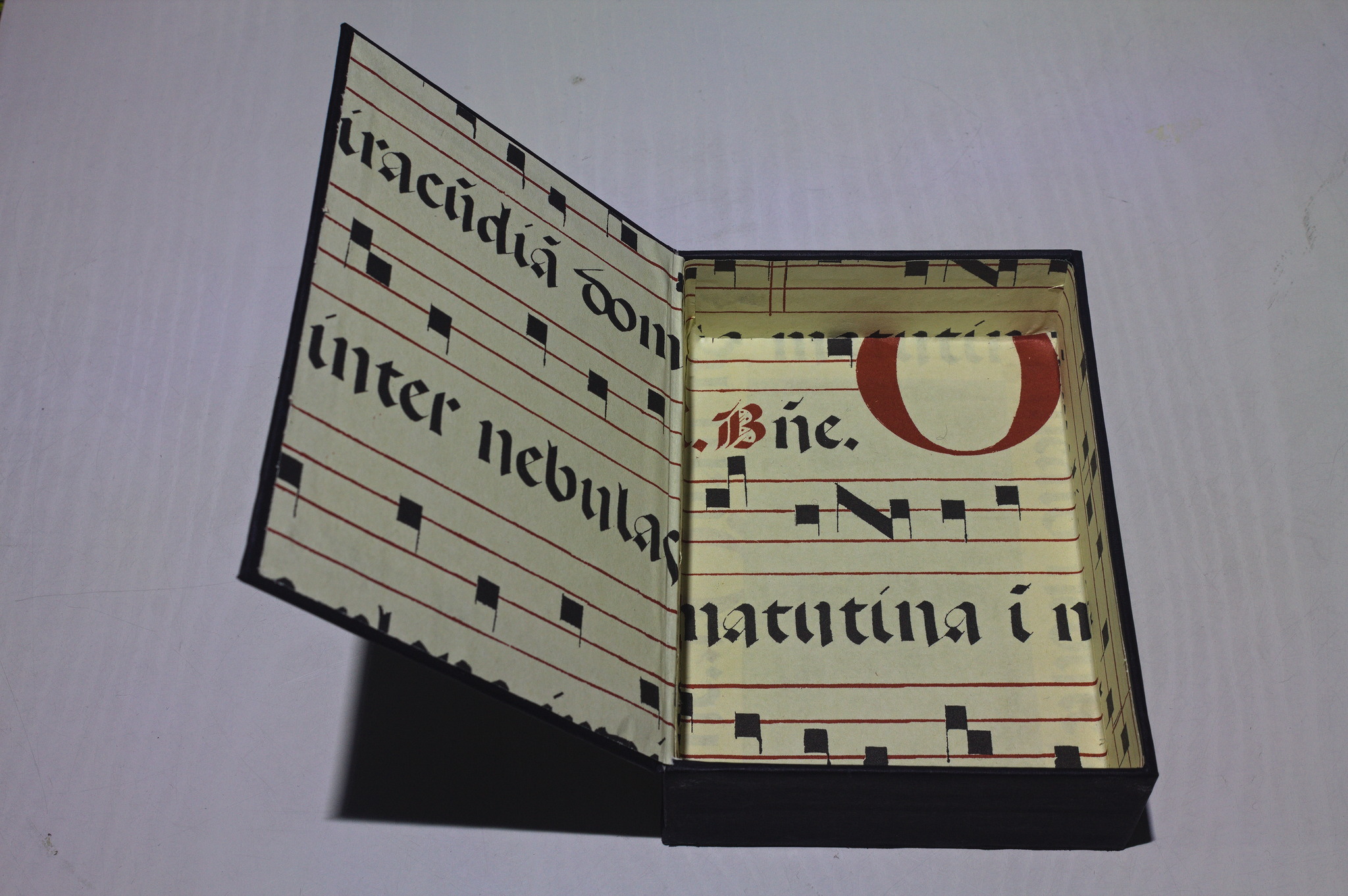
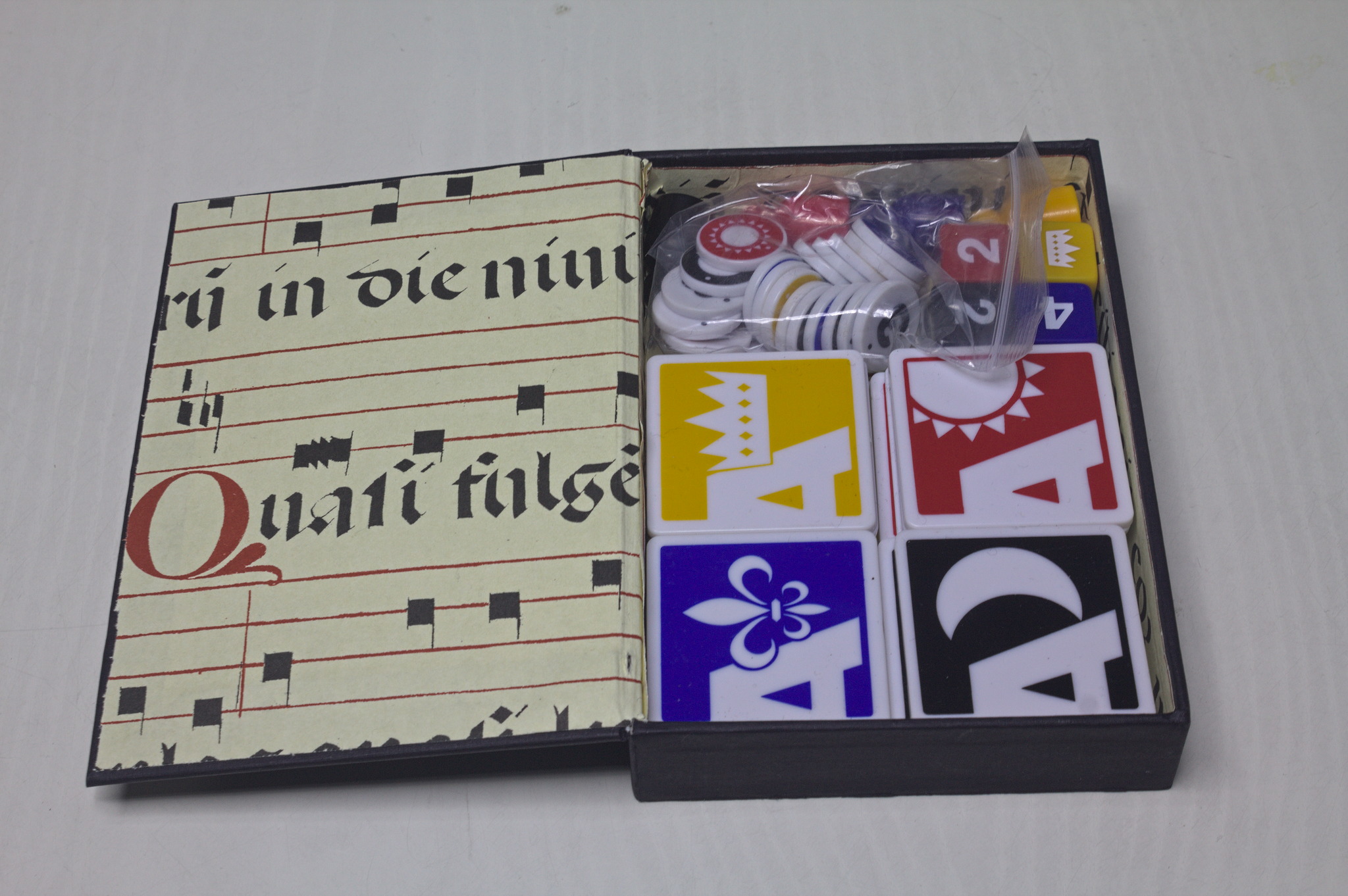
An open cardboard box, showing the lining in paper printed with a medieval music manuscript. Thanks to All Saints Day, I ve just had a 5 days weekend. One of those days I woke up and decided I absolutely needed a cartonnage box for the cardboard and linocut piecepack I ve been working on for quite some time. I started drawing a plan with measures before breakfast, then decided to change some important details, restarted from scratch, did a quick dig through the bookbinding materials and settled on 2 mm cardboard for the structure, black fabric-like paper for the outside and a scrap of paper with a manuscript print for the inside. Then we had the only day with no rain among the five, so some time was spent doing things outside, but on the next day I quickly finished two boxes, at two different heights. The weather situation also meant that while I managed to take passable pictures of the first stages of the box making in natural light, the last few stages required some creative artificial lightning, even if it wasn t that late in the evening. I need to build1 myself a light box. And then decided that since they are C6 sized, they also work well for postcards or for other A6 pieces of paper, so I will probably need to make another one when the piecepack set will be finally finished. The original plan was to use a linocut of the piecepack suites as the front cover; I don t currently have one ready, but will make it while printing the rest of the piecepack set. One day :D an open rectangular cardboard box, with a plastic piecepack set in it. One of the boxes was temporarily used for the plastic piecepack I got with the book, and that one works well, but since it s a set with standard suites I think I will want to make another box, using some of the paper with fleur-de-lis that I saw in the stash. I ve also started to write detailed instructions: I will publish them as soon as they are ready, and then either update this post, or they will be mentioned in an additional post if I will have already made more boxes in the meanwhile.
Update 2024-03-25: the instructions have been published on my craft patterns website

  1. you don t really expect me to buy one, right? :D

23 March 2024

Valhalla's Things: Forgotten Yeast Bread - Sourdough Edition

Posted on March 23, 2024
Tags: madeof:atoms, craft:cooking, craft:baking, craft:bread
Yesterday I had planned a pan sbagliato for today, but I also had quite a bit of sourdough to deal with, so instead of mixing a bit of of dry yeast at 18:00 and mixing it with some additional flour and water at 21:00, at around maybe 20:00 I substituted:
  • 100 g firm sourdough;
  • 33 g flour;
  • 66 g water.
Then I briefly woke up in the middle of the night and poured the dough on the tray at that time instead of having to wake up before 8:00 in the morning. Everything else was done as in the original recipe. The firm sourdough is feeded regularly with the same weight of flour and half the weight of water. Will. do. again.

10 March 2024

Valhalla's Things: Low Fat, No Eggs, Lasagna-ish

Posted on March 10, 2024
Tags: madeof:atoms, craft:cooking
A few notes on what we had for lunch, to be able to repeat it after the summer. There were a number of food intolerance related restrictions which meant that the traditional lasagna recipe wasn t an option; the result still tasted good, but it was a bit softer and messier to take out of the pan and into the dishes. On Saturday afternoon we made fresh no-egg pasta with 200 g (durum) flour and 100 g water, after about 1 hour it was divided in 6 parts and rolled to thickness #6 on the pasta machine. Meanwhile, about 500 ml of low fat almost-rag -like meat sauce was taken out of the freezer: this was a bit too little, 750 ml would have been better. On Saturday evening we made a sauce with 1 l of low-fat milk and 80 g of flour, and the meat sauce was heated up. Then everything was put in a 28 cm 23 cm pan, with 6 layers of pasta and 7 layers of the two sauces, and left to cool down. And on Sunday morning it was baked for 35 min in the oven at 180 C. With 3 people we only had about two thirds of it. Next time I think we should try to use 400 - 500 g of flour (so that it s easier to work by machine), 2 l of milk, 1.5 l of meat sauce and divide it into 3 pans: one to eat the next day and two to freeze (uncooked) for another day. No pictures, because by the time I thought about writing a post we were already more than halfway through eating it :)

9 March 2024

Valhalla's Things: Elastic Neck Top Two: MOAR Ruffles

Posted on March 9, 2024
Tags: madeof:atoms, craft:sewing, FreeSoftWear
A woman wearing a white top with a wide neck with ruffles and puffy sleeves that are gathered at the cuff. The top is tucked in the trousers to gather the fullness at the waist. After making my Elastic Neck Top I knew I wanted to make another one less constrained by the amount of available fabric. I had a big cut of white cotton voile, I bought some more swimsuit elastic, and I also had a spool of n 100 sewing cotton, but then I postponed the project for a while I was working on other things. Then FOSDEM 2024 arrived, I was going to remote it, and I was working on my Augusta Stays, but I knew that in the middle of FOSDEM I risked getting to the stage where I needed to leave the computer to try the stays on: not something really compatible with the frenetic pace of a FOSDEM weekend, even one spent at home. I needed a backup project1, and this was perfect: I already had everything I needed, the pattern and instructions were already on my site (so I didn t need to take pictures while working), and it was mostly a lot of straight seams, perfect while watching conference videos. So, on the Friday before FOSDEM I cut all of the pieces, then spent three quarters of FOSDEM on the stays, and when I reached the point where I needed to stop for a fit test I started on the top. Like the first one, everything was sewn by hand, and one week after I had started everything was assembled, except for the casings for the elastic at the neck and cuffs, which required about 10 km of sewing, and even if it was just a running stitch it made me want to reconsider my lifestyle choices a few times: there was really no reason for me not to do just those seams by machine in a few minutes. Instead I kept sewing by hand whenever I had time for it, and on the next weekend it was ready. We had a rare day of sun during the weekend, so I wore my thermal underwear, some other layer, a scarf around my neck, and went outside with my SO to have a batch of pictures taken (those in the jeans posts, and others for a post I haven t written yet. Have I mentioned I have a backlog?). And then the top went into the wardrobe, and it will come out again when the weather will be a bit warmer. Or maybe it will be used under the Augusta Stays, since I don t have a 1700 chemise yet, but that requires actually finishing them. The pattern for this project was already online, of course, but I ve added a picture of the casing to the relevant section, and everything is as usual #FreeSoftWear.

  1. yes, I could have worked on some knitting WIP, but lately I m more in a sewing mood.

8 March 2024

Valhalla's Things: Denim Waistcoat

Posted on March 8, 2024
Tags: madeof:atoms, craft:sewing, FreeSoftWear
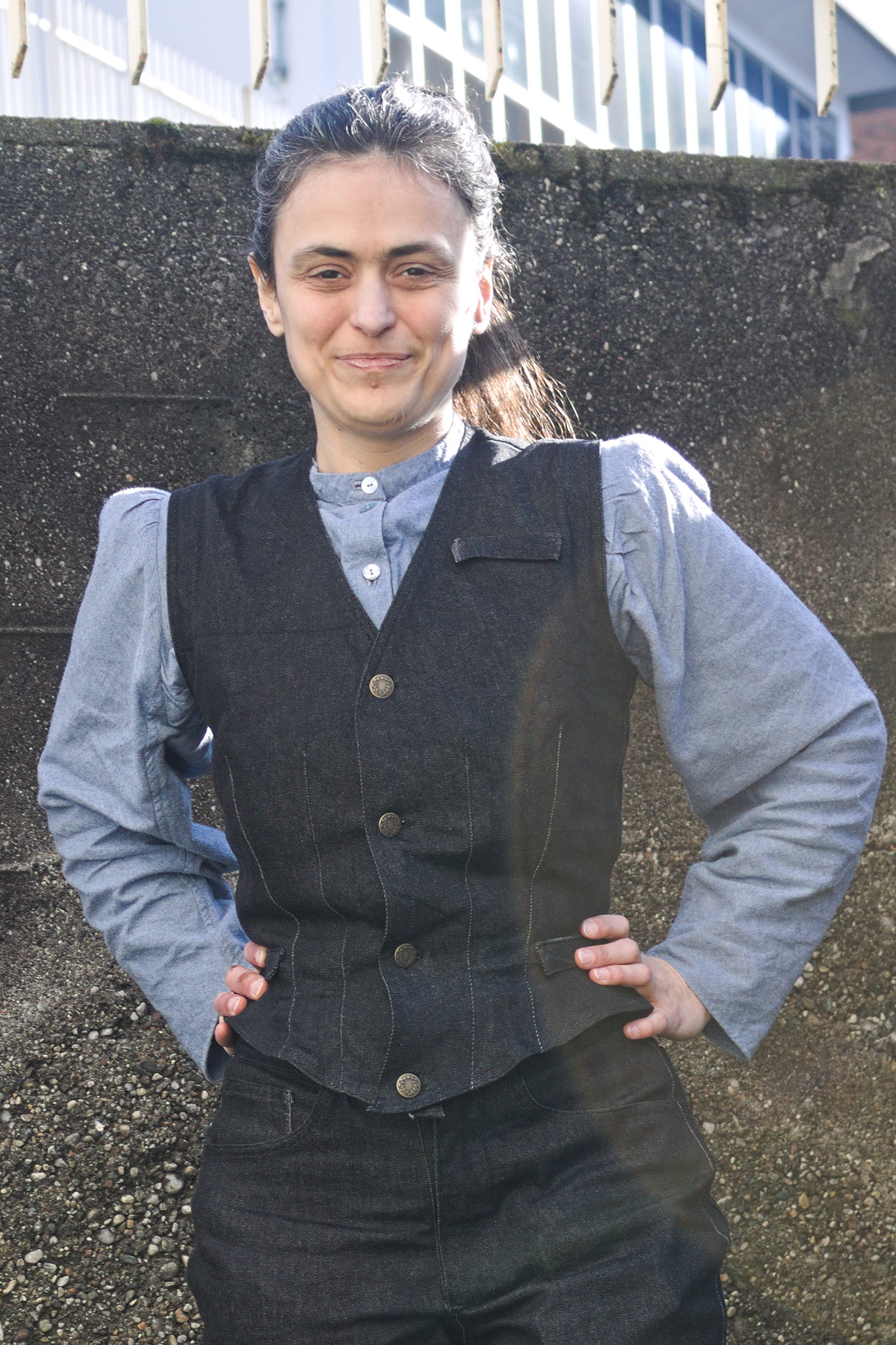
A woman wearing a single breasted waistcoat with double darts at the waist, two pocket flaps at the waist and one on the left upper breast. It has four jeans buttons. I had finished sewing my jeans, I had a scant 50 cm of elastic denim left. Unrelated to that, I had just finished drafting a vest with Valentina, after the Cutters Practical Guide to the Cutting of Ladies Garments. A new pattern requires a (wearable) mockup. 50 cm of leftover fabric require a quick project. The decision didn t take a lot of time. As a mockup, I kept things easy: single layer with no lining, some edges finished with a topstitched hem and some with bias tape, and plain tape on the fronts, to give more support to the buttons and buttonholes. I did add pockets: not real welt ones (too much effort on denim), but simple slits covered by flaps. a rectangle of pocketing fabric on the wrong side of a denim
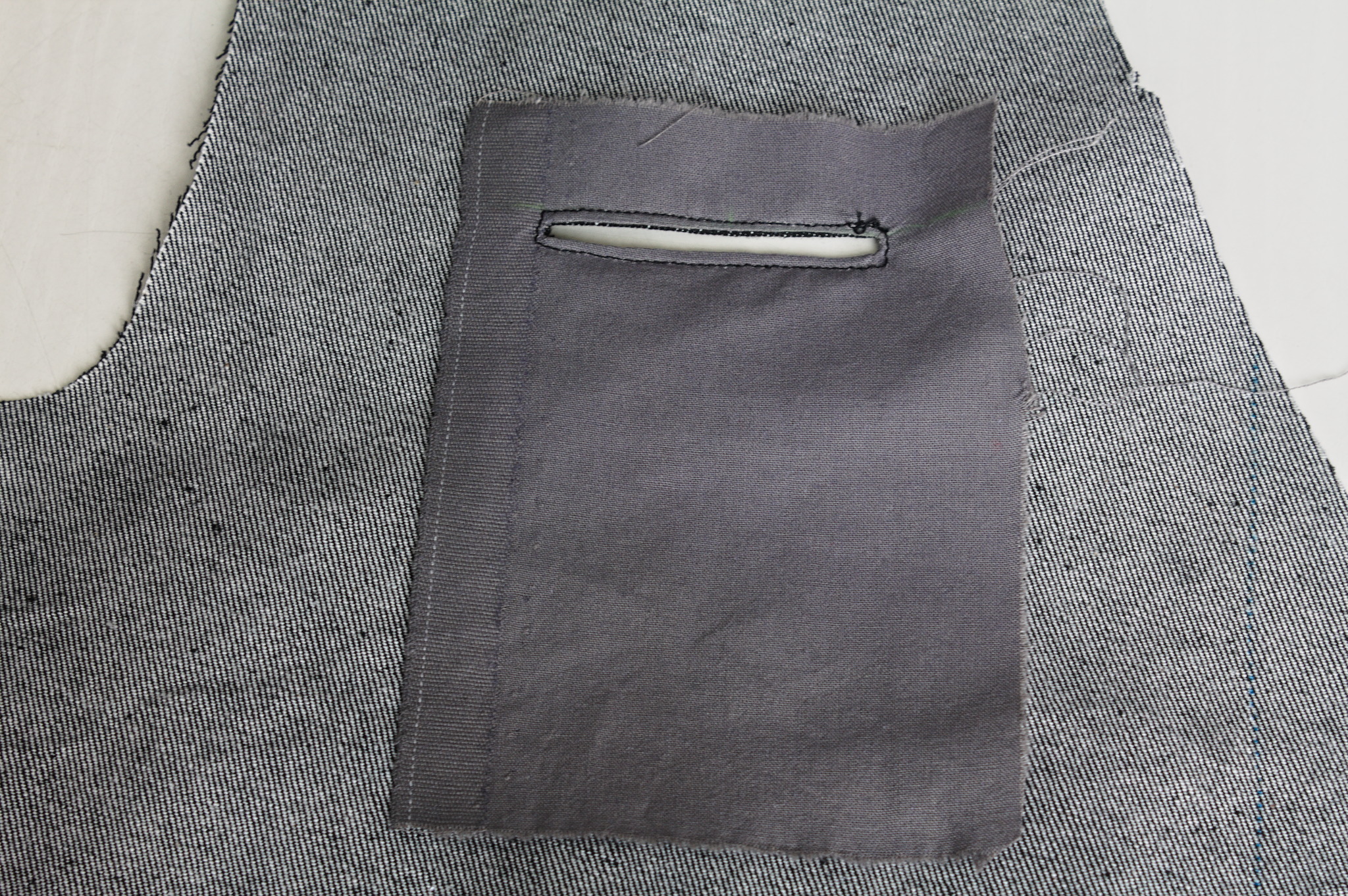
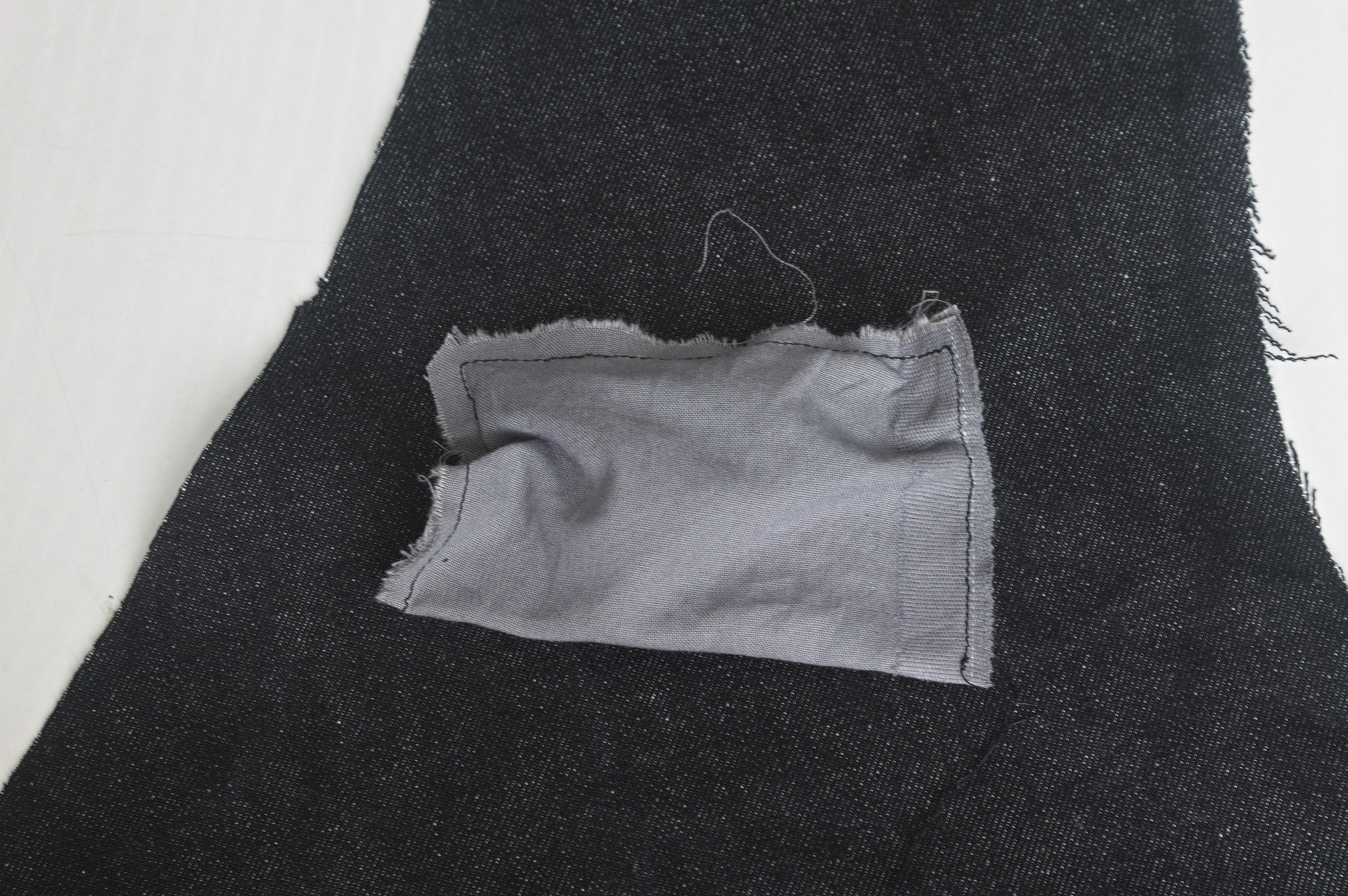
piece; there is a slit in the middle that has been finished with topstitching.
To do them I marked the slits, then I cut two rectangles of pocketing fabric that should have been as wide as the slit + 1.5 cm (width of the pocket) + 3 cm (allowances) and twice the sum of as tall as I wanted the pocket to be plus 1 cm (space above the slit) + 1.5 cm (allowances). Then I put the rectangle on the right side of the denim, aligned so that the top edge was 2.5 cm above the slit, sewed 2 mm from the slit, cut, turned the pocketing to the wrong side, pressed and topstitched 2 mm from the fold to finish the slit. a piece of pocketing fabric folded in half and sewn on all 3
other sides; it does not lay flat on the right side of the fabric because the finished slit (hidden in the picture) is pulling it.
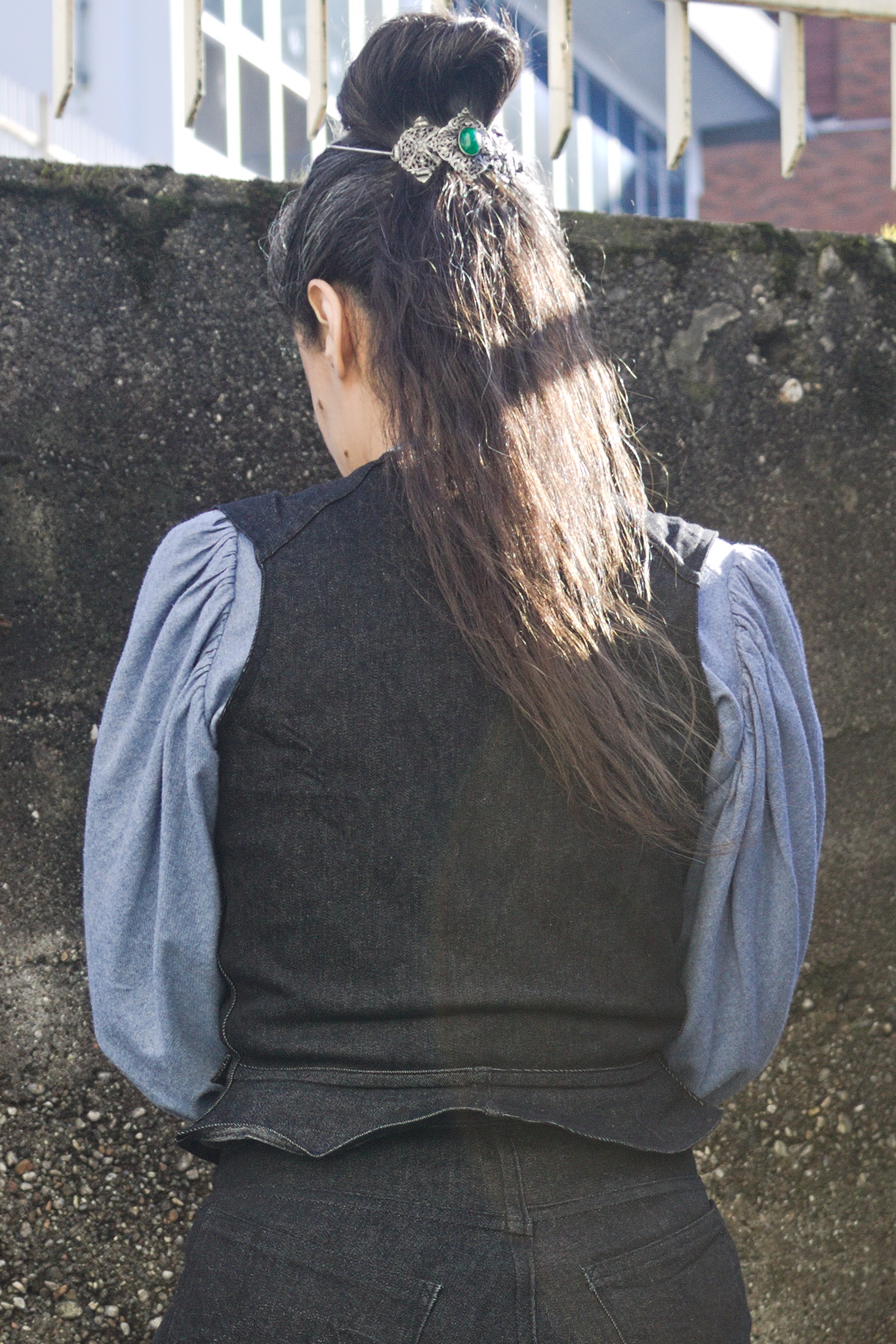
Then I turned the pocketing back to the right side, folded it in half, sewed the side and top seams with a small allowance, pressed and turned it again to the wrong side, where I sewed the seams again to make a french seam. And finally, a simple rectangular denim flap was topstitched to the front, covering the slits. I wasn t as precise as I should have been and the pockets aren t exactly the right size, but they will do to see if I got the positions right (I think that the breast one should be a cm or so lower, the waist ones are fine), and of course they are tiny, but that s to be expected from a waistcoat. The back of the waistcoat, The other thing that wasn t exactly as expected is the back: the pattern splits the bottom part of the back to give it sufficient spring over the hips . The book is probably published in 1892, but I had already found when drafting the foundation skirt that its idea of hips includes a bit of structure. The enough steel to carry a book or a cup of tea kind of structure. I should have expected a lot of spring, and indeed that s what I got. To fit the bottom part of the back on the limited amount of fabric I had to piece it, and I suspect that the flat felled seam in the center is helping it sticking out; I don t think it s exactly bad, but it is a peculiar look. Also, I had to cut the back on the fold, rather than having a seam in the middle and the grain on a different angle. Anyway, my next waistcoat project is going to have a linen-cotton lining and silk fashion fabric, and I d say that the pattern is good enough that I can do a few small fixes and cut it directly in the lining, using it as a second mockup. As for the wrinkles, there is quite a bit, but it looks something that will be solved by a bit of lightweight boning in the side seams and in the front; it will be seen in the second mockup and the finished waistcoat. As for this one, it s definitely going to get some wear as is, in casual contexts. Except. Well, it s a denim waistcoat, right? With a very different cut from the get a denim jacket and rip out the sleeves , but still a denim waistcoat, right? The kind that you cover in patches, right? Outline of a sewing machine with teeth and crossed bones below it, and the text  home sewing is killing fashion / and it's illegal And I may have screenprinted a home sewing is killing fashion patch some time ago, using the SVG from wikimedia commons / the Home Taping is Killing Music page. And. Maybe I ll wait until I have finished the real waistcoat. But I suspect that one, and other sewing / costuming patches may happen in the future. No regrets, as the words on my seam ripper pin say, right? :D
7 March 2024

Valhalla's Things: Jeans, step two. And three. And four.

Posted on March 7, 2024
Tags: madeof:atoms, FreeSoftWear
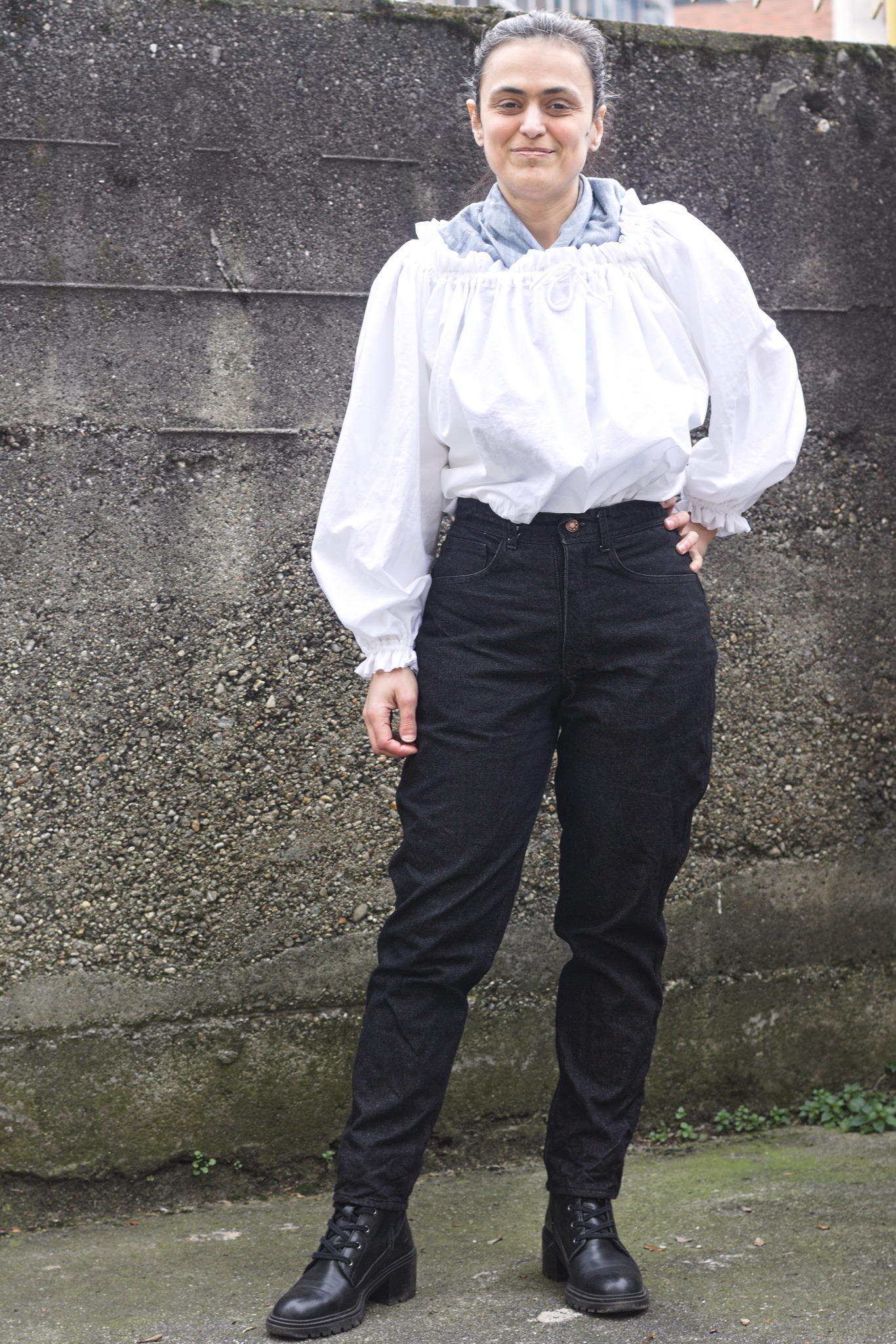
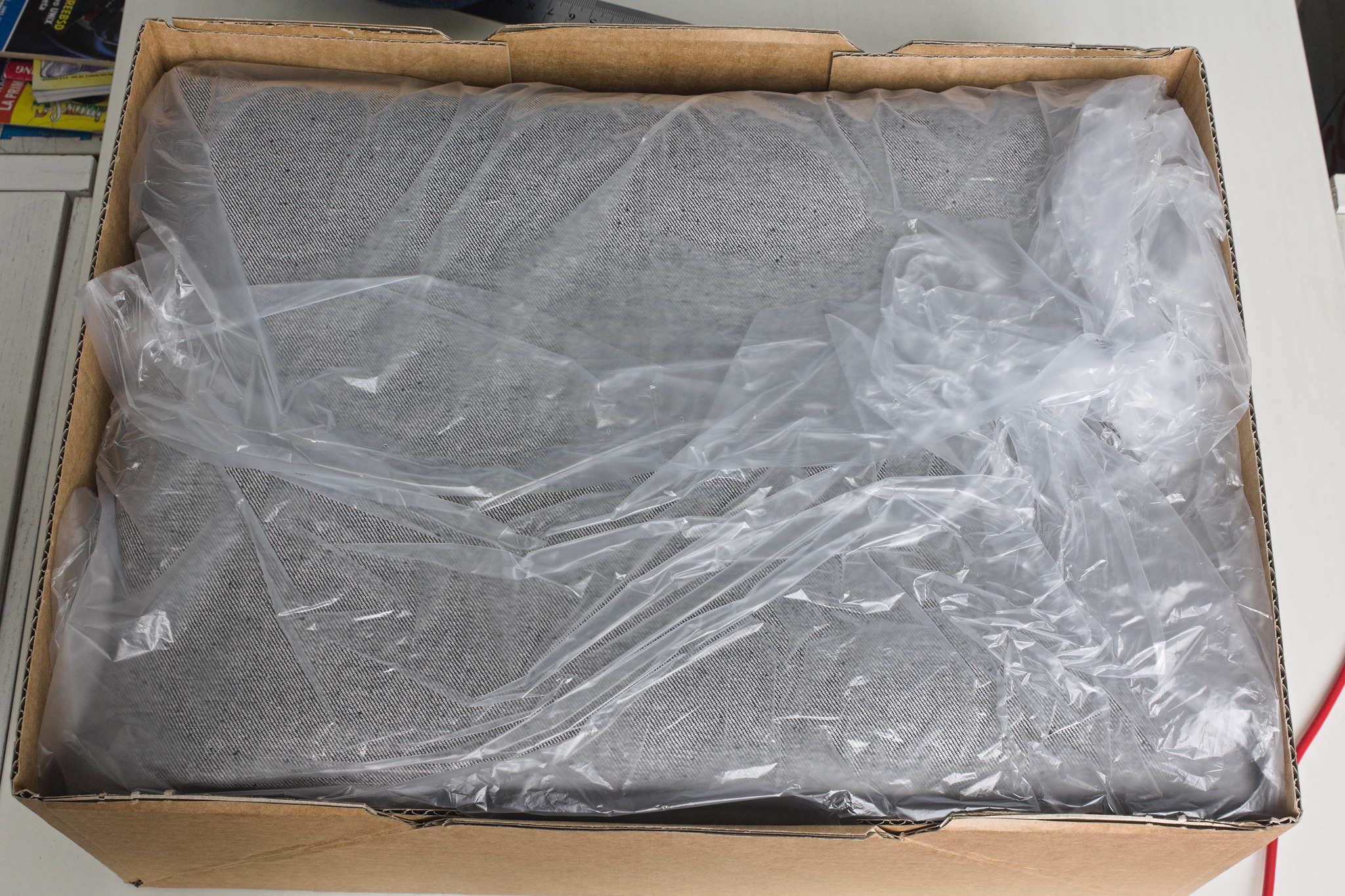
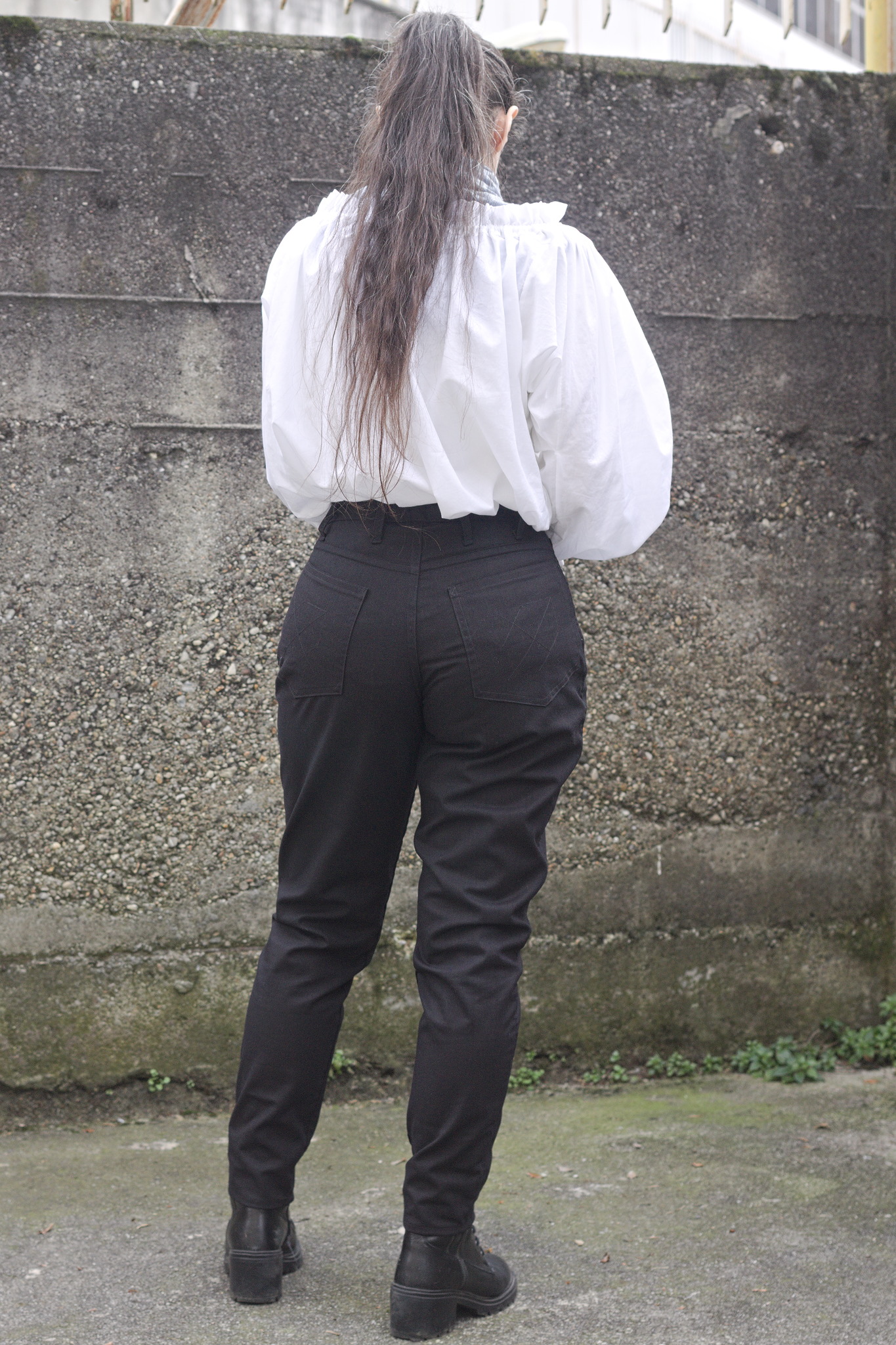
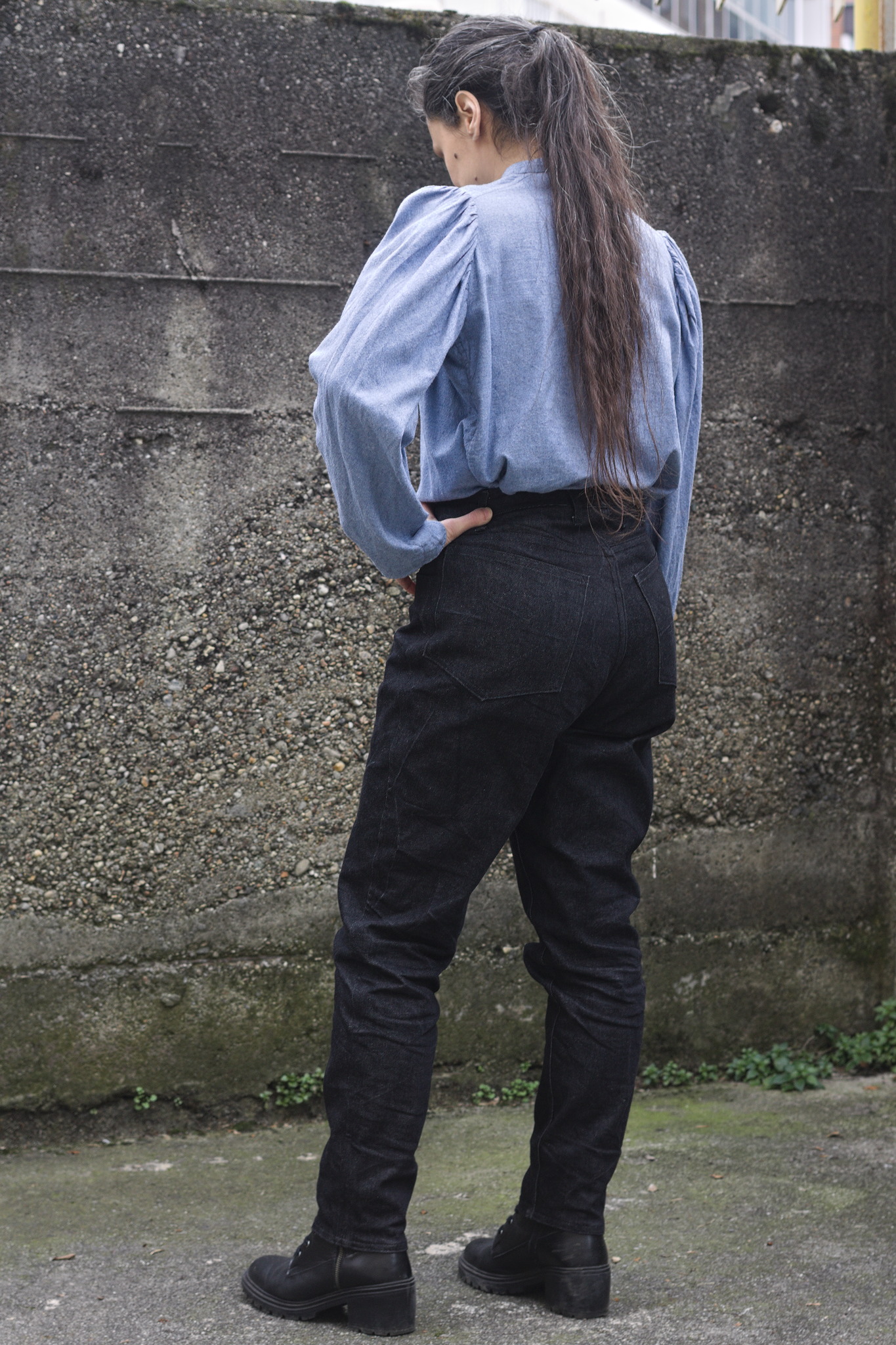
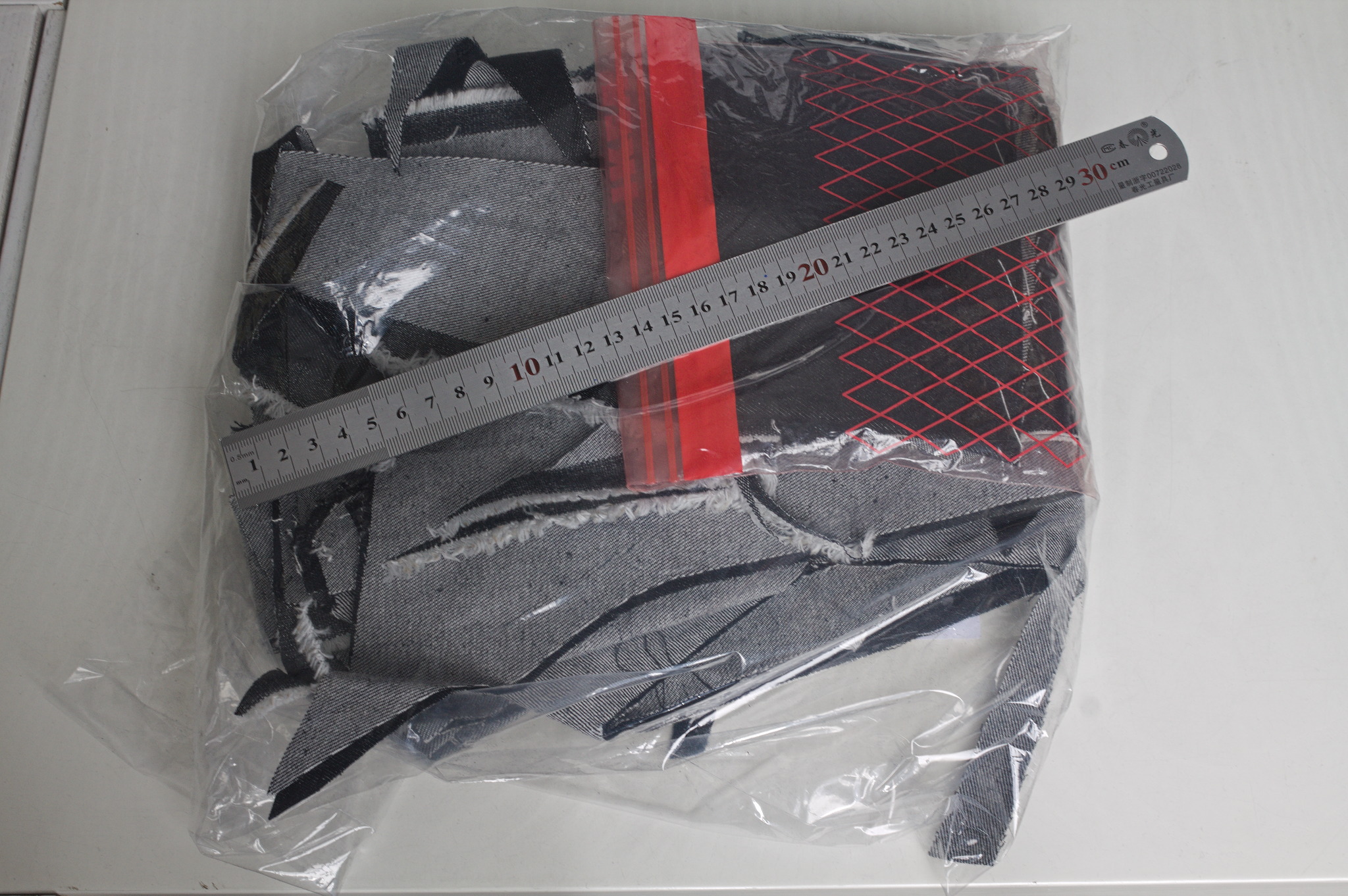
A woman wearing a regular pair of slim-cut black denim jeans. I was working on what looked like a good pattern for a pair of jeans-shaped trousers, and I knew I wasn t happy with 200-ish g/m cotton-linen for general use outside of deep summer, but I didn t have a source for proper denim either (I had been low-key looking for it for a long time). Then one day I looked at an article I had saved about fabric shops that sell technical fabric and while window-shopping on one I found that they had a decent selection of denim in a decent weight. I decided it was a sign, and decided to buy the two heaviest denim they had: a 100% cotton, 355 g/m one and a 97% cotton, 3% elastane at 385 g/m 1; the latter was a bit of compromise as I shouldn t really be buying fabric adulterated with the Scourge of Humanity, but it was heavier than the plain one, and I may be having a thing for tightly fitting jeans, so this may be one of the very few woven fabric where I m not morally opposed to its existence. And, I d like to add, I resisted buying any of the very nice wools they also seem to carry, other than just a couple of samples. Since the shop only sold in 1 meter increments, and I needed about 1.5 meters for each pair of jeans, I decided to buy 3 meters per type, and have enough to make a total of four pair of jeans. A bit more than I strictly needed, maybe, but I was completely out of wearable day-to-day trousers. a cardboard box with neatly folded black denim, covered in semi-transparent plastic. The shop sent everything very quickly, the courier took their time (oh, well) but eventually delivered my fabric on a sunny enough day that I could wash it and start as soon as possible on the first pair. The pattern I did in linen was a bit too fitting, but I was afraid I had widened it a bit too much, so I did the first pair in the 100% cotton denim. Sewing them took me about a week of early mornings and late afternoons, excluding the weekend, and my worries proved false: they were mostly just fine. The only bit that could have been a bit better is the waistband, which is a tiny bit too wide on the back: it s designed to be so for comfort, but the next time I should pull the elastic a bit more, so that it stays closer to the body. The same from the back, showing the applied pockets with a sewn logo. I wore those jeans daily for the rest of the week, and confirmed that they were indeed comfortable and the pattern was ok, so on the next Monday I started to cut the elastic denim. I decided to cut and sew two pairs, assembly-line style, using the shaped waistband for one of them and the straight one for the other one. I started working on them on a Monday, and on that week I had a couple of days when I just couldn t, plus I completely skipped sewing on the weekend, but on Tuesday the next week one pair was ready and could be worn, and the other one only needed small finishes. A woman wearing another pair of jeans; the waistband here is shaped to fit rather than having elastic. And I have to say, I m really, really happy with the ones with a shaped waistband in elastic denim, as they fit even better than the ones with a straight waistband gathered with elastic. Cutting it requires more fabric, but I think it s definitely worth it. But it will be a problem for a later time: right now three pairs of jeans are a good number to keep in rotation, and I hope I won t have to sew jeans for myself for quite some time. A plastic bag with mid-sized offcuts of denim; there is a 30 cm ruler on top that is just wider than the bag I think that the leftovers of plain denim will be used for a skirt or something else, and as for the leftovers of elastic denim, well, there aren t a lot left, but what else I did with them is the topic for another post. Thanks to the fact that they are all slightly different, I ve started to keep track of the times when I wash each pair, and hopefully I will be able to see whether the elastic denim is significantly less durable than the regular, or the added weight compensates for it somewhat. I m not sure I ll manage to remember about saving the data until they get worn, but if I do it will be interesting to know. Oh, and I say I ve finished working on jeans and everything, but I still haven t sewn the belt loops to the third pair. And I m currently wearing them. It s a sewist tradition, or something. :D
  1. The links are to the shop for Italy; you can copy the Codice prodotto and look for it on one of the shop version for other countries (where they apply the right vat etc., but sadly they don t allow to mix and match those settings and the language).

19 February 2024

Valhalla's Things: Jeans, step one

Posted on February 19, 2024
Tags: madeof:atoms, craft:sewing, FreeSoftWear
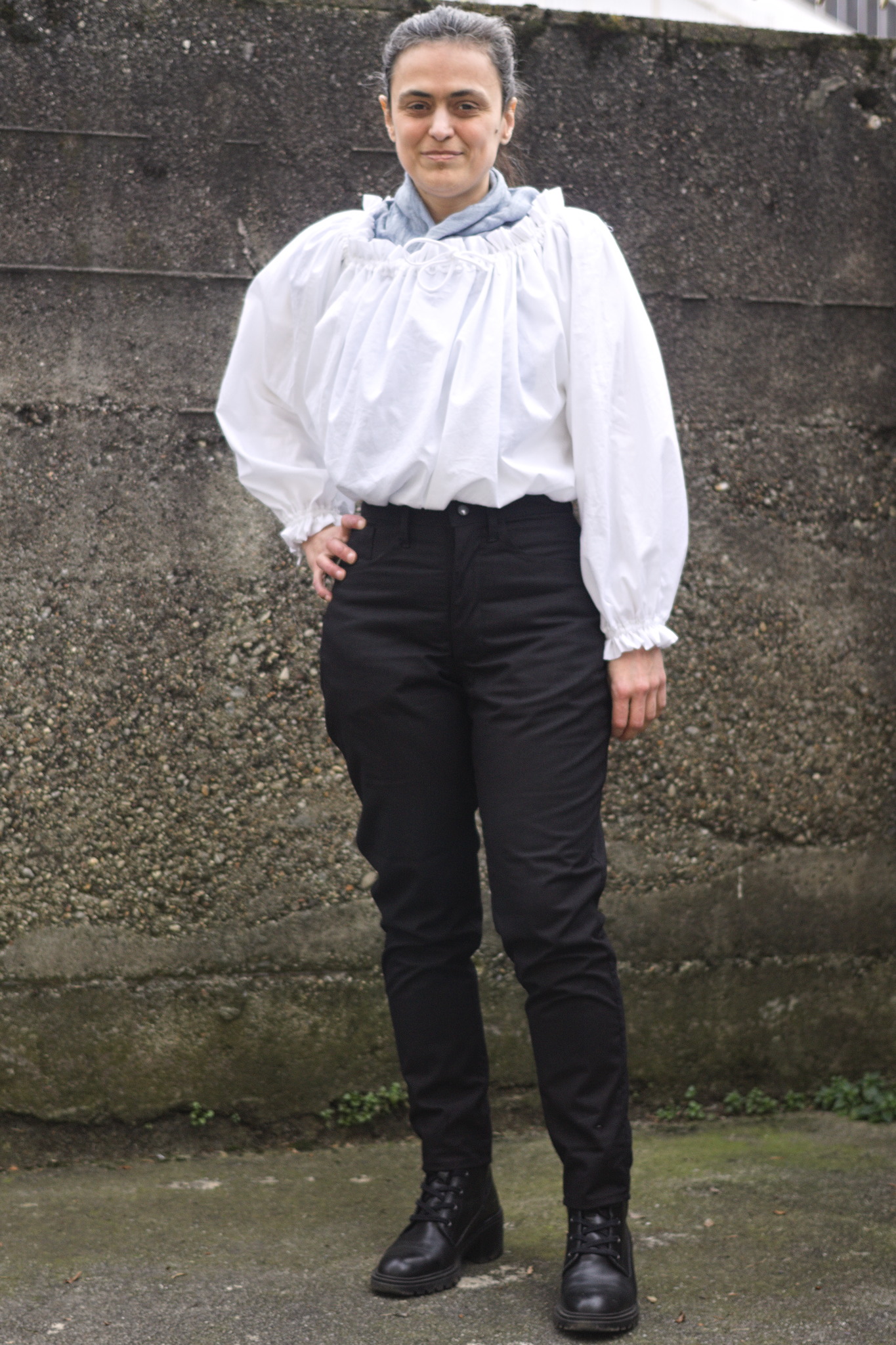
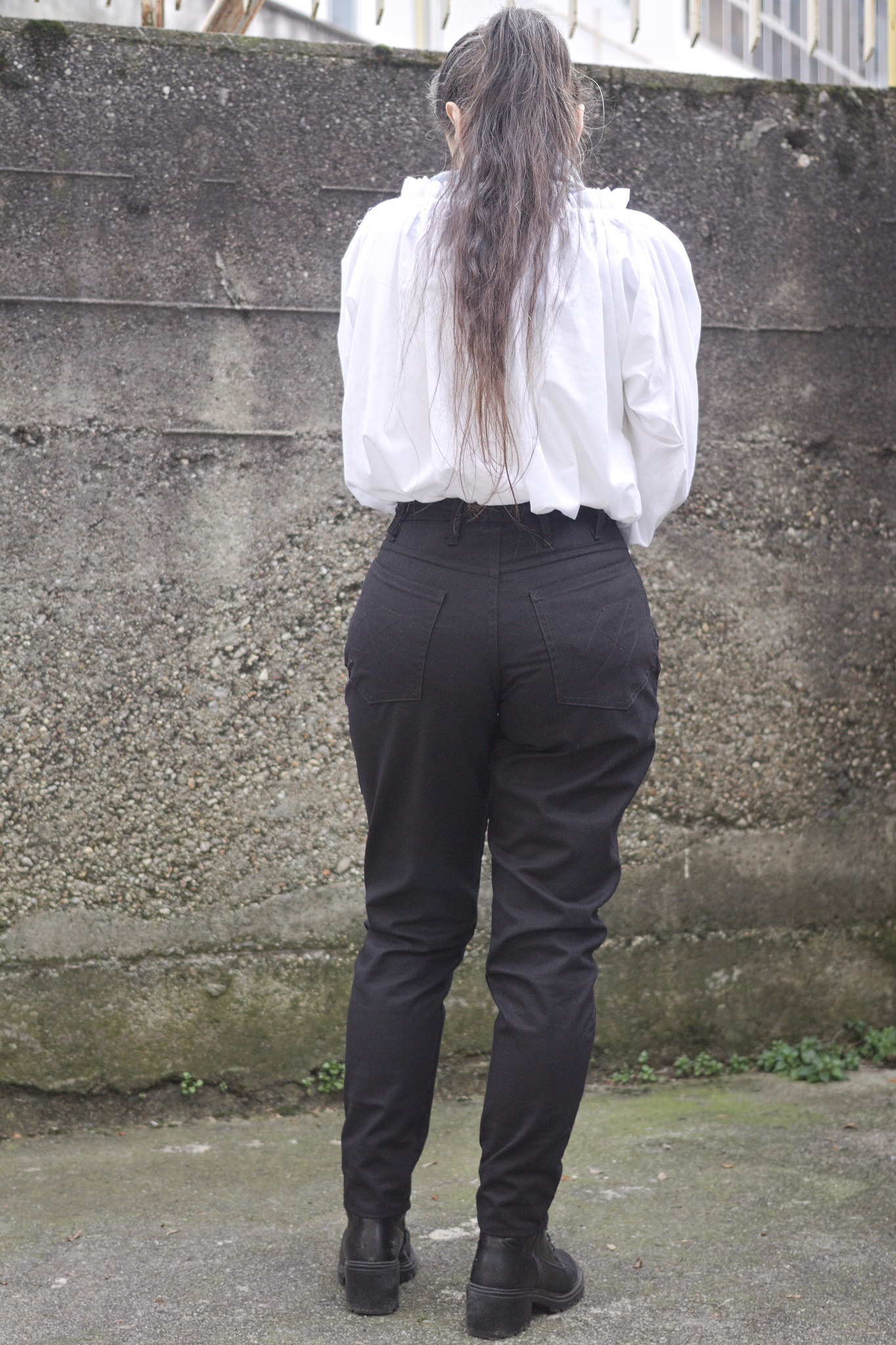
CW for body size change mentions A woman wearing a pair of tight jeans. Just like the corset, I also needed a new pair of jeans. Back when my body size changed drastically of course my jeans no longer fit. While I was waiting for my size to stabilize I kept wearing them with a somewhat tight belt, but it was ugly and somewhat uncomfortable. When I had stopped changing a lot I tried to buy new ones in the same model, and found out that I was too thin for the menswear jeans of that shop. I could have gone back to wearing women s jeans, but I didn t want to have to deal with the crappy fabric and short pockets, so I basically spent a few years wearing mostly skirts, and oversized jeans when I really needed trousers. Meanwhile, I had drafted a jeans pattern for my SO, which we had planned to make in technical fabric, but ended up being made in a cotton-wool mystery mix for winter and in linen-cotton for summer, and the technical fabric version was no longer needed (yay for natural fibres!) It was clear what the solution to my jeans problems would have been, I just had to stop getting distracted by other projects and draft a new pattern using a womanswear block instead of a menswear one. Which, in January 2024 I finally did, and I believe it took a bit less time than the previous one, even if it had all of the same fiddly pieces. I already had a cut of the same cotton-linen I had used for my SO, except in black, and used it to make the pair this post is about. The parametric pattern is of course online, as #FreeSoftWear, at the usual place. This time it was faster, since I didn t have to write step-by-step instructions, as they are exactly the same as the other pattern. Same as above, from the back, with the crotch seam pulling a bit. A faint decoration can be seen on the pockets, with the line art version of the logo seen on this blog. Making also went smoothly, and the result was fitting. Very fitting. A big too fitting, and the standard bum adjustment of the back was just enough for what apparently still qualifies as a big bum, so I adjusted the pattern to be able to add a custom amount of ease in a few places. But at least I had a pair of jeans-shaped trousers that fit! Except, at 200 g/m I can t say that fabric is the proper weight for a pair of trousers, and I may have looked around online1 for some denim, and, well, it s 2024, so my no-fabric-buy 2023 has not been broken, right? Let us just say that there may be other jeans-related posts in the near future.
  1. I had already asked years ago for denim at my local fabric shops, but they don t have the proper, sturdy, type I was looking for.

Next.

Previous.