Russell Coker: Leaf ZE1
I ve just got a second hand Nissan LEAF. It s not nearly as luxurious as the Genesis EV that I test drove [1]. It s also just over 5 years old so it s not as slick as the MG4 I test drove [2]. But the going rate for a LEAF of that age is $17,000 vs $35,000 or more for a new MG4 or $130,000+ for a Genesis. At this time the LEAF is the only EV in Australia that s available on the second hand market in quantity. Apparently the cheapest new EV in Australia is a Great Wall one which is $32,000 and which had a wait list last time I checked, so $17,000 is a decent price if you want an electric car and aren t interested in paying the price of a new car.
Starting the Car
One thing I don t like about most recent cars (petrol as well as electric) is that they needlessly break traditions of car design. Inserting a key and turning it clockwise to start a car is a long standing tradition that shouldn t be broken without a good reason. With the use of traditional keys you know that when a car has the key removed it can t be operated, there s no situation of the person with the key walking away and leaving the car driveable and there s no possibility of the owner driving somewhere without the key and then being unable to start it. To start a LEAF you have to have the key fob device in range, hold down the brake pedal, and then press the power button. To turn on accessories you do the same but without holding down the brake pedal. They also have patterns of pushes, push twice to turn it on, push three times to turn it off. This is all a lot easier with a key where you can just rotate it as many clicks as needed.
The change of car design for the key means that no physical contact is needed to unlock the car. If someone stands by a car fiddling with the door lock it will get noticed which deters certain types of crime. If a potential thief can sit in a nearby car to try attack methods and only walk to the target vehicle once it s unlocked it makes the crime a lot easier. Even if the electronic key is as secure as a physical key allowing attempts to unlock remotely weakens security. Reports on forums suggest that the electronic key is vulnerable to replay attacks. I guess I just have to hope that as car thieves typically get less than 10% of the value of a car it s just not worth their effort to steal a $17,000 car. Unlocking doors remotely is a common feature that s been around for a while but starting a car without a key being physically inserted is a new thing.
Other Features
The headlights turn on automatically when the car thinks that the level of ambient light warrants it. There is an option to override this to turn on lights but no option to force the lights to be off. So if you have your car in the on state while parked the headlights will be on even if you are parked and listening to the radio.
The LEAF has a bunch of luxury features which seem a bit ridiculous like seat warmers. It also has a heated steering wheel which has turned out to be a good option for me as I have problems with my hands getting cold. According to the My Nissan LEAF Forum the seat warmer uses a maximum of 50W per seat while the car heater uses a minimum of 250W [3]. So if there are one or two people in the car then significantly less power is used by just heating the seats and also keeping the car air cool reduces window fog.
The Bluetooth audio support works well. I ve done hands free calls and used it for playing music from my phone. This is the first car I ve owned with Bluetooth support. It also has line-in which might have had some use in 2019 but is becoming increasingly useless as phones with Bluetooth become more popular. It has support for two devices connecting via Bluetooth at the same time which could be handy if you wanted to watch movies on a laptop or tablet while waiting for someone.
The LEAF has some of the newer safety features, it tracks lane markers and notifies the driver via beeps and vibration if they stray from their lane. It also tries to read speed limit signs and display the last observed speed limit on the dash display. It also has a skid alert which in my experience goes off under hard acceleration when it s not skidding but doesn t go off if you lose grip when cornering. The features for detecting changing lanes when close to other cars and for emergency braking when another car is partly in the lane (even if moving out of the lane) don t seem well tuned for Australian driving, the common trend on Australian roads is lawful-evil to use DND terminology.
Range
My most recent driving was just over 2 hours driving with a distance of a bit over 100Km which took the battery from 62% to 14%. So it looks like I can drive a bit over 200Km at an average speed of 50Km/h. I have been unable to find out the battery size for my car, my model will have either a 40KWh or 62KWh battery. Google results say it should be printed on the B pillar (it s not) and that it can be deduced from the VIN (it can t). I m guessing that my car is the cheaper option which is supposed to do 240Km when new which means that a bit over 200Km at an average speed of 50Km/h when 6yo is about what s expected. If it has the larger battery designed to do 340Km then doing 200Km in real use would be rather disappointing.
Assuming the battery is 40KWh that means it s 5Km/KWh or 10KW average for the duration. That means that the 250W or so used by the car heater should only make a about 2% difference to range which is something that a human won t usually notice. If I was to drive to another state I d definitely avoid using the heater or airconditioner as an extra 4km could really matter when trying to find a place to charge when you aren t familiar with the area. It s also widely reported that the LEAF is less efficient at highway speeds which is an extra difficulty for that.
It seems that the LEAF just isn t designed for interstate driving in Australia, it would be fine for driving between provinces of the Netherlands as it s difficult to drive for 200km without leaving that country. Driving 700km to another city in a car with 200km range would mean charging 3 times along the way, that s 2 hours of charging time when using fast chargers. This isn t a problem at all as the average household in Australia has 1.8 cars and the battery electric vehicles only comprise 6.3% of the market. So if a household had a LEAF and a Prius they could just use the Prius for interstate driving. A recent Prius could drive from Melbourne to Canberra or Adelaide without refuelling on the way.
If I was driving to another state a couple of times a year I could rent an old fashioned car to do that and still be saving money when compared to buying petrol all the time.
Running Cost
Currently I m paying about $0.28 per KWh for electricity, it s reported that the efficiency of charging a LEAF is as low as 83% with the best efficiency when fast charging. I don t own the fast charge hardware and don t plan to install it as that would require getting a replacement of the connection to my home from the street, a new switchboard, and other expenses. So I expect I ll be getting 83% efficiency when charging which means 48KWh for 200KM or 96KWH for the equivalent of a $110 tank of petrol. At $0.28/KWh it will cost $26 for the same amount of driving as $110 of petrol. I also anticipate saving money on service as there s no need for engine oil changes and all the other maintenance of a petrol engine and regenerative braking will reduce the incidence of brake pad replacement.
I expect to save over $1100 per annum on using electricity instead of petrol even if I pay the full rate. But if I charge my car in the middle of the day when there is over supply and I don t get paid for feeding electricity from my solar panels into the grid (as is common nowadays) it could be almost free to charge the car and I could save about $1500 on fuel.
Comfort
Electric cars are much quieter than cars with petrol or Diesel engines which is a major luxury feature. This car is also significantly newer than any other car I ve driven much so it has features like Bluetooth audio which weren t in other cars I ve driven. When doing 100Km/h I can hear a lot of noise from the airflow, part of that would be due to the LEAF not having the extreme streamlining features that are associated with Teslas (such as retracting door handles) and part of that would be due to the car being older and the door seals not being as good as they were when new. It s still a very quiet car with a very smooth ride. It would be nice if they used the quality of seals and soundproofing that VW uses in the Passat but I guess the car would be heavier and have a shorter range if they did that.
This car has less space for the driver than any other car I ve driven (with the possible exception of a 1989 Ford Laser AKA Mazda 323). The front seats have less space than the Prius. Also the batteries seem to be under the front seats so there s a bulge in the floor going slightly in front of the front seats when they are moved back which gives less space for the front passenger to move their legs and less space for the driver when sitting in a parked car. There are a selection of electric cars from MG, BYD, and Great Wall that have more space in the front seats, if those cars were on the second hand market I might have made a different choice but a second hand LEAF is the only option for a cheap electric car in Australia now.
The heated steering wheel and heated seats took a bit of getting used to but I have come to appreciate the steering wheel and the heated seats are a good way of extending the range of the car.
Misc Notes
The LEAF is a fun car to drive and being quiet is a luxury feature, it s no different to other EVs in this regard. It isn t nearly as fast as a Tesla, but is faster than most cars actually drive on the road.
When I was looking into buying a LEAF from one of the car sales sites I was looking at models less than 5 years old. But the ZR1 series went from 2017 to 2023 so there s probably not much difference between a 2019 model and a 2021 model but there is a significant price difference. I didn t deliberately choose a 2019 car, it was what a relative was selling at a time when I needed a new car. But knowing what I know now I d probably look at that age of LEAF if choosing from the car sales sites.
Problems
When I turn the car off the side mirrors fold in but when I turn it on they usually don t automatically unfold if I have anything connected to the cigarette lighter power port. This is a well known problem and documented on forums. This is something that Nissan really should have tested before release because phone chargers that connect to the car cigarette lighter port have been common for at least 6 years before my car was manufactured and at least 4 years before the ZE1 model was released.
The built in USB port doesn t supply enough power to match the power use of a Galaxy Note 9 running Google maps and playing music through Bluetooth. On it s own this isn t a big deal but combined with the mirror issue of using a charger in the cigarette lighter port it s a problem.
The cover over the charging ports doesn t seem to lock easily enough, I had it come open when doing 100Km/h on a freeway. This wasn t a big deal but as the cover opens in a suicide-door manner at a higher speed it could have broken off.
The word is that LEAF service in Australia is not done well. Why do you need regular service of an electric car anyway? For petrol and Diesel cars it s engine oil replacement that makes it necessary to have regular service. Surely you can just drive it until either the brakes squeak or the tires seem worn.
I have been having problems charging, sometimes it will charge from ~20% to 100% in under 24 hours, sometimes in 14+ hours it only gets to 30%.
Conclusion
This is a good car and the going price on them is low. I generally recommend them as long as you aren t really big and aren t too worried about the poor security.
It s a fun car to drive even with a few annoying things like the mirrors not automatically extending on start.
The older ones like this are cheap enough that they should be able to cover the entire purchase cost in 10 years by the savings from not buying petrol even if you don t drive a lot. With a petrol car I use about 13 tanks of petrol a year so my driving is about half the average for Australia. Some people could cover the purchase price of a second hand leaf in under 5 years.
 Our Debian User Group met on December 22nd for our last meeting of
2024. I wasn't sure at first it was a good idea, but many people showed up and
it was great!
Here's what we did:
pollo:

 Here are my favourite books and movies that I read and watched throughout 2024.
It wasn't quite the stellar year for books as









 For the past decade-plus, every piece of software I write has had one of two release processes.
Software that gets deployed directly onto servers (websites, mostly, but also the infrastructure that runs
 Diego wrote about his


 I am a huge fan of
 This post describes how I m using






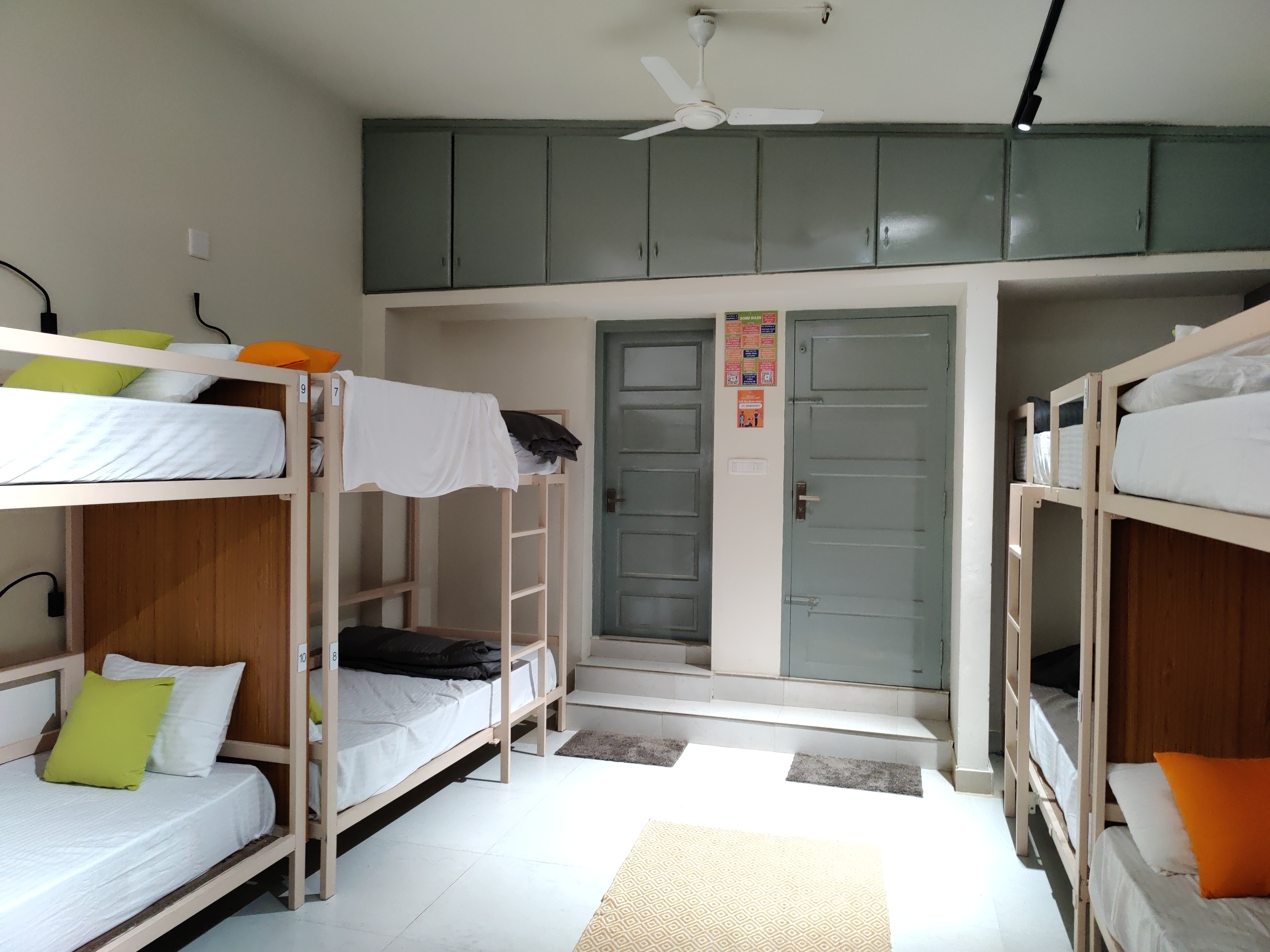 Dormitory room in Zostel Ernakulam, Kochi.
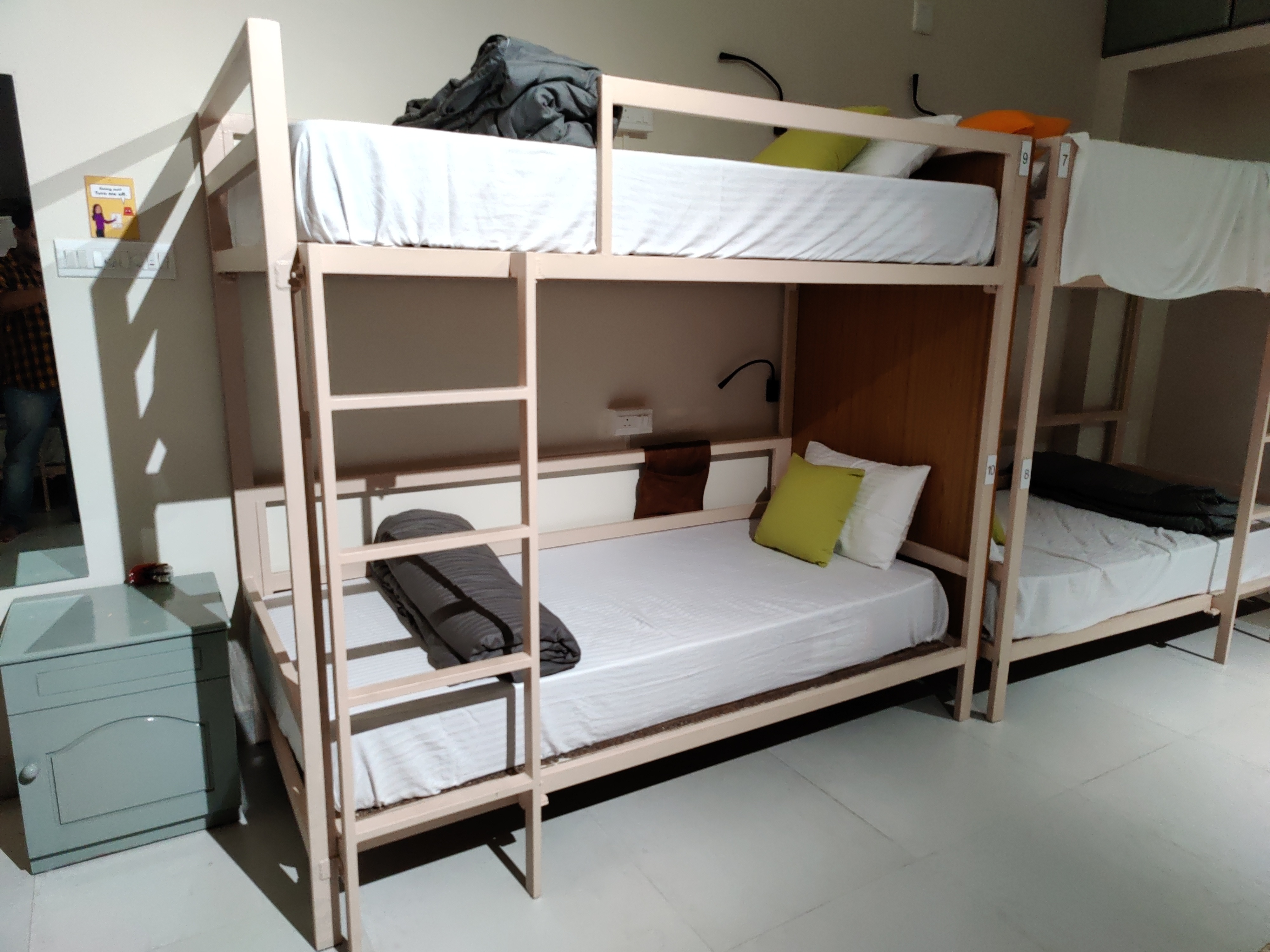 Beds in Zostel Ernakulam, Kochi.
 Onam sadya menu from Brindhavan restaurant.
 Sadya lined up for serving
 Sadya thali served on banana leaf.
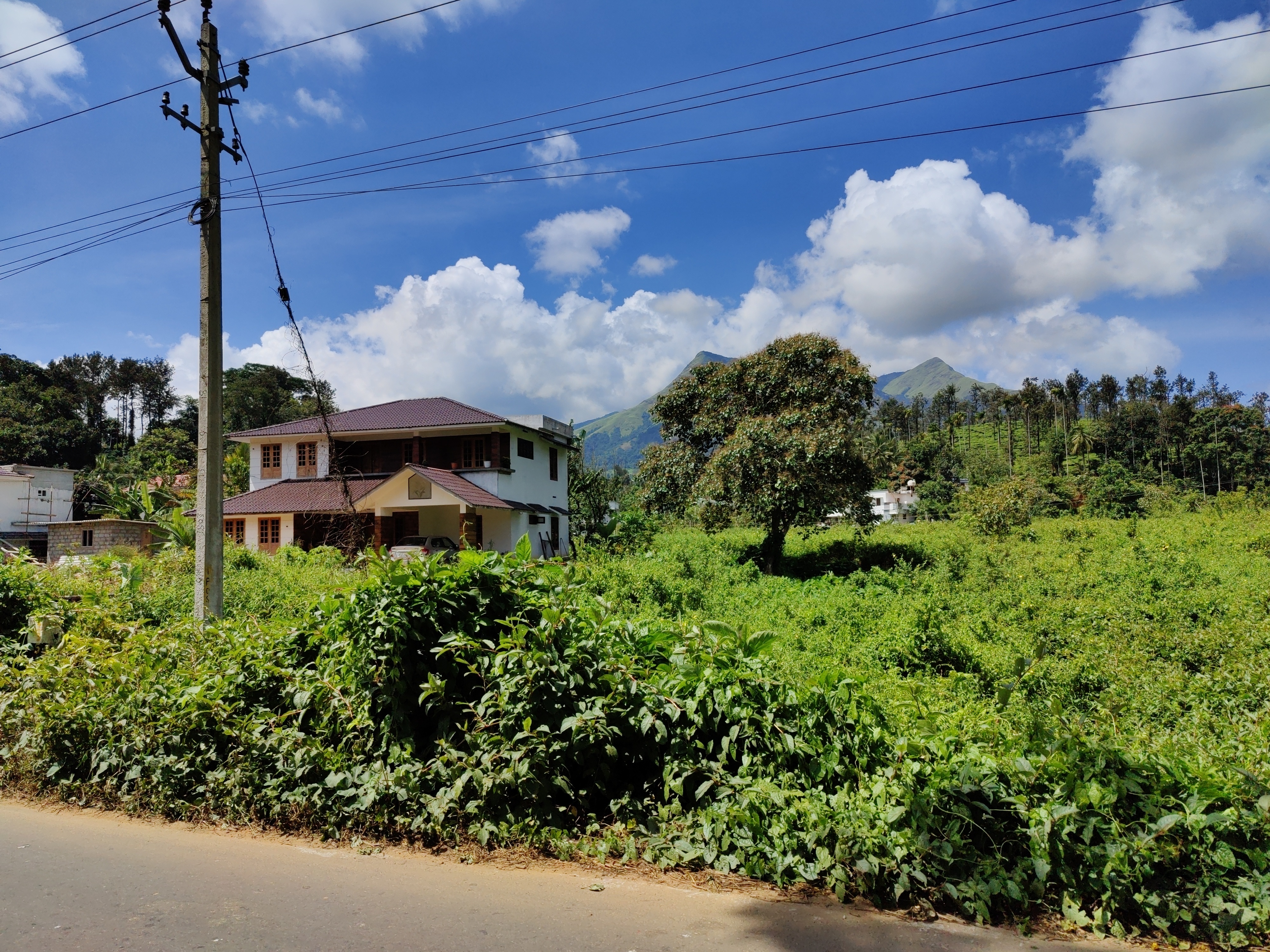 We were treated with such views during the Wayanad trip.
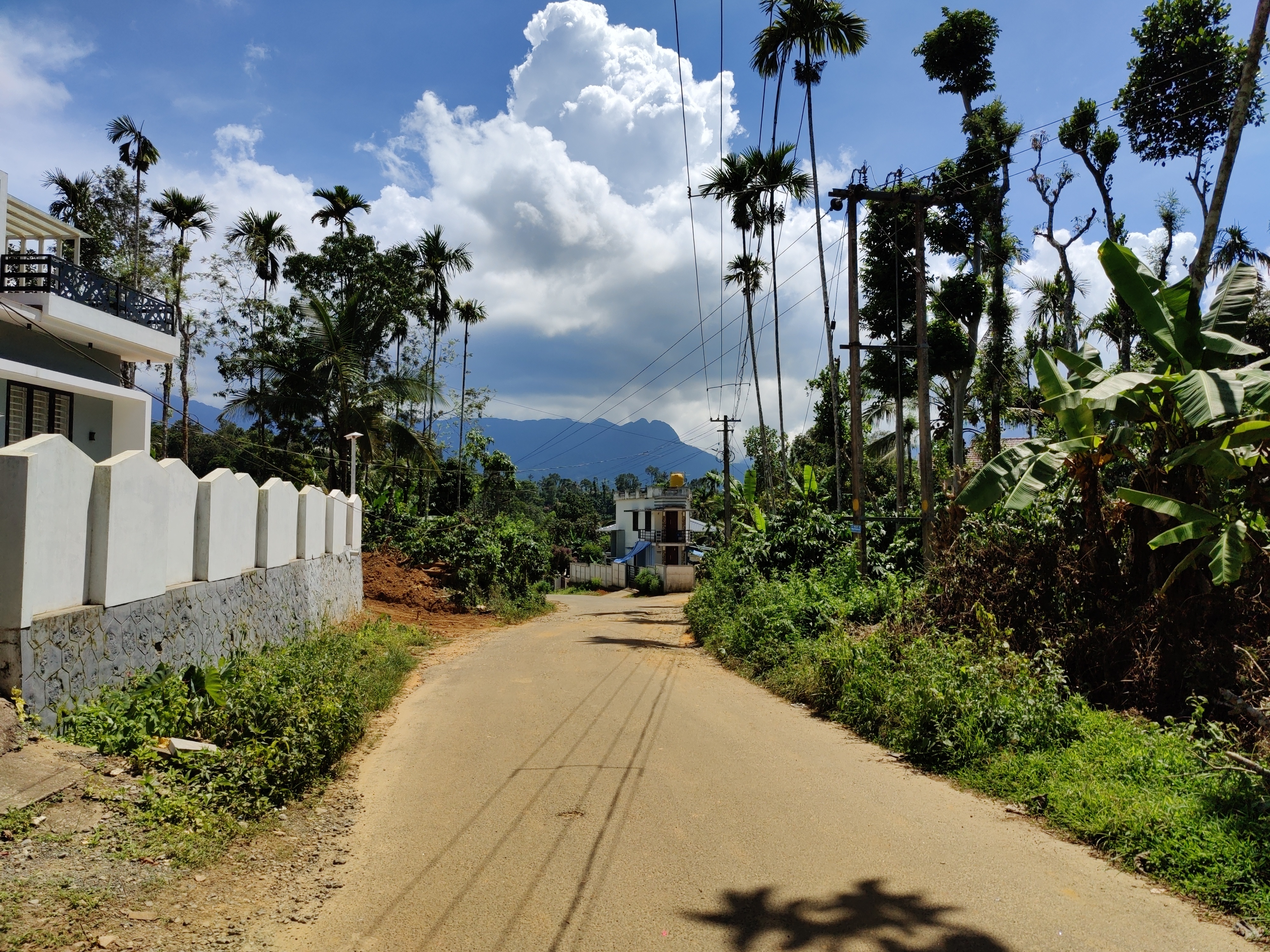 A road in Rippon.
 Entry to Kanthanpara Falls.
 Kanthanpara Falls.
 A view of Zostel Wayanad.
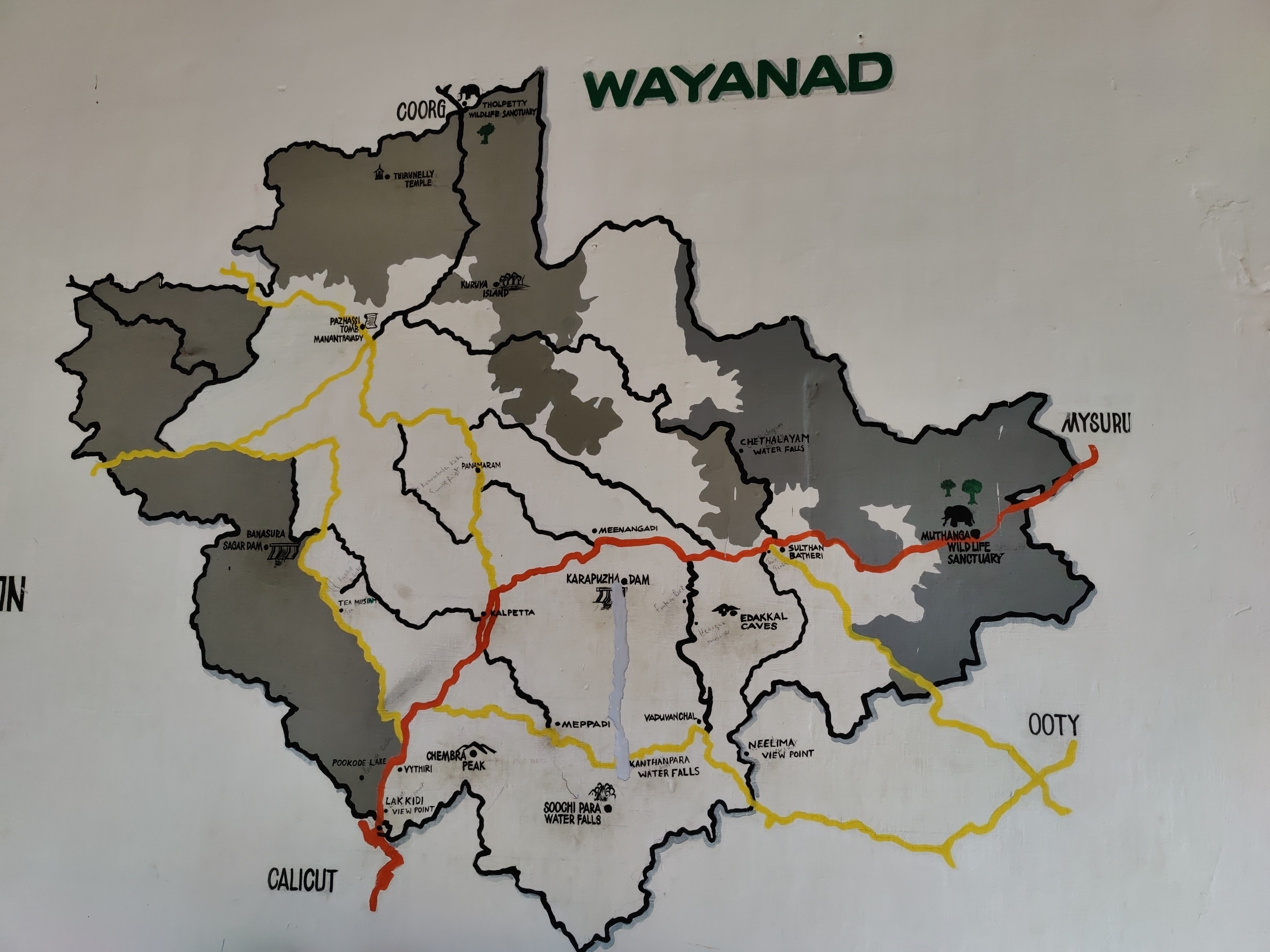 A map of Wayanad showing tourist places.
 A view from inside the Zostel Wayanad property.
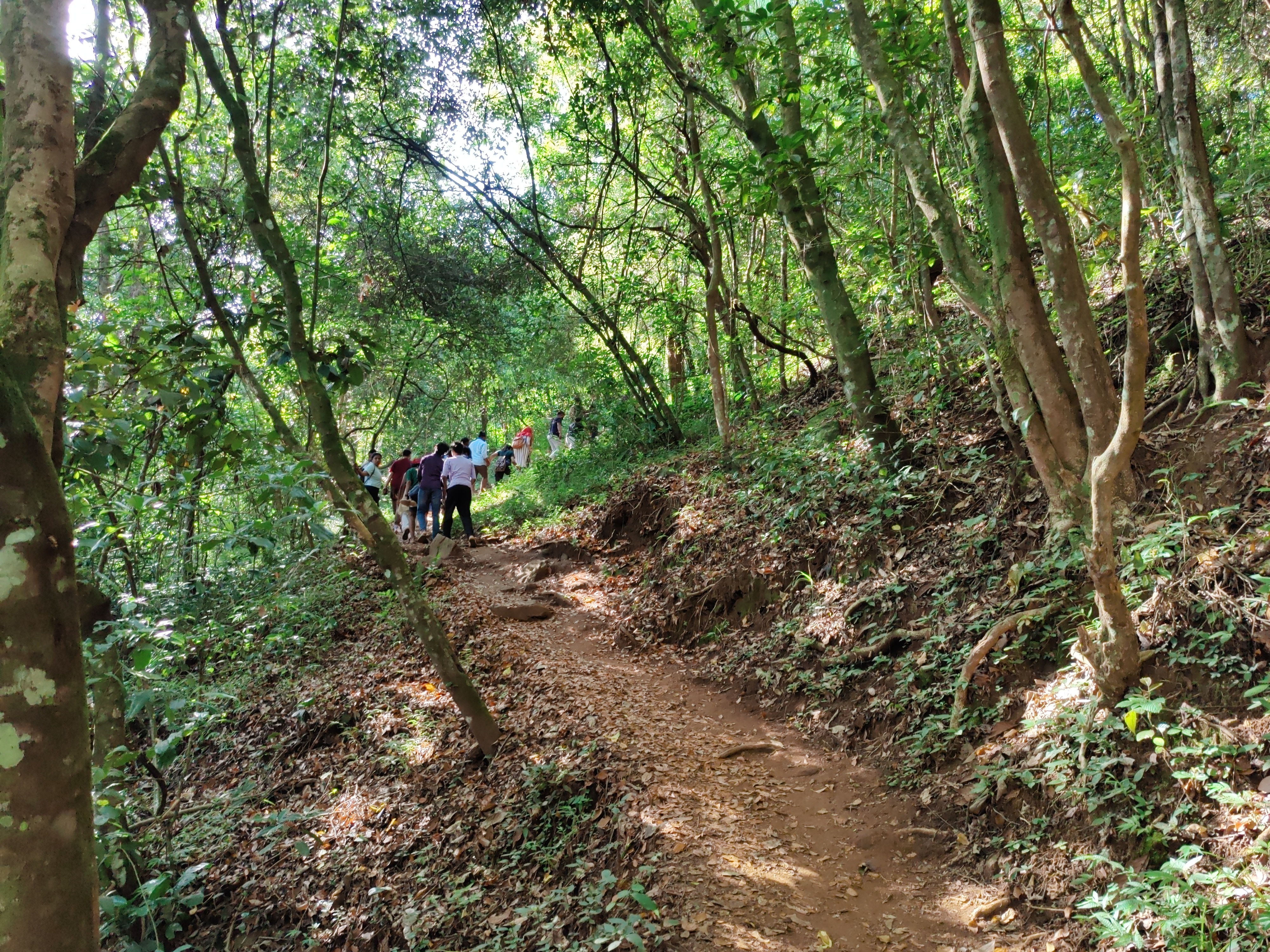 Terrain during trekking towards the Chembra peak.
 Heart-shaped lake at the Chembra peak.
 Me at the heart-shaped lake.
 Views from the top of the Chembra peak.
 View of another peak from the heart-shaped lake.

 QNAP TS-453mini product photo
 The logo for QNAP HappyGet 2 and Blizzard s StarCraft 2 side by side
 Thermalright AXP120-X67, AMD Ryzen 5 PRO 5650GE, ASRock Rack X570D4I-2T, all assembled and running on a flat surface
 Memtest86 showing test progress, taken from IPMI remote control window
 Screenshot of PCIe 16x slot bifurcation options in UEFI settings, taken from IPMI remote control window
 Internal image of Silverstone CS280 NAS build. Image stolen from
 Internal image of Silverstone CS280 NAS build. Image stolen from
 NAS build in Silverstone SUGO 14, mid build, panels removed
 Silverstone SUGO 14 from the front, with hot swap bay installed
 Storage SSD loaded into hot swap sled
 TrueNAS Dashboard screenshot in browser window
 The final system, powered up

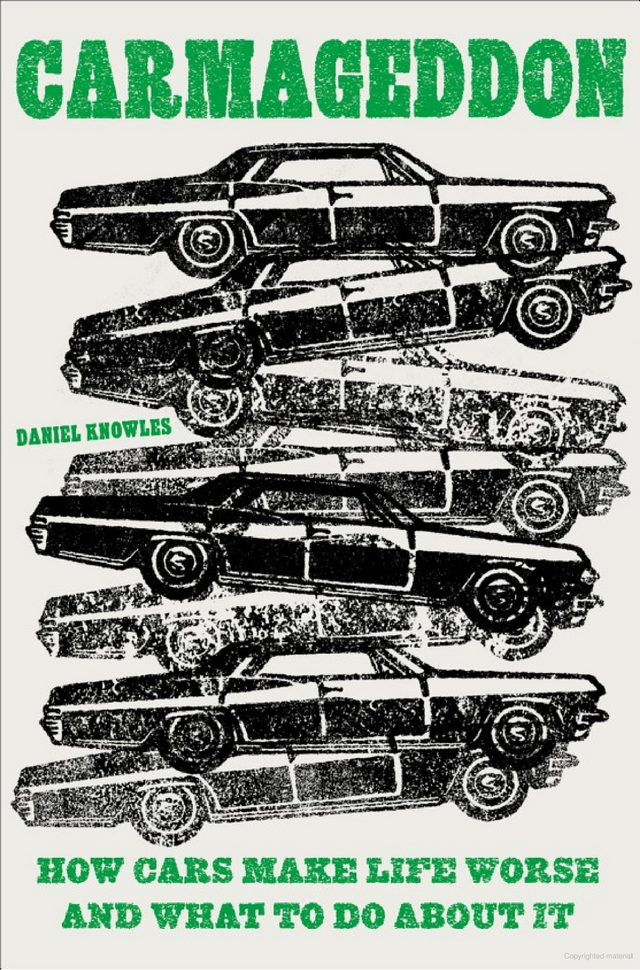 Daniel Knowles Carmageddon: How Cars Make Life Worse and What to
Do About It is an entertaining, lucid, and well-written manifesto
(to borrow a term from the author) aiming to get us all thinking a bit
more about what cars do to society, and how to move on to a better
outcome for all.
The book alternates between historical context and background, lived
experience (as the author is a foreign correspondent who had the
opportunity to travel), and researched content. It is refreshingly free
of formalities (no endless footnotes or endnotes with references, though
I would have liked occassional references but hey we all went to school
long enough to do a bit of research given a pointer or two). I learned
or relearned a few things as I was for example somewhat unaware of the
air pollution (micro-particle) impact stemming from tires and brake
abrasions for which electronic vehicles do zilch, and for which the
auto-obesity of ever larger and heavier cars is making things
much worse. And some terms (even when re-used by Knowles) are clever
such bionic duckweed. But now you need to read the book to
catch up on it.
Overall, the book argues its case rather well. The author brings
sufficient evidence to make the formal guilty charge quite convincing.
It is also recent having come out just months ago, making current
figures even more relevant.
I forget the exact circumstance but I think I came across the author
in the context of our joint obsession with both Chicago and cycling (as
there may have been a link from a related social media post) and/or the
fact that I followed some of his colleagues at The Economist on
social media. Either way, the number of Chicago and MidWest references
made for some additional fun when reading the book over a the last few
days. And for me another highlight was the ode to Tokyo which I
wholeheartedly agree with: on my second trip to Japan I spent a spare
day cycling across the city as the AirBnB host kindly gave me access to
his bicycles. Great weather, polite drivers, moderate traffic, and just
wicked good infrastructure made me wonder why I did not see more
cyclists.
I have little to criticize beyond the lack of any references. The
repeated insistence on reminding us that Knowles comes from Birmingham
gets a little old by the fifth or sixth repetition. It is all a wee bit
anglo- or UK-centric. It obviously has a bit on France, Paris,
and all the recent success of Anne Hidalgo (who, when I was in graduate
school in France, was still a TV person rather than the very successful
mayor she is now) but then does not mention the immense (and well known)
success of the French train system which lead to a recent dictum to no
longer allow intra-Frace air travel if train rides of under 2 1/2 hours
are available which is rather remarkable. (Though in fairness that may
have been enacted once the book was finished.)
Lastly, the book appears to have

 A real sad state of affairs