Russ Allbery: Review: Surface Detail
| Publisher: | Orbit |
| Copyright: | October 2010 |
| Printing: | May 2011 |
| ISBN: | 0-316-12341-2 |
| Format: | Trade paperback |
| Pages: | 627 |
| Publisher: | Orbit |
| Copyright: | October 2010 |
| Printing: | May 2011 |
| ISBN: | 0-316-12341-2 |
| Format: | Trade paperback |
| Pages: | 627 |
| Series: | Class 5 #6 |
| Publisher: | Eclipse |
| Copyright: | November 2024 |
| ISBN: | 1-7637844-0-1 |
| Format: | Kindle |
| Pages: | 289 |
- A lot
- Everyone has a few universal basic qualities, and some special qualities. To me life is pursuit of exploring world based on those qualities and maturing those qualities as one goes on about exploring world/life with those qualities.
Discovering and enhancing experiences as one goes through them.
- life is endless suffering
- my answer might change daily, but this is what I ve noticed and feel recently. Life is a spectrum with two distinct ends: what we control and what we don t. At birth, the spectrum is largely tilted toward control, but throughout our lives, it gradually shifts toward the other side. Ultimately, as we approach death, we lose all control over any aspect of our existence, reaching the other end of the spectrum.
tho this isn t universal, privilege plays a huge part in what you control tho i believe it holds true for the majority
but yeah man, meaning and purpose are dynamic, it s in their nature to change i can give you a different answer this evening itself xD
- Funeral Monologue from Synecdoche, New York. https://www.youtube.com/watch?v=Z9PzSNy3xj0
- Zindagi ek nadiya hai, Aur mujhe tairna nahi aata
(translation - Life is a river, and I don t know how to swim)
On a more serious note, Life is what you make it out for yourself. The only established truth is that it will end. We can never know if there is something after or if there was something before. So try to live a life that you feel aspired by? But this question was beautifully answered by that book which you had about that dying professor
(Me - He was talking about Tuesday s with Morrie)
- My answer is 42
- One, it s living on your own terms, you define everything for yourself, success, normal, whatever. You get to curate your version of it no matter the societal norms.
It s an accumulation of experiences - friends, parents, work, activities, doing shit loads. Sab try karo- travel, zumba, art, music, workout, sports, dil kara ye karna hai karlo. (translation - If your heart wants to do it, just do it.)
Then I think relationships - all that you ve nurtured, people forget maintaining people because of work. It takes efforts to keep people in your life, everyone that comes has a place in yours, how well thats stays is upto you. You also get to curate your people, who stays who don t. Family toh hai hi (translation - family is there) but everyone else that comes along can make it pretty good.
So I don t want to be 50 and be like chalo ab kuch apne liye karte hai (translation - Come on, now let s do something for ourselves) Do whatever shit you want today. Not everything costs money, and if it does get thrifty
But do keep healthy while doing all of that
- Being alive so that my daughter can grow up and i can help raising her kids as well. Raising kids without mother is tough :P
- Definitively, I feel like Life is a by product of proteins and energy working together. But in a more personal sense, Life is a dumb joke played onto us. It s a rat race. But rats exists because of life and then it becomes a chicken-egg problem
Honestly, I don t give good answers to life questions. I m generally the one asking
Life can be like a box of chocolates, you don t know what you re gonna get untill you experience the chocolate(assuming the chocolates are heterogenous and contains a mix of everything)
Camus once said, Life is a revolt , and one of his students added more spice to it like Life is a revolt against the meaninglessness of existence"
I kinda feel like Life is the pursuit of every person s search for meaning
- Imprisonment waiting for execution
I have one more thought while we are on the topic , game with pre defined starting position and predefined destination , path to reach is a maze
- A phase where you can have a really good time or really bad one, usually the mix of both. A phase where you are prisoner to responsibility and materialistic wants.
It s a hell for you, where you try to create heaven for others. Being born was never your choice, but ending is always in your hands but you are a prisoner. You fear that leaving this world behind will destroy the heavens you created for others and they will be back to hell. But eventually everyone moves on watching the hourglass of their life.
Once you are left with no desires or no one to create heavens for, you look arround yourself. You see everyone chasing something, everyone scared of their limitted life time sliping away yet you want it to end sooner.
Doesn t matter if it was all good till now, or all bad. The other half is waiting for redemption. If it was all good, it s best time to die don t wait for the bad to start. If was all bad, it s still the best time to die what if it was the good one and more worst is waiting for you. We desire to be remembered, yet we want to free from this loop of suffering.
Someone once said, life is a suffering, chose your sufferings.
- Life to me is to live without regrets and live with freedom.
Life is always unpredictable and this unpredictability makes it more interesting and worth it.
- As of now, for the state of mind that I am in , I think for me life is about subtle struggle, subtle inconveniences and yet moving forward cause that s all I know.
I am not sure if any of this has any meaning, but sometimes I feel I was born of a purpose and that the universe has my back.
For me it s about raising my consciousness, understanding people to their depths, gaining moderate material success and helping people to some extend.
I have tried to seek a grander meaning but I have failed.
Life for me is what I make out it.
In my times of great success i rarely think about life for I am busy enjoying it, whatever you may call that state of mind.
- For me its the little things that you enjoy with YOUR people
- Life to me is about living and loving, and doing it in a way that sustains. It s the people who shape you, the work you get absorbed in, the quiet moments in between. There s also the wanting, the drive to figure out what s worth going after and how to get there, but that s just one part of it, not the point of it. And none of it happens in a vacuum. I m aware of the privileges that let me live this way, and I try to hold on to that gratitude. In the end, life has both a material and a non-material side, and a lot of what we do is chasing material things in an attempt to satisfy something non-material within us
- Mere liye (translation - for me) life is staying at my home and studying random economics papers. That s when I enjoy myself the most.
- Very complicated
Some days I wish this life never ended and some time I feel it would be better if it stopped at that moment.
It all depends on the events that happen in the so called life .
So life to me is a string of events that happen anyway and you get to make some decisions which can turn it in any direction and then you wonder how did that happen.
- not forgetting to breathe, learn, eat, game, take a good shit, love, sleep.
- To be honest it changed with time! At 19 it was about freedom, wasn t sure what freedom meant but i wanted that! To be free from everything, maybe because parents still controlled a part of my life. Then came 22-24 where i was working, trying to figure out what i want, the meaning changed from freedom to living for myself. To earn more, to be greedy about myself and pursue whatever would help me gain more steps in my career.
Came my mba life, switched my life from doing for myself to trying everything out to have no regrets. Life meaning was just about living with no regrets, invested, gambled, did everything to earn that tag of yeah, have tried that . Now it has all switched to, it was all just a fake facade. Life turned to having a meaningful life rather than finding meaning in what i am doing. Living for people around me, chhoti chhoti cheezo m khushi (translation - happiness in small things(?)) isn t really a topic of conversation but more of happy thing for me. So it changed, and m quite happy to be honest. Life did show me a lot of failures, but was privileged enough to face those failures. Gained a lot of learnings if not money
Hopeful for more learnings and change meaning of life with time
- A task.
- You have different answers at different times You learn different meanings at different times When you are studying, basically it is about job, finding a partner then it becomes, house, car other things based on your income in between, there can be passion too
Free Software was a passion, electoral politics too, but both kind of faded and I want cooperative and user driven development now (prav - something that motivates me every day) and these days learning Chinese and watching Cdrama takes a huge part of my leisure time it is heavily subjective and also influences by previous experiences people around you, how much influence they have on you
it also depends on if they had to struggle in their life or not, for some life did not give much troubles and trouble itself can be relative people who never had to struggle may find even smallest challenges as troubles like if you own a car, your worry is finding a parking slot
- I am too young to think about lyfe
- A ticket to see the show on earth, I guess
I guess life is different depending on the mood. It is a very broad question.
(Me - What is it in this present mood?)
Learning stuff (like I am learning a new language) and being happy but also to regulate emotions in a world where being optimistic is getting harder each day.
Life is also having a unique set of glasses you wear. Both in terms of looking from your eyeballs and your psychological perspective. Both are unique and cannot be replicated.
It is interesting what people on their deathbed think of life. If I know I am dying, my perspective would change a whole lot.
Life is finishing reading books while we are alive
Life is sleeping after a good XMPP chat
- Dukh dard peeda (translation - surrow pain suffering)
- uhh to word it? life is just like a journey from A to somewhere and its all about what paths you take and what line you get on to me, just a series of short adventures that all connect to a larger sequence until you can t have any more adventures-
(Me - eee, THE END. drop dead, like a coin)
yeaaaah- I am not really for spirituality of an afterlife, to me life just ends at some point, after which point there fails to remain a discernable you, and some X time after which, you will be last remembered, try to make that last time a good one I guess?
(Me - no soul?)
uhhh not in the way most people think of it i guess?
theres just a lot ofyous, theres the physical you, there is the idea of you, there is the expectation of you, and one of the undefinable you I would label as the soul maybe? like the part thats not physically you, but also certainly you
(Me - can t say I understood part, but I get you in this sense)
mhm- well its about just questioning who you are more so questioning what life is-, I have sadly spent way too much time trying to figure that out
- Making the best of the time you have
- living a full range of experiences and embracing the good ones, seeing all that the world has to offer. In the end we were always just stardust. Might as well enjoy it when we are stardust with a consciousness of our own.
- For some reason or the Universe s /dev/random I was born here as a biological being, and from my experience I understood living is hard and the best way to live is by embracing it. Loving everyone and everything around you. Be happy and joyful until you naturally say good bye to this world.
- Life is being fucked by everything and you just have to figure out and try to stick to the things worth being fucked forNote: Following was transcribed from a audio message.
- There are five conditions to become a life to survive in the environment. I think there s five conditions by the biological definitions and reproduction is one of the factor virus is not considered a life form because it cannot reproduce on its own but technically it s kind of a life because it reproduces using the DNA ability this is the biological definition. Do you want a philosophical definition?I m grateful for all the replies, outlooks, and subsequent conversations I got to have after this question with everyone. After all, it was a deeply personal question. It does fit in nicely with my definition of life:
My definition is kind of the same except that you get life experiences along with it as a human. Extra benefits is that you are not an NPC. All other organisms are NPCs. But humans can interpret the world and change it to their liking. That is life in the case of a human. But then many humans are mostly NPCs. But they still can change the life. Okay, fuck this. Where is this even going?
A human is an exception in the case of life, because human is not an NPC. Human can interrupt the world, human can change it to its liking, which is why we are such a successful organism on this planet. That is life to me. That s a human. But all of this is kind of meaningless, because the biological impurity of a human being still exists, so you still have the urges to reproduce, which kind of makes it like just another organism. But then, humans are yet to evolve to overcome that biological imperative.
Note: I have not published blog posts about my academic papers over the past few years. To ensure that my blog contains a more comprehensive record of my published papers and to surface them for folks who missed them, I will periodically (re) publish blog posts about some older published projects. This post draws material from a previously published post by Kaylea Champion on the Community Data Science Blog.
Taboo subjects such as sexuality and mental health are as important to discuss as they are difficult to raise in conversation. Although many people turn to online resources for information on taboo subjects, censorship and low-quality information are common in search results. In two papers I recently published at CSCW both led by Kaylea Champion we presented a series of analyses showing how taboo shapes the process of collaborative knowledge building on English Wikipedia.
The first study is a quantitative analysis showing that articles on taboo subjects are much more popular and are the subject of more vandalism than articles on non-taboo topics. In surprising news, we also found that they were edited more often and were of higher quality!
The first challenge we faced in conducting this work was identifying taboo articles. Kaylea had a brilliant idea for a new computational approach to doing so without relying on our individual intuitions about what qualifies as taboo (something we understood would be highly specific to our own culture, class, etc). Her approach was to make use of an insight from linguistics: people develop euphemisms as ways to talk about taboos (i.e., think about all the euphemisms we ve devised for death, or sex, or menstruation, or mental health).
We used this insight to build a new machine-learning classifier based on English Wiktionary definitions. If a sense of a word was tagged as euphemistic, we treated the words in the definition as indicators of taboo. The end result was a series of words and phrases that most powerfully differentiate taboo from non-taboo. We then did a simple match between those words and phrases and the titles of Wikipedia articles. The topics were taboo enough that we were a little uncomfortable discussing them in our meetings! We built a comparison sample of articles whose titles are words that, like our taboo articles, appear in Wiktionary definitions. In the first paper, we used this new dataset to test a series of hypotheses about how taboo shapes collaborative production in Wikipedia. Our initial hypotheses were based on the idea that taboo information is often in high demand but that Wikipedians might be reluctant to associate their names (or usernames) with taboo topics. The result, we argued, would be articles that were in high demand but of low quality. We found that taboo articles are thriving on Wikipedia! In summary, we found that in comparison to non-taboo articles:
Image of the estimated qualiy of articles of the four articles in the second mixed-methods paper. Extreme dips reflect periods of frequent vandalism.The full citation for the papers are: (1) Champion, Kaylea, and Benjamin Mako Hill. 2023. Taboo and Collaborative Knowledge Production: Evidence from Wikipedia. Proceedings of the ACM on Human-Computer Interaction 7 (CSCW2): 299:1-299:25. https://doi.org/10.1145/3610090. (2) Champion, Kaylea, and Benjamin Mako Hill. 2024. Life Histories of Taboo Knowledge Artifacts. Proceedings of the ACM: Human-Computer Interaction 8 (CSCW2): 505:1-505:32. https://doi.org/10.1145/3687044.
We have also released replication materials for the paper, including all the data and code used to conduct the analyses.
This blog post and the paper it describes are collaborative work by Kaylea Champion and Benjamin Mako Hill.
On our way to Austria last week, on March 6th, we left my daughter's laptop on a train: ICE 1201 (Hamburg-Harburg to Bludenz).
The laptop is a Lenovo X230 notebook. The most obvious distinguishing feature is a Mathilda Hands sticker in the middle of the lid:
The keyboard layout is British (with a above the 3).
It was left in coach 24 of ICE 1201, next to seats 51-54, in the luggage gap between the seats, on the floor.
My hope is that whoever found it will end up searching for Mathilda Hands and see this. If that's how you got here, please email me:
phil-lostlaptop2026@hands.com - doing so will make Mathilda (and me) most cheerful.
Twelve weeks ago, I stepped into the Debian ecosystem as an Outreachy intern with a curiosity for Quality Assurance. It feels like just yesterday, and time has flown by so fast! Now, I am wrapping up that journey, not just with a completed project, but with improved technical reasoning.
I have learned how to use documentation to understand a complex project, how to be a good collaborator, and that learning is a continuous process. These experiences have helped me grow much more confident in my skills as an engineer.
As I close this chapter, I am leaving a permanent Proof-of-Work in the Debian repositories:
In this final month, things became easier as my understanding of the project grew. I focused on stability and finishing my remaining tasks:
I don t want my journey with Debian to end here. I plan to stay involved in the community and extend these same tests to the LXDE desktop to complete the coverage for all major Debian desktop environments. I am excited to keep exploring and learning more about the Debian ecosystem.
This journey wouldn t have been possible without the steady guidance of my mentors: Tassia Camoes Araujo, Roland Clobus, and Philip Hands. Thank you for teaching me that in the world of Free and Open Source Software (FOSS), your voice and your code are equally important.
To my fellow intern Hellen and the entire Outreachy community, thank you for the shared learning and support. It has been an incredible 12 weeks.
Hello world
. I m Hellen Chemtai, an intern at Outreachy working with the Debian OpenQA team on Images Testing. This is the final week of the internship. This is just a start for me as I will continue contributing to the community .I am grateful for the opportunity to work with the Debian OpenQA team as an Outreachy intern. I have had the best welcoming team to Open Source.
I have been working on network install and live images tasks :
I have enjoyed working on testing both live images and net install images. This was one of the goals that I had highlighted in my application. I have also been working with fellow contributors in this project.
As I had stated , I have had the best welcoming team to Open Source . They have been working with me and ensuring I have the proper resources for contributions. I am grateful to my three mentors and the work they have done.
I wish to learn more with the team. On my to do list, I would like to gain more skills on ports and packages so to contribute more technically. I have enjoyed working on the tasks and learning
The automated tests done by the team help the community in some of the following examples:
I have also networked with the greater community and other contributors. During the contribution phase, I found many friends who were learning together with me . I hope to continue networking with the community and continue learning.
Our Debian User Group met on February 22nd for our first meeting of
the year!
Here's what we did:
pollo:
2.130.00.1.10-30.8.40.14.0
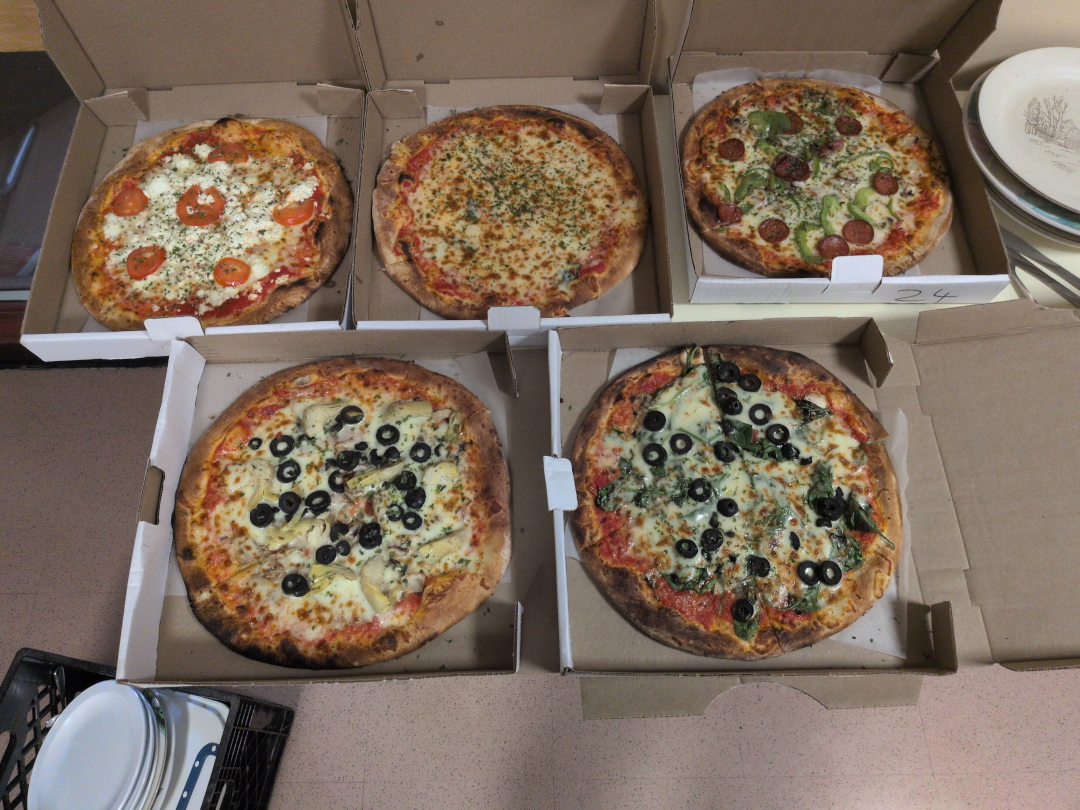
We also ordered some delicious pizzas from Pizzeria dei Compari, a
nice pizzeria on Saint-Denis street that's been there forever.
Some of us ended up grabbing a drink after the event at l'Am re boire,
a pub right next to the venue, but I didn't take any pictures.
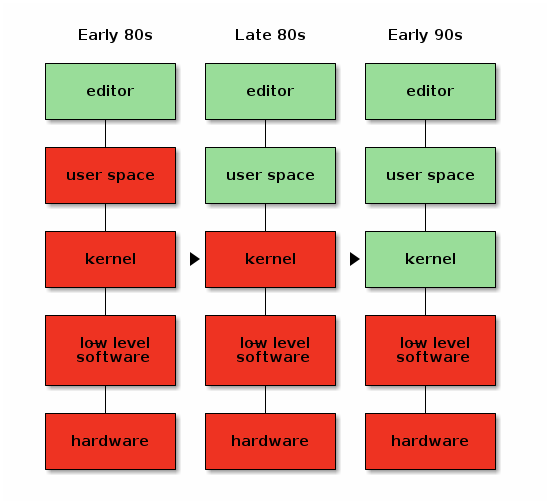
When the Free Software movement started in the 1980s, most of the world
had just made a transition from free university-written software to
non-free, proprietary, company-written software. Because of that, the
initial ethical standpoint of the Free Software foundation was that it's
fine to run a non-free operating system, as long as all the software you
run on that operating system is free.
Initially this was just the
editor.
But as time went on, and the FSF managed to write more and more parts of
the software stack, their ethical stance moved with the times. This was
a, very reasonable, pragmatic stance: if you don't accept using a
non-free operating system and there isn't a free operating system yet,
then obviously you can't write that free operating system, and the
world won't move towards a point where free operating systems exist.
In the early 1990s, when
Linus initiated the
Linux kernel, the situation reached the point where the original dream
of a fully free software stack was complete.
Or so it would appear.
Because, in fact, this was not the case. Computers are physical objects,
composed of bits of technology that we refer to as "hardware", but in
order for these bits of technology to communicate with other bits of
technology in the same computer system, they need to interface with
each other, usually using some form of bus protocol. These bus protocols
can get very complicated, which means that a bit of software is required
in order to make all the bits communicate with each other properly.
Generally, this software is referred to as "firmware", but don't let
that name deceive you; it's really just a bit of low-level software that
is very specific to one piece of hardware. Sometimes it's written in an
imperative high-level language; sometimes it's just a set of very simple
initialization vectors. But whatever the case might be, it's always a
bit of software.
And although we largely had a free system, this bit of low-level
software was not yet free.
Initially, storage was expensive, so computers couldn't store as much
data as today, and so most of this software was stored in ROM chips on
the exact bits of hardware they were meant for. Due to this fact, it was
easy to deceive yourself that the firmware wasn't there, because you
never directly interacted with it. We knew it was there; in fact, for
some larger pieces of this type of
software it was possible, even in
those days, to install updates. But that was rarely if ever done at the
time, and it was easily forgotten.
And so, when the free software movement slapped itself on the back and
declared victory when a fully free operating system was available, and
decided that the work of creating a free software environment was
finished, that only keeping it recent was further required, and that we
must reject any further non-free encroachments on our fully free
software stack, the free software movement was deceiving itself.
Because a computing environment can never be fully free if the
low-level pieces of software that form the foundations of that computing
environment are not free. It would have been one thing if the Free
Software Foundation declared it ethical to use non-free low-level
software on a computing environment if free alternatives were not
available. But unfortunately, they did not.
In fact, something very strange happened.
In order for some free software hacker to be able to write a free
replacement for some piece of non-free software, they obviously need to
be able to actually install that theoretical free replacement. This
isn't just a random thought; in fact it has
happened.
Now, it's possible to install software on a piece of rewritable storage
such as flash memory inside the hardware and boot the hardware from
that, but if there is a bug in your software -- not at all unlikely if
you're trying to write software for a piece of hardware that you don't
have documentation for -- then it's not unfathomable that the
replacement piece of software will not work, thereby reducing your
expensive piece of technology to something about as useful as a
paperweight.
Here's the good part.
In the late 1990s and early 2000s, the bits of technology that made up
computers became so complicated, and the storage and memory available to
computers so much larger and cheaper, that it became economically more
feasible to create a small, tiny, piece of software stored in a ROM chip
on the hardware, with just enough knowledge of the bus protocol to
download the rest from the main computer.
This is awesome for free software. If you now write a replacement for
the non-free software that comes with the hardware, and you make a
mistake, no wobbles! You just remove power from the system, let the DRAM
chips on the hardware component fully drain, return power, and try
again. You might still end up with a brick of useless silicon if some
of the things you sent to your technology make it do things that it was
not designed to do and therefore you burn through some critical bits of
metal or plastic, but the chance of this happening is significantly
lower than the chance of you writing something that impedes the boot
process of the piece of hardware and you are unable to fix it because
the flash is overwritten. There is anecdotal
evidence
that there are free software hackers out there who do so. So, yay,
right? You'd think the Free Software foundation would jump at the
possibility to get more free software? After all, a large part of why we
even have a Free Software Foundation in the first place, was because of
some piece of hardware that was
misbehaving,
so you would think that the foundation's founders would understand the
need for hardware to be controlled by software that is free.
The strange thing, what has always been strange to me, is that this is
not what happened.
The Free Software Foundation instead decided that non-free software on
ROM or flash chips is fine, but non-free software -- the very same
non-free software, mind -- that touches the general storage device that
you as a user use, is not. Never mind the fact that the non-free
software is always there, whether it sits on your storage device or not.
Misguidedness aside, if some people decide they would rather not update
the non-free software in their hardware and use the hardware with the
old and potentially buggy version of the non-free software that it came
with, then of course that's their business.
Unfortunately, it didn't quite stop there. If it had, I wouldn't have
written this blog post.
You see, even though the Free Software Foundation was about Software,
they decided that they needed to create a hardware
certification program. And this hardware
certification program ended up embedding the strange concept that if
something is stored in ROM it's fine, but if something is stored on a
hard drive it's not. Same hardware, same software, but different
storage. By that logic, Windows respects your freedom as long as the
software is written to ROM. Because this way, the Free Software
Foundation could come to a standstill and pretend they were still living
in the 90s.
An unfortunate result of the "RYF" program is that it means that
companies who otherwise would have been inclined to create hardware that
was truly free, top to bottom, are now more incentivised by the RYF
program to create hardware in which the non-free low-level software
can't be replaced.
Meanwhile, the rest of the world did not pretend to still be living in
the nineties, and free hardware communities now exist. Because of how
the FSF has marketed themselves out of the world, these communities call
themselves "Open Hardware" communities, rather than "Free Hardware"
ones, but the principle is the same: the designs are there, if you have
the skill you can modify it, but you don't have to.
In the mean time, the open hardware community has evolved to a point
where even CPUs are designed in
the open, which you can design your own version of.
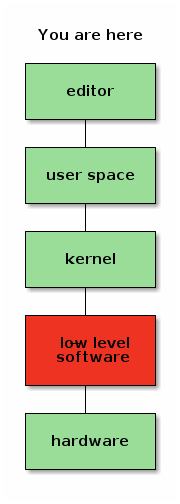
But not all hardware can be implemented as RISC-V, and so if you want a
full system that builds RISC-V you may still need components of the
system that were originally built for other architectures but that would
work with RISC-V, such as a network card or a GPU. And because the FSF
has done everything in their power to disincentivise people who would
otherwise be well situated to build free versions of the low-level
software required to support your hardware, you may now be in the weird
position where we seem to have somehow skipped a step.
My own suspicion is that the universe is not only queerer than we suppose, but queerer than we can suppose.-- J.B.S. Haldane (comments for this post will not pass moderation. Use your own blog!)
You might see a verification screen pop up on more and more Debian web properties. Unfortunately the AI world of today is meeting web hosts that use Perl CGIs and are not built as multi-tiered scalable serving systems. The issues have been at three layers:Optimally we would go and solve some scalability issues with the services, however there is also a question of how much we want to be able to serve - as AI scraper demand is just a steady stream of requests that are not shown to humans.
DSA has now stood up some VMs with Varnish for proxying. Incoming TLS is provided by hitch, and TLS "on-loading" is done using haproxy. That way TLS goes in and TLS goes out. While Varnish does cache, if the content is cachable (e.g. does not depend on cookies) - that is not the primary reason for using it: It can be used for flexible query and response rewriting.
If no cookie with a proof of work is provided, the user is redirected to a challenge page that does some webcrypto in Javascript - because that looked similar to what other projects do (e.g. haphash that originally inspired the solution). However so far it looks like scrapers generally do not run with Javascript enabled, so this whole crypto proof of work business could probably be replaced with just a Javascript-based redirect. The existing solution also has big (security) holes in it. And, as we found out, Firefox is slower at webcrypto than Chrome. I have recently reduced the complexity, so you should notice it blocking you significantly less.
Once you have the cookie, you can keep accessing the site for as long as the cookie is valid. Please do not make any assumptions about the cookies, or you will be broken in the future.For legitimate scrapers that obey robots.txt, there is now an automatically generated IP allowlist in place (thanks, Marco d'Itri). Turns out that the search engines do not actually run Javascript either and then loudly complain about the redirect to the challenge page. Other bots are generally exempt.
Note: I have not published blog posts about my academic papers over the past few years. To ensure that my blog contains a more comprehensive record of my published papers and to surface these for folks who missed them, I will be periodically (re)publishing blog posts about some older published projects. It seems natural to think of online communities competing for the time and attention of their participants. Over the last few years, I ve worked with a team of collaborators led by Nathan TeBlunthuis to use mathematical and statistical techniques from ecology to understand these dynamics. What we ve found surprised us: competition between online communities is rare and typically short-lived. When we started this research, we figured competition would be most likely among communities discussing similar topics. As a first step, we identified clusters of such communities on Reddit. One surprising thing we noticed in our Reddit data was that many of these communities that used similar language also had very high levels of overlap among their users. This was puzzling: why were the same groups of people talking to each other about the same things in different places? And why don t they appear to be in competition with each other for their users time and activity? We didn t know how to answer this question using quantitative methods. As a result, we recruited and interviewed 20 active participants in clusters of highly related subreddits with overlapping user bases (for example, one cluster was focused on vintage audio). We found that the answer to the puzzle lay in the fact that the people we talked to were looking for three distinct things from the communities they worked in:
Figure from No Community Can Do Everything: Why People Participate in Similar Online Communities depicts three key benefits that people seek from online communities and how individual communities tend not to optimally provide all three. For example, large communities tend not to afford a tight-knit homophilous community.This work was published as a paper at CSCW: TeBlunthuis, Nathan, Charles Kiene, Isabella Brown, Laura (Alia) Levi, Nicole McGinnis, and Benjamin Mako Hill. 2022. No Community Can Do Everything: Why People Participate in Similar Online Communities. Proceedings of the ACM on Human-Computer Interaction 6 (CSCW1): 61:1-61:25. https://doi.org/10.1145/3512908.
This work was supported by the National Science Foundation (awards IIS-1908850, IIS-1910202, and GRFP-2016220885). A full list of acknowledgements is in the paper.
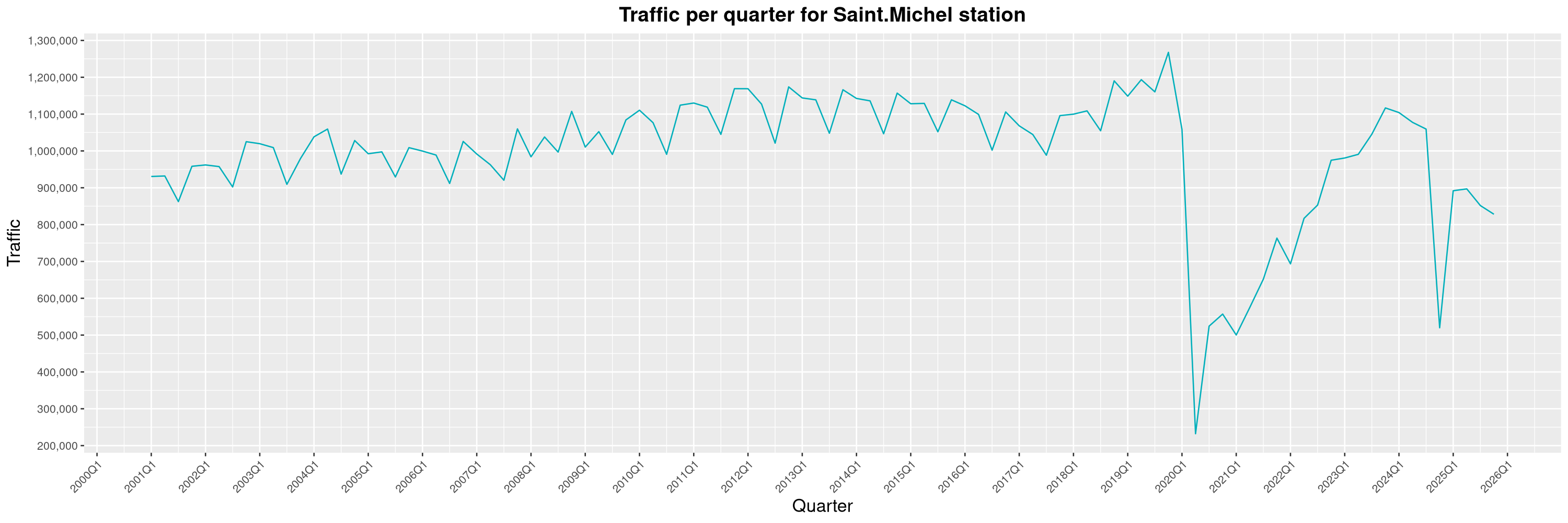
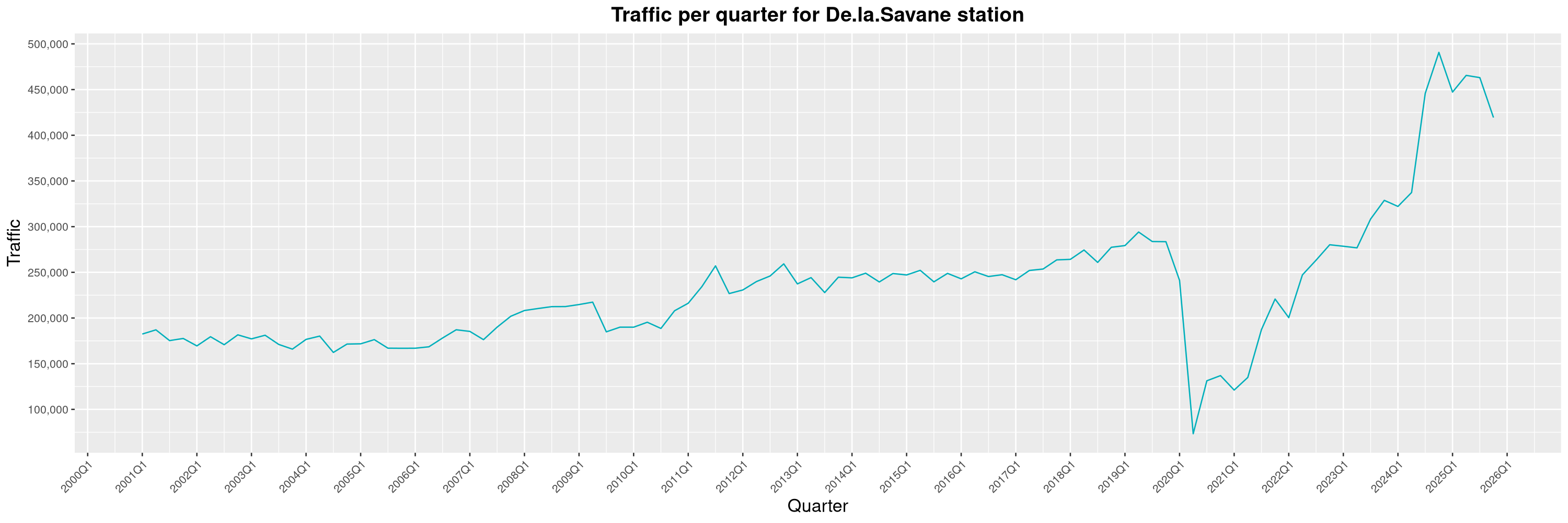
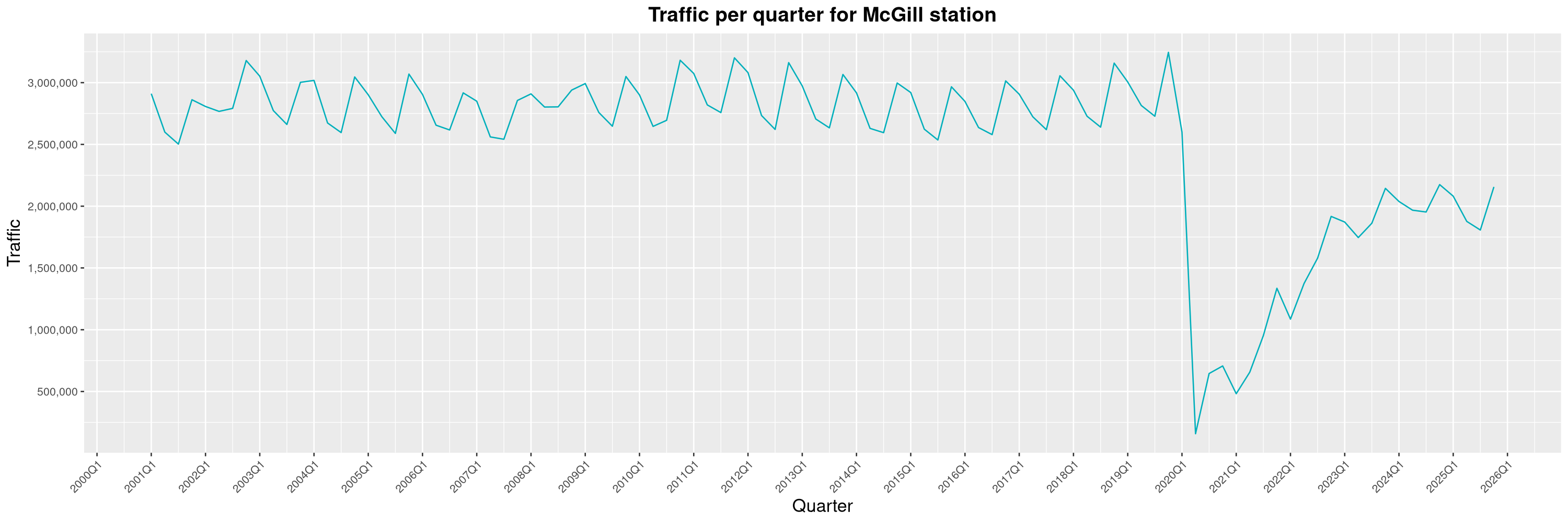
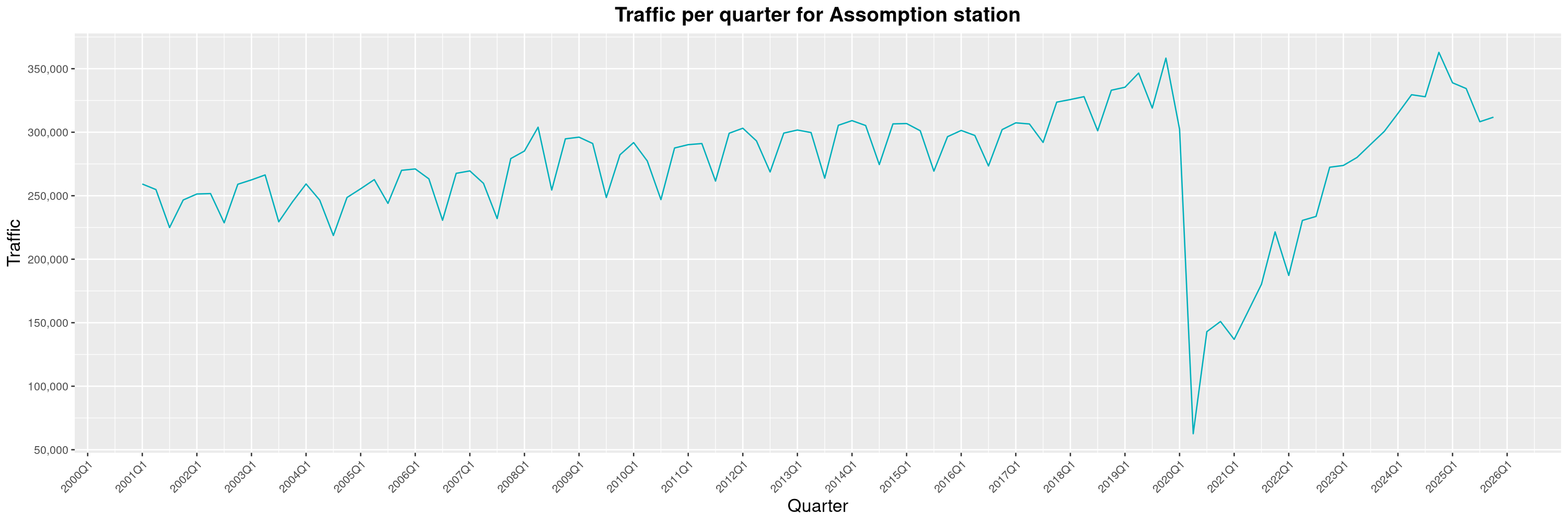
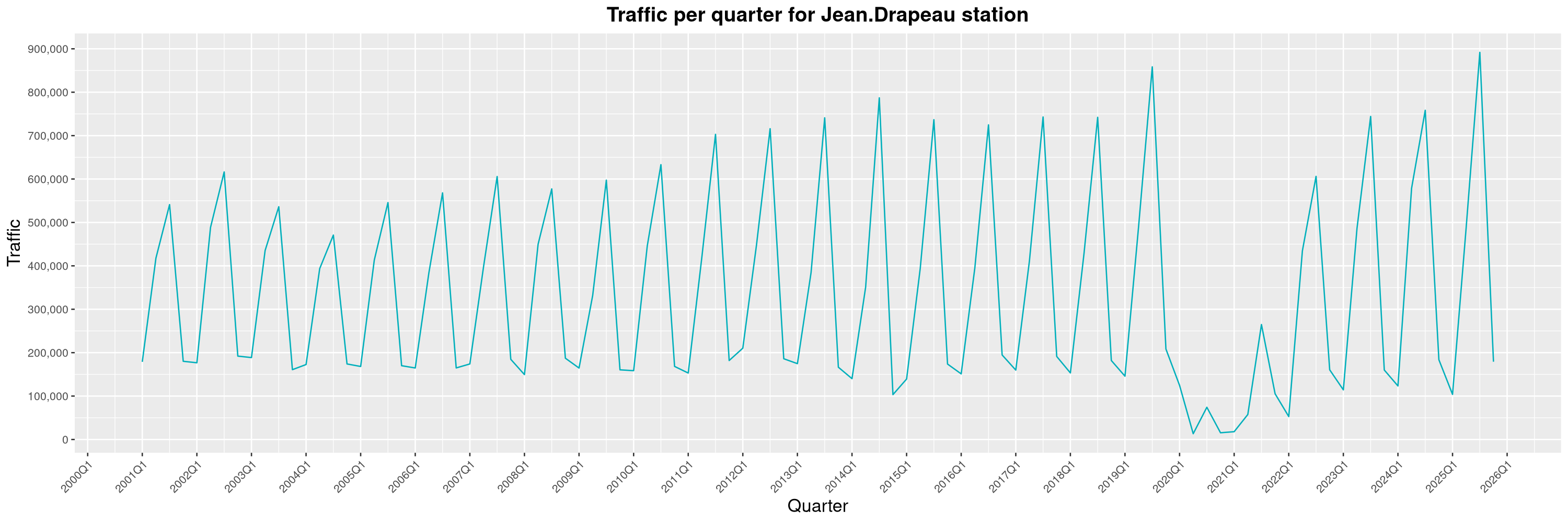
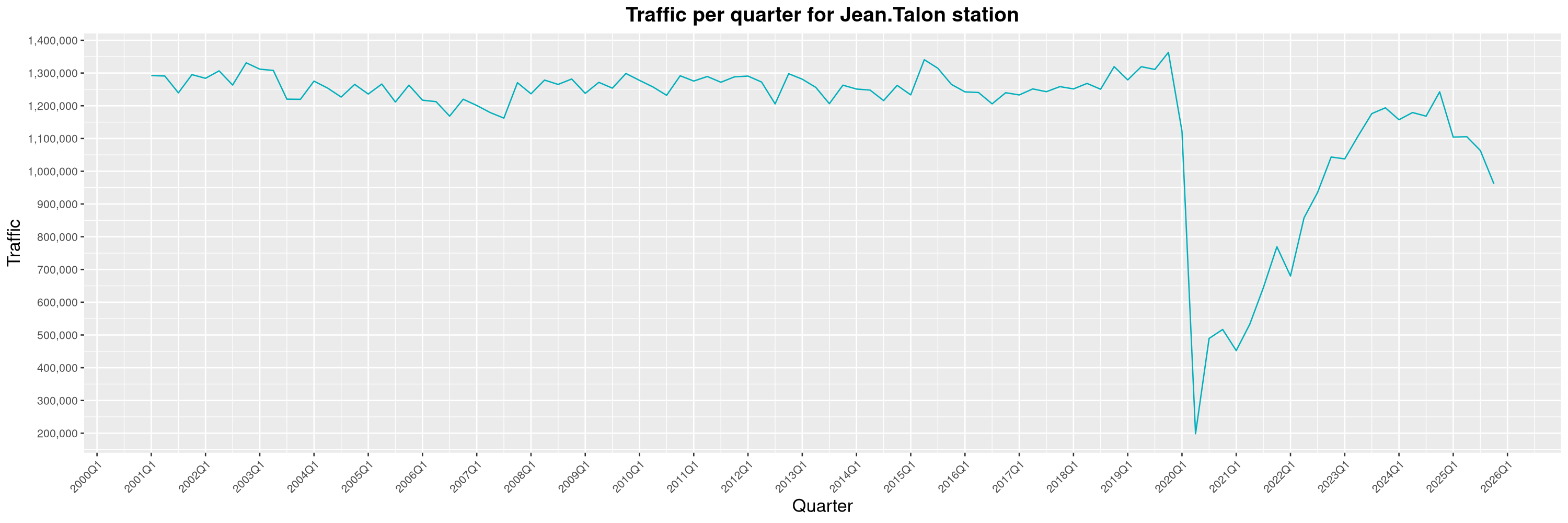
Another year of data from Soci t de Transport de Montr al, Montreal's
transit agency!
A few highlights this year: