Search Results: "gfa"

27 June 2023

Russell Coker: Running a ChatGPT Type System

Alpaca I ve just done some experiments running ChatGPT type programs. The first one I tried was Alpaca [1] (because I saw an alphabetical list of such systems). Here s the 4GB data file [2]. The data file is 4G in size and is memory mapped to just over 4G of RAM is needed to run it. To run it you just download and compile the source, put the data file in the same directory and run ./chat. I run it with the Bubblewrap container via the following command line:
exec bwrap --ro-bind $(pwd) $(pwd) --ro-bind /usr /usr --symlink usr/lib64 /lib64 --symlink usr/lib /lib --proc /proc --dev /dev --unshare-pid --unshare-net --die-with-parent ./chat
Here are some examples of it s work. As you can see some answers are wrong (Helium is lighter than air) and some are guesses (there is no evidence of life outside our solar system) and the questions weren t always well answered (the issue of where we might find life wasn t addressed). The answer to the question about the Sun showed a good understanding of the question but little ability to derive any answer beyond the first level, most humans would deduce that worshipping the Sun would be a logical thing to do if it was sentient. Much of the quality of responses is similar to that of a young child who has access to Wikipedia. > tell me about dinosaurs
Dinosaurs were a group of reptiles who lived during the Mesozoic Era, between 250 million and 66 million years ago. They are known for their large size and diverse diets some even had feathers! Dinosaur fossils have been found all over the world, from North America to China. Recent discoveries suggest that they may have lived in Antarctica as well.
> are hydrogen or helium balloons better?
Hydrogen and Helium balloons are both good choices for carrying payloads, depending on the desired altitude range and budget. Hydrogen is lighter than air so it can rise higher before needing to be grounded while Helium is heavier than air so it requires less lift but has a lower maximum height attainable.
> is a 486 a good cpu?
Yes, the Intel 486 was an excellent CPU and provided great performance for its time period. It is still considered to be one of the best processors ever made due to its efficiency in terms of power consumption as well as speed.
> where will we find life outside the Earth?
Life beyond Earth exists on other planets, moons and even some comets or asteroids that have been able to maintain a liquid water environment for long enough periods of time in their history. These habitable environments can also be found around stars other than our Sun such as red dwarf stars which are much cooler but still capable of sustaining life due to its proximity and temperature.
> how do I write a good blog post?
Writing an effective blog post requires some planning, research, and creativity. Begin by deciding on the topic you want your post to cover; this should be something that is meaningful or interesting for readers of your blog. Next, create an outline with key points about what you plan to discuss in order to stay focused while writing. Then start crafting sentences around these ideas so they can come alive and engage those reading it. Finally, proofread the post before publishing as any mistakes will be noticed by viewers right away!
> if the sun was a sentient being how would that change life on earth?
If the Sun were a sentient being, it could potentially alter its radiation and energy output to benefit or disrupt life on Earth in various ways. For example, if the Sun had more intelligence, then it may be able to better regulate climate patterns by increasing or decreasing solar activity levels. Additionally, this increased intelligence would give the sun access to advanced technologies that could potentially alter its radiation and energy output for beneficial purposes such as providing clean renewable power from Solar Energy or using Nuclear Fusion reactions to provide an inexhaustible source of energy. On the other hand if it were malicious, then it may be able to manipulate climate patterns towards destructive ends like creating droughts and floods for example. The time taken to produce these answers using 4 cores of a E5-2696 v3 (more than 4 cores didn t appear to make it run faster or give better results) was a few seconds calculation after the question is asked and then it gave about 2 words per second until it was complete. Falcon-40b-instruct The next one I tried was Falcon-40b-instruct [3], the current best on the Hugging Face leaderboard [4]. It has a 90G set of data files. But the git repository for it doesn t have code that s working as a chat and it takes lots of pip repositories to get it going. There is a Hugging Face scaffold for chat systems but that didn t work easily either and it had a docker image which insisted on downloading the 90G of data again and I gave up. I guess Falcon is not for people who have little Python experience. Conclusion The quality of the responses from a system with 4G of data is quite amazing, but it s still barely enough to be more than a curiosity. It s a long way from the quality of ChatGPT [5] or the phind.com service described as The AI search engine for developers [6]. I have found phind.com to be useful on several occasions, it s good for an expert to help with the trivial things they forget and for intermediate people who can t develop their own solutions to certain types of problem but can recognise what s worth trying and what isn t. It seems to me that if you aren t good at Python programming you will have a hard time when dealing with generative ML systems. Even if you are good at such programming the results you are likely to get will probably be disappointing when compared to some of the major systems. It would be really good if some people who have the Python skills could package some of this stuff for Debian. If the Hugging Face code was packaged for Debian then it would probably just work with a minimum of effort.

24 May 2023

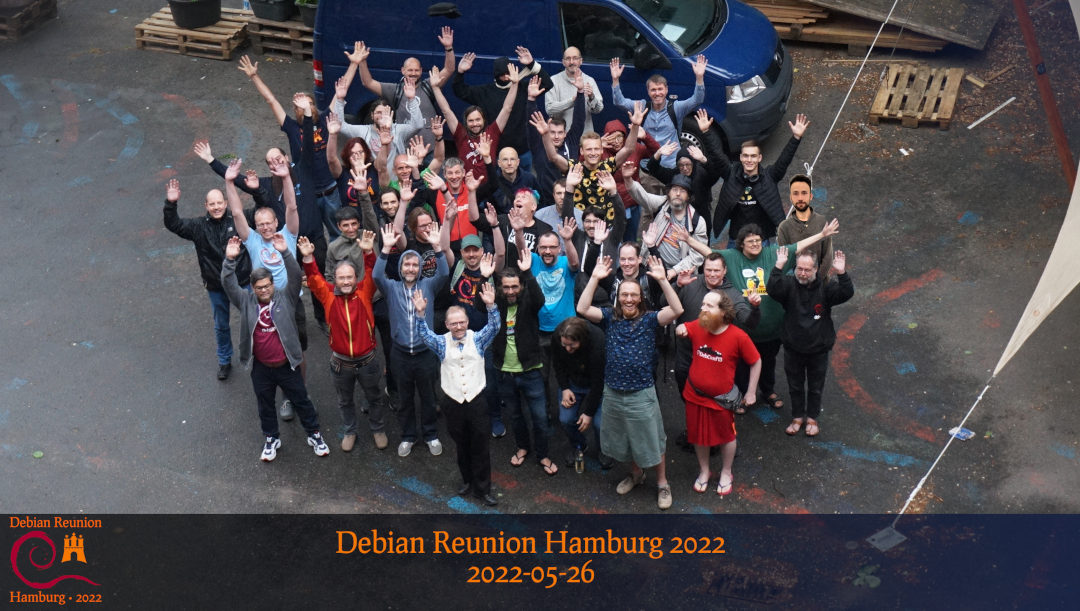
Jonathan Carter: Debian Reunion MiniDebConf 2022

It wouldn t be inaccurate to say that I ve had a lot on my plate in the last few years, and that I have a *huge* backlog of little tasks to finish. Just last week, I finally got to all my keysigning from DebConf22. This week, I m at MiniDebConf Germany in Hamburg. It s the second time I m here! And it s great already. Last year I drafted a blog entry, but never got around to publishing it. So, in order to mentally tick off yet another thing, here follows a somewhat imperfect (I had to delete a lot of short-hand because I didn t know what it means anymore), but at least published post about my activities from a year ago. This week (well, last year) I attended my first ever in-person MiniDebConf and MiniDebCamp in Hamburg, Germany. The last time I was in Germany was 7 years ago for DebConf15 (or at time of publishing, actually, last year for this same event). My focus for the week was to work on Debian live related stuff. In preparation for the week I tried to fix/close as many Calamares bugs as I could, so before the event I closed: Monday to Friday we worked together on various issues, and the weekend was for talks. On Monday morning, I had a nice discussion with Roland Clobus who has been working on making Debian live images reproducible. He s also been working on testing Debian Live on openqa.debian.net. We re planning on integrating his work so that Debian 12 live images will be reproducible. For automated testing on openqa, it will be ongoing work, one blocker has been that snapshots.debian.org limits connections after a while, so builds on there start failing fast.

On Monday afternoon, I went ahead and uploaded the latest Calamares hotfix (Calamares 3.2.58.1-1) release that fixes a UI issue on the partitioning screen where it could get stuck. On 15:00 we had a stand-up meeting where we introduced ourselves and talked a bit about our plans. It was great to see how many people could benefit from each other being there. For example, someone wanting to learn packaging, another wanting to improve packaging documentation, another wanting help with packaging something written in Rust, another wanting to improve Rust packaging in general and lots of overlap when it comes to reproducible builds! I also helped a few people with some of their packaging issues. On Monday evening, someone in videoteam managed to convince me to put together a loopy loop for this MiniDebConf. There s really wasn t enough time to put together something elaborate, but I put something together based on the previous loopy with some experiments that I ve been working on for the upcoming DC22 loopy, and we can use this loop to do a call for content for the DC22 loop. On Tuesday morning had some chats with urbec and Ilu,Tuesday afternoon talked to MIA team about upcoming removals. Did some admin on debian.ch payments for hosting. On Tuesday evening worked on live image stuff (d-i downloader, download module for dmm). On Wednesday morning I slept a bit late, then had to deal with some DPL admin/legal things. Wednesday afternoon, more chats with people. On Thursday: Talked to a bunch more people about a lot of issues, got loopy in a reasonably shape, edited and published the Group photo!
On Friday: prepared my talk slides, learned about Brave (https://github.com/bbc/brave) It initially looked like a great compositor for DebConf video stuff (and possible replacement for OBS, but it turned out it wasn t really maintained upstream). In the evening we had the Cheese and Wine party, where lots of deliciousness was experienced. On Saturday, I learned from Felix s talk that Tensorflow is now in experimental! (and now in 2023 I checked again and that s still the case, although it hasn t made it s way in unstable yet, hopefully that improves over the trixie cycle) I know most of the people who attended quite well, but it was really nice to also see a bunch of new Debianites that I ve only seen online before and to properly put some faces to names. We also had a bunch of enthusiastic new contributors and we did some key signing.

18 April 2023

Matthew Palmer: Rutie and Magnus, Two Good Ways to Build Ruby Extensions in Rust

I wrote the Ruby bindings for the Enquo Project, my attempt to bring queryable encryption to all databases, using the Rutie library. Recently, I ve rewritten the bindings to use Magnus instead, and I thought I d put down my thoughts about the whole situation.

The Story So Far The Enquo Project core cryptography is all written in Rust, as seems to be the vogue these days. Rust is fast, safe, and easily interoperable with most of the rest of the modern software development ecosystem, making it a good choice as a language to implement the cryptographic primitives that Enquo needs, like Order-Revealing Encryption. Of course, since not everyone writes their applications in Rust, we need to provide the functionality of the Enquo client in the languages that people do use, such as Ruby, Python, and so on. Since re-writing all that cryptographic code in a myriad of languages would be tedious and error-prone, we instead provide bindings to the core Rust code. These are just thin shims of code that translate the data types and function calls between Rust and the target language.
Shim in a Can Wrong sort of shim, but canned language bindings would be handy

As I m most familiar with Ruby and its development ecosystem (particularly Ruby on Rails), it was natural that I d make Ruby bindings for Enquo as my first target. Rummaging around, it seemed that Rutie was a good library to use, so off I went.

What are Rutie and Magnus, Anyway? Both libraries share the same goal: provide the ability to write some Rust code, run that through a compiler, and produce something that can be loaded by the Ruby interpreter and used just like any other Ruby class. They re both fairly high level interfaces, trying to abstract away much of the gory details, and do a lot of the common heavy lifting that can make writing bindings fiddly and annoying. Things like mapping data types (like strings and integers) between Rust data types and the closest equivalents in Ruby. This mapping never goes perfectly smoothly. For example, Ruby integers don t have a fixed range of values they can represent you can store a huge number like 2256 more-or-less as easily as you can the number 12. But Rust, being a lower-level language, only has a set of integer types that have fixed boundaries, like the u32 type, which can only store integers between zero and about four billion (232 - 1, to be precise). There s also lots of little things that need to be just right, also, like translating the different memory management approaches of the languages, and dealing with a myriad of fiddly little issues like passing arguments and return values in and out of method calls, helpers for defining classes and methods (and pointing to the correct Rust functions), and so on.
A mass of tangled pipes and valves This is what I imagine it looks like inside these libraries

(Herv Cozanet / Wikimedia Commons, CC-BY-SA)
All in all, these libraries are fairly significant pieces of work, and I m mighty glad that someone else has taken on the job of building (and maintaining!) them.

So Why the Change? Good question. It s important to say at the outset that there s nothing particularly wrong with Rutie. I found using Rutie to be very straightforward, and the Ruby bindings came together very quickly and easily. If someone chose to use Rutie for their project, I m sure they d have a good experience. What made me take the time to rewrite using Magnus was a set of a few tiny things, which together gave me enough of a shove to do the work. Firstly, I d had a hiccup with Rutie s support of newer versions of Ruby, particularly 3.2 (PR). Also, I d hit a couple of segfault issues, which were ultimately caused by Ruby garbage-collecting data out from underneath me. These were ultimately my fault, of course, but Rutie wasn t helping me out in avoiding the problems in the first place. Finally, while Rutie helped translate data types, there was still a bit of boilerplate and ugliness that needed to be included. This wasn t a showstopper, but I m appreciating the extra smoothness that Magnus provides here. As an example, here s what s required in Rutie to get native Rust data types from Ruby method parameters (and the self reference to the current object):
fn enquo_field_decrypt_text(ciphertext_obj: RString, context_obj: RString) -> RString  
    let ciphertext = ciphertext_obj.to_str_unchecked();
    let context = context_obj.to_vec_u8_unchecked();
    let field = rbself.get_data(&*FIELD_WRAPPER);
    // etc etc etc
The equivalent in Magnus is just the function signature:
fn decrypt_text(&self, ciphertext: String, context: String) -> Result<String, magnus::Error>  
You can also see there that Magnus signals an exception via the Result return value, while Rutie s approach to raising an exception involves poking the Ruby VM directly, which always struck me as a bit ugly. There are several other minor things in Magnus (like its cleaner approach to wrapping structs so they can be stored in Ruby objects) that I m appreciating, too. Never discount the power of ergonomics for making a happy developer.

The End Result I spent a bit over half of last weekend doing the rewrite maybe ten hours of so. Since Magnus did more type checking and data validation, and its approach to error handling was smoother, I took the opportunity to rewrite a bunch of Ruby wrapper code I d written (which just existed to check things like ranges of values and string encodings) into Rust, as well. To make sure that the conversion was accurate, I added a heap more unit tests to the bindings. I also took the opportunity to restructure the codebase to split the code for the different Ruby classes into separate files, which I hadn t done initially as the code had originally accreted, rather than being purposefully written. All up, though, my rewrite ended up removing over 60 lines (excluding the extra specs I added):
$ git diff --stat -- lib ext/enquo/src
 ruby/ext/enquo/src/field.rs         342 ++++++++++++++++++++++++++++++++++++++
 ruby/ext/enquo/src/lib.rs           338 ++++---------------------------------
 ruby/ext/enquo/src/root.rs           39 +++++
 ruby/ext/enquo/src/root_key.rs       67 ++++++++
 ruby/lib/enquo.rb                     6 +-
 ruby/lib/enquo/field.rb             173 -------------------
 ruby/lib/enquo/root.rb               28 ----
 ruby/lib/enquo/root_key.rb            1 -
 ruby/lib/enquo/root_key/static.rb    27 ---
 9 files changed, 479 insertions(+), 542 deletions(-)
Considering that I was translating from a higher level language into a lower level one, the removal of so much code is quite remarkable. Magnus was able to automagically replace rather a lot of raise ArgumentError if something.isnt_right code in those .rb files. So, in conclusion, if you, too, are building Ruby extensions in Rust, while Rutie is a solid choice (and you probably should stick with it if you re already using it), I highly recommend giving Magnus a look for your next extension.

25 March 2023

Russ Allbery: Review: Thief of Time

Review: Thief of Time, by Terry Pratchett
Series: Discworld #26
Publisher: Harper
Copyright: May 2001
Printing: August 2014
ISBN: 0-06-230739-8
Format: Mass market
Pages: 420
Thief of Time is the 26th Discworld novel and the last Death novel, although he still appears in subsequent books. It's the third book starring Susan Sto Helit, so I don't recommend starting here. Mort is the best starting point for the Death subseries, and Reaper Man provides a useful introduction to the villains. Jeremy Clockson was an orphan raised by the Guild of Clockmakers. He is very good at making clocks. He's not very good at anything else, particularly people, but his clocks are the most accurate in Ankh-Morpork. He is therefore the logical choice to receive a commission by a mysterious noblewoman who wants him to make the most accurate possible clock: a clock that can measure the tick of the universe, one that a fairy tale says had been nearly made before. The commission is followed by a surprise delivery of an Igor, to help with the clock-making. People who live in places with lots of fields become farmers. People who live where there is lots of iron and coal become blacksmiths. And people who live in the mountains near the Hub, near the gods and full of magic, become monks. In the highest valley are the History Monks, founded by Wen the Eternally Surprised. Like most monks, they take apprentices with certain talents and train them in their discipline. But Lobsang Ludd, an orphan discovered in the Thieves Guild in Ankh-Morpork, is proving a challenge. The monks decide to apprentice him to Lu-Tze the sweeper; perhaps that will solve multiple problems at once. Since Hogfather, Susan has moved from being a governess to a schoolteacher. She brings to that job the same firm patience, total disregard for rules that apply to other people, and impressive talent for managing children. She is by far the most popular teacher among the kids, and not only because she transports her class all over the Disc so that they can see things in person. It is a job that she likes and understands, and one that she's quite irate to have interrupted by a summons from her grandfather. But the Auditors are up to something, and Susan may be able to act in ways that Death cannot. This was great. Susan has quickly become one of my favorite Discworld characters, and this time around there is no (or, well, not much) unbelievable romance or permanently queasy god to distract. The clock-making portions of the book quickly start to focus on Igor, who is a delightful perspective through whom to watch events unfold. And the History Monks! The metaphysics of what they are actually doing (which I won't spoil, since discovering it slowly is a delight) is perhaps my favorite bit of Discworld world building to date. I am a sucker for stories that focus on some process that everyone thinks happens automatically and investigate the hidden work behind it. I do want to add a caveat here that the monks are in part a parody of Himalayan Buddhist monasteries, Lu-Tze is rather obviously a parody of Laozi and Daoism in general, and Pratchett's parodies of non-western cultures are rather ham-handed. This is not quite the insulting mess that the Chinese parody in Interesting Times was, but it's heavy on the stereotypes. It does not, thankfully, rely on the stereotypes; the characters are great fun on their own terms, with the perfect (for me) balance of irreverence and thoughtfulness. Lu-Tze refusing to be anything other than a sweeper and being irritatingly casual about all the rules of the order is a classic bit that Pratchett does very well. But I also have the luxury of ignoring stereotypes of a culture that isn't mine, and I think Pratchett is on somewhat thin ice. As one specific example, having Lu-Tze's treasured sayings be a collection of banal aphorisms from a random Ankh-Morpork woman is both hilarious and also arguably rather condescending, and I'm not sure where I landed. It's a spot-on bit of parody of how a lot of people who get very into "eastern religions" sound, but it's also equating the Dao De Jing with advice from the Discworld equivalent of a English housewife. I think the generous reading is that Lu-Tze made the homilies profound by looking at them in an entirely different way than the woman saying them, and that's not completely unlike Daoism and works surprisingly well. But that's reading somewhat against the grain; Pratchett is clearly making fun of philosophical koans, and while anything is fair game for some friendly poking, it still feels a bit weird. That isn't the part of the History Monks that I loved, though. Their actual role in the story doesn't come out of the parody. It's something entirely native to Discworld, and it's an absolute delight. The scene with Lobsang and the procrastinators is perhaps my favorite Discworld set piece to date. Everything about the technology of the History Monks, even the Bond parody, is so good. I grew up reading the Marvel Comics universe, and Thief of Time reminds me of a classic John Byrne or Jim Starlin story, where the heroes are dumped into the middle of vast interdimensional conflicts involving barely-anthropomorphized cosmic powers and the universe is revealed to work in ever more intricate ways at vastly expanding scales. The Auditors are villains in exactly that tradition, and just like the best of those stories, the fulcrum of the plot is questions about what it means to be human, what it means to be alive, and the surprising alliances these non-human powers make with humans or semi-humans. I devoured this kind of story as a kid, and it turns out I still love it. The one complaint I have about the plot is that the best part of this book is the middle, and the end didn't entirely work for me. Ronnie Soak is at his best as a supporting character about three quarters of the way through the book, and I found the ending of his subplot much less interesting. The cosmic confrontation was oddly disappointing, and there's a whole extended sequence involving chocolate that I think was funnier in Pratchett's head than it was in mine. The ending isn't bad, but the middle of this book is my favorite bit of Discworld writing yet, and I wish the story had carried that momentum through to the end. I had so much fun with this book. The Discworld novels are clearly getting better. None of them have yet vaulted into the ranks of my all-time favorite books there's always some lingering quibble or sagging bit but it feels like they've gone from reliably good books to more reliably great books. The acid test is coming, though: the next book is a Rincewind book, which are usually the weak spots. Followed by The Last Hero in publication order. There is no direct thematic sequel. Rating: 8 out of 10

6 February 2023

Reproducible Builds: Reproducible Builds in January 2023

Welcome to the first report for 2023 from the Reproducible Builds project! In these reports we try and outline the most important things that we have been up to over the past month, as well as the most important things in/around the community. As a quick recap, the motivation behind the reproducible builds effort is to ensure no malicious flaws can be deliberately introduced during compilation and distribution of the software that we run on our devices. As ever, if you are interested in contributing to the project, please visit our Contribute page on our website.


News In a curious turn of events, GitHub first announced this month that the checksums of various Git archives may be subject to change, specifically that because:
the default compression for Git archives has recently changed. As result, archives downloaded from GitHub may have different checksums even though the contents are completely unchanged.
This change (which was brought up on our mailing list last October) would have had quite wide-ranging implications for anyone wishing to validate and verify downloaded archives using cryptographic signatures. However, GitHub reversed this decision, updating their original announcement with a message that We are reverting this change for now. More details to follow. It appears that this was informed in part by an in-depth discussion in the GitHub Community issue tracker.
The Bundesamt f r Sicherheit in der Informationstechnik (BSI) (trans: The Federal Office for Information Security ) is the agency in charge of managing computer and communication security for the German federal government. They recently produced a report that touches on attacks on software supply-chains (Supply-Chain-Angriff). (German PDF)
Contributor Seb35 updated our website to fix broken links to Tails Git repository [ ][ ], and Holger updated a large number of pages around our recent summit in Venice [ ][ ][ ][ ].
Noak J nsson has written an interesting paper entitled The State of Software Diversity in the Software Supply Chain of Ethereum Clients. As the paper outlines:
In this report, the software supply chains of the most popular Ethereum clients are cataloged and analyzed. The dependency graphs of Ethereum clients developed in Go, Rust, and Java, are studied. These client are Geth, Prysm, OpenEthereum, Lighthouse, Besu, and Teku. To do so, their dependency graphs are transformed into a unified format. Quantitative metrics are used to depict the software supply chain of the blockchain. The results show a clear difference in the size of the software supply chain required for the execution layer and consensus layer of Ethereum.

Yongkui Han posted to our mailing list discussing making reproducible builds & GitBOM work together without gitBOM-ID embedding. GitBOM (now renamed to OmniBOR) is a project to enable automatic, verifiable artifact resolution across today s diverse software supply-chains [ ]. In addition, Fabian Keil wrote to us asking whether anyone in the community would be at Chemnitz Linux Days 2023, which is due to take place on 11th and 12th March (event info). Separate to this, Akihiro Suda posted to our mailing list just after the end of the month with a status report of bit-for-bit reproducible Docker/OCI images. As Akihiro mentions in their post, they will be giving a talk at FOSDEM in the Containers devroom titled Bit-for-bit reproducible builds with Dockerfile and that my talk will also mention how to pin the apt/dnf/apk/pacman packages with my repro-get tool.
The extremely popular Signal messenger app added upstream support for the SOURCE_DATE_EPOCH environment variable this month. This means that release tarballs of the Signal desktop client do not embed nondeterministic release information. [ ][ ]

Distribution work

F-Droid & Android There was a very large number of changes in the F-Droid and wider Android ecosystem this month: On January 15th, a blog post entitled Towards a reproducible F-Droid was published on the F-Droid website, outlining the reasons why F-Droid signs published APKs with its own keys and how reproducible builds allow using upstream developers keys instead. In particular:
In response to [ ] criticisms, we started encouraging new apps to enable reproducible builds. It turns out that reproducible builds are not so difficult to achieve for many apps. In the past few months we ve gotten many more reproducible apps in F-Droid than before. Currently we can t highlight which apps are reproducible in the client, so maybe you haven t noticed that there are many new apps signed with upstream developers keys.
(There was a discussion about this post on Hacker News.) In addition:
  • F-Droid added 13 apps published with reproducible builds this month. [ ]
  • FC Stegerman outlined a bug where baseline.profm files are nondeterministic, developed a workaround, and provided all the details required for a fix. As they note, this issue has now been fixed but the fix is not yet part of an official Android Gradle plugin release.
  • GitLab user Parwor discovered that the number of CPU cores can affect the reproducibility of .dex files. [ ]
  • FC Stegerman also announced the 0.2.0 and 0.2.1 releases of reproducible-apk-tools, a suite of tools to help make .apk files reproducible. Several new subcommands and scripts were added, and a number of bugs were fixed as well [ ][ ]. They also updated the F-Droid website to improve the reproducibility-related documentation. [ ][ ]
  • On the F-Droid issue tracker, FC Stegerman discussed reproducible builds with one of the developers of the Threema messenger app and reported that Android SDK build-tools 31.0.0 and 32.0.0 (unlike earlier and later versions) have a zipalign command that produces incorrect padding.
  • A number of bugs related to reproducibility were discovered in Android itself. Firstly, the non-deterministic order of .zip entries in .apk files [ ] and then newline differences between building on Windows versus Linux that can make builds not reproducible as well. [ ] (Note that these links may require a Google account to view.)
  • And just before the end of the month, FC Stegerman started a thread on our mailing list on the topic of hiding data/code in APK embedded signatures which has been made possible by the Android APK Signature Scheme v2/v3. As part of this, they made an Android app that reads the APK Signing block of its own APK and extracts a payload in order to alter its behaviour called sigblock-code-poc.

Debian As mentioned in last month s report, Vagrant Cascadian has been organising a series of online sprints in order to clear the huge backlog of reproducible builds patches submitted by performing NMUs (Non-Maintainer Uploads). During January, a sprint took place on the 10th, resulting in the following uploads: During this sprint, Holger Levsen filed Debian bug #1028615 to request that the tracker.debian.org service display results of reproducible rebuilds, not just reproducible CI results. Elsewhere in Debian, strip-nondeterminism is our tool to remove specific non-deterministic results from a completed build. This month, version 1.13.1-1 was uploaded to Debian unstable by Holger Levsen, including a fix by FC Stegerman (obfusk) to update a regular expression for the latest version of file(1) [ ]. (#1028892) Lastly, 65 reviews of Debian packages were added, 21 were updated and 35 were removed this month adding to our knowledge about identified issues.

Other distributions In other distributions:

diffoscope diffoscope is our in-depth and content-aware diff utility. Not only can it locate and diagnose reproducibility issues, it can provide human-readable diffs from many kinds of binary formats. This month, Chris Lamb made the following changes to diffoscope, including preparing and uploading versions 231, 232, 233 and 234 to Debian:
  • No need for from __future__ import print_function import anymore. [ ]
  • Comment and tidy the extras_require.json handling. [ ]
  • Split inline Python code to generate test Recommends into a separate Python script. [ ]
  • Update debian/tests/control after merging support for PyPDF support. [ ]
  • Correctly catch segfaulting cd-iccdump binary. [ ]
  • Drop some old debugging code. [ ]
  • Allow ICC tests to (temporarily) fail. [ ]
In addition, FC Stegerman (obfusk) made a number of changes, including:
  • Updating the test_text_proper_indentation test to support the latest version(s) of file(1). [ ]
  • Use an extras_require.json file to store some build/release metadata, instead of accessing the internet. [ ]
  • Updating an APK-related file(1) regular expression. [ ]
  • On the diffoscope.org website, de-duplicate contributors by e-mail. [ ]
Lastly, Sam James added support for PyPDF version 3 [ ] and Vagrant Cascadian updated a handful of tool references for GNU Guix. [ ][ ]

Upstream patches The Reproducible Builds project attempts to fix as many currently-unreproducible packages as possible. This month, we wrote a large number of such patches, including:

Testing framework The Reproducible Builds project operates a comprehensive testing framework at tests.reproducible-builds.org in order to check packages and other artifacts for reproducibility. In January, the following changes were made by Holger Levsen:
  • Node changes:
  • Debian-related changes:
    • Only keep diffoscope s HTML output (ie. no .json or .txt) for LTS suites and older in order to save diskspace on the Jenkins host. [ ]
    • Re-create pbuilder base less frequently for the stretch, bookworm and experimental suites. [ ]
  • OpenWrt-related changes:
    • Add gcc-multilib to OPENWRT_HOST_PACKAGES and install it on the nodes that need it. [ ]
    • Detect more problems in the health check when failing to build OpenWrt. [ ]
  • Misc changes:
    • Update the chroot-run script to correctly manage /dev and /dev/pts. [ ][ ][ ]
    • Update the Jenkins shell monitor script to collect disk stats less frequently [ ] and to include various directory stats. [ ][ ]
    • Update the real year in the configuration in order to be able to detect whether a node is running in the future or not. [ ]
    • Bump copyright years in the default page footer. [ ]
In addition, Christian Marangi submitted a patch to build OpenWrt packages with the V=s flag to enable debugging. [ ]
If you are interested in contributing to the Reproducible Builds project, please visit the Contribute page on our website. You can get in touch with us via:

23 December 2022

Louis-Philippe V ronneau: 2022 A Musical Retrospective

With the end of the year approaching fast, I thought putting my year in retrospective via music would be a fun thing to do. Albums In 2022, I added 51 new albums to my collection nearly one a week! I listed them below in the order in which I acquired them. I purchased most of these albums when I could and borrowed the rest at libraries. If you want to browse though, I added links to the album covers pointing either to websites where you can buy them or to Discogs when digital copies weren't available1. Browsing through the albums, I can see my tastes really shifted a lot in the last few years. I used to listen to a lot of Hip-Hop, but the recent trends in this genre2 really turn me off. In fact, it seems I didn't add a single Hip-Hop album to my collection this year... Metal also continues to dominate the list. Many thanks to Angry Metal Guy for being the best metal reviewing website out there. Concerts 2022 was also a big change for me, as I started going to much more concerts than I previously did. metalfinder has been working great and I'm really happy with it. Here are the concerts I went to in 2022: I'm looking forward continuing to go to a lot of concerts in 2023!

  1. Some of the albums especially the O ! ones are pretty underground. For most of those, I actually have physical copies I bought and ripped.
  2. Mostly mumble rap, beats than are less and less sample-based, extreme commercialisation and lyrics that are less and less political and engaged.

11 September 2022

Russ Allbery: Review: Hogfather

Review: Hogfather, by Terry Pratchett
Series: Discworld #20
Publisher: Harper
Copyright: 1996
Printing: February 2014
ISBN: 0-06-227628-X
Format: Mass market
Pages: 402
Hogfather is the 20th Discworld novel and not a very good place to start. I recommend at least reading Soul Music first for a proper introduction to Susan, and you may want to start with Mort. When we last saw Susan, she was a student at the Quirm College for Young Ladies. Now she's a governess for two adorable youngsters, a job that includes telling them stories and dealing quite capably with monsters in the cellar. (She uses a poker.) It also includes answering questions like whether the Hogfather really exists or whether the presents just come from your parents.
"Look at it this way, then," she said, and took a deep mental breath. "Wherever people are obtuse and absurd... and wherever they have, by even the most generous standards, the attention span of a small chicken in a hurricane and the investigative ability of a one-legged cockroach... and wherever people are inanely credulous, pathetically attached to the certainties of the nursery and, in general, have as much grasp of the physical universe as an oyster has of mountaineering... yes, Twyla: there is a Hogfather.
Meanwhile, the Auditors, last seen meddling with Death in Reaper Man, approach the Assassin's Guild in Ankh-Morpork to hire the assassination of the Hogfather. This rather unusual assignment falls to Mister Teatime, an orphan who was taken in by the guild at an early age and trained to be an assassin. Teatime is a little unnerving, mostly because he enjoys being an assassin. Rather a lot. Hogfather has two major things to recommend it: it's a Death novel, and it features Susan, who is one of my favorite Discworld characters. It also has two major strikes against it, at least for me. The first is relatively minor but, for me, the most irritating. A bit of the way into the story, Pratchett introduces the Oh God of Hangovers fair, that's a good pun and then decides that's a good excuse for nausea and vomiting jokes. A lot of nausea and vomiting jokes. Look. I know a lot of people don't mind this. But I beg authors (and, even more so, filmmakers and cartoonists) to consider whether a joke that some of your audience might like is worth making other parts of your audience feel physically ill while trying to enjoy your work. It's not at all a pleasant experience, and while I handle it better in written form, it still knocks me out of the story and makes me want to skip over scenes with the obnoxious character who won't shut up about it. Thankfully this does stop by the end of the book, but there are several segments in the middle that were rather unpleasant. The second is that Pratchett tries to convince the reader of the mythical importance of the Santa Claus myth (for which Hogfather is an obvious stand-in, if with a Discworld twist), an effort for which I am a highly unsympathetic audience. I'm with Susan above, with an extra helping of deep dislike for telling children who trust you something that's literally untrue. Pratchett does try: he has Death makes a memorable and frequently-quoted point near the end of the book (transcribed below) that I don't entirely agree with but still respect. But still, the book is very invested in convincing Susan that people believing mythology is critically important to humanity, and I have so many problems with the literalness of "believing" and the use of trusting children for this purpose by adults who know better. There are few topics that bring out my grumpiness more than Santa Claus. Grumbling aside, though, I did enjoy this book anyway. Susan is always a delight, and I could read about her adventures as a governess for as long as Pratchett wanted to write them. Death is filling in for the Hogfather for most of the book, which is hilarious because he's far too good at it, in his painfully earnest and literal way, to be entirely safe. I was less fond of Albert's supporting role (who I am increasingly coming to dislike as a character), but the entire scene of Death as a mall Santa is brilliant. And Teatime is an effective, creepy villain, something that the Discworld series doesn't always deliver. The powers arrayed on Discworld are so strong that it can be hard to design a villain who effectively challenges them, but Teatime has a sociopathic Professor Moriarty energy with added creepiness that fills that role in this book satisfyingly. As is typical for Pratchett (at least for me), the plot was serviceable but not the highlight. Pratchett plays in some interesting ways with a child's view of the world, the Unseen University bumbles around as a side plot, and it comes together at the end in a way that makes sense, but the journey is the fun of the story. The conclusion felt a bit gratuitous, there mostly to wrap up the story than something that followed naturally from the previous plot. But it does feature one of the most quoted bits in Discworld:
"All right," said Susan. "I'm not stupid. You're saying humans need... fantasies to make life bearable." REALLY? AS IF IT WAS SOME KIND OF PINK PILL? NO. HUMANS NEED FANTASY TO BE HUMAN. TO BE THE PLACE WHERE THE FALLING ANGEL MEETS THE RISING APE. "Tooth fairies? Hogfathers? Little " YES. AS PRACTICE. YOU HAVE TO START OUT LEARNING TO BELIEVE THE LITTLE LIES. "So we can believe the big ones?" YES. JUSTICE. MERCY. DUTY. THAT SORT OF THING. "They're not the same at all!" YOU THINK SO? THEN TAKE THE UNIVERSE AND GRIND IT DOWN TO THE FINEST POWDER AND SIEVE IT THROUGH THE FINEST SIEVE AND THEN SHOW ME ONE ATOM OF JUSTICE, ONE MOLECULE OF MERCY. AND YET Death waved a hand. AND YET YOU ACT AS IF THERE IS SOME IDEAL ORDER IN THE WORLD, AS IF THERE IS SOME...SOME RIGHTNESS IN THE UNIVERSE BY WHICH IT MAY BE JUDGED. "Yes, but people have got to believe that, or what's the point " MY POINT EXACTLY.
Here's the thing, though: Susan is right. They're not the same sort of thing at all, and Pratchett doesn't present an argument that they are. Death's response is great, but it's also a non sequitur: it is true and correct but has nothing to do with Susan's argument. Justice is not a lie in the sense that Santa Claus is a lie: justice is something that humans can create, just like humans can create gift-giving or a tradition of imaginative story-telling. But this is not at all the same thing as encouraging children to believe in the literal existence of a fat man in red who comes down chimneys to deliver gifts by magic. And Death isn't even correct in Discworld! If one pays careful attention to the story, the consequences he's thinks would follow from the Auditors' attempt on the Hogfather not only don't happen, the exact opposite happens. This is the point of the Unseen University subplot, and it's also what happened in Reaper Man. The Auditors may be trying to kill mythology, but what the books show is that the real danger comes from the backlash. The force they're meddling with is far more powerful and persistent than they are. Death appears to be, by the stated events of the story, completely incorrect in his analysis of Discworld's metaphysics. Maybe Pratchett knows this? He did write a story that contradicts Death's analysis if one reads it carefully. But if so, this is not obvious from the text, or from Susan's reaction to Death's speech, which makes the metaphysics weirdly unsatisfying. So, overall, a mixed bag. Most of the book is very fun, but the metaphysics heavily rest on a pet peeve of mine, and I really could have done without the loving descriptions of the effects of hangovers. This is one of the more famous Discworld novels for the above quote, and on its own this is deserved (it's a great quote), but I think the logic is muddled and the story itself contradicts the implications. A rather odd reading experience. Followed by Jingo in publication order, and Thief of Time thematically. Rating: 7 out of 10

1 September 2022

Russ Allbery: Summer haul

It's been a while since I posted one of these! Or, really, much of anything else. Busy and distracted this summer and a bit behind on a wide variety of things at the moment, although thankfully not in a bad way. Sara Alfageeh & Nadia Shammas Squire (graphic novel)
Travis Baldree Legends & Lattes (sff)
Leigh Bardugo Six of Crows (sff)
Miles Cameron Artifact Space (sff)
Robert Caro The Power Broker (nonfiction)
Kate Elliott Servant Mage (sff)
Nicola Griffith Spear (sff)
Alix E. Harrow A Mirror Mended (sff)
Tony Judt Postwar (nonfiction)
T. Kingfisher Nettle & Bone (sff)
Matthys Levy & Mario Salvadori Why Buildings Fall Down (nonfiction)
Lev Menand The Fed Unbound (nonfiction)
Courtney Milan Trade Me (romance)
Elie Mystal Allow Me to Retort (nonfiction)
Quenby Olson Miss Percy's Pocket Guide (sff)
Anu Partanen The Nordic Theory of Everything (nonfiction)
Terry Pratchett Hogfather (sff)
Terry Pratchett Jingo (sff)
Terry Pratchett The Last Continent (sff)
Terry Pratchett Carpe Jugulum (sff)
Terry Pratchett The Fifth Elephant (sff)
Terry Pratchett The Truth (sff)
Victor Ray On Critical Race Theory (nonfiction)
Richard Roberts A Spaceship Repair Girl Supposedly Named Rachel (sff)
Nisi Shawl & Latoya Peterson (ed.) Black Stars (sff anthology)
John Scalzi The Kaiju Preservation Society (sff)
James C. Scott Seeing Like a State (nonfiction)
Mary Sisson Trang (sff)
Mary Sisson Trust (sff)
Benjanun Sriduangkaew And Shall Machines Surrender (sff)
Lea Ypi Free (nonfiction)
It's been long enough that I've already read and reviewed some of these. Already read and pending review are the next two Pratchett novels in my slow progress working through them. Had to catch up with the Tor.com re-read series. So many books and quite definitely not enough time at the moment, although I've been doing better at reading this summer than last summer!

26 June 2022

Russ Allbery: Review: Feet of Clay

Review: Feet of Clay, by Terry Pratchett
Series: Discworld #19
Publisher: Harper
Copyright: October 1996
Printing: February 2014
ISBN: 0-06-227551-8
Format: Mass market
Pages: 392
Feet of Clay is the 19th Discworld novel, the third Watch novel, and probably not the best place to start. You could read only Guards! Guards! and Men at Arms before this one, though, if you wanted. This story opens with a golem selling another golem to a factory owner, obviously not caring about the price. This is followed by two murders: an elderly priest, and the curator of a dwarven bread museum. (Dwarf bread is a much-feared weapon of war.) Meanwhile, assassins are still trying to kill Watch Commander Vimes, who has an appointment to get a coat of arms. A dwarf named Cheery Littlebottom is joining the Watch. And Lord Vetinari, the ruler of Ankh-Morpork, has been poisoned. There's a lot going on in this book, and while it's all in some sense related, it's more interwoven than part of a single story. The result felt to me like a day-in-the-life episode of a cop show: a lot of character development, a few largely separate plot lines so that the characters have something to do, and the development of a few long-running themes that are neither started nor concluded in this book. We check in on all the individual Watch members we've met to date, add new ones, and at the end of the book everyone is roughly back to where they were when the book started. This is, to be clear, not a bad thing for a book to do. It relies on the reader already caring about the characters and being invested in the long arc of the series, but both of those are true of me, so it worked. Cheery is a good addition, giving Pratchett an opportunity to explore gender nonconformity with a twist (all dwarfs are expected to act the same way regardless of gender, which doesn't work for Cheery) and, even better, giving Angua more scenes. Angua is among my favorite Watch characters, although I wish she'd gotten more of a resolution for her relationship anxiety in this book. The primary plot is about golems, which on Discworld are used in factories because they work nonstop, have no other needs, and do whatever they're told. Nearly everyone in Ankh-Morpork considers them machinery. If you've read any Discworld books before, you will find it unsurprising that Pratchett calls that belief into question, but the ways he gets there, and the links between the golem plot and the other plot threads, have a few good twists and turns. Reading this, I was reminded vividly of Orwell's discussion of Charles Dickens:
It seems that in every attack Dickens makes upon society he is always pointing to a change of spirit rather than a change of structure. It is hopeless to try and pin him down to any definite remedy, still more to any political doctrine. His approach is always along the moral plane, and his attitude is sufficiently summed up in that remark about Strong's school being as different from Creakle's "as good is from evil." Two things can be very much alike and yet abysmally different. Heaven and Hell are in the same place. Useless to change institutions without a "change of heart" that, essentially, is what he is always saying. If that were all, he might be no more than a cheer-up writer, a reactionary humbug. A "change of heart" is in fact the alibi of people who do not wish to endanger the status quo. But Dickens is not a humbug, except in minor matters, and the strongest single impression one carries away from his books is that of a hatred of tyranny.
and later:
His radicalism is of the vaguest kind, and yet one always knows that it is there. That is the difference between being a moralist and a politician. He has no constructive suggestions, not even a clear grasp of the nature of the society he is attacking, only an emotional perception that something is wrong, all he can finally say is, "Behave decently," which, as I suggested earlier, is not necessarily so shallow as it sounds. Most revolutionaries are potential Tories, because they imagine that everything can be put right by altering the shape of society; once that change is effected, as it sometimes is, they see no need for any other. Dickens has not this kind of mental coarseness. The vagueness of his discontent is the mark of its permanence. What he is out against is not this or that institution, but, as Chesterton put it, "an expression on the human face."
I think Pratchett is, in that sense, a Dickensian writer, and it shows all through Discworld. He does write political crises (there is one in this book), but the crises are moral or personal, not ideological or structural. The Watch novels are often concerned with systems of government, but focus primarily on the popular appeal of kings, the skill of the Patrician, and the greed of those who would maneuver for power. Pratchett does not write (at least so far) about the proper role of government, the impact of Vetinari's policies (or even what those policies may be), or political theory in any deep sense. What he does write about, at great length, is morality, fairness, and a deeply generous humanism, all of which are central to the golem plot. Vimes is a great protagonist for this type of story. He's grumpy, cynical, stubborn, and prejudiced, and we learn in this book that he's a descendant of the Discworld version of Oliver Cromwell. He can be reflexively self-centered, and he has no clear idea how to use his newfound resources. But he behaves decently towards people, in both big and small things, for reasons that the reader feels he could never adequately explain, but which are rooted in empathy and an instinctual sense of fairness. It's fun to watch him grumble his way through the plot while making snide comments about mysteries and detectives. I do have to complain a bit about one of those mysteries, though. I would have enjoyed the plot around Vetinari's poisoning more if Pratchett hadn't mercilessly teased readers who know a bit about French history. An allusion or two would have been fun, but he kept dropping references while having Vimes ignore them, and I found the overall effect both frustrating and irritating. That and a few other bits, like Angua's uncommunicative angst, fell flat for me. Thankfully, several other excellent scenes made up for them, such as Nobby's high society party and everything about the College of Heralds. Also, Vimes's impish PDA (smartphone without the phone, for those younger than I am) remains absurdly good commentary on the annoyances of portable digital devices despite an original publication date of 1996. Feet of Clay is less focused than the previous Watch novels and more of a series book than most Discworld novels. You're reading about characters introduced in previous books with problems that will continue into subsequent books. The plot and the mysteries are there to drive the story but seem relatively incidental to the characterization. This isn't a complaint; at this point in the series, I'm in it for the long haul, and I liked the variation. As usual, Pratchett is stronger for me when he's not overly focused on parody. His own characters are as good as the material he's been parodying, and I'm happy to see them get a book that's not overshadowed by another material. If you've read this far in the series, or even in just the Watch novels, recommended. Followed by Hogfather in publication order and, thematically, by Jingo. Rating: 8 out of 10

7 December 2021

Dirk Eddelbuettel: Rblpapi 0.3.12: Fixes and Updates

The Rblp team is happy to announce a new version 0.3.12 of Rblpapi which just arrived at CRAN. Rblpapi provides a direct interface between R and the Bloomberg Terminal via the C++ API provided by Bloomberg (but note that a valid Bloomberg license and installation is required). This is the twelveth release since the package first appeared on CRAN in 2016. Changes are detailed below and include both extensions to functionality, actual bug fixes and changes to the package setup. Special thanks goes to Michael Kerber, Yihui Xie and Kai Lin for contributing pull requests!

Changes in Rblpapi version 0.3.12 (2021-12-07)
  • bdh() supports new option returnAs (Michael Kerber and Dirk in #335 fixing #206)
  • Remove extra backtick in vignette (Yihui Xie in #343)
  • Fix a segfault from bulk access with bds (Kai Lin in #347 fixing #253)
  • Support REQUEST_STATUS in bdh (Kai Lin and John in #349 fixing #348)
  • Vignette now uses simplermarkdown (Dirk in #350)

Courtesy of my CRANberries, there is also a diffstat report for the this release. As always, more detailed information is on the Rblpapi page. Questions, comments etc should go to the issue tickets system at the GitHub repo. If you like this or other open-source work I do, you can now sponsor me at GitHub.

This post by Dirk Eddelbuettel originated on his Thinking inside the box blog. Please report excessive re-aggregation in third-party for-profit settings.

28 November 2021

Russ Allbery: Review: Soul Music

Review: Soul Music, by Terry Pratchett
Series: Discworld #16
Publisher: Harper
Copyright: January 1995
Printing: November 2013
ISBN: 0-06-223741-1
Format: Mass market
Pages: 420
Soul Music is the sixteenth Discworld novel and something of a plot sequel to Reaper Man (although more of a sequel to the earlier Mort). I would not start reading the Discworld books here. Susan is a student in the Quirm College for Young Ladies with an uncanny habit of turning invisible. Well, not invisible exactly; rather, people tend to forget that she's there, even when they're in the middle of talking to her. It's disconcerting for the teachers, but convenient when one is uninterested in Literature and would rather read a book.
She listened with half an ear to what the rest of the class was doing. It was a poem about daffodils. Apparently the poet had liked them very much. Susan was quite stoic about this. It was a free country. People could like daffodils if they wanted to. They just should not, in Susan's very definite opinion, be allowed to take up more than a page to say so. She got on with her education. In her opinion, school kept on trying to interfere with it. Around her, the poet's vision was being taken apart with inexpert tools.
Susan's determinedly practical education is interrupted by the Death of Rats, with the help of a talking raven and Binky the horse, and without a lot of help from Susan, who is decidedly uninterested in being the sort of girl who goes on adventures. Adventures have a different opinion, since Susan's grandfather is Death. And Death has wandered off again. Meanwhile, the bard Imp y Celyn, after an enormous row with his father, has gone to Ankh-Morpork. This is not going well; among other things, the Guild of Musicians and their monopoly and membership dues came as a surprise. But he does meet a dwarf and a troll in the waiting room of the Guild, and then buys an unusual music instrument in the sort of mysterious shop that everyone knows has been in that location forever, but which no one has seen before. I'm not sure there is such a thing as a bad Discworld novel, but there is such a thing as an average Discworld novel. At least for me, Soul Music is one of those. There are some humorous bits, a few good jokes, one great character, and some nice bits of philosophy, but I found the plot forgettable and occasionally annoying. Susan is great. Imp is... not, which is made worse by the fact the reader is eventually expected to believe Susan cares enough about Imp to drive the plot. Discworld has always been a mix of parody and Pratchett's own original creation, and I have always liked the original creation substantially more than the parody. Soul Music is a parody of rock music, complete with Cut-Me-Own-Throat Dibbler as an unethical music promoter. The troll Imp meets makes music by beating rocks together, so they decide to call their genre "music with rocks in it." The magical instrument Imp buys has twelve strings and a solid body. Imp y Celyn means "bud of the holly." You know, like Buddy Holly. Get it? Pratchett's reference density is often on the edge of overwhelming the book, but for some reason the parody references in this one felt unusually forced and obvious to me. I did laugh occasionally, but by the end of the story the rock music plot had worn out its welcome. This is not helped by the ending being a mostly incoherent muddle of another parody (admittedly featuring an excellent motorcycle scene). Unlike Moving Pictures, which is a similar parody of Hollywood, Pratchett didn't seem to have much insightful to say about music. Maybe this will be more your thing if you like constant Blues Brothers references. Susan, on the other hand, is wonderful, and for me is the reason to read this book. She is a delightfully atypical protagonist, and her interactions with the teachers and other students at the girl's school are thoroughly enjoyable. I would have happily read a whole book about her, and more broadly about Death and his family and new-found curiosity about the world. The Death of Rats was also fun, although more so in combination with the raven to translate. I wish this part of her story had a more coherent ending, but I'm looking forward to seeing her in future books. Despite my complaints, the parody part of this book wasn't bad. It just wasn't as good as the rest of the book. I wanted a better platform for Susan's introduction than a lot of music and band references. If you really like Pratchett's parodies, your mileage may vary. For me, this book was fun but forgettable. Followed, in publication order, by Interesting Times. The next Death book is Hogfather. Rating: 7 out of 10

10 May 2021

Russell Coker: More EVM

This is another post about EVM/IMA which has it s main purpose providing useful web search results for problems. However if reading it on a planet feed inspires someone to play with EVM/IMA then that s good too, it s interesting technology. When using EVM/IMA in the Linux kernel if dmesg has errors like op=appraise_data cause=missing-HMAC the missing-HMAC means that the error code in the kernel source is INTEGRITY_NOLABEL which has a comment No security.evm xattr . You can check for the xattr on a file with the following command (this example has the security.evm xattr):
# getfattr -d -m - /etc/fstab 
getfattr: Removing leading '/' from absolute path names
# file: etc/fstab
security.evm=0sAwICqGOsfwCAvgE9y9OP74QxJ/I+3eOSF2n2dM51St98z/7LYHFd9rfGTvssvhTSYL9G8cTdRAH8ozggJu7VCzggW1REoTjnLcPeuMJsrMbW3DwVrB6ldDmJzyenLMjnIHmRDDeK309aRbLVn2ueJZ07aMDcSr+sxhOOAQ/GIW4SW8L1AKpKn4g=
security.ima=0sAT+Eivfxl+7FYI+Hr9K4sE6IieZ+
security.selinux="system_u:object_r:etc_t:s0"
If dmesg has errors like op=appraise_data cause=invalid-HMAC the invalid-HMAC means that the error code in the kernel source is INTEGRITY_FAIL which has a comment Invalid HMAC/signature . These errors are from the evm_verifyxattr() function in Linux kernel 5.11.14. The error evm: HMAC key is not set means that the evm key is not initialised, this means the key needs to be loaded into the kernel and EVM is initialised by the command echo 1 > /sys/kernel/security/evm (or possibly some equivalent from a utility like evmctl). When the key is loaded the kernel gives the message evm: key initialized and after that /sys/kernel/security/evm is read-only. If there is something wrong with the key the kernel gives the message evm: key initialization failed , it seems that the way to determine if your key is good is to try writing 1 to /sys/kernel/security/evm and see what happens. After that the command cat /sys/kernel/security/evm should return 3 . The Gentoo wiki has good documentation on how to create and load the keys which has to be done before initialising EVM [1]. I ll write more about that in another post.

6 May 2021

Matthew Garrett: More doorbell adventures

Back in my last post on this topic, I'd got shell on my doorbell but hadn't figured out why the HTTP callbacks weren't always firing. I still haven't, but I have learned some more things.

Doorbird sell a chime, a network connected device that is signalled by the doorbell when someone pushes a button. It costs about $150, which seems excessive, but would solve my problem (ie, that if someone pushes the doorbell and I'm not paying attention to my phone, I miss it entirely). But given a shell on the doorbell, how hard could it be to figure out how to mimic the behaviour of one?

Configuration for the doorbell is all stored under /mnt/flash, and there's a bunch of files prefixed 1000eyes that contain config (1000eyes is the German company that seems to be behind Doorbird). One of these was called 1000eyes.peripherals, which seemed like a good starting point. The initial contents were "Peripherals":[] , so it seemed likely that it was intended to be JSON. Unfortunately, since I had no access to any of the peripherals, I had no idea what the format was. I threw the main application into Ghidra and found a function that had debug statements referencing "initPeripherals and read a bunch of JSON keys out of the file, so I could simply look at the keys it referenced and write out a file based on that. I did so, and it didn't work - the app stubbornly refused to believe that there were any defined peripherals. The check that was failing was pcVar4 = strstr(local_50[0],PTR_s_"type":"_0007c980);, which made no sense, since I very definitely had a type key in there. And then I read it more closely. strstr() wasn't being asked to look for "type":, it was being asked to look for "type":". I'd left a space between the : and the opening " in the value, which meant it wasn't matching. The rest of the function seems to call an actual JSON parser, so I have no idea why it doesn't just use that for this part as well, but deleting the space and restarting the service meant it now believed I had a peripheral attached.

The mobile app that's used for configuring the doorbell now showed a device in the peripherals tab, but it had a weird corrupted name. Tapping it resulted in an error telling me that the device was unavailable, and on the doorbell itself generated a log message showing it was trying to reach a device with the hostname bha-04f0212c5cca and (unsurprisingly) failing. The hostname was being generated from the MAC address field in the peripherals file and was presumably supposed to be resolved using mDNS, but for now I just threw a static entry in /etc/hosts pointing at my Home Assistant device. That was enough to show that when I opened the app the doorbell was trying to call a CGI script called peripherals.cgi on my fake chime. When that failed, it called out to the cloud API to ask it to ask the chime[1] instead. Since the cloud was completely unaware of my fake device, this didn't work either. I hacked together a simple server using Python's HTTPServer and was able to return data (another block of JSON). This got me to the point where the app would now let me get to the chime config, but would then immediately exit. adb logcat showed a traceback in the app caused by a failed assertion due to a missing key in the JSON, so I ran the app through jadx, found the assertion and from there figured out what keys I needed. Once that was done, the app opened the config page just fine.

Unfortunately, though, I couldn't edit the config. Whenever I hit "save" the app would tell me that the peripheral wasn't responding. This was strange, since the doorbell wasn't even trying to hit my fake chime. It turned out that the app was making a CGI call to the doorbell, and the thread handling that call was segfaulting just after reading the peripheral config file. This suggested that the format of my JSON was probably wrong and that the doorbell was not handling that gracefully, but trying to figure out what the format should actually be didn't seem easy and none of my attempts improved things.

So, new approach. Rather than writing the config myself, why not let the doorbell do it? I should be able to use the genuine pairing process if I could mimic the chime sufficiently well. Hitting the "add" button in the app asked me for the username and password for the chime, so I typed in something random in the expected format (six characters followed by four zeroes) and a sufficiently long password and hit ok. A few seconds later it told me it couldn't find the device, which wasn't unexpected. What was a little more unexpected was that the log on the doorbell was showing it trying to hit another bha-prefixed hostname (and, obviously, failing). The hostname contains the MAC address, but I hadn't told the doorbell the MAC address of the chime, just its username. Some more digging showed that the doorbell was calling out to the cloud API, giving it the 6 character prefix from the username and getting a MAC address back. Doing the same myself revealed that there was a straightforward mapping from the prefix to the mac address - changing the final character from "a" to "b" incremented the MAC by one. It's actually just a base 26 encoding of the MAC, with aaaaaa translating to 00408C000000.

That explained how the hostname was being generated, and in return I was able to work backwards to figure out which username I should use to generate the hostname I was already using. Attempting to add it now resulted in the doorbell making another CGI call to my fake chime in order to query its feature set, and by mocking that up as well I was able to send back a file containing X-Intercom-Type, X-Intercom-TypeId and X-Intercom-Class fields that made the doorbell happy. I now had a valid JSON file, which cleared up a couple of mysteries. The corrupt name was because the name field isn't supposed to be ASCII - it's base64 encoded UTF16-BE. And the reason I hadn't been able to figure out the JSON format correctly was because it looked something like this:

"Peripherals":[] "prefix": "type":"DoorChime","name":"AEQAbwBvAHIAYwBoAGkAbQBlACAAVABlAHMAdA==","mac":"04f0212c5cca","user":"username","password":"password" ]


Note that there's a total of one [ in this file, but two ]s? Awesome. Anyway, I could now modify the config in the app and hit save, and the doorbell would then call out to my fake chime to push config to it. Weirdly, the association between the chime and a specific button on the doorbell is only stored on the chime, not on the doorbell. Further, hitting the doorbell didn't result in any more HTTP traffic to my fake chime. However, it did result in some broadcast UDP traffic being generated. Searching for the port number led me to the Doorbird LAN API and a complete description of the format and encryption mechanism in use. Argon2I is used to turn the first five characters of the chime's password (which is also stored on the doorbell itself) into a 256-bit key, and this is used with ChaCha20 to decrypt the payload. The payload then contains a six character field describing the device sending the event, and then another field describing the event itself. Some more scrappy Python and I could pick up these packets and decrypt them, which showed that they were being sent whenever any event occurred on the doorbell. This explained why there was no storage of the button/chime association on the doorbell itself - the doorbell sends packets for all events, and the chime is responsible for deciding whether to act on them or not.

On closer examination, it turns out that these packets aren't just sent if there's a configured chime. One is sent for each configured user, avoiding the need for a cloud round trip if your phone is on the same network as the doorbell at the time. There was literally no need for me to mimic the chime at all, suitable events were already being sent.

Still. There's a fair amount of WTFery here, ranging from the strstr() based JSON parsing, the invalid JSON, the symmetric encryption that uses device passwords as the key (requiring the doorbell to be aware of the chime's password) and the use of only the first five characters of the password as input to the KDF. It doesn't give me a great deal of confidence in the rest of the device's security, so I'm going to keep playing.

[1] This seems to be to handle the case where the chime isn't on the same network as the doorbell

comment count unavailable comments

30 April 2021

Paul Wise: FLOSS Activities April 2021

Focus This month I didn't have any particular focus. I just worked on issues in my info bubble.

Changes

Issues

Review

Administration
  • Debian: restart service killed by OOM killer, revert mirror redirection
  • Debian wiki: unblock IP addresses, approve accounts

Communication

Sponsors The flower/sptag work was sponsored by my employer. All other work was done on a volunteer basis.

15 March 2021

Matthew Garrett: Exploring my doorbell

I've talked about my doorbell before, but started looking at it again this week because sometimes it simply doesn't send notifications to my Home Assistant setup - the push notifications appear on my phone, but the doorbell simply doesn't trigger the HTTP callback it's meant to[1]. This is obviously suboptimal, but it's also tricky to debug a device when you have no access to it.

Normally I'd just head straight in with a screwdriver, but the doorbell is shared with the other units in this building and it seemed a little anti-social to interfere with a shared resource. So I bought some broken units from ebay and pulled one of them apart. There's several boards inside, but one of them had a conveniently empty connector at the top with "TX", "RX" and "GND" labelled. Sticking a USB-serial converter on this gave me output from U-Boot, and then kernel output. Confirmation that my doorbell runs Linux, but unfortunately it didn't give me a shell prompt. My next approach would often me to just dump the flash and look for vulnerabilities that way, but this device uses TSOP-48 packaged NAND flash rather than the more convenient SPI NOR flash that I already have adapters to access. Dumping this sort of NAND isn't terribly hard, but the easiest way to do it involves desoldering it from the board and plugging it into something like a Flashcat USB adapter, and my soldering's not good enough to put it back on the board afterwards. So I wanted another approach.

U-Boot gave a short countdown to hit a key before continuing with boot, and for once hitting a key actually did something. Unfortunately it then prompted for a password, and giving the wrong one resulted in boot continuing[2]. In the past I've had good luck forcing U-Boot to drop to a prompt by simply connecting one of the data lines on SPI flash to ground while it's trying to read the kernel - the failed read causes U-Boot to error out. It turns out the same works fine on raw NAND, so I just edited the kernel boot arguments to append "init=/bin/sh" and soon I had a shell.

From here on, things were made easier by virtue of the device using the YAFFS filesystem. Unlike many flash filesystems, it's read/write, so I could make changes that would persist through to the running system. There was a convenient copy of telnetd included, but it segfaulted on startup, which reduced its usefulness. Fortunately there was also a copy of Netcat[3]. If you make a fifo somewhere on the filesystem, you can cat the fifo to a shell, pipe the shell to a netcat listener, and then pipe netcat's output back to the fifo. The shell's output all gets passed to whatever connects to netcat, and whatever's sent to netcat gets passed through the fifo back to the shell. This is, obviously, horribly insecure, but it was enough to get a root shell over the network on the running device.

The doorbell runs various bits of software, one of which is Lighttpd to provide a local API and access to the device. Another component ("nxp-client") connects to the vendor's cloud infrastructure and passes cloud commands back to the local webserver. This is where I found something strange. Lighttpd was refusing to start because its modules wanted library symbols that simply weren't present on the device. My best guess is that a firmware update went wrong and left the device in a partially upgraded state - and without a working local webserver, there was no way to perform any further updates. This may explain why this doorbell was sitting on ebay.

Anyway. Now that I had shell, I could simply dump the flash by copying it directly off the /dev/mtdblock devices - since I had netcat, I could just pipe stuff through that back to my actual computer. Now I had access to the filesystem I could extract that locally and start digging into it more deeply. One incredibly useful tool for this is qemu-user. qemu is a general purpose hardware emulation platform, usually used to emulate entire systems. But in qemu-user mode, it instead only emulates the CPU. When a piece of code tries to make a system call to access the kernel, qemu-user translates that to the appropriate calling convention for the host kernel and makes that call instead. Combined with binfmt_misc, you can configure a Linux system to be able to run Linux binaries from other architectures. One of the best things about this is that, because they're still using the host convention for making syscalls, you can run the host strace on them and see what they're doing.

What I found was that nxp-client was calling back to the cloud platform, setting up an encrypted communication channel (using ChaCha20 and a bunch of key setup stuff I couldn't be bothered picking apart) and then waiting for commands from the cloud. It would then proxy those through to the local webserver. Since I couldn't run the local lighttpd, I just wrote a trivial Python app using http.server and waited to see what requests I got. The first was a GET to a CGI script called editcgi.cgi, along with a path name. I mocked up the GET request to respond with what was on the actual filesystem. The cloud then proceeded to POST to editcgi.cgi, with the same pathname and with new file contents. editcgi.cgi is apparently able to read and write to files on the filesystem.

But this is on the interface that's exposed to the cloud client, so this didn't appear immediately useful - and, indeed, trying to hit the same CGI binary over the local network gave me a 401 unauthorized error. There's a local API spec for these doorbells, but they all refer to scripts in the bha-api namespace, and this script was in the plain cgi-bin namespace. But then I noticed that the bha-api namespace didn't actually exist in the filesystem - instead, lighttpd's mod_alias was configured to rewrite requests to bha-api through to files in cgi-bin. And by using the documented API to get a session token, I could call editcgi.cgi to read and write arbitrary files on the doorbell. Which means I can drop an extra script in /etc/rc.d/rc3.d and get a shell on my doorbell.

This all requires the ability to have local authentication credentials, so it's not a big security deal other than it allowing you to retain access to a monitoring device even after you've moved out and had your credentials revoked. I'm sure it's all fine.

[1] I can ping the doorbell from the Home Assistant machine, so it's not that the network is flaky
[2] The password appears to be hy9$gnhw0z6@ if anyone else ends up in this situation
[3] https://twitter.com/mjg59/status/654578208545751040

comment count unavailable comments

1 January 2021

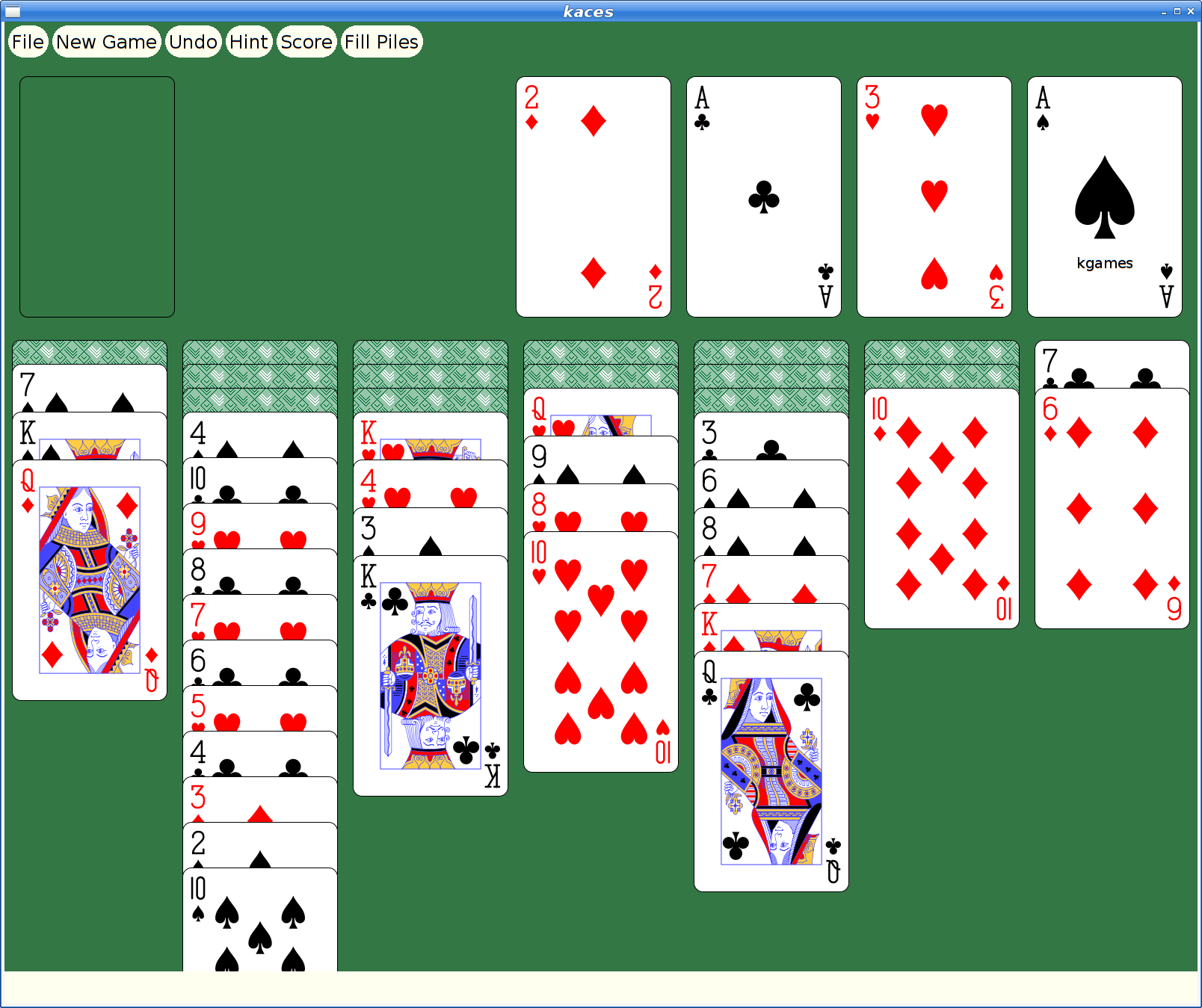
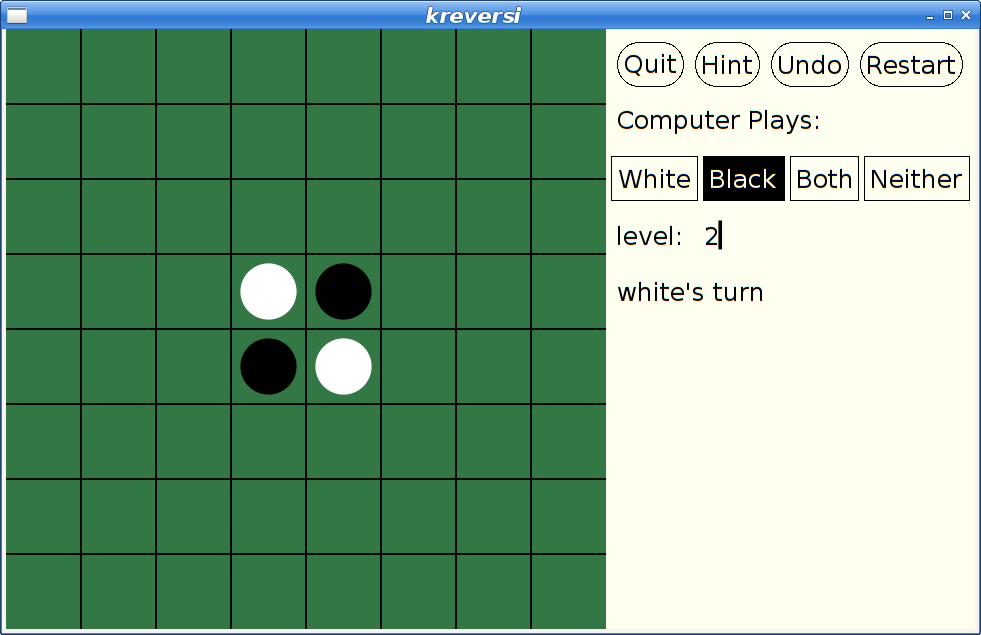
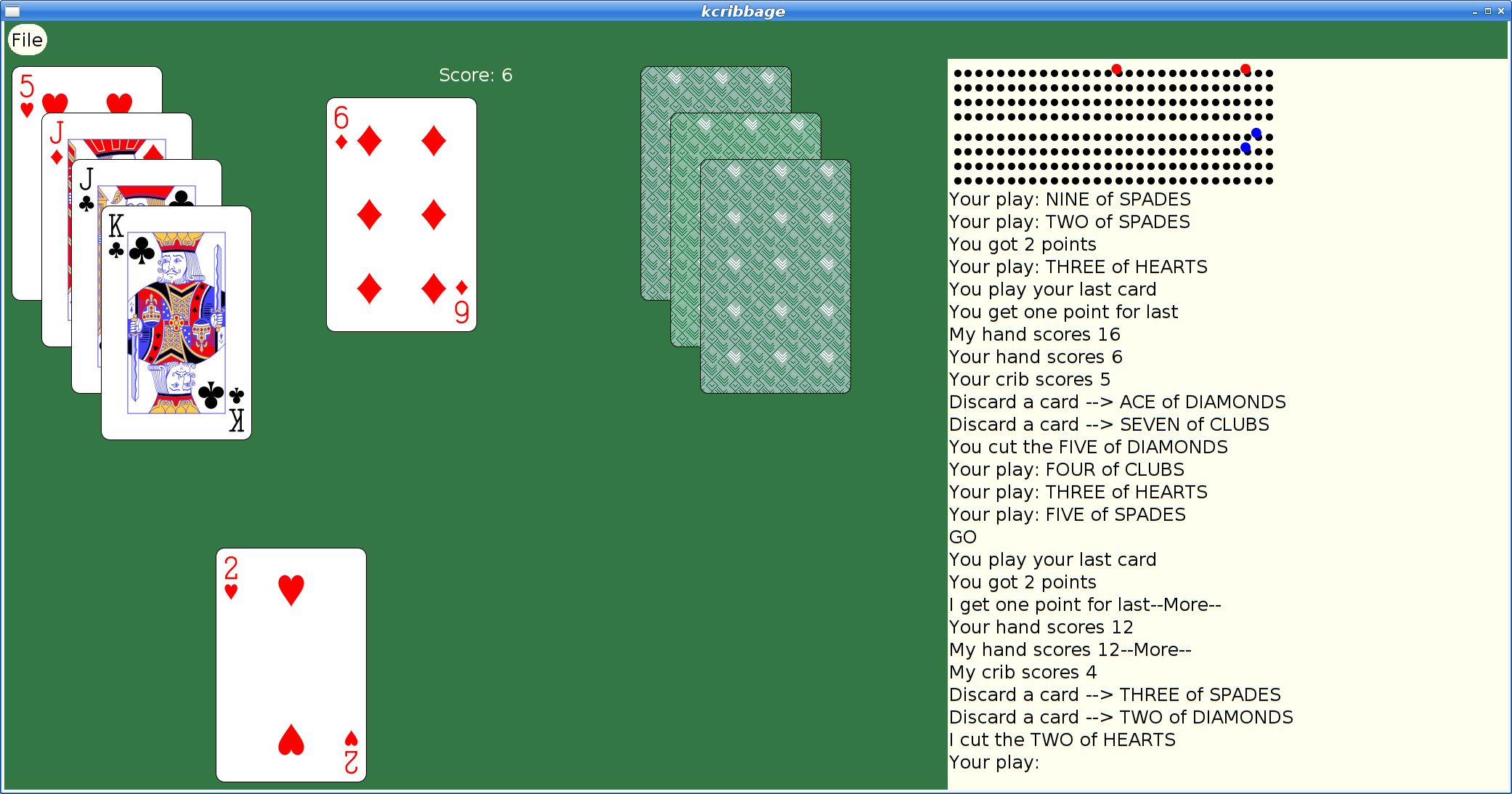
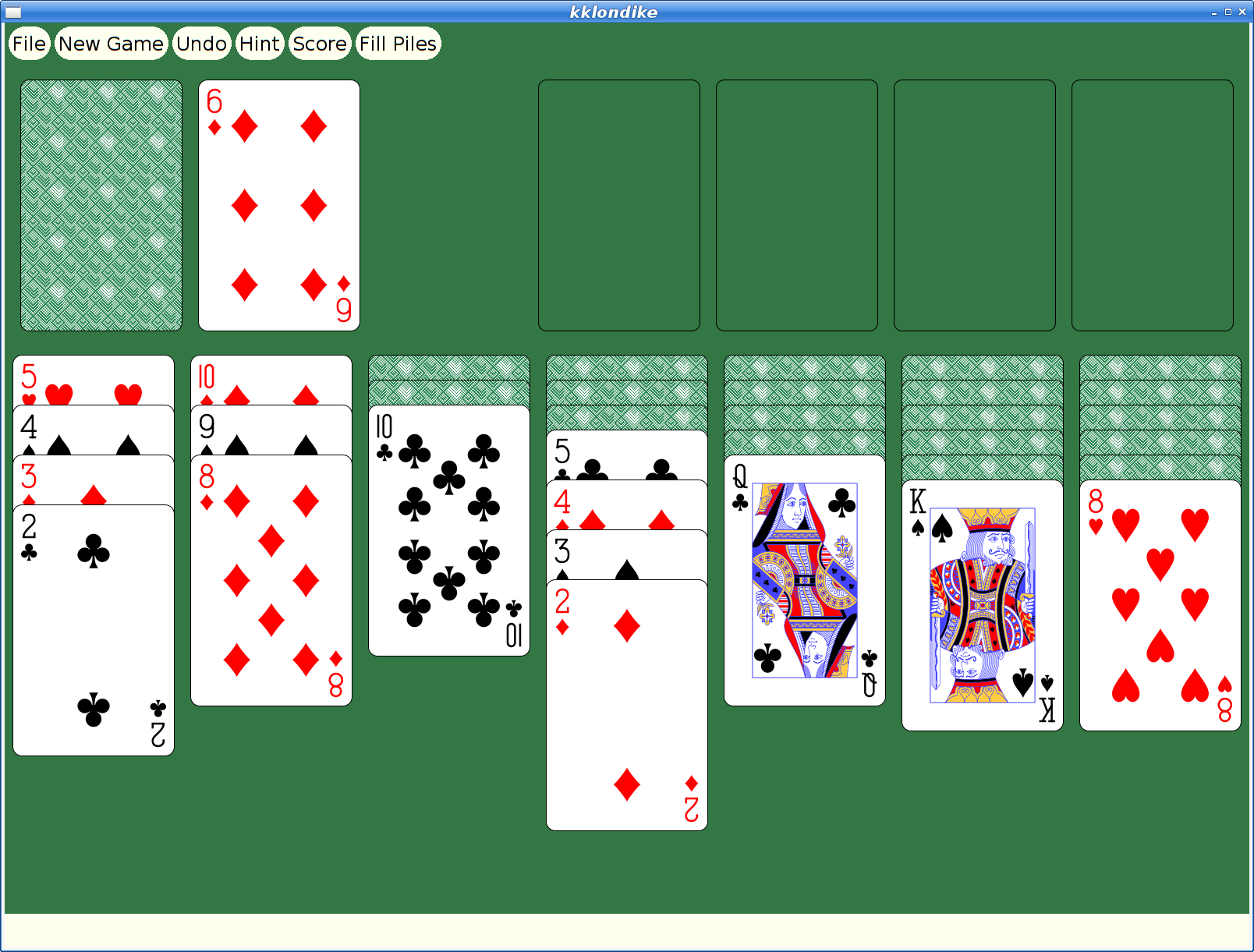
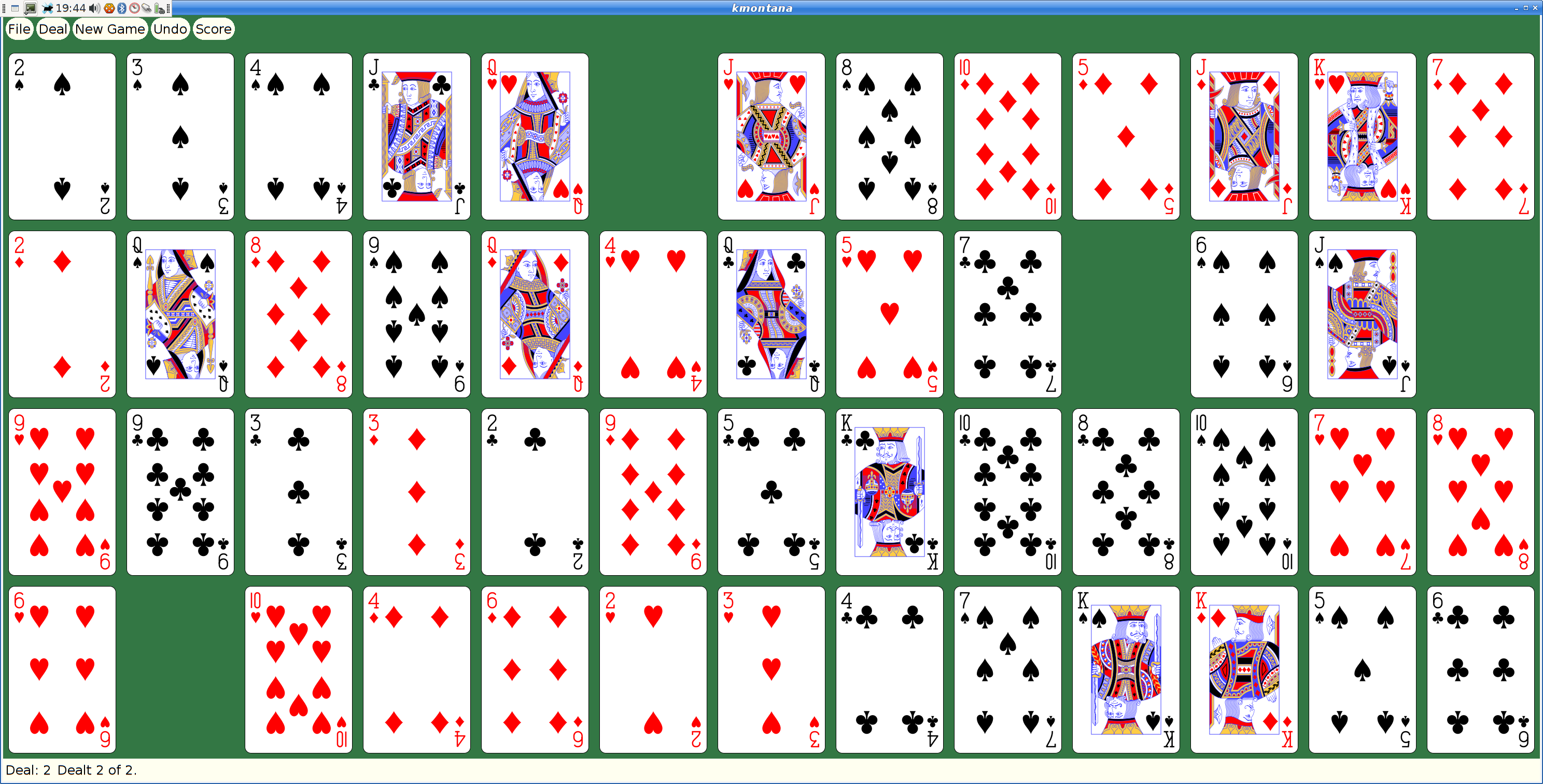
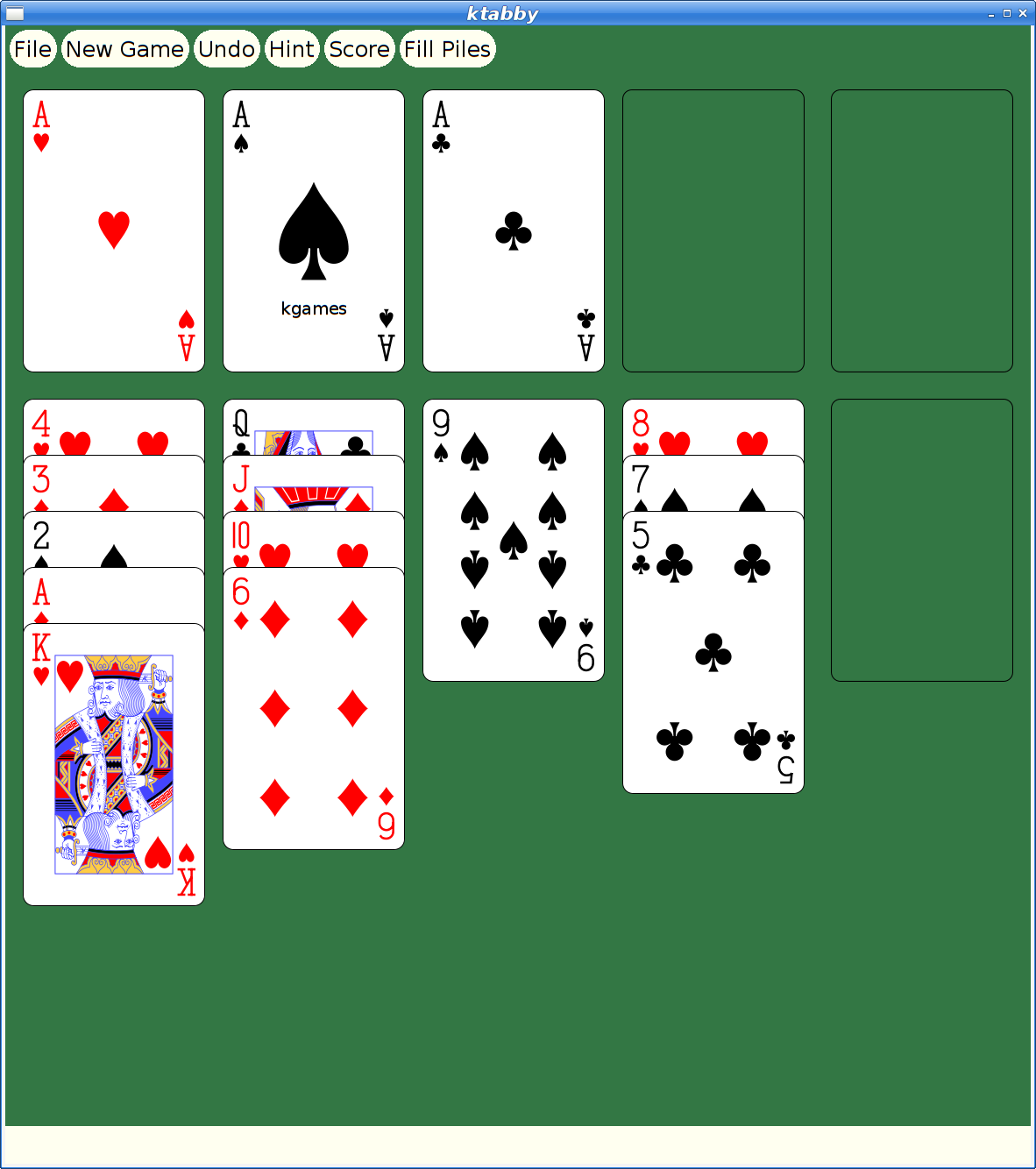
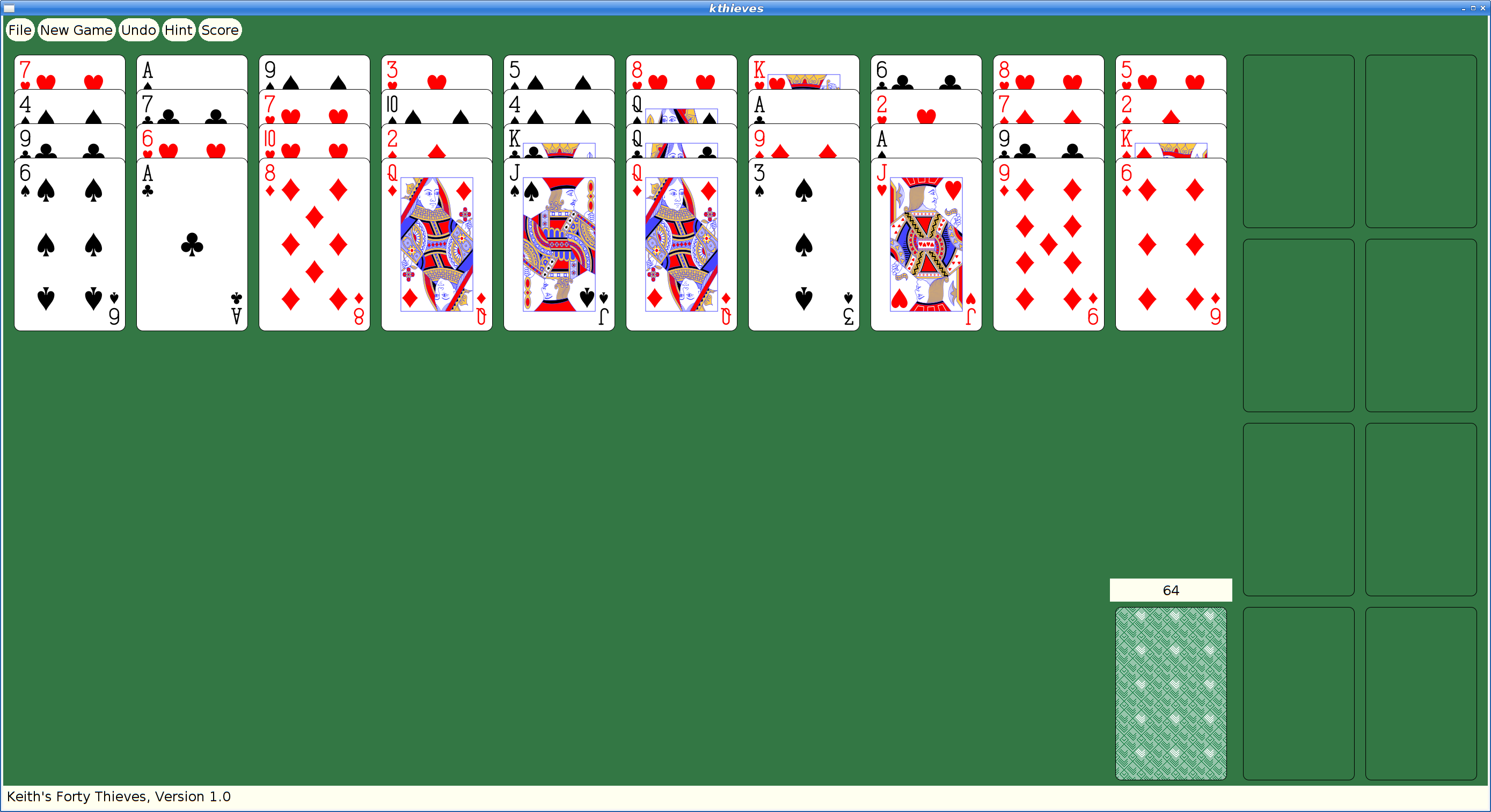
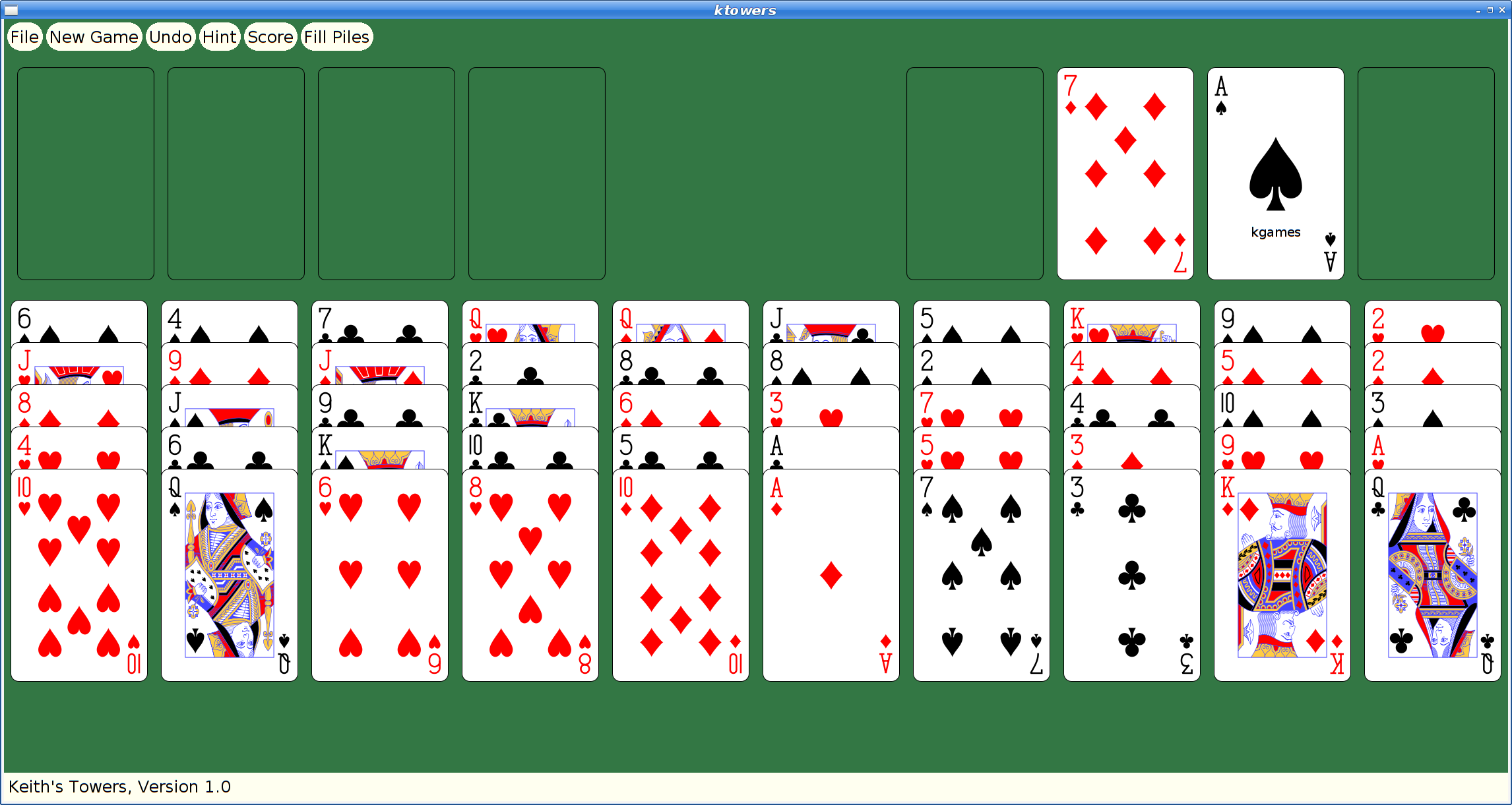
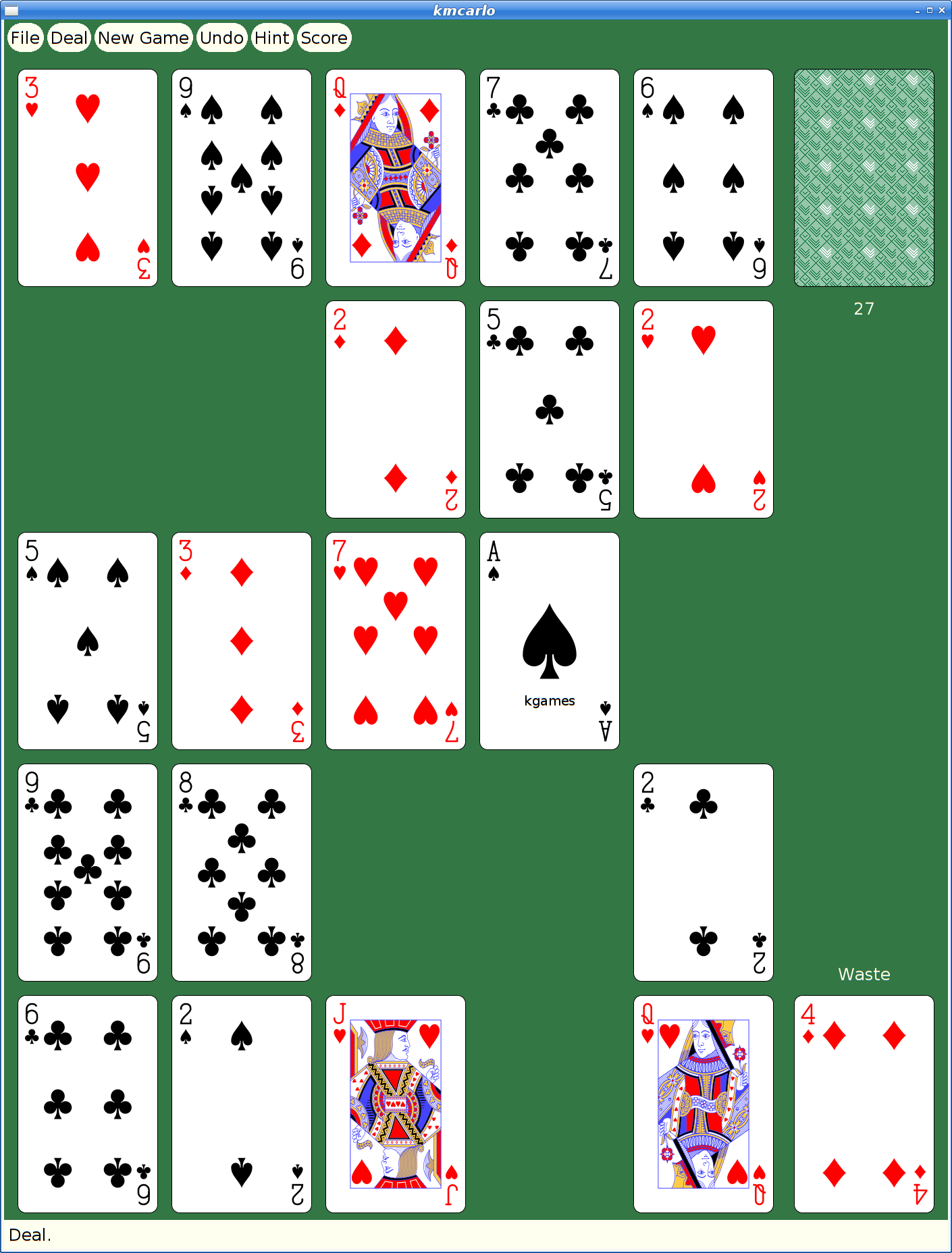
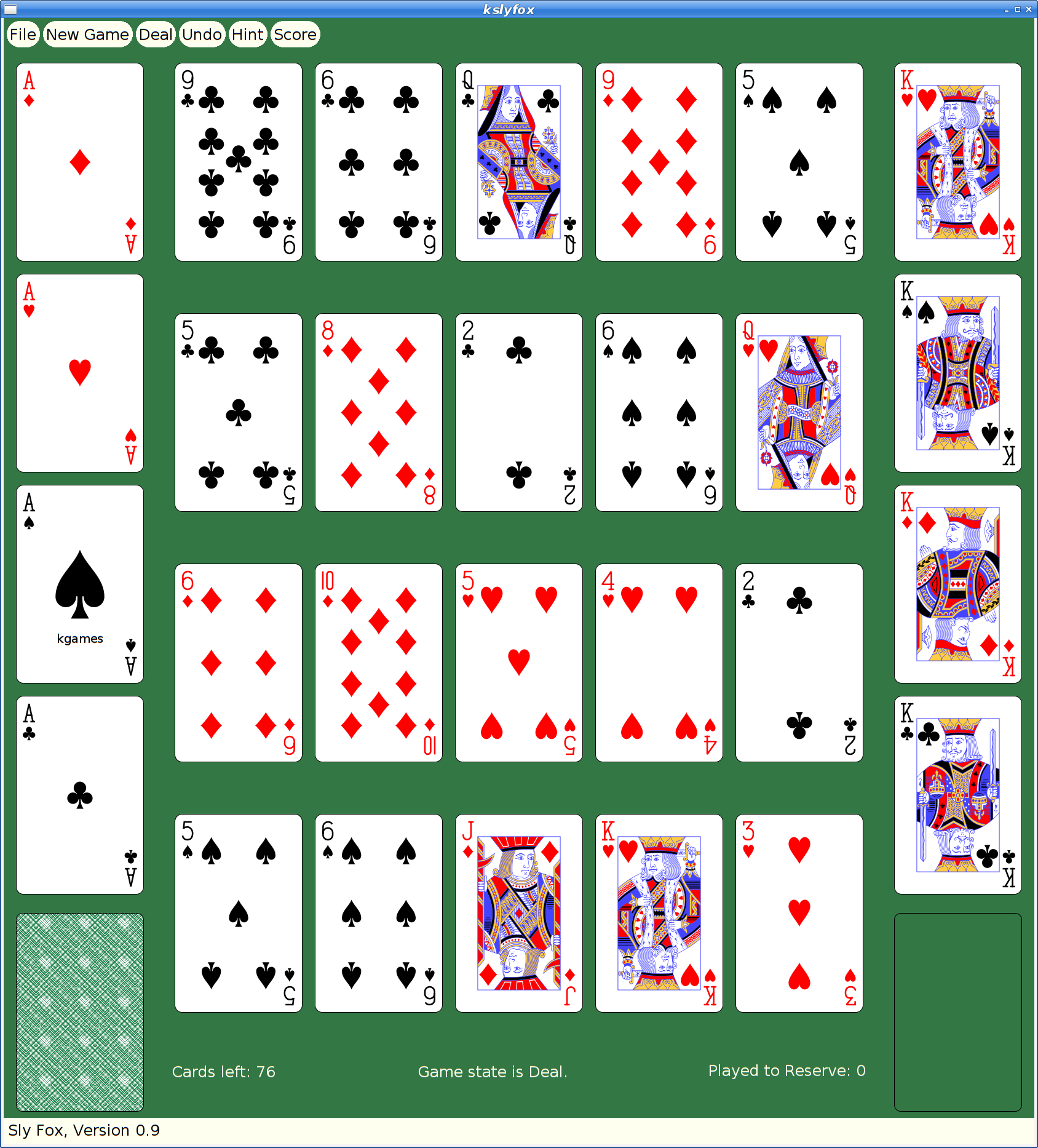
Keith Packard: kgames

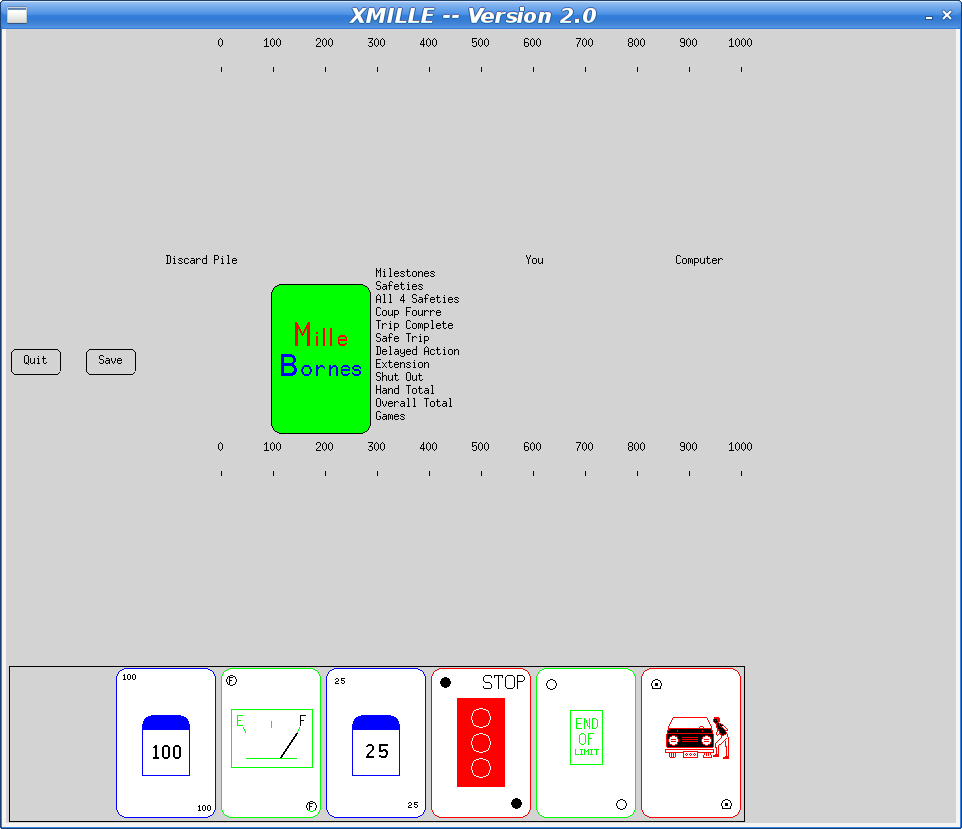
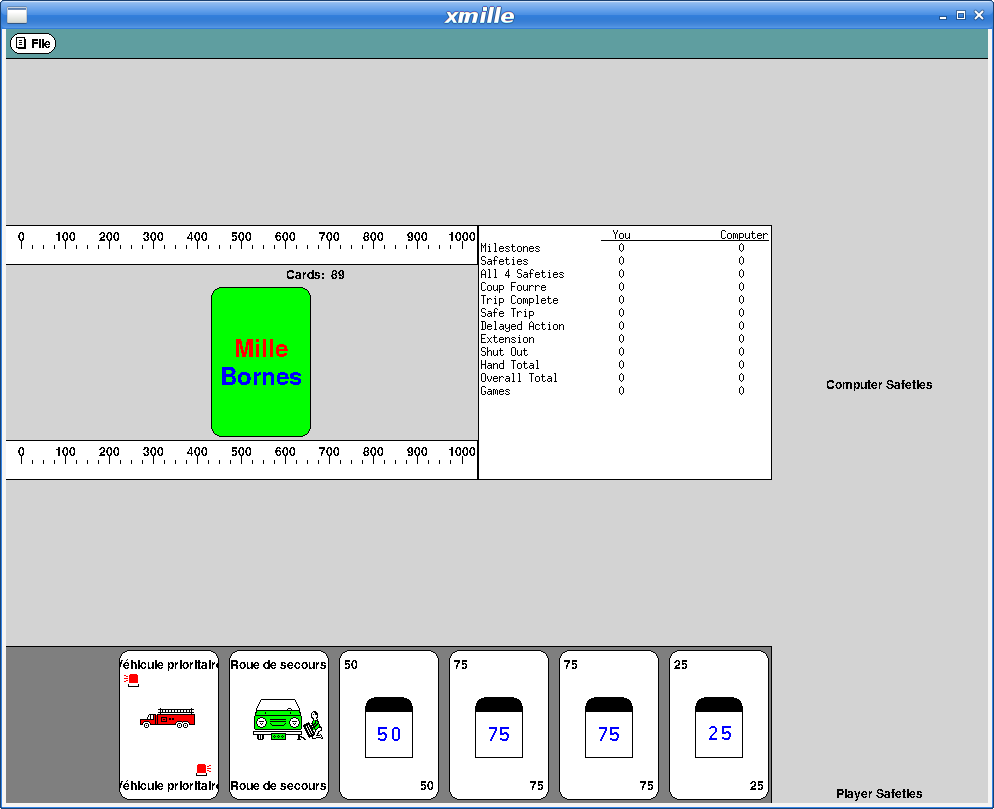
Reviving Very Old X Code I've taken the week between Christmas and New Year's off this year. I didn't really have anything serious planned, just taking a break from the usual routine. As often happens, I got sucked into doing a project when I received this simple bug report Debian Bug #974011
I have been researching old terminal and X games recently, and realized
that much of the code from 'xmille' originated from the terminal game
'mille', which is part of bsdgames.
...
[The copyright and license information] has been stripped out of all
code in the xmille distribution.  Also, none of the included materials
give credit to the original author, Ken Arnold.
The reason the 'xmille' source is missing copyright and license information from the 'mille' files is that they were copied in before that information was added upstream. Xmille forked from Mille around 1987 or so. I wrote the UI parts for the system I had at the time, which was running X10R4. A very basic port to X11 was done at some point, and that's what Debian has in the archive today. At some point in the 90s, I ported Xmille to the Athena widget set, including several custom widgets in an Xaw extension library, Xkw. It's a lot better than the version in Debian, including displaying the cards correctly (the Debian version has some pretty bad color issues). Here's what the current Debian version looks like: Fixing The Bug To fix the missing copyright and license information, I imported the mille source code into the "latest" Xaw-based version. The updated mille code had a number of bug fixes and improvements, along with the copyright information. That should have been sufficient to resolve the issue and I could have constructed a suitable source package from whatever bits were needed and and uploaded that as a replacement 'xmille' package. However, at some later point, I had actually merged xmille into a larger package, 'kgames', which also included a number of other games, including Reversi, Dominoes, Cribbage and ten Solitaire/Patience variants. (as an aside, those last ten games formed the basis for my Patience Palm Pilot application, which seems to have inspired an Android App of the same name...) So began my yak shaving holiday. Building Kgames in 2020 Ok, so getting this old source code running should be easy, right? It's just a bunch of C code designed in the 80s and 90s to work on VAXen and their kin. How hard could it be?
  1. Everything was a 32-bit computer back then; pointers and ints were both 32 bits, so you could cast them with wild abandon and cause no problems. Today, testing revealed segfaults in some corners of the code.
  2. It's K&R C code. Remember that the first version of ANSI-C didn't come out until 1989, and it was years later that we could reliably expect to find an ANSI compiler with a random Unix box.
  3. It's X11 code. Fortunately (?), X11 hasn't changed since these applications were written, so at least that part still works just fine. Imagine trying to build Windows or Mac OS code from the early 90's on a modern OS...
I decided to dig in and add prototypes everywhere; that found a lot of pointer/int casting issues, as well as several lurking bugs where the code was just plain broken. After a day or so, I had things building and running and was no longer hitting crashes. Kgames 1.0 uploaded to Debian New Queue With that done, I decided I could at least upload the working bits to the Debian archive and close the bug reported above. kgames 1.0-2 may eventually get into unstable, presumably once the Debian FTP team realizes just how important fixing this bug is. Or something. Here's what xmille looks like in this version: And here's my favorite solitaire variant too: But They Look So Old Yeah, Xaw applications have a rustic appearance which may appeal to some, but for people with higher resolution monitors and well seasoned eyesight, squinting at the tiny images and text makes it difficult to enjoy these games today. How hard could it be to update them to use larger cards and scalable fonts? Xkw version 2.0 I decided to dig in and start hacking the code, starting by adding new widgets to the Xkw library that used cairo for drawing instead of core X calls. Fortunately, the needs of the games were pretty limited, so I only needed to implement a handful of widgets: The other Xkw widgets all got their rendering switched to using cairo, plus using double buffering to make updates look better. SVG Playing Cards Looking on wikimedia, I found a page referencing a large number of playing cards in SVG form That led me to Adrian Kennard's playing card web site that let me customize and download a deck of cards, licensed using the CC0 Public Domain license. With these cards, I set about rewriting the Xkw playing card widget, stripping out three different versions of bitmap playing cards and replacing them with just these new SVG versions. SVG Xmille Cards Ok, so getting regular playing cards was good, but the original goal was to update Xmille, and that has cards hand drawn by me. I could just use those images, import them into cairo and let it scale them to suit on the screen. I decided to experiment with inkscape's bitmap tracing code to see what it could do with them. First, I had to get them into a format that inkscape could parse. That turned out to be a bit tricky; the original format is as a set of X bitmap layers; each layer painting a single color. I ended up hacking the Xmille source code to generate the images using X, then fetching them with XGetImage and walking them to construct XPM format files which could then be fed into the portable bitmap tools to create PNG files that inkscape could handle. The resulting images have a certain charm: I did replace the text in the images to make it readable, otherwise these are untouched from what inkscape generated. The Results Remember that all of these are applications built using the venerable X toolkit; there are still some non-antialiased graphics visible as the shaped buttons use the X Shape extension. But, all rendering is now done with cairo, so it's all anti-aliased and all scalable. Here's what Xmille looks like after the upgrades: And here's spider: Once kgames 1.0 reaches Debian unstable, I'll upload these new versions.

20 October 2020

Dirk Eddelbuettel: RcppArmadillo 0.10.1.0.0

armadillo image Armadillo is a powerful and expressive C++ template library for linear algebra aiming towards a good balance between speed and ease of use with a syntax deliberately close to a Matlab. RcppArmadillo integrates this library with the R environment and language and is widely used by (currently) 786 other packages on CRAN. A little while ago, Conrad released version 10.1.0 of Armadillo, a a new major release. As before, given his initial heads-up we ran two full reverse-depends checks, and as a consequence contacted four packages authors (two by email, two via PR) about a miniscule required change (as Armadillo now defaults to C++11, an old existing setting of avoiding C++11 lead to an error). Our thanks to those who promptly update their packages truly appreciated. As it turns out, Conrad also softened the error by the time the release ran around. But despite our best efforts, the release was delayed considerably by CRAN. We had made several Windows test builds but luck had it that on the uploaded package CRAN got itself a (completely spurious segfault which can happen on a busy machine building machine things at once). Sadly it took three or four days for CRAN to reply our email. After which it took another number of days for them to ponder the behaviour of a few new deprecated messaged tickled by at the most ten or so (out of 786) packages. Oh well. So here we are, eleven days after I emailed the rcpp-devel list about the new package being on CRAN but possibly delayed (due to that seg.fault). But during all that time the package was of course available via the Rcpp drat. The changes in this release are summarized below as usual and are mostly upstream along with an improved Travis CI setup due to the aforementioned use of the bspm package for binaries at Travis.
Changes in RcppArmadillo version 0.10.1.0.0 (2020-10-09)
  • Upgraded to Armadillo release 10.1.0 (Orchid Ambush)
    • C++11 is now the minimum required C++ standard
    • faster handling of compound expressions by trimatu() and trimatl()
    • faster sparse matrix addition, subtraction and element-wise multiplication
    • expanded sparse submatrix views to handle the non-contiguous form of X.cols(vector_of_column_indices)
    • expanded eigs_sym() and eigs_gen() with optional fine-grained parameters (subspace dimension, number of iterations, eigenvalues closest to specified value)
    • deprecated form of reshape() removed from Cube and SpMat classes
    • ignore and warn on use of the ARMA_DONT_USE_CXX11 macro
  • Switch Travis CI testing to focal and BSPM

Courtesy of my CRANberries, there is a diffstat report relative to previous release. More detailed information is on the RcppArmadillo page. Questions, comments etc should go to the rcpp-devel mailing list off the R-Forge page. If you like this or other open-source work I do, you can now sponsor me at GitHub. For the first year, GitHub will match your contributions.

This post by Dirk Eddelbuettel originated on his Thinking inside the box blog. Please report excessive re-aggregation in third-party for-profit settings.

13 September 2020

Jonathan Carter: Wootbook / Tongfang laptop

Old laptop I ve been meaning to get a new laptop for a while now. My ThinkPad X250 is now 5 years old and even though it s still adequate in many ways, I tend to run out of memory especially when running a few virtual machines. It only has one memory slot, which I maxed out at 16GB shortly after I got it. Memory has been a problem in considering a new machine. Most new laptops have soldered RAM and local configurations tend to ship with 8GB RAM. Getting a new machine with only a slightly better CPU and even just the same amount of RAM as what I have in the X250 seems a bit wasteful. I was eyeing the Lenovo X13 because it s a super portable that can take up to 32GB of RAM, and it ships with an AMD Ryzen 4000 series chip which has great performance. With Lenovo s discount for Debian Developers it became even more attractive. Unfortunately that s in North America only (at least for now) so that didn t work out this time.

Enter Tongfang I ve been reading a bunch of positive reviews about the Tuxedo Pulse 14 and KDE Slimbook 14. Both look like great AMD laptops, supports up to 64GB of RAM and clearly runs Linux well. I also noticed that they look quite similar, and after some quick searches it turns out that these are made by Tongfang and that its model number is PF4NU1F. I also learned that a local retailer (Wootware) sells them as the Wootbook. I ve seen one of these before although it was an Intel-based one, but it looked like a nice machine and I was already curious about it back then. After struggling for a while to find a local laptop with a Ryzen CPU and that s nice and compact and that breaks the 16GB memory barrier, finding this one that jumped all the way to 64GB sealed the deal for me. This is the specs for the configuration I got:

This configuration cost R18 796 ( 947 / $1122). That s significantly cheaper than anything else I can get that even starts to approach these specs. So this is a cheap laptop, but you wouldn t think so by using it.
I used the Debian netinstall image to install, and installation was just another uneventful and boring Debian installation (yay!). Unfortunately it needs the firmware-iwlwifi and firmare-amd-graphics packages for the binary blobs that drives the wifi card and GPU. At least it works flawlessly and you don t need an additional non-free display driver (as is the case with NVidia GPUs). I haven t tested the graphics extensively yet, but desktop graphics performance is very snappy. This GPU also does fancy stuff like VP8/VP9 encoding/decoding, so I m curious to see how well it does next time I have to encode some videos. The wifi upgrade was nice for copying files over. My old laptop maxed out at 300Mbps, this one connects to my home network between 800-1000Mbps. At this speed I don t bother connecting via cable at home. I read on Twitter that Tuxedo Computers thinks that it s possible to bring Coreboot to this device. That would be yet another plus for this machine. I ll try to answer some of my own questions about this device that I had before, that other people in the Debian community might also have if they re interested in this device. Since many of us are familiar with the ThinkPad X200 series of laptops, I ll compare it a bit to my X250, and also a little to the X13 that I was considering before. Initially, I was a bit hesitant about the 14 form factor, since I really like the portability of the 12.5 ThinkPad. But because the screen bezel is a lot smaller, the Wootbook (that just rolls off the tongue a lot better than the PF4NU1F ) is just slightly wider than the X250. It weighs in at 1.1KG instead of the 1.38KG of the X250. It s also thinner, so even though it has a larger display, it actually feels a lot more portable. Here s a picture of my X250 on top of the Wootbook, you can see a few mm of Wootbook sticking out to the right.



Card Reader One thing that I overlooked when ordering this laptop was that it doesn t have an SD card reader. I see that some variations have them, like on this Slimbook review. It s not a deal-breaker for me, I have a USB card reader that s very light and that I ll just keep in my backpack. But if you re ordering one of these machines and have some choice, it might be something to look out for if it s something you care about. Keyboard/Touchpad On to the keyboard. This keyboard isn t quite as nice to type on as on the ThinkPad, but, it s not bad at all. I type on many different laptop keyboards and I would rank this keyboard very comfortably in the above average range. I ve been typing on it a lot over the last 3 days (including this blog post) and it started feeling natural very quickly and I m not distracted by it as much as I thought I would be transitioning from the ThinkPad or my mechanical desktop keyboard. In terms of layout, it s nice having an actual Insert button again. This is things normal users don t care about, but since I use mc (where insert selects files) this is a welcome return :). I also like that it doesn t have a Print Screen button at the bottom of my keyboard between alt and ctrl like the ThinkPad has. Unfortunately, it doesn t have dedicated pgup/pgdn buttons. I use those a lot in apps to switch between tabs. At leas the Fn button and the ctrl buttons are next to each other, so pressing those together with up and down to switch tabs isn t that horrible, but if I don t get used to it in another day or two I might do some remapping. The touchpad has en extra sensor-button on the top left corner that s used on Windows to temporarily disable the touchpad. I captured it s keyscan codes and it presses left control + keyscan code 93. The airplane mode, volume and brightness buttons work fine. I do miss the ThinkPad trackpoint. It s great especially in confined spaces, your hands don t have to move far from the keyboard for quick pointer operations and it s nice for doing something quick and accurate. I painted a bit in Krita last night, and agree with other reviewers that the touchpad could do with just a bit more resolution. I was initially disturbed when I noticed that my physical touchpad buttons were gone, but you get right-click by tapping with two fingers, and middle click with tapping 3 fingers. Not quite as efficient as having the real buttons, but it actually works ok. For the most part, this keyboard and touchpad is completely adequate. Only time will tell whether the keyboard still works fine in a few years from now, but I really have no serious complaints about it. Display The X250 had a brightness of 172 nits. That s not very bright, I think the X250 has about the dimmest display in the ThinkPad X200 range. This hasn t been a problem for me until recently, my eyes are very photo-sensitive so most of the time I use it at reduced brightness anyway, but since I ve been working from home a lot recently, it s nice to sometimes sit outside and work, especially now that it s spring time and we have some nice days. At full brightness, I can t see much on my X250 outside. The Wootbook is significantly brighter even (even at less than 50% brightness), although I couldn t find the exact specification for its brightness online. Ports The Wootbook has 3x USB type A ports and 1x USB type C port. That s already quite luxurious for a compact laptop. As I mentioned in the specs above, it also has a full-sized ethernet socket. On the new X13 (the new ThinkPad machine I was considering), you only get 2x USB type A ports and if you want ethernet, you have to buy an additional adapter that s quite expensive especially considering that it s just a cable adapter (I don t think it contains any electronics). It has one hdmi port. Initially I was a bit concerned at lack of displayport (which my X250 has), but with an adapter it s possible to convert the USB-C port to displayport and it seems like it s possible to connect up to 3 external displays without using something weird like display over usual USB3.

Overall remarks When maxing out the CPU, the fan is louder than on a ThinkPad, I definitely noticed it while compiling the zfs-dkms module. On the plus side, that happened incredibly fast. Comparing the Wootbook to my X250, the biggest downfall it has is really it s pointing device. It doesn t have a trackpad and the touchpad is ok and completely usable, but not great. I use my laptop on a desk most of the time so using an external mouse will mostly solve that. If money were no object, I would definitely choose a maxed out ThinkPad for its superior keyboard/mouse, but the X13 configured with 32GB of RAM and 128GB of SSD retails for just about double of what I paid for this machine. It doesn t seem like you can really buy the perfect laptop no matter how much money you want to spend, there s some compromise no matter what you end up choosing, but this machine packs quite a punch, especially for its price, and so far I m very happy with my purchase and the incredible performance it provides. I m also very glad that Wootware went with the gray/black colours, I prefer that by far to the white and silver variants. It s also the first laptop I ve had since 2006 that didn t come with Windows on it. The Wootbook is also comfortable/sturdy enough to carry with one hand while open. The ThinkPads are great like this and with many other brands this just feels unsafe. I don t feel as confident carrying it by it s display because it s very thin (I know, I shouldn t be doing that with the ThinkPads either, but I ve been doing that for years without a problem :) ). There s also a post on Reddit that tracks where you can buy these machines from various vendors all over the world.

17 May 2020

Matthew Palmer: Private Key Redaction: UR DOIN IT RONG

Because posting private keys on the Internet is a bad idea, some people like to redact their private keys, so that it looks kinda-sorta like a private key, but it isn t actually giving away anything secret. Unfortunately, due to the way that private keys are represented, it is easy to redact a key in such a way that it doesn t actually redact anything at all. RSA private keys are particularly bad at this, but the problem can (potentially) apply to other keys as well. I ll show you a bit of Inside Baseball with key formats, and then demonstrate the practical implications. Finally, we ll go through a practical worked example from an actual not-really-redacted key I recently stumbled across in my travels.

The Private Lives of Private Keys Here is what a typical private key looks like, when you come across it:
-----BEGIN RSA PRIVATE KEY-----
MGICAQACEQCxjdTmecltJEz2PLMpS4BXAgMBAAECEDKtuwD17gpagnASq1zQTYEC
CQDVTYVsjjF7IQIJANUYZsIjRsR3AgkAkahDUXL0RSECCB78r2SnsJC9AghaOK3F
sKoELg==
-----END RSA PRIVATE KEY-----
Obviously, there s some hidden meaning in there computers don t encrypt things by shouting BEGIN RSA PRIVATE KEY! , after all. What is between the BEGIN/END lines above is, in fact, a base64-encoded DER format ASN.1 structure representing a PKCS#1 private key. In simple terms, it s a list of numbers very important numbers. The list of numbers is, in order:
  • A version number (0);
  • The public modulus , commonly referred to as n ;
  • The public exponent , or e (which is almost always 65,537, for various unimportant reasons);
  • The private exponent , or d ;
  • The two private primes , or p and q ;
  • Two exponents, which are known as dmp1 and dmq1 ; and
  • A coefficient, known as iqmp .

Why Is This a Problem? The thing is, only three of those numbers are actually required in a private key. The rest, whilst useful to allow the RSA encryption and decryption to be more efficient, aren t necessary. The three absolutely required values are e, p, and q. Of the other numbers, most of them are at least about the same size as each of p and q. So of the total data in an RSA key, less than a quarter of the data is required. Let me show you with the above toy key, by breaking it down piece by piece1:
  • MGI DER for this is a sequence
  • CAQ version (0)
  • CxjdTmecltJEz2PLMpS4BX n
  • AgMBAA e
  • ECEDKtuwD17gpagnASq1zQTY d
  • ECCQDVTYVsjjF7IQ p
  • IJANUYZsIjRsR3 q
  • AgkAkahDUXL0RS dmp1
  • ECCB78r2SnsJC9 dmq1
  • AghaOK3FsKoELg== iqmp
Remember that in order to reconstruct all of these values, all I need are e, p, and q and e is pretty much always 65,537. So I could redact almost all of this key, and still give all the important, private bits of this key. Let me show you:
-----BEGIN RSA PRIVATE KEY-----
..............................................................EC
CQDVTYVsjjF7IQIJANUYZsIjRsR3....................................
........
-----END RSA PRIVATE KEY-----
Now, I doubt that anyone is going to redact a key precisely like this but then again, this isn t a typical RSA key. They usually look a lot more like this:
-----BEGIN RSA PRIVATE KEY-----
MIIEogIBAAKCAQEAu6Inch7+mWtKn+leB9uCG3MaJIxRyvC/5KTz2fR+h+GOhqj4
SZJobiVB4FrE5FgC7AnlH6qeRi9MI0s6dt5UWZ5oNIeWSaOOeNO+EJDUkSVf67wj
SNGXlSjGAkPZ0nRJiDjhuPvQmdW53hOaBLk5udxPEQbenpXAzbLJ7wH5ouLQ3nQw
HwpwDNQhF6zRO8WoscpDVThOAM+s4PS7EiK8ZR4hu2toon8Ynadlm95V45wR0VlW
zywgbkZCKa1IMrDCscB6CglQ10M3Xzya3iTzDtQxYMVqhDrA7uBYRxA0y1sER+Rb
yhEh03xz3AWemJVLCQuU06r+FABXJuY/QuAVvQIDAQABAoIBAFqwWVhzWqNUlFEO
PoCVvCEAVRZtK+tmyZj9kU87ORz8DCNR8A+/T/JM17ZUqO2lDGSBs9jGYpGRsr8s
USm69BIM2ljpX95fyzDjRu5C0jsFUYNi/7rmctmJR4s4uENcKV5J/++k5oI0Jw4L
c1ntHNWUgjK8m0UTJIlHbQq0bbAoFEcfdZxd3W+SzRG3jND3gifqKxBG04YDwloy
tu+bPV2jEih6p8tykew5OJwtJ3XsSZnqJMwcvDciVbwYNiJ6pUvGq6Z9kumOavm9
XU26m4cWipuK0URWbHWQA7SjbktqEpxsFrn5bYhJ9qXgLUh/I1+WhB2GEf3hQF5A
pDTN4oECgYEA7Kp6lE7ugFBDC09sKAhoQWrVSiFpZG4Z1gsL9z5YmZU/vZf0Su0n
9J2/k5B1GghvSwkTqpDZLXgNz8eIX0WCsS1xpzOuORSNvS1DWuzyATIG2cExuRiB
jYWIJUeCpa5p2PdlZmBrnD/hJ4oNk4oAVpf+HisfDSN7HBpN+TJfcAUCgYEAyvY7
Y4hQfHIdcfF3A9eeCGazIYbwVyfoGu70S/BZb2NoNEPymqsz7NOfwZQkL4O7R3Wl
Rm0vrWT8T5ykEUgT+2ruZVXYSQCKUOl18acbAy0eZ81wGBljZc9VWBrP1rHviVWd
OVDRZNjz6nd6ZMrJvxRa24TvxZbJMmO1cgSW1FkCgYAoWBd1WM9HiGclcnCZknVT
UYbykCeLO0mkN1Xe2/32kH7BLzox26PIC2wxF5seyPlP7Ugw92hOW/zewsD4nLze
v0R0oFa+3EYdTa4BvgqzMXgBfvGfABJ1saG32SzoWYcpuWLLxPwTMsCLIPmXgRr1
qAtl0SwF7Vp7O/C23mNukQKBgB89DOEB7xloWv3Zo27U9f7nB7UmVsGjY8cZdkJl
6O4LB9PbjXCe3ywZWmJqEbO6e83A3sJbNdZjT65VNq9uP50X1T+FmfeKfL99X2jl
RnQTsrVZWmJrLfBSnBkmb0zlMDAcHEnhFYmHFuvEnfL7f1fIoz9cU6c+0RLPY/L7
n9dpAoGAXih17mcmtnV+Ce+lBWzGWw9P4kVDSIxzGxd8gprrGKLa3Q9VuOrLdt58
++UzNUaBN6VYAe4jgxGfZfh+IaSlMouwOjDgE/qzgY8QsjBubzmABR/KWCYiRqkj
qpWCgo1FC1Gn94gh/+dW2Q8+NjYtXWNqQcjRP4AKTBnPktEvdMA=
-----END RSA PRIVATE KEY-----
People typically redact keys by deleting whole lines, and usually replacing them with [...] and the like. But only about 345 of those 1588 characters (excluding the header and footer) are required to construct the entire key. You can redact about 4/5ths of that giant blob of stuff, and your private parts (or at least, those of your key) are still left uncomfortably exposed.

But Wait! There s More! Remember how I said that everything in the key other than e, p, and q could be derived from those three numbers? Let s talk about one of those numbers: n. This is known as the public modulus (because, along with e, it is also present in the public key). It is very easy to calculate: n = p * q. It is also very early in the key (the second number, in fact). Since n = p * q, it follows that q = n / p. Thus, as long as the key is intact up to p, you can derive q by simple division.

Real World Redaction At this point, I d like to introduce an acquaintance of mine: Mr. Johan Finn. He is the proud owner of the GitHub repo johanfinn/scripts. For a while, his repo contained a script that contained a poorly-redacted private key. He since deleted it, by making a new commit, but of course because git never really deletes anything, it s still available. Of course, Mr. Finn may delete the repo, or force-push a new history without that commit, so here is the redacted private key, with a bit of the surrounding shell script, for our illustrative pleasure:
#Add private key to .ssh folder
cd /home/johan/.ssh/
echo  "-----BEGIN RSA PRIVATE KEY-----
MMMMMMMMMMMMMMMMMMMMMMMMMMMMMMMMMMMMMMMMMMMMMMMMMMMMMMMMMMMMMMMM
NNNNNNNNNNNNNNNNNNNNNNNNNNNNNNNNNNNNNNNNNNNNNNNNNNNNNNNNNNNNNNNN
KKKKKKKKKKKKKKKKKKKKKKKKKKKKKKKKKKKKKKKKKKKKKKKKKKKKKKKKKKKKKKKK
 
MIIJKgIBAAKCAgEAxEVih1JGb8gu/Fm4AZh+ZwJw/pjzzliWrg4mICFt1g7SmIE2
TCQMKABdwd11wOFKCPc/UzRH/fHuQcvWrpbOSdqev/zKff9iedKw/YygkMeIRaXB
fYELqvUAOJ8PPfDm70st9GJRhjGgo5+L3cJB2gfgeiDNHzaFvapRSU0oMGQX+kI9
ezsjDAn+0Pp+r3h/u1QpLSH4moRFGF4omNydI+3iTGB98/EzuNhRBHRNq4oBV5SG
Pq/A1bem2ninnoEaQ+OPESxYzDz3Jy9jV0W/6LvtJ844m+XX69H5fqq5dy55z6DW
sGKn78ULPVZPsYH5Y7C+CM6GAn4nYCpau0t52sqsY5epXdeYx4Dc+Wm0CjXrUDEe
Egl4loPKDxJkQqQ/MQiz6Le/UK9vEmnWn1TRXK3ekzNV4NgDfJANBQobOpwt8WVB
rbsC0ON7n680RQnl7PltK9P1AQW5vHsahkoixk/BhcwhkrkZGyDIl9g8Q/Euyoq3
eivKPLz7/rhDE7C1BzFy7v8AjC3w7i9QeHcWOZFAXo5hiDasIAkljDOsdfD4tP5/
wSO6E6pjL3kJ+RH2FCHd7ciQb+IcuXbku64ln8gab4p8jLa/mcMI+V3eWYnZ82Yu
axsa85hAe4wb60cp/rCJo7ihhDTTvGooqtTisOv2nSvCYpcW9qbL6cGjAXECAwEA
AQKCAgEAjz6wnWDP5Y9ts2FrqUZ5ooamnzpUXlpLhrbu3m5ncl4ZF5LfH+QDN0Kl
KvONmHsUhJynC/vROybSJBU4Fu4bms1DJY3C39h/L7g00qhLG7901pgWMpn3QQtU
4P49qpBii20MGhuTsmQQALtV4kB/vTgYfinoawpo67cdYmk8lqzGzzB/HKxZdNTq
s+zOfxRr7PWMo9LyVRuKLjGyYXZJ/coFaobWBi8Y96Rw5NZZRYQQXLIalC/Dhndm
AHckpstEtx2i8f6yxEUOgPvV/gD7Akn92RpqOGW0g/kYpXjGqZQy9PVHGy61sInY
HSkcOspIkJiS6WyJY9JcvJPM6ns4b84GE9qoUlWVF3RWJk1dqYCw5hz4U8LFyxsF
R6WhYiImvjxBLpab55rSqbGkzjI2z+ucDZyl1gqIv9U6qceVsgRyuqdfVN4deU22
LzO5IEDhnGdFqg9KQY7u8zm686Ejs64T1sh0y4GOmGsSg+P6nsqkdlXH8C+Cf03F
lqPFg8WQC7ojl/S8dPmkT5tcJh3BPwIWuvbtVjFOGQc8x0lb+NwK8h2Nsn6LNazS
0H90adh/IyYX4sBMokrpxAi+gMAWiyJHIHLeH2itNKtAQd3qQowbrWNswJSgJzsT
JuJ7uqRKAFkE6nCeAkuj/6KHHMPsfCAffVdyGaWqhoxmPOrnVgECggEBAOrCCwiC
XxwUgjOfOKx68siFJLfHf4vPo42LZOkAQq5aUmcWHbJVXmoxLYSczyAROopY0wd6
Dx8rqnpO7OtZsdJMeBSHbMVKoBZ77hiCQlrljcj12moFaEAButLCdZFsZW4zF/sx
kWIAaPH9vc4MvHHyvyNoB3yQRdevu57X7xGf9UxWuPil/jvdbt9toaraUT6rUBWU
GYPNKaLFsQzKsFWAzp5RGpASkhuiBJ0Qx3cfLyirjrKqTipe3o3gh/5RSHQ6VAhz
gdUG7WszNWk8FDCL6RTWzPOrbUyJo/wz1kblsL3vhV7ldEKFHeEjsDGroW2VUFlS
asAHNvM4/uYcOSECggEBANYH0427qZtLVuL97htXW9kCAT75xbMwgRskAH4nJDlZ
IggDErmzBhtrHgR+9X09iL47jr7dUcrVNPHzK/WXALFSKzXhkG/yAgmt3r14WgJ6
5y7010LlPFrzaNEyO/S4ISuBLt4cinjJsrFpoo0WI8jXeM5ddG6ncxdurKXMymY7
:::::::::::::::::::::::::::::::::::::::::::::::::::::::::::::.::
:::::::::::::::::::::::::::.::::::::::::::::::::::::::::::::::::
LLLLLLLLLLLLLLLLLLLLLLLLLLLLLLLLLLLLLLLLLLLLLLLLLLLLLLLLLLLLLLlL


YYYYYYYYYYYYYYYYYYYYYyYYYYYYYYYYYYYYYYYYYYYYYYYYYYYYYYYYYYYYYY
gff0GJCOMZ65pMSy3A3cSAtjlKnb4fWzuHD5CFbusN4WhCT/tNxGNSpzvxd8GIDs
nY7exs9L230oCCpedVgcbayHCbkChEfoPzL1e1jXjgCwCTgt8GjeEFqc1gXNEaUn
O8AJ4VlR8fRszHm6yR0ZUBdY7UJddxQiYOzt0S1RLlECggEAbdcs4mZdqf3OjejJ
06oTPs9NRtAJVZlppSi7pmmAyaNpOuKWMoLPElDAQ3Q7VX26LlExLCZoPOVpdqDH
KbdmBEfTR4e11Pn9vYdu9/i6o10U4hpmf4TYKlqk10g1Sj21l8JATj/7Diey8scO
sAI1iftSg3aBSj8W7rxCxSezrENzuqw5D95a/he1cMUTB6XuravqZK5O4eR0vrxR
AvMzXk5OXrUEALUvt84u6m6XZZ0pq5XZxq74s8p/x1JvTwcpJ3jDKNEixlHfdHEZ
ZIu/xpcwD5gRfVGQamdcWvzGHZYLBFO1y5kAtL8kI9tW7WaouWVLmv99AyxdAaCB
Y5mBAQKCAQEAzU7AnorPzYndlOzkxRFtp6MGsvRBsvvqPLCyUFEXrHNV872O7tdO
GmsMZl+q+TJXw7O54FjJJvqSSS1sk68AGRirHop7VQce8U36BmI2ZX6j2SVAgIkI
9m3btCCt5rfiCatn2+Qg6HECmrCsHw6H0RbwaXS4RZUXD/k4X+sslBitOb7K+Y+N
Bacq6QxxjlIqQdKKPs4P2PNHEAey+kEJJGEQ7bTkNxCZ21kgi1Sc5L8U/IGy0BMC
PvJxssLdaWILyp3Ws8Q4RAoC5c0ZP0W2j+5NSbi3jsDFi0Y6/2GRdY1HAZX4twem
Q0NCedq1JNatP1gsb6bcnVHFDEGsj/35oQKCAQEAgmWMuSrojR/fjJzvke6Wvbox
FRnPk+6YRzuYhAP/YPxSRYyB5at++5Q1qr7QWn7NFozFIVFFT8CBU36ktWQ39MGm
cJ5SGyN9nAbbuWA6e+/u059R7QL+6f64xHRAGyLT3gOb1G0N6h7VqFT25q5Tq0rc
Lf/CvLKoudjv+sQ5GKBPT18+zxmwJ8YUWAsXUyrqoFWY/Tvo5yLxaC0W2gh3+Ppi
EDqe4RRJ3VKuKfZxHn5VLxgtBFN96Gy0+Htm5tiMKOZMYAkHiL+vrVZAX0hIEuRZ
JJJJJJJJJJJJJJJJJJJJJJJJJJJJJJJJJJJJJJJJJJJJJJJJJJJJJJJJJJJJJJJJ
MMMMMMMMMMMMMMMMMMMMMMMMMMMMMMMMMMMMMMMMMMMMMMMMMMMMMMMMMMMMMMMM
-----END RSA PRIVATE KEY-----" >> id_rsa
Now, if you try to reconstruct this key by removing the obvious garbage lines (the ones that are all repeated characters, some of which aren t even valid base64 characters), it still isn t a key at least, openssl pkey doesn t want anything to do with it. The key is very much still in there, though, as we shall soon see. Using a gem I wrote and a quick bit of Ruby, we can extract a complete private key. The irb session looks something like this:
>> require "derparse"
>> b64 = <<EOF
MIIJKgIBAAKCAgEAxEVih1JGb8gu/Fm4AZh+ZwJw/pjzzliWrg4mICFt1g7SmIE2
TCQMKABdwd11wOFKCPc/UzRH/fHuQcvWrpbOSdqev/zKff9iedKw/YygkMeIRaXB
fYELqvUAOJ8PPfDm70st9GJRhjGgo5+L3cJB2gfgeiDNHzaFvapRSU0oMGQX+kI9
ezsjDAn+0Pp+r3h/u1QpLSH4moRFGF4omNydI+3iTGB98/EzuNhRBHRNq4oBV5SG
Pq/A1bem2ninnoEaQ+OPESxYzDz3Jy9jV0W/6LvtJ844m+XX69H5fqq5dy55z6DW
sGKn78ULPVZPsYH5Y7C+CM6GAn4nYCpau0t52sqsY5epXdeYx4Dc+Wm0CjXrUDEe
Egl4loPKDxJkQqQ/MQiz6Le/UK9vEmnWn1TRXK3ekzNV4NgDfJANBQobOpwt8WVB
rbsC0ON7n680RQnl7PltK9P1AQW5vHsahkoixk/BhcwhkrkZGyDIl9g8Q/Euyoq3
eivKPLz7/rhDE7C1BzFy7v8AjC3w7i9QeHcWOZFAXo5hiDasIAkljDOsdfD4tP5/
wSO6E6pjL3kJ+RH2FCHd7ciQb+IcuXbku64ln8gab4p8jLa/mcMI+V3eWYnZ82Yu
axsa85hAe4wb60cp/rCJo7ihhDTTvGooqtTisOv2nSvCYpcW9qbL6cGjAXECAwEA
AQKCAgEAjz6wnWDP5Y9ts2FrqUZ5ooamnzpUXlpLhrbu3m5ncl4ZF5LfH+QDN0Kl
KvONmHsUhJynC/vROybSJBU4Fu4bms1DJY3C39h/L7g00qhLG7901pgWMpn3QQtU
4P49qpBii20MGhuTsmQQALtV4kB/vTgYfinoawpo67cdYmk8lqzGzzB/HKxZdNTq
s+zOfxRr7PWMo9LyVRuKLjGyYXZJ/coFaobWBi8Y96Rw5NZZRYQQXLIalC/Dhndm
AHckpstEtx2i8f6yxEUOgPvV/gD7Akn92RpqOGW0g/kYpXjGqZQy9PVHGy61sInY
HSkcOspIkJiS6WyJY9JcvJPM6ns4b84GE9qoUlWVF3RWJk1dqYCw5hz4U8LFyxsF
R6WhYiImvjxBLpab55rSqbGkzjI2z+ucDZyl1gqIv9U6qceVsgRyuqdfVN4deU22
LzO5IEDhnGdFqg9KQY7u8zm686Ejs64T1sh0y4GOmGsSg+P6nsqkdlXH8C+Cf03F
lqPFg8WQC7ojl/S8dPmkT5tcJh3BPwIWuvbtVjFOGQc8x0lb+NwK8h2Nsn6LNazS
0H90adh/IyYX4sBMokrpxAi+gMAWiyJHIHLeH2itNKtAQd3qQowbrWNswJSgJzsT
JuJ7uqRKAFkE6nCeAkuj/6KHHMPsfCAffVdyGaWqhoxmPOrnVgECggEBAOrCCwiC
XxwUgjOfOKx68siFJLfHf4vPo42LZOkAQq5aUmcWHbJVXmoxLYSczyAROopY0wd6
Dx8rqnpO7OtZsdJMeBSHbMVKoBZ77hiCQlrljcj12moFaEAButLCdZFsZW4zF/sx
kWIAaPH9vc4MvHHyvyNoB3yQRdevu57X7xGf9UxWuPil/jvdbt9toaraUT6rUBWU
GYPNKaLFsQzKsFWAzp5RGpASkhuiBJ0Qx3cfLyirjrKqTipe3o3gh/5RSHQ6VAhz
gdUG7WszNWk8FDCL6RTWzPOrbUyJo/wz1kblsL3vhV7ldEKFHeEjsDGroW2VUFlS
asAHNvM4/uYcOSECggEBANYH0427qZtLVuL97htXW9kCAT75xbMwgRskAH4nJDlZ
IggDErmzBhtrHgR+9X09iL47jr7dUcrVNPHzK/WXALFSKzXhkG/yAgmt3r14WgJ6
5y7010LlPFrzaNEyO/S4ISuBLt4cinjJsrFpoo0WI8jXeM5ddG6ncxdurKXMymY7
EOF
>> b64 += <<EOF
gff0GJCOMZ65pMSy3A3cSAtjlKnb4fWzuHD5CFbusN4WhCT/tNxGNSpzvxd8GIDs
nY7exs9L230oCCpedVgcbayHCbkChEfoPzL1e1jXjgCwCTgt8GjeEFqc1gXNEaUn
O8AJ4VlR8fRszHm6yR0ZUBdY7UJddxQiYOzt0S1RLlECggEAbdcs4mZdqf3OjejJ
06oTPs9NRtAJVZlppSi7pmmAyaNpOuKWMoLPElDAQ3Q7VX26LlExLCZoPOVpdqDH
KbdmBEfTR4e11Pn9vYdu9/i6o10U4hpmf4TYKlqk10g1Sj21l8JATj/7Diey8scO
sAI1iftSg3aBSj8W7rxCxSezrENzuqw5D95a/he1cMUTB6XuravqZK5O4eR0vrxR
AvMzXk5OXrUEALUvt84u6m6XZZ0pq5XZxq74s8p/x1JvTwcpJ3jDKNEixlHfdHEZ
ZIu/xpcwD5gRfVGQamdcWvzGHZYLBFO1y5kAtL8kI9tW7WaouWVLmv99AyxdAaCB
Y5mBAQKCAQEAzU7AnorPzYndlOzkxRFtp6MGsvRBsvvqPLCyUFEXrHNV872O7tdO
GmsMZl+q+TJXw7O54FjJJvqSSS1sk68AGRirHop7VQce8U36BmI2ZX6j2SVAgIkI
9m3btCCt5rfiCatn2+Qg6HECmrCsHw6H0RbwaXS4RZUXD/k4X+sslBitOb7K+Y+N
Bacq6QxxjlIqQdKKPs4P2PNHEAey+kEJJGEQ7bTkNxCZ21kgi1Sc5L8U/IGy0BMC
PvJxssLdaWILyp3Ws8Q4RAoC5c0ZP0W2j+5NSbi3jsDFi0Y6/2GRdY1HAZX4twem
Q0NCedq1JNatP1gsb6bcnVHFDEGsj/35oQKCAQEAgmWMuSrojR/fjJzvke6Wvbox
FRnPk+6YRzuYhAP/YPxSRYyB5at++5Q1qr7QWn7NFozFIVFFT8CBU36ktWQ39MGm
cJ5SGyN9nAbbuWA6e+/u059R7QL+6f64xHRAGyLT3gOb1G0N6h7VqFT25q5Tq0rc
Lf/CvLKoudjv+sQ5GKBPT18+zxmwJ8YUWAsXUyrqoFWY/Tvo5yLxaC0W2gh3+Ppi
EDqe4RRJ3VKuKfZxHn5VLxgtBFN96Gy0+Htm5tiMKOZMYAkHiL+vrVZAX0hIEuRZ
EOF
>> der = b64.unpack("m").first
>> c = DerParse.new(der).first_node.first_child
>> version = c.value
=> 0
>> c = c.next_node
>> n = c.value
=> 80071596234464993385068908004931... # (etc)
>> c = c.next_node
>> e = c.value
=> 65537
>> c = c.next_node
>> d = c.value
=> 58438813486895877116761996105770... # (etc)
>> c = c.next_node
>> p = c.value
=> 29635449580247160226960937109864... # (etc)
>> c = c.next_node
>> q = c.value
=> 27018856595256414771163410576410... # (etc)
What I ve done, in case you don t speak Ruby, is take the two chunks of plausible-looking base64 data, chuck them together into a variable named b64, unbase64 it into a variable named der, pass that into a new DerParse instance, and then walk the DER value tree until I got all the values I need. Interestingly, the q value actually traverses the split in the two chunks, which means that there s always the possibility that there are lines missing from the key. However, since p and q are supposed to be prime, we can sanity check them to see if corruption is likely to have occurred:
>> require "openssl"
>> OpenSSL::BN.new(p).prime?
=> true
>> OpenSSL::BN.new(q).prime?
=> true
Excellent! The chances of a corrupted file producing valid-but-incorrect prime numbers isn t huge, so we can be fairly confident that we ve got the real p and q. Now, with the help of another one of my creations we can use e, p, and q to create a fully-operational battle key:
>> require "openssl/pkey/rsa"
>> k = OpenSSL::PKey::RSA.from_factors(p, q, e)
=> #<OpenSSL::PKey::RSA:0x0000559d5903cd38>
>> k.valid?
=> true
>> k.verify(OpenSSL::Digest::SHA256.new, k.sign(OpenSSL::Digest::SHA256.new, "bob"), "bob")
=> true
and there you have it. One fairly redacted-looking private key brought back to life by maths and far too much free time. Sorry Mr. Finn, I hope you re not still using that key on anything Internet-facing.

What About Other Key Types? EC keys are very different beasts, but they have much the same problems as RSA keys. A typical EC key contains both private and public data, and the public portion is twice the size so only about 1/3 of the data in the key is private material. It is quite plausible that you can redact an EC key and leave all the actually private bits exposed.

What Do We Do About It? In short: don t ever try and redact real private keys. For documentation purposes, just put KEY GOES HERE in the appropriate spot, or something like that. Store your secrets somewhere that isn t a public (or even private!) git repo. Generating a dummy private key and sticking it in there isn t a great idea, for different reasons: people have this odd habit of reusing demo keys in real life. There s no need to encourage that sort of thing.
  1. Technically the pieces aren t 100% aligned with the underlying DER, because of how base64 works. I felt it was easier to understand if I stuck to chopping up the base64, rather than decoding into DER and then chopping up the DER.

29 April 2020

Craig Small: Sending data in a signal

The well-known kill system call has been around for decades and is used to send a signal to another process. The most common use is to terminate or kill another process by sending the KILL or TERM signal but it can be used for a form of IPC, usually around giving the other process a kick to do something. One thing that isn t as well known is besides sending a signal to a process, you can send some data to it. This can either be an integer or a pointer and uses similar semantics to the known kill and signal handler. I came across this when there was a merge request for procps. The main changes are using sigqueue instead of kill in the sender and using a signal action not a signal handler in the receiver. To illustrate this feature, I have a small set of programs called sender and receiver that will pass an integer between them. The Sender The sender program is extremely simple, use a random(ish) from time masked to two bytes, put it in the required union and send the lot to sendqueue.
# include <signal.h>
# include <stdlib.h>
# include <stdio.h>
# include <time.h>
int main(int argc, char **argv)
 
    union sigval sigval;
    pid_t pid;
    if (argc < 2   (pid = atoi(argv[1])) < 0)
	return EXIT_FAILURE;
    sigval.sival_int = time(NULL) &amp; 0xff;
    printf("sender: sending %d to PID %d\n",
        sigval.sival_int, pid);
    sigqueue(pid, SIGUSR1, sigval);
    return EXIT_SUCCESS;
 
The key lines are 13 and 16 where the random (ish) integer is stored in the sigval union and then sent to the other process with the sigqueue. The receiver The receiver just sets up the signal handler, sends its PID (so I know what to tell the sender) and sits in a sleeping loop.
# include <stdio.h>
# include <stdlib.h>
# include <sys/types.h>
# include <unistd.h>
# include <signal.h>
void signal_handler(int signum, siginfo_t *siginfo, void *ucontext)
 
    if (signum != SIGUSR1) return;
    if (siginfo->si_code != SI_QUEUE) return;
    printf("receiver: Got value %d\n",
	    siginfo->si_int);
 
int main(int argc, char **argv)
 
    pid_t pid = getpid();
    struct sigaction signal_action;
    printf("receiver: PID is %d\n", pid);
    signal_action.sa_sigaction = signal_handler;
    sigemptyset (&amp;signal_action.sa_mask);
    signal_action.sa_flags = SA_SIGINFO;
    sigaction(SIGUSR1, &amp;signal_action, NULL);
    while(1) sleep(100);
    return EXIT_SUCCESS;
 
Lines 16-26 setup the signal handler. The main difference here is SA_SIGINFO used for the signal flags and sigaction references a sa_sigaction function rather than sa_handler. We need to use a different function because the sigaction only is passed the signal number but we need more information, including the integer that the sender process stored in sigval. Lines 7-14 are the signal handler function itself. It first checks that the receiver process got the correct signal (SIGUSR1 in this case) and that we got this signal from sigqueue because the type is SI_QUEUE. Checking the type of signal is important because different signals give you different data. For example, if you signalled this process with kill then si_int is undefined. The result As a proof of concept, the results are not terribly exciting. We see the sender say what it will be sending and the receiver saying it got it. It was useful to get some results, especially when things went wrong.
$ ./receiver &amp;
[1] 370216
receiver: PID is 370216
$ ./sender 370216
sender: sending 133 to (gdPID 370216
receiver: Got value 133
Gotchas While testing the two process there was two gotchas I encountered. GDB and the siginfo structure The sigaction manual page shows a simple siginfo_t structure, however when looking at what is passed to the signal handler, it s much more complicated.
(gdb) p *siginfo
$2 =  si_signo = 10, si_errno = 0, si_code = -1, __pad0 = 0, _sifields =  _pad =  371539, 1000, 11, 32766, 0 <repeats 24 times> , _kill =  si_pid = 371539, si_uid = 1000 , _timer =  si_tid = 371539, 
      si_overrun = 1000, si_sigval =  sival_int = 11, sival_ptr = 0x7ffe0000000b , _rt =  si_pid = 371539, si_uid = 1000, si_sigval =  sival_int = 11, sival_ptr = 0x7ffe0000000b , _sigchld =  
      si_pid = 371539, si_uid = 1000, si_status = 11, si_utime = 0, si_stime = 0 , _sigfault =  si_addr = 0x3e80005ab53, si_addr_lsb = 11, _bounds =  _addr_bnd =  _lower = 0x0, _upper = 0x0 , _pkey = 0 , 
    _sigpoll =  si_band = 4294967667539, si_fd = 11 , _sigsys =  _call_addr = 0x3e80005ab53, _syscall = 11, _arch = 32766 
(gdb) p siginfo->_sifields._rt.si_sigval.sival_int
$3 = 11
So the integer is stored in a union in a structure in a structure. Much harder to find than just simply sival_int. The pointer is just a pointer So perhaps sending an integer is not enough. The sigval is a union with an integer and a pointer. Could a string be sent instead? I changed line 13 of the sender so it used a string instead of an integer.
    sigval.sival_ptr = "Hello, World!"
The receiver needed a minor adjustment to print out the string. I tried this and the receiver segmentation faulted. What was going on? The issue is the set of system calls does a simple passing of the values. So if the sender sends a pointer to a string located at 0x1234567 then the receiver will have a pointer to the same location. When the receiver tries to dereference the sival_ptr, it is pointing to memory that is not owned by it but by another process (the sender) so it segmentation faults. The solution would be to use shared memory between the processes. The signal queue would then use the pointer to the shared memory and, in theory, all would be well.

Next.

Previous.