kpcyrd: 2025 wrapped
Same as last year, this is a summary of what I ve been up to throughout the year.
See also the recap/retrospection published by my friends (antiz, jvoisin, orhun).
- Uploaded 467 packages to Arch Linux
- Most of them being reproducible, meaning I provably didn t abuse my position of compiling the binaries
- 35 of them are signal-desktop
- 29 of them are metasploit
- Made 53 uploads to Debian
- All of them being related to my work in the debian-rust team, that I ve been a part of since 2018
- Also applied for Debian Developer status (with 4 Debian Developers advocating for me)
- Made 14 commits in Alpine Linux aports
- 13 of them being package releases
- Made 2 commits in NixOS nixpkgs
- Also joined their Github org
- Made 4 commits in homebrew-core
- With special focus on polishing the Rust development experience for the RP2040 microcontroller
- Lost Onion, my cat of 13 years, to inoperable cancer. He has been with me throughout my entire open source journey (sometimes being credited as co-author) and who looked after me for my entire adult life. You won t be forgotten.
- Developed 6 hand-held games with embedded Rust, most of them being birthday gifts for people close to me
- game-taco-burglar
- A motorcycling lockpicker
- game-antifa-syndikitty
- A nurse with a secret double life
- At that point the longest and most in-depth game I built throughout my life
- game-chop-chop
- A French tetris-spinoff, this was one of my Fusion projects this year
- The hardware was specifically designed to be easy to solder/make from readily available parts (~ 5 per unit)
- I gave away a few devices I made, some people successfully built one on their own
- game-ratatat
- A space-invader like game about a very enthusiastic seamster
- game-octo-space-irs
- As an employee of the intergalactic revenue service, you tax the rich through reversing and cracking computer programs
- I gifted another copy to a Tor directory authority operator I m friends with, who was very excited about the concept and levels I designed
- game-the-curse-of-the-headless-goose
- A turn-based game about an underground kickboxing club
- This one was meant to be a rogue-lite (which I needed the savegame library for), but only managed to build the introduction/tutorial unfortunately
- game-taco-burglar
- Picked up work on apt-swarm again
- Replaced the old database code with a custom engine, reducing RAM usage from multiple gigabytes down to ~9MB
- Ran a small p2p network all over the world, with ~10-15 locations/countries on average
- As part of this, found a bug in tokio that could lead to silent data loss in some cases
- Had 2 of my projects explicitly mentioned in the Debian release notes in their What s new in Debian 13 summary
- Was mentioned in multiple academic papers on arxiv.org:
- Reproducible Builds and Insights from an Independent Verifier for Arch Linux (explicitly in the Acknowledgments section)
- Beneath the Mask: Can Contribution Data Unveil Malicious Personas in Open-Source Projects?
- Wolves in the Repository: A Software Engineering Analysis of the XZ Utils Supply Chain Attack
- Causes and Canonicalization of Unreproducible Builds in Java
- Reproducible Builds for Quantum Computing (mentions rebuilderd)
- Was referenced twice on LWN:
- Hash-based module integrity checking (mentions me directly)
- Fedora change aims for 99% package reproducibility (doesn t mention me, but rebuilderd 10x)
- Published a draft version of PlatypOS, an Experimental toy unix-like userspace operating system with strong preference towards Rust . As part of this:
- Developed custom pacman-database tooling in Rust instead of bash
- During this project I found and reported issues in uutils
install(uutils/coreutils#8033) andmv(uutils/coreutils#8044) (both fixed shortly after) - The project stalled because it s too big to side-quest
- Had the first ever CVE issued for software I wrote: CVE-2025-52926
- Found, reported and fixed by a c t Open Source editor
- Published 9 repositories related to my embedded Rust work
- embedded-mono-img for all the graphics in my games
- rp2040-psp-joystick to demo use of an analog joystick input
- rp2040-demo-st7789 to demo a higher resolution screen I experimented with
- rp2040-demo-w25qxx to demo how to store data in NOR flash
- rp2040-demo-at24cxx to demo how to store data in an EEPROM
- embedded-graphics-colorcast a library I developed so I can keep using embedded-mono-img on ST7789/ILI9486 screens - I used tinybmp in one project but it was fairly slow
- ch32v003-demo to demo and document the lowend ch32v003 RISC-V microcontroller, with devboards that are commonly sold for 0.50-0.70 on AliExpress (it s cute but lacks the required 5.1k resistors on the USB-C configuration pins that tell the host to provide 5V, so it won t work with many USB-C chargers, which is quite annoying)
- embedded-savegame an atomic/transactional savegame library, with powerfail-safety and wear-leveling, optimized for flash and EEPROM storage
- djb2 a very lightweight non-cryptographic checksum algorithm that replaced my use of CRC32 in the embedded-savegame library, to make it more suitable for the ch32v003
- Contributed to the Reproducible Builds mailing list 30 times
- Developed repro-threshold, an integration for apt to act as a rebuilderd client, enforcing a reproducible builds trust policy of your choice
- The feature was suggested/requested by a CCC member during MiniDebConf Hamburg 2025
- Collaborated with an openSUSE engineer I ve known for several years to debug and fix an issue in gtk-rs that caused indeterministic build output for many desktop programs
- Volunteered at a soldering workshop for beginners for the 4th year in a row
- Completed the first year of volunteering in an awareness team
- Wrote 1 blog post (besides this one)
- Attended FOSDEM, MiniDebConf, Fusion, the Reproducible Builds summit, the Arch Summit and 39c3
- Grew and harvested 2 plants
- Traveled to
- Denmark
- Sweden
- Turkey, visiting a good friend
- Belgium
- Austria
- Made and printed
- 2 new sticker designs
- 2 new hoodie designs
- Changed my medication plan
- Got 4 new tattoos

 In

 The discovery of a backdoor in XZ Utils in the spring of 2024 shocked the open source community, raising critical questions about software supply chain security. This post explores whether better Debian packaging practices could have detected this threat, offering a guide to auditing packages and suggesting future improvements.
The XZ backdoor in versions 5.6.0/5.6.1 made its way briefly into many major Linux distributions such as Debian and Fedora, but luckily didn t reach that many actual users, as the backdoored releases were quickly removed thanks to the heroic diligence of
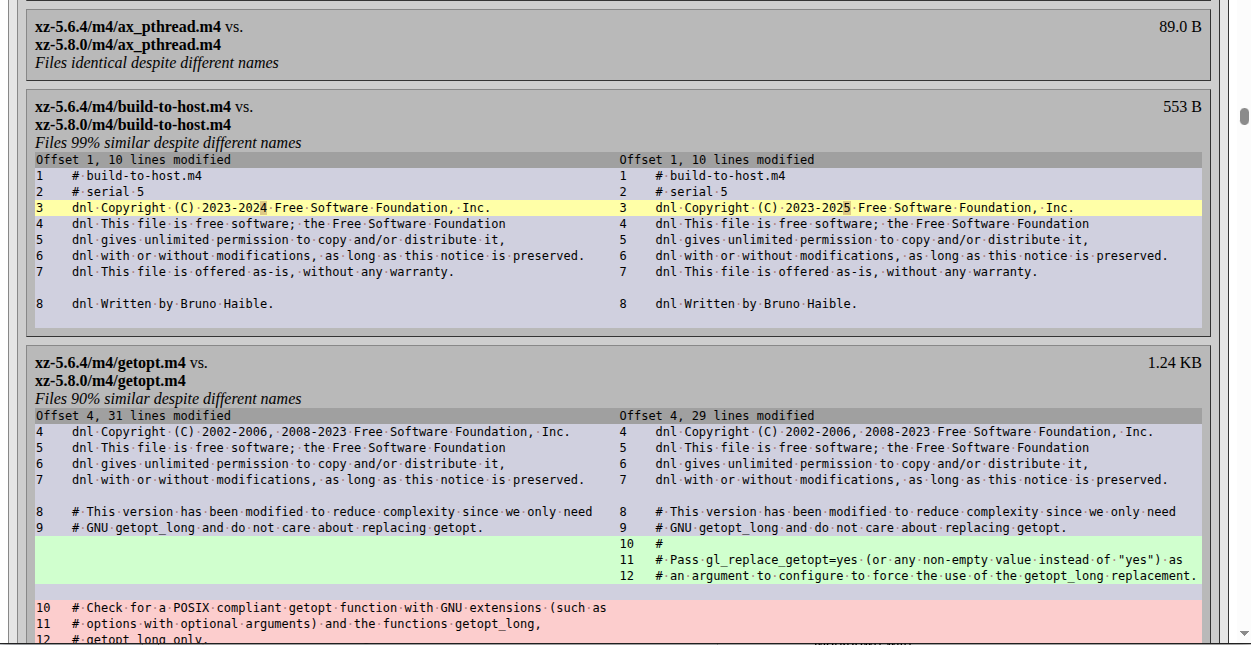 If the changes are extensive, and you want to use a LLM to help spot potential security issues, generate the report of both the upstream and Debian packaging differences in Markdown with:
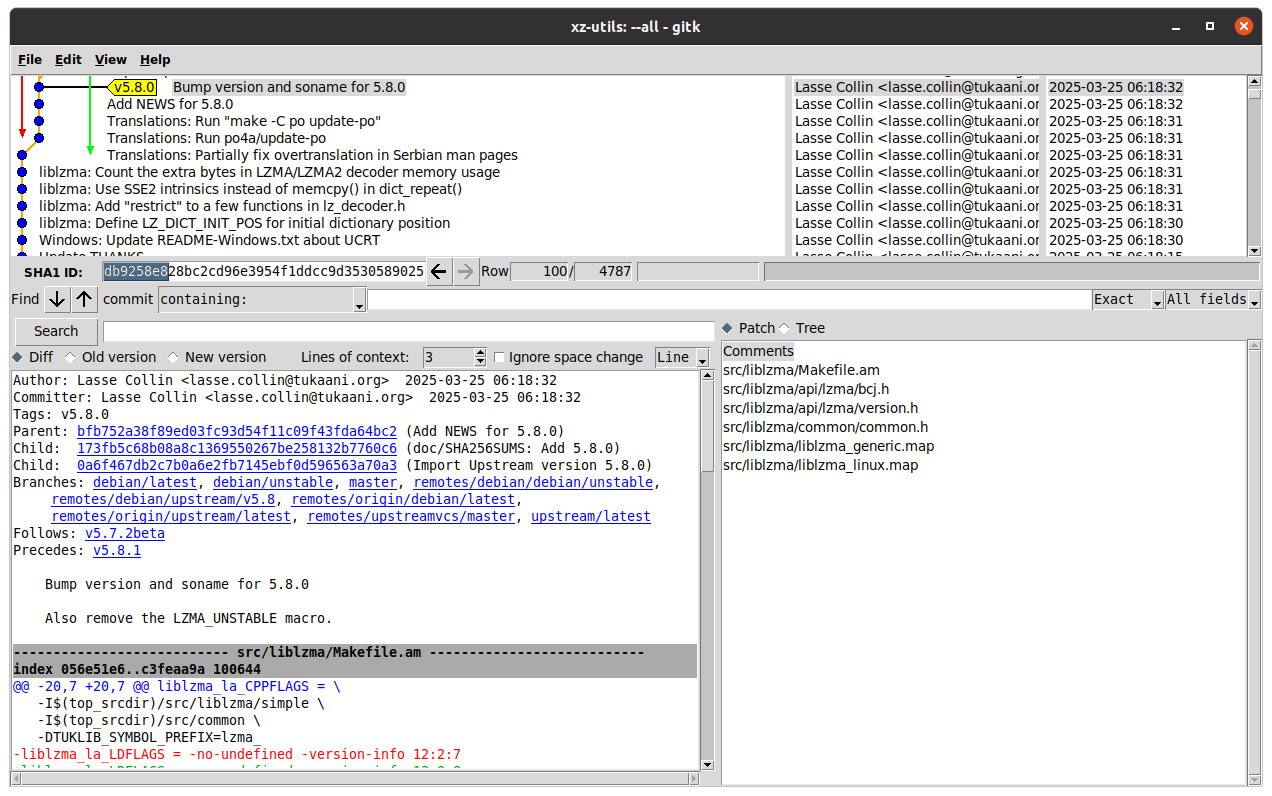
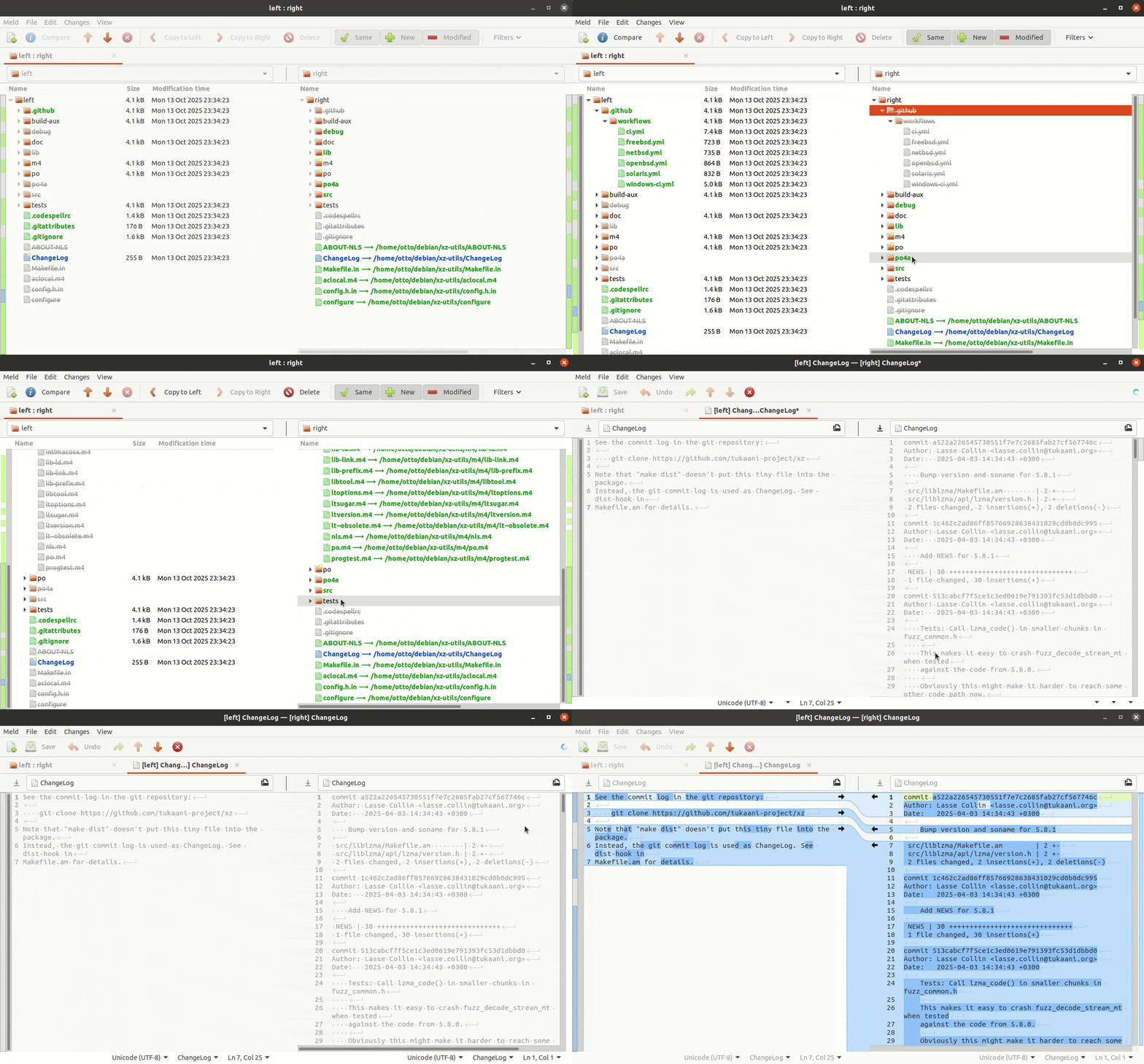 To compare changes across the new and old upstream tarball, one would need to compare commits afba662b New upstream version 5.8.0 and fa1e8796 New upstream version 5.8.1 by running
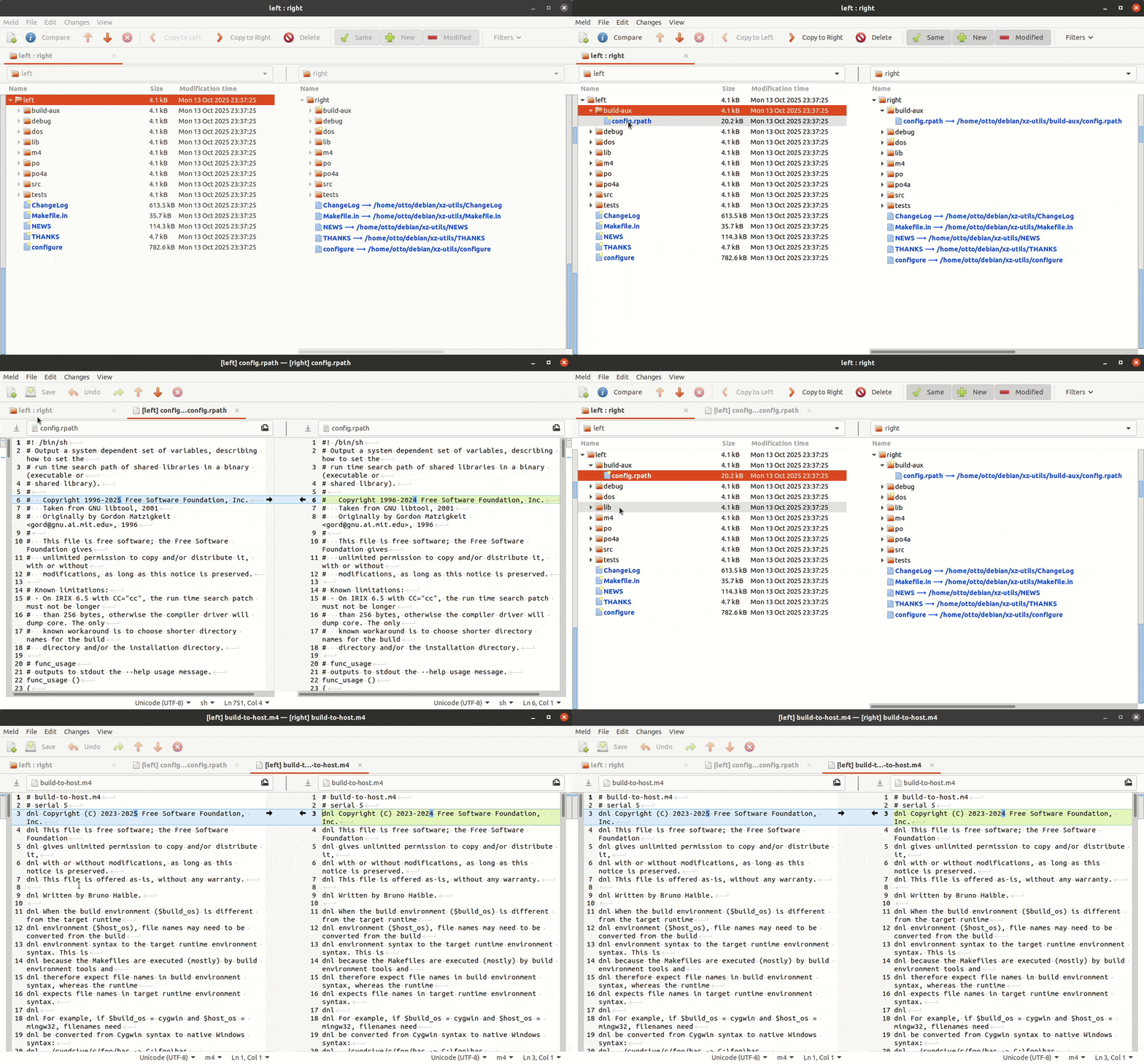 With all the above tips you can now go and try to audit your own favorite package in Debian and see if it is identical with upstream, and if not, how it differs.
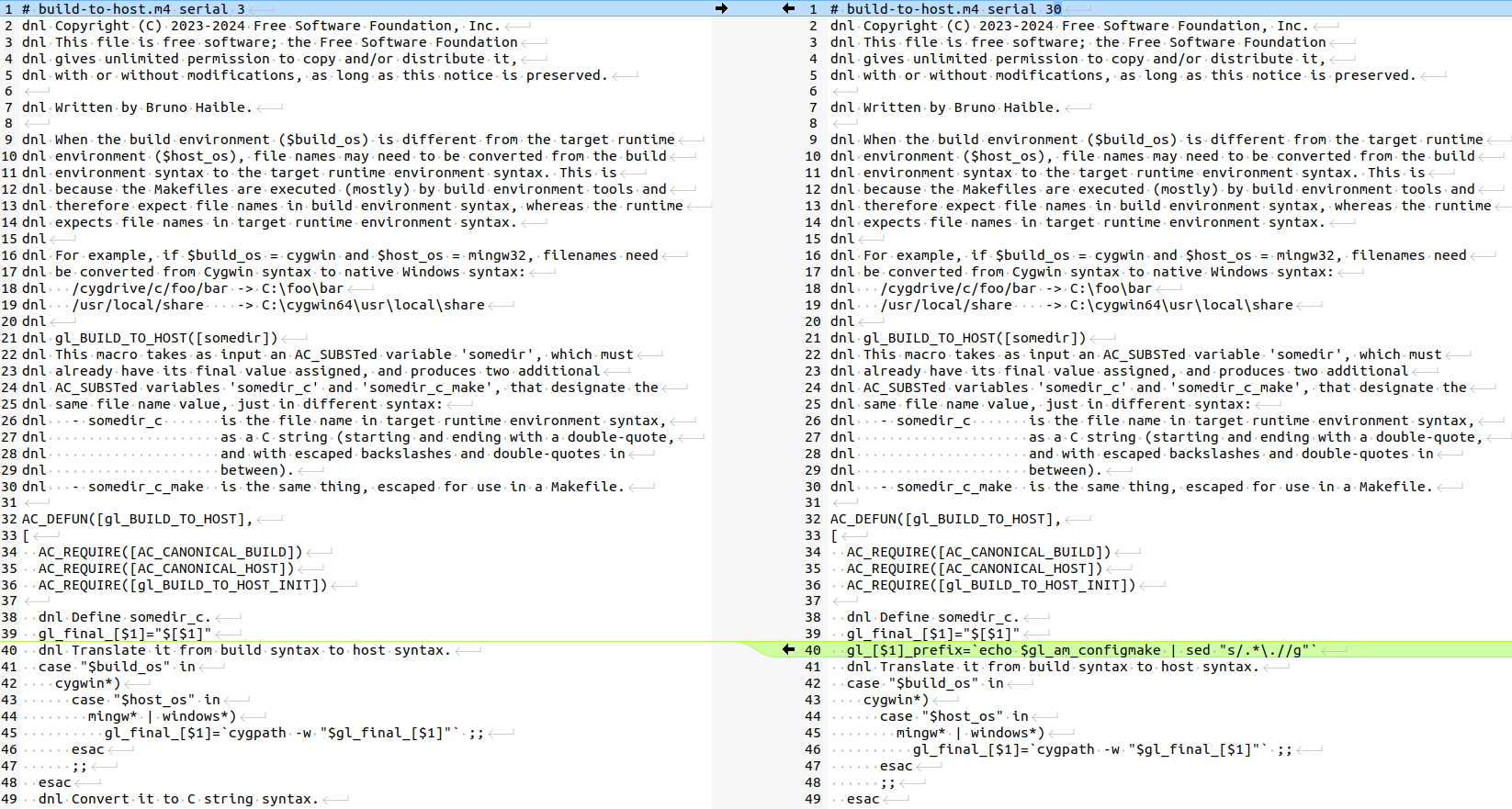 There is only one tiny thing that maybe a very experienced Autotools user could potentially have noticed: the
 Excited to share that

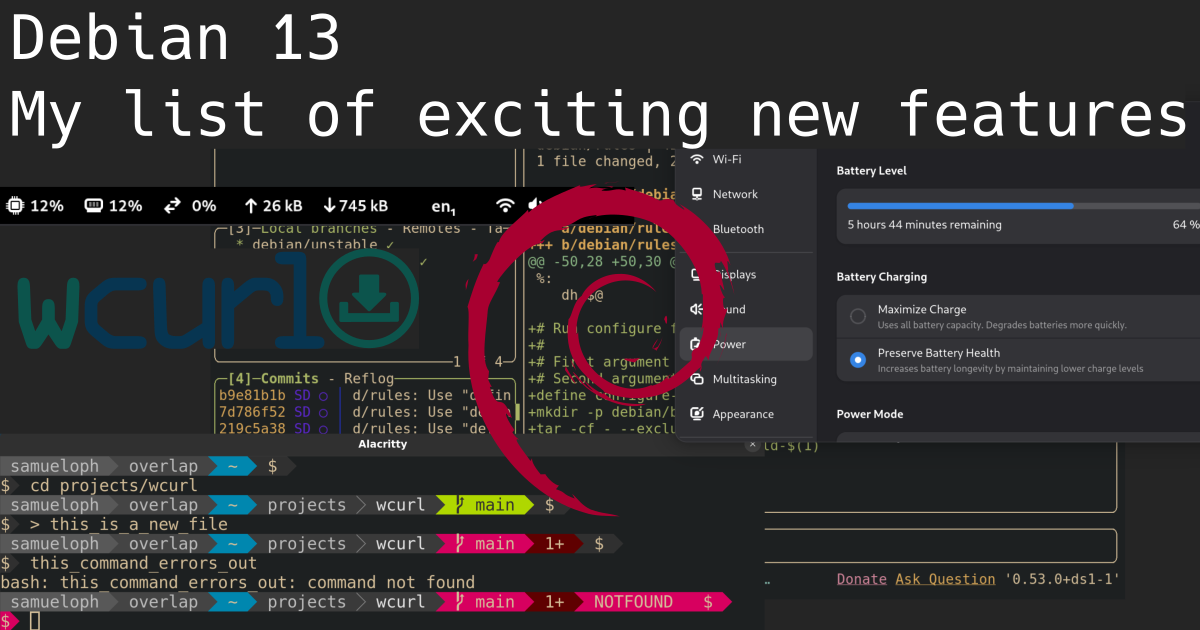
 Have you ever had to download a file from your terminal using curl and didn't
remember the parameters needed? I did.
Nowadays you can use
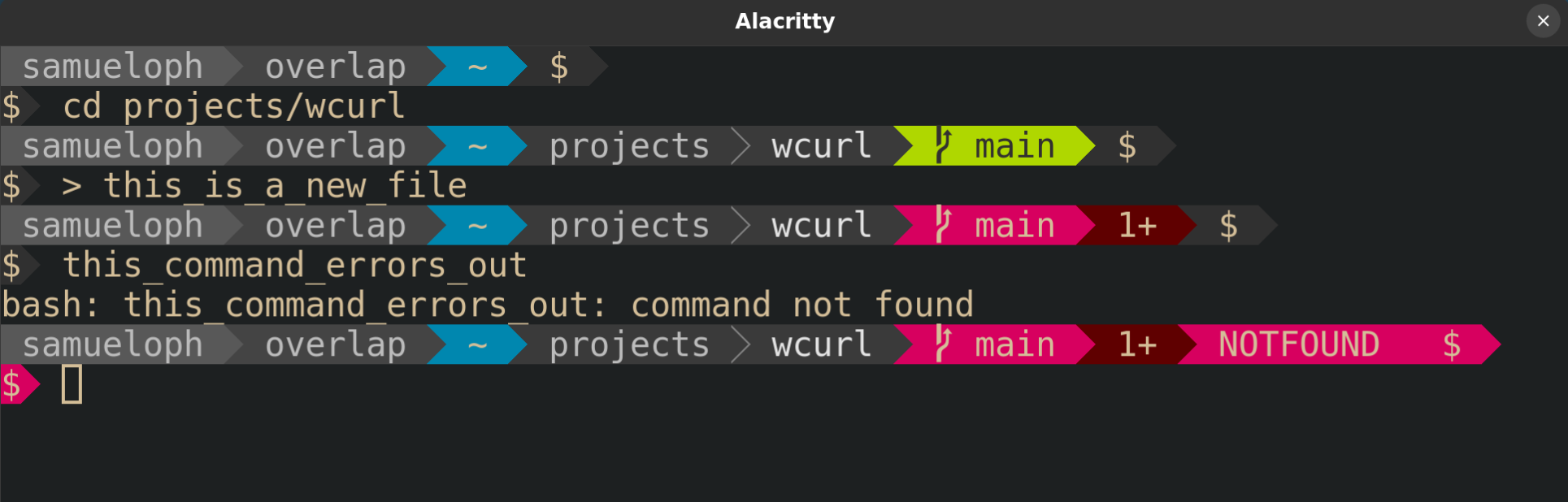 Try it out:
 I've found this quite useful for machines where I'm required to install
third-party monitoring software that tends to randomly consume more resources
than it should. If I feel like my machine is struggling, I can quickly glance
at its load to verify if it's getting overloaded by some process.
The extension is not as complete as
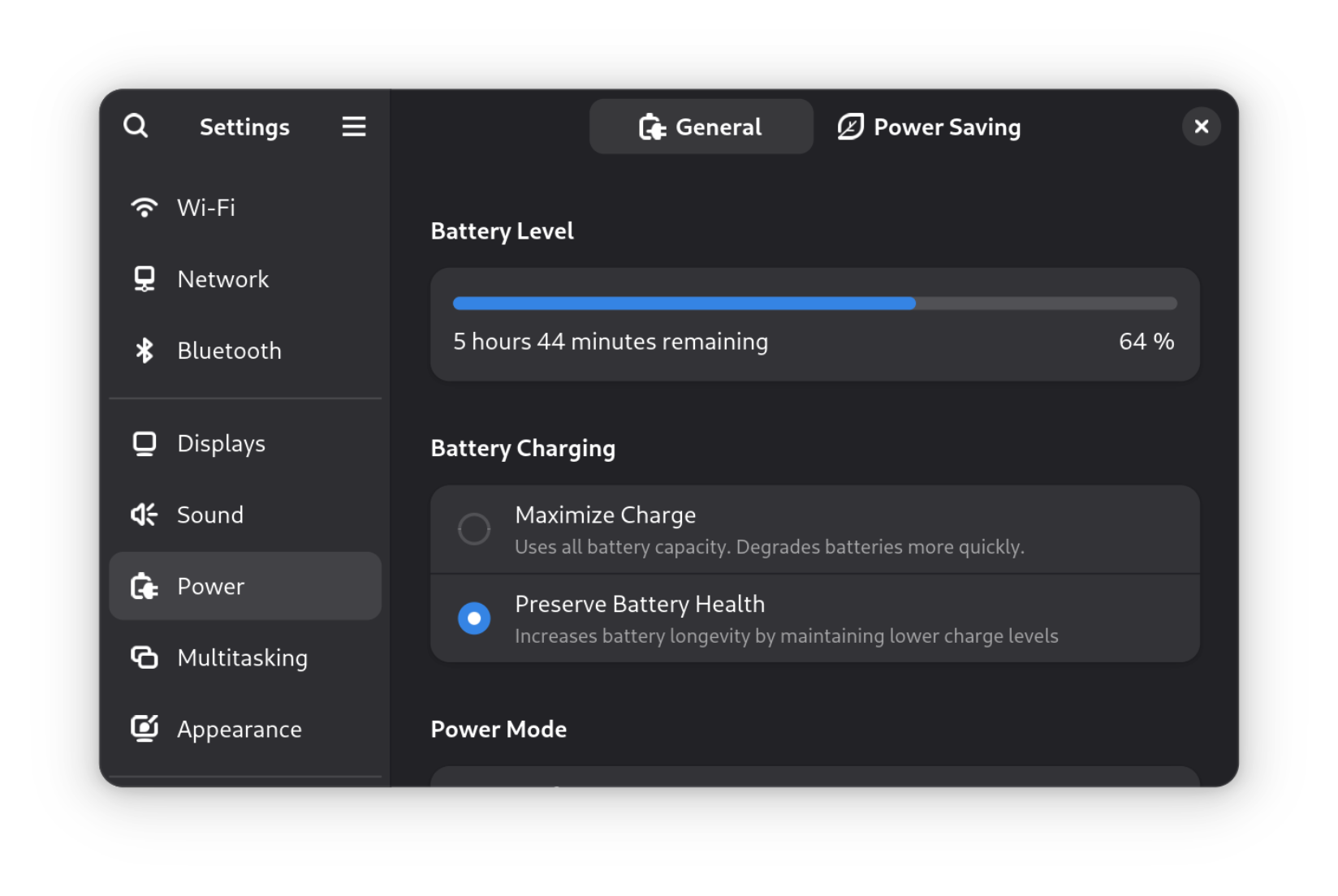 On supported laptops, this setting is an easy way to set thresholds for when
charging should start and stop, just like you could do it with the
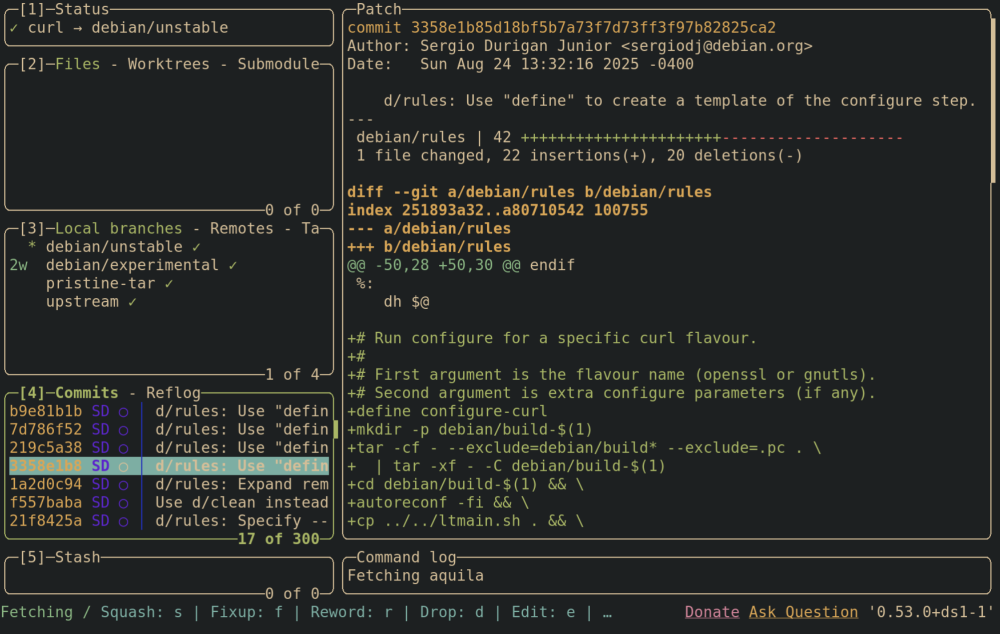 You should check out the demos from the
 Have you ever had to download a file from your terminal using curl and didn't
remember the parameters needed? I did.
Nowadays you can use
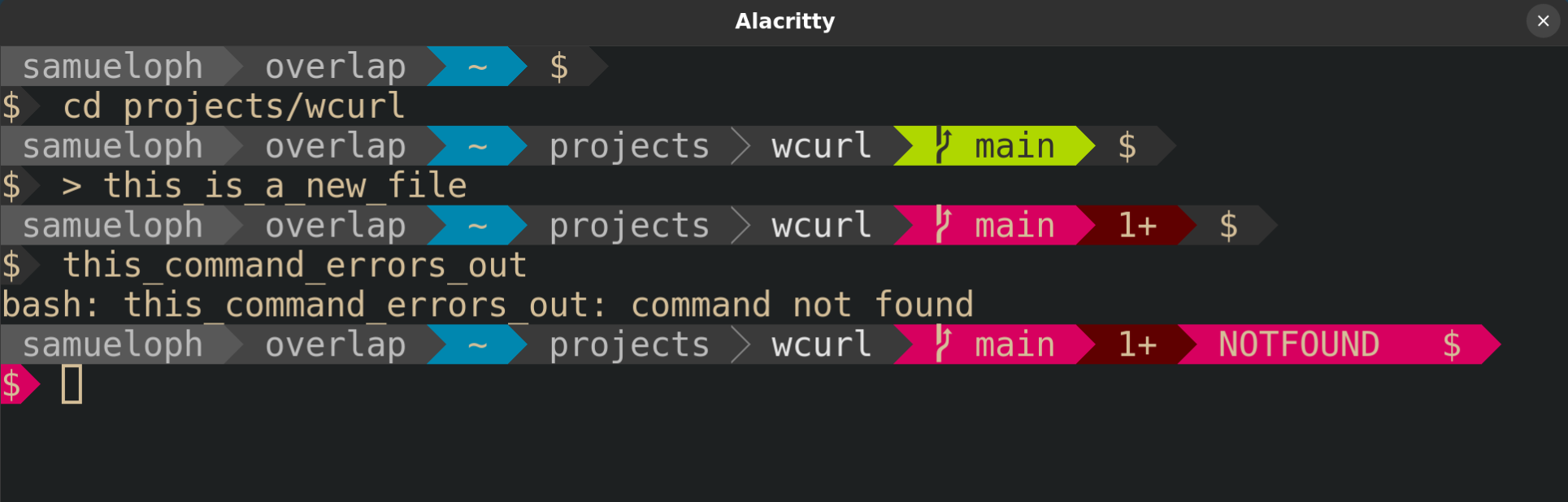 Try it out:
 I've found this quite useful for machines where I'm required to install
third-party monitoring software that tends to randomly consume more resources
than it should. If I feel like my machine is struggling, I can quickly glance
at its load to verify if it's getting overloaded by some process.
The extension is not as complete as
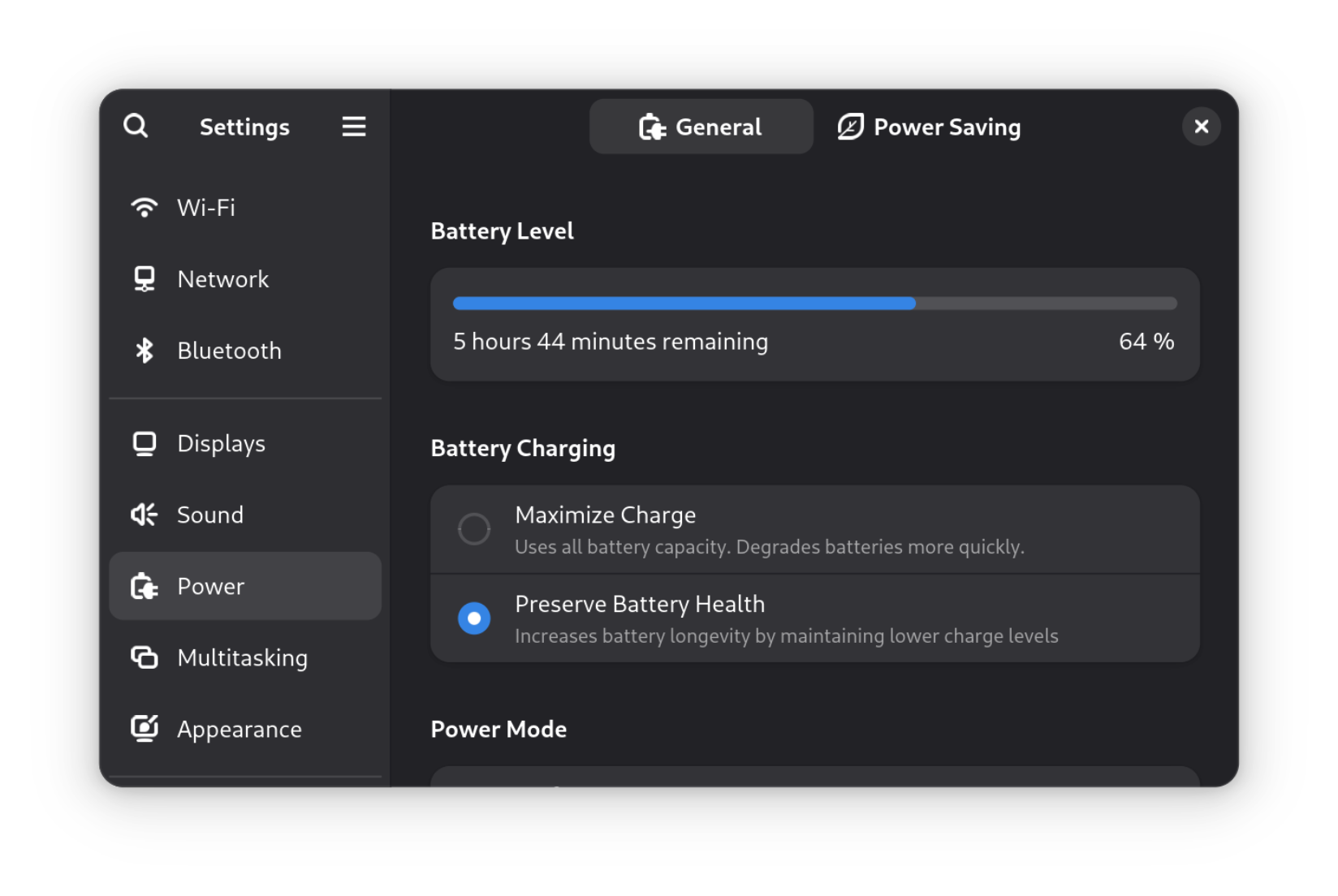 On supported laptops, this setting is an easy way to set thresholds for when
charging should start and stop, just like you could do it with the
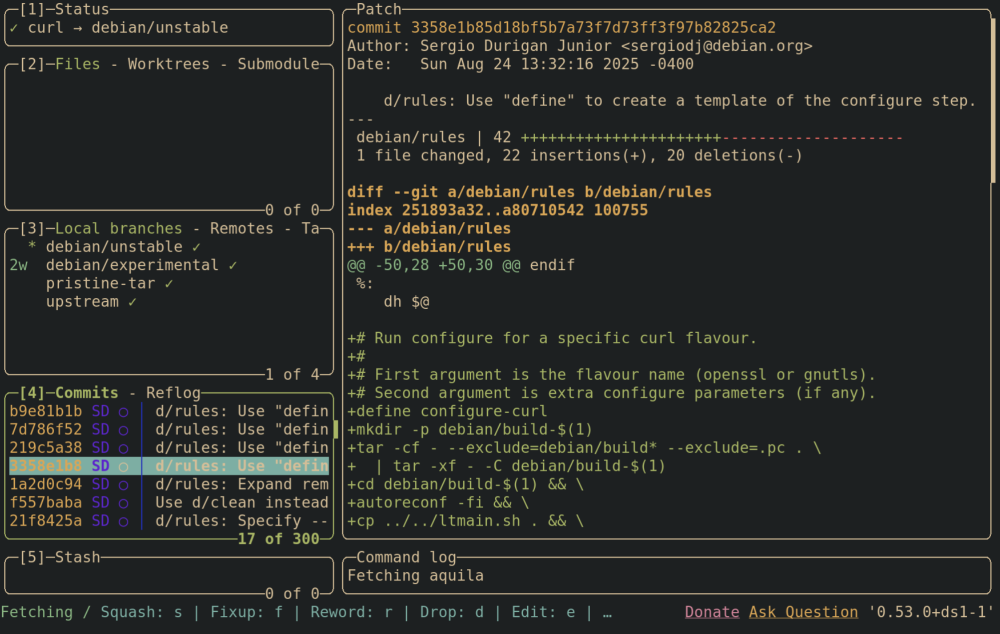 You should check out the demos from the
 Some time ago, I wanted to encrypt a bunch of data in an application I was writing in Rust, mostly to be stored in a database, but also session cookies and sensitive configuration variables.
Since Rust is widely known as a secure-yet-high-performance programming language, I was expecting that there would be a widely-used crate that gave me a secure, high-level interface to strong, safe cryptography.
Imagine my surprise when I discovered that just didn t seem to exist.
Don t get me wrong: Rust is replete with fast, secure, battle-tested cryptographic primitives.
The
 Debconf 25 photos

 Today I was looking for a way on how to best publish my OpenPGP key on my
webserver. Surely, somebody came up with some sort of standard way for where to
place that key, right? Turns out, they did:
