Introduction
DebConf23, the 24th annual Debian Conference, was held in India in the city of Kochi, Kerala from the 3rd to the 17th of September, 2023. Ever since I got to know about it (which was more than an year ago), I was excited to attend DebConf in my home country. This was my second DebConf, as I attended one last year in Kosovo. I was very happy that I didn t need to apply for a visa to attend. I got full bursary to attend the event (thanks a lot to Debian for that!) which is always helpful in covering the expenses, especially if the venue is a five star hotel :)
For the conference, I submitted two talks. One was suggested by Sahil on Debian packaging for beginners, while the other was suggested by Praveen who opined that a talk covering broader topics about freedom in self-hosting services will be better, when I started discussing about submitting a talk about prav app project. So I submitted one on Debian packaging for beginners and the other on ideas on sustainable solutions for self-hosting.
My friend Suresh - who is enthusiastic about Debian and free software - wanted to attend the DebConf as well. When the registration started, I reminded him about applying. We landed in Kochi on the 28th of August 2023 during the festival of Onam. We celebrated Onam in Kochi, had a trip to Wayanad, and returned to Kochi. On the evening of the 3rd of September, we reached the venue - Four Points Hotel by Sheraton, at Infopark Kochi, Ernakulam, Kerala, India.
Suresh and me celebrating Onam in Kochi.
Hotel overview
The hotel had 14 floors, and featured a swimming pool and gym (these were included in our package). The hotel gave us elevator access for only our floor, along with public spaces like the reception, gym, swimming pool, and dining areas. The temperature inside the hotel was pretty cold and I had to buy a jacket to survive. Perhaps the hotel was in cahoots with winterwear companies? :)
Four Points Hotel by Sheraton was the venue of DebConf23. Photo credits: Bilal
Photo of the pool. Photo credits: Andreas Tille.
View from the hotel window.
Meals
On the first day, Suresh and I had dinner at the eatery on the third floor. At the entrance, a member of the hotel staff asked us about how many people we wanted a table for. I told her that it s just the two of us at the moment, but (as we are attending a conference) we might be joined by others. Regardless, they gave us a table for just two. Within a few minutes, we were joined by Alper from Turkey and urbec from Germany. So we shifted to a larger table but then we were joined by even more people, so we were busy adding more chairs to our table. urbec had already been in Kerala for the past 5-6 days and was, on one hand, very happy already with the quality and taste of bananas in Kerala and on the other, rather afraid of the spicy food :)
Two days later, the lunch and dinner were shifted to the All Spice Restaurant on the 14th floor, but the breakfast was still served at the eatery. Since the eatery (on the 3rd floor) had greater variety of food than the other venue, this move made breakfast the best meal for me and many others. Many attendees from outside India were not accustomed to the spicy food. It is difficult for locals to help them, because what we consider mild can be spicy for others. It is not easy to satisfy everyone at the dining table, but I think the organizing team did a very good job in the food department. (That said, it didn t matter for me after a point, and you will know why.) The pappadam were really good, and I liked the rice labelled Kerala rice . I actually brought that exact rice and pappadam home during my last trip to Kochi and everyone at my home liked it too (thanks to Abhijit PA). I also wished to eat all types of payasams from Kerala and this really happened (thanks to Sruthi who designed the menu). Every meal had a different variety of payasam and it was awesome, although I didn t like some of them, mostly because they were very sweet. Meals were later shifted to the ground floor (taking away the best breakfast option which was the eatery).
This place served as lunch and dinner place and later as hacklab during debconf. Photo credits: Bilal
The excellent Swag Bag
The DebConf registration desk was at the second floor. We were given a very nice swag bag. They were available in multiple colors - grey, green, blue, red - and included an umbrella, a steel mug, a multiboot USB drive by Mostly Harmless, a thermal flask, a mug by Canonical, a paper coaster, and stickers. It rained almost every day in Kochi during our stay, so handing out an umbrella to every attendee was a good idea.
Picture of the awesome swag bag given at DebConf23. Photo credits: Ravi Dwivedi
A gift for Nattie
During breakfast one day, Nattie (Belgium) expressed the desire to buy a coffee filter. The next time I went to the market, I bought a coffee filter for her as a gift. She seemed happy with the gift and was flattered to receive a gift from a young man :)
Being a mentor
There were many newbies who were eager to learn and contribute to Debian. So, I mentored whoever came to me and was interested in learning. I conducted a packaging workshop in the bootcamp, but could only cover how to set up the Debian Unstable environment, and had to leave out how to package (but I covered that in my talk). Carlos (Brazil) gave a keysigning session in the bootcamp. Praveen was also mentoring in the bootcamp. I helped people understand why we sign GPG keys and how to sign them. I planned to take a workshop on it but cancelled it later.
My talk
My Debian packaging talk was on the 10th of September, 2023. I had not prepared slides for my Debian packaging talk in advance - I thought that I could do it during the trip, but I didn t get the time so I prepared them on the day before the talk. Since it was mostly a tutorial, the slides did not need much preparation. My thanks to Suresh, who helped me with the slides and made it possible to complete them in such a short time frame.
My talk was well-received by the audience, going by their comments. I am glad that I could give an interesting presentation.
My presentation photo. Photo credits: Valessio
Visiting a saree shop
After my talk, Suresh, Alper, and I went with Anisa and Kristi - who are both from Albania, and have a never-ending fascination for Indian culture :) - to buy them sarees. We took autos to Kakkanad market and found a shop with a great variety of sarees. I was slightly familiar with the area around the hotel, as I had been there for a week. Indian women usually don t try on sarees while buying - they just select the design. But Anisa wanted to put one on and take a few photos as well. The shop staff did not have a trial saree for this purpose, so they took a saree from a mannequin. It took about an hour for the lady at the shop to help Anisa put on that saree but you could tell that she was in heaven wearing that saree, and she bought it immediately :) Alper also bought a saree to take back to Turkey for his mother. Me and Suresh wanted to buy a kurta which would go well with the mundu we already had, but we could not find anything to our liking.
Selfie with Anisa and Kristi. Photo credits: Anisa.
Cheese and Wine Party
On the 11th of September we had the Cheese and Wine Party, a tradition of every DebConf. I brought Kaju Samosa and Nankhatai from home. Many attendees expressed their appreciation for the samosas. During the party, I was with Abhas and had a lot of fun. Abhas brought packets of paan and served them at the Cheese and Wine Party. We discussed interesting things and ate burgers. But due to the restrictive alcohol laws in the state, it was less fun compared to the previous DebConfs - you could only drink alcohol served by the hotel in public places. If you bought your own alcohol, you could only drink in private places (such as in your room, or a friend s room), but not in public places.
Me helping with the Cheese and Wine Party.
Party at my room
Last year, Joenio (Brazilian) brought pastis from France which I liked. He brought the same alocholic drink this year too. So I invited him to my room after the Cheese and Wine party to have pastis. My idea was to have them with my roommate Suresh and Joenio. But then we permitted Joenio to bring as many people as he wanted and he ended up bringing some ten people. Suddenly, the room was crowded. I was having good time at the party, serving them the snacks given to me by Abhas. The news of an alcohol party at my room spread like wildfire. Soon there were so many people that the AC became ineffective and I found myself sweating.
I left the room and roamed around in the hotel for some fresh air. I came back after about 1.5 hours - for most part, I was sitting at the ground floor with TK Saurabh. And then I met Abraham near the gym (which was my last meeting with him). I came back to my room at around 2:30 AM. Nobody seemed to have realized that I was gone. They were thanking me for hosting such a good party. A lot of people left at that point and the remaining people were playing songs and dancing (everyone was dancing all along!). I had no energy left to dance and to join them. They left around 03:00 AM. But I am glad that people enjoyed partying in my room.
This picture was taken when there were few people in my room for the party.
Sadhya Thali
On the 12th of September, we had a sadhya thali for lunch. It is a vegetarian thali served on a banana leaf on the eve of Thiruvonam. It wasn t Thiruvonam on this day, but we got a special and filling lunch. The rasam and payasam were especially yummy.
Sadhya Thali: A vegetarian meal served on banana leaf. Payasam and rasam were especially yummy! Photo credits: Ravi Dwivedi.
Sadhya thali being served at debconf23. Photo credits: Bilal
Day trip
On the 13th of September, we had a daytrip. I chose the daytrip houseboat in Allepey. Suresh chose the same, and we registered for it as soon as it was open. This was the most sought-after daytrip by the DebConf attendees - around 80 people registered for it.
Our bus was set to leave at 9 AM on the 13th of September. Me and Suresh woke up at 8:40 and hurried to get to the bus in time. It took two hours to reach the venue where we get the houseboat.
The houseboat experience was good. The trip featured some good scenery. I got to experience the renowned Kerala backwaters. We were served food on the boat. We also stopped at a place and had coconut water. By evening, we came back to the place where we had boarded the boat.
Group photo of our daytrip. Photo credits: Radhika Jhalani
A good friend lost
When we came back from the daytrip, we received news that Abhraham Raji was involved in a fatal accident during a kayaking trip.
Abraham Raji was a very good friend of mine. In my Albania-Kosovo-Dubai trip last year, he was my roommate at our Tirana apartment. I roamed around in Dubai with him, and we had many discussions during DebConf22 Kosovo. He was the one who took the photo of me on my homepage. I also met him in MiniDebConf22 Palakkad and MiniDebConf23 Tamil Nadu, and went to his flat in Kochi this year in June.
We had many projects in common. He was a Free Software activist and was the designer of the DebConf23 logo, in addition to those for other Debian events in India.
A selfie in memory of Abraham.
We were all fairly shocked by the news. I was devastated. Food lost its taste, and it became difficult to sleep. That night, Anisa and Kristi cheered me up and gave me company. Thanks a lot to them.
The next day, Joenio also tried to console me. I thank him for doing a great job. I thank everyone who helped me in coping with the difficult situation.
On the next day (the 14th of September), the Debian project leader Jonathan Carter addressed and announced the news officially. THe Debian project also mentioned it on their website.
Abraham was supposed to give a talk, but following the incident, all talks were cancelled for the day. The conference dinner was also cancelled.
As I write, 9 days have passed since his death, but even now I cannot come to terms with it.
Visiting Abraham s house
On the 15th of September, the conference ran two buses from the hotel to Abraham s house in Kottayam (2 hours ride). I hopped in the first bus and my mood was not very good. Evangelos (Germany) was sitting opposite me, and he began conversing with me. The distraction helped and I was back to normal for a while. Thanks to Evangelos as he supported me a lot on that trip. He was also very impressed by my use of the StreetComplete app which I was using to edit OpenStreetMap.
In two hours, we reached Abraham s house. I couldn t control myself and burst into tears. I went to see the body. I met his family (mother, father and sister), but I had nothing to say and I felt helpless. Owing to the loss of sleep and appetite over the past few days, I had no energy, and didn t think it was good idea for me to stay there. I went back by taking the bus after one hour and had lunch at the hotel. I withdrew my talk scheduled for the 16th of September.
A Japanese gift
I got a nice Japanese gift from Niibe Yutaka (Japan) - a folder to keep papers which had ancient Japanese manga characters. He said he felt guilty as he swapped his talk with me and so it got rescheduled from 12th September to 16 September which I withdrew later.
Thanks to Niibe Yutaka (the person towards your right hand) from Japan (FSIJ), who gave me a wonderful Japanese gift during debconf23: A folder to keep pages with ancient Japanese manga characters printed on it. I realized I immediately needed that :)
This is the Japanese gift I received.
Group photo
On the 16th of September, we had a group photo. I am glad that this year I was more clear in this picture than in DebConf22.
Click to enlarge
Volunteer work and talks attended
I attended the training session for the video team and worked as a camera operator. The Bits from DPL was nice. I enjoyed Abhas presentation on home automation. He basically demonstrated how he liberated Internet-enabled home devices. I also liked Kristi s presentation on ways to engage with the GNOME community.
Bits from the DPL. Photo credits: Bilal
Kristi on GNOME community. Photo credits: Ravi Dwivedi.
Abhas' talk on home automation. Photo credits: Ravi Dwivedi.
I also attended lightning talks on the last day. Badri, Wouter, and I gave a demo on how to register on the Prav app. Prav got a fair share of advertising during the last few days.
I was roaming around with a QR code on my T-shirt for downloading Prav.
The night of the 17th of September
Suresh left the hotel and Badri joined me in my room. Thanks to the efforts of Abhijit PA, Kiran, and Ananthu, I wore a mundu.
Me in mundu. Picture credits: Abhijith PA
I then joined Kalyani, Mangesh, Ruchika, Anisa, Ananthu and Kiran. We took pictures and this marked the last night of DebConf23.
Departure day
The 18th of September was the day of departure. Badri slept in my room and left early morning (06:30 AM). I dropped him off at the hotel gate. The breakfast was at the eatery (3rd floor) again, and it was good.
Sahil, Saswata, Nilesh, and I hung out on the ground floor.
From left: Nilesh, Saswata, me, Sahil. Photo credits: Sahil.
I had an 8 PM flight from Kochi to Delhi, for which I took a cab with Rhonda (Austria), Michael (Nigeria) and Yash (India). We were joined by other DebConf23 attendees at the Kochi airport, where we took another selfie.
Ruchika (taking the selfie) and from left to right: Yash, Joost (Netherlands), me, Rhonda
Joost and I were on the same flight, and we sat next to each other. He then took a connecting flight from Delhi to Netherlands, while I went with Yash to the New Delhi Railway Station, where we took our respective trains. I reached home on the morning of the 19th of September, 2023.
Joost and me going to Delhi. Photo credits: Ravi.
Big thanks to the organizers
DebConf23 was hard to organize - strict alcohol laws, weird hotel rules, death of a close friend (almost a family member), and a scary notice by the immigration bureau. The people from the team are my close friends and I am proud of them for organizing such a good event.
None of this would have been possible without the organizers who put more than a year-long voluntary effort to produce this. In the meanwhile, many of them had organized local events in the time leading up to DebConf. Kudos to them.
The organizers also tried their best to get clearance for countries not approved by the ministry. I am also sad that people from China, Kosovo, and Iran could not join. In particular, I feel bad for people from Kosovo who wanted to attend but could not (as India does not consider their passport to be a valid travel document), considering how we Indians were so well-received in their country last year.
Note about myself
I am writing this on the 22nd of September, 2023. It took me three days to put up this post - this was one of the tragic and hard posts for me to write. I have literally forced myself to write this. I have still not recovered from the loss of my friend. Thanks a lot to all those who helped me.
PS: Credits to contrapunctus for making grammar, phrasing, and capitalization changes.
I very, very nearly didn t make it to DebConf this year, I had a bad cold/flu for a few days before I left, and after a negative covid-19 test just minutes before my flight, I decided to take the plunge and travel.
This is just everything in chronological order, more or less, it s the only way I could write it.
DebCamp
I planned to spend DebCamp working on various issues. Very few of them actually got done, I spent the first few days in bed further recovering, took a covid-19 test when I arrived and after I felt better, and both were negative, so not sure what exactly was wrong with me, but between that and catching up with other Debian duties, I couldn t make any progress on catching up on the packaging work I wanted to do. I ll still post what I intended here, I ll try to take a few days to focus on these some time next month:
Calamares / Debian Live stuff:
#980209 installation fails at the install boot loader phase
#1021156 calamares-settings-debian: Confusing/generic program names
#681025 Put old themes in a new package named desktop-base-extra
#941642 desktop-base: split theme data files and desktop integrations in separate packages
The Egg theme that I want to develop for testing/unstable is based on Juliette Taka s Homeworld theme that was used for Bullseye. Egg, as in, something that hasn t quite hatched yet. Get it? (for #1038660)
Debian Social:
Set up Lemmy instance
I started setting up a Lemmy instance before DebCamp, and meant to finish it.
Migrate PeerTube to new server
We got a new physical server for our PeerTube instance, we should have more space for growth and it would help us fix the streaming feature on our platform.
Loopy:
I intended to get the loop for DebConf in good shape before I left, so that we can spend some time during DebCamp making some really nice content, unfortunately this went very tumbly, but at least we ended up with a loopy that kind of worked and wasn t too horrible. There s always another DebConf to try again, right?
So DebCamp as a usual DebCamp was pretty much a wash (fitting with all the rain we had?) for me, at least it gave me enough time to recover a bit for DebConf proper, and I had enough time left to catch up on some critical DPL duties and put together a few slides for the Bits from the DPL talk.
DebConf
Bits From the DPL
I had very, very little available time to prepare something for Bits fro the DPL, but I managed to put some slides together (available on my wiki page).
I mostly covered:
A very quick introduction of myself (I ve done this so many times, it feels redundant giving my history every time), and some introduction on what it is that the DPL does. I declared my intent not to run for DPL again, and the reasoning behind it, and a few bits of information for people who may intend to stand for DPL next year.
The sentiment out there for the Debian 12 release (which has been very positive). How we include firmware by default now, and that we re saying goodbye to architectures both GNU/KFreeBSD and mipsel.
Debian Day and the 30th birthday party celebrations from local groups all over the world (and a reminder about the Local Groups BoF later in the week).
I looked forward to Debian 13 (trixie!), and how we re gaining riscv64 as a release architecture, as well as loongarch64, and that plans seem to be forming to fix 2k38 in Debian, and hopefully largely by the time the Trixie release comes by.
I made some comments about Enterprise Linux as people refer to the RHEL eco-system these days, how really bizarre some aspects of it is (like the kernel maintenance), and that some big vendors are choosing to support systems outside of that eco-system now (like CPanel now supporting Ubuntu too). I closed with the quote below from Ian Murdock, and assured the audience that if they want to go out and make money with Debian, they are more than welcome too.
Job Fair
I walked through the hallway where the Job Fair was hosted, and enjoyed all the buzz. It s not always easy to get this right, but this year it was very active and energetic, I hope lots of people made some connections!
Cheese & Wine
Due to state laws and alcohol licenses, we couldn t consume alcohol from outside the state of Kerala in the common areas of the hotel (only in private rooms), so this wasn t quite as big or as fun as our usual C&W parties since we couldn t share as much from our individual countries and cultures, but we always knew that this was going to be the case for this DebConf, and it still ended up being alright.
Day Trip
I opted for the forest / waterfalls daytrip. It was really, really long with lots of time in the bus. I think our trip s organiser underestimated how long it would take between the points on the route (all in all it wasn t that far, but on a bus on a winding mountain road, it takes long). We left at 8:00 and only found our way back to the hotel around 23:30. Even though we arrived tired and hungry, we saw some beautiful scenery, animals and also met indigenous river people who talked about their struggles against being driven out of their place of living multiple times as government invests in new developments like dams and hydro power.
Photos available in the DebConf23 public git repository.
Losing a beloved Debian Developer during DebConf
To our collective devastation, not everyone made it back from their day trips. Abraham Raji was out to the kayak day trip, and while swimming, got caught by a whirlpool from a drainage system.
Even though all of us were properly exhausted and shocked in disbelief at this point, we had to stay up and make some tough decisions. Some initially felt that we had to cancel the rest of DebConf. We also had to figure out how to announce what happened asap both to the larger project and at DebConf in an official manner, while ensuring that due diligence took place and that the family is informed by the police first before making anything public.
We ended up cancelling all the talks for the following day, with an address from the DPL in the morning to explain what had happened. Of all the things I ve ever had to do as DPL, this was by far the hardest. The day after that, talks were also cancelled for the morning so that we could attend his funeral. Dozens of DebConf attendees headed out by bus to go pay their final respects, many wearing the t-shirts that Abraham had designed for DebConf.
A book of condolences was set up so that everyone who wished to could write a message on how they remembered him. The book will be kept by his family.
Today marks a week since his funeral, and I still feel very raw about it. And even though there was uncertainty whether DebConf should even continue after his death, in hindsight I m glad that everyone pushed forward. While we were all heart broken, it was also heart warming to see people care for each other in all of this. If anything, I think I needed more time at DebConf just to be in that warm aura of emotional support for just a bit longer. There are many people who I wanted to talk to who I barely even had a chance to see.
Abraham, or Abru as he was called by some people (which I like because bru in Afrikaans is like bro in English, not sure if that s what it implied locally too) enjoyed artistic pursuits, but he was also passionate about knowledge transfer. He ran classes at DebConf both last year and this year (and I think at other local events too) where he taught people packaging via a quick course that he put together. His enthusiasm for Debian was contagious, a few of the people who he was mentoring came up to me and told me that they were going to see it through and become a DD in honor of him. I can t even remember how I reacted to that, my brain was already so worn out and stitching that together with the tragedy of what happened while at DebConf was just too much for me.
I first met him in person last year in Kosovo, I already knew who he was, so I think we interacted during the online events the year before. He was just one of those people who showed so much promise, and I was curious to see what he d achieve in the future. Unfortunately, we was taken away from us too soon.
Poetry Evening
Later in the week we had the poetry evening. This was the first time I had the courage to recite something. I read Ithaka by C.P. Cavafy (translated by Edmund Keely). The first time I heard about this poem was in an interview with Julian Assange s wife, where she mentioned that he really loves this poem, and it caught my attention because I really like the Weezer song Return to Ithaka and always wondered what it was about, so needless to say, that was another rabbit hole at some point.
Group Photo
Our DebConf photographer organised another group photo for this event, links to high-res versions available on Aigar s website.
BoFs
I didn t attend nearly as many talks this DebConf as I would ve liked (fortunately I can catch up on video, should be released soon), but I did make it to a few BoFs.
In the Local Groups BoF, representatives from various local teams were present who introduced themselves and explained what they were doing. From memory (sorry if I left someone out), we had people from Belgium, Brazil, Taiwan and South Africa. We talked about types of events a local group could do (BSPs, Mini DC, sprints, Debian Day, etc. How to help local groups get started, booth kits for conferences, and setting up some form of calendar that lists important Debian events in a way that makes it easier for people to plan and co-ordinate. There s a mailing list for co-ordination of local groups, and the irc channel is #debian-localgroups on oftc.
If you got one of these Cheese & Wine bags from DebConf, that s from the South African local group!
In the Debian.net BoF, we discussed the Debian.net hosting service, where Debian pays for VMs hosted for projects by individual DDs on Debian.net. The idea is that we start some form of census that monitors the services, whether they re still in use, whether the system is up to date, whether someone still cares for it, etc. We had some discussion about where the lines of responsibility are drawn, and we can probably make things a little bit more clear in the documentation. We also want to offer more in terms of backups and monitoring (currently DDs do get 500GB from rsync.net that could be used for backups of their services though). The intention is also to deploy some form of configuration management for some essentials across the hosts. We should also look at getting some sponsored hosting for this.
In the Debian Social BoF, we discussed some services that need work / expansion. In particular, Matrix keeps growing at an increased rate as more users use it and more channels are bridged, so it will likely move to its own host with big disks soon. We might replace Pleroma with a fork called Akkoma, this will need some more home work and checking whether it s even feasible. Some services haven t really been used (like Writefreely and Plume), and it might be time to retire them. We might just have to help one or two users migrate some of their posts away if we do retire them. Mjolner seems to do a fine job at spam blocking, we haven t had any notable incidents yet. WordPress now has improved fediverse support, it s unclear whether it works on a multi-site instance yet, I ll test it at some point soon and report back. For upcoming services, we are implementing Lemmy and probably also Mobilizon. A request was made that we also look into Loomio.
More Information Overload
There s so much that happens at DebConf, it s tough to take it all in, and also, to find time to write about all of it, but I ll mention a few more things that are certainly worth of note.
During DebConf, we had some people from the Kite Linux team over. KITE supplies the ICT needs for the primary and secondary schools in the province of Kerala, where they all use Linux. They decided to switch all of these to Debian. There was an ad-hoc BoF where locals were listening and fielding questions that the Kite Linux team had. It was great seeing all the energy and enthusiasm behind this effort, I hope someone will properly blog about this!
I learned about the VGLUG Foundation, who are doing a tremendous job at promoting GNU/Linux in the country. They are also training up 50 people a year to be able to provide tech support for Debian.
I came across the booth for Mostly Harmless, they liberate old hardware by installing free firmware on there. It was nice seeing all the devices out there that could be liberated, and how it can breathe new life into old harware.
Some hopefully harmless soldering.
Overall, the community and their activities in India are very impressive, and I wish I had more time to get to know everyone better.
Food
Oh yes, one more thing. The food was great. I tasted more different kinds of curry than I ever did in my whole life up to this point. The lunch on banana leaves was interesting, and also learning how to eat this food properly by hand (thanks to the locals who insisted on teaching me!), it was a fruitful experience? This might catch on at home too less dishes to take care of!
Special thanks to the DebConf23 Team
I think this may have been one of the toughest DebConfs to organise yet, and I don t think many people outside of the DebConf team knows about all the challenges and adversity this team has faced in organising it. Even just getting to the previous DebConf in Kosovo was a long and tedious and somewhat risky process. Through it all, they were absolute pro s. Not once did I see them get angry or yell at each other, whenever a problem came up, they just dealt with it. They did a really stellar job and I did make a point of telling them on the last day that everyone appreciated all the work that they did.
Back to my nest
I bought Dax a ball back from India, he seems to have forgiven me for not taking him along.
I ll probably take a few days soon to focus a bit on my bugs and catch up on my original DebCamp goals. If you made it this far, thanks for reading! And thanks to everyone for being such fantastic people.
Debconf 23 is coming to a close in Kochi, Kerala, India this year.
And it has been my pleasure to again be here and take lots of pictures of the
event and of the surroundings. In total I took 1852 photos and walked just over 50 km between the
two venue buildings and all the rooms where action happened.
Today I will share with you the main group photo:
You can also see it in:
In keeping with the more relaxed nature of Debconf in India, the rest of my photos from the event will
be published in about two weeks from now. That will give me a bit more time to process them correctly
and also give all of you a chance to see these pictures with fresh eyes and stir up new memories from
the event.
So you decided to build a brand new system using all the latest and coolest tech, so you buy a Ryzen 7000 series
Zen 4 CPU, like the Ryzen 7700X that I picked, with a new mother board and DDR5 memory and all that jazz. But for
now, you don't yet have a fitting GPU for that system (as the new ones will only come out in November), so you are
booting a Debian system using the new build-in video card of the new CPUs (Zen 4 generation has a simple AMD GPU
build-in into every CPU now - great stuff for debugging and mostly-headless systems) and you get ... nothing on
the screen. Hmm. You boot into the rescue mode and the kernel message stop after:
That looks bad, right?
Well, if you either ssh into the machine or reboot with module_blacklist=amdgpu in the kernel command line you will
find in /var/log/kern.log.1 those messages and also the following messages that will clarify the situation a bit:
Oct 16 13:31:25 home kernel: [    4.129352] amdgpu 0000:10:00.0: firmware: failed to load amdgpu/psp_13_0_5_toc.bin (-2)
Oct 16 13:31:25 home kernel: [    4.129354] firmware_class: See https://wiki.debian.org/Firmware for information about missing firmware
Oct 16 13:31:25 home kernel: [    4.129358] amdgpu 0000:10:00.0: firmware: failed to load amdgpu/psp_13_0_5_toc.bin (-2)
Oct 16 13:31:25 home kernel: [    4.129359] amdgpu 0000:10:00.0: Direct firmware load for amdgpu/psp_13_0_5_toc.bin failed with error -2
Oct 16 13:31:25 home kernel: [    4.129360] amdgpu 0000:10:00.0: amdgpu: fail to request/validate toc microcode
Oct 16 13:31:25 home kernel: [    4.129361] [drm:psp_sw_init [amdgpu]] *ERROR* Failed to load psp firmware!
Oct 16 13:31:25 home kernel: [    4.129432] [drm:amdgpu_device_init.cold [amdgpu]] *ERROR* sw_init of IP block <psp> failed -2
Oct 16 13:31:25 home kernel: [    4.129525] amdgpu 0000:10:00.0: amdgpu: amdgpu_device_ip_init failed
Oct 16 13:31:25 home kernel: [    4.129526] amdgpu 0000:10:00.0: amdgpu: Fatal error during GPU init
Oct 16 13:31:25 home kernel: [    4.129527] amdgpu 0000:10:00.0: amdgpu: amdgpu: finishing device.
Oct 16 13:31:25 home kernel: [    4.129633] amdgpu: probe of 0000:10:00.0 failed with error -2
So what you need is to get a new set of Linux Kernel Firmware blobs and upack that in /lib/firmware.
The tarball from 2022-10-12 worked well for me.
After that you also need to re-create the initramfs with update-initramfs -k all -c to include the new firmware.
Having kernel version 5.18 or newer is also required for stable Zen 4 support. It might be that a fresh Mesa version
is also of importance, but as I am running sid on this machine I can only say that Mesa 22.2.1 that is in sid works fine.
Finally after a long break, the in-person Debconf is a thing again, this time
Debconf 22 is happening in Prizren, Kosovo.
And it has been my pleasure to again be here and take lots of pictures of the
event and of the surroundings.
The photos can be found in this Google Photo shared album and also on
this git-lfs share.
But the main photographic delight, as always is the DebConf 22 Group Photo.
And here it is!!!
You can also see it in:
Since the first week of April 2022 I have (finally!) changed my company car from
a plug-in hybrid to a fully electic car. My new ride, for the next two years, is
a BMW i4 M50 in Aventurine Red metallic.
An ellegant car with very deep and
memorable color, insanely powerful (544 hp/795 Nm), sub-4 second 0-100 km/h, large
84 kWh battery (80 kWh usable), charging up to 210 kW, top speed of 225 km/h
and also very efficient (which came out best in this trip) with WLTP range of 510 km
and EVDB real range of 435 km. The car
also has performance tyres (Hankook Ventus S1 evo3 245/45R18 100Y XL in front and
255/45R18 103Y XL in rear all at recommended 2.5 bar) that have reduced efficiency.
So I wanted to document and describe how was it for me to travel ~2000 km (one way)
with this, electric, car from south of Germany to north of Latvia. I have done
this trip many times before since I live in Germany now and travel back to my
relatives in Latvia 1-2 times per year. This was the first time I made this trip in
an electric car. And as this trip includes both travelling in Germany (where BEV
infrastructure is best in the world) and across Eastern/Northen Europe, I believe
that this can be interesting to a few people out there.
Normally when I travelled this trip with a gasoline/diesel car I would normally drive
for two days with an intermediate stop somewhere around Warsaw with about 12 hours
of travel time in each day. This would normally include a couple bathroom stops in each
day, at least one longer lunch stop and 3-4 refueling stops on top of that. Normally
this would use at least 6 liters of fuel per 100 km on average with total usage of about
270 liters for the whole trip (or about 540 just in fuel costs, nowadays). My
(personal) quirk is that both fuel and recharging of my (business) car inside Germany
is actually paid by my employer, so it is useful
for me to charge up (or fill up) at the last station in Gemany before driving on.
The plan for this trip was made in a similar way as when travelling with a gasoline car:
travelling as fast as possible on German Autobahn network to last chargin stop on the A4
near G rlitz, there charging up as much as reasonable and then travelling to a hotel
in Warsaw, charging there overnight and travelling north towards Ionity chargers in
Lithuania from where reaching the final target in north of Latvia should be possible.
How did this plan meet the reality?
Travelling inside Germany with an electric car was basically perfect. The most efficient
way would involve driving fast and hard with top speed of even 180 km/h (where possible
due to speed limits and traffic). BMW i4 is very efficient at high speeds with consumption
maxing out at 28 kWh/100km when you actually drive at this speed all the time. In real
situation in this trip we saw consumption of 20.8-22.2 kWh/100km in the first legs of the trip.
The more traffic there is, the more speed limits and roadworks, the lower is the average
speed and also the lower the consumption. With this kind of consumption we could comfortably
drive 2 hours as fast as we could and then pick any fast charger along the route and in
26 minutes at a charger (50 kWh charged total) we'd be ready to drive for another 2 hours.
This lines up very well with recommended rest stops for biological reasons (bathroom, water
or coffee, a bit of movement to get blood circulating) and very close to what I had to do
anyway with a gasoline car. With a gasoline car I had to refuel first, then park, then go to
bathroom and so on. With an electric car I can do all of that while the car is charging and
in the end the total time for a stop is very similar. Also not that there was a crazy heat
wave going on and temperature outside was at about 34C minimum the whole day and hitting
40C at one point of the trip, so a lot of power was used for cooling. The car has a heat pump
standard, but it still was working hard to keep us cool in the sun.
The car was able to plan a charging route with all the charging stops required and had all
the good options (like multiple intermediate stops) that many other cars (hi Tesla) and
mobile apps (hi Google and Apple) do not have yet. There are a couple bugs with charging
route and display of current route guidance, those are already fixed and will be delivered
with over the air update with July 2022 update. Another good alterantive is the ABRP (A
Better Route Planner) that was specifically designed for electric car routing along the
best route for charging. Most phone apps (like Google Maps) have no idea about your specific
electric car - it has no idea about the battery capacity, charging curve and is missing key
live data as well - what is the current consumption and remaining energy in the battery. ABRP
is different - it has data and profiles for almost all electric cars and can also be linked to
live vehicle data, either via a OBD dongle or via a new Tronity cloud service. Tronity reads
data from vehicle-specific cloud service, such as MyBMW service, saves it, tracks history and
also re-transmits it to ABRP for live navigation planning. ABRP allows for options and settings
that no car or app offers, for example, saying that you want to stop at a particular place for
an hour or until battery is charged to 90%, or saying that you have specific charging cards and
would only want to stop at chargers that support those. Both the car and the ABRP also support
alternate routes even with multiple intermediate stops. In comparison, route planning by Google
Maps or Apple Maps or Waze or even Tesla does not really come close.
After charging up in the last German fast charger, a more interesting part of the trip started.
In Poland the density of high performance chargers (HPC) is much lower than in Germany. There are
many chargers (west of Warsaw), but vast majority of them are (relatively) slow 50kW chargers.
And that is a difference between putting 50kWh into the car in 23-26 minutes or in 60 minutes. It
does not seem too much, but the key bit here is that for 20 minutes there is easy to find stuff
that should be done anyway, but after that you are done and you are just waiting for the car and
if that takes 4 more minutes or 40 more minutes is a big, perceptual, difference. So using
HPC is much, much preferable. So we put in the Ionity charger near Lodz as our intermediate target
and the car suggested an intermediate stop at a Greenway charger by Katy Wroclawskie. The location
is a bit weird - it has 4 charging stations with 150 kW each. The weird bits are that each station
has two CCS connectors, but only one parking place (and the connectors share power, so if two cars
were to connect, each would get half power). Also from the front of the location one can only see
two stations, the otehr two are semi-hidden around a corner. We actually missed them on the way
to Latvia and one person actually waited for the charger behind us for about 10 minutes. We only
discovered the other two stations on the way back. With slower speeds in Poland the consumption
goes down to 18 kWh/100km which translates to now up to 3 hours driving between stops.
At the end of the first day we drove istarting from Ulm from 9:30 in the morning until about 23:00 in the evening with
total distance of about 1100 km, 5 charging stops, starting with 92% battery, charging for
26 min (50 kWh), 33 min (57 kWh + lunch), 17 min (23 kWh), 12 min (17 kWh) and 13 min (37 kW).
In the last two chargers you can see the difference between a good and fast 150 kW charger at high
battery charge level and a really fast Ionity charger at low battery charge level, which makes
charging faster still.
Arriving to hotel with 23% of battery. Overnight the car charged from a Porsche Destination
Charger to 87% (57 kWh). That was a bit less than I would expect from a full power 11kW charger,
but good enough. Hotels should really install 11kW Type2 chargers for their guests, it is a really
significant bonus that drives more clients to you.
The road between Warsaw and Kaunas is the most difficult part of the trip for both driving itself
and also for charging. For driving the problem is that there will be a new highway going from
Warsaw to Lithuanian border, but it is actually not fully ready yet. So parts of the way one drives
on the new, great and wide highway and parts of the way one drives on temporary roads or on old
single lane undivided roads. And the most annoying part is navigating between parts as signs are
not always clear and the maps are either too old or too new. Some maps do not have the new roads and
others have on the roads that have not been actually build or opened to traffic yet. It's really easy
to loose ones way and take a significant detour. As far as charging goes, basically there is only
the slow 50 kW chargers between Warsaw and Kaunas (for now). We chose to charge on the last charger
in Poland, by Suwalki Kaufland. That was not a good idea - there is only one 50 kW CCS and many people
decide the same, so there can be a wait. We had to wait 17 minutes before we could charge for
30 more minutes just to get 18 kWh into the battery. Not the best use of time. On the way back we chose
a different charger in Lomza where would have a relaxed dinner while the car was charging. That
was far more relaxing and a better use of time.
We also tried charging at an Orlen charger that was not recommended by our car and we found out why.
Unlike all other chargers during our entire trip, this charger did not accept our universal BMW Charging
RFID card. Instead it demanded that we download their own Orlen app and register there. The app is only
available in some countries (and not in others) and on iPhone it is only available in Polish. That is a
bad exception to the rule and a bad example. This is also how most charging works in USA. Here in Europe
that is not normal. The normal is to use a charging card - either provided from the car maker or from
another supplier (like PlugSufring or Maingau Energy). The providers then make roaming arrangements with
all the charging networks, so the cards just work everywhere. In the end the user gets the prices and the
bills from their card provider as a single monthly bill. This also saves all any credit card charges for
the user. Having a clear, separate RFID card also means that one can easily choose how to pay for each
charging session. For example, I have a corporate RFID card that my company pays for (for charging in
Germany) and a private BMW Charging card that I am paying myself for (for charging abroad). Having the
car itself authenticate direct with the charger (like Tesla does) removes the option to choose how to pay.
Having each charge network have to use their own app or token bring too much chaos and takes too much setup.
The optimum is having one card that works everywhere and having the option to have additional card
or cards for specific purposes.
Reaching Ionity chargers in Lithuania is again a breath of fresh air - 20-24 minutes to charge 50 kWh is
as expected. One can charge on the first Ionity just enough to reach the next one and then on the second
charger one can charge up enough to either reach the Ionity charger in Adazi or the final target in Latvia.
There is a huge number of CSDD (Road Traffic and Safety Directorate) managed chargers all over Latvia,
but they are 50 kW chargers. Good enough for local travel, but not great for long distance trips. BMW i4
charges at over 50 kW on a HPC even at over 90% battery state of charge (SoC). This means that it is always
faster to charge up in a HPC than in a 50 kW charger, if that is at all possible. We also tested the CSDD
chargers - they worked without any issues. One could pay with the BMW Charging RFID card, one could use
the CSDD e-mobi app or token and one could also use Mobilly - an app that you can use in Latvia for
everything from parking to public transport tickets or museums or car washes.
We managed to reach our final destination near Aluksne with 17% range remaining after just 3 charging stops:
17+30 min (18 kWh), 24 min (48 kWh), 28 min (36 kWh). Last stop we charged to 90% which took a few extra
minutes that would have been optimal.
For travel around in Latvia we were charging at our target farmhouse from a normal 3 kW Schuko EU socket.
That is very slow. We charged for 33 hours and went from 17% to 94%, so not really full. That was perfectly
fine for our purposes. We easily reached Riga, drove to the sea and then back to Aluksne with 8% still
in reserve and started charging again for the next trip. If it were required to drive around more and charge
faster, we could have used the normal 3-phase 440V connection in the farmhouse to have a red CEE 16A plug
installed (same as people use for welders). BMW i4 comes standard with a new BMW Flexible Fast Charger
that has changable socket adapters. It comes by default with a Schucko connector in Europe, but for 90
one can buy an adapter for blue CEE plug (3.7 kW) or red CEE 16A or 32A plugs (11 kW). Some public charging
stations in France actually use the blue CEE plugs instead of more common Type2 electric car charging stations.
The CEE plugs are also common in camping parking places.
On the way back the long distance BEV travel was already well understood and did not cause us any problem. From
our destination we could easily reach the first Ionity in Lithuania, on the Panevezhis bypass road where
in just 8 minutes we got 19 kWh and were ready to drive on to Kaunas, there a longer 32 minute stop before
the charging desert of Suwalki Gap that gave us 52 kWh to 90%. That brought us to a shopping mall in Lomzha
where we had some food and charged up 39 kWh in lazy 50 minutes. That was enough to bring us to our return hotel
for the night - Hotel 500W in Strykow by Lodz that has a 50kW charger on site, while we were having late
dinner and preparing for sleep, the car easily recharged to full (71 kWh in 95 minutes), so I just moved
it from charger to a parking spot just before going to sleep. Really easy and well flowing day.
Second day back went even better as we just needed an 18 minute stop at the same Katy Wroclawskie charger
as before to get 22 kWh and that was enough to get back to Germany. After that we were again flying on the
Autobahn and charging as needed, 15 min (31 kWh), 23 min (48 kWh) and 31 min (54 kWh + food). We started the
day on about 9:40 and were home at 21:40 after driving just over 1000 km on that day. So less than 12 hours
for 1000 km travelled, including all charging, bio stops, food and some traffic jams as well. Not bad.
Now let's take a look at all the apps and data connections that a technically minded customer can have
for their car. Architecturally the car is a network of computers by itself, but it is very secured and
normally people do not have any direct access. However, once you log in into the car with your BMW account
the car gets your profile info and preferences (seat settings, navigation favorites, ...) and the car then
also can start sending information to the BMW backend about its status. This information is then available
to the user over multiple different channels. There is no separate channel for each of those data flow.
The data only goes once to the backend and then all other communication of apps happens with the backend.
First of all the MyBMW app.
This is the go-to for everything about the car - seeing its current status and location (when not driving),
sending commands to the car (lock, unlock, flash lights, pre-condition, ...) and also monitor and control
charging processes. You can also plan a route or destination in the app in advance and then just send it over
to the car so it already knows where to drive to when you get to the car. This can also integrate with calendar
entries, if you have locations for appointments, for example. This also shows full charging history and
allows a very easy export of that data, here I exported all charging sessions from June and then
trimmed it back to only sessions relevant to the trip and cut off some design elements to have the data more
visible.
So one can very easily see when and where we were charging, how much power we got at each spot and
(if you set prices for locations) can even show costs.
I've already mentioned the Tronity service and its ABRP integration, but it also saves the information that
it gets from the car and gathers that data over time. It has nice aspects, like showing the driven routes
on a map, having ways to do business trip accounting and having good calendar view. Sadly it does not correctly
capture the data for charging sessions (the amounts are incorrect).
Update: after talking to Tronity support, it looks like the bug was in the incorrect value for the usable
battery capacity for my car. They will look into getting th eright values there by default, but as a workaround
one can edit their car in their system (after at least one charging session) and directly set the expected
battery capacity (usable) in the car properties on the Tronity web portal settings.
One other fun way to see data from your BMW is using the BMW integration in Home Assistant.
This brings the car as a device in your own smart home. You can read all the variables from the car current status
(and Home Asisstant makes cute historical charts) and you can even see
interesting trends, for example for remaining range shows much
higher value in Latvia as its prediction is adapted to Latvian road speeds and during the trip it adapts to Polish
and then to German road speeds and thus to higher consumption and thus lower maximum predicted remaining range.
Having the car attached to the Home Assistant also allows you to attach the car to automations, both as data and event
source (like detecting when car enters the "Home" zone) and also as target, so you could flash car lights or even
unlock or lock it when certain conditions are met.
So, what in the end was the most important thing - cost of the trip? In total we charged up 863 kWh, so that would
normally cost one about 290 , which is close to half what this trip would have costed with a gasoline car. Out of
that 279 kWh in Germany (paid by my employer) and 154 kWh in the farmhouse (paid by our wonderful relatives :D) so
in the end the charging that I actually need to pay adds up to 430 kWh or about 150 . Typically, it took about 400
in fuel that I had to pay to get to Latvia and back. The difference is really nice!
In the end I believe that there are three different ways of charging:
incidental charging - this is wast majority of charging in the normal day-to-day life. The car gets charged when
and where it is convinient to do so along the way. If we go to a movie or a shop and there is a chance to leave
the car at a charger, then it can charge up. Works really well, does not take extra time for charging from us.
fast charging - charging up at a HPC during optimal charging conditions - from relatively low level to no more
than 70-80% while you are still doing all the normal things one would do in a quick stop in a long travel
process: bio things, cleaning the windscreen, getting a coffee or a snack.
necessary charging - charging from a whatever charger is available just enough to be able to reach the next
destination or the next fast charger.
The last category is the only one that is really annoying and should be avoided at all costs. Even by shifting
your plans so that you find something else useful to do while necessary charging is happening and thus, at least
partially, shifting it over to incidental charging category. Then you are no longer just waiting for the car,
you are doing something else and the car magically is charged up again.
And when one does that, then travelling with an electric car becomes no more annoying than travelling with
a gasoline car. Having more breaks in a trip is a good thing and makes the trips actually easier and less
stressfull - I was more relaxed during and after this trip than during previous trips. Having the car air
conditioning always be on, even when stopped, was a godsend in the insane heat wave of 30C-38C that we were
driving trough.
Final stats: 4425 km driven in the trip. Average consumption: 18.7 kWh/100km. Time driving: 2 days and 3 hours.
Car regened 152 kWh. Charging stations recharged 863 kWh.
Questions? You can use this i4talk forum thread or this Twitter thread to ask them to me.
You know that you've had the same server too long when they discontinue the
entire class of servers you were using and you need to migrate to a new
instance. And you know you've not done anything with that server (and the blog
running on it) for too long when you have no idea how that thing is actually
working.
Its a good opportunity to start over from scratch, and a good motivation to the
new thing as simply as humanly possible, or even simpler.
So I am switching to a statically generated blog as well. Not sure what took me
so long, but thank good the tooling has really improved since the last time I
looked.
It was as simple as picking Nikola, finding its import_feed plugin, changing the
BLOG_RSS_LIMIT in my Django Mezzanine blog to a thousand (to export all posts
via RSS/ATOM feed), fixing some bugs
in the import_feed plugin, waiting a few minutes for the full feed to generate
and to be imported, adjusting the config of the resulting site, posting that to
git and writing a simple shell script
to pull that repo periodically and call nikola build on it, as well as config
to serve ther result via ngnix. Done.
After that creating a new blog post is just nikola new_post and editing it in
vim and pushing to git. I prefer Markdown, but it supports all kinds of formats.
And the old posts are just stored as HTML. Really simple.
I think I will spend more time fighting with Google to allow me to forward email
from my domain to my GMail postbox without it refusing all of it as spam.
Ohai,
I have recently started to serve as a Feature Editor for the ACM XRDS magazine. As such, I was also invited to post some general blog posts on XRDS blog And I just started yesterday by posting about DebConf.
I'm not going to pull (or mention) each of my posts in my main blog, nor will I syndicate it to Planet Debian (where most of my readership comes from), although I did add it to my dlvr.it account (that relays my posts to Twitter and Facebook, for those of you that care about said services). This mention is a one-off thing.
So, if you want to see yet another post explaining what is DebConf and what is Debian to the wider public, well... Thate's what I came up with :)
[Update]: Of course, I wanted to thank Aigars Mahinovs for the photos I used on that post. Have you looked at them all? I spent a moste enjoyable time going through them :-]
On 5th August I got a chance to attend, speak and experience DebConf 2017 at Montreal, Canada. The conference was stretch ed from 6 August to 12 August .
Seasons of Debian Summer of Code & Winter of Outreachy
Pretty late for me to document my DebConf fun-learning-experiences, thanks to my delaying tactics.. I need to overcome.
But better late than ever, I had amazing time at DebConf. I got to meet and learn from my Outreachy Mentor, Daniel Pocock! Picture of Daniel and me captured by : Dorina Mosku
One thing about DebConf I loved was the amount of Diversity in Debian family!
As a beginner, I got to get a big picture of what all projects are there. Daniel helped me a lot in getting started with packaging in Debian. I really appreciate the time he took out to guide me @DebConf and Pranav, remotely.
One specific line I liked about Daniel s talk on Open Day, 5th August Free Communications with Free Software and Debian while talking about free RTC (Real Time Communication) is that,
..Instead of communication controlling the user, the user can control the communcation..
I talked about free RTC, my Project Lumicall and about my journey being an Outreachy Intern with Debian. I also covered my co-speaker s project work on Lumicall being a GSoC 2016 student.
Picture captured by Aigars MahinovsManaging Debian s RTC services Daniel Pocock
Meeting the Outreachy family feels amaazzing! Karen Sandler, executive director of the Software Freedom Conservancy gave a talk on the Significance and Impact of Outreachy and Debian s support for the programme.
with Karen Sandler and Outreachy alumini
DebConf 2017 has been a wonderful conference with the community being very welcoming and helpful
Debconf17 has come and gone by too fast, so we all could use a moment looing back at all the fun and serious happenings of the main event in the Debian social calendar. You can find my full photo gallery on Google, Flickr and Debconf Share.
Make sure to check out the Debconf17 group photo and as an extra special treat for you - enjoy the "living" Debconf17 group photo!
Work on Debian for mobile devices, i.e. telephones, tablets, and
handheld computers, continues. During the recent
DebConf17 in Montr al, Canada, more
than 50 people had a meeting to reconsider opportunities and
challenges for Debian on mobile devices.
A number of devices were shown at DebConf:
PocketCHIP: A very small
handheld computer with keyboard, Wi-Fi, USB, and Bluetooth, running
Debian 8 (Jessie) or 9 (Stretch).
Pyra: A modular
handheld computer with a touchscreen, gaming controls, Wi-Fi,
keyboard, multiple USB ports and SD card slots, and an optional
modem for either Europe or the USA. It will come preinstalled with
Debian.
Samsung Galaxy S Relay 4G:
An Android smartphone featuring a physical keyboard, which can
already run portions of Debian userspace on the Android kernel.
Kernel upstreaming is on the way.
ZeroPhone: An
open-source smartphone based on Raspberry Pi Zero, with a small
screen, classic telephone keypad and hardware switches for
telephony, Wi-Fi, and the microphone. It is running Debian-based
Raspbian OS.
The photo (click to enlarge) shows all four devices, together with a
Nokia N900, which was the
first Linux-based smartphone by Nokia, running Debian-based Maemo and
a completely unrelated
Gnuk cryptographic token,
which just sneaked into the setting.
If you like to participate, please
"packages should build reproducibly" - after 4 years this work of many is in debian-policy now
This post was written roughly 44h ago and now that the fix for #844431 has been merged into the git master branch, I'm publishing it - hoping you'll enjoy this as much as I do!
So today is the last (official) day of DebConf17 and it looks like #844431: "packages should build reproducibly" will be merged into debian-policy today! So I'm super excited, super happy, quite tired and a bit sad (DebConf is ending ) right now!
Four years ago Lunar held a BoF at DebConf13 which started the initiative in Debian. I only got involved in September 2014 with setting up continuous tests, rebuilding each package twice with some variations and then comparing the results using diffoscope, which back then was still called debbindiff and which we renamed as part of our efforts to make Reproducible Builds the norm in Free Software.
Many people have worked on this, and I'm also very happy how visible this has been in our talk here yesterday. You people rock and I'm very thankful and proud to be part of this team. Thank you everyone!
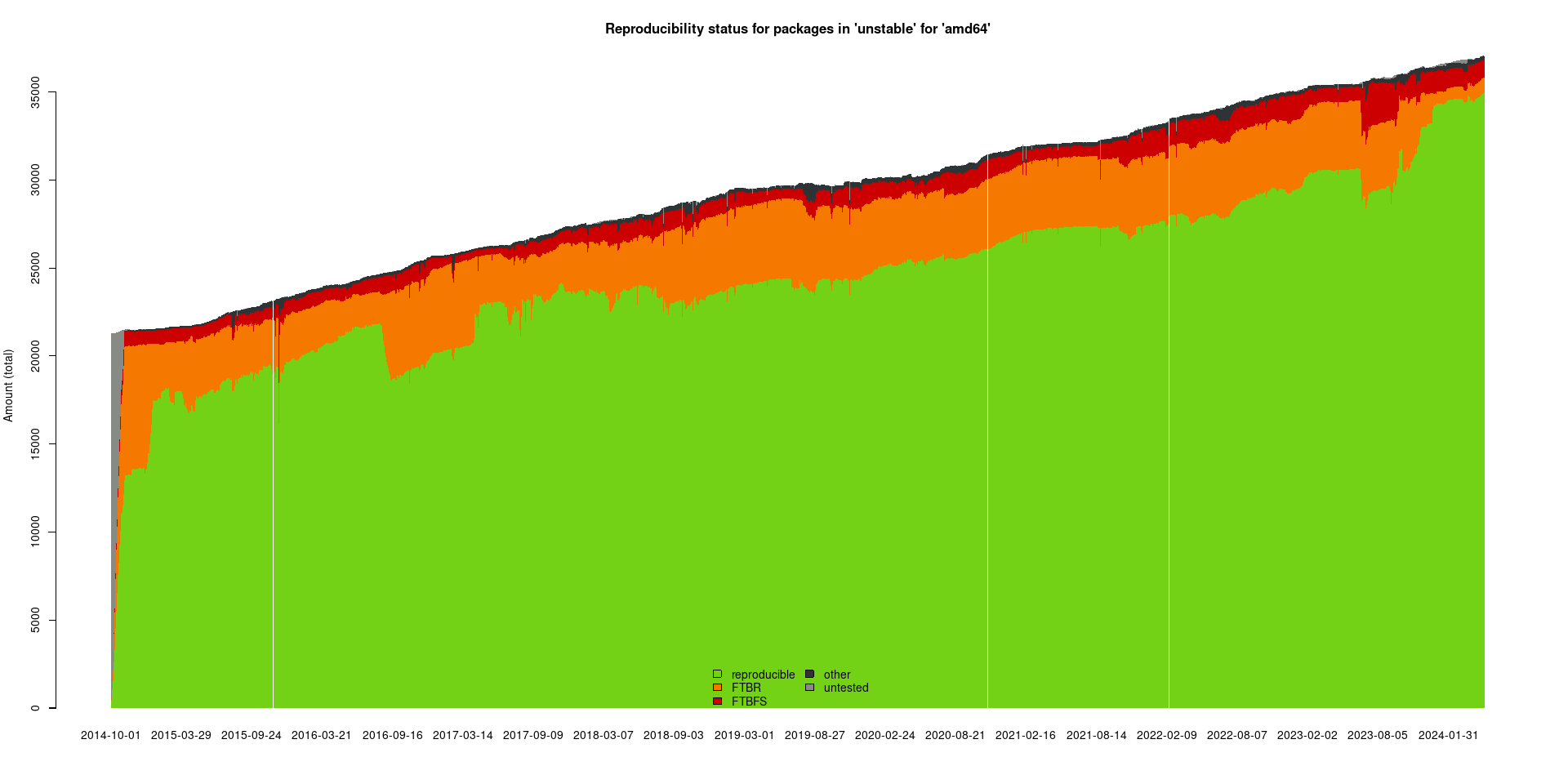
And please understand: we are not 94% done yet (which our reproducibility stats might have made you think), rather more like half done or so. We still need tools and processes to enable anyone to indepently verify that a given binary comes from the sources it is said to be coming, this will involve distributing .buildinfo files and providing user interfaces in APT and elsewhere. And probably also systematic rebuilds by us and other parties. And 6 or 7% of the archive are a lot of packages still, eg in Buster we currently still have 273 unreproducible key packages and for a large part we don't have patches yet. So there is still a lot of work ahead.
This is what was added to debian-policy now:
Reproducibility
---------------
Packages should build reproducibly, which for the purposes of this
document [#]_ means that given
- a version of a source package unpacked at a given path;
- a set of versions of installed build dependencies;
- a set of environment variable values;
- a build architecture; and
- a host architecture,
repeatedly building the source package for the build architecture on
any machine of the host architecture with those versions of the build
dependencies installed and exactly those environment variable values
set will produce bit-for-bit identical binary packages.
It is recommended that packages produce bit-for-bit identical binaries
even if most environment variables and build paths are varied.  It is
intended for this stricter standard to replace the above when it is
easier for packages to meet it.
.. [#]
   This is Debian's precisification of the  reproducible-builds.org
   definition  _.
For now violating this part of policy may result in a severity: normal bug,
though I think we should still only file them if we have patches, else it's probably
better to just take a note in our notes.git, like we did before the policy change.
Finally one last comment: we could do reproducible security updates for Stretch
now too, for those 94% of the packages which are reproducible. It just needs to be done by someones and the first step would be publishing those .buildinfo files from those builds
Today, Saturday 12 August 2017, the annual Debian Developers
and Contributors Conference came to a close.
With over 405 people attending from all over the world,
and 169 events including 89 talks, 61 discussion sessions or BoFs,
6 workshops and 13 other activities,
DebConf17 has been hailed as a success.
Highlights included DebCamp with 117 participants,
the Open Day,
where events of interest to a broader audience were offered,
talks from invited speakers
(Deb Nicholson,
Matthew Garrett
and Katheryn Sutter),
the traditional Bits from the DPL, lightning talks and live demos
and the announcement of next year's DebConf (DebConf18 in Hsinchu, Taiwan).
The schedule
has been updated every day, including 32 ad-hoc new activities, planned
by attendees during the whole conference.
For those not able to attend, talks and sessions were recorded and live streamed,
and videos are being made available at the
Debian meetings archive website.
Many sessions also facilitated remote participation via IRC or a collaborative pad.
The DebConf17 website
will remain active for archive purposes, and will continue to offer
links to the presentations and videos of talks and events.
Next year, DebConf18 will be held in Hsinchu, Taiwan, from 29 July 2018
until 5 August 2018. It will be the first DebConf held in Asia.
For the days before DebConf the local organisers will again set up DebCamp
(21 July - 27 July),
a session for some intense work on improving the distribution,
and organise the Open Day on 28 July 2018, aimed at the general public.
DebConf is committed to a safe and welcome environment for all participants.
See the DebConf Code of Conduct
and the Debian Code of Conduct for more details on this.
Debian thanks the commitment of numerous sponsors
to support DebConf17, particularly our Platinum Sponsors
Savoir-Faire Linux,
Hewlett Packard Enterprise,
and Google.
About Savoir-faire Linux
Savoir-faire Linux
is a Montreal-based Free/Open-Source Software company
with offices in Quebec City, Toronto, Paris and Lyon. It offers Linux and
Free Software integration solutions in order to provide performance,
flexibility and independence for its clients. The company actively contributes
to many free software projects, and provides mirrors of Debian, Ubuntu, Linux
and others.
About Hewlett Packard Enterprise
Hewlett Packard Enterprise (HPE)
is one of the largest computer companies in the
world, providing a wide range of products and services, such as servers, storage,
networking, consulting and support, software, and financial services.
HPE is also a development partner of Debian,
and provides hardware for port development, Debian mirrors, and other Debian services.
About Google
Google
is one of the largest technology companies in the
world, providing a wide range of Internet-related services and products
as online advertising technologies, search, cloud computing, software, and hardware.
Google has been supporting Debian by sponsoring DebConf since more than
ten years, at gold level since DebConf12, and at platinum level for this DebConf17.
After a long contemplation about what I want to do with my life and just as long a negotiation, I have accepted a job offer at BMW and will be moving from Latvia to Ulm, Germany in January 2016.
It is going to be a big change and a big shake-up in my life, but the change should be for the better, eventually. I am going to move there using my car, loading a single car load of essential stuff and leaving the rest behind. My cat will be amond the essentials, so I have already started training him for car rides. The cat is not thrilled about it. I'll be renting out my current apartment - I wish to find someone that I know to rent to, but if noone comes up, then I'll have to give it to a renting company to rent out for me.
There should be little change for my online activities, but this means that I will be less available for parties in Riga for the forseable future. Wish me luck!
The long awaited group photo from Debconf15 is now available: here and here.
Due to its spectacular glory, the Google Photos could not handle the massive 52 Mb, and 19283*8740=168.5Mpix of awesomness, so there is only a half-size version.
Also I plan to have a lightning talk on Thursday on how exactly such things are made :)
Debconf15 started yesterday and as expected, talk rooms are always fully crowded! I had to stand up in a couple of talks and I watched another couple of them from outside thanks to the real time streaming.
Thanks to the fantastic work of the video team, video recordings of the talks from yesterday have started to be available at http://meetings-archive.debian.net/pub/debian-meetings/2015/debconf15/.
I would heartily recommend you to watch Debian s Central Role in the Future of Software Freedom by Bradley M. Kuhn (video available).
I was expecting a good talk and Bradley exceeded my expectations.
I also got to meet again Simon Kainz and to get my DUCK branded lighter from the duck challenge :)
After dinner, we celebrated Debian s 22 birthday, that s exactly today. We had a wonderful cake made by DebConf attendees made by small pieces of pastry with fruits drawing a mosaic with a Debian swirl.
While the cake was a very nice detail, the best part of it was watching the people making the cake. Everybody had a great time and this kind of things are what make Debian (and DebConf) great. When people work together to make something wonderful.
not sure if it it's me or debian but today was a quiet day. time to look
back & see what has happened this year & this brings up
memories of this year's & earlier debconfs, with their pkg-perlBOFs
& their outdoorhacklabs.
looking through these photos of past events makes me grateful, both
to the tireless organizers of debconf, & to the people who can share a
bench with me for hours :)
this posting is part of GDAC (gregoa's debian advent calendar), a project to
show the bright side of debian & why it's fun for me to contribute.
Recently the discussions around how to distribute third party applications for "Linux" has become a new topic of the hour and for a good reason - Linux is becoming mainstream outside of free software world. While having each distribution have a perfectly packaged, version-controlled and natively compiled version of each application installable from a per-distribution repository in a simple and fully secured manner is a great solution for popular free software applications, this model is slightly less ideal for less popular apps and for non-free software applications. In these scenarios the developers of the software would want to do the packaging into some form, distribute that to end-users (either directly or trough some other channels, such as app stores) and have just one version that would work on any Linux distribution and keep working for a long while.
For me the topic really hit at Debconf 14 where Linus voiced his frustrations with app distribution problems and also some of that was touched by Valve. Looking back we can see passionate discussions and interesting ideas on the subject from systemd developers (another) and Gnome developers (part2 and part3).
After reading/watching all that I came away with the impression that I love many of the ideas expressed, but I am not as thrilled about the proposed solutions. The systemd managed zoo of btrfs volumes is something that I actually had a nightmare about.
There are far simpler solutions with existing code that you can start working on right now. I would prefer basing Linux applications on Docker. Docker is a convenience layer on top of Linux cgroups and namespaces. Docker stores its images in a datastore that can be based on AUFS or btrfs or devicemapper or even plain files. It already has a semantic for defining images, creating them, running them, explicitly linking resources and controlling processes.
Lets play a simple scenario on how third party applications should work on Linux.
Third party application developer writes a new game for Linux. As his target he chooses one of the "application runtime" Docker images on Docker Hub. Let's say he chooses the latest Debian stable release. In that case he writes a simple Dockerfile that installs his build-dependencies and compiles his game in "debian-app-dev:wheezy" container. The output of that is a new folder containing all the compiled game resources and another Dockerfile - this one describes the runtime dependencies of the game. Now when a docker image is built from this compiled folder, it is based on "debian-app:wheezy" container that no longer has any development tools and is optimized for speed and size. After this build is complete the developer exports the Docker image into a file. This file can contain either the full system needed to run the new game or (after #8214 is implemented) just the filesystem layers with the actual game files and enough meta-data to reconstruct the full environment from public Docker repos. The developer can then distribute this file to the end user in the way that is comfortable for them.
The end user would download the game file (either trough an app store app, app store website or in any other way) and import it into local Docker instance. For user convenience we would need to come with an file extension and create some GUIs to launch for double click, similar to GDebi. Here the user would be able to review what permissions the app needs to run (like GL access, PulseAudio, webcam, storage for save files, ...). Enough metainfo and cooperation would have to exist to allow desktop menu to detect installed "apps" in Docker and show shortcuts to launch them. When the user does so, a new Docker container is launched running the command provided by the developer inside the container. Other metadata would determine other docker run options, such as whether to link over a socket for talking to PulseAudio or whether to mount in a folder into the container to where the game would be able to save its save files. Or even if the application would be able to access X (or Wayland) at all.
Behind the scenes the application is running from the contained and stable libraries, but talking to a limited and restricted set of system level services. Those would need to be kept backwards compatible once we start this process.
On the sandboxing part, not only our third party application is running in a very limited environment, but also we can enhance our system services to recognize requests from such applications via cgroups. This can, for example, allow a window manager to mark all windows spawned by an application even if the are from a bunch of different processes. Also the window manager can now track all processes of a logical application from any of its windows.
For updates the developer can simply create a new image and distribute the same size file as before, or, if the purchase is going via some kind of app-store application, the layers that actually changed can be rsynced over individually thus creating a much faster update experience. Images with the same base can share data, this would encourage creation of higher level base images, such as "debian-app-gamegl:wheezy" that all GL game developers could use thus getting a smaller installation package.
After a while the question of updating abandonware will come up. Say there is is this cool game built on top of "debian-app-gamegl:wheezy", but now there was a security bug or some other issue that requires the base image to be updated, but that would not require a recompile or a change to the game itself. If this Docker proposal is realized, then either the end user or a redistributor can easily re-base the old Docker image of the game on a new base. Using this mechanism it would also be possible to handle incompatible changes to system services - ten years down the line AwesomeAudio replaces PulseAudio, so we create a new "debian-app-gamegl:wheezy.14" version that contains a replacement libpulse that actually talks to AwesomeAudio system service instead.
There is no need to re-invent everything or push everything and now package management too into systemd or push non-distribution application management into distribution tools. Separating things into logical blocks does not hurt their interoperability, but it allows to recombine them in a different way for a different purpose or to replace some part to create a system with a radically different functionality.
Or am I crazy and we should just go and sacrifice Docker, apt, dpkg, FHS and non-btrfs filesystems on the altar of systemd?
P.S. You might get the impression that I dislike systemd. I love it! Like an init system. And I love the ideas and talent of the systemd developers. But I think that systemd should have nothing to do with application distribution or processes started by users. I am sometimes getting an uncomfortable feeling that systemd is morphing towards replacing the whole of System V jumping all the way to System D and rewriting, obsoleting or absorbing everything between the kernel and Gnome. In my opinion it would be far healthier for the community if all of these projects would developed and be usable separately from systemd, so that other solutions can compete on a level playing field. Or, maybe, we could just confess that what systemd is doing is creating a new Linux meta-distribution.
It's that time of the year, again, when I lan to go to Debconf, reserve vacation, get visa waiver, book tickets. Let's hope nothing blocks me from attending this time. It has been too long.
Now I just need to finish up photoriver before Debconf :) In fact it is quite close to being ready - I just need to finish up the GPS tagging feature, figure out why FLickr stopped working recently and optionally work on burst detection and/or FlashAir IP address autodetection in the network.
 Official logo of DebConf23
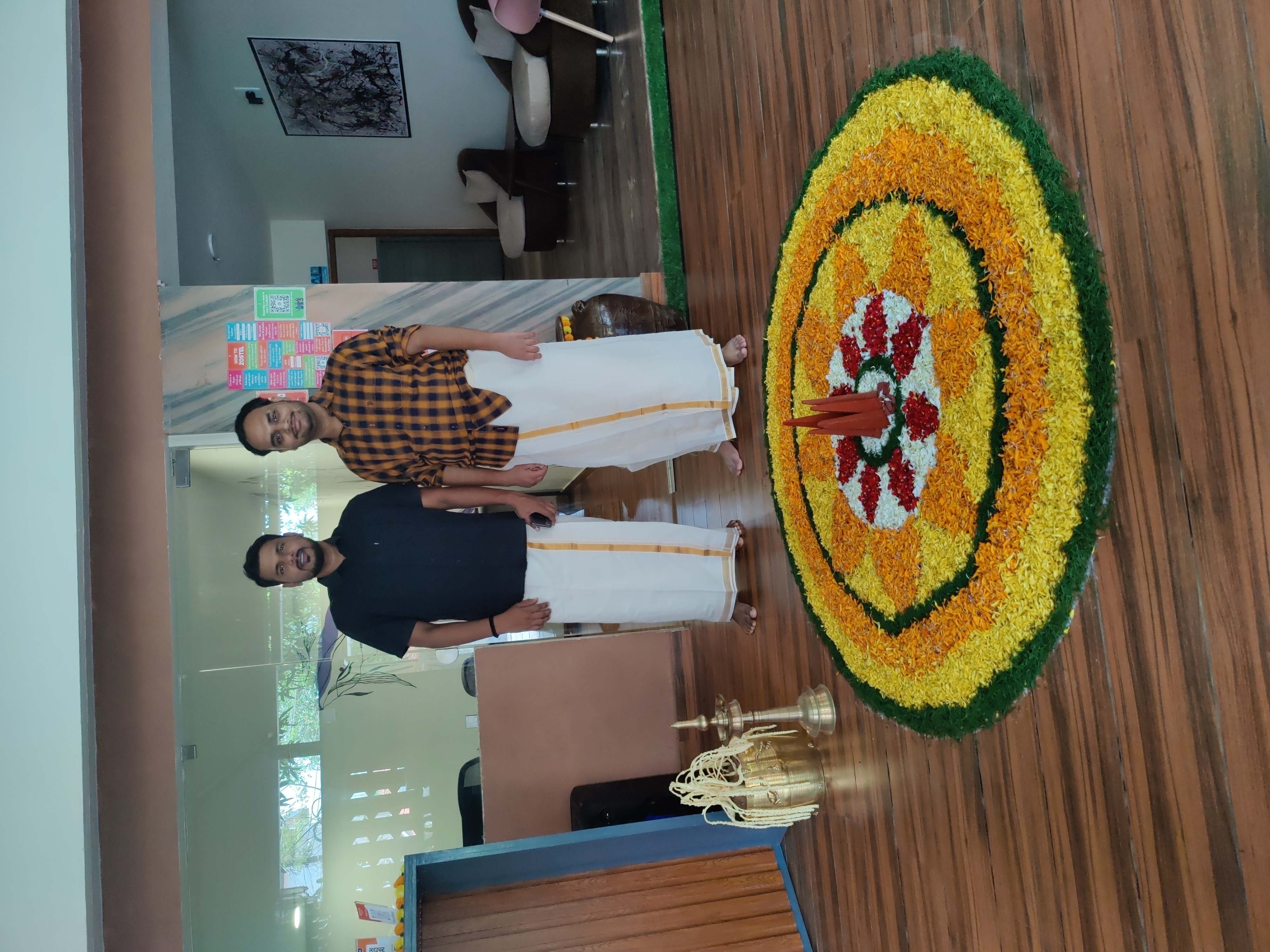 Suresh and me celebrating Onam in Kochi.
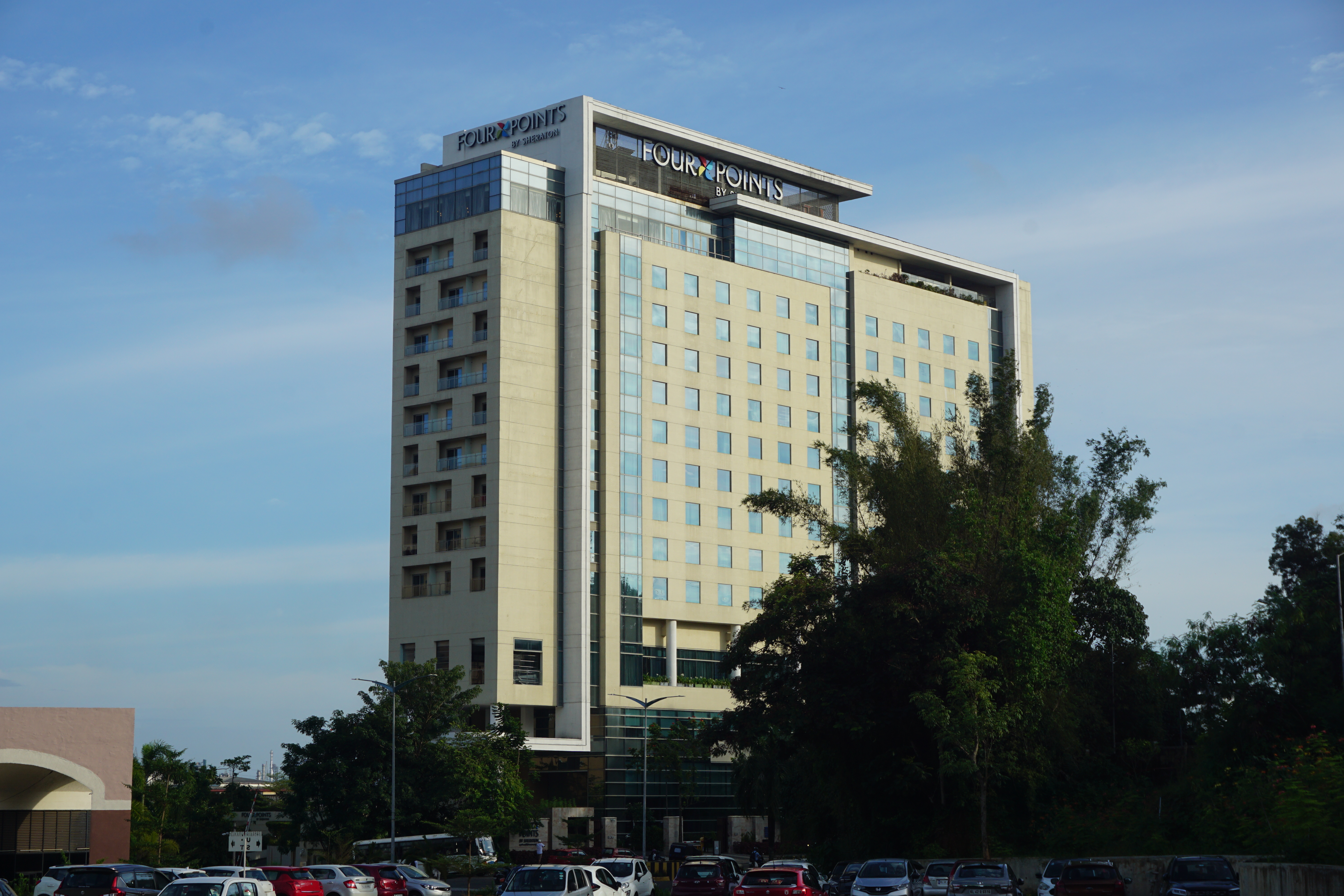 Four Points Hotel by Sheraton was the venue of DebConf23. Photo credits: Bilal
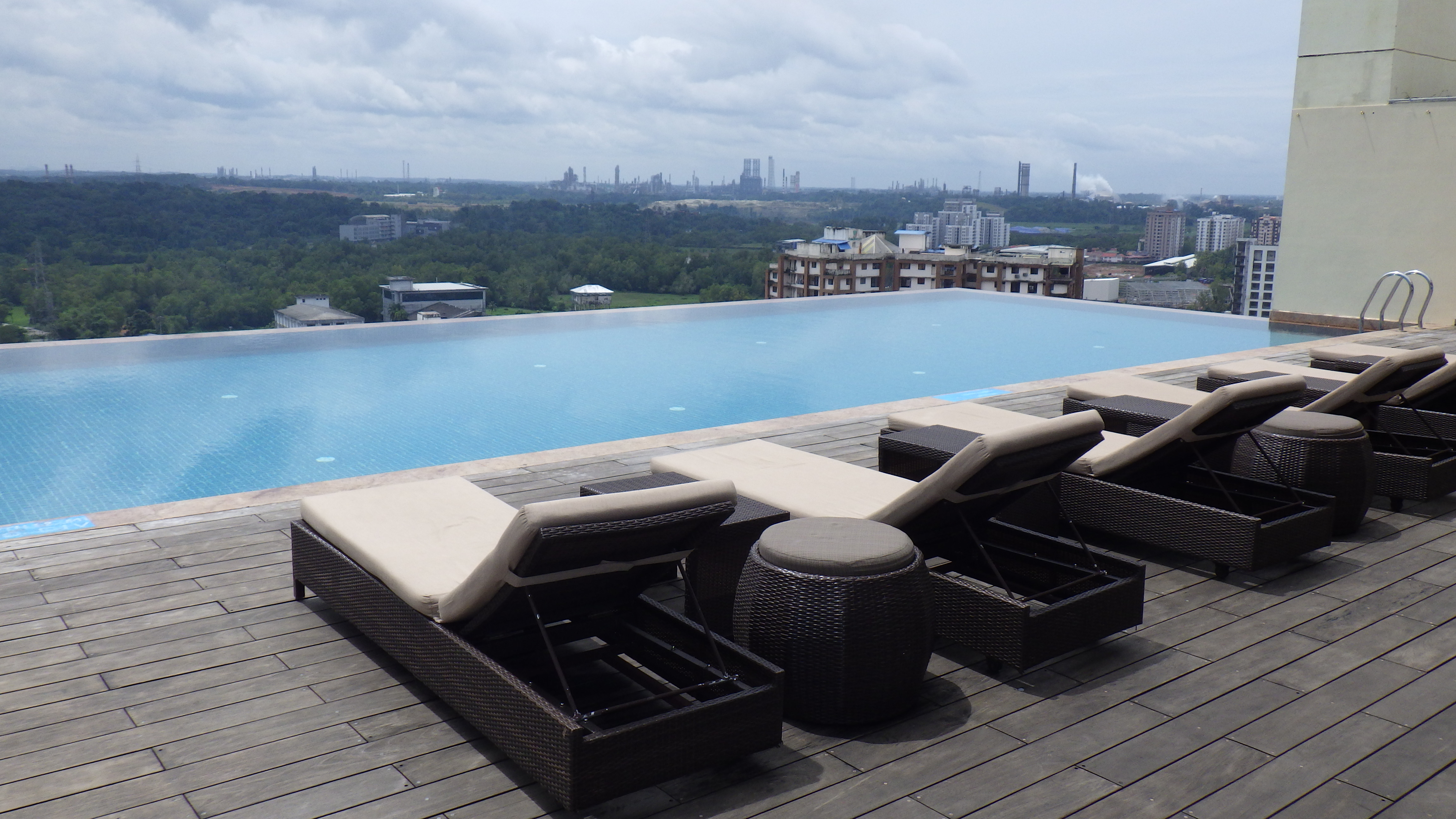 Photo of the pool. Photo credits: Andreas Tille.
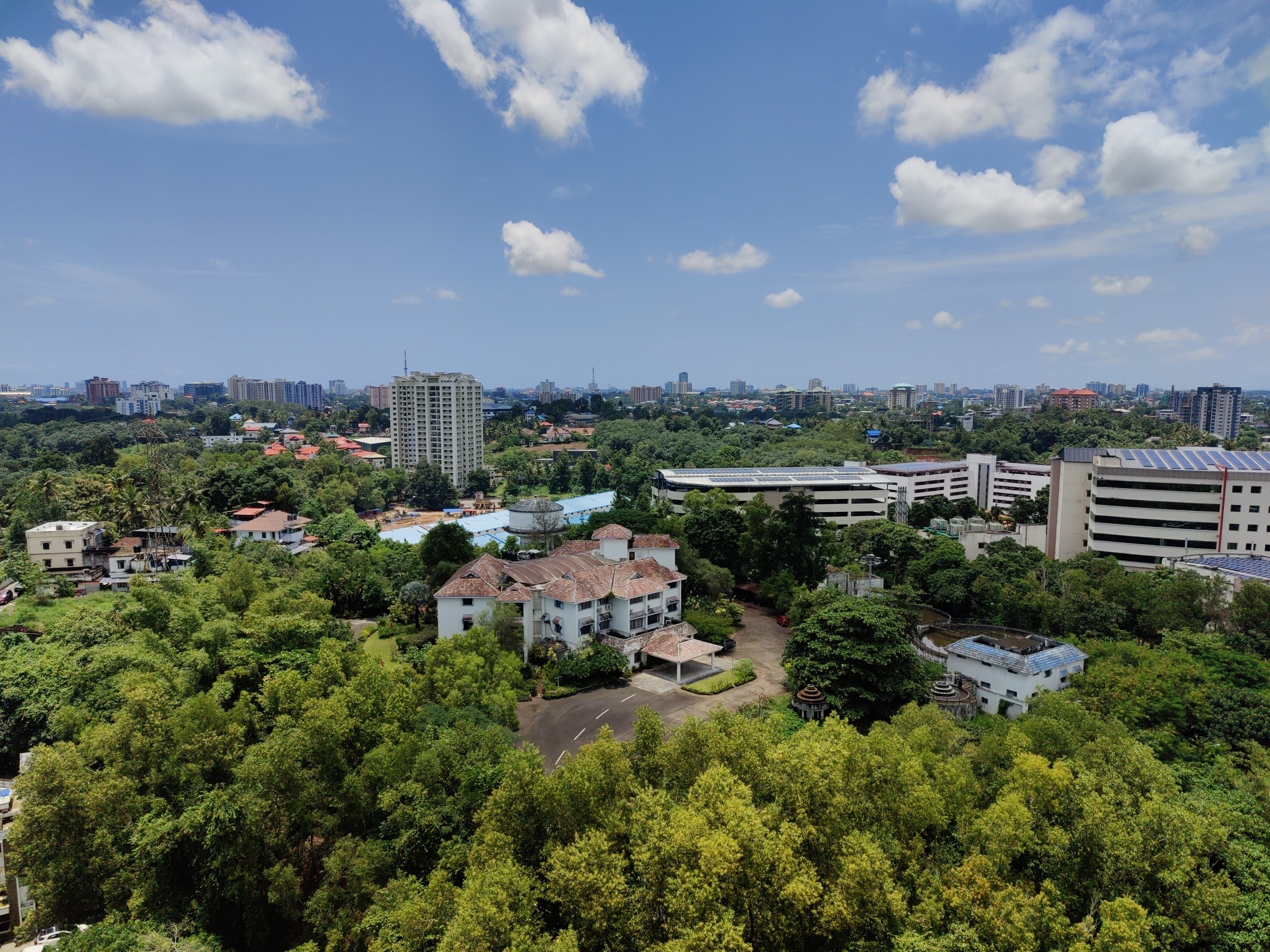 View from the hotel window.
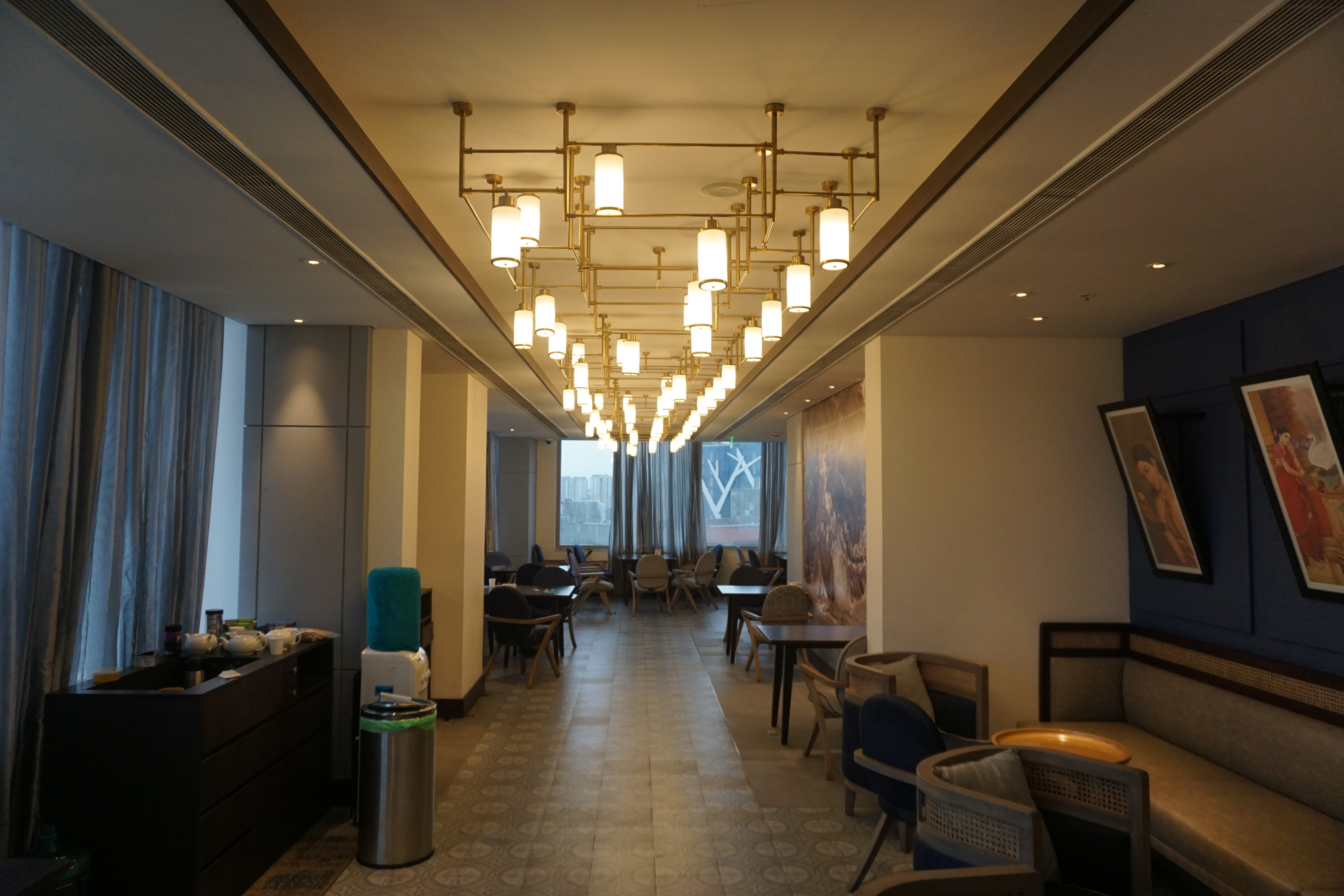 This place served as lunch and dinner place and later as hacklab during debconf. Photo credits: Bilal
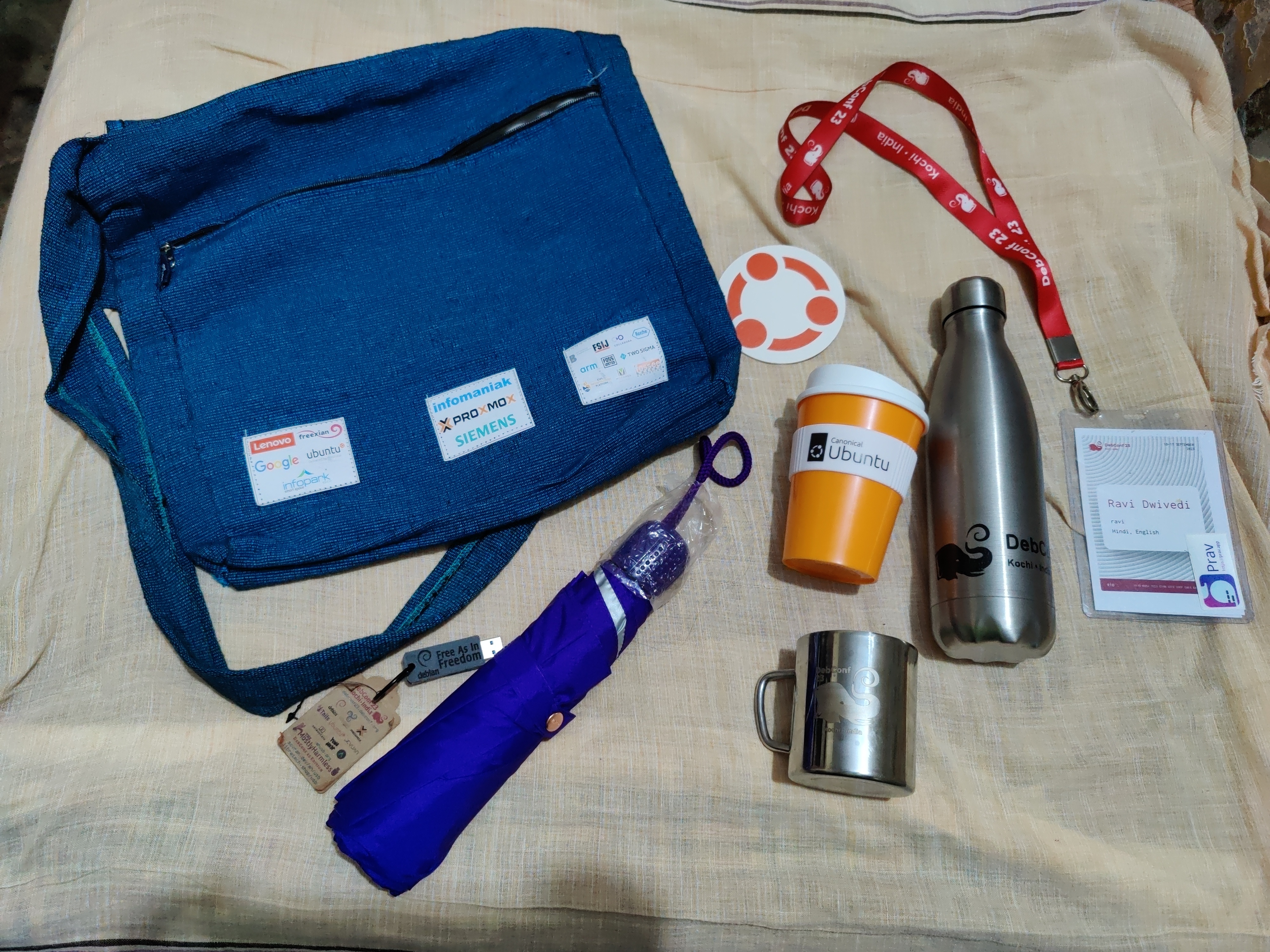 Picture of the awesome swag bag given at DebConf23. Photo credits: Ravi Dwivedi
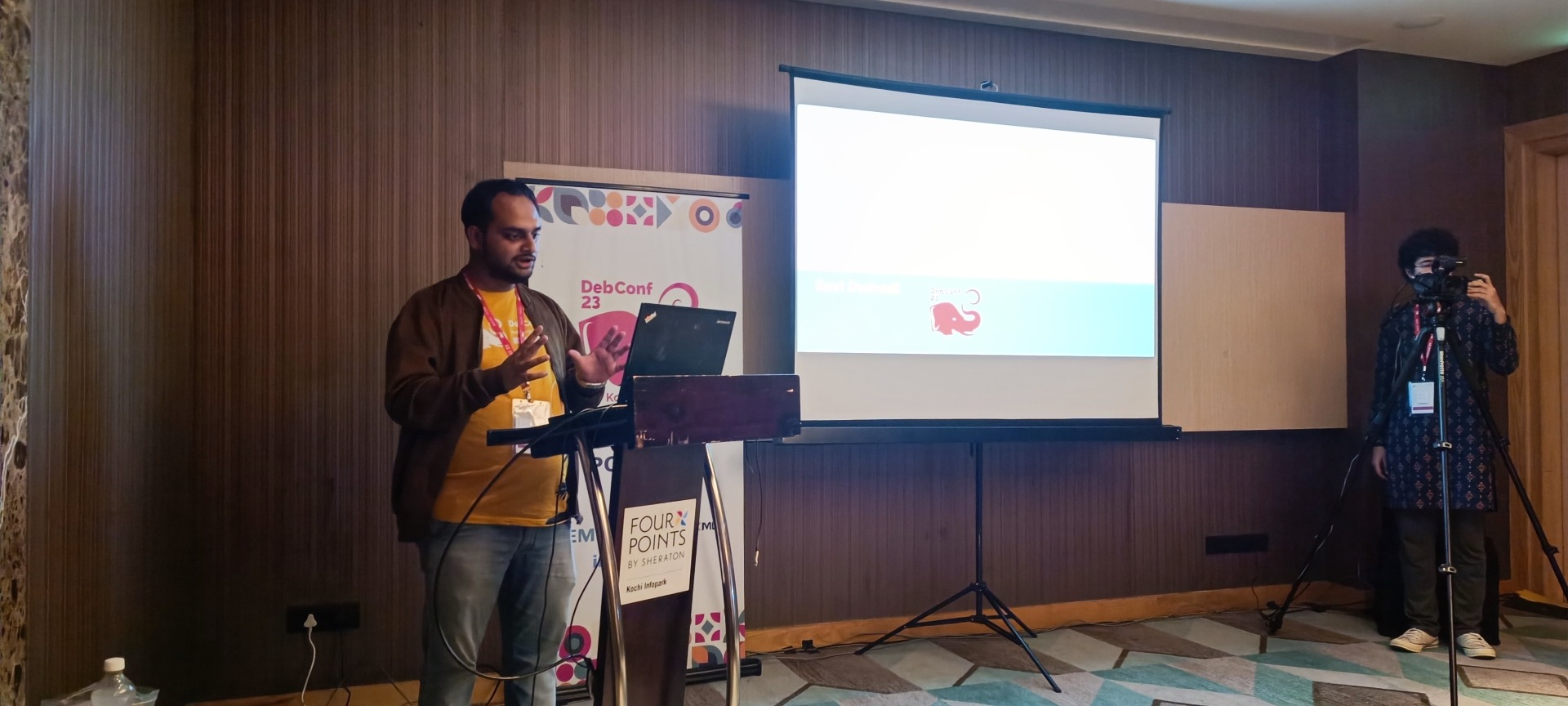 My presentation photo. Photo credits: Valessio
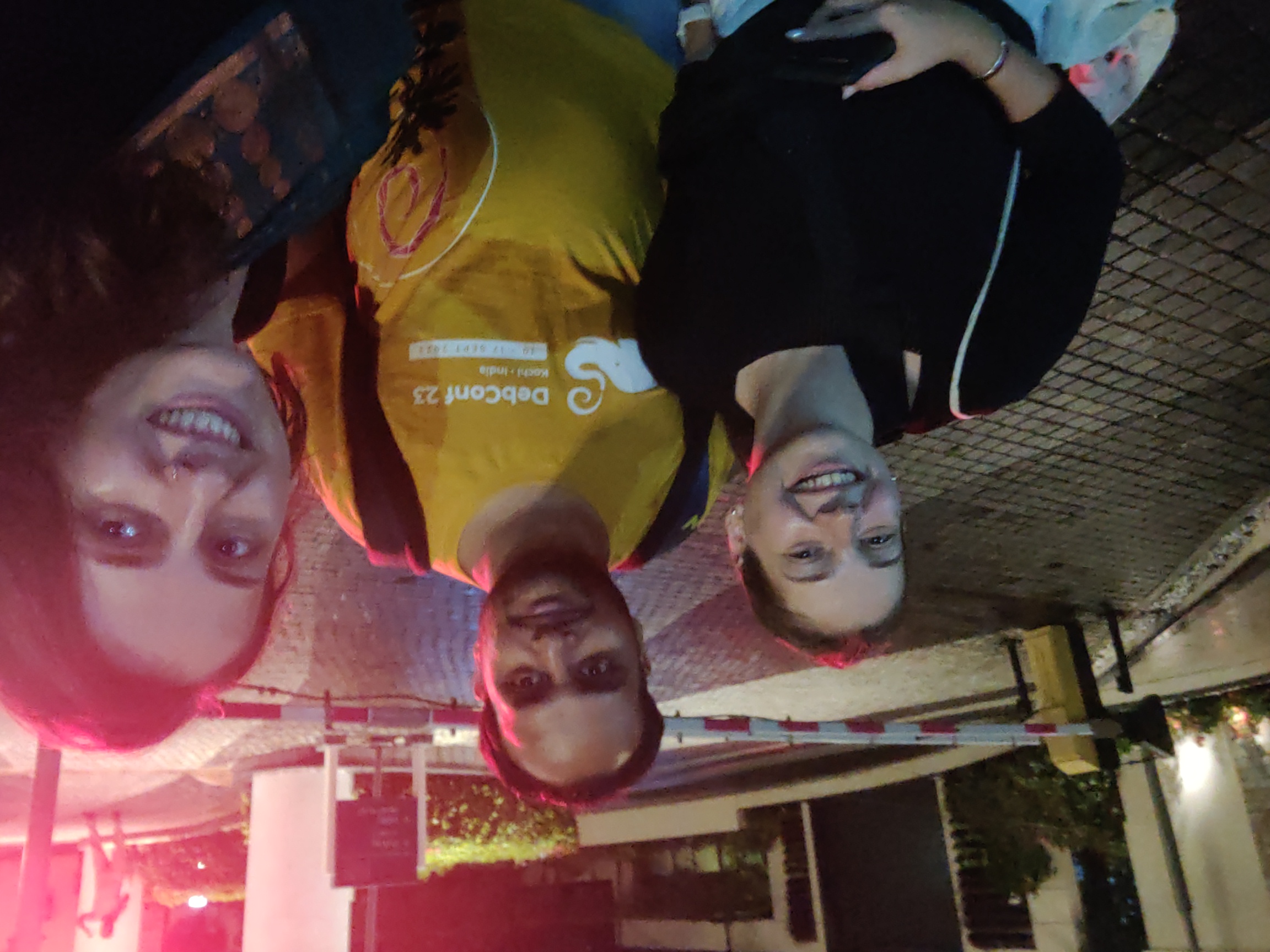 Selfie with Anisa and Kristi. Photo credits: Anisa.
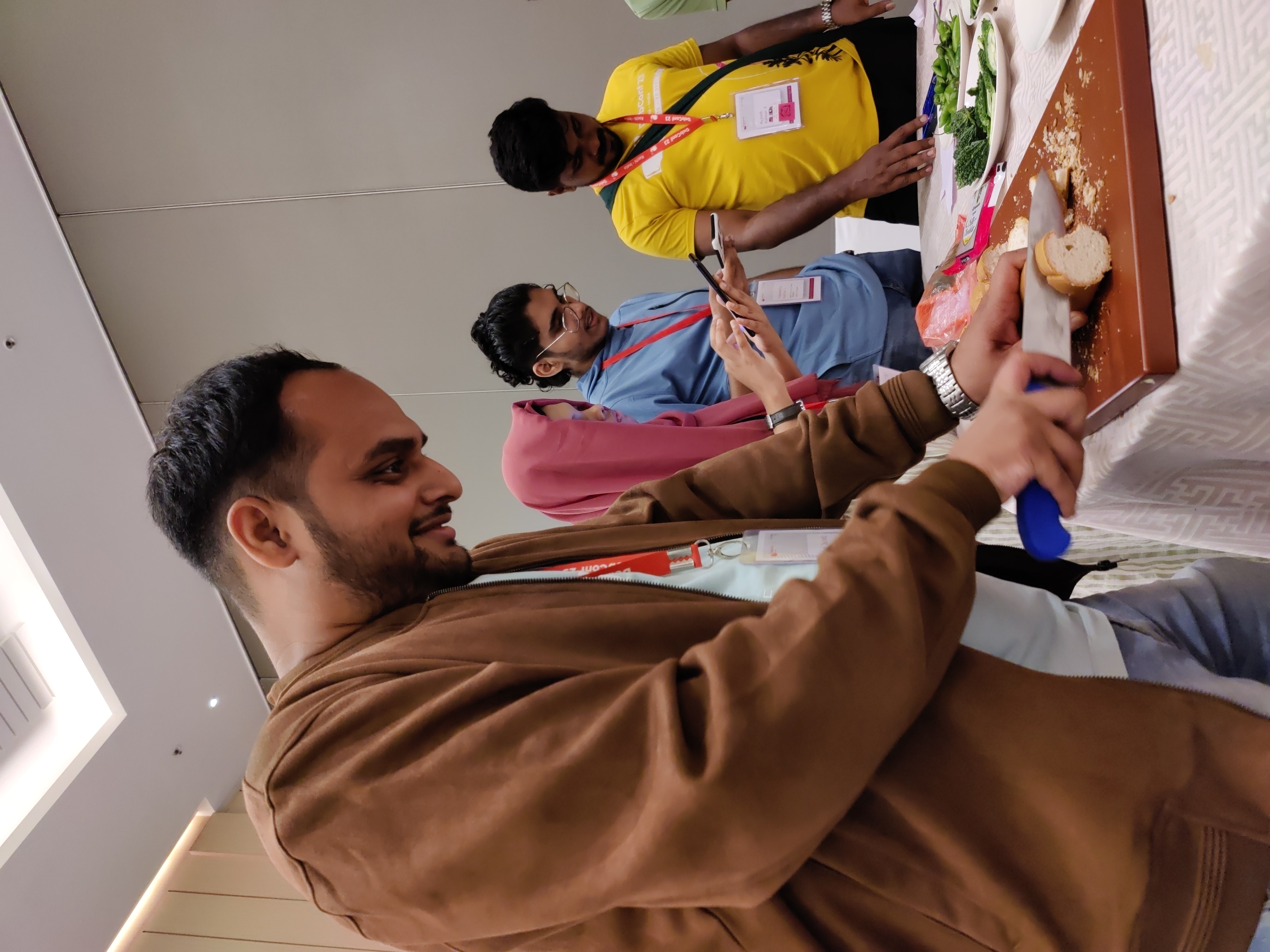 Me helping with the Cheese and Wine Party.
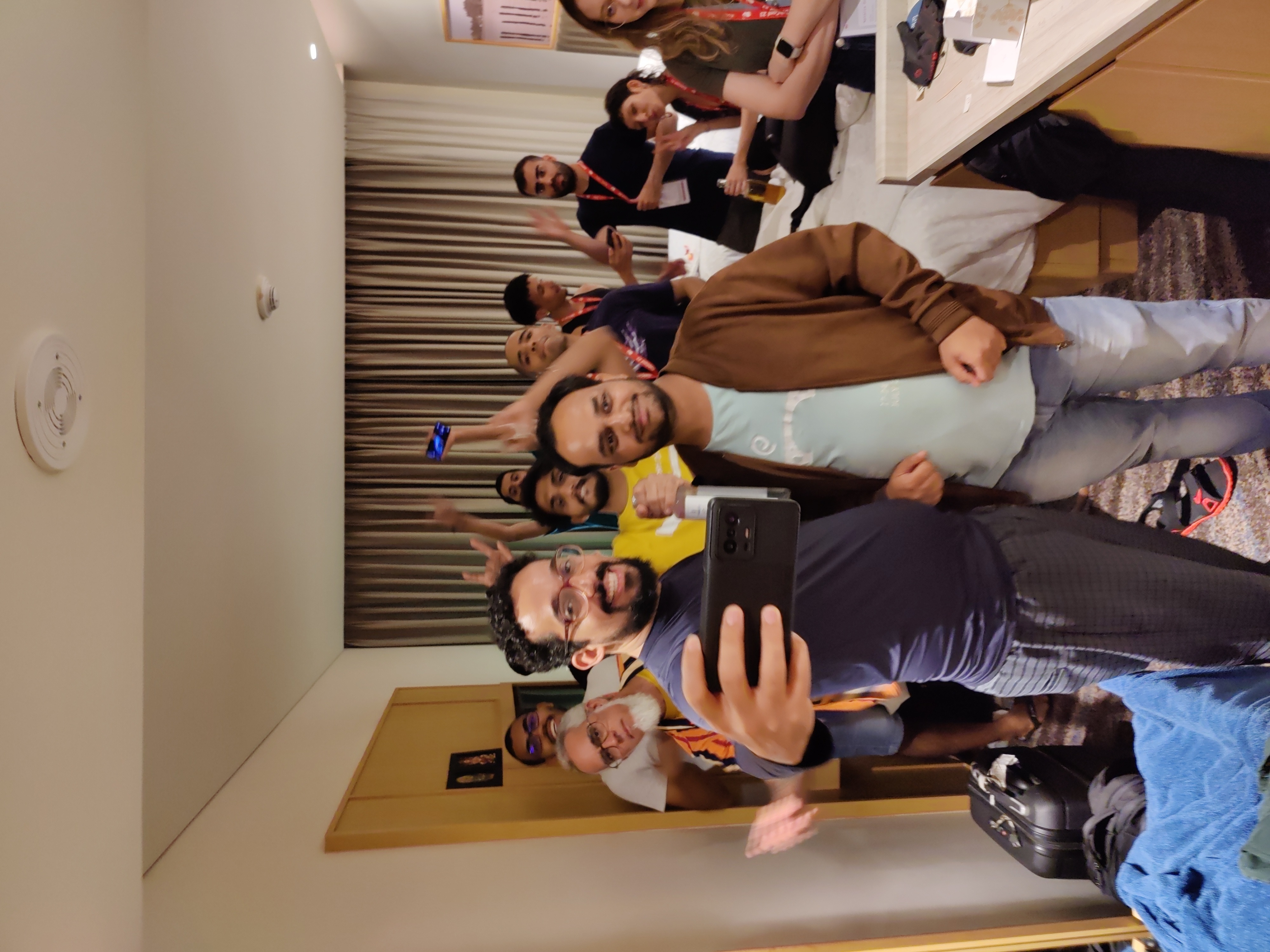 This picture was taken when there were few people in my room for the party.
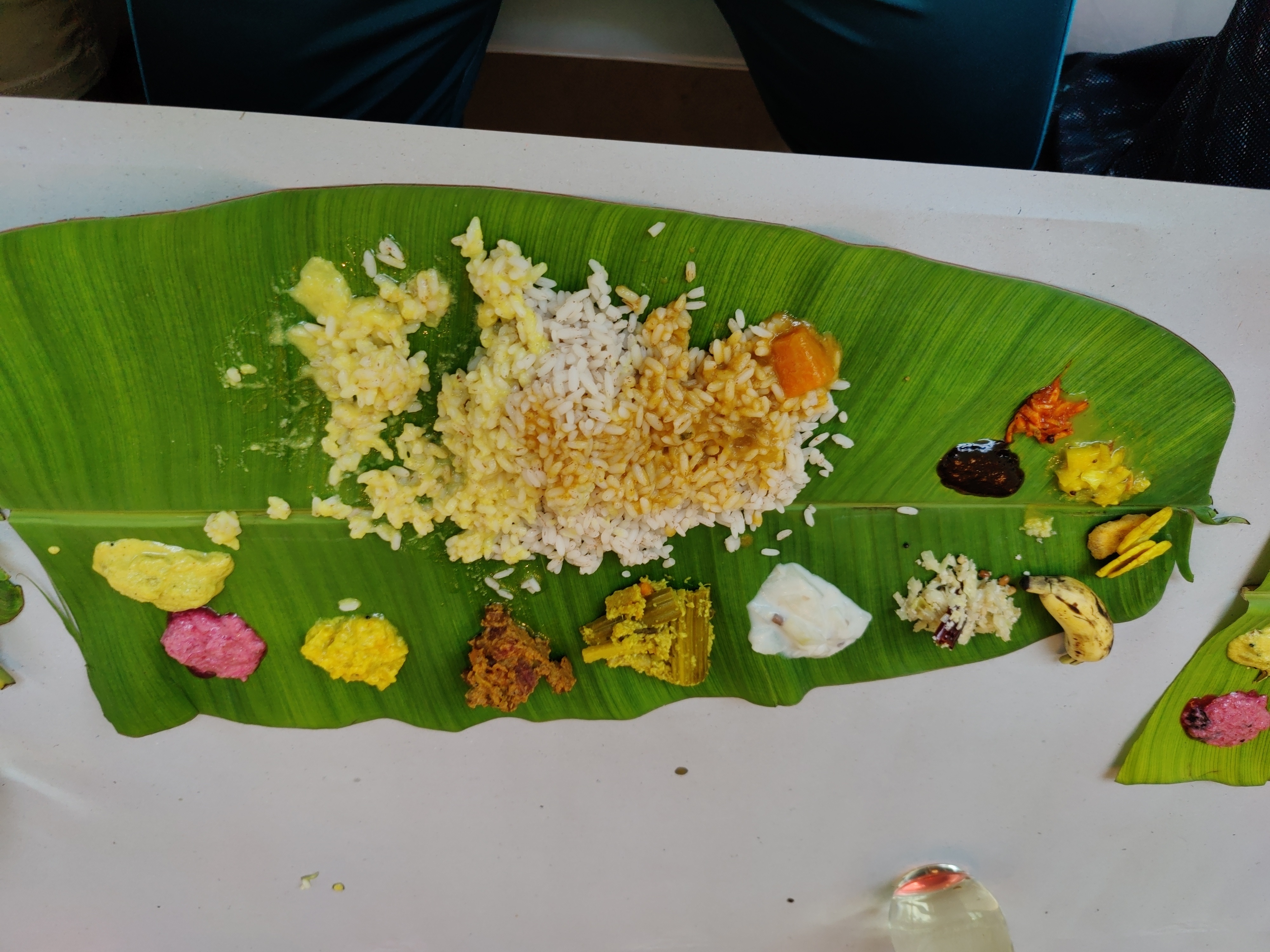 Sadhya Thali: A vegetarian meal served on banana leaf. Payasam and rasam were especially yummy! Photo credits: Ravi Dwivedi.
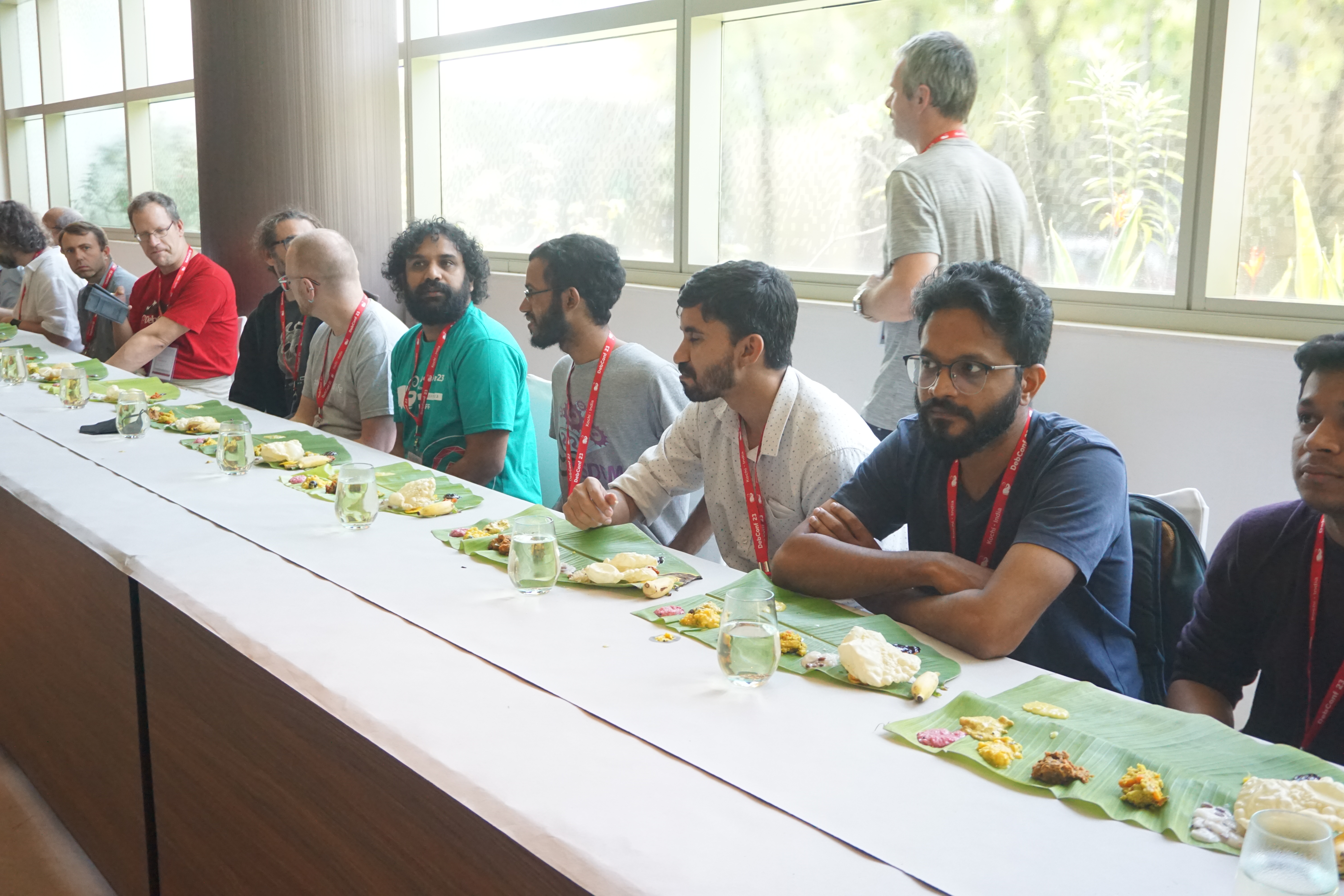 Sadhya thali being served at debconf23. Photo credits: Bilal
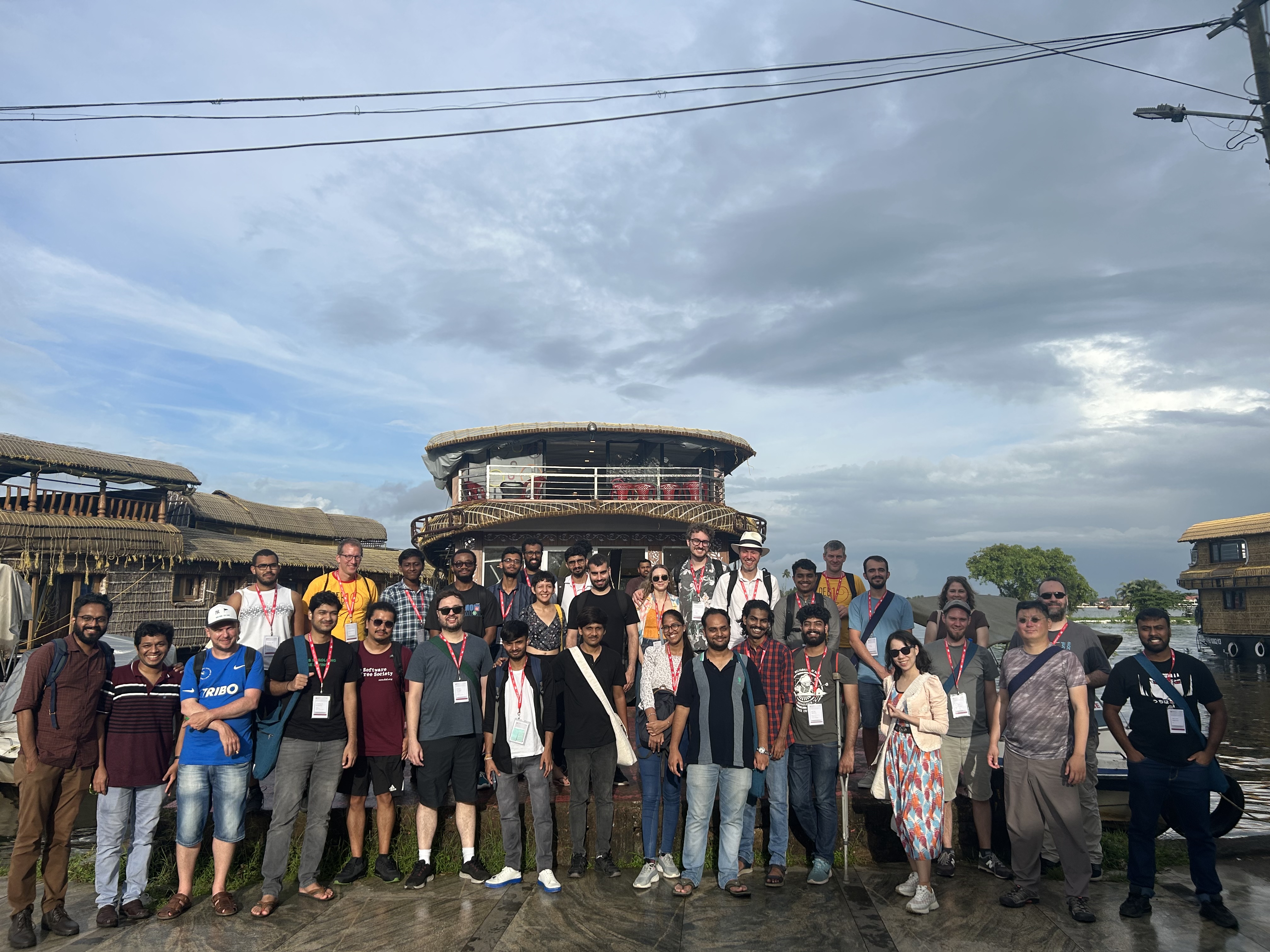 Group photo of our daytrip. Photo credits: Radhika Jhalani
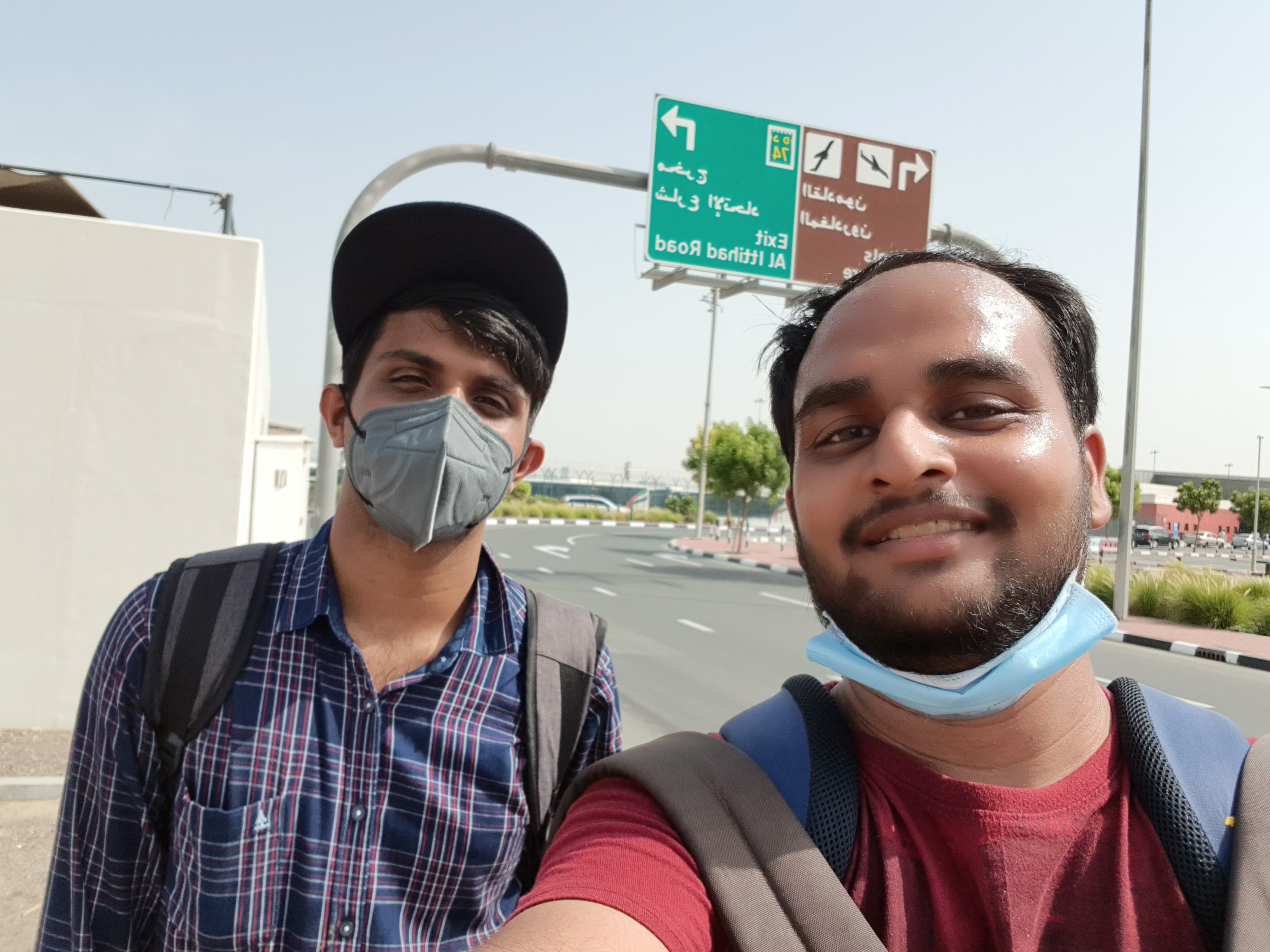 A selfie in memory of Abraham.
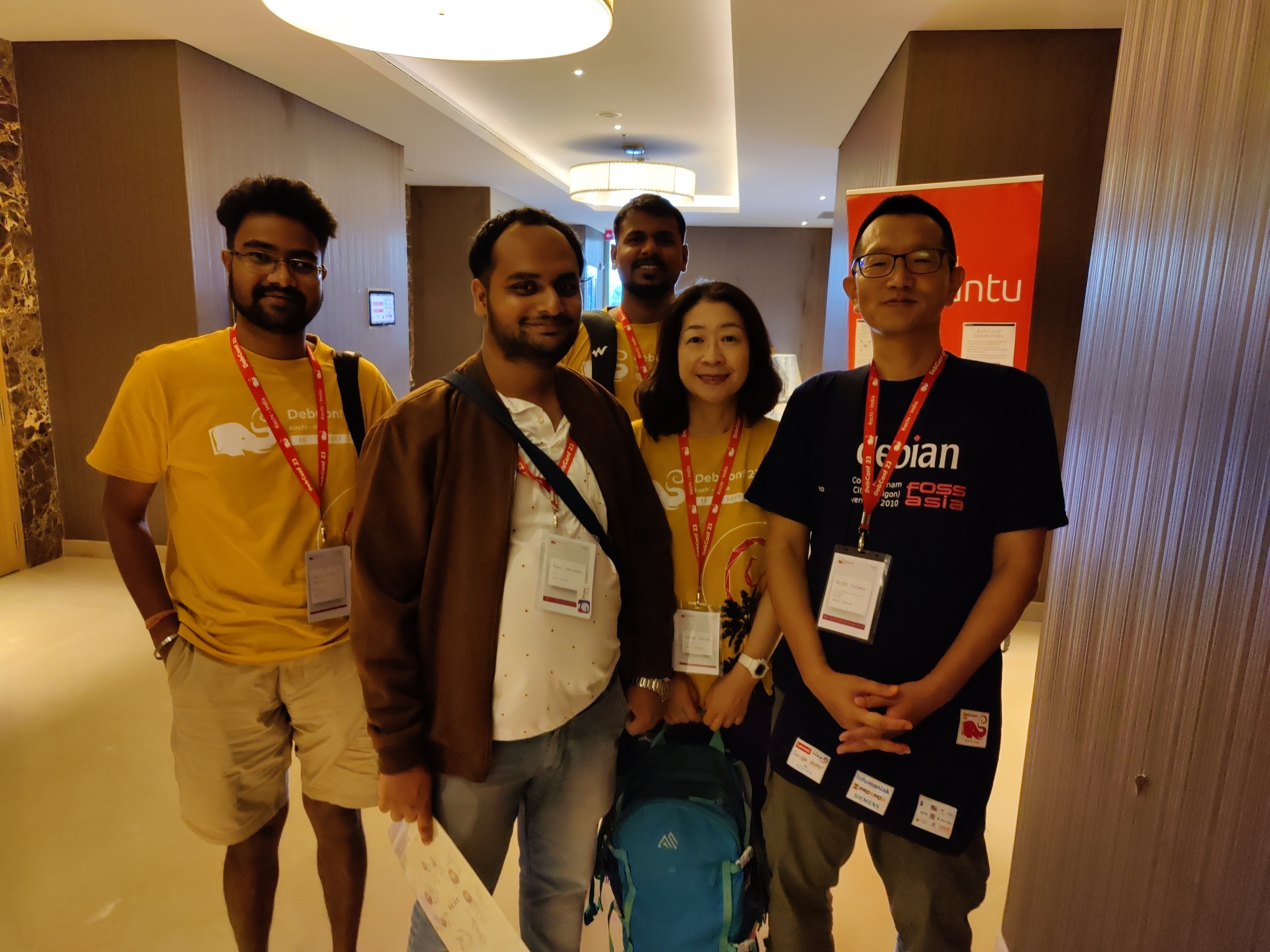 Thanks to Niibe Yutaka (the person towards your right hand) from Japan (FSIJ), who gave me a wonderful Japanese gift during debconf23: A folder to keep pages with ancient Japanese manga characters printed on it. I realized I immediately needed that :)
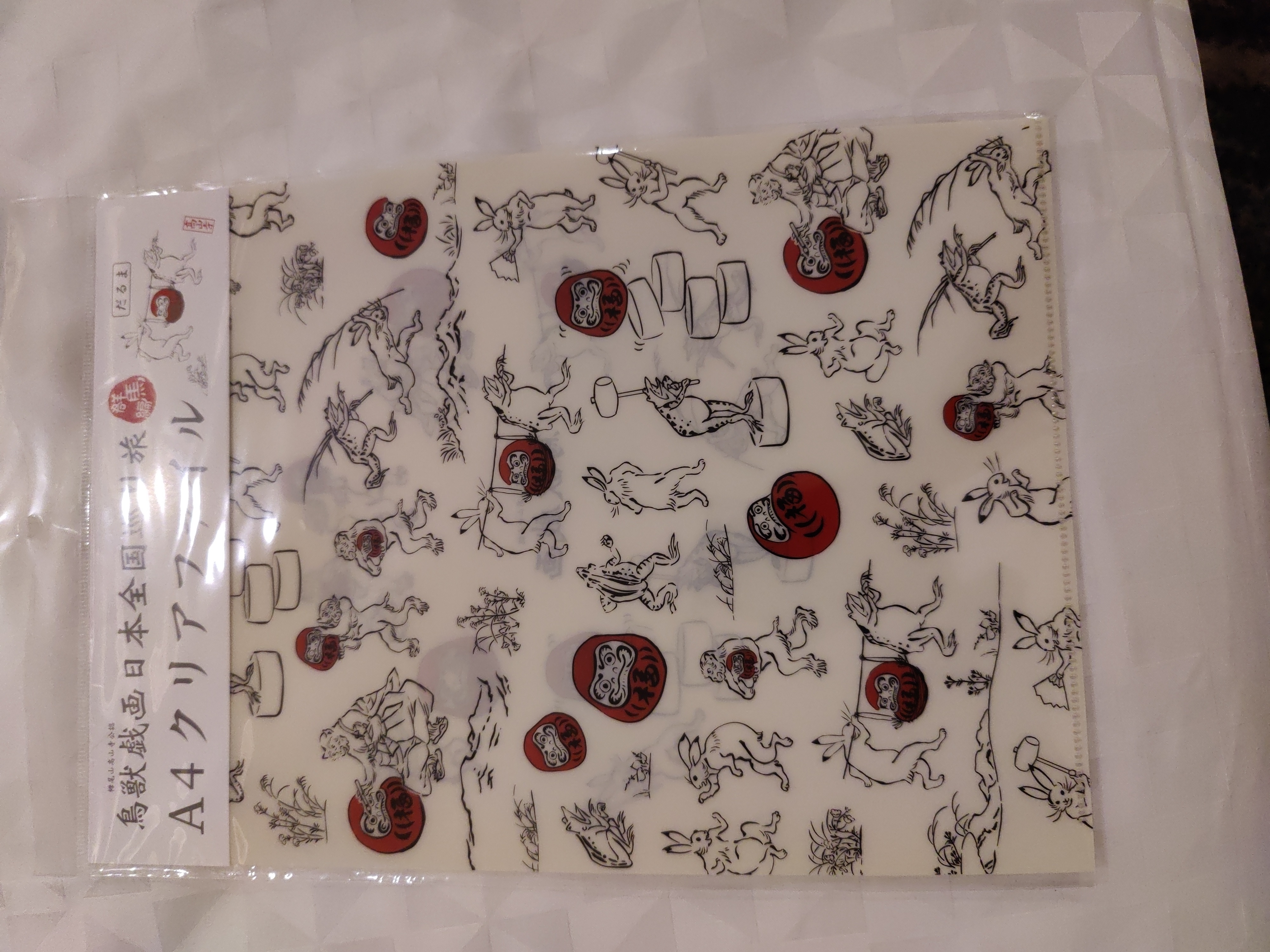 This is the Japanese gift I received.
 Click to enlarge
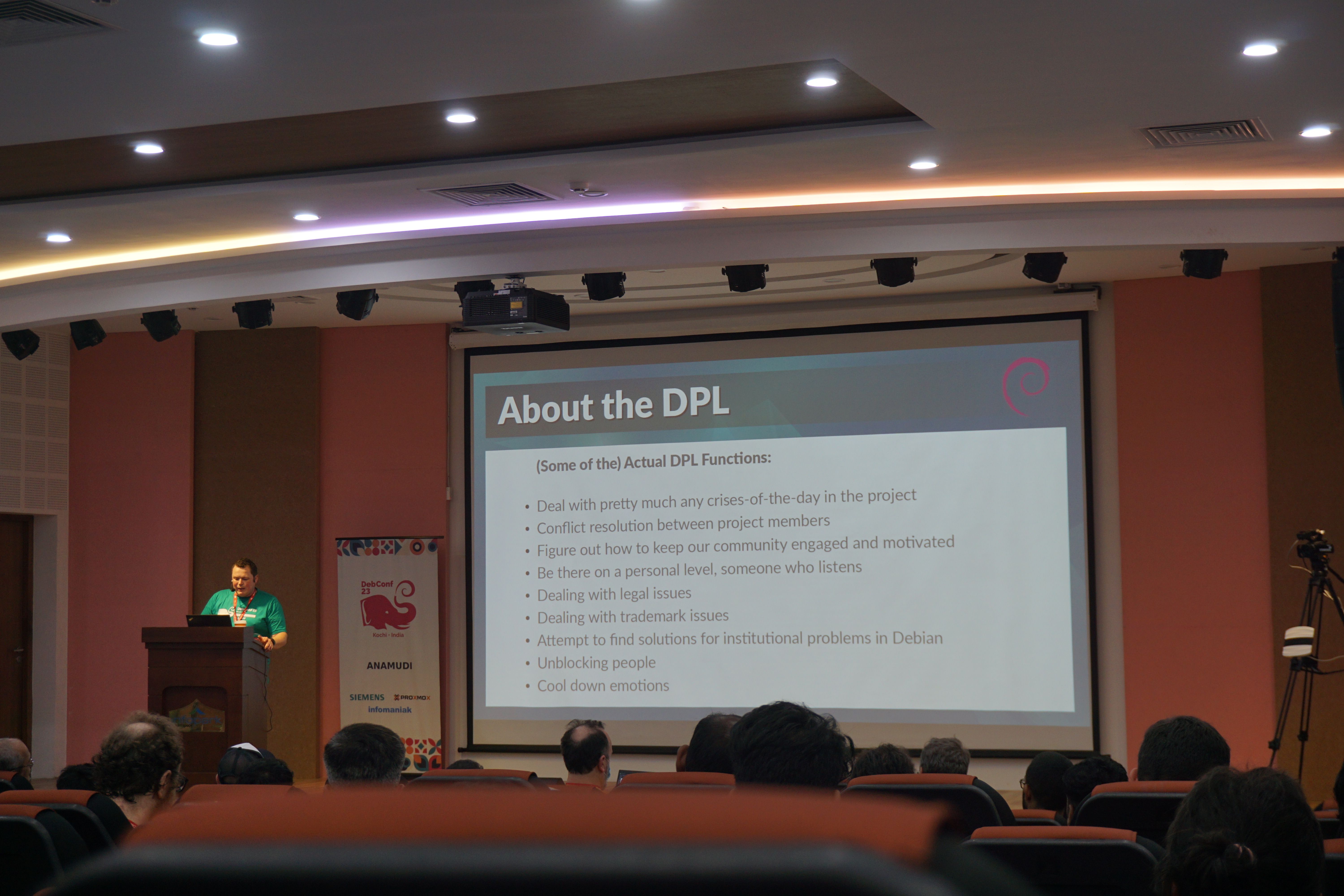 Bits from the DPL. Photo credits: Bilal
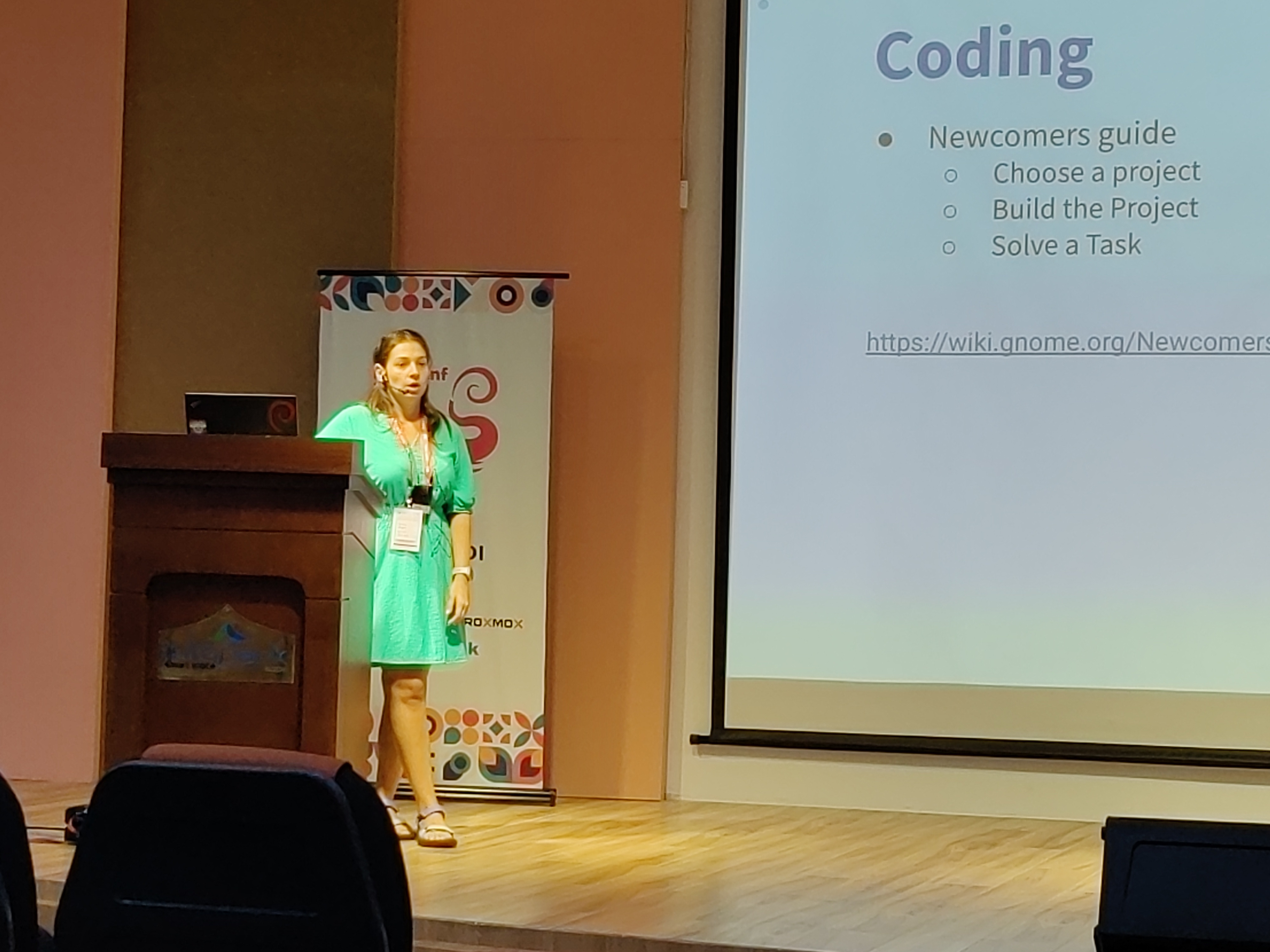 Kristi on GNOME community. Photo credits: Ravi Dwivedi.
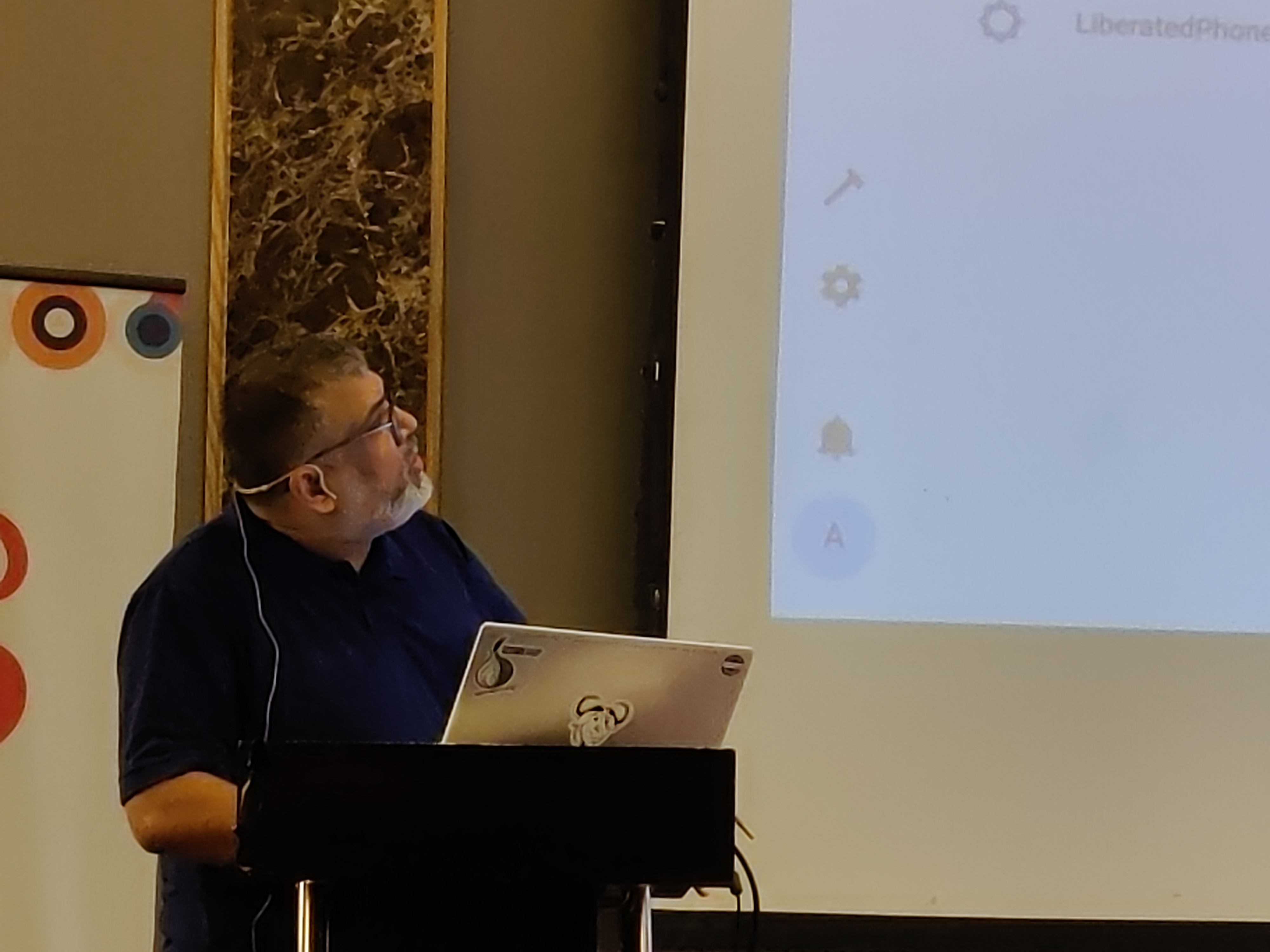 Abhas' talk on home automation. Photo credits: Ravi Dwivedi.
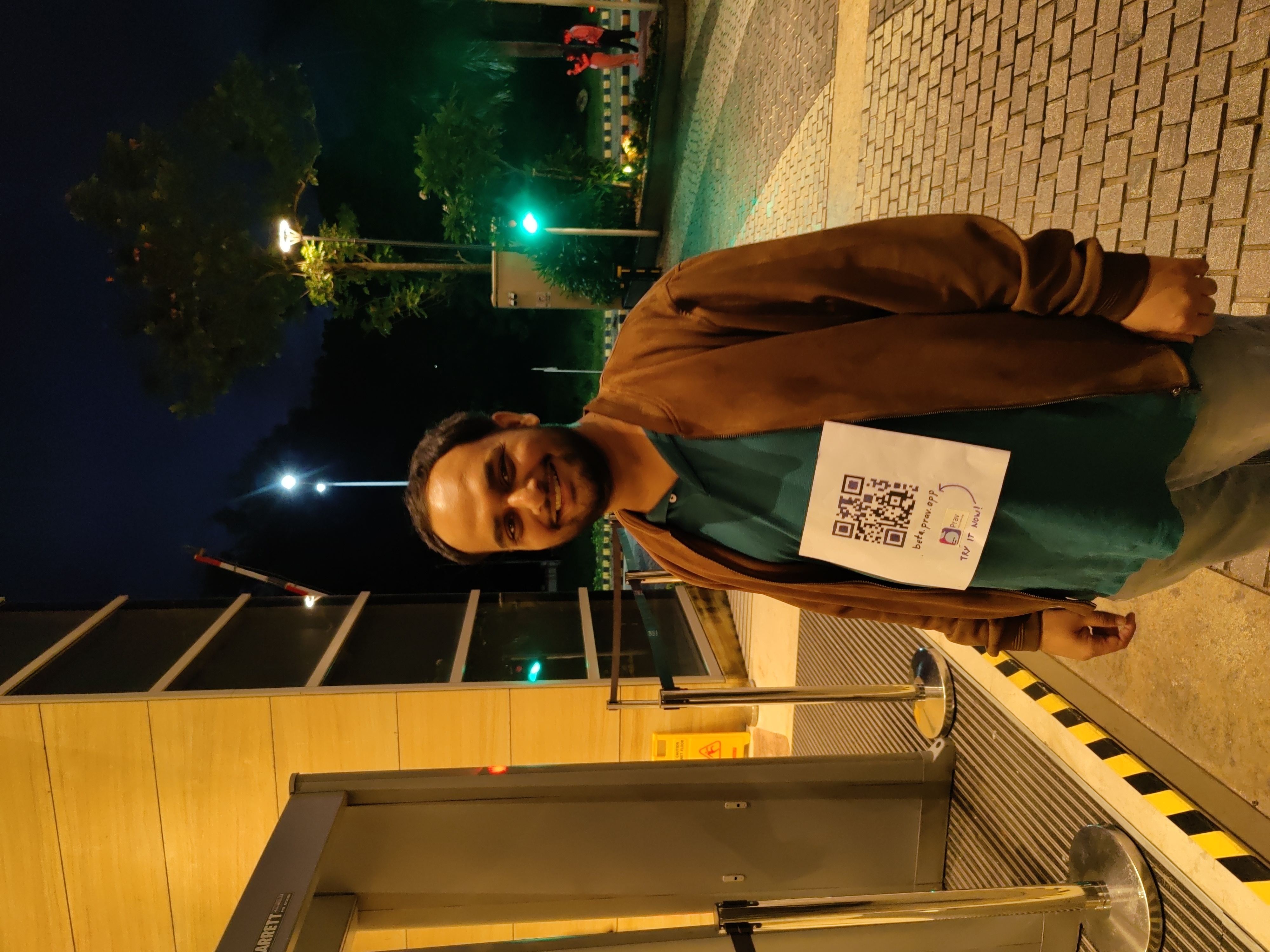 I was roaming around with a QR code on my T-shirt for downloading Prav.
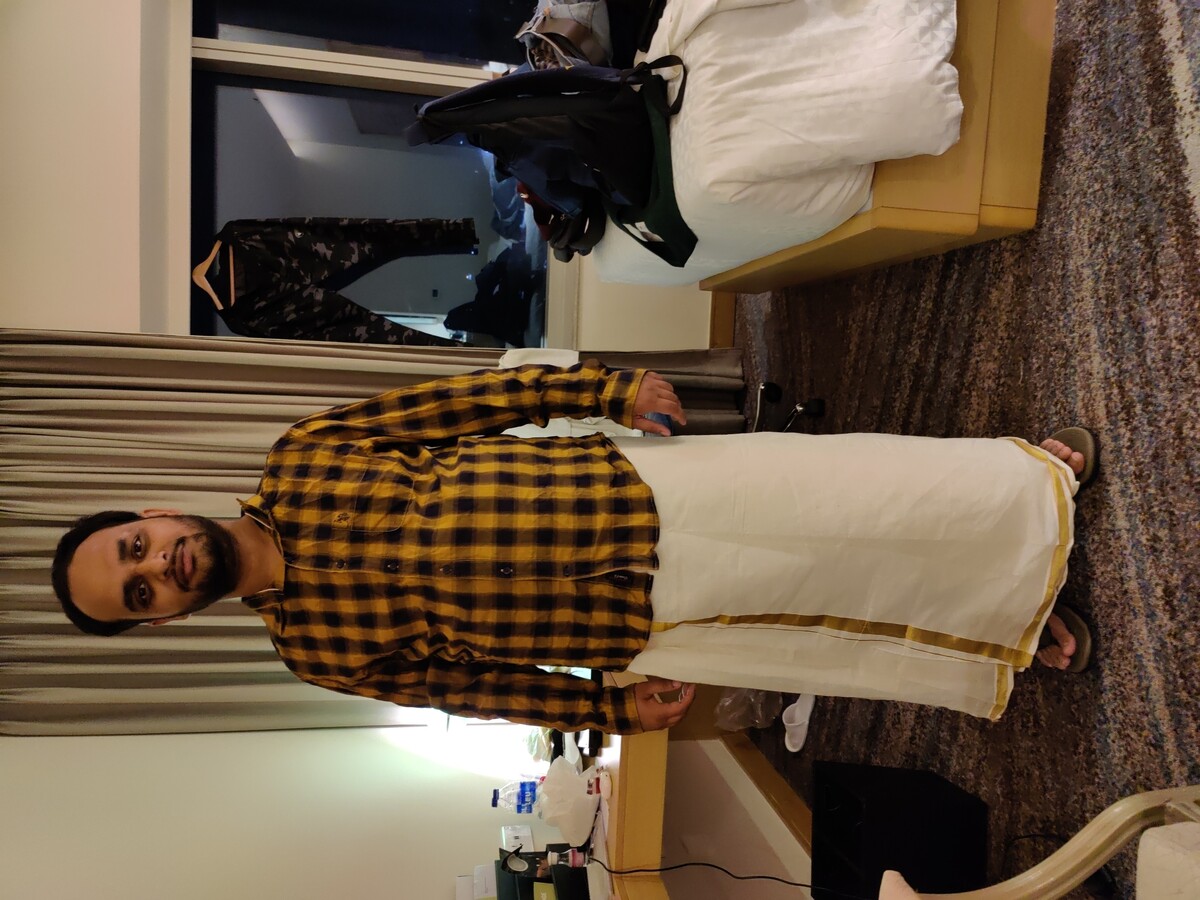 Me in mundu. Picture credits: Abhijith PA
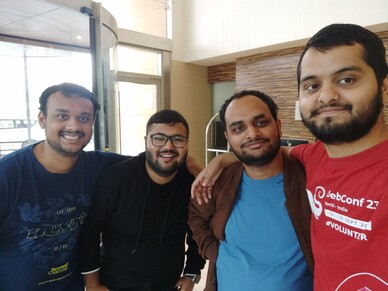 From left: Nilesh, Saswata, me, Sahil. Photo credits: Sahil.
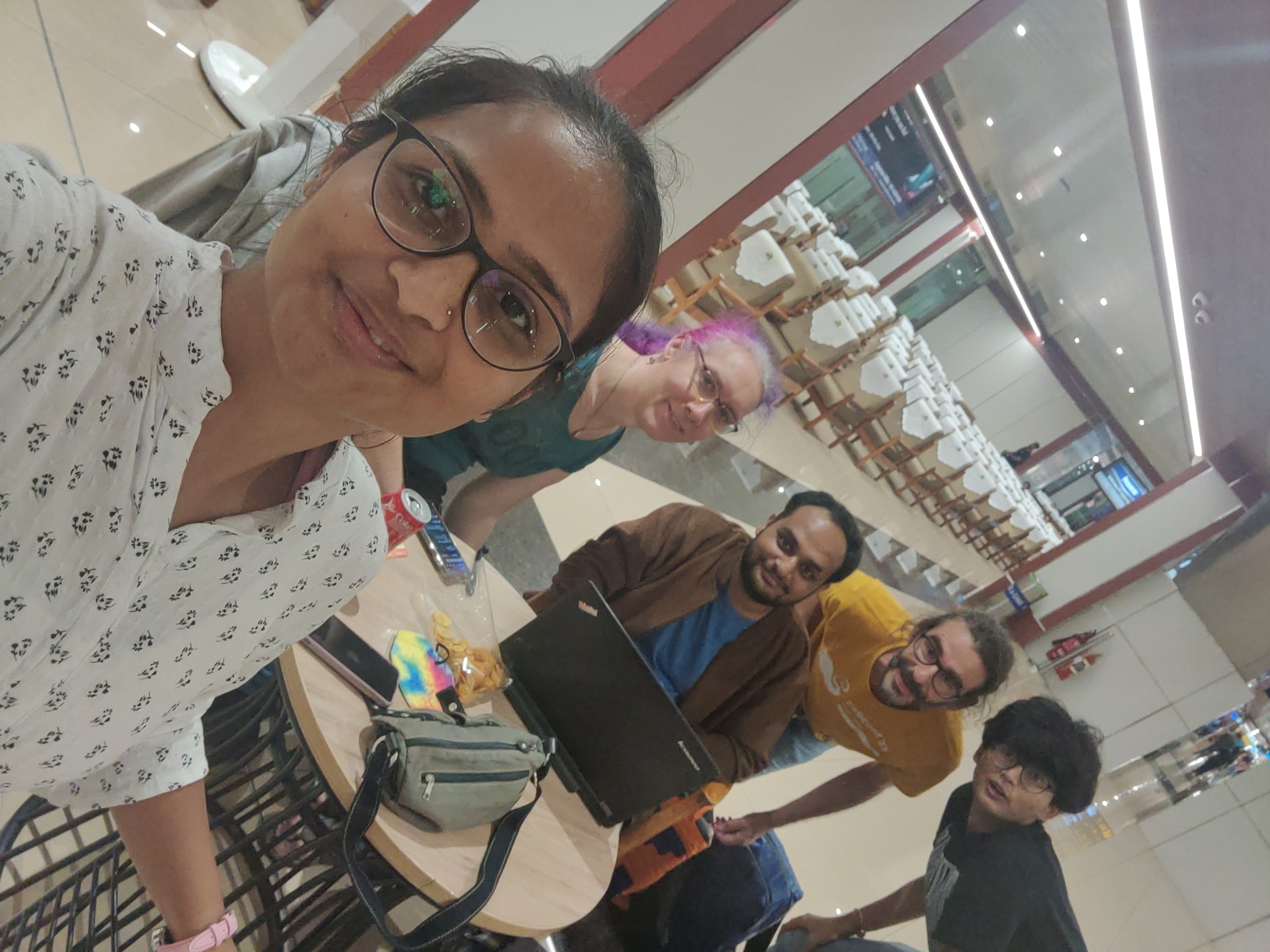 Ruchika (taking the selfie) and from left to right: Yash, Joost (Netherlands), me, Rhonda
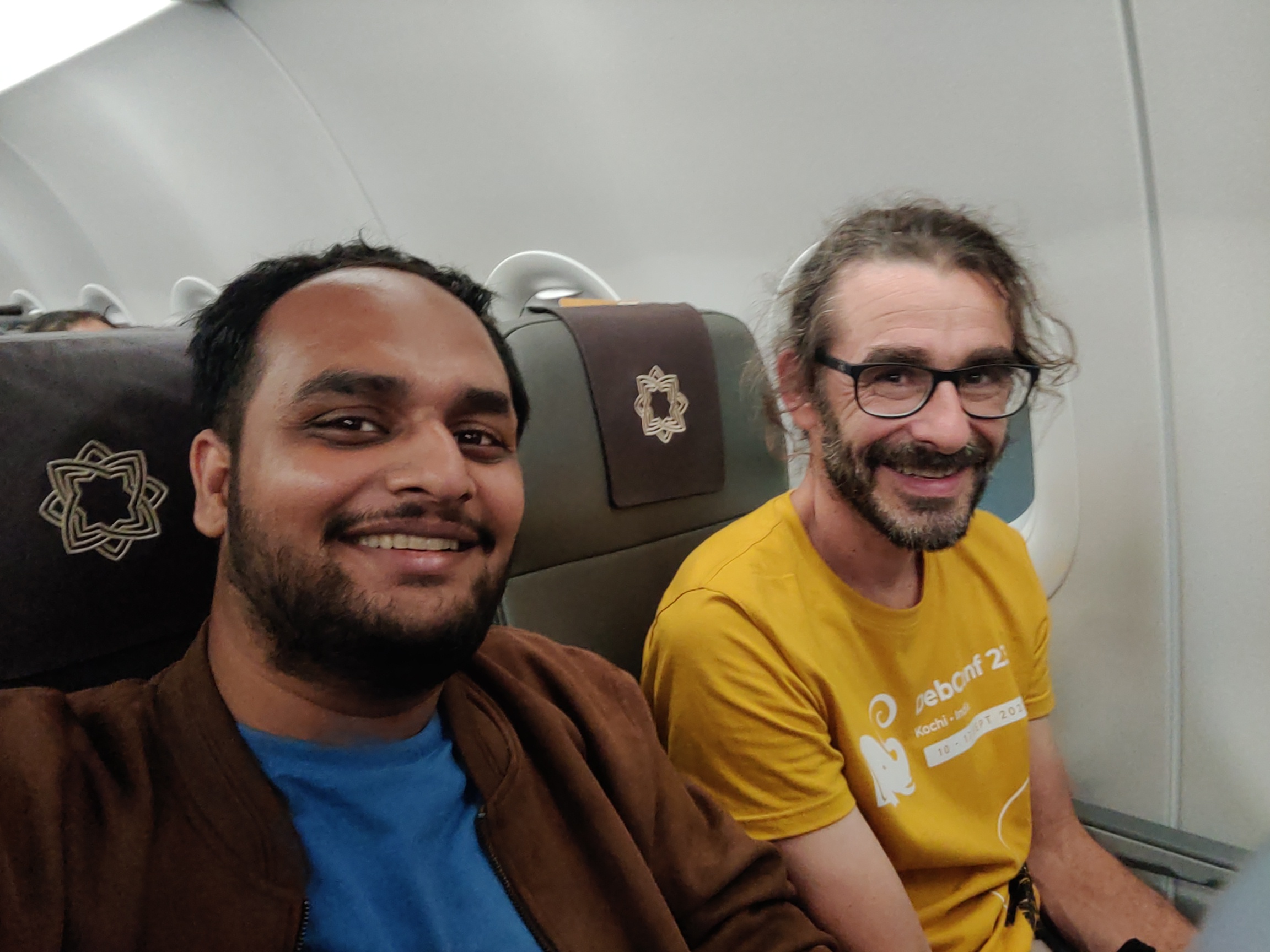 Joost and me going to Delhi. Photo credits: Ravi.
 I very, very nearly didn t make it to DebConf this year, I had a bad cold/flu for a few days before I left, and after a negative covid-19 test just minutes before my flight, I decided to take the plunge and travel.
This is just everything in chronological order, more or less, it s the only way I could write it.
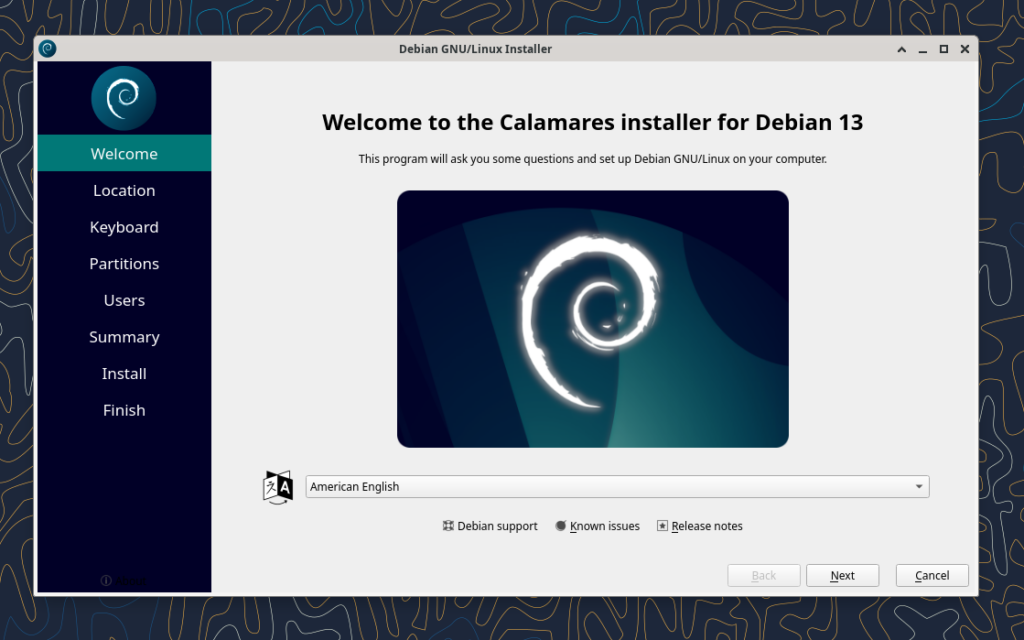

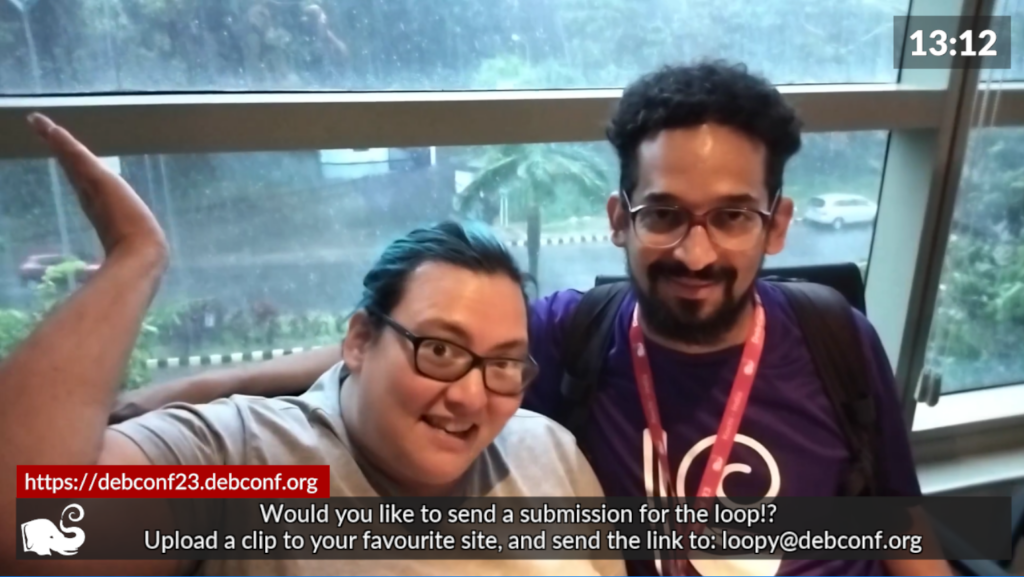
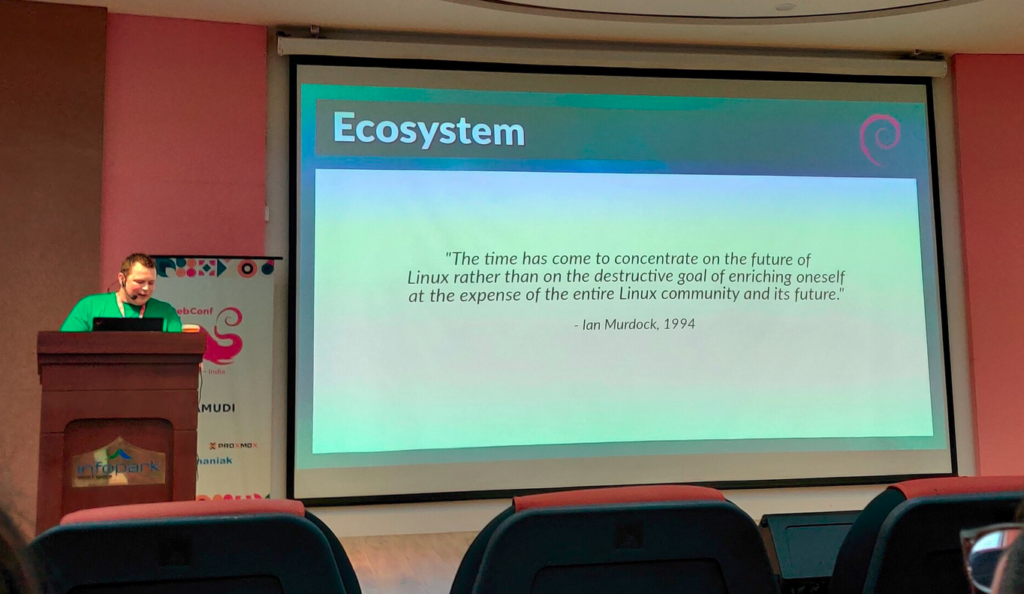
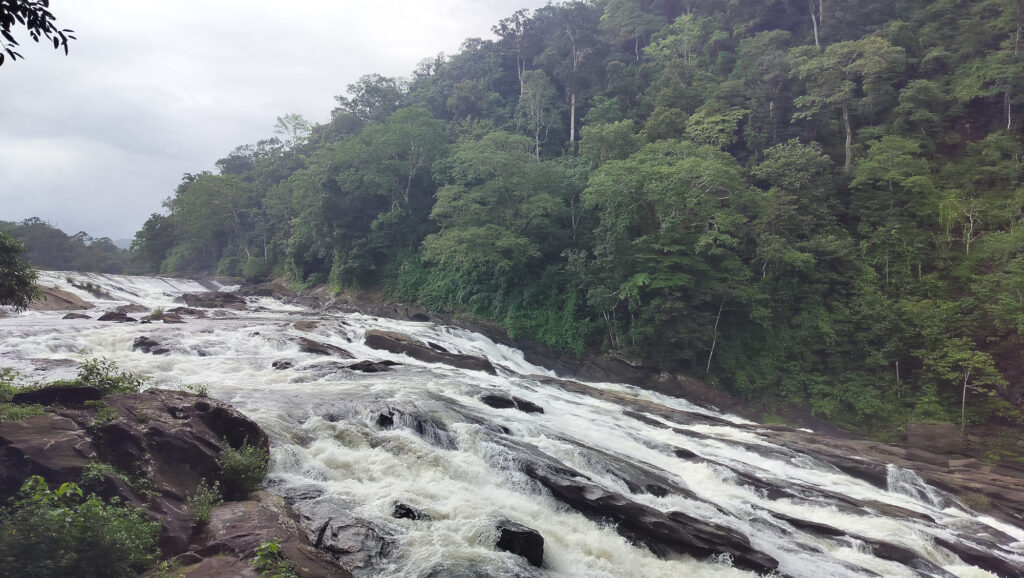
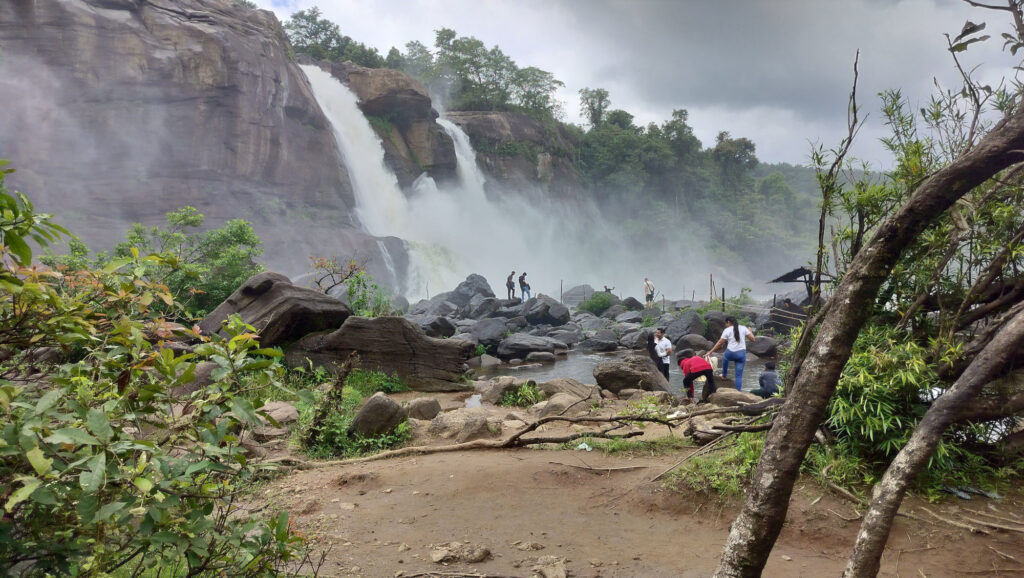
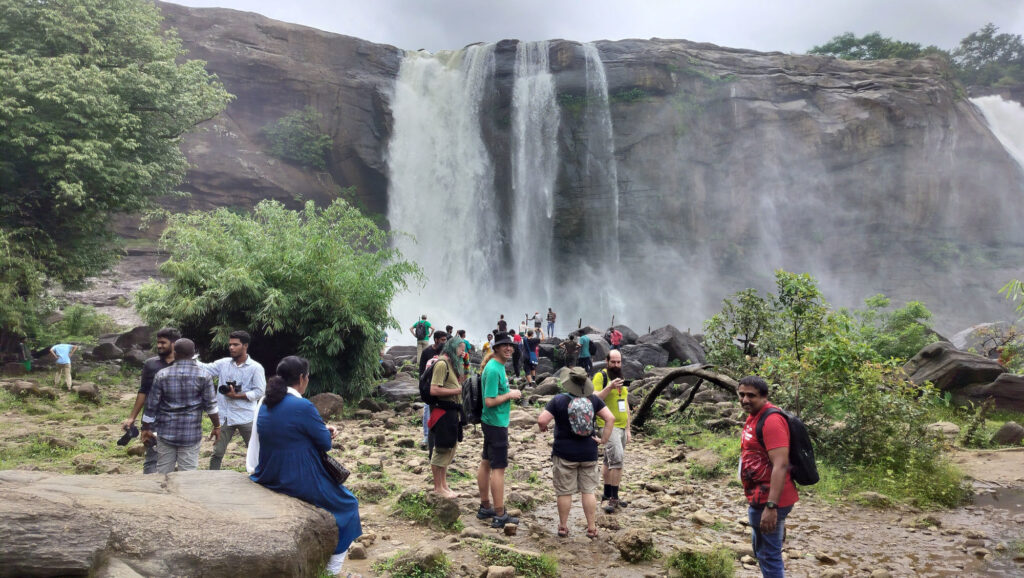
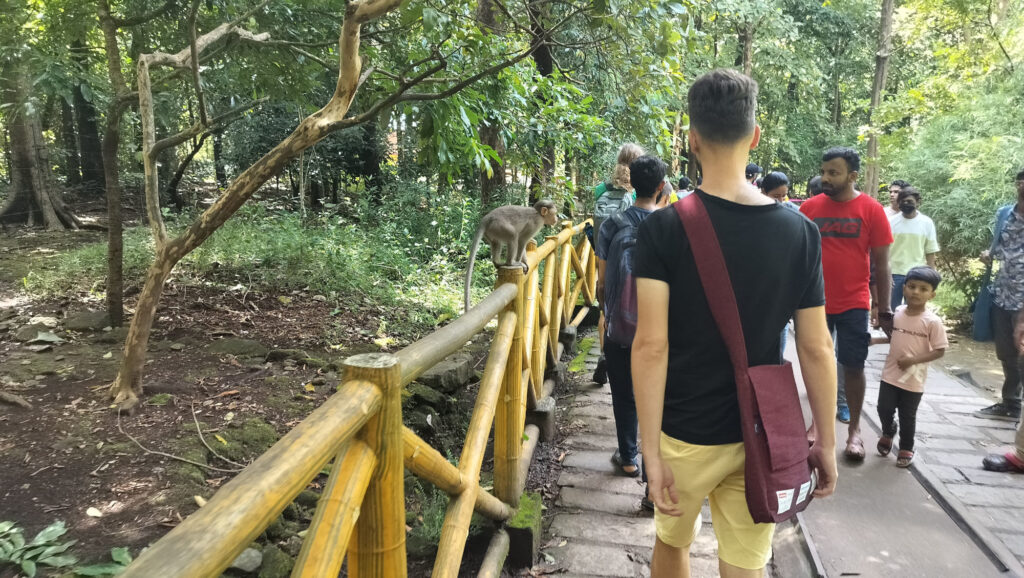
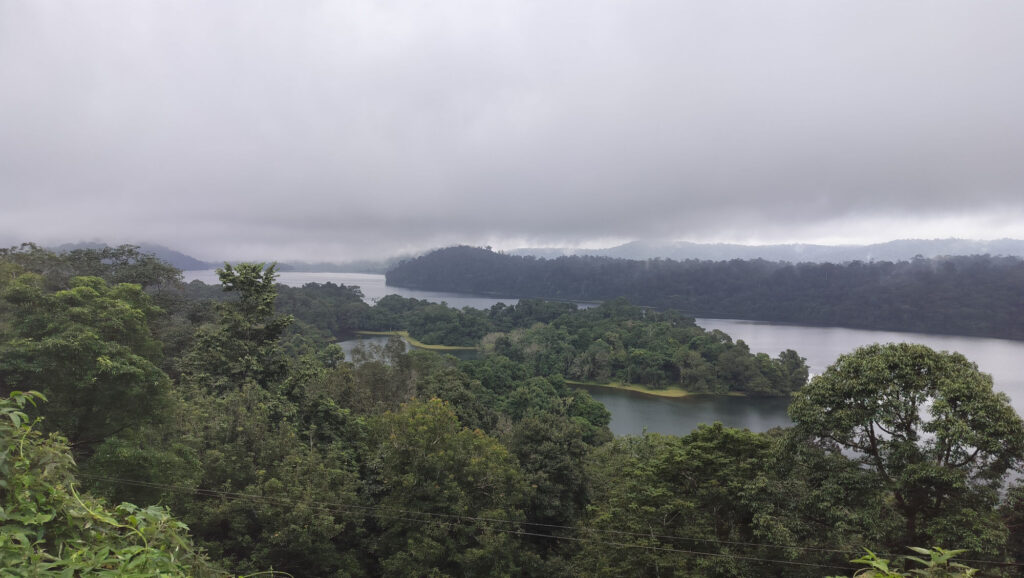
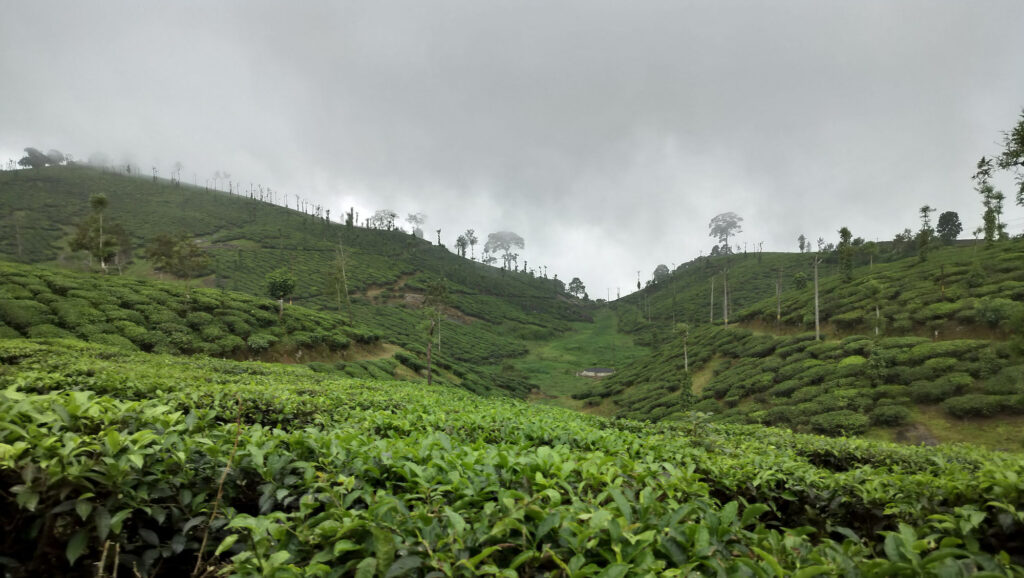
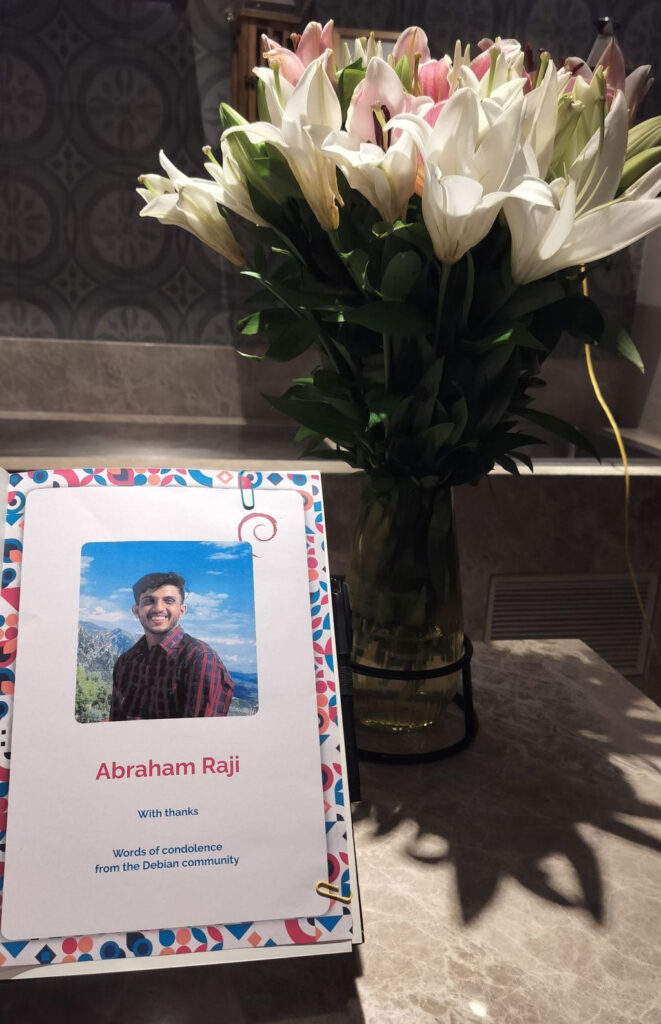
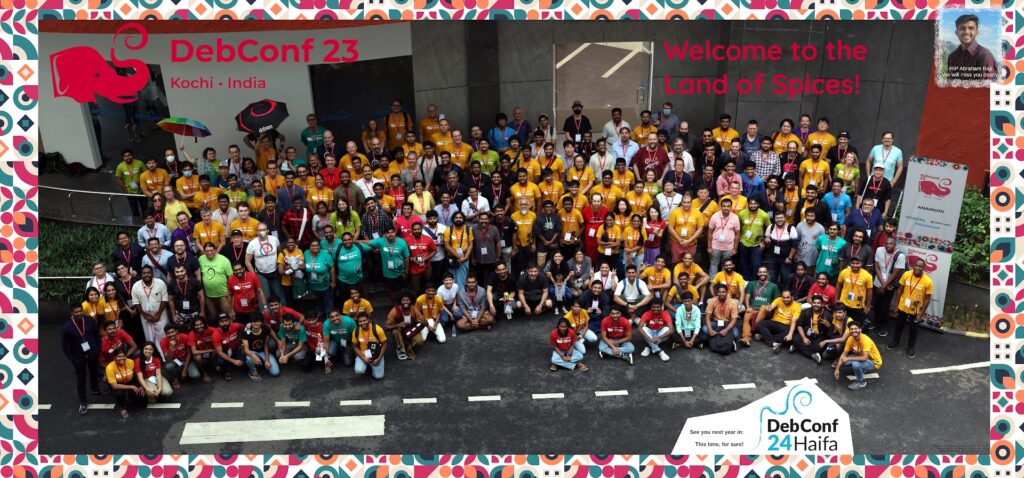
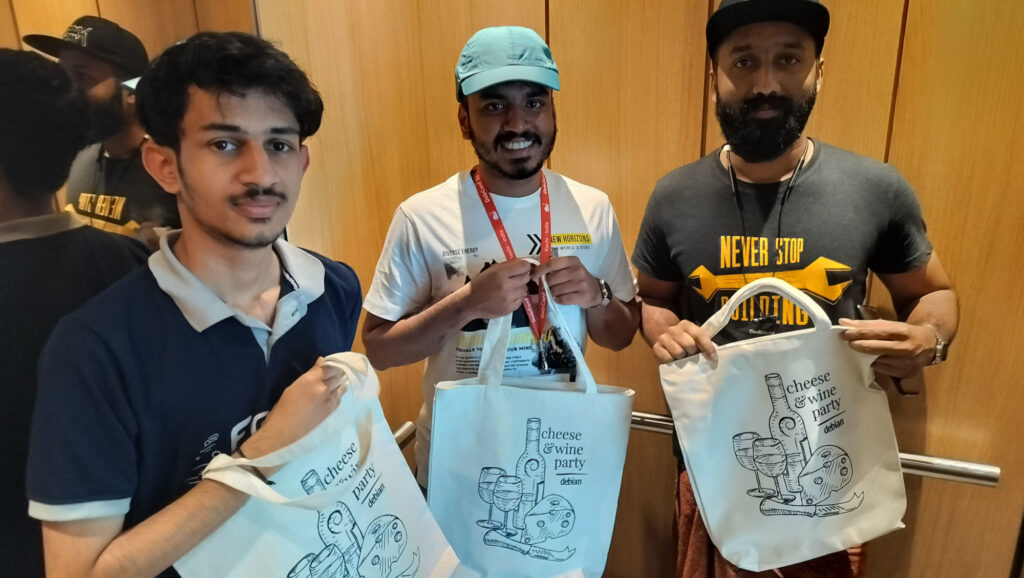 If you got one of these Cheese & Wine bags from DebConf, that s from the South African local group!
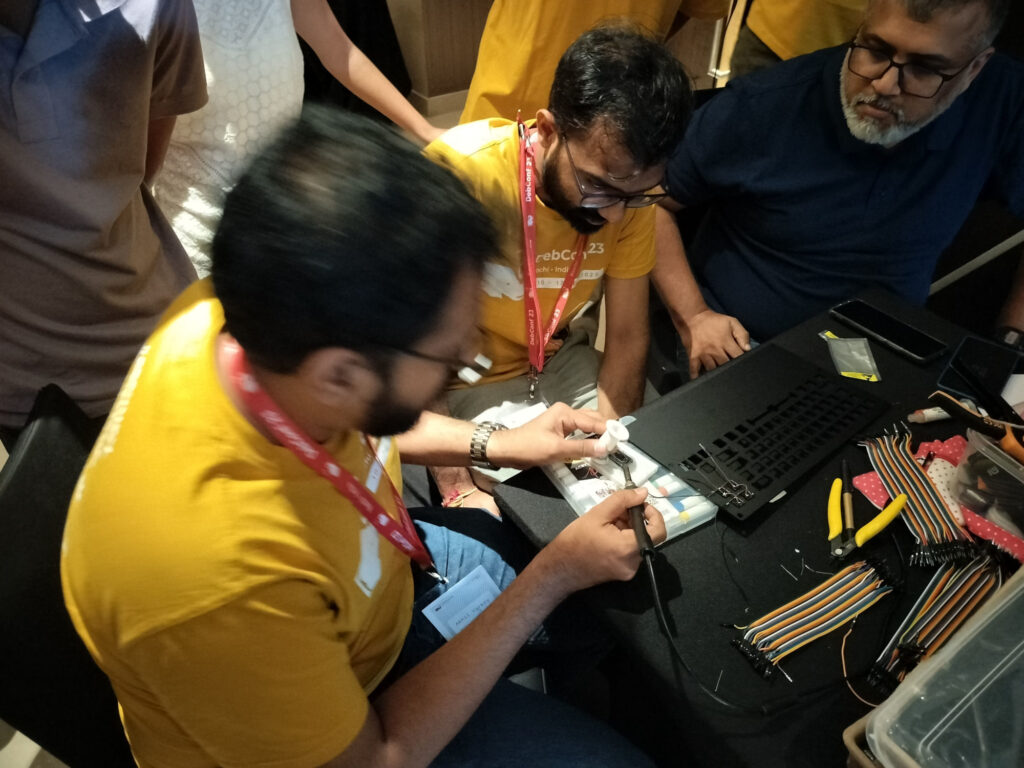 Some hopefully harmless soldering.
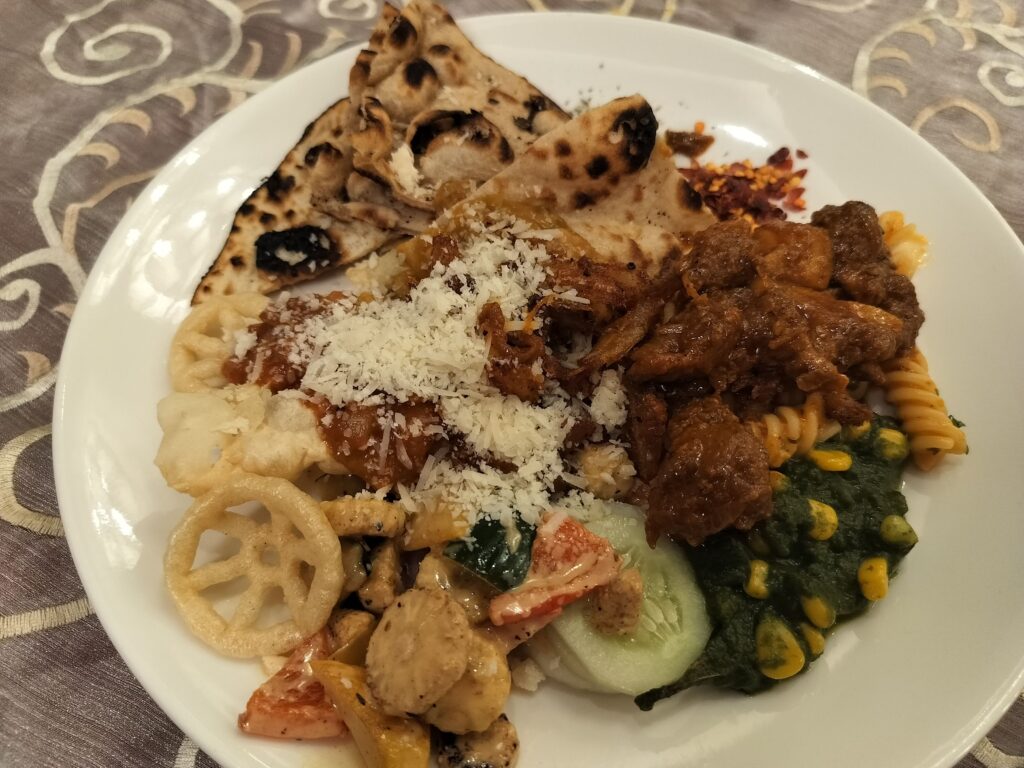
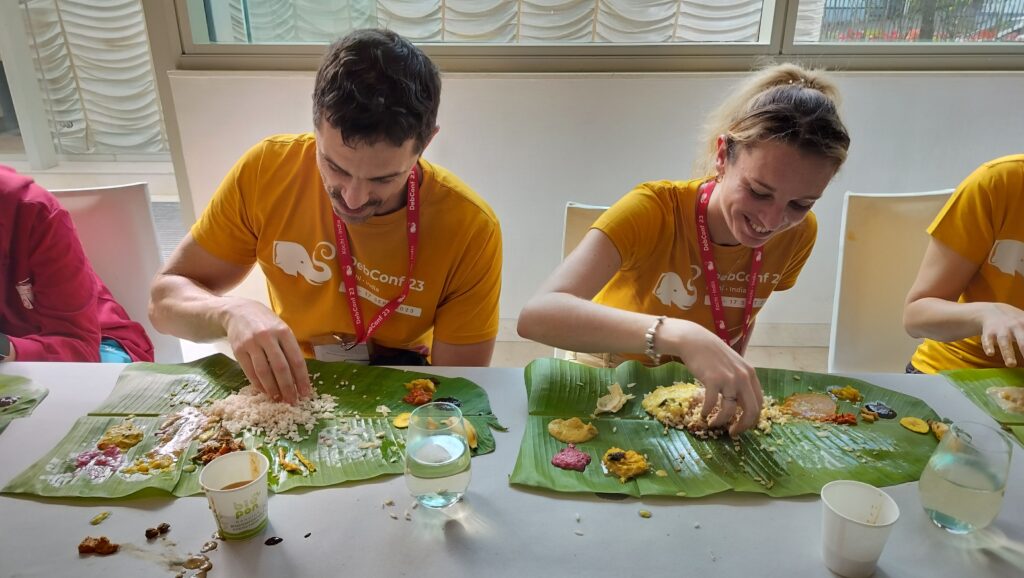
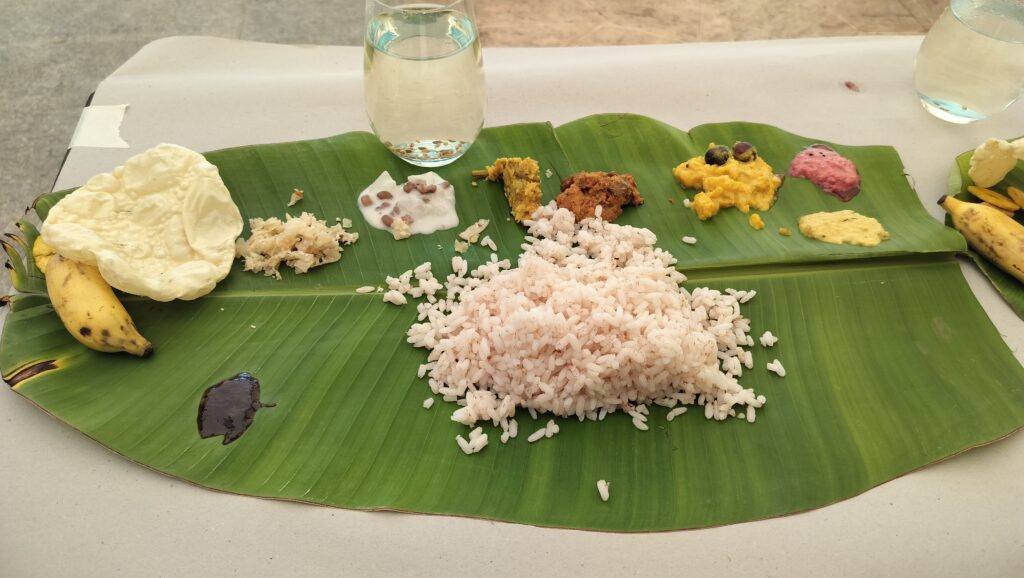
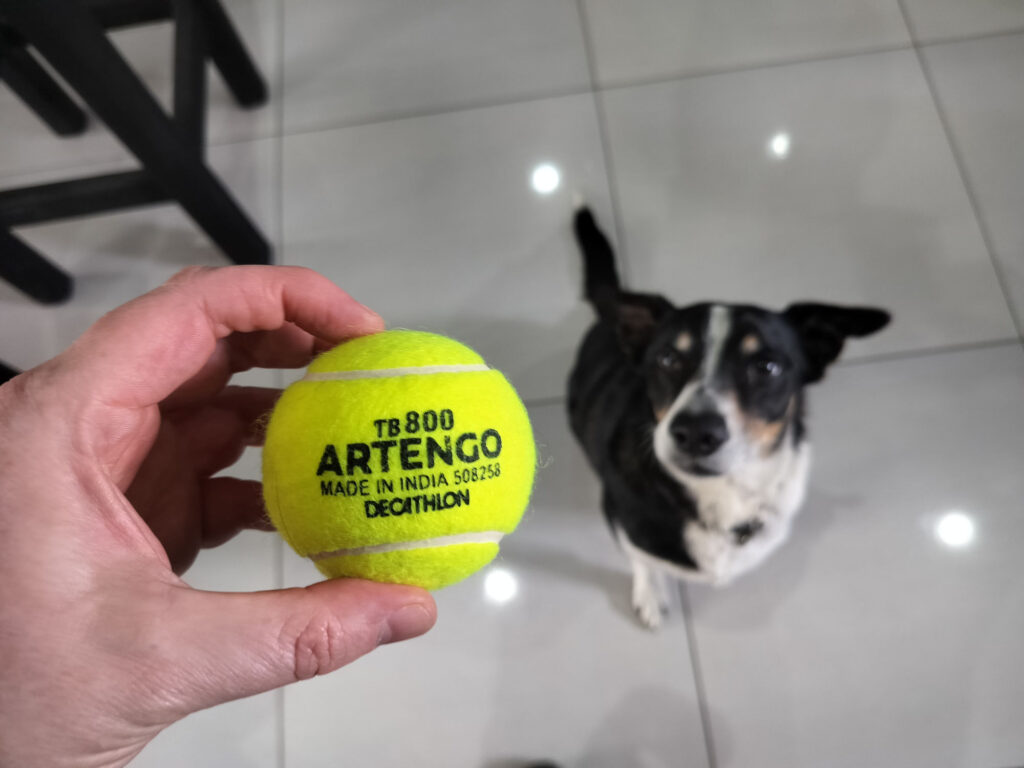

 You can also see it in:
 You can also see it in:
 Ohai,
I have recently started to serve as a Feature Editor for the
 On 5th August I got a chance to attend, speak and experience
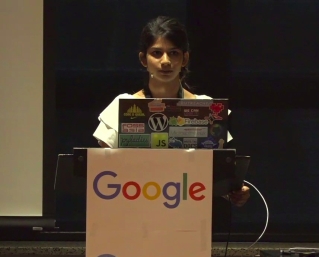 Seasons of Debian Summer of Code & Winter of Outreachy

 Picture of Daniel and me captured by : Dorina Mosku
 Picture captured by
 Managing Debian s RTC services Daniel Pocock
 with Karen Sandler and Outreachy alumini


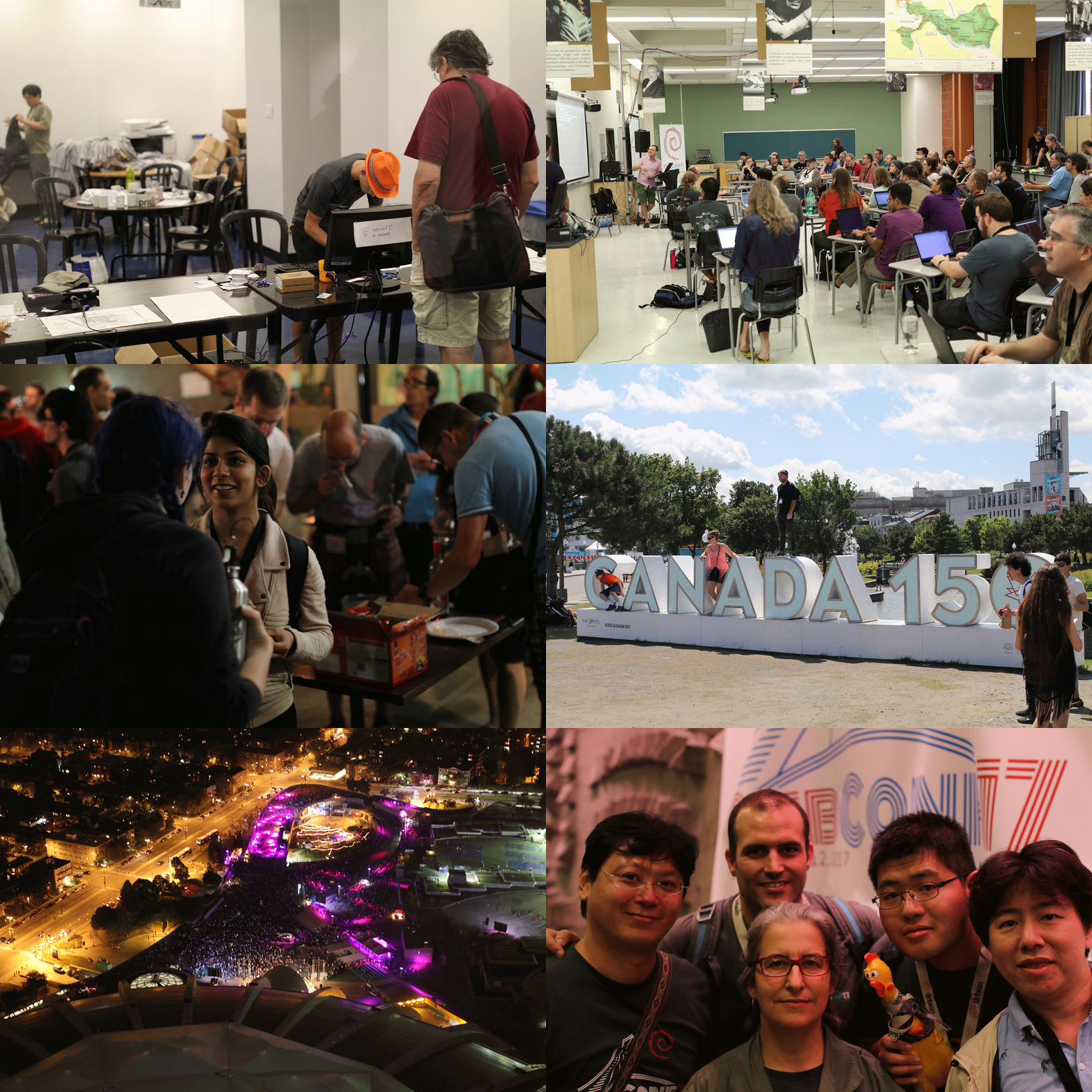

 "packages should build reproducibly" - after 4 years this work of many is in debian-policy now
This post was written roughly 44h ago and now that the fix for #844431 has been merged into the git master branch, I'm publishing it - hoping you'll enjoy this as much as I do!
So today is the last (official) day of DebConf17 and it looks like
 Four years ago


 Debconf15 started yesterday and as expected, talk rooms are always fully crowded! I had to stand up in a couple of talks and I watched another couple of them from outside thanks to
 not sure if it it's me or debian but today was a quiet day. time to look
back & see what has happened this year & this brings up
memories of this year's & earlier debconfs, with their