Junichi Uekawa: April.
 April. Cherry blossoms are in full. Beautiful weather.
 Nesse ano a MiniDebConf Brasil est de volta! A comunidade brasileira de
usu rios(as) e desenvolvedores(as) Debian convida a todos(as) a participarem da
MiniDebConf Bras lia 2023 que acontecer
durante 3 dias na capital federal.
Nos dias 25 e 26 de maio estaremos no Complexo Avan ado da C mara dos Deputados
- LabHacker/CEFOR, promovendo palestras, oficinas e outras atividades. E, no
- dia 27 de maio (s bado), estaremos em um coworking (local a definir) para
- colocar a m o na massa hackeando software e contribuindo para o Projeto Debian.
A MiniDebConf Bras lia 2023 um evento aberto a todos(as), independente do seu
n vel de conhecimento sobre Debian. O mais importante ser reunir a comunidade
para celebrar o maior projeto de Software Livre do mundo, por isso queremos
receber desde usu rios(as) inexperientes que est o iniciando o seu contato com o
Debian at Desenvolvedores(as) oficiais do projeto.
A programa o da MiniDebConf Bras lia 2023 ser composta de palestras de n vel
b sico e intermedi rio para aqueles(as) participantes que est o tendo o primeiro
contato com o Debian ou querem conhecer mais sobre determinados assuntos,
e workshops/oficinas de n vel intermedi rio e avan ado para usu rios(as) do
Debian que querem colocar a m o-na-massa durante o evento. No ltimo dia do
evento, teremos um Hacking Day em um espa o de coworking para que todos possam
interagir e de fato fazerem contribui es para o projeto.
Inscri o
A inscri o na MiniDebConf Bras lia 2023 totalmente gratuita e poder ser
feita no formul rio dispon vel no
site do evento. mandat ria a inscri o pr via para que todos(as) possam
acessar a C mara dos Deputados - devido a quest es de seguran a da casa. Al m de
auxiliar a organiza o no dimensionamento do evento.
O evento organizado de forma volunt ria, e toda ajuda bem-vinda. Portanto,
se voc gostaria de contribuir para a realiza o do evento, preencha o
formul rio para inscri o de volunt rios.
Os formul rios para inscri o (na MiniDebConf e para ajudar na organiza o) e
submiss o de atividades
ser o abertos no dia 1 de abril (n o tem nenhuma pegadinha, se inicia nesse dia
mesmo :)
Contato
Para entrar em contato com o time local, a
lista de emails debian-br-eventos,
o canal IRC #debian-bsb no OFTC e o
grupo no telegram DebianBras lia podem ser
utilizados. Al m do endere o de email: brasil.mini@debconf.org.
The Brazilian translation team debian-l10n-portuguese
had their first workshop of 2023
in February, with great results:
The Brazilian translation team debian-l10n-portuguese
realizou a primeira oficina de 2023
em fevereiro, com timos resultados:
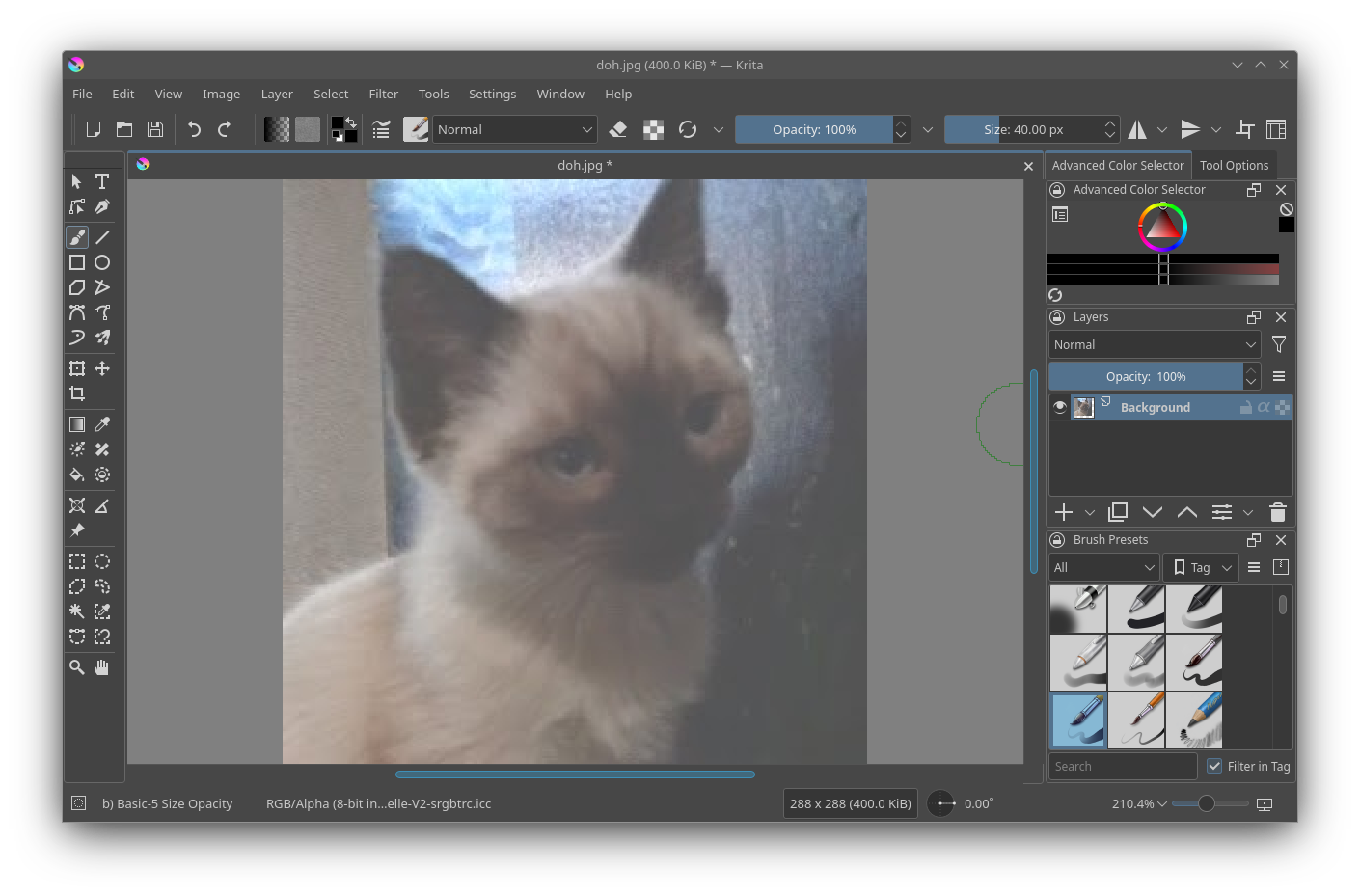 KDE Krita snap
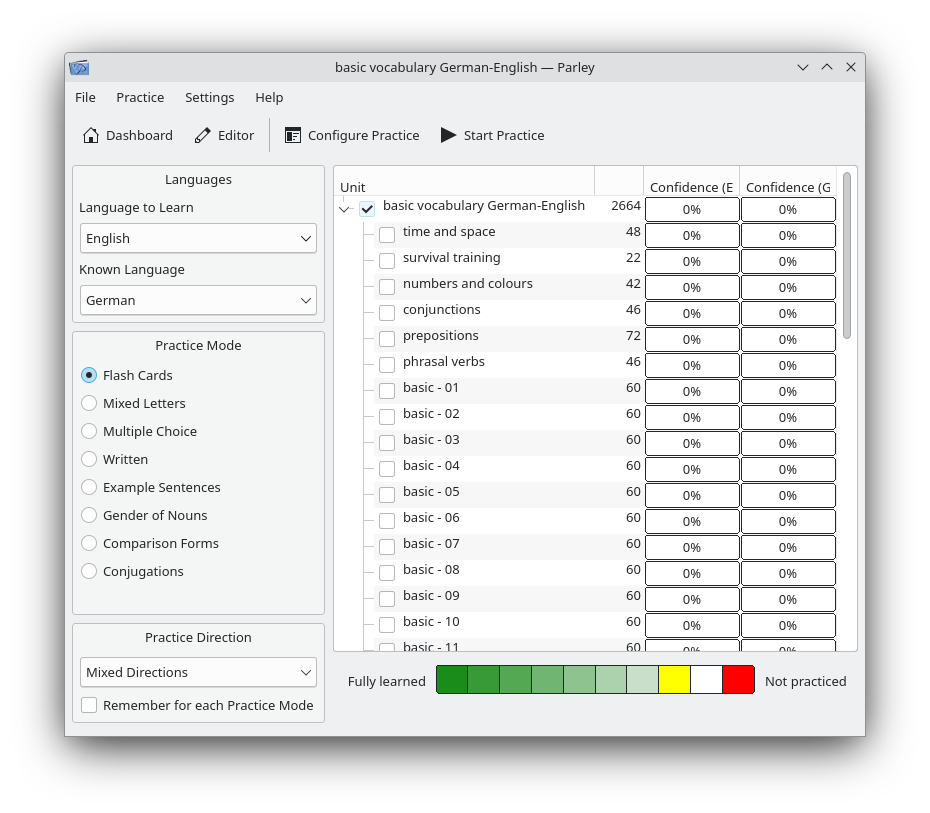 KDE Parley snap
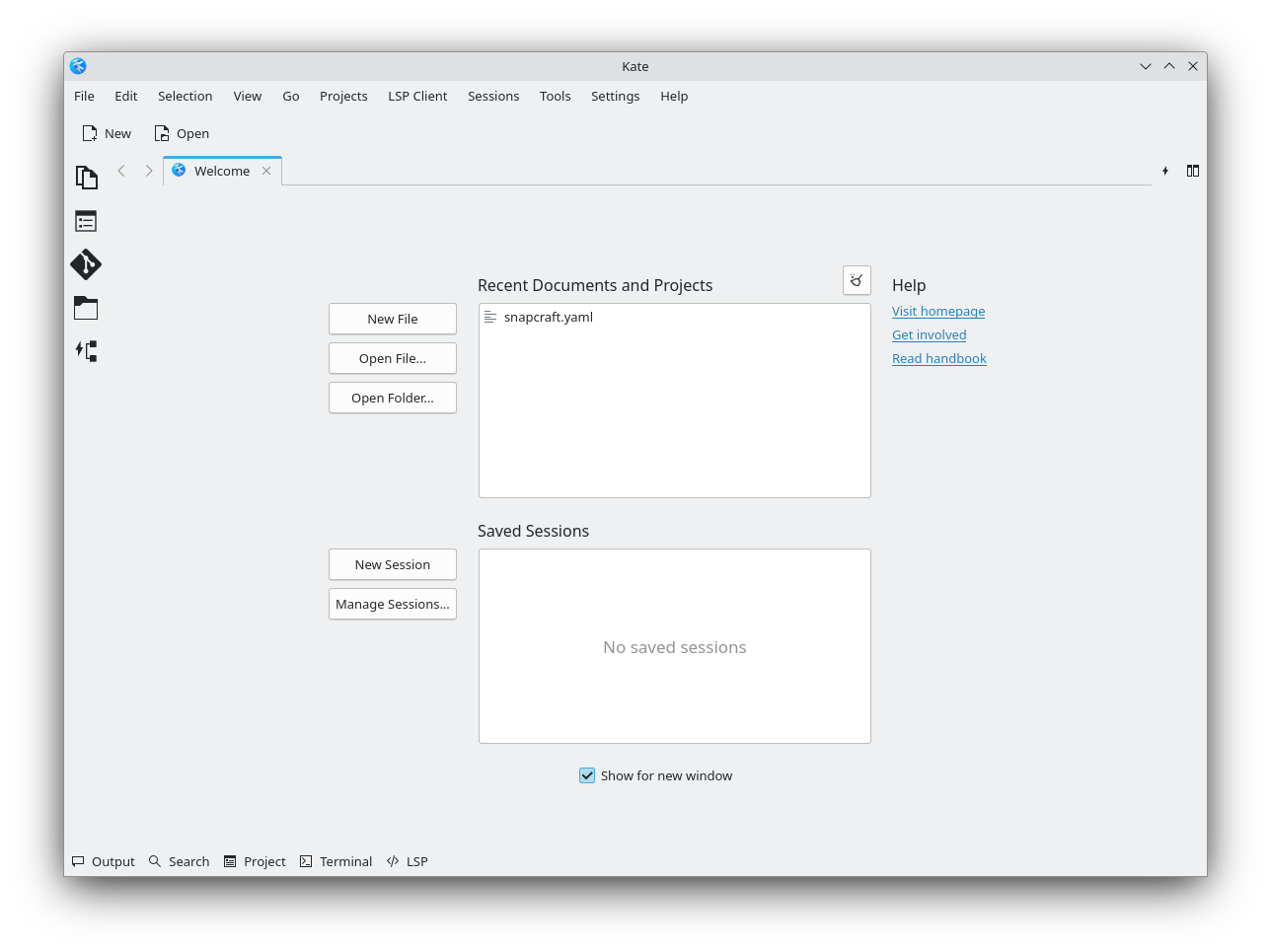 KDE Kate snap
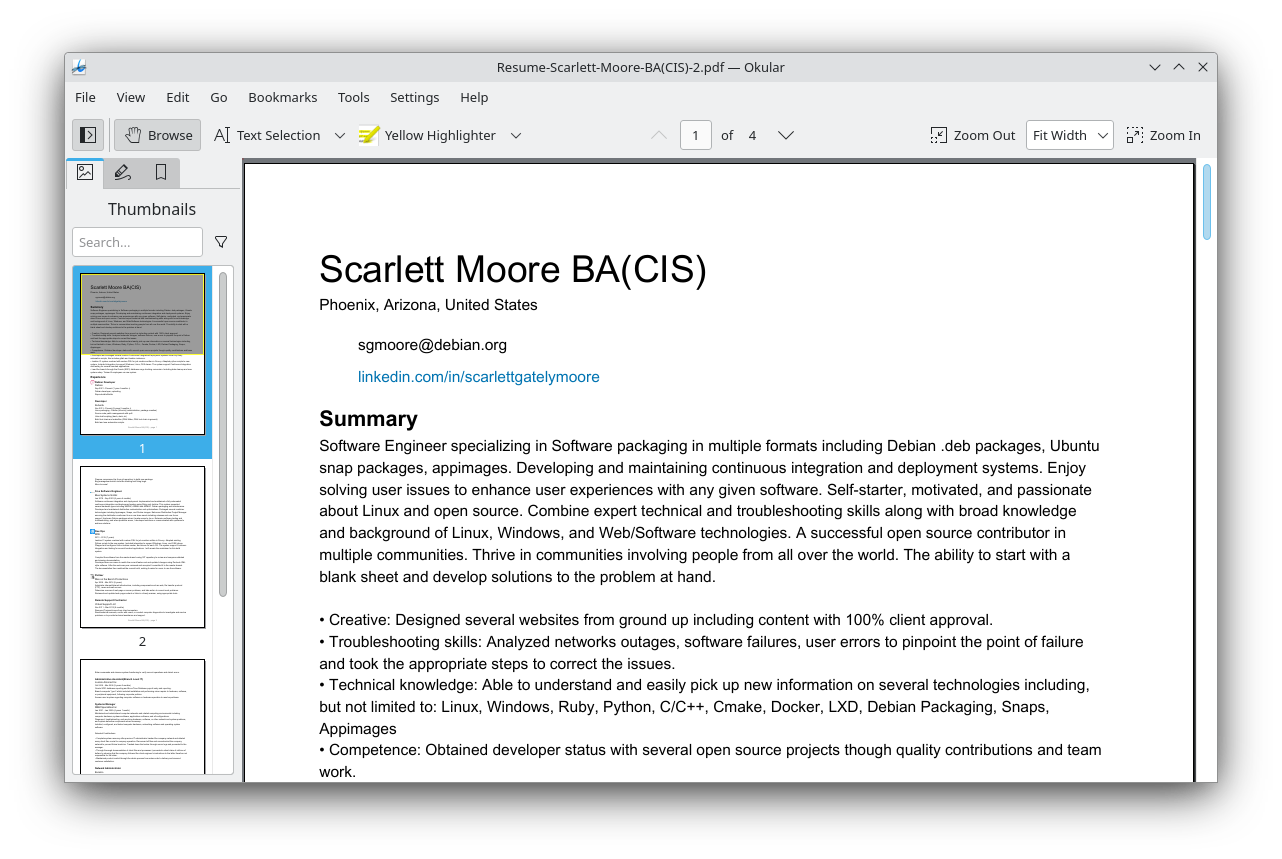 KDE Okular snap
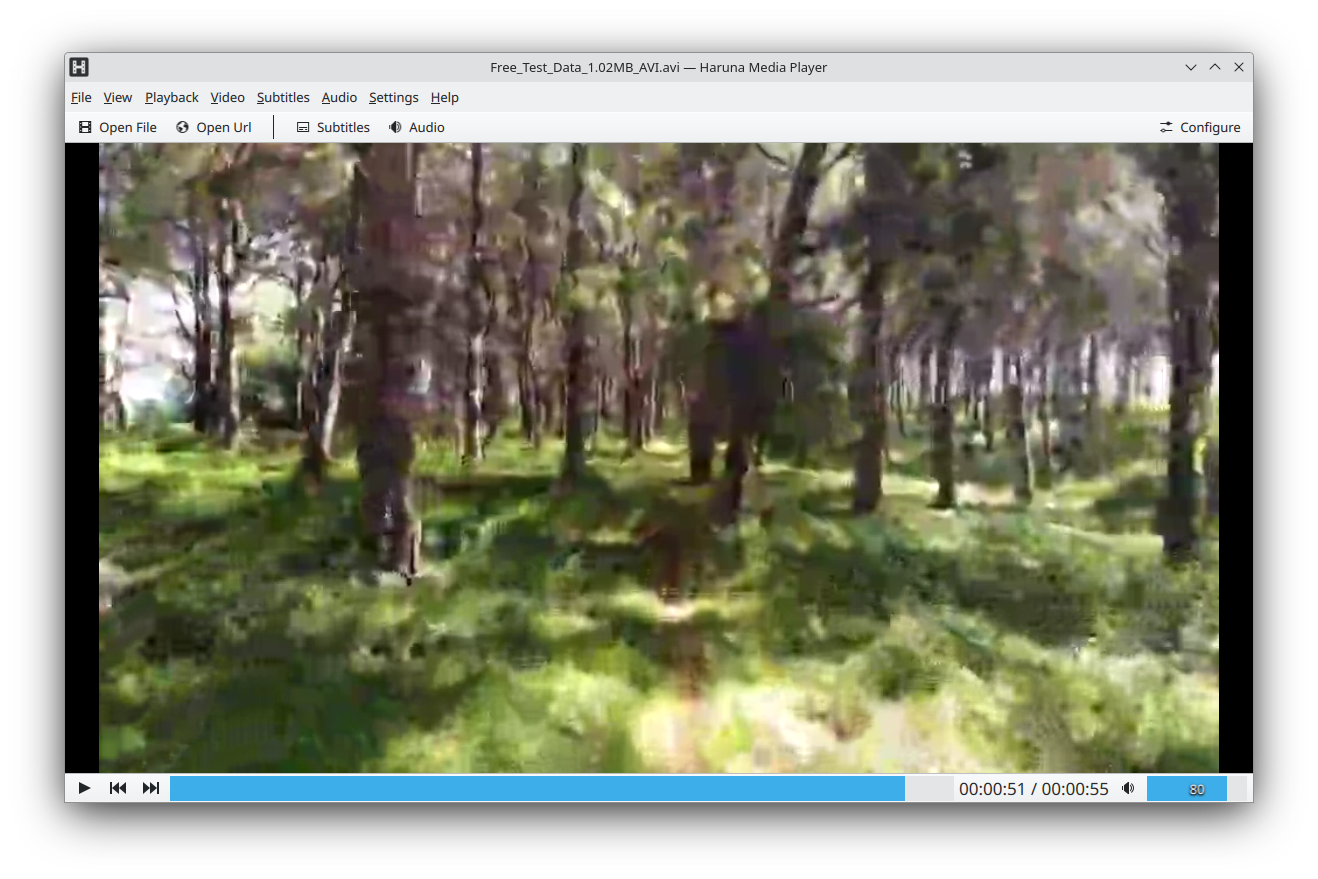 KDE Haruna snap
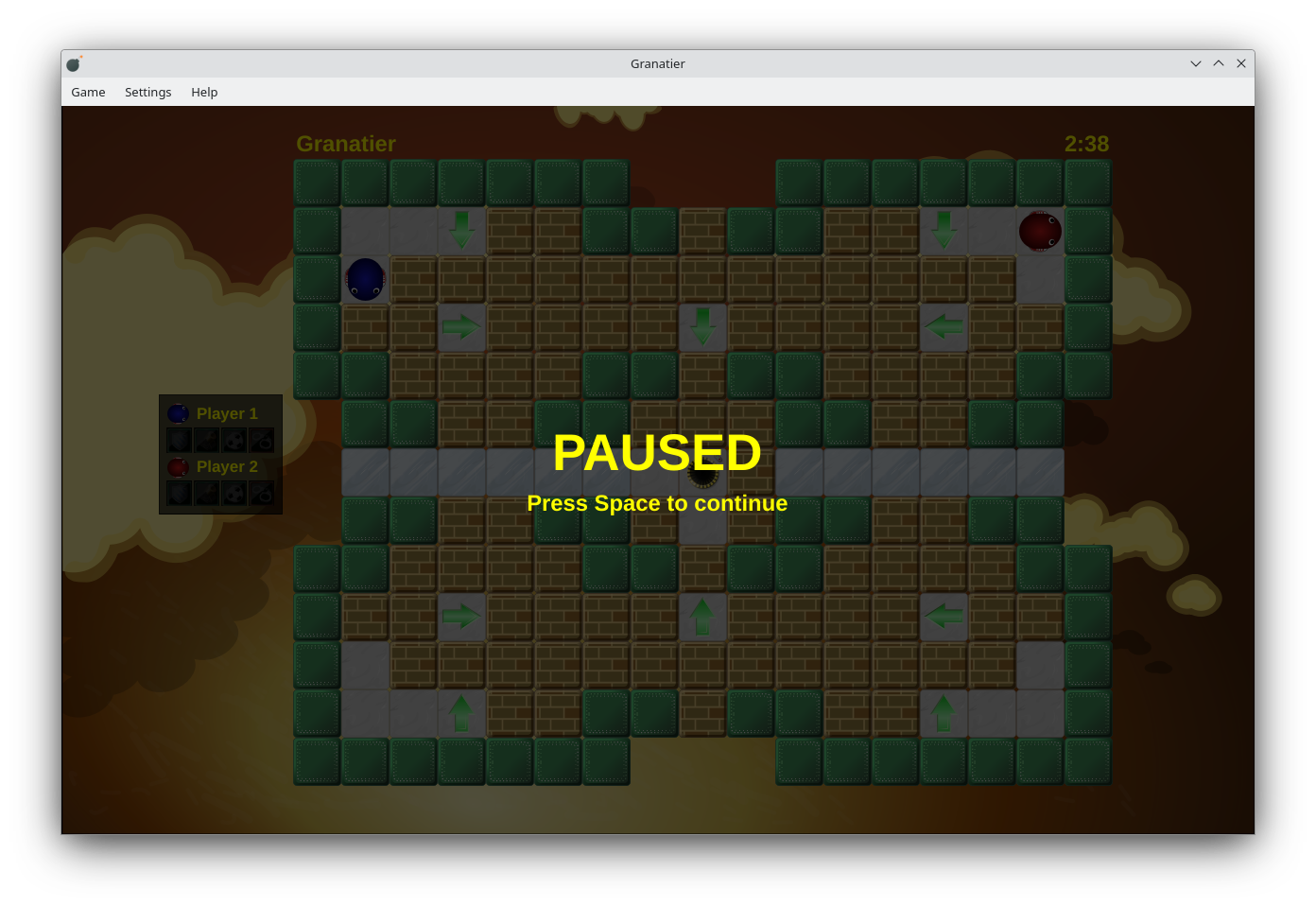 KDE Granatier snap
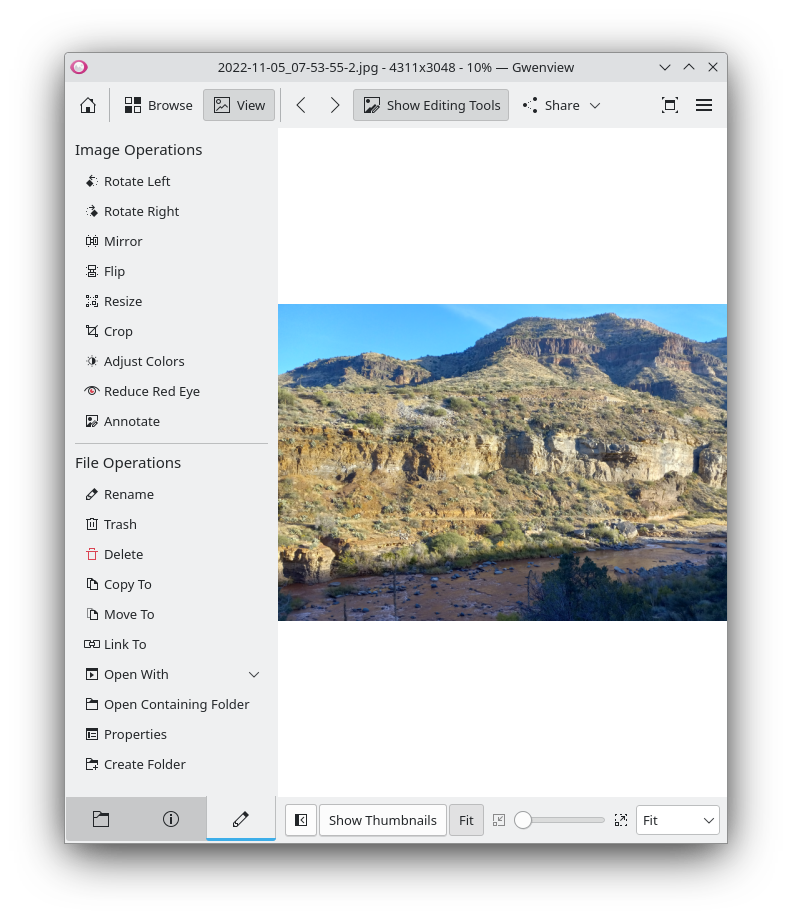 KDE Gwenview snap
 KDE Gcompris snap
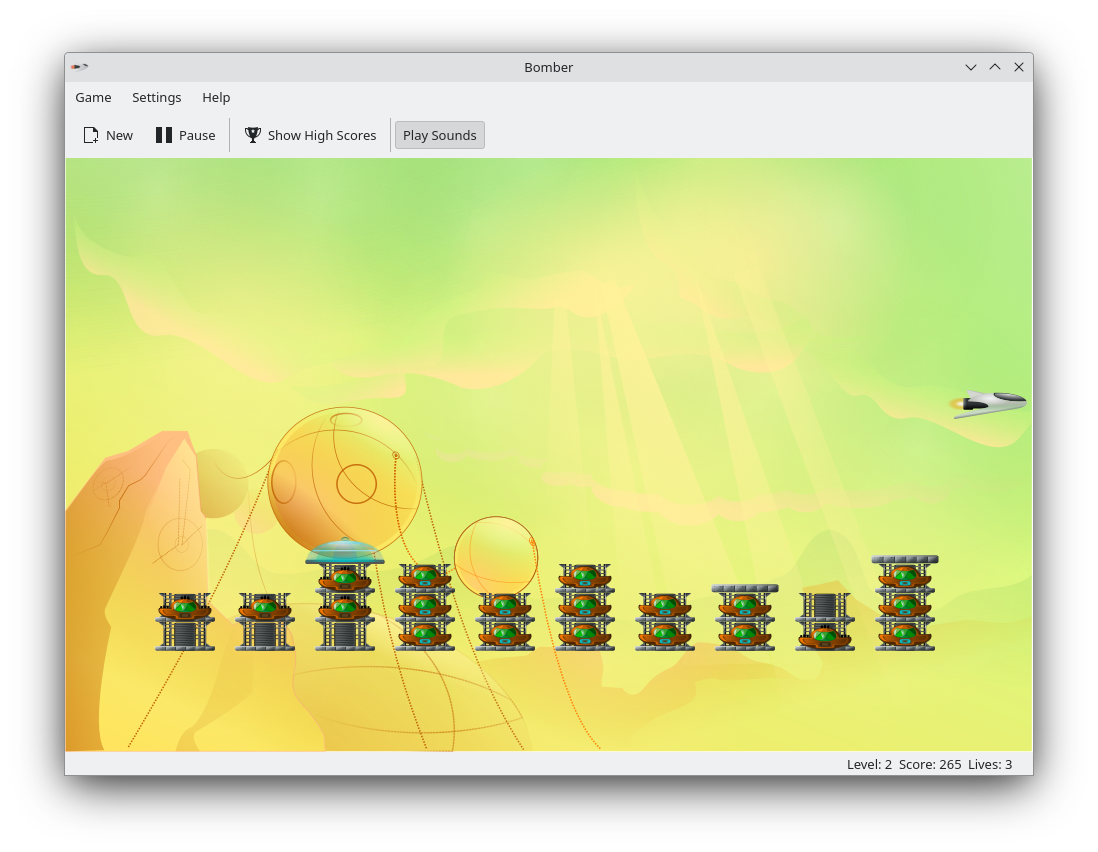 KDE Bomber snap
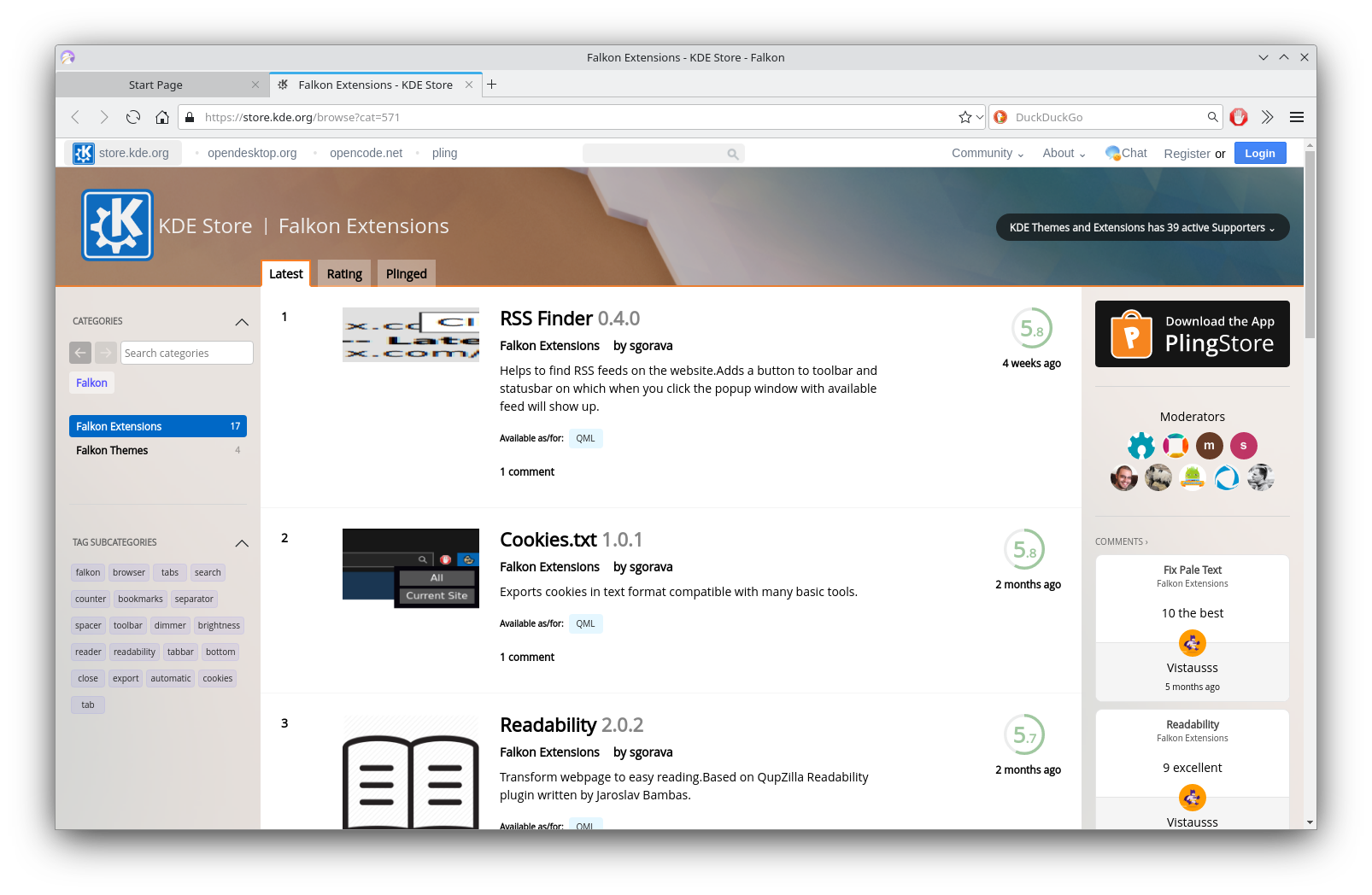 KDE Falkon snap
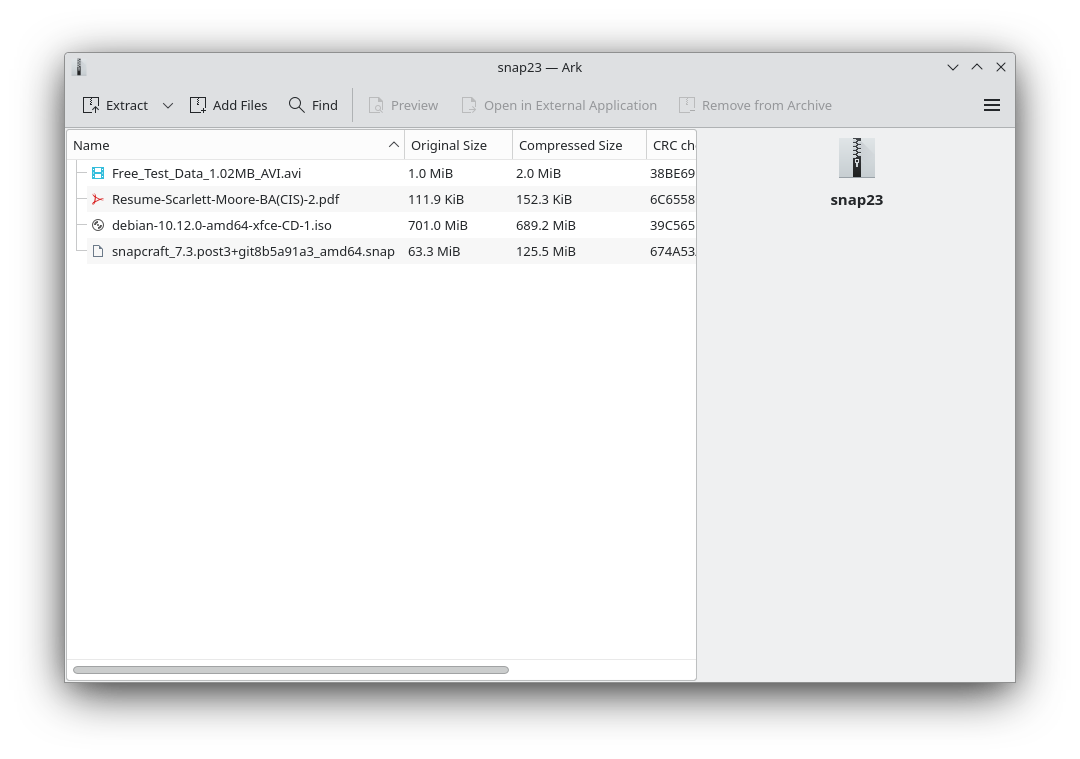 KDE Ark snap
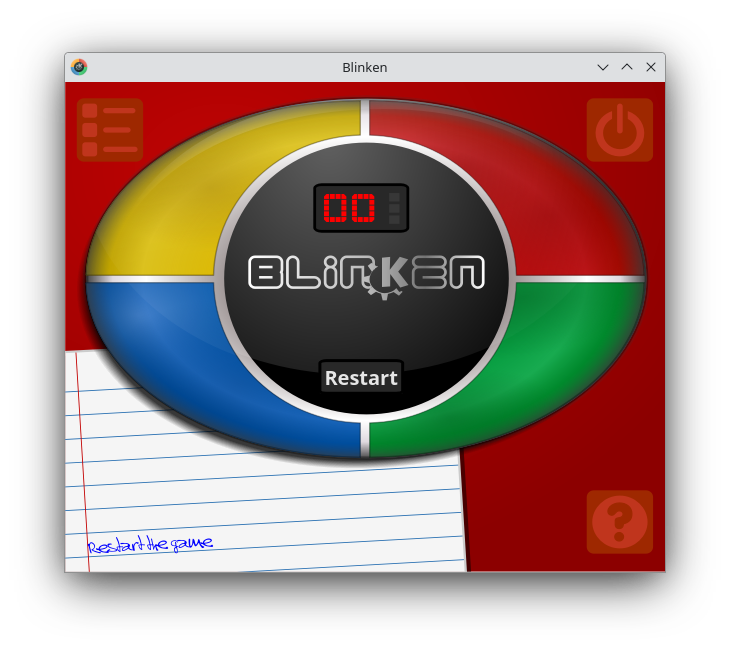 KDE Blinken snap
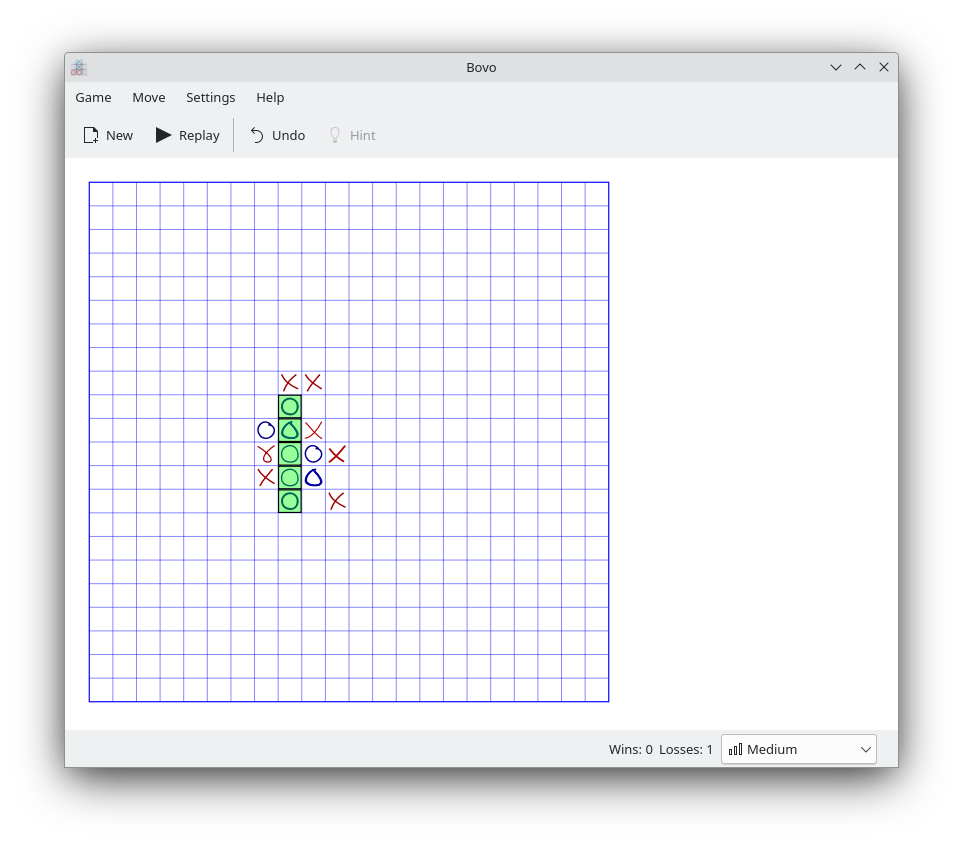 KDE Bovo Snap
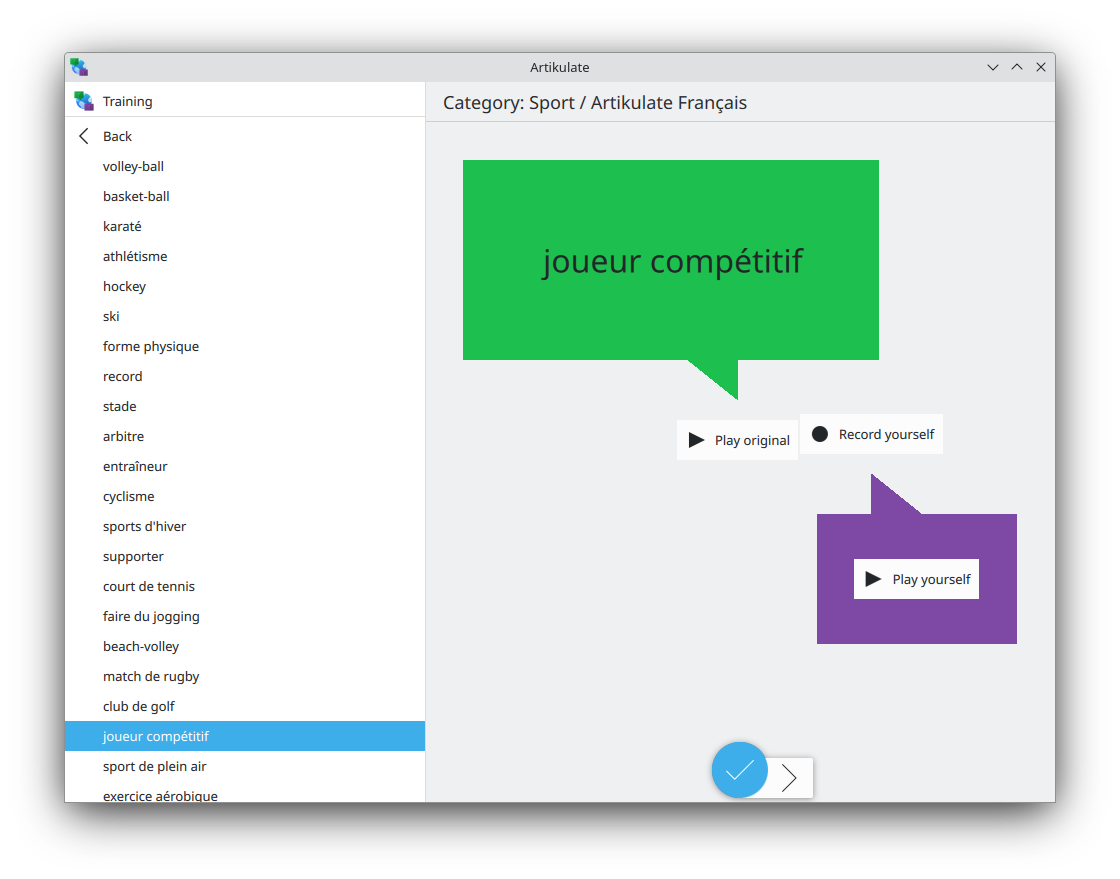 KDE Atikulate snap
 (TL;DR: I ve been trying out btrfs in some places instead of ext4, I ve hit absolutely zero issues and there are a few features that make me plan to use it more.)
Despite (or perhaps because of) working on storage products for a reasonable chunk of my career I have tended towards a conservative approach to my filesystems. By the time I came to Linux ext2 was well established, the move to ext3 was a logical one (the joys of added journalling for faster recovery after unclean shutdowns) and for a long time my default stack has been MD raid with LVM2 on top and then ext4 as the filesystem.
I ve dabbled with other filesystems; I ran XFS for a while on my VDR machine, and also when I had a large tradspool with INN, but never really had a hard requirement for it. I ve ended up adminning a machine that had JFS in the past, largely for historical reasons, but don t really remember any issues (vague recollections of NFS problems but that might just have been NFS being NFS).
However. ZFS has gathered itself a significant fan base and that makes me wonder about what it can offer and whether I want that. Firstly, let s be clear that I m never going to run a primary filesystem that isn t part of the mainline kernel. So ZFS itself is out, because I run Linux. So what do I want that I can t get with ext4? Firstly, I d like data checksumming. As storage gets larger there s a bigger chance of silent data corruption and while I have backups of the important stuff that doesn t help if you don t know you need to use them. Secondly, these days I have machines running containers, VMs, or with lots of source checkouts with a reasonable amount of overlap in their data. Disk space has got cheaper, but I d still like to be able to do some sort of deduplication of common blocks.
So, I ve been trying out btrfs. When I installed my desktop I went with btrfs for
/ and /home (I kept /boot as ext4). The thought process was that this was a local machine (so easy access if it all went wrong) and I take regular backups (so if it all went wrong I could recover). That was a year and a half ago and it s been pretty dull; I mostly forget I m running btrfs instead of ext4. This is on a machine that tracks Debian testing, so currently on kernel 6.1 but originally installed with 5.10. So it seems modern btrfs is reasonably stable for a machine that isn t driven especially hard. Good start.
The fact I forget what filesystem I m running points to the fact that I m not actually doing anything special here. I get the advantage of data checksumming, but not much else. 2 things spring to mind. Firstly, I don t do snapshots. Given I run testing it might be wiser if I did take a snapshot before every apt-get upgrade, and I have a friend who does just that, but even when I ve run unstable I ve never had a machine get itself into a state that I couldn t recover so I haven t spent time investigating. I note Ubuntu has apt-btrfs-snapshot but it doesn t seem to have any updates for years.
The other thing I didn t do when I installed my desktop is take advantage of subvolumes. I m still trying to get my head around exactly what I want them for, but they provide a partial replacement for LVM when it comes to carving up disk space. Instead of the separate / and /home LVs I created I could have created a single LV that would have a single btrfs filesystem on it. / and /home would then be separate subvolumes, allowing me to snapshot each individually. Quotas can also be applied separately so there s still the potential to prevent one subvolume taking all available space.
Encouraged by the lack of hassle with my desktop I decided to try moving my sbuild machine over to use btrfs for its build chroots. For Reasons this is a VM kindly hosted by a friend, rather than something local. To be honest these days I would probably go for local hosting, but it works and there s no strong reason to move. The point is it s remote, and so if migrating went wrong and I had to ask for assistance I d be bothering someone who s doing me a favour as it is.
The build VM is, of course, running LVM, and there was luckily some free space available. I m reasonably sure the underlying storage involves spinning rust, so I did a laborious set of pvmove commands to make sure all the available space was at the start of the PV, and created a new btrfs volume there. I was advised that while btrfs-convert would do the job it was better to create a fresh filesystem where possible. This time I did create an initial root subvolume.
Configuring up sbuild was then much simpler than I d expected. My setup originally started out as a set of tarballs for the chroots that would get untarred + used for the builds, which is pretty slow. Once overlayfs was mature enough I switched to that. I d had a conversation with Enrico about his nspawn/btrfs setup, but it turned out Russ Allbery had written an excellent set of instructions on sbuild with btrfs. I tweaked my existing setup based on his details, and I was in business. Each chroot is a separate subvolume - I don t actually end up having to mount them individually, but it means that only the chroot in use gets snapshotted. For example during a build the following can be observed:
# btrfs subvolume list /
ID 257 gen 111534 top level 5 path root
ID 271 gen 111525 top level 257 path srv/chroot/unstable-amd64-sbuild
ID 275 gen 27873 top level 257 path srv/chroot/bullseye-amd64-sbuild
ID 276 gen 27873 top level 257 path srv/chroot/buster-amd64-sbuild
ID 343 gen 111533 top level 257 path srv/chroot/snapshots/unstable-amd64-sbuild-328059a0-e74b-4d9f-be70-24b59ccba121
257 rather than 271, but digging further with btrfs subvolume show on the 2 mounted directories correctly showed the snapshot had a parent equal to the chroot, not /.
As a final step I ran jdupes via jdupes -1Br / to deduplicate things across the filesystem. It didn t end up providing a significant saving unfortunately - I guess there s a reasonable amount of change between Debian releases - but I think tried it on my desktop, which tends to have a large number of similar source trees checked out. There I managed to save about 5% on /home, which didn t seem too shabby.
The sbuild setup has been in place for a couple of months now, and I ve run quite a few builds on it while preparing for the freeze. So I m fairly confident in the stability of the setup and my next move is to transition my local house server over to btrfs for its containers (which all run under systemd-nspawn). Those are generally running a Debian stable base so there should be a decent amount of commonality for deduping.
I m not saying I m yet at the point where I ll default to btrfs on new installs, but I m definitely looking at it for situations where I think I can get benefits from deduplication, or being able to divide up disk space without hard partitioning space.
(And, just to answer the worry I had when I started, I ve got nowhere near ENOSPC problems, but I believe they re handled much more gracefully these days. And my experience of ZFS when it got above 90% utilization was far from ideal too.)

 Anti-EV poster by Toyota

 I was asked on the Fediverse1 to describe my $dayjob daily
workflow. Blogging about it seemed like a good opportunity to take stock of my
current setup.
The core of my approach is to maintain a daily log, rather like an engineering
Lab Book2. My number one tip for anyone starting a career in Software
Engineering (or for that matter systems administration) is to keep a daily log
of what you intended to do, what you actually did, what you changed, what
changed as a consequence, etcetera. I've already written about the tools I use
for that: vimwiki.
They key drawback of that system is managing TODO lists. In Vimwiki, tasks look
like this:
  * [ ] buy milk (still todo)
  * [X] clean the car (done)
= Backlog   +redhat status:pending =
* [ ] buy milk (still todo)
...
 Yesterday, the UBports core developer team released Ubuntu Touch Focal OTA-1
(In fact, Raoul, Marius and I were in a conference call when Marius froze and said: the PR team already posted the release blog post; the post is out, but we haven't released yet... ahhhh... panic... Shall I?, Marius said, and we said: GO!!! This is why the release occurred in public five hours ahead of schedule. OMG.)
For all the details, please study:
 The importance of clean, fresh indoor air is one of the most tangible takeaways of the Covid-19 pandemic. In addition to being an effective risk mitigation strategy for reducing the spread of respiratory illnesses, clean, fresh air is necessary to enable effective cognitive performance.
Monitoring indoor air quality is relatively easy to do, but traditionally has not been a key focus. I believe air quality monitoring should be accessible for any indoor space, and for highly occupied indoor spaces should be provided on a continuous basis. This post explores the need and an opportunity for a business that can accelerate the adoption of ventilation monitoring through the following topics:

eecr-relay wave shape fit, see the correction to our initial article in JACS. We strongly encourage all the users of the eecr-relay wave shape fit to upgrade, and, unfortunately, refit previously fitted data as the results might change. The other wave shape fits are not affected by the issue.
New features
In addition to this important bug fix, new possibilities have been added, including a way to make fits with partially globalparameters using the new
define-indexed-fit command, to pick the best parameters dataset-by-dataset within fit trajectories, but also a parameter space explorer trying all possible permutations of one or more sets of parameters, and the possibility to save the results of a command to a global ruby variable.
There are a lot of other new features, improvements and so on, look for the full list there.
About QSoas Too many years ago, I started (but did not finish) a series
of blog posts on the topic of Imaging Optical Media. I was writing it as I
was figuring out the process to use whilst importing my own piles of home-made
CD-Rs and DVD-Rs to a more suitable storage.
Back in 2018 Antoine Beaupr
blogged about being inspired by
my article series to sort out his optical media collection, and wrote up his
notes so far.
This inspired me (in 2018!) to change the approach for writing up what I'd
been doing. Instead of a series of blog posts, I've dumped all the material I
have written in one place: imaging discs. I've also reduced the
scope somewhat, deciding that "Organising the extracted files" is a large
enough (and orthogonal) topic to deserve its own page (if I ever write anything
about it).
The "new" material is really two unfinished blog posts: ?figuring out disc
contents and ?Retrying damaged/degraded
discs. I post them now in the hope that they are
useful despite being unfinished.

 The nineteenth release of littler as a
CRAN package
landed this morning, following in the now seventeen year history (!!) as
a package started by Jeff in 2006, and joined
by me a few weeks later.
littler
is the first command-line interface for R as it predates
Rscript. It allows for piping as well for shebang
scripting via #!, uses command-line arguments more
consistently and still starts
faster. It also always loaded the methods package which
Rscript only began to do in recent years.
littler
lives on Linux and Unix, has its difficulties on macOS due to
yet-another-braindeadedness there (who ever thought case-insensitive
filesystems as a default were a good idea?) and simply does not exist on
Windows (yet the build system could be extended see RInside for
an existence proof, and volunteers are welcome!). See the FAQ
vignette on how to add it to your PATH. A few examples
are highlighted at the Github repo, as well
as in the examples
vignette.
This release is somewhat unique is not having any maintenance of the
small core but rather focussing exclusively on changes to the (many !!)
scripts collected in examples/scripts/.
We added new ones and extended several existing ones including
install2.r thanks to patches by @eitsupi. Of the new scripts, I already
use tttl.r quite a bit for tests on co-maintained packages
that use testthat (but as I have made known before my heart
belongs firmly to tinytest as nobody should need thirty-plus
recursive dependencies to run a few test predicates) as well as the
very new installRub.r to directly add r-universe Ubuntu binaries
onto an r2u systems as
demonstrated in a first
and second
tweet (and corresponding toot) this week.
The full change description follows.
My CRANberries service provides a comparison to the previous release. Full details for the littler release are provided as usual at the ChangeLog page, and also on the package docs website. The code is available via the GitHub repo, from tarballs and now of course also from its CRAN page and viaChanges in littler version 0.3.18 (2023-03-25)
- Changes in examples scripts
roxy.rcan now set an additional--libpathgetRStudioDesktop.randgetRStudioServer.rhave updated default download fileinstall2.randinstallGithub.rcan set--typer2u.rnow has a--suffixoptiontt.rremoves a redundantlibrarycalltttl.rhas been added fortestthat::test_local()installRub.rhas been added to install r-universe binaries on Ubuntuinstall2.rhas updated error capture messages (Tatsuya Shima and Dirk in #104)
install.packages("littler"). Binary
packages are available directly in Debian (currently in experimental
due to a release freeze) as well as (in a day or two) Ubuntu binaries at
CRAN thanks to the tireless Michael Rutter and of course via r2u following its next
refresh.
Comments and suggestions are welcome at the GitHub repo.
If you like this or other open-source work I do, you can now sponsor me at
GitHub.
This post by Dirk Eddelbuettel originated on his Thinking inside the box blog. Please report excessive re-aggregation in third-party for-profit settings.
 Phew!
Today, after four days of combing through code I am unfamiliar with, I
was finally able to change my expression.
 I m finally at the part of my PhD work where I am tasked with
implementing the protocol I claim improves from the current
situation. I wrote a script to deploy the infrastructure I need for
the experiment, and was not expecting any issues I am not (yet)
familiar with the Go language (in which the Hockeypuck key
server is developed), but I have managed to
install it several times, and it holds no terrible surprises anymore
for me. Or so I think.
So, how come it s possible the five servers in my laboratory network
don t gossip to each other? The logs don t show anything clear Only
a sucession of this:
hockeypuck[5295]: time="2023-03-24T00:00:28-06:00" level=error msg="recon with :0 failed" error="[ /srv/hockeypuck/packaging/src/gopkg.in/hockeypuck/conflux.v2/recon/gossip.go:109:    dial tcp :0: connect: connection refused ]" label="gossip :11370"
hockeypuck[5295]: time="2023-03-24T00:00:28-06:00" level=info msg="waiting 27s for next gossip attempt" label="gossip :11370"
tcp :0: connect: connection refused sounds fishy It
took me too long to find the reasons.
But, at least, along the way I decided to find my errors by debugging
the code, rather than by rebuilding the laboratory and random-stabbing
at the configuration.
And yes, finally I came to my senses, and found out my silly
mistake was to have my configuration read:
[hockeypuck.conflux.recon.partner.10.0.3.13]
httpAddr="10.0.3.13:11371"
reconAddr="10.0.3.13:11370"
[hockeypuck.conflux.recon.partner.10-0-3-13]
httpAddr="10.0.3.13:11371"
reconAddr="10.0.3.13:11370"
hockeypuck.conflux.recon.partner.10 (as the following period makes
the rest of the entry an entirely distinct one from what I thought I
specified).
Anyway, this made me at least:
After my last
post,
B lint (who prompted it with his last
post)
suggested I should do a hybrid test of his tests and my extremes. He
suggested I should build the Linux kernel using my Raspberry Pi 4 (8GB
model), but using the Firebuild build
accelerator.
Before going any further: I must make clear that while Firebuild is
freely redistributable, it is not made available under a free
license. It
is free for personal use or commercial trial, but otherwise requires
licensing.
B lint managed to build a Linux kernel in just over 8 seconds. So,
how did my test go? My previous experiment, using -j 4, built Linux
in ~100 minutes; this was about a year ago, and I m now building linux
6.1, so I timed this again. To get a baseline, I built my kernel from
a just-unpacked tree, just as usual:
# cd /usr/src/linux-source-6.1
# make clean
# make defconfig
# time make -j4
(...)
real    117m30.588s
user    392m41.434s
sys     52m2.556s
make defconfig without cleaning does not change
much, but I saw it often referenced in firebuild s docs, so I m
leaving it:
# time make -j 4
(...)
real    0m43.822s
user    1m36.577s
sys     0m40.805s
# cd /usr/src/linux-source-6.1
# make clean
# make defconfig
# time firebuild make -j 4
(...)
real    212m58.647s
user    391m49.080s
sys     81m10.758s
# du -sh .cache/firebuild/
4.2G    .cache/firebuild/
# cd /usr/src/linux-source-6.1
# make clean
# make defconfig
# time firebuild make -j 4
(...)
real    68m6.621s
user    98m32.514s
sys     31m41.643s
# make defconfig
# time firebuild make -j 4
(...)
real    1m11.872s
user    2m5.807s
sys     1m46.178s
.cache/firebuild are to blame, as in the case of the media I m
using, those are quite expensive; make went its way basically
checking date stamps between *.c and *.o (yes, very roughly), and
while running under firebuild, I suppose each of these meant an extra
lookup inside the cache.
So Experiment requested, experiment performed!
 Github accidentally committed their SSH RSA private key to a repository, and now a bunch of people's infrastructure is broken because it needs to be updated to trust the new key. This is obviously bad, but what's frustrating is that there's no inherent need for it to be - almost all the technological components needed to both reduce the initial risk and to make the transition seamless already exist.
 Recently, I'm coming to feel the burden on my shoulder, it makes me so annoyed.
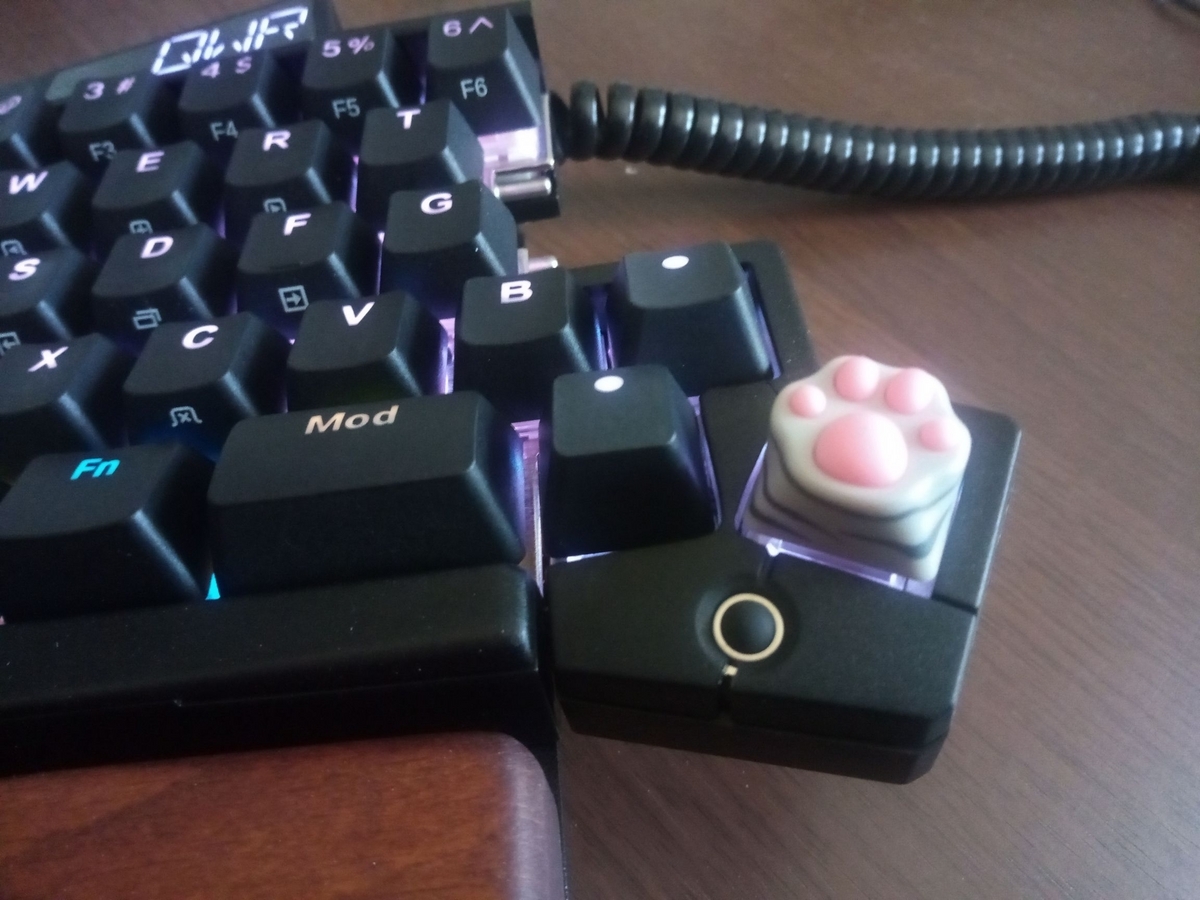
As of that, I've considered replacing the hardware (keyboard).
I've searched for a new gear candidate to resolve the above issue with the following conditions:
Next.