Search Results: "seb"

26 March 2010

Russell Coker: Hacker Spaces

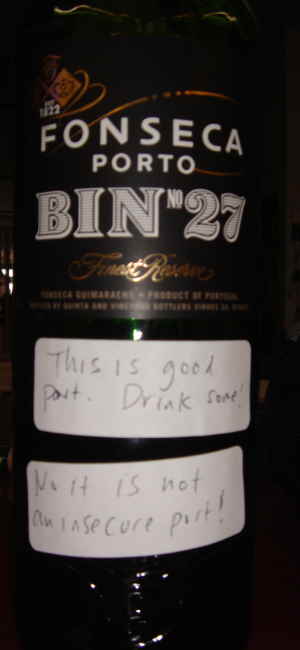
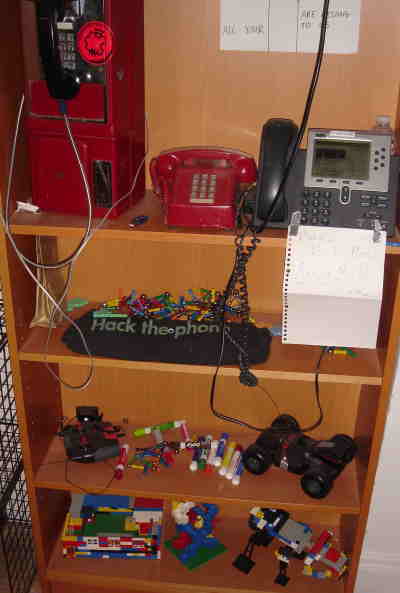
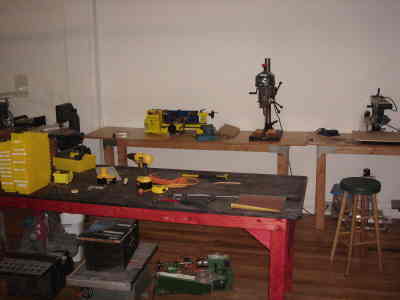
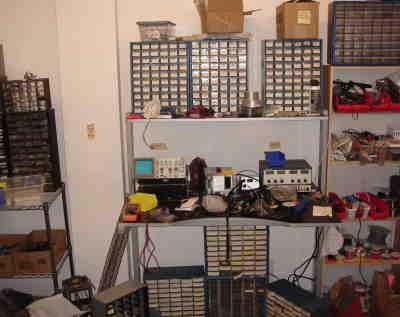
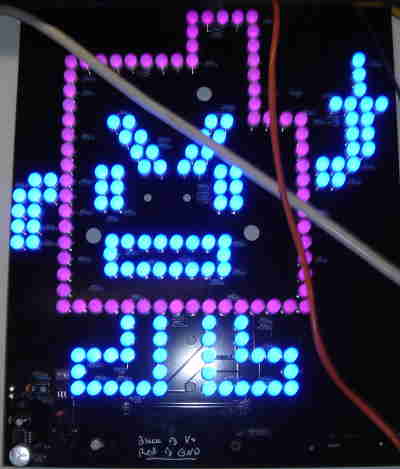
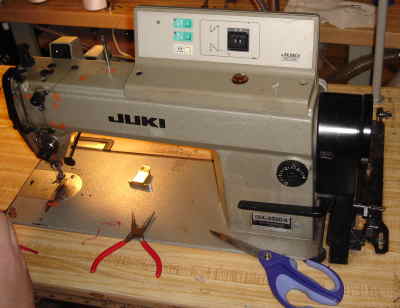
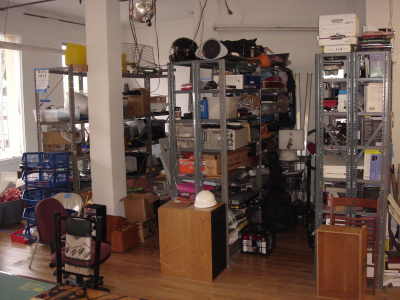
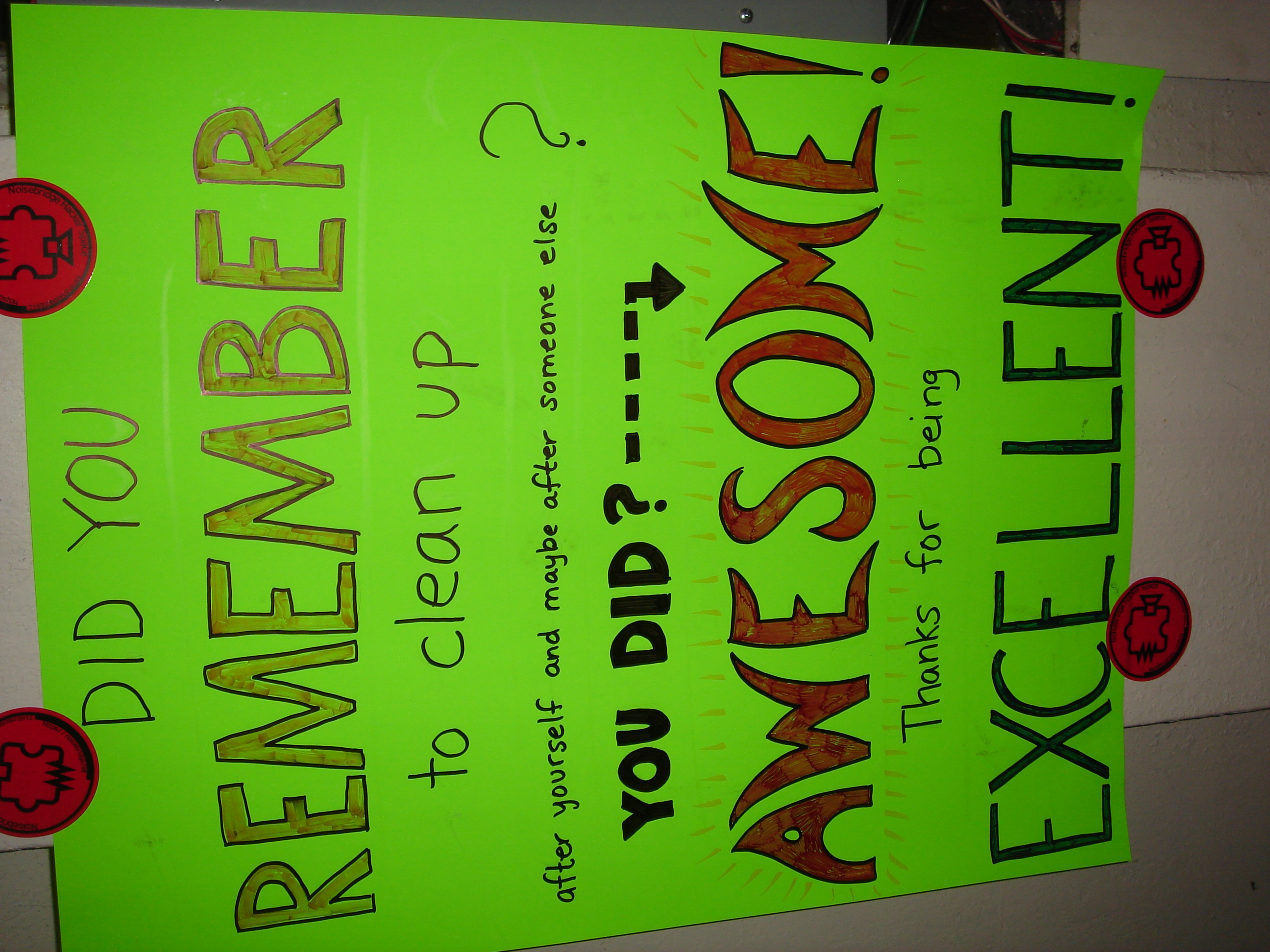
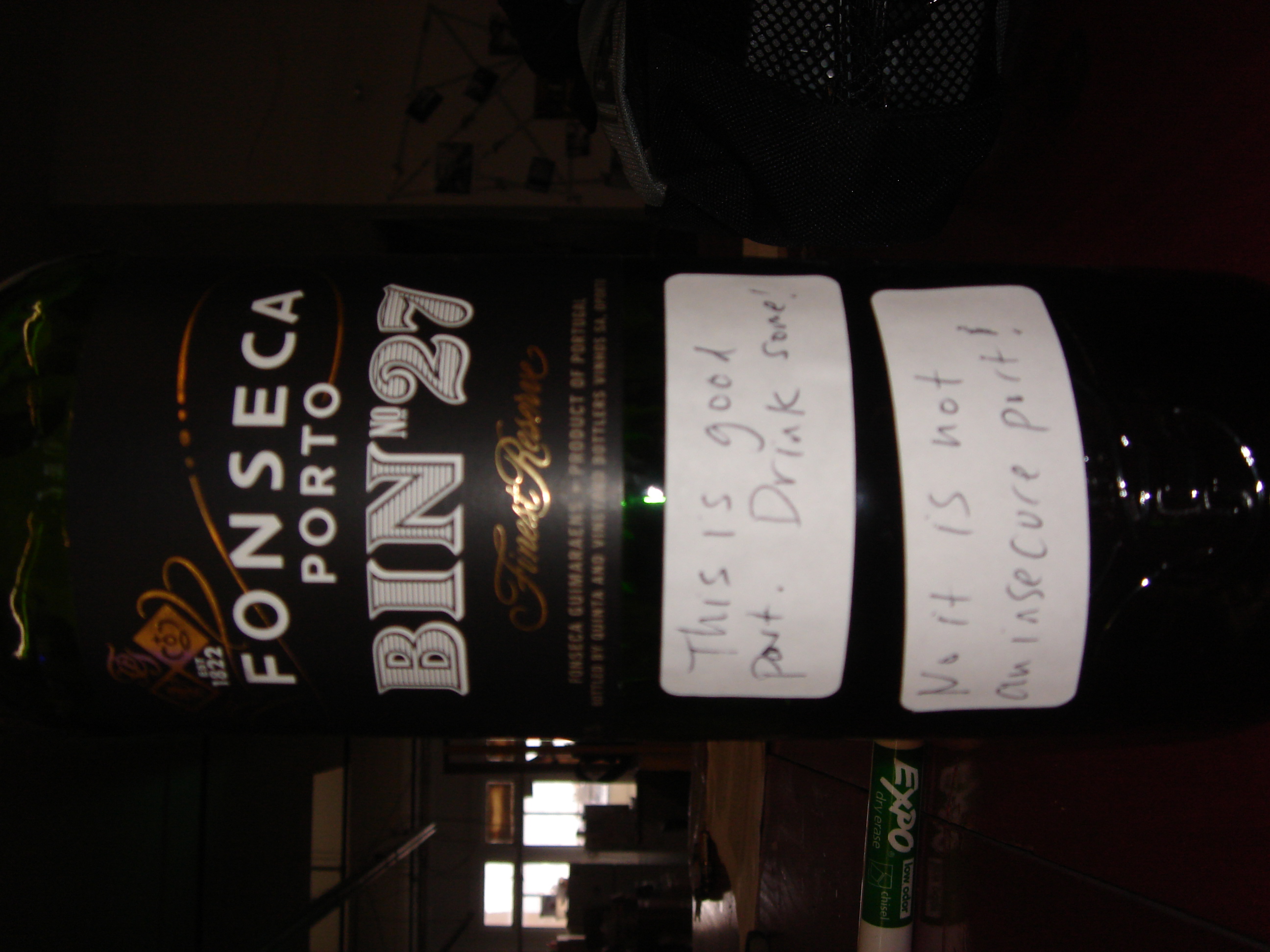
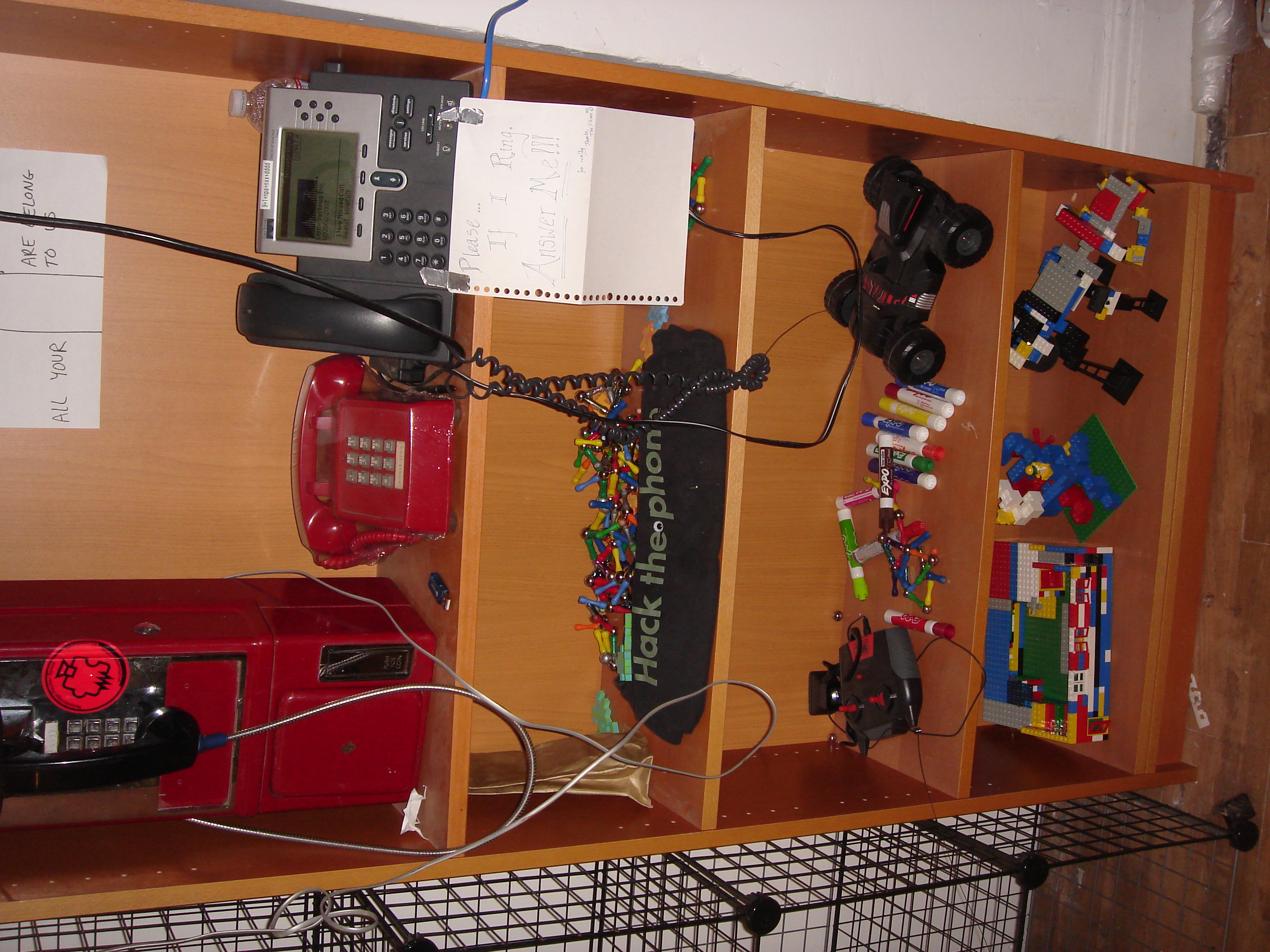
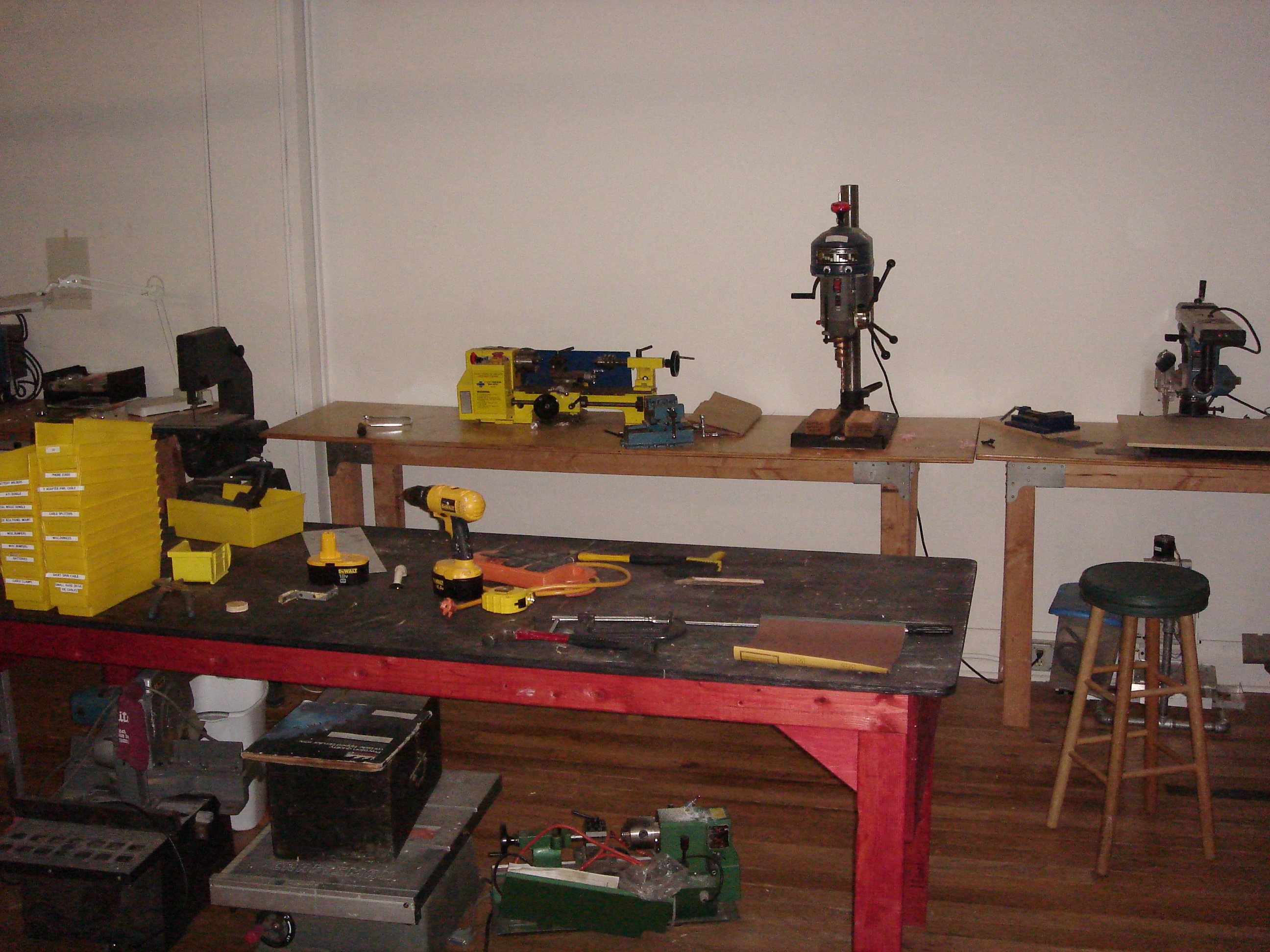
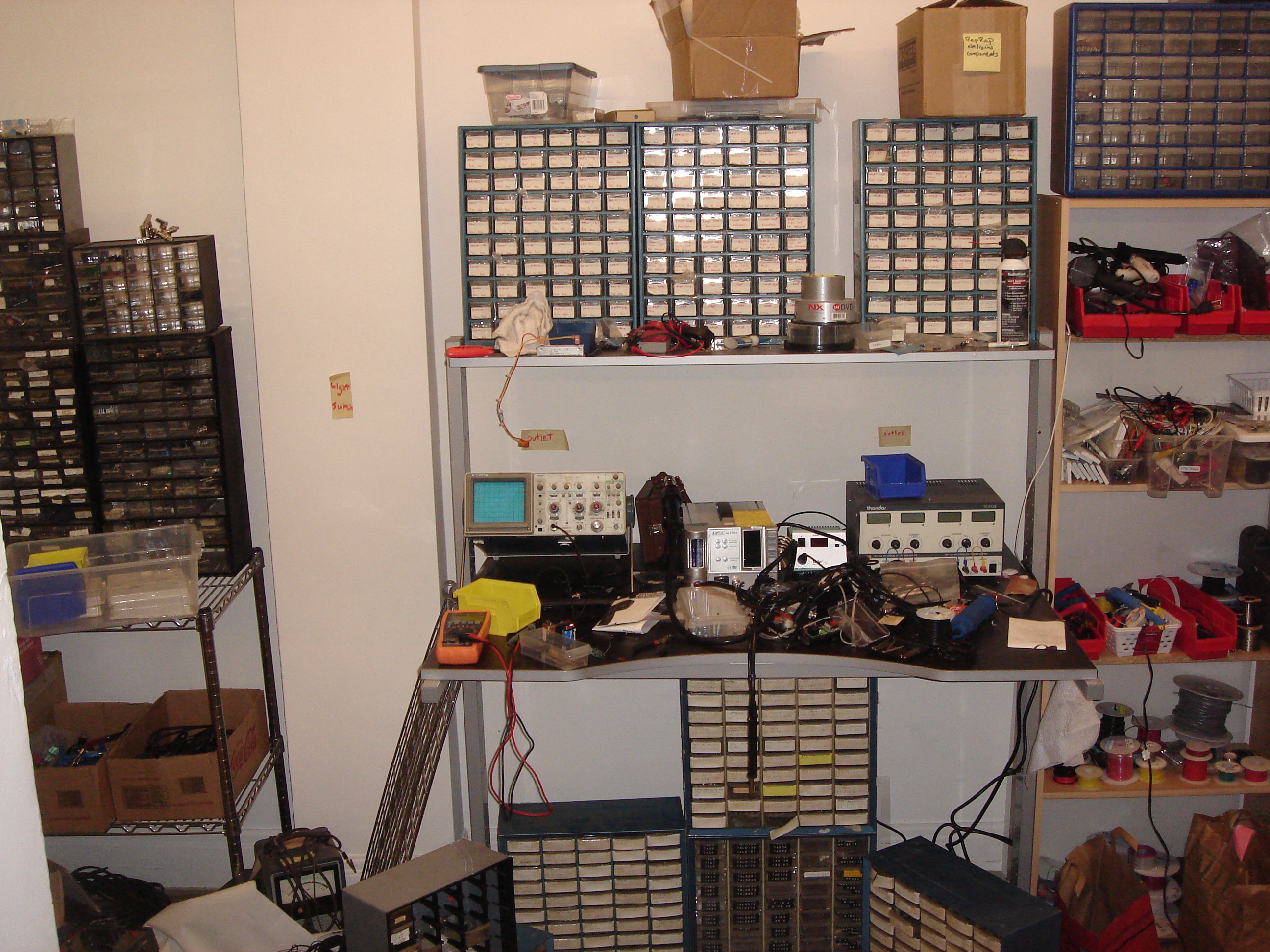
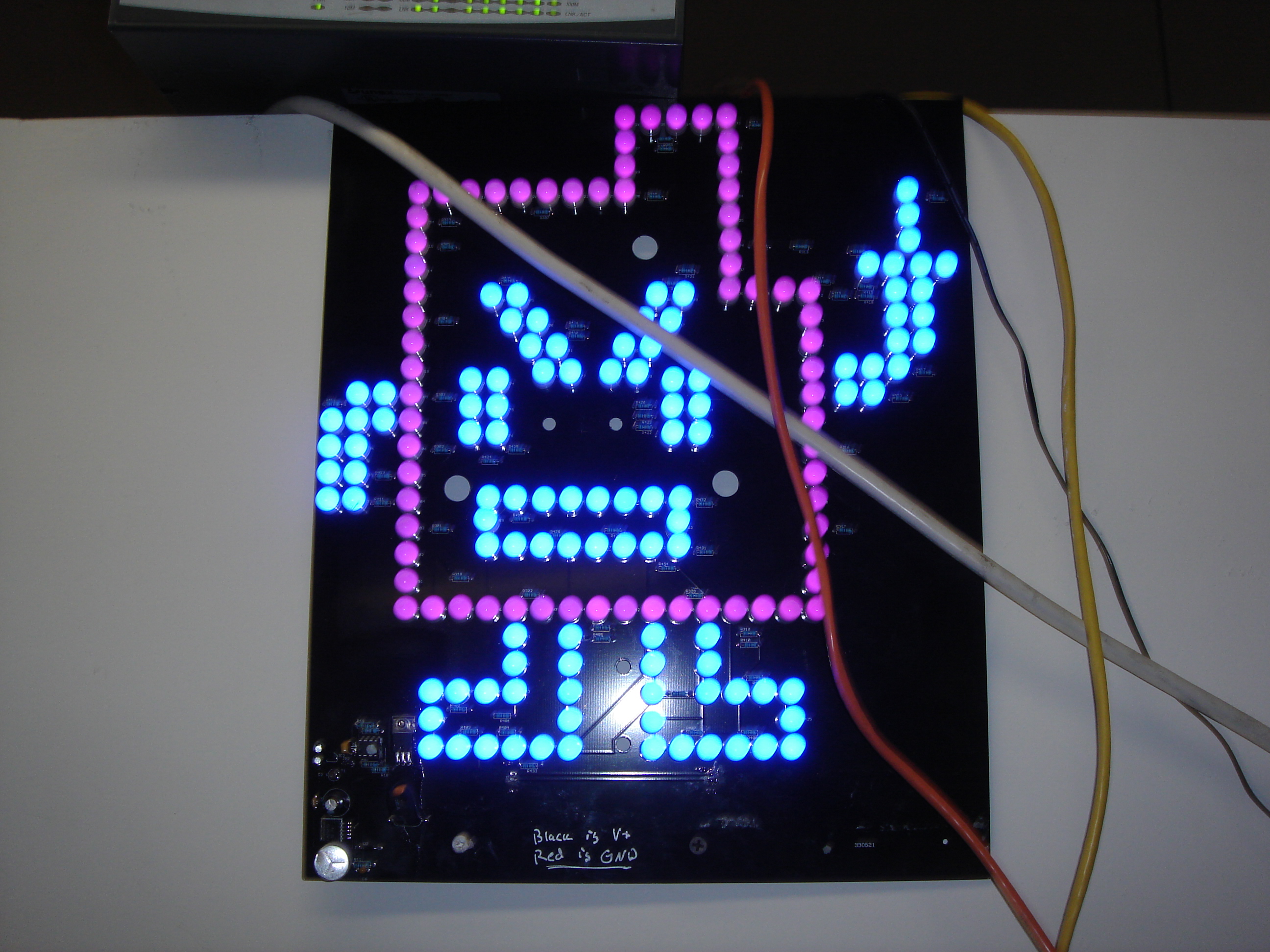
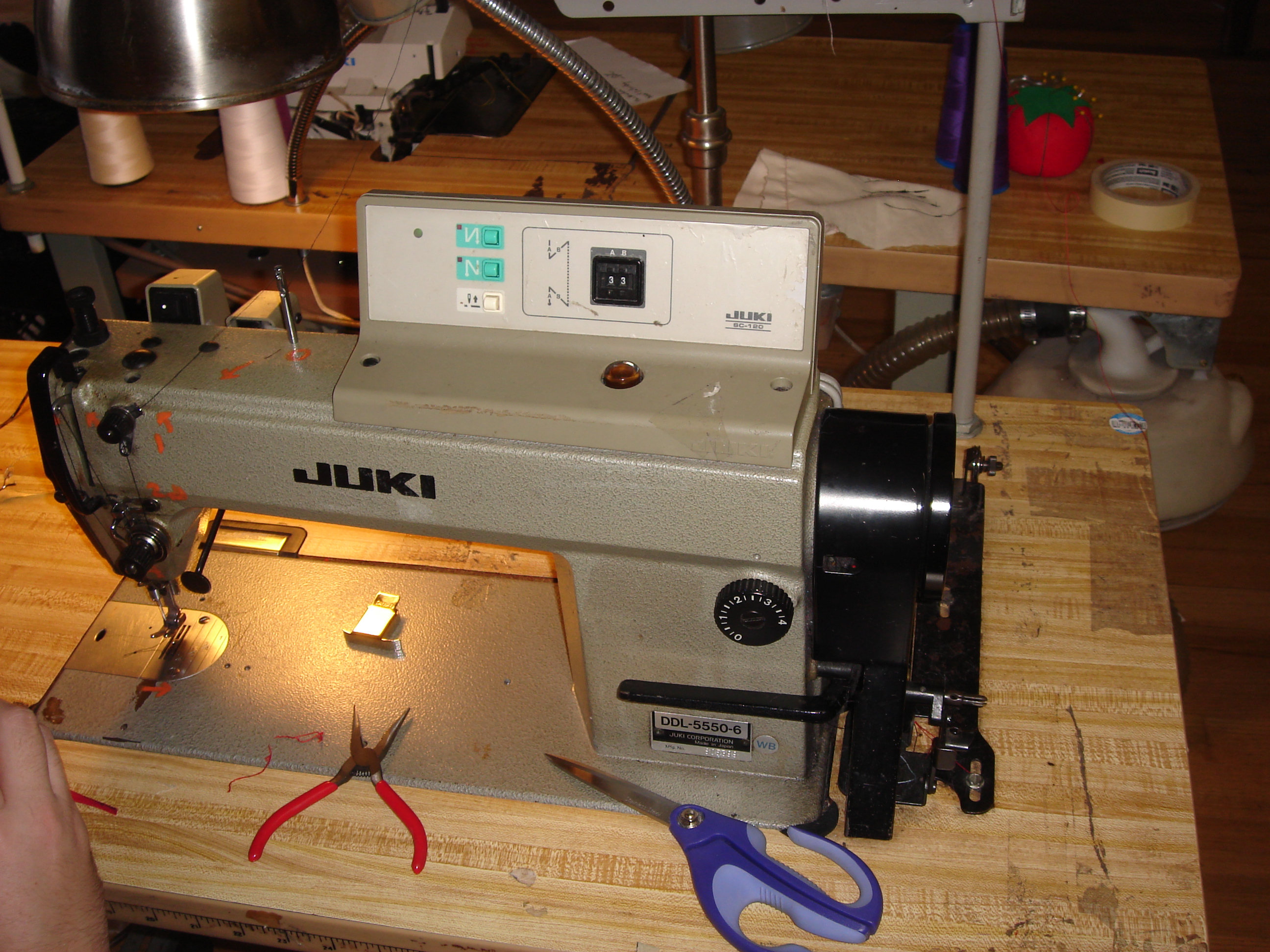
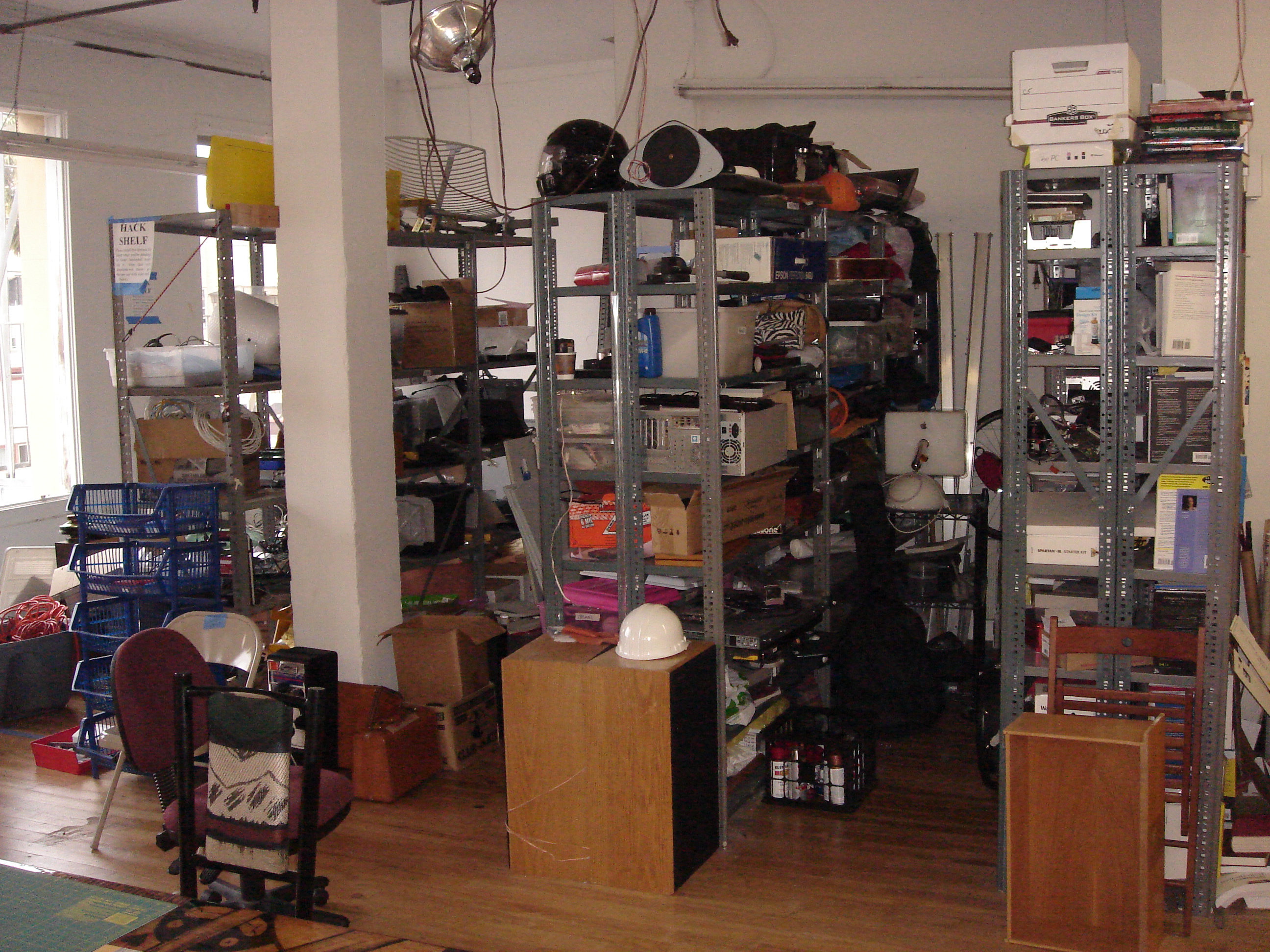
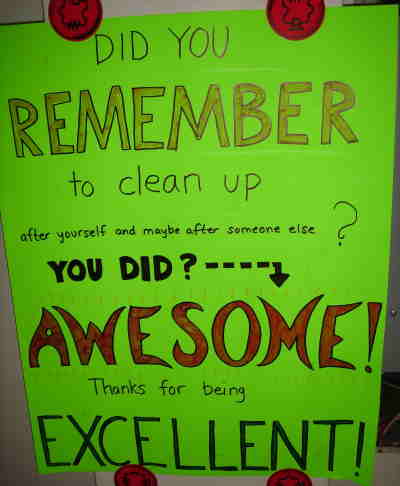
When in California last year I visited the NoiseBridge [1] Hackerspace. I was very impressed with what I saw, good equipment and very friendly people. The general concept of a HackerSpace is that it is an environment to support random creative projects. The first picture is a sign near the door which is clearly visible to anyone who is leaving, it encourages people to be AWESOME and EXCELLENT by cleaning up after themselves (and maybe others). I think that this demonstrates the core of what is needed to get such a community project going. Generosity towards others was on display everywhere, there was some free fruit on a table as well as a bottle of Port for anyone to drink. Someone had written a note saying that it s not an insecure Port (a computer security joke). Someone had created an artwork that resembled an advert which some idiots had mistaken for a terrorist bomb (the creature displaying the Impudent Finger). The main (only?) phone in NoiseBridge is apparently a VOIP phone, it is located next to an old pay-phone along with some Magnetix and other toys that can be used by curious people of any age. Magnetix have had repeated safety problems that caused recalls so maybe such things are best placed in an 18+ environment. When I visited about 10 people were working on electronics projects. There were a number of soldering irons in use and some serious test equipment (including a couple of CROs) was available. The people doing the soldering were eager to teach other people about their work. Other equipment that was available included some serious industrial sewing machines and some drill presses. A lot of that equipment is unreasonably expensive to buy for personal use and is also rather bulky to store, having it available in a central location is a great service for the community. Finally Noisebridge has a lot of space. There are rooms that could be used for giving small lectures and couches in the central area for people to relax and have impromptu meetings. Of course they had wireless net access too. Australian Hacker Spaces Kylie Willison has written about the Adelaide Hackerspace which sounds promising [2]. The Connected Community Hackerspace is a new one in Melbourne [3]. It operates out of the homes of members so it s not nearly as big as Noisebridge (which has a substantial property rented for 24*7 operation). I hope that we can get something running permanently in the Melbourne city area in the near future. The Noisebridge membership dues are $80 per month (or $40 for starving hackers). I would pay that for a comfortable chair in a convenient city location with net access surrounded by cool people! Poster telling people that they are AWESOME and EXCELLENT if they clean upFree bottle of port with sign saying - this is not an insecure portVOIP phone in use, pay-phone for decoration, and MagnetixDrill presses and other heavy equipmentParts and CROs for electronic workRecreation of an advert that some idiots thought was a bombIndustrial sewing machineShelves full of random spare parts

14 March 2010

Biella Coleman: Training it up to Debconf

im_going_to_debconf10 That s right: I am taking the train uptown to my old romping ground, Columbia University, for Debconf10. I am supremely and superbly excited as I tend to really like these events, so much so, that I am also pretty involved with the organizing team. For those on the edge of a decision, here are a few thoughts that might push you toward the edge of f*ck yea, I am gonna go! So one important, one of the MOST important parts of the conf is the venue and Columbia University is a fantabulous venue. In fact, it is the only great venue, imho, in all of Manhattan so I was pretty thrilled (and relieved) to hear that it was secured. It is an oasis in an otherwise bustling city. And better, a compact oasis where everything is nestled and close to each other, within like 3 minutes walking distance of each other. Even better is that the grounds and architecture are quite beautiful and charming. There are these majestic stairs, the steps where you can soak in the sun, great lawns for tossing a Frisbee, wonderful and smaller patches of lawn behind old school red brick buildings, and statutes, one of which is great for climbing on to sit and contemplate the day or night or just life, as I used to love to do. It is a great campus for staying up late and watching the sun rise. My fondest times was when the campus was blanketed under a mountain of snow, but it is pretty nice over the summer as well. We have also secured an all night hack lab, which is a pretty essential touch. We are also thinking beyond the venue, concocting and expanding ideas for contributions, a great day trip (that will likely not entail a bus but a beach, lots of Russians, roller coasters, and even baseball, oh and lots of NY Kitsch), and there are many other ideas swirling around. We are about to release the call for contributions so you will learn more, including some information on how to brainstorm with us, so be on the look out and remember to register if you ve made your decision!

Biella Coleman: Training it up to Debconf

im_going_to_debconf10 That s right: I am taking the train uptown to my old romping ground, Columbia University, for Debconf10. I am supremely and superbly excited as I tend to really like these events, so much so, that I am also pretty involved with the organizing team. For those on the edge of a decision, here are a few thoughts that might push you toward the edge of f*ck yea, I am gonna go! So one important, one of the MOST important parts of the conf is the venue and Columbia University is a fantabulous venue. In fact, it is the only great venue, imho, in all of Manhattan so I was pretty thrilled (and relieved) to hear that it was secured. It is an oasis in an otherwise bustling city. And better, a compact oasis where everything is nestled and close to each other, within like 3 minutes walking distance of each other. Even better is that the grounds and architecture are quite beautiful and charming. There are these majestic stairs, the steps where you can soak in the sun, great lawns for tossing a Frisbee, wonderful and smaller patches of lawn behind old school red brick buildings, and statutes, one of which is great for climbing on to sit and contemplate the day or night or just life, as I used to love to do. It is a great campus for staying up late and watching the sun rise. My fondest times was when the campus was blanketed under a mountain of snow, but it is pretty nice over the summer as well. We have also secured an all night hack lab, which is a pretty essential touch. We are also thinking beyond the venue, concocting and expanding ideas for contributions, a great day trip (that will likely not entail a bus but a beach, lots of Russians, roller coasters, and even baseball, oh and lots of NY Kitsch), and there are many other ideas swirling around. We are about to release the call for contributions so you will learn more, including some information on how to brainstorm with us, so be on the look out and remember to register if you ve made your decision!

7 March 2010

Emilio Pozuelo Monfort: RCBW #1 Me too!

After fixing some bugs this week, I ve noticed they ve been one per day (on average) so I think I m joining Stefano Zacchiroli on this RCBW thingie let s see if I can keep up! These are this week s bugs: #561645 gdesklets Doesn t work with python2.6 (thanks to Andrew Starr-Bochicchio)
#571488 gedit FTBFS with Python 2.6 as default
#571517 totem FTBFS with Python 2.6 as default
#571510 rhythmbox FTBFS with Python 2.6 as default
#533836 spe FTBFS with Python 2.6 as default
#569378 gnet FTBFS
#551215 gtkmm-documentation FTBFS I ve also sponsored gnome-dvb-daemon for Sebastian Reichel, which fixes two more RC bugs: #566949 gnome-dvb-daemon FTBFS with Python 2.6 as default
#569480 gnome-dvb-daemon FTBFS It s interesting to note that all of the above bugs except for the spe one are from pkg-gnome packages. We still have a few more, although they are the hard ones so it s not gonna be that easy for the next week

1 March 2010

Diego Escalante Urrelo: GNOMEs in Chile

Update March 1st, 24 UTC: Reynaldo Verdejo is ok, the list is complete! Update March 1st, 16 UTC: Alejandro Vald s, Fabi n Arias, Carlos R os Vera and Germ n P o-Caama o have been in contact with others in Chile. :) Probably by now some of you know or are worried about the situation in Chile. I m not chilean nor in Chile but I ve been following closely due to the considerable number of good friends I have there, most of them related to GNOME.
From The Big Picture (AP Photo/Roberto Candia) Juan Carlos Inostroza (blog down) suggested I publish the list of GNOME/Free Software people in Chile that has reported since the earthquake and are fine, here it goes: Known, found and good: Not know, nor found, we presume good but without cellphones: If you have been in contact with any of them, leave a comment, send a DM in twitter (@diegoe) and etc. List is not complete, I probably forgot someone, please remind me. Will update if I get news from anyone.

29 December 2009

Neil Williams: Intermittent tasks

Sometimes, the main task at any one time is simply going to take time and cannot be shortened. With my poor network connection, this tends to occur any time I need to do network tasks like multistrap and debootstrap tests, archive updates and the rest. The problem is that my network connection is so bad, most apt type tasks completely saturate all available bandwidth, especially when downloading a single large package like those built from gcc or OOo.

Thankfully, gpdftext has provided an intermittent task that is useful, intermittent, non-network dependent and relatively straightforward (so as not to be too distracting from the main task) without being sufficiently routine to make me think about automating it.
I've downloaded some 70 public domain novels as A4 PDF and I'm gradually working through them in gpdftext to tidy up the chapter headings and reformat as an A5 PDF, ready to be transferred back to my ebook reader.

This version of gpdftext isn't released yet (it's current SVN, 0.1.0) as it's in string freeze. However, it provides a fairly robust test of the next release. :-)

Current list includes: Little Women, Fairy Tales of Hans Christian Andersen, Lady Susan, Northanger Abbey, Pride and Prejudice, Sense and Sensibility, Peter Pan (Peter and Wendy), Lorna Doone: A Romance Of Exmoor, The Gap in the Curtain, The Thirty-Nine Steps, Through the Looking Glass (And What Alice Found There), Fanny Hill: Memoirs of a Woman of Pleasure, Moll Flanders, Robinson Crusoe, The Further Adventures of Robinson Crusoe, A Tale of Two Cities, David Copperfield, Great Expectations, Little Dorrit, Oliver Twist, The Life And Adventures Of Nicholas Nickleby, The Adventures of Sherlock Holmes, The Casebook of Sherlock Holmes, The Hound of the Baskervilles, The Memoirs of Sherlock Holmes, The Return of Sherlock Holmes, Cranford, The Wind in the Willows, King Solomon's Mines, Tess of the d'Urbervilles, The Hunchback of Notre Dame, Declaration of Independence, Just so Stories, Kim, The Jungle Book, The Man Who Would be King, The Arabian Nights, Lady Chatterley's Lover, Sons and Lovers, Women in Love, The Story of Doctor Dolittle, The Call of the Wild, The Game, White Fang, Moby Dick, Anne of Green Gables, The Well at the World's End, Pygmalion, An Inquiry into the Nature and Causes of the Wealth of Nations, East is West, Strange Case of Dr Jekyll and Mr Hyde, The Jewel of Seven Stars, Anna Karenina, The Adventures of Huckleberry Finn, The Adventures of Tom Sawyer, The Kama Sutra, 20,000 Leagues Under the Sea, The Aeneid of Virgil.

That should be enough for now.... (21 converted so far).

20 December 2009

Russell Coker: I Bought the Bose QC-15

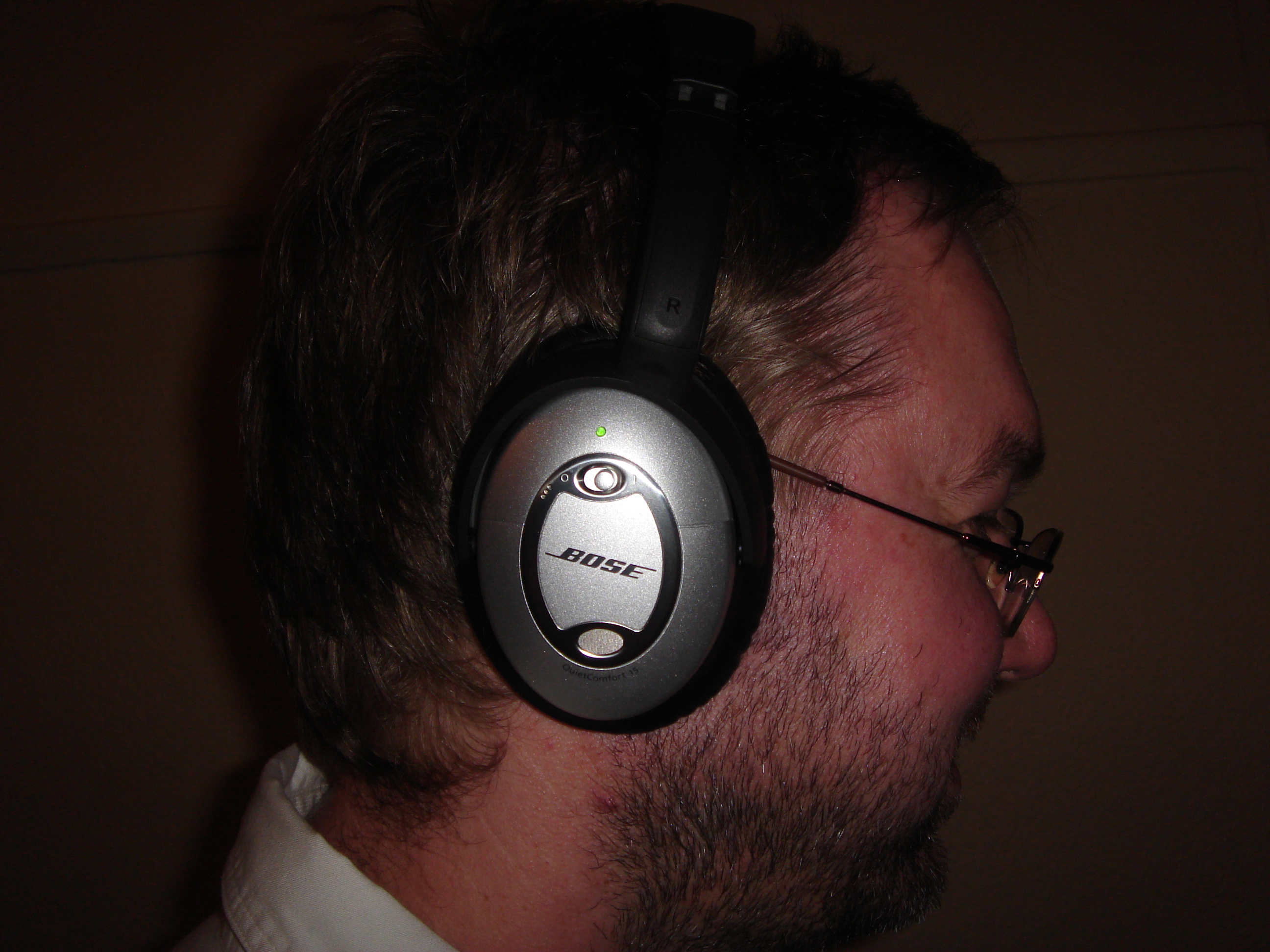
I bought the Bose QC15 noise canceling headphones for my trip back from the US. See my previous posts about Noise Canceling Headphones [1] and Testing Noise Canceling Headphones [2] for the details of my search. I first tried my new headphones in my hotel room and they worked really well at blocking the noise from the nearby road (El Camino Real in Menlo Park) as well as the noise from the heater in my room. At the airport they entirely blocked the sound of the airport air conditioning system (which was surprisingly loud I didn t realise how loud until I tried the headphones). On the flight the headphones worked really well. I used them for hours when they weren t plugged in to any source, just stopping the noise was a huge benefit. I was also able to listen to music (both MP3s on my laptop and the plane sound system) at a relatively low volume with an apparent high quality. The Bose store I visited in Stanford mall has a sound system set up to emulate the noise you experience inside a jet to demonstrate what the headset can do. It really lives up to this demonstration! I recommend them to anyone who wants over-ear noise canceling headphones and can afford $US300 + tax. But one thing to note is that not everyone likes such things my wife didn t like the sound that they generate (the least bad way to describe it is as a soft hiss). This is definitely not something you would want to buy based on reviews alone, it must be tested in-store. The main technical suggestion I can make for improvement to the QC-15 is for it to have slightly softer and thicker padding where it contacts the sides of the wearer s head. I find that my glasses prevent it from making as good contact as I would like, and that when wearing it while eating the contact is significantly broken with every jaw movement which is really annoying. A minor suggestion is that every pair of headphones should have the left and right ear pieces clearly marked, I really shouldn t have to read an instruction manual to discover which way to wear it. One thing that surprised me was the inclusion of business cards for the headset! Here is a picture:

The picture links to a larger picture that also shows the French version of the same text on the other side. I was astonished by this, encouraging happy customers to help sell your products is a reasonable and effective form of product promotion (really this is what I m doing for Bose with this blog post). But giving customers business cards is going too far anyone who wants me to hand out their business cards can offer to pay me to do so (and I probably won t accept). But if such things are considered to be a good idea then here are a few suggestions for other things that they could do:
  1. Create a Bose dating site where one can meet people who like music and traveling (this does sound appealing). In about 10 years the children of people who meet that way would start buying audio gear
  2. Start a Bose fan club.
  3. Create a template that be used by a tattoo parlor to make a Bose tattoo.
  4. Sell Bose fan t-shirts to people who aren t dedicated enough to get a tattoo.
  5. Register Bose as a religion, that gets tax free status among other benefits.
It s a pity that Bose doesn t make any water-proof noise canceling headphones. It would be something for their marketing people to wear while jumping over a shark on water skis [3]. But seriously the best thing that Bose could do to have their products promoted would be to start by printing the web site for each product on the item, my headset has two patent numbers listed which seem unlikely to provide any benefit for anyone, in that space they could have printed the global.bose.com/qc URL that is on the business card. Of course providing the URL really doesn t do any good when the URL actually is useless. It starts by giving me a page asking which country I am in the correct thing to do is to use geoip to determine the country and then give the user the option of selecting another country if that one is not ideal. Then after I select a country it doesn t take me to a specific page for the product! I could have typed in www.bose.com and got the same result (in terms of US shopping at least) while typing six fewer characters! Next like most corporate web sites the Bose site doesn t appear to be configured for longevity of URLs URLs which are clearly designed for the computer rather than humans are expected to change without warning. This discourages linking to any page that one might discover through web searches or navigating the site, and causes them to lose a lot of potential links. Having specific URLs for all the products (including the obsolete ones) that are designed firstly for humans to read and write would be a good idea. It would be really useful to be able to compare the features of new products with the ones that are going cheap on eBay. For someone who is considering buying a new product now the purchase decision would be easier if they knew that the company would provide resources to help them get a better price on eBay in a few years if they want to upgrade to a newer model. One thing to keep in mind is the fact that the reputation of a company (which makes a dramatic impact on the prices customers are prepared to pay) depends largely on a long history of making quality products. Telling customers about those historic products is one of the most sensible things that most corporations fail to do on the Internet.

2 December 2009

Margarita Manterola: Life after DebConf8

Finally, after more than a year of preparation, and six months of very very hard work, DebConf8 has come and gone. Even if I'm not yet completely recovered from all that stress, I'm good enough to feel really happy about how things turned out. DebConf8 was a great success. We had great talks, many opportunities for developing interesting ideas, a lot of social interaction, an awesome video team that allowed more than 200 people from all around the world to be part of the conference even if they weren't in Argentina, and in general almost everyone had a very good time. It was really nice to have so many people from Debian over here, and it was specially nice to see them working and enjoying themselves so much. This was all possible thanks to our sponsors, thanks to the many hours spent during the previous months both by the DebConf orga-team (the usual suspects) and specially by the local team, which includes Tincho, Dami n, Romanella, Maxy, Sebas, Zero, Mendieta, Dererk, Melisa, Angasule, Lisandro, Nueces, and also thanks to the all help of the volunteers that came to work with us during DebCamp and DebConf, which include Tom s, Tinchito, M nica, Lucas, Germ n, Diego, Fefu, Nicol s, Mart n, Marcos, Hern n, Alejandro, Mat as, Rodrigo, Alberto and Joaqu n, and finally, DebConf wouldn't have been the great event it was without all the people that managed to travel thousands of kilometers to get here. To all of them, thanks, for making DebConf8 such a great conference Now, at last, DebConf8 is over (although there is some stuff that we still need to do before we can really forget all about it), and life goes on. Today, I did my first NMU after a long time. I'm particularly glad to have time for fixing bugs again, but I won't lie, I'm also extremely satisfied with how DebConf8 turned out. See you in Extremadura!

24 October 2009

Gustavo Noronha Silva: GNOME Shell for Debian

Over the last few days I have worked for some hours on packaging the last dependency of GNOME Shell that was missing in Debian: gjs. That work has been sponsored by Collabora, along with the work required to package GNOME Shell itself. I was very impressed by the time it took for FTP Masters and Assistants to deal with the new packages - it only took a couple days for each; kudos! What this all means is that you can now easily test GNOME Shell, and even make it your default environment on a Debian unstable system, by just installing the gnome-shell package. As I expected, some people have been having trouble with the new package, but the general feedback has been fairly positive. If the README.Debian package doesn t help you with your specific issue, do take the time to file a bug report! By the way, thanks go to Joss, for his work on dh_girepository, and for him, and Sebastian Dr ge for their work on creating the new GObject Introspection policy.

12 October 2009

Christian Perrier: What marathon now?

So, now that I completed my 2009 program by running the Cologne marathon 6 months after my first one in Paris, I now plan the 2010 "season"..:-) (one point for you guys who told me that once you start you don't stop) The next step is definitely Paris. The race is close to my home, this is a great race in a great city at a great time. I really can't miss it. So, that one is registered. The point is "what about 'the other one'". I plan to run another marathon during that year, preferably during autumn. Actually, I would probably be able to run at least one more but, well, many people urge me to avoid exxagerating and that includes my beloved wife..:-) So, one more. Which one? At this very moment, I have about 4 options: So, at this moment, Berlin and Donostia have the lead. A good compromise could be running a marathon in Berlin and the 20km Behobia-San Sebastian run which is very popular in Basque country. We'll see..

11 October 2009

Sebastian Rittau: VirtualBox on i386 with amd64 Kernel

I have recently started to use an amd64 kernel on my i386 Debian unstable system. Unfortunately, VirtualBox OSE does not work with that setup. When I try to start a virtual machine, it fails with an oblique error message:
RTR3Init failed with rc=-1912 (rc=-1912) The VirtualBox kernel modules do not fit to this version of VirtualBox. The installation of VirtualBox was apparently not successful. Executing

'/etc/init.d/vboxdrv setup'

should fix that problem. Make sure that you don't mix the OSE version and the PUEL version of VirtualBox.
Debian bug #456391 explains the problem. In that report Michael Meskes alludes to running VirtualBox in an amd64 chroot jail, so I tried this myself. It works flawlessly, once I got it setup. Here is what I did (as root):
robinson:~# mkdir /srv/amd64
robinson:~# cdebootstrap --arch amd64 sid /srv/amd64 http://ftp.debian.org/debian/
[...]
robinson:~# chroot /srv/amd64
robinson:/# apt-get update
[...]
robinson:/# apt-get upgrade
[...]
robinson:/# apt-get install virtualbox-ose # add more packages here if needed
[...]
robinson:/# adduser --uid 1000 --no-create-home --disabled-password --disabled-login srittau
[...]
robinson:/# 
These commands install the base system and create a user account. Now I created a script called /usr/local/bin/amd64.sh:
#!/bin/sh
CHROOT=/srv/amd64
if test ! -e $CHROOT/dev/.udev; then
    mount -t none /dev $CHROOT/dev/ -o bind
fi
if test  ls $CHROOT/proc   wc -l  = "0"; then
    mount -t proc none $CHROOT/proc
fi
if test  ls $CHROOT/sys   wc -l  = "0"; then
    mount -t sysfs none $CHROOT/sys
fi
if test  ls $CHROOT/home   wc -l  = "0"; then
    mount --bind /home $CHROOT/home
fi
chroot $CHROOT sh -c "su - srittau"
Running sudo amd64.sh will now enter the chroot environment as user srittau where I can start virtualbox normally.

25 September 2009

Kumar Appaiah: Community at work - a success story

This is a positive event which happened to me recently in a Debian bug report, with regard to audio troubles. There are several positives, and I owe some gratitude to several people in the Debian (and ALSA) community, so I thought a blog post would be a good idea. It also shows the advantage in filing a well-written installation report to the Debian project. Here is the description of events.This was an extremely positive experience. While I agree that the number of people who would encounter this quirk may not be large, it makes me happy that at least some users who use Linux on this hardware will not have to face this issue anymore, irrespective of which distribution they use, as long as it carries an up-to-date ALSA.I wanted to share this experience with you, since this is a glowing example of how the "community" approach works perfectly for FOSS. Thanks to Elimar, for being a concerned maintainer, and to the ALSA upstream developers who were proactive in producing a fix to this problem. And, most of all, thanks to me, for filing an installation report; these things really work! (OK, tongue-in-cheek. But I did take the effort of filing it, so I deserve the credit, don't I?) :-)So, have you filed an installation report for your Debian installation? If not, I urge you to do so; I sincerely believe that filing good bugs and being proactive in helping developers zero in on the problem and fix is an important contribution to free software which any user can do. And the best way to start this process in Debian, is with an installation-report. :-)Tags: debian

14 September 2009

Jo Shields: Flash Wins! Hoo-freaking-ray! Adobe are so awesome!

For those who aren t clinically dead, you may have heard of the BBC . The BBC are the state-ish-funded TV network in the UK, and the country s biggest broadcaster, alongside three other major terrestrial broadcasters who make their content widely available without payment ITV, Channel 4, and Five. These broadcasters also make some or all of their programming available for streaming over the Internets usually their home-grown programming only, not licensed stuff from America. Now, once upon a time, the online functionality was mostly offered via a proprietary P2P-and-DRM-based system called Kontiki. Kontiki was unpopular for various reasons for example, it was Windows-only, and banned by several Internet providers due to the use of P2P (e.g. I know such technology is still banned on the University of Oxford network). As a result, this lead to the introduction and eventual replacement of browser-based streaming solutions, starting with the changes made to BBC s iPlayer. iPlayer is nowadays a combination of an Adobe Flash service for web surfers, an unencrypted MP4 streaming service for users of mobile devices such as iPhones, and as of a couple of weeks ago, has streaming support built directly into the PlayStation 3 s user interface too. Oh, and on the PC, it supports DRM-based downloading courtesy of the Adobe Air platform, on Windows, Mac, and Air-capable (x86) Linux. Channel 4 s service 4od, and Five s Demand Five, are also based on Adobe Flash, and streaming-only. They re basic and functional. The final interesting one here is ITV s ITV Player. ITV Player was, until about a week ago, the only non-Flash service, instead making use of Microsoft Silverlight. They have now changed to be Flash-based, like their peers, meaning the entire market mandates use of the Adobe Flash plugin or, at a push, command-line utilities or browser plugins which grab the raw video files from the broadcasters servers, in violation of their licenses. Why is this interesting? Well, when ITV Player used Silverlight, we could watch TV using Free Software: Novell Moonlight 2.0 Beta 1.1 and above worked fine with it, on i386 and AMD64 (and other architectures with a recompile). Now that it s using Flash rather than Silverlight, where do we stand for watching streaming TV legitimately with Free Software? Let s take a peek! Firstly, some preamble. I m running Ubuntu Jaunty, and I hand-compiled a SVN (I think SVN? Maybe Bzr) snapshot of Gnash revision 11485 to ensure I had an up-to-date view of proceedings. It definitely seems to be working, as I m introduced to the world of Flash advertising via Gnash, and Youtube.com also works, more or less. And I m not discussing Adobe s Flash plugin here, for various reasons: So, Gnash it is. Firstly, it s a PITA to compile, as upstream seem to have misunderstood how AutoFoo works i.e. it detects that you don t have headers installed for certain features, and tells you so, yet still enables those features at configure-time (and obviously fails when building). Hey guys, if I don t have qapplication.h, take the hint and disable KDE support for me like every other bloody app does. With that out of the way, let s get to it! BBC iPlayer Well, what does the landing look like?
BBC iPlayer Landing

BBC iPlayer Landing

Looks fine to me! Let s try playing a show!
BBC iPlayer Playback

BBC iPlayer Playback

Oh. Um Never mind, then. Seems iPlayer s JavaScript to detect Flash presence doesn t pick up on Gnash, and it bails out. Score so far: 0/1 Demand Five Another former Kontiki partner, how do these guys fare?
Demand Five Landing

Demand Five Landing

Hey, that looks pretty good to me! Perhaps we re onto a winner this time?
Demand Five Playback

Demand Five Playback

Poot. Gnash is definitely being invoked see the context menu there but it sure isn t doing anything useful. Score: 0/2 Channel 4 4od How do those hip cats at Channel 4 fare?
Channel 4 4od Landing

Channel 4 4od Landing

Hm Gotta confess, not feeling too hopeful about this one
Channel 4 4od Playback

Channel 4 4od Playback

Oh, well, even worse than iPlayer. What you folks might not recognise is the missing Play buttons which are supposed to be to the right of the program descriptions in that list of episodes. Presumably more Javascript/Flash interop failure. 0/3 ITV Player Last, but not least, how does the newest entrant into Microsoft-free streaming fare?
ITV Player Landing

ITV Player Landing

Now, now, in fairness, it s always been this bad, even when they used Silverlight weirdos that they are, ITV have always used Flash for their navigation, even when they used Silverlight for playback. The Flash-based navigation you (don t) see here is barely any better even with the proprietary Flash plugin. What the proprietary plugin does NOT do, however, is consume the 750 or so meg of RAM that Gnash did when sat idle on this screen. I mean, that s not a problem, that s why I have 6 gig in here, but still, not wise on Wifey s netbook.
ITV Player Playback

ITV Player Playback

Oh. Well then. 0/4 it is. So? What annoys me here isn t so much that nothing works. I m used to there being temporary gaps in Free Software functionality, that s pretty normal. But I m greatly vexed that one of these four used to work on a Free platform, and now it doesn t and that places like UbuntuForums are filled with people celebrating that fact. Celebrating that ITV have stopped using the evil nasty Microsoft system which happened to have a functional Free replacement and that they ve now moved to a non-Microsoft system which mandates a proprietary plugin. It s not the first time either Major League Baseball in the USA used to use Silverlight for their HD streaming, and now they use a combination of Flash and a proprietary Windows-only extension to Flash to make it load WMV files this is considered a victory. It really isn t. We should NEVER be forced to use Proprietary software in order to surf the web yet now we ve gone from having access to 25% of the UK s streaming TV services via Free Software to 0% of them, and people are happy about it. So, I want you to think long and hard about this question, one which seems to get the oddball answer far too often: What is more important promoting Free Software, or demoting Microsoft Corp?
11 September 2009

Steve McIntyre: Silly photos from Spain

While driving through Spain around DebConf, I saw a few things that I thought I should share with the world... San Sebastian runs on dbus!
let's all take the d-bus! ALSA on a coach:
alsa-riffic Wonderful fuel economy! We managed to fill up with diesel, then coast for about 15 miles down a very very very long downhill stretch into Bilbao. And just before we stopped at a toll booth at the bottom of the hill, the car's estimated MPG figure flipped to 99.9 and we got a blurry photo.
we could drive home on that tank...

10 September 2009

Steve McIntyre: Cool DebConf

Yeah, OK, I suck and I should have posted about DebConf 9 while I was there or shortly afterwards. Well, I've been busy with various things (or, to be more specific, one person \o/). I'm slowly catching up on stuff now, so I thought I'd write something and link to some photos! I drove down from the UK with Neil, Chris and Chris and we had a good trip. We left Cambridge really early on Wednesday the 22nd, stopped at Le Mans for lunch, then headed to San Sebastian overnight. The French autoroutes were mostly empty and we made very good time, swapping drivers every two hours. Le Mans The venue was superb, with just about all the facilities we needed on site. And there was a handy outdoor bar in the park just up the street. Yay! MT residence As always, it was excellent to meet up with Debian friends old and new from all over the world. The DebConf team did a great job of making the conference happen and I had a wonderful time, as did everybody else I spoke to. Tincho! There was an official day trip involved, but as we had 2 cars from the UK a group of us rebelled and made our own trip out to do touristy things. We visited the Roman ruins in Merida (photos here), then as we were so close to Portugal we decided to head over the border and found the lovely old town of Elvas. Elvas After the conference, we headed slowly back up to the north coast of Spain, stopping over in Madrid and then Bilbao before catching the overnight ferry back to England. Along the way on that trip we saw a few sights such as the historic city of Pamplona and the "Valley of the Fallen", the monument to people killed in the Spanish Civil War. Valley of the Fallen I got back to Cambridge late on Monday the 3rd, tired but happy. We'd done 2,400 or so miles in the car and several hundred more on the ferry, and we'd all had a great journey. We saw some silly stuff along the way too, and I'll post more about those soon.

8 May 2009

Asheesh Laroia: What is open source (and Free Software) missing? / Moving to Atlanta

Tim and my mother are both neonatologists at the Golisano Children's Hospital inside the University of Rochester. Earlier today, they had this conversation:
My mother: My son Asheesh is moving to Atlanta.
Tim: Is it for a girl?
My mother: I don't really know what the kids are doing as far as girls, but no....
In fact, I'm moving to Atlanta because Shotput Ventures funded me, Nelson Pavlosky, and my friend Raphael Krut-Landau to start a company to improve interactions in the open source / free software world. We get enough money to live in Atlanta from May 18 to August 6, and after that, we have to seek more funding. This has led to a series of ironies. The first is that I am working on a startup. The second is that I left San Francisco to do it. But I have already moved out of San Franisco, and I have left my job at Creative Commons. (Feel free to get in touch with me (outside my website's comments) about filling my shoes there.) Thanks, Nathan and Mike, for giving me the chance to contribute to CC, an organization and project that I have always had a great passion for. For a while, I may seem vague about the project I am about to undertake; it's because I still want to nail down some details between the three of us. When Nelson, Raphael, and I arrive in person, we're going to kick into gear. I've been chatting with a few of you over the past few months about ideas, and I do want to especially thank Karl Fogel and Mako Hill for helping the three of us think through what could be done. Some questions for readers: Feel free to email me (asheesh at asheesh.org) if you'd rather not comment publicly. I have a few ideas of my own, and I hope to be tossing them up for everyone to bat at soon! P.S. Noisebridge, I will miss you!

21 April 2009

Clint Adams: bug democracy

I don't know what votes are in a bug tracking system, but it's almost enough to distract me from sharing my opinion about Seb Ruiz, whoever he is.

5 March 2009

Colin Watson: Bug triage, redux

I've been a bit surprised by the strong positive response to my previous post. People generally seemed to think it was quite non-ranty; maybe I should clean the rust off my flamethrower. :-) My hope was that I'd be able to persuade people to change some practices, so I guess that's a good thing. Of course, there are many very smart people doing bug triage very well, and I don't want to impugn their fine work. Like its medical namesake, bug triage is a skilled discipline. While it's often repetitive, and there are lots of people showing up with similar symptoms, a triage nurse can really make a difference by spotting urgent cases, cleaning up some of the initial blood, and referring the patient quickly to a doctor for attention. Or, if a pattern of cases suddenly appears, a triage nurse might be able to warn of an incipient epidemic. [Note: I have no medical experience, so please excuse me if I'm talking crap here. :-)] The bug triagers who do this well are an absolute godsend; especially when they respond to repetitive tasks with tremendously useful pieces of automation like bughelper. The cases I have trouble with are more like somebody showing up untrained, going through everyone in the waiting room, and telling each of them that they just need to go home, get some rest, and stop complaining so much. Sometimes of course they'll be right, but without taking the time to understand the problem they're probably going to do more harm than good. Ian Jackson reminded me that it's worth mentioning the purpose of bug reports on free software: namely, to improve the software. The GNU Project has some advice to maintainers on this. I think sometimes we stray into regarding bug reports more like support tickets. In that case it would be appropriate to focus on resolving each case as quickly as possible, if necessary by means of a workaround rather than by a software change, and only bother the developers when necessary. This is the wrong way to look at bug reports, though. The reason that we needed to set up a bug triage community in Ubuntu was that we had a relatively low developer-to-package ratio and a very high user-to-developer ratio, and we were getting a lot of bug reports that weren't fleshed out enough for a developer to investigate them without spending a lot of time in back-and-forth with the reporter, so a number of people volunteered to take care of the initial back-and-forth so that good clear bug reports could be handed over to developers. This is all well and good, and indeed I encouraged it because I was personally finding myself unable to keep up with incoming bugs and actually fix anything at the same time. Somewhere along the way, though, some people got the impression that what we wanted was a first-line support firewall to try to defend developers from users, which of course naturally leads to ideas such as closing wishlist bugs containing ideas because obviously those important developers wouldn't want to be bothered by them, and closing old bugs because clearly they must just be getting in developers' way. Let me be clear about this now: I absolutely appreciate help getting bug reports into a state where I can deal with them efficiently, but I do not want to be defended from my users! I don't have a basis from which to state that all developers feel the same way, but my guess is that most do. Antti-Juhani Kaijanaho said he'd experienced most of these problems in Debian. I hadn't actually intended my post to go to Planet Debian - I'd forgotten that the "ubuntu" category on my blog goes there too, which generally I see as a feature, but if I'd remembered that I would have been a little clearer that I was talking about Ubuntu bug triage. If I had been talking about Debian bug triage I'd probably have emphasised different things. Nevertheless, it's interesting that at least one Debian (and non-Ubuntu) developer had experienced similar problems. Justin Dugger mentions a practice of marking duplicate bugs invalid that he has problems with. I agree that this is suboptimal and try not to do it myself. That said, this is not something I object to to the same extent. Given that the purpose of bugs is to improve the software, the real goal is to be able to spend more time fixing bugs, not to get bugs into the ideal state when the underlying problem has already been solved. If it's a choice between somebody having to spend time tracking down the exact duplicate bug number versus fixing another bug, I know which I'd take. Obviously, when doing this, it's worth apologising that you weren't able to find the original bug number, and explaining what the user can do if they believe that you're mistaken (particularly if it's a bug that's believed to be fixed); the stock text people often use for this doesn't seem informative enough to me. Sebastien Bacher commented that preferred bug triage practices differ among teams: for instance, the Ubuntu desktop team deals with packages that are very much to the forefront of users' attention and so get a lot of duplicate bugs. Indeed - and bug triagers who are working closely with the desktop team on this are almost certainly doing things the way the developers on the desktop team prefer, so I have no problem with that. The best advice I can give bug triagers is that their ultimate aim is to help developers, and so they should figure out which developers they need to work with and go and talk to them! That way, rather than duplicating work or being counterproductive, they can tailor their work to be most effective. Everybody wins.

3 March 2009

Asheesh Laroia: Segmentation grace

Ladies and gentlemen, it seems that Google has finally done it: they shipped Multics for 386 (and compatible). NoiseBridge, this evening: I descended the stairs after teaching my introduction to programming class and found Geoff Schmidt in our San Francisco hacker space. I sat next to Geoff and overheard a lovely conversation with Mike Kan. Geoff told the sad tale of a beautiful, efficient, and dead operating system: Multics. Multics was written in the 1960s as a fast operating system for many users to share an expensive mainframe. It posed design problems never seriously tackled before, and after a decade, it had a practically perfect implementation for each of them. To achieve speed, it expected help from the hardware: registers on the processor split memory into different "segments," creating safe zones for each program to run in. The segment system was powerful and secure enough that a running process could execute code from another without the operating system kernel getting involved. The result was a fantasy come true: protection rings creating legendary security, the flexibility of a multi-user, multi-tasking operating system, and all this at hardly any performance overhead. (Naturally, such perfection is the result of years of work at MIT. So is Geoff.) This perfection came at a price: while Multics was uniquely well-designed and well-integrated, it expected specific support from the hardware it ran on. Geoff's expression deflated, and he pointed out that another operating system arrived on the scene: UNIX. Anyone could study the UNIX source code, and it ran on whatever you gave it. UNIX (a joke on the name Multics) eventually won by being worse: it was slow, unreliable, and worst of all: incorrect. But anyone could read it and make it work on the computer he happened to have. By the mid-1970s, UNIX's dominance over Multics was clear. Geoff skipped forward a decade to the 1980s. Intel had wanted to build a CPU that could be used as a modern computer, and users had shown that the puny memory protection system offered by the 286 wasn't adequate. The chip designers went back to the drawing board, and they brought back features that Multics invented: segmentation registers and protection rings. When shown these powerful, complex features, today's operating systems mostly ignore these Multics tricks and do the least work possible to build a UNIX-like flat memory model. Mike interrupted and howled about how he can't buy a "real Macintosh" anymore; Apple's computers were once based on a simple architecture, but now they are built with the same complex Intel CPUs everyone else uses. But I am writing this because of the release of Google Native Client, a browser extension that allows your computer to securely run machine code written by untrusted people on the Internet. How can it achieve this fantasy? The Wikipedia article summarizes the native client research paper:
Native Client is notable for its novel sandboxing technique which makes use of the x86 architecture's rarely-used segmentation facility.

12 February 2009

Sebastian Harl: Airport security ...

Supposedly, my low, casual shoes contain some longish and slender piece of metal in the sole. At least, that's what the X-rays at the airport detected when I was flying back from FOSDEM. While it isn't shaped like a typical knife, I didn't know how to tell it apart from a potentially hidden blade. Well, I guess that's what the people doing the security control are trained for ... Interestingly enough, it was only detected at the Zurich airport - neither the metal detectors in Nuremberg nor those in Brussels seemed to care about it.

Next.

Previous.