Review:
Why Buildings Fall Down, by Matthys Levy & Mario Salvadori
| Illustrator: |
Kevin Woest |
| Publisher: |
W.W. Norton |
| Copyright: |
1992 |
| Printing: |
1994 |
| ISBN: |
0-393-31152-X |
| Format: |
Trade paperback |
| Pages: |
314 |
Why Buildings Fall Down is a non-fiction survey of the causes of
structure collapses, along with some related topics. It is a sequel of
sorts to
Why Buildings Stand Up by Mario Salvadori, which I have
not read. Salvadori was, at the time of writing, Professor Emeritus of
Architecture at Columbia University (he died in 1997). Levy is an
award-winning architectural engineer, and both authors were principals at
the structural engineering firm Weidlinger Associates. There is a revised
and updated 2002 edition, but this review is of the original 1992 edition.
This is one of those reviews that comes with a small snapshot of how my
brain works. I got fascinated by the analysis of the
collapse of Champlain Towers South in Surfside, Florida in 2021, thanks
largely to a
random YouTube series on the tiny channel of a structural engineer.
Somewhere in there (I don't remember where, possibly from that channel,
possibly not) I saw a recommendation for this book and grabbed a used copy
in 2022 with the intent of reading it while my interest was piqued. The
book arrived, I didn't read it right away, I got distracted by other
things, and it migrated to my shelves and sat there until I picked it up
on an "I haven't read nonfiction in a while" whim.
Two years is a pretty short time frame for a book to sit on my shelf
waiting for me to notice it again. The number of books that have been
doing that for several decades is, uh, not small.
Why Buildings Fall Down is a non-technical survey of structure
failures. These are mostly buildings, but also include dams, bridges, and
other structures. It's divided into 18 fairly short chapters, and the
discussion of each disaster is brisk and to the point. Most of the
structures discussed are relatively recent, but the authors talk about the
Meidum Pyramid, the
Parthenon (in the chapter
on intentional destruction by humans), and the
Pavia Civic
Tower (in the chapter about building death from old age). If you are
someone who has already been down the structural failure rabbit hole, you
will find chapters on the expected disasters like the
Tacoma
Narrows Bridge collapse and the
Hyatt
Regency walkway collapse, but there are a lot of incidents here,
including a short but interesting discussion of the
Leaning Tower
of Pisa in the chapter on problems caused by soil properties.
What you're going to get, in other words, is a tour of ways in which
structures can fail, which is precisely what was promised by the title.
This wasn't quite what I was expecting, but now I'm not sure why I was
expecting something different. There is no real unifying theme here;
sometimes the failure was an oversight, sometimes it was a bad design,
sometimes it was a last-minute change, and sometimes it was something
unanticipated. There are a lot of factors involved in structure design
and any of them can fail. The closest there is to a common pattern is a
lack of redundancy and sufficient safety factors, but that lack of
redundancy was generally not deliberate and therefore this is not a guide
to preventing a collapse. The result is a book that feels a bit like a
grab-bag of structural trivia that is individually interesting but only
occasionally memorable.
The writing style I suspect will be a matter of taste, but once I got used
to it, I rather enjoyed it. In a co-written book, it's hard to separate
the voices of the authors, but Salvadori wrote most of the chapter on the
law in the first person and he's clearly a character. (That chapter is
largely the story of two trials he testified in, which, from his account,
involved him verbally fencing with lawyers who attempted to claim his
degrees from the University of Rome didn't count as real degrees.) If
this translates to his speaking style, I suspect he was a popular lecturer
at Columbia.
The explanations of the structural failures are concise and relatively
clear, although even with Kevin Woest's diagrams, it's hard to capture the
stresses and movement in a written description. (I've found from watching
YouTube videos that animations, or even annotations drawn while someone is
talking, help a lot.) The framing discussion, well, sometimes that is
bombastic in a way that I found amusing:
But we, children of a different era, do not want our lives to be
enclosed, to be shielded from the mystery. We are eager to
participate in it, to gather with our brothers and sisters in a
community of thought that will lift us above the mundane. We need to
be together in sorrow and in joy. Thus we rarely build monolithic
monuments. Instead, we build domes.
It helps that passages like this are always short and thus don't wear out
their welcome. My favorite line in the whole book is a throwaway sentence
in a discussion of building failures due to explosions:
With a similar approach, it can be estimated that the chance of an
explosion like that at Forty-fifth Street was at most one in thirty
million, and probably much less. But this is why life is dangerous
and always ends in death.
Going hard, structural engineering book!
It's often appealing to learn about things from their failures because the
failures are inherently more dramatic and thus more interesting, but if
you were hoping for an introduction to structural engineering, this is
probably not the book you want. There is an excellent and surprisingly
engaging appendix that covers the basics of structural analysis in 45
pages, but you would probably be better off with
Why Buildings Stand
Up or another architecture or structural engineering textbook (or maybe a
video course). The problem with learning by failure case study is that
all the case studies tend to blend together, despite the authors' engaging
prose, and nearly every collapse introduces a new structural element with
new properties and new failure modes and only the briefest of
explanations. This book might make you a slightly more informed consumer
of the news, but for most readers I suspect it will be a collection of
forgettable trivia told in an occasionally entertaining style.
I think the book I wanted to read was something that went deeper into the
process of forensic engineering, not just the outcomes. It's interesting
to know what the cause of a failure was, but I'm more interested in how
one goes about investigating a failure. What is the process, how do you
organize the investigation, and how does the legal system around
engineering failures work? There are tidbits and asides here, but this
book is primarily focused on the structural analysis and elides most of
the work done to arrive at those conclusions.
That said, I was entertained.
Why Buildings Fall Down is a bit
dated the opening chapter on airplanes hitting buildings reads much
differently now than when it was written in 1992, and I'm sure it was
updated in the 2002 edition but it succeeds in being clear without being
soulless or sounding like a textbook. I appreciate an occasional rant
about nuclear weapons in a book about architecture. I'm not sure I really
recommend this, but I had a good time with it.
Also, I'm now looking for opportunities to say "this is why life is
dangerous and always ends in death," so there is that.
Rating: 6 out of 10
 A new version of our pinp package
arrived on CRAN today, and is
the first release in four years. The pinp package
allows for snazzier one or two column Markdown-based pdf vignettes, and
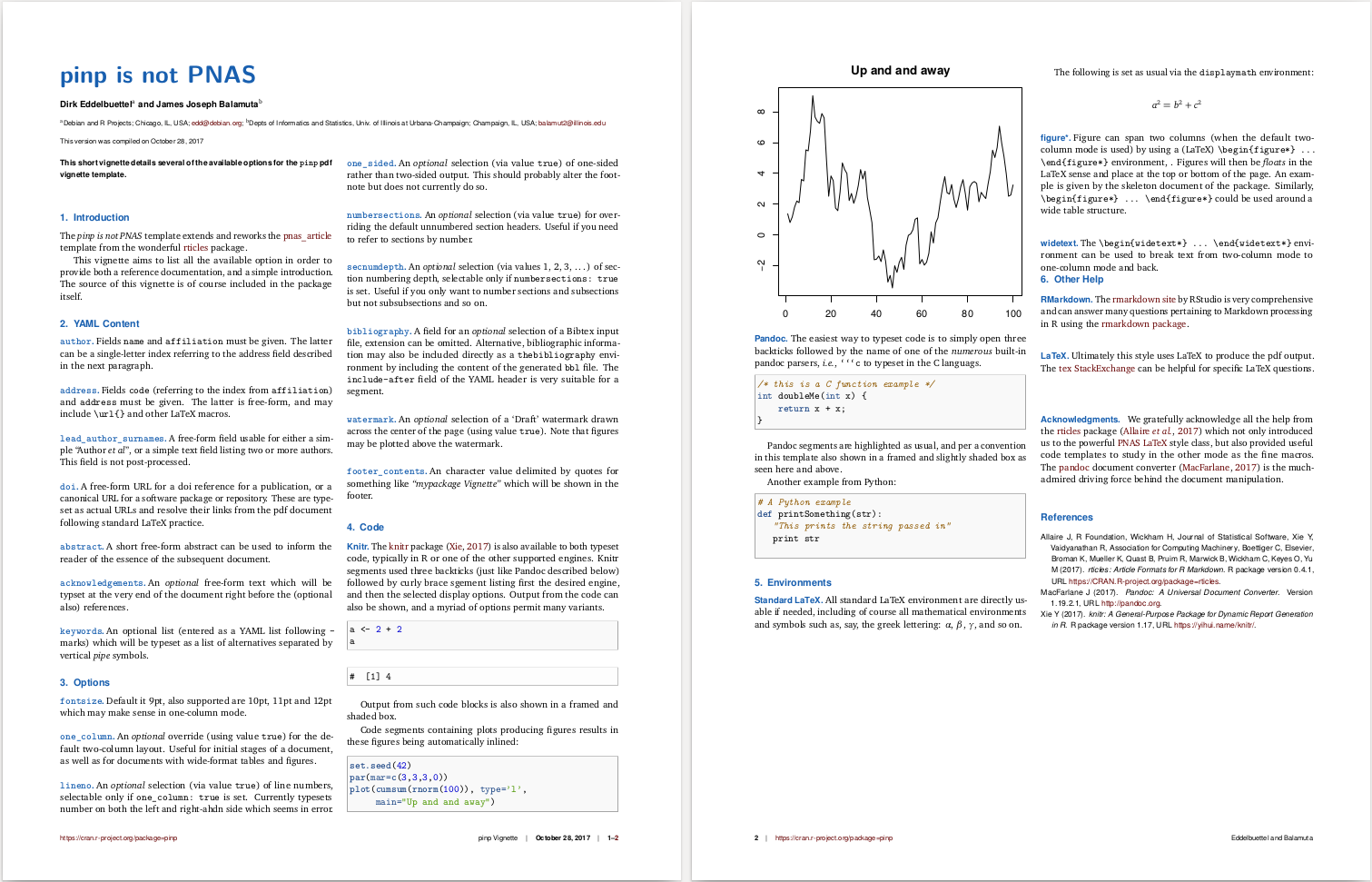
is now used by a few packages. A screenshot of the package vignette can
be seen below. Additional screenshots are at the pinp page.
 This release contains no new features or new user-facing changes but
reflects the standard package and repository maintenance over the
four-year window since the last release: updating of actions, updating
of URLs and addressing small packaging changes spotted by
ever-more-vigilant R checking code.
The NEWS entry for this release follows.

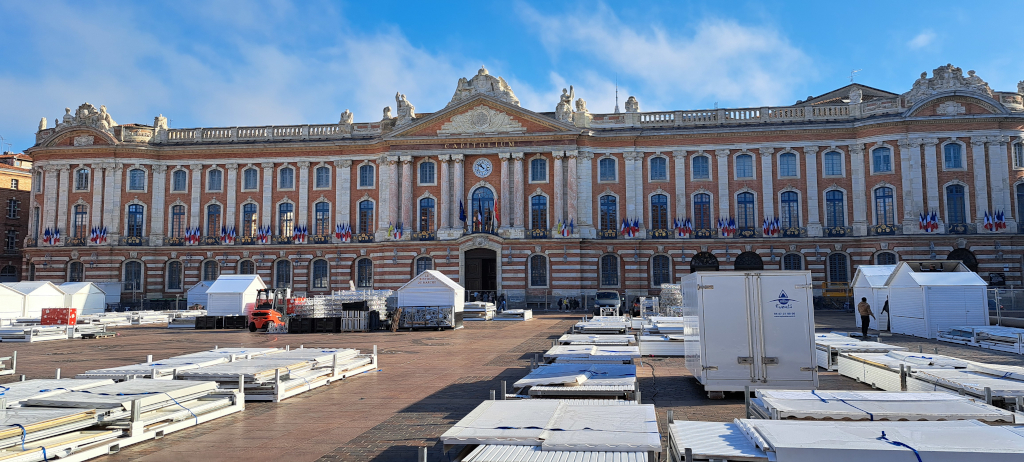
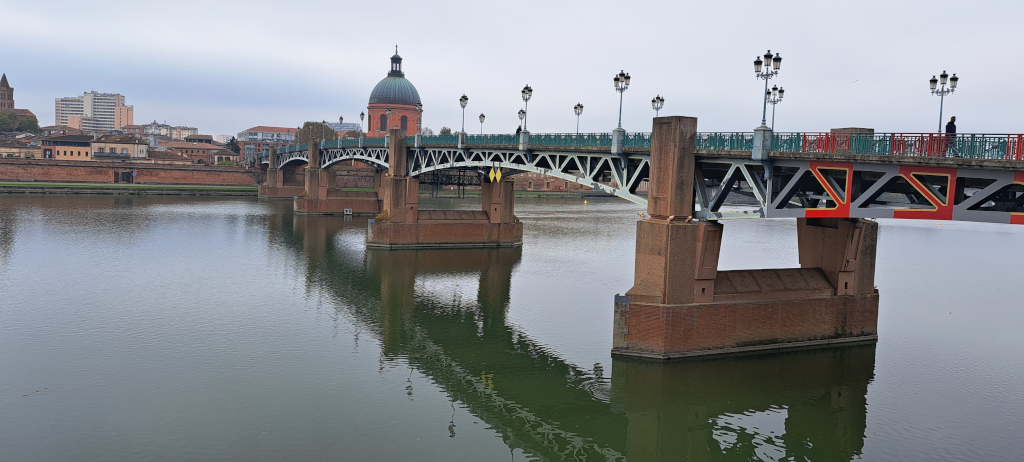

 In the evening, we went as a group to dinner at a restaurant in front of the Capitolium, the city s main tourist attraction.
On the second day, in the morning, I walked around the city a bit more, then went to the coworking space and had another incredible cheese table for lunch.

 After weeks dare I say months of work, it is finally done.


 ).
Firebuild on macOS can already accelerate simple projects and rebuild itself with Xcode. Since Xcode introduces a lot of nondeterminism to the build, Firebuild can t shine in acceleration with Xcode yet, but can provide
 (This post is also published on


 The theme